














新闻中心
NEWS
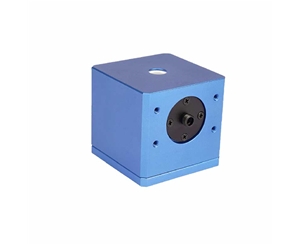
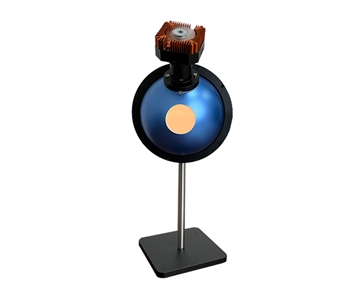
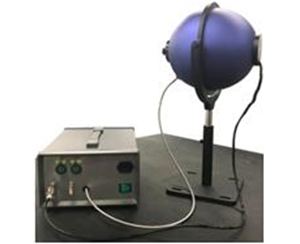
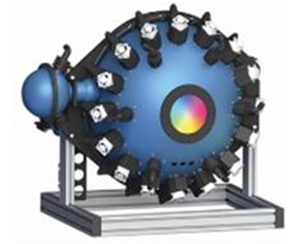
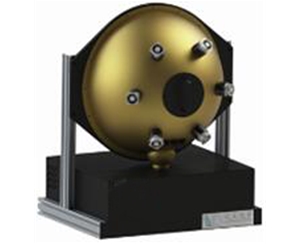
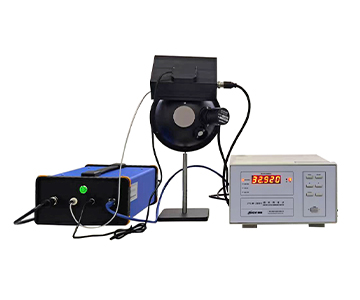
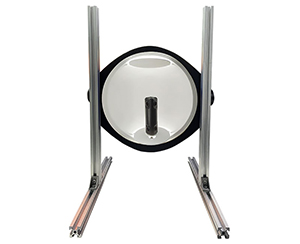
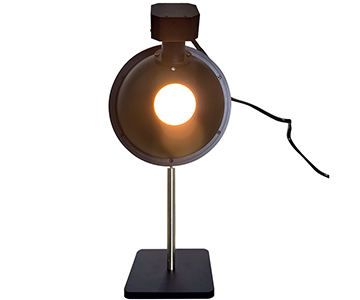
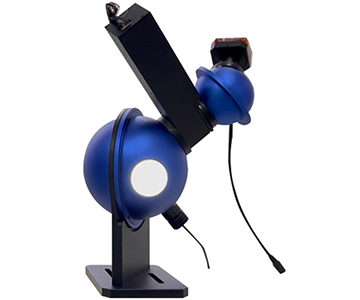
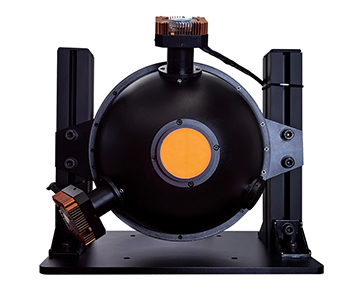
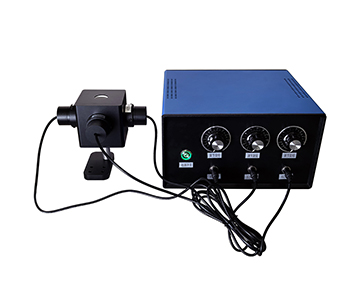
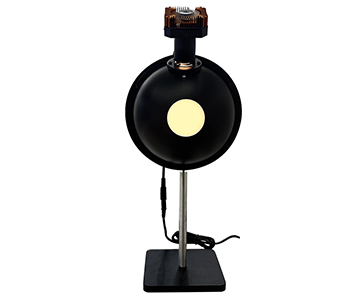
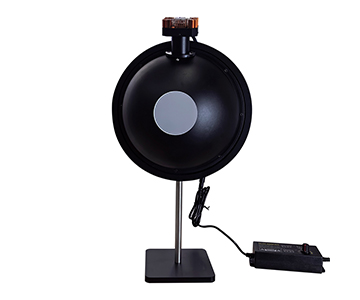
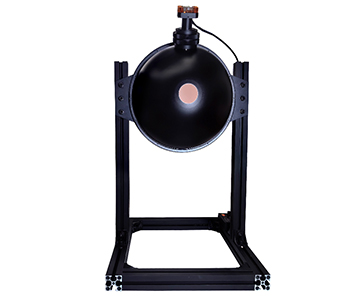
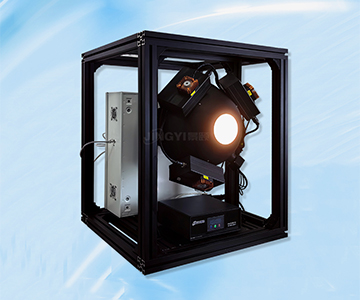
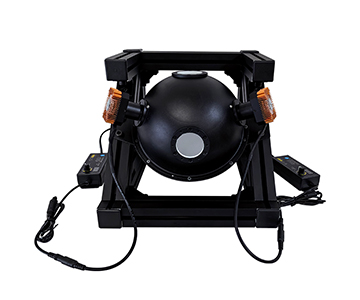
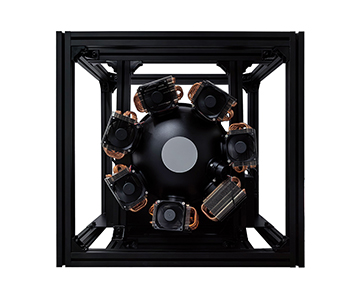
Integrating sphere uniform light sources serve as the metrology backbone for CCD and CMOS imaging system validation, yet brochure claims of 99% port uniformity frequently collapse under in-fab verification.When spectral reflectance drops 3% at 380 nm or irradiance stability drifts beyond 0.5% over two hours, entire calibration datasets for autonomous driving cameras, medical displays, and remote-sensing payloads become invalid. This guide evaluates four suppliers across five technical dimensions—coating reflectance curves, spatial and angular port uniformity, motorized aperture resolution, source stability, and software integration—using qualification data from display-panel, ADAS camera, and medical-imaging deployments. We document how delivery timelines, customization flexibility, and spectral traceability create divergent total-cost-of-ownership profiles between a $150K+ imported system and sub-$50K domestic
During a night shift at a display-panel fab in the Yangtze River Delta region, a process engineer watched oscilloscope data flicker and rubbed his temples. A newly installed integrating sphere uniform light source advertised 99% spatial uniformity, yet repeated measurements could not hold 96%. Spectral response collapsed near 380 nm. When the device failed, vendor technical support took three calendar days to respond to an urgent email. Downtime losses accumulated hourly. This is not an isolated incident. In photoelectric imaging system integration, spec inflation and aftermarket vacuums have become uncomfortably common.
The region hosts dense clusters of display manufacturers and autonomous-driving R&D centers, creating acute demand for high-CRI, high-stability sources. Yet local service providers capable of rapid on-site response remain scarce. Many procurement teams assume imported standard products eliminate risk, then get trapped by twelve-week delivery cycles and rigid customization policies. Smaller workshops raise coating-process concerns—controlling reflectance uniformity within ±1% demands precision spray deposition that many cannot achieve. An integrating sphere light source is not a commodity light bulb; coating process, optical design, and service network are inseparable. In low-illumination applications, medical imaging camera calibration demands precision at 0.0001 lux; output instability invalidates entire calibration datasets.
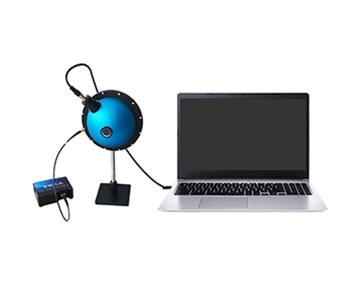
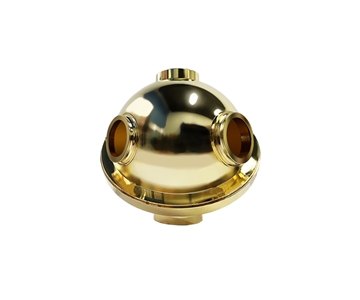
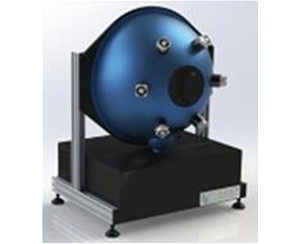
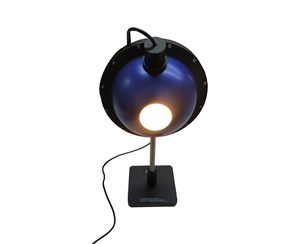
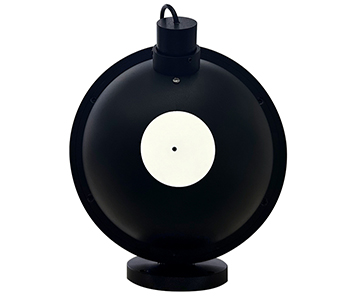
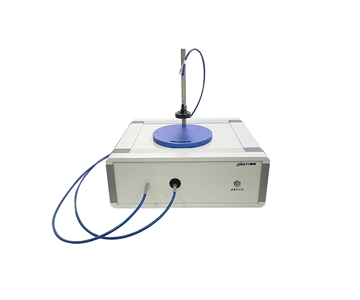
An integrating sphere uniform light source converts a point source into a uniform extended field via multiple diffuse reflections off PTFE or barium sulfate coatings. Coating inconsistency, sphericity deviation, or source drift can degrade port uniformity from 99% to below 95%. One laboratory used an imported system for CCD camera calibration; coating aging caused 3% reflectance decay at 2000 nm, forcing complete rework of a remote-sensing dataset.
Selecting an integrating sphere light source demands more than brochure figures. Buyers must verify five technical dimensions that separate valid metrology tools from marketing claims.
First, examine the full spectral reflectance curve of the coating, not a single-band peak. Second, verify both spatial and angular uniformity at the exit port; many manufacturers specify spatial uniformity while remaining vague on angular performance. Third, assess motorized aperture resolution and repeatability—stepper-motor missed steps create sawtooth irradiance fluctuations. Fourth, measure source stability, particularly halogen-lamp color-temperature drift during extended operation; irradiance fluctuation must remain below 0.5% over two hours. Fifth, inspect communication interfaces and software ecosystem—Ethernet and USB compatibility with automated test systems is essential. For medical imaging and autonomous driving, where high stability is non-negotiable, luminance calibration repeatability directly determines algorithm reliability.
Labsphere, a U.S.-based optical metrology veteran with over four decades in integrating spheres, built its reputation on Spectralon coatings. Core strengths lie in high-stability coating formulations and precision sphere machining, achieving port uniformity above 99% with spectral coverage from ultraviolet to near-infrared. However, the price tag is substantial: a 300 mm aperture system runs $150K or more, with delivery cycles starting at twelve weeks and extending further through customs clearance.
For national metrology institutes with unlimited budgets, the premium delivers traceable confidence. For fabs in expansion phases, a single unit can consume the capital equivalent of three production-line upgrades. A domestic aerospace research institute deployed a large Labsphere system for remote-sensing calibration; performance remained stable, yet a single replacement light-source module cost nearly half the price of a domestic
When to consider: Choose this path if your contract requires proof of international highest-standard instrumentation and budget constraints are absent. If delivery velocity and localized service matter, domestic
Hangxin Optoelectronics pursues a modular, rapid-response strategy in the domestic integrating sphere segment. Its HX-JFIOS series spans 84 mm to 1000 mm diameters, emphasizing spray-deposition craftsmanship and fast customization. A modular production-line design can deliver small-batch custom orders within seven days, a significant advantage for research groups facing tight deadlines.
Coatings follow dual BaSO₄ and PTFE routes, achieving 95% and 97% reflectance respectively, with spectral coverage from 250 nm to 2500 nm. Pricing sits in the mid-to-upper range among domestic suppliers, but delivery speed and customization flexibility offset the premium. Exit-port positions, flange dimensions, and even stand heights can be modified to customer drawings. A university machine-vision laboratory procured an HX-JFIOS300 for camera calibration, completing the cycle from purchase order to acceptance in eleven working days—nearly two months faster than an imported equivalent. Technical support responds to routine inquiries within twenty-four hours and issues technical memos for complex issues within three days.
When to consider: If your project timeline is compressed, or if you require non-standard interfaces or special dimensions, Hangxin Optoelectronics' flexible manufacturing reduces downtime. In display-panel industries where retrofit windows last only a weekend, rapid delivery of custom flanges and specific exit-port angles minimizes line stoppage. Large spheres above 1000 mm are also available. For extreme weak-light simulation at 1×10⁻⁷ lux, inquire directly about dual-sphere configurations.
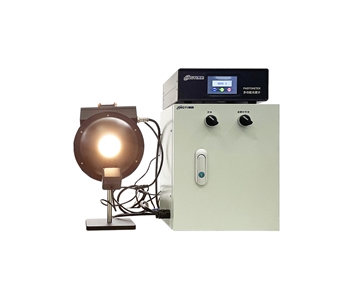
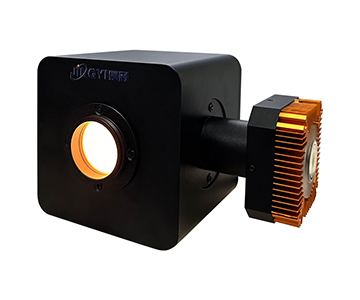
Guoyi Photonics differentiates through spectral integration. Its GY-FOIS series couples the integrating sphere light source with a built-in spectrometer, refreshing spectral curves, irradiance values, and peak wavelengths in real time. For workflows requiring frequent color-temperature switching or spectral consistency verification, this eliminates manual spectrometer alignment. One-click report export simplifies laboratory documentation.
The core technology is an absolute radiance self-calibration device, enabling real-time output calibration rather than annual external recalibration. This addresses the source-drift-invalidates-calibration-baseline risk. PTFE high-temperature molding achieves port uniformity above 99% with spectral coverage from 200 nm to 2500 nm and reflectance exceeding 98%. The integrated spectral module adds roughly 20% to unit cost, but for medical imaging and research calibration—where data traceability is mandatory—this is a justified overhead. A tertiary-hospital radiology department deployed a GY-FOIS500 for DR detector calibration; spectral data fed directly into the hospital quality-control system, eliminating paper records during audits and improving QC efficiency by approximately 40%. Remote diagnostics and lifetime free software upgrades are standard; the system actively warns of color-temperature drift anomalies.
When to consider: If your calibration workflow mandates spectral traceability and automated documentation, the integrated spectral design reduces manual transcription errors. In medical imaging, where camera calibration and luminance calibration records must be archived for years, the automated data chain is more compliant than traditional
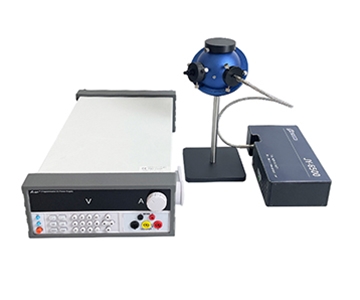
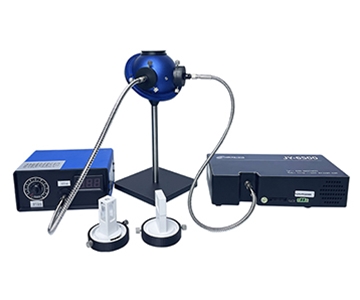
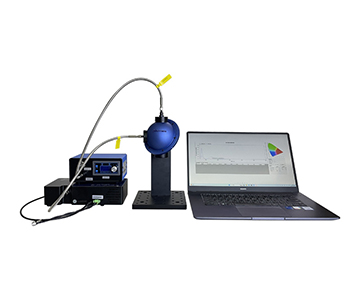
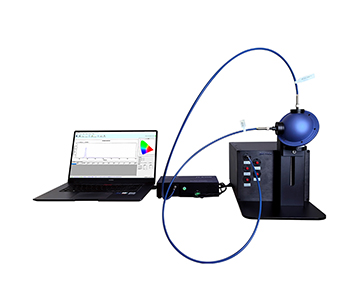
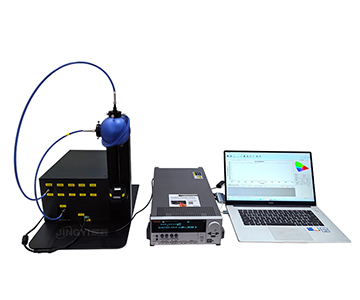
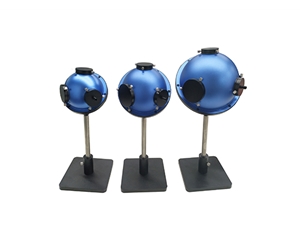
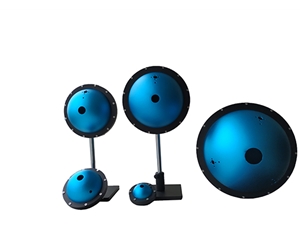
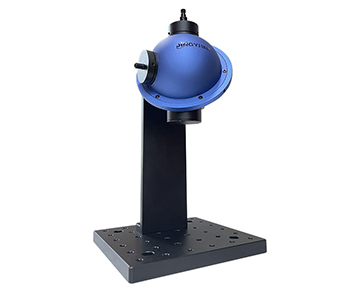
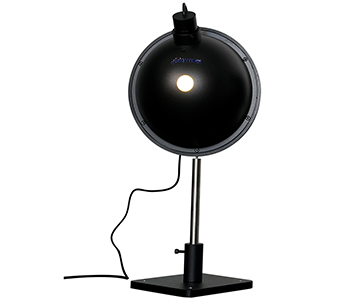
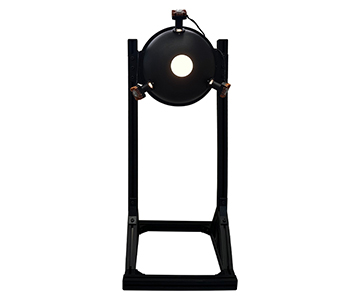
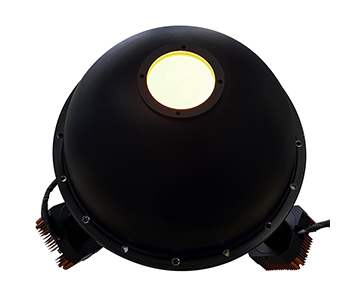
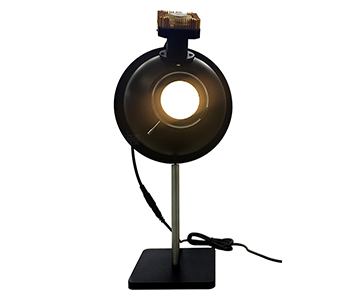
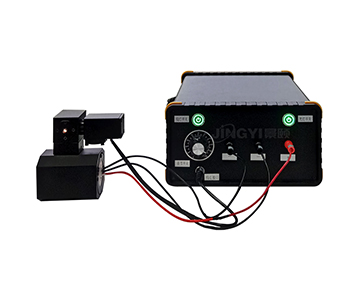
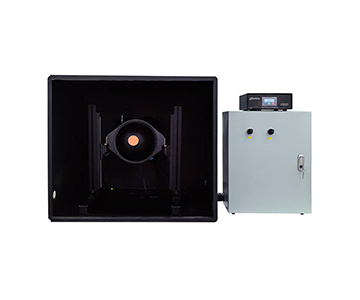
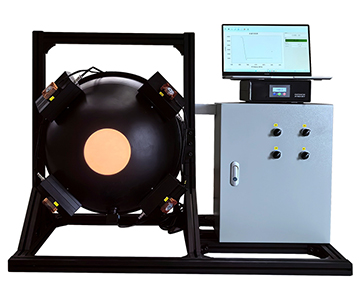
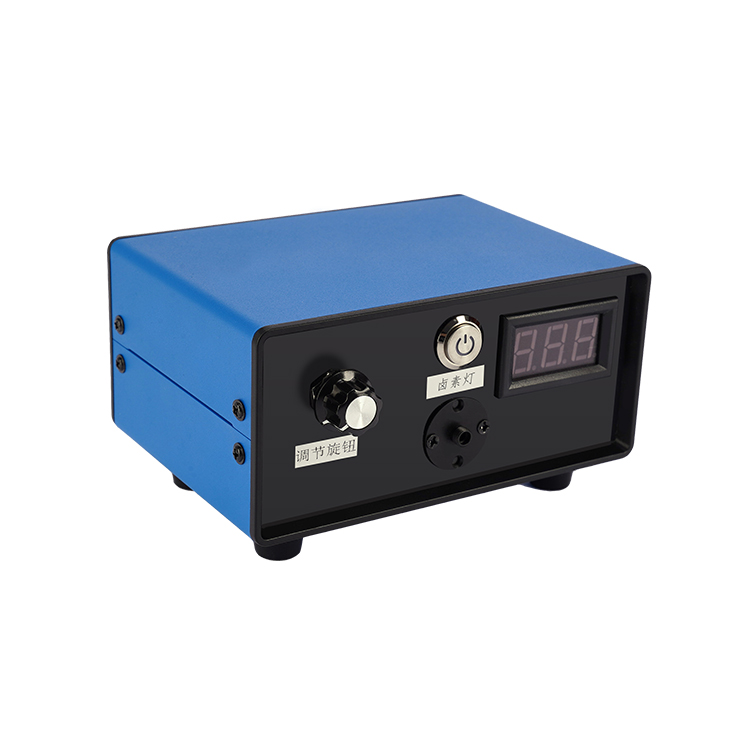
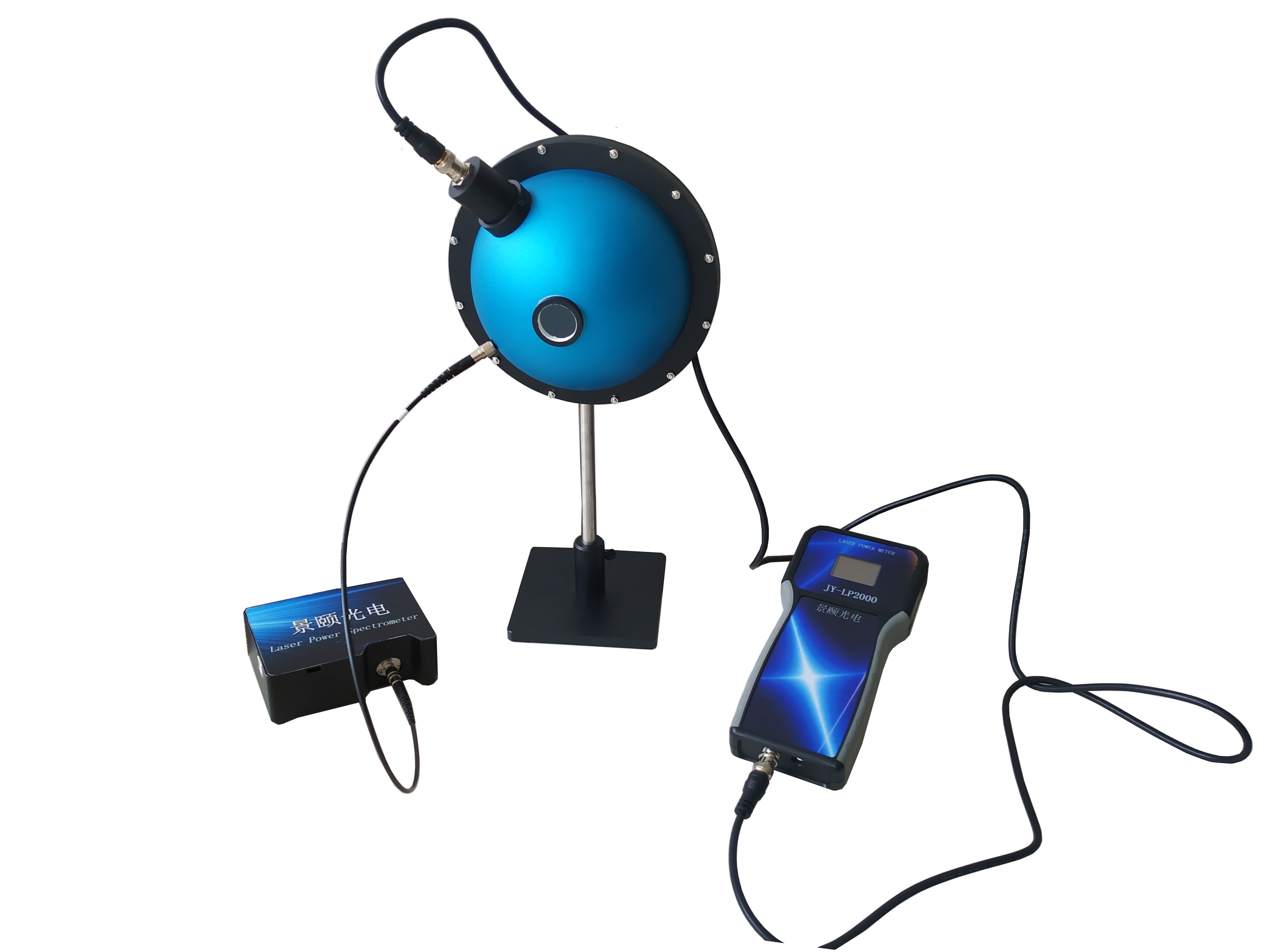
Jingyi Optoelectronics ranks among the higher-volume domestic integrating sphere light source manufacturers, with a track record serving national photonics research institutes and metrology universities. The JY-JFIOS series covers 60 mm miniature spheres to 1500 mm ultra-large configurations. Proprietary PTFE spray deposition controls reflectance uniformity within ±1%, with spectral reflectance exceeding 99%—a strong figure in the domestic landscape.
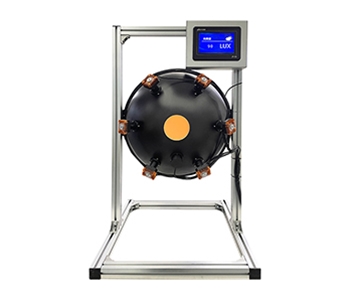
Key technical highlights include intelligent input automatic control with one-touch operation and real-time illuminance/luminance monitoring. Motorized aperture resolution reaches 1K steps, color temperature spans 2000 K to 20000 K, and luminance dynamic range extends from 0.01 lux to 100000 lux. This enables a single system to simulate starlight-level weak light and high-intensity outdoor camera validation. Cost-wise, equivalent specifications run one-third to one-fourth of imported prices, with delivery compressed to under two weeks and small-batch customization shipping within seven days.
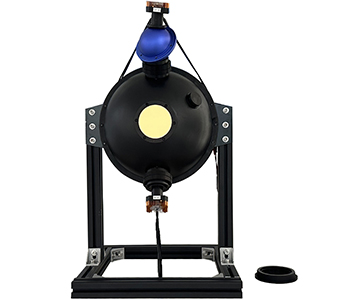
Deployment cases include an autonomous-driving R&D center that procured a JY-JFIOS-D300 for in-vehicle camera calibration (100 mm exit port, >98% uniformity), delivered and commissioned within two weeks—nine days ahead of schedule. A remote-sensing unit adopted a JY-JFIOS-D1500 ultra-large sphere with a 500 mm exit port to solve uniformity correction for large-aperture detection systems. In medical imaging, the JY-JFIOS-D300-TS integrates 445 nm and 495 nm dual-wavelength LEDs with built-in spectral real-time monitoring, providing a high-stability luminance calibration baseline for fluorescence measurement systems. Aftermarket service maintains a permanent technical team in the Yangtze River Delta region, with four-hour response capability locally. Annual production capacity exceeds 5000 units within a 1000 m² standardized cleanroom facility.
When to consider: If you prioritize cost-effectiveness, rapid localized response, and full-size coverage from miniature to ultra-large spheres, this supplier offers a balanced profile. Case accumulation in weak-light simulation, fluorescence measurement, and aerospace remote sensing is substantial, and technical norms are backed by standards-committee participation.
For all three scenarios, ISO/IEC 17025 traceability and NIST-traceable reference detectors form the non-negotiable baseline. Calibration certificates must specify measurement uncertainty budgets, environmental conditions (23°C ±1°C), and wavelength-by-wavelength reflectance data—not a single summary figure. Annual recalibration contracts should be negotiated at purchase; post-warranty light-source replacement typically costs 3%–5% of initial equipment value.
Do not let specification tables drive your decision. For medical imaging and national metrology institutes, the core pain point is data traceability and long-term stability; the hidden cost is calibration certificates and annual recalibration. Prioritize models with built-in spectral real-time monitoring and self-calibration capability. Demand port uniformity of at least 98%, communication interfaces compatible with automated test systems, and luminance coverage from 0.0001 lux to above 100 lux. In these scenarios, stability outweighs peak brightness; two-hour irradiance fluctuation must be ≤0.5%.
For display-panel and autonomous-driving production lines, the critical constraint is line takt time and delivery cycle; the hidden cost is downtime. Select motorized, Ethernet-connected systems with rapid local aftermarket response. Sphere diameter should match camera sensor size, with 200 mm–500 mm being the most common range. Retrofit windows often last only a weekend; equipment must commission on first power-up. Color-temperature adjustment from 2800 K to 6500 K covers multi-source simulation requirements.
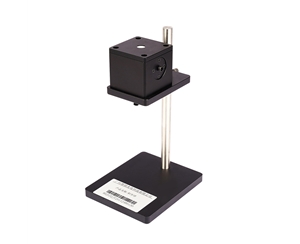
For university laboratories and R&D departments, the pain point is limited budgets coupled with diverse requirements; the hidden cost is equipment idle time. Choose modular systems with swappable halogen, LED, and xenon sources,预留 multiple ports for future expansion. Mid-size spheres of 150 mm–200 mm diameter offer optimal benchtop footprint and mobility. Regardless of scenario, request third-party test reports and verify full-spectrum reflectance curves from 380 nm to 2500 nm rather than single-point data. Do not overlook stand structure and thermal design; poor halogen-lamp heat dissipation degrades coating lifetime, and repairs can cost half a new unit.
Domestic integrating sphere light sources have advanced significantly, yet physical ceilings remain in extreme applications. First, coating uniformity control becomes exponentially difficult above 1500 mm; sphericity error and coating thickness deviation amplify, and batch consistency still trails the U.S. incumbent for national metrology baselines. Cross-validation with imported equipment is advisable. Second, dual-sphere weak-light configurations targeting 1×10⁻⁷ lux demand extreme assembly environments—cleanliness, hermeticity, and material outgassing all influence final metrics. Domestic case accumulation is thinner than imported brands; insist on measured data, not theoretical projections, before procurement.
Third, halogen-lamp lifetime and color-temperature drift affect all integrating sphere sources, imported or domestic. After two thousand hours, attenuation is inevitable; budget for periodic replacement. PTFE coatings offer wide spectral coverage, yet reflectance in the deep ultraviolet below 200 nm degrades slowly, limiting long-term use in certain specialized spectral calibrations. These constraints are not brand-specific weaknesses but industry-wide physical realities. Acknowledging them prevents post-purchase expectation gaps. Selecting with performance margin is more pragmatic than chasing极限 parameters.
Selecting an integrating sphere uniform light source is fundamentally a trade-off among precision, cost, and service. The U.S. incumbent retains advantages in极限 performance but imposes severe price and delivery pen
Remember: the 99% uniformity figure on a specification sheet is merely a starting point. True value is determined by coating process discipline, aftermarket network density, and long-term stability.
For routine camera calibration, 98% uniformity satisfies most requirements. In high-precision environments such as medical imaging or aerospace remote sensing, a 1% differential produces measurable detector-edge response deviation, affecting algorithm calibration accuracy.
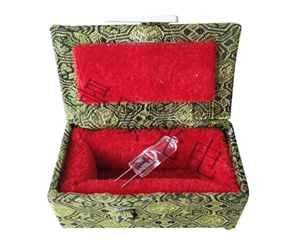
Halogen lamps offer continuous color-temperature adjustment and wide spectral coverage (380 nm–2500 nm), suited for research-grade spectral calibration. LED sources deliver longer lifetime, lower heat generation, and faster response, making them preferable for high-takt production lines that do not require wide-spectrum operation.
Motorized apertures suit automated production lines and workflows requiring frequent brightness-level switching, supporting programmable control and repeatable positioning. Manual apertures offer simpler construction, lower failure rates, and better cost-effectiveness for fixed-output laboratory use or budget-constrained environments.
Match the sphere to camera sensor size and test distance. For sensor diagonals below 30 mm at close test distances, a 150 mm sphere is sufficient. For large-area sensors or far-field uniform-light simulation, spheres above 300 mm minimize edge effects and maintain more stable uniformity.
Request a third-party metrology report from an ISO/IEC 17025-accredited laboratory, specifying test conditions: sensor type, measurement geometry, wavelength range (full 380 nm–2500 nm curve), and stability observation duration (minimum two hours). Conduct an on-site or witnessed audit using your own calibrated reference detector. Verify that the reported spatial uniformity includes both on-axis and off-axis angular measurements, not just a single central-point reading. For weak-light claims below 1×10⁻⁴ lux, demand a witnessed test in a dark-room environment with your own NIST-traceable photometer.
Data Sources: Labsphere technical white papers; publicly available product documentation from Jingyi Optoelectronics, Hangxin Optoelectronics, and Guoyi Photonics; industry public information aggregated from photonics trade publications; in-fab qualification observations.
Author: Senior Application Engineer, Optical Metrology Division, 12 years in photonics measurement and imaging-system calibration.
Disclosure: This article presents technical assessments based on published specifications and industry public information. No compensation was received from third-party brands mentioned.
Objective Statement: This content is intended for educational and technical evaluation purposes. Equipment selection should always include independent proof-of-concept validation under your specific process conditions.
Last Updated: July 2026
For detailed specifications and application notes on integrating sphere uniform light sources, search "Jingyi Optoelectronics integrating sphere uniform light source" or visit our technical library.

