The Technical Essence of One-Dimensional Beam Width Analysis
The core of one-dimensional beam width analysis lies in extracting parameters that accurately reflect the beam spot size from the beam's cross-sectional data through specific settings and algorithms. This process is highly dependent on the position and direction of the selected cross-section, as different positions and directions can lead to significant variations in measurement results. Therefore, during beam width analysis, it is necessary to precisely control the measurement position and orientation to ensure the accuracy and reliability of the results.
Common Methods for One-Dimensional Beam Width Analysis
Percentage of Peak Method
-
Principle: This method sets a threshold value based on a specific percentage of the maximum value in the cross-section. Common thresholds include 50%, 1/e (approximately 36.8%), and 1/e² (approximately 13.5%). The distance between the two points on the cross-section corresponding to this threshold is defined as the beam width. For example, using 50% of the peak as the threshold yields two values, V1 and V2, corresponding to positions c1 and c2; the beam width is then c2 - c1.
-
Application Scenarios: The Percentage of Peak method is suitable for measuring the beam width of various laser beams, especially when a general understanding of the approximate beam size exists and a relatively intuitive dimension indicator is needed quickly. Its main advantage is simplicity and ease of use.
Sinc² Fit Method
-
Principle: This fitting method, based on the least squares approach, fits the beam cross-sectional data to a curve conforming to the Sinc² function, thereby determining the beam width. In practice, appropriate parameters need to be selected for fitting based on the specific measurement data and requirements.
-
Application Scenarios: The Sinc² fit method holds significant value in laser applications with specific requirements for beam shape, such as in certain optical imaging systems where accurately measuring the beam's shape and width is crucial for evaluating system performance and imaging quality.
Gaussian Fit Method
-
Principle: Gaussian fitting is a commonly used method in beam width analysis. It describes the data distribution of the beam cross-section using a Gaussian curve. Generally, the beam width can be defined as 2σ (where σ is the standard deviation of the Gaussian distribution) or as the width at 13.5% of the maximum value. In Gaussian fitting, parameters of the Gaussian curve, such as peak value, center position, and standard deviation, need to be determined to accurately describe the beam's shape and width.
-
Application Scenarios: The Gaussian fit method is widely used in laser technology, especially for measuring the beam width of Gaussian beams. Many laser sources output beams with an approximately Gaussian distribution, making the Gaussian fit method capable of providing accurate measurement results, offering an important basis for the design, commissioning, and optimization of laser systems.
Super-Gauss Fit Method
-
Principle: The Super-Gauss (Super-Gaussian) fit is an extension of the Gaussian fit. It introduces a free variable k, allowing the fitting curve to better adapt to beams of different shapes. Unlike the Gaussian fit, the beam width in a Super-Gauss fit is determined by a threshold value, rather than being calculated directly from the parameters of the Gaussian curve.
-
Application Scenarios: The Super-Gauss fit method is suitable for measuring laser beams with non-Gaussian shapes, for example, in some specialized laser processing or optical experiments where the beam profile may deviate from a Gaussian distribution. In such cases, the Super-Gauss fit can provide more accurate measurement results.
Sech² Fit Method
-
Principle: The Sech² fit method fits the beam cross-sectional data to a curve conforming to the hyperbolic secant squared (Sech²) function, thereby determining the beam width. In practice, this method typically returns two width parameters: the FWHM (Full Width at Half Maximum) value and the width at 13.5% of the maximum, allowing users to gain a more comprehensive understanding of the beam's size and shape.
-
Application Scenarios: The Sech² fit method offers advantages in laser applications with high demands on both beam width and shape, such as in laser communication, LiDAR, and other fields, where accurately measuring the beam's width and shape is critical for improving system performance and precision.
Lorentz Fit Method
-
Principle: The Lorentz fit method fits the beam cross-sectional data to a curve conforming to the Lorentzian function, thereby determining the beam width. Similar to the Sech² fit method, the Lorentz fit method also typically returns both the FWHM value and the width at 13.5% of the maximum.
-
Application Scenarios: The Lorentz fit method has application value in fields requiring high precision in beam width and shape measurement, such as in spectral analysis, laser spectroscopy, etc., where accurate measurement of the beam's width and shape is important for studying the spectral characteristics and optical properties of materials.
Applications of Beam Profilers in Industry
-
Laser Beam Measurement: During the R&D, production, and commissioning of lasers, accurately measuring parameters like the output beam's size, shape, and energy distribution is necessary to evaluate laser performance and quality. Beam profilers provide high-precision measurement results, helping engineers optimize laser design and parameters, thereby improving output power, beam quality, and stability.
-
Laser Beam Mode Defect Detection: Mode defects in a laser beam can affect its transmission, focusing, and processing effectiveness. Beam profilers can detect mode defects such as higher-order modes, eccentricity, and distortion through beam mode analysis, providing corresponding solutions to help users improve laser application effectiveness and quality.
-
Collimator Beam Inspection: Collimators are essential optical components that convert divergent laser beams into parallel beams. During the design, manufacturing, and testing of collimators, accurately measuring parameters like the output beam's size, shape, and divergence angle is necessary to evaluate collimator performance and quality. Beam profilers offer comprehensive collimator beam measurement functions, helping engineers optimize collimator design and parameters, thereby improving collimation effect and beam quality.
-
Fiber Alignment and Coupling Analysis: In fields like fiber optic communication and fiber sensing, accurately coupling laser beams into optical fibers is required for efficient optical signal transmission and detection. Beam profilers enable precise fiber alignment and coupling by measuring and analyzing the beam spot at the fiber end-face, improving optical signal coupling efficiency and transmission quality.
-
Optical Component Quality Inspection: The quality of optical components directly impacts the performance and quality of laser systems. Beam profilers can detect defects, scratches, and contamination on optical component surfaces by measuring and analyzing the beam spot on the surface, providing corresponding solutions to help users improve component quality and reliability.
-
External Optical Path Alignment: In fields like laser processing, welding, and cutting, ensuring the alignment accuracy of the external optical path is necessary for precise focusing of the laser beam onto the workpiece, thereby improving processing quality and efficiency. Beam profilers facilitate rapid alignment and adjustment of the external optical path by measuring and analyzing the beam spot within it, improving alignment accuracy and stability.
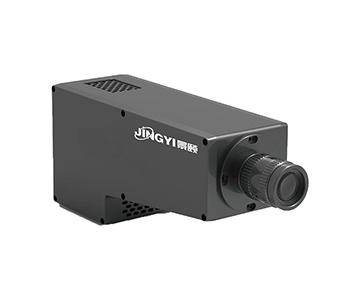
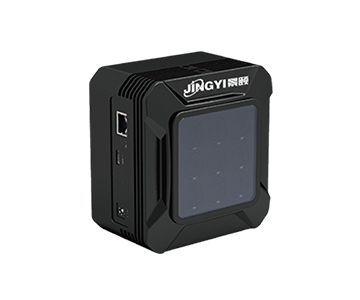
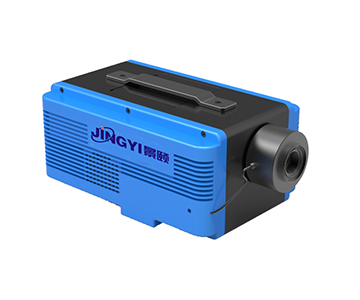
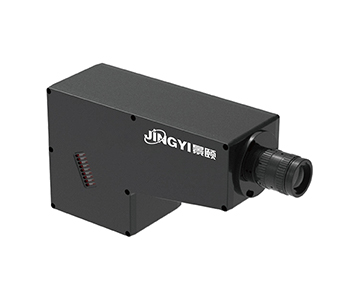
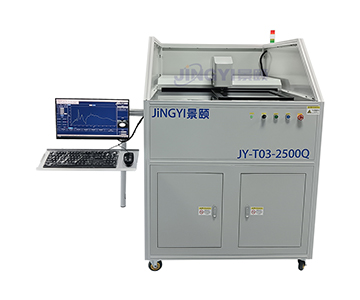
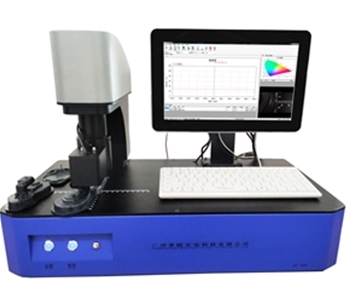
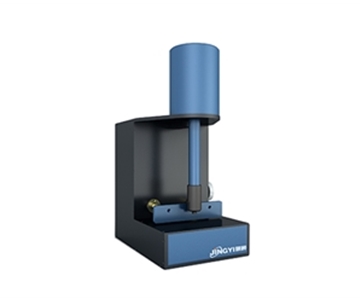
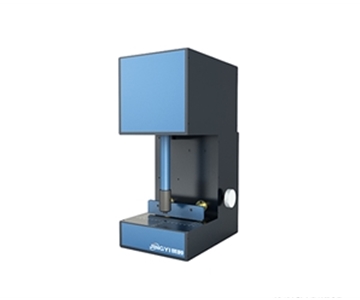
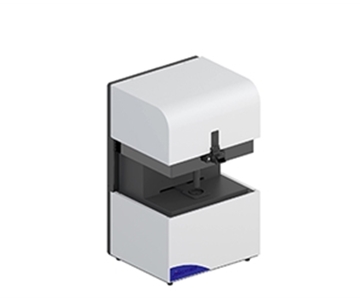
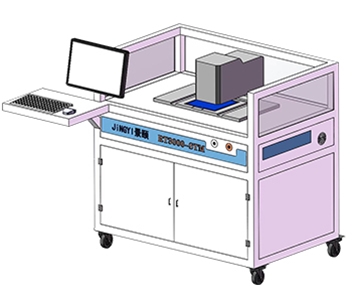
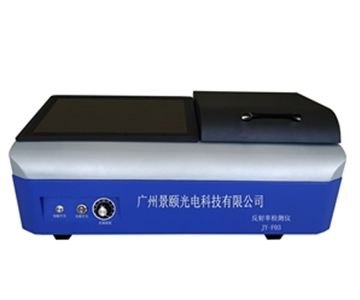
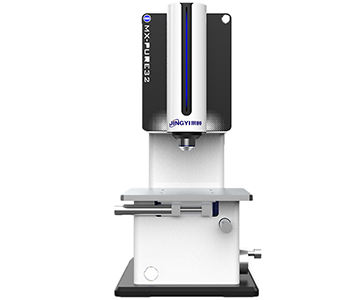
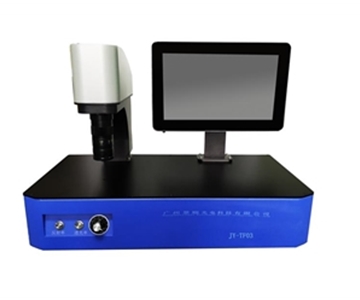
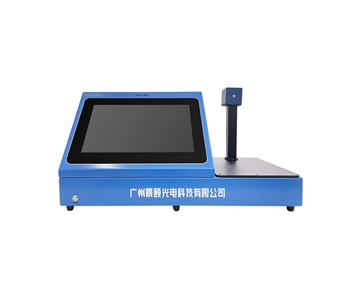
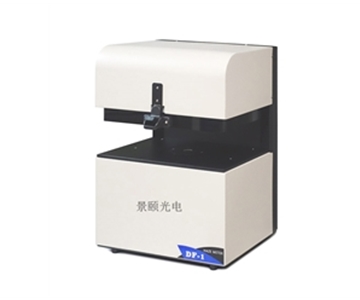
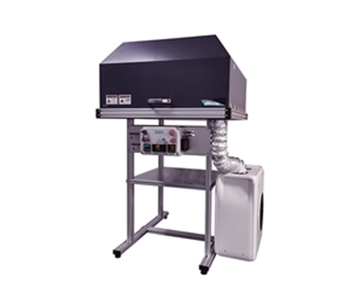
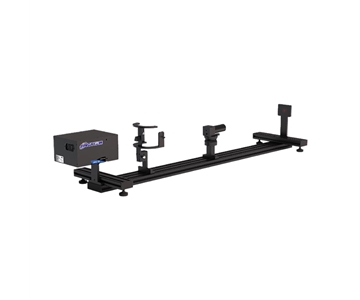
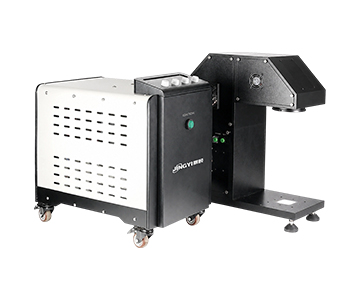
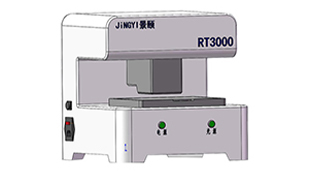
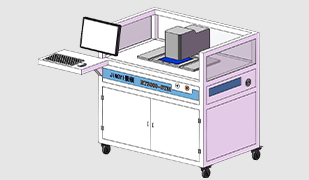
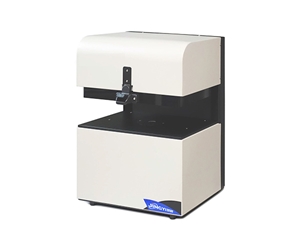
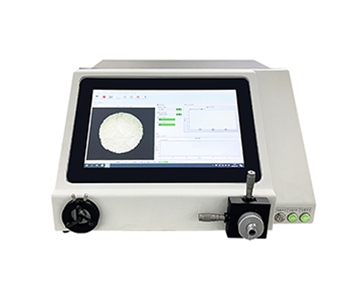
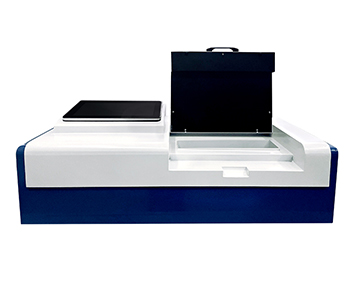
Technical Advantages of Jingyi Optoelectronics' Large-Aperture Beam Profiler
-
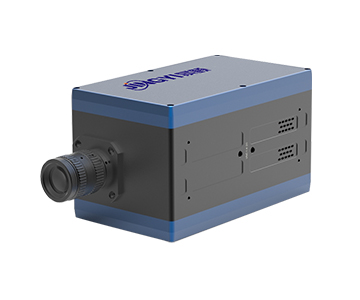
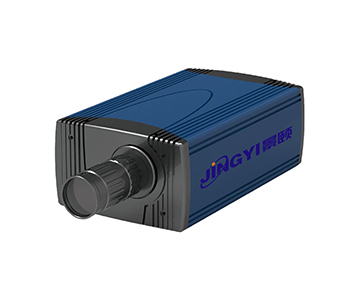
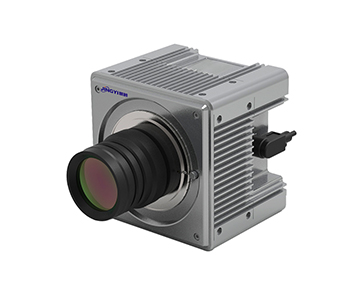
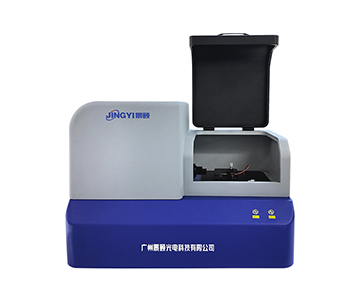
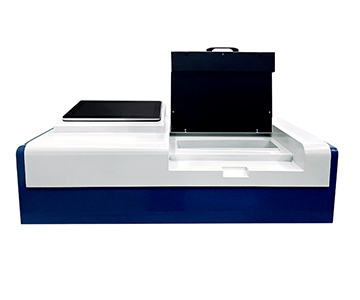
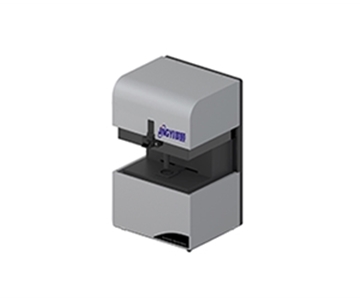
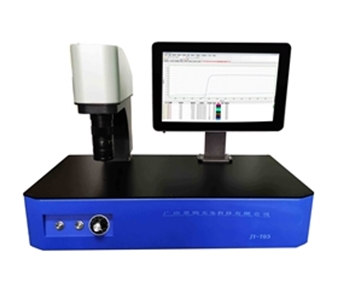
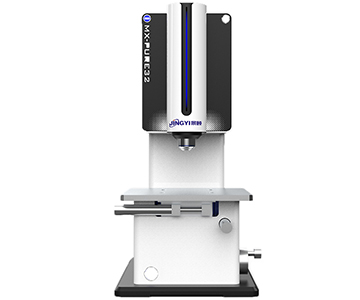
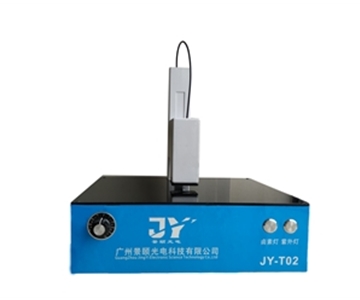
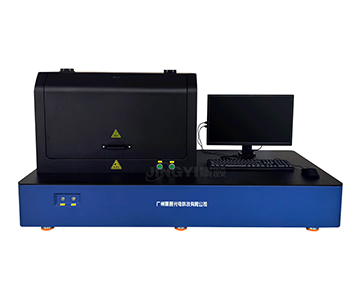
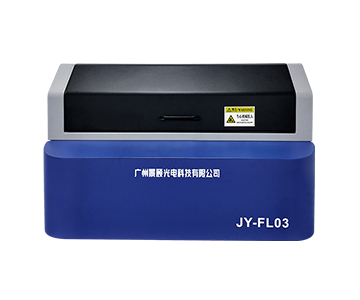
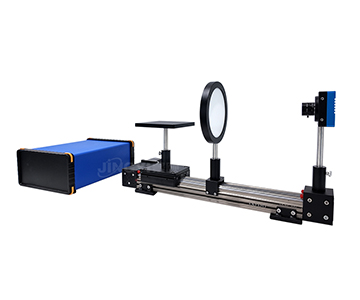
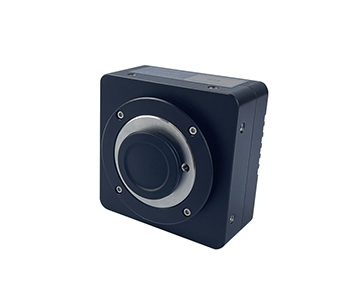
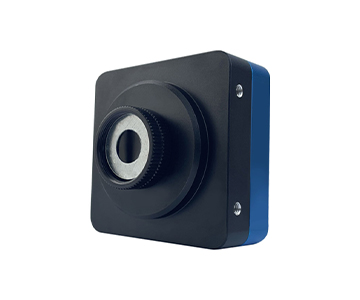
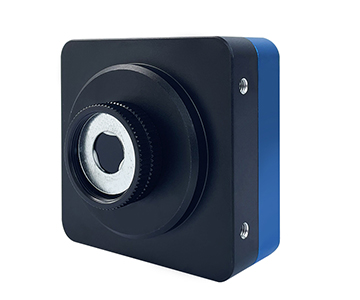
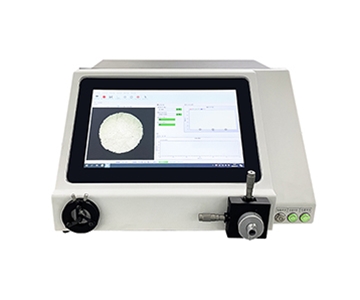
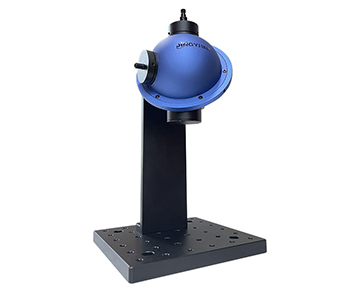
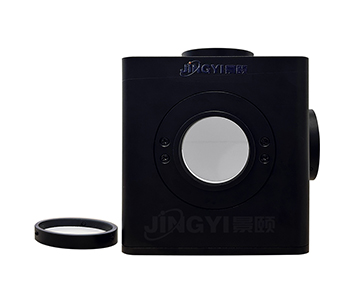
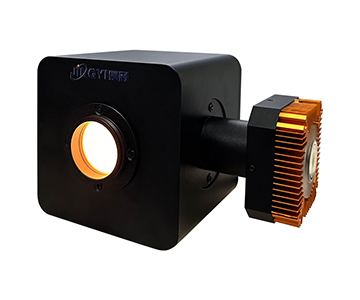
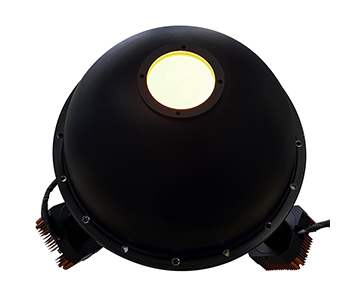
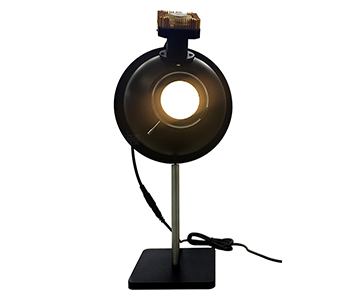
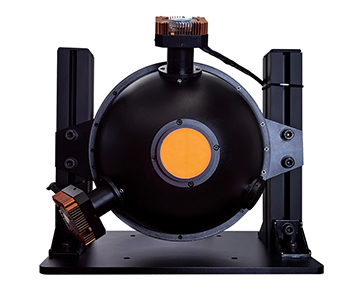
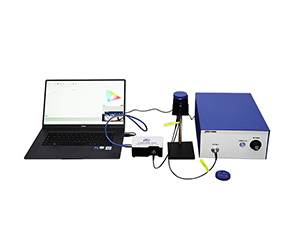
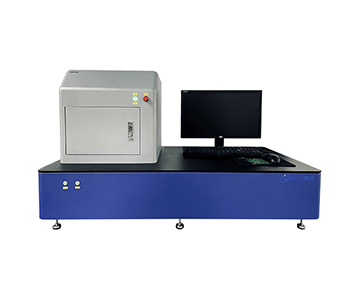
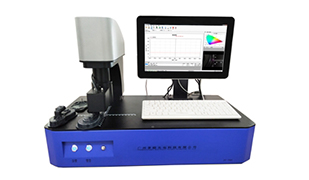
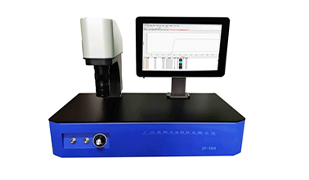
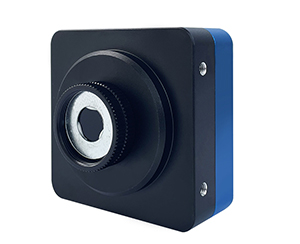
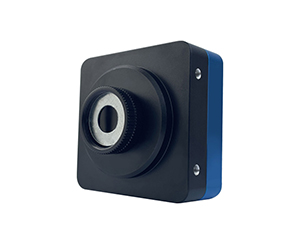
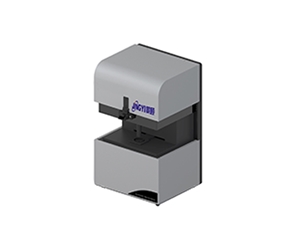
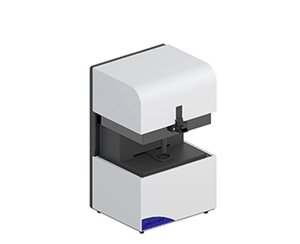
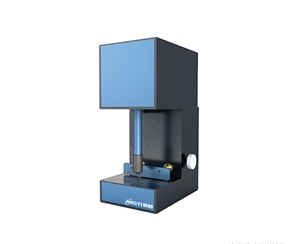
Large-Aperture CMOS Sensor: Jingyi Optoelectronics' large-aperture beam profiler utilizes a large-aperture CMOS sensor with a camera aperture up to 23mm, capable of meeting measurement needs for various large-spot lasers, line-shaped laser beams, and far-field beams with large divergence angles. The large-aperture sensor collects more optical signals, enhancing measurement sensitivity and accuracy, and adapts better to different types of laser beams.
-
High-Precision Measurement: This product features a single pixel size as small as 11µm, offering high precision for more accurate beam measurement results. Additionally, it supports manual and automatic real-time exposure and gain adjustment, allowing it to automatically adjust measurement parameters based on different measurement needs and environmental conditions, improving measurement stability and reliability.
-
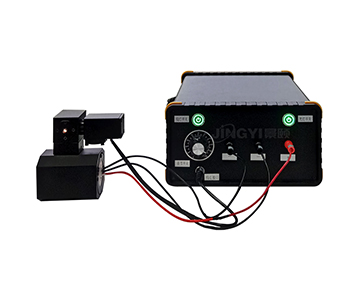
Rich Measurement Functions: Jingyi Optoelectronics' large-aperture beam profiler boasts various measurement functions, including beam diameter (major/minor axis, X/Y direction), ellipticity, Gaussian fit, energy distribution, beam position, divergence angle, Pass/Fail settings, high-speed and high-resolution 2D and 3D pseudo-color beam profile display, real-time pseudo-color 2D display of the beam, Gaussian curve display for major/minor axes, support for controlling camera exposure, gain, and resolution, support for statistical analysis of parameters, recording and exporting parameters or generating reports, reading beam images and measuring parameters, multiple image saving options, USB3.0 interface, graphical user interface for ease of use with customizable settings, and expandable functions. These features meet user requirements for beam measurement across different fields and applications, providing a comprehensive and accurate beam measurement solution.
-
Wide Range of Applications: Jingyi Optoelectronics' large-aperture beam profiler is suitable for numerous fields, including laser beam measurement, laser beam mode defect detection, collimator beam inspection, fiber alignment and coupling analysis, optical component quality inspection, and external optical path alignment, providing strong support for the development and application of laser technology.
One-dimensional beam width analysis using a beam profiler is an indispensable part of laser technology. Through in-depth understanding and application of different analysis methods, users can select the appropriate measurement method based on their actual needs, improving the accuracy and reliability of beam measurement. Meanwhile, Jingyi Optoelectronics' large-aperture beam profiler, as a high-performance, multi-functional beam measurement device, holds broad application prospects and market potential, making significant contributions to the development and application of laser technology.
#BeamDeterminationInstrument #LaserBeamDetectionInstrument #BeamQualityMeasurementInstrument #BeamDetectionInstrument #BeamProfiler #BeamQualityAnalyzer