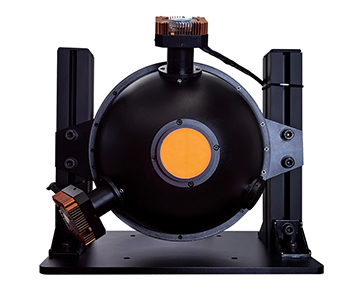
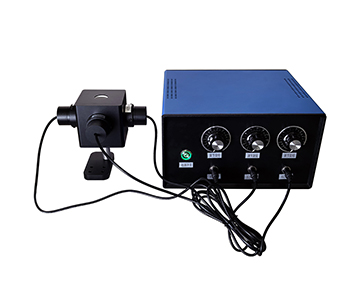
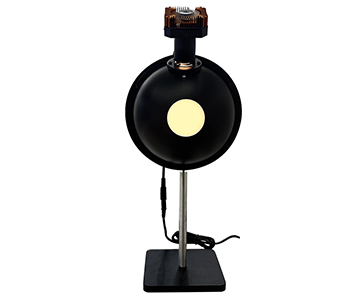
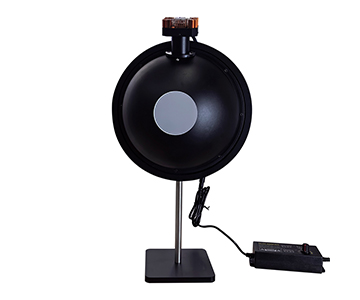
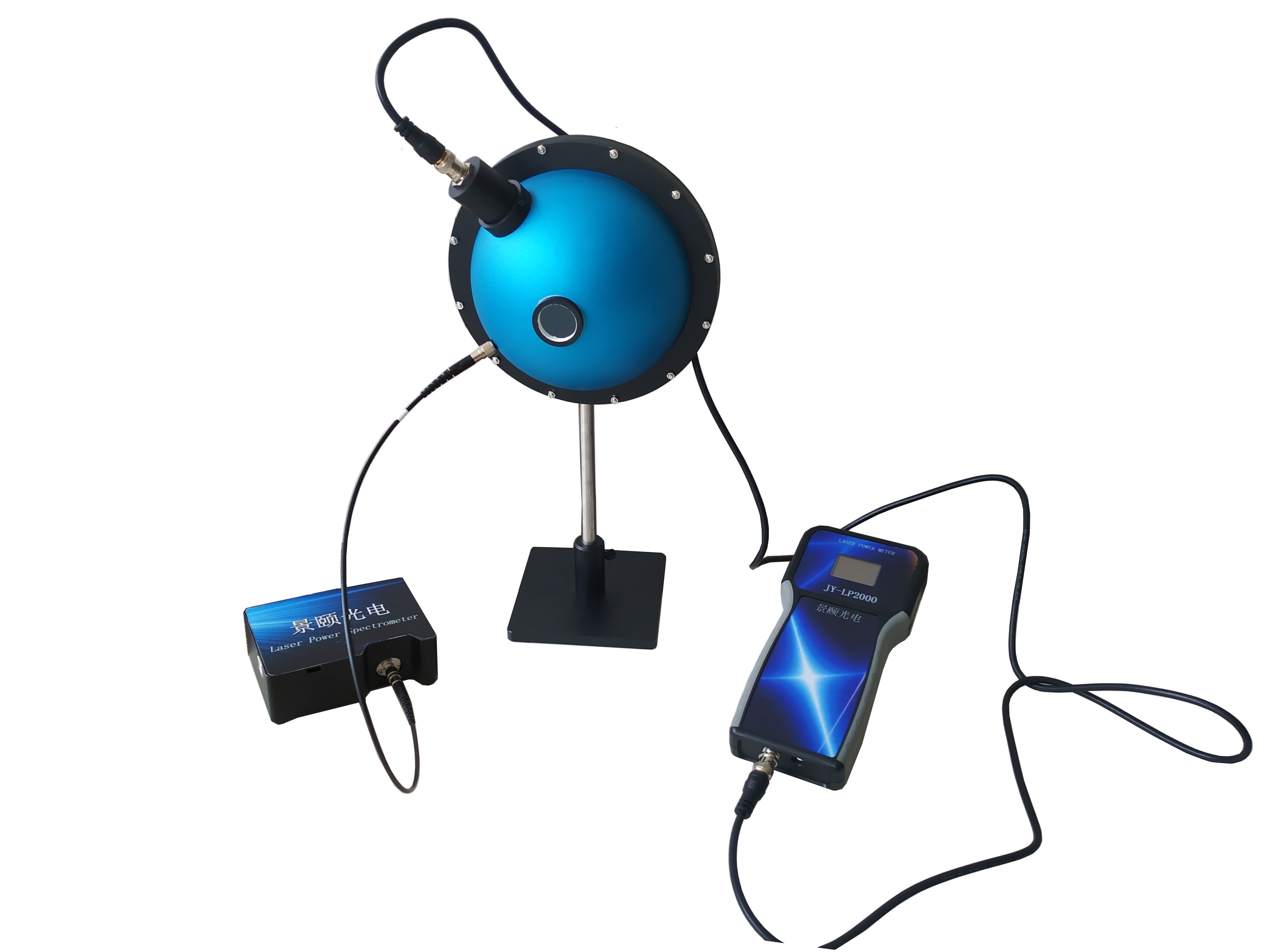
Product Introduction
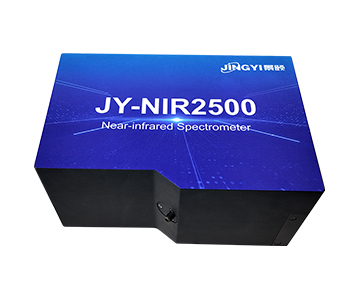
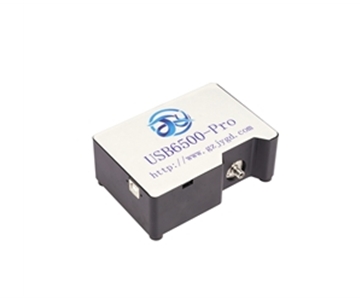
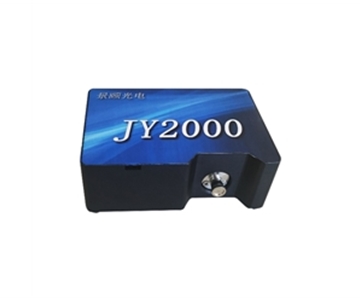
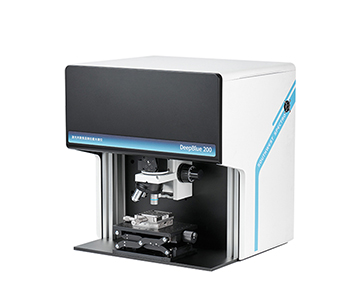
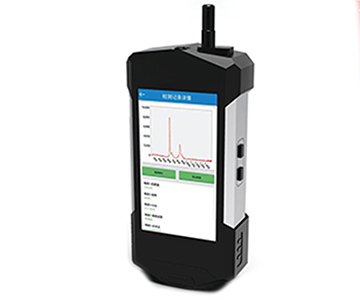
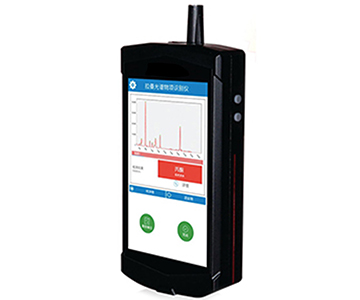
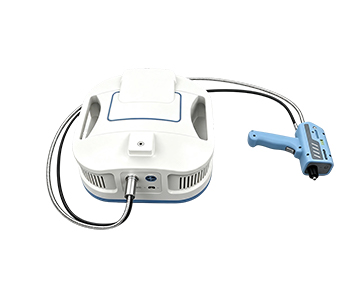
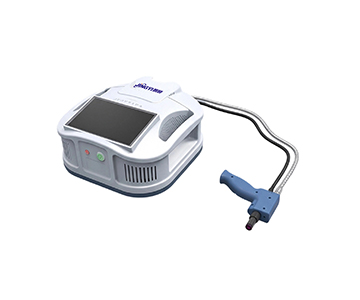
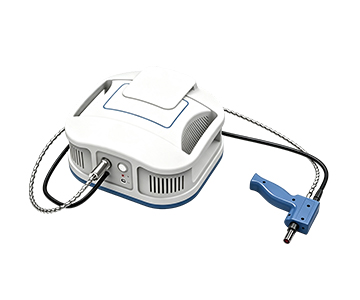
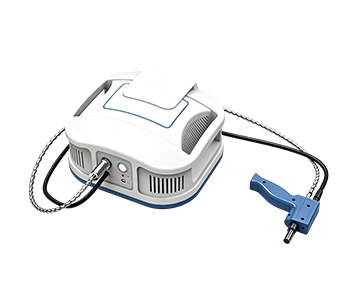
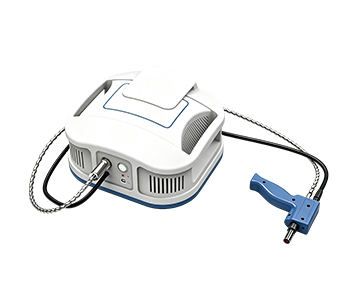
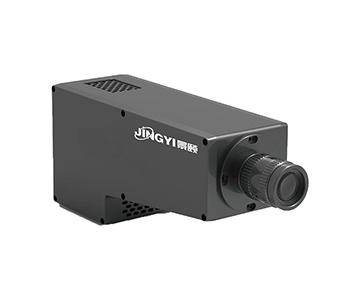
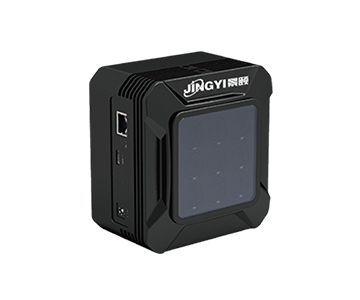
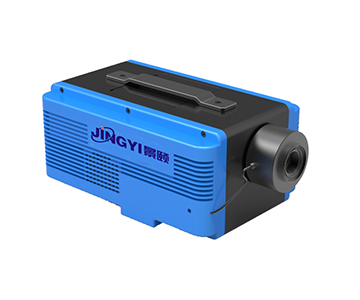
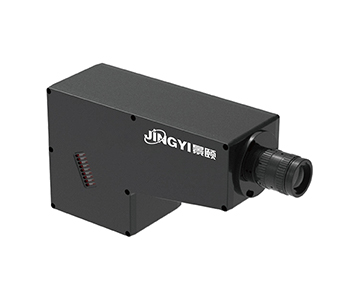
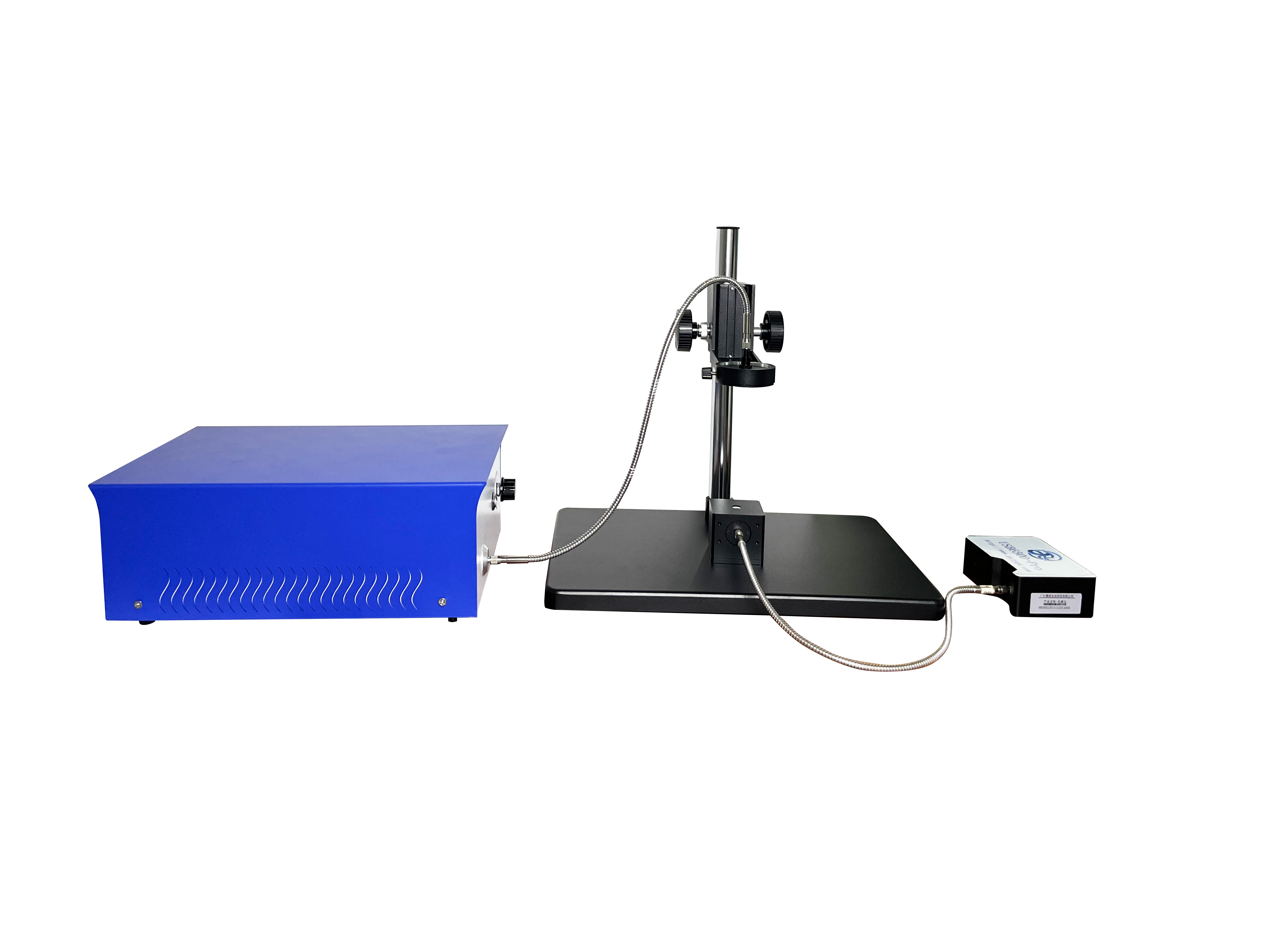
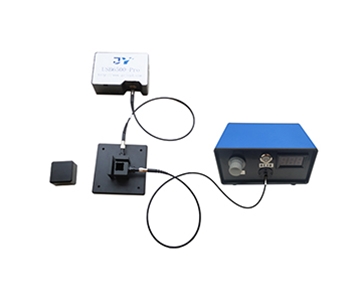
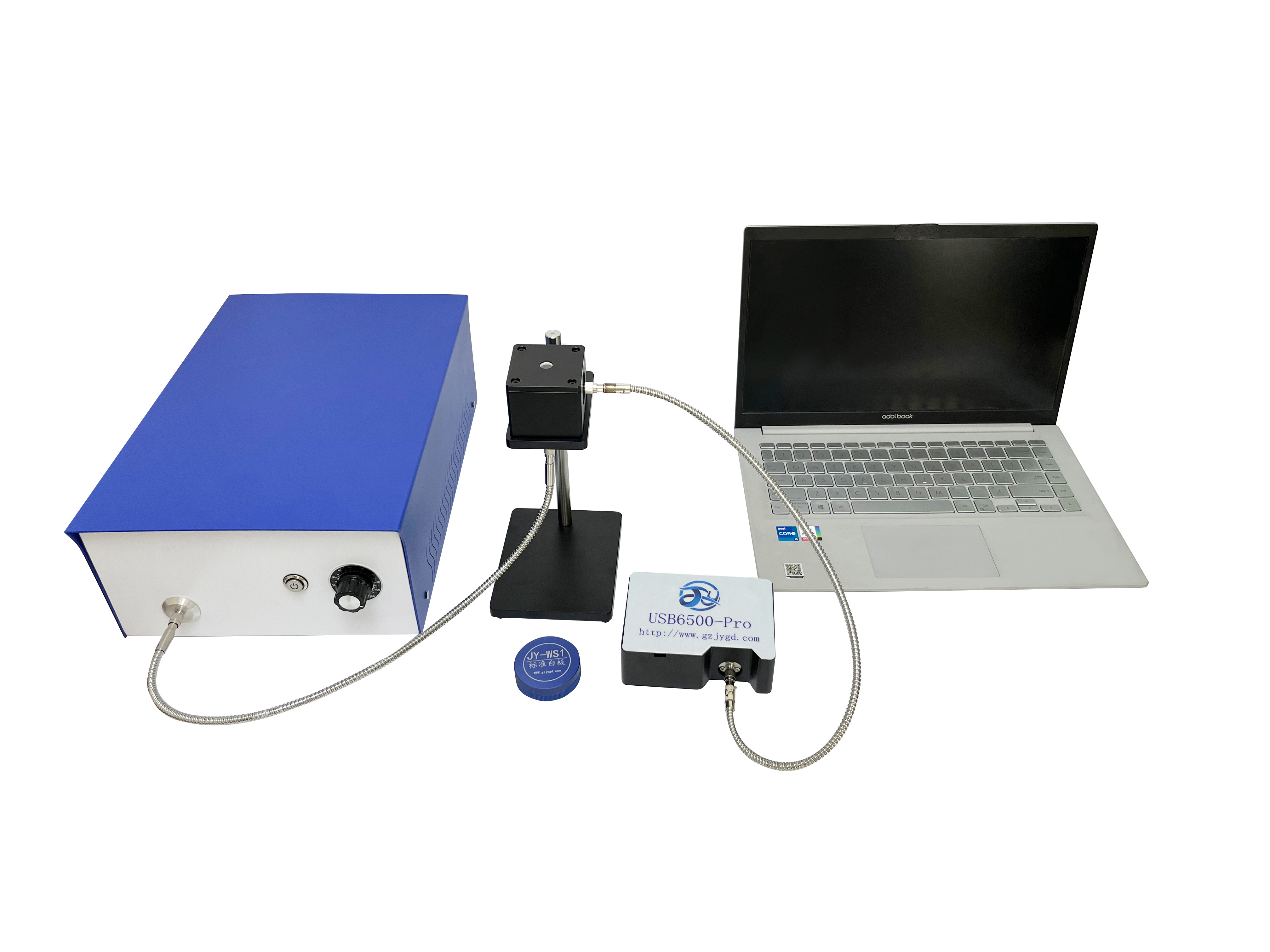
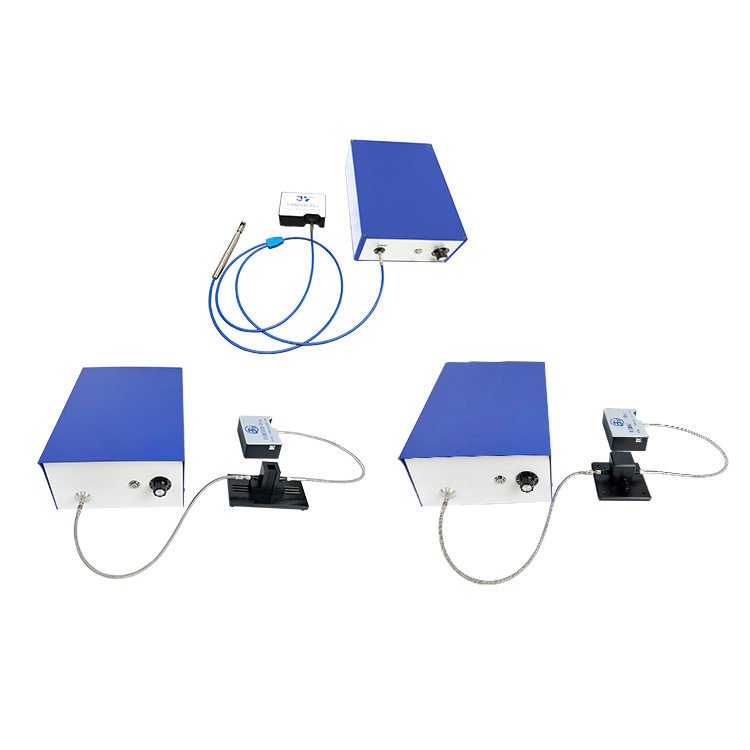
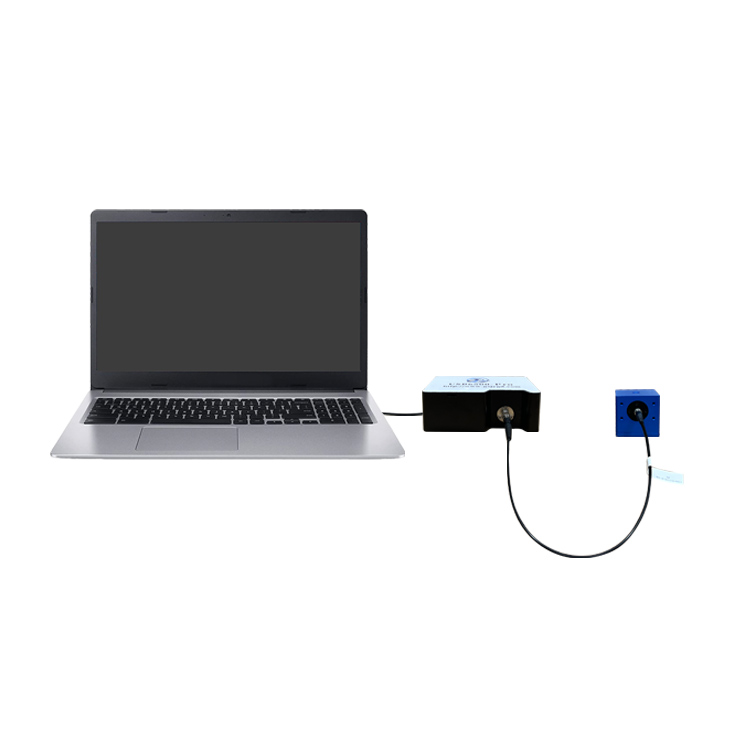
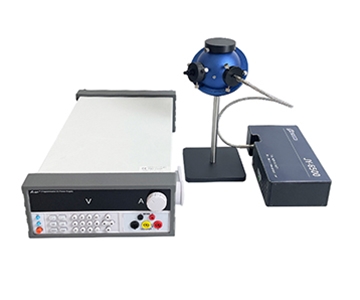
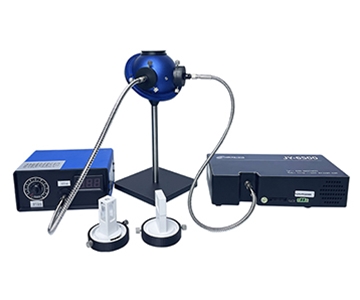
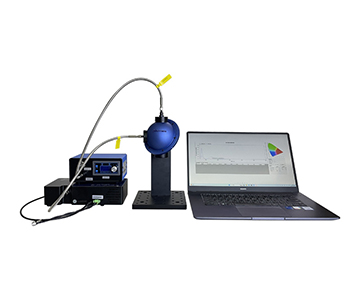
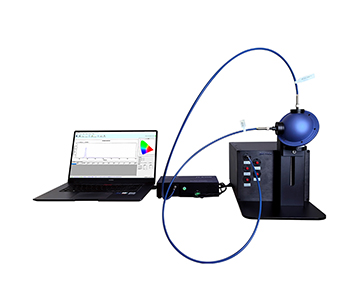
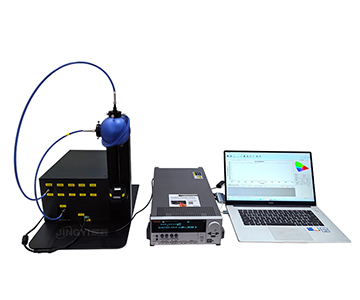
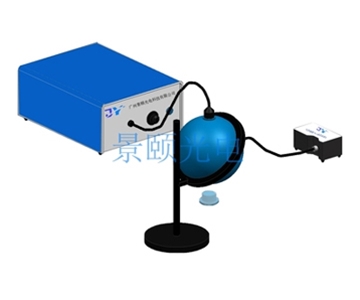
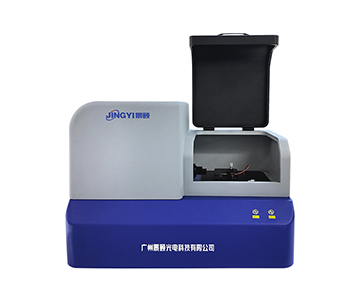
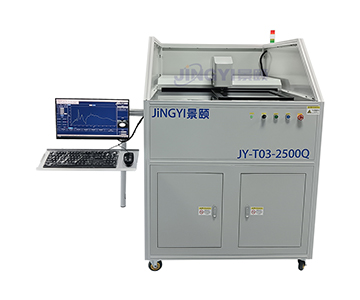
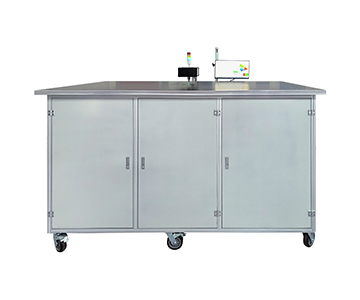
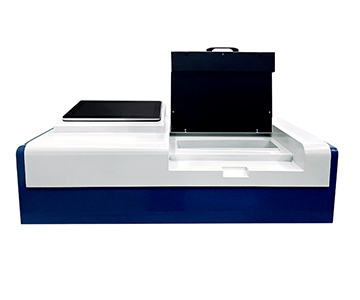
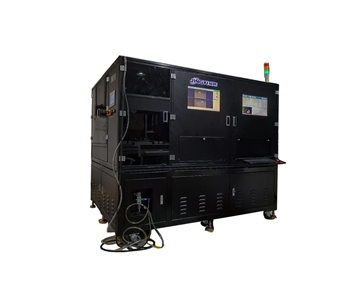
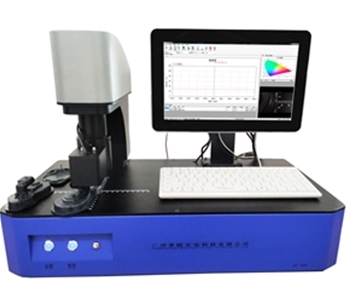
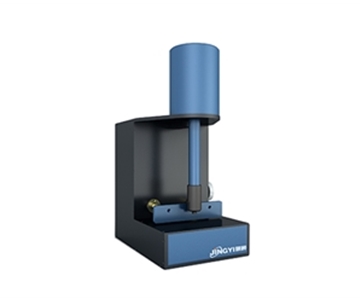
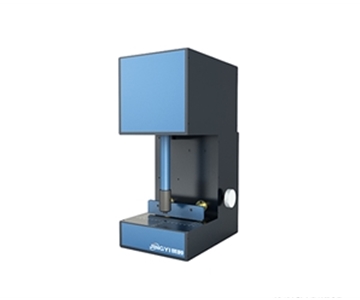
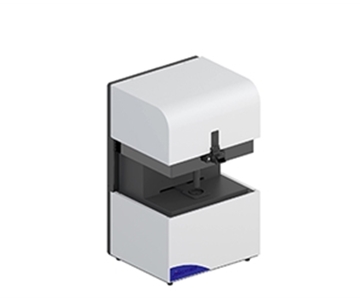
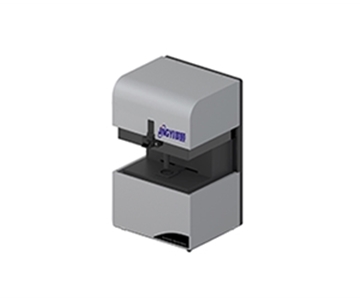
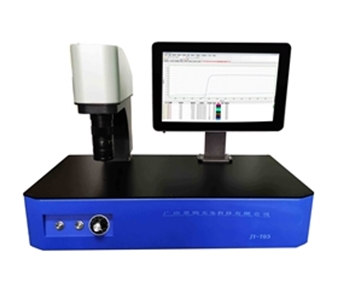
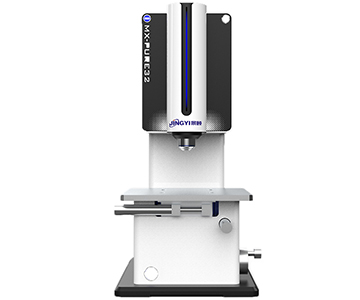
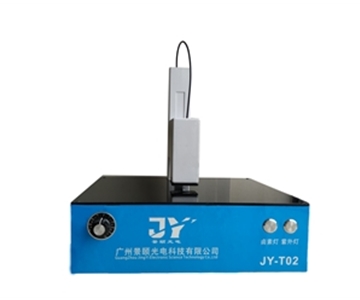
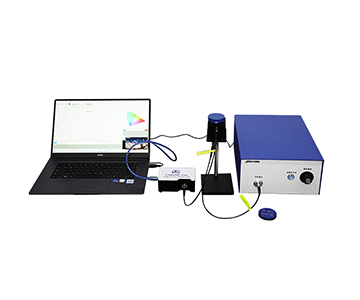
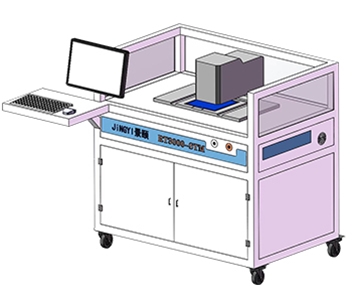
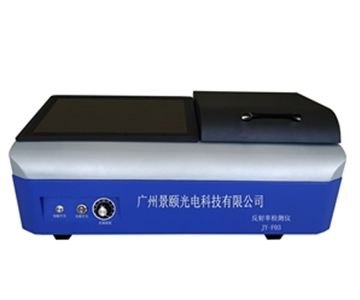
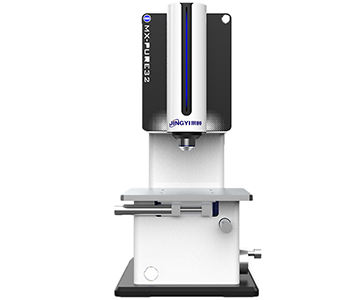
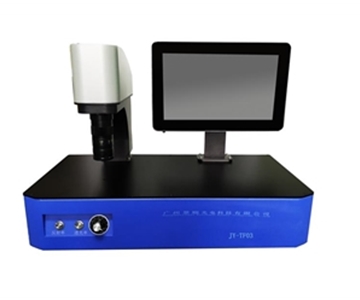
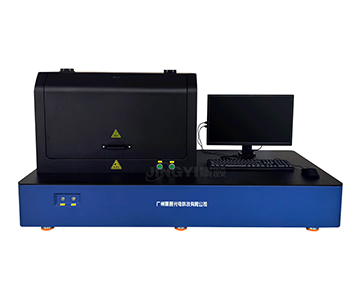
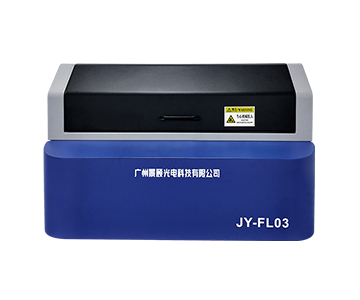
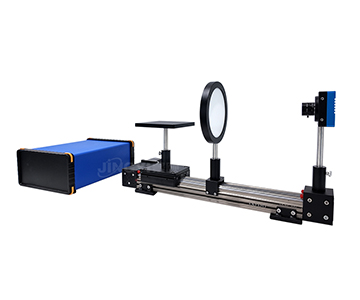
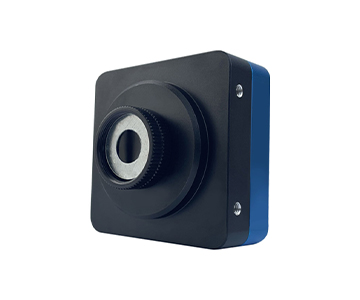
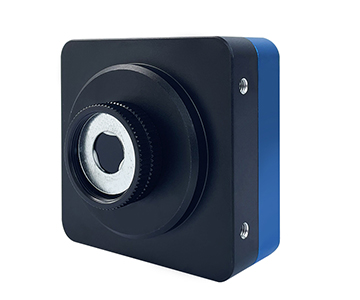
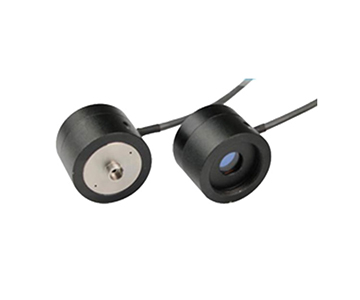
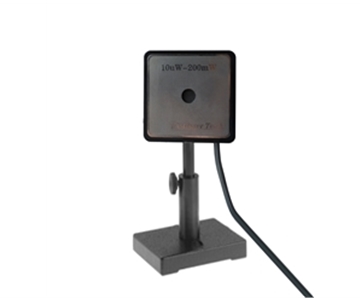
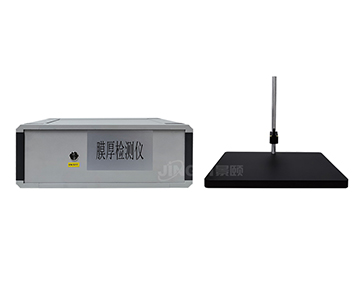
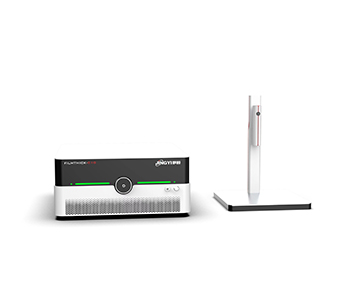
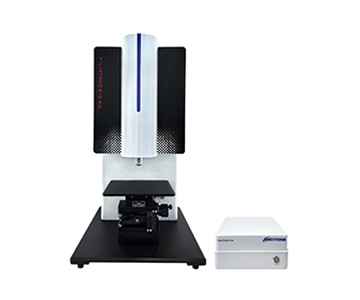
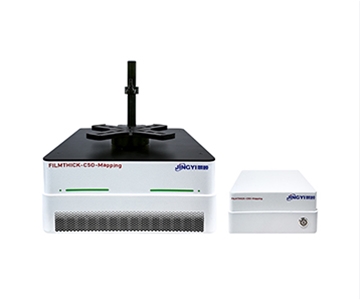
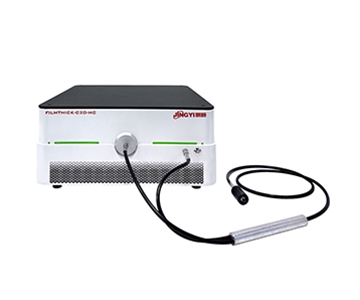
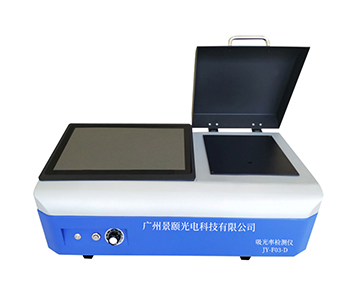
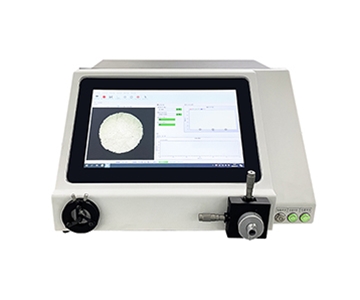
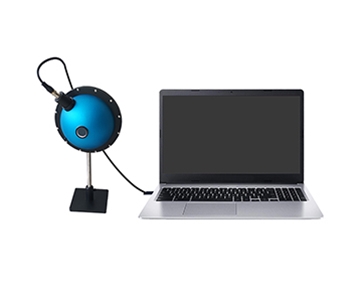
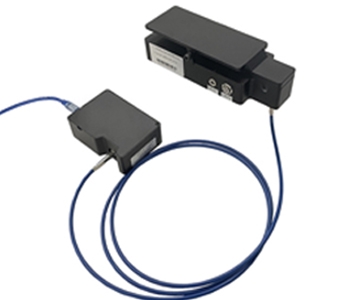
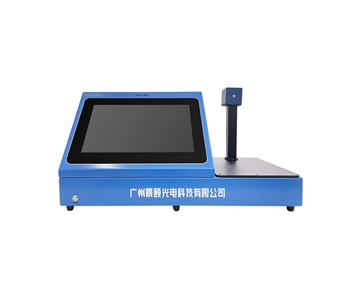
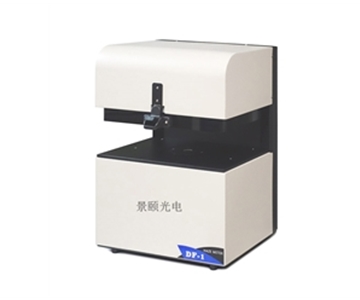
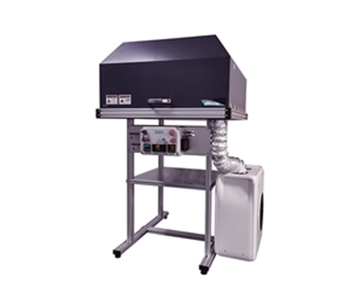
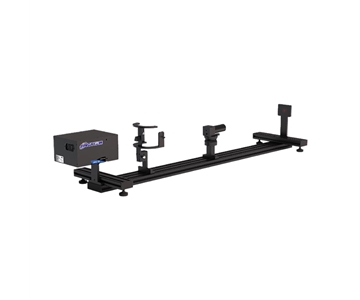
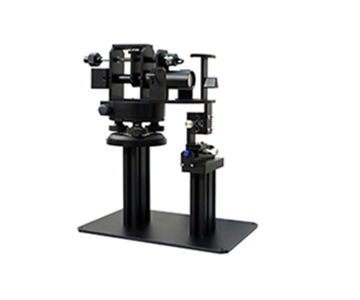
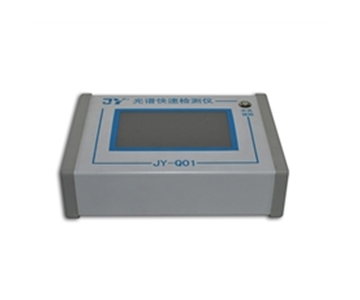
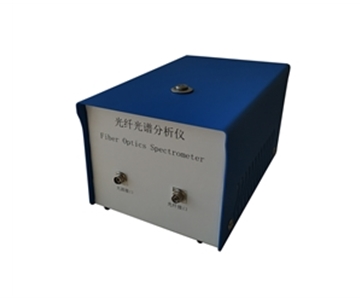
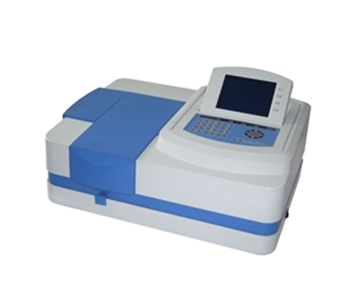
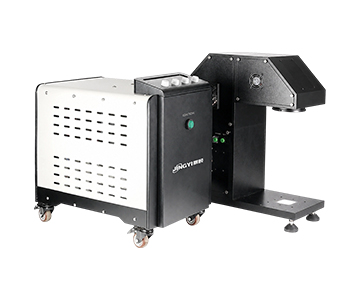
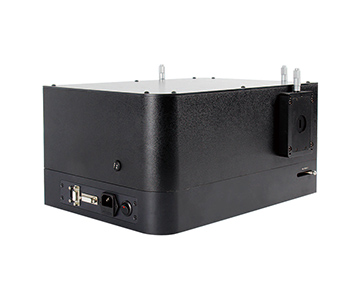
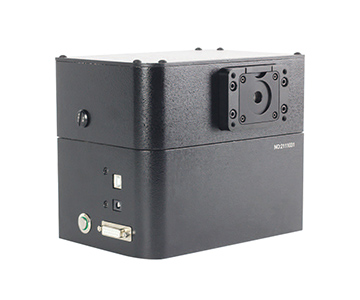
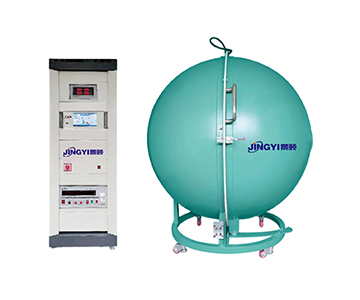
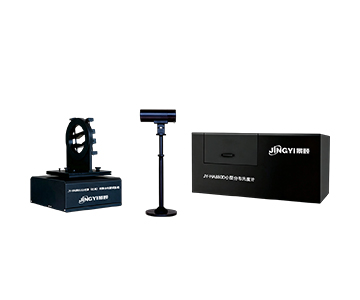
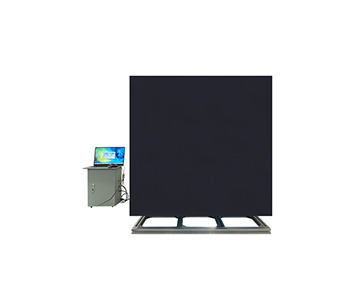
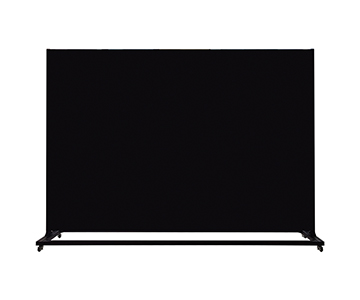
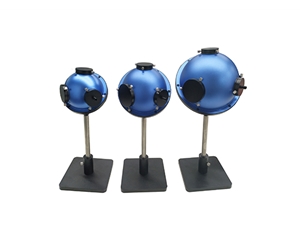
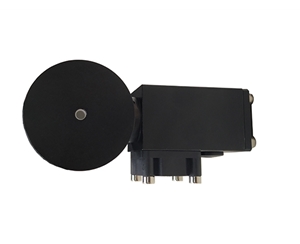
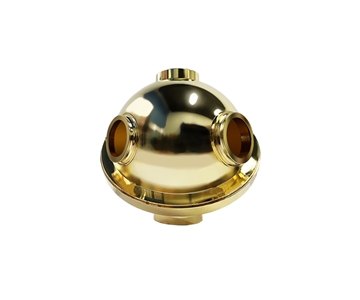
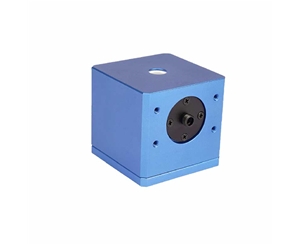
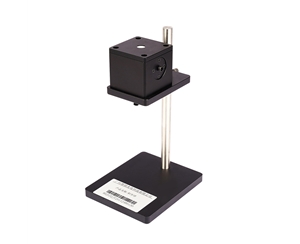
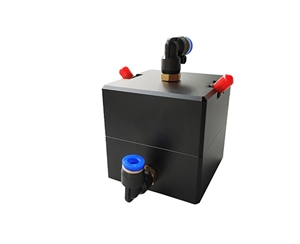
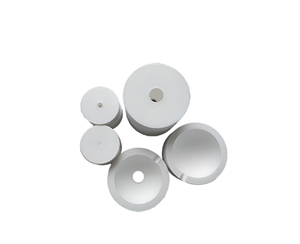
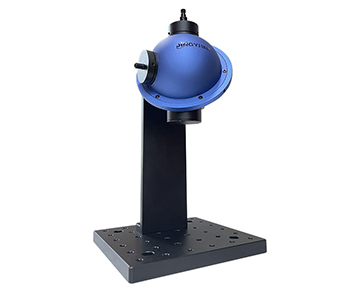
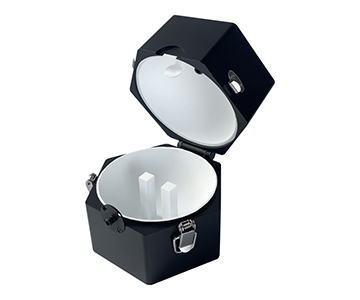
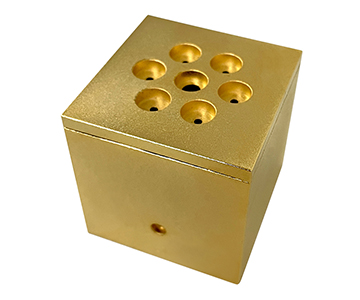
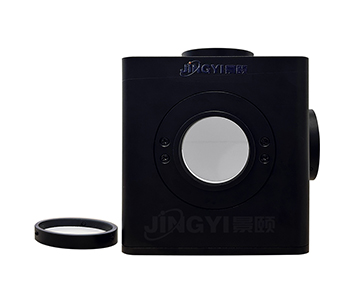
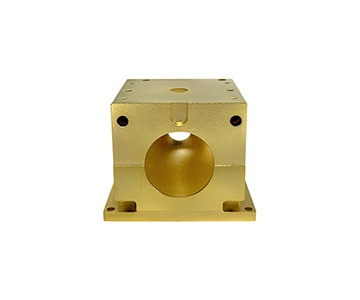
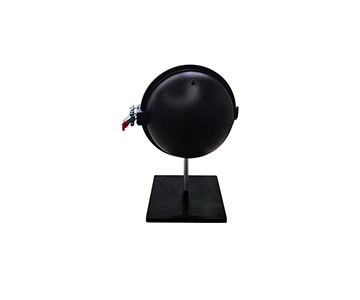
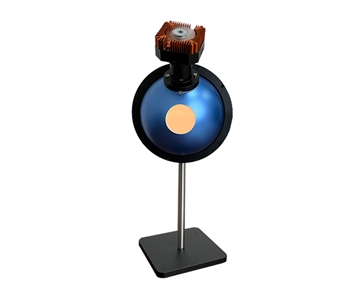
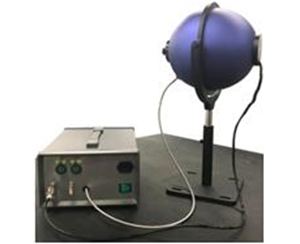
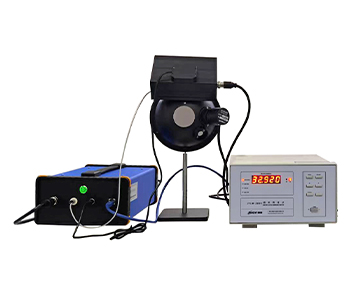
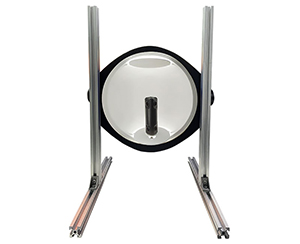
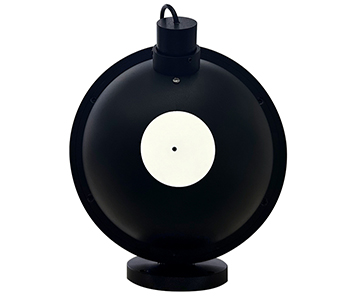
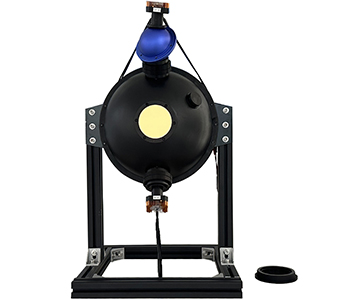
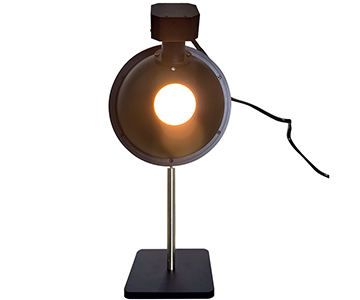
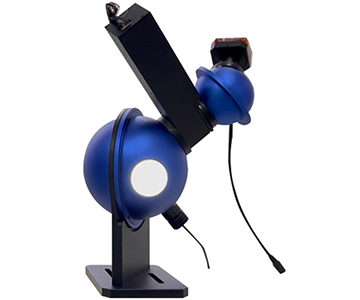
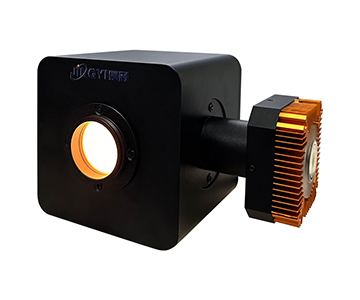
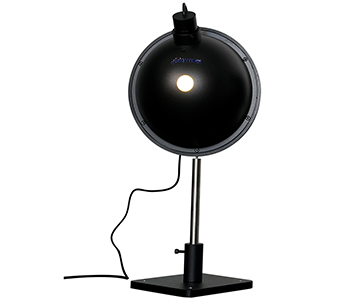
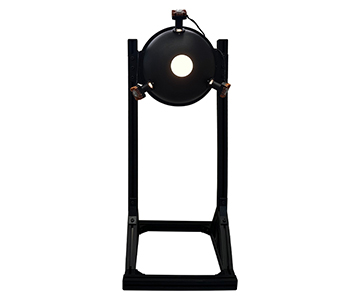
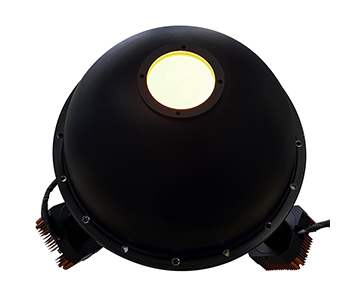
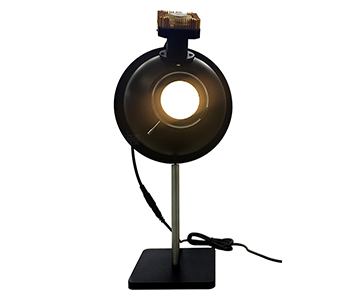
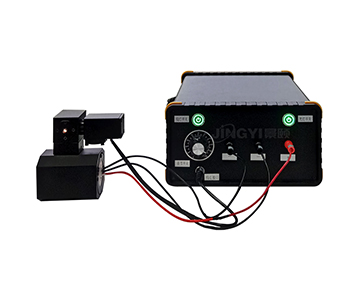
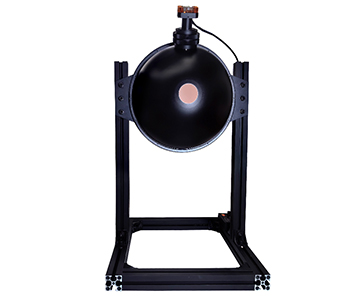
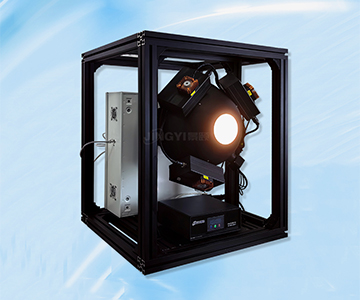
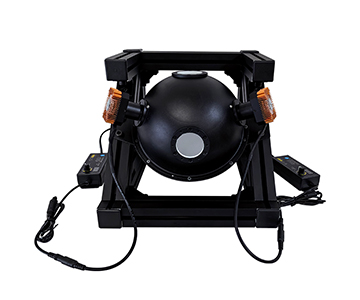
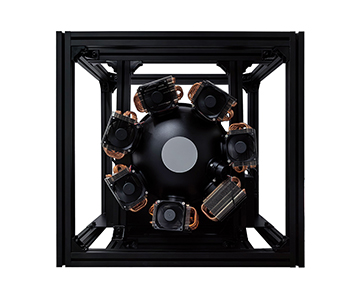
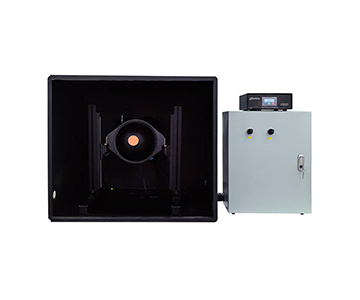
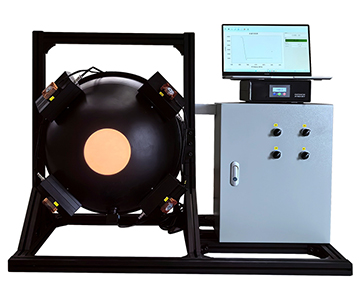
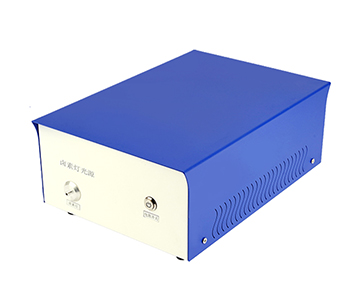
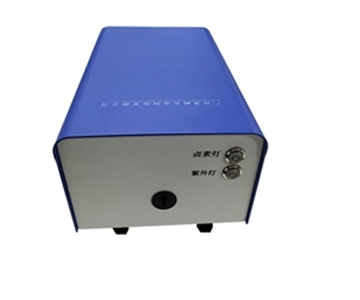
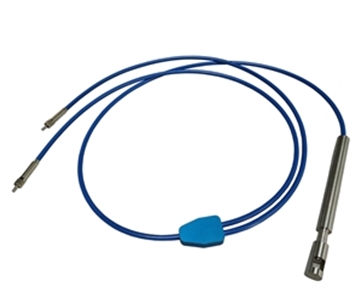
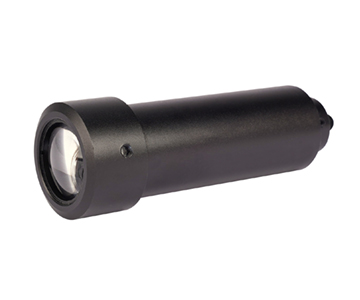
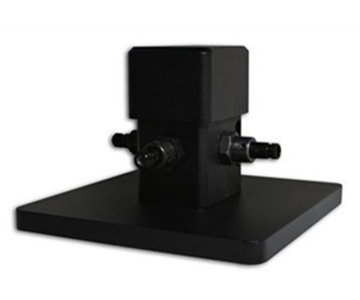
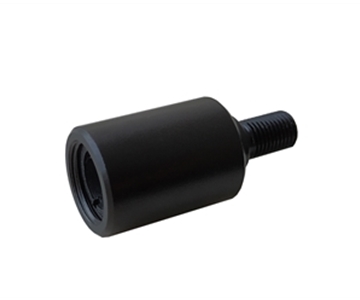
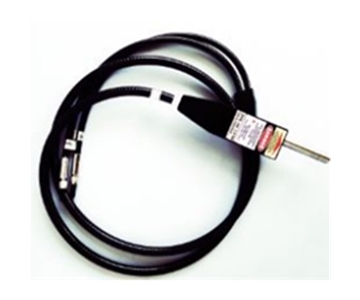
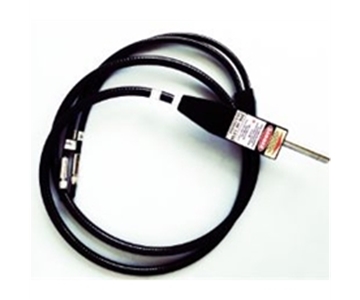
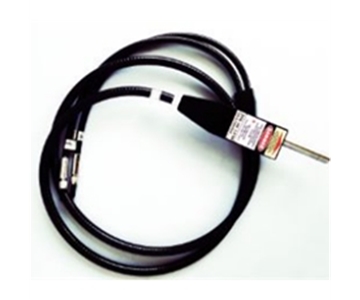
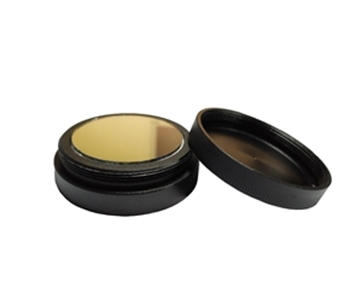
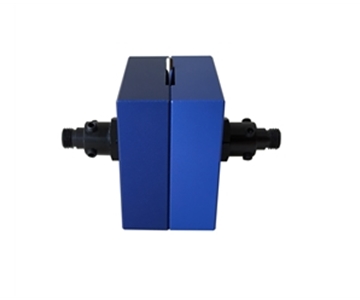
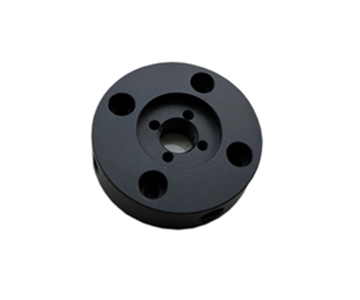
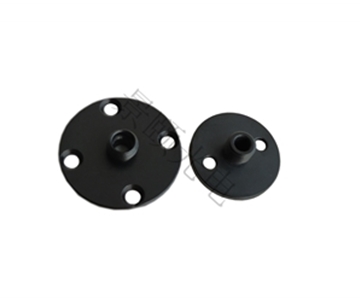
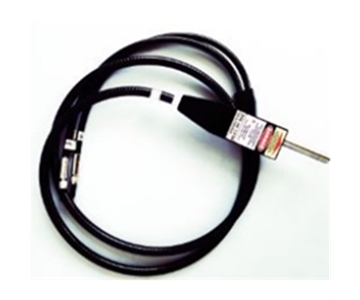
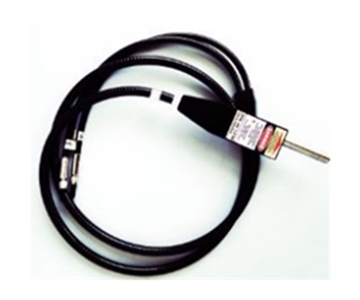
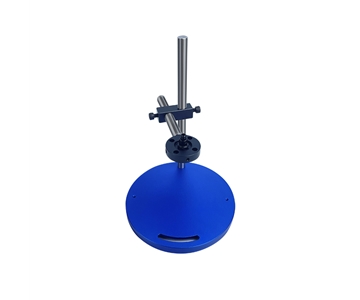
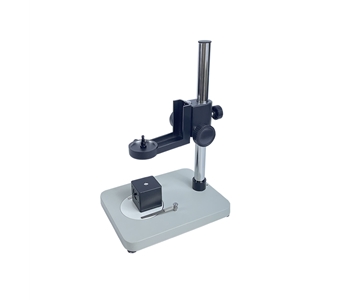
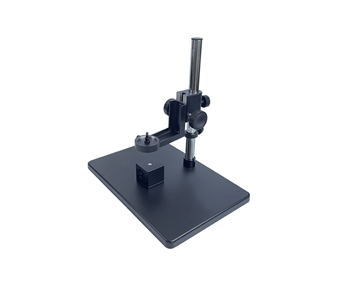
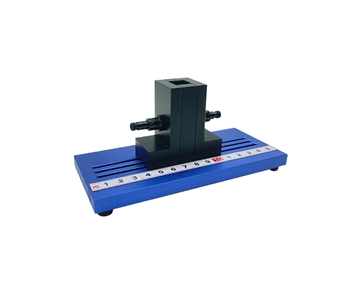
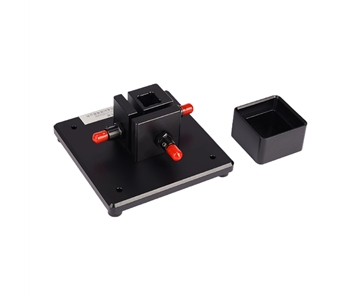
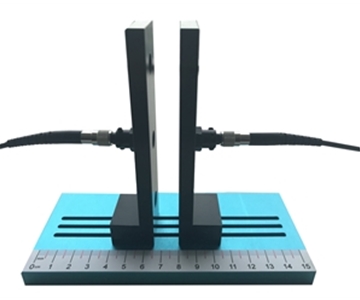
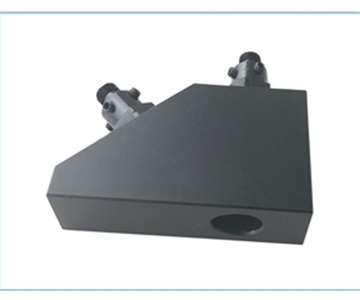
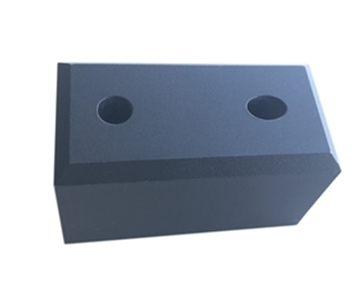
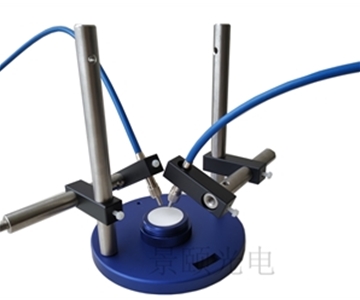
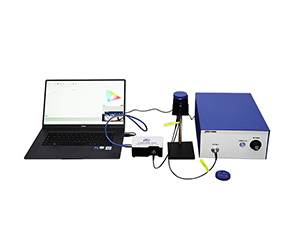
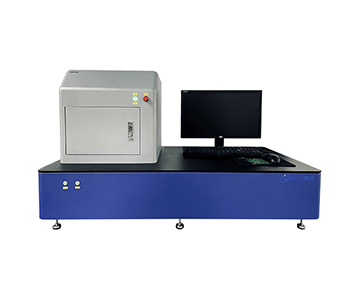
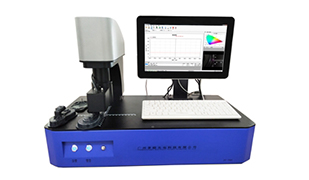
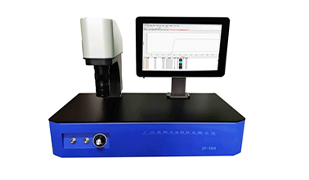
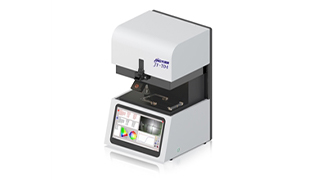
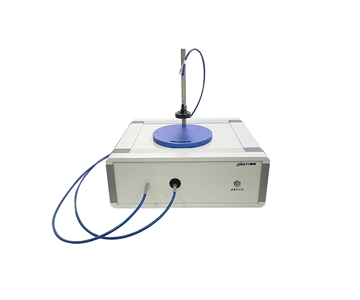
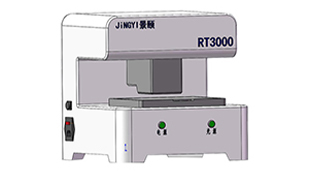
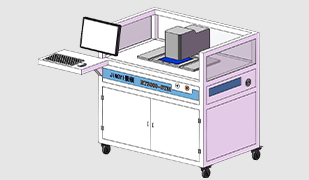
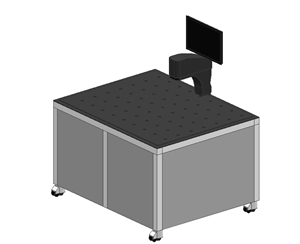
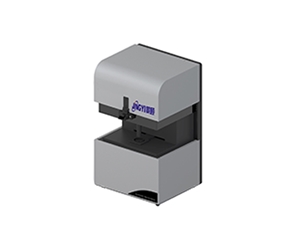
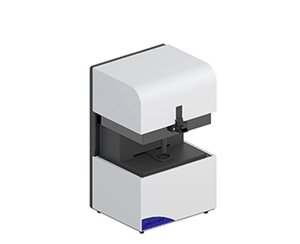
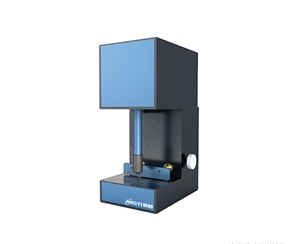
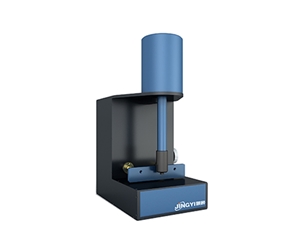
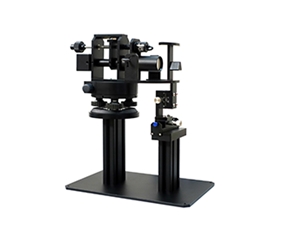
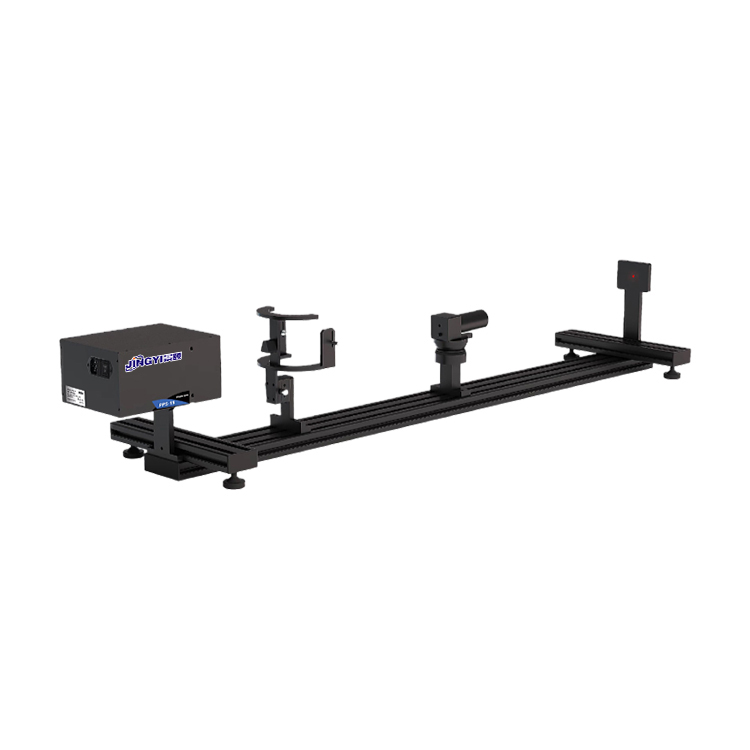
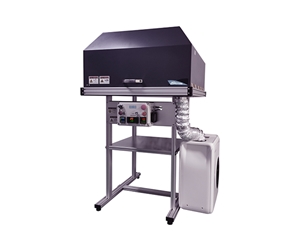
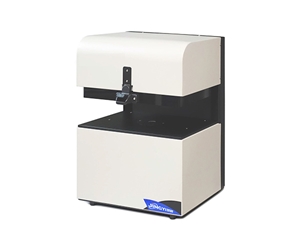
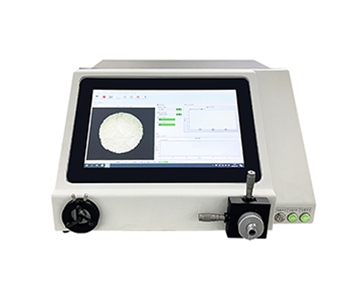
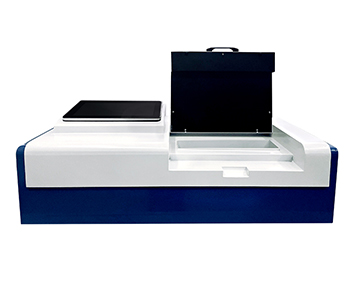
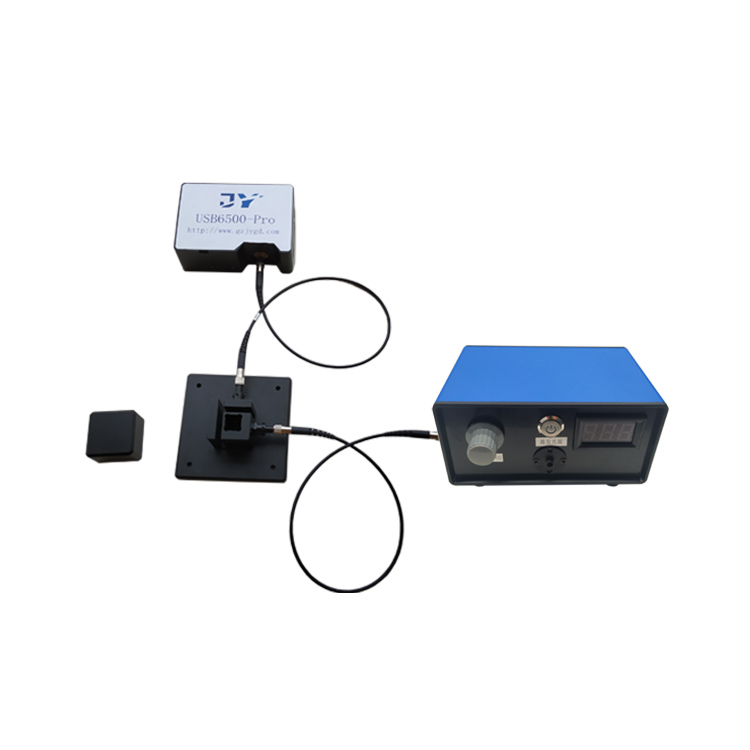
The fluorescence measurement system consists of an excitation light source, a measurement bracket, optical fibers, a receiving spectrometer, fluorescence measurement software, etc., and is suitable for detecting the fluorescence characteristics of solid and liquid samples. The excitation light source required for different samples varies, and Jingyi Optoelectronics provides laser LED、 Multiple efficient excitation light sources such as xenon lamps are available for selection, and can be customized according to specific customer needs.
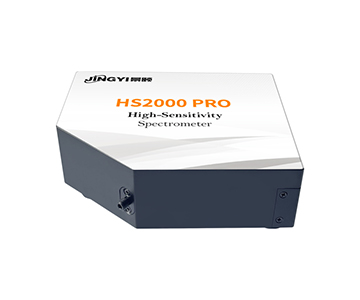
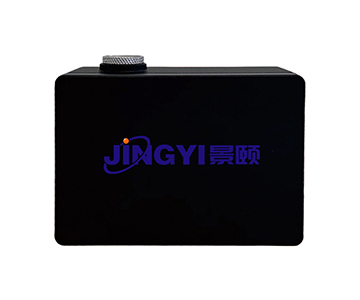
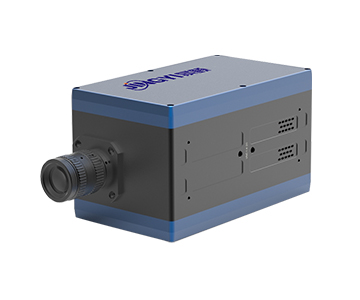
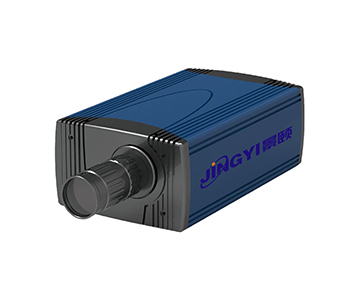
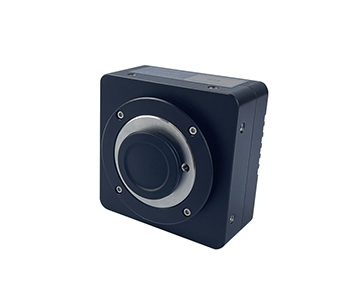
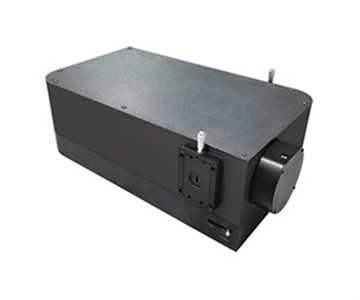
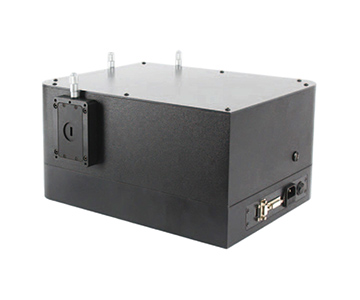
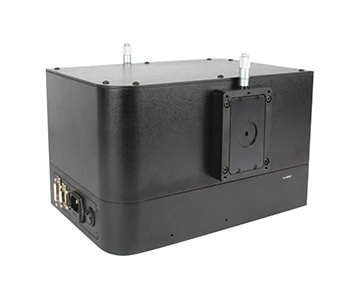
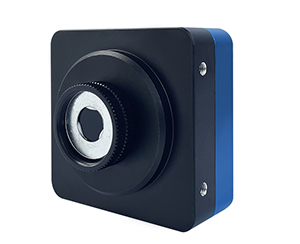
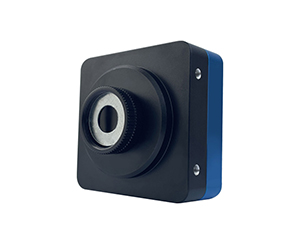
Due to the weak energy of the fluorescence signal, the system uses a high-sensitivity spectrometer to ensure accurate capture of weak signals. The wavelength range of the spectrometer can also be flexibly customized according to practical application requirements to meet diverse scientific research and industrial testing needs.
Product Features
Up to 90% quantum efficiency: achieving efficient acquisition of weak fluorescence signals
Under refrigeration conditions, the signal-to-noise ratio can reach 1000:1, significantly improving detection accuracy and stability
Customizable wavelength: supports users to specify specific wavelength ranges, suitable for various application scenarios
The excitation light source can be customized: laser LED、 Multiple types of light sources such as xenon lamps are available to meet different excitation conditions
Quick and convenient operation: high system integration, simple installation and debugging, efficient testing process
Ultra low noise CCD signal processing circuit: effectively suppresses background interference and improves data quality
Spectral resolution: 1nm: Fine resolution of fluorescence peak positions, suitable for complex spectral analysis
Measurement time: 0.1ms – 130s (software adjustable): Supports multiple measurement modes from transient to long-term integration
Application Fields
Biochemical and medical analysis: used for biological molecular markers, cell imaging, drug screening, etc
Spectral analysis: Study the excitation/emission spectral characteristics of substances and identify their components
Gemstone and mineral analysis: Distinguishing natural and synthetic gemstone and mineral types through fluorescence characteristics
Solution substance analysis: detecting the concentration of fluorescent substances and reaction kinetics in the solution
Polymer molecule recognition function: using fluorescence properties to distinguish different polymer structures or additives
Research experiments in universities and research institutes: widely used in fields such as materials science, environmental monitoring, chemical analysis, etc
Multi parameter online water quality analyzer: real-time monitoring of organic pollutants, fluorescent indicators, etc. in water
Product Specifications
|
project
|
Value
|
|
detection range
|
200 ~ 1100nm, Specific depends on the grating
|
|
wavelength resolution
|
Up to 0.18nm, based on 1200 line grating
|
|
optical resolution
|
Up to 0.41nm (FWHM), based on 1200 line grating and 10 μ m slit
|
|
Eliminate higher-order diffraction
|
3 types of front and 4 types of rear filters to eliminate ghost lines in the spectrum
|
|
Optical platform
|
Focal length 100.0mm, f-number 4.5, symmetrical cross C-T optical path
|
|
integration time
|
8ms ~ 15min
|
|
dynamic range
|
10,000:1
|
|
Signal-to-Noise Ratio
|
1000:1, when saturated
|
|
stray light
|
<0.1% @ 600nm (typical value)
|
|
Corrected linearity
|
>99%
|
|
fiber optic interface
|
SMA905, customizable
|
|
Fiber optic spectrometer
|
Quantity: 1 unit
|
|
Excitation light source
|
Quantity: 1 unit
|
|
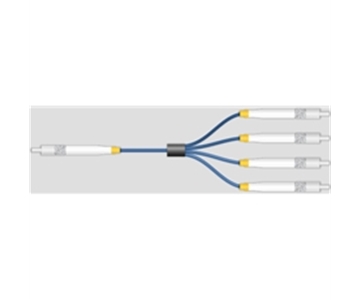
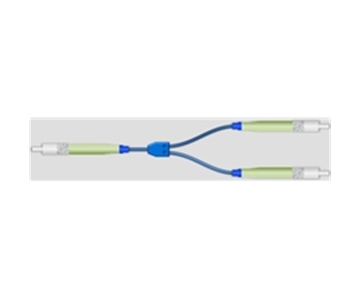
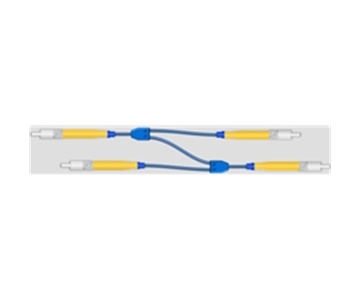
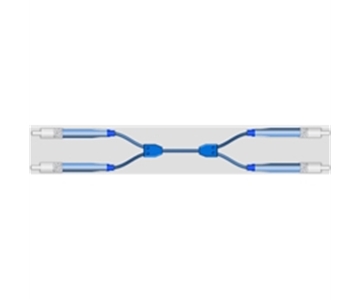
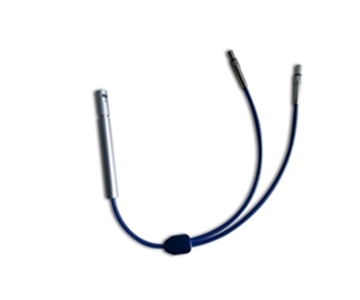
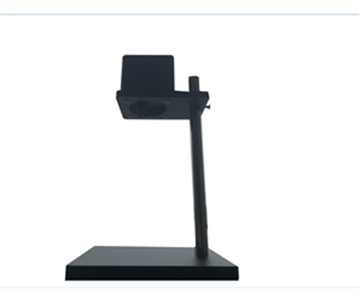
Test stand/Y-type fluorescence probe
|
Quantity 1/Quantity 1
|
|
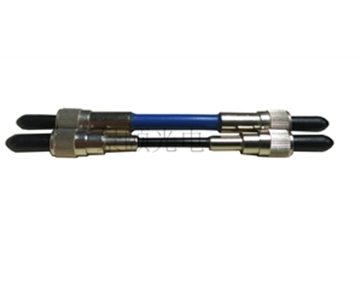
optical fiber
|
Quantity 2/Quantity 0
|
|
test software
|
Quantity 1 set
|
Supporting Software Description (Supplementary)
The system is equipped with professional fluorescence measurement software, which supports automatic acquisition of excitation/emission spectra, 3D fluorescence scanning, lifetime measurement and other functions. The software interface is user-friendly, supporting parameter customization, data storage, curve fitting, multi-channel comparative analysis, etc. It can be widely used in scientific research experiments and industrial online detection scenarios. Simultaneously supporting secondary development interfaces for easy integration into automation systems.
Consult customer service for detailed information and exclusive solutions
Phone: 400-1800-685
Email: info@gzjygd.com