I. Technical Analysis of Light Guide Plates
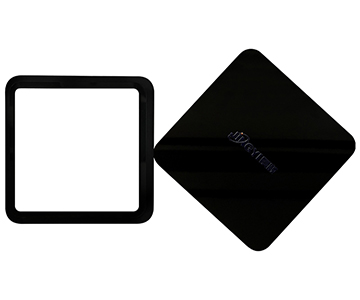
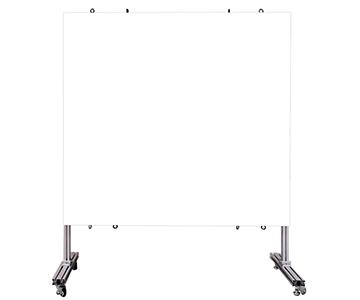
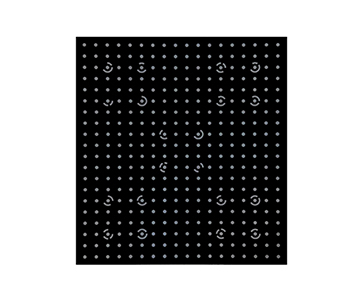
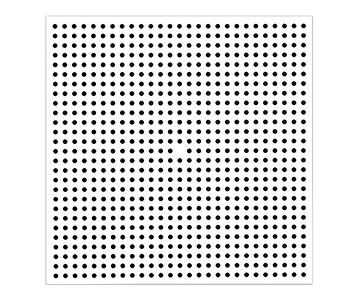
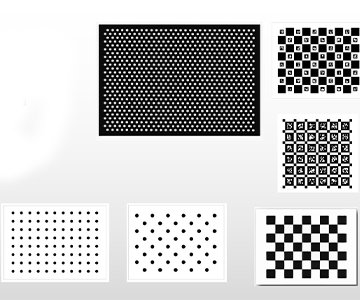
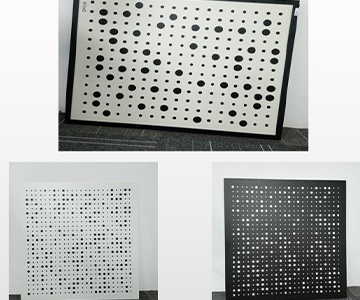
As a key component that converts linear light sources into surface light sources, light guide plates play a pivotal role in modern display technology. They are mainly made of optical-grade acrylic/PC sheets, with light guide dots printed on their bottom surfaces using specific technologies such as laser engraving, V-shaped cross grid engraving, and UV screen printing technology, so as to achieve precise control of light rays.
Their working principle is based on the light absorption and reflection characteristics of optical-grade acrylic sheets. When light is emitted from a lamp, it is absorbed by the optical-grade acrylic sheet and remains on its surface. Then, when the light hits each light guide dot, the reflected light diffuses in all directions, thereby breaking the reflection conditions and finally emitting from the front of the light guide plate. The uniform luminescence of the light guide plate can be achieved through the elaborate design of the layout of light guide dots with varying densities and sizes. At the same time, the presence of reflective sheets can reflect the light exposed from the bottom surface back into the light guide plate, effectively improving the light utilization efficiency and reducing power consumption under the condition of the same luminous brightness per unit area.
The design principle of light guide plates originates from the liquid crystal display (LCD) of notebook computers. With optical-grade acrylic (PMMA)/PC as the base material, and by virtue of the backlight module technology of LCD screens and notebook computers, light guide plates are molded by accurately calculating light guide dots to refract light into a uniform surface light source state. In addition, light guide plate products are manufactured under the strict environmental conditions of constant temperature, constant humidity and dust-free environment by combining the spectral analysis principle with digital UV printing technology, and have remarkable characteristics such as ultra-thin, ultra-bright, uniform light guide, energy saving, environmental protection, no dark areas, durability, resistance to yellowing, and simple and fast installation and maintenance.
II. Manufacturing Processes of Light Guide Plates
With the continuous advancement of science and technology, the manufacturing processes of light guide plates have also transformed from the early printing-based production to "non-printing" production. Among them, injection molding is a common non-printing manufacturing process. In the injection molding process, molten molding material is filled into a closed mold under high pressure, which requires the light guide plate and microstructures to be formed synchronously during injection molding. Meanwhile, to ensure that the mold can withstand the requirements of high pressure and high precision, the mold must be made extremely sturdy, which also results in high mold costs. Therefore, mass production is usually required to amortize the high mold costs.
Single-sided microstructured array light guide plates are generally manufactured by injection molding, and their bottom texture structures can be in the shape of micro lenses, micro spheres, or tetrahedral pyramidal prisms, etc.
III. Scientific Interpretation of Light Transmittance
Light transmittance is an important physical concept used to measure the ability of light to pass through a medium, specifically referring to the percentage of the luminous flux transmitted through a transparent or translucent body to its incident luminous flux. When a beam of parallel monochromatic light passes through a uniform and non-scattering medium, three phenomena occur to the light: a part is absorbed, a part passes through the medium, and another part is reflected by the surface of the medium. The value of light transmittance directly reflects the light transmission performance of the medium—the higher the light transmittance, the better the light transmission performance. However, the light transmittance of any transparent material cannot reach a theoretical maximum value, and the highest is usually only around 95%, mainly for the following reasons:
1. Light reflection: Due to factors such as the molecular structure arrangement, crystallinity and crystallinity degree of the material, incident light is reflected from the polymer surface, resulting in the loss of transmitted light and thus a decrease in light transmittance. The degree of reflection can be expressed by the reflectance R, and its calculation formula is:
R = (n - 1)²/(n + 1)² × 100%
In the formula, n is the refractive index of the tested medium material. For example, the refractive index of PMMA is 1.492, so R = 3.9%. Obviously, the smaller the reflectance, the higher the light transmittance and the better the transparency of the material.
2. Light absorption: When incident light enters the interior of the medium material, due to the molecular structure and composition, the light is hindered during transmission, and a part of the light remains in the material and is absorbed, thereby reducing the light transmittance.
3. Light scattering: When incident light contacts the rough surface of a product, or the molecular structure of the material is unevenly distributed, with disorder and crystalline phases coexisting, the incident light neither passes through nor is reflected or absorbed, but dissipates in the form of scattering, which also leads to a decrease in light transmittance. However, compared with light reflection and light absorption, the loss ratio caused by light scattering is relatively small, and this phenomenon is more serious in crystalline polymers, while it is relatively mild in non-crystalline materials.
IV. Application of UV Integrating Spheres in Light Transmittance Testing
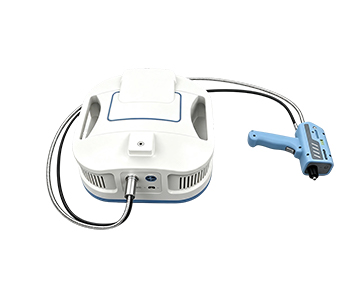
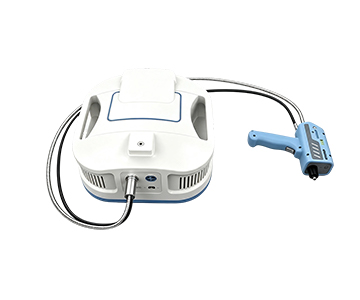
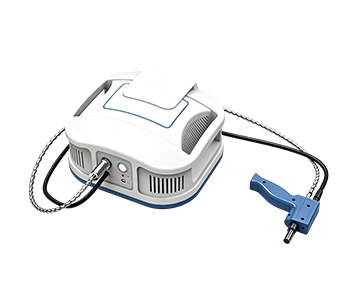
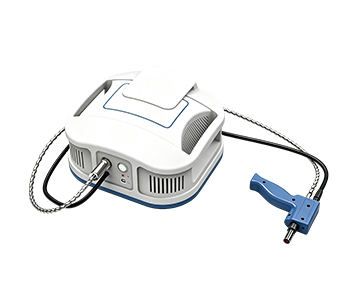
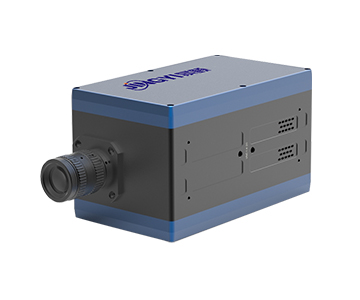
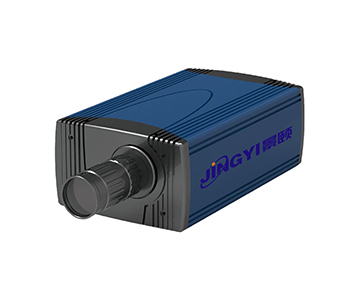
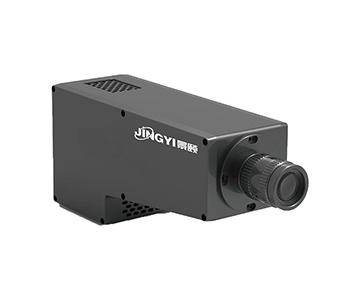
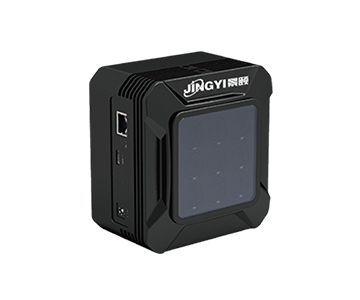
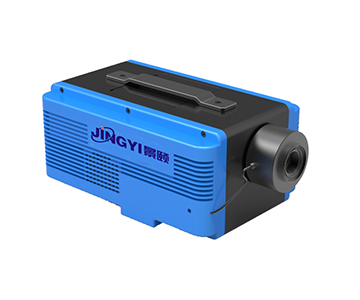
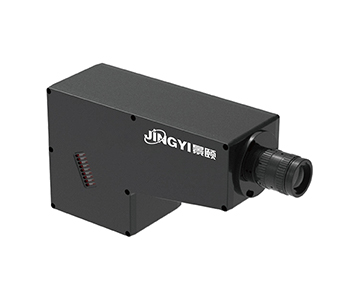
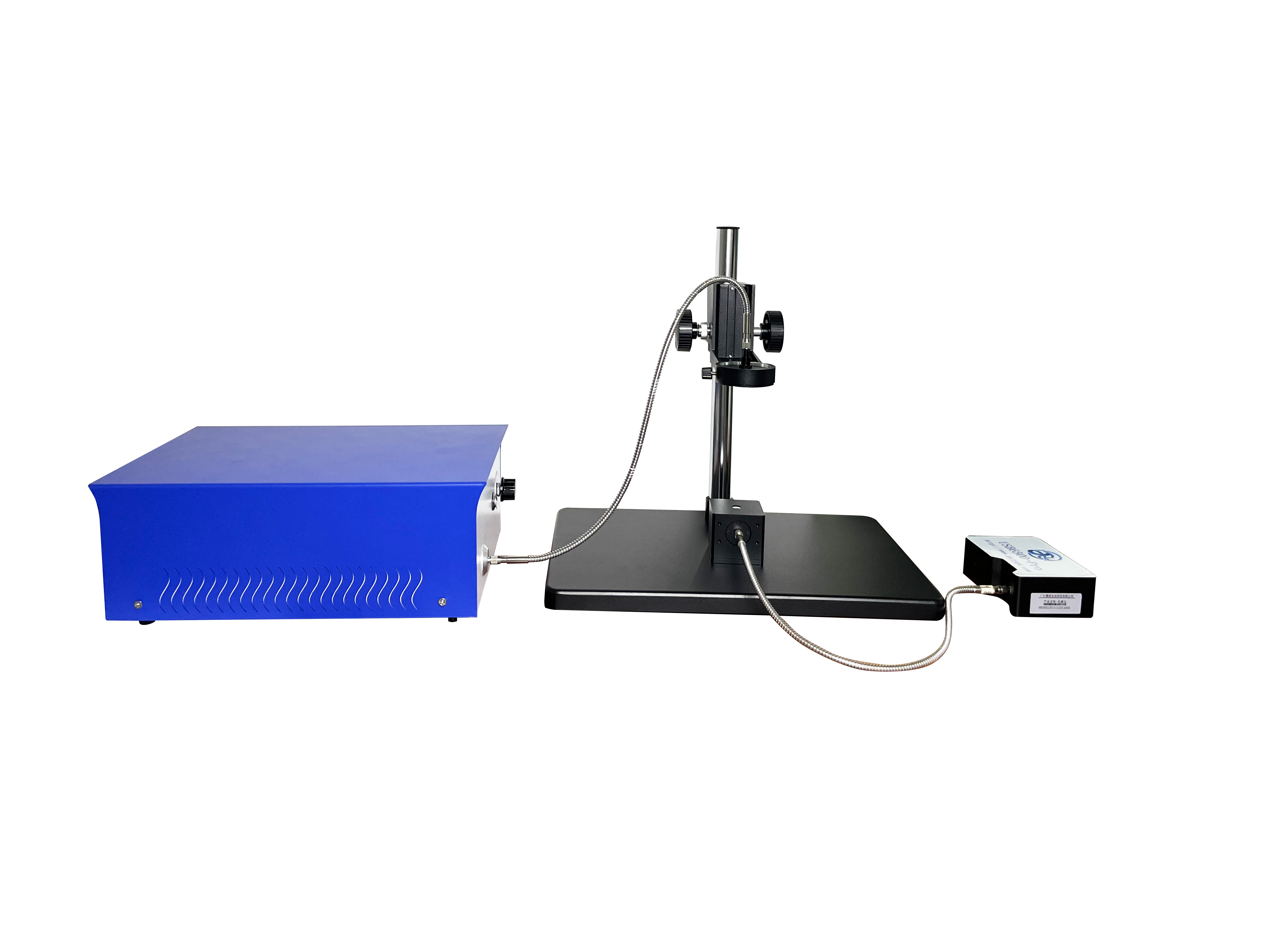
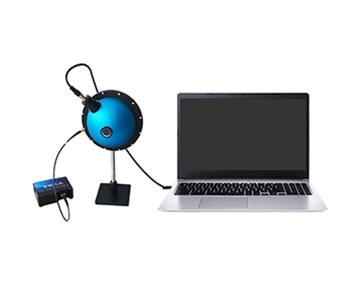
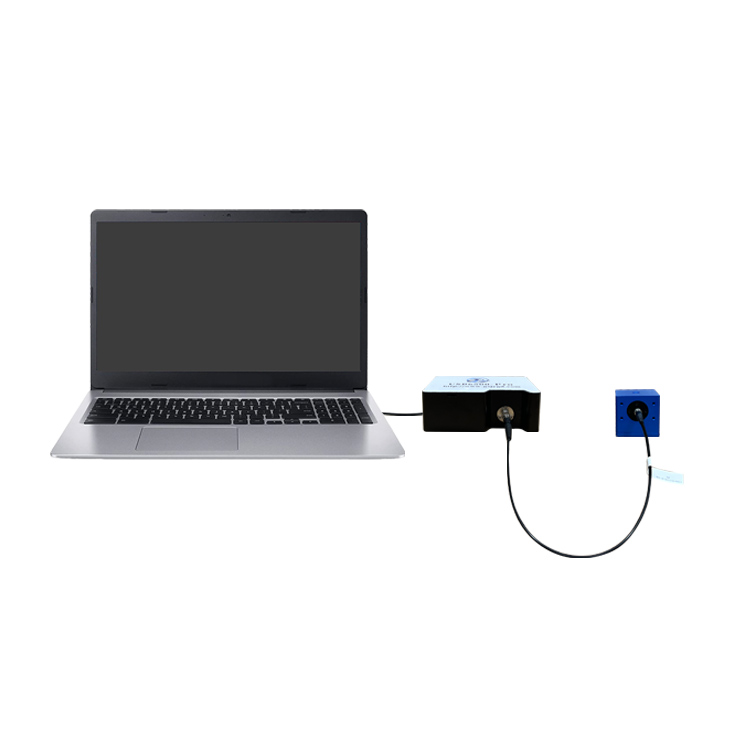
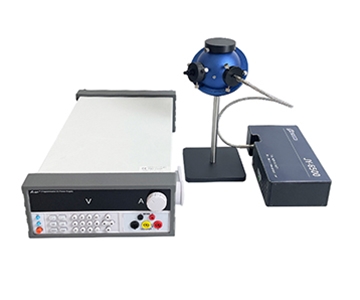
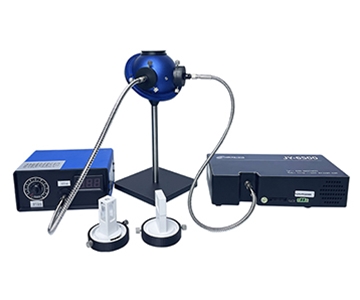
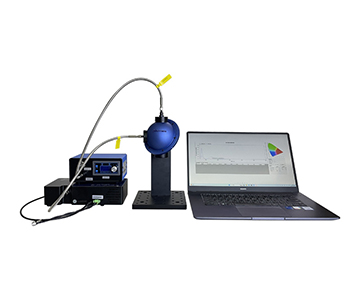
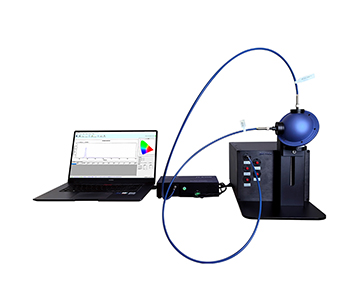
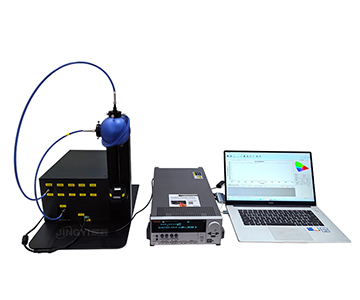
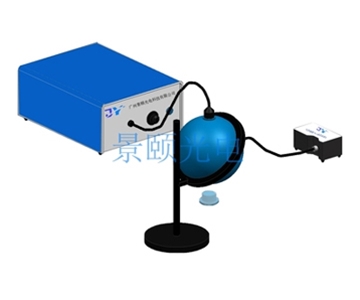
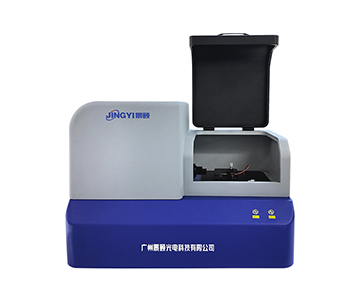
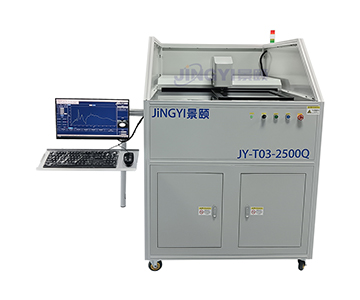
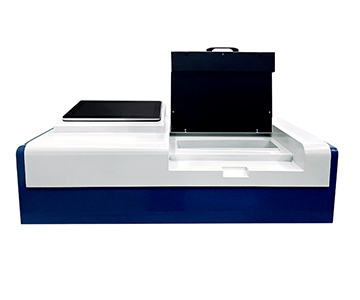
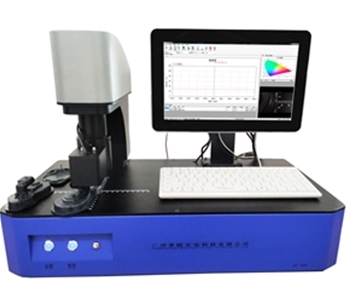
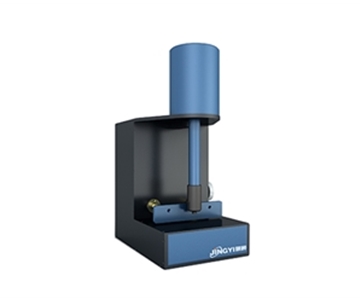
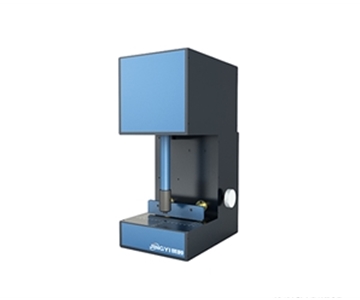
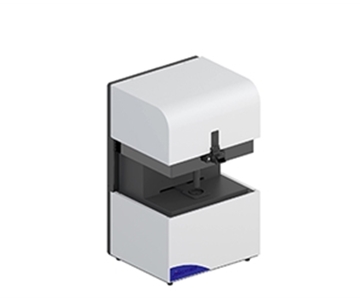
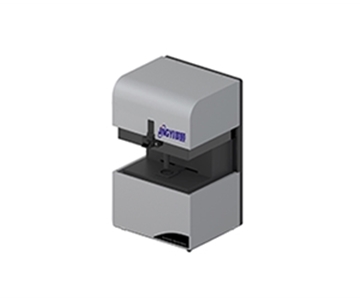
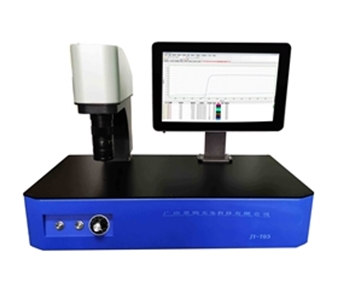
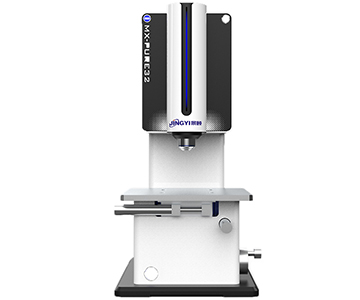
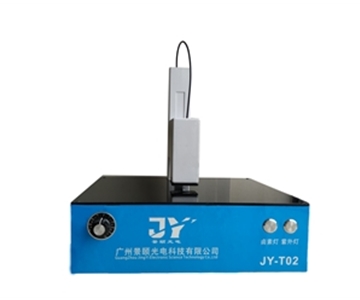
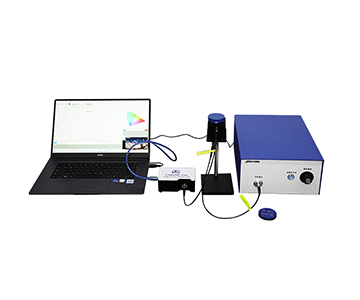
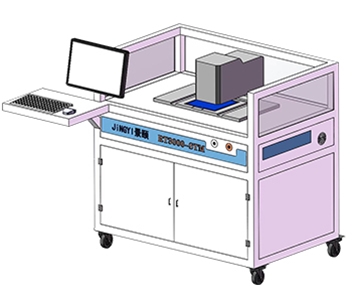
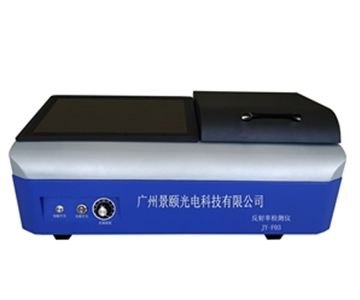
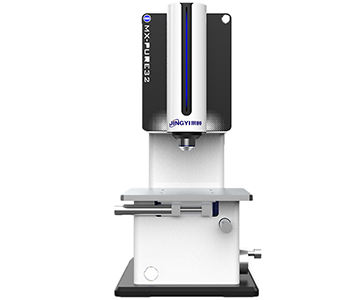
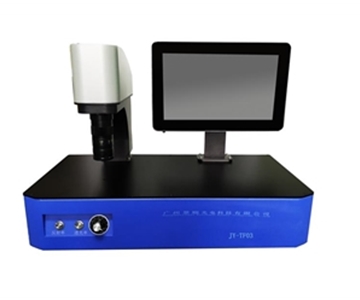
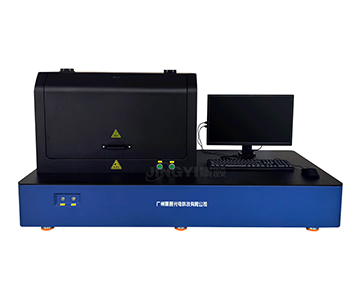
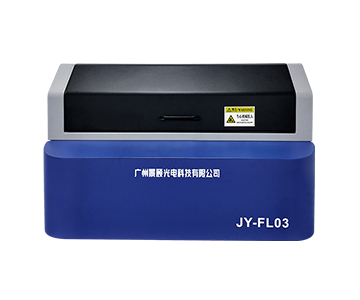
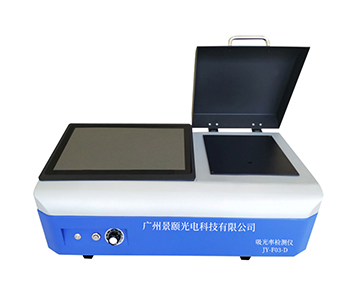
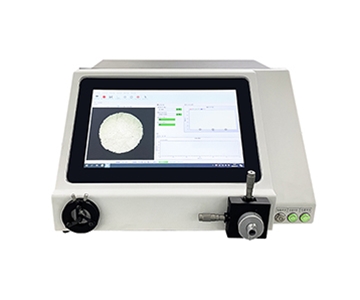
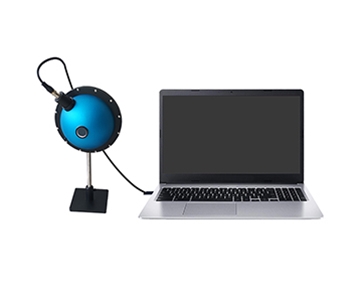
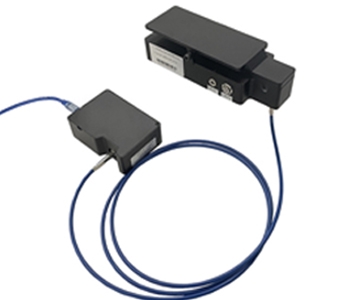
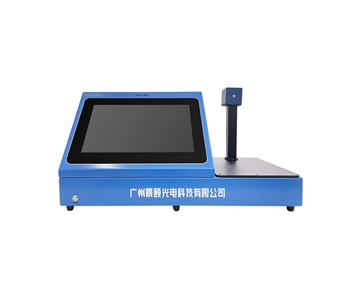
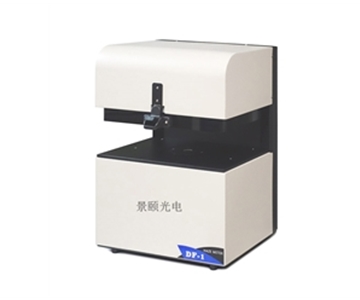
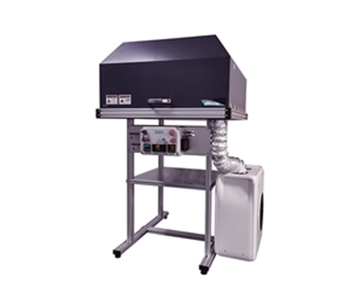
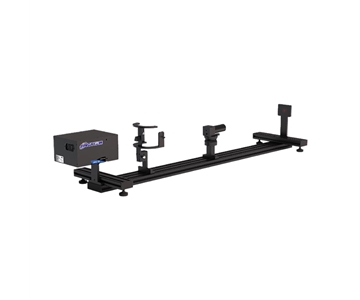
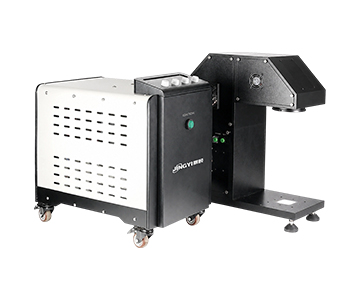
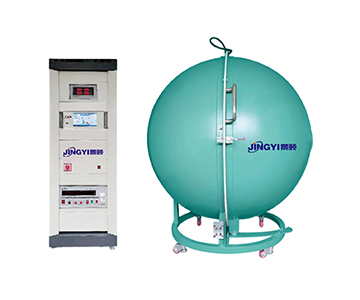
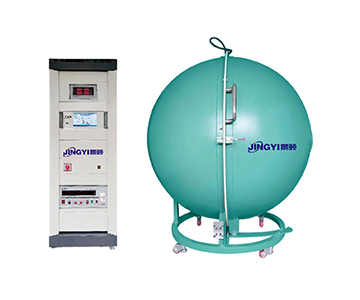
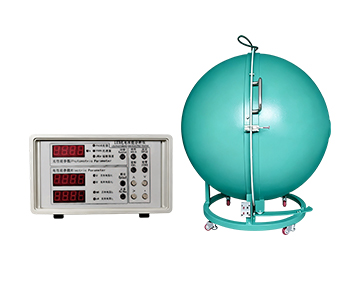
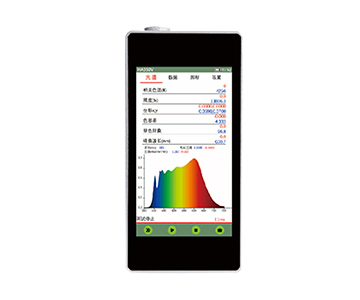
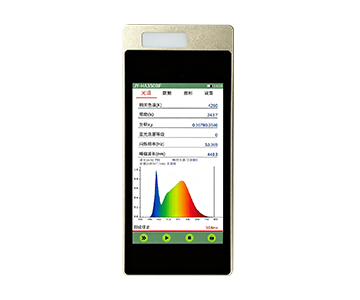
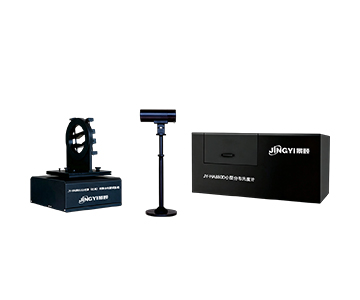
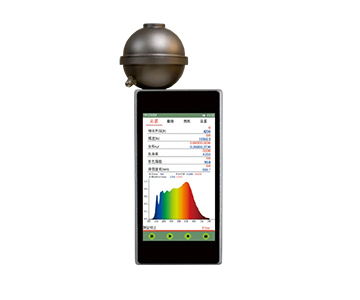
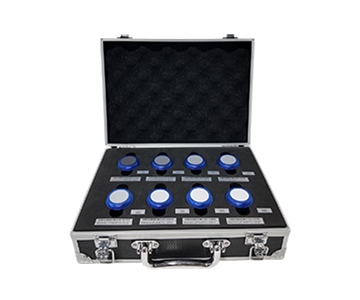
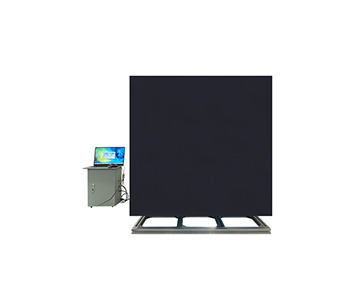
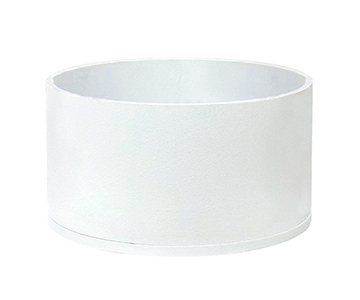
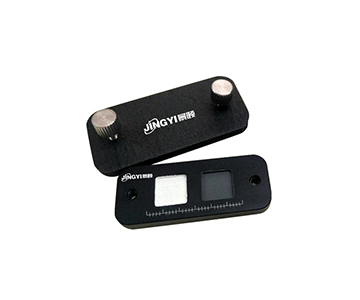
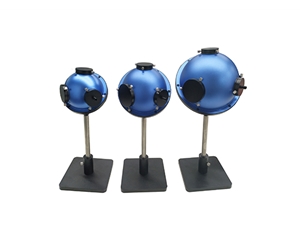
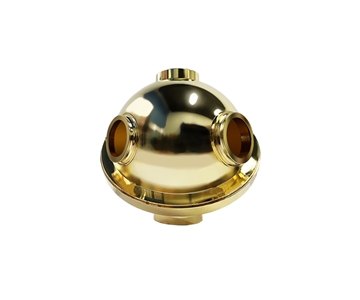
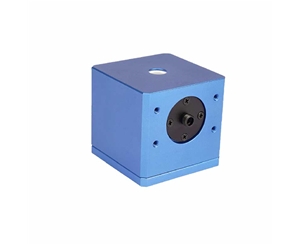
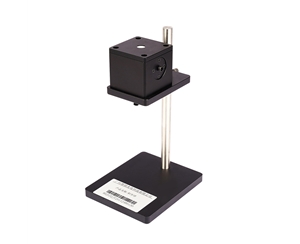
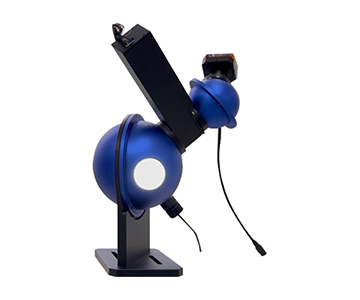
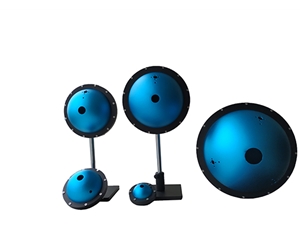
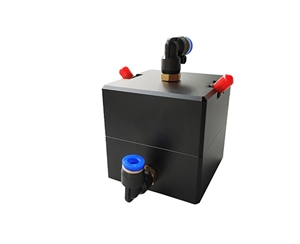
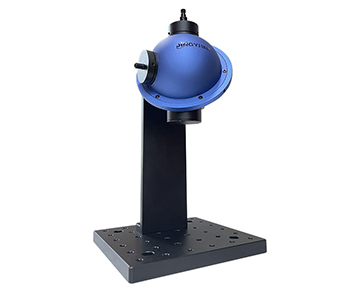
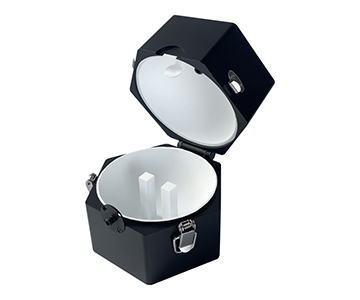
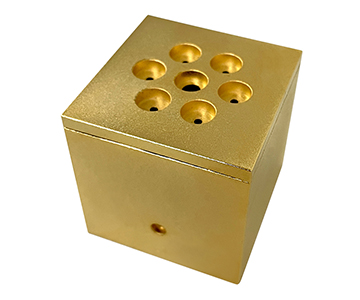
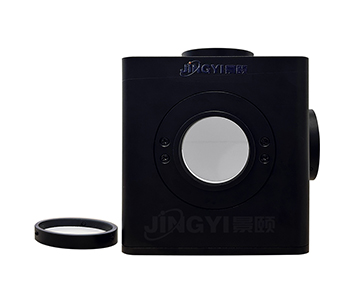
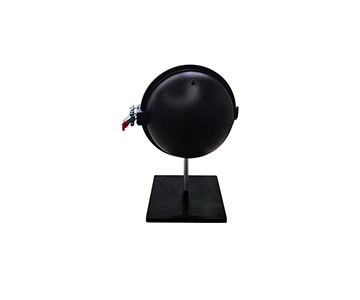
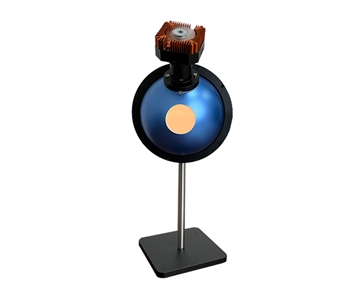
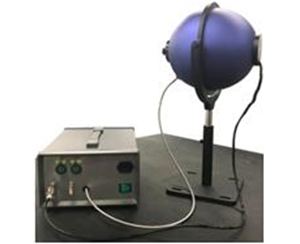
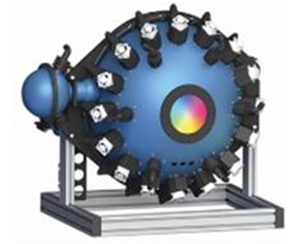
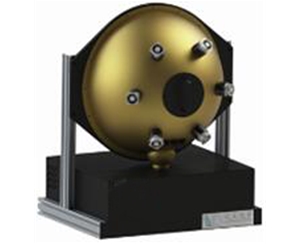
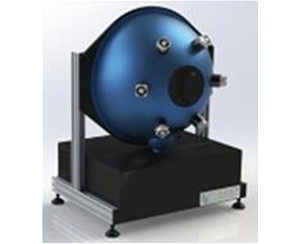
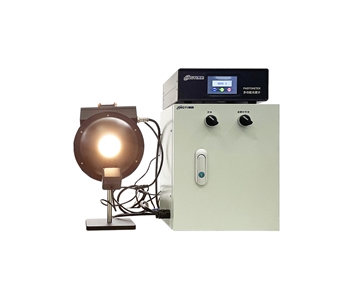
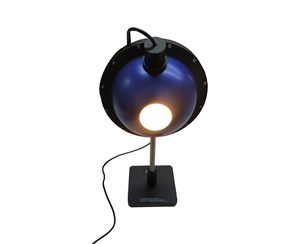
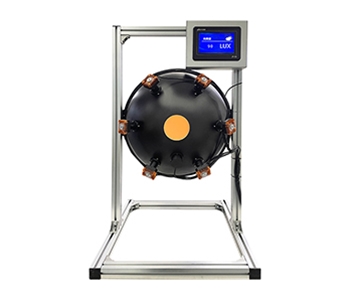
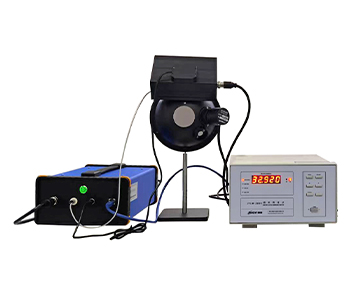
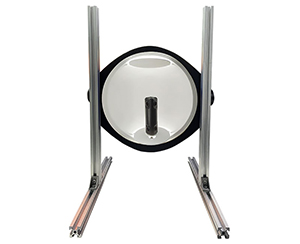
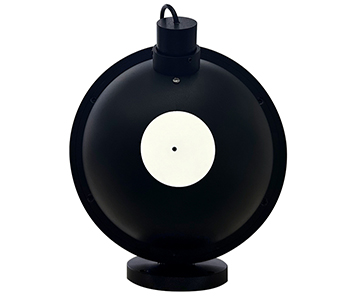
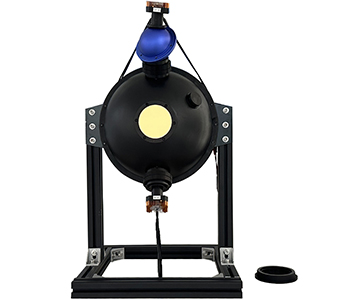
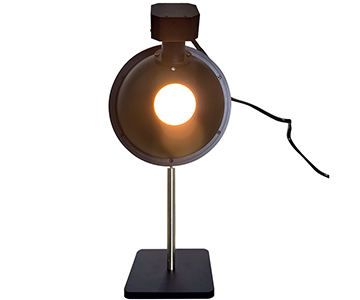
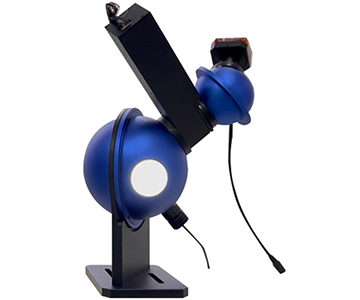
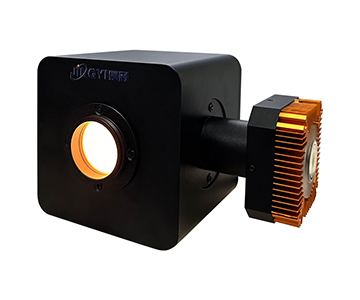
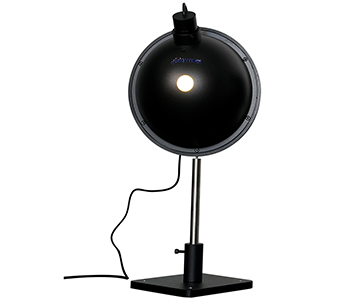
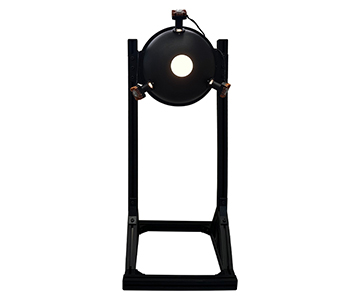
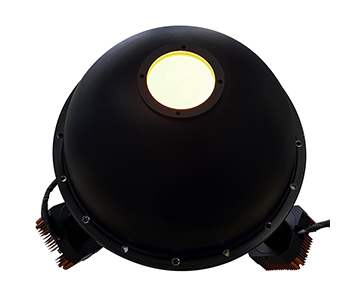
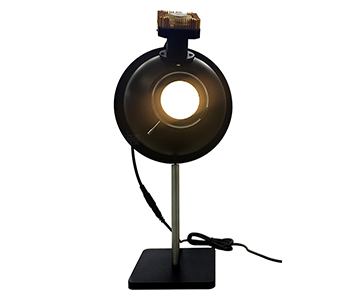
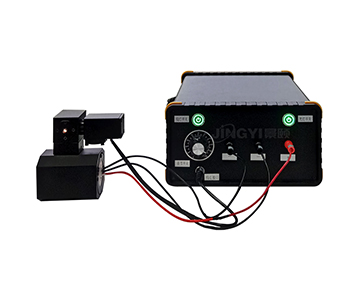
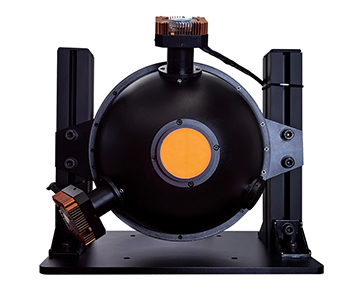
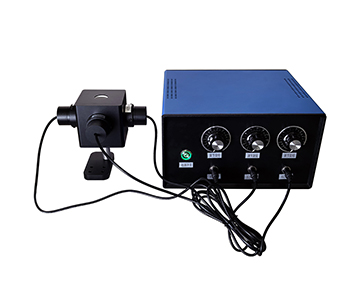
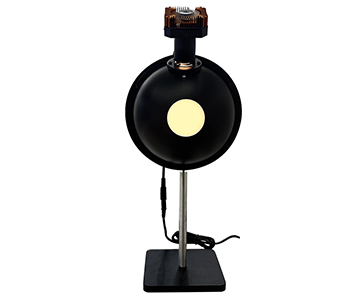
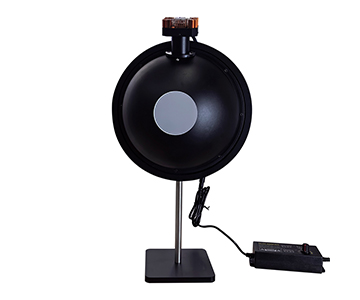
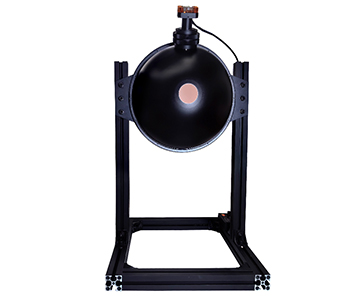
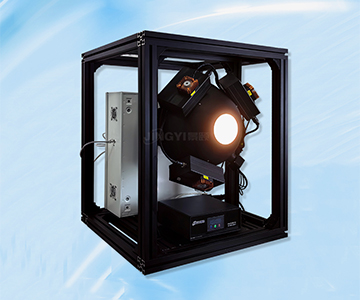
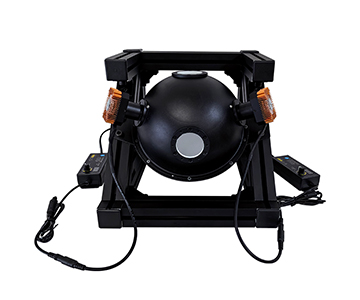
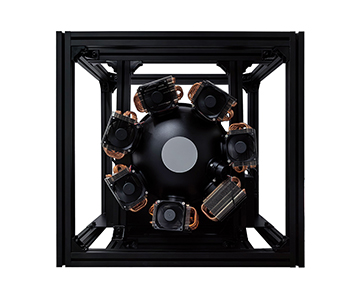
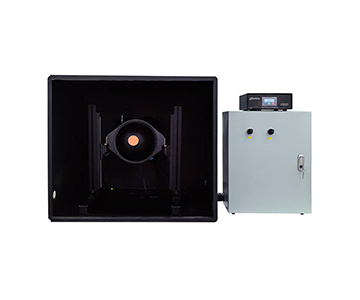
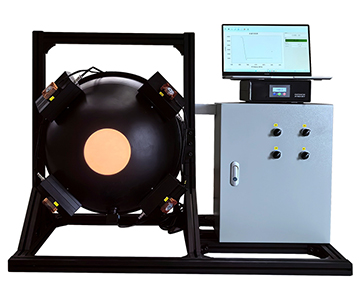
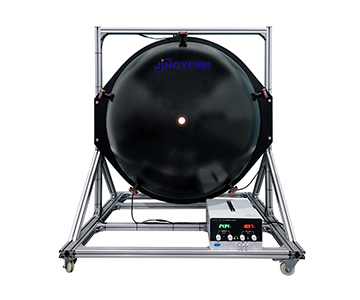
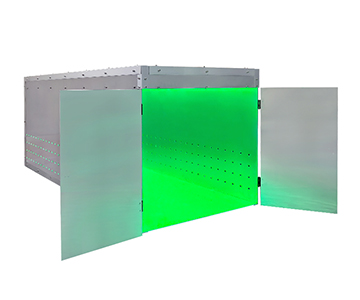
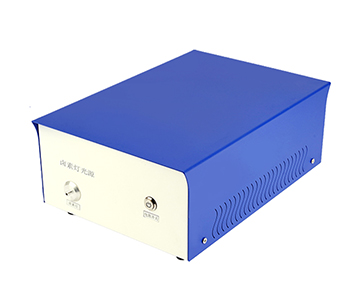
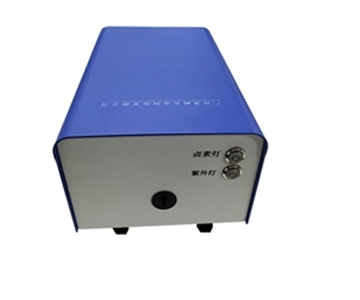
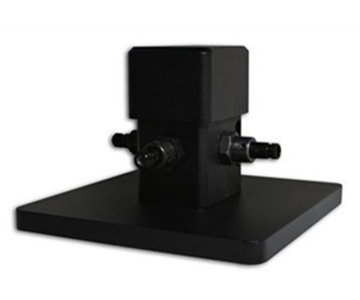
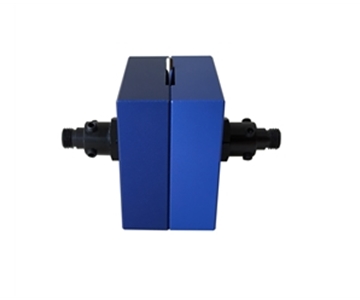
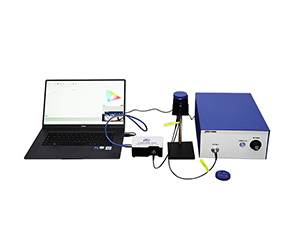
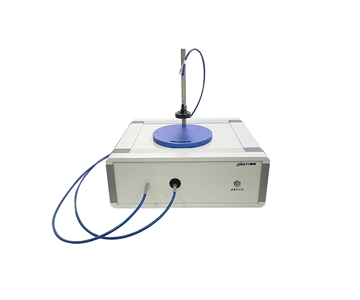
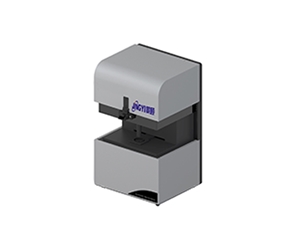
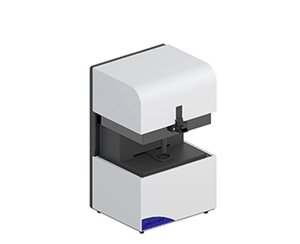
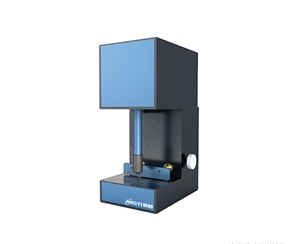
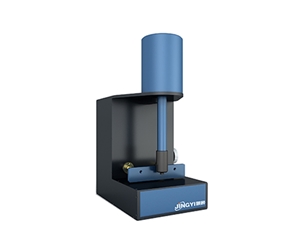
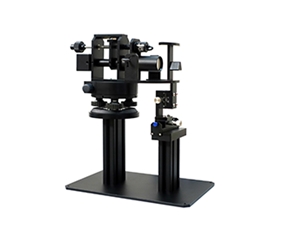
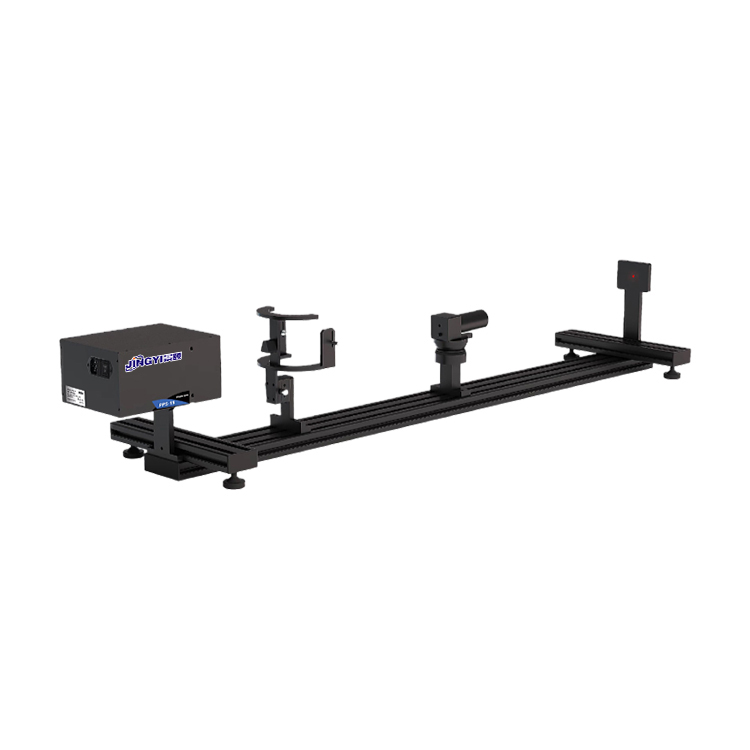
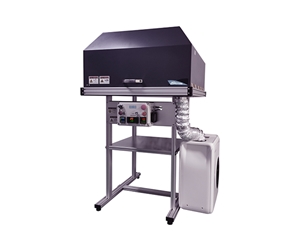
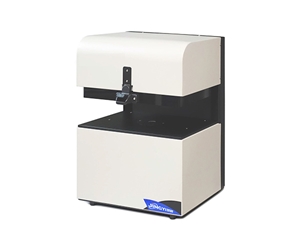
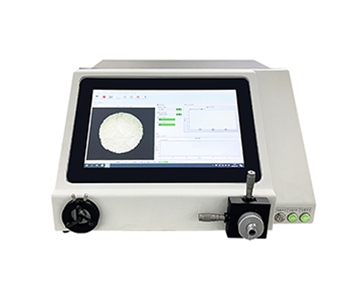
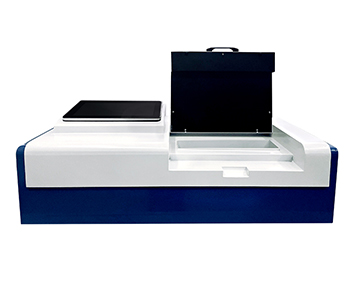
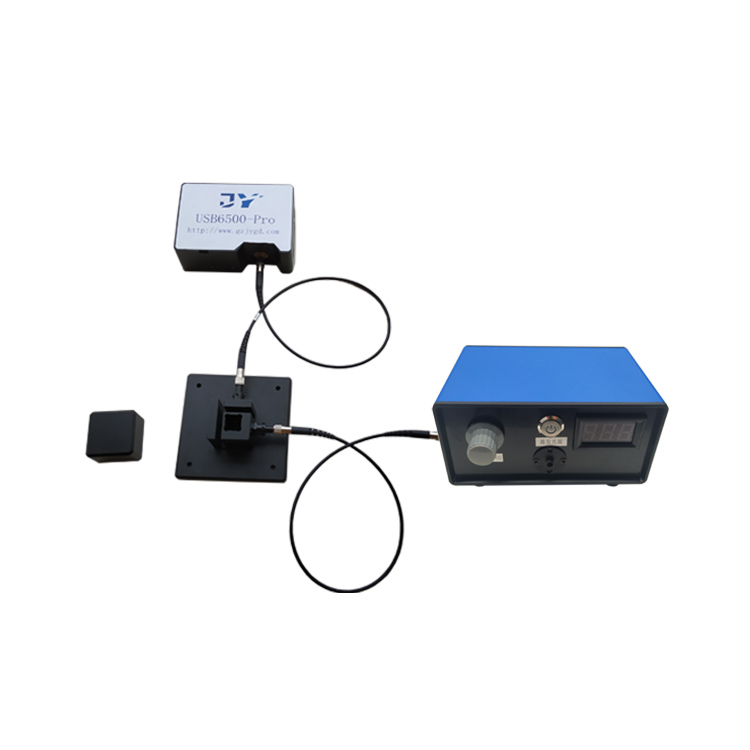
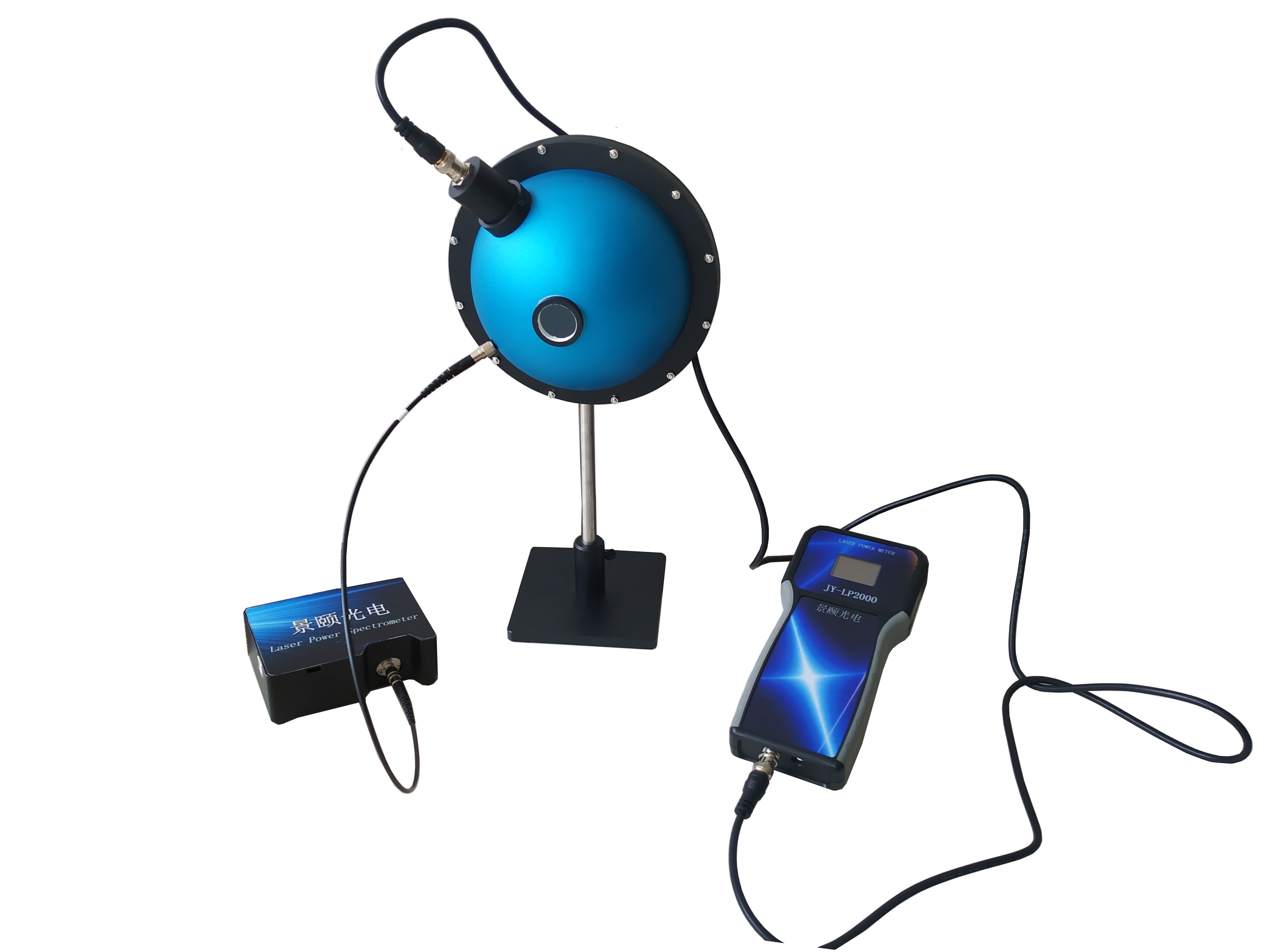
As a professional optical testing device, UV integrating spheres play an important role in light transmittance testing. Jingyi Optoelectronics has rich experience and strong technical strength in the research and development and application of UV integrating spheres. Taking its 15mm light transmittance UV integrating sphere as an example, it features high accuracy and high stability, and can accurately measure the light transmittance of various materials.
The following steps are generally followed when using a UV integrating sphere to test light transmittance:
1. First, install the tested lamp in the UV integrating sphere without the light guide plate installed, and turn it on for preheating to ensure its stable luminous state.
2. After the tested lamp stabilizes, use the UV integrating sphere to test its luminous flux.
3. Then, install the PC cover of the tested lamp, put the tested lamp back to the previous test position, and wait for the lamp to stabilize again.
4. Finally, conduct the test again, and divide the value obtained from this test by the previous value to get the light transmittance of the tested material. For example, if the value obtained from the test is 1826 and the previous value is 2531, the light transmittance is 1826 ÷ 2531 = 0.721, i.e., 72.1%.
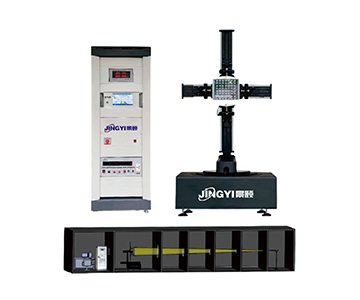
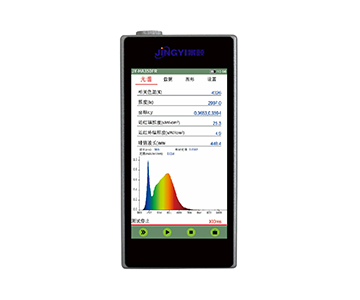
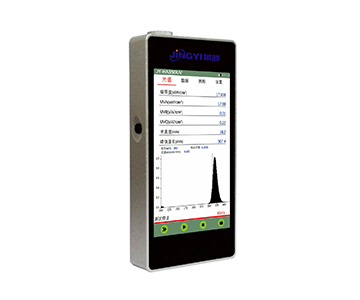
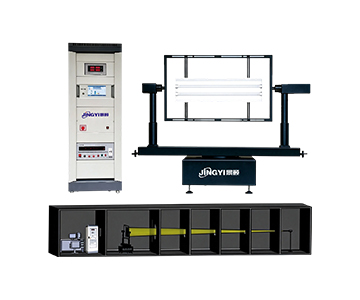
In addition to light transmittance testing, the UV integrating spheres of Jingyi Optoelectronics can also be widely used in various test projects in lighting testing laboratories, such as THD harmonic analysis (IEC61000-3-2 harmonics, IEC61000-3-3 flicker), the new European directive ErP flicker (SVMPstLM + DF displacement factor), IES light distribution curve, integrating sphere spectral energy efficiency (new European standard energy efficiency class), EMI electromagnetic compatibility testing, EMS lightning surge testing, electrostatic testing, and comprehensive safety regulation testing (withstand voltage, grounding, insulation, leakage), etc. These test projects can comprehensively evaluate the performance and quality of lighting products and provide strong technical support for the development of the lighting industry.
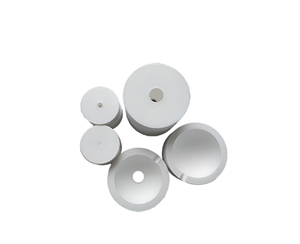
Jingyi Optoelectronics has relevant certifications, with an ex-factory qualification rate of about 99.8%; it is equipped with PTFE high-reflection coating (average reflectance) and has the capability of customizing multiple sizes/interfaces; it also provides complete pre-sales and after-sales technical support.
Applicable scenarios: Accurate optical metrology such as LED luminous flux testing, laser power measurement, display color calibration, and environmental monitoring.
In conclusion, both light guide plates and UV integrating spheres hold important positions and play key roles in the modern optical field. With the continuous innovation and development of technology, their performance and application scope will also be continuously improved and expanded, bringing more convenience and possibilities to our life and work.
#UVIntegratingSphere #TransmissionIntegratingSphere #RadiationIntegratingSphere #ReflectanceIntegratingSphere #OpticalIntegratingSphere #IntegratingSphere