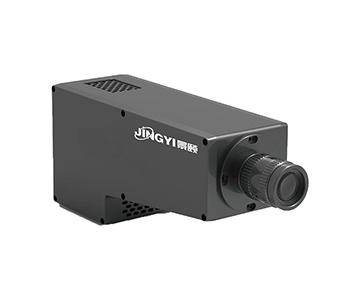
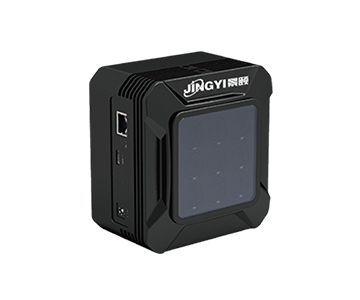
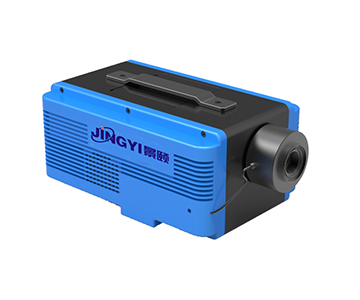
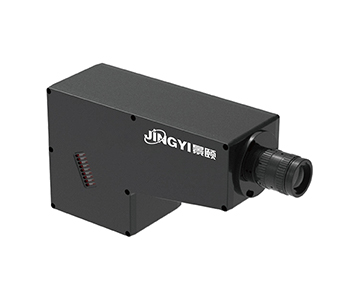
High-Resolution Raman Spectrometer Empowers Industrial Poultry Feed Monitoring I. Industry Challenges and Technological Needs (1) Complexity and Variability of Feed Ingredients Poultry processing feed consists of heterogeneous mixtures containing meat, skin, bones, tendons, and fats. By-products like bone trimmings and offal are commonly used to produce high-value-added products such as protein feed and hydrolyzed protein. However, critical parameters including fat content, protein purity, and bone residue ratio (measured by ash content) exhibit significant fluctuations due to variations in poultry breeds, rearing cycles, and slaughter techniques.
(2) Limitations of Traditional Monitoring Methods Traditional monitoring methods require manual sampling from raw material streams, followed by laboratory chemical analysis (e.g., Soxhlet extraction for fat measurement, Kjeldahl nitrogen determination for protein analysis). The entire process typically takes several hours or even a full day. This "offline mode" has two critical flaws: Resource waste due to delayed feedback – when fat content exceeds standards or protein purity is insufficient, by the time offline test results are available, dozens of tons of raw materials may have already entered subsequent processes like hydrolysis and drying. This often results in substandard products requiring complete rework, with single losses potentially reaching hundreds of thousands of yuan.
Poor sampling representativeness: Due to the high heterogeneity of poultry raw materials, manual sampling may fail to accurately reflect the overall characteristics of the raw materials, leading to the issue of "generalizing from partial observations." For example, if the sampling site coincides with an area of low bone residue content, while the actual raw materials contain excessive bone residue that remains undetected, this may result in subsequent products exceeding ash content limits, posing risks of market recall.
(3) Dual Drive of Policy and Market In recent years, global food safety regulations have become increasingly stringent. Standards such as the EU's Food Hygiene Regulations and China's National Food Safety Standard for Poultry and Poultry By-products have clearly specified requirements for the composition and content of poultry ingredients, as well as the residue of contaminants, and require that raw material monitoring data be traceable and verifiable in real time. Meanwhile, consumers' demand for "high-quality poultry products" continues to upgrade, prompting enterprises to shift from "post-event testing" to "pre-event prevention" by monitoring raw material quality in real time, optimizing production processes, and enhancing product competitiveness.
In this context, traditional monitoring methods can no longer meet the demands of the industry. There is an urgent need for a real-time, in-situ, and non-destructive monitoring technology. It is under this demand that the high-resolution Raman spectrometer was developed.
II. Technical Principles and Advantages of High-Resolution Raman Spectrometer (1) Technical Principles The core of Raman spectroscopy technology lies in utilizing laser interactions with molecular structures to generate unique "molecular fingerprints." Different components exhibit distinct molecular architectures, resulting in varying positions and intensities of Raman scattering peaks. By analyzing these spectral signatures, substances can be rapidly and accurately identified with quantitative analysis of their concentrations. The "online" design approach enables this technology to transcend laboratory limitations, allowing direct integration into industrial production lines for real-time monitoring of raw materials.
(2) Real-time monitoring with technical advantages eliminates delays: The high-resolution Raman spectrometer can be directly installed at locations such as raw material conveyor belts, mill outlets, or hydrolysis tank inlets. By scanning the raw material flow in real time with a laser probe, it can output spectral data of key components like fat, protein, ash, and hydroxyproline (a collagen indicator) within seconds. This enables real-time monitoring of raw material quality, allowing for timely identification and resolution of issues to prevent resource waste and product quality problems.
Non-destructive testing with preservation of raw material value: Unlike traditional sampling inspection methods, Raman spectroscopy only requires laser irradiation on the surface of raw materials without causing any physical or chemical damage. This approach is particularly suitable for monitoring high-value-added raw materials, avoiding material loss due to sampling and improving raw material utilization rates.
Multi-component synchronous analysis simplifies workflows: Traditional laboratory testing requires different instruments for various components, whereas high-resolution Raman spectrometers can simultaneously quantify multiple components such as fats, proteins, ash content, and collagen through a single scan without the need for additional chemical reagents. This approach not only reduces testing costs and minimizes environmental pollution from chemical waste liquids but also streamlines the testing process and enhances detection efficiency.
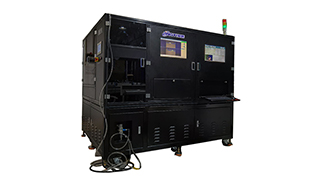
Designed for industrial environments with robust interference resistance: Poultry processing workshops operate in complex conditions featuring dust particles, vibrations, and temperature fluctuations—factors that challenge conventional detection equipment to maintain stable performance. Industrial-grade high-resolution Raman spectrometers employ specialized designs with exceptional vibration and electromagnetic interference resistance, ensuring reliable operation under harsh industrial conditions. Their compact yet durable construction, combined with wide operational range and angle adaptability, enables precise spectral data acquisition across diverse environments including raw material conveyor belts and grinder discharge ports, eliminating the need for frequent calibration or maintenance.
III. Application Fields of High-Resolution Raman Spectrometer in Industrial Poultry Feed Monitoring (1) Feed Grading and Screening In the raw material receiving area, high-resolution Raman spectrometers are utilized to conduct rapid testing on incoming poultry feed. Based on indicators such as fat content and muscle fiber thickness, precise feed grading is performed. High-quality feed is allocated for premium product processing, while substandard feed is directed to standard production lines, achieving optimal feed utilization and enhancing feed value-added.
(II) Production Process Optimization Through real-time monitoring of raw material composition changes, precise parameter settings are provided for critical production stages such as curing, steaming, and smoking. For instance, when elevated fat content is detected in raw materials, defatting process parameters can be adjusted accordingly. When high protein content is identified, heating temperature and duration can be optimized to ensure tender texture and nutrient retention, thereby enhancing product quality and mouthfeel. This approach ensures every batch achieves optimal flavor profile and consistency.
(3) Product quality control is conducted during the final packaging stage, where high-resolution Raman spectrometer is reactivated for testing to ensure that the nutritional components of the products comply with the labeling specifications. Non-conforming products are eliminated to prevent defective products from entering the market, thereby safeguarding corporate reputation and consumer health rights.
(4) Value Enhancement of By-products: By-products generated during poultry processing—such as chicken skin, feet, and bone residues—are far from being worthless "waste materials." Instead, they represent valuable resources for developing high-value-added products. For instance, chicken skin contains high fat content suitable for extracting edible-grade chicken oil, while bone residues rich in calcium and phosphorus can be processed into calcium supplements. High-resolution Raman spectrometers enable real-time component analysis of by-products, achieving "precise classification" that allows tailored utilization of different material components. This "premium material, premium application" approach can increase by-product value by 2-3 times, creating new profit growth opportunities for enterprises.
(5) Quality Traceability In today's food safety landscape where increasing attention is paid to product safety, "traceability" has become one of the core competitive advantages for enterprises. Each set of raw material composition data recorded by high-resolution Raman spectrometers can be automatically uploaded to the company's cloud platform, forming an tamper-proof "digital archive." This achieves full-process transparency from farm to table, thereby enhancing consumer trust in product quality.
(6) New Product Development: The R&D department can utilize high-resolution Raman spectrometers to explore product characteristics under various raw material combinations and ratios, rapidly screen out novel and nutritionally balanced formulations, accelerate the launch process of new products, meet diversified market demands, and provide technical support for enterprises to seize market opportunities.
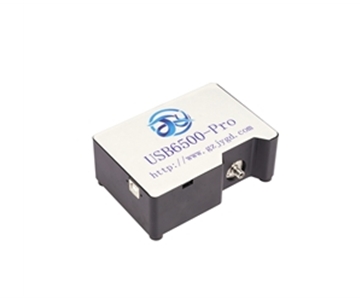
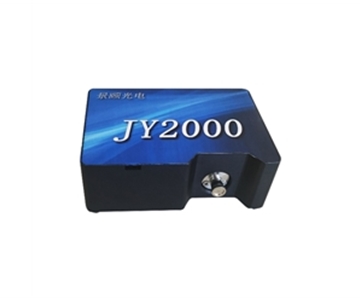
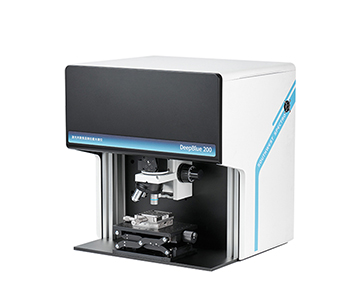
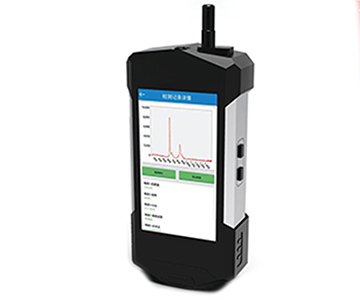
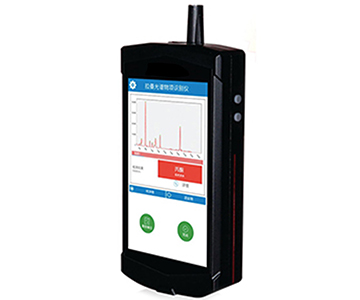
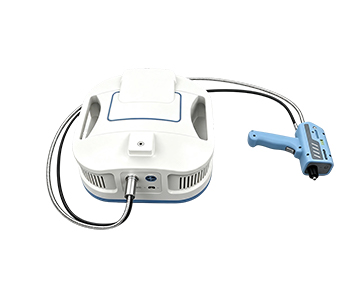
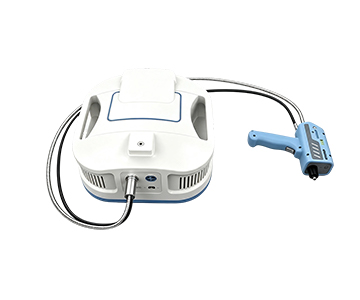
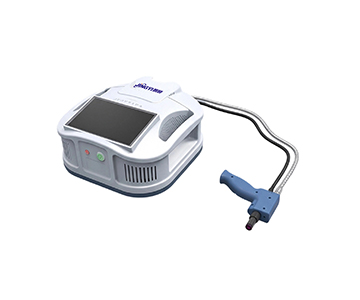
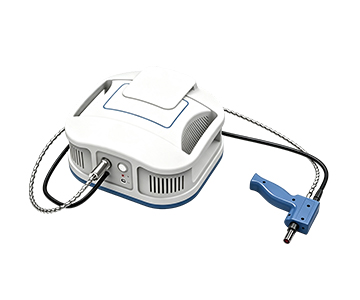
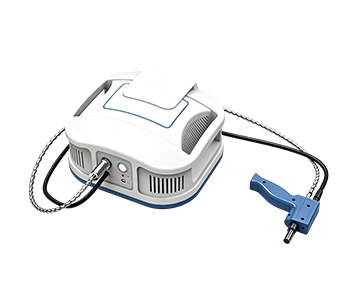
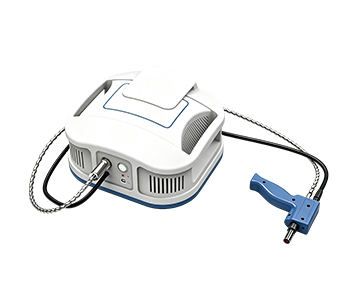
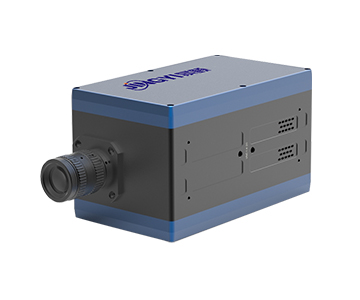
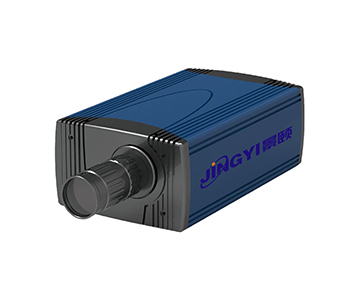
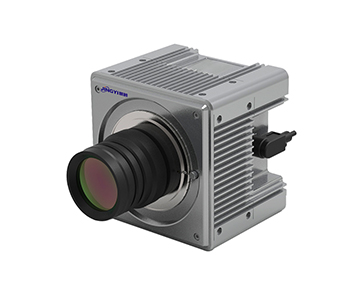
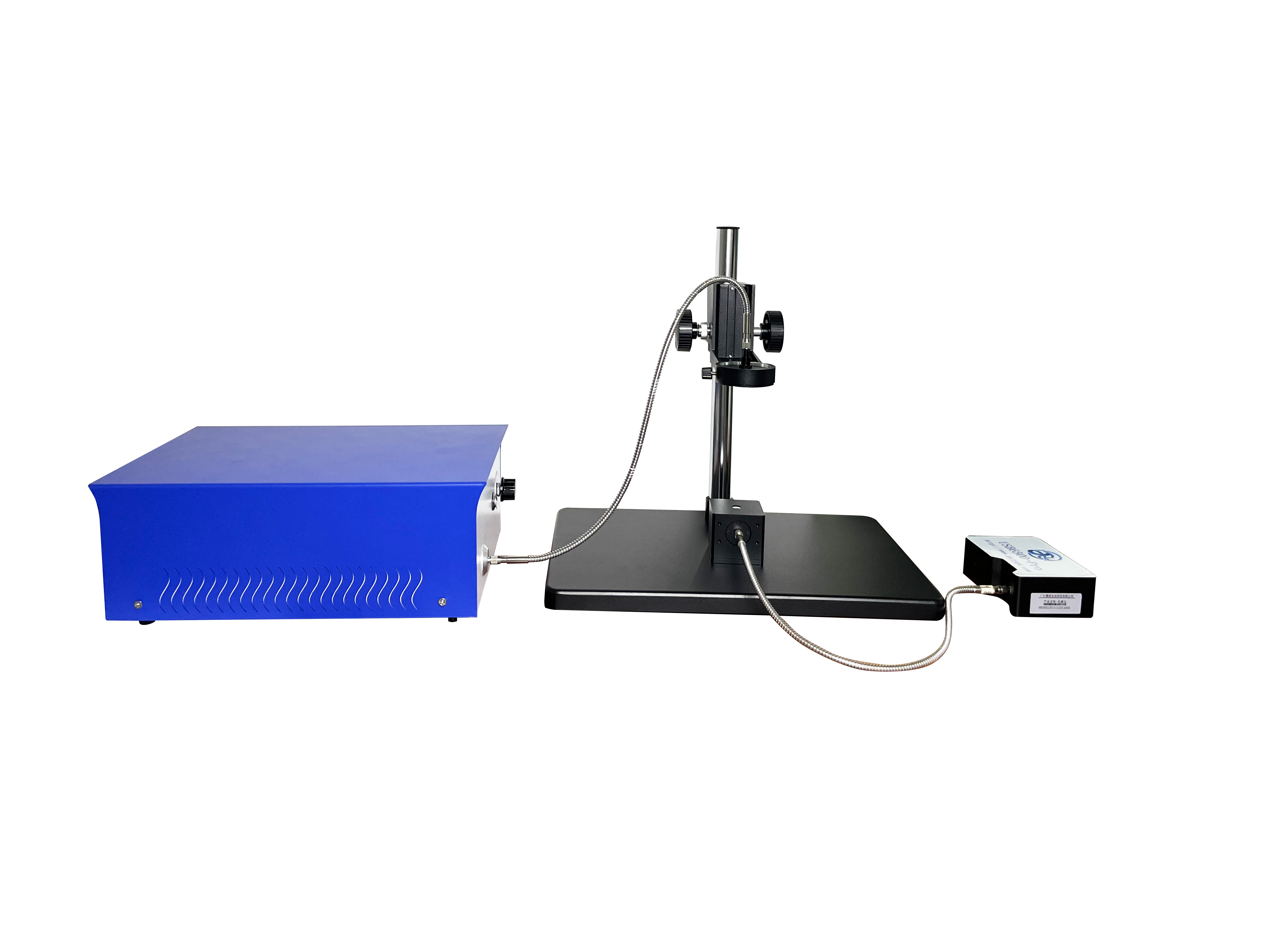
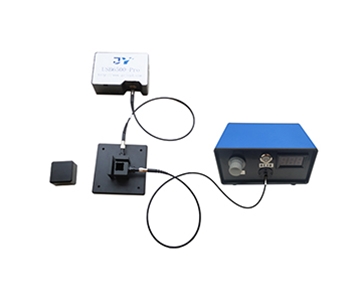
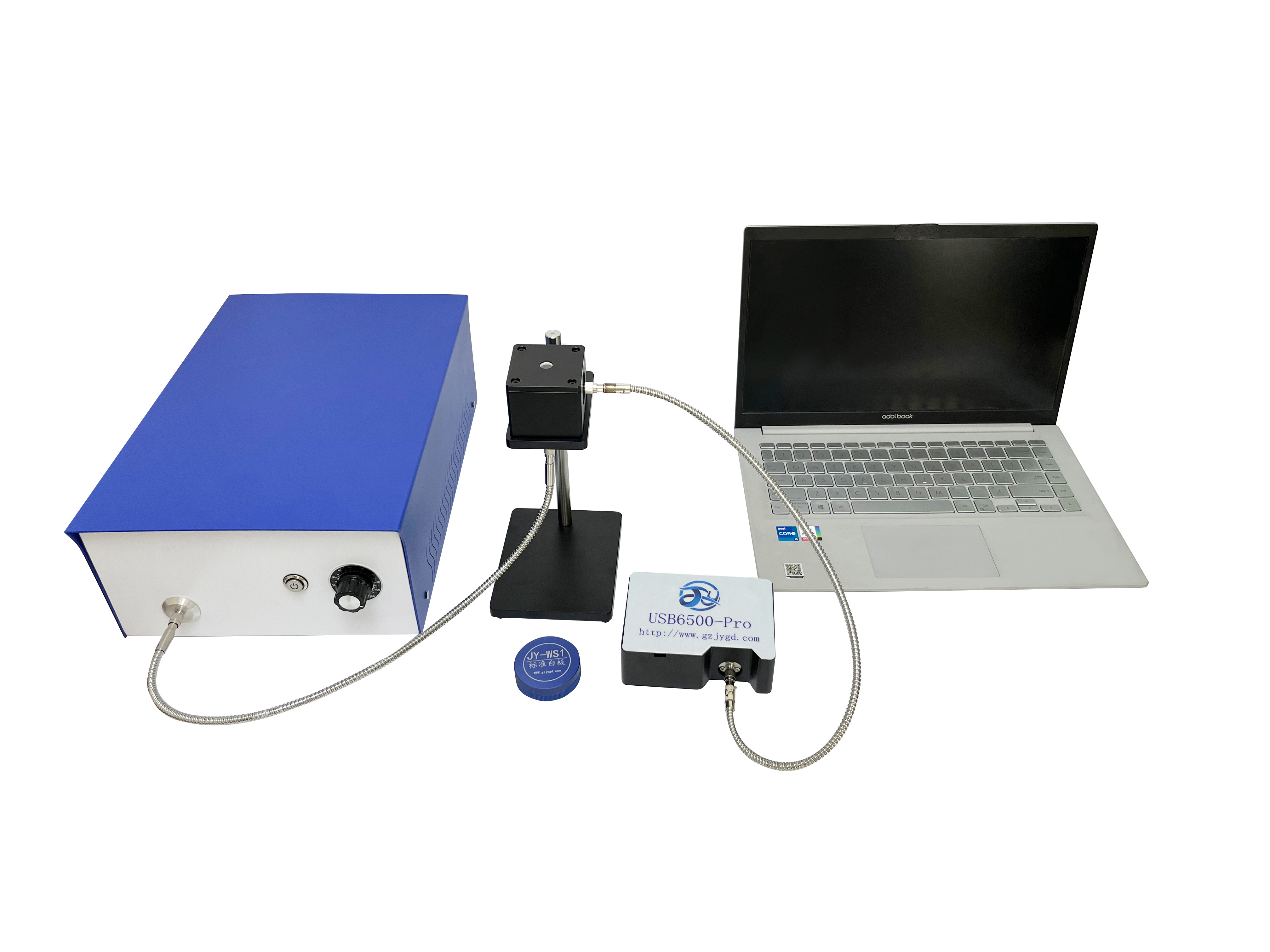
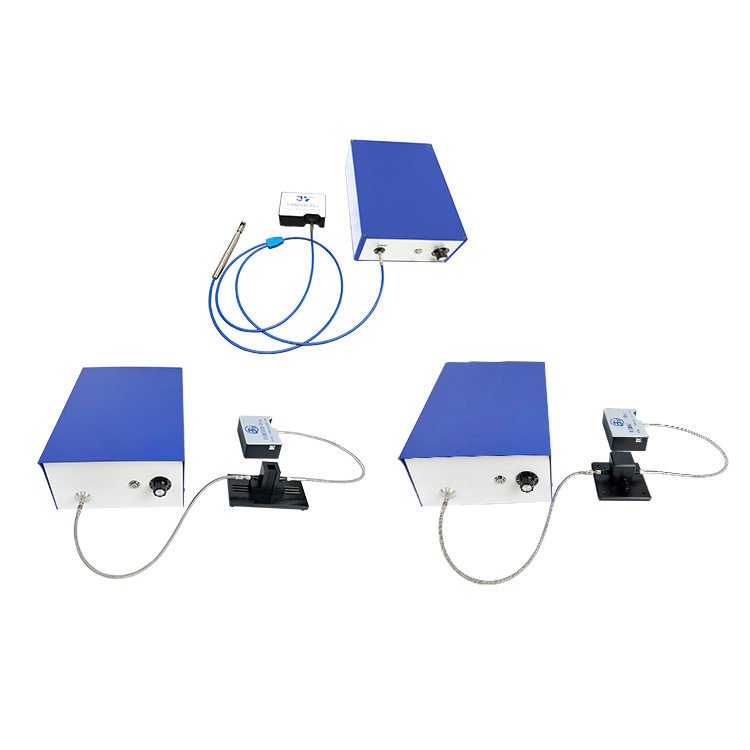
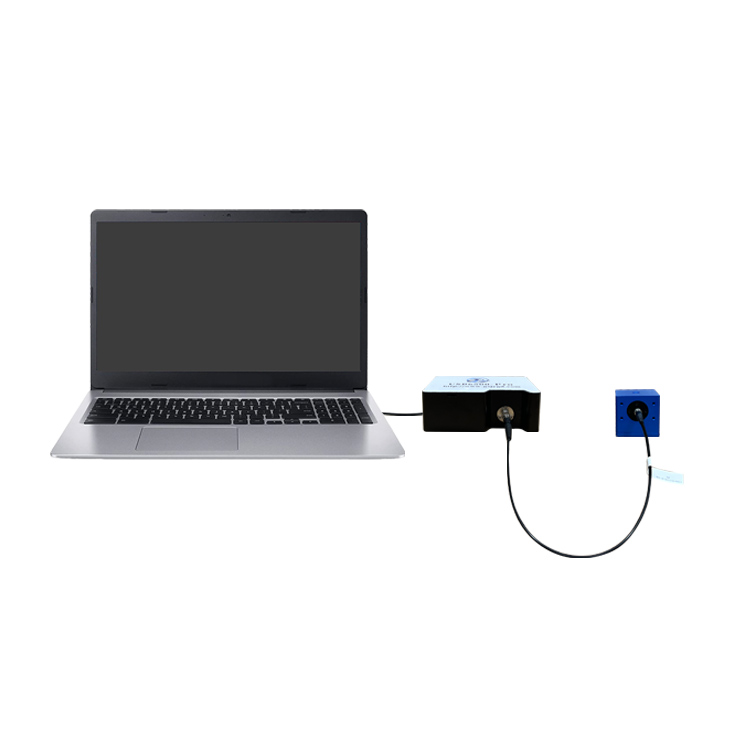
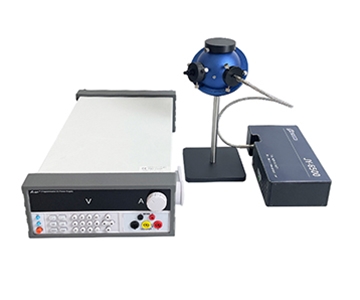
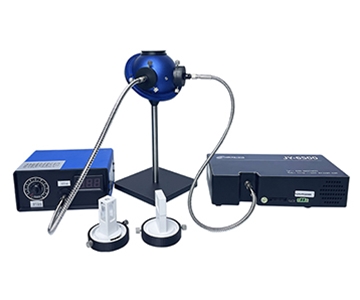
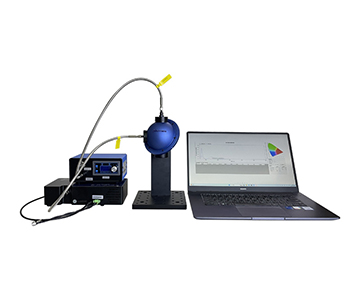
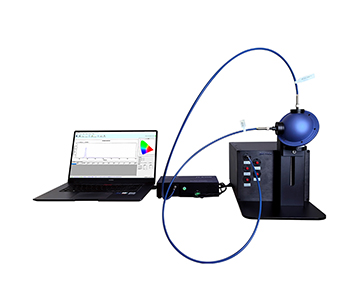
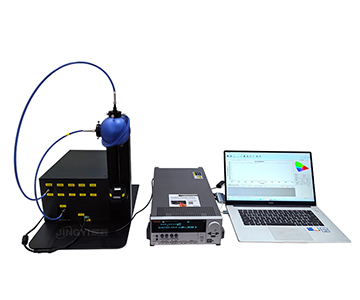
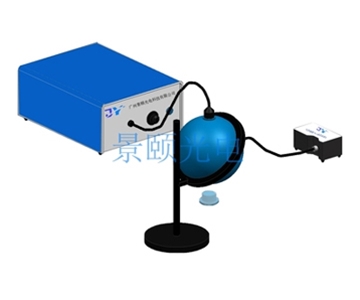
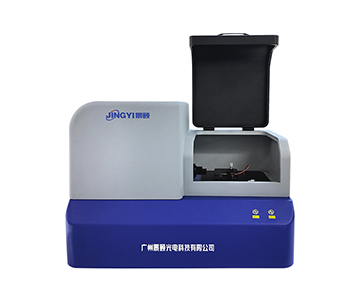
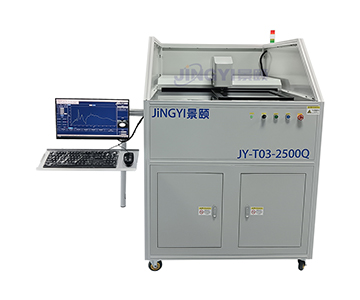
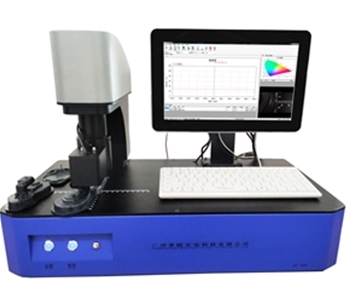
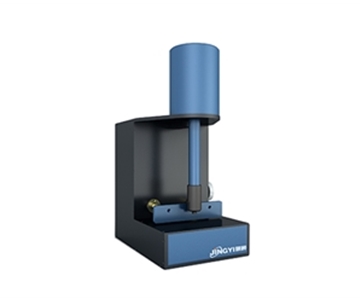
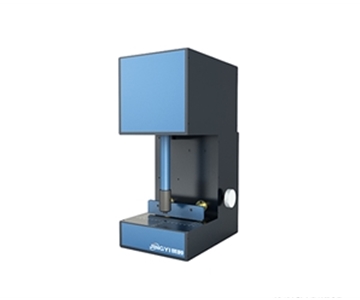
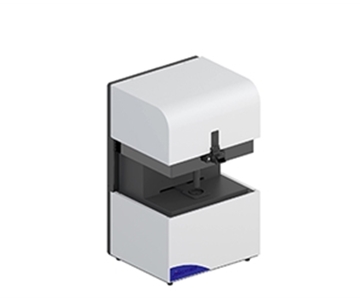
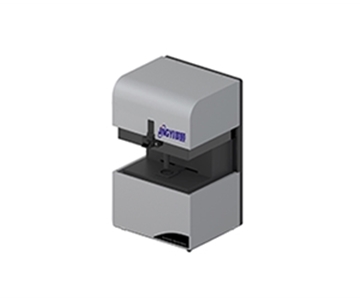
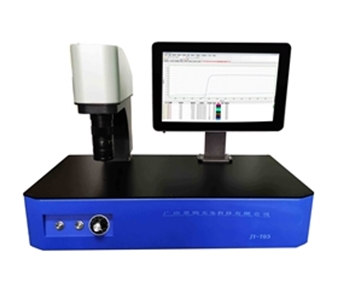
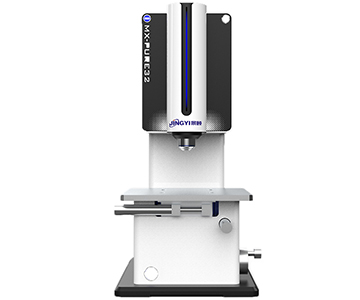
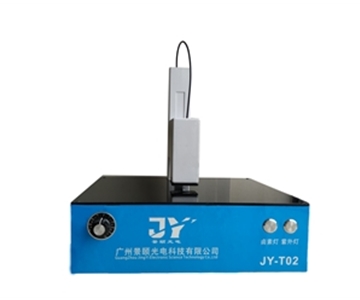
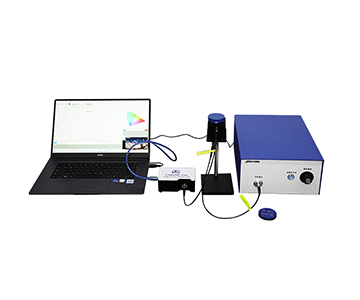
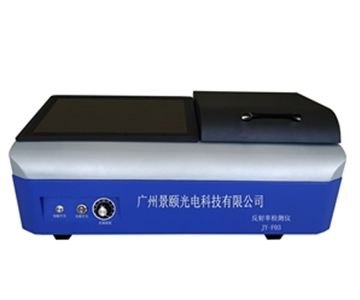
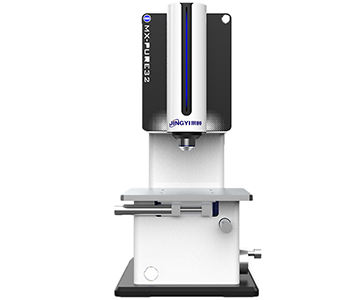
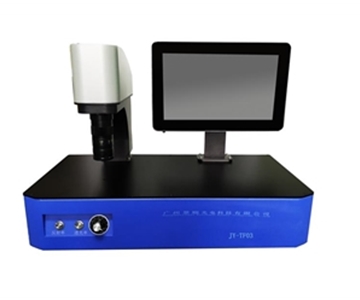
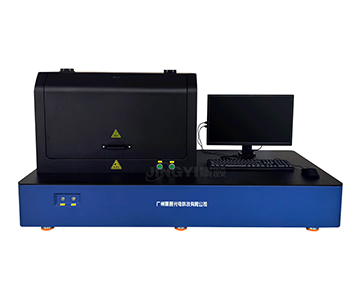
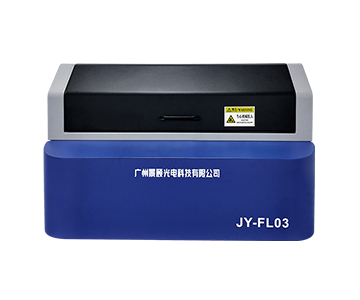
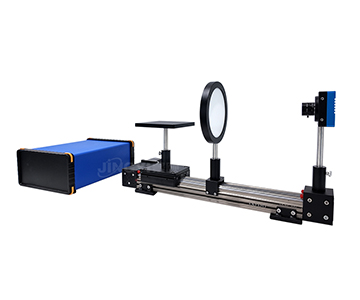
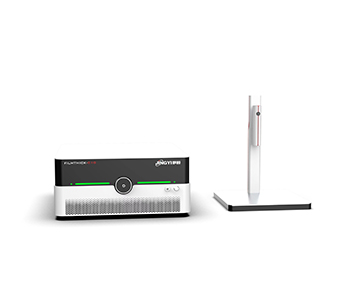
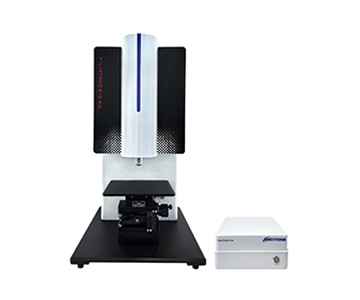
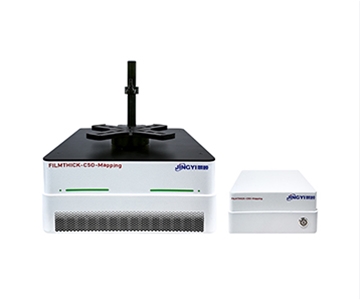
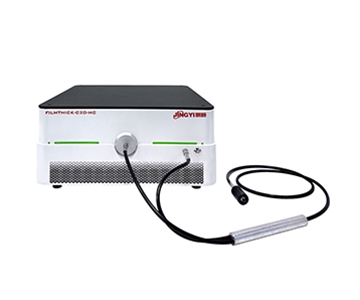
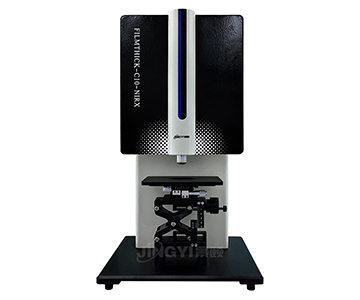
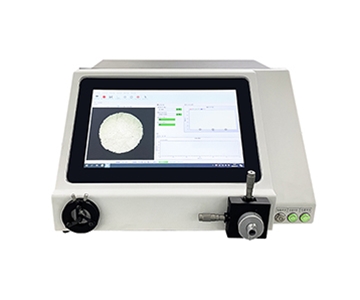
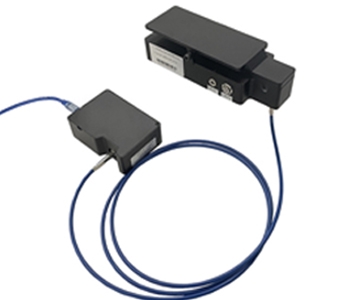
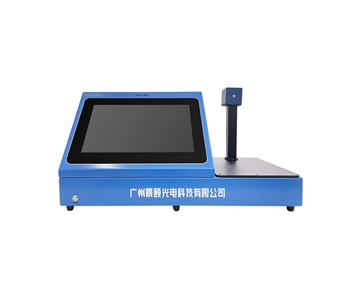
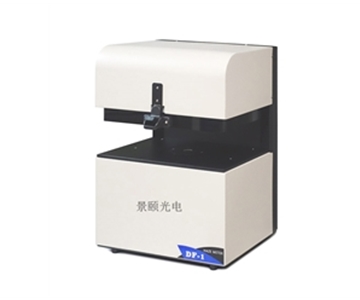
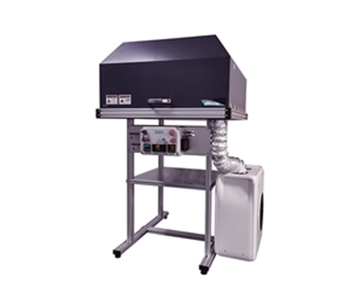
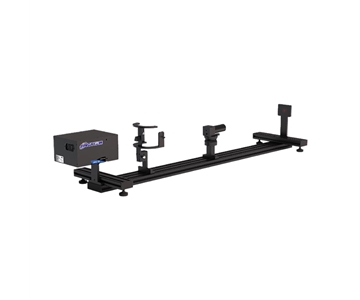
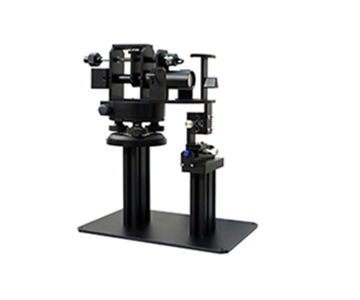
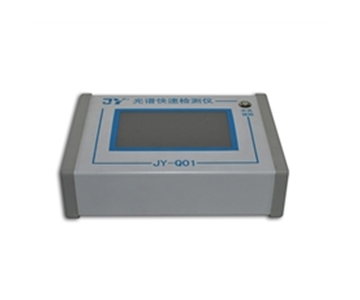
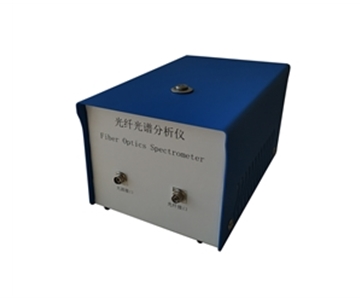
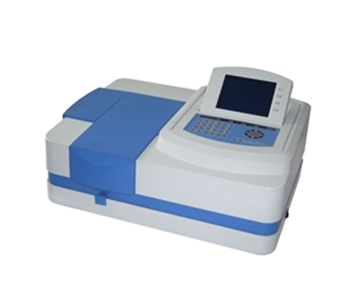
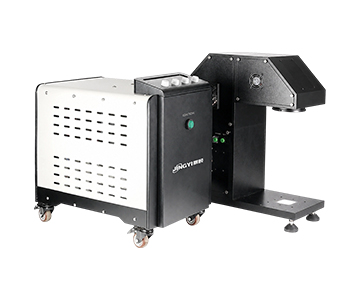
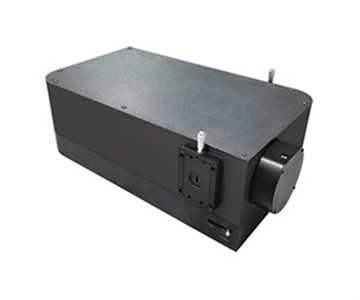
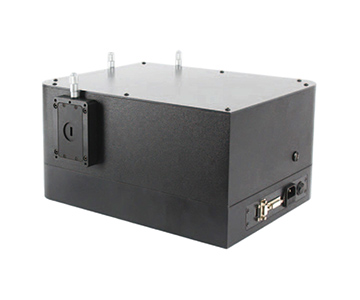
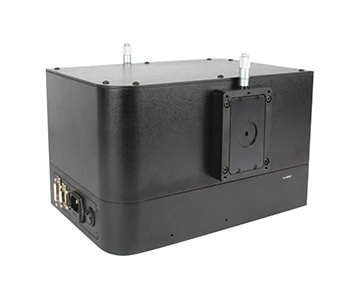
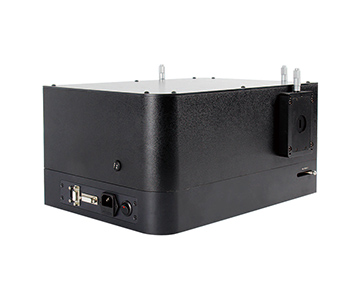
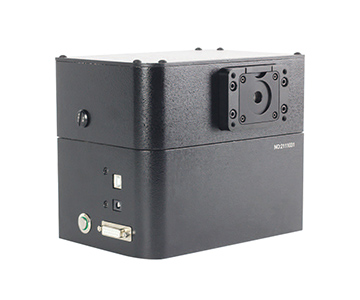
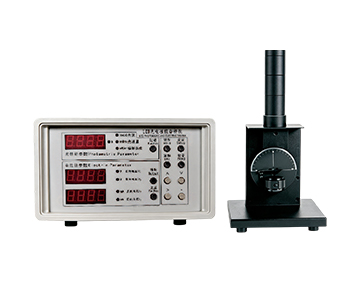
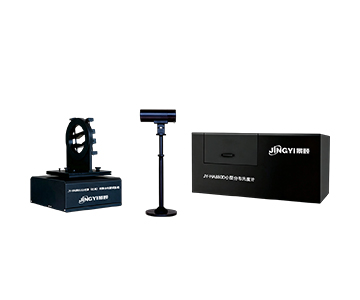
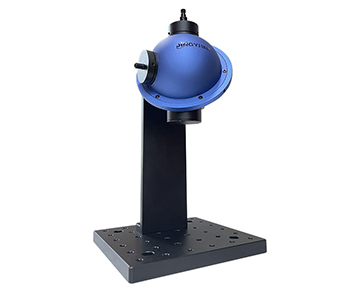
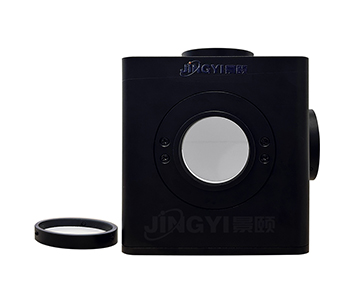
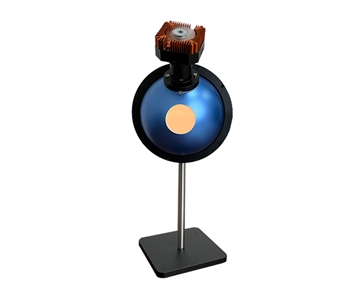
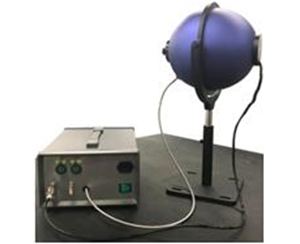
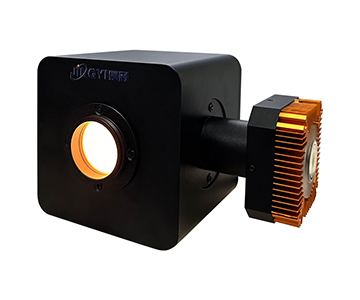
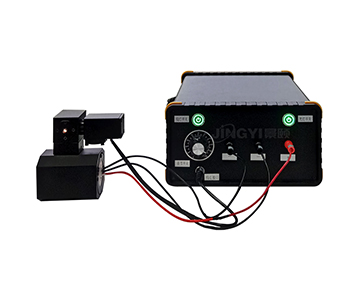
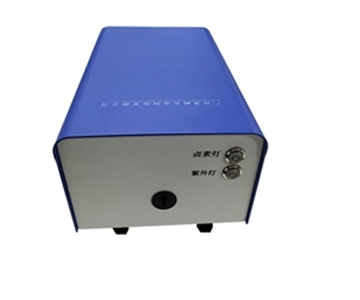
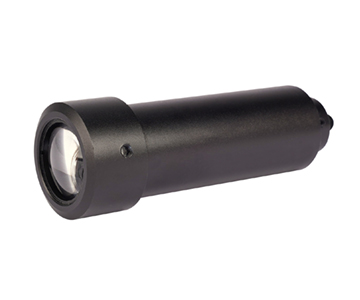
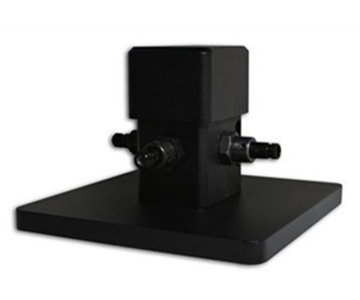
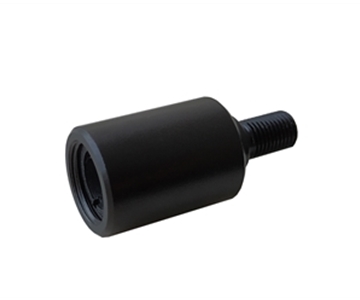
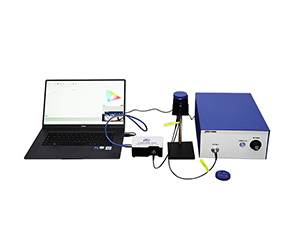
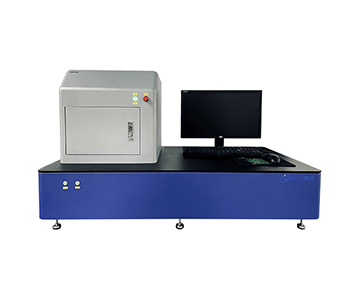
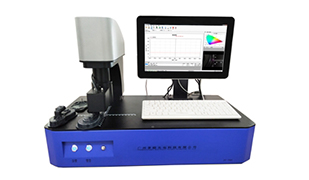
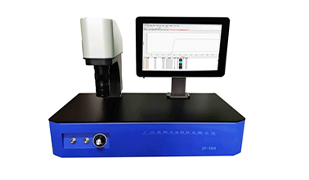
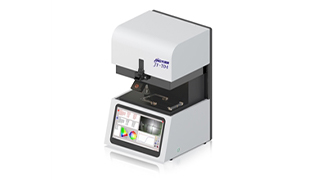
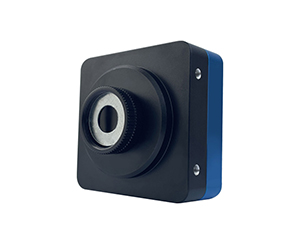
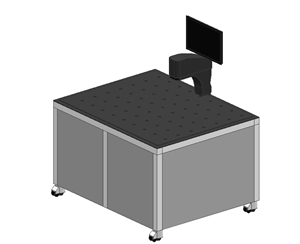
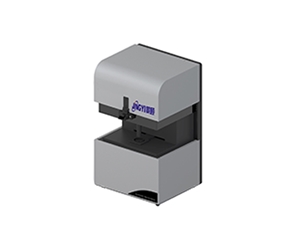
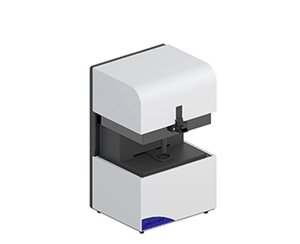
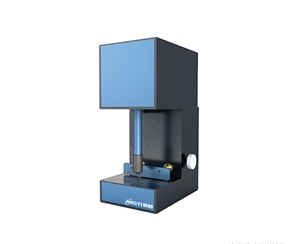
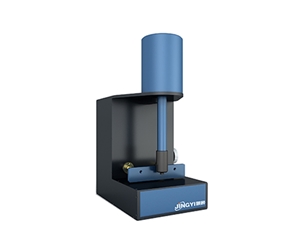
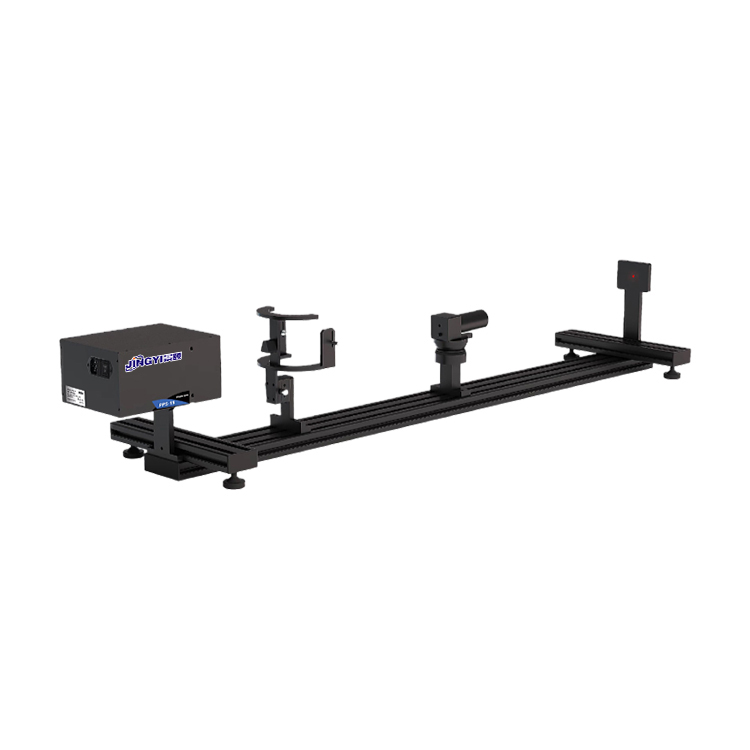
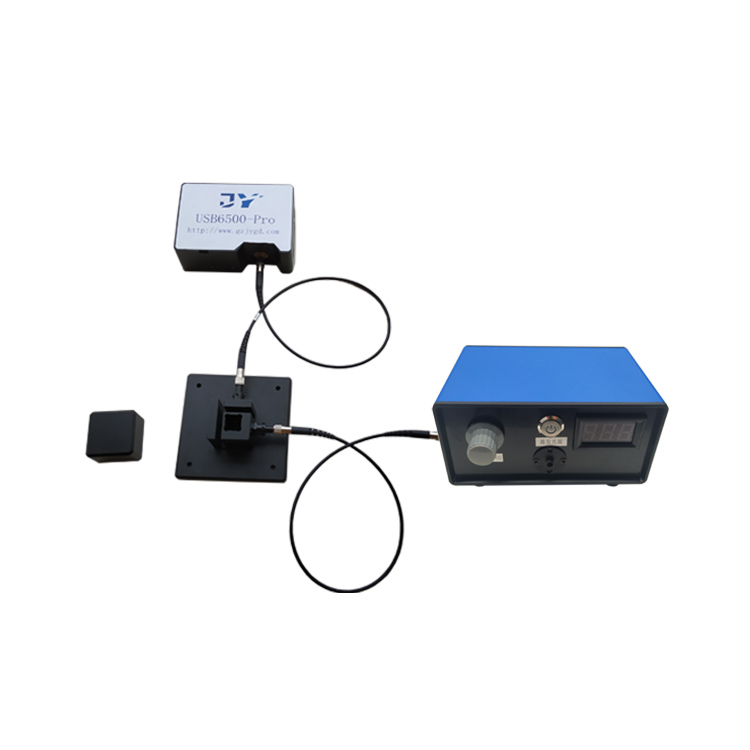
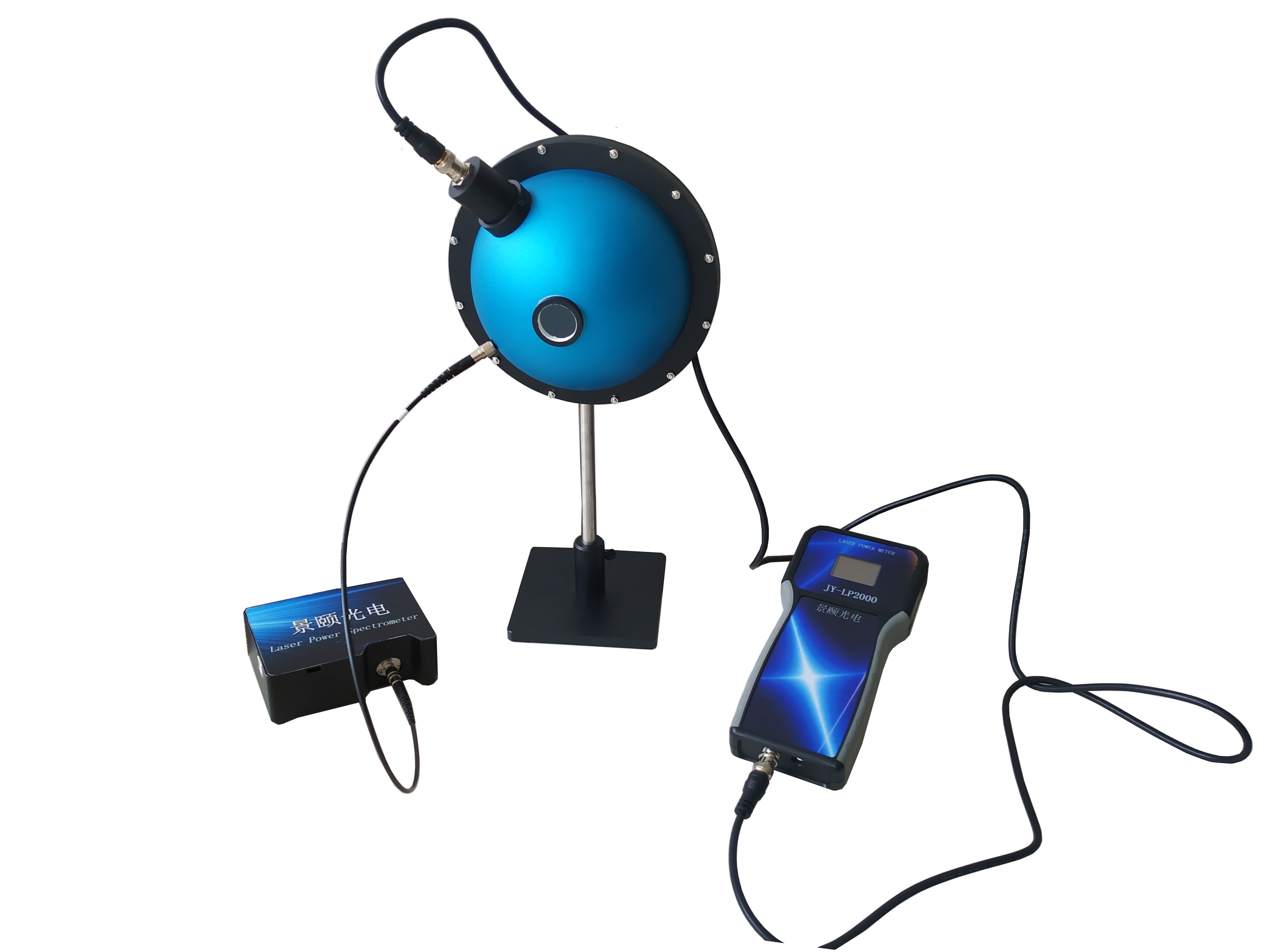
4. Testing System Composition and Setup of High-Resolution Raman Spectrometer (1) System Composition Main Unit: The high-resolution Raman spectrometer consists of a laser and a spectrometer. The laser generates high-intensity monochromatic light to excite the sample for Raman scattering, while the spectrometer captures the scattered signals and separates them into distinct wavelengths, producing the final Raman spectrum.
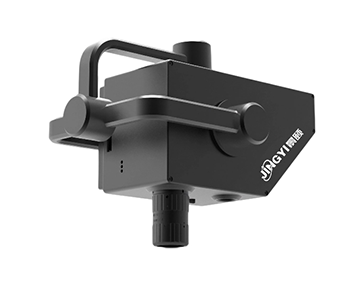
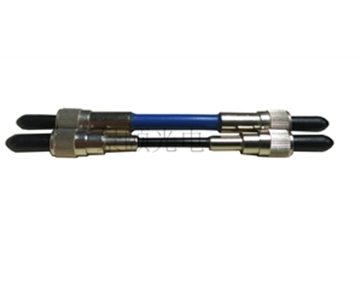
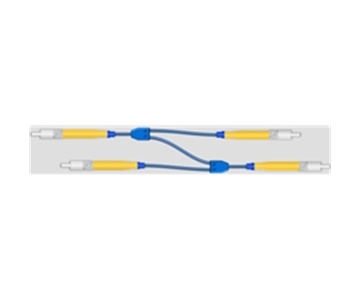
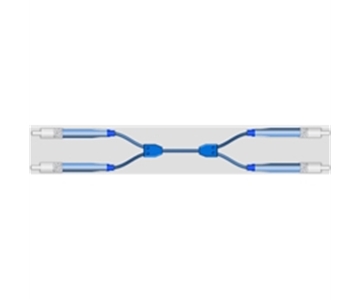
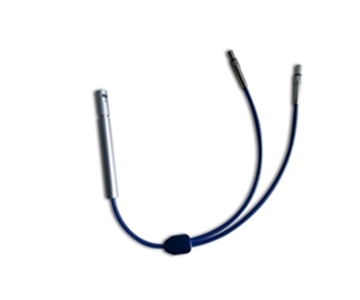
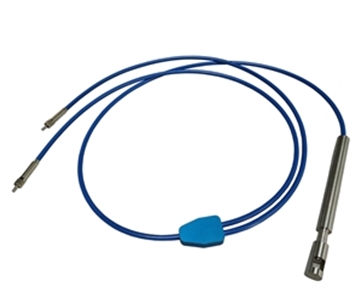
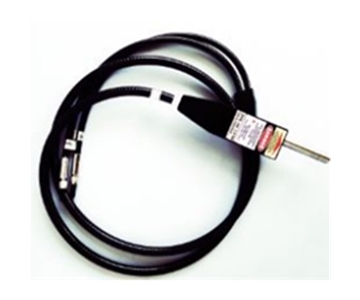
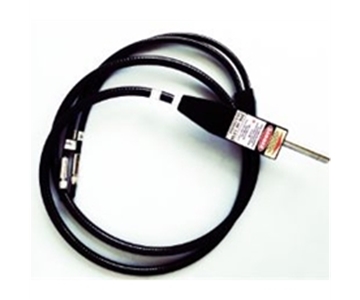
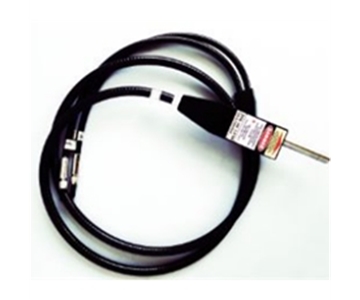
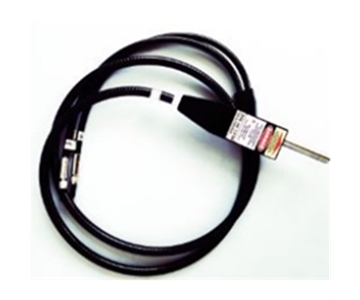
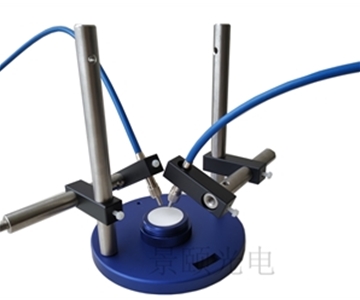
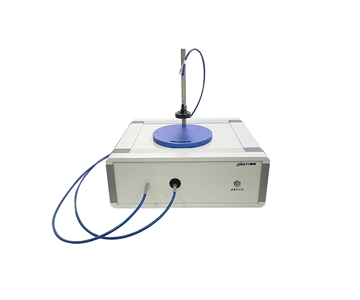
Raman probe: Transmits laser to the sample location and collects the returned Raman scattered light, which is then transmitted to the spectrometer for analysis.
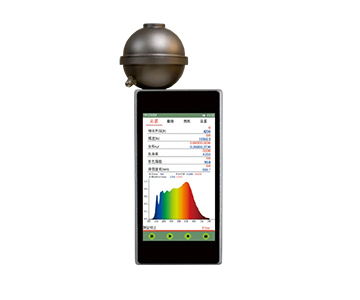
Data processing system: Includes testing software for storing, analyzing, and visualizing collected data. The software enables Raman spectroscopy testing and data processing, such as one-click spectrum acquisition, data analysis, spectrum data export, spectral noise reduction and smoothing, fluorescence baseline fitting, and baseline removal function (AirPLS). It also provides Raman peak identification and labeling capabilities, as well as calculations for Raman peak width and peak area.
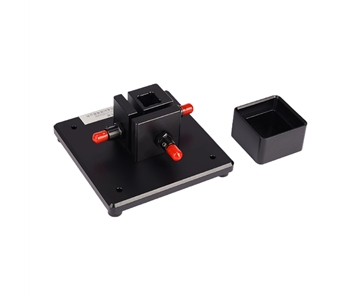
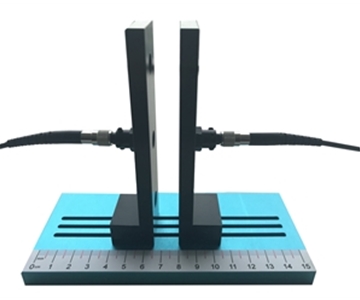
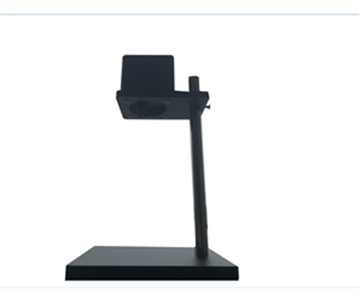
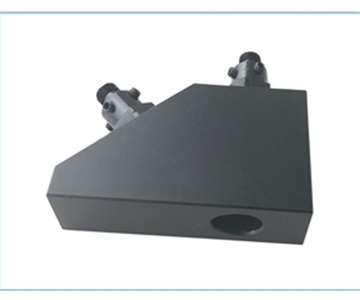
(2) System Setup: Connect the Raman probe's optical fiber to the high-resolution Raman host. After connection, align the probe with the sample. For conventional probes, adjust the distance between the probe and sample based on the intensity of Raman characteristic peaks until the signal reaches its peak—this distance is the optimal measurement range. For immersion probes, simply insert the probe into the sample cell to begin testing.
V. Application Case A certain brand has extensive experience and successful cases in the research and development as well as application of high-resolution Raman spectrometers. Taking a poultry processing enterprise as an example, after introducing a high-resolution Raman spectrometer from this brand, the enterprise achieved real-time monitoring and quality control of poultry raw materials.
(1) Research Background and Objectives In the poultry processing industry, enzymatic protein hydrolysis (EPH) technology is widely applied for component recovery from by-products. However, the high heterogeneity of feedstock streams can affect product quality, while traditional near-infrared spectroscopy (NIRS) techniques exhibit limitations in targeting detailed chemical composition analysis, requiring frequent calibration when models are transferred to industrial environments. This study aims to evaluate the feasibility of Raman spectroscopy as an online tool for characterizing feedstock streams from industrial poultry by-products, and to establish calibration models for quantitative prediction of key components such as fat, protein, ash content (representing bone content), and hydroxyproline (HYP, representing collagen), thereby supporting process control.
(II) Experimental Methods Sample Materials: The calibration set comprises 49 designed samples and 10 samples from industrial processes. The designed samples were prepared by blending eight basic materials, with the Kennard-Stone algorithm employed to ensure high compositional variability and low collinearity. The validation set was collected from industrial processes, with some samples supplemented manually with additional materials to enhance variability.
Raman measurements: Testing was conducted using a high-resolution Raman spectrometer with a 785 nm excitation wavelength and a Raman probe. During laboratory measurements, samples were scanned on an aluminum sample holder with an exposure time of 6s × 5. To simulate online variations, working distances (6 cm, 9 cm, 12 cm) and probe tilt angles (0°,30°) were adjusted during measurements, with each configuration repeated three times. For online measurements, continuous data collection was performed over two days at the mill outlet of a commercial hydrolysis facility, with exposure times adjusted as needed to avoid saturation. Low-quality spectra were filtered using an SNR threshold (>23).
Data Analysis: Spectral preprocessing included the use of a 520–1800 cm⁻¹ range, removal of cosmic ray peaks, and Savit