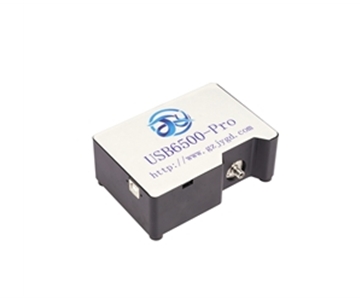
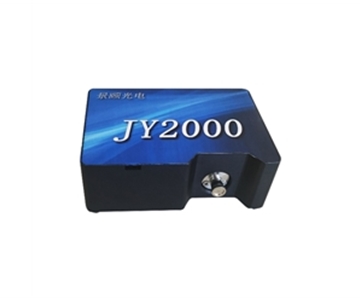
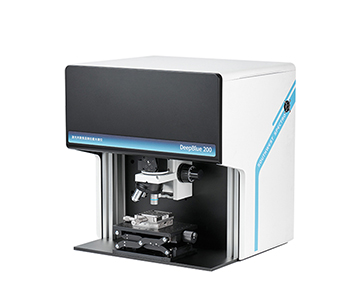
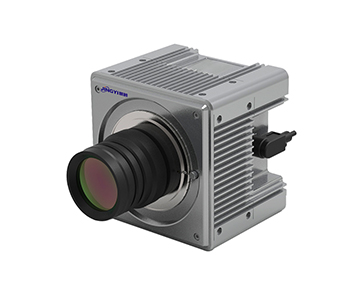
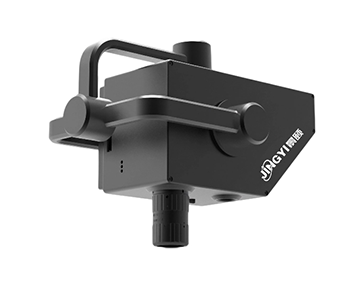
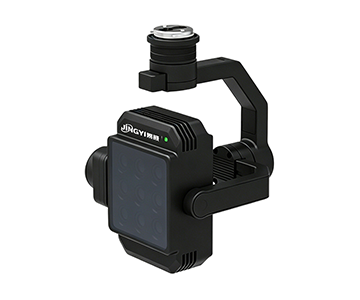
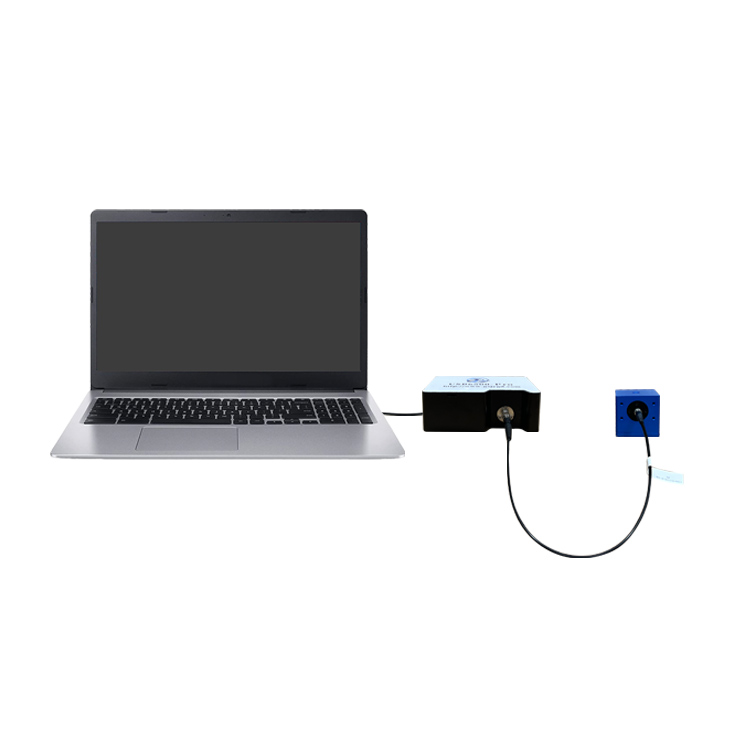
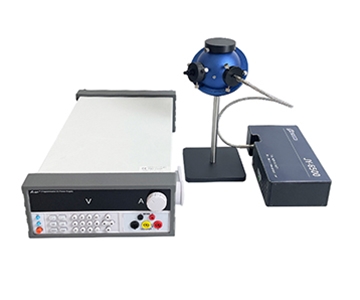
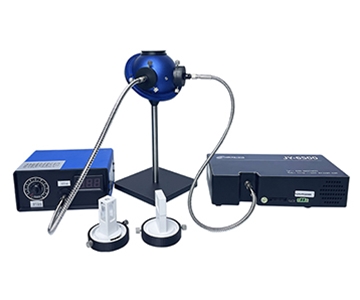
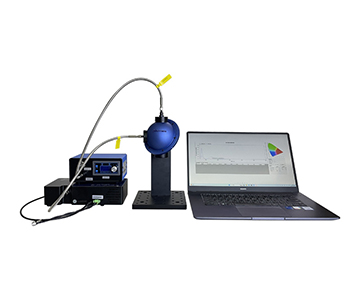
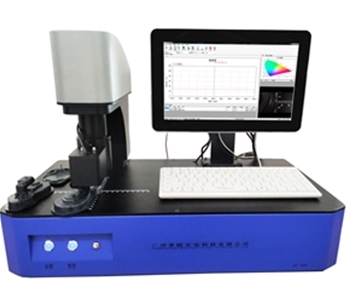
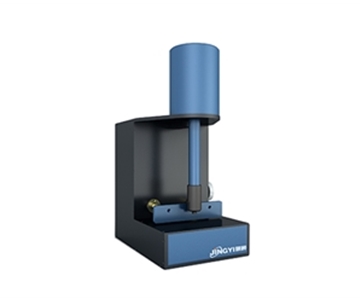
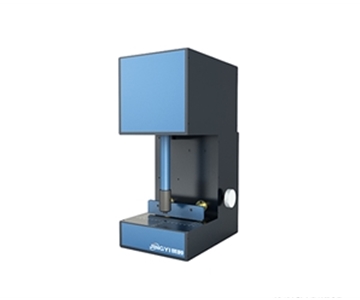
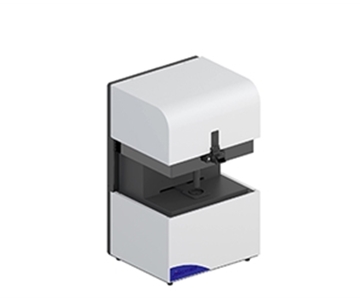
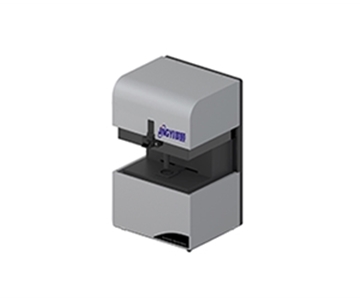
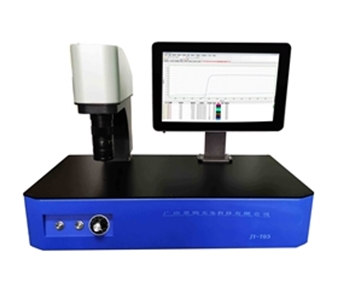
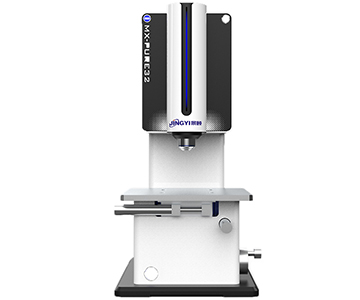
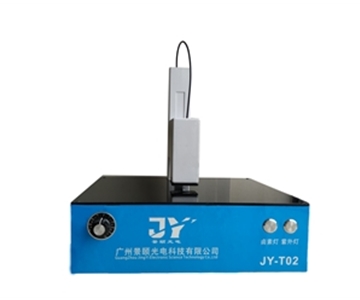
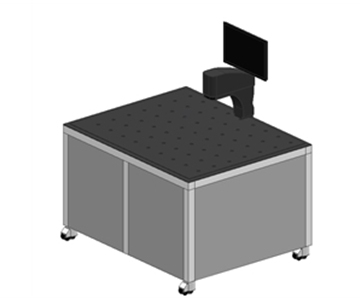
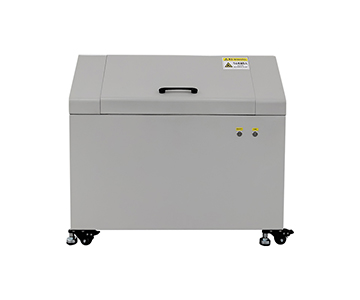
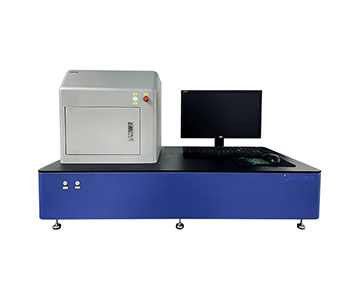
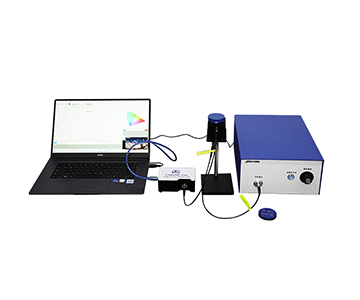
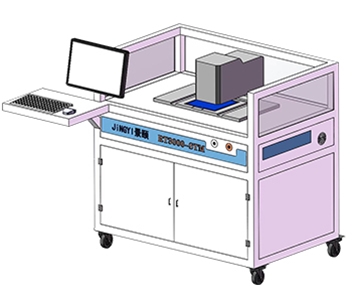
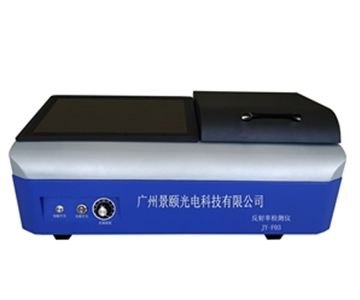
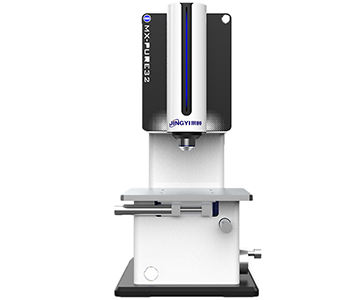
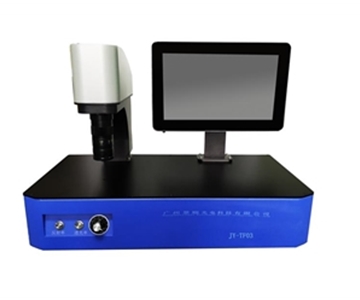
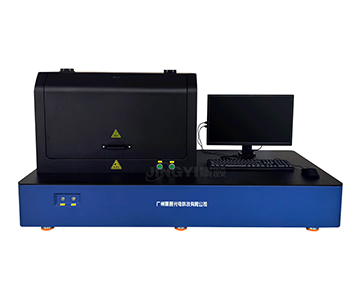
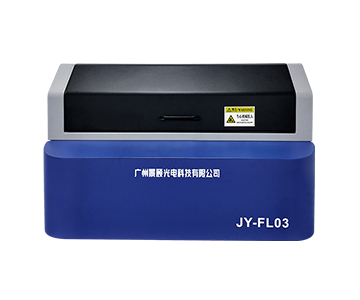
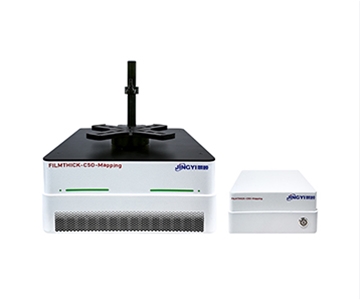
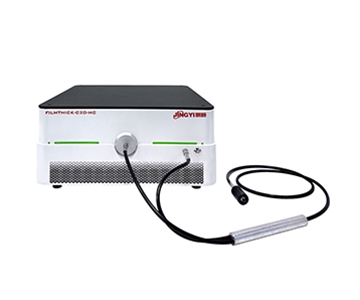
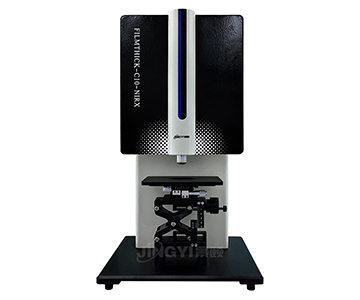
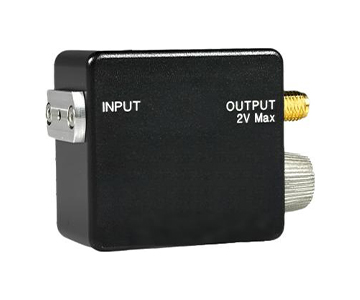
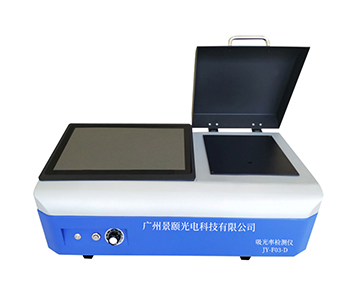
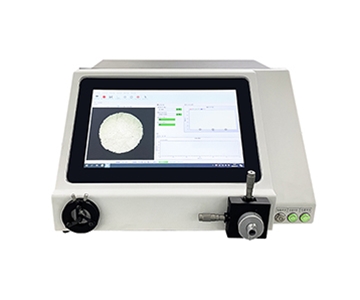
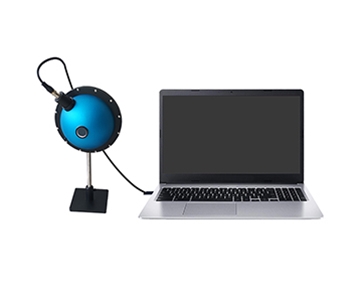
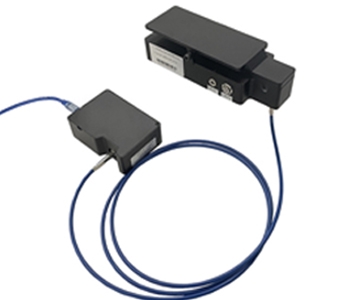
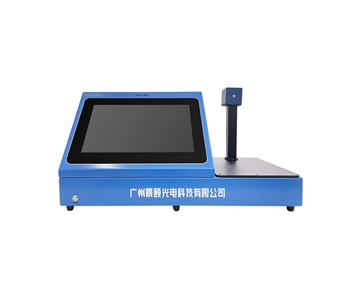
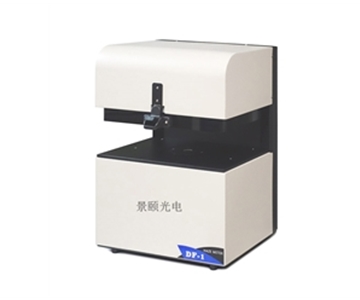
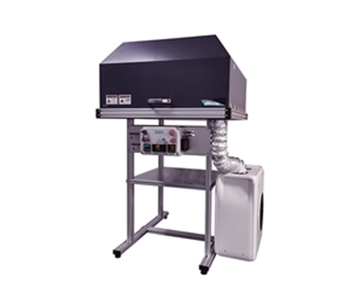
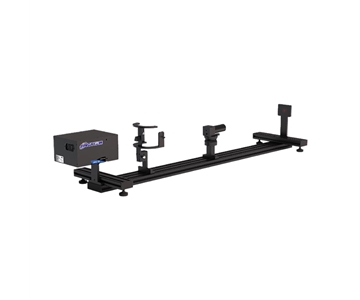
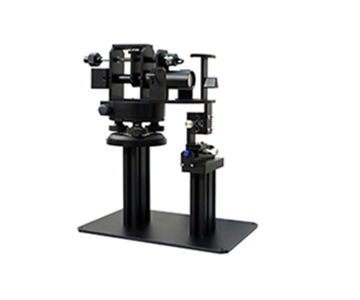
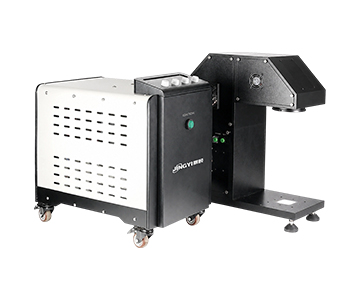
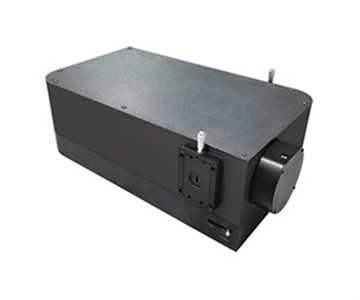
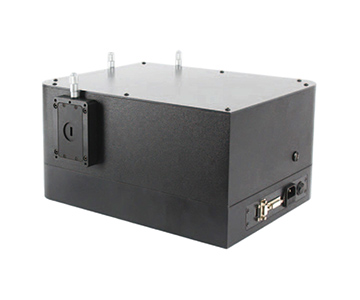
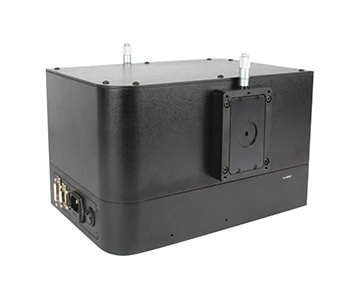
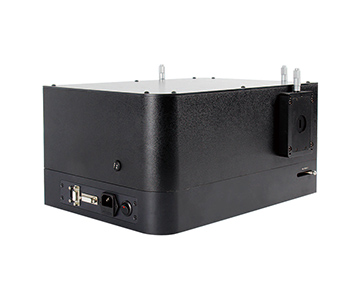
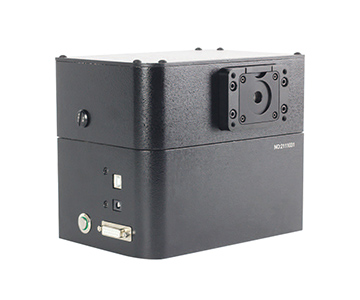
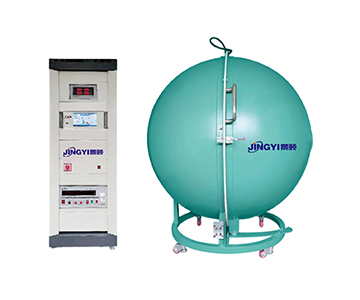
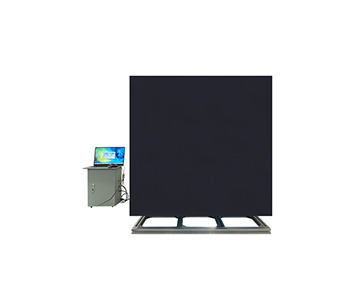
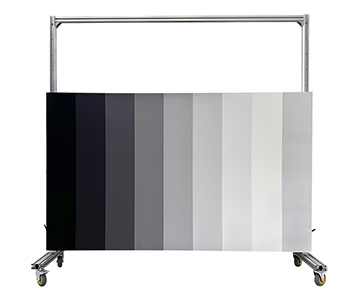
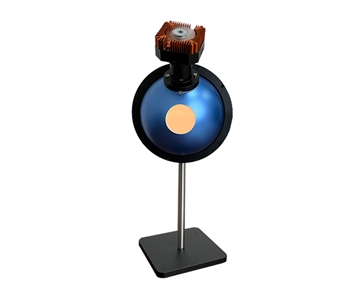
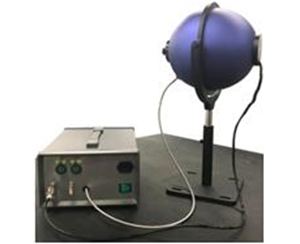
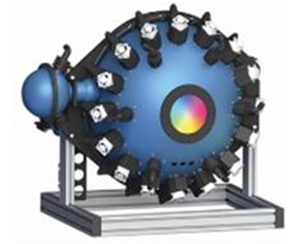
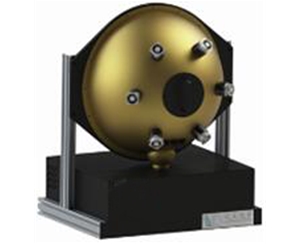
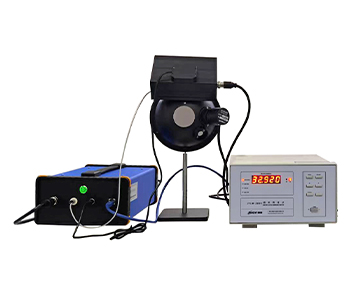
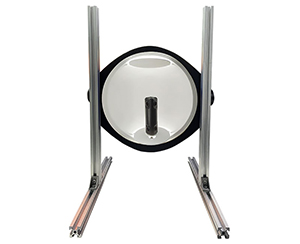
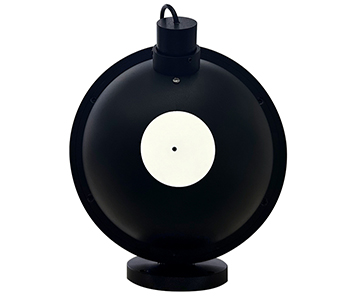
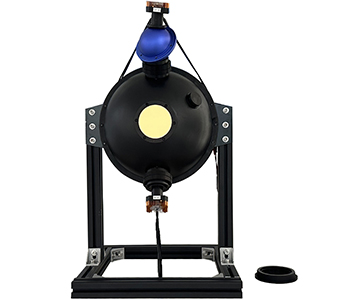
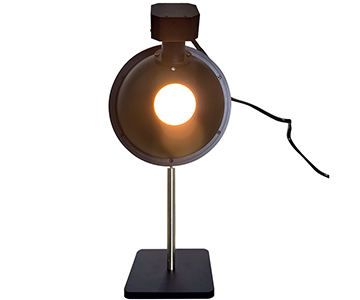
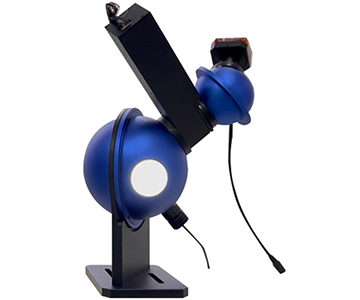
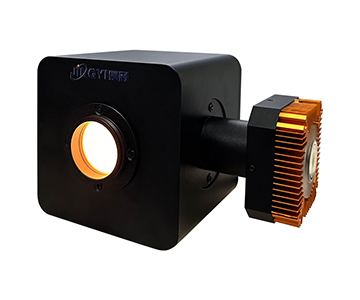
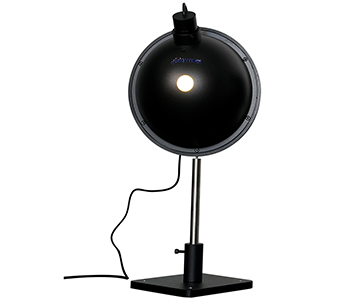
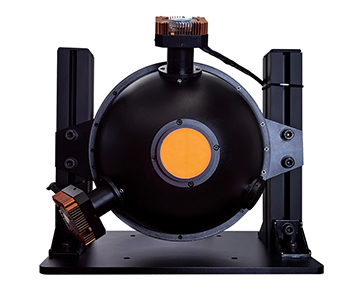
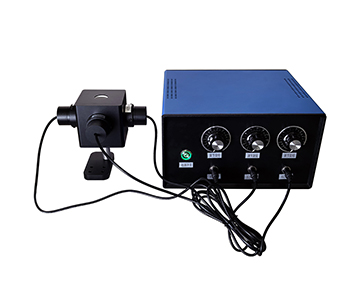
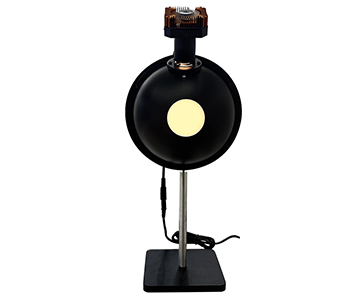
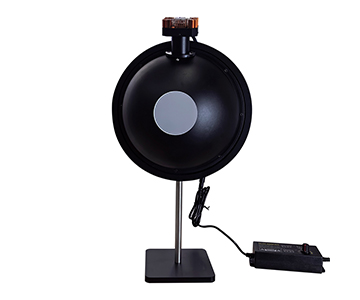
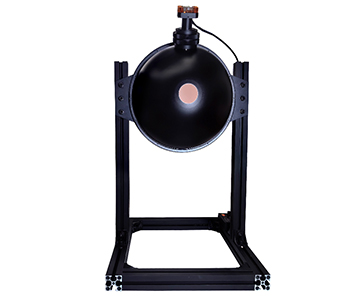
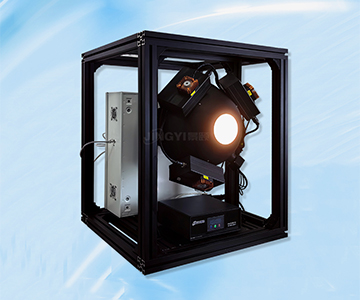
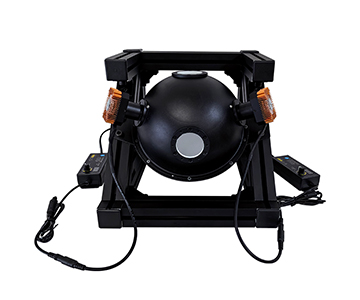
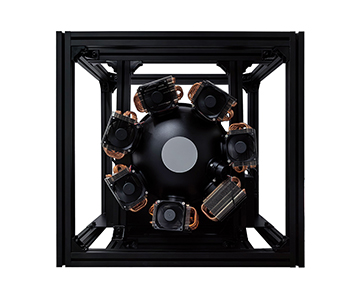
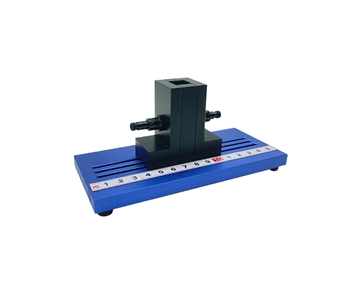
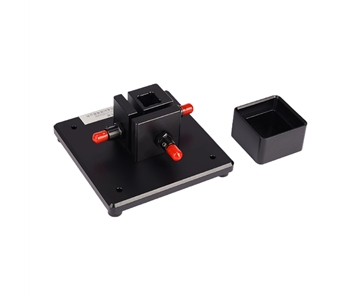
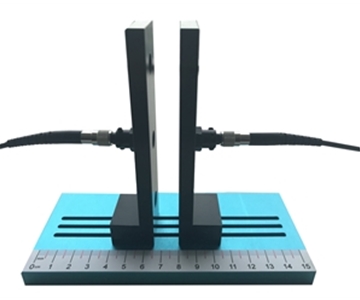
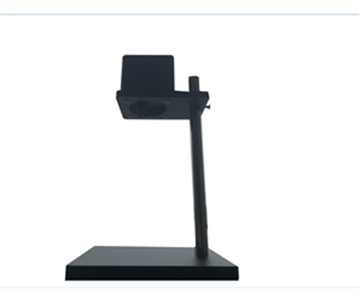
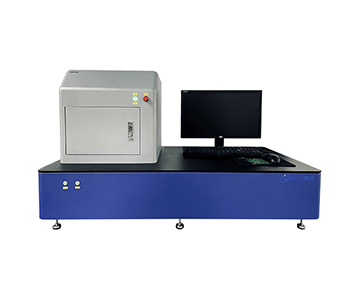
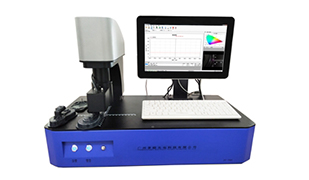
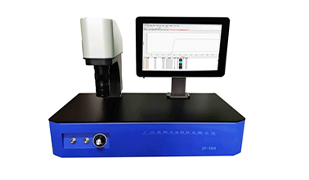
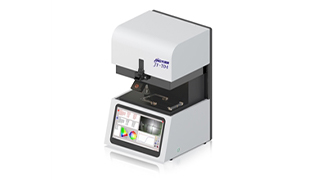
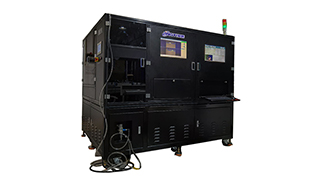
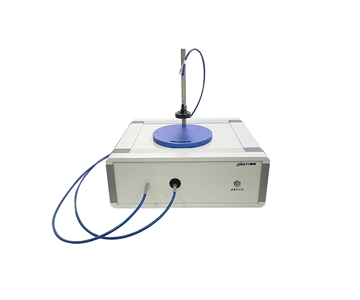
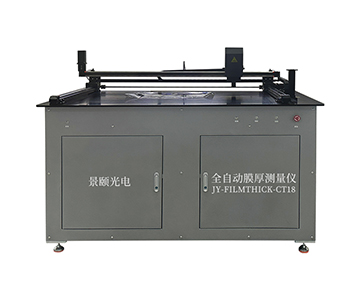
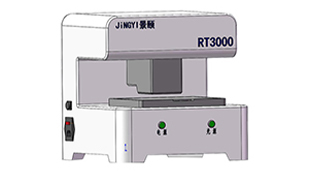
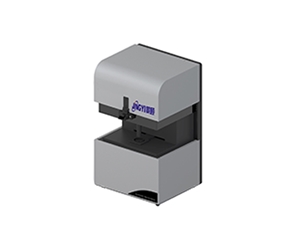
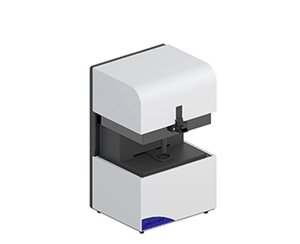
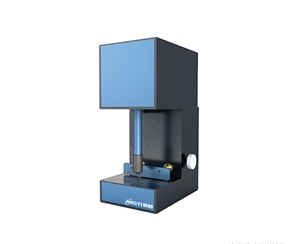
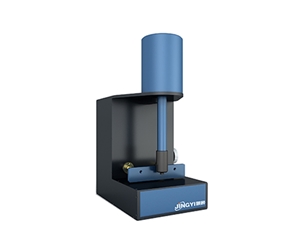
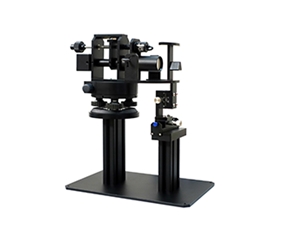
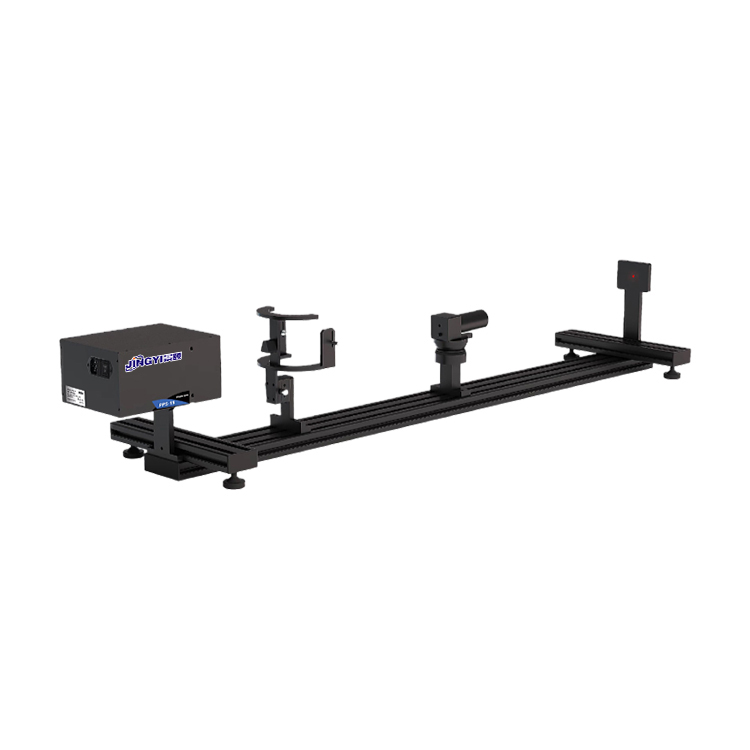
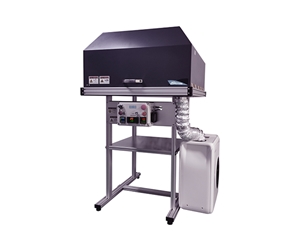
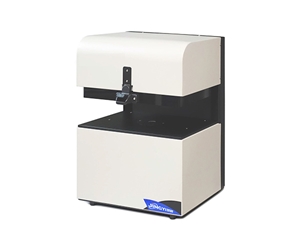
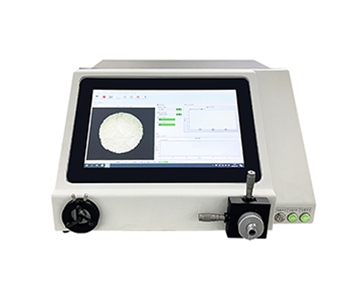
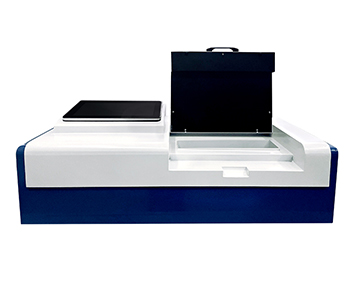
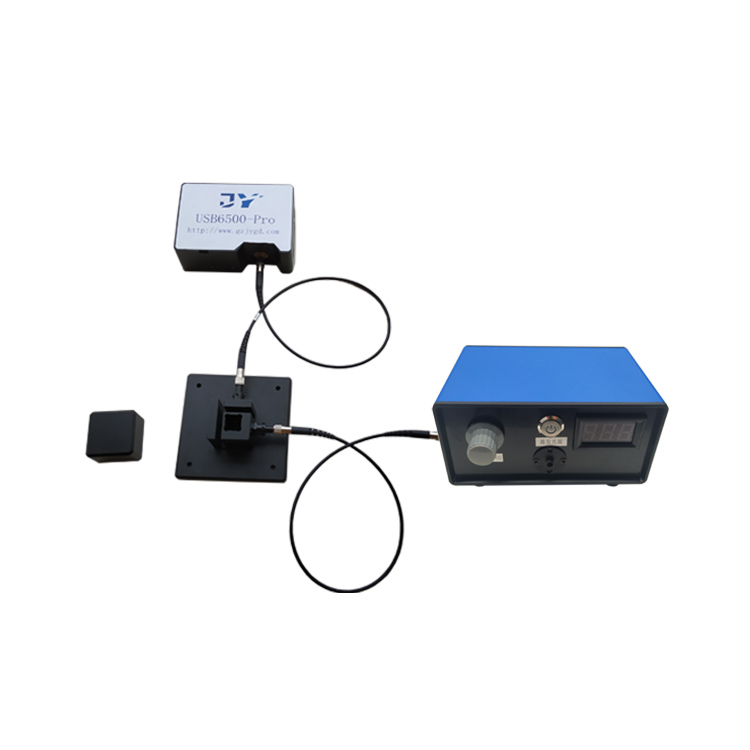
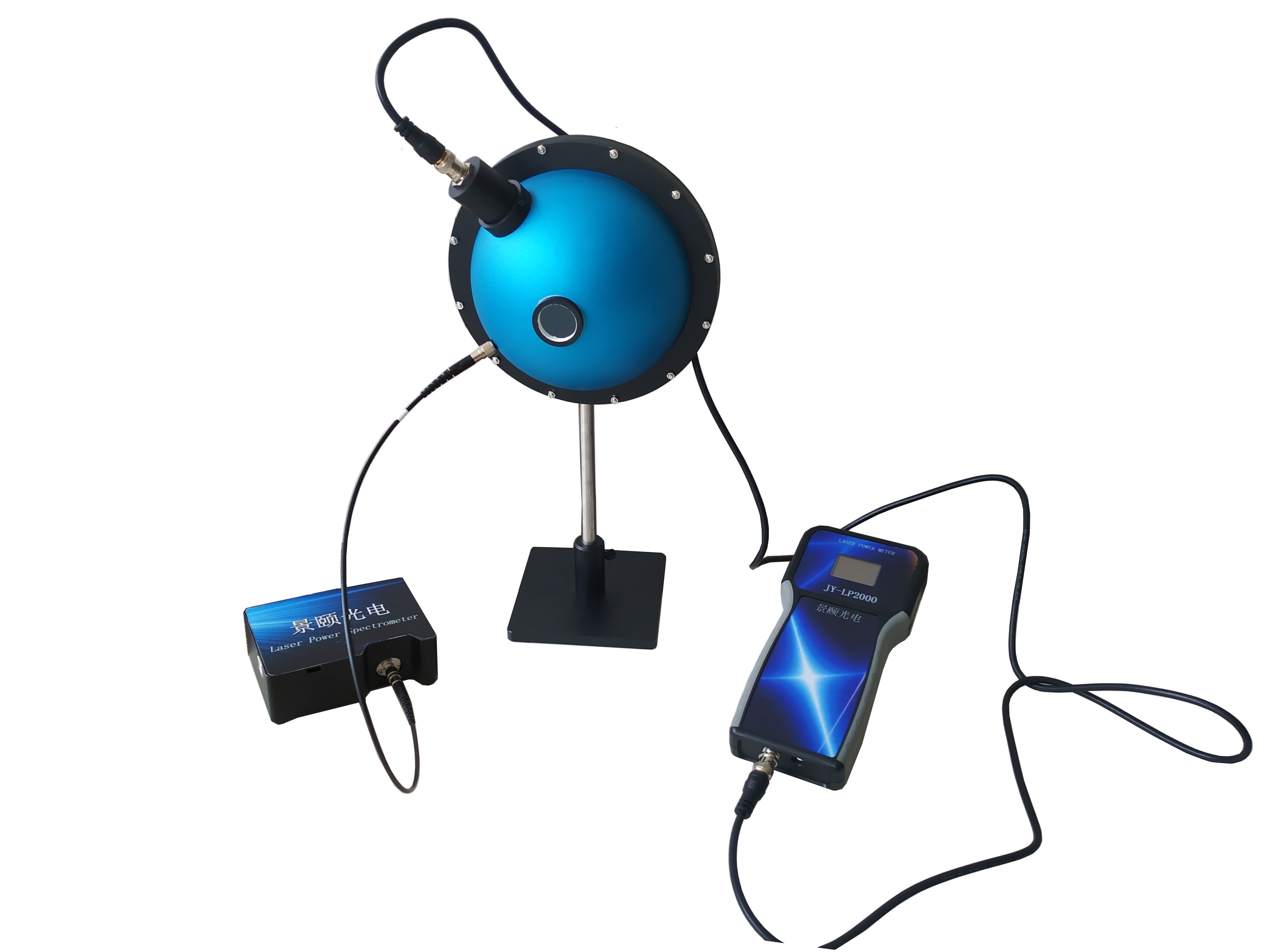
The Importance of Laser Beam Characteristic Measurement The shape, size, intensity distribution, and focusing performance of laser beams directly influence key parameters including laser energy absorption efficiency, power density, and imaging quality of optical systems. For instance, minor variations in beam dimensions can significantly alter power density, thereby affecting machining accuracy and outcomes. Contaminants on optical components may cause beam distortion, degrading beam quality, while assembly errors or time-dependent system changes can also adversely impact beam characteristics. Therefore, precise measurement and analysis of laser beam properties are crucial for optimizing system performance and ensuring reliable operation.
Working Principle The laser spot analyzer operates based on precise measurement of the beam transmission function. This function provides a detailed description of various beam characteristics during transmission, including beam size, intensity distribution, and phase variations. By measuring and analyzing these parameters, we can gain a comprehensive understanding of laser beam properties.
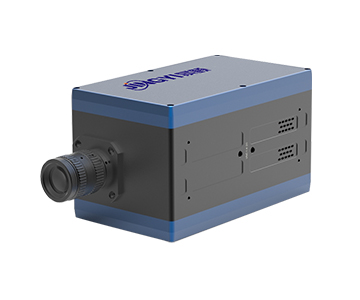
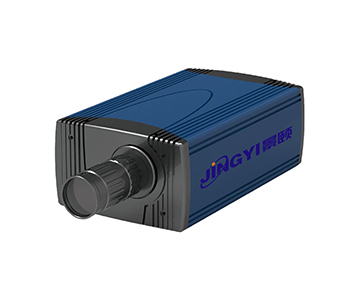
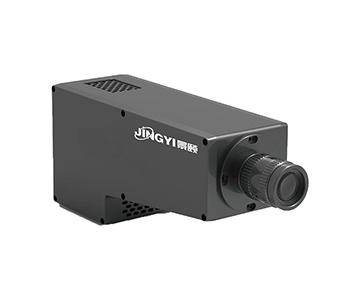
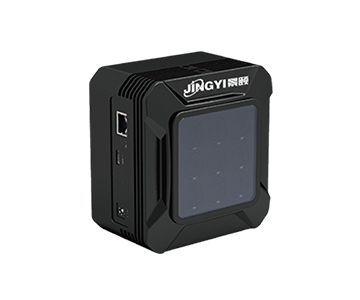
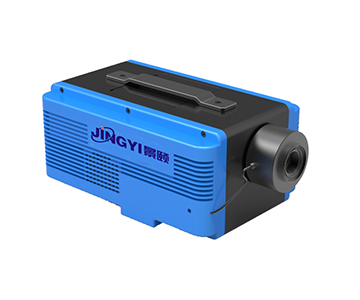
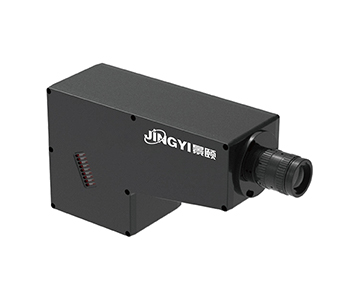
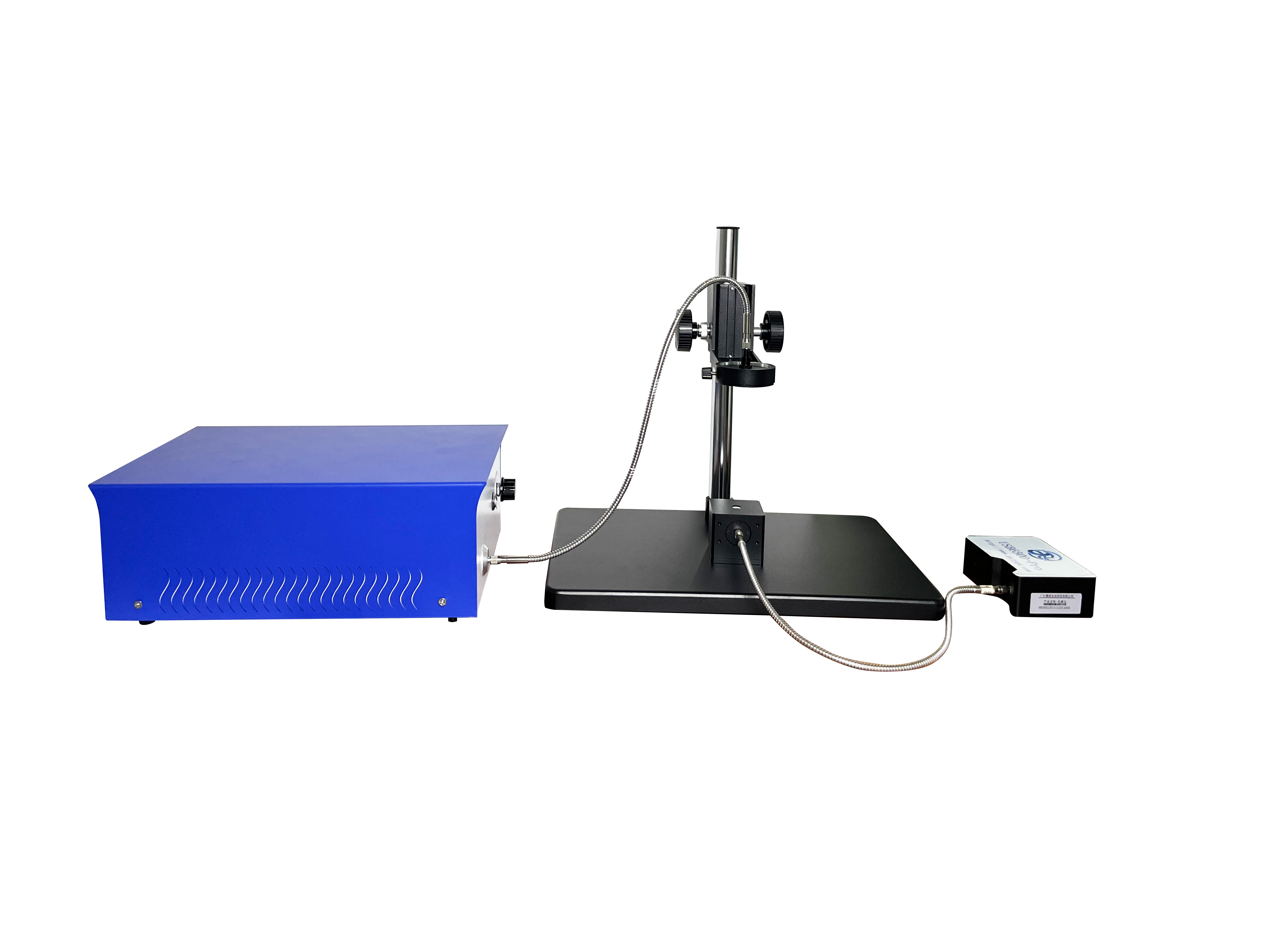
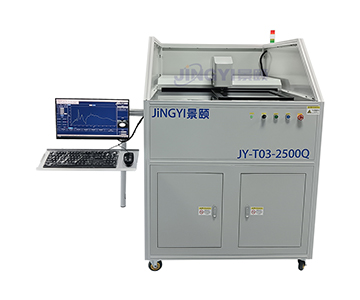
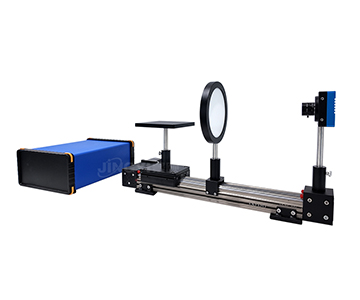
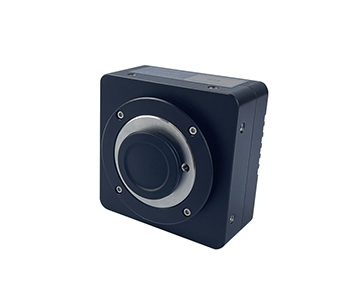
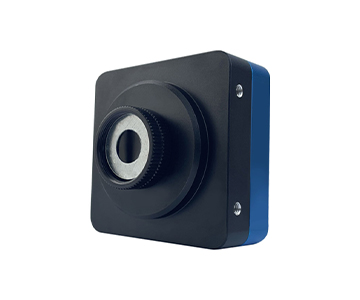
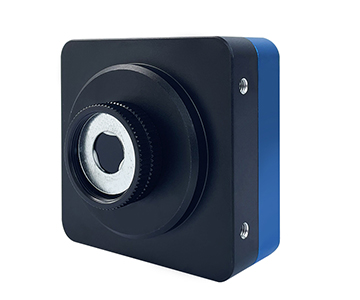
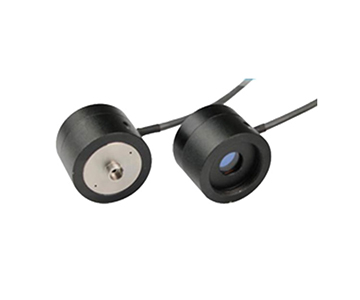
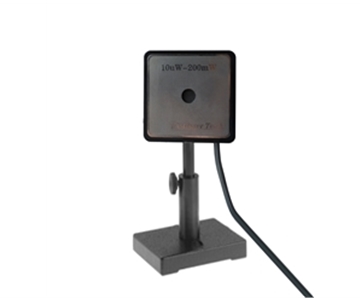
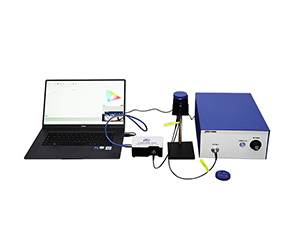
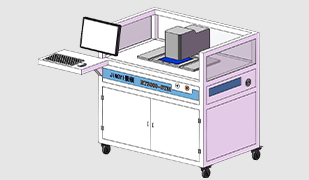
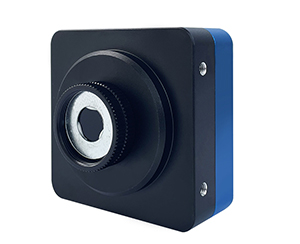
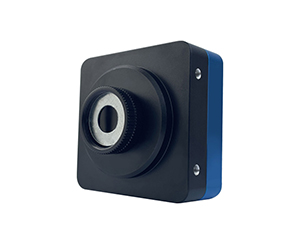
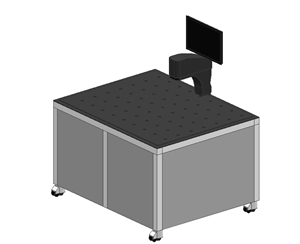
The measurement system of a laser spot analyzer primarily consists of three major components: optical elements, detectors, and data processing systems. Optical Elements: These components are responsible for beam modulation and focusing to ensure precise light transmission to the detector. For instance, lenses and other optical elements focus the beam onto the detector's sensitive area, enhancing measurement accuracy. Detectors: As a core component of laser spot analyzers, detectors capture light beams and measure their intensity distribution and phase variations. In CMOS-based laser spot analyzers, CMOS sensors are commonly used. Comprising millions of individual elements, these sensors collectively capture the entire laser beam to generate beam profile images. Data Processing System: This system processes and analyzes data collected by detectors. It interprets beam profile images to extract key parameters such as beam diameter, divergence angle, and ellipticity, ultimately generating comprehensive measurement reports.
Experimental Research and Applications of Laser Beam Analyzers: Measurement of Beam Profile Characteristics. The measurement system utilizing laser spot analyzers enables precise quantification and analysis of laser beam profiles. The obtained data provides critical insights into beam size, shape, polarization characteristics, and other key parameters, serving as essential references for laser device design and optimization. For instance, in laser processing applications, profile measurements allow for parameter optimization to enhance both processing accuracy and operational efficiency.
Research on Beam Intensity Distribution: Beam intensity distribution serves as a critical parameter for characterizing beam characteristics, significantly influencing laser performance and applications. Using laser spot analyzers, researchers can measure and analyze beam intensity distribution patterns to identify potential issues. For instance, in laser communication systems, studying beam intensity distribution enables optimization of system design, thereby enhancing communication quality and reliability.
Analysis of Beam Focusing Performance: Beam focusing performance is a critical parameter reflecting the focusing capability of a laser beam, which significantly impacts the application effectiveness and imaging quality of lasers. By utilizing the measurement system of a laser spot analyzer, the focusing performance of a laser beam can be measured and analyzed, thereby evaluating the laser's focusing capability and identifying potential issues. For instance, in laser-related applications, analyzing beam focusing performance can optimize treatment protocols to enhance efficacy and safety.
Application Field The laser spot analyzer is widely used in laser research, industrial processing and communication.
Laser Research: In the field of laser research, laser spot analyzers are utilized to measure and analyze various types of laser beams, including semiconductor lasers, solid-state lasers, and fiber lasers. Through precise measurement and analysis of laser beams, researchers can gain profound insights into the characteristics of laser generation, transmission, and applications, thereby providing crucial support for the advancement of laser technology.
Industrial Processing: In the field of industrial processing, laser spot analyzers can be used to monitor and control the beam quality during laser processing. For instance, in processes such as laser cutting, welding, and drilling, real-time monitoring of laser beam parameters enables timely adjustments to processing parameters, thereby improving processing accuracy and efficiency while reducing defect rates.
Communication: In the field of communication, laser spot analyzers can be utilized for the design and debugging of laser communication systems. For instance, by measuring and analyzing parameters such as the intensity distribution and divergence angle of laser beams, the transmission performance of laser communication systems can be optimized, thereby improving communication quality and reliability.
Advantages and Features of Laser Spot Analyzer Based on CMOS Camera: Cost-effective and Simple Measurement Method. The laser spot analyzer utilizing CMOS cameras provides a low-cost and straightforward approach for measuring beam quality. By simply placing the camera along the optical path, the relative intensity at each beam position is digitally recorded. Subsequently, the camera's PC software enables convenient visualization and analysis of laser beam quality at specific locations.
Sensors in high-resolution and wide-wavelength-range CMOS cameras feature superior resolution and spectral adaptability, meeting diverse application requirements. For instance, a proprietary beam quality analyzer developed by a leading manufacturer boasts 2.9x2.9μm pixel dimensions with spot detection ranges spanning 29μm to 4.4mm, enabling precise measurement of minute optical spot parameters. The analyzer also supports multi-wavelength laser beam analysis, covering a measurement range from 200nm to 5000nm, effectively accommodating various laser source specifications.
The laser spot analyzer features multiple measurement functions and data analysis tools, providing comprehensive beam quality analysis services. For instance, it can measure parameters such as beam diameter, divergence angle, ellipticity, and M² factor, while also performing beam profile analysis, power density distribution analysis, and beam position and pointing stability analysis. Additionally, the analyzer offers various data analysis tools including profile line analysis and contour plots, facilitating in-depth data processing and interpretation for users.
The real-time monitoring and recording laser spot analyzer continuously tracks laser beam characteristics while capturing measurement data. This feature enables users to promptly assess beam conditions for adjustments and optimizations. The recorded data also serves as a valuable resource for subsequent analysis and reporting, providing robust support for operational decisions.
The laser spot analyzer with automatic calibration and diagnostic functions ensures measurement accuracy and reliability. For instance, it automatically calibrates sensors and optical systems to eliminate measurement errors. Additionally, it performs system diagnostics to promptly identify and resolve potential issues, guaranteeing smooth equipment operation.
The user-friendly software interface of the laser spot analyzer features a simple and intuitive design that is easy to operate. Users can conveniently set measurement parameters, perform data analysis, and generate reports through the software interface. Additionally, the software supports multilingual interfaces, facilitating usage by users from different countries and regions.
Key considerations for sensor selection and pixel size: Sensor characteristics influence measurement range. The properties of CMOS sensors directly determine the maximum and minimum laser beam dimensions that can be measured. The minimum measurable beam size is determined by pixel pitch or the spacing between individual sensor elements. Generally, to ensure measurement accuracy, the laser beam must irradiate at least 10 pixels. For example, when a camera's pixel pitch is 5.5μm, the minimum measurable laser beam diameter should be 55μm. The maximum measurable beam size depends on the sensor area. Some sensors are extremely small, measuring only a few millimeters in width, while others are rectangular rather than square. This not only limits the maximum beam size that can be measured but also significantly complicates laser collimation.
Selecting the appropriate sensor and pixel size should be based on specific application requirements. For instance, sensors with smaller pixel spacing are required for measuring tiny light spots, while larger sensors are needed for detecting bigger light spots. Additionally, factors such as response speed, sensitivity, and noise levels must be considered to ensure measurement accuracy and reliability.
Setting Up a Laser Spot Analyzer and Camera Configuration To obtain high-quality laser beam profiles, proper camera settings are essential. Two critical parameters are exposure time (shutter speed) and gain. Exposure time determines how long the camera captures the laser beam, while gain controls the signal amplification factor. When background subtraction is enabled, the software automatically adjusts these parameters. This feature allows the camera to detect ambient light, effectively filtering out environmental interference to reveal the laser beam profile. The process involves blocking the laser source, capturing images, and then releasing the obstruction.
After installing the beam profile measurement camera and aligning it with the laser source, images of the beam profile can be captured. These images are transmitted to PC software for analysis. The software allows viewing of images in 2D or 3D formats, with each pixel's relative intensity displayed as vertical height values. Simultaneously, the software displays key parameters including the X/Y coordinates of the beam center on the sensor and beam diameter measurements. In cases of astigmatism, both X-axis and Y-axis diameters are shown separately. The software also supports advanced measurements such as ellipticity and M² factor analysis. Given the varying methods for calculating beam diameter, multiple options are provided to accommodate different measurement requirements.
The laser spot analyzer demonstrates core functionalities and practical applications through real-time visualization of two-dimensional intensity distributions and three-dimensional intensity maps, providing intuitive representation of beam geometry and intensity variations. It measures critical parameters including beam diameter, divergence angle, ellipticity, and M² factor to evaluate beam quality. The system analyzes cross-sectional power density distribution and determines peak intensity values, while monitoring central beam stability and assessing directional consistency. Beam quality assessment is conducted using key metrics such as M² factor.