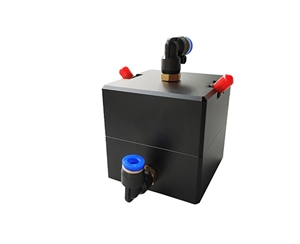
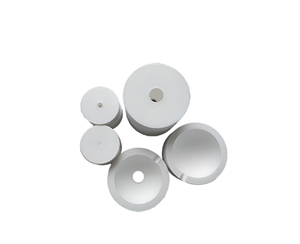
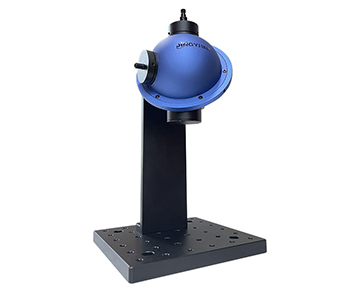
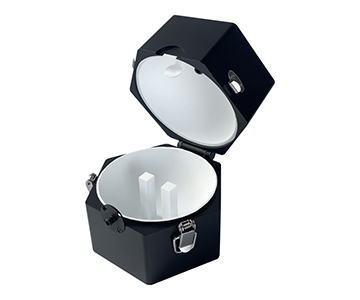
Guide
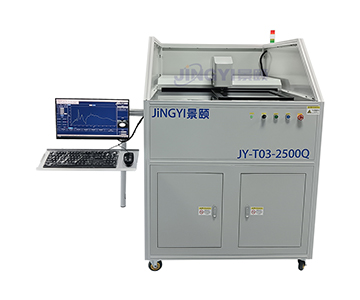
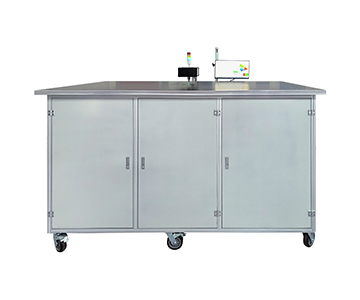
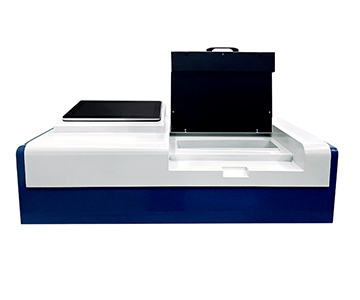
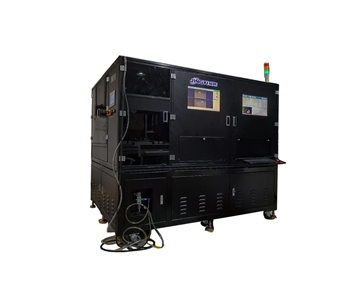
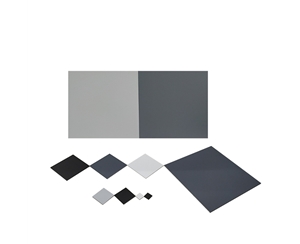
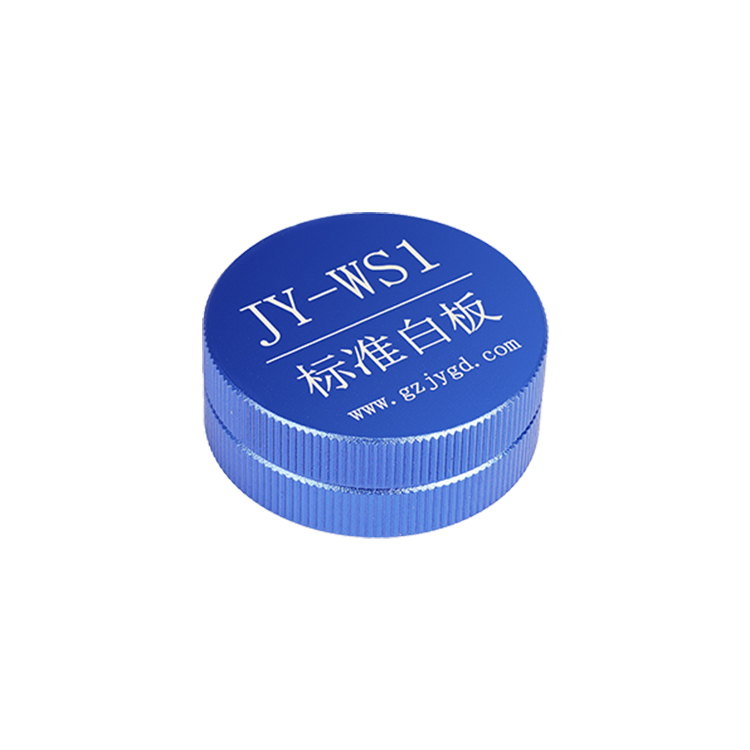
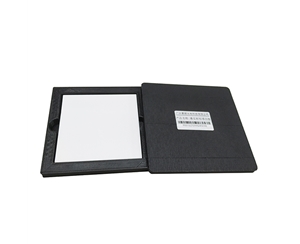
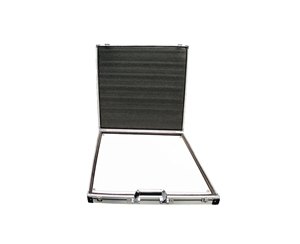
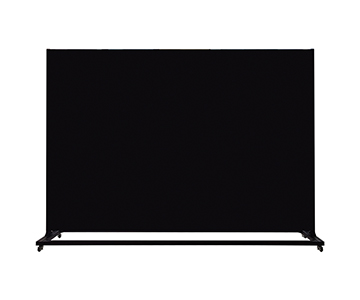
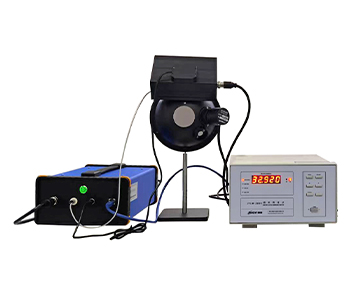
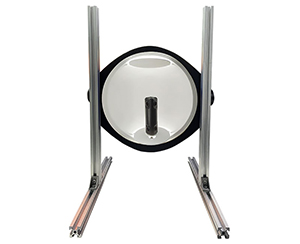
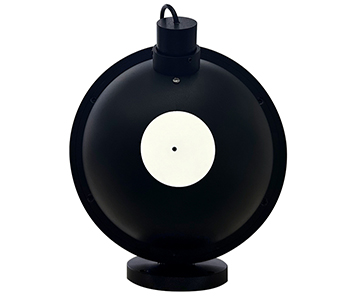
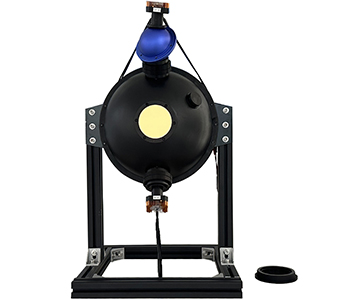
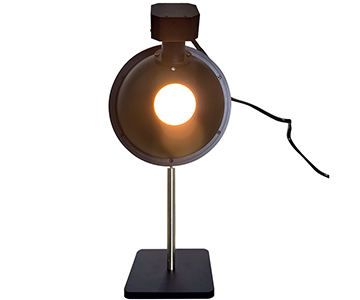
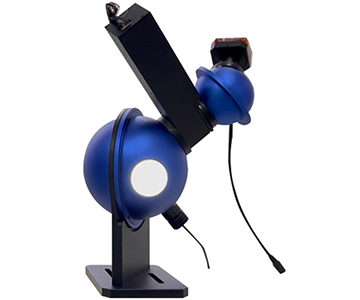
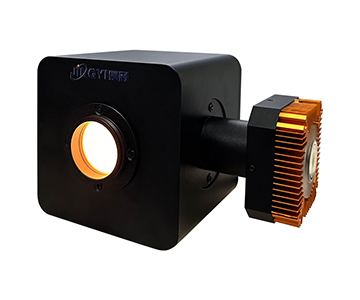
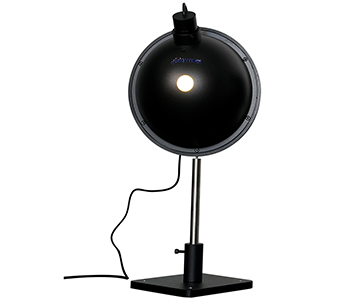
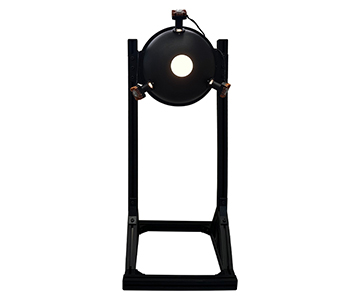
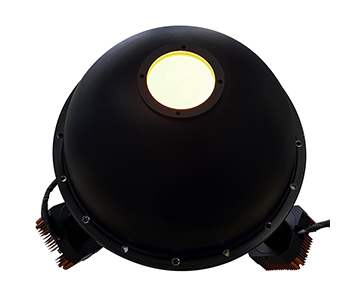
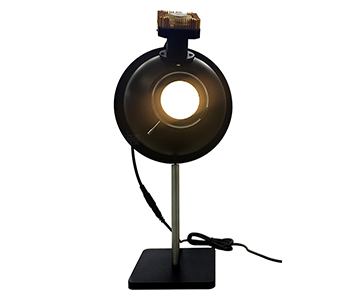
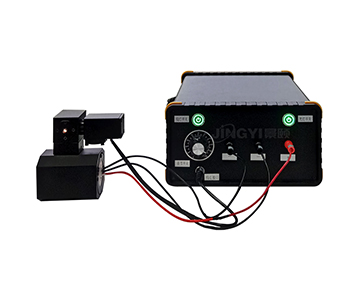
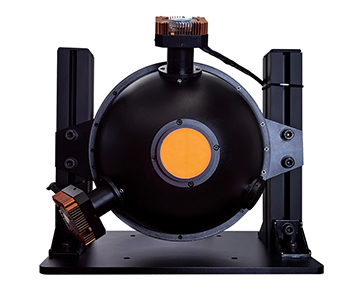
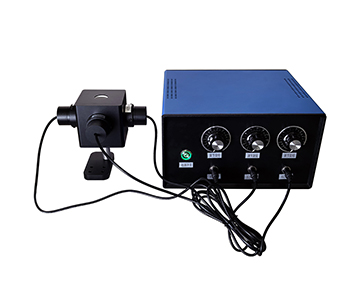
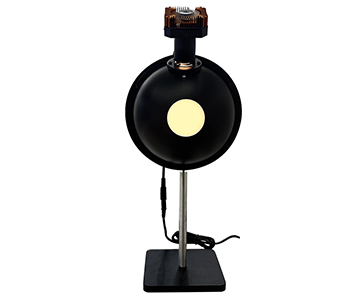
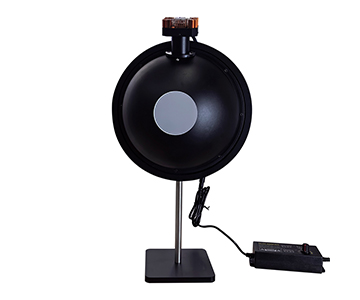
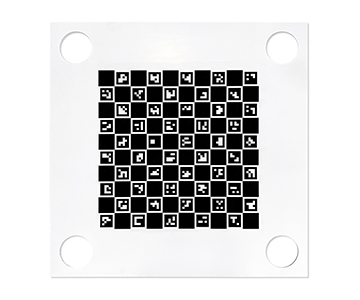
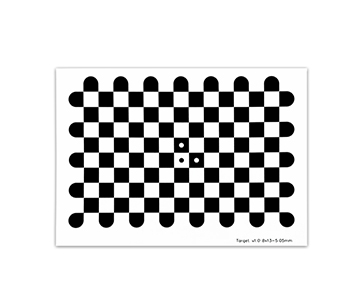
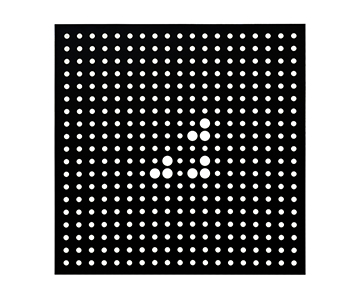
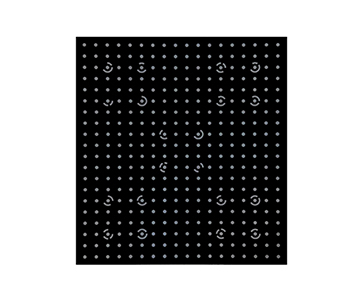
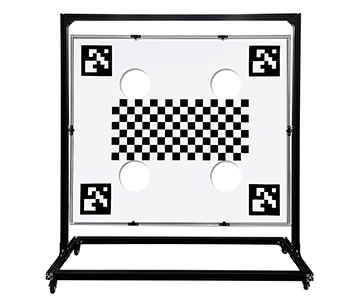
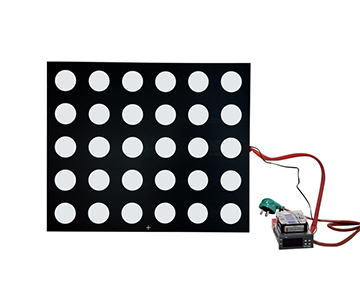
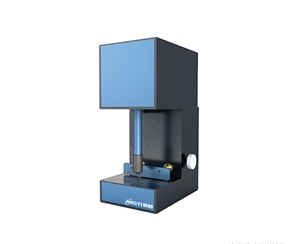
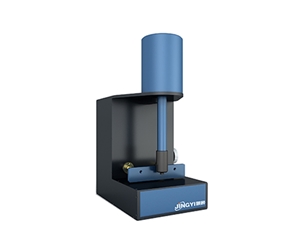
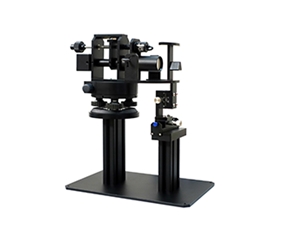
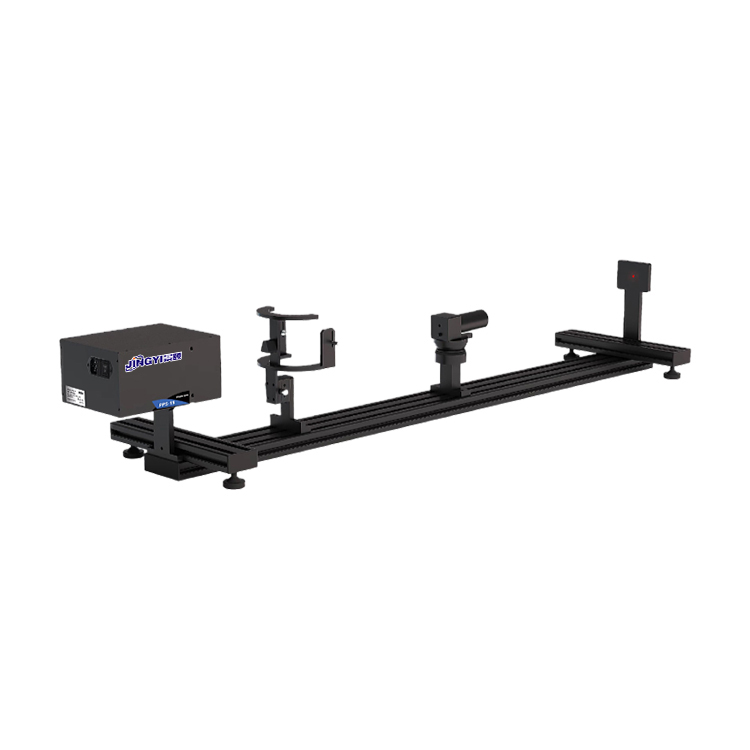
In March 2026, China’s 15th Five-Year Plan listed the low-altitude economy as a core track for new productive forces, setting a goal to break the trillion-yuan industrial scale mark for eVTOL (Electric Vertical Take-off and Landing) and UAV industries from 2026 to 2030. Meanwhile, Trump’s "Reciprocal Tariff 2.0" imposed a 20% base tariff on LiDAR and testing equipment containing U.S. technologies, and the full implementation of the EU’s CBAM Carbon Border Adjustment Mechanism has caused the cost of imported LiDAR calibration systems to surge by more than 30% with delivery cycles stretching to 6 months. Faced with the outbreak of the low-altitude economy and the risk of being "choked" in the sensing chain, Jingyi Optoelectronics has launched a fully domestic dedicated LiDAR calibration target, building a tariff-immune sensing foundation for autonomous driving, flying cars and intelligent robots with 100% independently controllable high-precision calibration technology.
2026 Industry Pain Points: The "Tariff-Precision" Double Blow for LiDAR Calibration
In 2026, as the mass production of L3-level autonomous driving is launched and eVTOL airworthiness certification accelerates, the calibration and testing of LiDAR, the "eye of sensing", is facing three major predicaments:
1. Soaring costs of imported calibration targets: Affected by the Section 301 Tariffs and an additional 20% base tariff, the import cost of a single set of calibration targets and systems from U.S. and German brands has risen by 35-50%, placing an unbearable burden on the testing budgets of emerging automobile and aircraft manufacturers.
2. Delivery cycles hindering mass production: Due to EAR export controls and logistics disruptions, the delivery cycle of U.S.-content testing equipment has extended from 4 weeks to 16 weeks, leading to severe delays in the airworthiness certification progress of autonomous driving models and eVTOLs.
3. Technical standards subject to foreign constraints: Core parameters such as material reflectivity and geometric accuracy of imported calibration targets are closed off, making it difficult to adapt to the customized calibration needs of domestic LiDAR manufacturers, and there are risks of data security breaches and remote lockouts.
Technological Breakthrough: The Three Certainties of Jingyi Optoelectronics' LiDAR Calibration Target with "Fully Domestic Production"
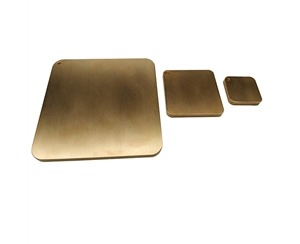
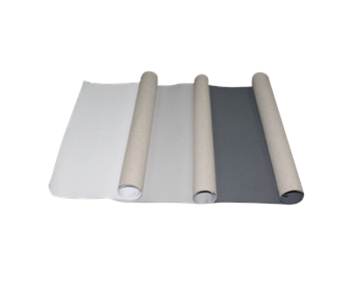
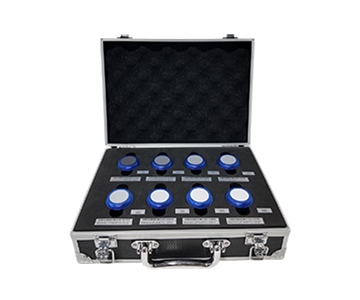
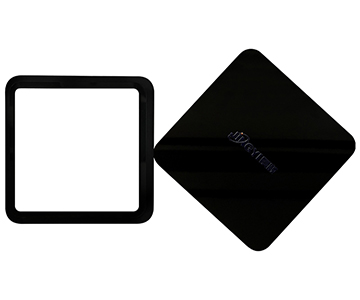
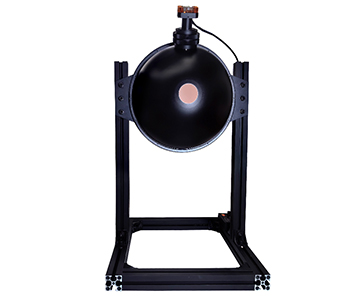
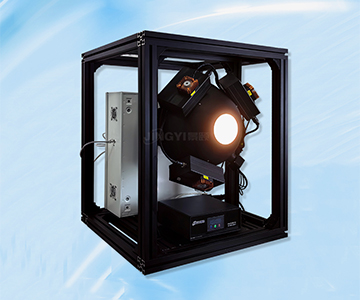
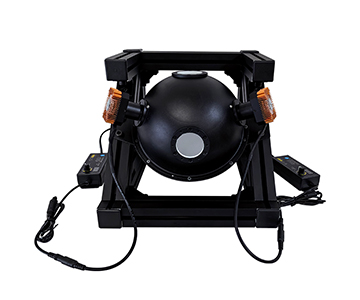
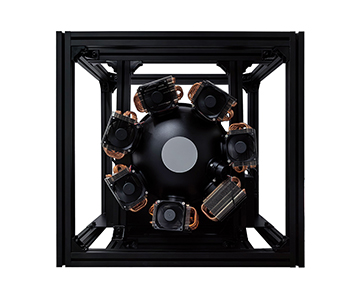
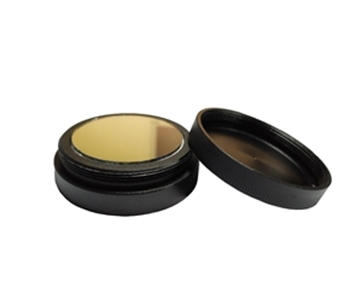
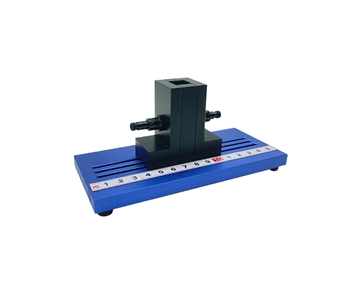
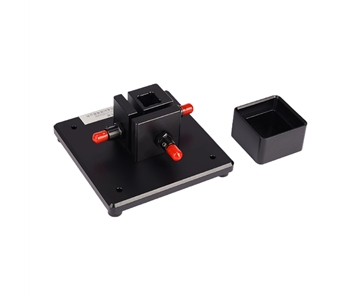
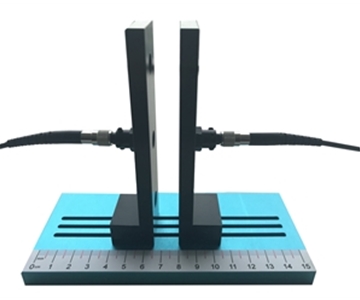
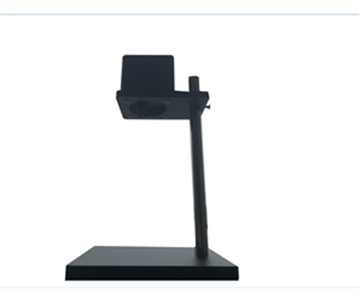
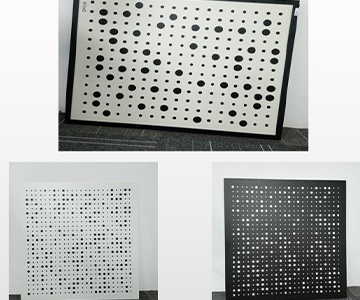
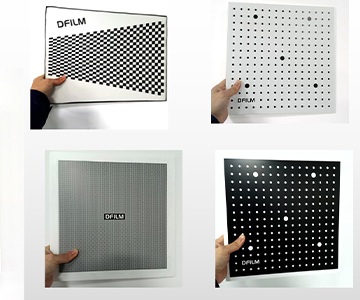
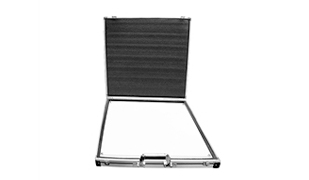
Jingyi Optoelectronics' dedicated LiDAR calibration target, built on a 100% Chinese supply chain, provides certain support for the explosively growing sensing industry in 2026:
✔ Certainty of Independent Precision
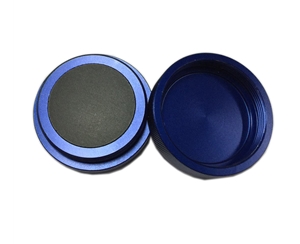
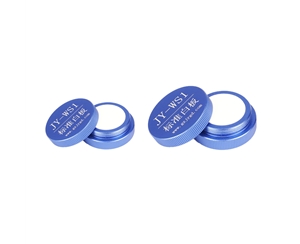
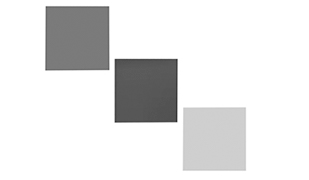
· Nano-level reflectivity calibration: Adopting high-precision domestic microstructured optical materials, the reflectivity uniformity is better than ±2%, supporting multi-band LiDAR calibration at 905nm/1550nm, and meeting the requirements of automotive-grade ASIL-D functional safety testing.
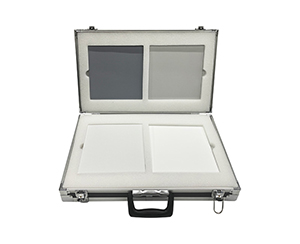
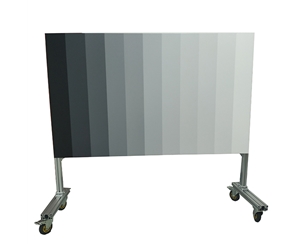
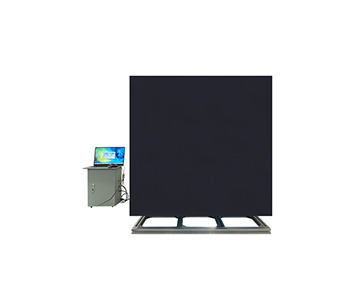
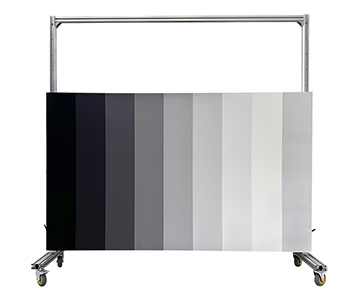
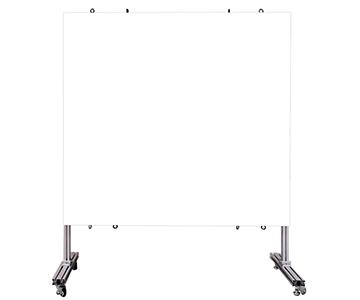
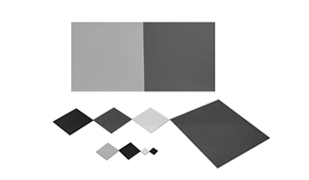
· Modular rapid deployment: The calibration target integrates multi-target distance simulation (equivalent to 0.5m-200m) and multi-reflectivity targets (1%-99% reflectivity). The single-station calibration time is reduced from 48 hours with imported equipment to 4 hours, adapting to the production line rhythm requirements of eVTOLs.
✔ Certainty of Supply Chain Immunity
· Full-chain domestic substitution: Optical substrates, precision processing and calibration algorithms are 100% localized with zero U.S. technical content, free from the impact of Trump’s Tariff 2.0 and EAR export controls, and the delivery cycle is stably controlled within 2 weeks.
· Policy dividends of the 15th Five-Year Plan: Included in China’s 15th Five-Year Plan catalog for the independence of key equipment in intelligent connected vehicles and the low-altitude economy, enjoying export tax rebates and RCEP zero-tariff preferences to help reduce costs for overseas intelligent driving projects.
✔ Certainty of Scenario Adaptability
· Automotive and aviation standard dual compatibility: Meeting both the environmental adaptability testing of autonomous driving vehicles (AEC-Q100 standard) and eVTOL airworthiness certification (DO-178C/DO-254 standard) simultaneously, one calibration target covers both ground and low-altitude scenarios.
Application Scenarios: From Autonomous Driving Test Sites to Flying Car Production Lines
Scenario 1: L3-Level Mass Production Calibration of Intelligent Connected Vehicles
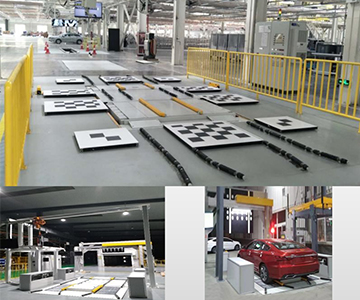
At autonomous driving test sites in the Yangtze River Delta and Pearl River Delta, Jingyi Optoelectronics' calibration targets have replaced similar products from U.S. and German manufacturers, providing end-of-line (EOL) calibration for LiDARs on the NT2.0 platform of leading automakers. The single-vehicle calibration cost is reduced by 60%, and it is free from the risk of U.S. technology supply cuts, ensuring the on-schedule delivery of L3-level models in 2026.
Scenario 2: Accelerated eVTOL Airworthiness Certification
Faced with the airworthiness certification pressure on UAV and flying car enterprises, the calibration target provides aviation-grade precision calibration in the 1550nm band, facilitating the calibration of unmanned flight control and seizing the first-mover advantage in the commercial operation of the low-altitude economy.
Scenario 3: Sensing Calibration of Embodied Intelligent Robots
Amid the mass production boom of humanoid robots and logistics robots, the calibration target provides mass production line calibration for LiDARs and supports the rapid verification of dynamic obstacle avoidance algorithms. It saves 70% of the initial investment compared with imported equipment, helping domestic robot manufacturers maintain gross profit margins in the 2026 price war.
Conclusion: Measuring the New Height of the Low-Altitude Economy with a Domestic Calibration Foundation
In 2026, as Trump’s tariff stick swings at the global technology industry and China’s low-altitude economy is in urgent need of breaking free from the "choke point" dilemma in the sensing chain, Jingyi Optoelectronics' LiDAR calibration target is more than just a testing tool—it is a declaration of China’s intelligent manufacturing in the field of precision measurement. It proves that China has complete independent and controllable capabilities in the core calibration links of autonomous driving and flying cars.
From the ground to the sky, from the laboratory to the mass production line, Jingyi Optoelectronics is willing to take the fully domestic calibration target as a fulcrum to support China’s sensing industry in its global breakthrough in 2026, free from the constraints of tariff fluctuations and technological blockades. With certain precision, certain delivery and certain independence, we escort the trillion-yuan blue ocean of the low-altitude economy.
Policy and Compliance Notes
Supply Chain Statement
All series of Jingyi Optoelectronics' LiDAR calibration targets adopt non-U.S. origin technologies, comply with the exemption standards of Section 734 of the U.S. EAR, and are not subject to the export control restrictions of the Entity List.
Standard Compliance
The products comply with China’s GB/T automotive-grade standards, EU CE certification and RCEP rules of origin, and are suitable for global autonomous driving and low-altitude economy projects.
Note: The policy data in this article is based on the Trump administration’s January 2026 "Reciprocal Tariff 2.0" executive order, the outline of China’s 15th Five-Year Plan (2026-2030) and the guiding opinions on the high-quality development of the low-altitude economy. The specific tax rates shall be subject to the latest adjustments of the customs of each country.
#LiDAR calibration targets #UAV calibration targets #diffuse reflectors #standard white targets #laser ranging targets #reflective calibration cloth #checkerboard calibration targets #computer vision calibration targets #remote sensing target testing