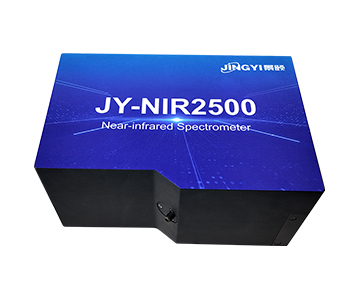
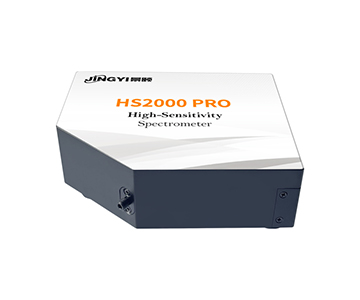
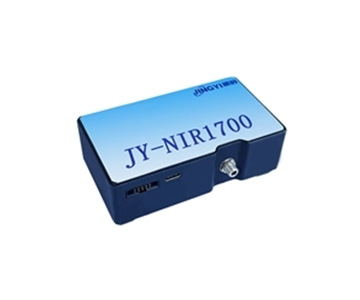
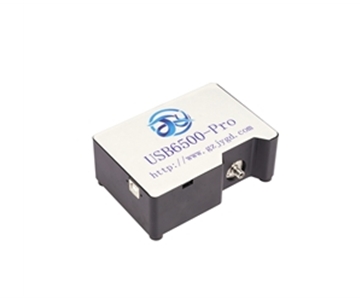
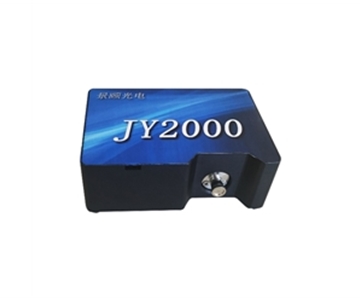
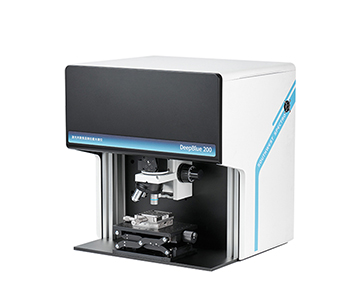
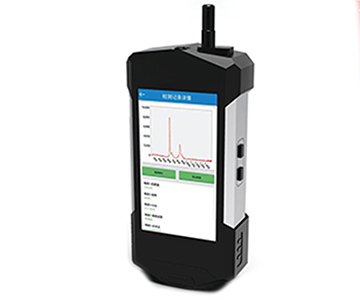
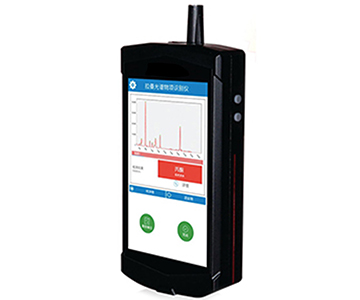
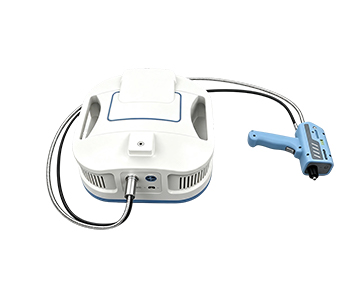
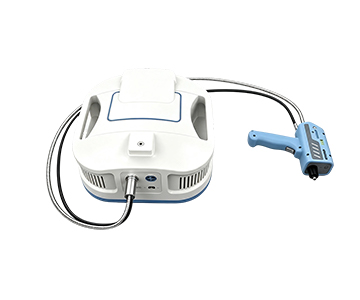
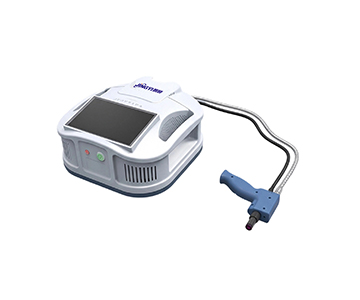
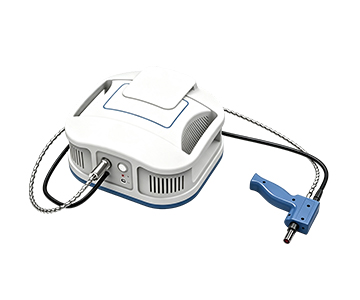
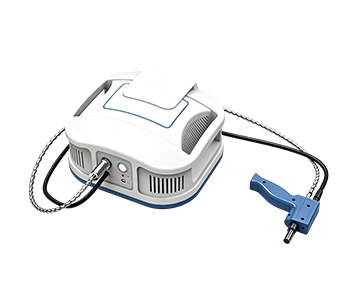
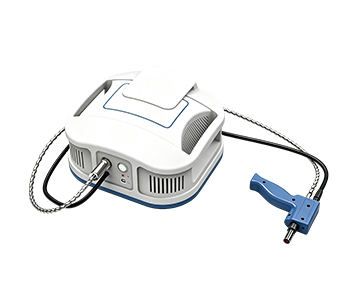
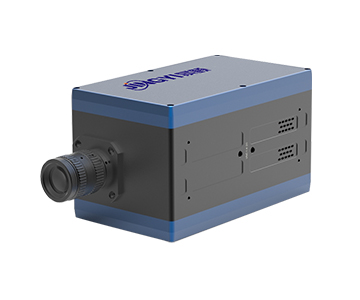
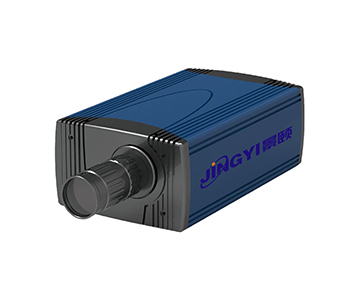
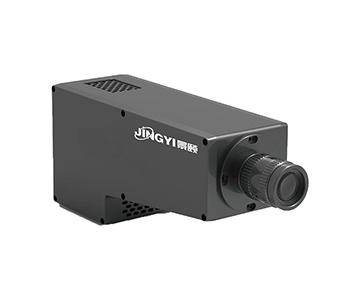
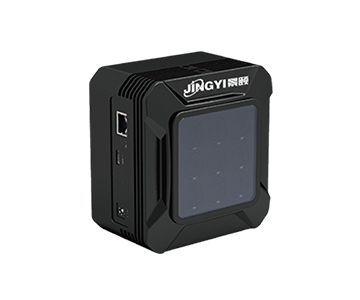
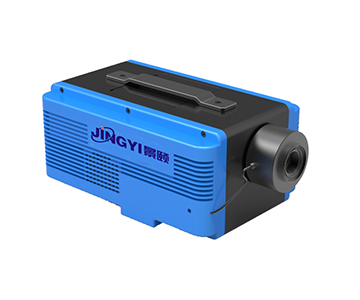
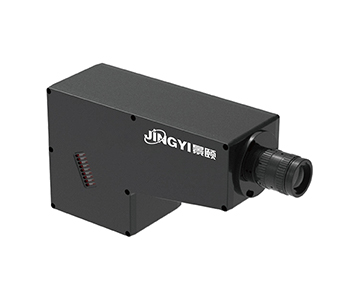
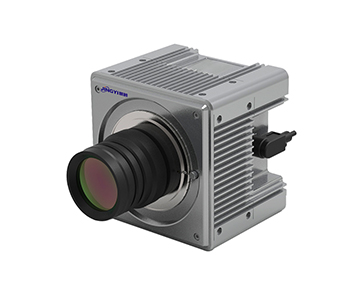
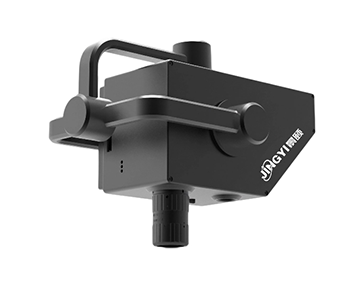
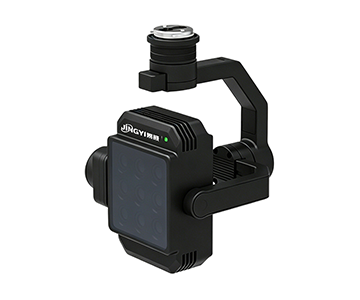
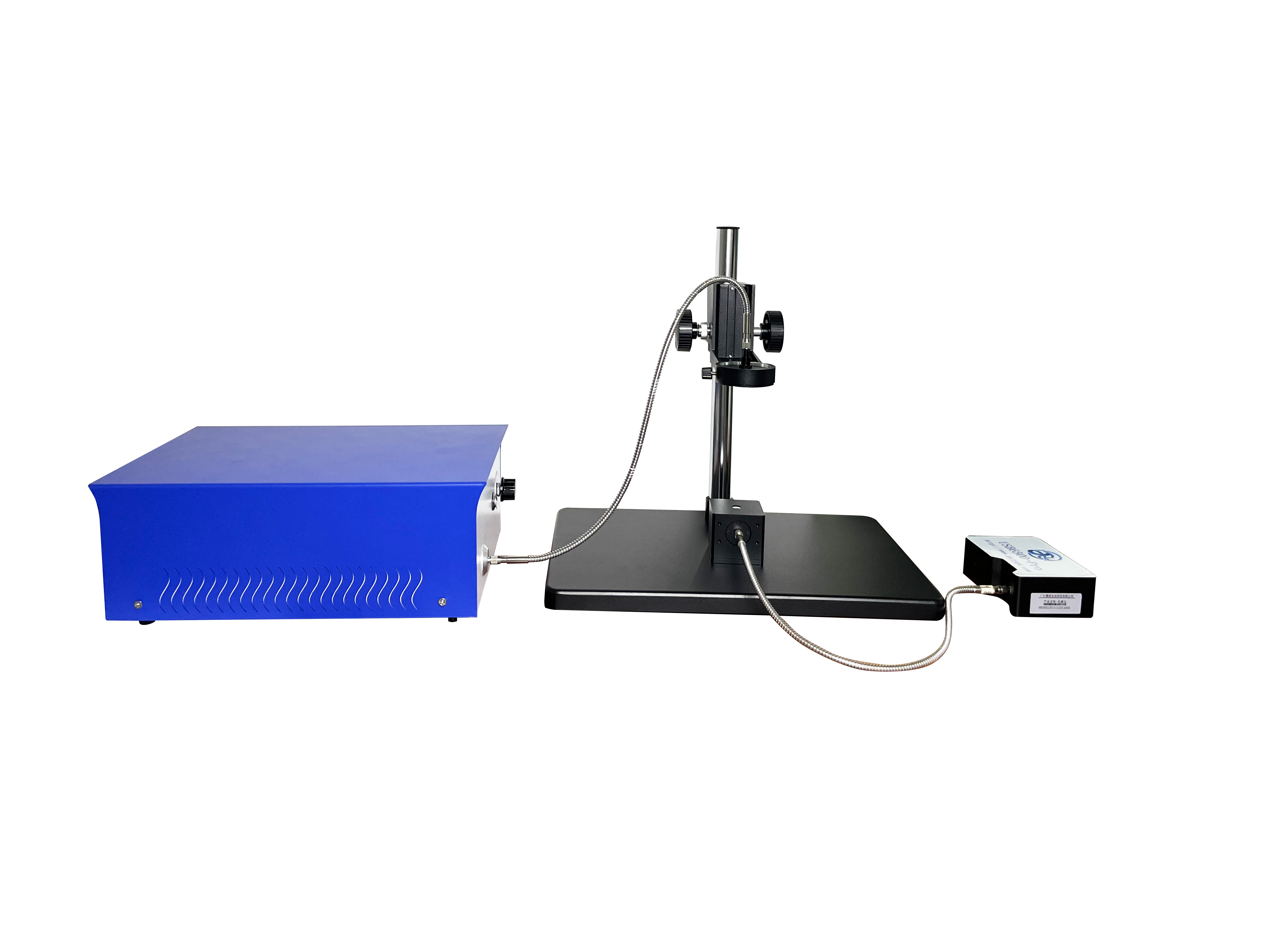
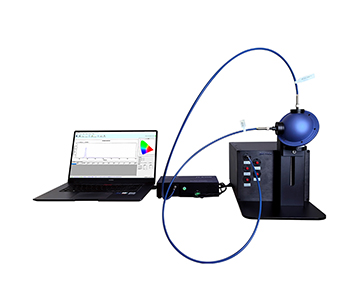
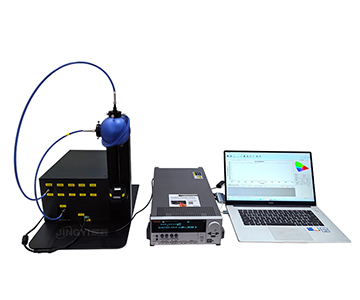
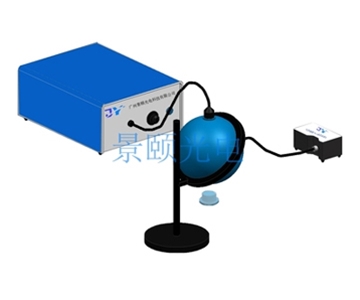
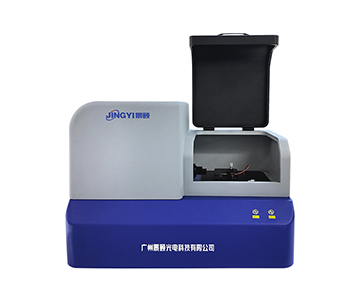
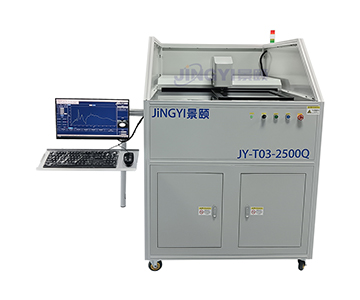
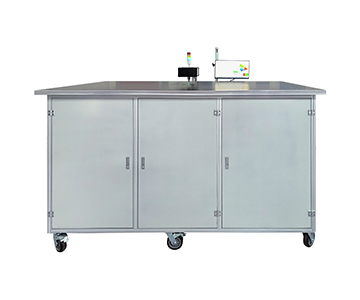
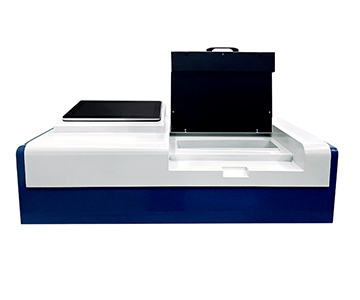
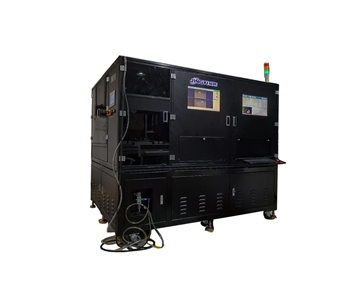
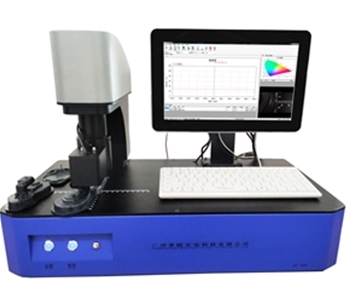
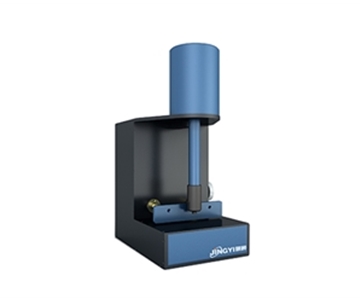
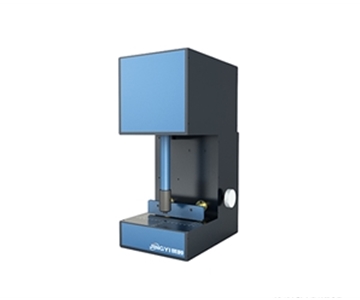
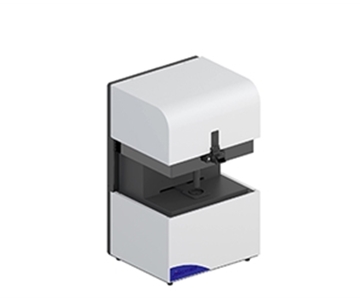
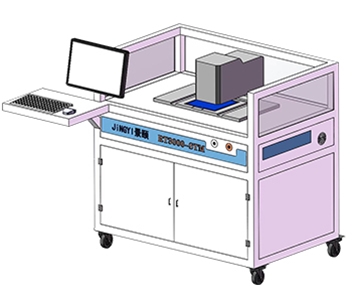
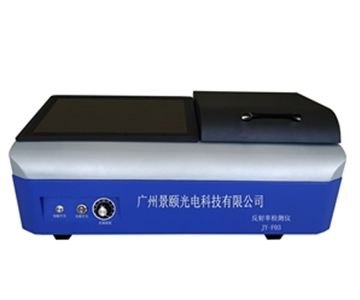
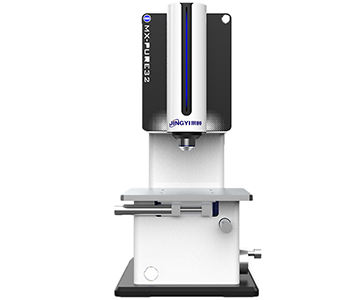
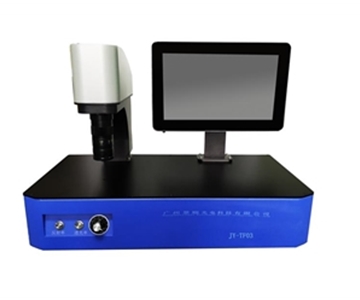
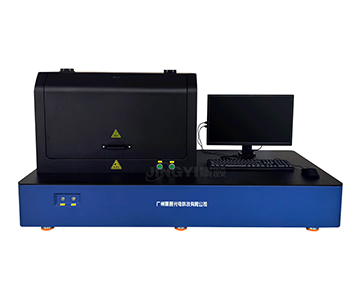
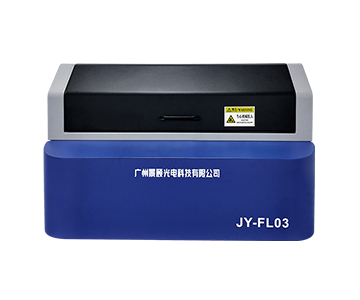
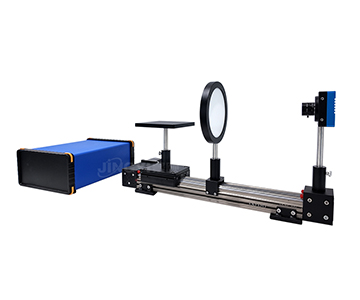
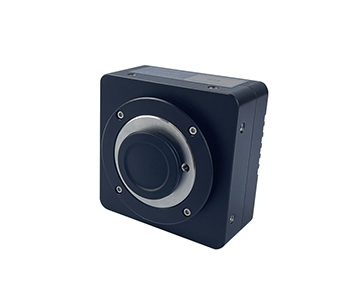
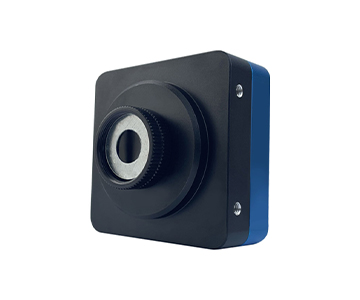
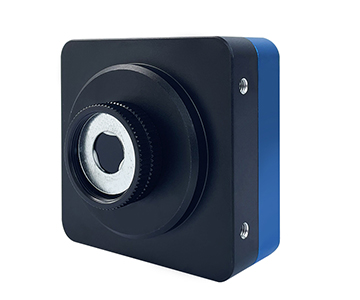
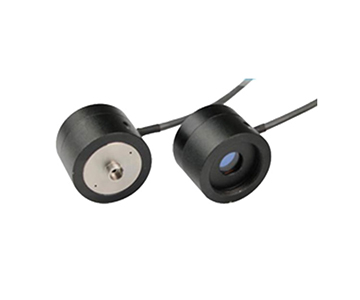
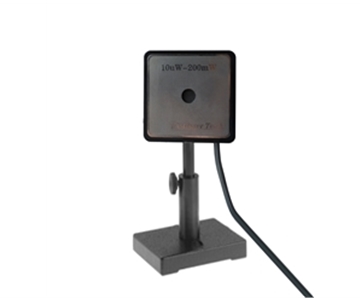
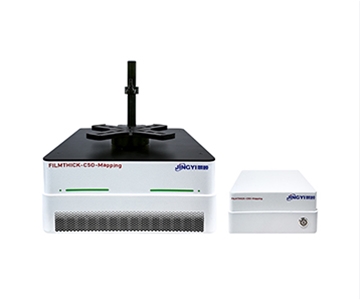
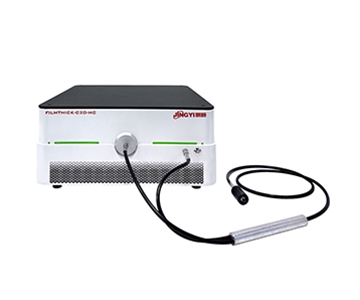
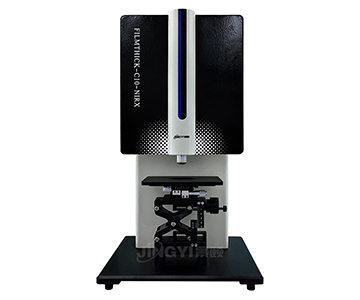
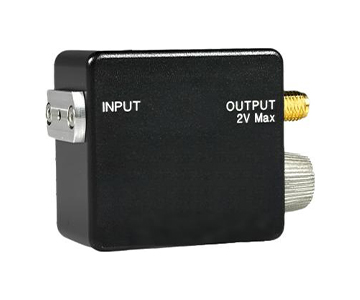
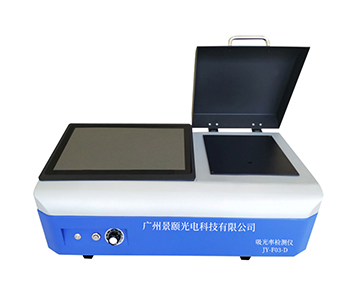
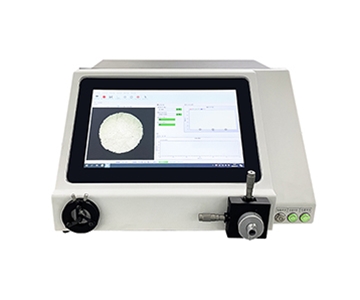
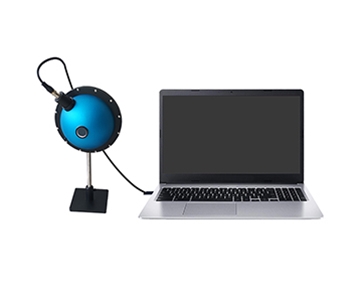
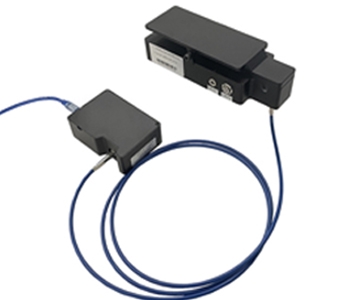
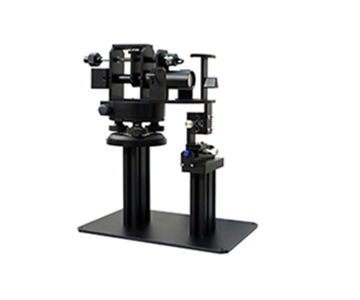
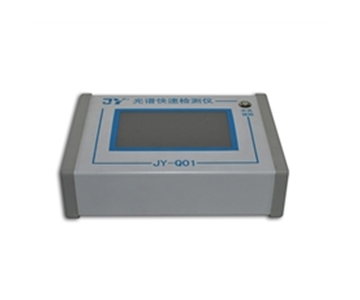
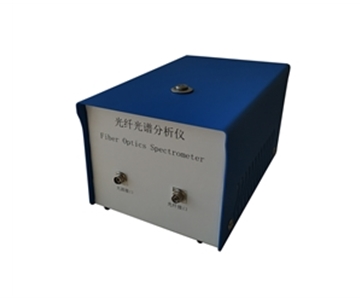
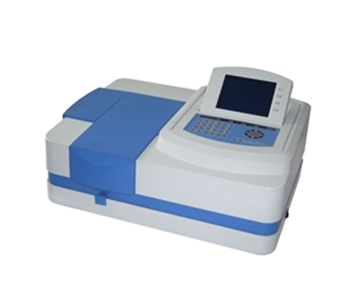
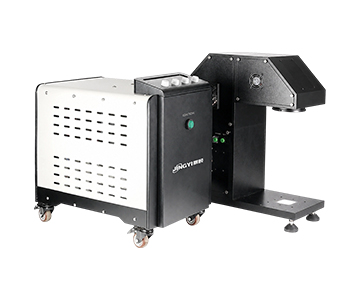
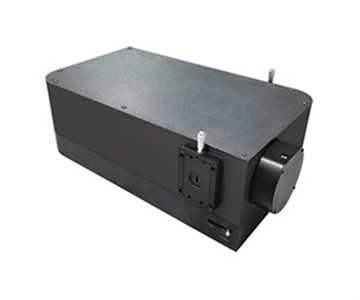
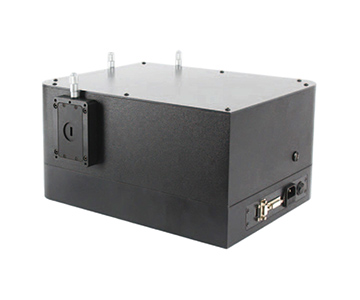
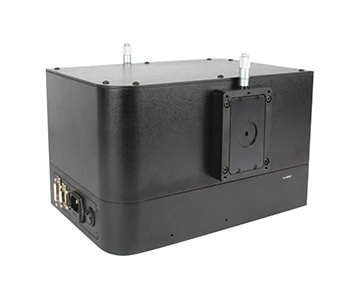
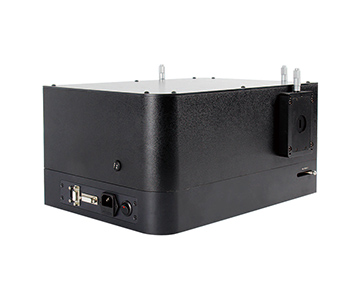
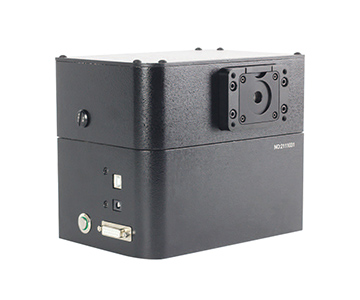
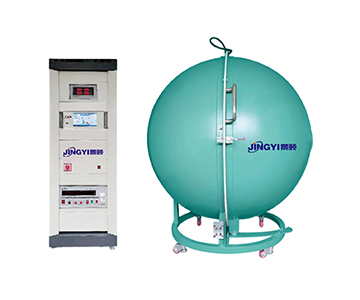
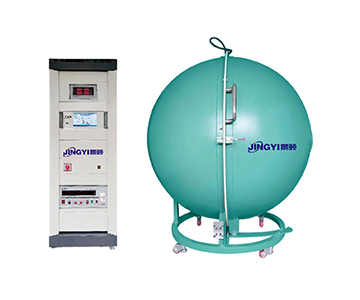
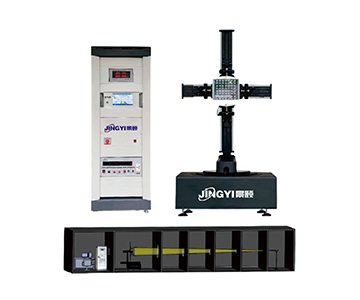
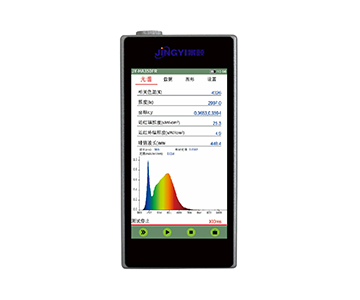
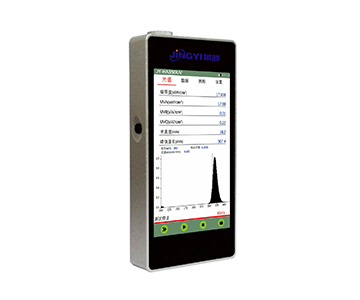
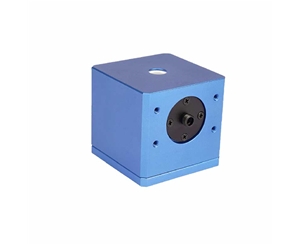
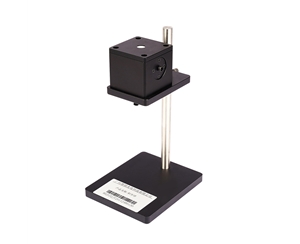
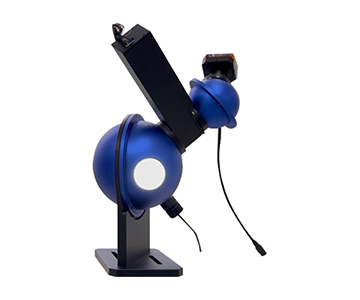
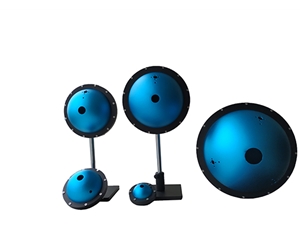
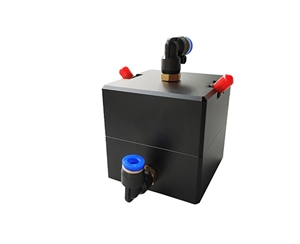
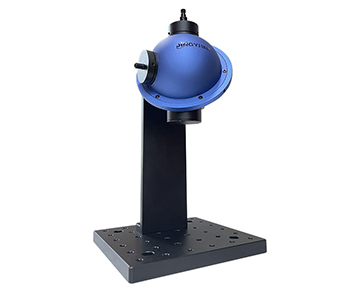
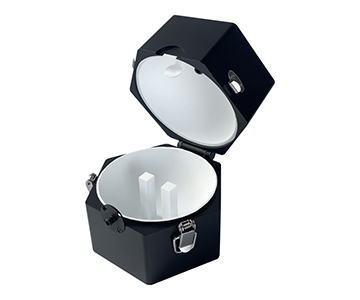
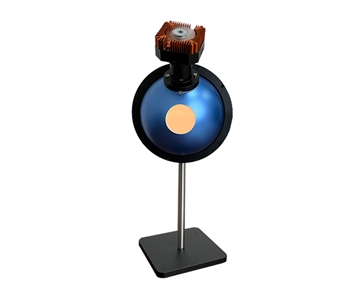
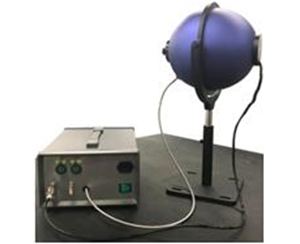
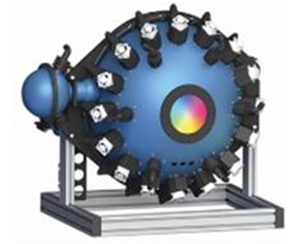
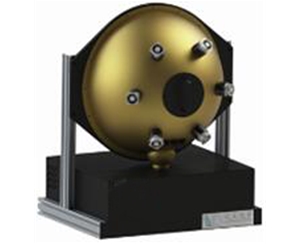
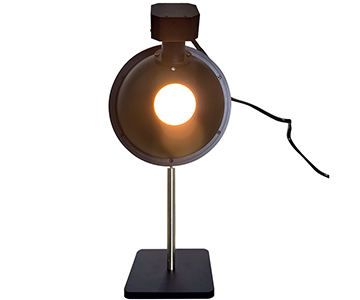
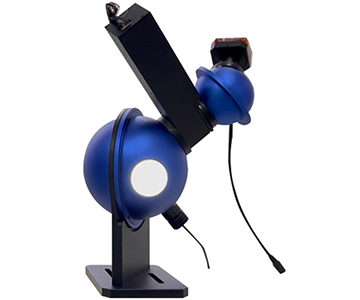
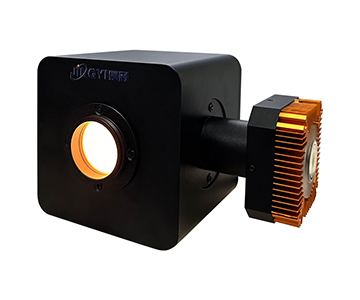
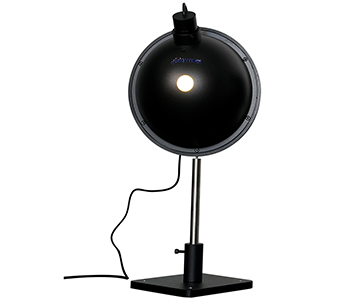
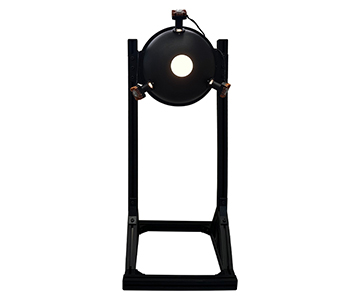
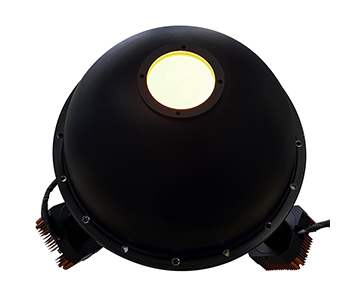
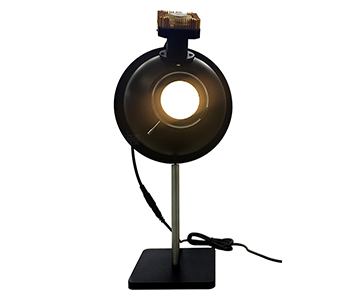
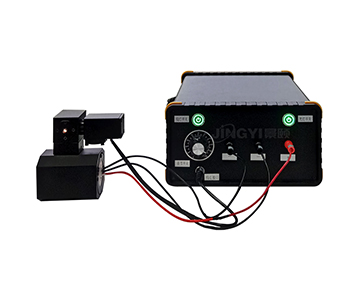
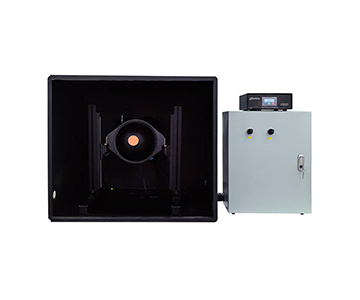
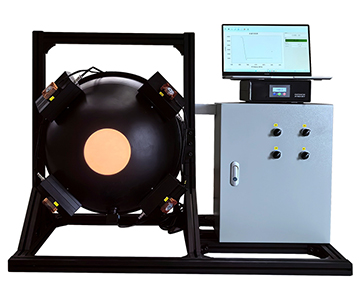
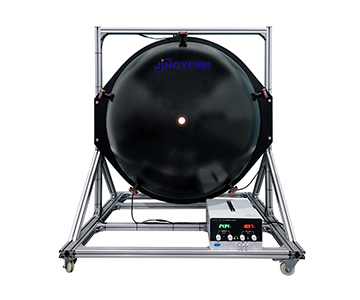
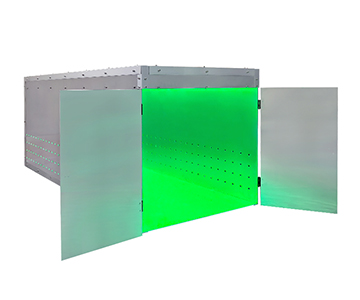
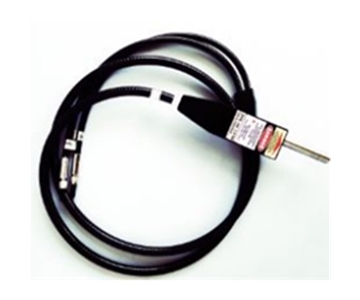
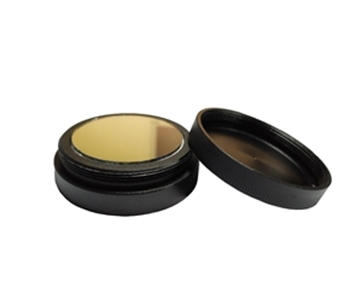
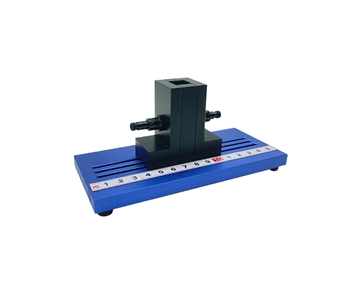
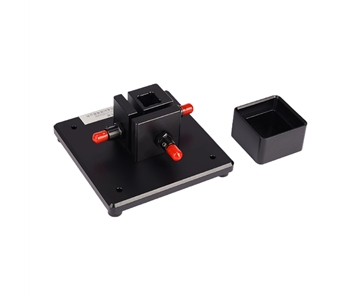
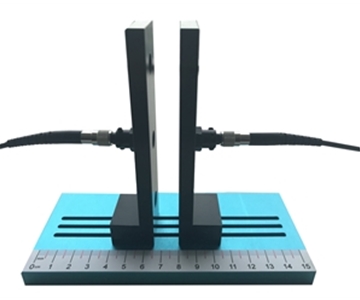
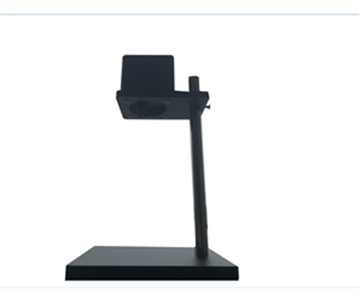
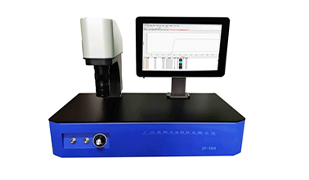
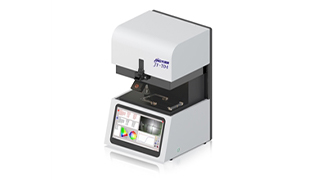
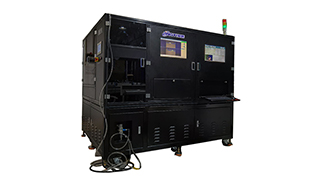
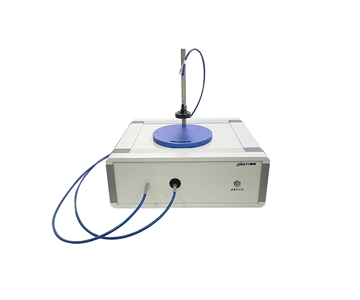
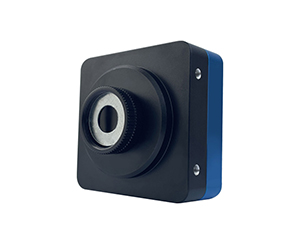
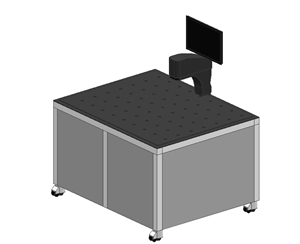
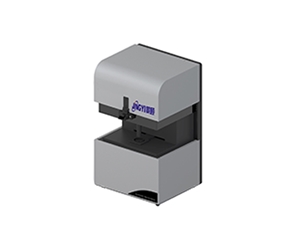
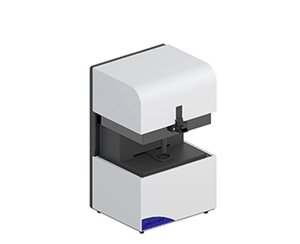
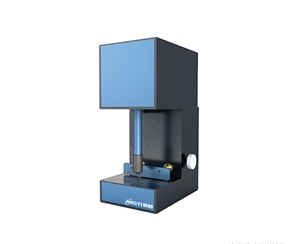
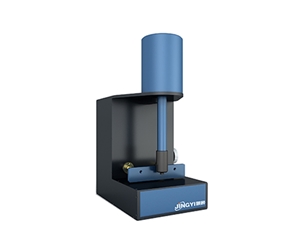
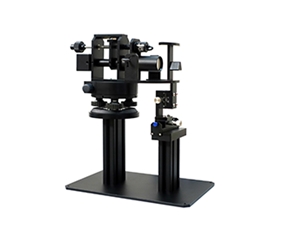
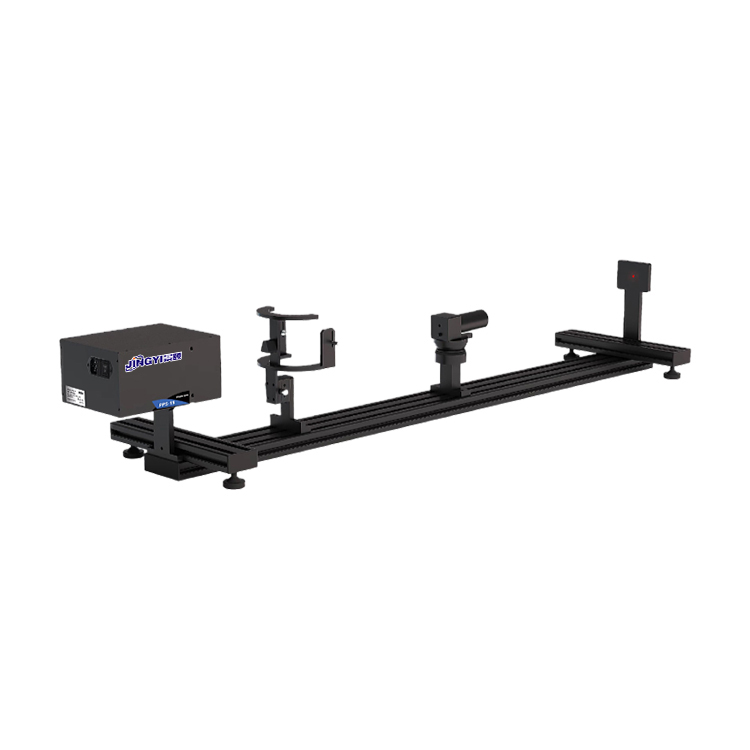
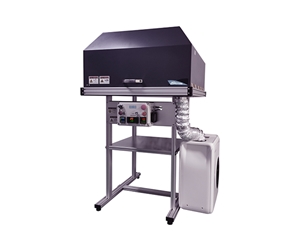
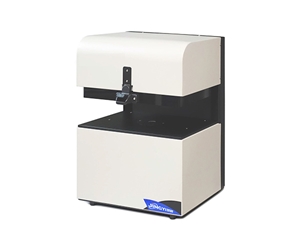
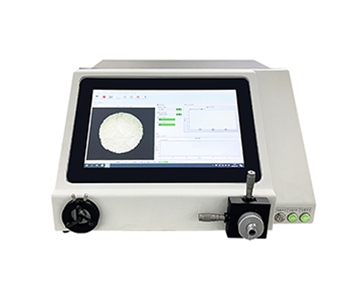
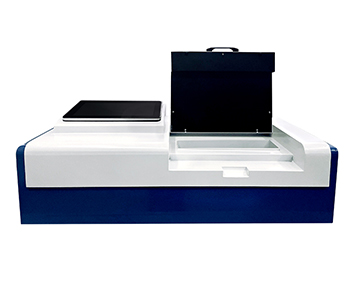
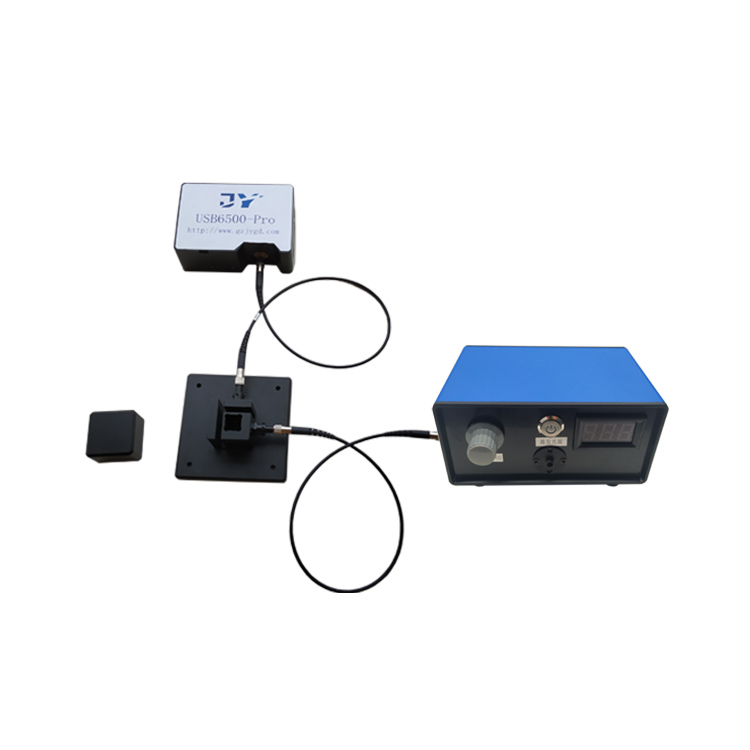
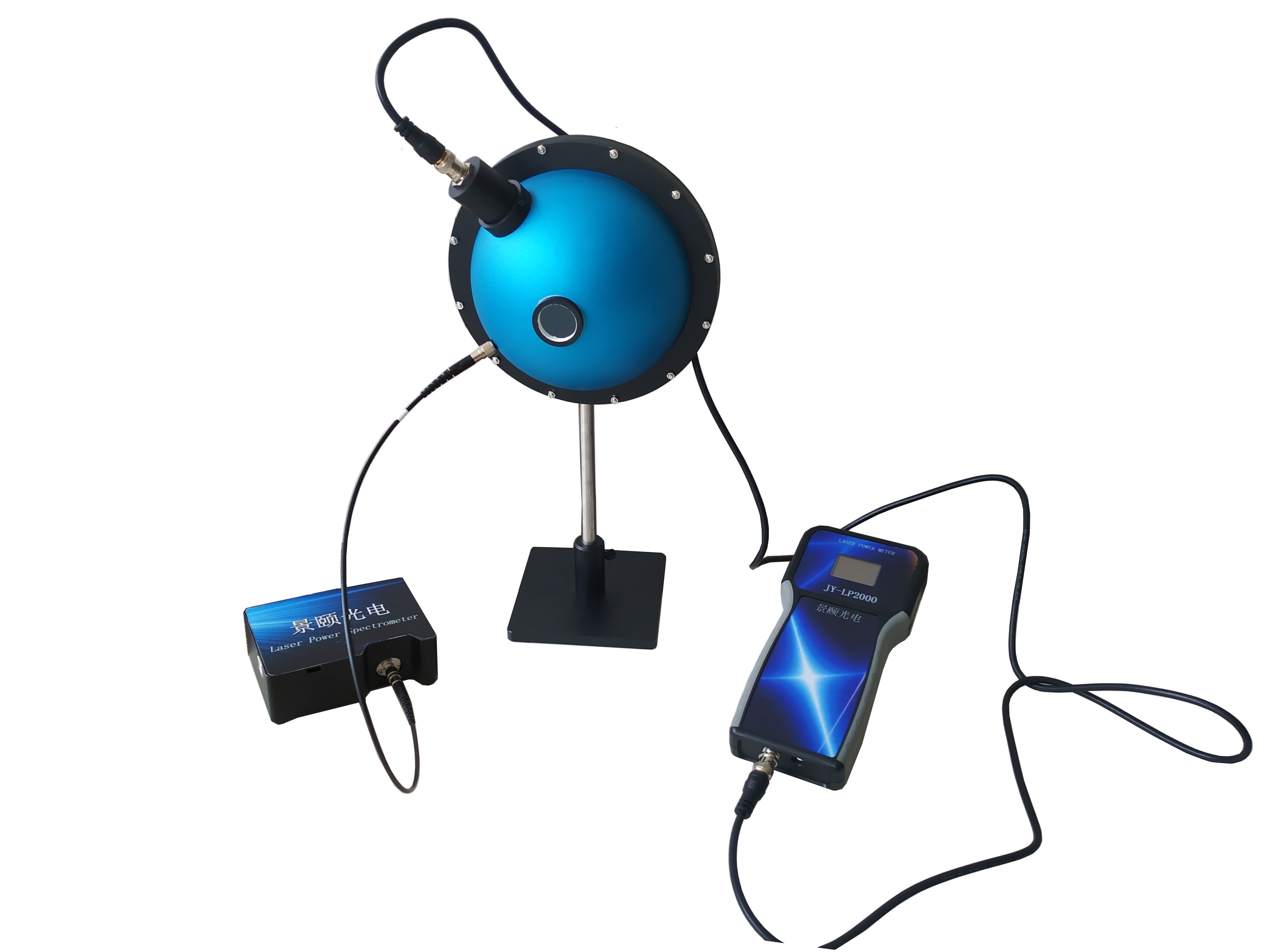
Based on practical requirements across diverse application scenarios, users may select the most suitable wavelength detection instrument according to the following logic:
**Scenario 1: Ultra-High-Precision Scientific Research and Experimentation**
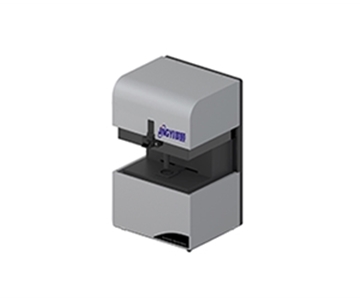
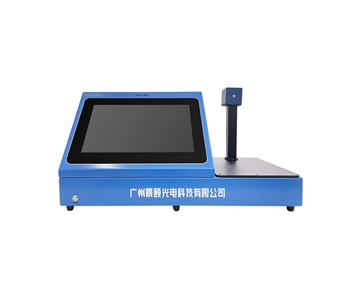
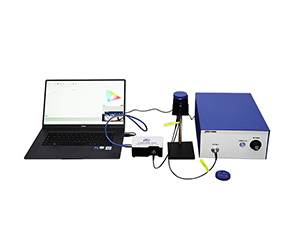
For applications demanding exceptional accuracy—such as quantum optics experiments, development of narrow-linewidth lasers, or high-resolution spectral calibration—prioritize high-precision instruments equipped with an integrated frequency-stabilization and calibration module. These devices feature a built-in calibration light source that automatically compensates for measurement errors caused by temperature fluctuations and mechanical vibrations. Fully automated operation eliminates the need for manual calibration; accuracy reaches ±0.2 pm across an exceptionally broad spectral range (375 nm to 12 μm). Additional capabilities include optical power measurement, USB communication, and support for secondary development—ensuring seamless integration with custom-built laboratory systems.
**Scenario 2: Simultaneous Spectrum and Wavelength Detection**
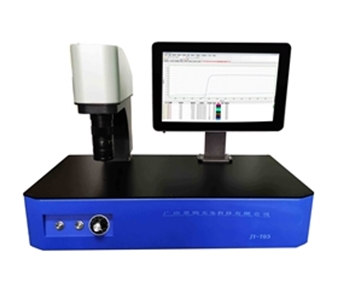
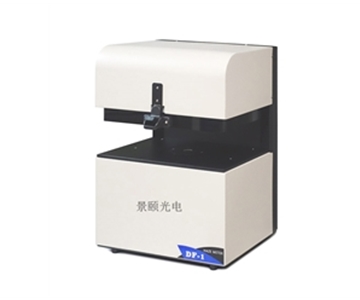
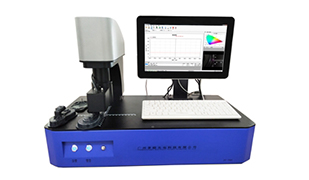
When simultaneous acquisition of laser wavelength and spectral characteristics is required—for instance, analyzing longitudinal mode structure, mode stability, or linewidth—choose a combined spectrum-and-wavelength analyzer. This device supports multiple laser types, including continuous-wave (CW), quasi-CW, and specific-parameter pulsed lasers. Dedicated models cover the full spectral range from 375 nm to 12 μm. With built-in spectral analysis functionality, it delivers comprehensive laser spectral data without requiring an external spectrum analyzer—significantly reducing equipment investment costs for both research and R&D.
**Scenario 3: Industrial Field Applications and Multi-Laser-Type Detection**
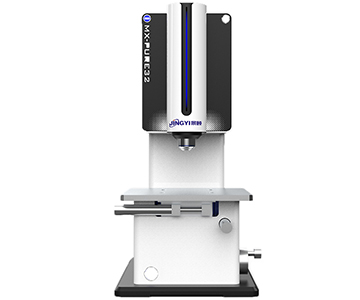
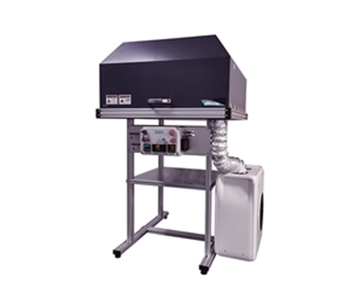
For applications requiring compatibility with both pulsed and CW lasers—such as mass inspection on laser manufacturing lines, field calibration of LiDAR systems, or OPO laser calibration—select a universal dual-mode (pulsed/CW) wavelength detector. It covers the entire 375 nm–12 μm spectral range, incorporates an internal calibration source for long-term measurement stability, offers rapid detection speed, intuitive operation, and ruggedized mechanical design. It fully covers the common optical communications band (700–1650 nm) and achieves accuracy of ±0.2 pm/ppb—meeting the high-frequency, high-throughput demands of optical communications production lines.
**Scenario 4: Specialized Optical Communications Testing**
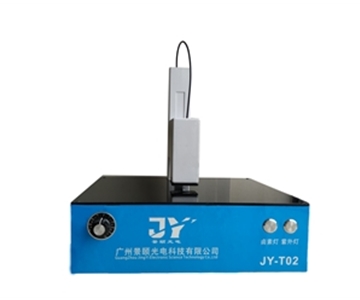
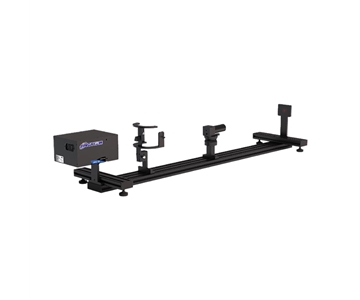
For manufacturing and quality control of Dense Wavelength Division Multiplexing (DWDM) optical modules, select a wavelength detector specifically optimized for optical communications applications. Based on interferometric measurement principles, this instrument features an integrated calibration source for long-term measurement stability, fast detection speed, user-friendly operation, and robust mechanical construction. It covers the standard optical communications band (700–1650 nm) and delivers accuracy up to ±0.2 pm/ppb—fully satisfying the high-frequency, high-intensity testing requirements of optical communications production environments.
#OpticalWavelengthDetection #LaserWavelengthMeter #WavelengthMeter #IntegratingSphereWavelengthMeter #PortableWavelengthMeter #LaserWavelengthMeasurement #LaserWavelengthAnalyzer