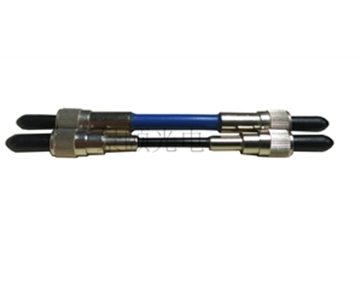
Many R&D engineers working on spectroscopic detection have fallen into similar pitfalls: they selected ultraviolet (UV) fused-silica optical fibers with sufficient precision, followed calibration procedures strictly in accordance with standards—yet final measurements in the deep-UV spectral range consistently exhibited large deviations. Alternatively, up to 30% of laser energy was lost during high-power transmission. Only after exhaustive troubleshooting did they discover the root cause lay in the often-overlooked light transmission medium—the optical fiber itself. As the core link connecting the light source, detection module, and sample, the fiber’s material composition and manufacturing process directly define the upper performance limit of the entire detection system. Today, nearly all optical fibers employed in professional detection applications rely on ultra-high-purity fused silica as their core material.
While many know fused silica is the crystalline form of silicon dioxide, few understand the fundamental rationale behind its suitability for specialty optical fibers: light absorption characteristics vary dramatically across different spectral bands. Conventional glass fibers suffer transmission losses over ten times greater than fused-silica fibers below 200 nm (deep-UV) and above 2 μm (mid-infrared), and exhibit extremely poor resistance to high-power optical irradiation—leading easily to laser-induced damage or accelerated aging under intense illumination. To meet the full-spectrum requirements of detection applications, fused silica remains virtually the only material balancing transmission efficiency, stability, and cost-effectiveness.
Yet the performance gap among fused-silica fibers is far greater than most realize. First, raw-material purity demands are exceptionally stringent: achieving low-loss transmission across the full spectrum requires total impurity content in the fiber core to remain below 2 parts per million (ppm). Even trace residual metal impurities can generate fixed absorption peaks at specific wavelengths, causing systematic errors in detection data. Second, manufacturing process precision is critical: ultra-high-purity fused-silica feedstock must first be fabricated into a preform, then drawn at ~2000°C into micron-scale filaments at constant speed. Temperature fluctuations throughout this process must stay within ±5°C; drawing tension errors must be held to ≤0.1 N. Any deviation—e.g., non-uniform fiber diameter—disrupts total internal reflection, causing significant light leakage and doubling transmission loss. Addressing these spectroscopy-specific challenges, Jingyi Optoelectronics has independently developed a proprietary doped-fused-silica fiber fabrication process and precision control system. This innovation reduces broadband transmission loss by 15–22% versus industry norms—especially boosting transmission efficiency by over 30% in traditionally high-loss bands such as deep-UV and mid-infrared.
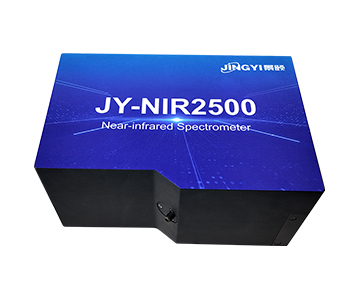
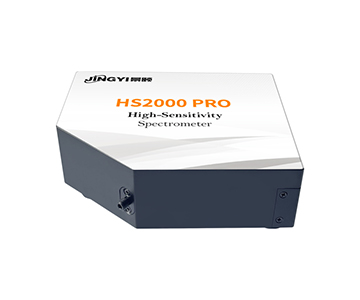
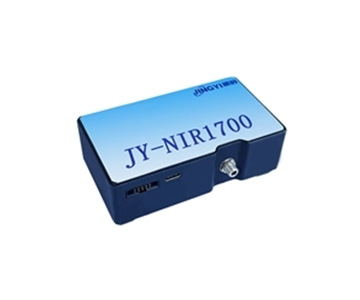
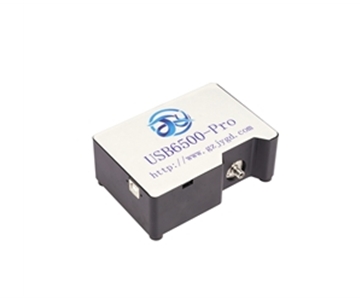
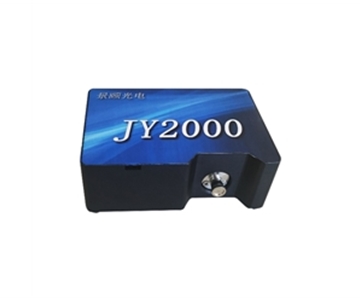
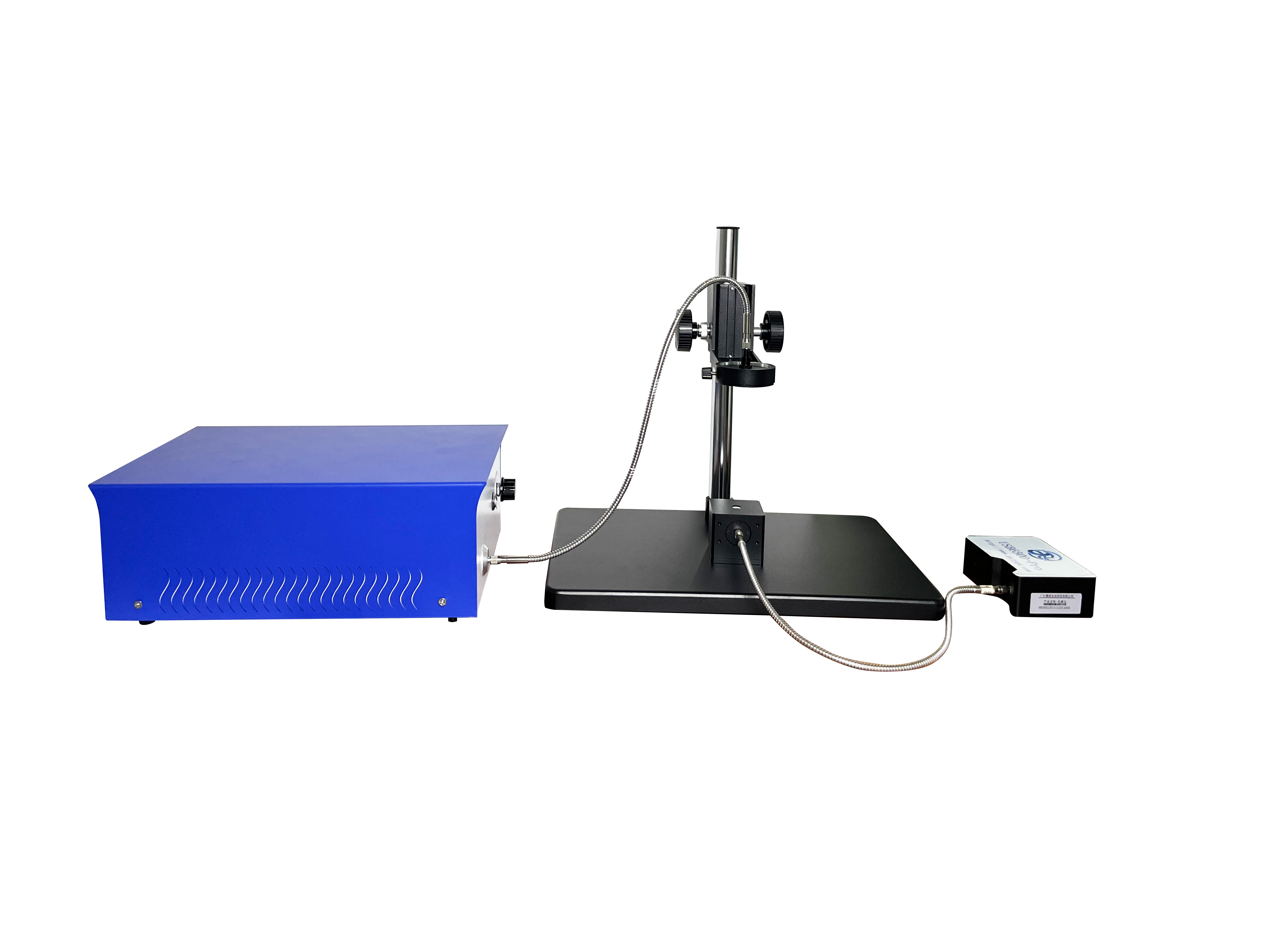
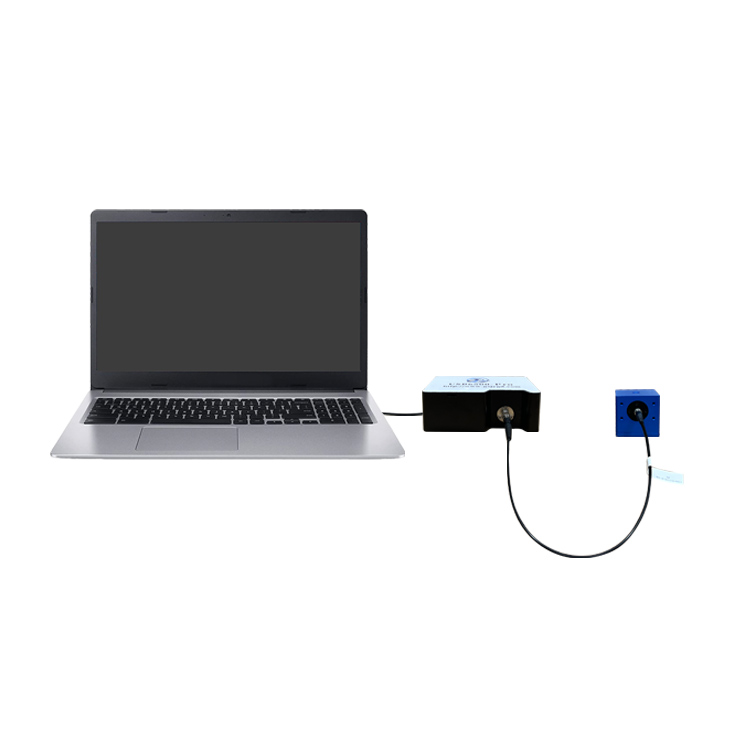
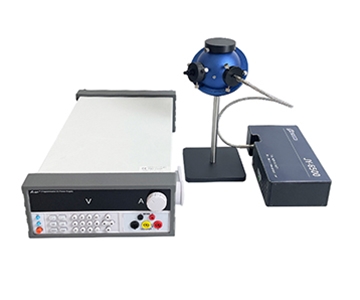
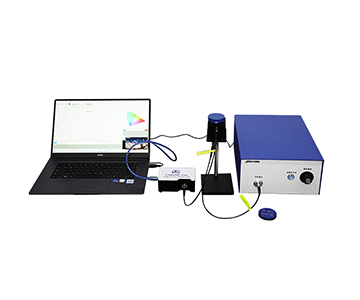
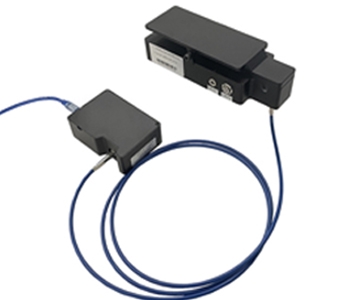
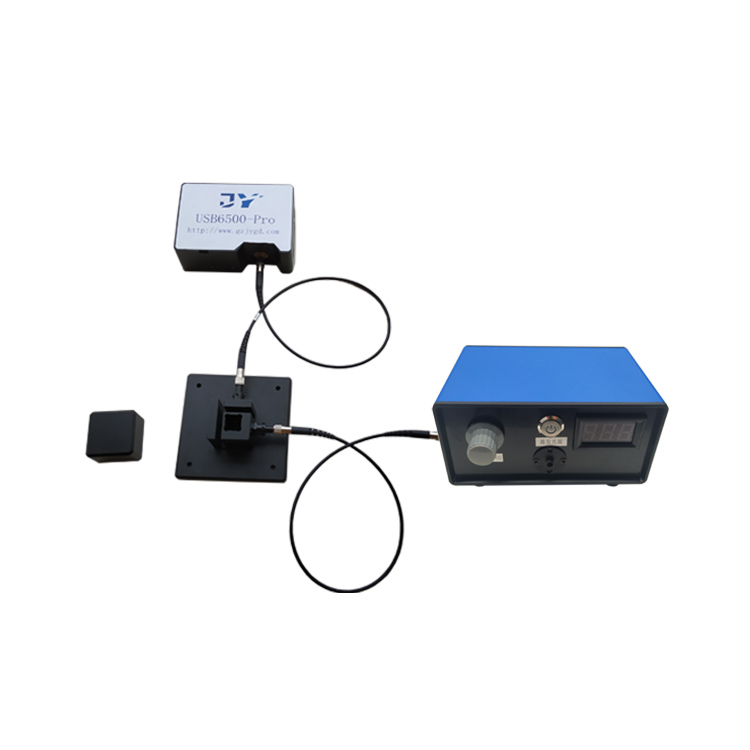
Such high-performance fused-silica fibers are now deployed across multiple application domains. For example, in industrial-grade high-energy pulsed-light sources, conventional fibers fail under optical power densities exceeding 100 W/cm², degrading in transmission efficiency within just 100 hours of continuous operation. In contrast, Jingyi’s high-power fused-silica fibers—optimized via tailored core composition—enable stable transmission for over 1,000 hours, with energy-loss fluctuation maintained below 2%. In spectroscopic system integration, Jingyi’s full portfolio of fused-silica fibers achieves seamless compatibility with its own miniature spectrometers, customized light sources, and diverse spectroscopic accessories—eliminating the need for users to perform additional interface adjustments. Systems for rapid food safety inspection or water-quality monitoring—previously requiring one week for assembly and calibration—can now be fully configured and calibrated in half a day. In biomedical applications, miniaturized fused-silica fibers have been adopted for minimally invasive laser surgery and in vivo physiological-parameter sensing: fibers with diameters of merely tens of micrometers thread through biopsy needles to deliver laser energy precisely to lesion sites—or transmit real-time in-body spectral signals back to detectors, with parameter deviation under 1%.
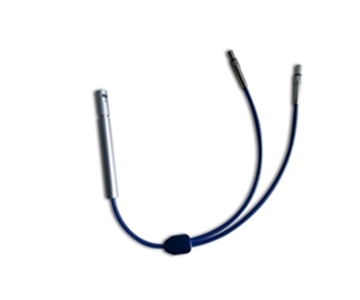
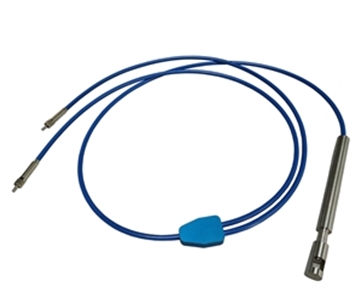
As spectroscopic detection advances toward portability, contextual deployment, and online operation, environmental robustness requirements for optical fibers continue rising. Jingyi Optoelectronics has already launched multiple series of customized packaged fused-silica fiber components engineered for corrosion resistance (acid/alkali), wide-temperature operation (−40°C to +120°C), and bend tolerance. Whether deployed outdoors in long-term environmental monitoring stations or integrated into high-speed industrial production lines for inline quality inspection, these fibers operate reliably—providing the essential transmission backbone enabling real-world deployment of diverse detection systems.
#MultimodeFiber #DeepUvFiber #UvFusedSilicaFiber #TriCoreFusedSilicaFiber #VisibleLightFusedSilicaFiber #MiniatureSpectrometer #FusedSilicaFiber