The Invisible Gatekeeper of Thickness: A Technical Breakdown and Comprehensive Application Guide for Thin-Film Thickness Measurement
From anti-fingerprint coatings on smartphone screens and barrier films in food packaging to corrosion-resistant paint on automobile bodies and thermal-protection coatings on spacecraft—nanometer-scale deviations in the thickness of any thin film or coating can directly compromise product performance, service life, and even safety. Consequently, thin-film thickness measurement has become a cornerstone quality control process across diverse manufacturing sectors. Requirements for measurement accuracy and methodology vary dramatically by application, leading today’s mainstream thin-film thickness measurement technologies to develop distinct domains of suitability.
Currently, industry-standard thin-film thickness measurement techniques are categorized into five major types based on detection accuracy and substrate compatibility—each optimized for a specific thickness range:
1. **Magnetic Induction Measurement**: Primarily suited for non-magnetic coatings on magnetic substrates such as iron or steel—for example, powder coatings on hardware components or anti-corrosion paints on industrial equipment. Typical measurement range: 1 µm to several millimeters. Its principle relies on detecting changes in magnetic field strength caused by the coating’s attenuation of magnetic flux lines, enabling reverse calculation of coating thickness.
2. **Eddy Current Measurement**: Designed specifically for coatings on non-magnetic metallic substrates (e.g., aluminum, copper). A high-frequency alternating current from the probe induces eddy currents in the conductive substrate; variations in coating thickness alter both the amplitude and phase of these eddy currents, allowing thickness derivation. This method is ideal for measuring electroplated or sprayed coatings on non-magnetic metal parts.
3. **Ultrasonic Measurement**: Applicable to thick coatings on non-metallic substrates—including plastics, rubber, and composite materials. It calculates thickness by emitting ultrasonic pulses and measuring the time-of-flight difference between transmission through and reflection within the coating layer. Independent of substrate conductivity or magnetic properties, it offers broad applicability.
4. **X-ray Fluorescence (XRF) Measurement**: Enables non-destructive analysis of ultra-thin, multi-layer coatings. By exciting elemental characteristic X-rays in the coating and analyzing their energy spectra, it simultaneously determines thickness and composition—ideal for sub-micron plating layers. However, this technique entails relatively high equipment costs and requires radiation safety protocols.
5. **Optical Interference Measurement**: The leading mainstream approach for thin-film thickness measurement. It calculates film thickness by analyzing interference patterns generated when light reflects off the top and bottom surfaces of the coating. With nanometer-level resolution and fully non-contact operation, it is the preferred method in semiconductor fabrication, optical coating production, and other high-precision fields.
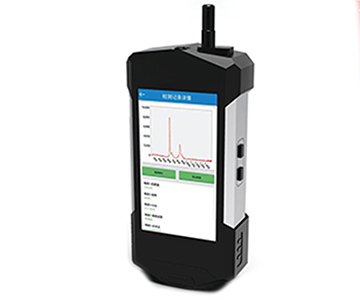
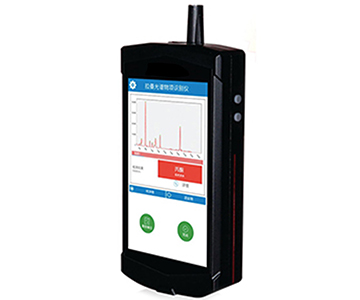
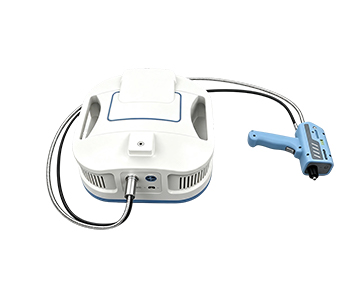
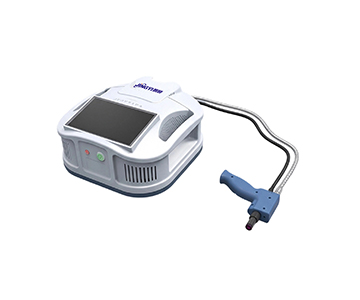
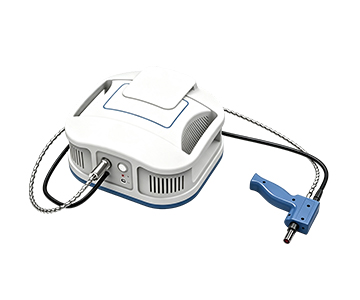
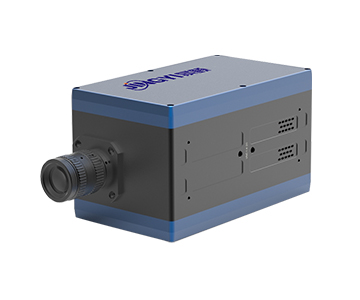
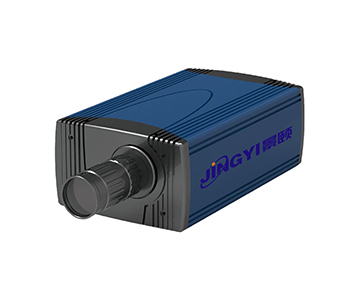
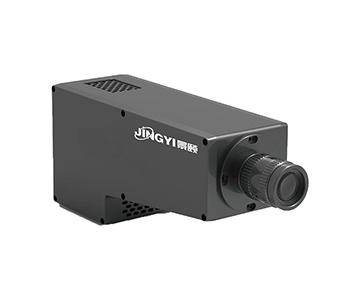
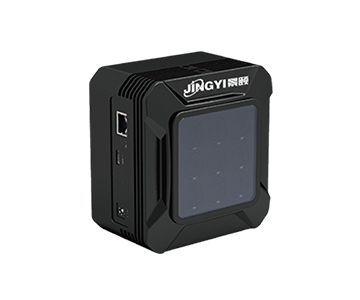
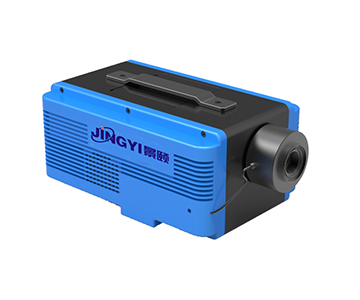
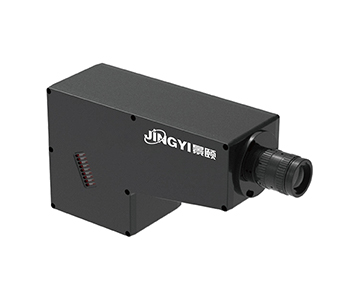
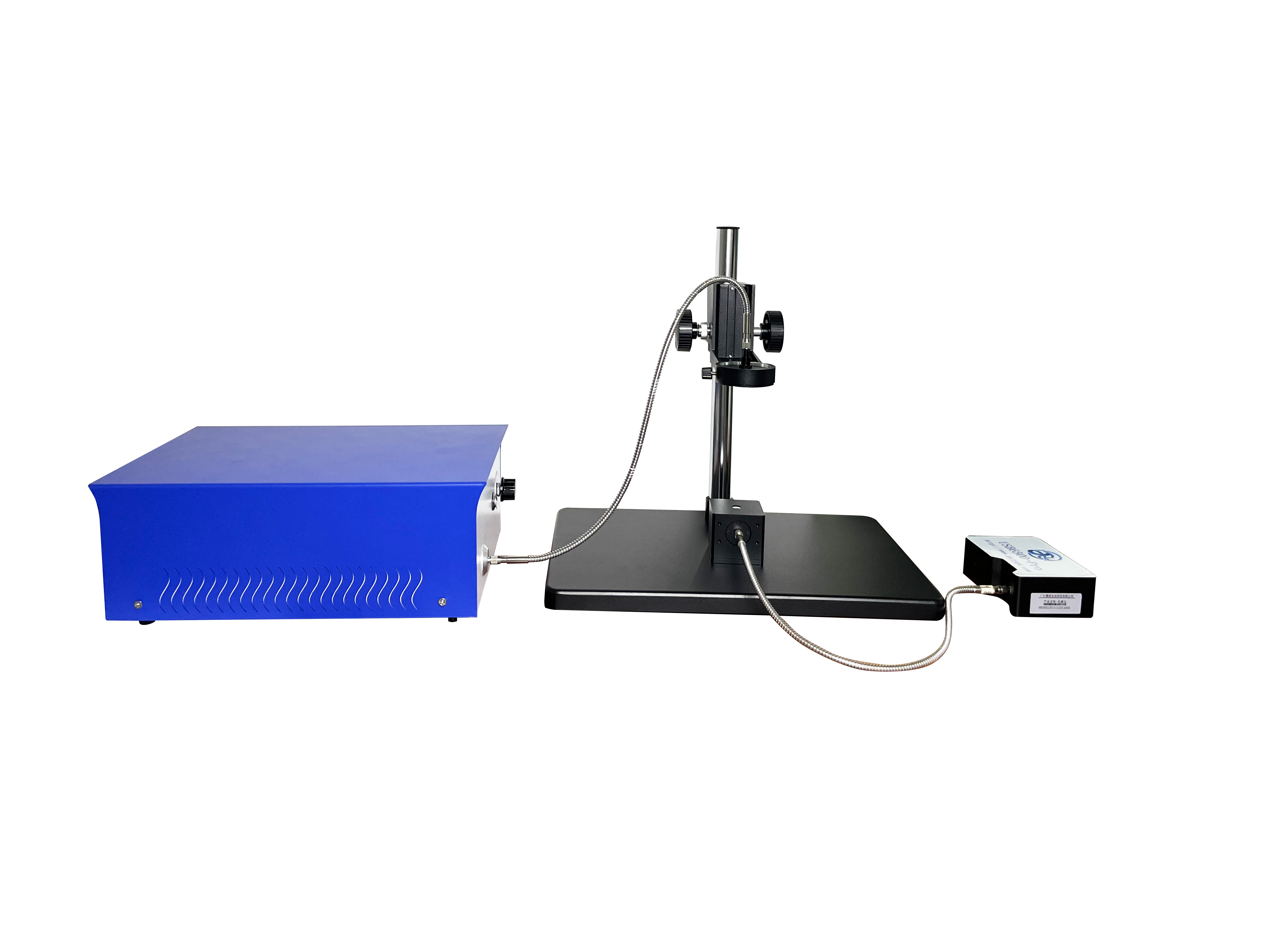
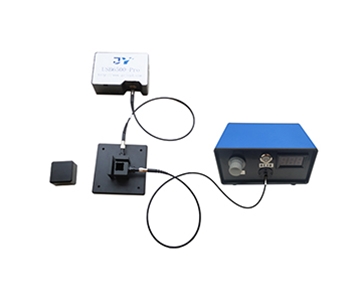
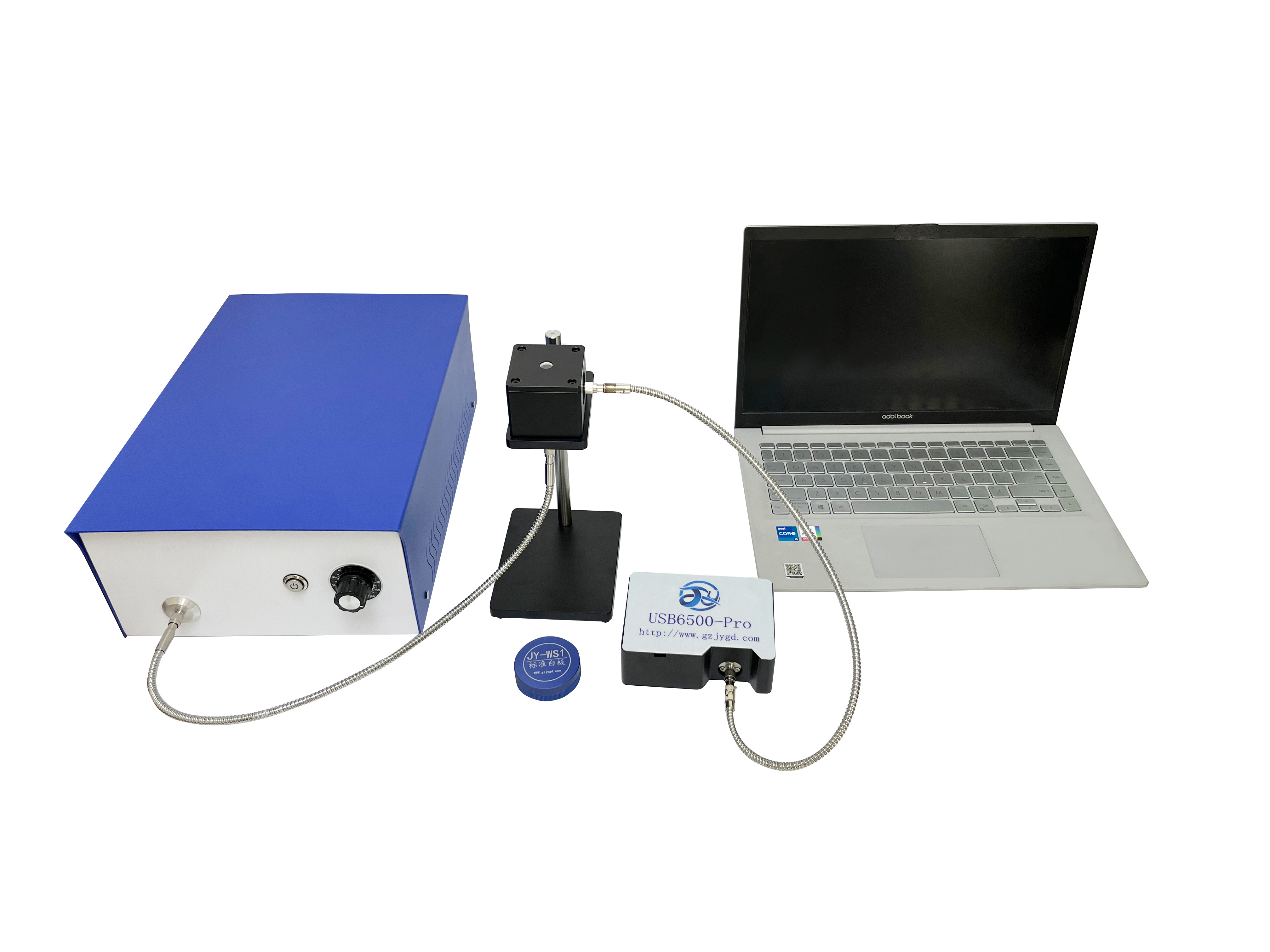
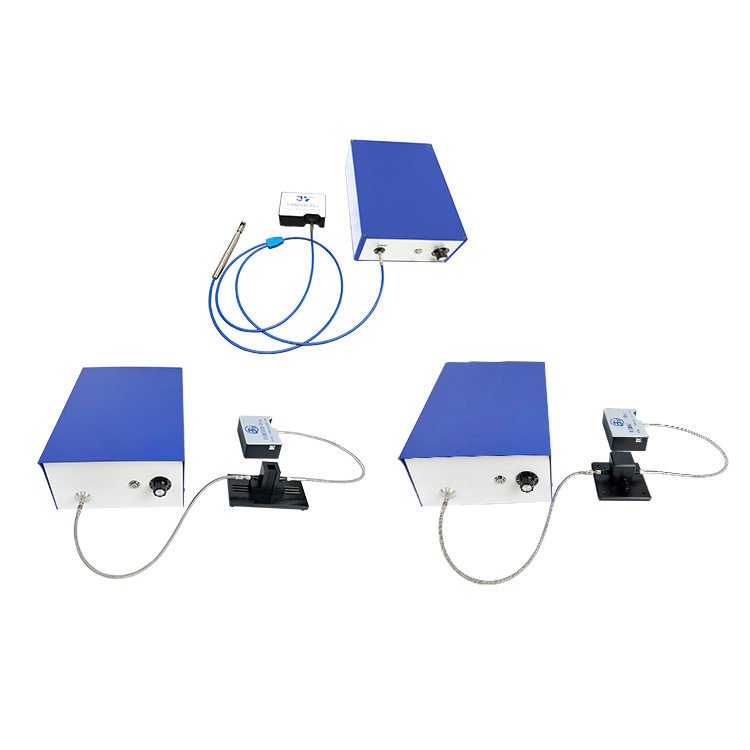
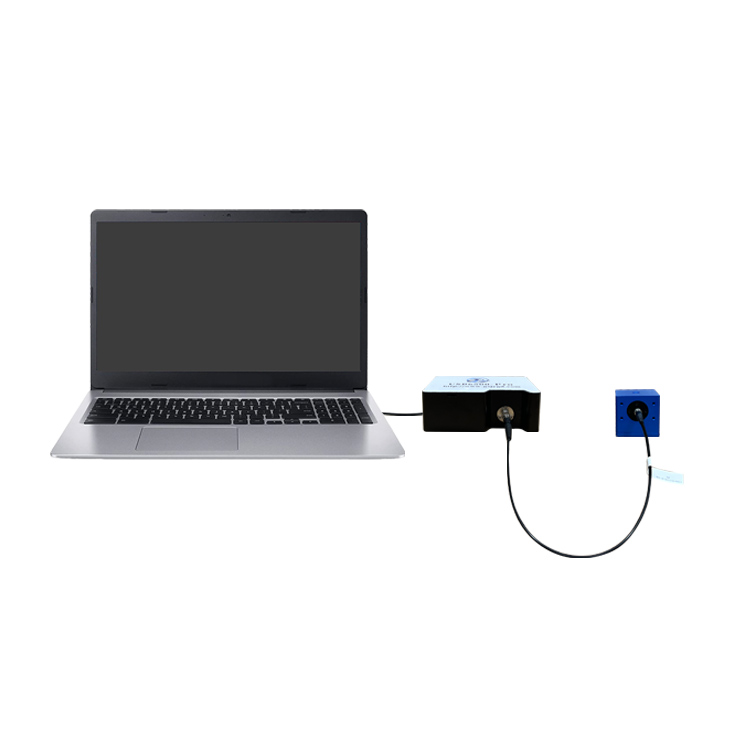
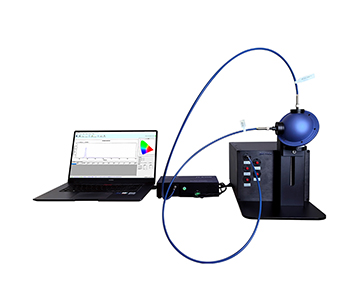
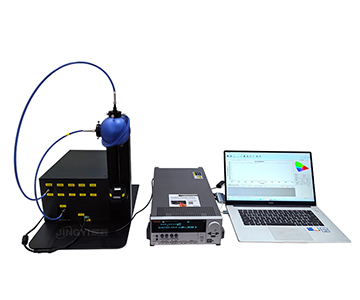
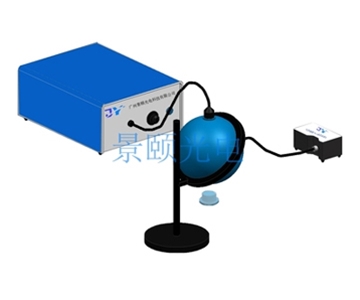
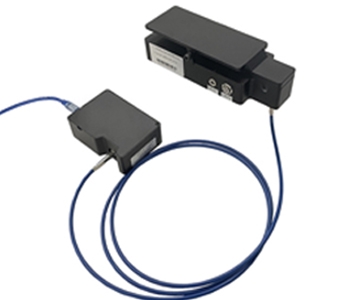
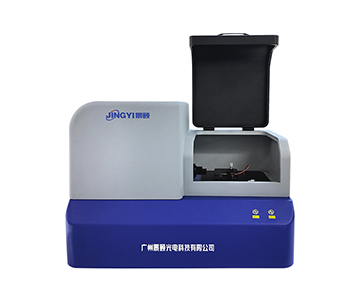
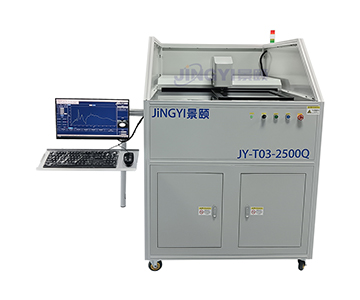
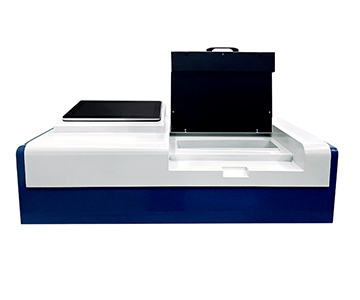
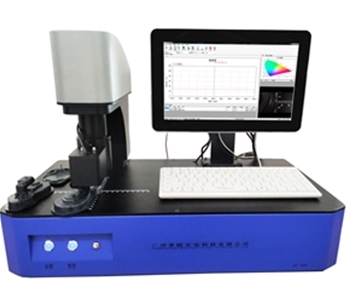
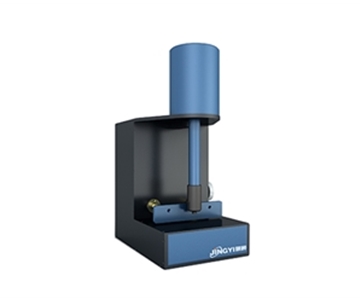
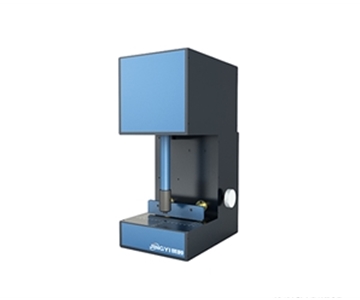
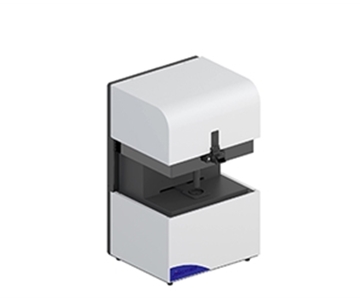
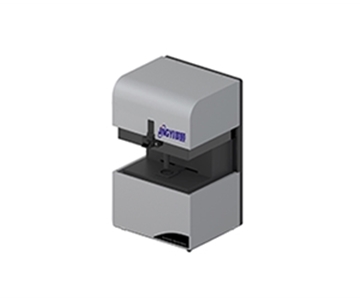
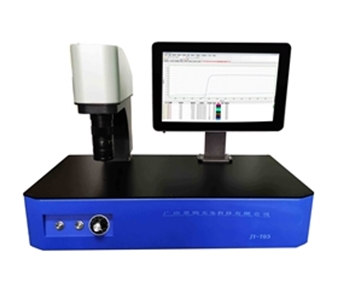
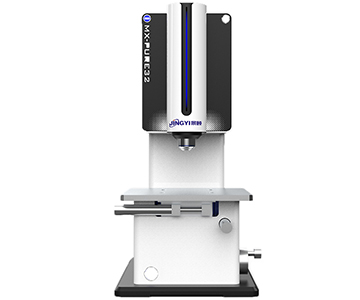
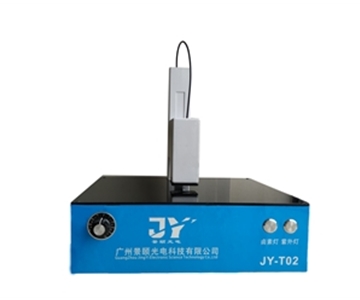
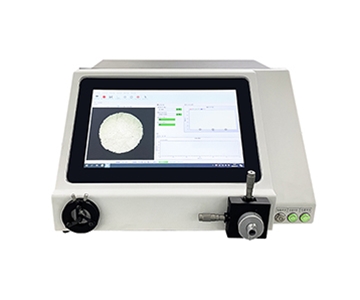
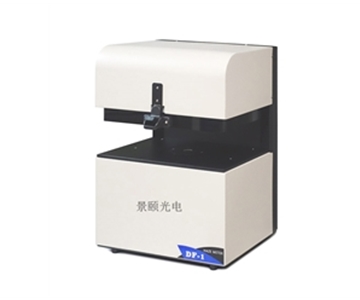
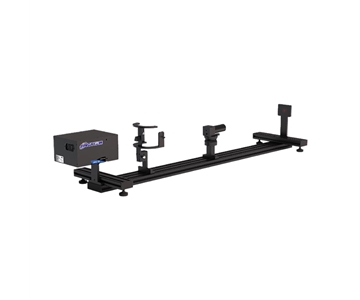
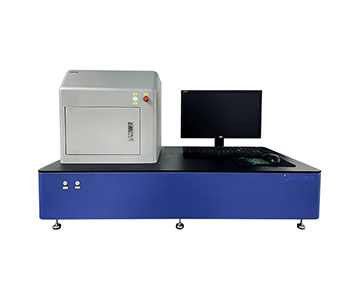
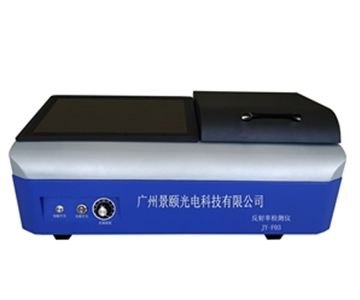
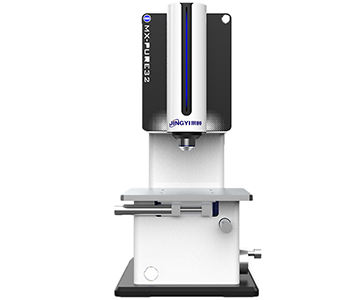
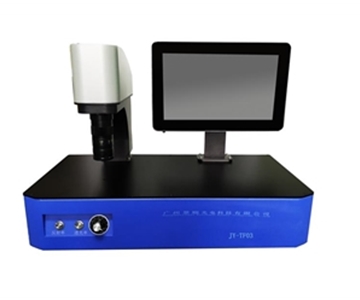
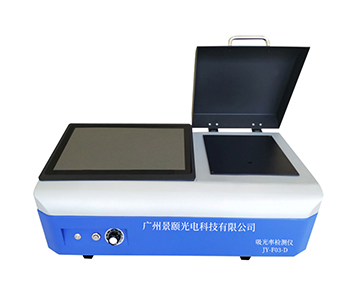
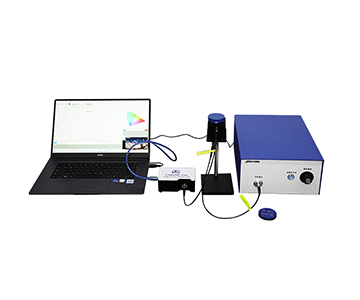
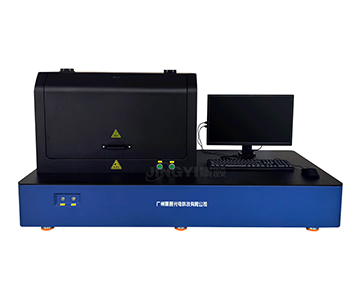
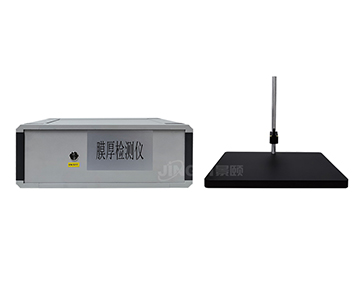
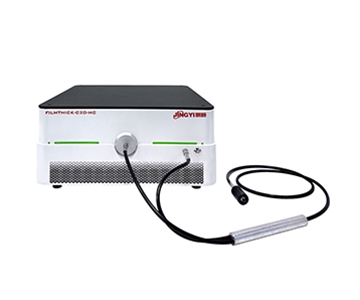
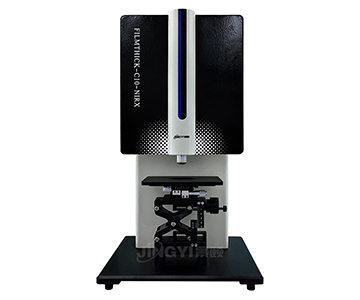
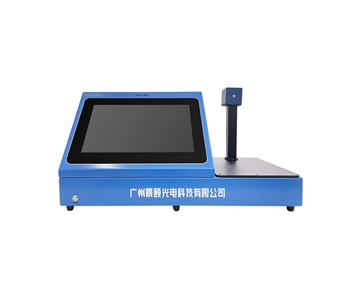
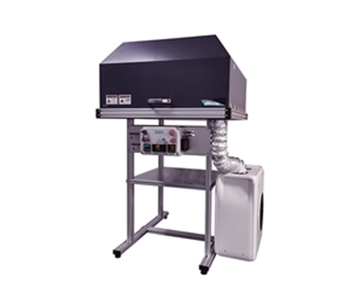
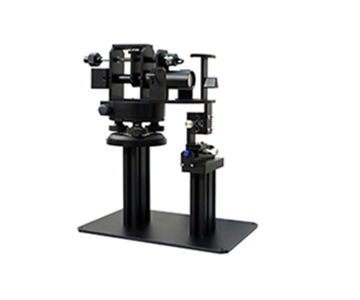
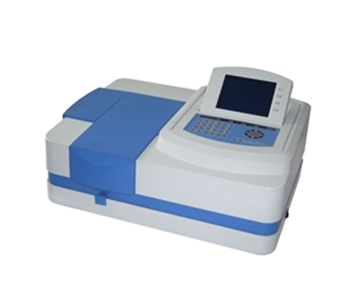
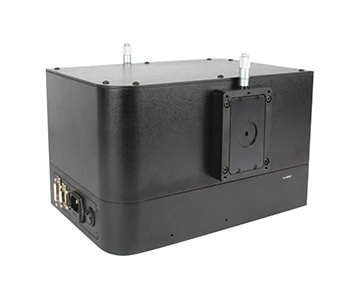
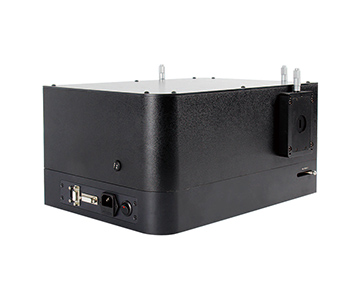
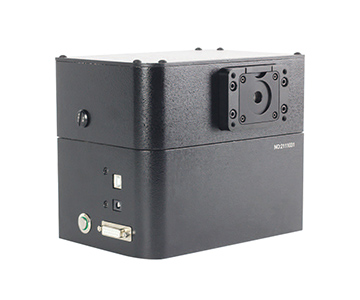
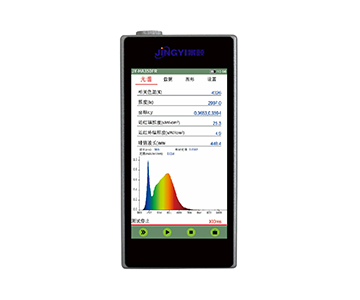
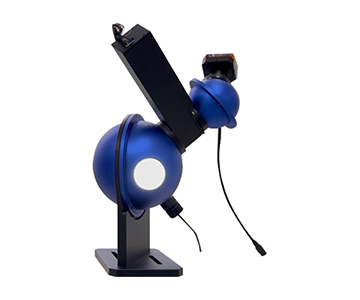
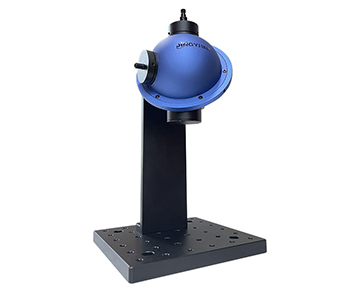
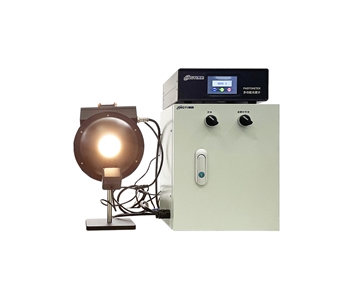
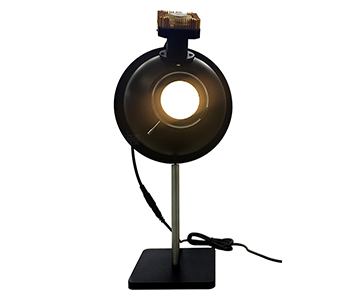
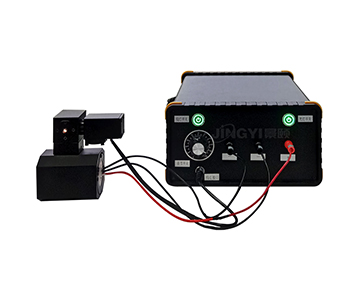
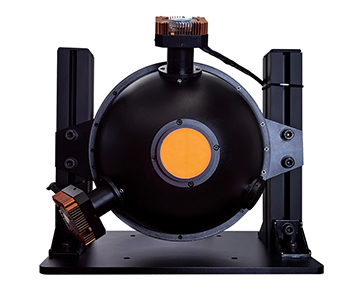
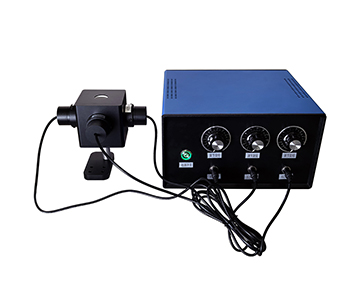
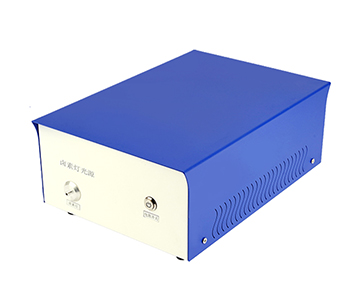
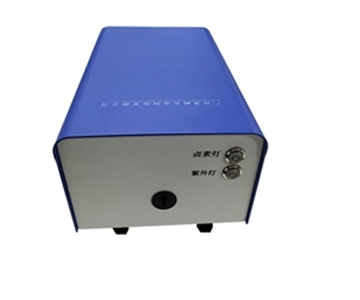
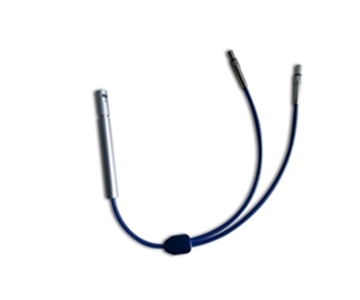
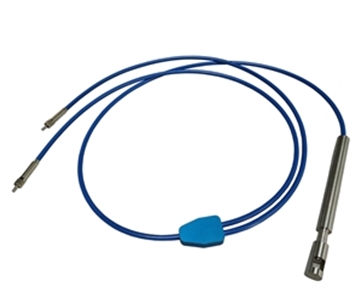
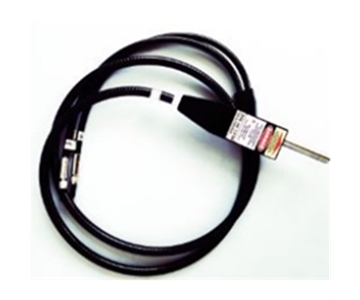
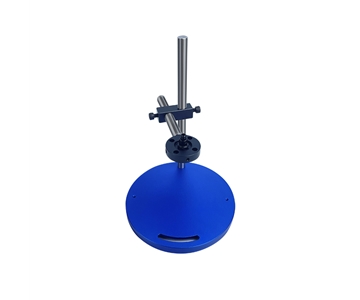
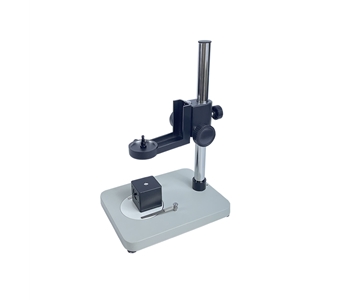
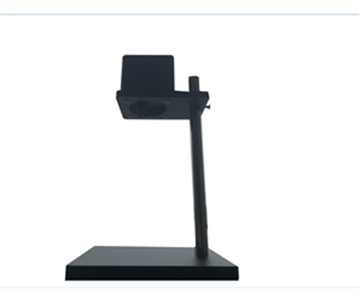
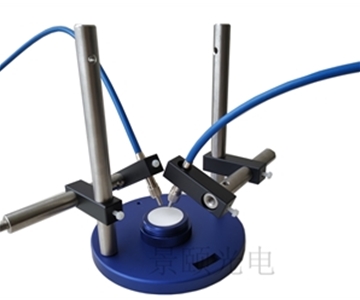
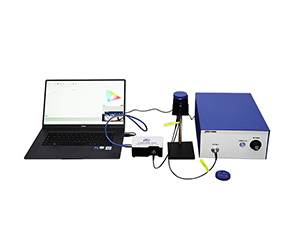
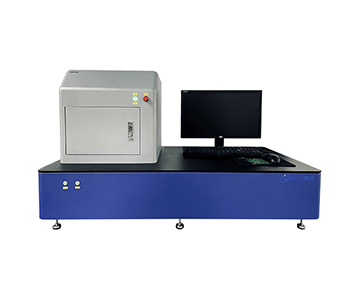
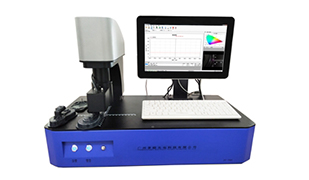
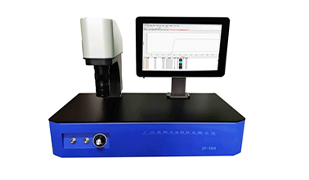
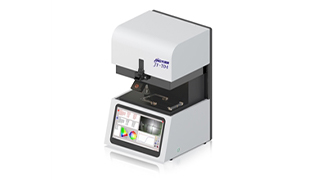
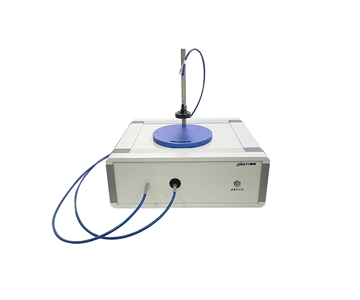
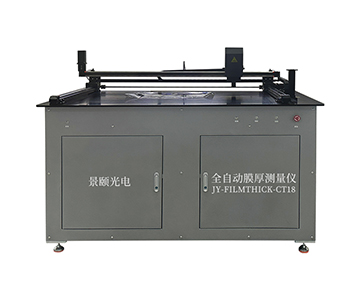
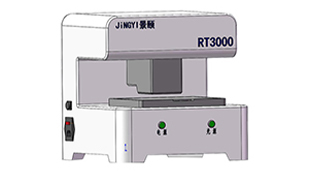
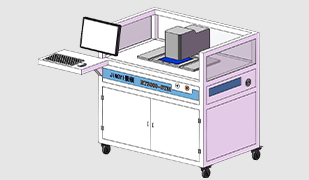
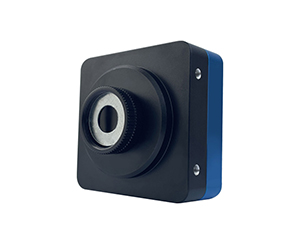
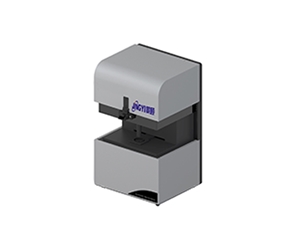
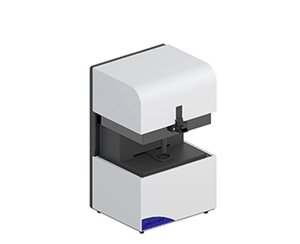
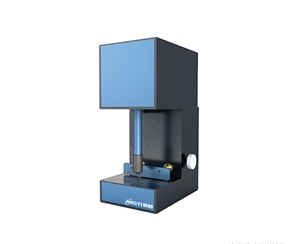
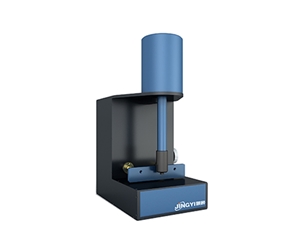
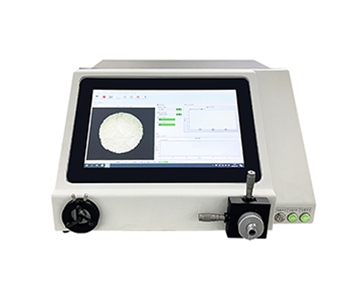
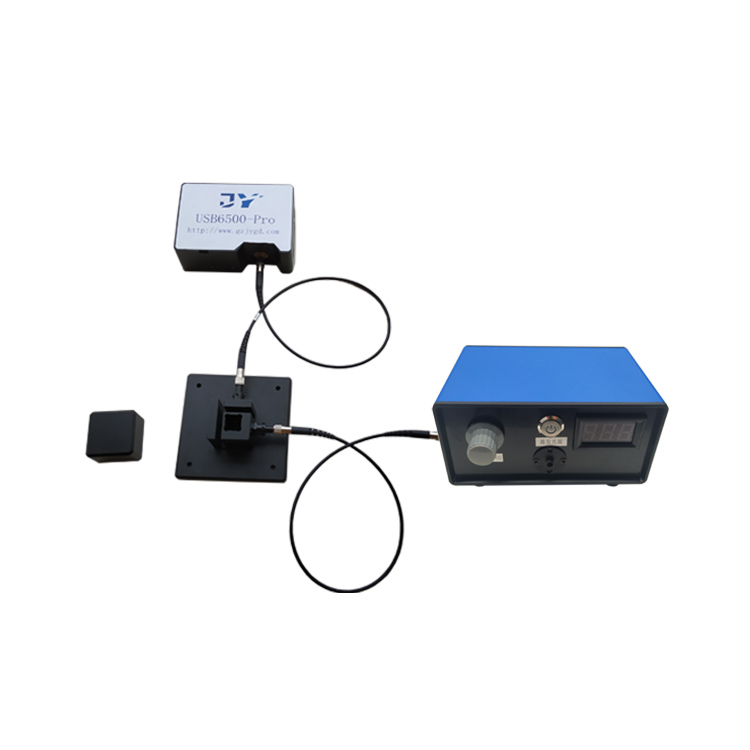
As a domestic leader specializing in optical metrology, Jingyi Optoelectronics’ FILMTHICK-C10 Thin-Film Thickness Analyzer represents a mature commercial implementation of optical interference technology. Equipped with a long-life, imported tungsten-halogen light source module integrated and calibrated as a single unit, the system delivers over 10,000 hours of continuous operational service—significantly reducing consumable replacement costs in high-frequency testing environments. Its entirely non-contact optical design ensures zero surface scratching or structural damage, making it safe for fragile flexible optical films and biomedical thin films alike. Beyond core thickness measurement, the analyzer concurrently acquires reflectance and surface color parameters in a single measurement—eliminating the need to switch between multiple instruments and markedly improving laboratory testing efficiency. Its proprietary OPTICAFILMTEST analysis software incorporates three advanced computational models: Fast Fourier Transform (FFT), extremum matching, and multi-dimensional curve fitting. Additionally, the system features an expandable, user-customizable database of material refractive indices—allowing users to define parameters according to the specific material under test. During measurement, it simultaneously displays the interference fringe pattern, FFT spectral output, and real-time thickness trend graph—delivering complete analytical results without requiring external data processing tools.
In terms of application coverage, existing thin-film thickness measurement technologies collectively address virtually all manufacturing requirements:
- In **high-volume manufacturing**, magnetic induction, eddy current, and ultrasonic measurement systems dominate. Automotive manufacturers deploy them to verify body-paint and component electroplating thicknesses; metal fabricators use them to monitor uniformity during galvanizing or chromium plating; construction firms apply them to validate exterior wall coatings and waterproofing membranes; food & beverage producers rely on them to ensure barrier film thickness meets shelf-life specifications; and plastic/rubber manufacturers employ them to measure coatings on pipes, tires, and packaging products. These applications prioritize speed and typically require only micrometer-level precision.
- In **precision manufacturing**, XRF and optical interference instruments serve as essential inspection tools. Aerospace engineers use them to assess corrosion-resistant coatings on aircraft fuselages and thermal-protection layers on spacecraft—ensuring reliability under extreme environmental conditions. Electronics manufacturers rely on them to measure photoresist layers on semiconductor wafers, optical thin films on display panels, and insulating layers on flexible circuits—where even nanometer-scale errors critically affect device functionality. Medical device developers apply them to quantify biocompatible coatings on implants and wear-resistant coatings on surgical instruments—guaranteeing clinical safety. Jingyi Optoelectronics’ FILMTHICK-C10 has demonstrated strong performance in these demanding scenarios and is already widely deployed in semiconductor thin-film, LCD, optical coating, and biomedical thin-film testing.
Moreover, thin-film thickness analyzers are indispensable tools for universities and research institutes conducting surface-material characterization studies or delivering hands-on teaching demonstrations—providing accurate foundational data critical to next-generation material development.
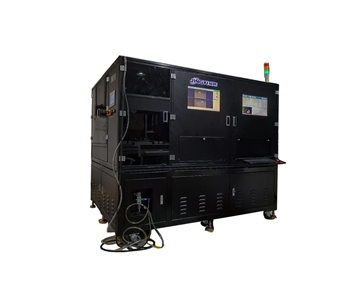
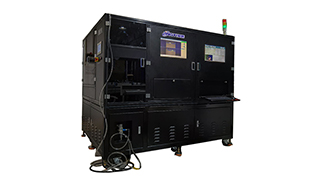
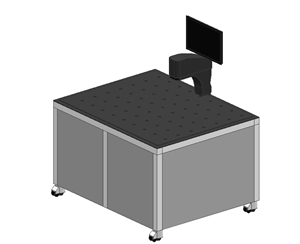
With intelligent manufacturing advancing rapidly, thin-film thickness measurement is shifting decisively toward high-speed, in-line inspection. Conventional offline sampling methods can no longer meet the 100% inspection demands of modern high-throughput production lines. In response, Jingyi Optoelectronics is actively developing customized, in-line thickness monitoring solutions tailored to sector-specific needs—integrating optical measurement technology with AI algorithms and Industrial Internet platforms. This convergence empowers manufacturers to elevate quality control precision and efficiency to new levels—further reducing defect rates and quality assurance costs across production operations.
#ThicknessGauge #FilmThicknessGauge #CoatingThicknessGauge #ThicknessMeter #ThinFilmThicknessAnalyzer #FilmThicknessMeasurement