With the growing demand for on-site rapid testing in fields such as public security, food and drug regulation, and hazardous chemical screening, handheld laser Raman spectrometers—renowned for their non-destructive nature, speed, and high identification accuracy—have become standard equipment for frontline inspectors. However, many operators, lacking familiarity with proper device usage protocols, frequently encounter issues such as inaccurate test results and accelerated instrument degradation. Only by mastering core operational principles can the full value of Raman detection technology be realized.
**First: Scene-Adaptation Principle**
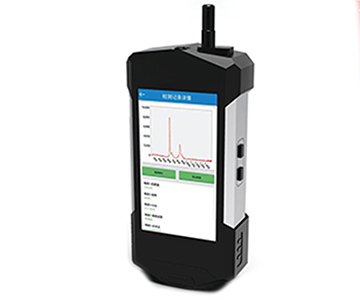
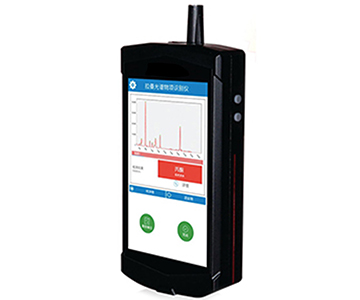
The fundamental principle of Raman detection lies in capturing scattered light signals generated when photons collide with sample molecules. High humidity, ambient temperatures exceeding 40°C, or proximity to high-voltage equipment or industrial machinery emitting strong electromagnetic radiation can all impair the transmission accuracy of scattered light signals. This is especially critical for Raman instruments using a 1064 nm excitation laser—designed with strong fluorescence suppression capabilities ideal for detecting highly fluorescent matrices—where operation in extreme environments should be avoided whenever possible to further ensure identification accuracy. Jingyi Optoelectronics’ ATR6600 1064 nm handheld laser Raman spectrometer features a ruggedized triple-protection (IP-rated) design and weighs under 1.2 kg, making it well-suited for outdoor operations across diverse settings—including customs checkpoints, ports, and warehouses. Nevertheless, even though its interference resistance outperforms comparable devices, operators are still advised to conduct tests in cool, dry locations free from strong electromagnetic interference to maximize result reliability.
**Second: Operational Compliance Principle**
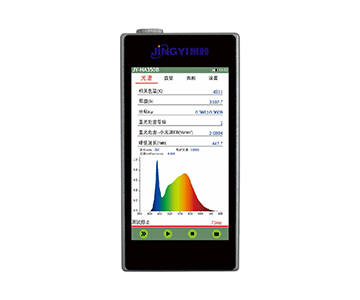
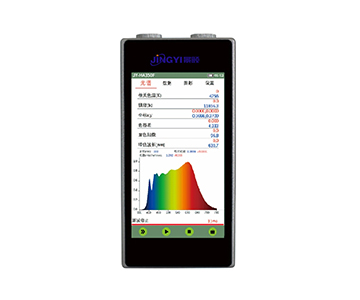
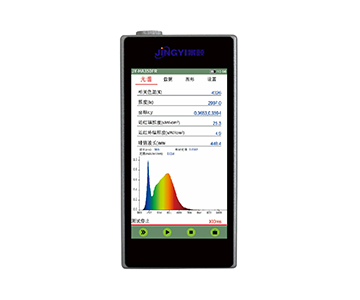
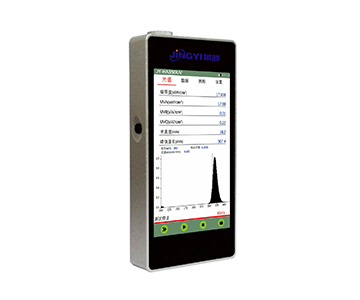
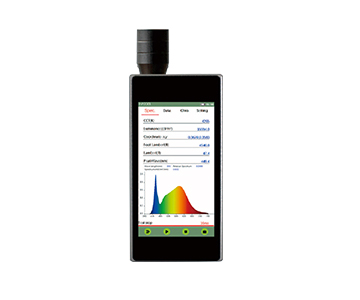
Handheld laser Raman spectrometers are precision optical instruments requiring systematic operator training prior to deployment—covering standardized procedures for excitation laser adjustment, spectral comparison, and data export. Unlike traditional benchtop Raman systems, which typically demand specialized optical expertise, Jingyi’s ATR6600 integrates proprietary intelligent Raman recognition algorithms and an Android-based 5.5-inch high-resolution touchscreen interface. Even frontline law enforcement personnel without technical backgrounds can independently perform tests after just 1–2 hours of hands-on training. Furthermore, the device incorporates comprehensive laser safety protections; no additional radiation shielding is required when operated strictly per guidelines—significantly lowering the operational barrier. Equipped with dual high-definition cameras (13 MP + 8 MP), the ATR6600 enables real-time recording of inspection scenes, while built-in Wi-Fi, Bluetooth, and GPS modules facilitate swift upload and synchronization of test data.
**Third: Sample Preprocessing Principle**
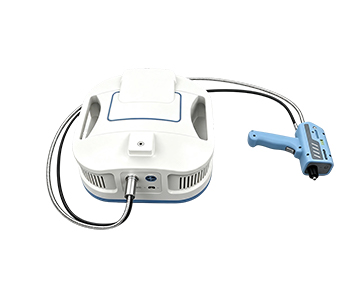
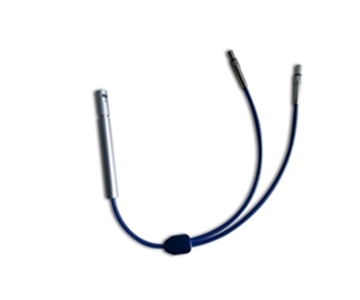
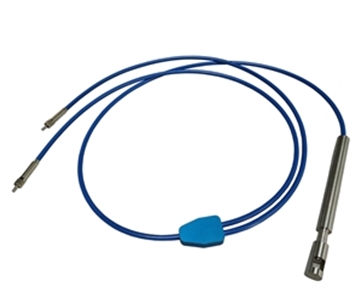
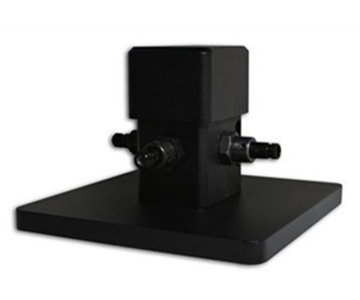
Raman signal acquisition relies heavily on surface reflectivity of the sample. Surface contaminants—including oil, dust, or other debris—introduce stray light into the detected signal, leading to misidentification. For irregularly shaped or low-reflectivity samples, optional ATR (Attenuated Total Reflection) sampling accessories can be employed to enhance signal intensity. In addition, Jingyi’s ATR6600 supports user-uploaded custom spectral libraries, enabling rapid matching for uniquely formulated or atypical samples—eliminating the need for complex pre-processing steps and significantly boosting field-testing efficiency.
**Fourth: Maintenance During Extended Idle Periods**
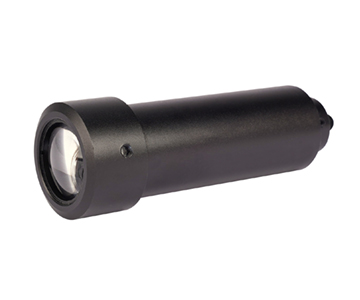
If a handheld laser Raman spectrometer remains unused for more than 15 days, power must first be turned off and external power connectors disconnected. The instrument should then be stored in a dedicated, dry, and well-ventilated storage case to prevent dust accumulation on optical lenses—which could compromise subsequent measurement accuracy. For portable Raman devices, periodic battery charge-discharge cycling is also recommended to extend service life. Jingyi Optoelectronics provides comprehensive maintenance guidance to all ATR6600 purchasers—including spectral library setup, method validation, and full IQ/OQ/PQ (Installation/Operational/Performance Qualification) support—to substantially reduce long-term instrument operational costs.
**Fifth: Standardized Fault Response Principle**
Should issues such as failure to power on or a significant drop in identification accuracy arise during routine use, users must never attempt to disassemble the optical core module. Instead, contact the manufacturer’s technical support team immediately for remote diagnostics. For cases requiring factory repair, inspect the device exterior for physical damage (e.g., impact marks) prior to shipment and clearly communicate findings to technical support to expedite resolution. Jingyi Optoelectronics offers round-the-clock (7 × 24) technical support—delivering prompt, targeted solutions whether for operational queries or troubleshooting assistance.
Today, the application scope of rapid Raman spectroscopic testing continues to expand—from gemstone and jade authentication to pharmaceutical raw material screening and rapid pesticide-residue detection in agricultural products. By adhering to correct operational principles and deploying reliable instrumentation, users can fully leverage Raman technology’s inherent advantages—non-destructiveness, speed, and accuracy—to realize truly portable, intelligent, and highly efficient frontline rapid testing—putting precise, real-time detection firmly in the hands of frontline personnel.
#Dual-BandRamanSpectrometer #HandheldLaserRamanSpectrometer #PortableRamanSpectrometer #HandheldNarcoticsRamanSpectrometer #RamanMicrospectrometer #RamanSpectrometer