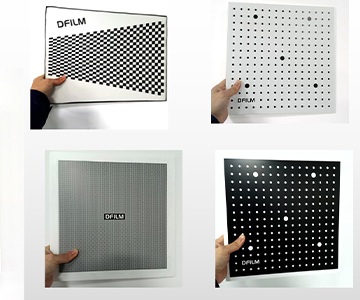
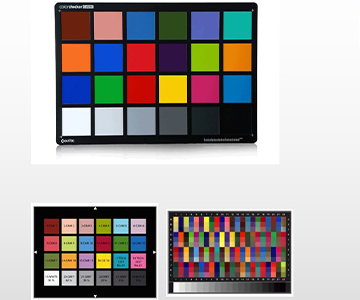
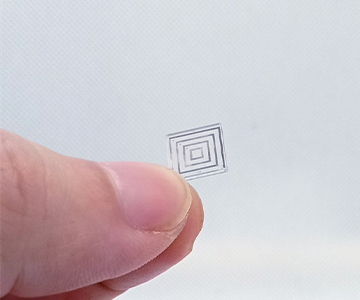
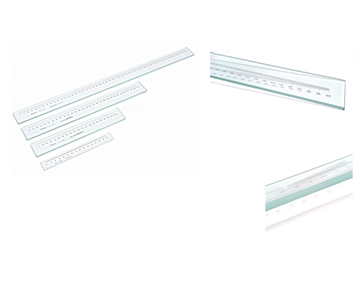
In the setup of machine vision systems, camera calibration is a critical prerequisite step that determines subsequent imaging accuracy and recognition reliability. Many practitioners often wonder: Which should I choose between the two mainstream approaches—9-point and 12-point calibration? The differences between them go far beyond the superficial distinction in the number of feature points; rather, they encompass comprehensive disparities in sampling logic, correction capability, and application scenario suitability.
**Fundamentally Different Sampling Logic for Feature Anchors**
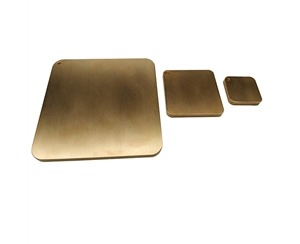
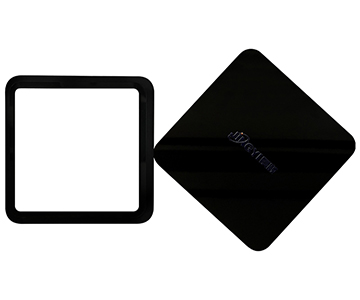
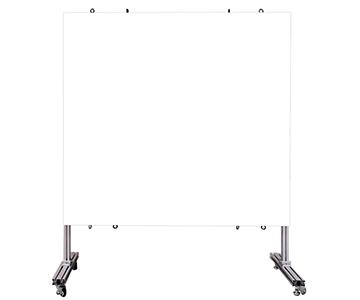
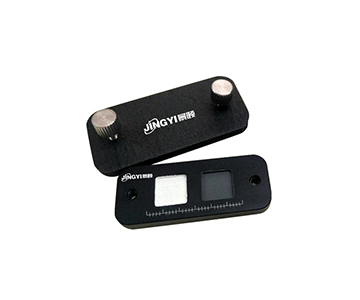
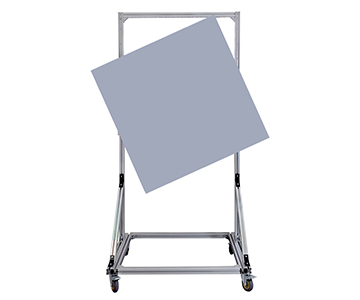
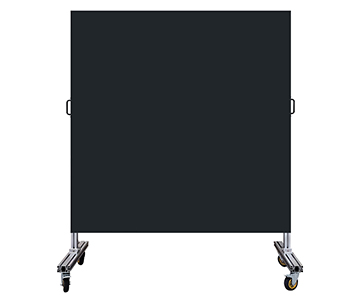
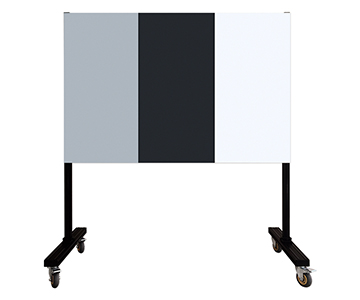
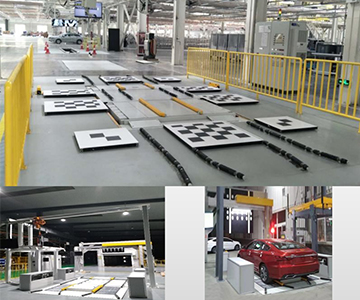
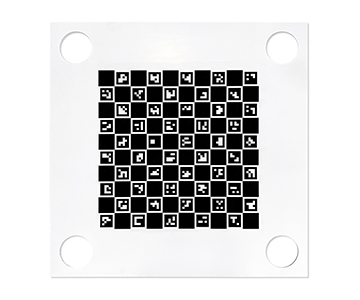
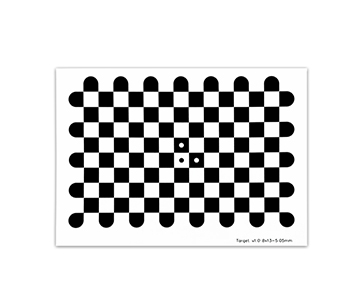
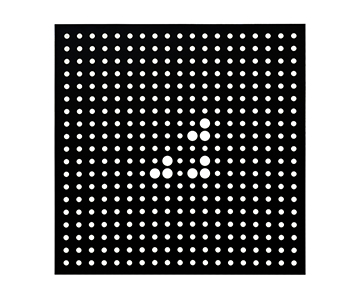
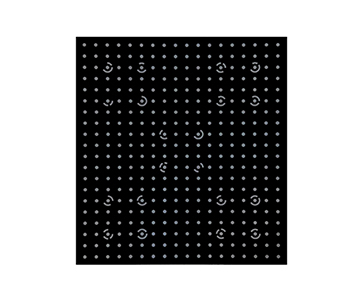
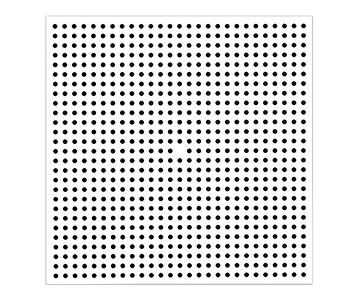
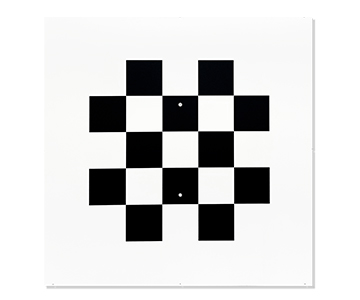
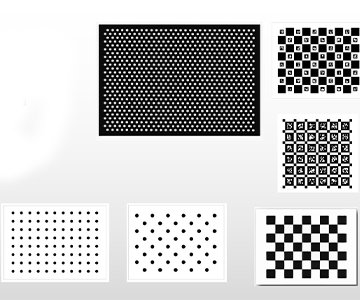
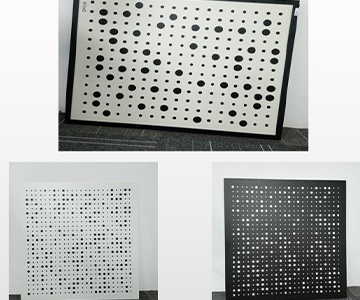
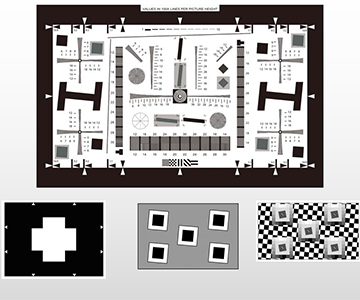
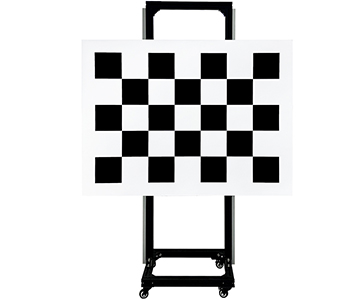
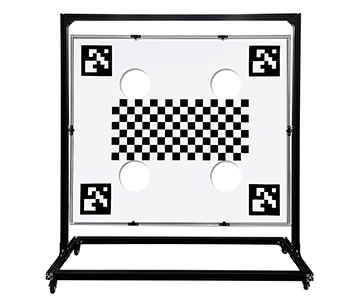
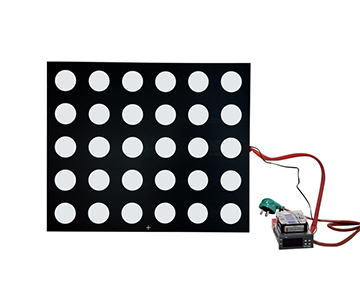
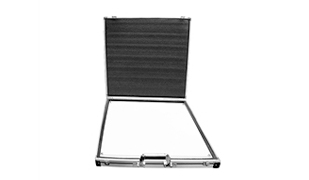
The nine feature corners used in 9-point calibration are concentrated in the image center and its immediate vicinity, with sampling weight heavily biased toward the central imaging region—resulting in relatively limited overall coverage. In contrast, 12-point calibration adjusts the anchor-point distribution strategy by adding four extra feature points located at the four corners of the image frame. This achieves uniform, full-field coverage—from center to periphery—and fully captures the lens’s optical characteristics across all imaging positions. Currently, industrial calibration boards serve as the industry-standard reference medium for such calibrations. Jingyi Optoelectronics’ GPG1200-7×5-150 series industrial calibration board—fabricated from highly planar, wear-resistant substrate material—maintains corner-coordinate accuracy at or above industry benchmarks. Whether deployed in rapid 9-point calibration or high-precision 12-point calibration scenarios, it delivers stable, reliable feature references—eliminating performance degradation caused by insufficient calibration-board precision.
**Significant Difference in Lens Distortion Correction Capability**
Due to manufacturing limitations, optical lenses inevitably exhibit radial and tangential distortions, with distortion magnitude increasing progressively from the image center toward the edges. Because 9-point calibration lacks sampling data from peripheral regions, it typically ensures correction accuracy only in the central area; errors tend to accumulate toward the edges—especially pronounced in wide-angle or fisheye lenses with field-of-view angles exceeding 60°. By contrast, 12-point calibration—through its inclusion of edge-region anchor points—enables complete modeling of the lens’s nonlinear distortion curve, achieving uniform correction across the entire image. Overall correction error is reduced by more than 30% compared to conventional 9-point calibration. For large-field-of-view industrial inspection applications, Jingyi Optoelectronics’ technical team recommends prioritizing the 12-point calibration approach paired with high-grade industrial calibration boards—ensuring not only elimination of measurement deviations caused by edge distortion but also robust performance under complex lighting conditions.
**Divergent Trade-offs Between Deployment Efficiency and Scenario Adaptability**
With fewer feature data points to process, 9-point calibration incurs lower computational overhead and completes faster—making it ideal for resource-constrained embedded vision terminals or applications where extreme precision is unnecessary (e.g., standard parcel label recognition or coarse sorting/positioning on production lines), enabling rapid calibration and deployment. While 12-point calibration processes more sampling data and takes slightly longer, it yields significantly more reliable intrinsic camera parameters and distortion coefficients—making it suitable for high-precision, demanding environments: e.g., dimensional inspection of 3C components, surround-view camera calibration for autonomous vehicles, or spatial coordinate matching in industrial 3D reconstruction. For applications requiring micron-level detection accuracy, the 12-point calibration solution combined with Jingyi Optoelectronics’ industrial calibration board represents the current industry benchmark in terms of cost-performance ratio.
#ChessboardCalibrationBoard #IndustrialCalibrationBoard #AutomatedPositioningCalibrationBoard #ComputerVisionCalibrationBoard #RobotLocalizationCalibrationBoard