“The Invisible Ruler” for Optical Calibration: How the Transmittance Integrating Sphere Uniform Light Source Solves Critical Industry Pain Points
Whether it’s the camera in our everyday smartphones, security surveillance systems in industrial environments, Earth-observing remote-sensing satellites in orbit, or night-vision equipment for specialized operations—spectral response calibration and imaging consistency testing prior to shipment all hinge on one fundamental challenge: How do we generate a sufficiently stable, spatially uniform reference light field—free of brightness gradients or hotspots? If the illumination used for calibration lacks adequate uniformity, resulting measurement errors may exceed permissible tolerances, directly compromising real-world device performance. Among dedicated uniform calibration light sources designed to address this very issue, the transmittance integrating sphere light source has emerged as one of the industry’s most widely accepted and trusted solutions.
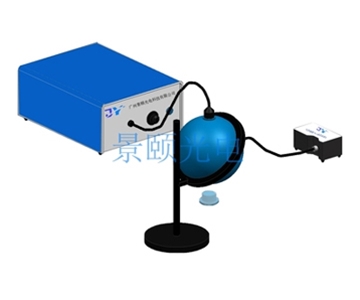
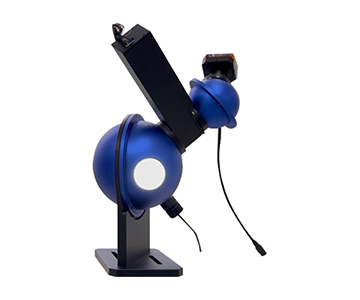
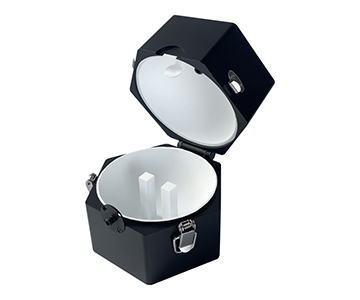
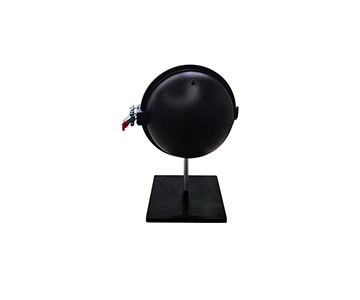
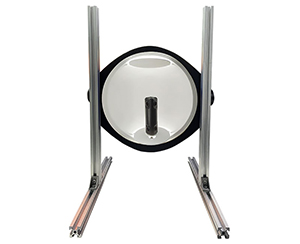
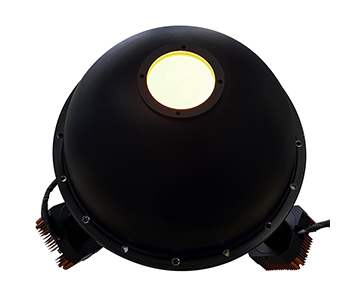
Conventional direct-illumination sources—be they LED arrays or panel-based emitters—typically suffer from pronounced center-bright/edge-dim intensity profiles, along with limited control over color temperature and luminance stability—making them ill-suited for high-precision calibration tasks. At its core, the transmittance integrating sphere works by transforming highly directional, non-uniform incident light into a fully isotropic, spatially uniform radiation field within the sphere cavity. This is achieved through dozens of randomized, diffuse reflections off an ultra-durable, high-reflectance coating applied to the inner sphere wall. The result is analogous to converting a focused flashlight beam into the soft, omnidirectional, shadow-free illumination of an overcast sky—eliminating all spatial non-uniformities.
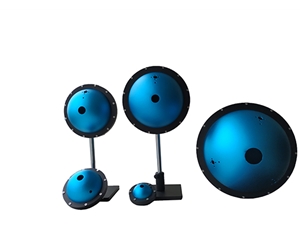
Achieving such exceptional uniformity hinges critically on the performance of the internal coating. Today’s industry-standard high-diffuse-reflectance coatings are typically based on modified polytetrafluoroethylene (PTFE) or ultra-pure barium sulfate, both engineered to deliver reflectance values exceeding 98%. Without such high reflectance, cumulative optical losses across multiple internal reflections would significantly reduce output efficiency—and critically degrade final uniformity. Moreover, output irradiance attenuation correlates approximately with the ratio of the exit port area to the total internal surface area of the integrating sphere; thus, industry practitioners commonly fine-tune exit port dimensions to meet specific irradiance requirements.
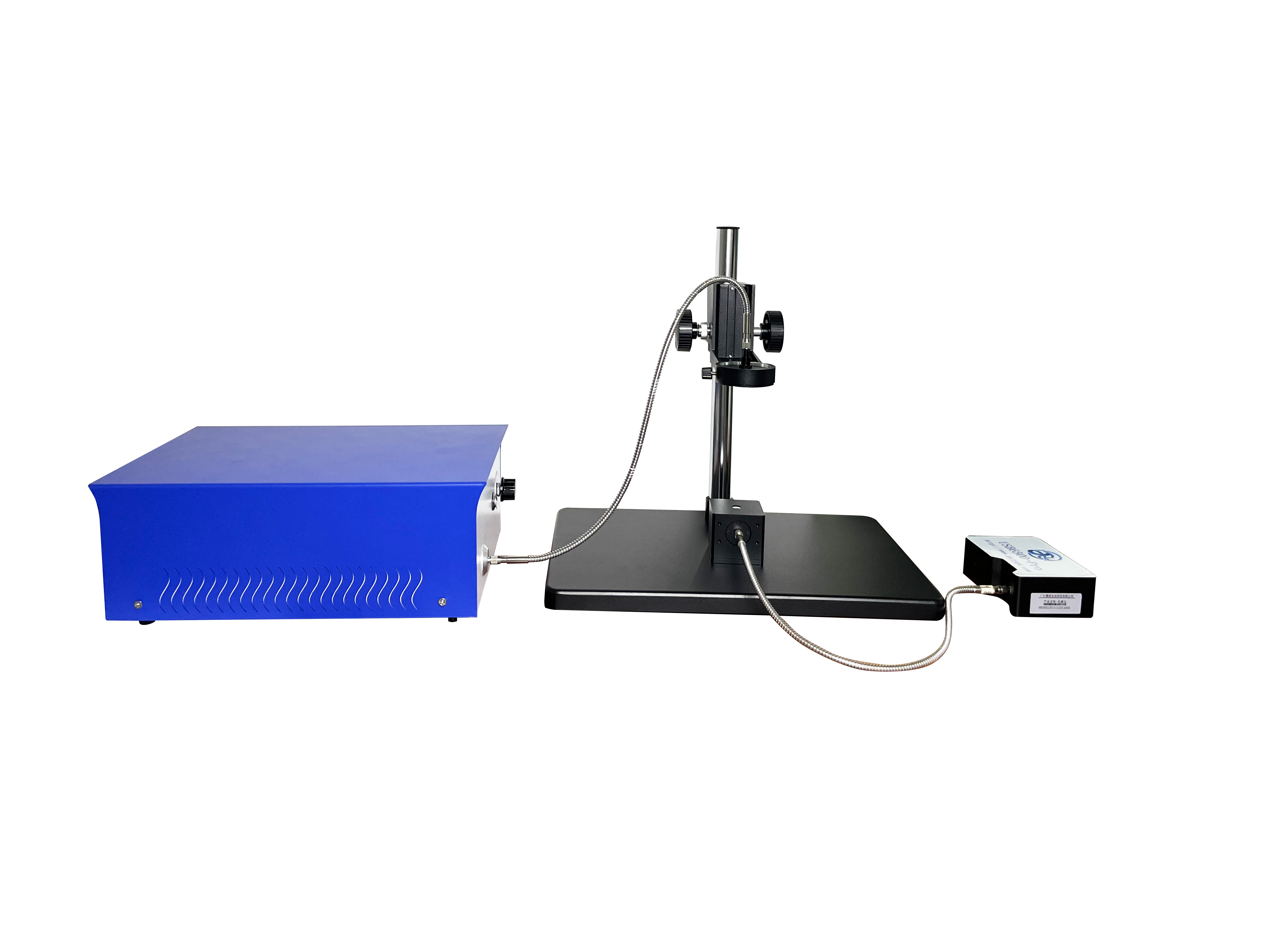
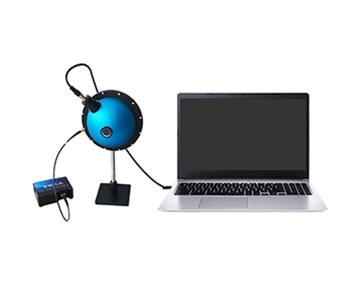
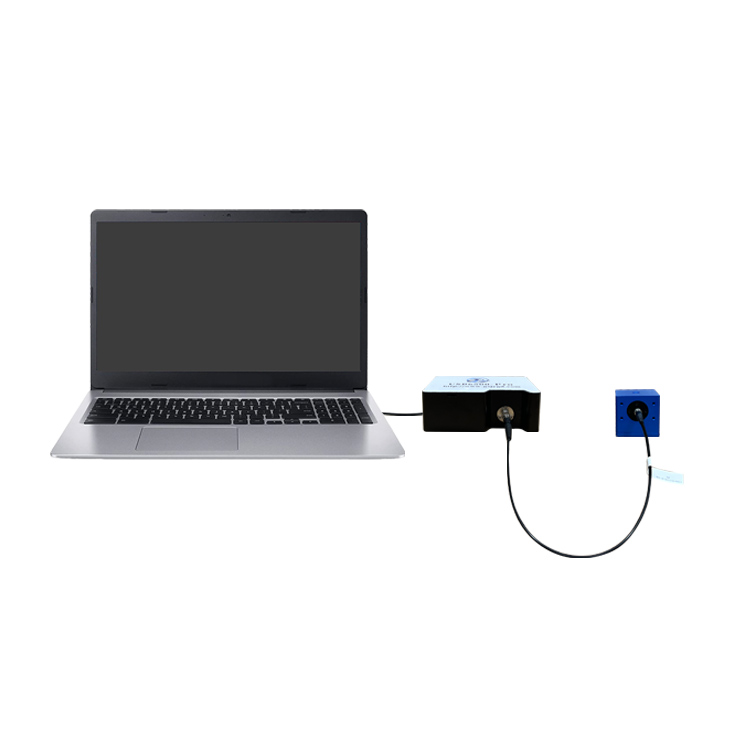
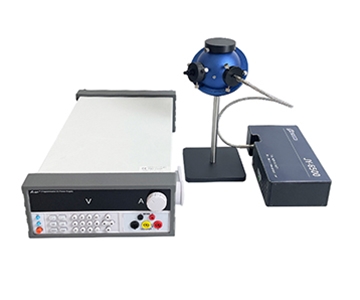
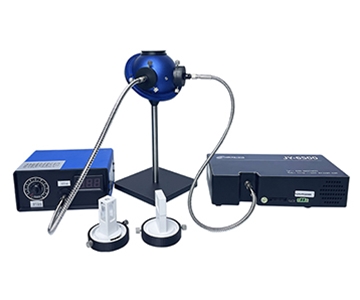
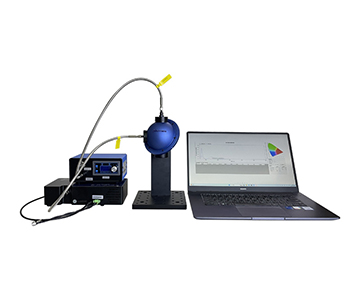
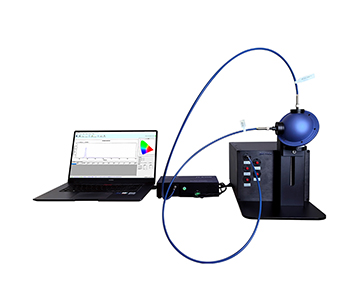
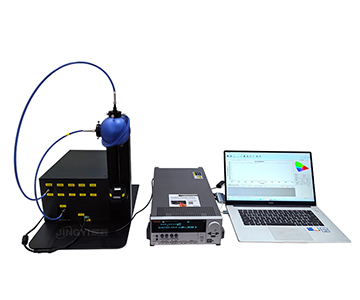
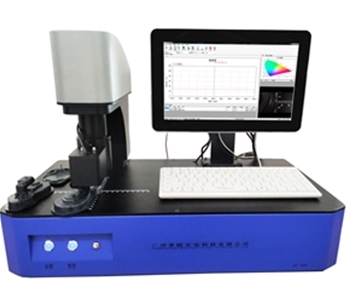
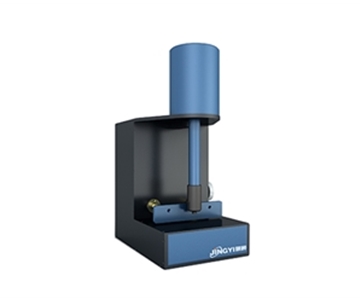
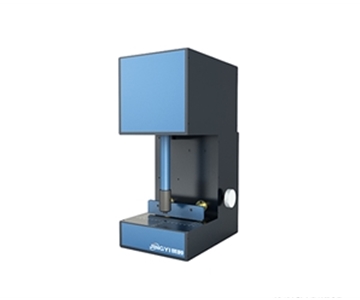
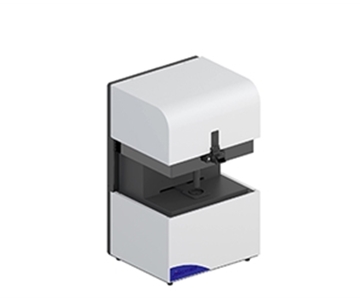
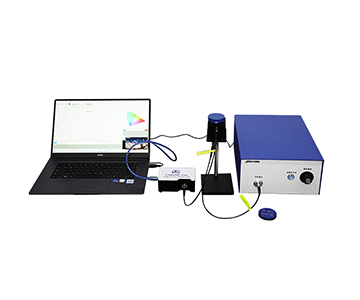
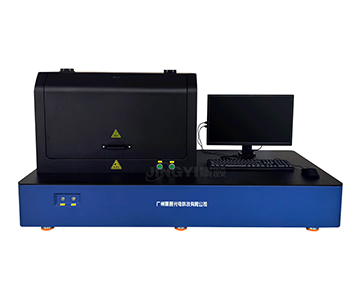
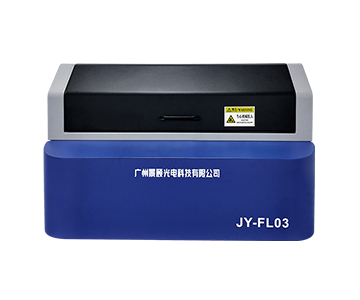
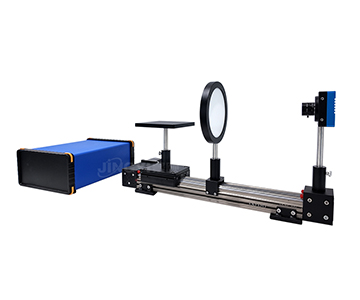
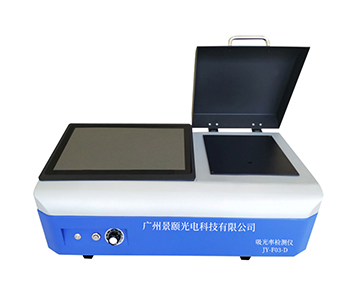
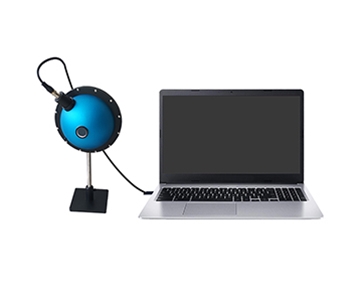
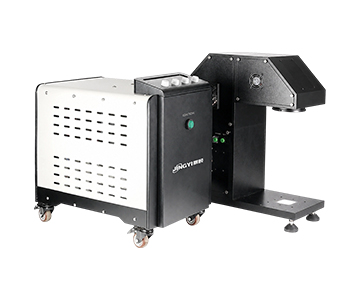
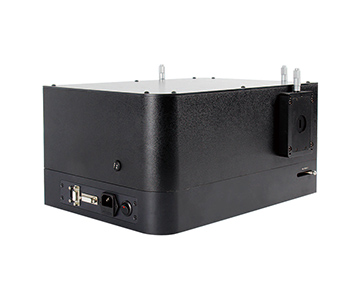
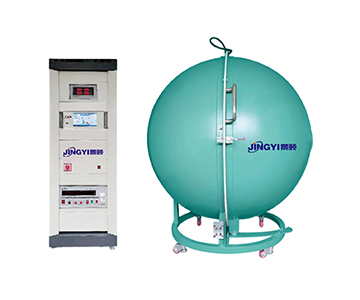
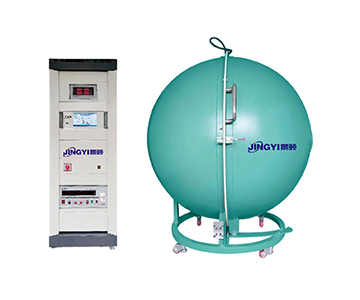
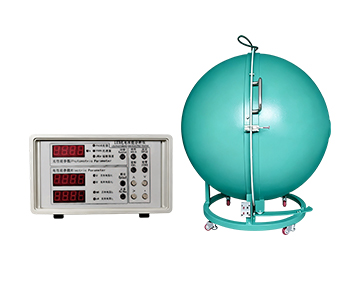
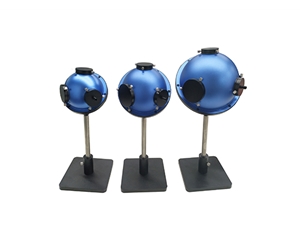
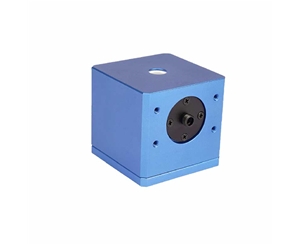
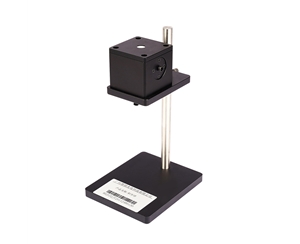
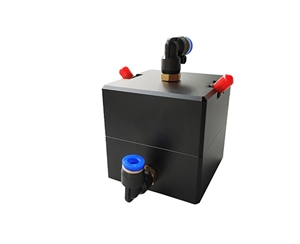
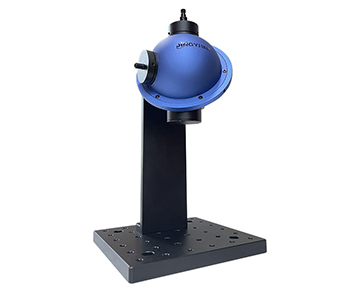
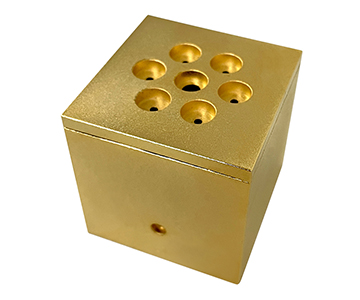
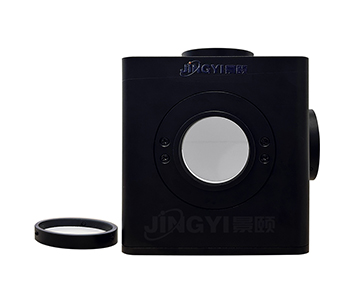
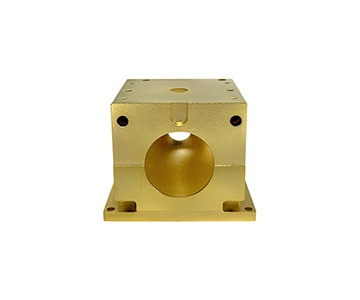
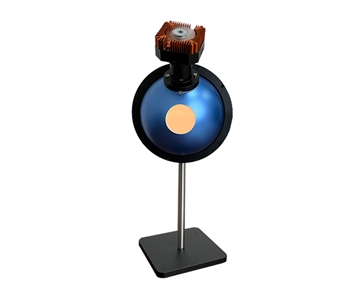
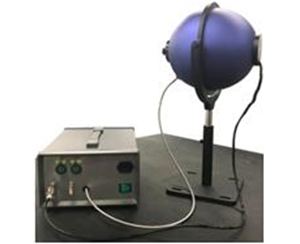
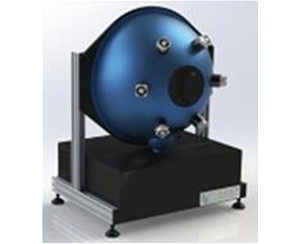
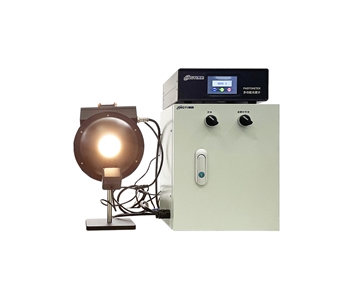
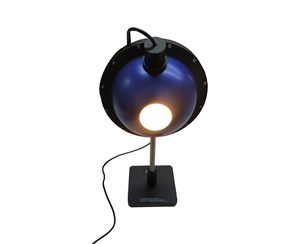
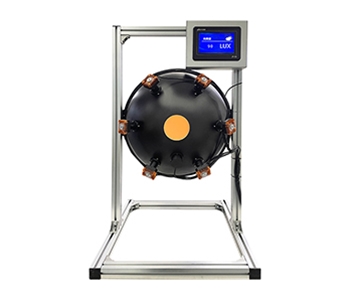
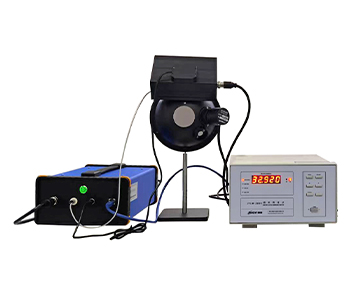
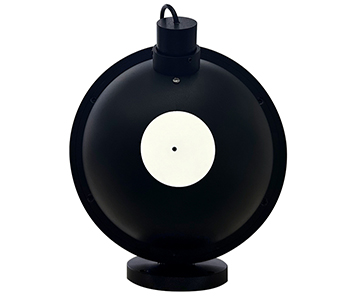
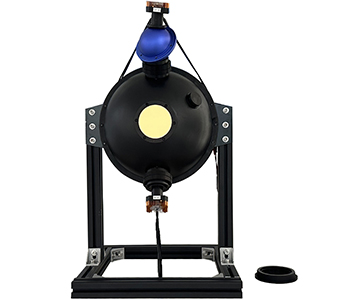
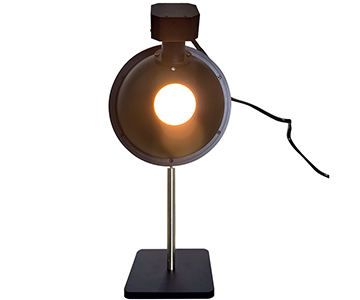
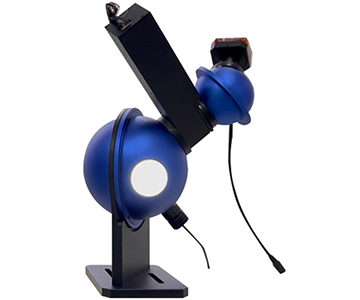
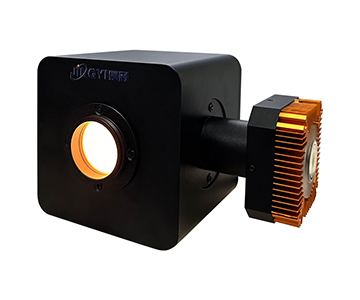
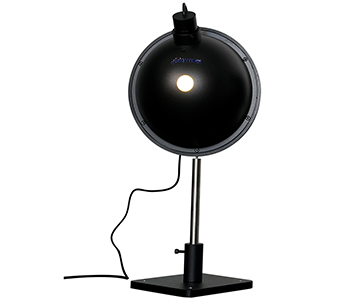
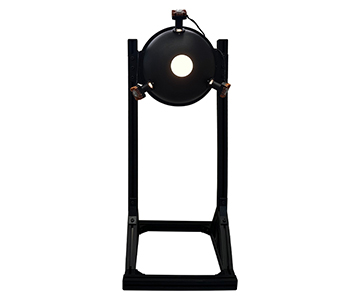
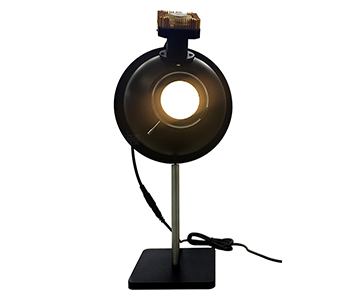
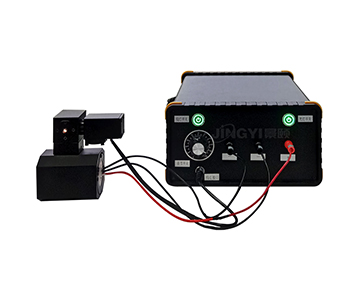
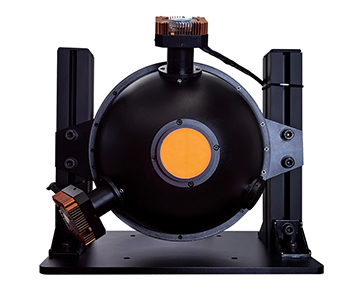
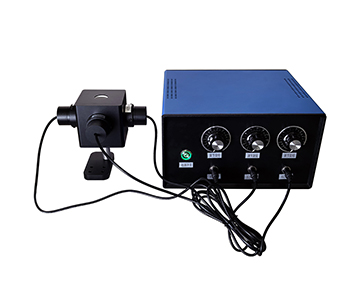
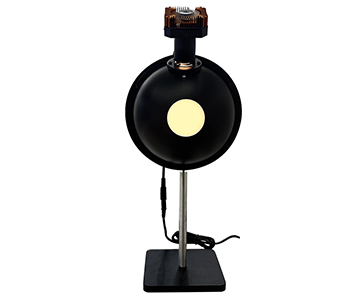
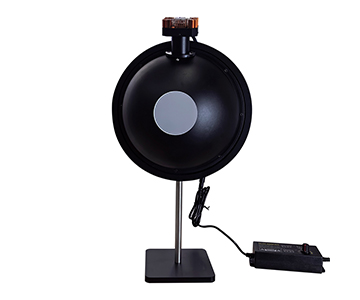
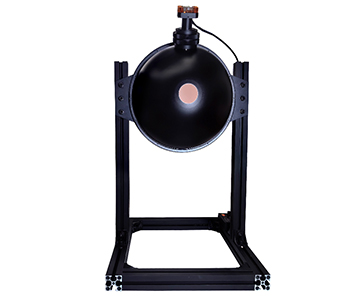
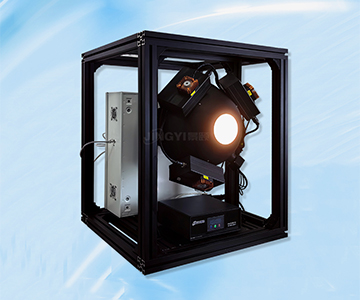
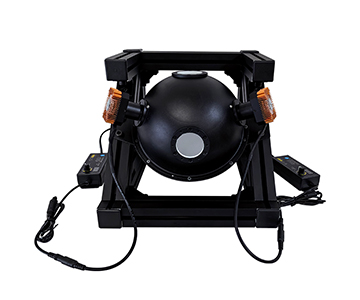
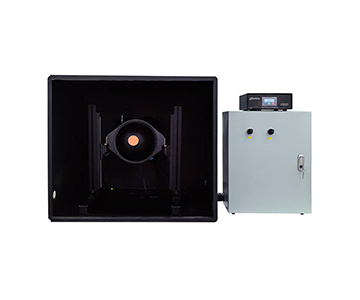
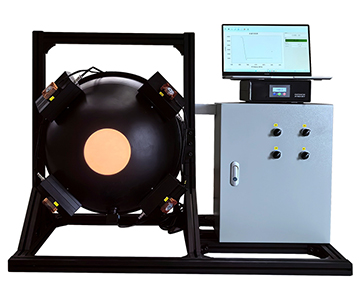
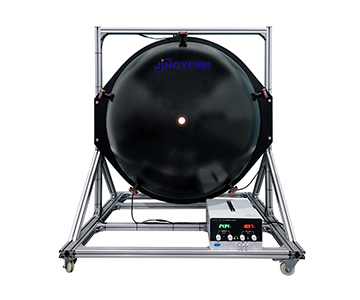
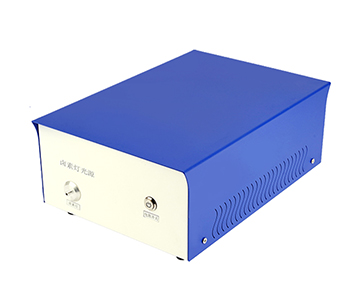
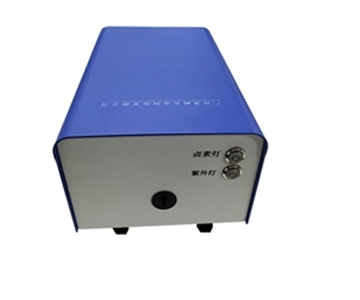
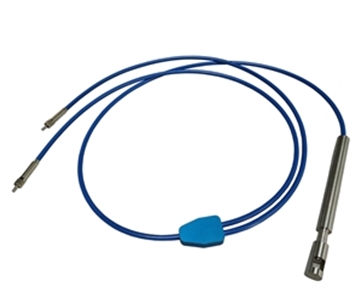
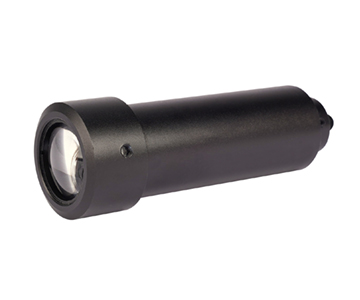
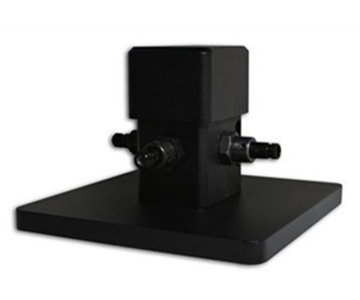
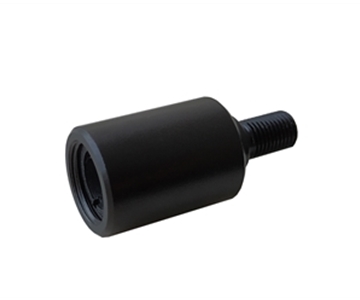
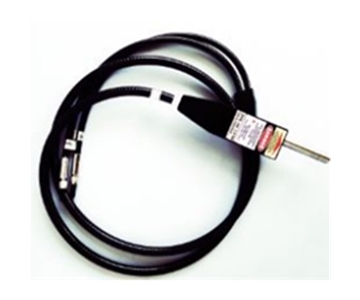
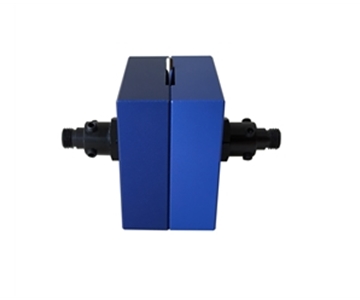
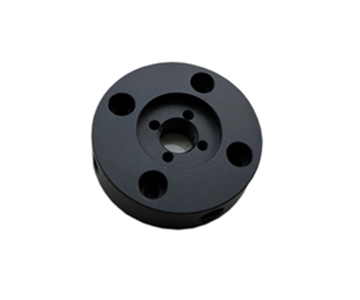
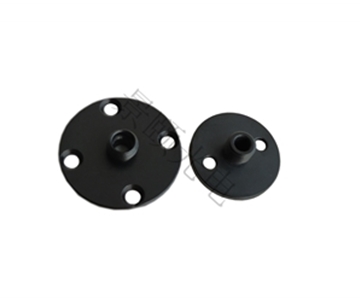
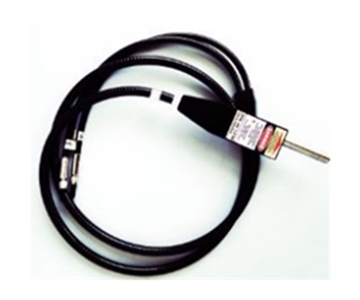
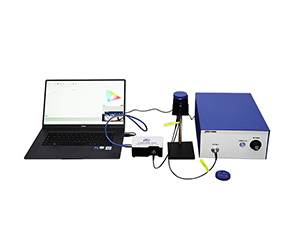
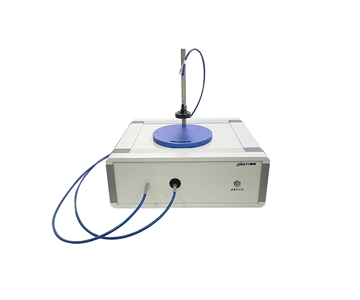
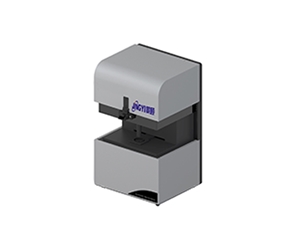
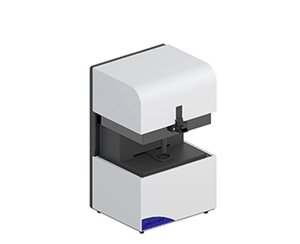
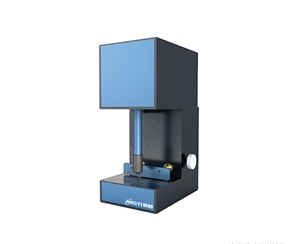
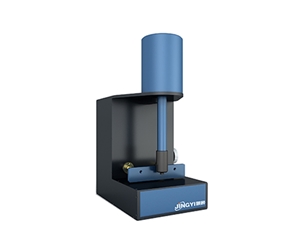
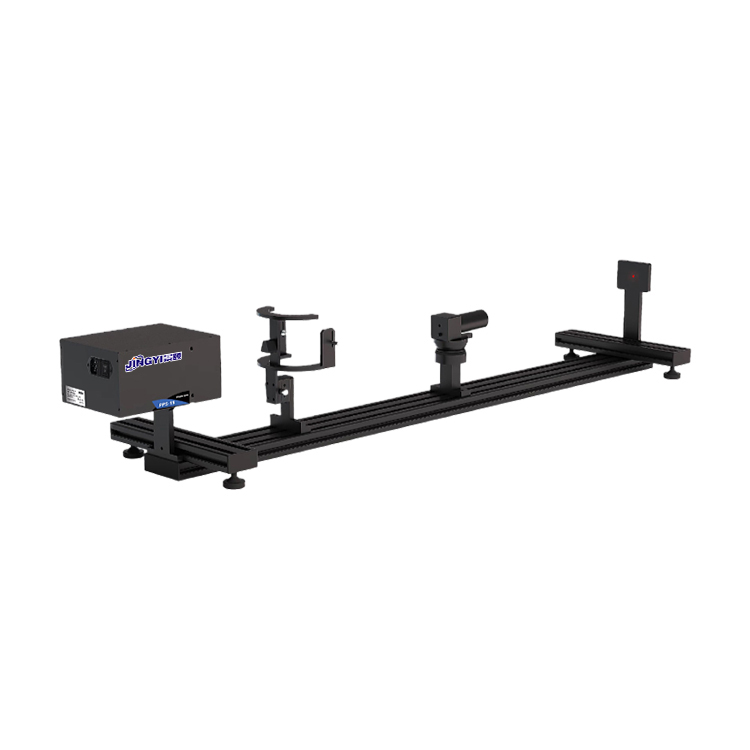
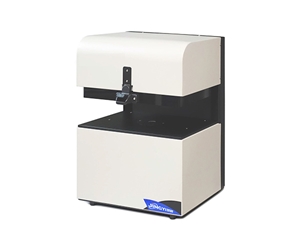
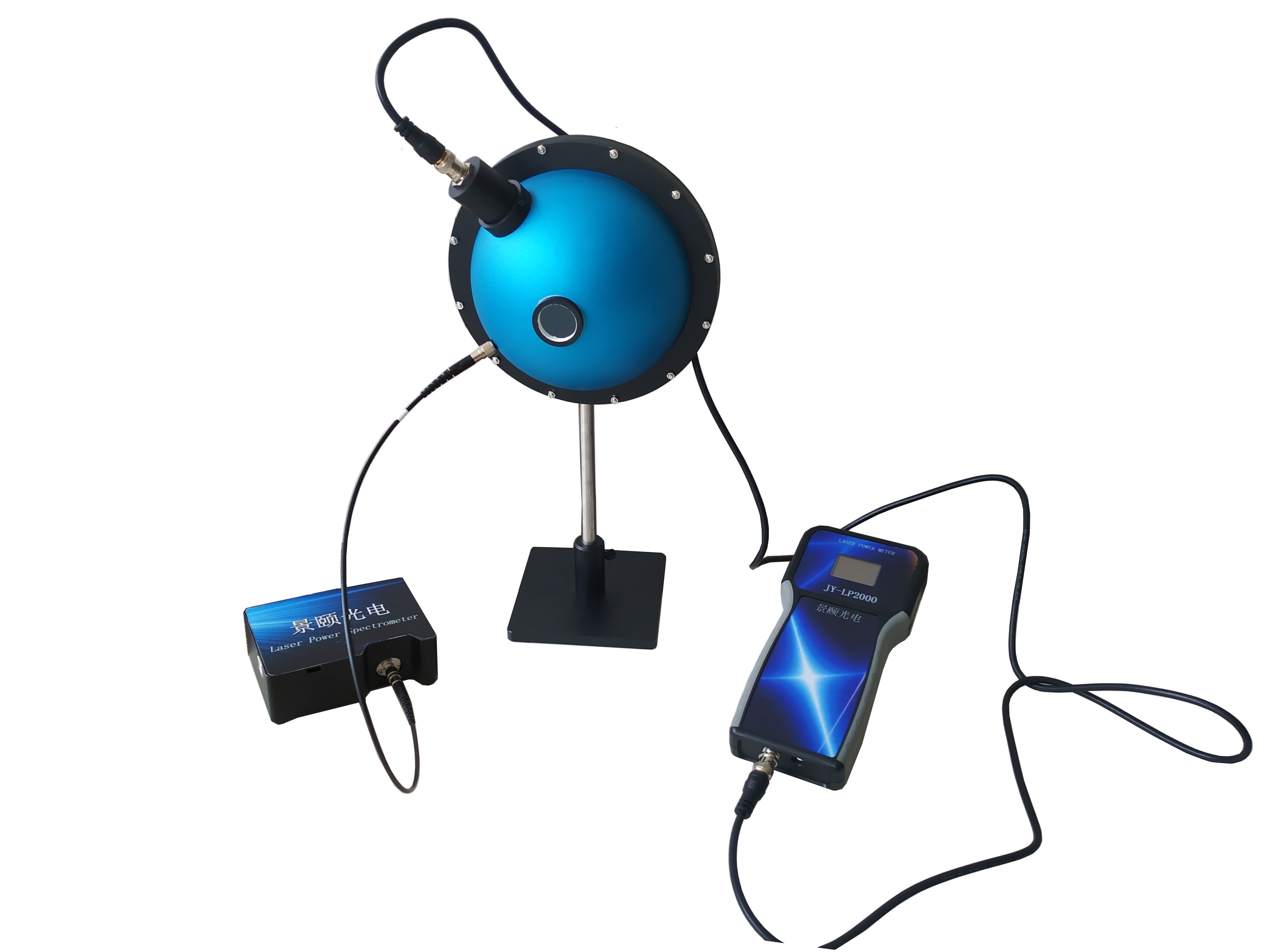
Jingyi Optoelectronics—a domestic optical metrology manufacturer—has launched the JY-JFIOS150 universal transmittance integrating sphere uniform light source, a mature solution specifically engineered for small-aperture, high-precision calibration applications. Built around a 55 W halogen lamp, this system delivers >98% spatial uniformity at its 5 mm diameter exit port—positioned horizontally along the sphere’s central axis. Its angular output stability surpasses industry averages, and it supports customization options including tailored spectral output and flange-mount configurations—enabling seamless integration with compact imaging sensors and precision optical probes.
In terms of application scope, transmittance integrating sphere light sources now span every stage of the optical value chain:
- In consumer electronics, they perform spectral response calibration and flat-field correction for smartphone and digital camera CMOS/CCD sensors—mitigating color shifts and vignetting;
- In security and defense sectors, they enable sensitivity and response uniformity testing for surveillance cameras and night-vision devices—ensuring stable imaging under complex, variable lighting conditions;
- In aerospace, they serve as ground calibration references for satellite remote-sensing payloads—guaranteeing that in-orbit spectral data remains within specified error margins;
- And across metrology labs, they function as primary reference standards for factory calibration of radiance and irradiance measurement instruments.
To ensure cross-laboratory comparability and traceability, transmittance integrating sphere light sources must be designed, manufactured, and verified in strict accordance with established national and international standards. Key applicable standards include LM-79, GB/T 24824, GB/T 24908, IEC 61612, IEC 62722-2-1, and IEC 62717—covering methodologies for photometric and radiometric measurements, performance specifications, and verification protocols. Calibration data generated using compliant transmittance integrating spheres is universally recognized and accepted across the global optics industry.
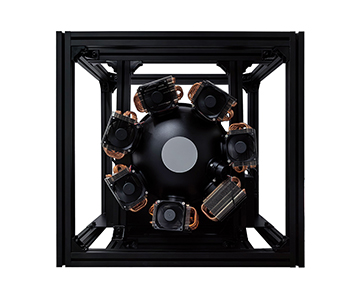
Meanwhile, rapid advances in emerging fields—including AI-powered computer vision, automotive optical sensing, and quantum metrology—are continuously raising the bar for calibration light sources: demanding higher uniformity, broader spectral coverage (e.g., UV to IR), and finer tunability. Responding to these evolving needs, Jingyi Optoelectronics is actively advancing its transmittance integrating sphere technology roadmap—already deploying customized full-spectrum (UV–IR) spheres and intelligent models equipped with automated brightness and correlated color temperature (CCT) control in multiple next-generation applications.
As the “ruler” of optical metrology, the transmittance integrating sphere uniform light source sets the foundational accuracy benchmark for testing all optical devices. Domestic manufacturers’ technological breakthroughs in this domain are not only reducing calibration costs across China’s optical supply chain—but also elevating product consistency and reliability throughout the entire industry.
Published on September 19, 2025
#TransmittanceIntegratingSphere #ReflectanceIntegratingSphere #CustomIntegratingSphere #InfraredIntegratingSphere #RadiometricIntegratingSphere #IntegratingSphere
Scene image: {{output}}