Bottlenecks in the Upgrading of the Ultra-High-Speed Optical Communication Industry and Jingyi Optoelectronics’ Integrating Sphere Wavelength Measurement System as a Solution
The current bottleneck in upgrading the ultra-high-speed optical communication industry is no longer rooted in breakthroughs in transmission technologies themselves, but rather in the insufficient accuracy and efficiency of front-end testing—failing to meet mass-production requirements. This directly lowers the yield of optical components and compromises long-term network stability after deployment. With the rapid advancement of applications such as 5G, vehicle–road collaboration, cloud–edge synergy, and virtual reality, the rollout of 400G/800G optical networks continues to accelerate. Leveraging mature technical frameworks based on DWDM and EDFA, the industry has begun adopting high-density spectral multiplexing techniques—including coherent modulation, polarization multiplexing, and optical orthogonal frequency-division multiplexing (OOFDM)—to multiply transmission bandwidth over existing fiber infrastructure. These advanced techniques impose picometer (pm)-level measurement demands on critical parameters: laser linewidth and stability, phase noise, modulator performance, spectral response characteristics of passive components, and even dispersion, chirp, and polarization drift occurring during fiber transmission. Precise laser wavelength and spectral characterization have thus become a core enabler across the entire optical communication value chain—from R&D to mass production.
Laser testing in optical communications must simultaneously satisfy three essential requirements:
1. Test speed compatible with high-volume production line takt time;
2. Measurement precision sufficient to capture subtle spectral fluctuations;
3. Operational cost aligned with the scale-up needs of domestic manufacturing enterprises.
Conventional imported test equipment often suffers from exorbitant pricing, cumbersome calibration procedures, and sluggish customization responsiveness—making it ill-suited to the rapid iteration pace of China’s optical communication industry.
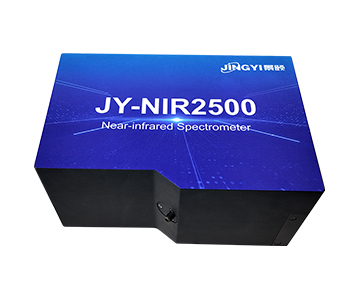
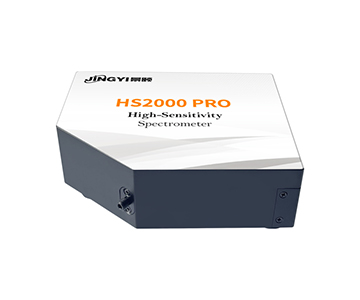
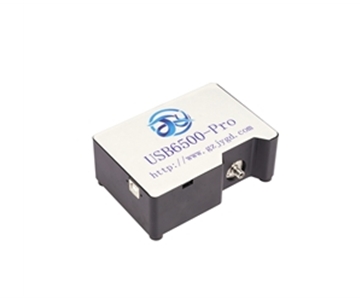
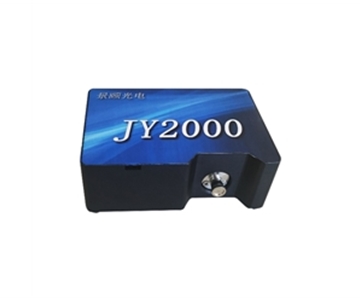
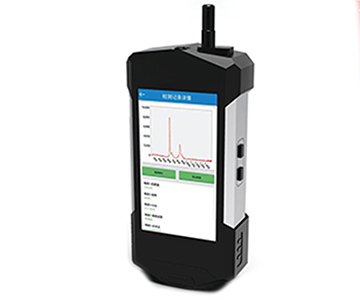
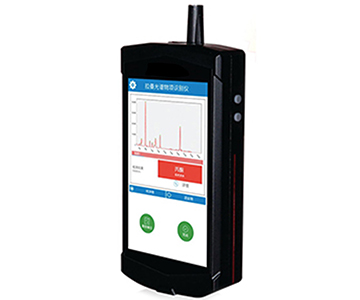
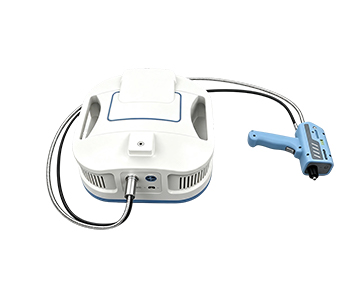
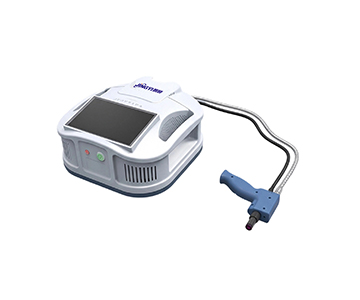
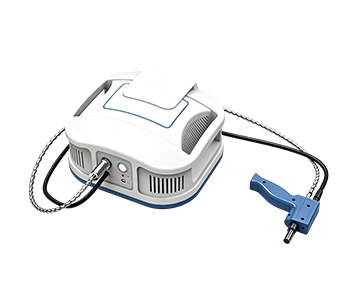
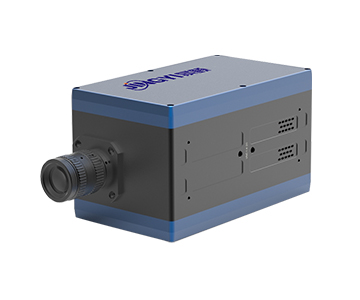
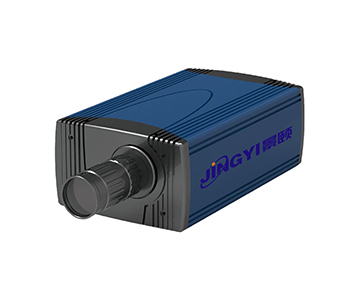
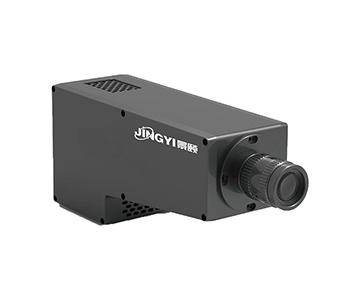
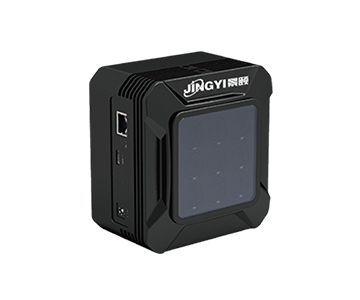
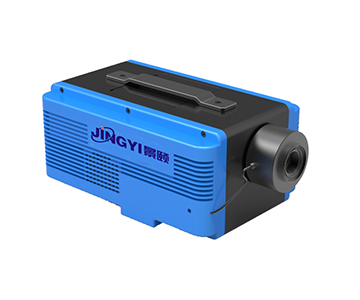
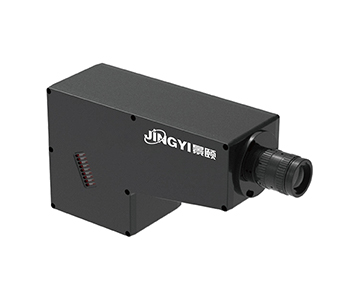
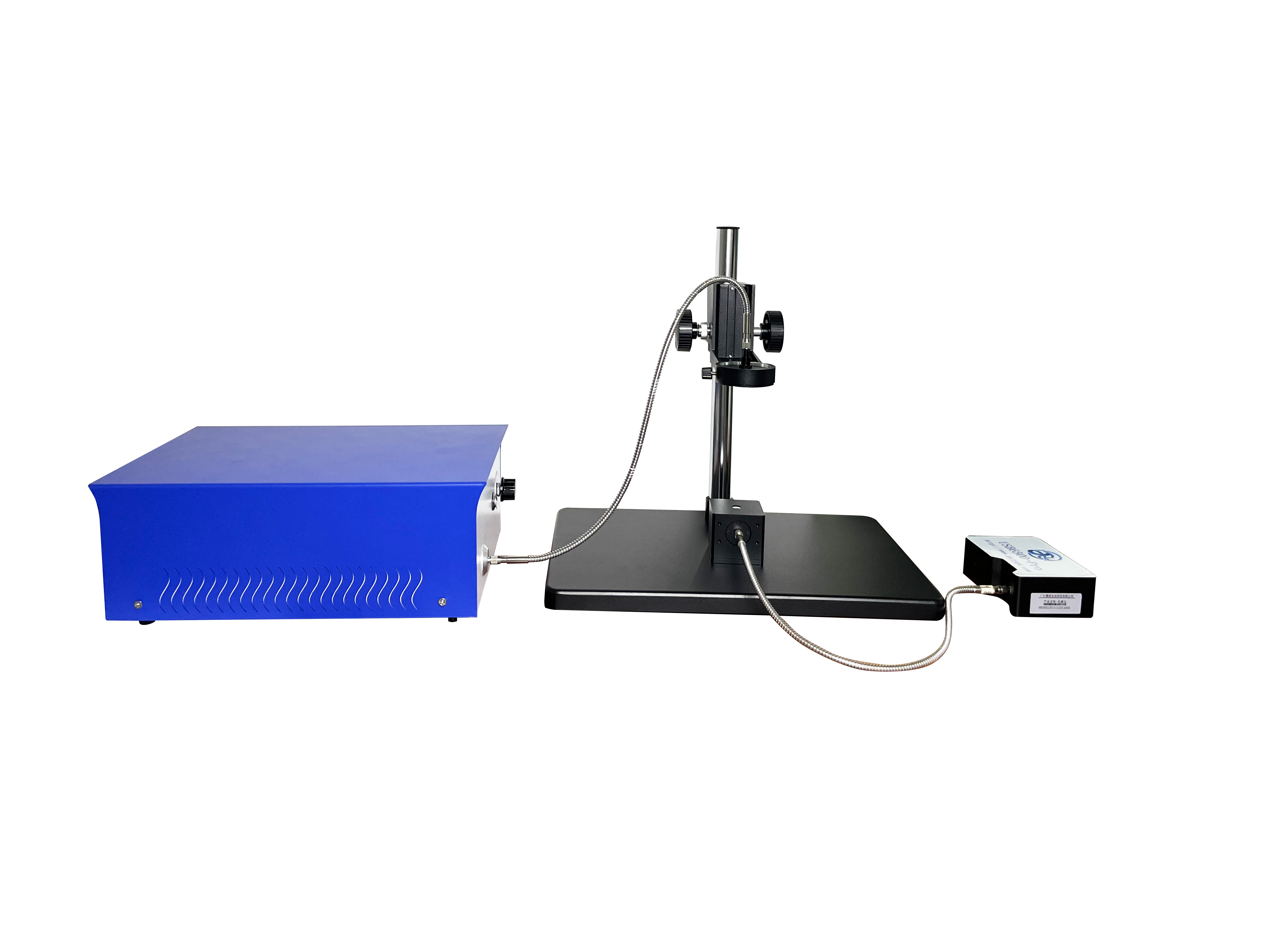
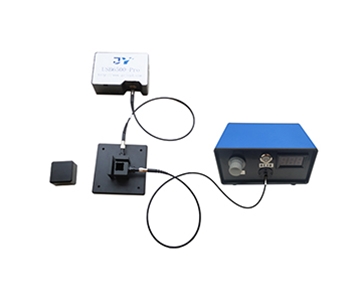
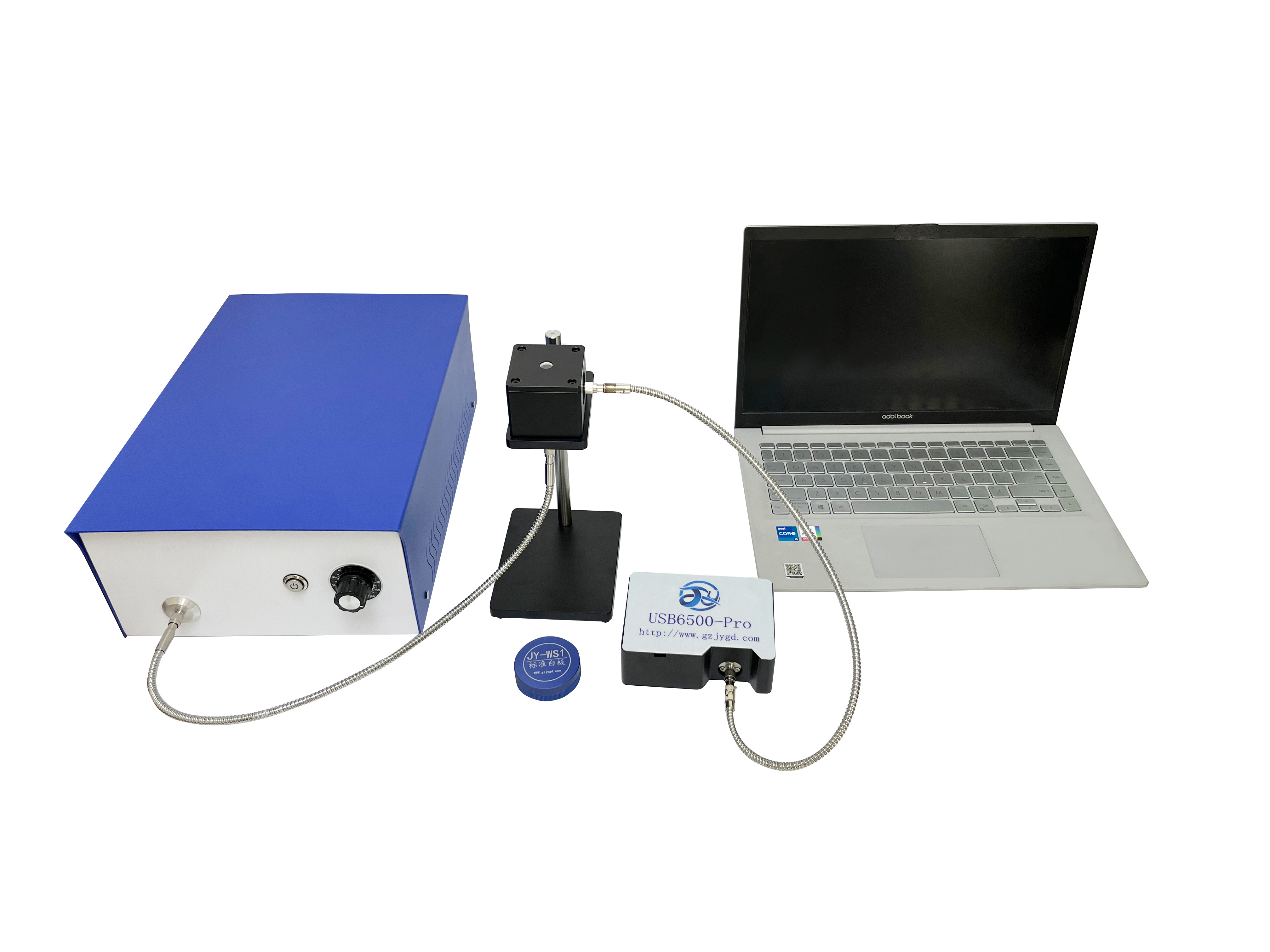
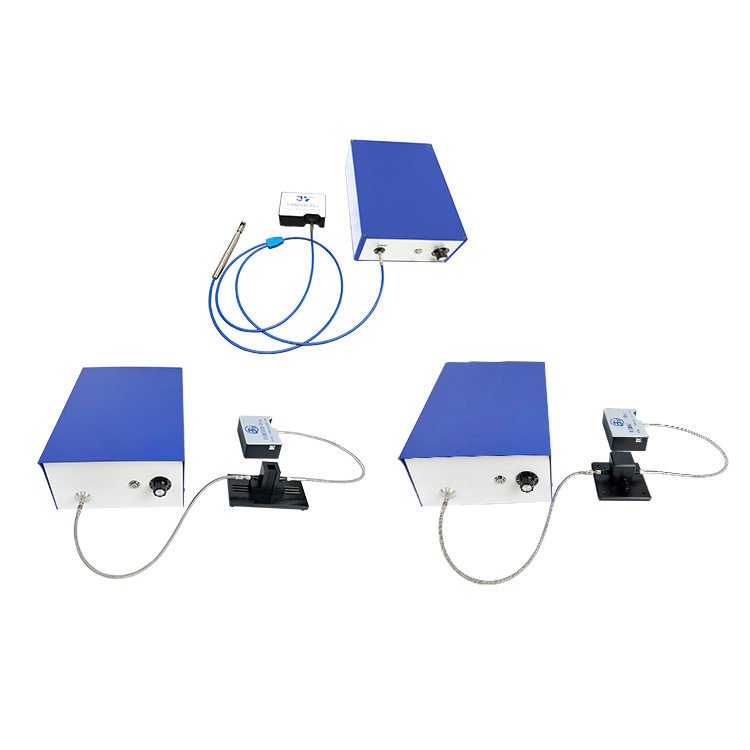
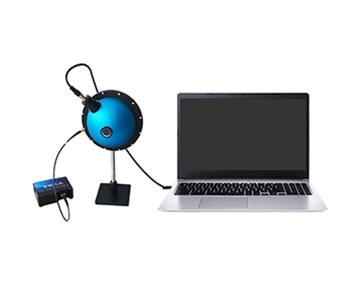
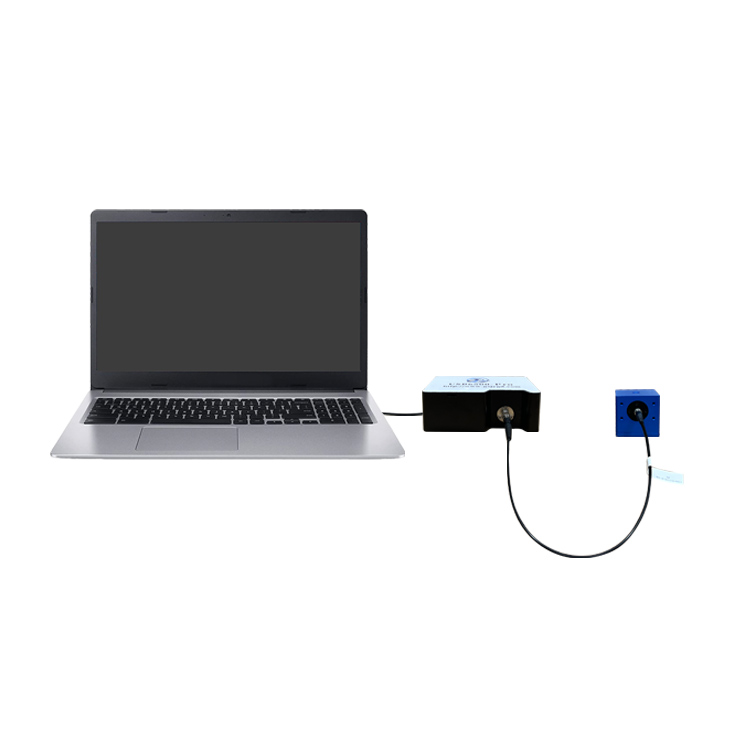
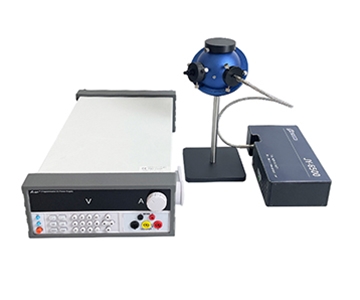
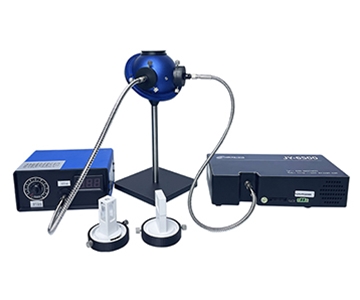
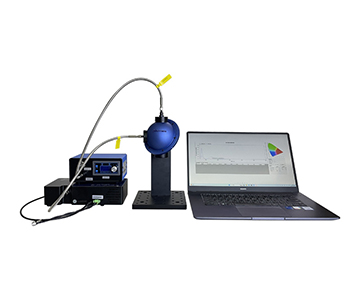
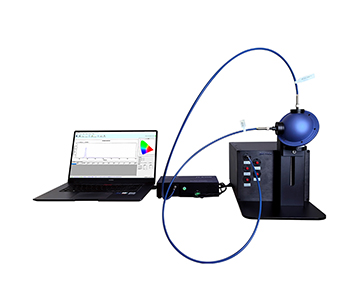
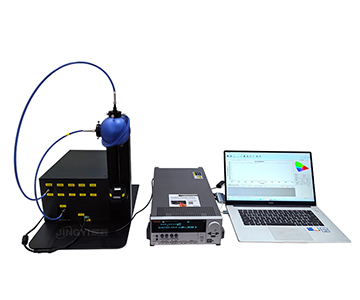
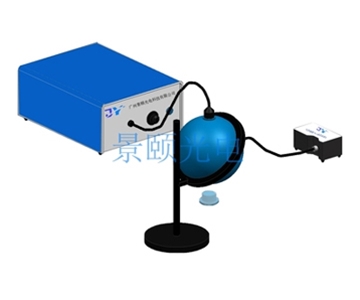
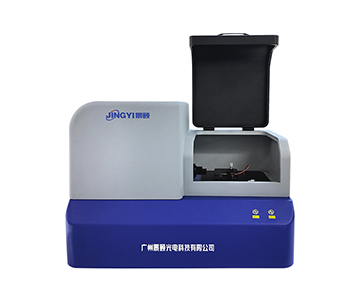
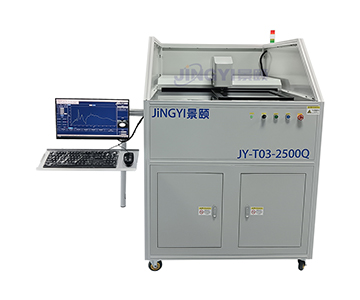
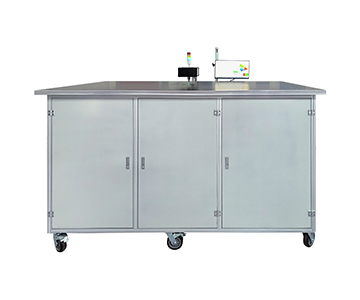
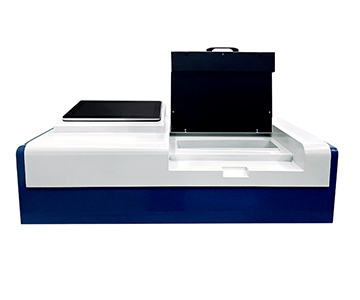
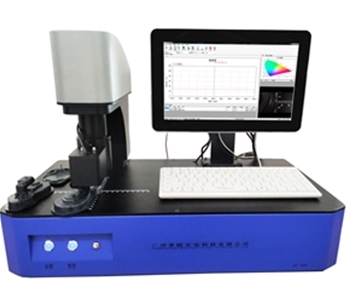
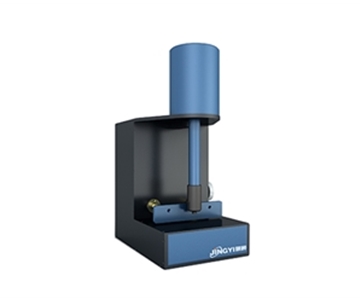
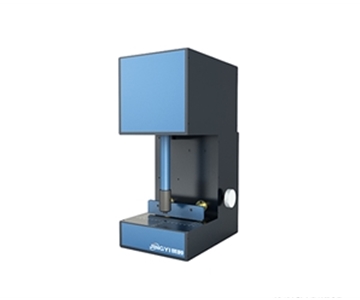
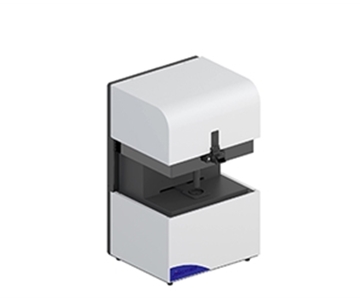
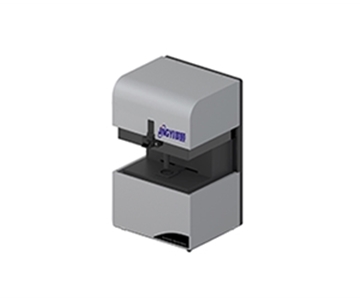
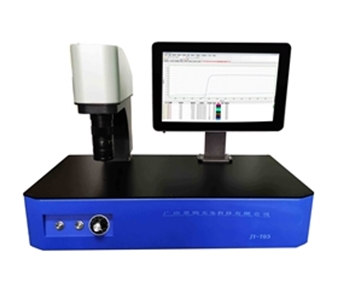
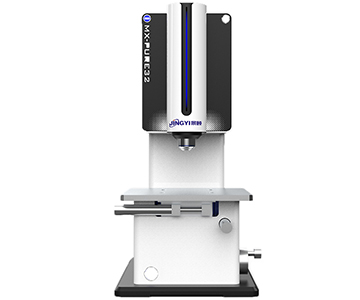
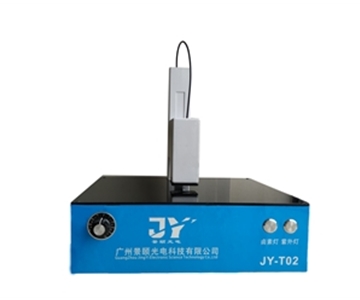
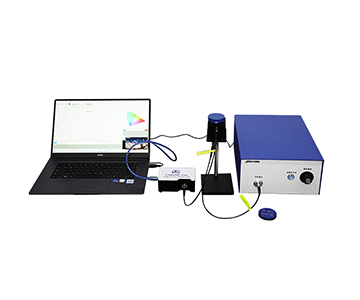
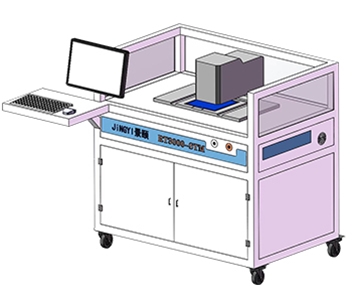
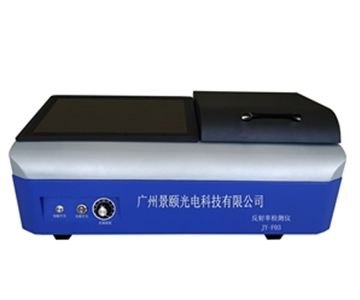
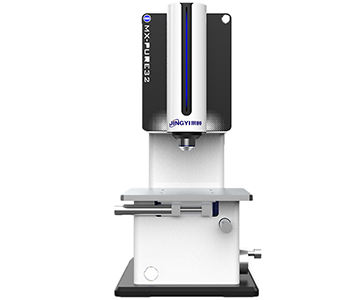
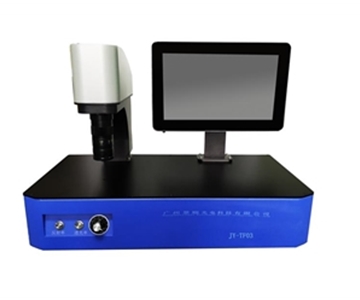
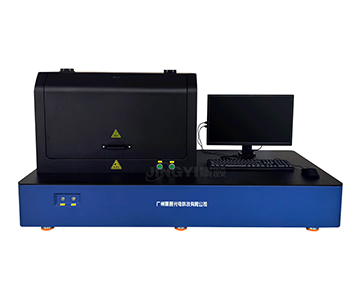
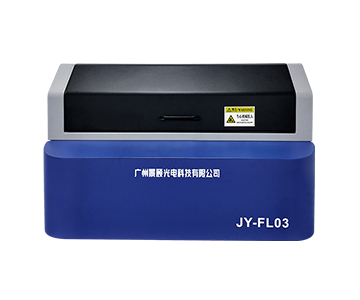
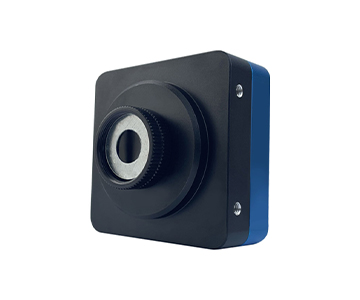
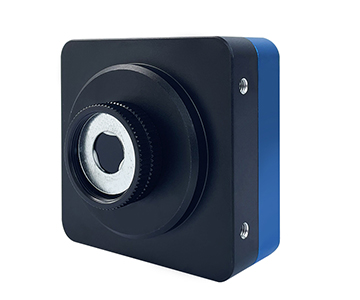
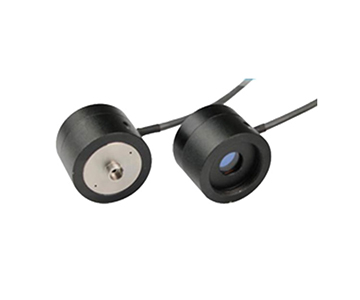
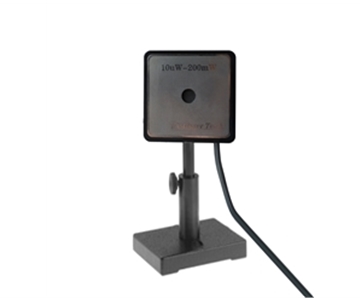
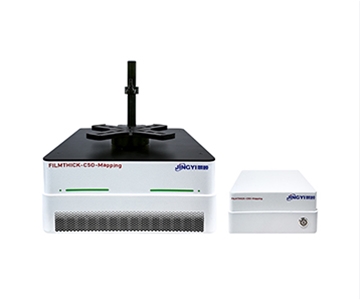
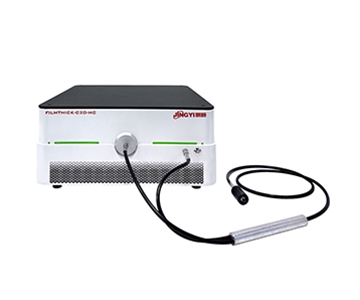
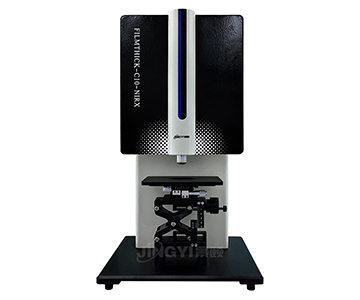
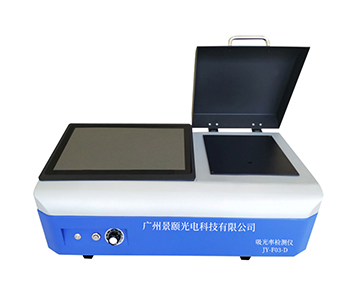
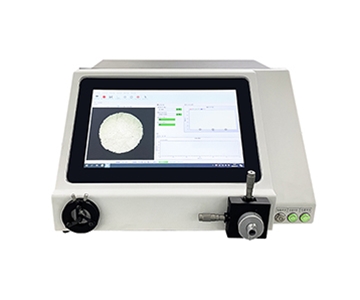
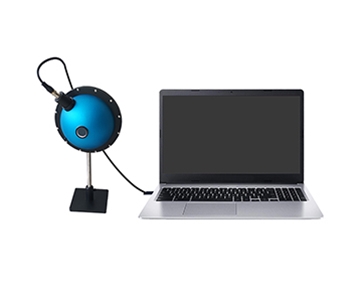
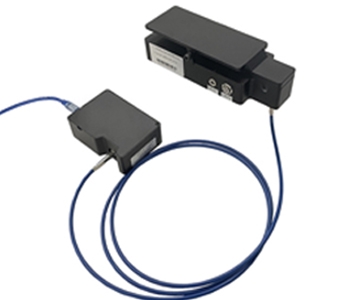
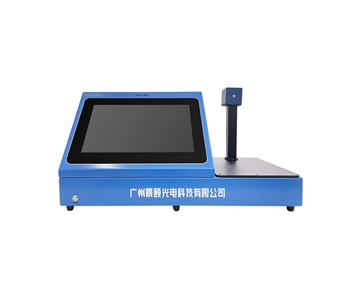
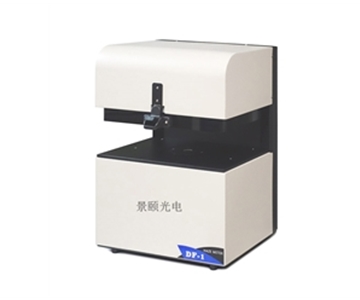
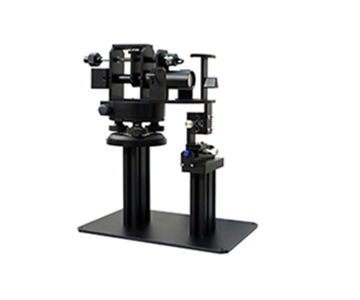
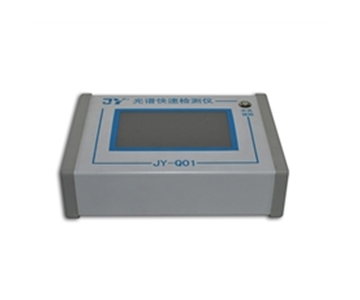
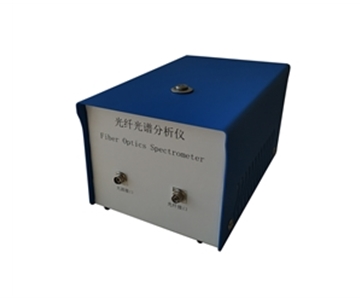
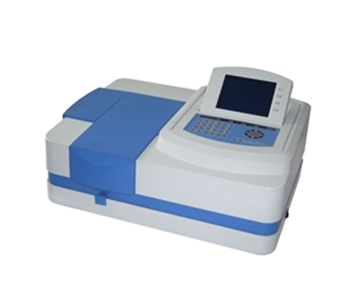
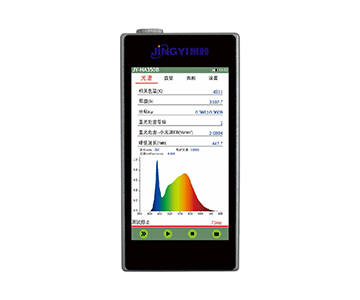
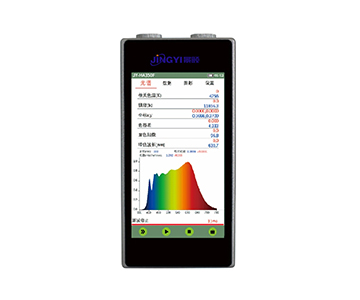
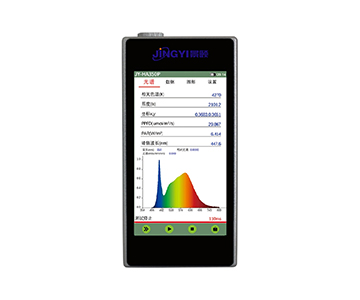
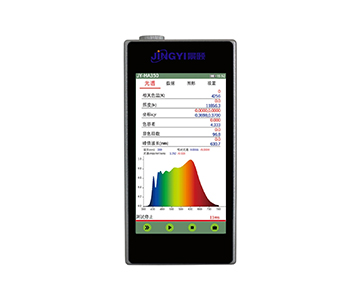
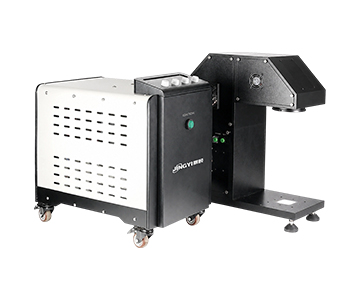
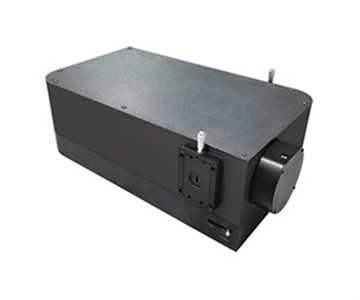
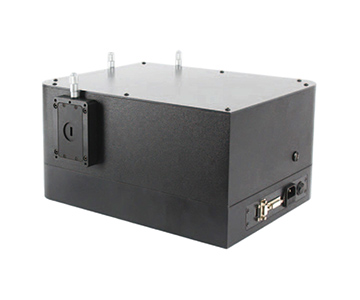
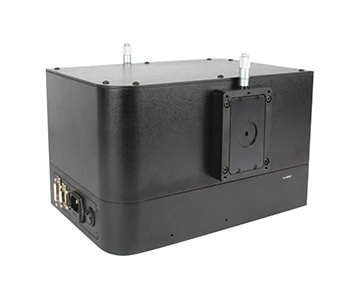
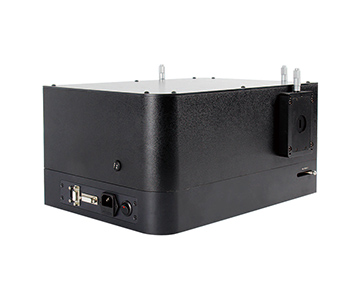
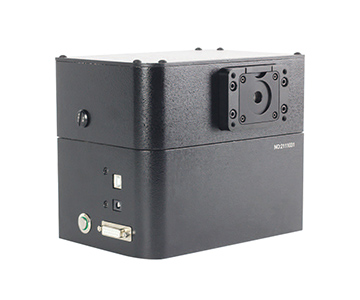
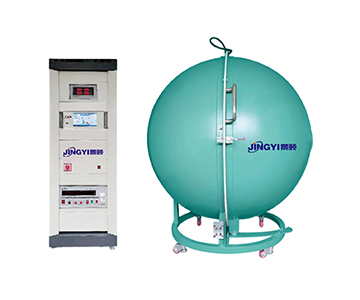
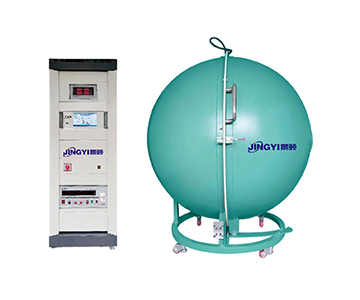
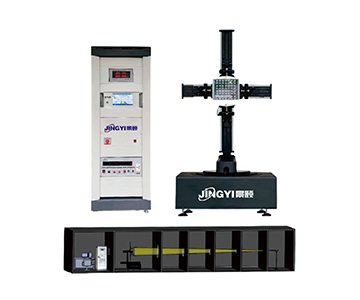
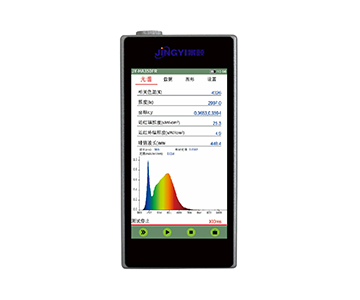
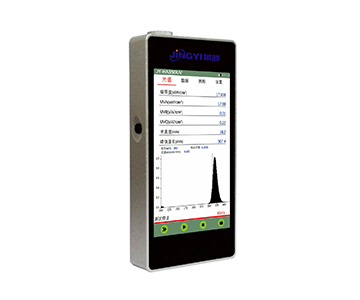
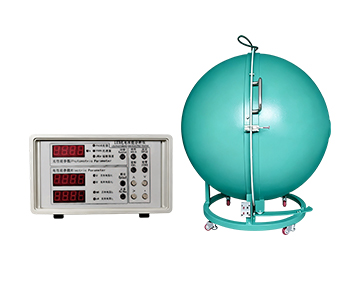
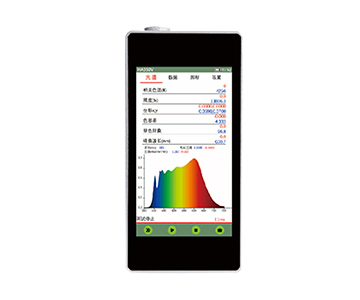
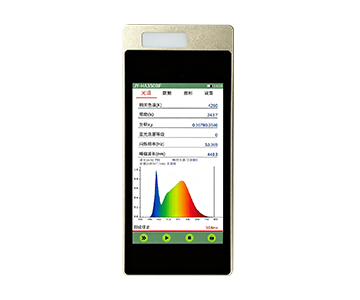
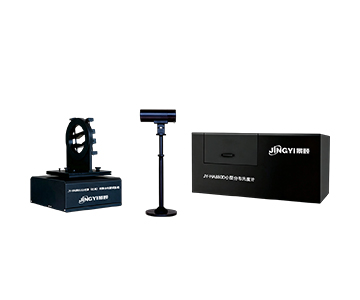
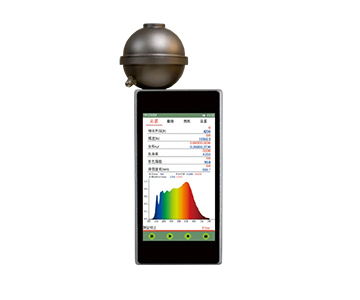
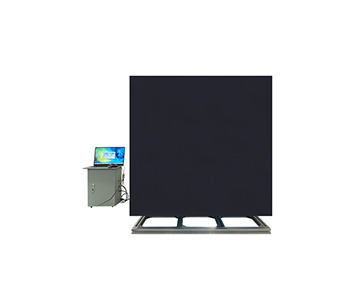
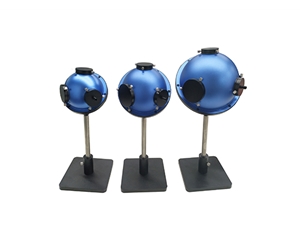
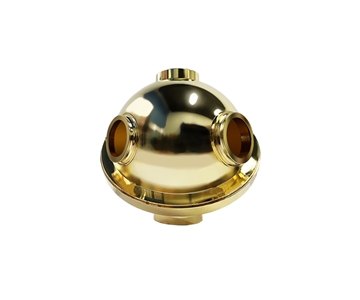
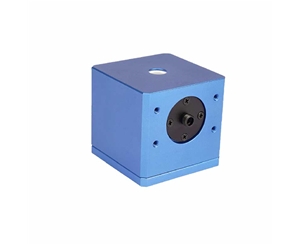
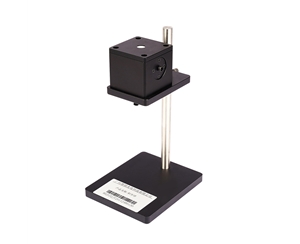
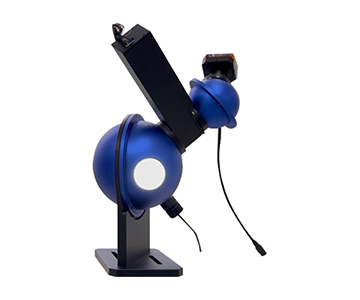
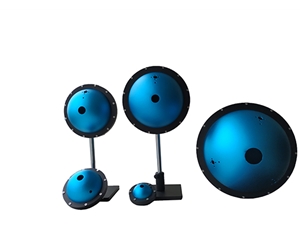
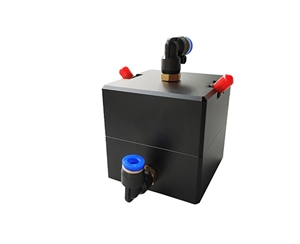
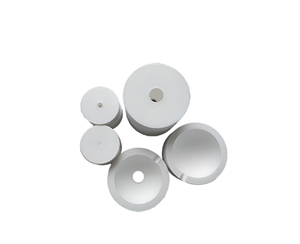
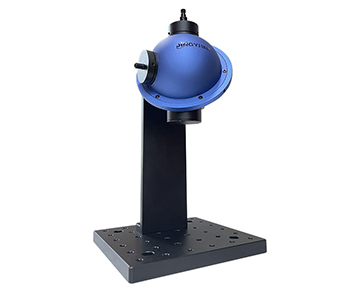
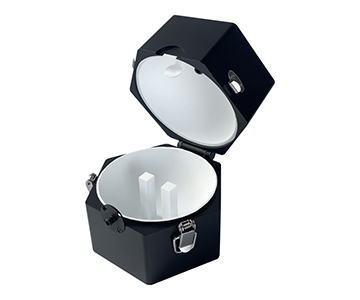
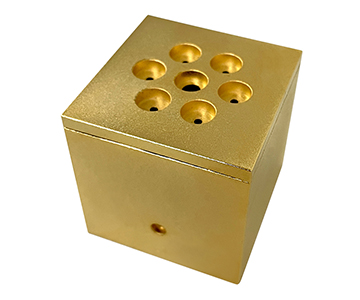
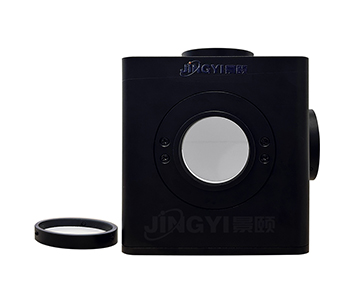
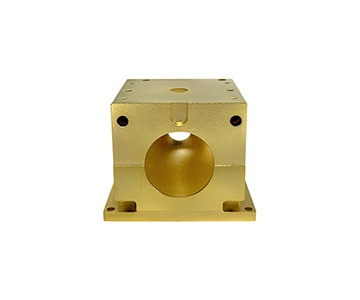
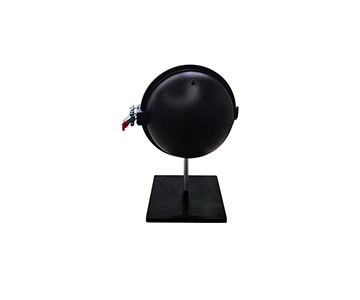
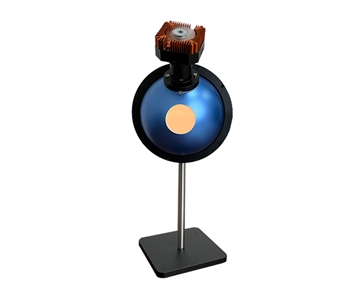
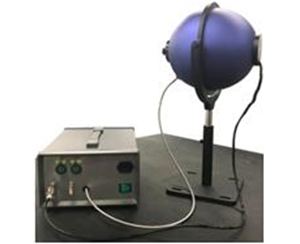
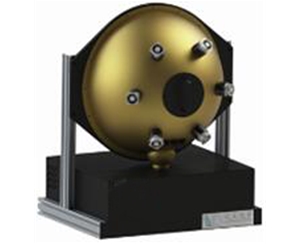
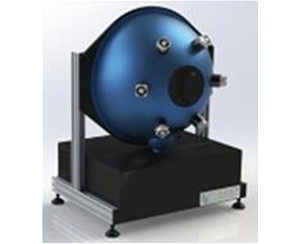
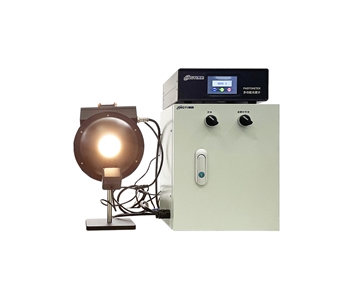
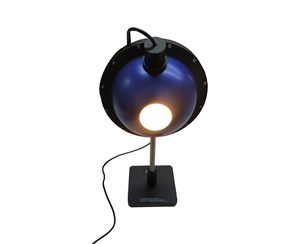
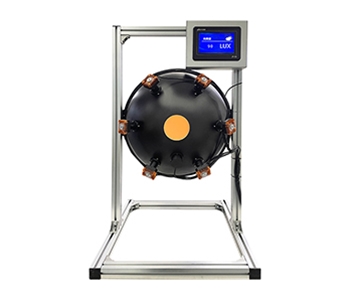
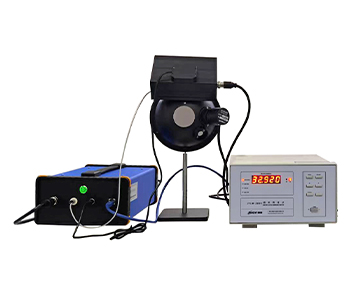
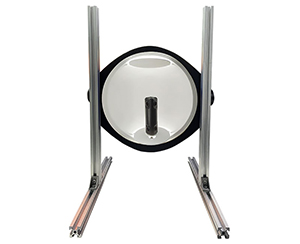
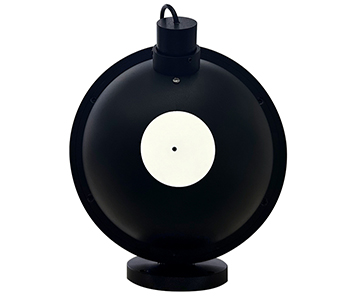
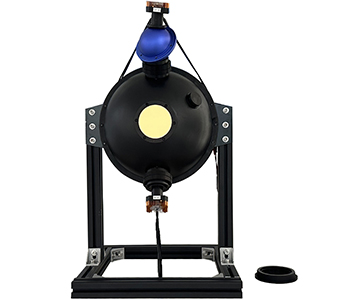
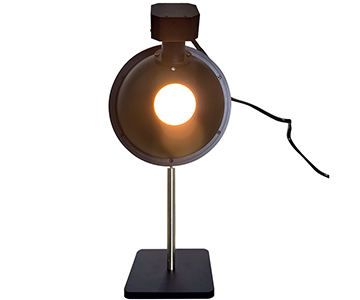
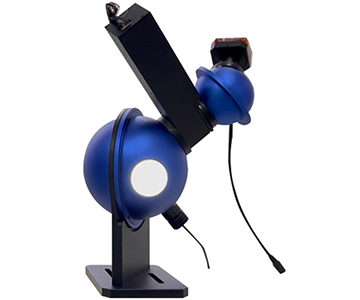
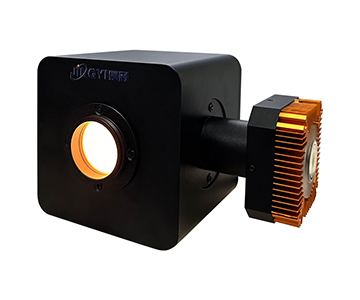
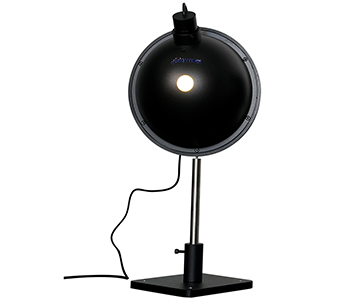
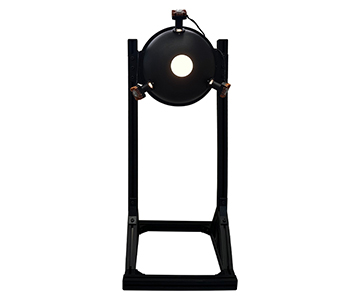
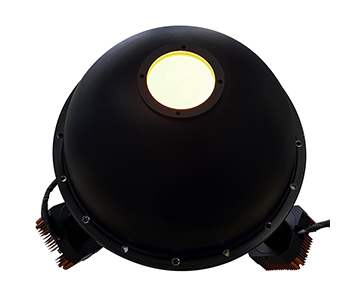
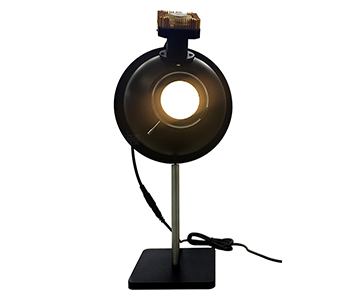
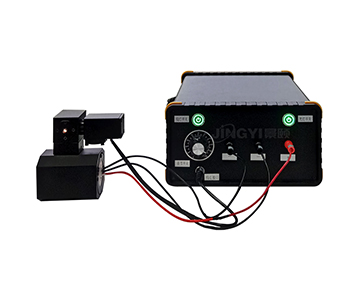
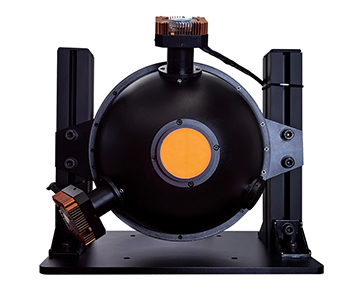
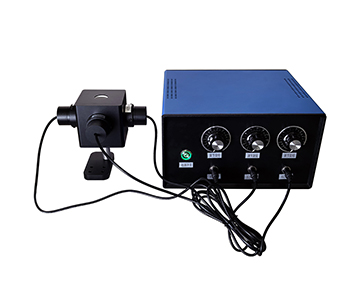
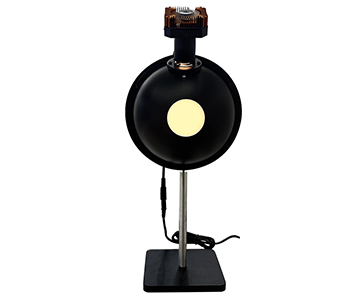
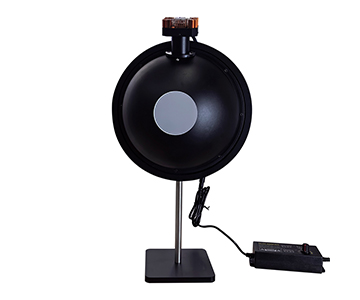
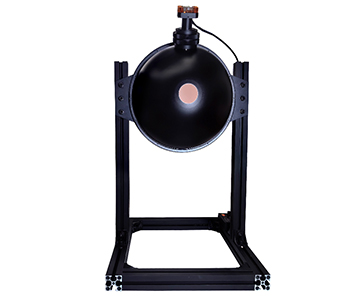
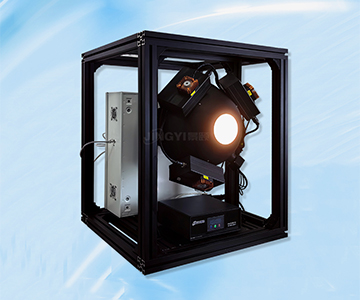
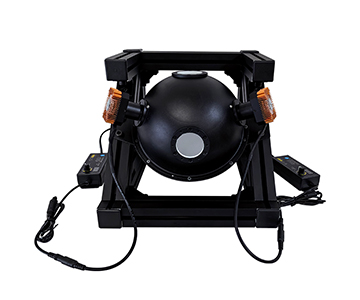
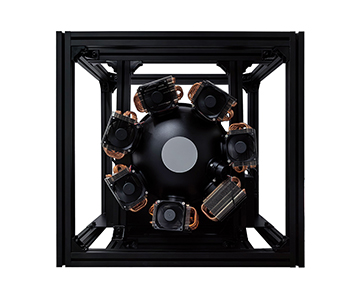
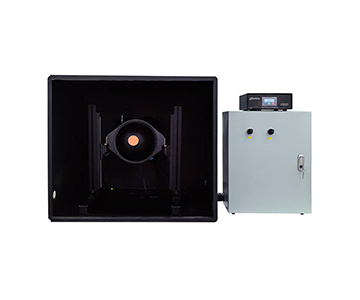
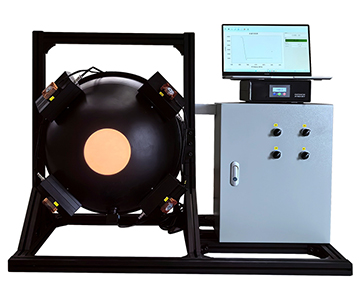
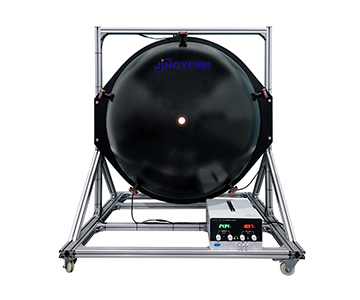
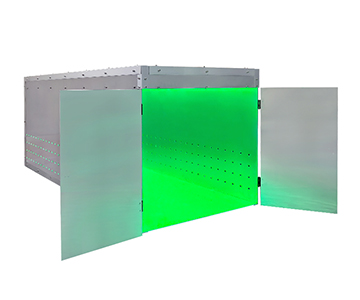
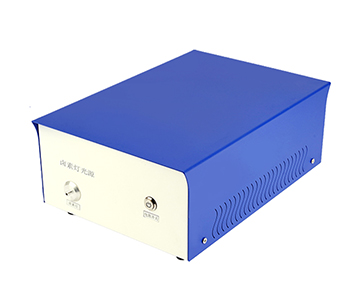
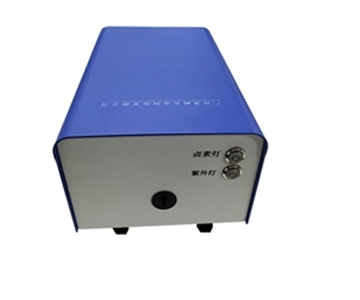
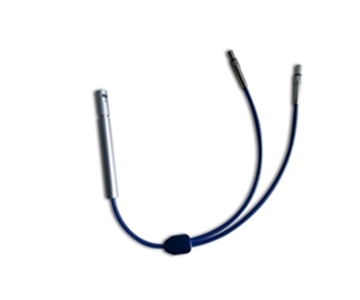
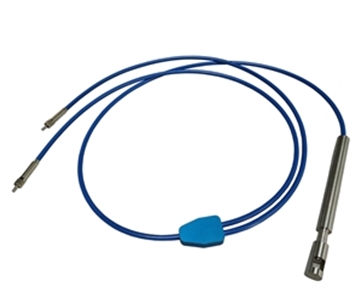
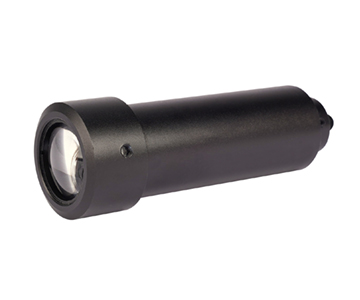
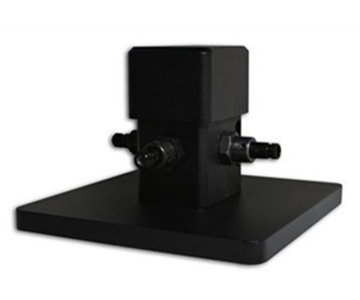
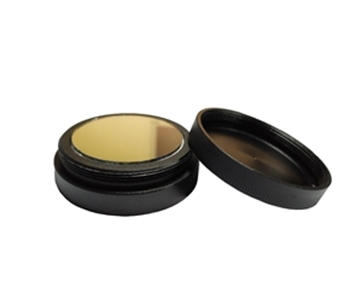
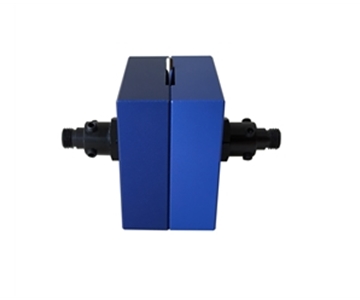
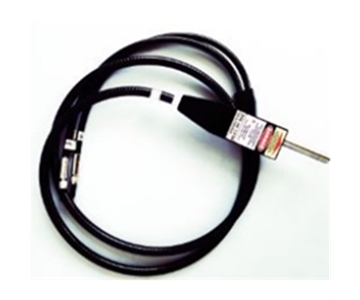
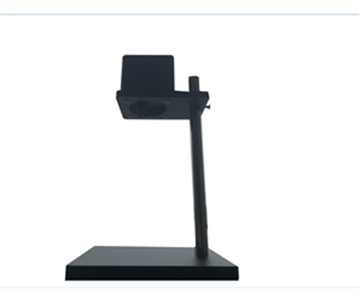
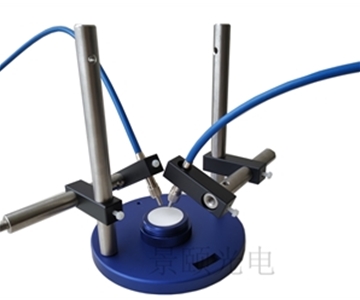
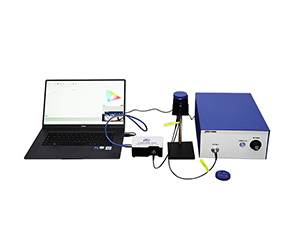
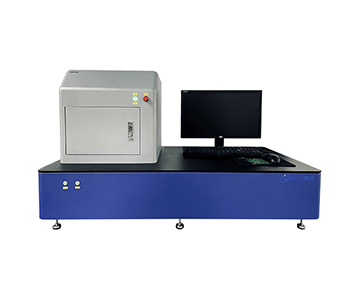
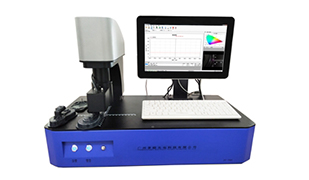
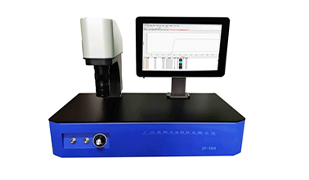
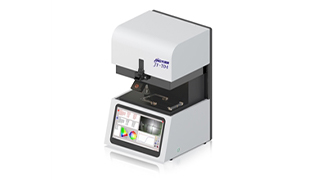
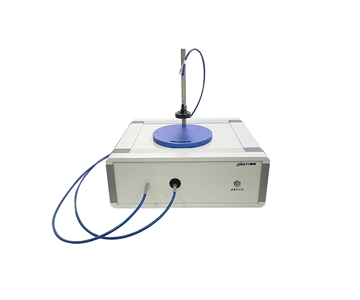
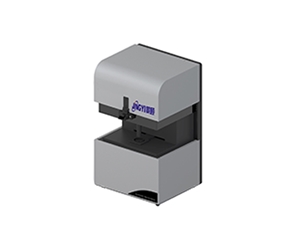
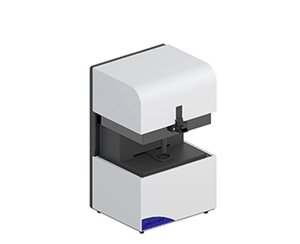
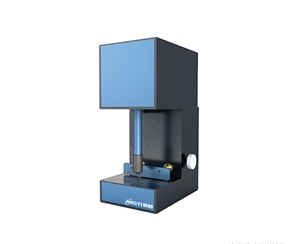
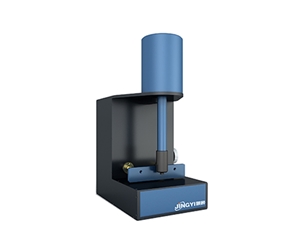
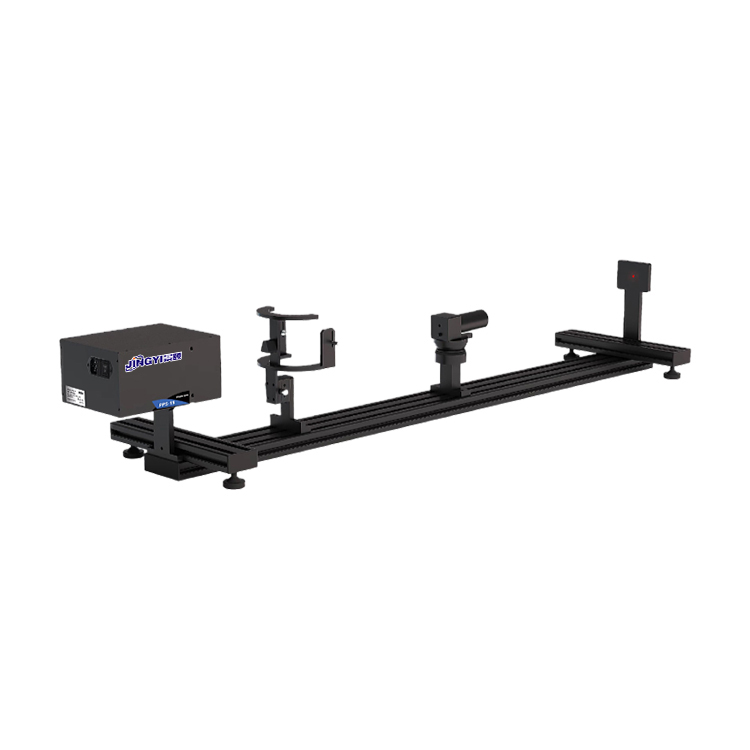
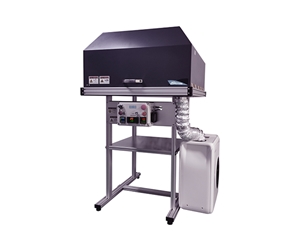
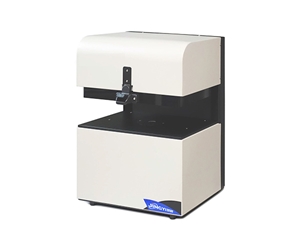
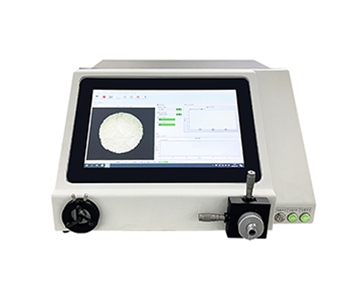
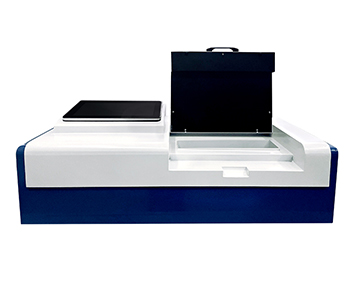
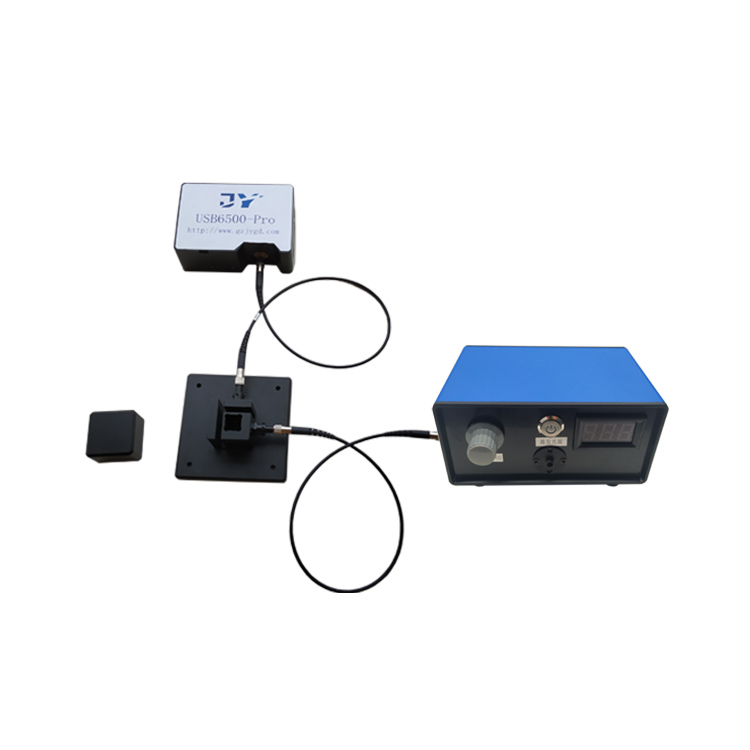
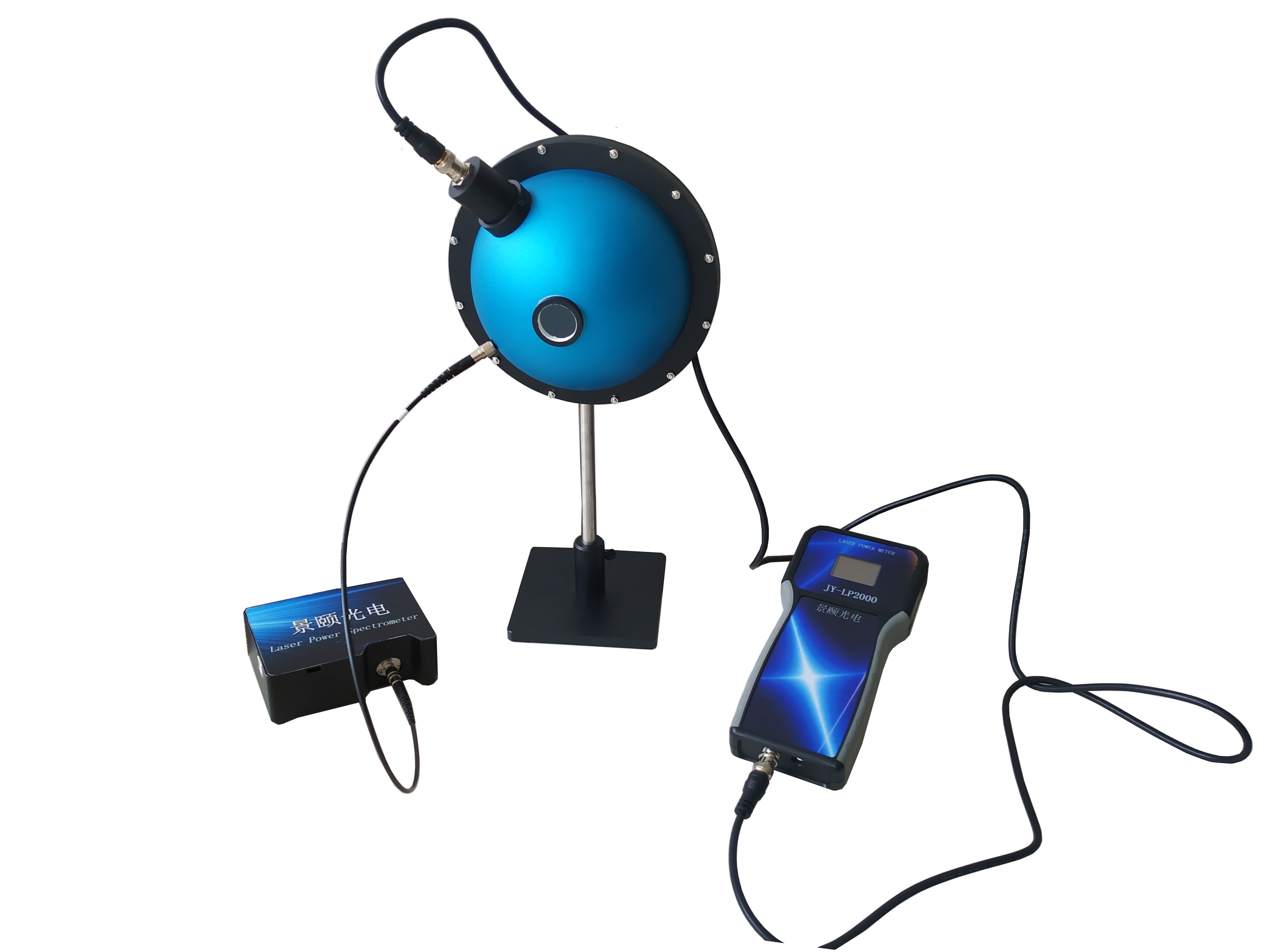
With years of deep expertise in optical metrology, Jingyi Optoelectronics has independently developed an all-in-one integrating sphere wavelength measurement system tailored specifically to the localized needs of China’s optical communication sector—effectively addressing the above industry pain points. This system eliminates the complex pre-test alignment processes typical of conventional instruments. Operators simply connect the light source under test to the acquisition port and obtain key parameters—including peak wavelength, full width at half maximum (FWHM), and side-mode suppression ratio (SMSR)—within milliseconds. Its built-in high-resolution spectrometer module employs a proprietary low-stray-light optical architecture, enabling distortion-free measurement of both narrow-linewidth continuous-wave (CW) lasers and pulsed lasers. Moreover, the system supports flexible extension of its operational spectral range to meet diverse customer requirements. Overall procurement and operational costs are over 40% lower than those of comparable imported systems—making it highly adaptable to the multifaceted application scenarios of domestic optical communication manufacturers and research institutes.
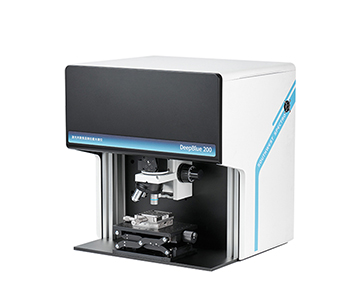
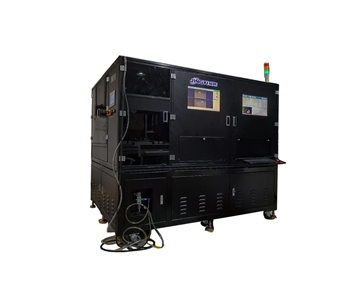
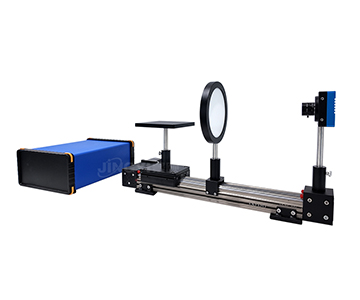
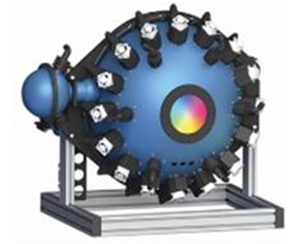
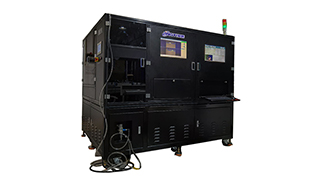
In mass production of optical components, this integrating sphere wavelength measurement system can be seamlessly integrated into automated test lines for WDM tunable lasers and optical transceivers. With high throughput—supporting production rates exceeding 1,000 units per hour—and stable measurement accuracy of ±0.2 ppm, it enables parallel acquisition of parameters across more than one hundred channels. Its built-in real-time self-calibration module eliminates the need for external calibration sources or periodic factory recalibration, boosting testing efficiency by over threefold and improving component yield by approximately 15%. In cutting-edge R&D settings, Jingyi’s system can be paired with customizable high-resolution spectral analysis modules delivering 10-MHz spectral resolution—precisely capturing fine-grained parameters such as phase noise, chirp effects, and polarization-dependent loss (PDL). This capability provides comprehensive spectral data support for developing novel modulation schemes (e.g., OFDM, Nyquist-WDM) and for characterizing silicon photonics chips and photonic integrated circuits (PICs).
As next-generation ultra-high-speed optical networks and all-optical computing-power networks gradually become operational, the optical communication industry’s demands for laser testing will continue escalating—in both precision and functionality. Jingyi Optoelectronics is concurrently advancing its technology portfolio, embedding AI-driven data analytics and IoT-enabled remote monitoring capabilities into its test platforms. Future releases will include further customized measurement solutions aligned with emerging industry requirements—accelerating China’s optical communication industry toward high-quality, self-reliant, and controllable development.
#LaserWavelengthMeter #LaserSpectrometer #IntegratingSphereWavelengthMeter #LaserSpectralAnalyzer #LaserWavelengthTester #LaserWavelengthMeasurementSystem