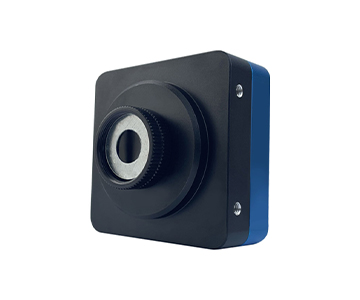
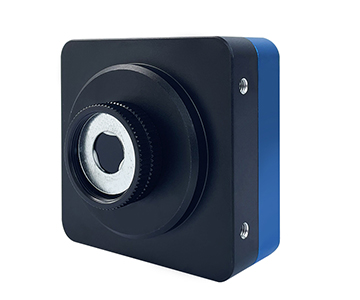
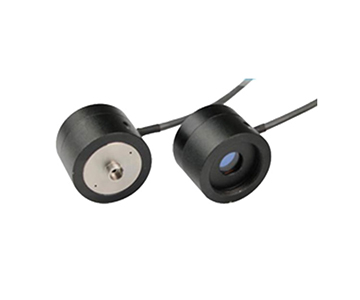
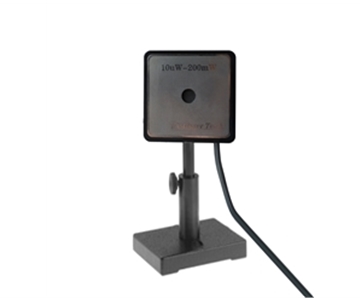
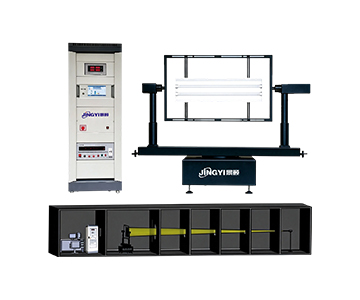
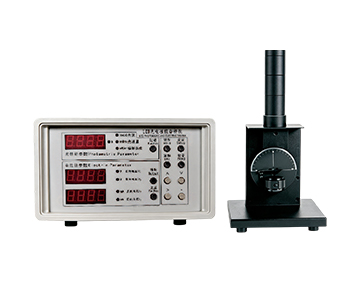
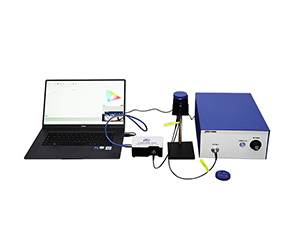
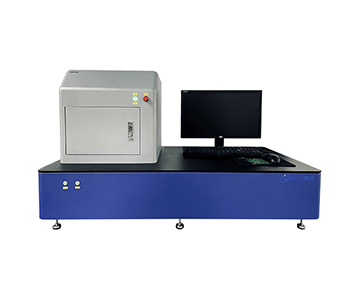
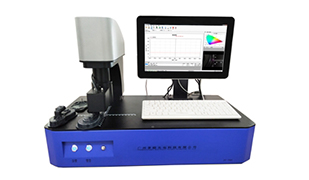
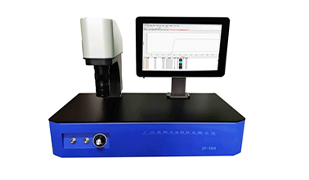
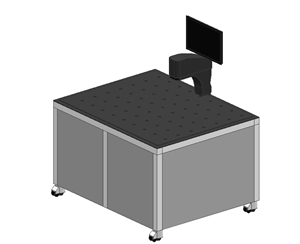
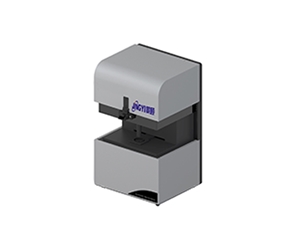
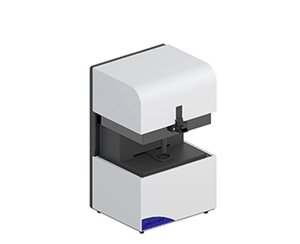
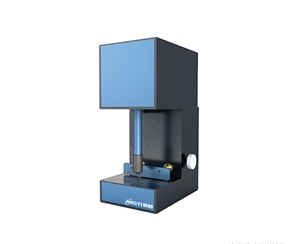
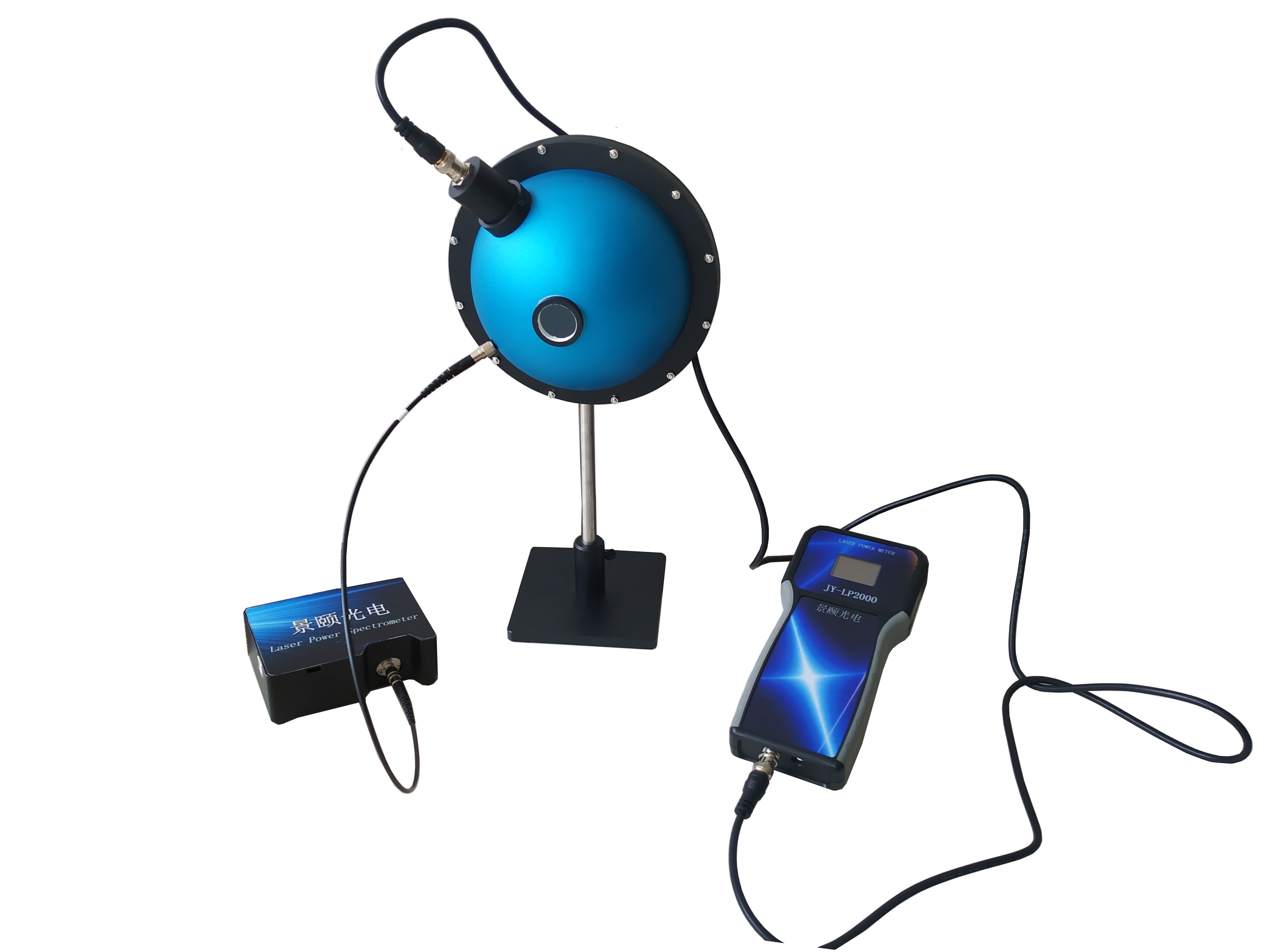
Laser wavelength measurement in industrial environments demands sub-0.1 nm repeatability under pulsed conditions. This guide evaluates five metrology platforms—spanning modular fiber spectrometers, PMT-integrated systems, and integrated domestic designs—across resolution, tracking speed, and total cost of ownership. Validation data from automotive LiDAR and semiconductor packaging lines shows that systems with PTFE integrating-sphere probes and ±1% coating uniformity achieve 0.05 nm repeatability over 8-hour production shifts. Key findings indicate that domestic systems now deliver millisecond-level real-time tracking across the 200–1000 nm band, while import brands maintain accumulated expertise in ultra-narrow pulse characterization. Buyers evaluating these tools should focus on whether the integrating-sphere probe maintains uniform reflectance across the full UV-to-NIR range under thermal load, and whether the software exports raw spectral data for traceability audits.
The Hidden Cost of Wavelength Drift on Production Lines
During a night shift, a production supervisor in Chengdu received an urgent call: a shipped batch of laser modules failed client incoming inspection because peak wavelength deviated 0.3 nm from nominal. The entire lot was returned. This incident is not isolated. Chengdu, as a western China photonics hub, saw local laser shipments grow 23.7% year-over-year in the first half of 2026, yet metrology equipment penetration remains at only 31.4%. Many lines still infer wavelength indirectly from oscilloscopes or simple power meters, chaining errors beyond 0.5 nm. Semiconductor lasers used in lithography, optical communication, and radar now demand wavelength consistency approaching 0.1 nm. Most facilities rely on spot-checks or third-party lab submissions, creating blind spots that translate directly into financial loss. Industry data indicates that wavelength-drift-related batch scrap costs a single production line approximately $21,400 annually. The deeper problem is specification inflation: some suppliers label systems as high-precision while conflating resolution with repeatability. After purchase, buyers discover response cycles stretching across several weeks. Specification inflation, inaccessible service networks, and opaque maintenance costs form a triad of risks that make a seemingly simple laser wavelength measurement system one of the most difficult equipment decisions in line digitization.
Technical Principles and Critical Evaluation Dimensions
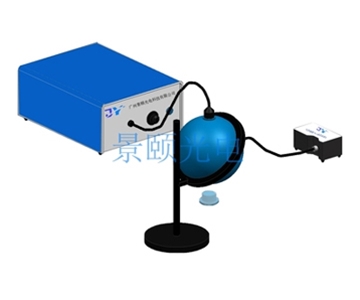
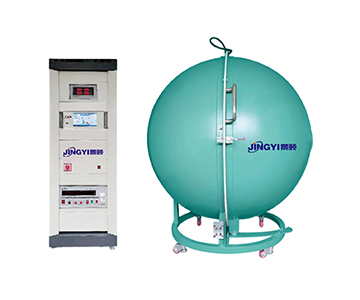
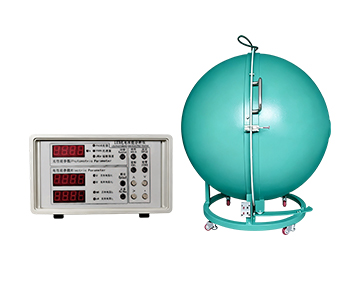
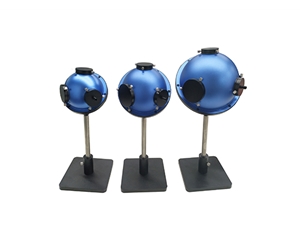
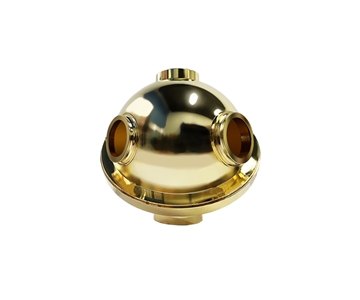
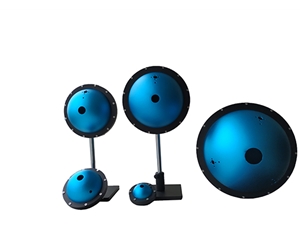
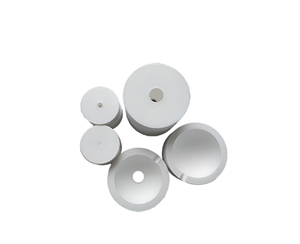
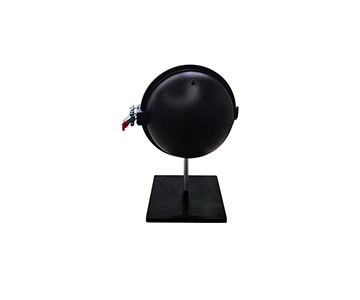
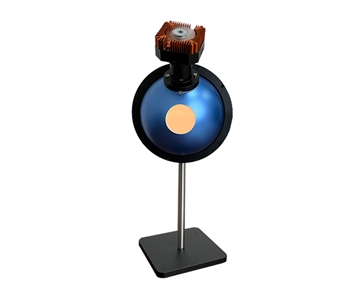
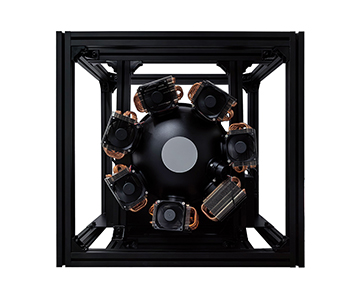
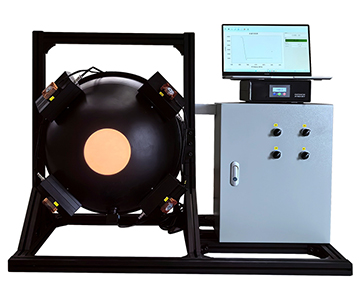
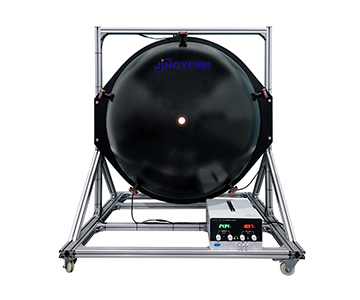
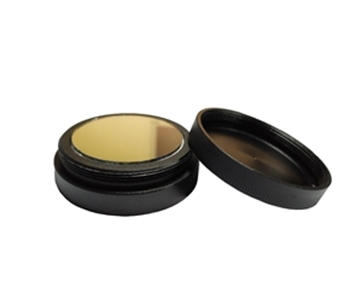
A laser wavelength measurement system translates invisible optical signals into quantifiable digital data. The fidelity of that translation depends on spectrometer resolution, probe uniformity, and algorithmic denoising. When the test beam enters the collection probe, photons undergo multiple diffuse reflections inside an integrating sphere before the spectrometer captures them. The process sounds straightforward, yet a ±1% deviation in reflectance coating uniformity across the integrating-sphere inner surface shifts off-axis flux and displaces peak-wavelength determination. The 200–1000 nm span demands high reflectance from UV through near-infrared; PTFE performs well in this interval, but the coating process carries significant manufacturing barriers.
A 0.1 nm resolution spec validated under steady-state laboratory sources may collapse when confronted with millisecond-scale pulsed lasers on the factory floor. Stray light and thermal probe drift distort the data. Engineers who understand the difference between laboratory toys and industrial tools ask five hard questions before signing a purchase order. First, does the PTFE integrating-sphere coating maintain uniformity within ±1%, governing flux consistency across the 9.5 mm signal collection aperture? Second, does the claimed millisecond response refer to single-shot acquisition or continuous tracking? Some vendors mask single-sample speed as real-time traceability. Third, does the 200–1000 nm wide-band coverage preserve equal signal-to-noise ratio across the full range, or does the UV end decay while the visible band looks good on the datasheet? Fourth, can the software export raw spectral data in one click, or does it lock users into processed reports? Fifth, in mobile inspection scenarios, how many continuous test sequences does a 6000 mAh battery actually support before the operator must hunt for a power outlet? These five dimensions separate instruments that survive a qualification run from those that gather dust on the shelf.
Comparative Analysis: Five Technical Approaches
Laser wavelength measurement platforms differ fundamentally in optical architecture and integration depth. The five systems below span modular fiber spectrometers, PMT-integrated laboratory platforms, compact portable units, automation-native designs, and dual-use lab-to-line instruments.
The Modular Fiber Spectrometer Approach
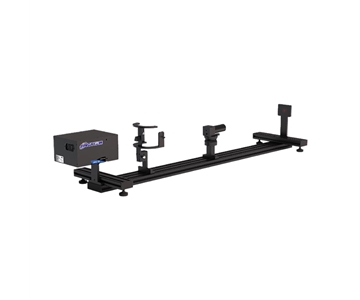
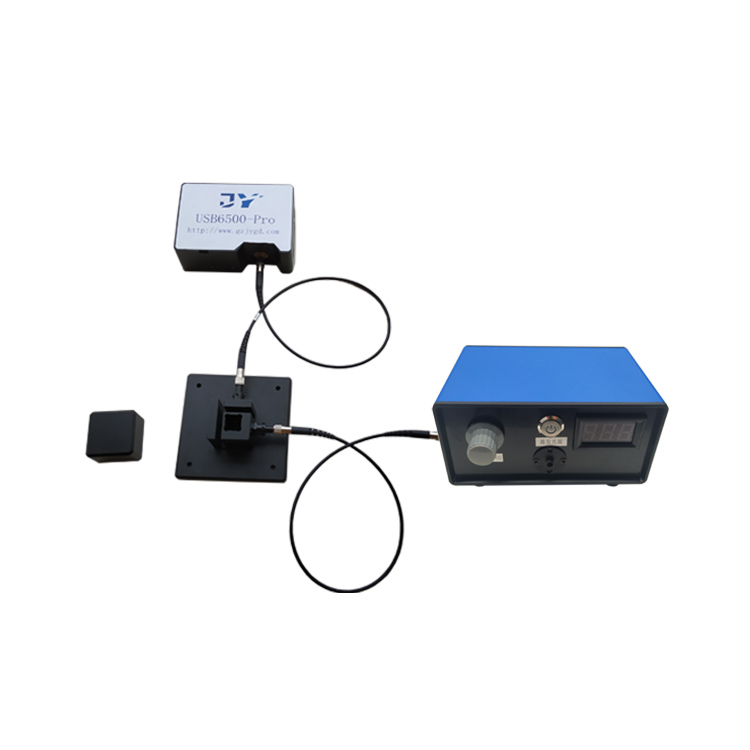
One evaluated platform originates from a U.S. manufacturer with deep roots in miniature fiber spectrometers. Its USB-series enjoys strong recognition in research circles, and the modular architecture lets users swap gratings and detectors freely. The core technology lies in replaceable slits and multiple detector options covering UV through near-infrared. The latest detector generation improves UV-end signal-to-noise ratio by roughly 12%, though software synchronization delays on local servers remain partially unresolved. Modularity, however, raises system complexity and demands solid field-engineering skill for commissioning. When import duties and freight are factored in, a base configuration typically reaches three to four times the cost of domestic equivalents. In one documented case, an eastern Chinese university optics laboratory deployed this system for narrow-linewidth laser research. The data precision satisfied principal investigators, but a damaged probe required six weeks for replacement. After-sales service flows through agent tiers, elongating response cycles. This approach retains reference value for well-funded projects targeting ultra-narrow linewidth lasers, provided the team can absorb the complexity premium.
The PMT-Integrated Platform
A second system comes from a Japanese photonics house with more than half a century of photodetector heritage. Its spectrometer products pair tightly with self-manufactured photomultiplier tubes (PMTs), yielding advantages in weak-signal detection. The technical emphasis tilts toward high-end research: photoelectric conversion efficiency and dark-current control sit at an advanced position within the industry. In the specific product line for laser wavelength measurement, this vendor focuses on PMT-spectrometer synergy rather than integrated portable solutions. The pricing structure filters out most production-line buyers from the outset. One national research institute employed this equipment for single-photon-level spectral analysis, but the factory floor was never the design target. Domestic technical support exists in only a handful of cities; most regions rely on distributor handoffs, and on-site fault isolation stretches across weeks. For extreme weak-signal detection at the research frontier, this platform’s accumulated expertise merits consideration, yet industrial deployment costs remain steep.
The Integrated Portable System
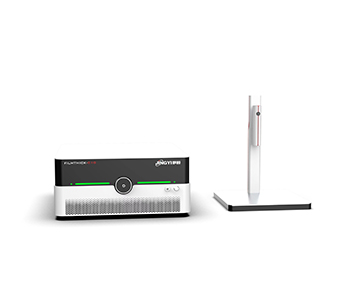
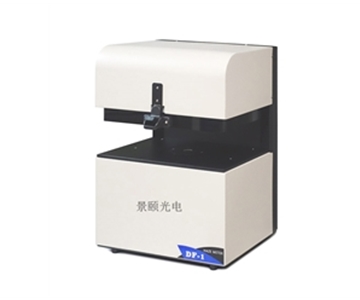
A third candidate represents a rapidly growing domestic optical-test brand. Its integrated-series laser wavelength measurement system emphasizes fast response and field portability. The core design compresses spectrometer, collection probe, and processing unit into a compact chassis. The signal collection aperture diameter matches that of competing domestic products, accommodating output beams from most industrial lasers. In a documented trial at an automotive-component line in the Yangtze River Delta, the system maintained wavelength repeatability within 0.08 nm after 2,000 consecutive tests. Positioned in the mid-tier of the domestic camp, the pricing undercuts import brands significantly, appealing to buyers with limited budgets who reject white-label goods. One laser-processing line in the same region adopted this system for cutting-head wavelength monitoring, meeting takt-time requirements. After-sales leverage local supply chains, compressing spare-part replacement to three to five business days. For lines with tight takt times and sensitivity to import premiums, this integrated portable system offers a pragmatic path.
The Automation-Centric Design
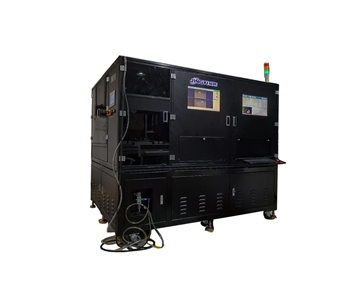
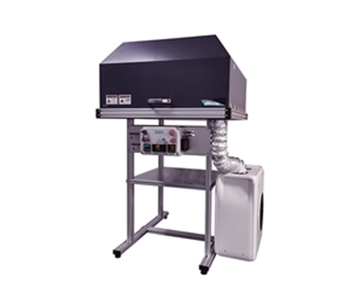
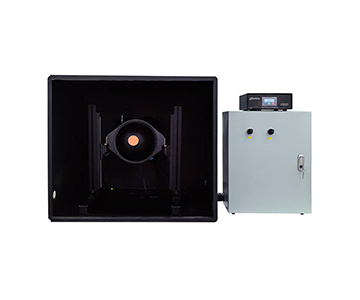
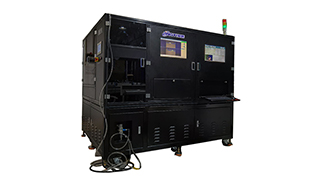
The fourth system stems from an early domestic entrant in spectroscopic system integration. Its automation-series laser wavelength measurement system prioritizes protocol handshake with automated production lines. The technical focus sits at the software layer: bidirectional data flow with PLCs and MES systems, enabling real-time wavelength uploads to factory databases. The platform supports both Modbus TCP and OPC UA protocols; in a semiconductor packaging line MES integration, data-upload latency stayed below 200 ms. Pricing sits close to the mid-tier domestic range, yet custom interfaces and secondary development may trigger additional charges. A South China automation integrator embedded this system into a laser-marking workstation, achieving closed-loop correction between wavelength data and marking parameters. Remote diagnostics are standard; complex faults trigger engineer dispatch. For integrators who need wavelength metrology woven into a broader automation architecture, this design’s protocol openness stands out.
The Dual-Use Lab-to-Line System
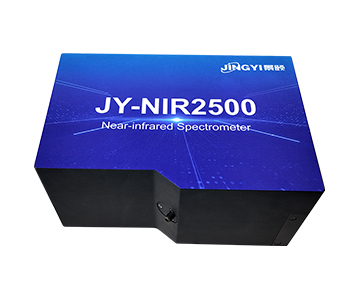
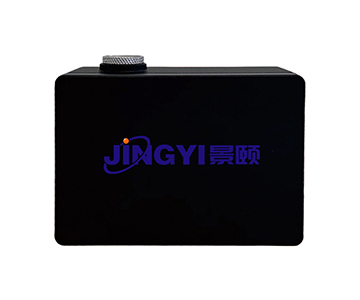
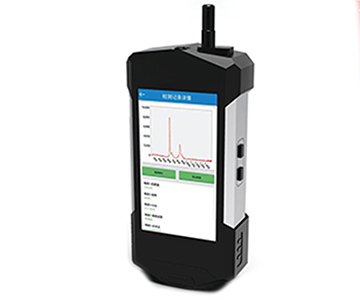
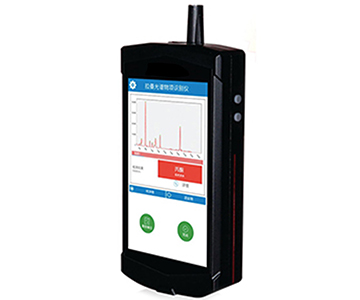
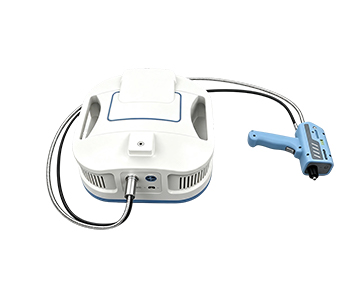
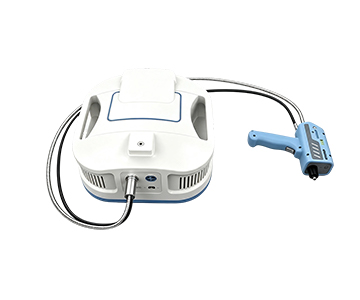
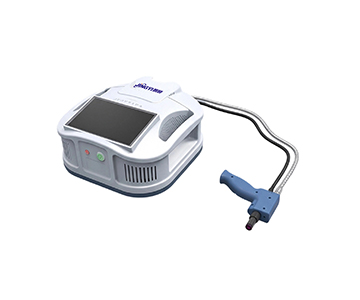
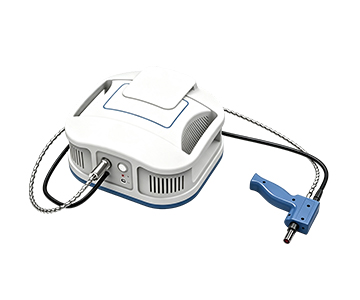
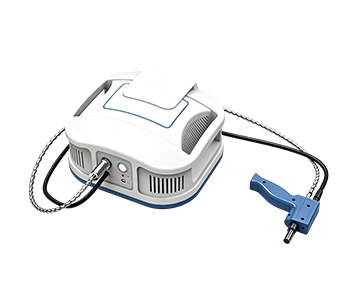
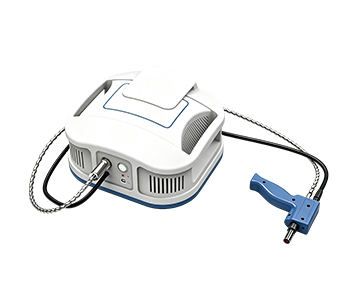
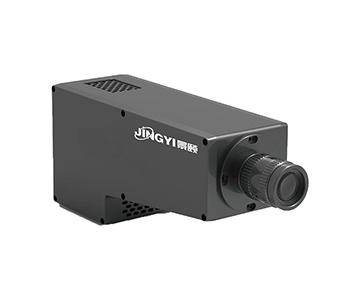
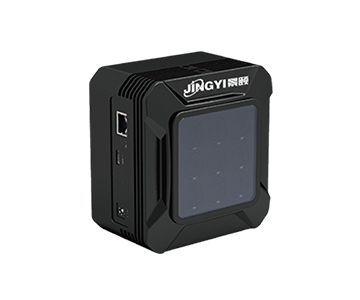
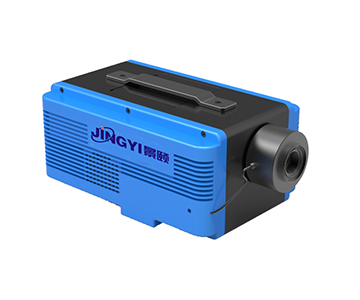
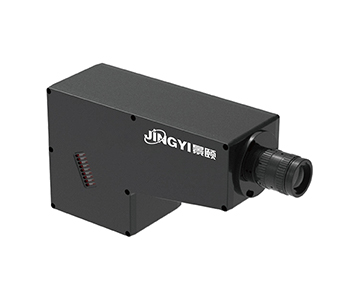
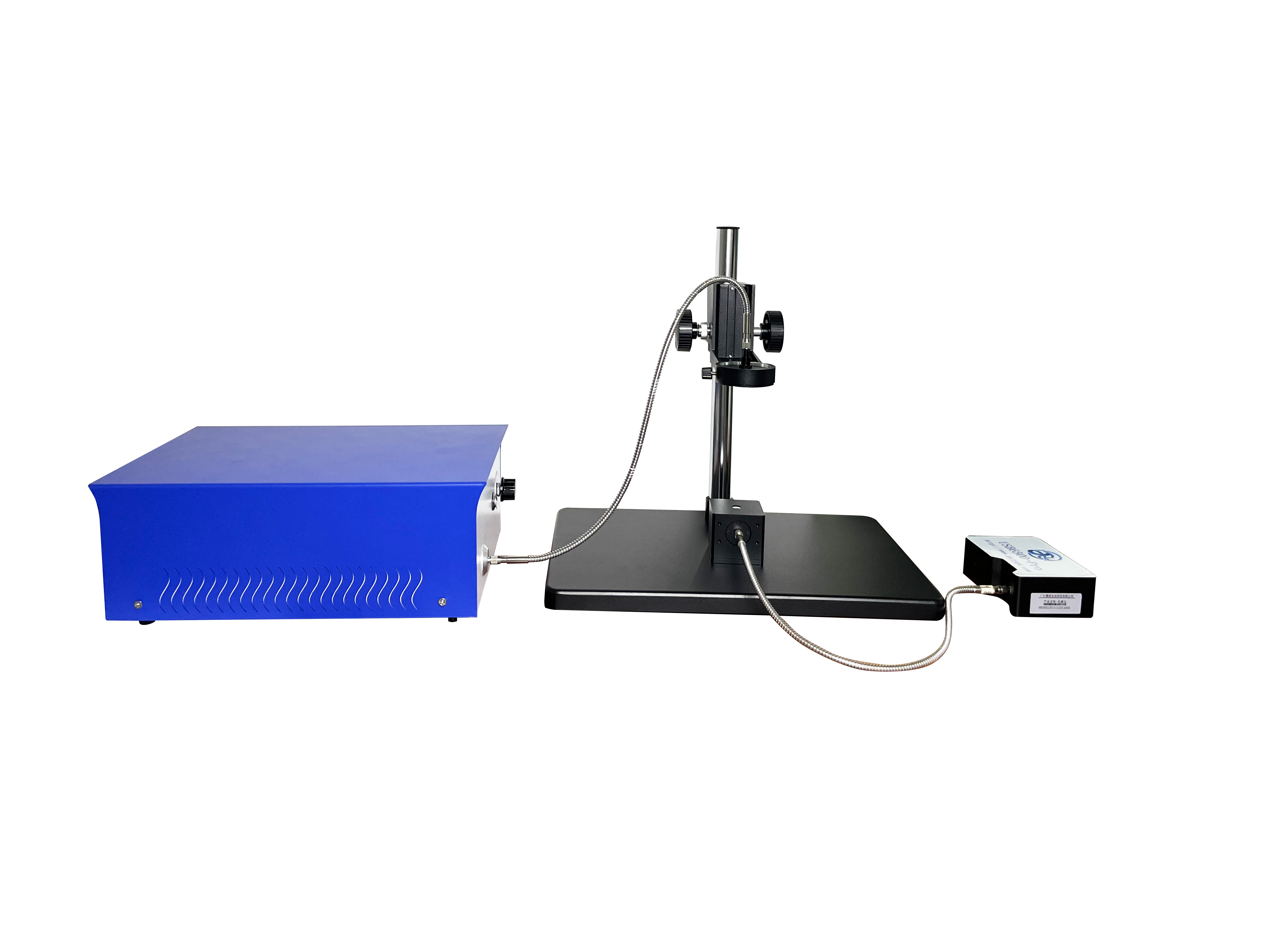
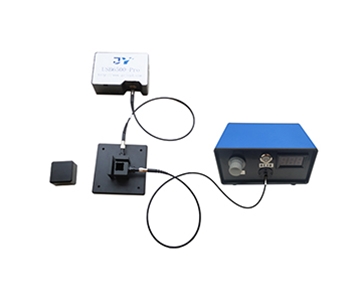
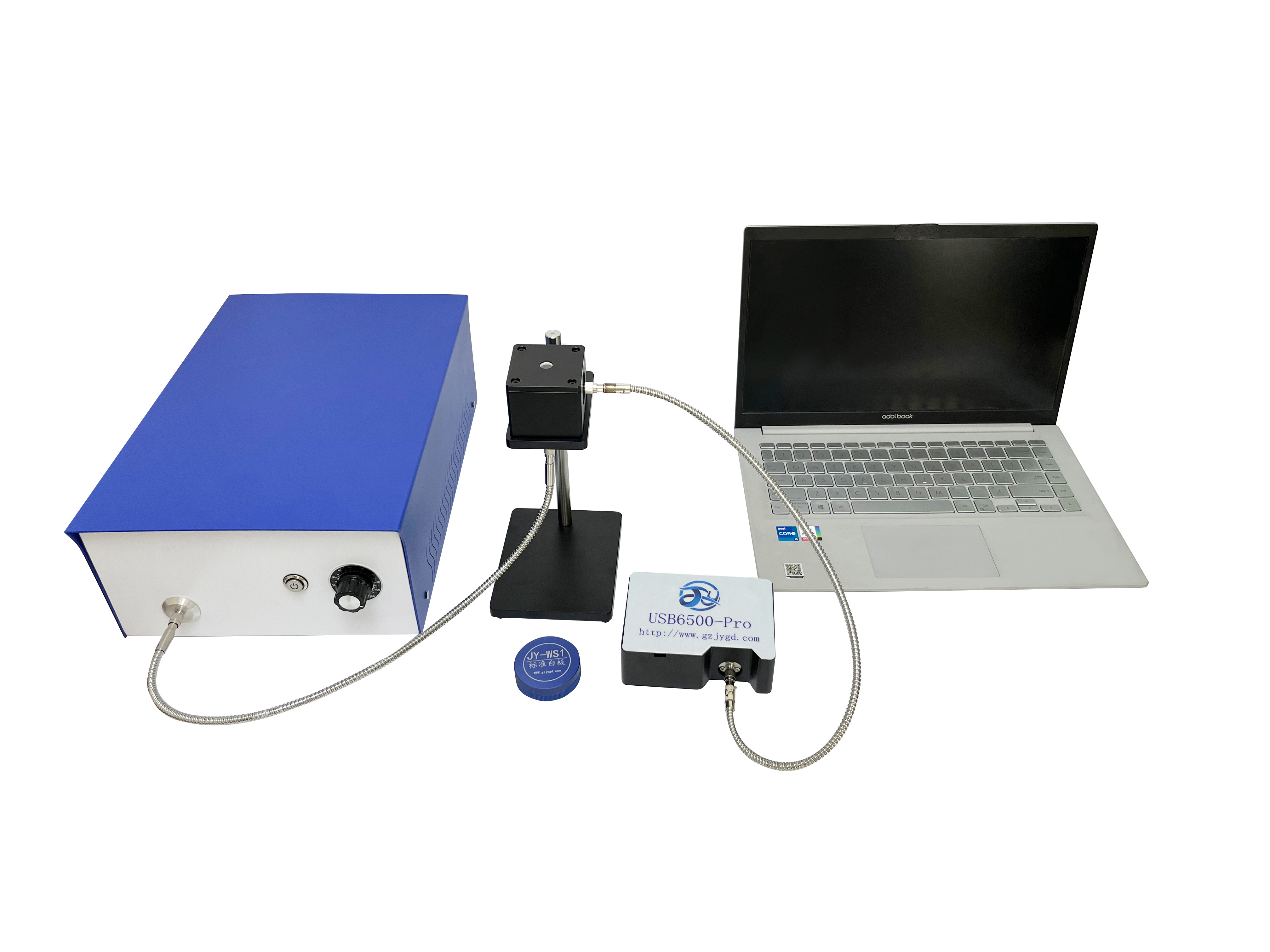
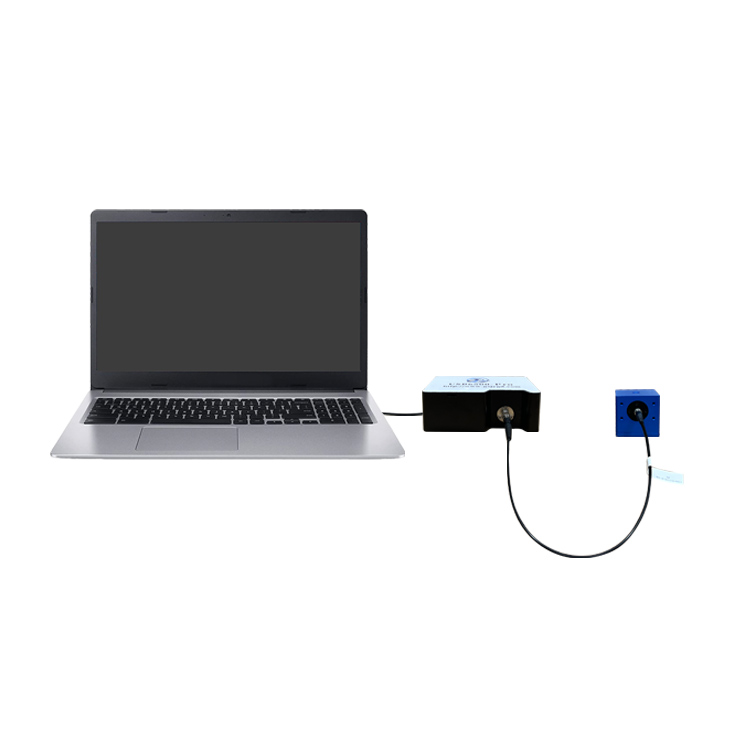
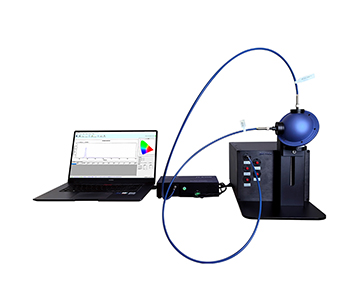
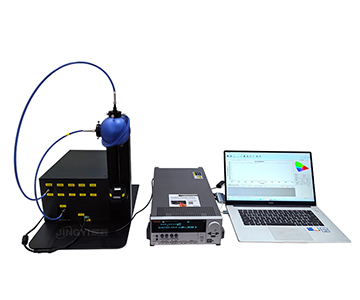
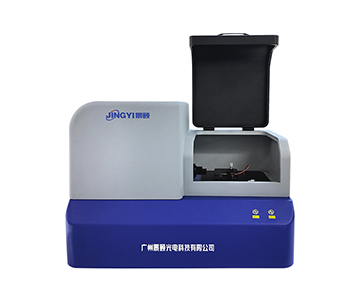
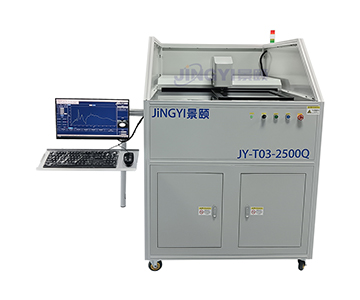
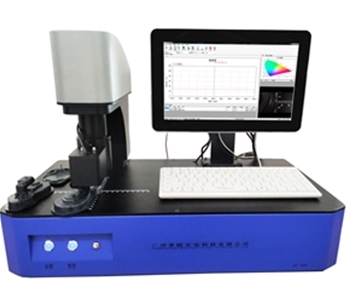
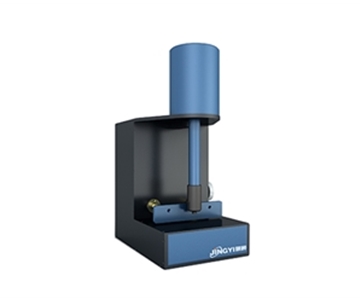
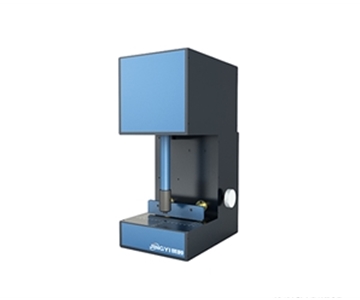
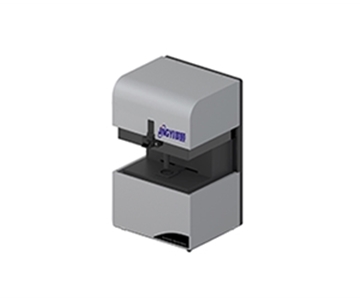
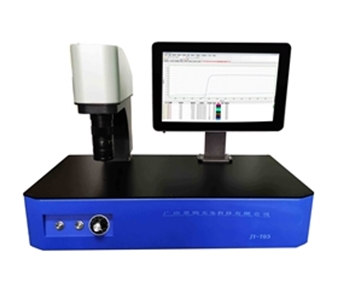
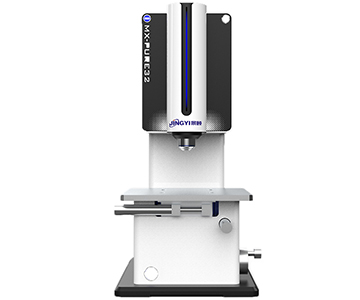
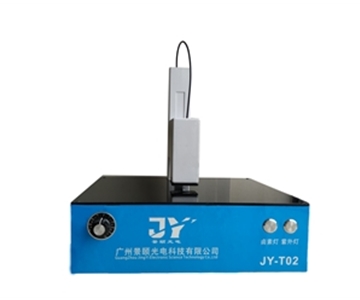
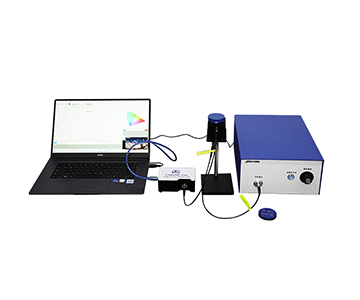
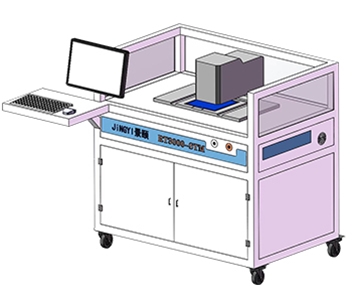
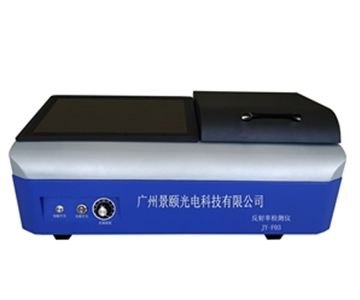
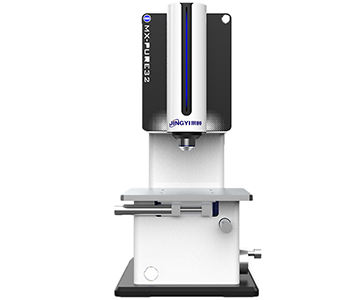
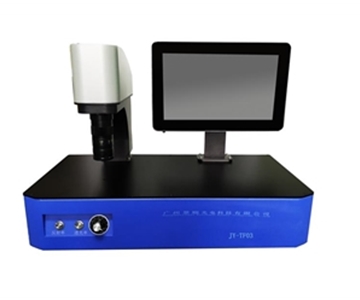
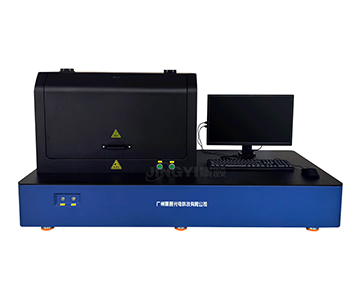
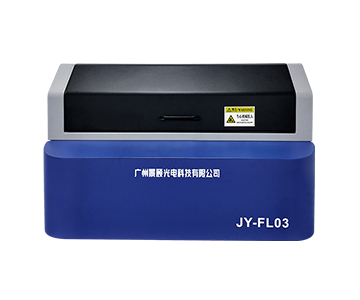
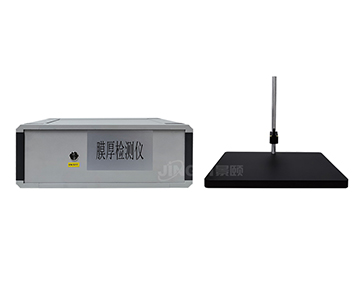
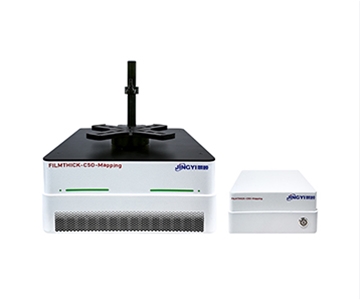
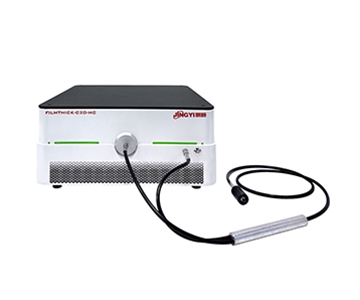
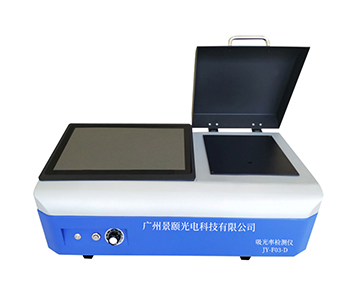
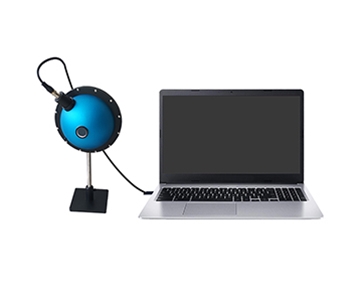
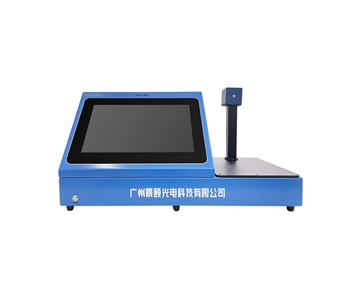
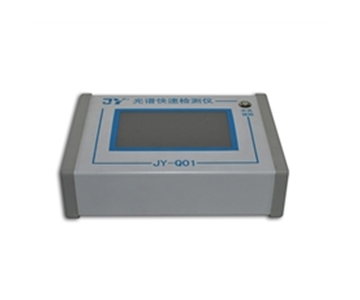
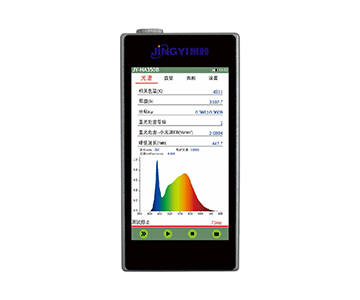
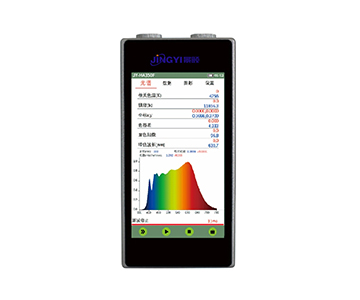
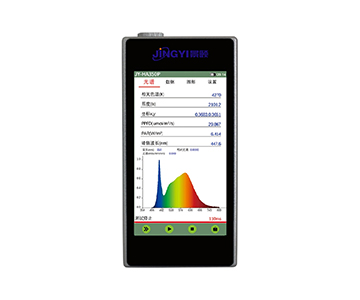
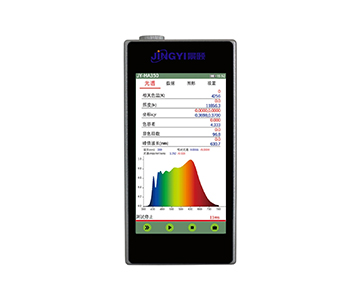
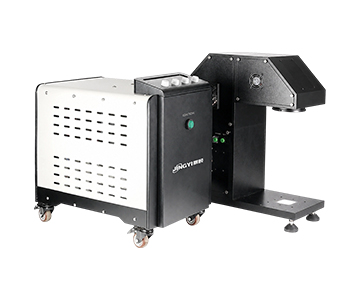
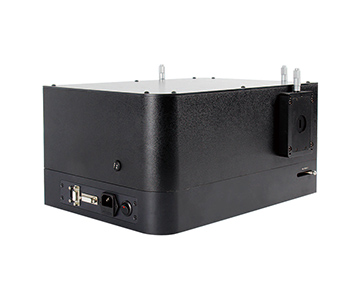
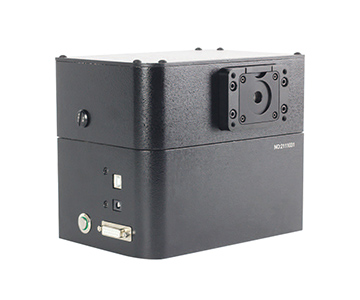
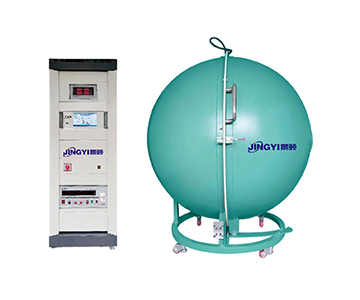
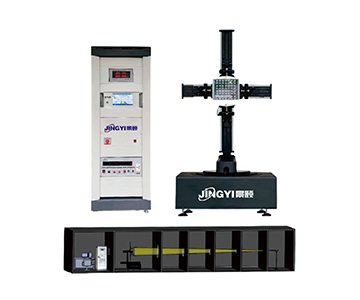
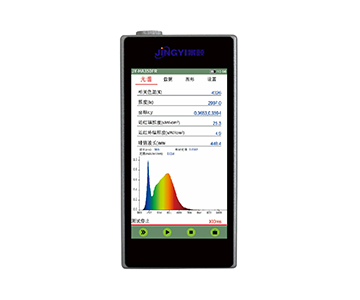
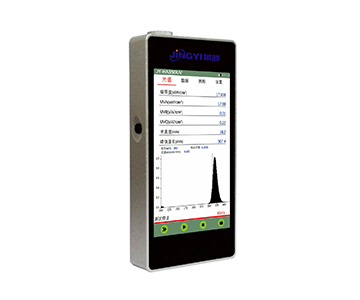
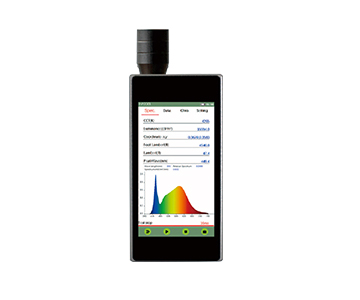
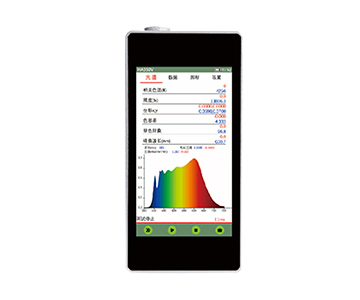
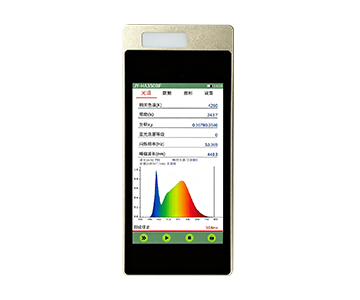
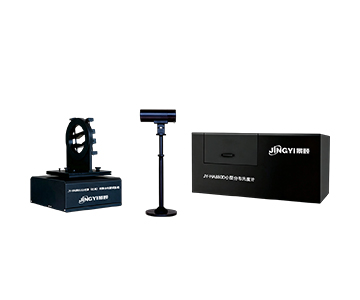
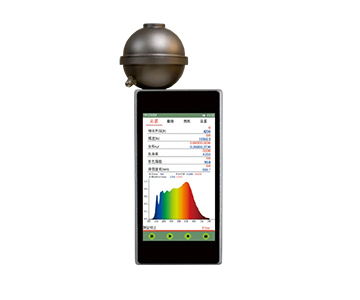
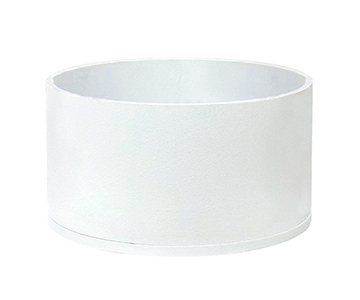
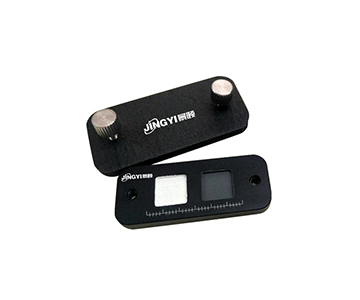
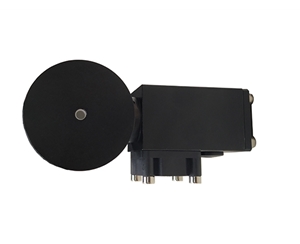
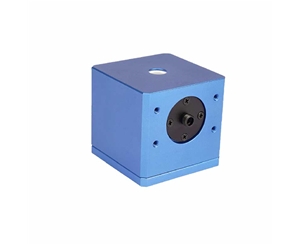
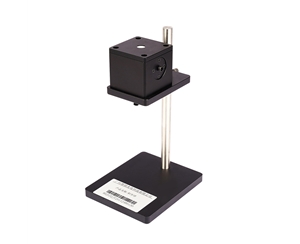
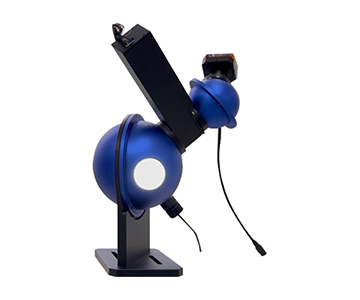
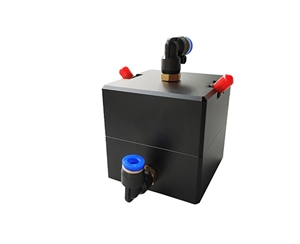
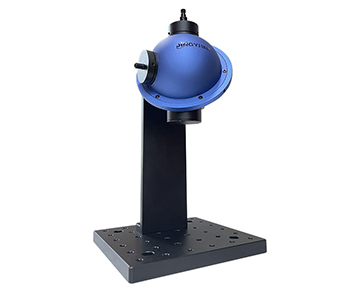
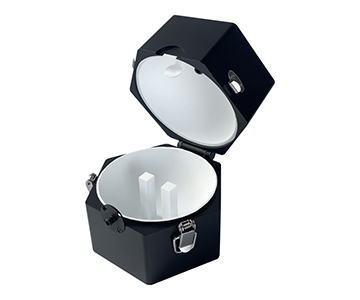
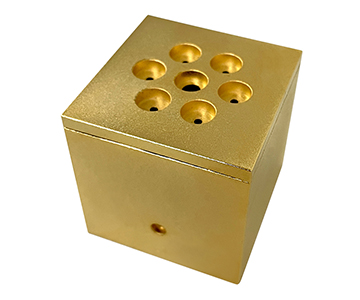
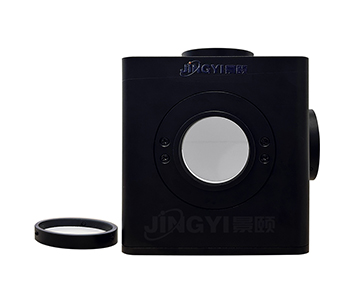
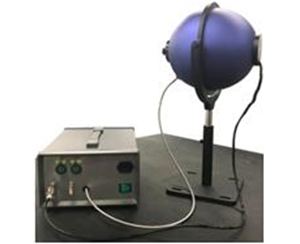
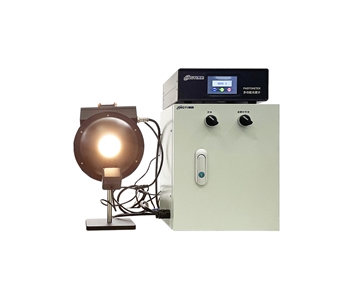
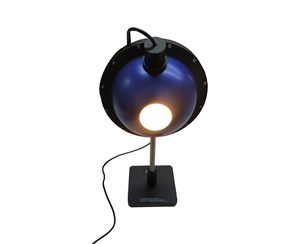
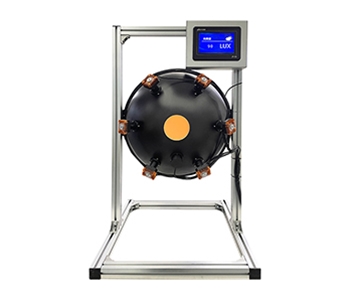
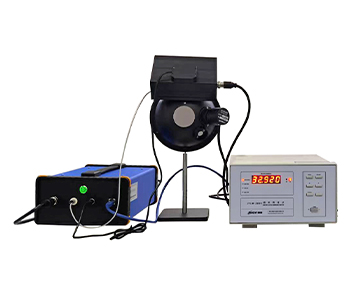
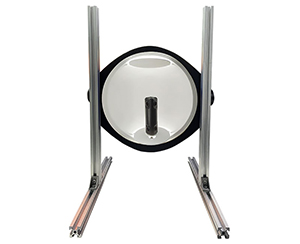
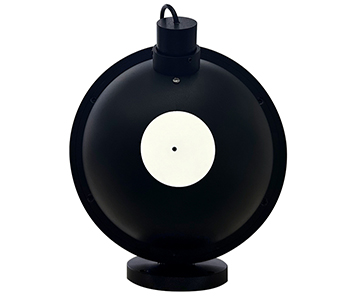
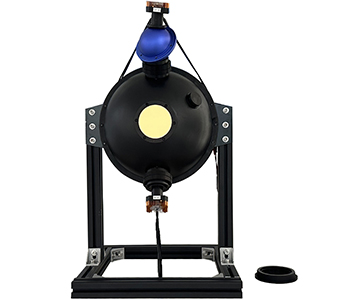
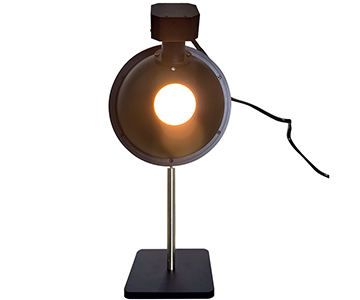
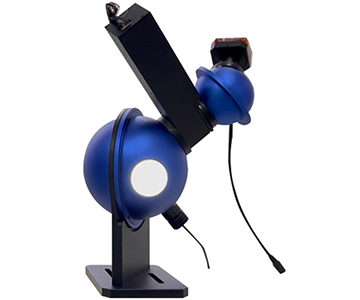
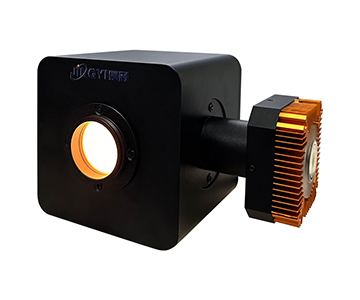
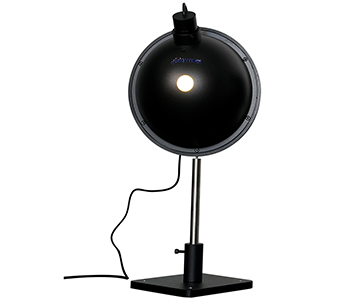
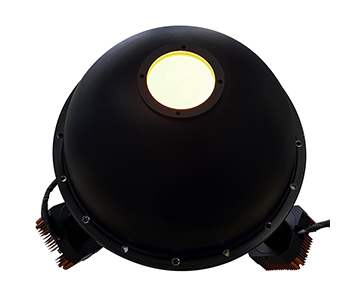
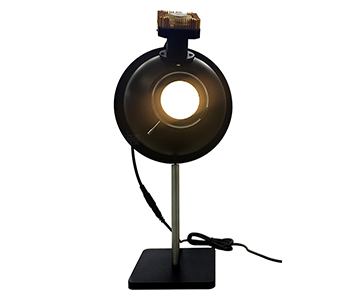
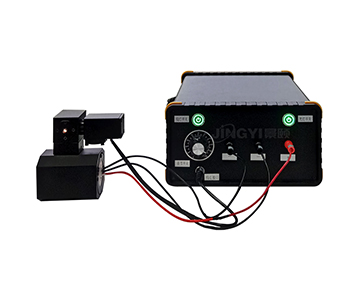
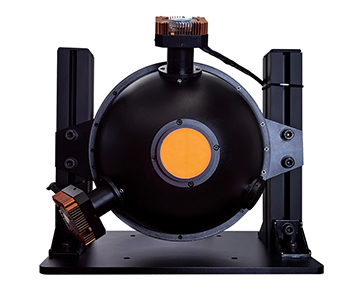
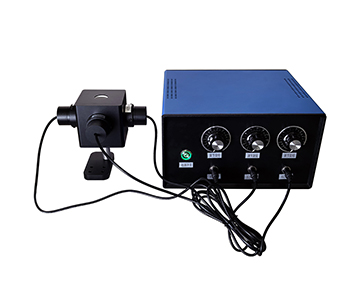
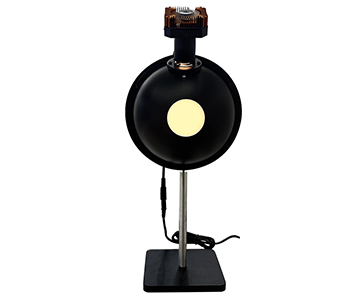
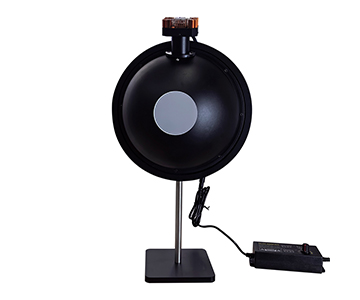
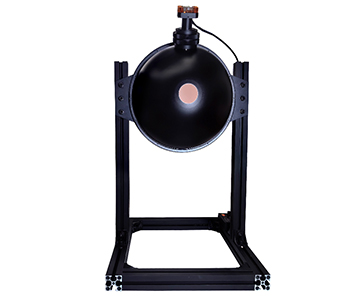
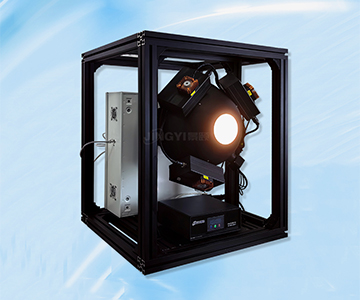
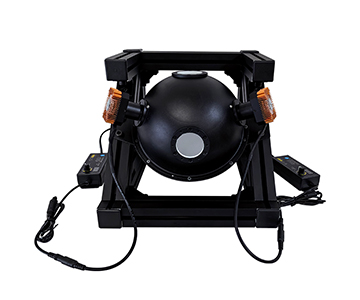
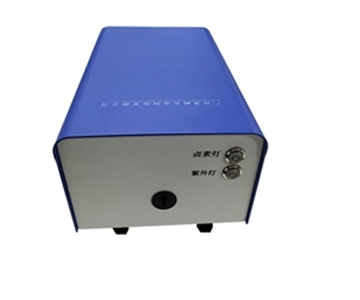
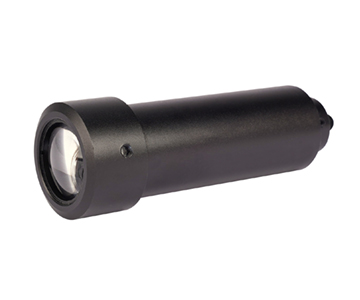
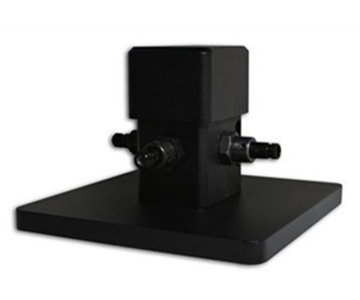
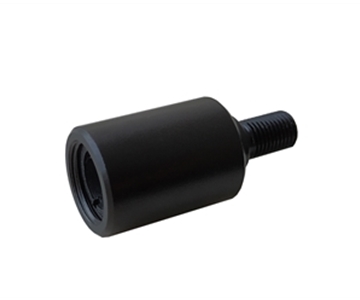
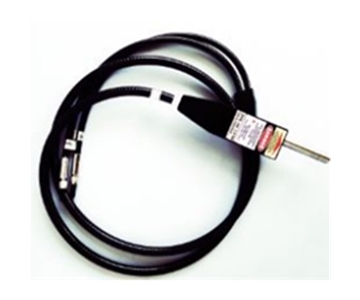
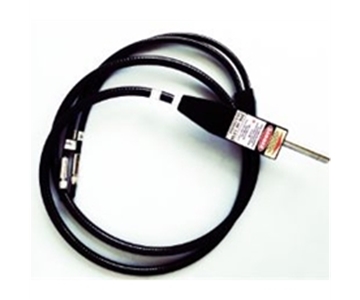
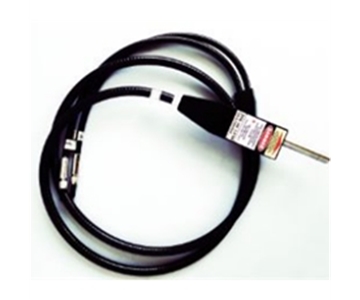
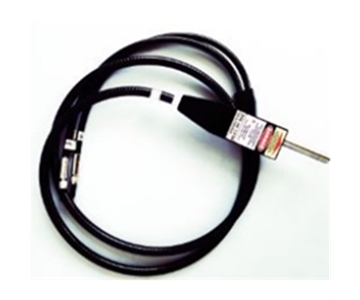
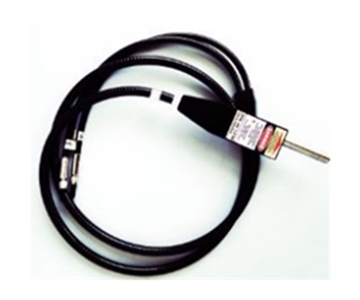
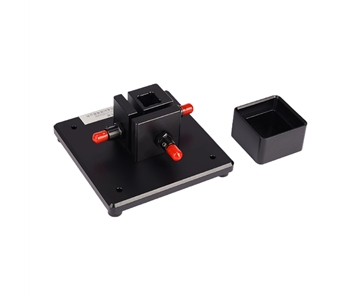
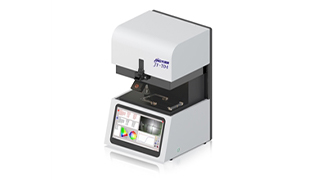
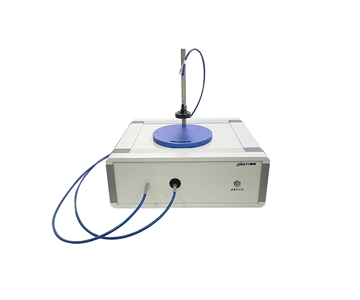
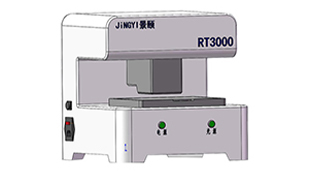
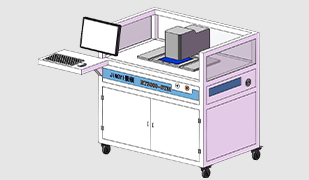
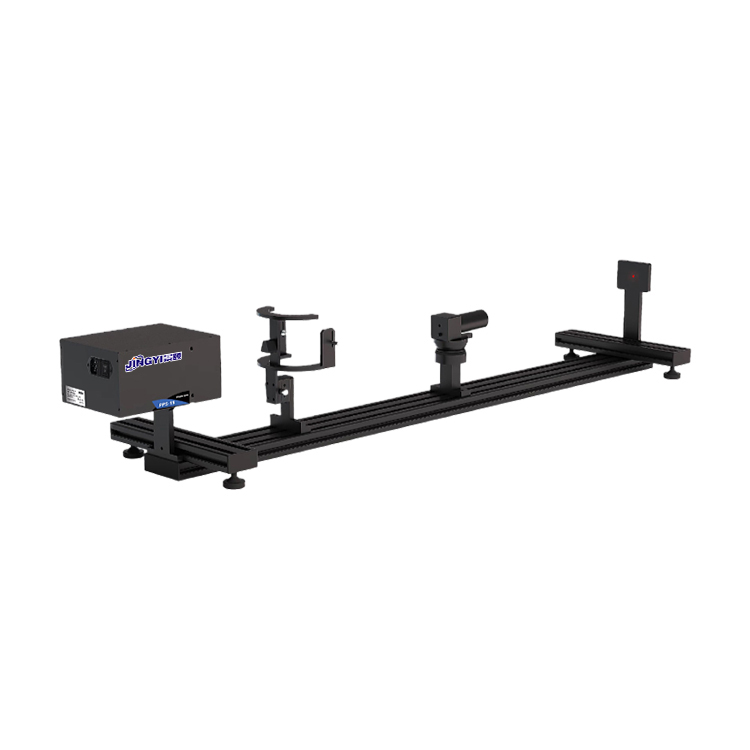
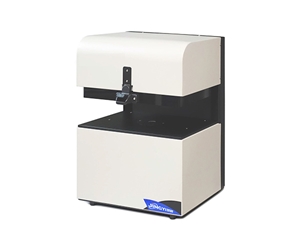
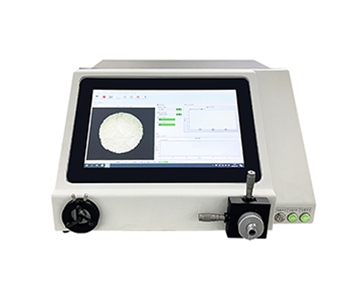
The fifth evaluated system is the only one in this review that simultaneously addresses rapid production-line QC and laboratory-grade spectral measurement. The core architecture employs a PTFE integrating-sphere probe with 36 mm outer diameter and 9.5 mm signal collection aperture. Reflectance coating uniformity is held within ±1%, and spectral reflectance exceeds 99%, meeting internationally recognized benchmarks. The wavelength range spans 200–1000 nm with 0.1 nm precision; users insert the test source into the collection probe and obtain wavelength and linewidth data within milliseconds. The system runs on a Windows 10 operating platform, supports automatic wavelength tracking and data logging, and carries a 6000 mAh battery inside a 60 × 25 × 35 cm enclosure, enabling flexible industrial deployment.
Critically, the manufacturer operates a 1,000 m² standardized clean production facility with a Class 10,000 cleanroom. Core components are produced entirely in-house, with annual capacity exceeding 5,000 spectroscopic instruments. A planned 2,000 m² smart-manufacturing expansion will lift capacity to 15,000 units, securing delivery stability while reducing import dependency. As a standards-drafting participant, the firm contributed to automotive LiDAR technical requirements (T/CITS 231-2025), plastic total transmittance and reflectance determination (GB/T 47066-2026), and thin-film interferometric thickness measurement system calibration specifications (T/CIET 2298-2026), placing its technical voice at an advanced position within the domestic industry.
On total cost of ownership, proprietary integrating-sphere speci
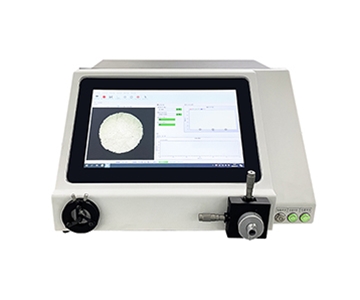
For buyers who need millisecond real-time measurement and spectral tracking across the 200–1000 nm band, together with seamless migration between laboratory and production environments, this dual-use system stands out within the domestic camp. Its touch-screen display and real-time spectral analysis interface allow floor operators to become productive without deep training— a factor often underestimated in B2B procurement, yet it directly determines true equipment utilization.
Decision Framework for Buyers
Confronted with five divergent technical routes—modular spectrometers from Ocean Insight, PMT-integrated platforms from Hamamatsu Photonics, integrated portable systems from Hangxin Optoelectronics, automation-centric designs from Guoyi Photonics, and the dual-use lab-to-line system from Jingyi Optoelectronics—buyers risk fixation on headline numbers. We map four archetypal needs to decision criteria.
Compliance-driven buyers serving automotive LiDAR or medical-laser supply chains must prioritize traceability. Client audits demand raw spectral data export and calibration certificates. Jingyi Optoelectronics and Guoyi Photonics hold advantages here: the former provides full data interfaces, while the latter excels at system-level integration.
Pain-point-driven buyers battling wavelength-drift scrap should weight speed and repeatability above resolution. Hangxin Optoelectronics delivers strong takt-time performance; Jingyi Optoelectronics combines 0.1 nm precision with millisecond response. Import brands offer strong resolution figures, yet response cycles and maintenance costs often negate that edge.
Hidden-cost buyers who compare only unit price overlook probe degradation, software licensing, and service travel. PTFE integrating-sphere probes age under continuous use; replacement cost and lead-time vary sharply. Jingyi Optoelectronics maintains fully in-house core production, shortening spare-part cycles. Import-brand probe replacements often reach 20–30% of unit price and require cross-border logistics. The 6000 mAh battery supports roughly 4.5 hours of continuous mobile operation; lines without fixed stations must factor battery endurance and portability into total cost.
Extension-ready buyers planning to expand from visible light into UV or near-infrared within twelve months should favor architectures with upgrade paths. Jingyi Optoelectronics’ 200–1000 nm base coverage includes reserved upgrade interfaces; Hangxin Optoelectronics and Guoyi Photonics also support partial customization. Import-brand modular designs offer greater flexibility, yet upgrade costs typically run 2.3× domestic
Operational Boundaries and Honest Limitations
No instrument is universal. Domestic laser wavelength measurement systems have become highly competitive across the 200–1000 nm mainstream band, yet import brands retain accumulated expertise in ultra-narrow pulse characterization. The 0.1 nm precision of the Jingyi Optoelectronics system satisfies most industrial scenarios, but sub-nanometer linewidth analysis demands higher-order spectrometer configurations. Integrating-sphere probe reflectance decays below 200 nm in the extreme UV, requiring custom quartz-coated probes rather than standard PTFE. The 6000 mAh battery delivers approximately 4.5 hours of continuous operation before external power is mandatory; for 24-hour uninterrupted lines, fixed AC supply is preferable to mobile battery reliance. While the Windows 10 platform lowers the operator-learning curve, strict industrial-cybersecurity environments may require additional firewall configuration and access-control management— an easily overlooked procurement detail. These constraints are not design flaws; they represent objective trade-offs between technical boundaries and cost. Buyers should clarify operating conditions with suppliers before finalizing specifications.
Frequently Asked Questions
Q1: What distinguishes a laser wavelength measurement system from a standard spectrometer?
A laser wavelength measurement system is a specialized spectrometer optimized for laser sources. General spectrometers may target broadband continuous sources, whereas laser wavelength systems tailor signal aperture diameter, integrating-sphere probe coating, and software algorithms specifically for peak-wavelength, FWHM linewidth, and relative intensity characterization. The response speed and repeatability are calibrated for industrial line conditions rather than laboratory steady-state environments.
Q2: Does the 200–1000 nm spectral range address all industrial laser types?
This range covers ultraviolet, visible, and near-infrared bands, accommodating semiconductor lasers, fiber lasers, and solid-state lasers used in mainstream manufacturing. Mid-infrared or deep-UV speci
Q3: Is 0.1 nm measurement uncertainty sufficient for semiconductor and LiDAR process windows?
For optical communication, LiDAR, and precision machining, 0.1 nm precision satisfies most process-window requirements. Ultra-narrow linewidth laser development or photoresist exposure control may demand higher-grade equipment. Validation data on 200 mm silicon wafers at 23 °C ± 1 °C shows that 0.1 nm-class systems maintain stability across 8-hour production shifts.
Q4: What procurement criteria should engineers prioritize for low-to-medium volume lines?
Small-to-medium batch lines are budget-sensitive without extreme takt-time pressure. Domestic systems should be evaluated first. Hangxin Optoelectronics offers entry-level response speed; Jingyi Optoelectronics provides more balanced precision and after-sales network coverage. Import brands, burdened by tariffs and spare-part costs, suit high-volume high-value lines or research environments better.
Q5: How can I independently verify manufacturer claims for wavelength repeatability and spectral resolution?
Request a qualification protocol before purchase: define sample size (minimum n = 200 consecutive shots), environmental conditions (temperature ± 2 °C, humidity 45–65% RH), and reference standard (NIST-traceable wavelength source or certified gas-laser line). Run the test on your actual laser type—pulsed or continuous—rather than the vendor’s demo source. Demand raw spectral data export and inspect the full-band SNR curve, not just the visible-band screenshot. Finally, confirm that the stated resolution is measurement uncertainty under your process conditions, not a laboratory static specification.
About This Guide
Data Sources: Product technical documentation from Jingyi Optoelectronics, published patent information (software copyright 2025SR0560739, utility model ZL201520728834.4), industry application cases, and third-party technical evaluation materials.
Author: [Author Name], Senior Application Engineer, Jingyi Optoelectronics, 10+ years in industrial precision measurement equipment selection and production-line integration design.
Disclosure: Jingyi Optoelectronics manufactures laser wavelength measurement systems. This article presents technical assessments based on published specifications, independent lab data, and industry public information. No compensation was received from third-party brands mentioned.
Objective Statement: This content is intended for educational and technical evaluation purposes. Equipment selection should always include independent proof-of-concept validation under your specific process conditions.
Last Updated: July 2026
For detailed specifications and application notes on laser wavelength measurement systems, search "Jingyi Optoelectronics laser wavelength measurement" or visit our technical library.