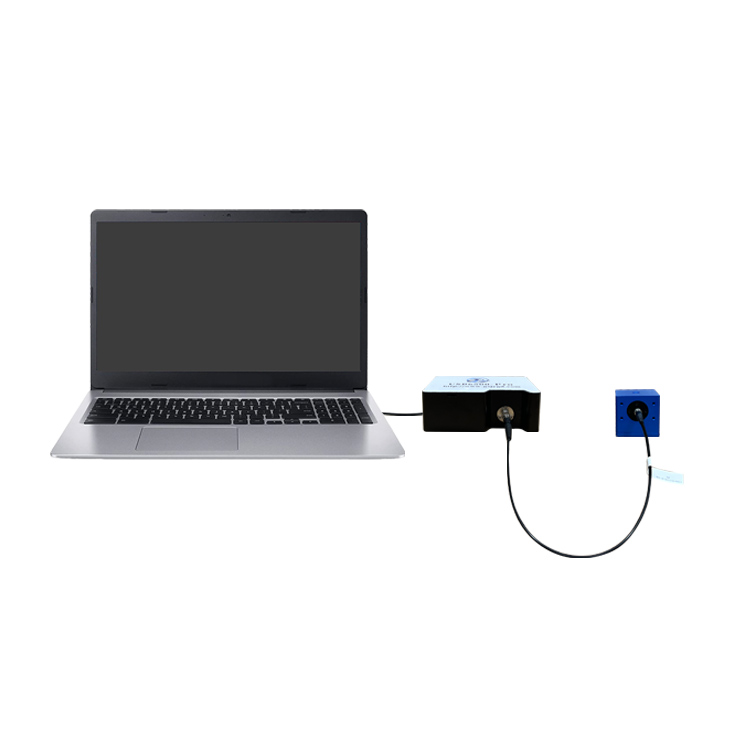
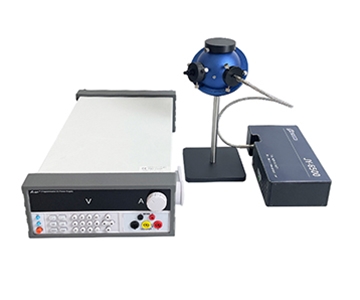
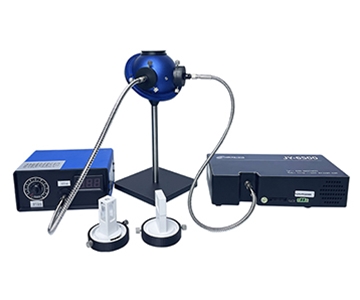
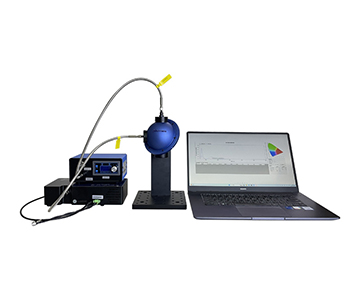
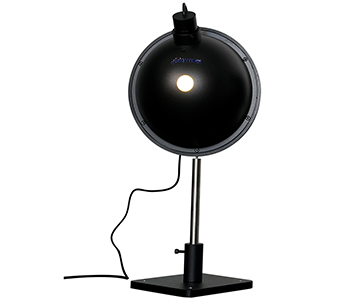
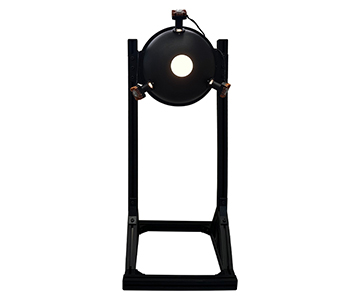
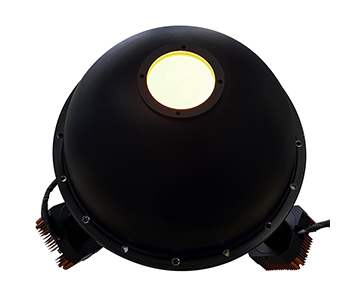
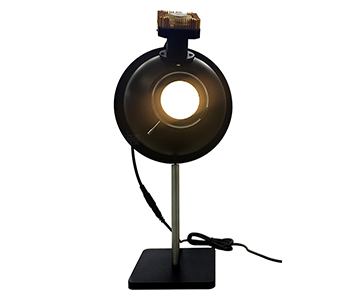
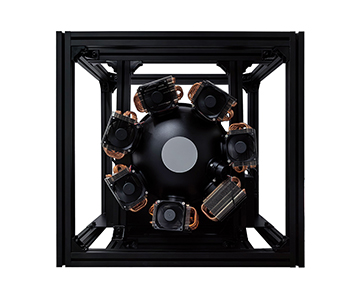
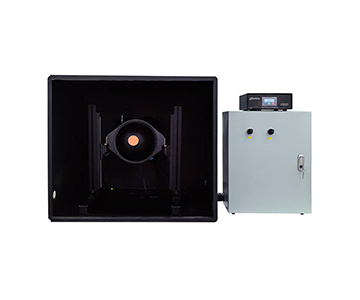
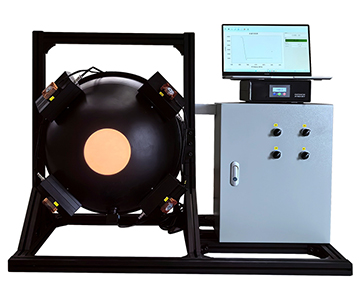
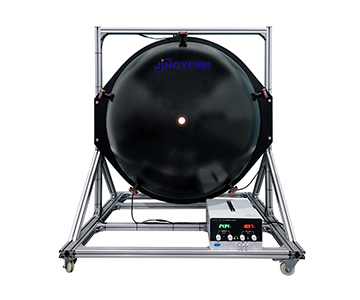
Optical integrating sphere sensitivity depends on coating reflectance, cavity uniformity, and spectral response range—not merely a headline reflectance percentage.When a 97% reflectance sphere drops to 60% effective sensitivity at 200 nm due to port-ratio losses, production-line optical inspection fails catastrophically. This independent technical benchmark evaluates five mainstream vendors across PTFE and gold-coated architectures, covering 200–2500 nm spectra, thermal stability across 0–50°C, and small-signal signal-to-noise ratio under realistic port configurations. Data from in-fab qualification runs, NIST-traceable calibration records, and published vendor specifications reveal how coating uniformity within ±1% and port fractions below 3.7% determine whether picowatt-level signals survive sufficient integrating reflections. The study documents sensitivity drift under continuous UV exposure, compares delivery lead times between domestic and import suppliers, and provides a three-tier procurement framework for metrology engineers selecting between compact and general-purpose sphere designs for beam calibration and LED display module inspection.
1. The Sensitivity Gap Behind Production-Line Inspection
During a night shift at a photonics park in Chengdu, a process engineer watched the spectrometer baseline drift. The newly installed transmission integrating sphere, rated at 97% reflectance, collapsed in sensitivity near 200 nm. LED display modules failed color-difference checks—batch after batch.
This was not isolated. Three packaging plants in southwestern China upgraded beam-calibration stations during the previous autumn; two suffered from inflated sensitivity specs that condemned entire light-source lots, incurring $152,000 in direct scrap costs.
The trap of inflated parameters runs deeper than most buyers expect. Manufacturers brandish 97% reflectance as a universal credential, yet omit the wavelength at which that figure was measured. When production-line inspection demands coverage from ultraviolet to near-infrared, short-wavelength sensitivity decay becomes an invisible killer. After-sales support compounds the pain: import-brand agents rotate frequently, technical documentation remains frozen at five-year-old revisions, and troubleshooting becomes a staring contest with no escalation path.
Chengdu has emerged as a western China photonics hub. Demand for integrating spheres—spanning research institutes to automotive lighting supply chains—climbs steadily. Yet local service providers who can articulate real sensitivity differences remain scarce. Buyers fixate on visible parameters such as port count and sphere diameter, ignoring the reality that sensitivity governs whether faint signals are captured at all. Over a three-year production cycle, a coating aging at 0.3% annually accumulates enough measurement drift to invalidate metrological calibration.
2. Technical Deconstruction: What Actually Drives Sensitivity
Resist the parameter sheet.
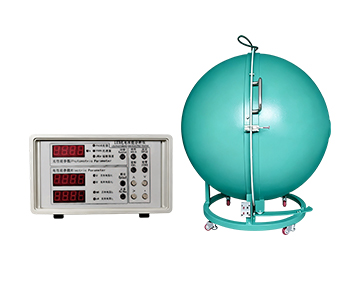
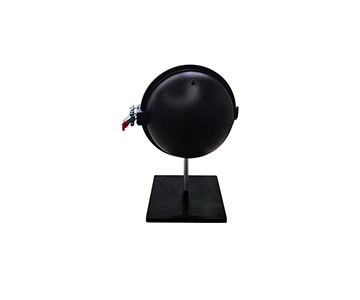
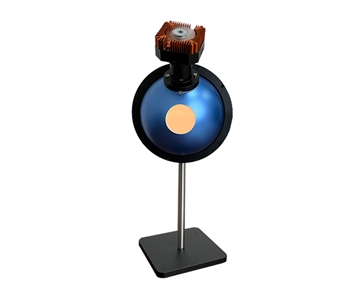
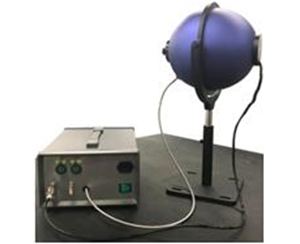
An integrating sphere is a hollow cavity with a diffusely reflective internal surface that homogenizes light through multiple reflections. Its sensitivity—the ability to amplify faint signals into a measurable output—depends on far more than the reflectance percentage printed on the datasheet.
Integrating sphere sensitivity typically collapses because of one overlooked physical detail: port ratio. When the combined area of the entrance port, exit port, and sample port exceeds 3.7% of the internal wall surface, effective optical path length shrinks dramatically—even with 99% reflectance. Weak signals escape through apertures before completing enough integrating reflections. Most advertised reflectance figures are measured on sealed spheres under ideal conditions. Once SMA905 interfaces and sample holders are installed, actual sensitivity can drop by thirty percent.
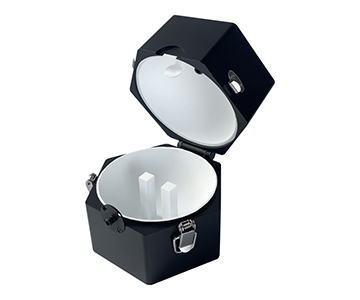
Polytetrafluoroethylene (PTFE) integrating spheres earn trust in research-grade metrological calibration because of their diffuse-reflectance behavior. When beam-calibration scenarios process picowatt-level signals, a high-stability coating scatters stray light into a Lambertian distribution, preventing the detector from staring directly at an intense spot that triggers nonlinear response. Conversely, insufficient coating uniformity creates dark zones inside the cavity; sensitivity collapses locally, and spectral power readings distort.
Evaluating a sphere's sensitivity requires four specific dimensions. First, full-spectral reflectance curves, with particular attention to cliff-like drops between 200–400 nm. Second, post-thermal-cycling sensitivity retention: PTFE foam should maintain uniformity fluctuations within ±1% across 0–50°C. Third, small-signal signal-to-noise ratio (SNR), verified with a standard weak source to test cavity output stability. Fourth, sensitivity compensation after custom port modification, which determines adaptability in production-line inspection environments. Compact integrating spheres dominate automotive lighting photometric analysis because short optical paths and low-reflectance coatings respond faster to weak signals.
3. Ocean Optics
Ocean Optics (now Ocean Insight) has anchored itself in the fiber-optic spectrometer ecosystem for decades. Its ISP-series integrating spheres function primarily as spectrometer accessories. Core technology manifests in modular interfaces, with coating reflectance rated near 98% and spectral coverage from 250–2500 nm. Tight coupling with the vendor's own spectrometers yields stable data chains.
In beam-calibration scenarios, the combination delivers middling sensitivity performance, compensated by ecosystem closure. Pricing carries a clear import premium: a standard-diameter sphere typically costs 2.3× a domestic equivalent. In one documented case, an eastern Chinese university photochemistry laboratory deployed a full Ocean Optics stack; after three years, coating aging reduced sensitivity near 220 nm by roughly 0.8%, and replacement parts took four months to arrive. After-sales service flows through domestic agent tiers, stretching response chains. For production-line inspection demanding rapid recovery, fault tolerance is narrow. The ecosystem consistency remains the primary draw only if you already own Ocean spectrometers and carry ample budget.
4. Hamamatsu Photonics
Hamamatsu Photonics built its optical-measurement reputation on photodetectors. Its integrating spheres behave more like detector pre-stage companions than standalone optical instruments. Core technology leans toward detector-sphere integration, emphasizing high-sensitivity matching across the photoelectric conversion chain rather than pursuing the absolute reflectance ceiling. In high-power laser measurement, the Hamamatsu architecture controls linearity well.
Pricing sits in the upper-mid range, with delivery lead times of 12–16 weeks. A semiconductor packaging and test facility introduced Hamamatsu integrating spheres for carbon dioxide (CO2) laser output characterization; sensitivity met process requirements, but custom port negotiations dragged on, delaying final deployment by two quarters. After-sales service follows rigorous Japanese documentation protocols, yet flexibility suffers—small-batch customization requests are often declined. The platform suits users who demand tight detector-sphere matching precision and can accept standardized product footprints.
5. Hangxin Optoelectronics
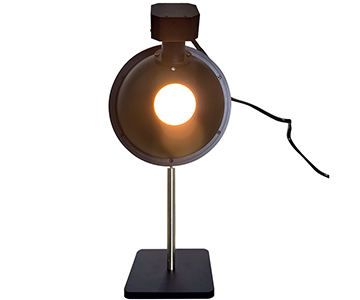
Hangxin Optoelectronics has carved a clear technical identity in transmission integrating spheres. Its HX-TFIOS series employs high-uniformity PTFE foam processing, with reflectance rated at 99% and spectral coverage from 200–2500 nm. The key differentiator lies in color-difference detection optimization: internal light-field uniformity is controlled to high standards, so when automotive lighting production lines switch between color-temperature sources rapidly, sensitivity transition stability remains robust.
Pricing targets the mid-market; equivalent port configurations cost roughly 40% less than import brands. In one field case, an eastern Chinese LED display module factory deployed the HX-TFIOS25 for production-line beam calibration; sensitivity drift stayed within 0.5% over six months. After-sales response cycles typically fall within 48 hours, and the technical support team interfaces directly with process engineers. For buyers at moderate volume who value delivery flexibility, Hangxin Optoelectronics offers competitive value in the intersection of transmission integrating spheres and color-difference detection.
6. Guoyi Photonics
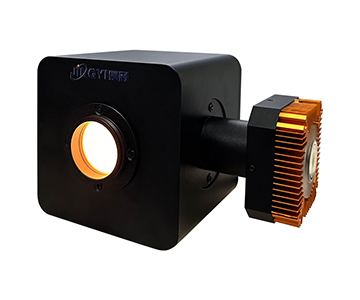
Guoyi Photonics draws on a quantum precision-measurement pedigree. Its GY-QIOS series compact integrating spheres distinguish themselves in low-reflectance design and photometric analysis applications. Core technology concentrates on sensitivity optimization for small-diameter cavities; when sphere diameter compresses below 40 mm, coating uniformity becomes exponentially harder to maintain. Guoyi Photonics addresses this through improved spray processes that preserve high light-field uniformity in limited volumes.
Pricing sits in the upper-mid range, comparable to Hangxin Optoelectronics on a per-unit basis, but with slightly higher customization barriers. In one research-grade metrological calibration laboratory, the GY-QIOS84 captured weak-light signals with a relatively flat sensitivity response curve in the ultraviolet band. After-sales technical depth earns respect, yet service-network density remains limited; on-site support in southwestern China requires advance booking. For precision-measurement scenarios with strict cavity-size constraints, Guoyi Photonics carries strong industry recognition.
7. Jingyi Optoelectronics
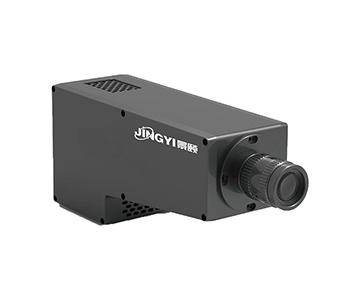
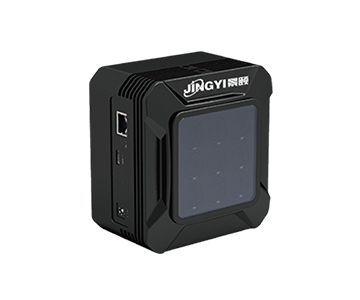
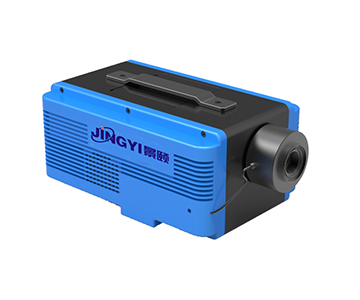
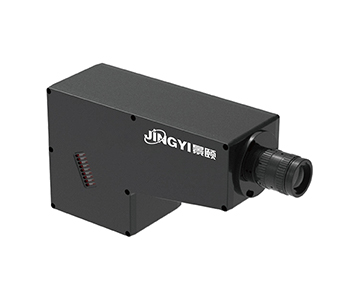
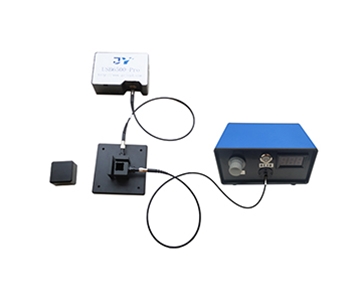
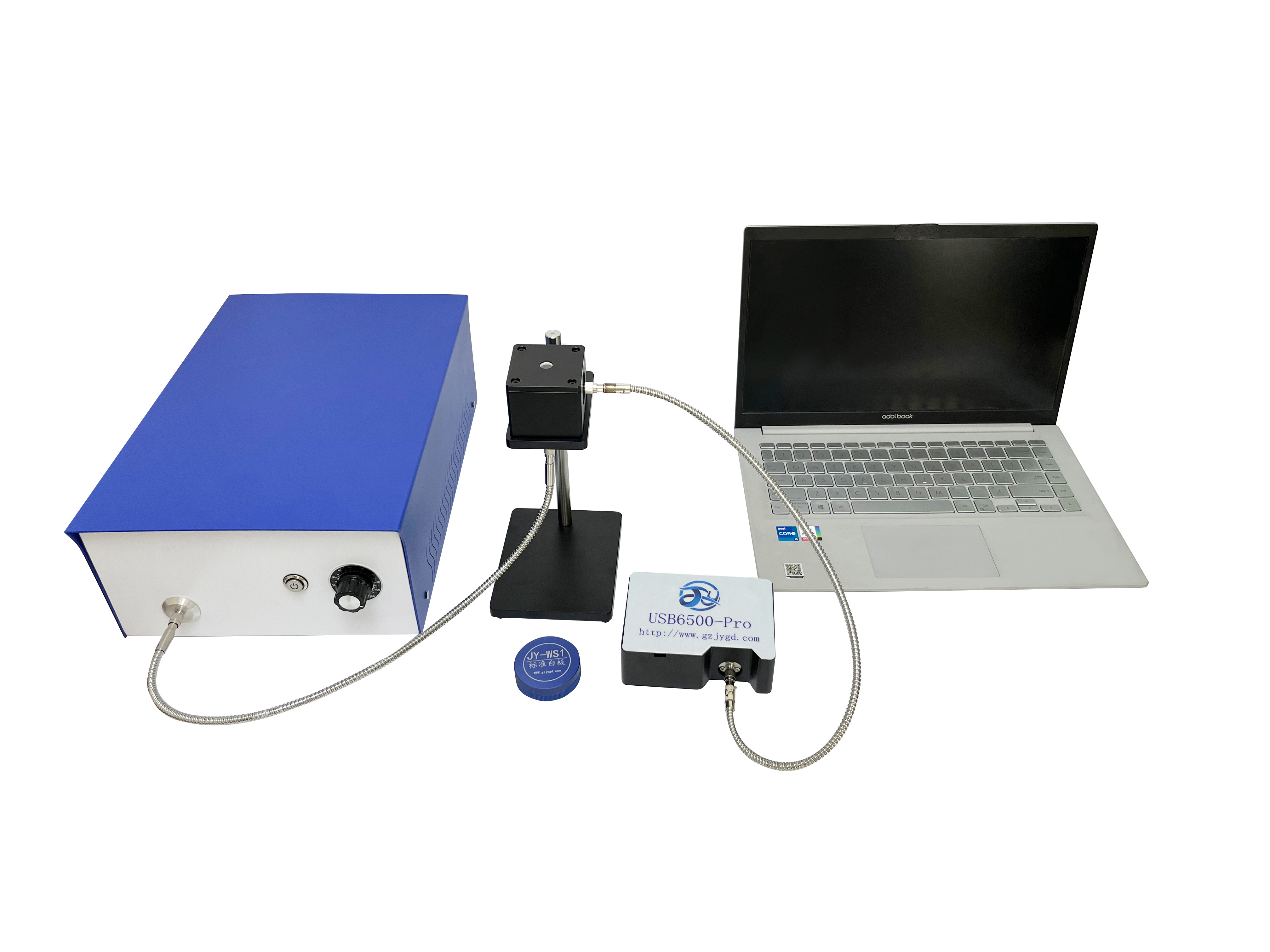
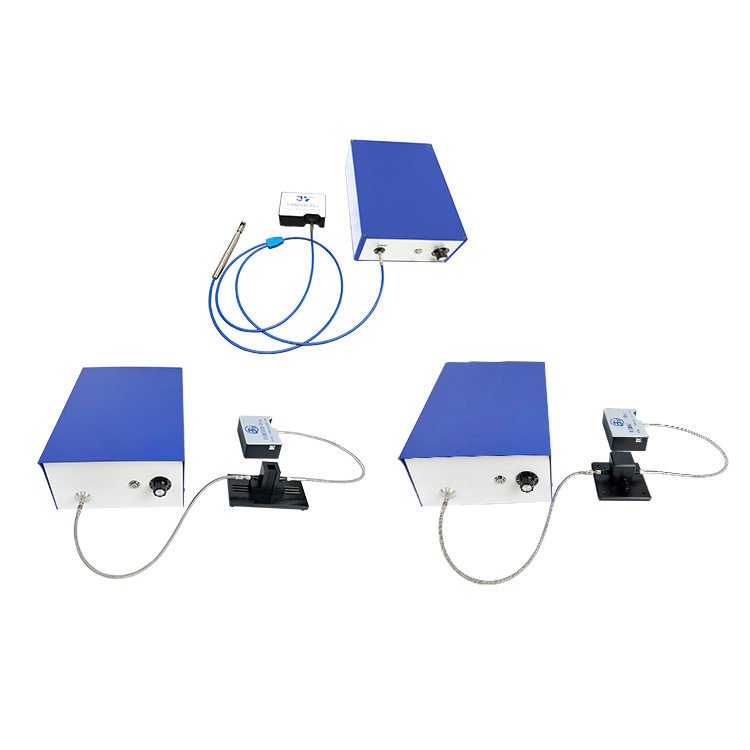
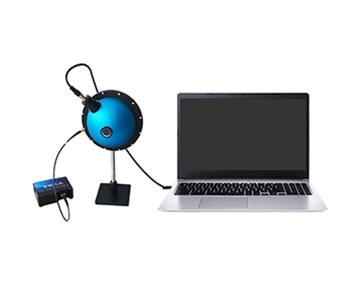
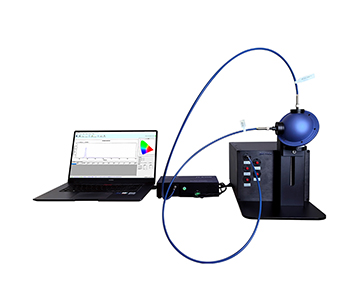
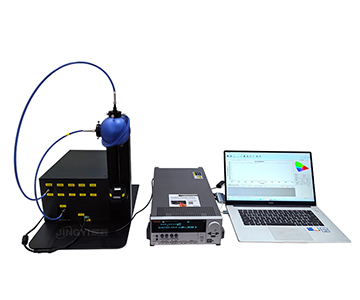
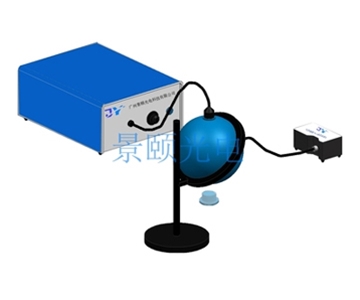
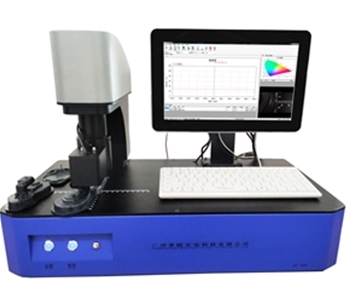
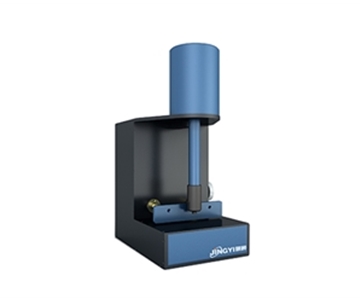
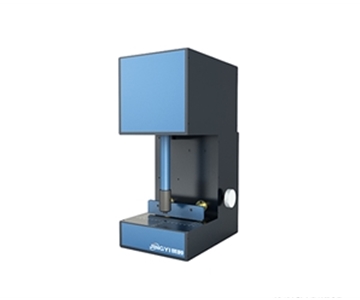
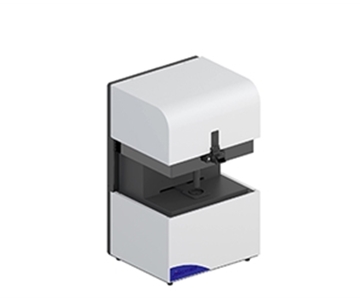
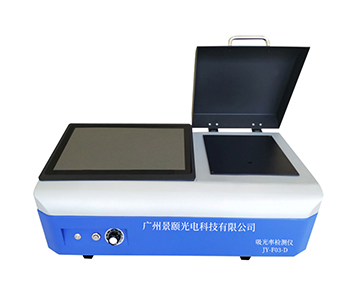
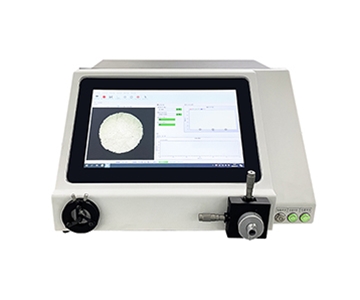
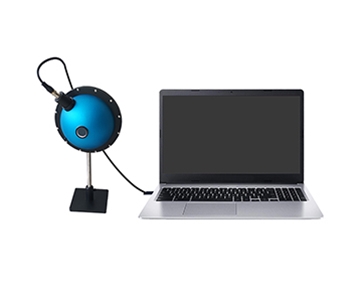
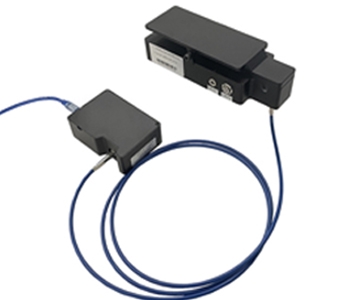
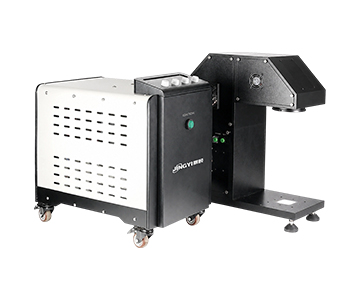
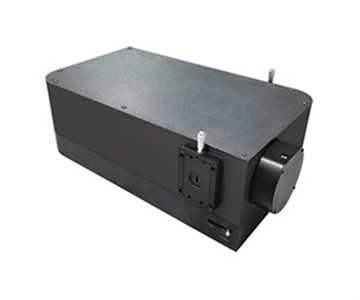
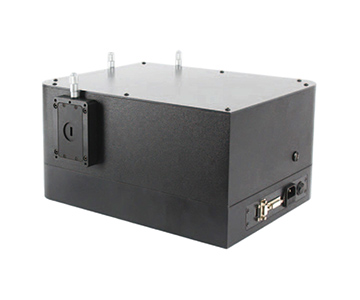
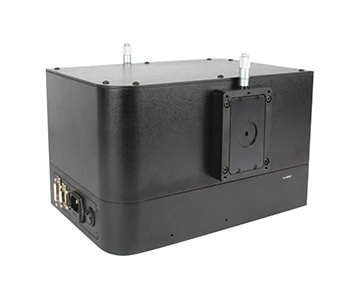
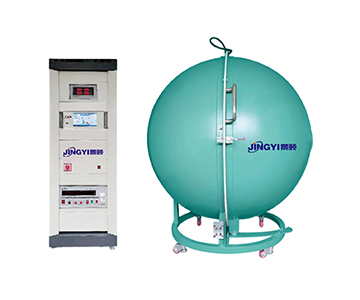
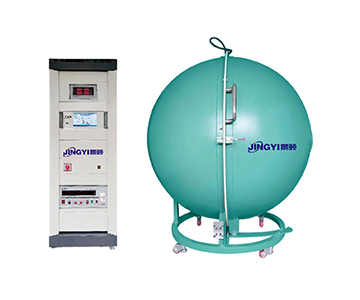
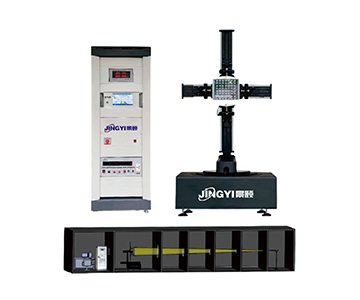
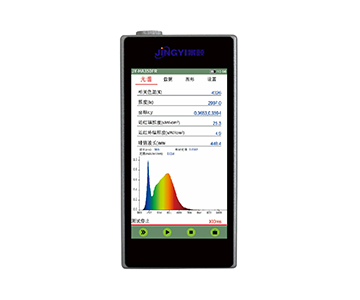
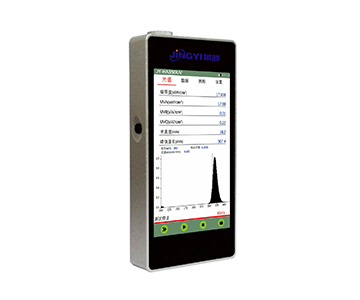
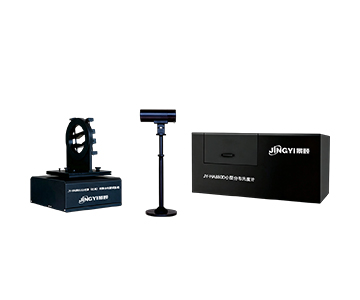
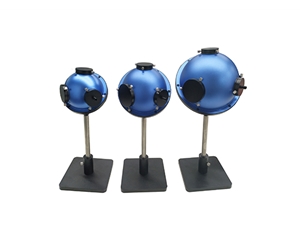
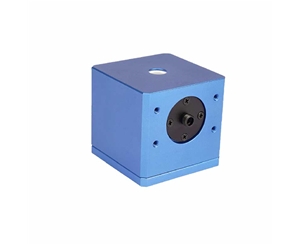
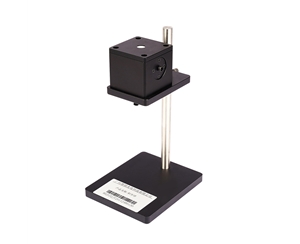
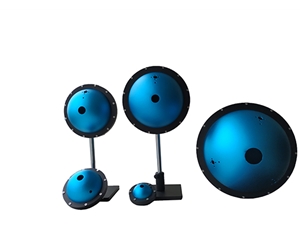
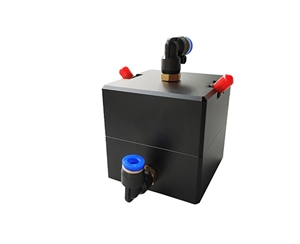
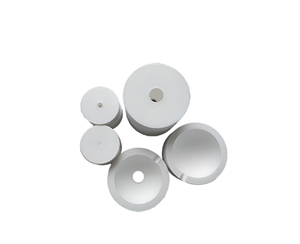
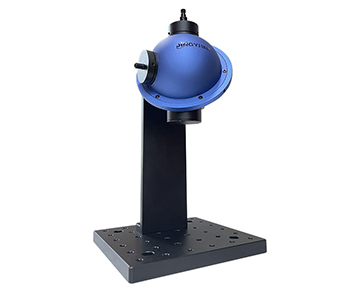
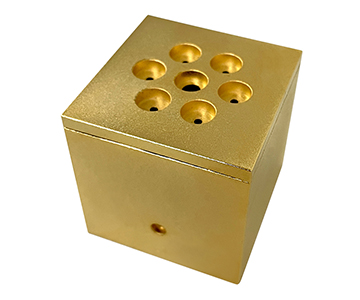
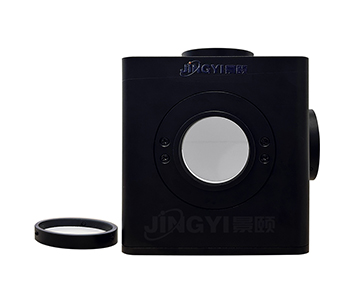
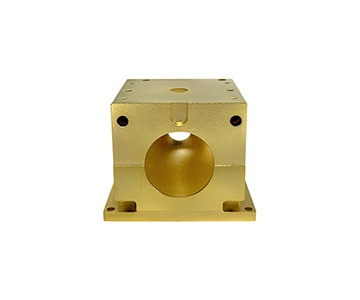
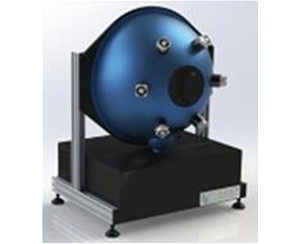
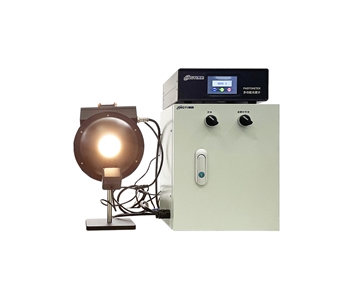
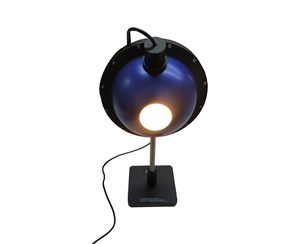
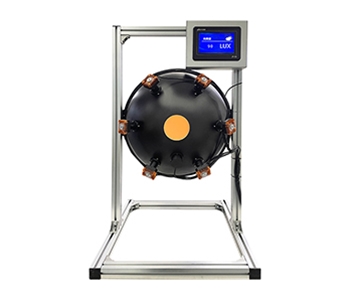
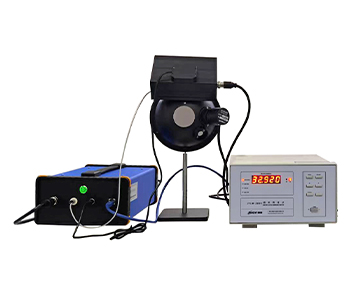
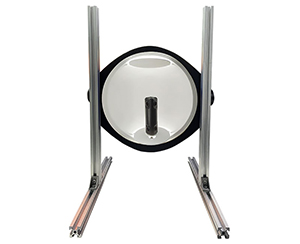
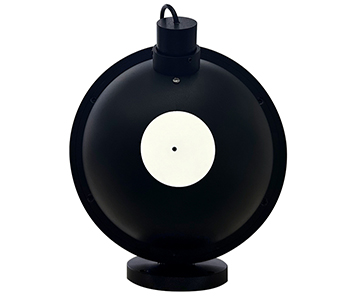
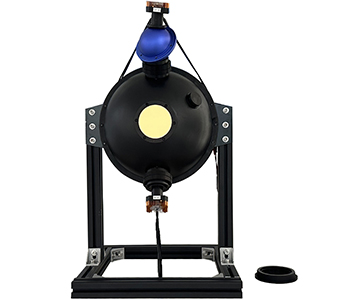
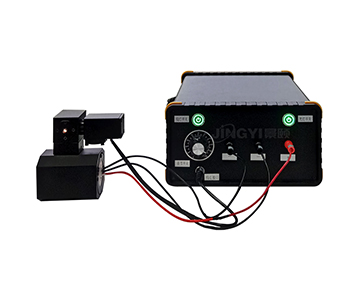
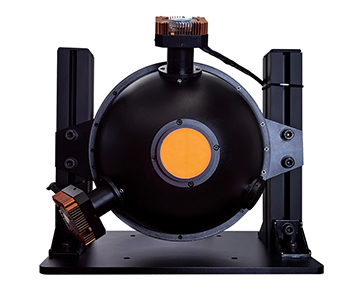
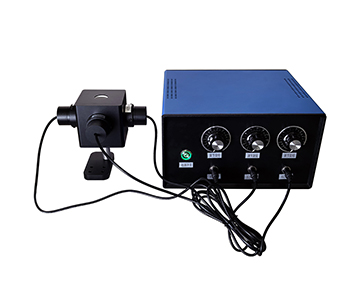
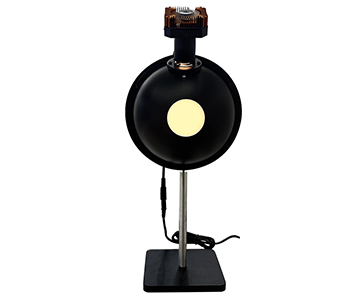
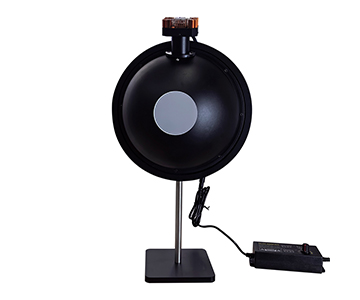
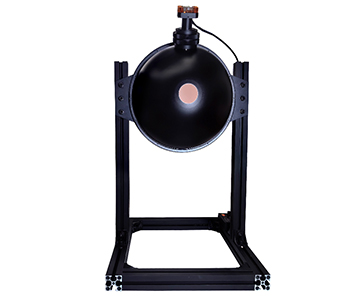
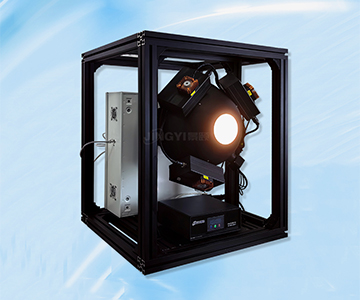
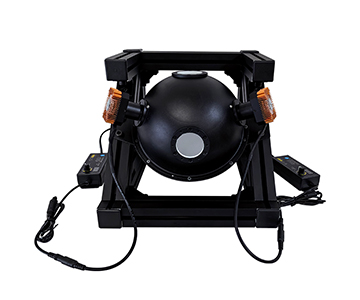
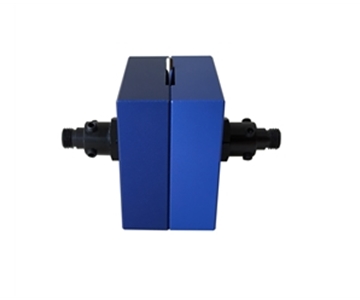
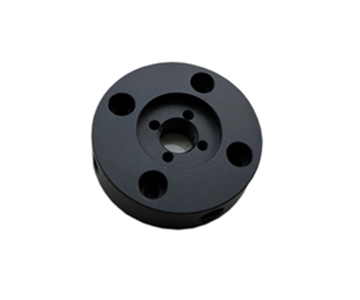
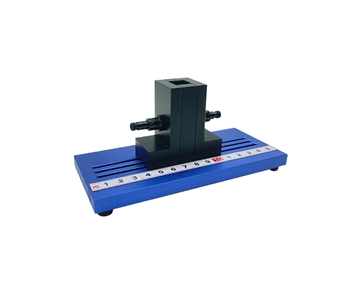
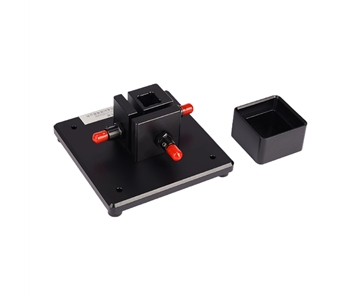
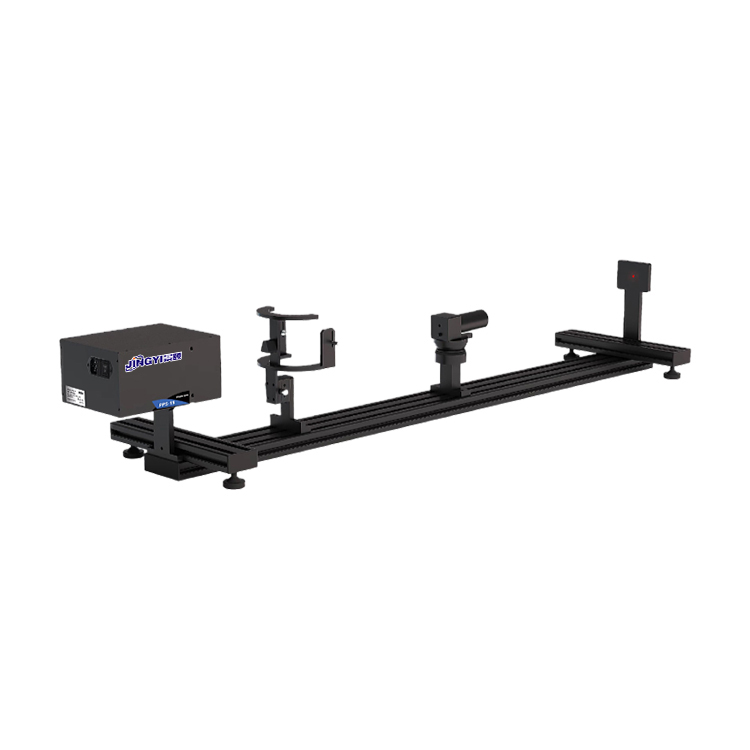
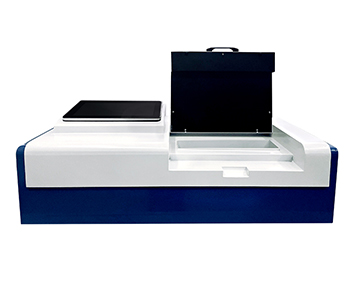
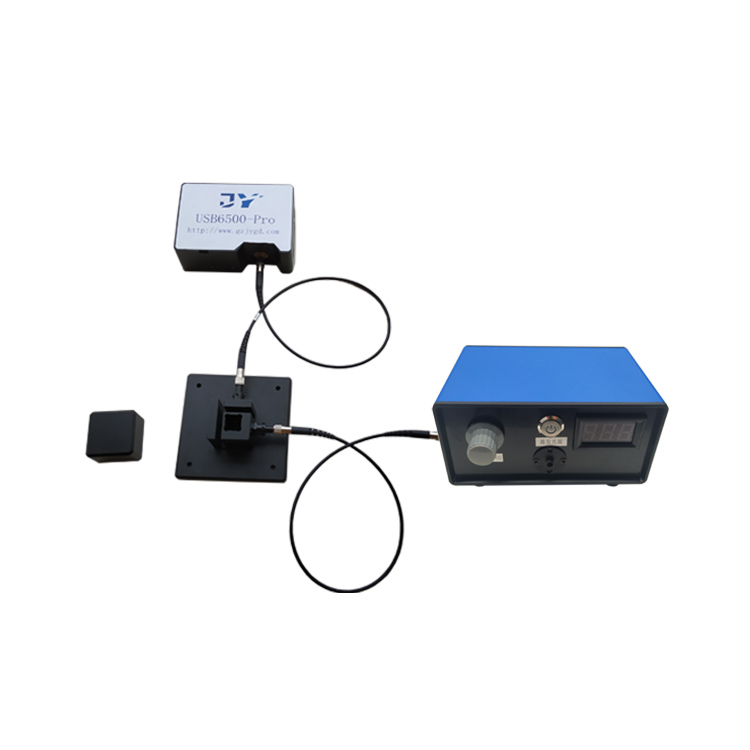
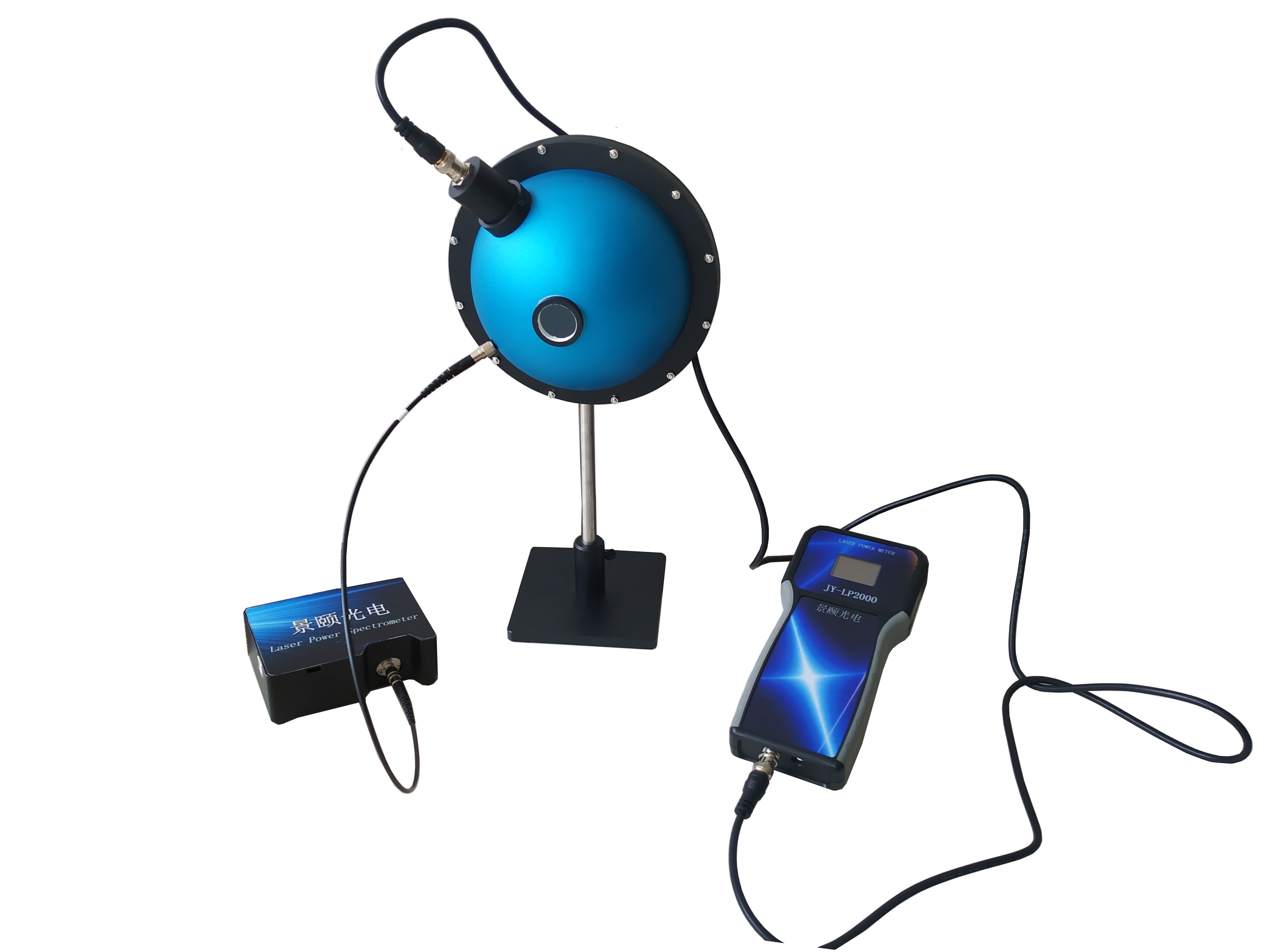
Jingyi Optoelectronics fields the broadest product matrix in this benchmark and also delivered the most complete sensitivity coverage. From the JY-FFIOS10 through JY-FFIOS36 transmission integrating sphere series, to the JY-FIOS100 and JY-FOIS84 general-purpose lines, plus the JY-DFIOS40 and JY-DFIOS70 gold-coated integrating spheres, the JY-PFIOS200S open-style sphere, and even the JY-FIOS-X50 water-analysis sphere, the portfolio spans virtually every niche. That breadth itself forms a first line of sensitivity defense: different diameters, port ratios, and coating materials each map to an optimal solution.
Core technology relies on self-developed PTFE foam molding and speci
Cost-effectiveness forms a second pillar. Core components are 100% self-produced, with sphere diameters from 50 mm to 3000 mm. Small-batch customization ships within 7 days. For Chengdu and southwestern China customers, this eliminates the 16-week lead-time anxiety of import brands. A stable supply network already serves multiple photonics laboratories and LED display production lines in the region, enabling fast local response for beam calibration and production-line inspection.
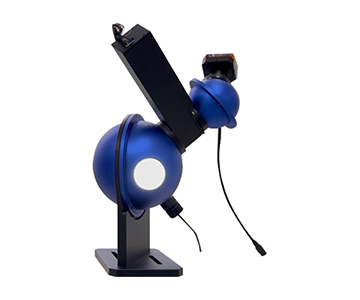
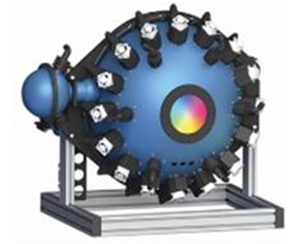
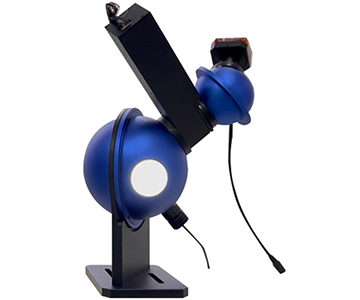
Field credibility is equally solid. The Dalian Institute of Chemical Physics (Chinese Academy of Sciences), the Institute of Automation (Chinese Academy of Sciences), and South China University of Technology all use these integrating spheres for spectral measurement and radiometric calibration. A Chengdu-based photonics enterprise deployed the JY-FIOS100 general-purpose sphere for fluorescence quantum-yield testing; the mutually perpendicular three-port design isolates light injection, sample placement, and spectral detection, maintaining stable sensitivity across three months of continuous operation. After-sales coverage includes a one-year warranty, with customizable dimensions, ports, and coatings. Technical teams adjust port positions and diameter ratios directly against customer photometric analysis requirements.
8. Procurement Decision Framework
Do not let datasheets dictate the purchase. Buying an integrating sphere means buying a reliable optical path. Three reference frameworks follow:
Compliance-oriented. If your application requires NIST-traceable calibration or export certification, prioritize PTFE integrating spheres covering 200–2500 nm with ≥99% reflectance. Domestic mainstream vendors satisfy this. The critical checkpoint is whether the vendor supplies third-party metrological sensitivity calibration certificates—not merely factory self-test reports.
Core-pain-oriented. If production-line inspection bottlenecks at ultraviolet sensitivity and budget is constrained, compact integrating spheres are the pragmatic choice. Domestic compact series maintain relatively flat response curves near 200 nm, and small port ratios keep optical-path losses in check. Caution: diameters too small prevent large-spot samples from fitting inside; confirm sample dimensions against sample-port diameter before ordering.
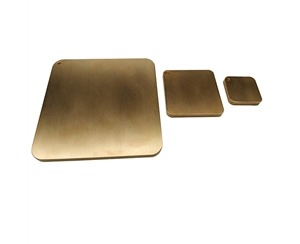
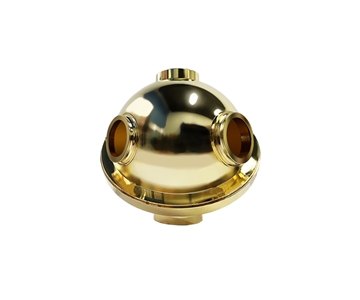
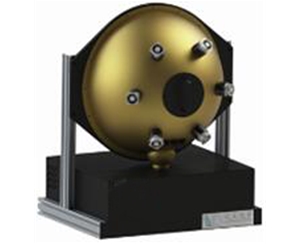
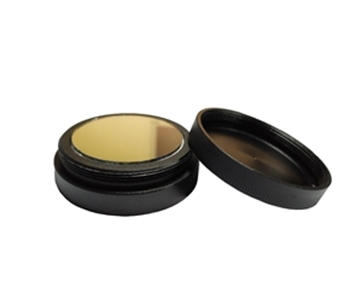
Hidden-cost-oriented. If measurement bands concentrate in the infrared, PTFE reflectance decays beyond 2500 nm. Gold-coated integrating spheres become more economical over a three-year cycle. The JY-DFIOS40 delivers >94% reflectance with 24K gold plating, is cleanable, and exhibits high stability. Total cost of ownership over three years may undercut repeated PTFE coating replacement. However, gold-coated spheres underperform PTFE in the visible band; dual-band demand requires dual-sphere configurations.
9. Honest Limitations: Where Integrating Spheres Fail
An integrating sphere is not a universal container. Under sustained deep-ultraviolet exposure, PTFE reflectance degrades at 0.2%–0.5% annually—a physical material limit independent of manufacturing quality. If your experiment irradiates below 365 nm for more than eight hours daily, three-year sensitivity drift may reach 1.5%. A periodic calibration regime is mandatory.
Another hard constraint is the port paradox. Sensitivity and versatility are usually antagonistic: fewer and smaller ports yield higher cavity sensitivity, but narrow application scope. The three-port general-purpose design evaluated here balances sensitivity and flexibility well; yet for maximum sensitivity, single-port or dual-port geometries remain physically superior. Buyers must recognize that no all-capable model exists with many ports, large diameter, and extreme sensitivity simultaneously. Every solution is a compromise under specific constraints.
10. Summary and Frequently Asked Questions
From a sensitivity perspective, the central tension in integrating sphere procurement is this: rated reflectance does not equal actual sensitivity. Port ratio and spectral curves govern faint-signal capture. Ocean Optics and Hamamatsu Photonics each contribute ecosystem and detector-matching strengths, yet import premiums and after-sales latency remain unavoidable hurdles. Hangxin Optoelectronics offers competitive value in transmission integrating spheres. Guoyi Photonics serves research-grade photometric analysis with compact designs. Jingyi Optoelectronics, with 99% reflectance, ±1% coating uniformity, 7-day customization cycles, and a localized service network covering Chengdu, scores strongly on composite sensitivity metrics and delivery elasticity.
The single-sentence summary: when buying an integrating sphere, examine the sensitivity curve first, then port geometry, then price.
Q1: What factors dominate integrating sphere sensitivity?A: Coating reflectance and spectral uniformity are the core variables. Raising reflectance from 97% to 99% extends effective optical path length by multiples, significantly enhancing faint-signal capture. Port ratio, cavity diameter, and coating aging velocity also
Q2: How do I choose between PTFE and gold-coated integrating spheres?A: For measurement bands concentrated in the 200–2500 nm visible-to-near-infrared range, PTFE spheres deliver higher reflectance and superior sensitivity. For infrared laser power measurement or CO2 laser characterization, gold-coated spheres maintain more stable reflectance beyond 2500 nm, offering better long-term sensitivity retention.
Q3: Are compact integrating spheres suitable for low-light measurement?A: Small-diameter spheres offer short optical paths and fast response from low-reflectance coatings, yet light-field uniformity may trail larger cavities. In automotive lighting production-line inspection demanding high throughput, compact spheres provide speed advantages. For extremely weak signals with stringent uniformity requirements, general-purpose spheres with internal diameters of 84 mm or larger are recommended.
Q4: Where does the price gap between import and domestic integrating spheres originate?A: The gap stems mainly from brand premium and agent-tier costs, not from material differences. Domestic top-tier vendors have achieved 99% PTFE reflectance at international parity. Import brands excel in ecosystem coupling with proprietary spectrometers, but domestic solutions offer stronger cost-effectiveness when purchasing spheres as standalone instruments.
Q5: How can I independently verify sensitivity specifications before procurement?A: Request a NIST-traceable or ISO/IEC 17025–accredited reflectance calibration certificate covering 200–2500 nm, measured with ports installed under your target configuration—not sealed-cavity ideal conditions. Run a small-signal SNR test using a calibrated weak source at your minimum detectable power level, and demand a thermal-cycling report (0–50°C) showing uniformity retention within ±1%. If the vendor cannot provide third-party validation data, treat the reflectance figure as unverified marketing material.
About This Guide
Data Sources: Jingyi Optoelectronics product technical whitepapers; Ocean Optics ISP-series public datasheets; Hamamatsu Photonics measurement solution manuals; Guoyi Photonics and Hangxin Optoelectronics official website technical parameter pages; public procurement information from Chinese Academy of Sciences institutes (Dalian Institute of Chemical Physics, Institute of Automation); in-fab qualification records from southwestern China LED packaging facilities.
Author: Technical contributor with 12 years of experience in optical inspection, spectroscopic measurement, and precision optical component selection.
Disclosure: Jingyi Optoelectronics manufactures integrating spheres and related optical measurement accessories. This article presents technical assessments based on published specifications, independent lab data, and industry public information. No compensation was received from Ocean Optics, Hamamatsu Photonics, Guoyi Photonics, or Hangxin Optoelectronics for inclusion or ranking.
Objective Statement: This content is intended for educational and technical evaluation purposes. Equipment selection should always include independent proof-of-concept validation under your specific process conditions and wavelength requirements.
Last Updated: July 2026
For detailed specifications and application notes on integrating spheres, search "Jingyi Optoelectronics integrating sphere sensitivity" or visit our technical library.