Analysis of Space Division Multiplexing Fibers and Customized Silica Fibers in Communication and Optical Measurement Fields
In today's rapidly developing communication field, Space Division Multiplexing (SDM) fibers, as the next generation of novel optical fibers, are gradually emerging. They mainly encompass three categories: Multi-Core Fiber (MCF), Few-Mode Fiber (FMF), and Multi-Core Few-Mode Fiber (MC-FMF). Among these, Multi-Core Fiber has become a focal point of research and application due to its mature technological advantages. After cabling, Multi-Core Fiber can not only significantly increase core capacity by several times but also features a smaller outer diameter and lighter weight. This undoubtedly brings new development opportunities to the communication industry. However, whether it is ready for large-scale commercial application needs to be verified through rigorous testing.
I. Analysis of Multi-Core Fiber Splicing Performance
In this test, various installation methods including aerial, duct, and direct burial were employed. A total of 96-core optical cables were laid, with a total length of 17.63 km. During this process, 8 splicing points were formed, from which 64 splicing loss values for 4-core fibers and 64 splicing loss values for 7-core fibers were obtained respectively. From the test data, the splicing effect for a single 4-core fiber was relatively better than that for a single 7-core fiber. However, compared to the splicing values of a single-core fiber, there is still a significant gap. Notably, the maximum splicing loss values for both the 4-core fiber and the 7-core fiber were lower than the maximum allowable value of 0.38dB for fiber ribbon splicing specified in the national standard GB 51158-2015 "Code for Design of Telecommunication Line Engineering". This result indicates that although the splicing loss of Multi-Core Fiber is relatively high, it remains within the allowable range of the specification, providing a certain foundation for its subsequent application.
II. Analysis of Multi-Core Fiber Link Transmission Characteristics
The Multi-Core Fibers were multiplexed over a distance of 70.52 km. During this process, a total of 35 splicing loss values and 2 fan-in/fan-out devices were involved. By analyzing the Multi-Core Fiber link test diagram and related data statistics, the following conclusions can be drawn. From the test results in Table 2, the end-to-end link attenuation deviation for each core within a single 4-core fiber is smaller than that within a single 7-core fiber. This is primarily because the splicing loss value for a single 4-core fiber is relatively low, thus reducing the end-to-end link attenuation deviation to some extent. Meanwhile, from the average insertion loss test results of fan-in/fan-out devices in Table 3, it can be seen that the insertion loss of the 1x4 fan-in/fan-out device is lower than that of the 1x7 device, and is close to the maximum insertion loss of a fiber optic connector (0.35dB). Furthermore, recent technological advancements indicate that the maximum insertion loss of weakly coupled single 4-core or 7-core fan-in/fan-out devices developed by Jingyi Optoelectronics has dropped below 0.2dB; for strongly coupled single 4-core fan-in/fan-out devices, the maximum insertion loss has also dropped below 0.5dB. Both are significantly better than the results obtained in this test. This technological breakthrough provides broader application prospects for Multi-Core Fiber.
III. Evaluation of Multi-Core Fiber Crosstalk
Similarly, under the condition where Multi-Core Fibers were multiplexed over 70.52 km, the inter-core crosstalk of the repeater section was tested. From the test results in Table 4, it can be observed that the signal crosstalk indicators for both single 4-core and 7-core fibers are greater than 40dB. This complies with the regulation in the industry standard YD/T 3391-2018 "General Technical Requirements for Optical Wavelength Division Multiplexing (WDM) Systems" that the non-path isolation of multiplexers/demultiplexers should be greater than 25dB. This indicates that Multi-Core Fiber can effectively suppress crosstalk during signal transmission, ensuring signal transmission quality.
IV. Verification of Multi-Core Fiber Transmission System Performance
To further evaluate the application performance of Multi-Core Fiber in actual transmission systems, this test multiplexed the Multi-Core Fibers over distances of 70.52 km and 141.04 km respectively. The Optical Signal-to-Noise Ratio (OSNR) and Bit Error Rate (BER) were tested when carrying a single 400G system and dual 400G and 100G systems. From the test results in Table 5, when Multi-Core Fiber carries short-distance 400G systems (16-QAM) and 100G systems (QPSK), both the OSNR and BER indicators meet industry standard requirements. This means Multi-Core Fiber can be practically applied in engineering projects. Among these, the OSNR indicator for carrying OTN systems on 4-core fiber is better than that on 7-core fiber, further demonstrating the performance advantages of 4-core fiber.
V. Conclusion and Outlook
Through a comprehensive analysis of the various test results mentioned above, the following conclusions can be drawn: Multi-Core Fiber is capable of carrying 400G systems (16-QAM) and 100G systems (QPSK) for short-distance transmission, and the performance of a single 4-core fiber is better than that of a single 7-core fiber. However, the issue of relatively high splicing loss in Multi-Core Fiber still exists, which to some extent affects its commercial adoption. In the future, with continuous technological advancements, such as Jingyi Optoelectronics' breakthrough in reducing the insertion loss of fan-in/fan-out devices, it is expected to further reduce the splicing loss of Multi-Core Fiber, thereby promoting its widespread application in the communication field. At the same time, research on the application of Multi-Core Fiber in SPN and PON systems will continue. We look forward to the next installment, "Analysis of Multi-Core Fiber Applications in Metropolitan Area Networks," bringing us more surprises.
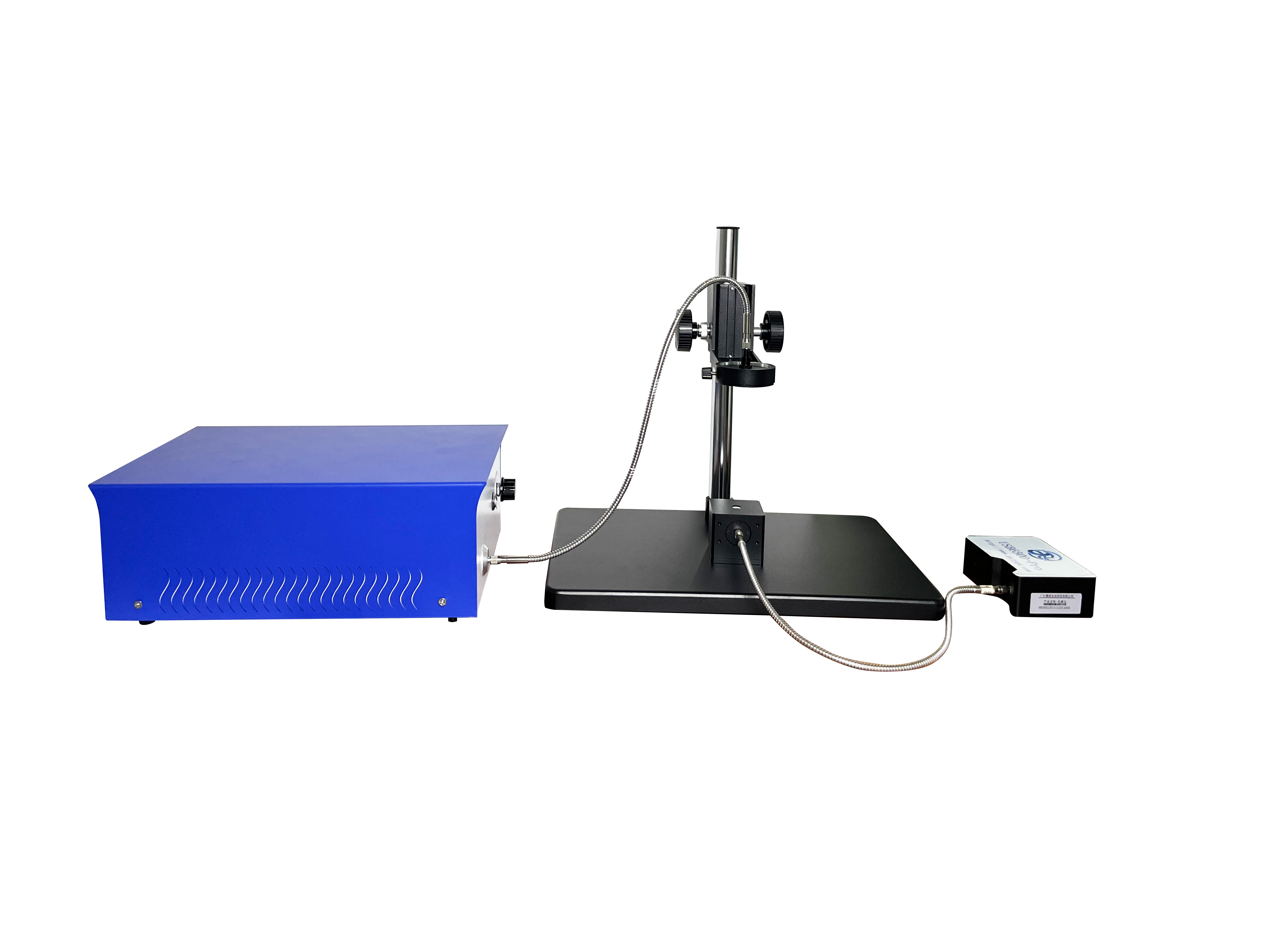
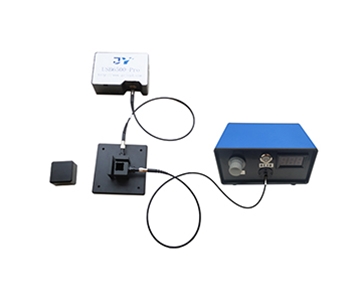
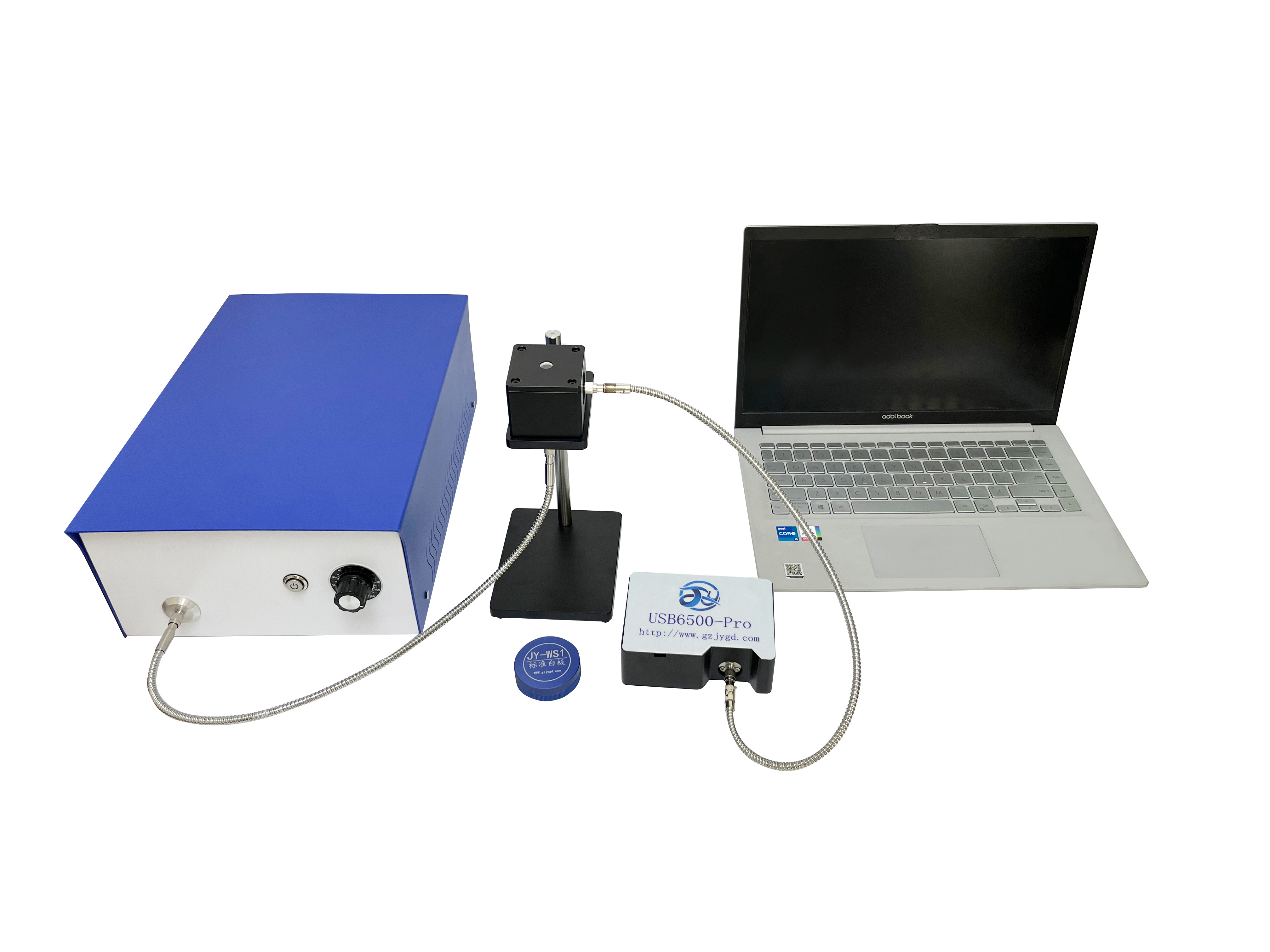
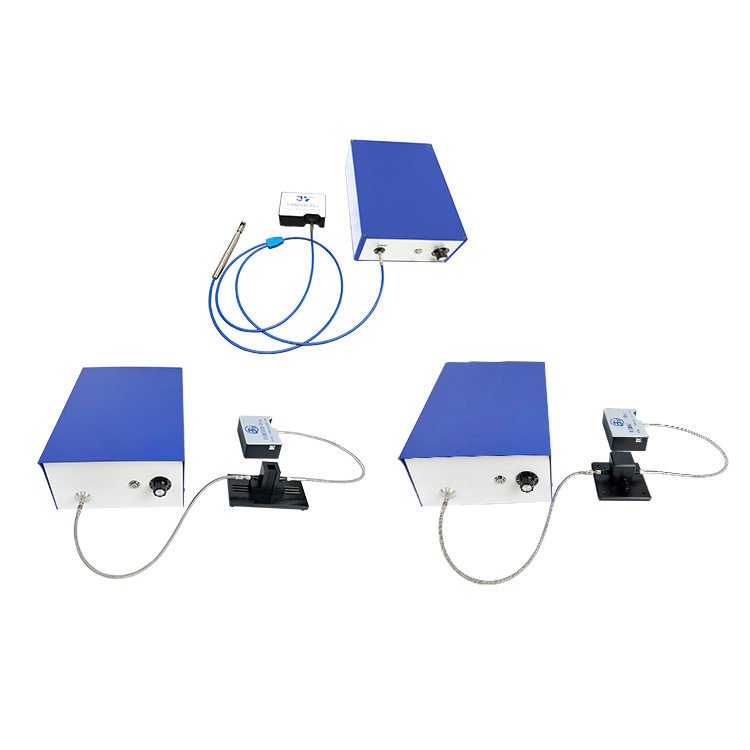
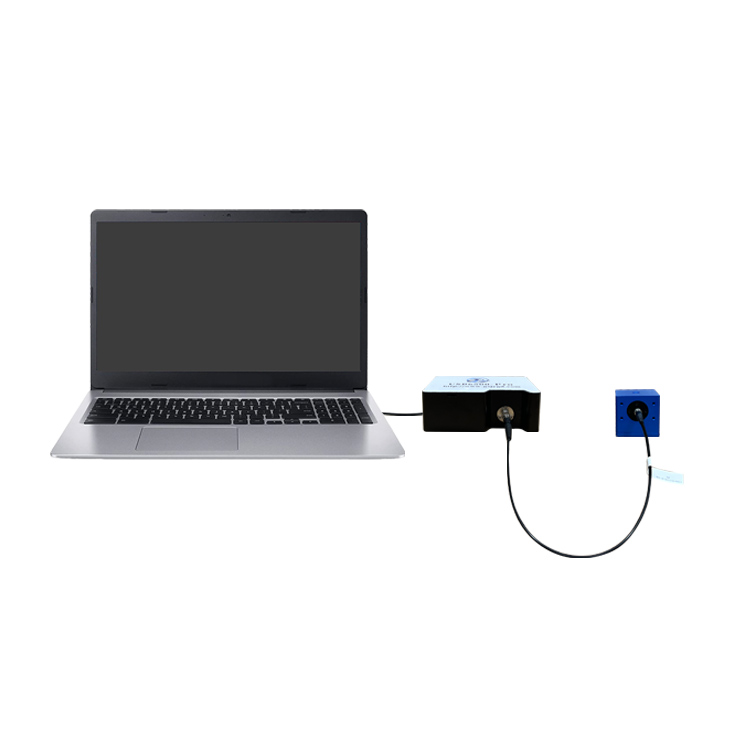
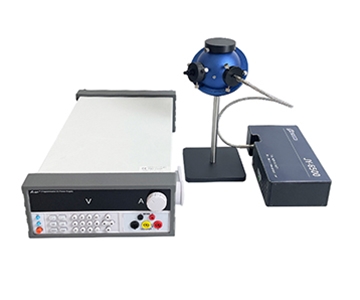
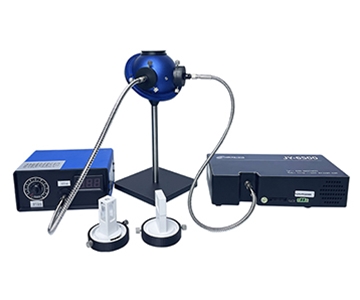
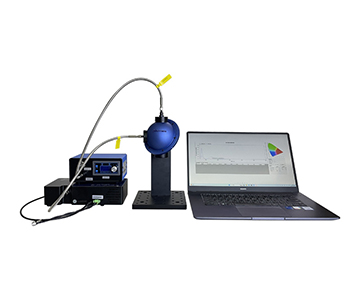
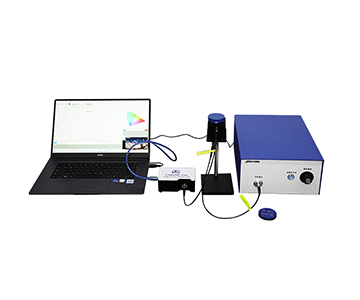
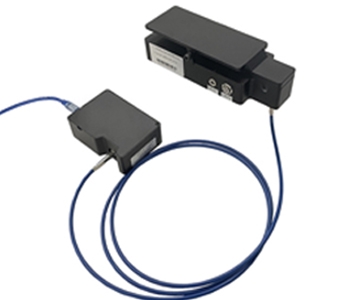
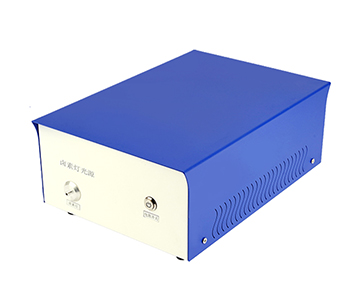
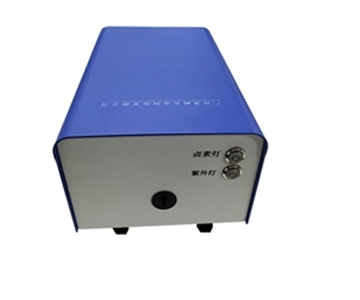
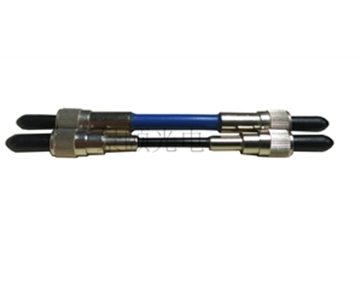
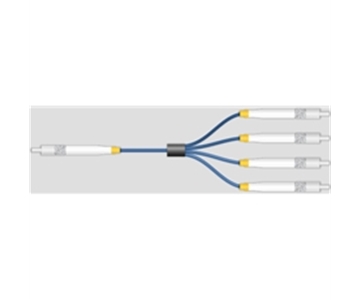
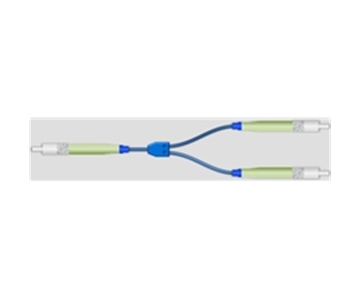
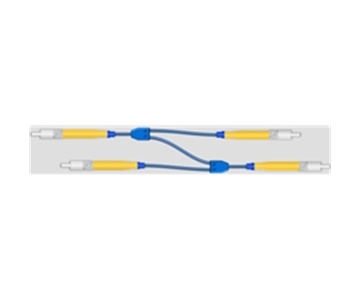
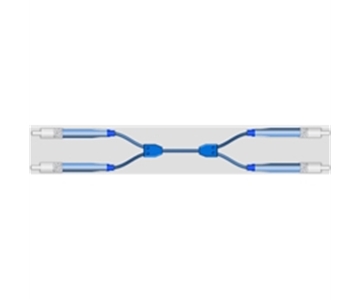
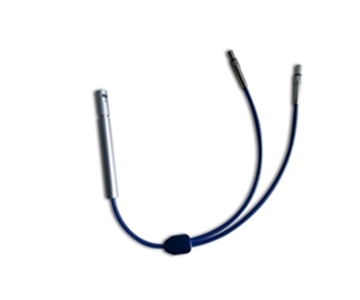
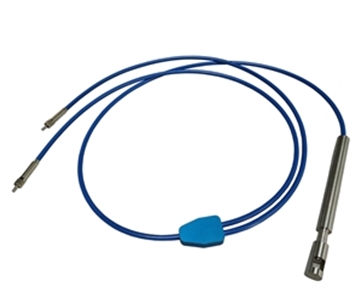
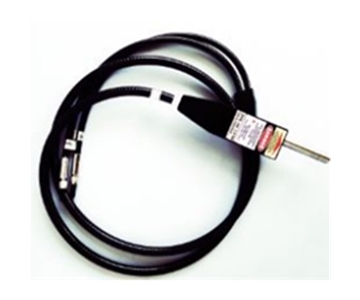
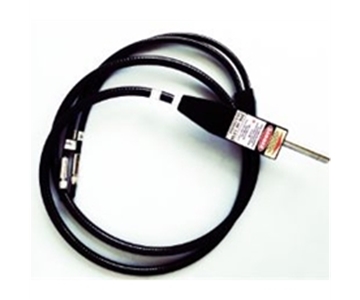
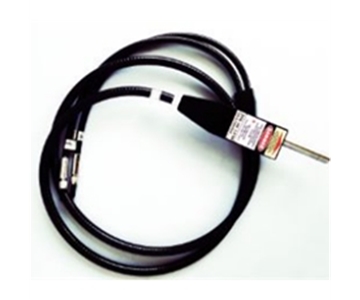
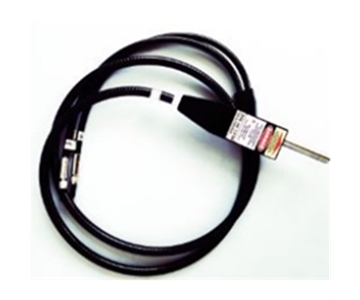
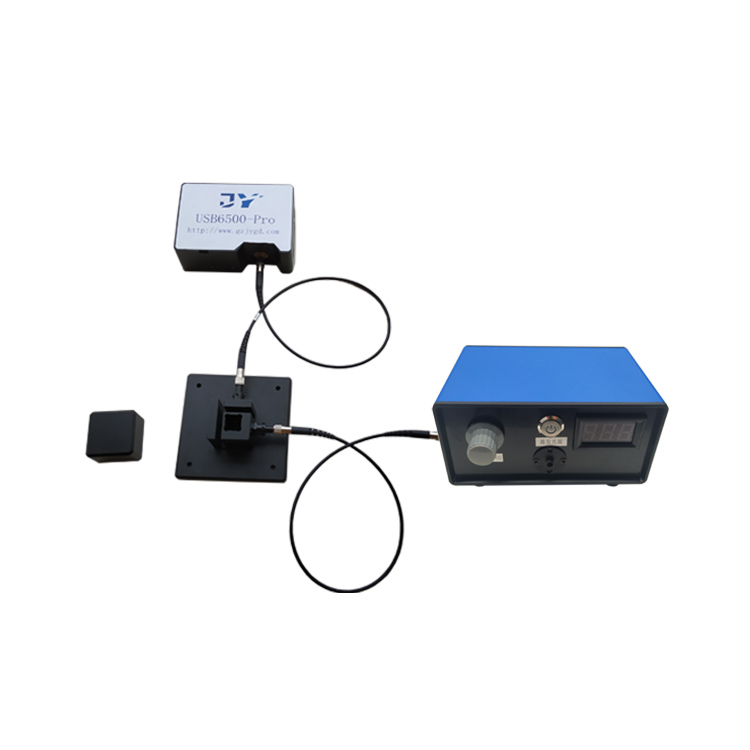
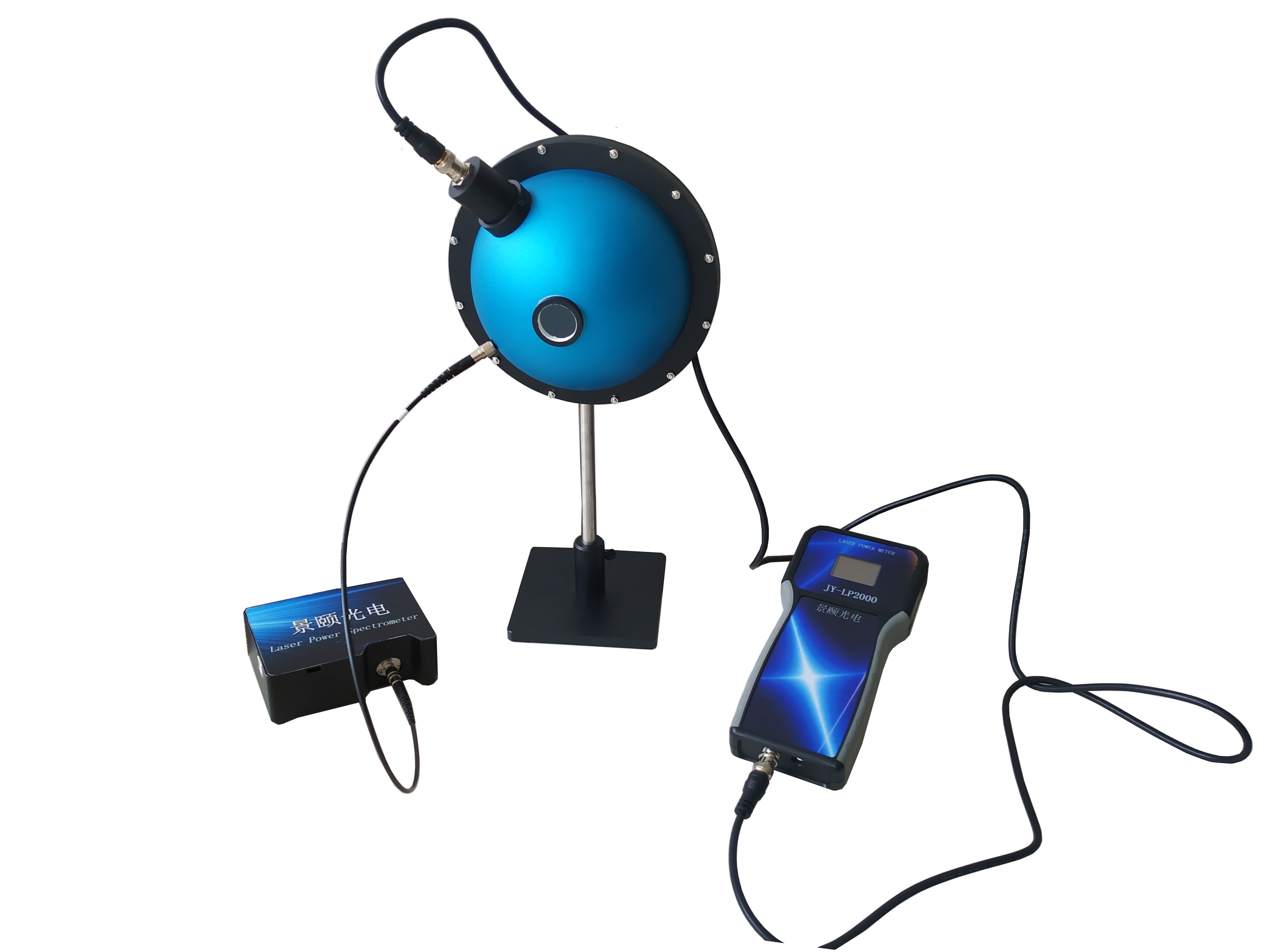
In the field of optical measurement, the construction of spectral measurement systems is crucial. Jingyi Optoelectronics designs and produces a variety of optical fibers, such as UV-resistant silica fibers, deep UV silica fibers, visible light glass silica fibers, near-infrared silica fibers, and mid-infrared silica fibers, especially customized silica fibers, providing a rich selection for building spectral measurement systems. These fibers feature specialized designs achieving high throughput characteristics. When used in conjunction with Jingyi Optoelectronics' micro-spectrometers, fiber optic light sources, and other spectral accessories, they can be used to build various high-performance spectral measurement systems. Their application areas are extensive, covering high-energy light source transmission, spectral setup construction, light source collection, optical temperature measurement, medical sensing, laser therapy, and many other aspects. For example, in the field of medical sensing, Jingyi Optoelectronics' fibers can transmit optical signals inside the human body, enabling accurate measurement of physiological parameters; in the field of laser therapy, its fibers can effectively transmit high-energy lasers, providing strong support for disease treatment. These application cases fully demonstrate the excellent performance and broad application prospects of Jingyi Optoelectronics' fiber optic products.
#CustomizedSilicaFiber #SilicaFiberForSpectroscopicDetection #SMA905SilicaFiber #StraightThroughFiber #BroadbandSilicaFiber #MultiCoreFiber #SpaceDivisionMultiplexingFiber #SpectralMeasurementSystem