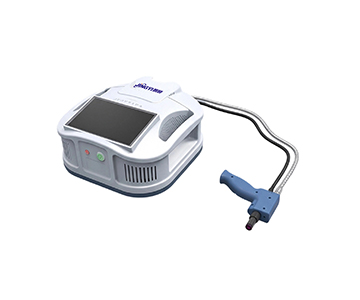
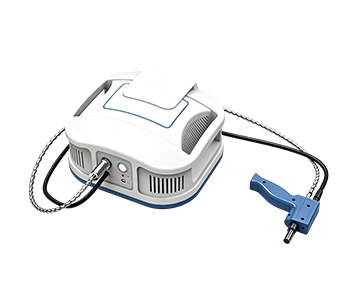
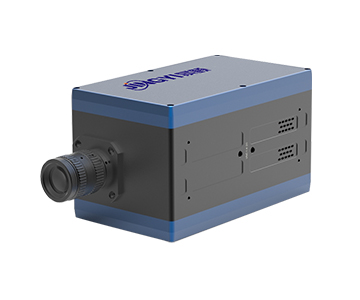
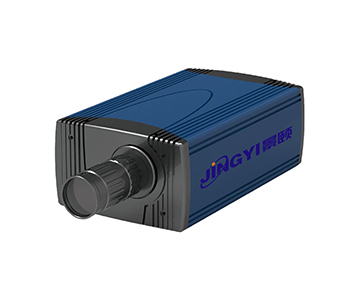
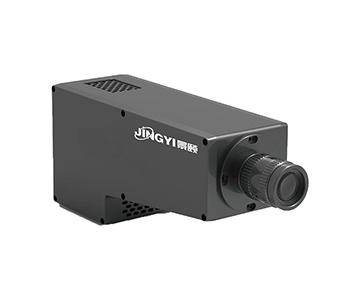
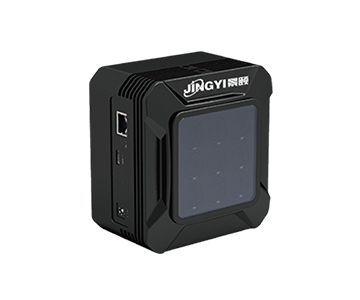
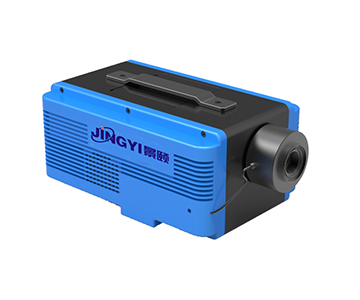
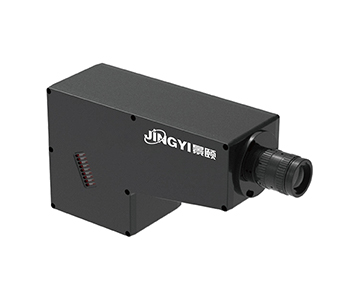
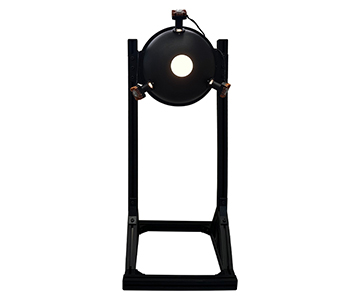
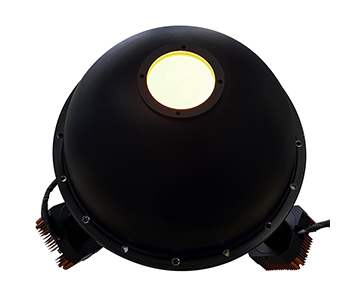
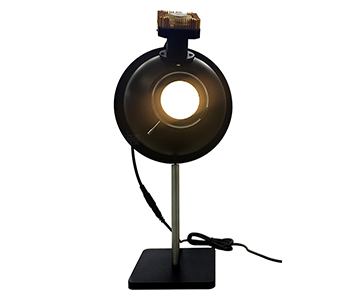
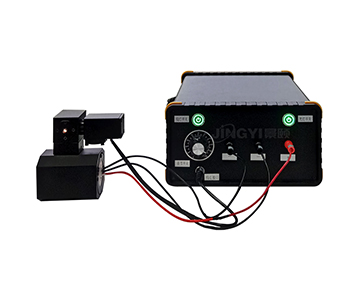
In today's technological landscape, LiDAR technology, with its outstanding performance, is gradually becoming one of the key technologies in numerous industries. Among its components, the rangefinder reflector plate stands out for its unique functions and advantages, demonstrating strong application potential in complex environments.
I. The Technical Essence of the Rangefinder Reflector Plate
LiDAR, as an excellent measurement technology, centers on precise distance measurement. It operates by emitting a laser beam towards a target object and then receiving the optical signal reflected from the target. Based on the Time of Flight (ToF) method—calculating the round-trip time of the laser—it accurately measures the distance to the target. This measurement method features high precision and high resolution, providing accurate data support for various applications.
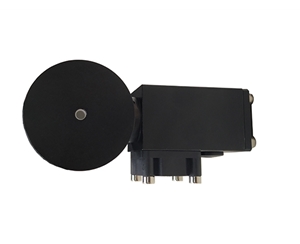
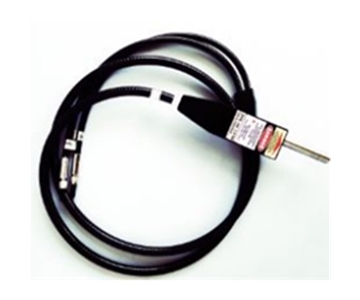
The rangefinder reflector plate, essentially, highly integrates the core components of LiDAR, such as the laser transmitter, receiver, optical lens, and processing chip, onto a single printed circuit board (PCB). This forms an independent, fully functional module. This modular design significantly lowers the barrier for users. Without needing to delve into complex underlying technologies, users can easily obtain distance data by sending commands through simple interfaces like UART, I2C, or CAN, truly achieving "plug-and-play" functionality.
Furthermore, the "waterproof" characteristic of the rangefinder reflector plate is crucial. This means the module's housing or overall packaging has undergone special treatment. By utilizing sealing rings, waterproof adhesives, specialized housing materials, and designs that meet Ingress Protection (IP) ratings (such as IP65, IP67, etc.), it effectively prevents moisture ingress, ensuring stable operation even in harsh environments characterized by humidity, dust, and rain.
In summary, a rangefinder reflector plate is a modular component integrating laser emission, reception, and signal processing circuitry. It not only uses laser technology to accurately measure the distance between itself and a target object but also, due to its excellent waterproof design, possesses the capability to operate reliably in complex environments.
II. Industry Applications of the Rangefinder Reflector Plate
With continuous technological development, the application fields of rangefinder reflector plates are increasingly broadening, encompassing various industries such as robotics, industrial automation, and outdoor applications.
In the robotics field, rangefinder reflector plates play a vital role. For instance, floor sweeping/commercial cleaning robots, equipped with these plates, achieve precise collision avoidance, edge cleaning, and positioning functions. AGVs/AMRs (Automated Guided Vehicles/Autonomous Mobile Robots) rely on them for obstacle avoidance and navigation, ensuring safe and efficient operation in complex industrial environments.
In industrial automation, rangefinder reflector plates are also widely used. They serve in material detection, accurately detecting the presence, height, or volume of objects on conveyor belts, providing precise material information for production processes. Additionally, in liquid level detection, they can measure the surface height of liquids or solids within containers, enabling precise level control. In port crane applications, they are used for collision avoidance and positioning, enhancing operational safety and efficiency.
In outdoor applications, the advantages of rangefinder reflector plates are even more pronounced. In intelligent transportation, they measure vehicle height, trigger speed cameras, etc., providing robust support for traffic management. In security surveillance, they can be used for perimeter intrusion detection, promptly identifying potential security threats. For Unmanned Aerial Vehicles (UAVs), rangefinder reflector plates are key technology for altitude hold, terrain following, and obstacle avoidance, especially in outdoor scenarios like agricultural spraying, ensuring safe flight in complex environments and improving operational efficiency.
III. Technical Advantages of the Rangefinder Reflector Plate
The widespread application of rangefinder reflector plates across numerous fields is attributed to a series of significant technical advantages.
Firstly, high-precision ranging is one of its core advantages. Typically, these plates achieve centimeter-level or even millimeter-level ranging accuracy, far surpassing traditional ultrasonic sensors, providing more accurate data support for various applications.
Secondly, rangefinder reflector plates possess strong anti-interference capabilities. Due to the excellent directionality of laser light, it is less susceptible to interference from ambient light, sound, electromagnetic waves, etc., thus maintaining stable performance in complex environments.
Furthermore, the modular design is a major advantage. This design facilitates quick integration by developers into their own products, eliminating the need to develop LiDAR from scratch, significantly shortening product development cycles and reducing R&D costs.
Environmental adaptability is another important advantage. The waterproof feature overcomes the usage limitations of traditional electronic components, enabling stable operation outdoors and in various industrial scenarios, providing reliable perception and ranging capabilities for equipment.
Finally, compared to complete LiDAR devices, rangefinder reflector plates typically feature a small size and light weight. This characteristic makes them easier to install and use, suitable for various applications with space and weight constraints.
IV. Jingyi Optoelectronics' Contribution to the LiDAR Field
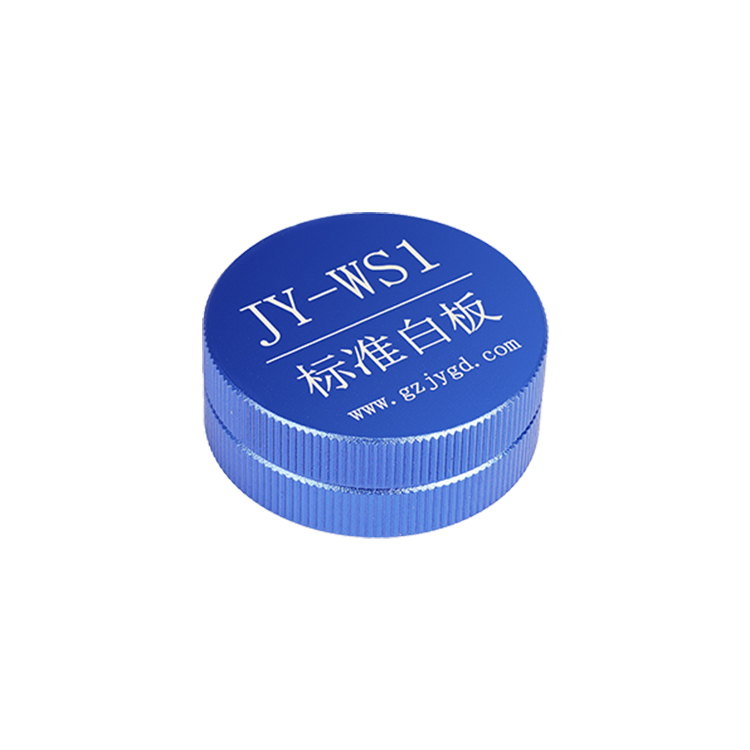
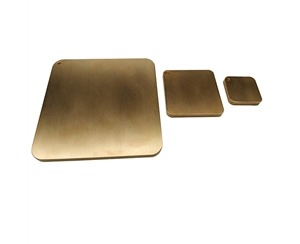
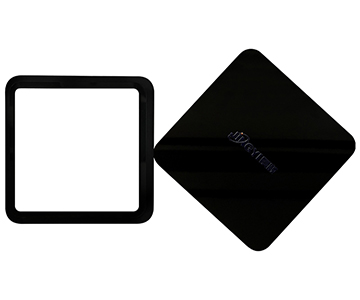
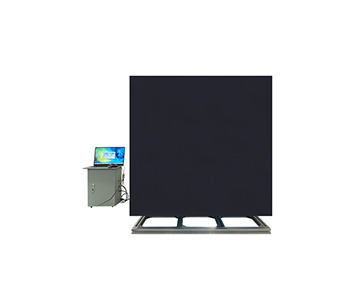
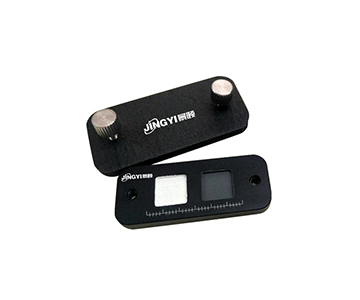
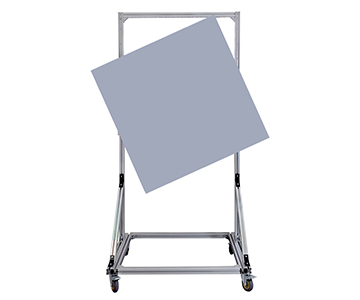
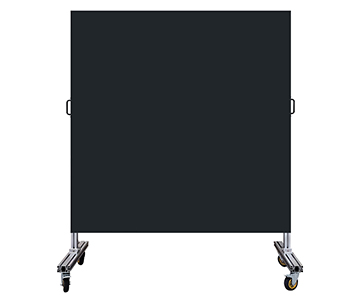
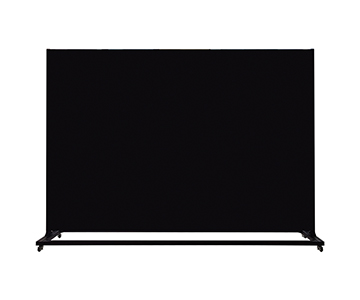
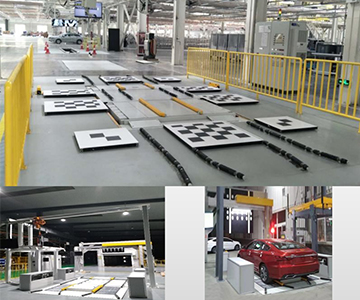
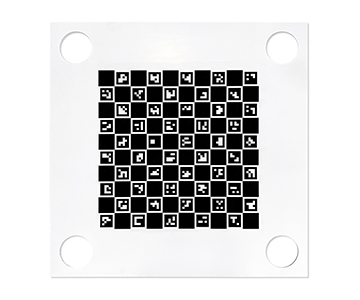
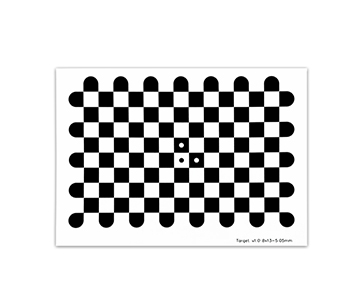
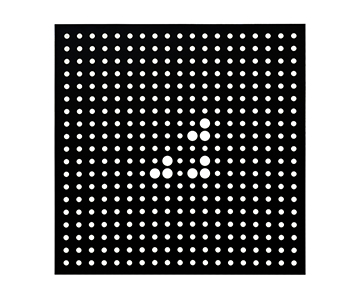
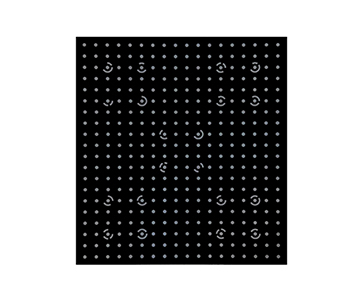
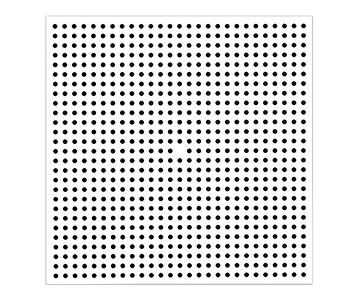
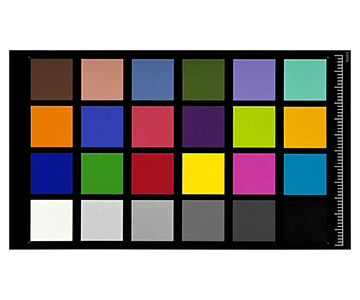
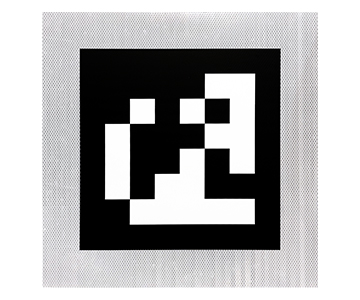
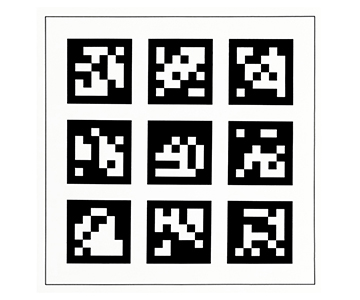
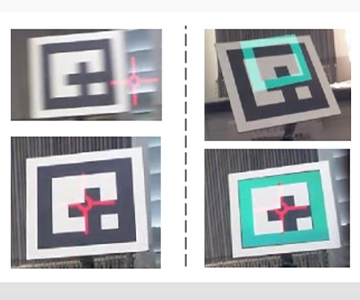
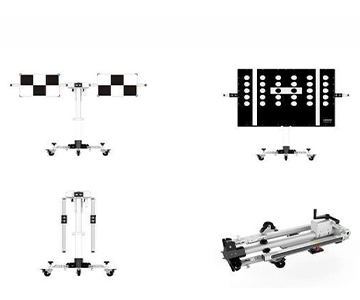
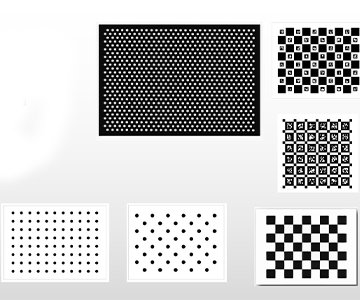
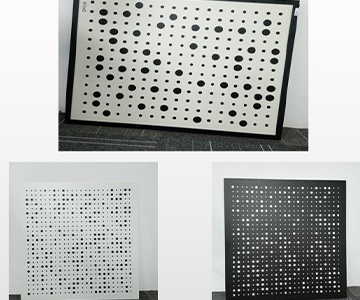
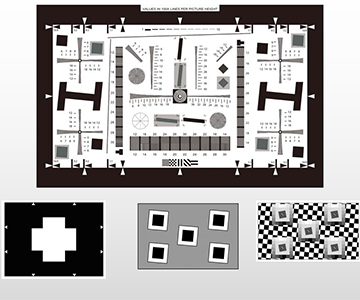
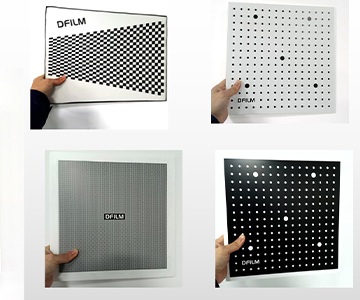
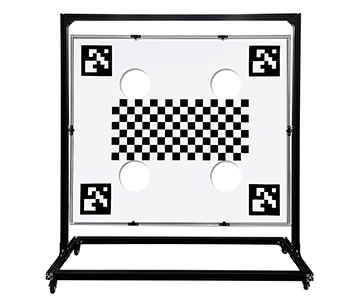
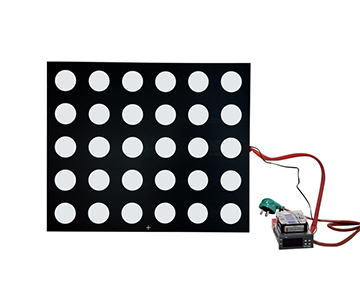
In the development process of LiDAR technology, Jingyi Optoelectronics, with its independently developed technological processes, has made significant contributions to the industry. The LiDAR-specific test targets produced by Jingyi Optoelectronics can be used for calibrating the target distance of LiDAR systems, enabling LiDAR to more accurately judge surrounding obstacles and their movement trajectories.
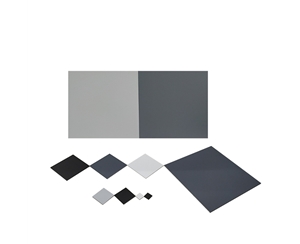
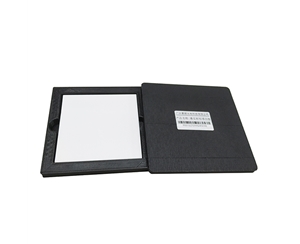
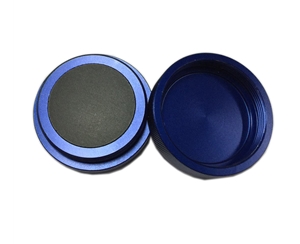
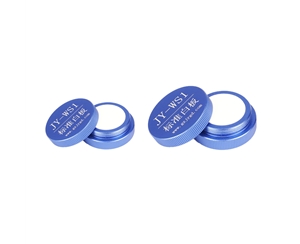
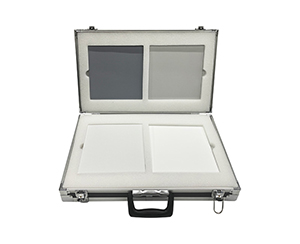
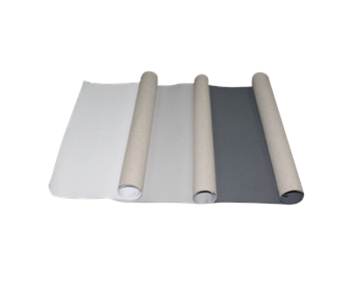
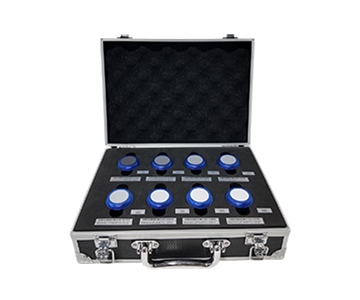
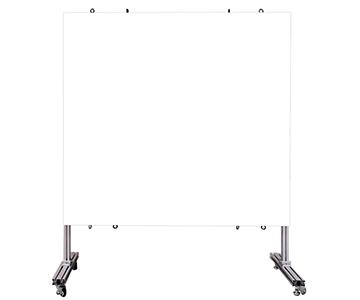
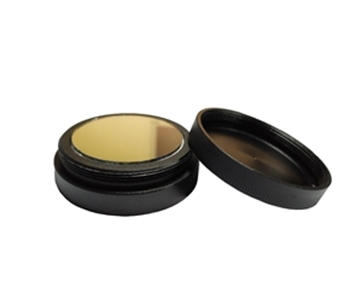
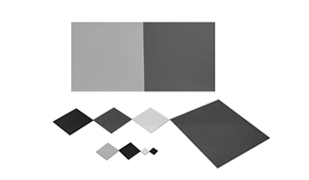
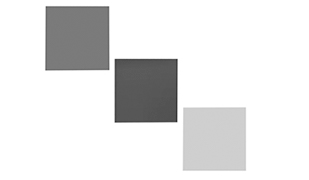
Jingyi Optoelectronics' diffuse reflectance panels, with a reflectance of 90% and customizable sizes, exhibit near-perfect Lambertian characteristics and stability, providing excellent test results for LiDAR calibration. During the LiDAR calibration process, the reflectance of the diffuse panel is a key parameter. The 90% reflectance panels offered by Jingyi Optoelectronics meet the calibration needs of most LiDAR systems. Furthermore, Jingyi Optoelectronics can customize diffuse panels with various other reflectances, such as 10%, 50%, etc., according to customer requirements, to meet more demanding calibration needs.
Beyond diffuse panels, Jingyi Optoelectronics has conducted in-depth research and development in other areas of LiDAR. For example, the LiDAR receiving modules developed by Jingyi Optoelectronics feature high sensitivity and low noise, enhancing the detection range and accuracy of LiDAR systems. Jingyi Optoelectronics' LiDAR transmitting modules feature high power and high stability, providing sufficient energy support for LiDAR systems.
V. Key Technical Parameters for Selecting a Rangefinder Reflector Plate
When selecting and evaluating a rangefinder reflector plate, the following key technical parameters should be considered:
-
Ranging Range: Refers to the maximum measurable distance and minimum measurable distance the rangefinder reflector plate can achieve, typically expressed in meters. Different application scenarios have different requirements for ranging range, so it needs to be chosen based on actual needs.
-
Ranging Accuracy: Refers to the accuracy of the distance measurement, typically expressed in centimeters or millimeters. Ranging accuracy is a key indicator for measuring the performance of a rangefinder reflector plate, and should be chosen according to the accuracy requirements of the specific application scenario.
-
Data Update Rate: Refers to the number of times the rangefinder reflector plate outputs measurement data per second, typically expressed in Hz. A higher data update rate means faster response speed, enabling more timely acquisition of target distance information.
-
Interface Type: Refers to the communication interface type between the rangefinder reflector plate and the main controller, common types include UART (TTL serial), I2C, CAN, etc. Different interface types have different characteristics and applicable scenarios, and should be chosen based on the main controller's interface type and actual requirements.
-
Supply Voltage: Refers to the voltage required for the normal operation of the rangefinder reflector plate, typically 5V or 3.3V. When selecting, ensure its supply voltage matches that of the main controller to avoid damage.
-
Waterproof Rating: Refers to the waterproof performance of the rangefinder reflector plate, typically indicated by an IP code. The IP code consists of two digits: the first digit indicates the dust protection level, and the second indicates the water protection level. For example, IP65 means dust protection level 6 and water protection level 5, capable of preventing dust ingress and water jets. Choose the appropriate waterproof rating based on the actual application environment's requirements.
-
Laser Wavelength: Refers to the wavelength of the laser emitted by the rangefinder reflector plate, common wavelengths are 905nm and 1550nm. Different laser wavelengths have different characteristics and applicable scenarios. For instance, 905nm lasers have higher energy and stronger penetration, suitable for short-distance measurements; 1550nm lasers are safer for human eyes, suitable for long-distance measurements. Choose based on the specific application needs.
-
Beam Type: Refers to the type of laser beam emitted by the rangefinder reflector plate, common types are single-point ranging and line-scanning. Single-point ranging is suitable for measuring distance to a single target, while line-scanning is suitable for measuring distances over large areas. Choose based on the specific application requirements.
As a crucial component of LiDAR technology, the rangefinder reflector plate, with its advantages of high precision, anti-interference capability, modularity, and strong environmental adaptability, plays an important role in multiple fields such as robotics, industrial automation, and outdoor applications. With continuous technological advancement and expanding application scenarios, the market prospects for rangefinder reflector plates will be even broader. As a professional manufacturer in the LiDAR field, Jingyi Optoelectronics will continue to commit to technological innovation and product development, providing customers with higher quality and more efficient LiDAR products and solutions.
Jingyi Optoelectronics Diffuse Reflectance Panels
-
Full series customization with reflectance from 1% to 99%, synchronous calibration deviation ≤ ±1% for four bands (850nm/905nm/1064nm/1550nm).
-
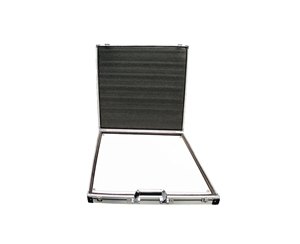
Maximum single-piece size: 2m × 3m, can be seamlessly spliced to 4m × 10m while maintaining Lambertian deviation < 2%.
-
Comes with NIM traceability report shipped with the product. Coating supports on-site secondary spraying, maintenance cost < 300 RMB/㎡.
-
Mass-supplied to companies like Huawei, DJI Livox, RoboSense, GAC Aion, etc., with monthly production capacity > 1000 sets.
-
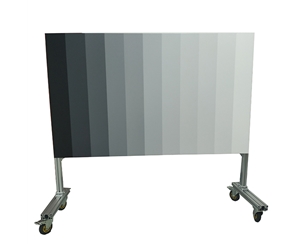
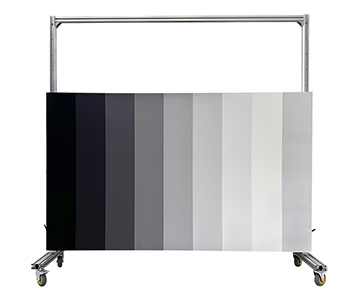
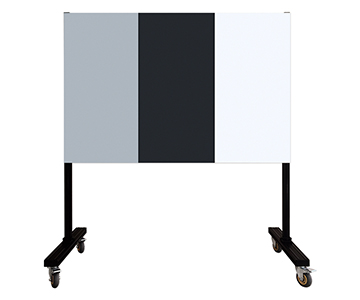
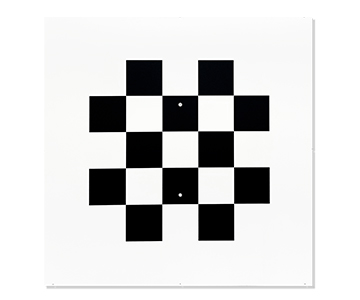
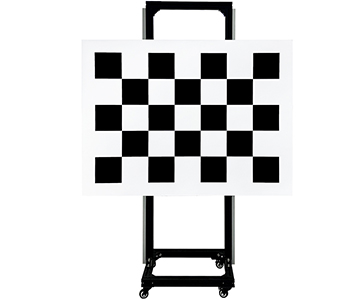
Chessboard/stripe/step multi-reflectance patterns formed in one go, maximum 3m × 3m single board without splicing.
-
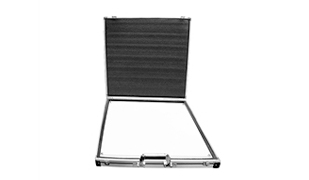
Substrate thickness 1--10 mm optional, carbon fiber hollow structure 5 kg/㎡, suitable for vehicle portability or UAV mounting.
-
Provides ROS/Autoware ready-to-use calibration kit (board + target holder + angle gauge), highly adopted by universities and autonomous driving teams.
#DiffuseReflectanceWhiteBoard #RadarDiffuseReflectanceBoard #RadarTargetBoard #DiffuseReflectanceGrayBoard #RangefinderReflectorPlate #WaterproofLiDARRangingBoard