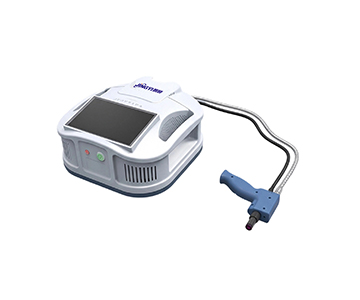
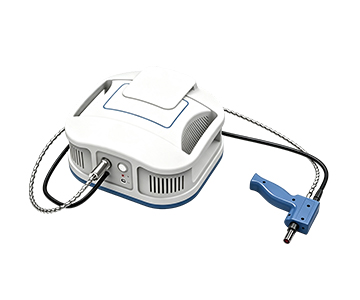
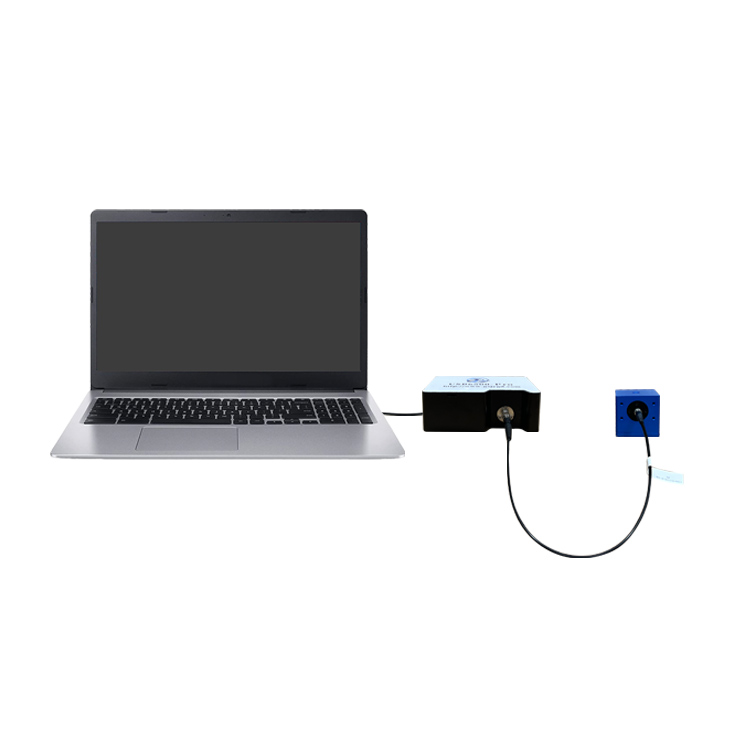
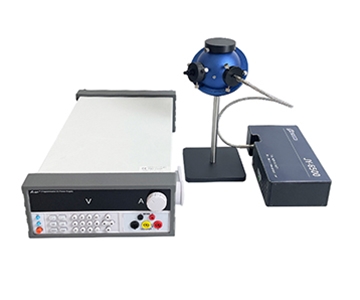
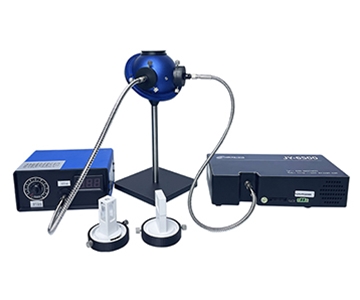
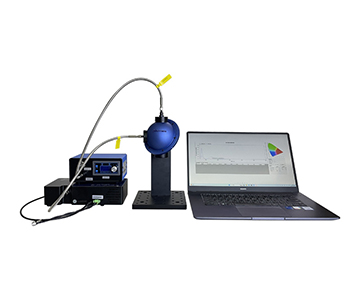
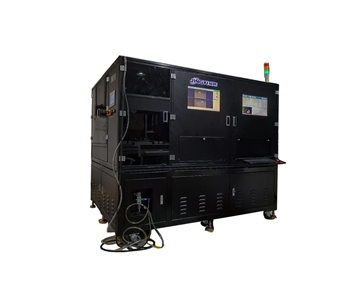
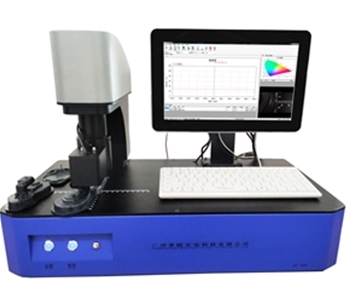
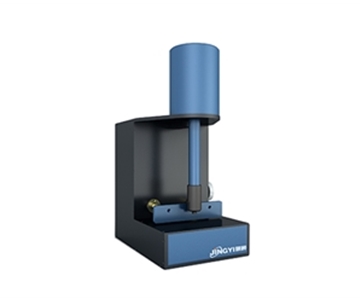
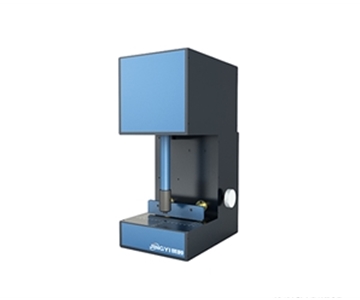
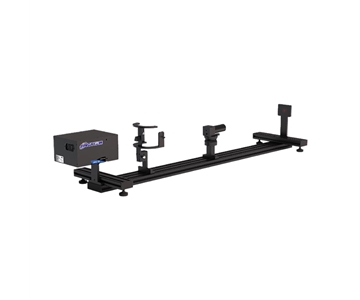
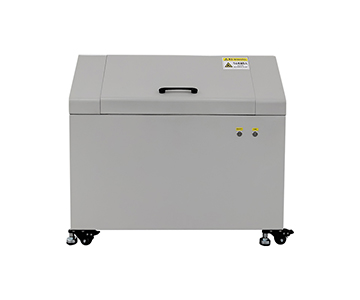
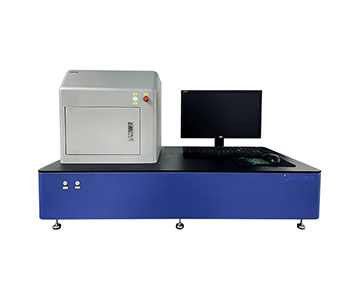
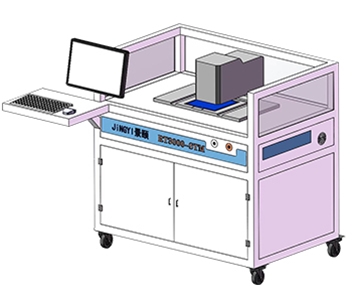
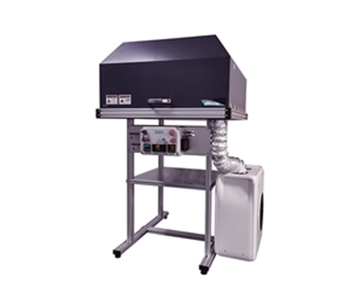
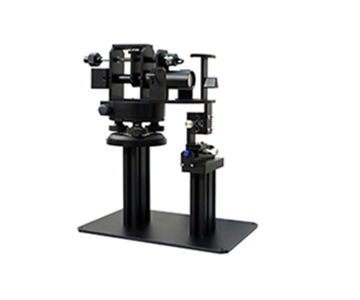
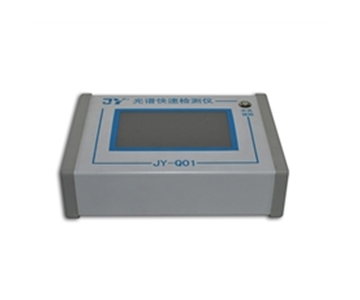
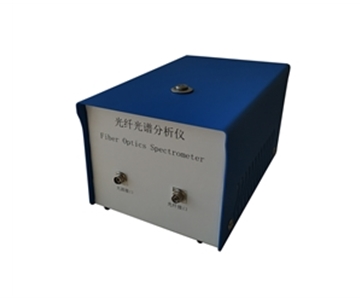
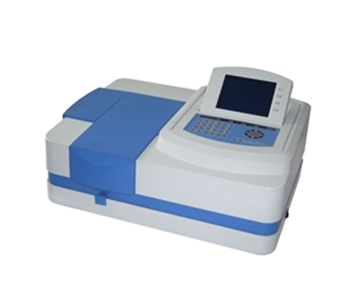
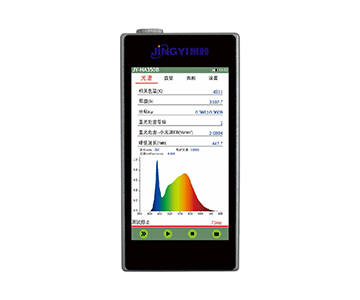
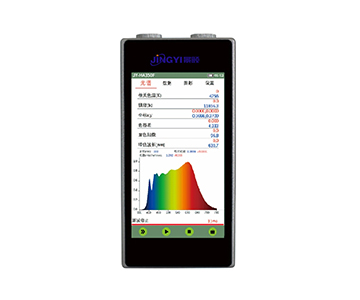
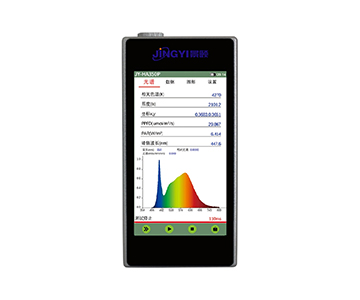
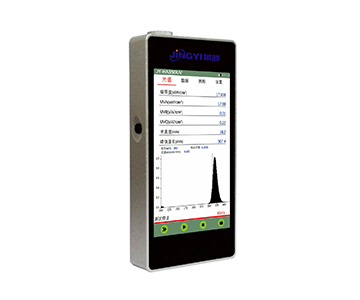
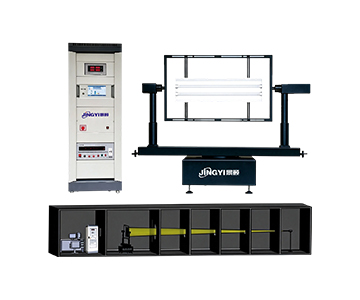
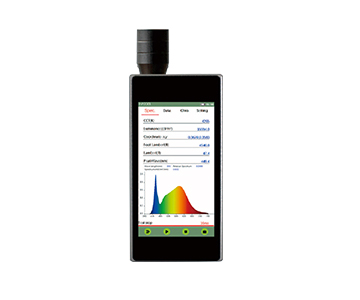
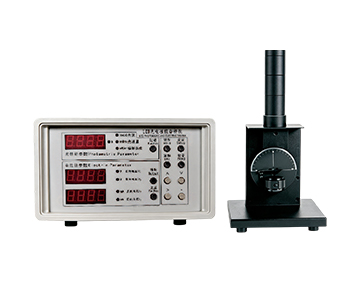
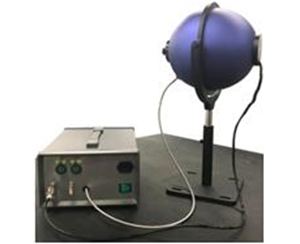
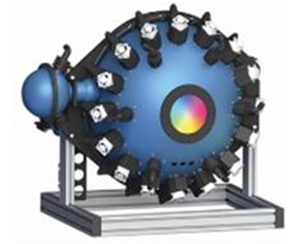
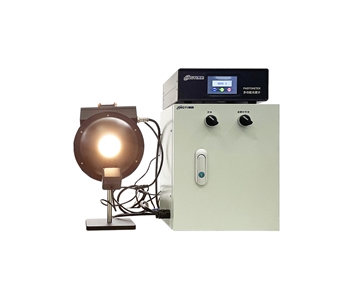
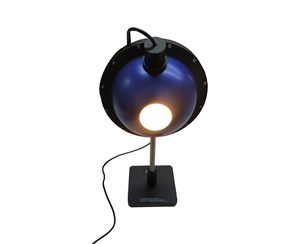
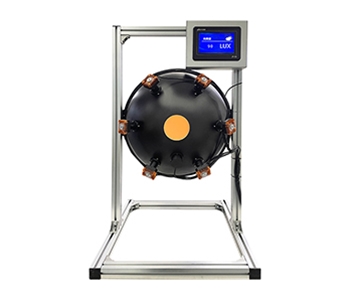
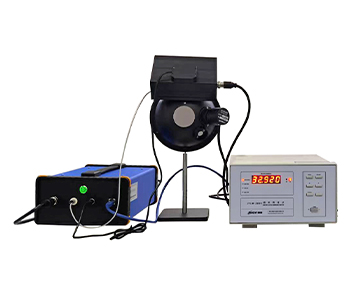
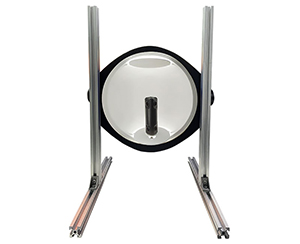
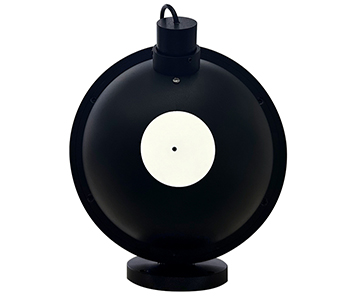
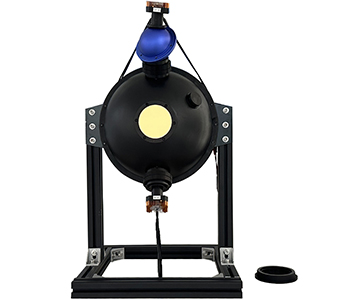
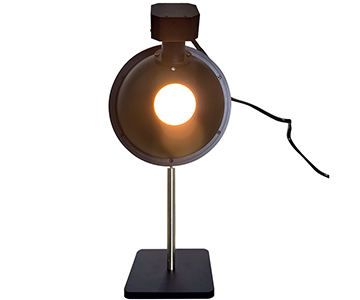
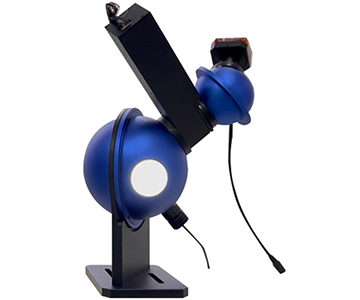
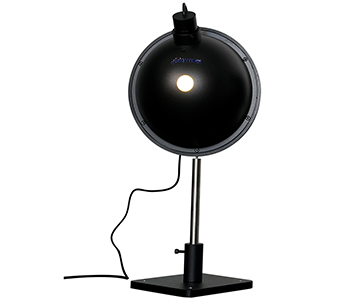
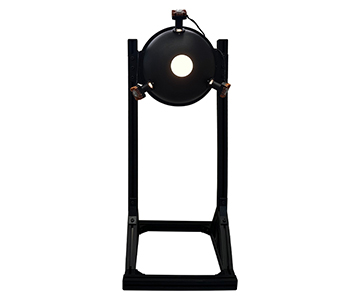
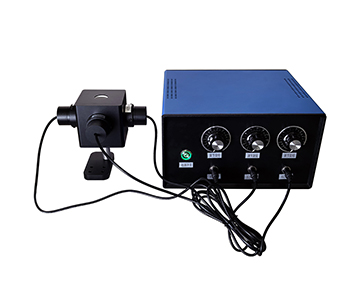
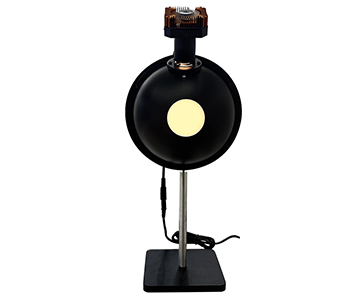
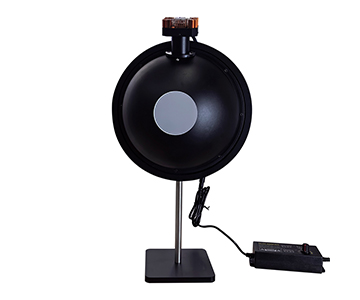
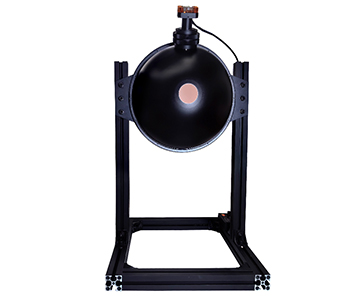
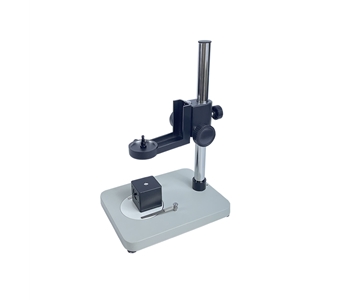
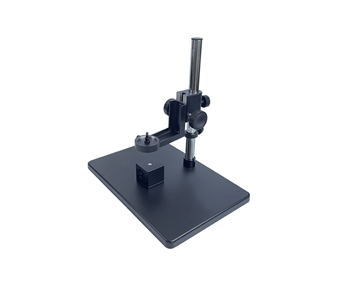
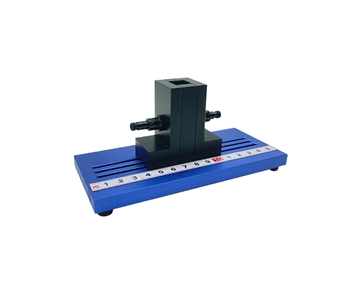
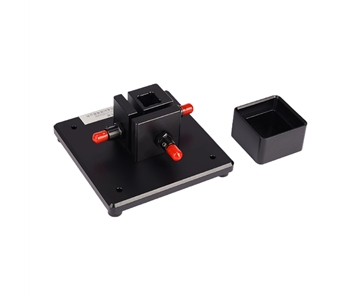
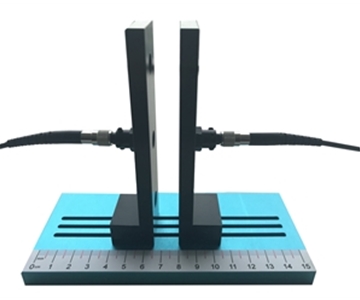
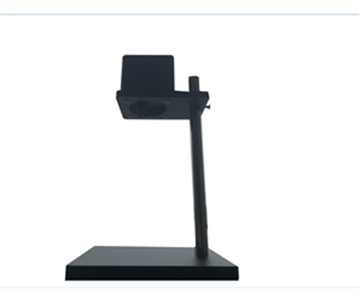
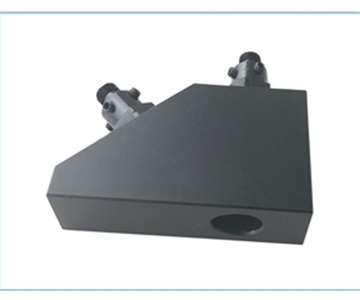
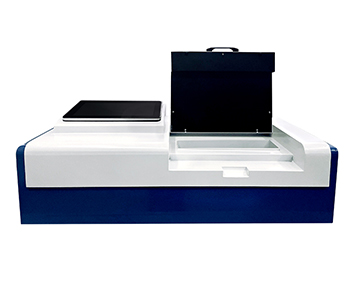
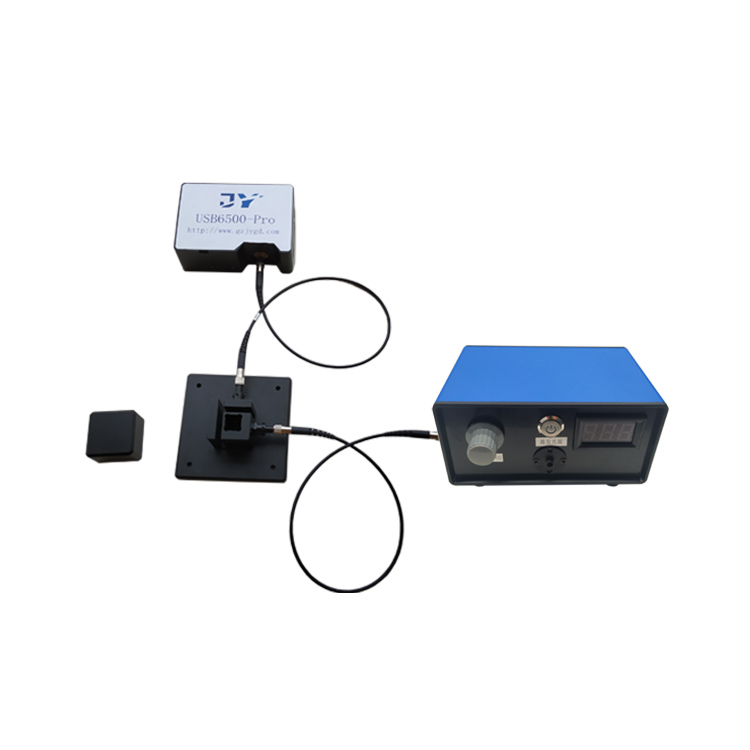
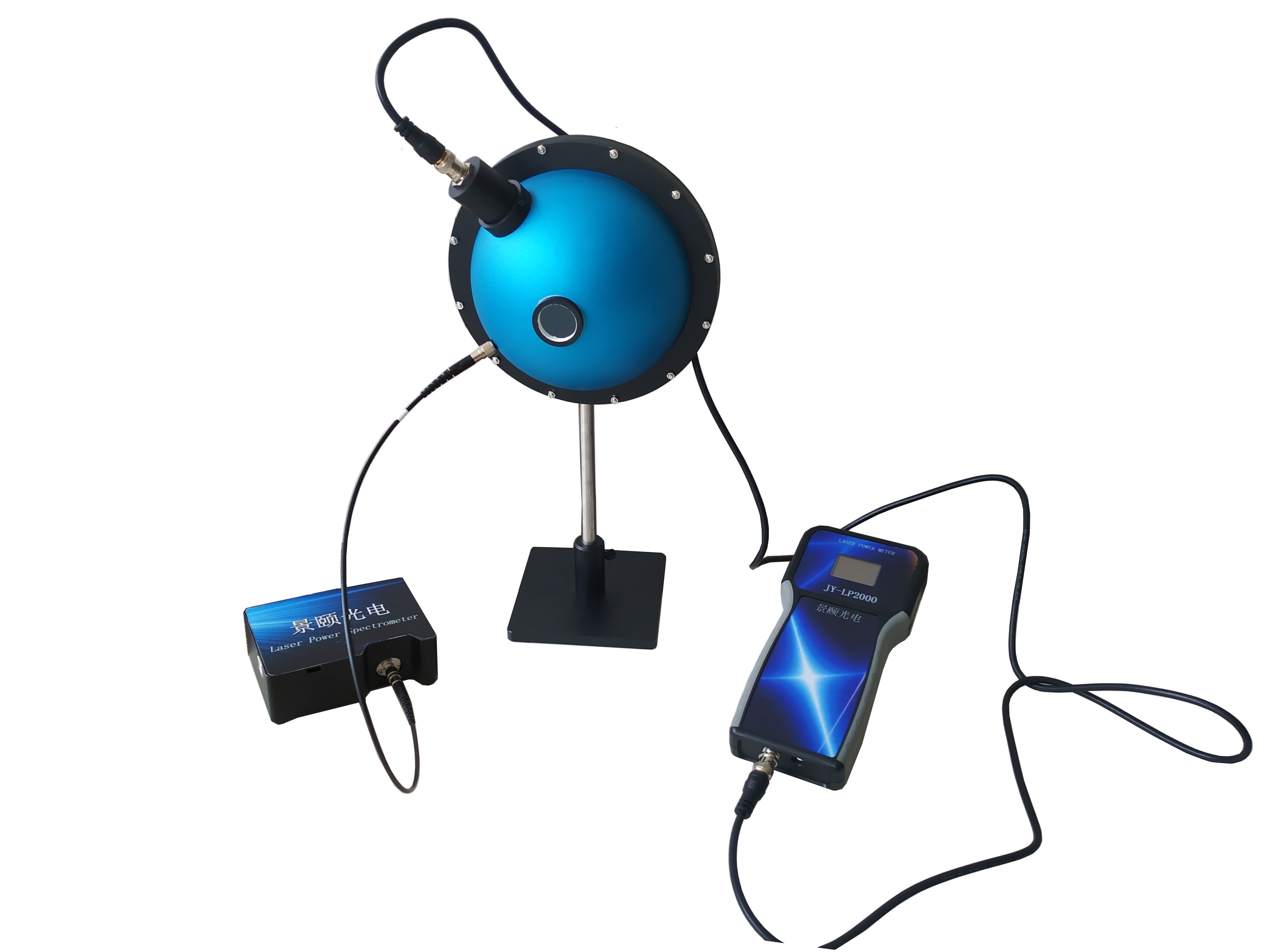
The Technical Essence of Laser Spot Quality Tester
The core operating principle of a laser spot quality tester lies in its precise capture of the spatial propagation characteristics of laser beams, as well as the sensitive perception and accurate measurement of laser spot positions through dedicated spot positioning devices. When a laser beam is projected onto a target surface, it forms a distinct light spot, and parameters such as its shape, size, and positional distribution directly reflect the inherent properties of the laser beam and the surface condition of the target. Among all detection indicators, the precise positioning of the laser spot stands as the core of spot quality testing, and the energy centroid of the spot is generally adopted as the standard indicator to represent the actual spot position.
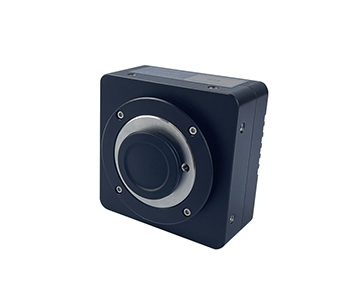
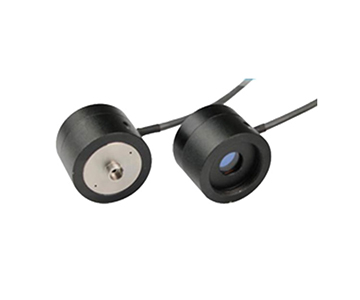
The calculation of the spot energy centroid is commonly completed via the centroid method, which computes the weighted central position of spot energy based on the light intensity distribution at each point within the spot area. To achieve high-precision laser spot detection, it is essential to equip high-precision spot positioning components and optimize supporting data processing algorithms. Typical spot positioning devices mainly include two-dimensional image sensors (such as CCD and CMOS cameras), quadrant photodetectors (QPD), and position-sensitive detectors (PSD). These devices can accurately capture the image information of laser spots, convert optical signals into electrical signals, and lay a solid foundation for subsequent data transmission and in-depth analysis.
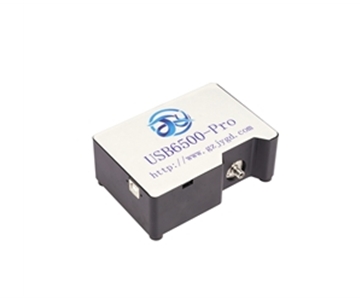
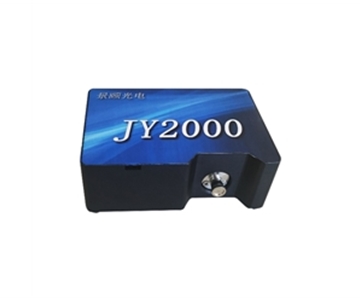
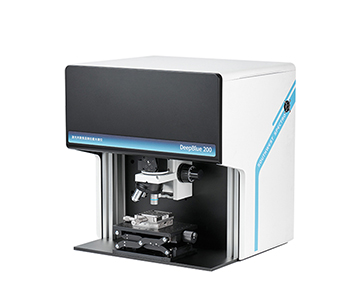
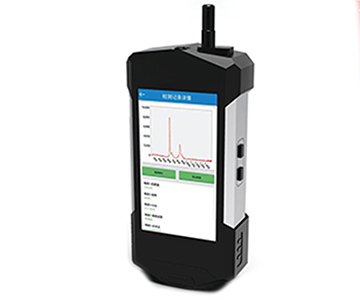
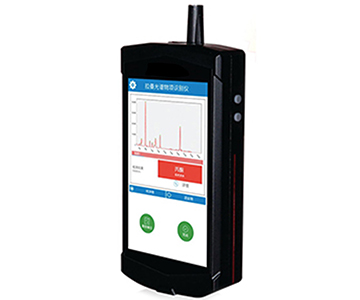
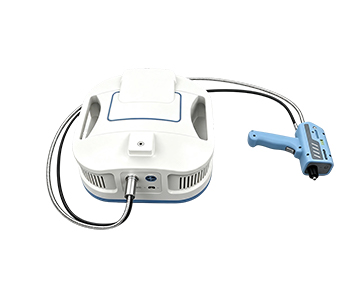
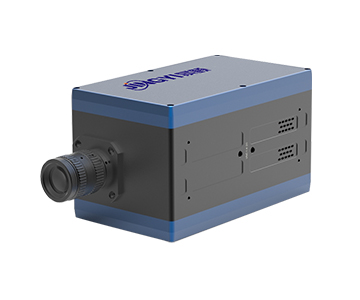
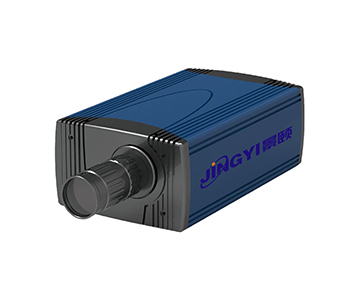
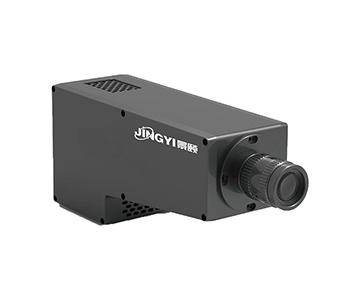
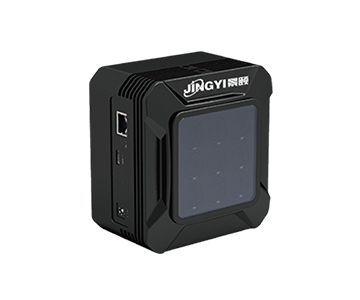
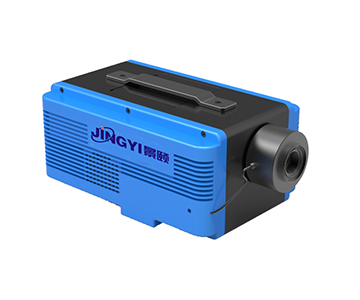
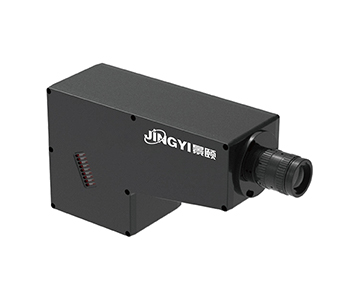
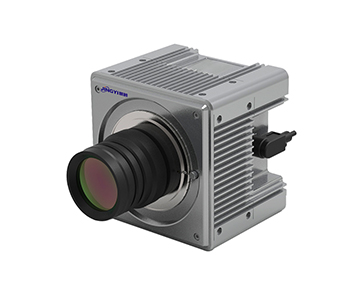
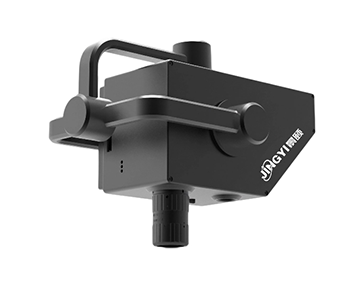
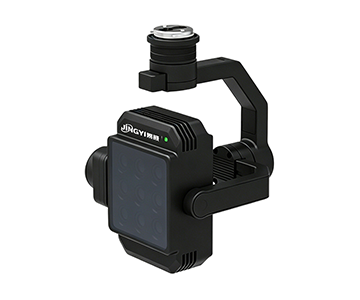
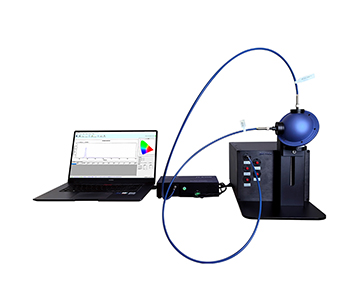
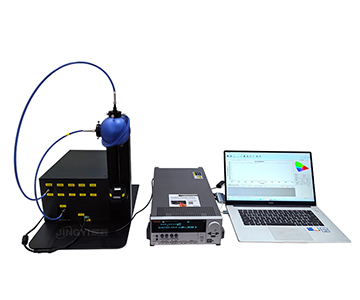
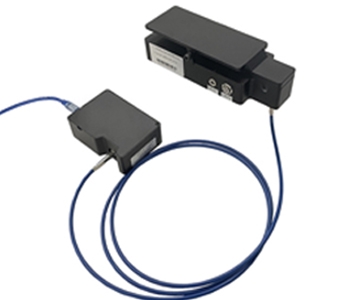
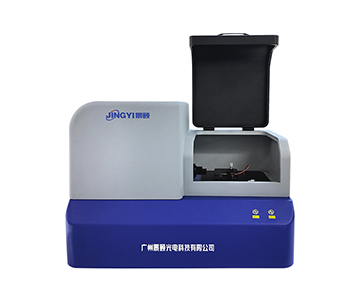
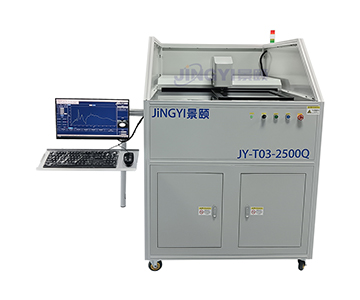
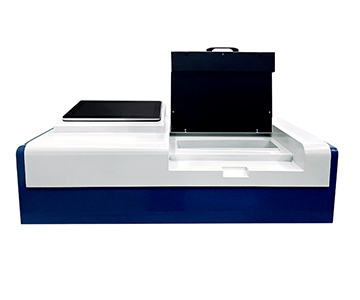
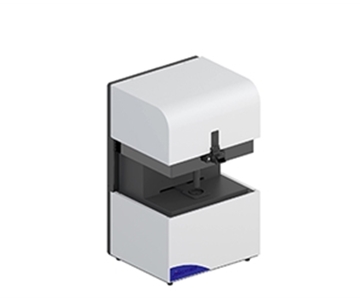
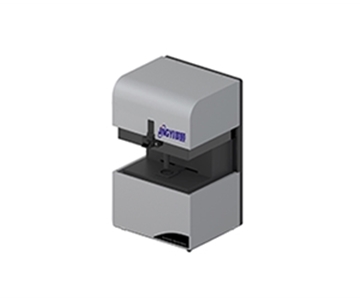
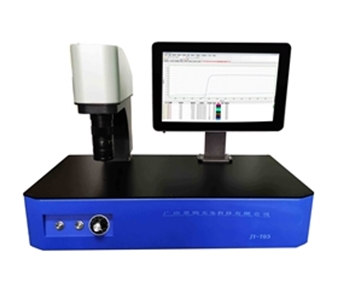
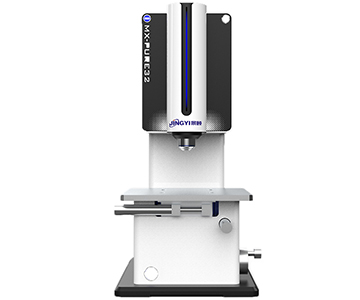
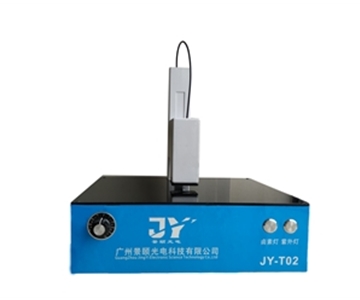
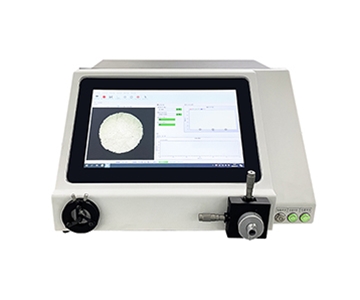
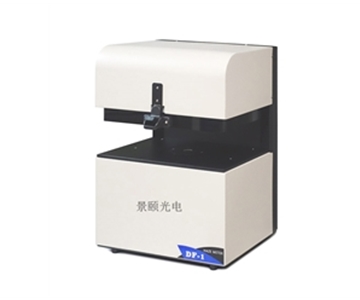
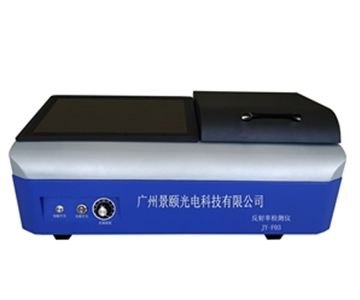
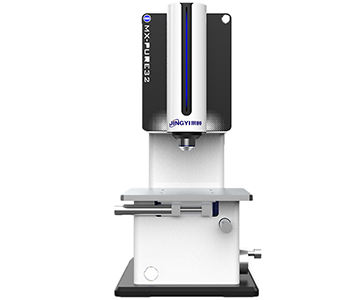
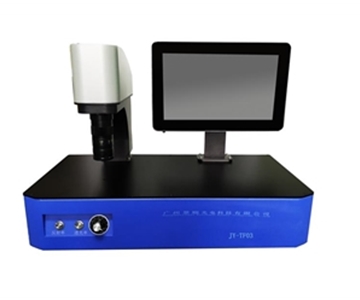
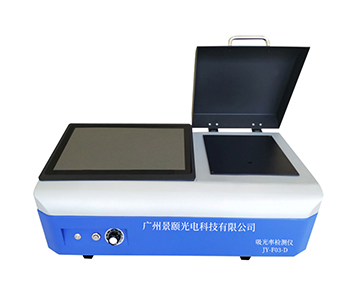
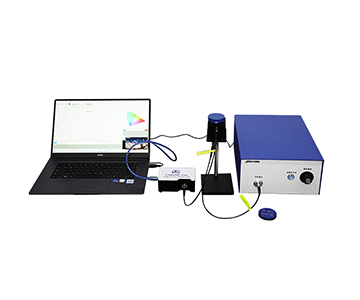
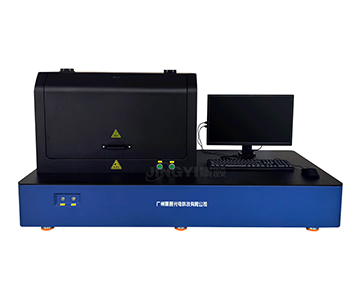
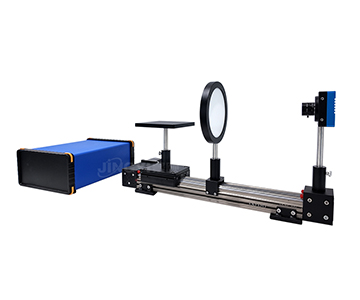
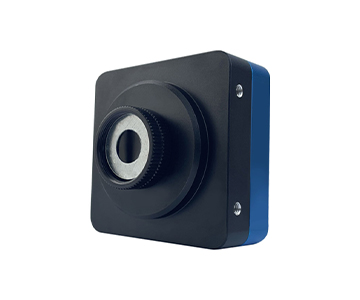
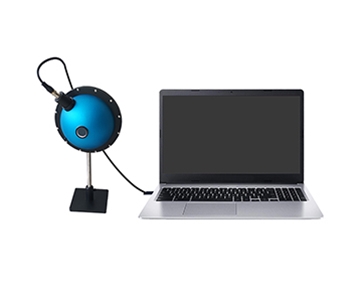
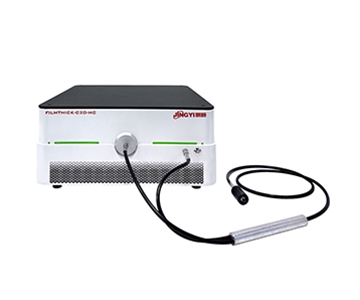
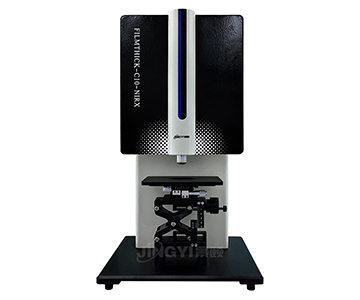
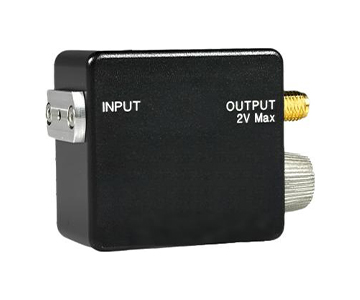
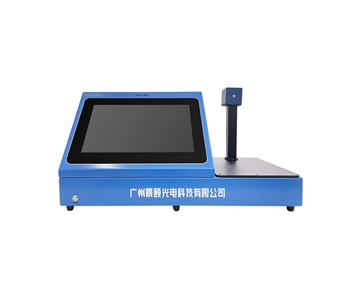
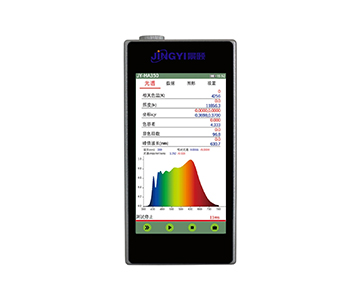
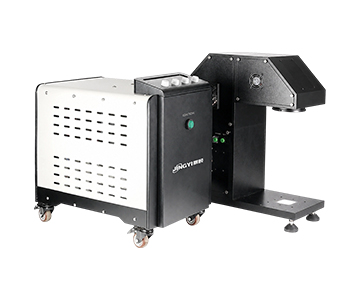
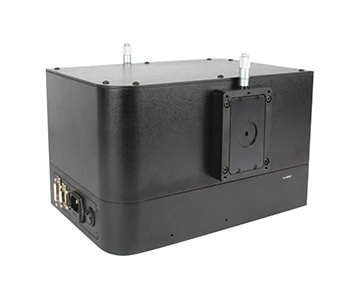
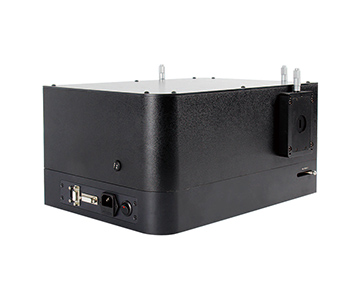
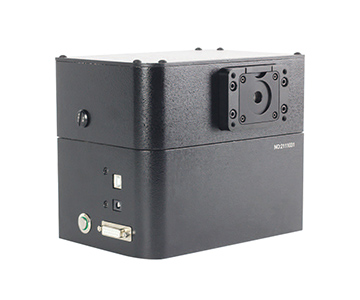
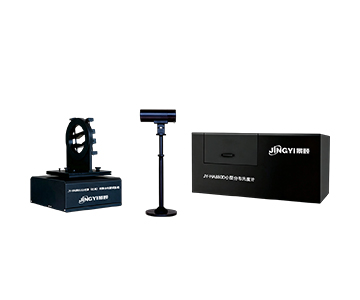
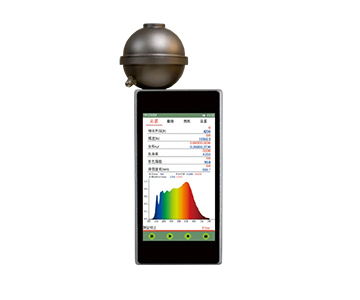
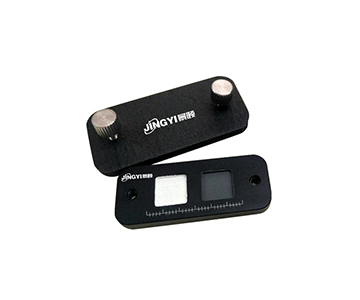
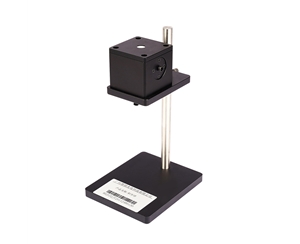
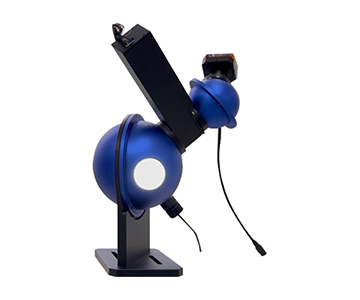
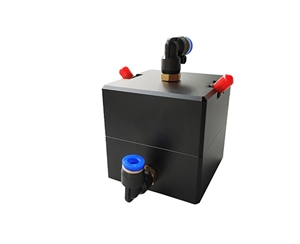
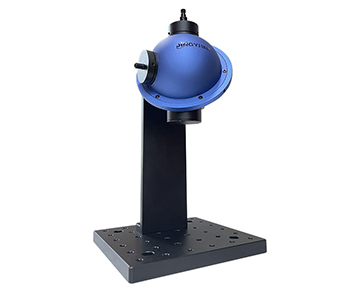
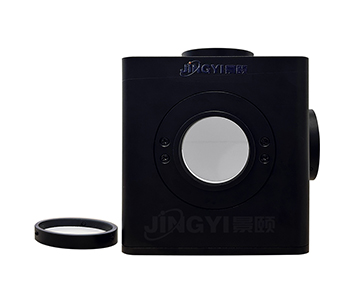
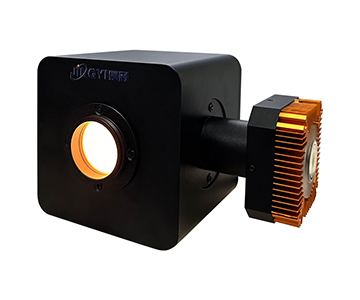
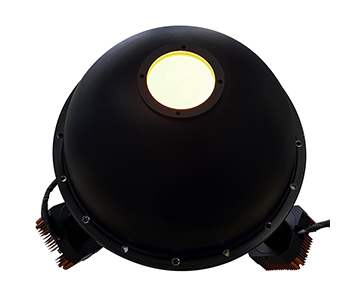
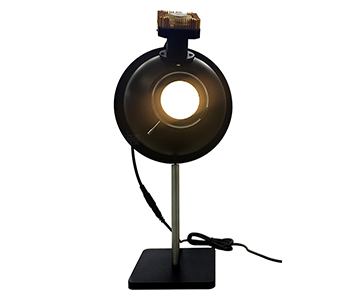
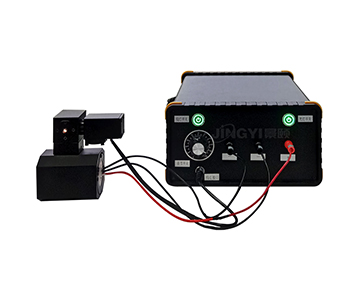
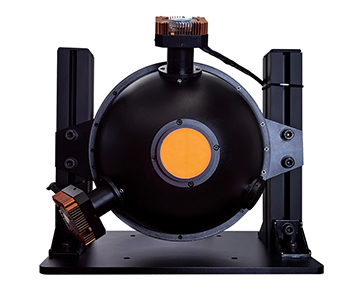
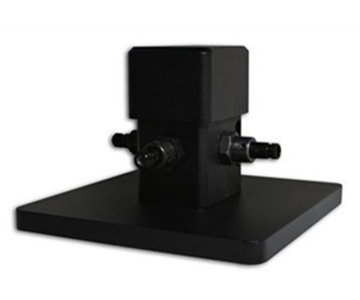
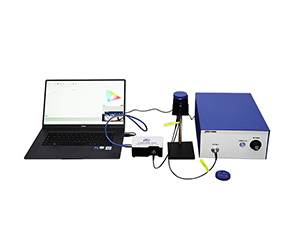
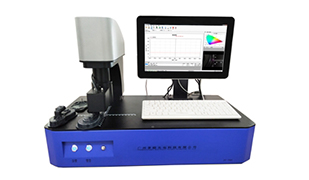
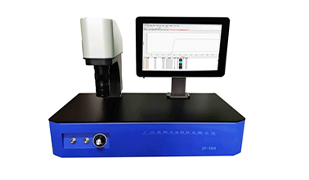
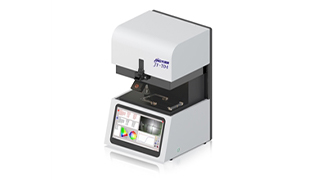
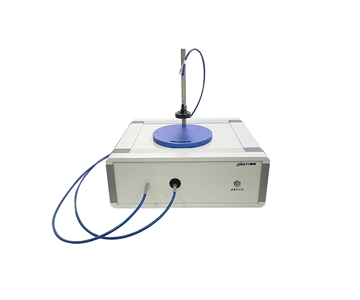
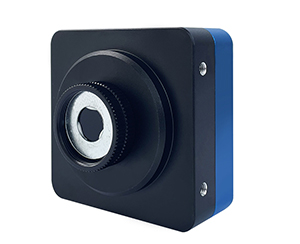
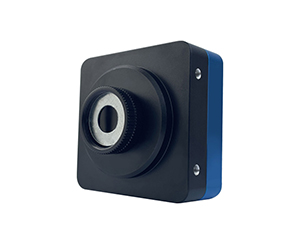
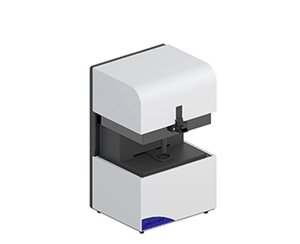
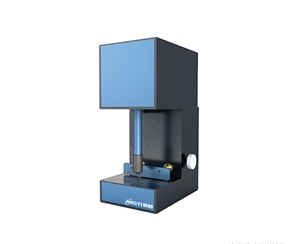
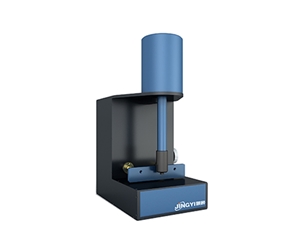
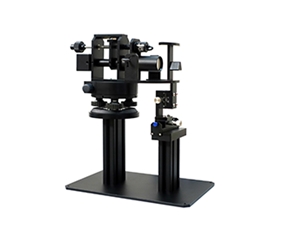
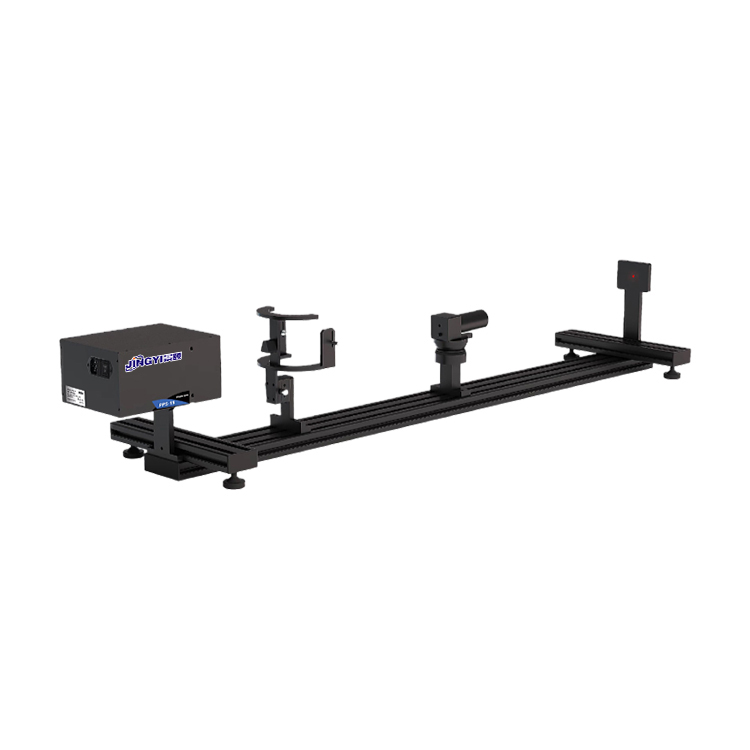
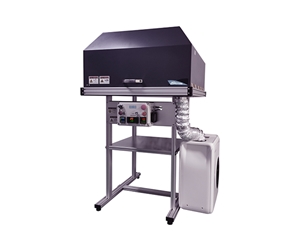
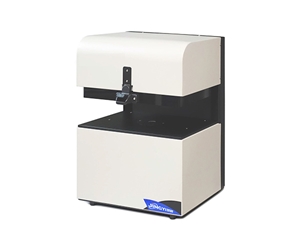
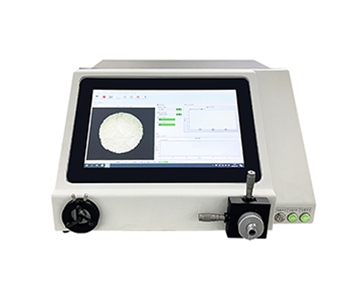
Taking the self-developed beam quality analyzer by Jingyi Optoelectronics as a typical example, it delivers outstanding performance in laser spot detection. The analyzer is equipped with a pixel size of 2.9×2.9μm, enabling high-resolution imaging and detection of tiny laser spots; its spot detection diameter ranges from 29μm to 4.4mm, fully covering the spot testing requirements of most conventional laser equipment. In addition, it comes standard with an attenuation sheet for convenient operation, and the optional high-power attenuation module expands its measurable power range up to 1000W, further broadening its application scenarios in high-power laser testing.
Industrial Applications of Laser Spot Quality Tester
Laser spot quality testers boast a wide range of cross-industry applications, covering scientific research, education, industrial production, medical treatment and other fields. The following are its core and typical application scenarios:
Optical Laboratory Research
In professional optical laboratories, the laser spot quality tester serves as an indispensable precision instrument for laser beam characteristic research. Researchers rely on it to measure core parameters such as laser beam intensity distribution and beam quality factor (M²), so as to conduct in-depth research on the physical properties and transmission laws of laser beams. The accurate test data obtained is of great guiding significance for the research and development of new laser devices, the optimization of laser system structures, and the breakthrough of optical performance bottlenecks.
Laser Technology Teaching and Experimental Training
In colleges, universities and vocational education institutions, laser spot quality testers are key experimental equipment for laser technology-related courses. Through hands-on operation of the instrument, students can intuitively understand the measurement principles and analysis methods of laser spots, master basic operating skills and experimental specifications of laser technology, and transform theoretical knowledge into practical ability. This plays a vital role in cultivating practical and innovative talents for the laser industry and improving the quality of professional education.
Precision Laser Processing
In industrial laser processing scenarios such as laser cutting, laser welding, and laser marking, the quality of laser spots directly determines processing accuracy, surface finish and production efficiency. The laser spot quality tester can realize real-time monitoring of laser beam quality, ensuring the stability and consistency of the processing process. By accurately detecting spot shape, size and energy distribution, it can quickly identify abnormal states of the laser beam (such as spot distortion, uneven energy, and offset), allowing operators to adjust parameters in a timely manner and effectively avoid processing defects such as incomplete cutting, rough welding seams and blurry marking.
Production Line Equipment Commissioning and Calibration
Laser spot quality testers also play an irreplaceable role in the commissioning, calibration and routine maintenance of laser equipment on automated production lines. By measuring fixed laser beam spot parameters, technicians can accurately evaluate the working performance and stability of laser equipment, judge whether the equipment meets production standards, and complete precise calibration. This not only improves overall production efficiency and ensures consistent product quality, but also reduces unplanned downtime and cuts comprehensive production costs for enterprises.
Optical Component Quality Inspection
During the manufacturing and quality inspection of optical systems and components, laser spot quality testers are widely used to evaluate the performance of core optical components such as lenses and reflectors. Through detailed analysis of spot shape, energy concentration and transmission uniformity, inspectors can accurately determine whether optical components have defects such as surface wear, internal bubbles, or coating damage, as well as performance degradation caused by processing errors. This provides a reliable quality control guarantee for improving the overall performance and service life of optical systems.
Medical Laser Applications
In the medical field, especially in minimally invasive laser surgeries such as ophthalmic surgery, laser spot quality testers provide critical safety and efficacy support. Real-time monitoring and quantitative evaluation of medical laser beam quality can ensure that the laser spot maintains stable energy, appropriate size and accurate positioning during surgery, avoiding damage to normal tissues caused by abnormal spot parameters, and greatly improving surgical safety and success rate. For instance, the beam quality analyzer developed by Jingyi Optoelectronics has been successfully applied in the medical field, providing a more accurate and reliable laser beam monitoring solution for clinical ophthalmic surgeries.
Technical Advantages of Laser Spot Quality Tester
Different types of laser spot quality testers have their own technical characteristics and applicable scenarios, and the mainstream models and their core advantages are as follows:
Camera-Based Laser Spot Analyzer
This type of analyzer adopts high-resolution CCD or CMOS industrial cameras to capture clear laser spot images, and matches professional image processing software to achieve accurate analysis of spot size, shape, energy distribution and centroid position. It can realize high-precision real-time detection and positioning of spot centers, and is especially suitable for scenarios requiring strict control of spot position and shape. In addition, it also has the advantages of wide measurement range, intuitive data display and simple operation, making it the most widely used spot analyzer at present.
Scanning Slit Laser Spot Analyzer
The scanning slit spot analyzer adopts precision slit scanning technology, which drives the slit to move horizontally and vertically to scan the laser spot, and accurately measures the light intensity distribution passing through the slit. This technical solution can capture the fine contour and energy distribution of the spot with high precision, and is particularly suitable for the detection of tiny spots and irregularly shaped spots. Although its real-time performance is slightly lower than that of camera-based analyzers, it has higher measurement accuracy and stronger anti-interference ability, making it ideal for high-precision scientific research and precision testing.
Other Special-Purpose Spot Analyzers
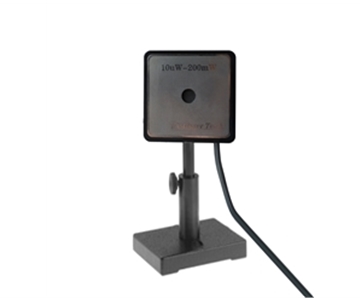
In addition to the two mainstream models above, there are also spot analyzers based on quadrant photodetectors (QPD) and position-sensitive detectors (PSD). These analyzers judge spot position and approximate shape by detecting the light intensity distribution at different detection positions, with the advantages of ultra-fast response speed and high positioning accuracy. However, their detection range is relatively narrow, and they are mostly used for fixed-point spot monitoring and simple position detection, with limited application in full-feature spot analysis.
The beam quality analyzer independently developed by Jingyi Optoelectronics stands out in the market with outstanding cost performance and comprehensive performance, and can completely replace imported laser beam quality analyzers to meet various laser spot detection and testing needs. Its core technical advantages include the following five aspects:
1. Ultra-Wide Spectrum and Multi-Wavelength Compatibility: The optional ultra-wide spectrum series covers the wavelength range from ultraviolet to long-wave infrared, adapting to the detection requirements of various lasers with different wavelengths in industrial, scientific research and medical fields.
2. Wide Spot Diameter Measurement Range: The measurable spot diameter covers the specifications of most laser products on the market, and supports customized expansion for smaller spot detection, meeting diversified testing needs of different users.
3. Integrated Design and Flexible Attenuation Scheme: The instrument adopts an integrated compact design with a built-in attenuation device, which can directly measure milliwatt-level low-power lasers; for high-power lasers, it provides targeted optional attenuation modules, enabling fast testing without additional auxiliary accessories, and greatly simplifying the operation process.
4. Independent Research and Development Software with Open Protocol: The supporting analysis software is completely independently developed, and can provide underlying communication protocols, supporting secondary development and customized function expansion for users, meeting personalized industrial integration and automatic testing needs.
5. Customized Product Services: The company can provide customized beam quality analyzers according to customer-specific requirements, including special spot diameter ranges, laser power levels, interface configurations and appearance designs, fully meeting personalized and scenario-specific testing needs.
Development Trends of Laser Spot Quality Tester
With the rapid development of laser technology and the continuous expansion of its application boundaries, laser spot quality testing technology is also moving towards higher performance and smarter development, presenting four core development trends:
1. Higher Precision and Real-Time Performance: As industrial manufacturing, medical diagnosis and other fields put forward higher requirements for laser processing accuracy, laser spot detection technology will focus on improving detection accuracy and response speed. Future instruments will be equipped with higher-resolution sensors and more optimized algorithms, achieving sub-micron level precision detection and millisecond level real-time data output, providing more timely and accurate data support.
2. Intelligence and Automation: The deep integration of artificial intelligence and automatic control technology will promote the full intelligence of laser spot testers. Future equipment will realize automatic identification of spot defects, automatic adjustment of laser parameters, automatic generation of test reports and continuous online monitoring, reducing manual operation dependence, improving the automation level of production lines, and further enhancing production efficiency and quality stability.
3. Multi-Wavelength and Multi-Mode Integrated Detection: With the popularization and application of multi-wavelength and multi-mode lasers in advanced manufacturing, laser spot testers will strengthen the integrated detection capability of multi-band and multi-mode beams, realizing one-time testing of various laser parameters, adapting to the diversified development of laser technology and meeting the complex testing needs of emerging fields.
4. Green, Energy-Saving and Compact Design: Against the background of global energy conservation and environmental protection, future laser spot testing equipment will adopt low-power consumption and environmentally friendly design schemes, optimize internal structure to reduce volume and weight, and realize portable and integrated development. This not only reduces energy consumption and environmental impact, but also facilitates on-site testing and mobile application in different scenarios.
As a core precision instrument for evaluating laser beam quality and performance, laser spot quality testers have broad application prospects and huge market potential in scientific research, industrial production, medical treatment and other fields. With the continuous breakthrough of optical technology, electronic technology and algorithm technology, the performance of such instruments will be further improved, and their application scope will continue to expand. Jingyi Optoelectronics will always adhere to technological innovation and research and development investment, focus on the upgrading of laser spot quality testing products, provide global customers with more high-performance, more convenient and more reliable testing equipment and supporting services, and empower the high-quality development of the global laser industry.