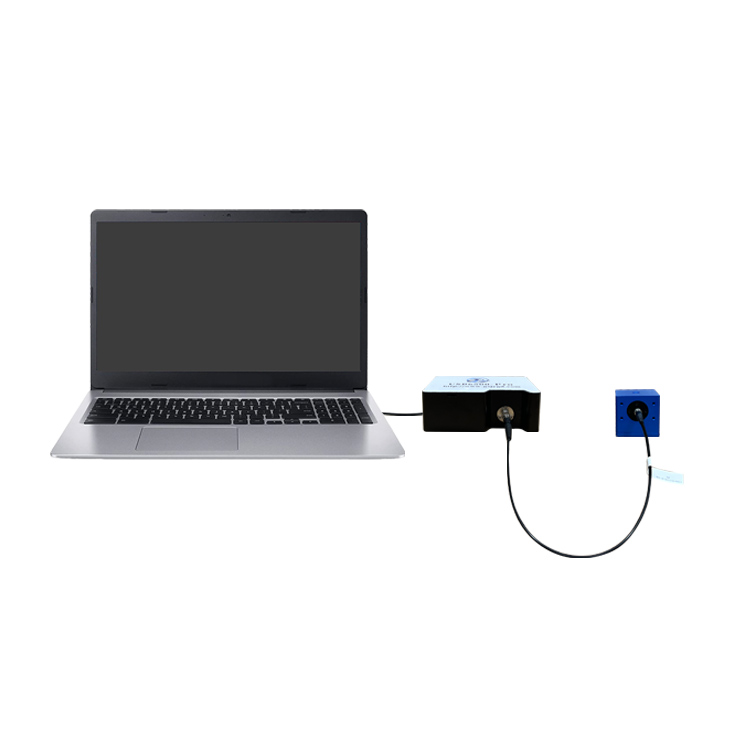
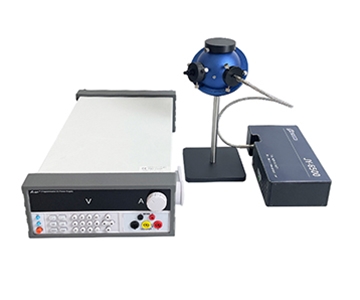
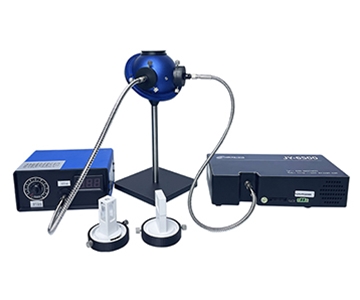
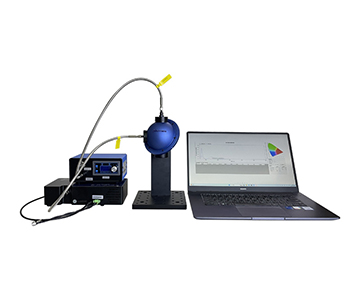
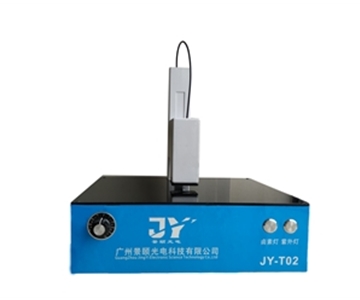
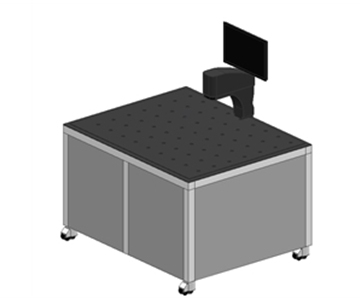
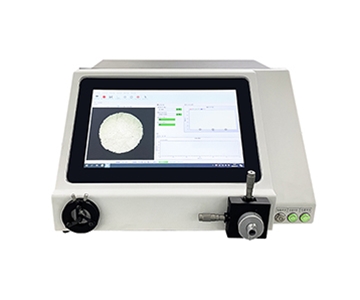
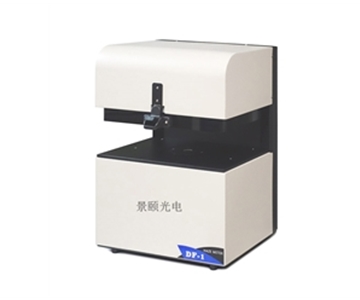
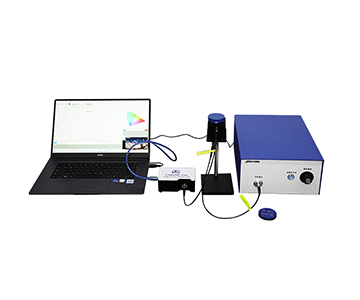
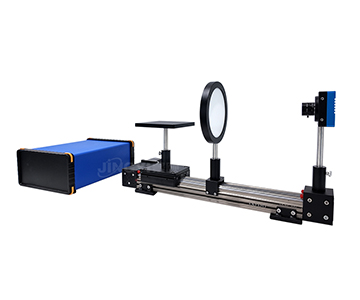
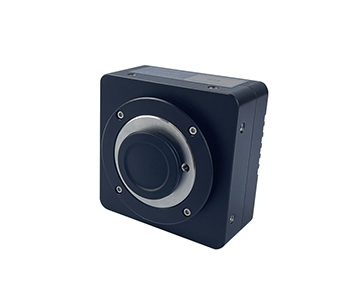
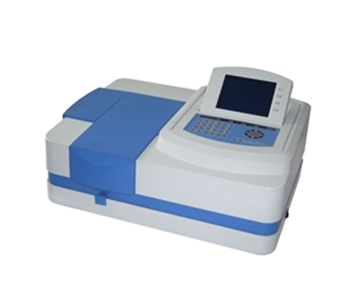
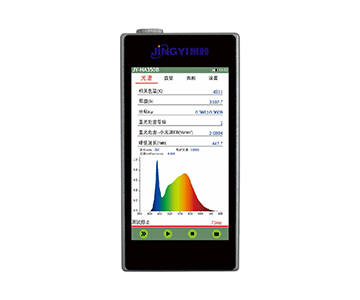
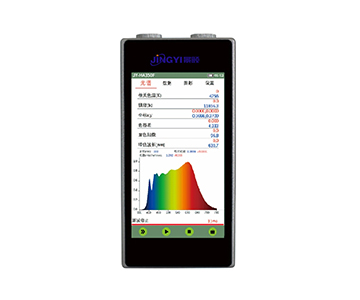
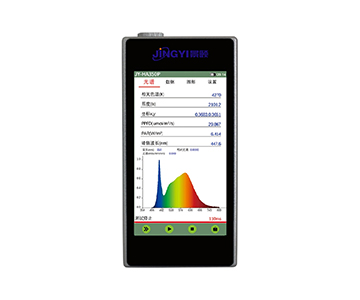
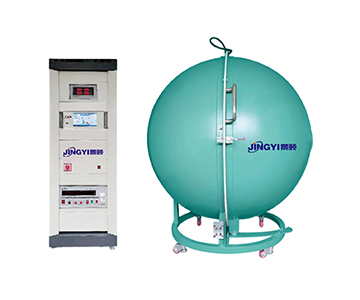
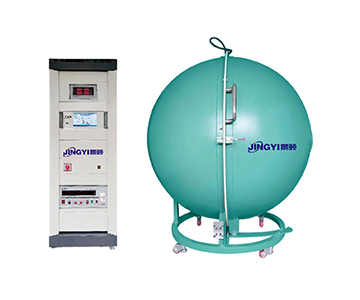
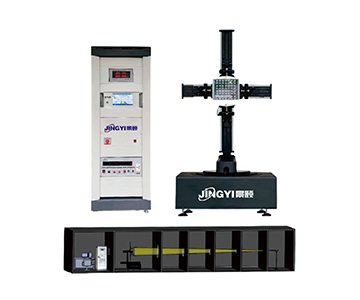
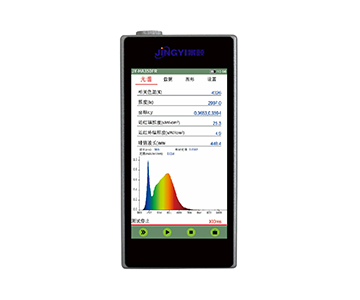
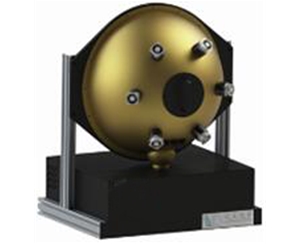
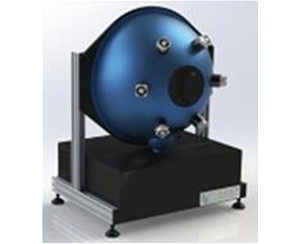
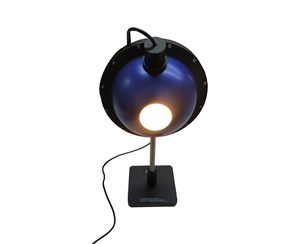
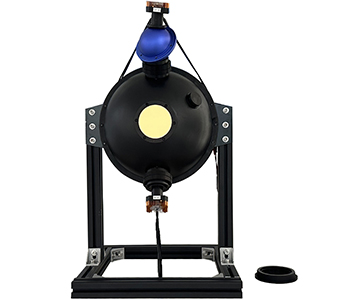
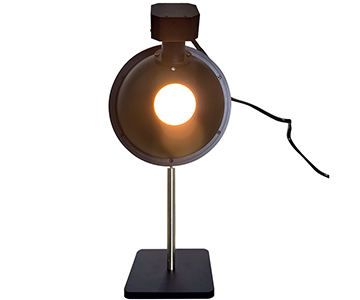
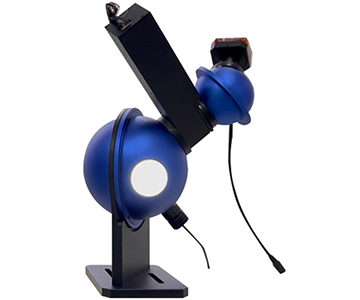
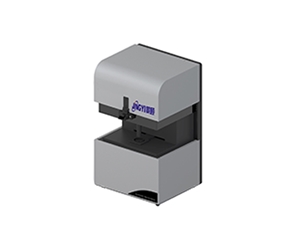
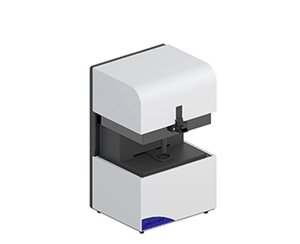
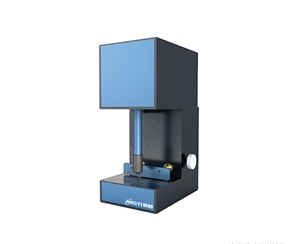
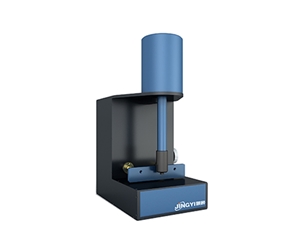
I. Analysis of the Working Principle of Light Transmittance Tester
When a parallel light beam irradiates a certain medium (such as transparent plastic), the propagation direction of the light beam changes due to the inhomogeneity of the material's own optical properties, such as surface defects, inconsistent internal structure, and possible bubbles and impurities, resulting in diffusion and deflection phenomena, thus forming some disordered light rays, which are called scattered light.
II. Detailed Explanation of the Testing Principle of Light Transmittance Tester
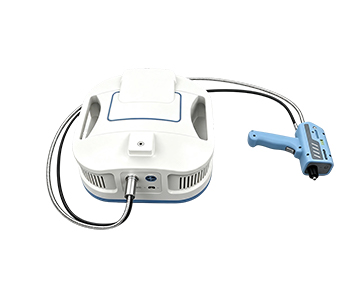
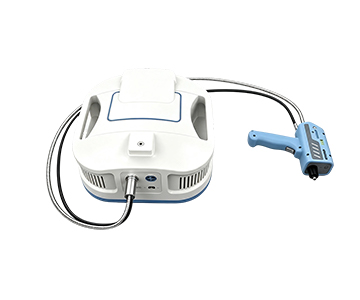
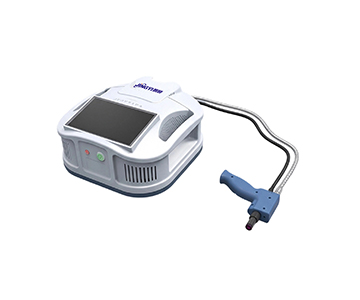
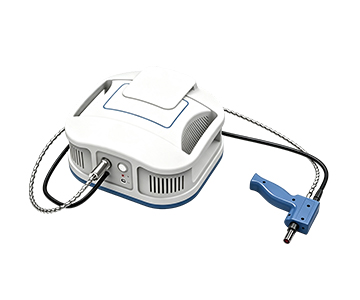
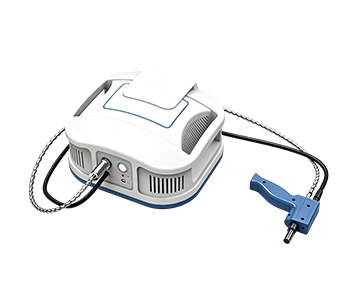
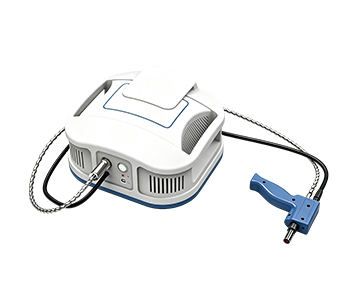
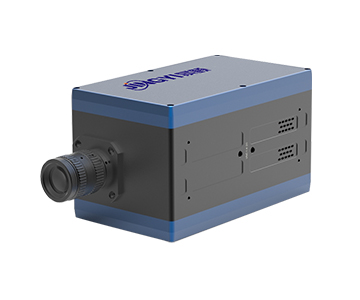
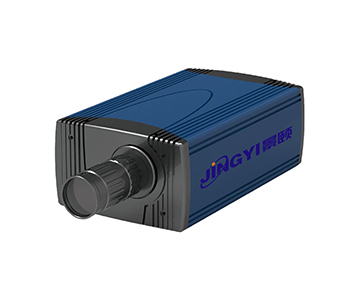
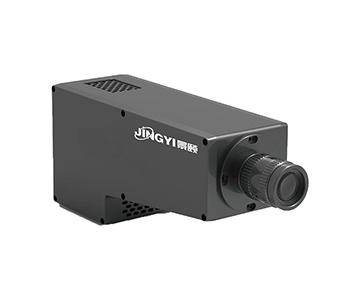
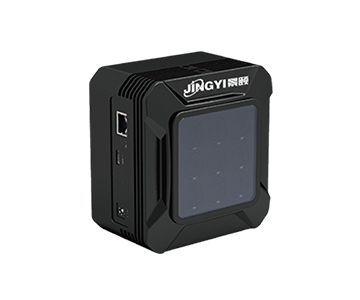
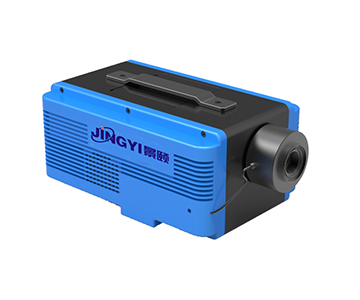
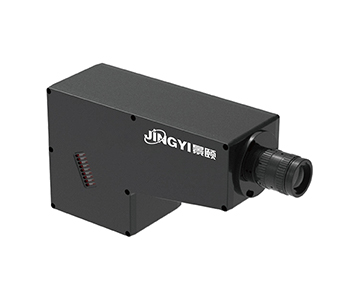
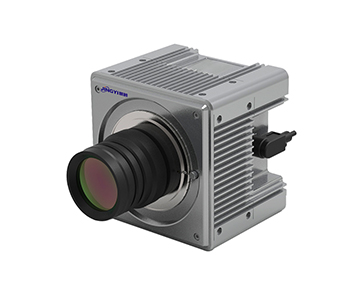
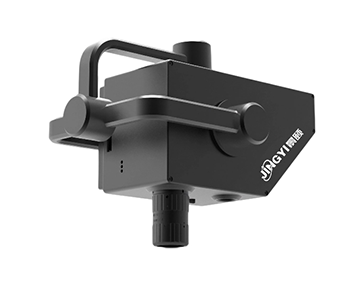
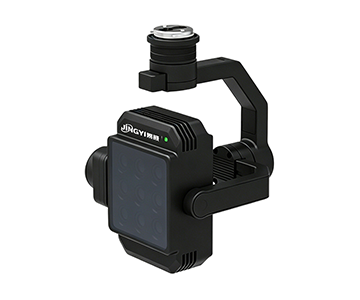
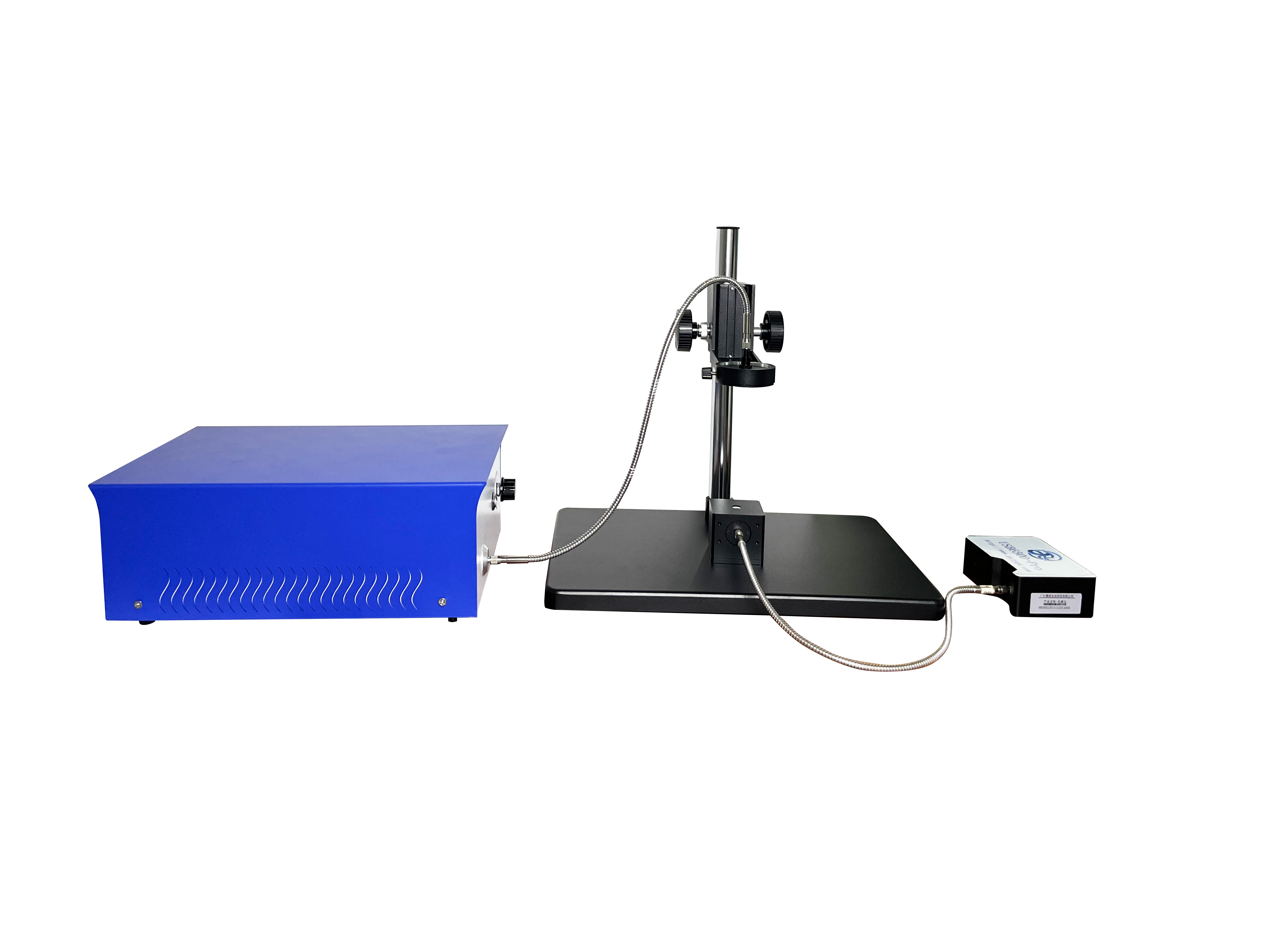
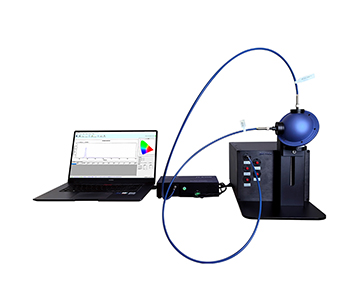
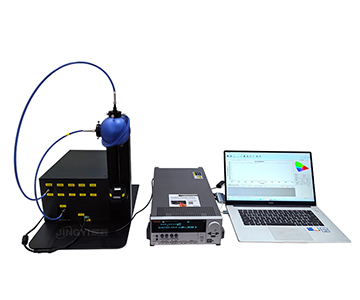
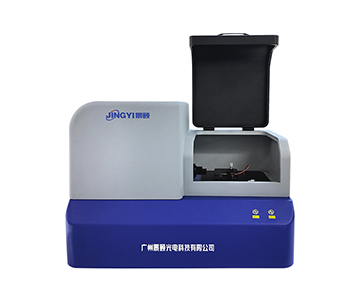
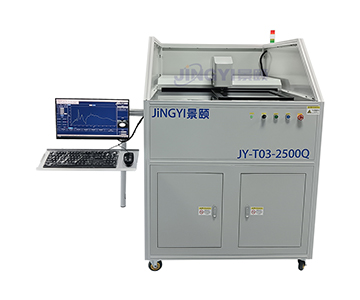
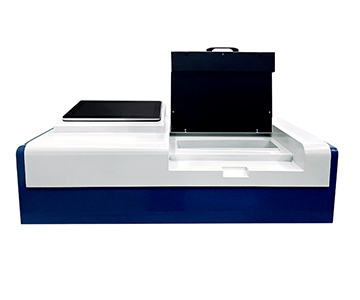
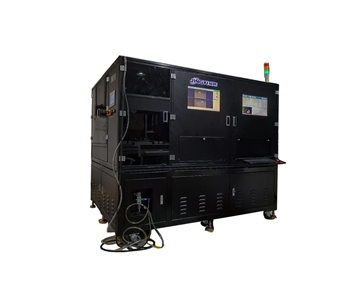
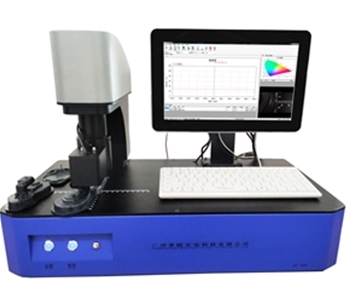
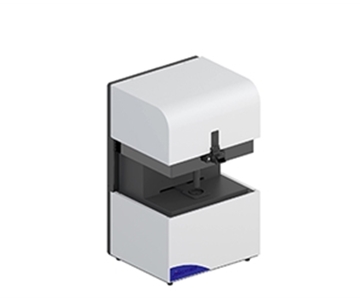
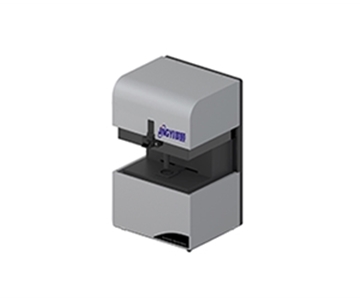
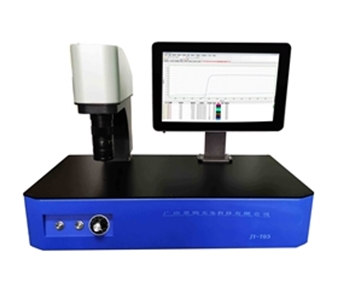
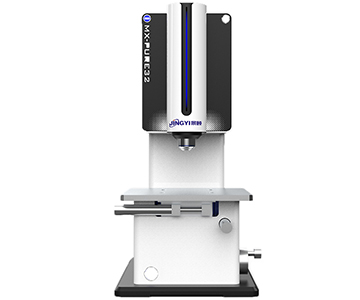
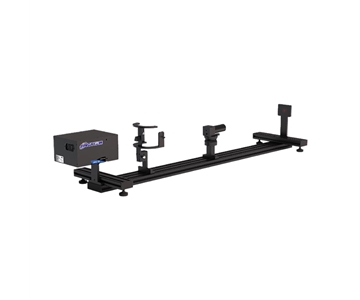
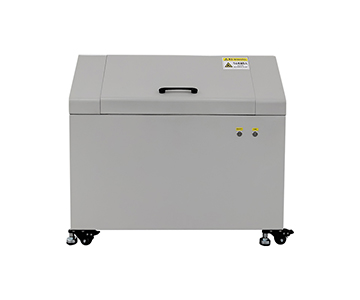
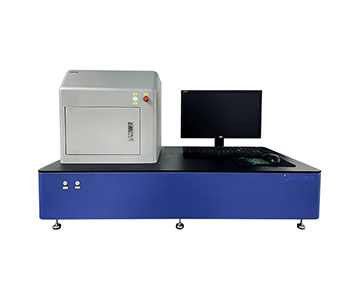
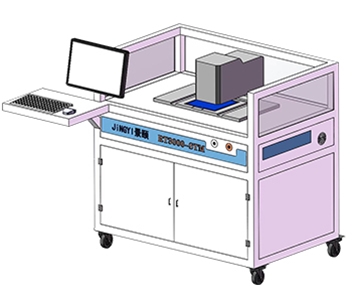
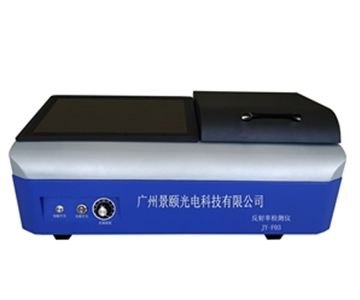
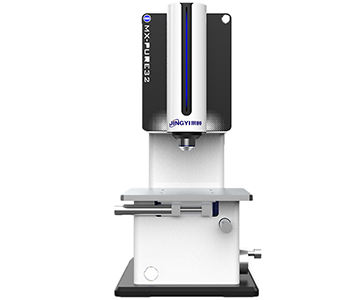
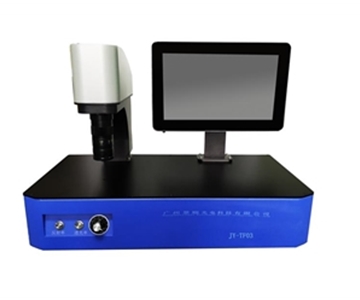
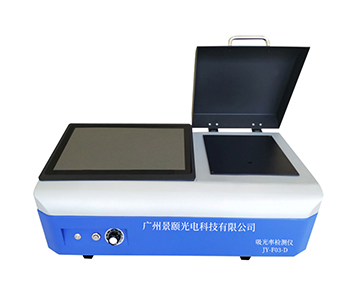
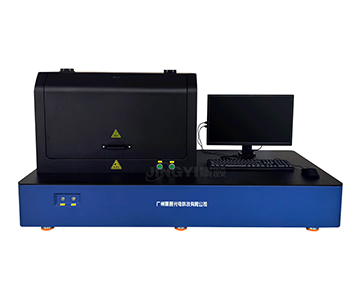
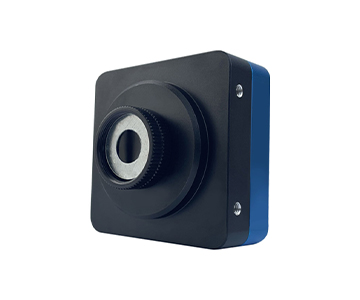
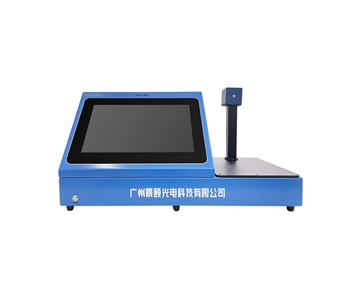
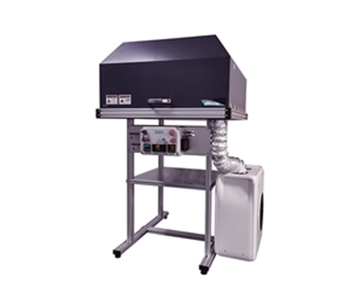
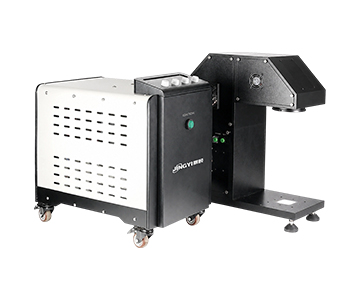
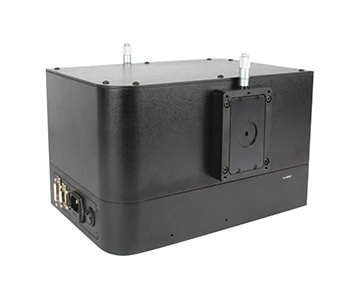
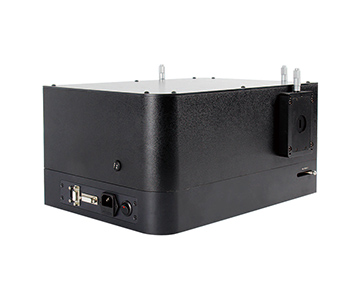
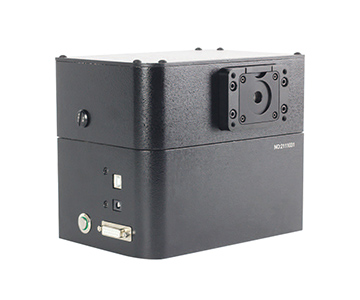
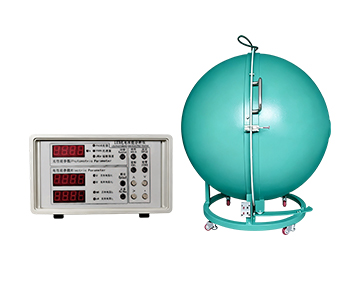
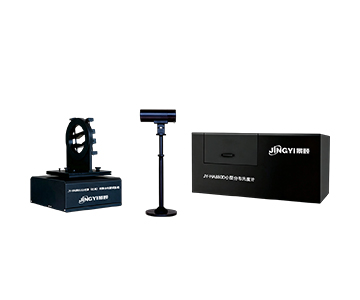
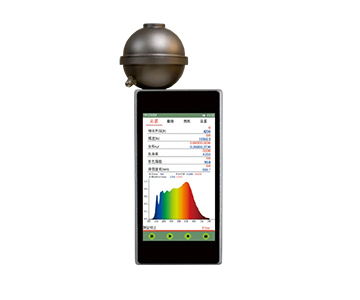
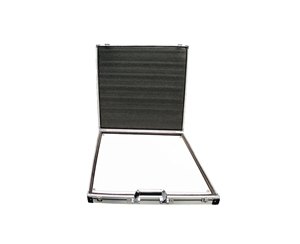
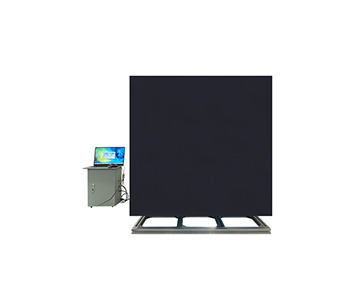
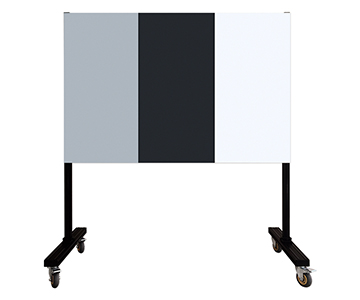
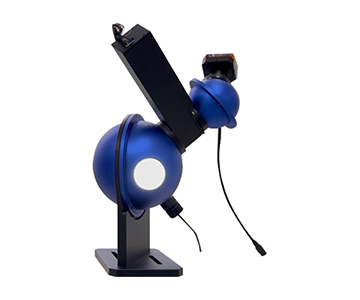
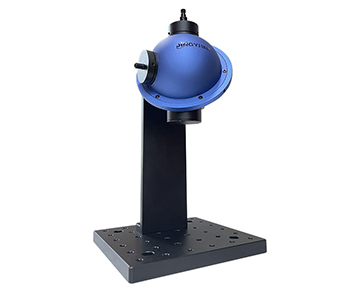
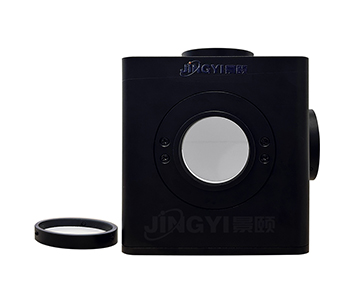
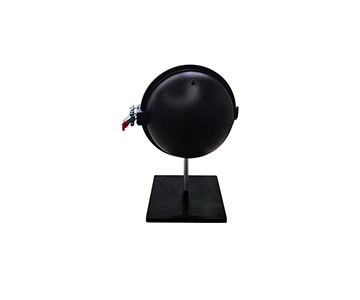
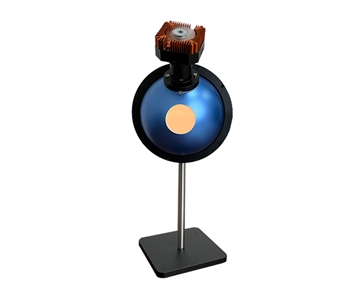
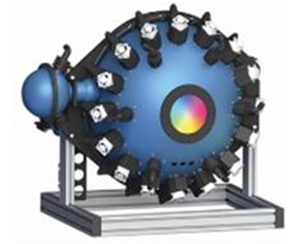
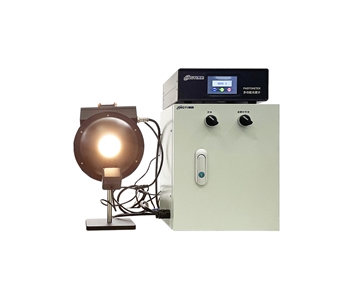
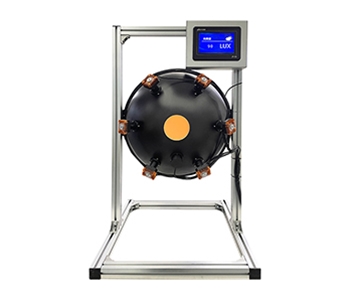
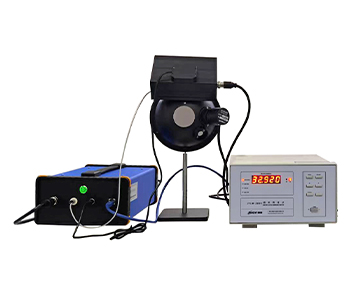
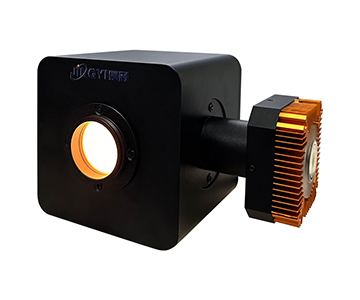
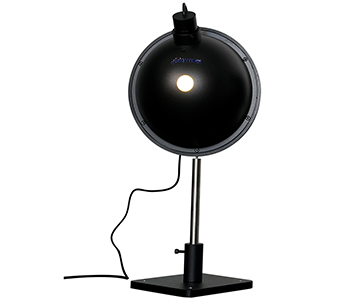
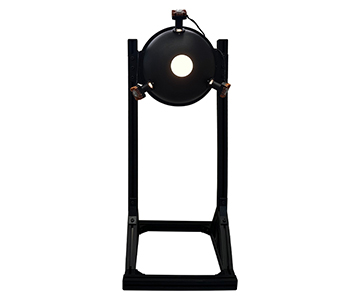
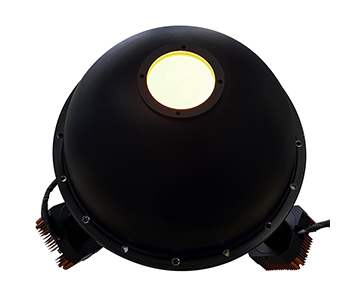
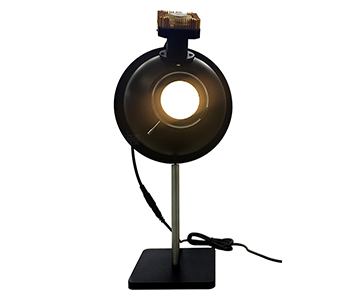
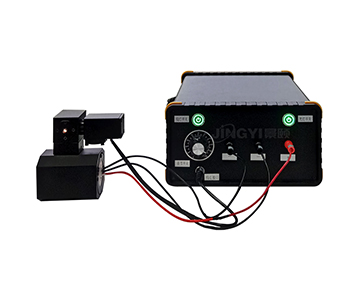
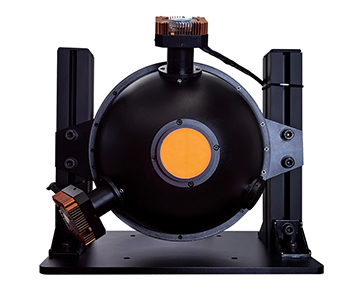
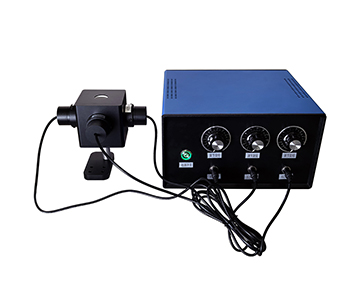
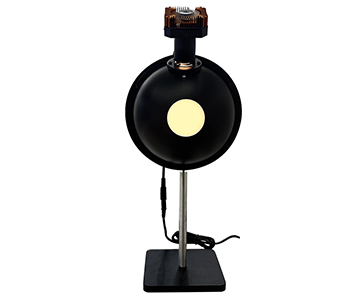
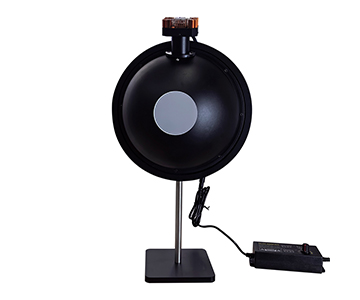
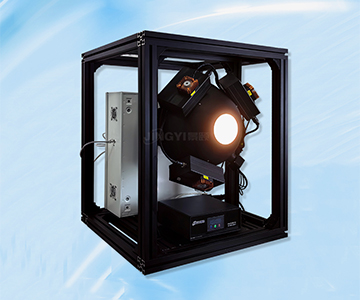
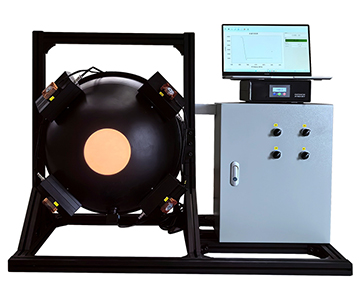
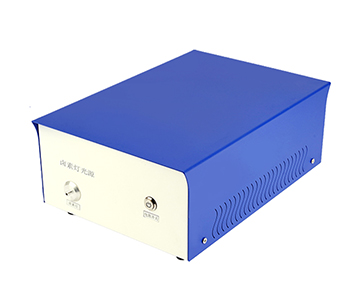
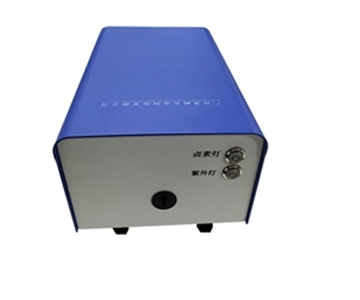
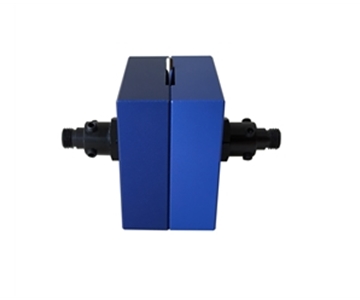
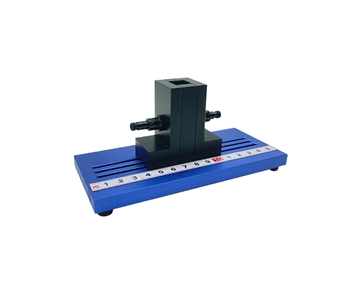
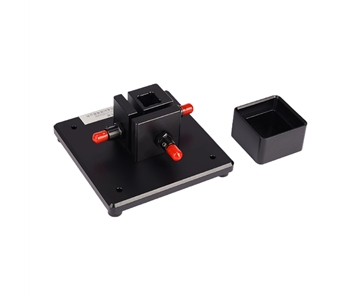
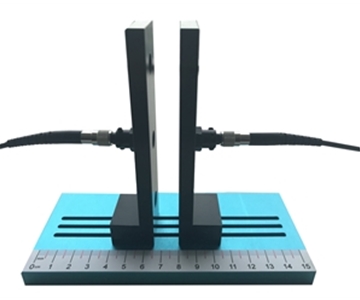
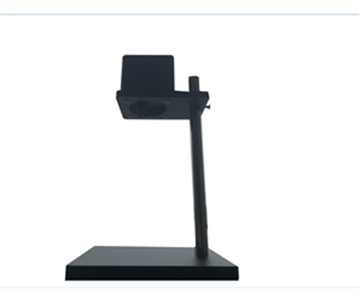
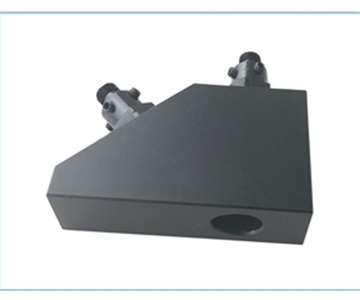
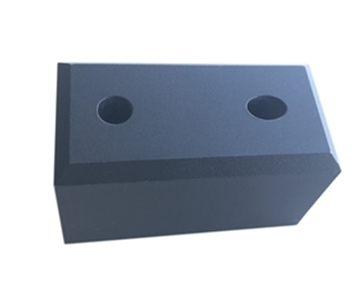
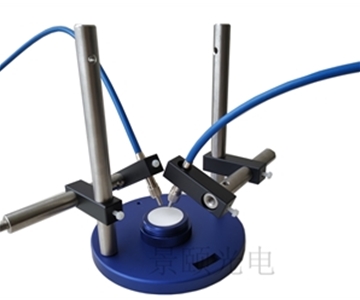
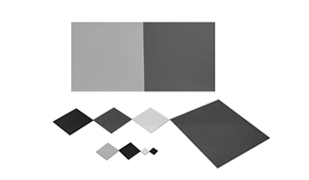
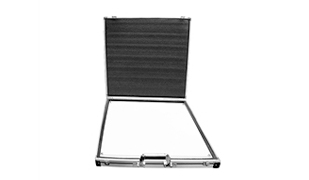
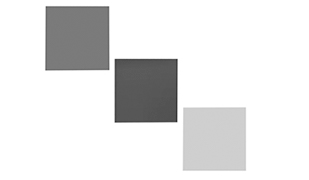
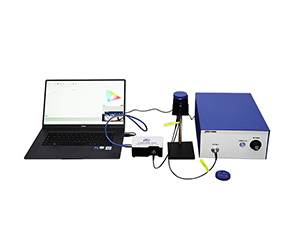
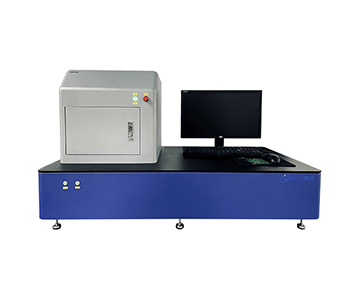
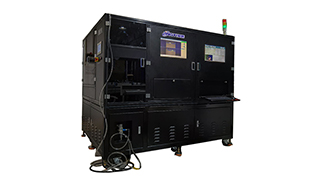
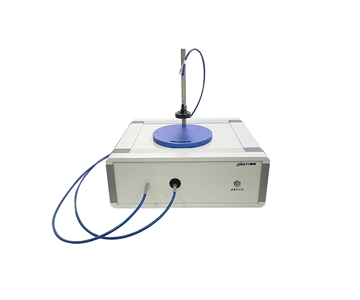
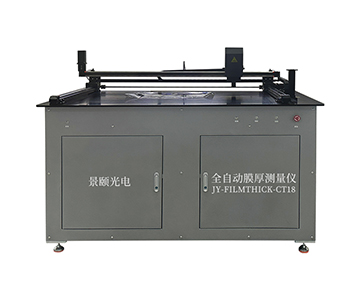
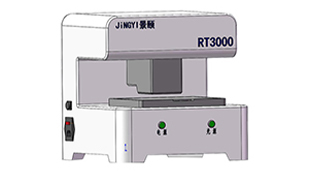
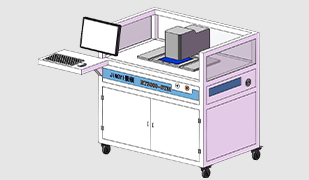
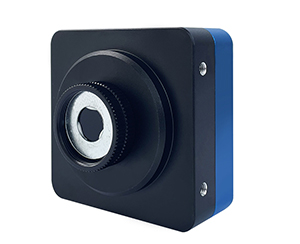
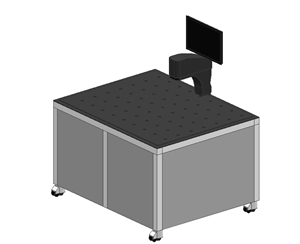
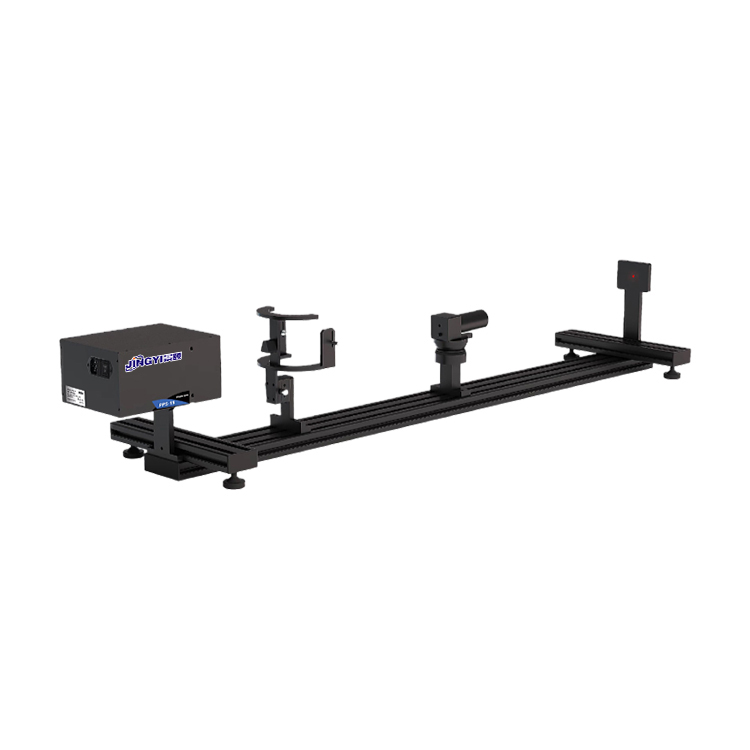
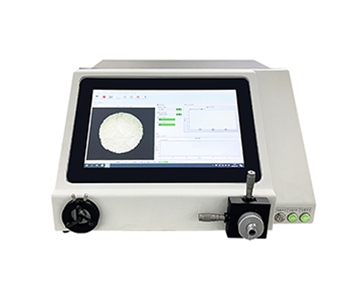
(Jinggu Optoelectronics Full-Frame Light Transmittance Tester JY-T980)
Under a specific temperature condition, the sample is placed in the tester to form a specific temperature difference on both sides of the sample. At this time, water vapor will diffuse through the sample to the dry side. By accurately measuring the variation of the weight of the moisture permeability cup with time, the key parameters such as the water vapor transmission rate of the sample can be accurately calculated by using relevant calculation formulas and algorithms.
III. Wide Application Fields of Light Transmittance Tester
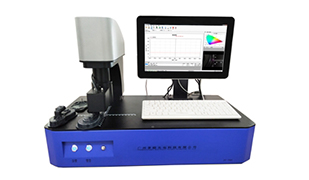
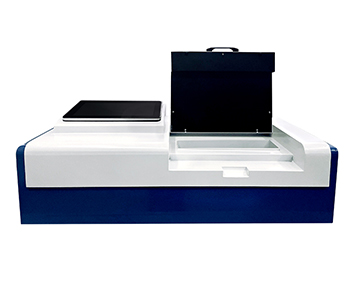
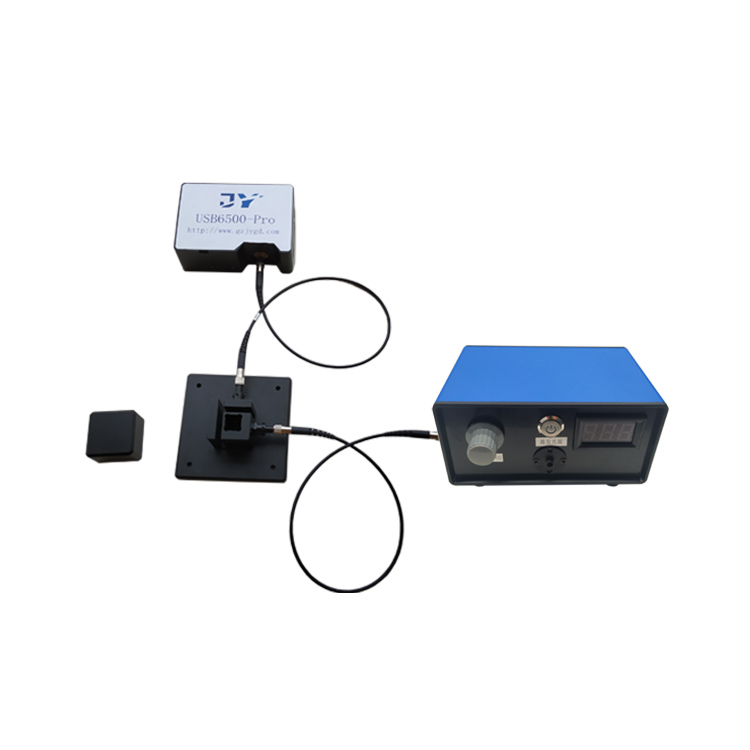
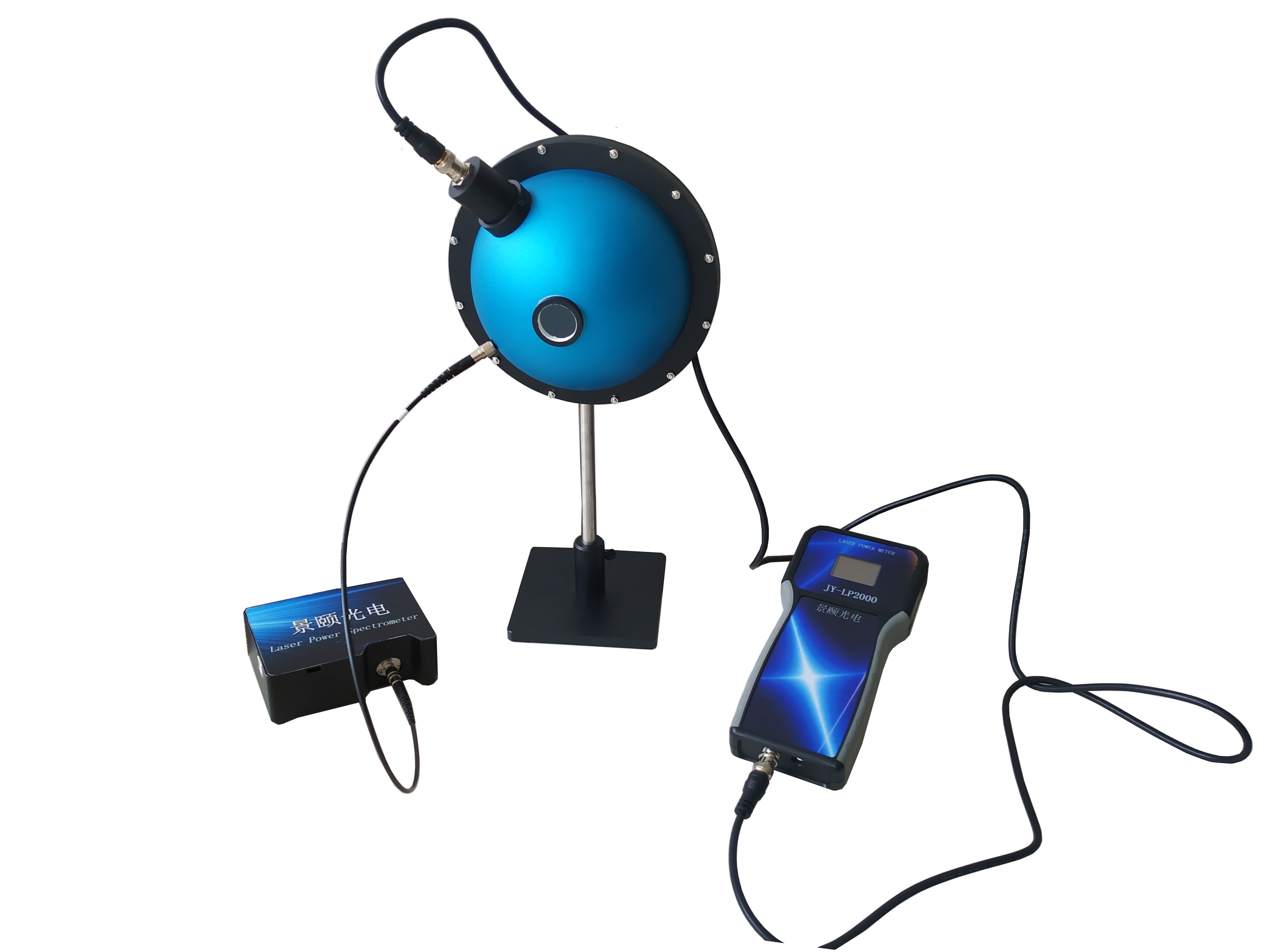
The light transmittance tester has extensive applications in many fields. It is suitable for the accurate determination of light transmittance, transmission haze, reflection haze and reflectivity of various transparent and translucent parallel plane samples, such as plastic plates, sheets, plastic films, flat glass, etc. At the same time, it is also applicable to the turbidity measurement of liquid samples (such as water, beverages, pharmaceuticals, tinting liquids, oils and fats, etc.).
In the field of national defense scientific research, it can be used for the determination of the light transmittance of optical glass, providing accurate data for the intermediate control of the polarization degree of artificial polarizers, and ensuring the optical performance of national defense equipment. Its application is even more extensive in industrial and agricultural production. For example, in the automobile manufacturing industry, it can be used for the determination of the visibility of aviation glass and automobile glass to ensure driving safety; in the packaging industry, it is used to evaluate the comprehensive optical quality of packaging plastic films and improve the packaging quality of products; in the agricultural field, it can inspect the light transmittance of agricultural plastic films to provide suitable light conditions for the growth of crops. In addition, it can be used for the inspection of the light transmission characteristics of architectural and decorative glass to optimize the indoor lighting effect; for the assessment of the diffusion quality of optical projection screens, movie screens and projection TV screens to enhance the visual experience; and for the inspection of the quality of advertising light box screens and engineering tracing paper to ensure the quality standards of products.
Moreover, the light transmittance/haze meter also has some indirect applications. For example, it can be used to evaluate the quality of ground glass detergent by detecting the change of light transmittance of ground glass after treatment with detergent to assess the cleaning effect of the detergent; to evaluate the light efficiency of plastic polishing materials to measure the improvement degree of polishing materials on the optical performance of plastic surfaces; to determine the velvet floc to control the quality in the production process; to evaluate the scratch resistance of plastic glass face shields to provide a basis for the quality improvement of products; and to control and detect the diffusion characteristics of diffusing coatings to ensure that the optical performance of coatings meets the requirements.
In terms of turbidity determination of liquid samples, the light transmittance tester also plays an important role. In industrial fields such as textile mills, thermal power plants, iron and steel plants, bulb factories, semiconductor factories, paper mills and synthetic fiber factories, it can be used for the detection of industrial water to ensure the quality of water used in the production process. In industries such as waterworks, soda water factories, breweries, sugar factories and pharmaceutical factories, it can be used for product quality detection, such as turbidity detection of tap water, clarity detection of soda water and beer, and determination of drug clarity. In clinical applications, it can be used for the determination of the concentration of trace solid substances in crystal mother liquor, the determination of bacterial concentration by epidemic prevention stations, and clinical blood tests, providing accurate data support for medical diagnosis. In environmental protection departments, it can be used for the inspection of sewage treatment quality to monitor the effect of sewage treatment; and for the control of seawater desalination quality to ensure that the water quality after seawater desalination meets the requirements. In the chemical industry, it can be used for the determination of the turbidity of tinting liquids, oils and solvents to control product quality.
IV. Characteristics of Jingyi Optoelectronics Full-Frame Light Transmittance Tester JY-T980
Jingyi Optoelectronics has continuously innovated in the field of light transmittance detection and launched the full-frame light transmittance tester JY-T980, which has the following remarkable characteristics:
1. Full-frame scanning and multi-point simultaneous detection: It can perform full-frame scanning on the light transmittance of welded plastic parts and realize multi-point simultaneous detection, avoiding the risk of missing detection and evaluating the light transmittance of samples comprehensively and accurately.
2. Fast testing speed: The detection time is ≤ 1 second, which greatly improves the detection efficiency and meets the demand for rapid detection in industrial production.
3. Customizable settings: Users can freely define the detection area and set the light transmittance range according to actual needs, automatically extract the light transmittance and welding quality of the detection area, and automatically judge OK or NG, providing users with a more flexible and personalized detection scheme.
4. Easy operation: The instrument has a simple and intuitive operation interface, and the test operation is convenient and fast, which can be easily mastered without professional technicians.
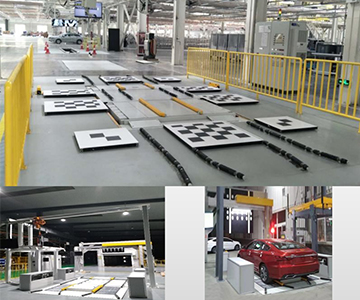
5. Wide application fields: This instrument is mainly used for the light transmittance detection of automotive plastic parts, such as instrument panels, rearview mirror brackets.