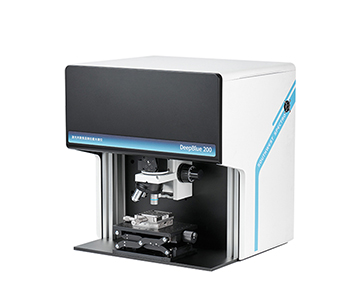
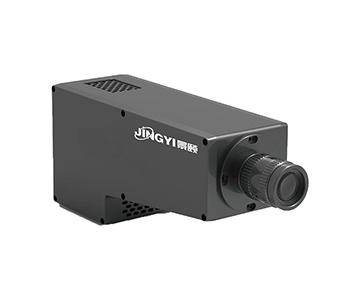
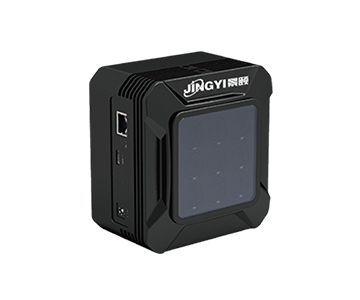
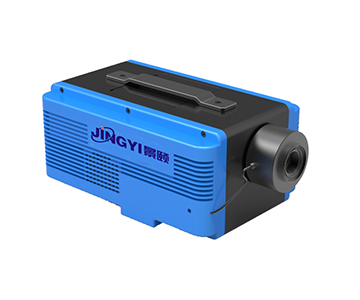
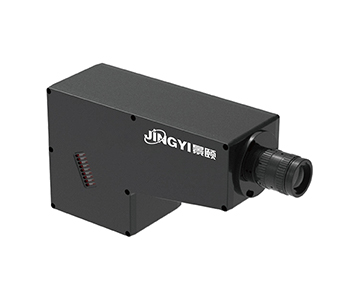
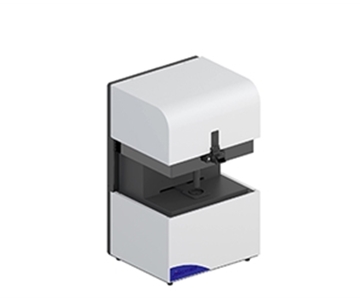
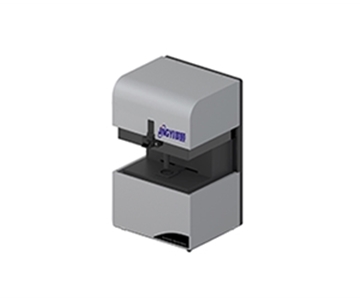
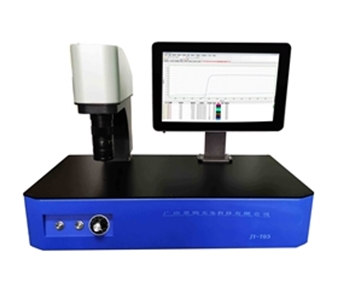
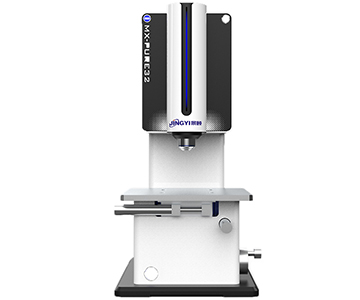
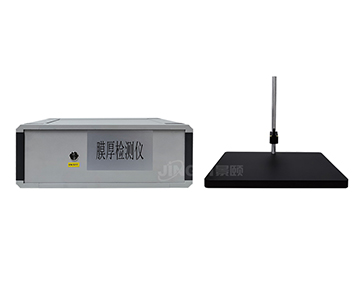
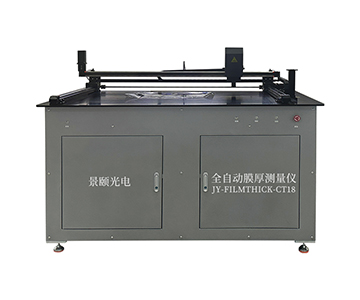
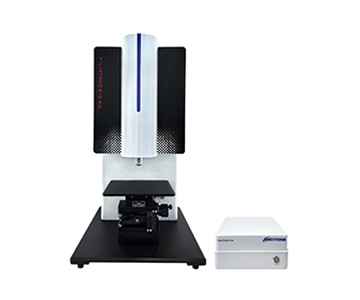
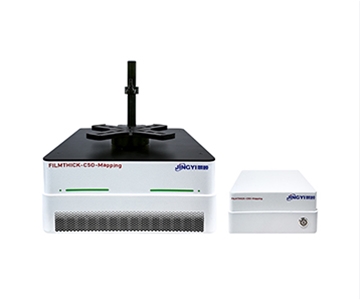
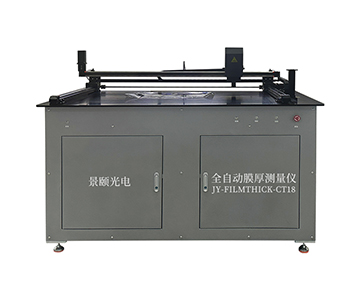
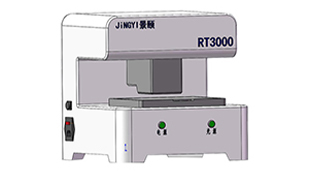
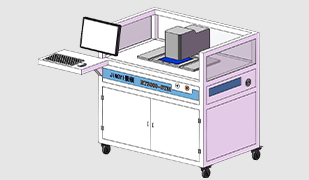
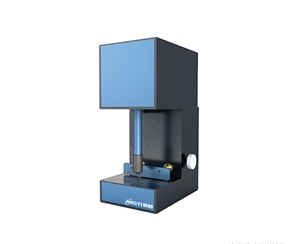
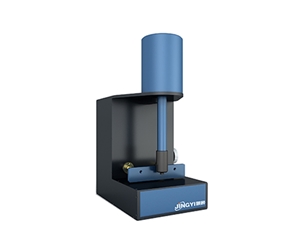
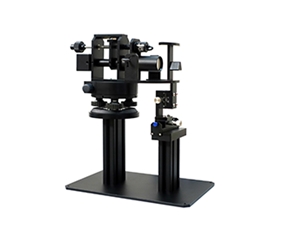
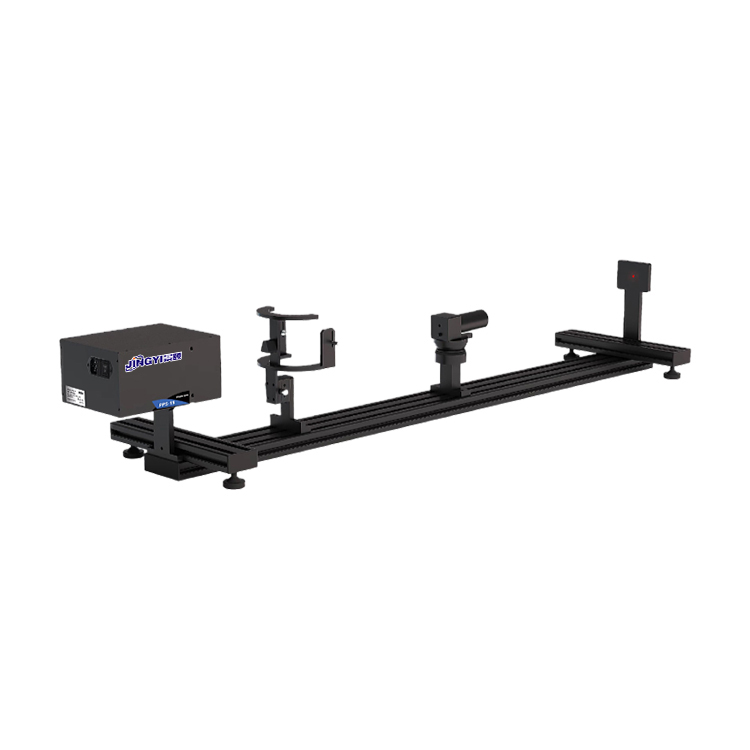
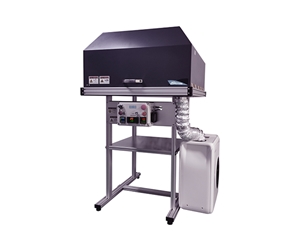
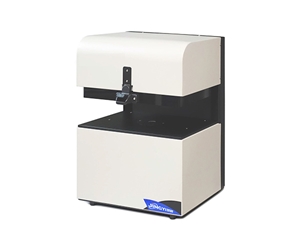
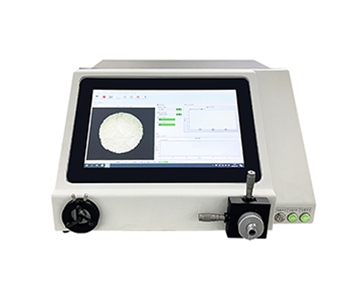
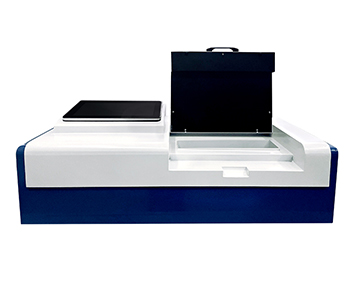
In the vast field of modern materials science, optical film thickness measurement technology is undoubtedly a crucial precision measurement method, and the film thickness gauge is the core equipment for realizing this technology. The cornerstone of its measurement principle lies in the optical interference phenomenon and the unique optical properties of thin films.
When a light wave is projected onto the surface of a transparent or translucent thin film, the light wave undergoes a remarkable "split": a portion of the light is directly reflected back at the upper surface of the film layer, while another portion penetrates the film layer and is reflected back at the lower surface. These two reflected light beams produce an interference phenomenon due to the different optical paths they travel through. Just as the superposition of wave crests creates higher water waves and the superposition of wave crests and troughs cancels each other out when two water wave trains meet, the interference of these two reflected light beams also causes changes in the light intensity distribution. By accurately analyzing the light intensity distribution and phase changes in the interference pattern, we can precisely deduce the physical thickness of the thin film and important optical parameters such as refractive index and extinction coefficient.
In this process, the mathematical expression of the interference principle plays an important role. Essentially, the interference phenomenon is the result of the phase superposition of light waves. Constructive interference occurs when the optical path difference between the two reflected light beams is exactly an integer multiple of the wavelength, at which point the light intensity reaches a maximum; destructive interference occurs when the optical path difference is an odd multiple of half the wavelength, and the light intensity drops to a minimum. This mathematical relationship provides a solid theoretical foundation for the accurate understanding and analysis of interference phenomena.
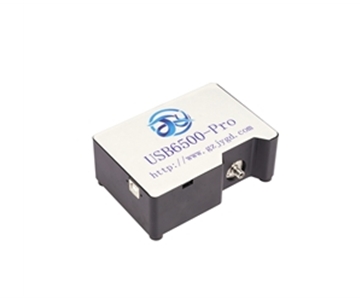
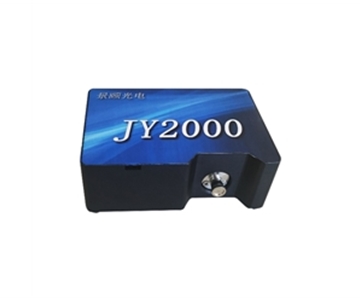
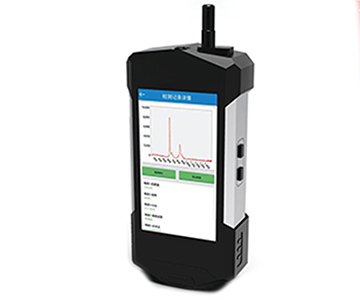
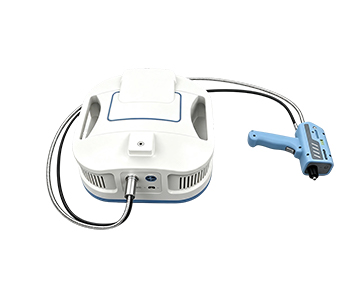
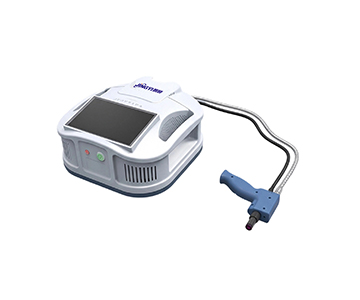
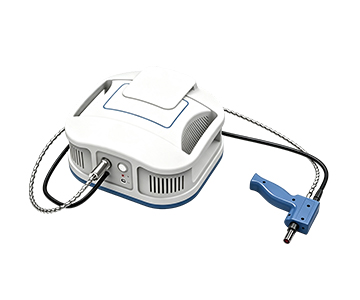
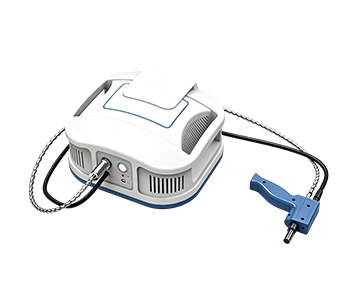
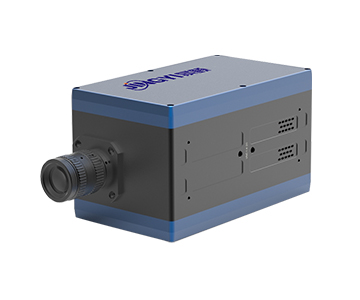
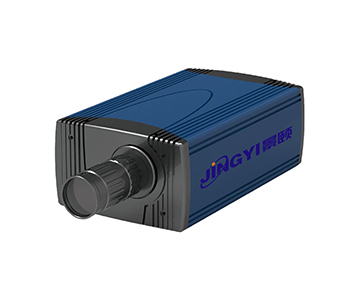
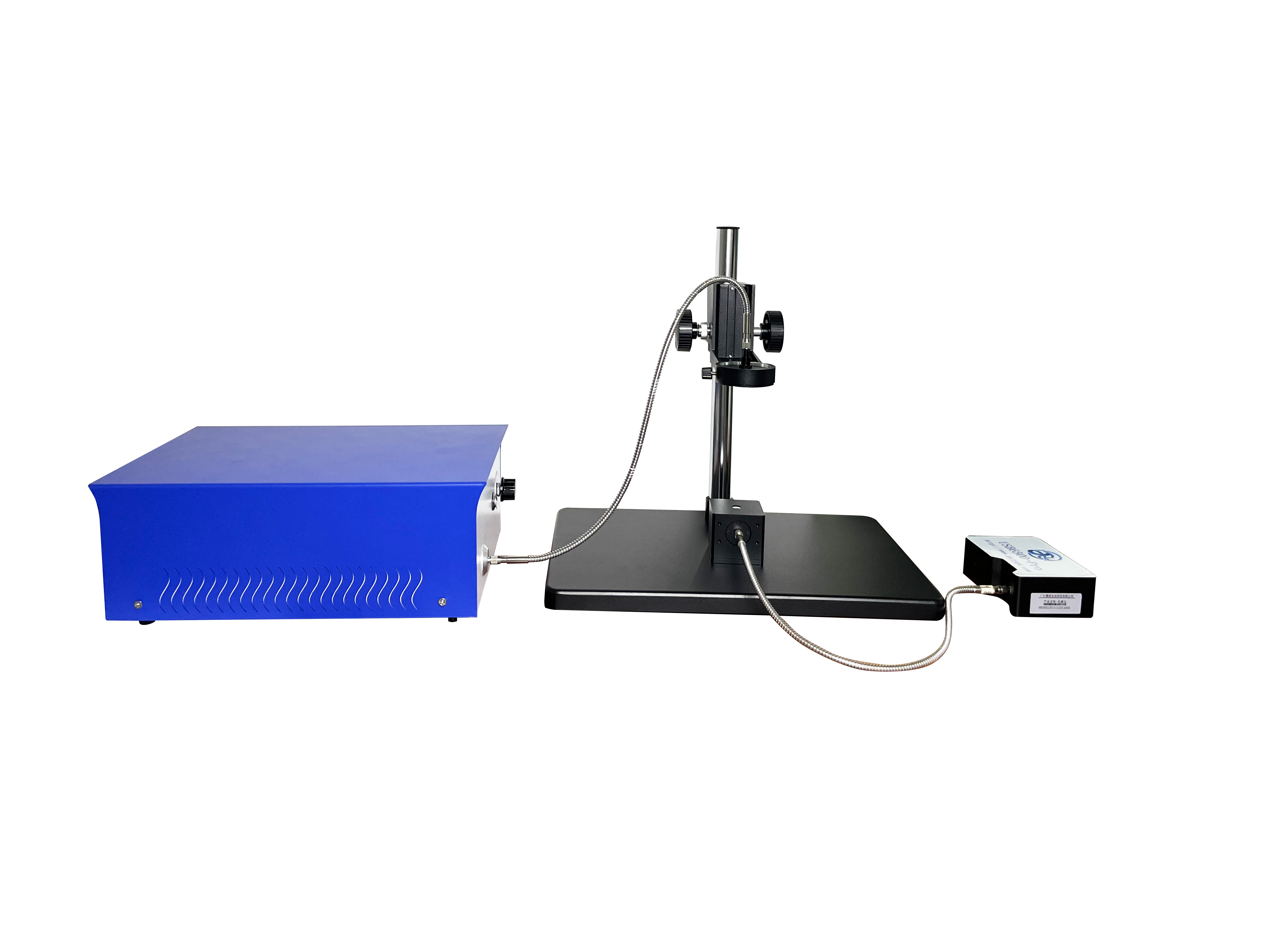
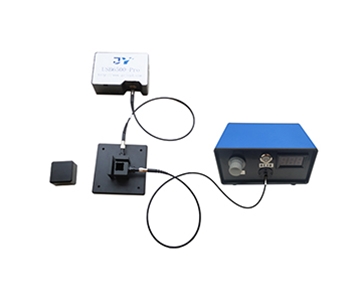
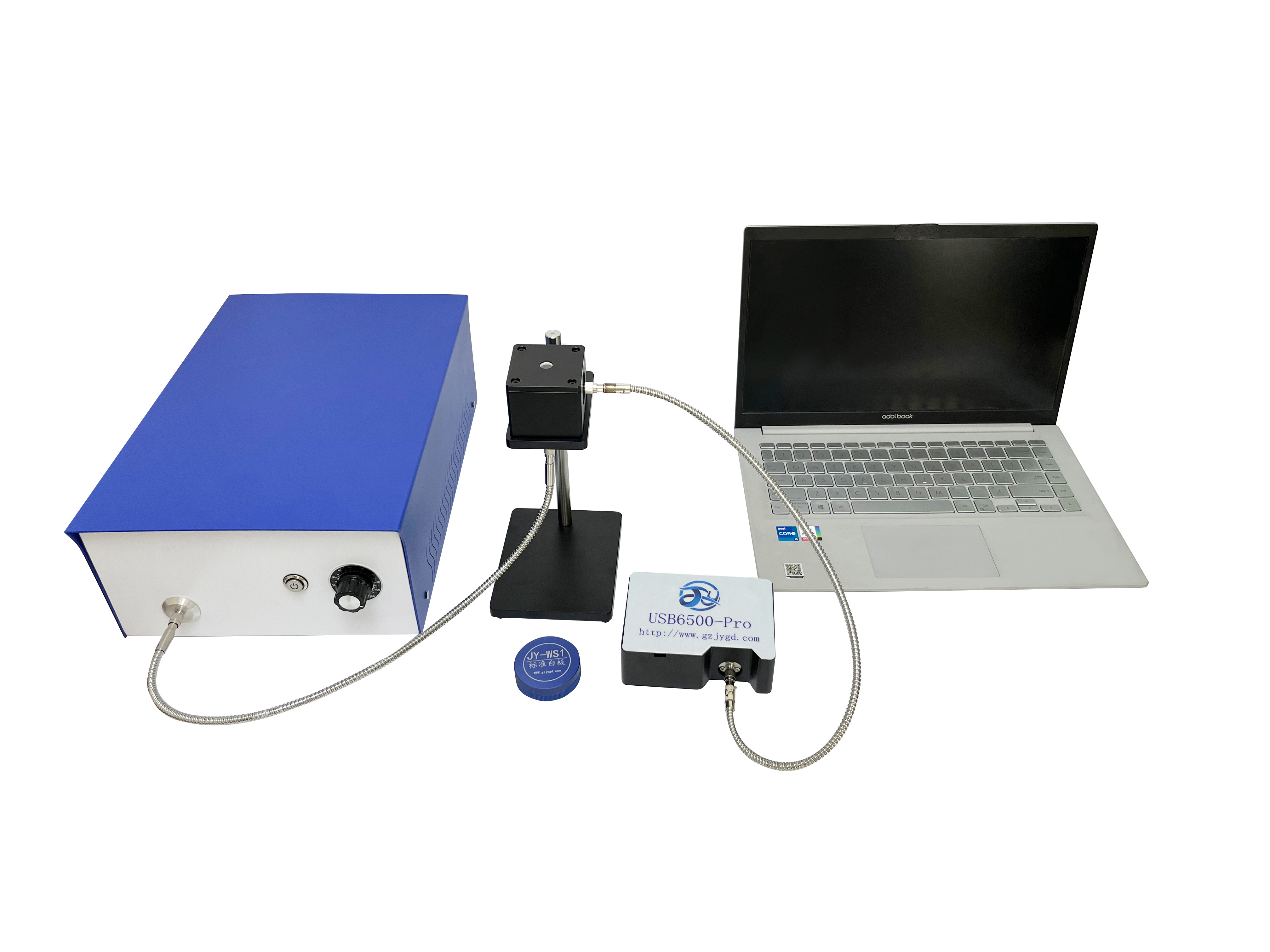
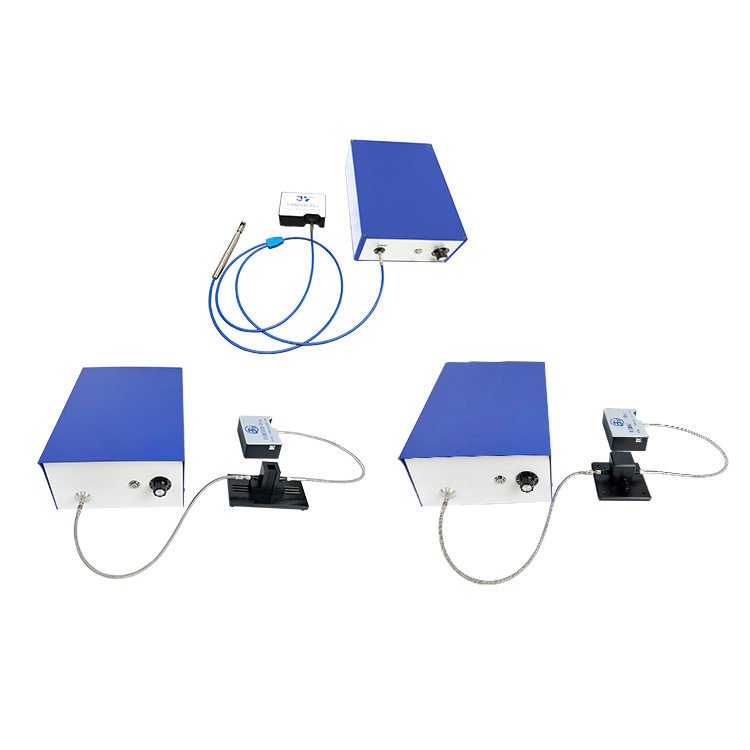
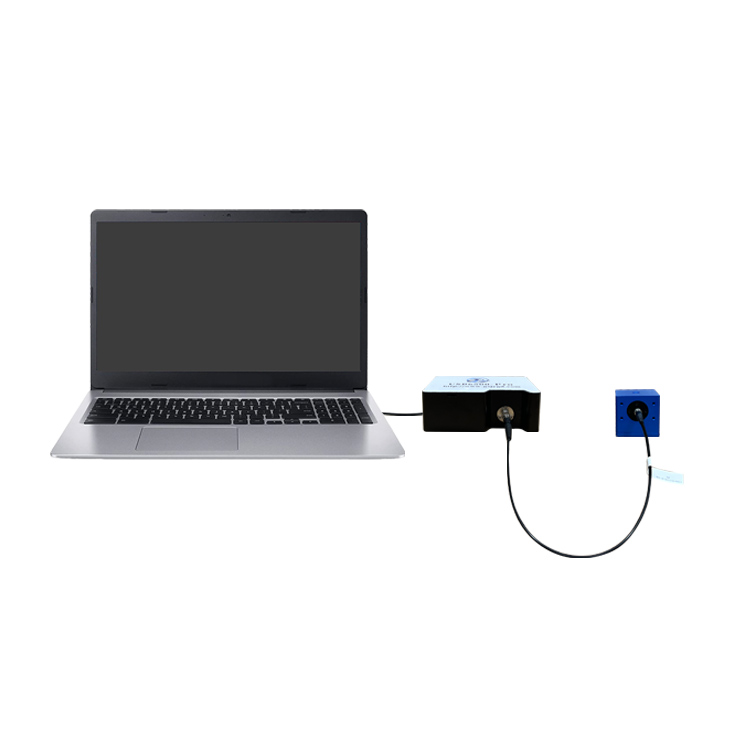
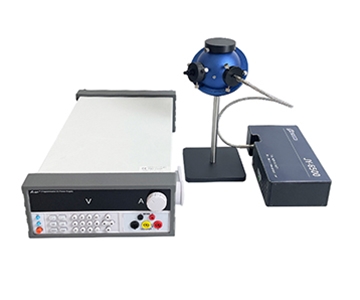
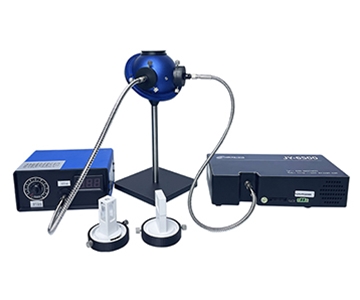
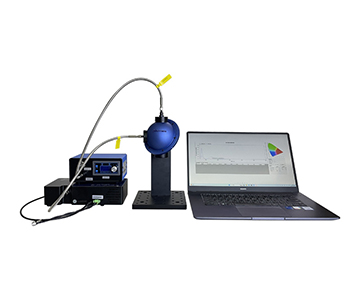
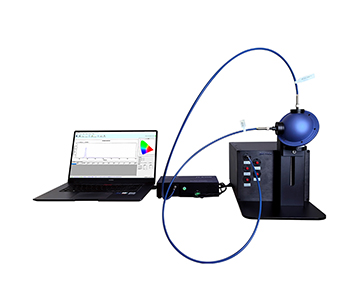
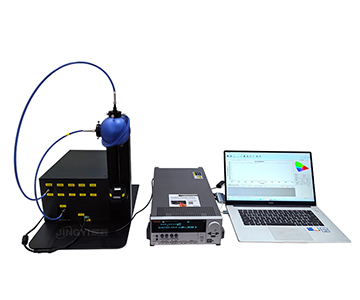
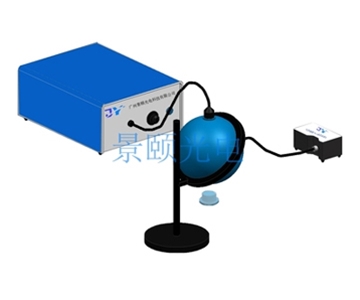
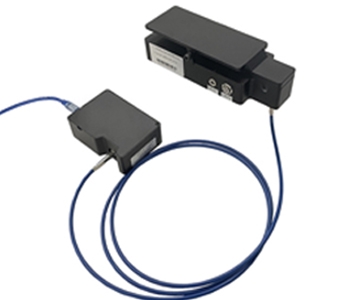
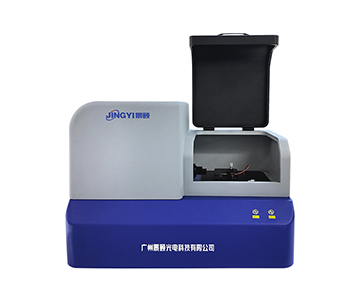
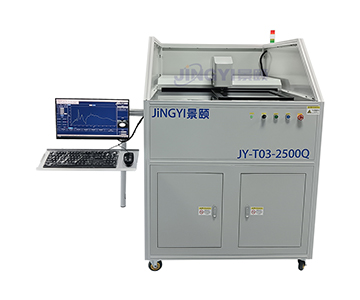
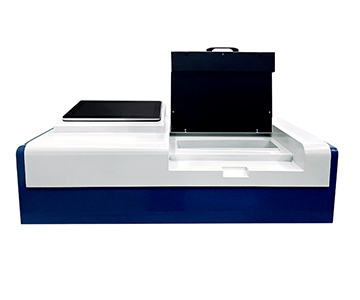
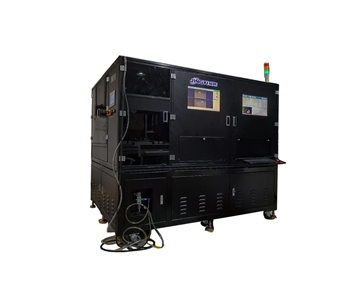
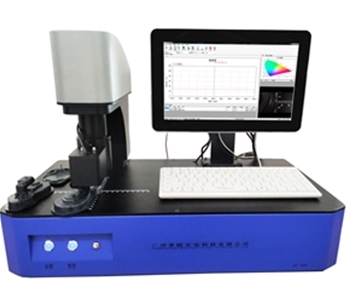
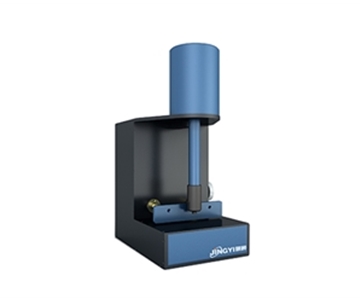
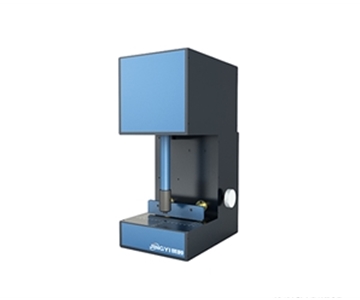
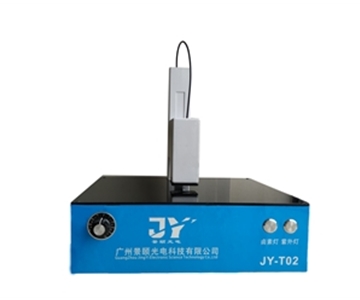
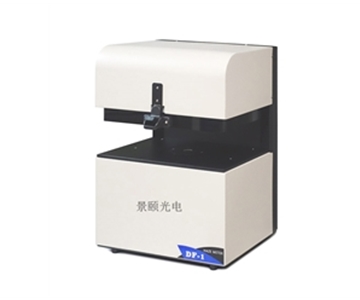
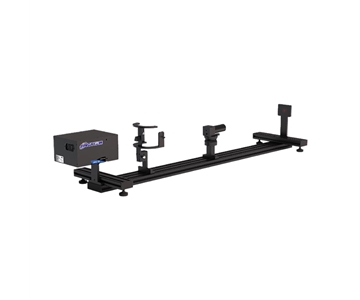
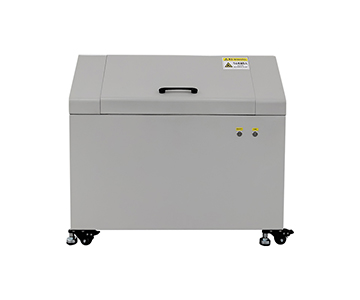
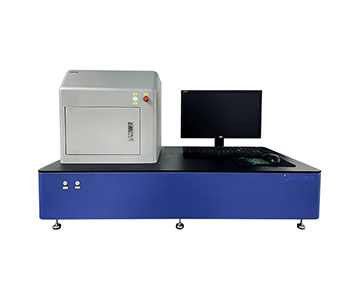
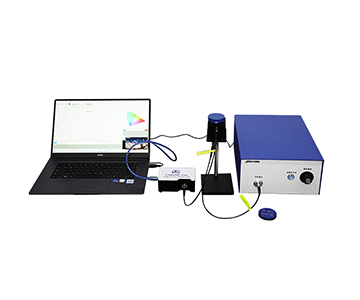
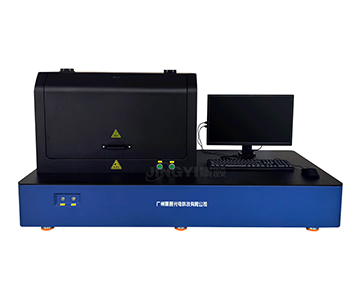
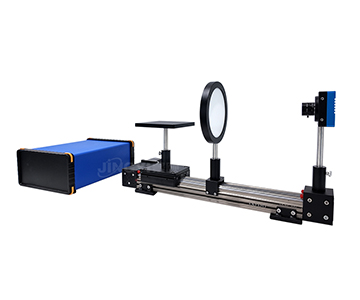
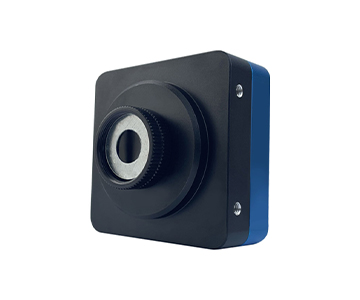
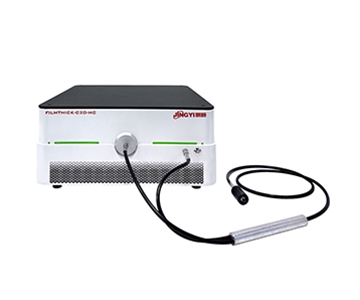
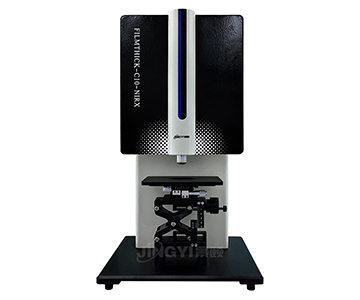
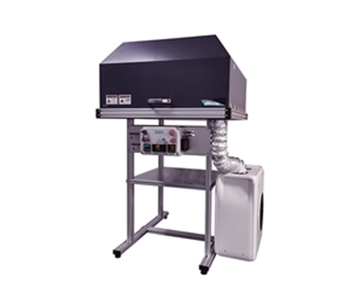
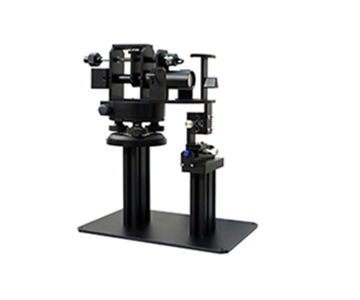
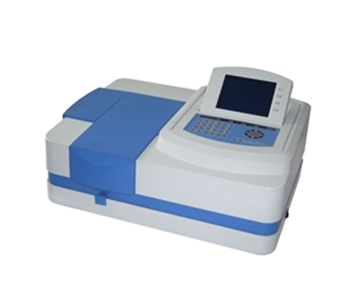
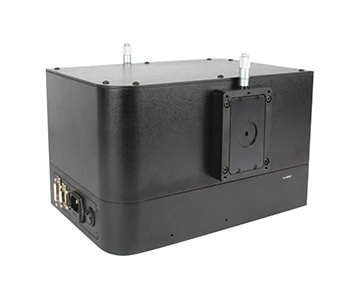
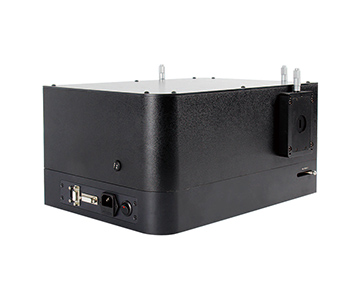
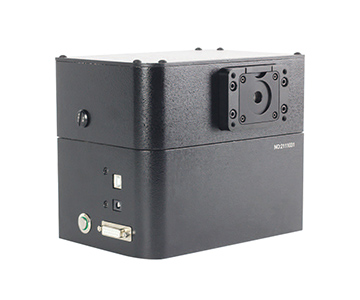
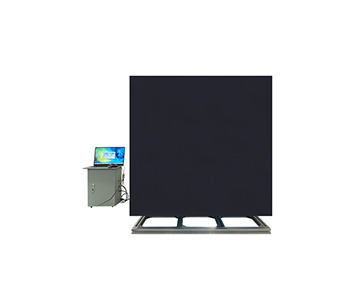
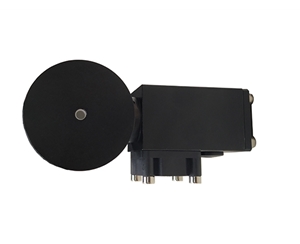
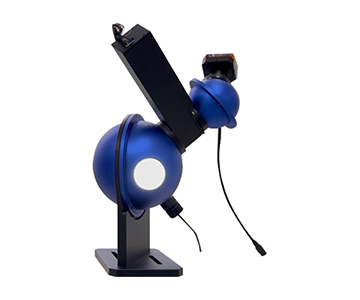
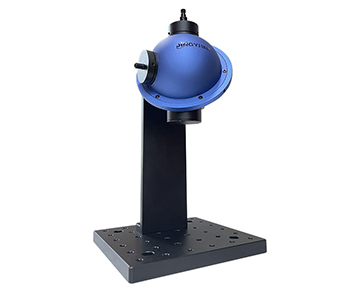
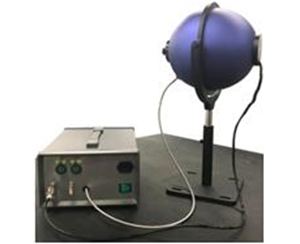
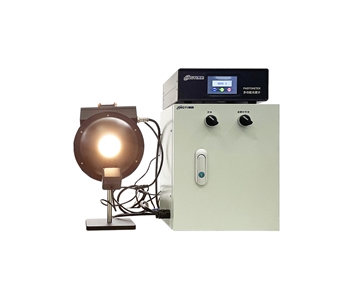
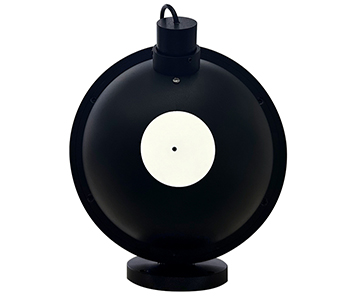
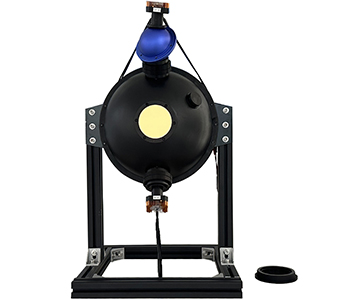
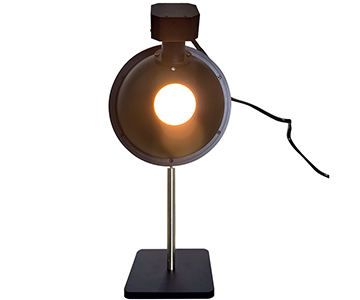
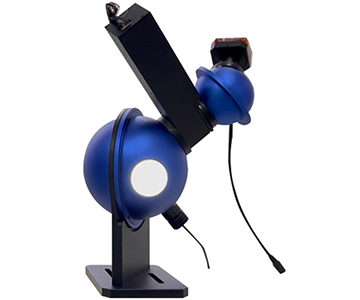
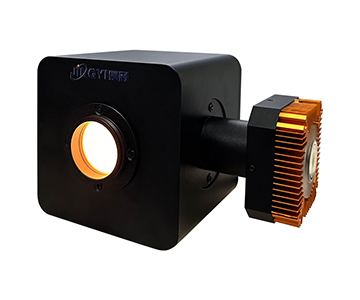
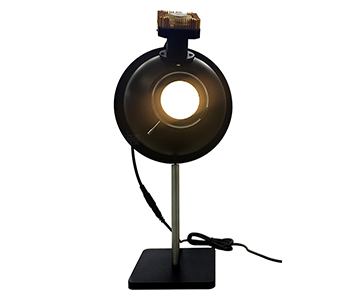
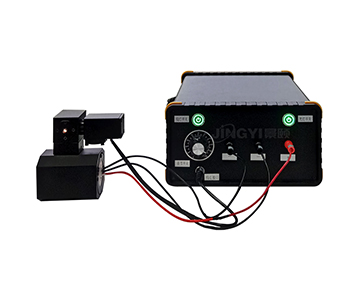
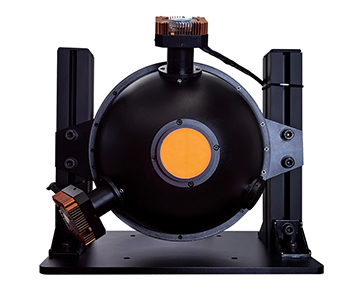
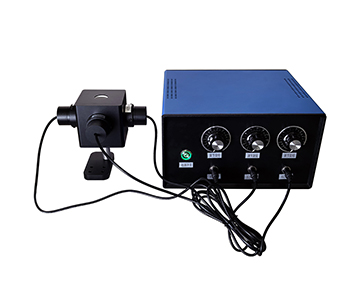
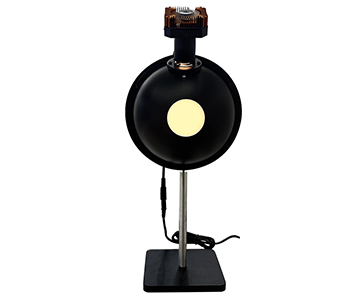
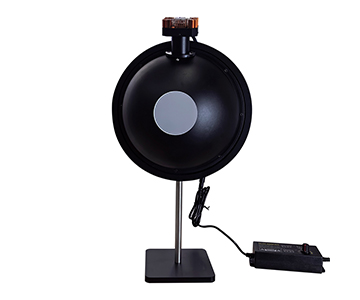
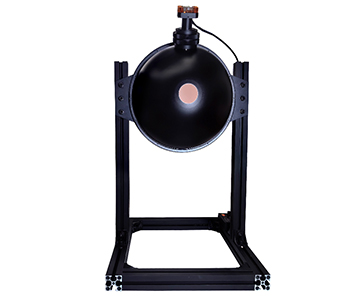
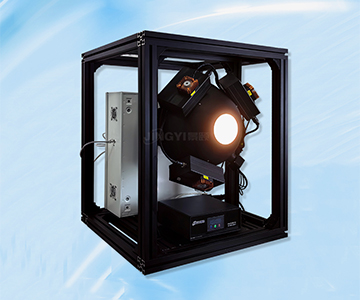
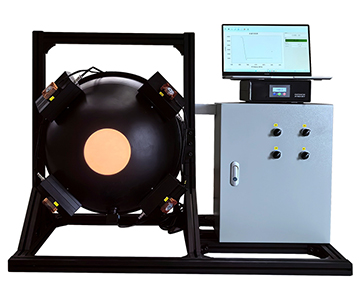
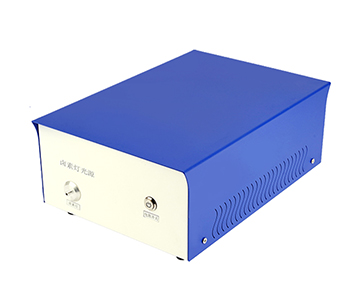
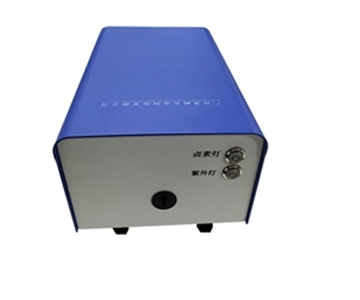
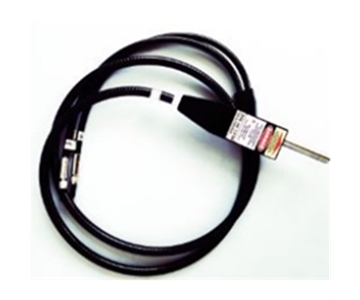
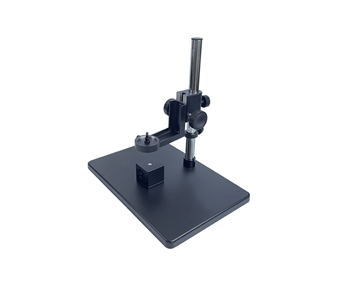
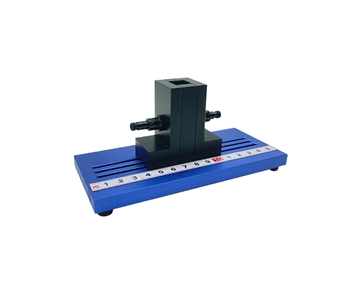
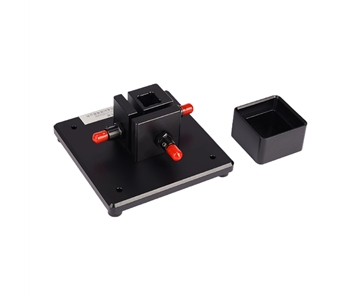
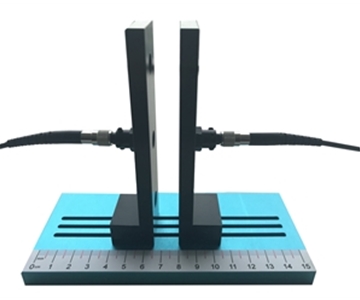
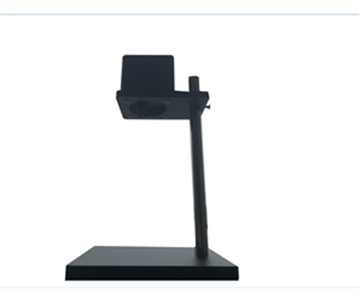
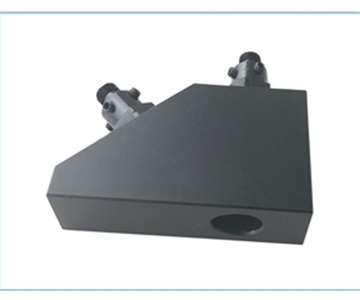
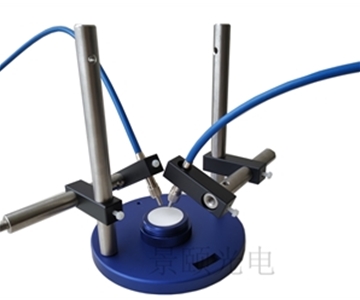
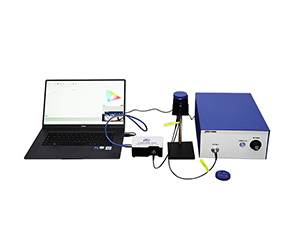
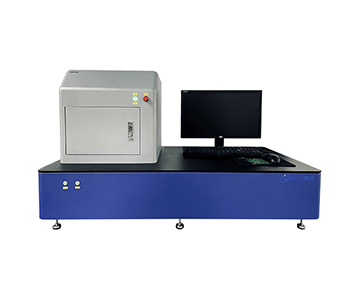
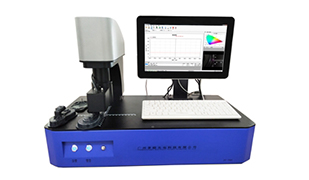
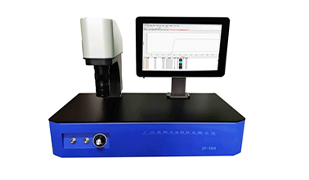
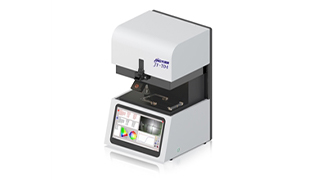
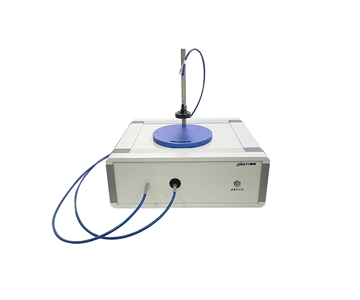
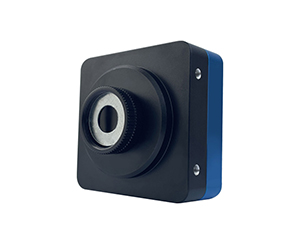
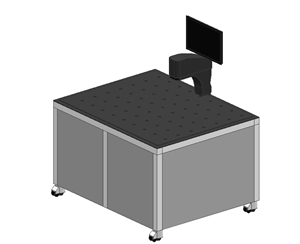
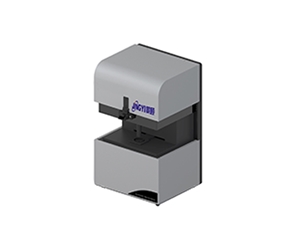
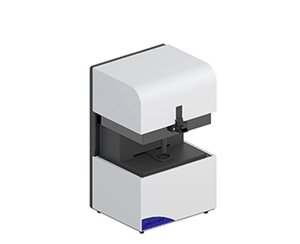
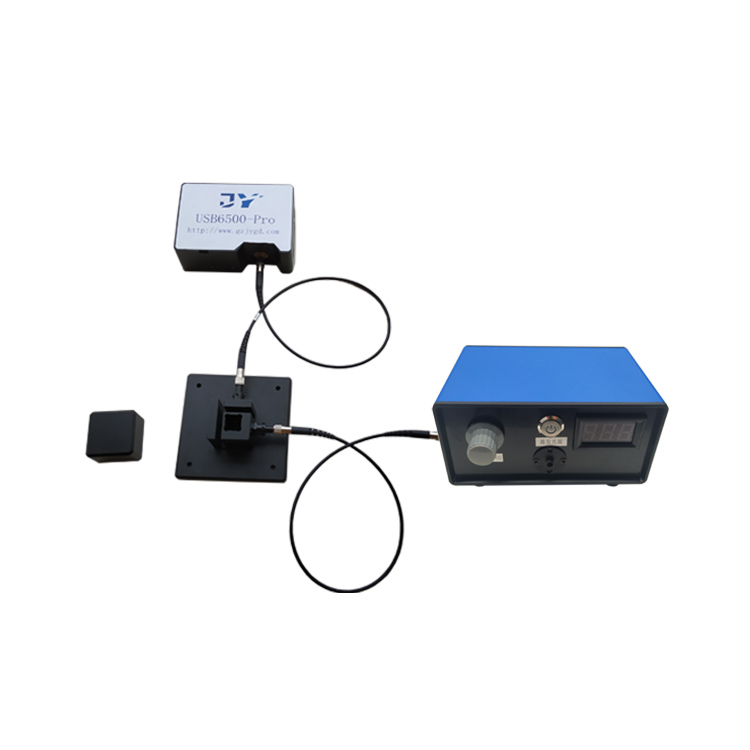
The measurement system of a film thickness gauge is a sophisticated system where multiple key components work in coordination. Among them, the light source is the energy source of the entire system, which usually adopts white light or monochromatic laser. Taking the FILMTHICK-C10 film thickness gauge from Jingyi Optoelectronics as an example, its mechanical structure integrates an imported tungsten halogen light source, which has a long service life of more than 10,000 hours and can provide stable and continuous energy support for measurements. Moreover, it covers a wide wavelength range of 200-850 nm and can analyze multi-wavelength interference signals simultaneously, providing a rich source of information for precise measurements.
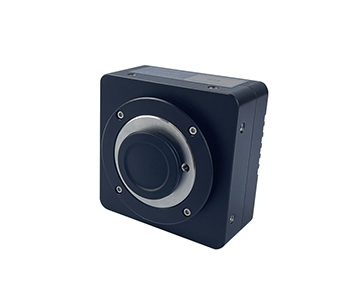
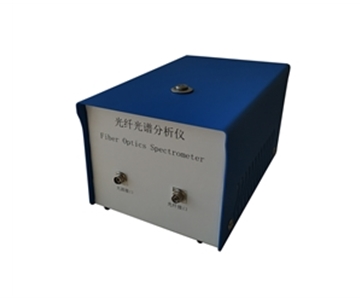
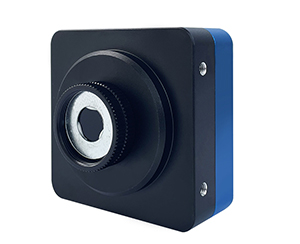
The light splitting system is a key link that cleverly divides the light beam emitted by the light source into reference light and measurement light. This function is usually achieved through a Michelson interferometer or a beam splitter, ensuring that the two light beams can accurately coincide at the detector for subsequent interference pattern analysis. The detector is the "eye" that captures the changes in light intensity of the interference pattern, generally adopting a high-sensitivity photodiode array, which can capture the tiny changes in light intensity in the interference pattern in real time and accurately, providing reliable raw data for data processing.
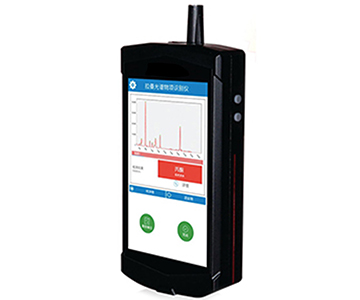
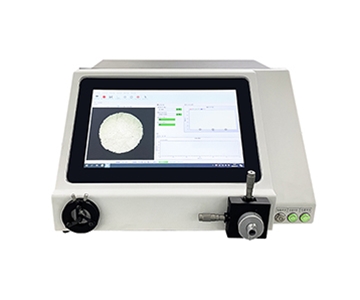
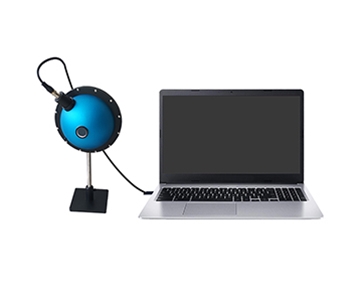
Finally, the data processing unit is the "brain" of the entire measurement system, which uses a variety of algorithms to analyze and process the data collected by the detector. The OPTICAFILMTEST optical film thickness measurement software of Jingyi Optoelectronics adopts a variety of algorithms such as the FFT Fourier method, extremum method and fitting method, and includes a rich database of material refractive indices as well as an open material database. It can effectively assist users in test and analysis, and can display real-time trends of interference, FFT spectrum and film thickness during measurement, providing users with intuitive and comprehensive measurement information.
Optical film thickness measurement technology is widely used in numerous fields by virtue of its unique advantages. First of all, it features non-contact and non-destructive measurement, making it an ideal choice for the measurement of ultra-thin flexible materials. For example, in OLED display technology, the thickness of the display layer film is usually at the 10 nm level. Traditional contact measurement methods are highly likely to damage the film, while optical film thickness measurement technology can avoid this problem and ensure the integrity and performance of the film remain unaffected.
Secondly, nanometer-level precision is another core competitive advantage of this technology. Through a variety of sub-band fitting algorithms, equipment such as the FILMTHICK-C10 film thickness gauge from Jingyi Optoelectronics can achieve high resolution, meeting the demand for high-precision measurement in cutting-edge research fields such as quantum dot films.
In addition, simultaneous multi-parameter analysis is a major highlight of optical film thickness measurement technology. It can obtain multiple important parameters such as film thickness, refractive index n and extinction coefficient k of the thin film at the same time, providing a complete optical constant library for the optical coating process, which helps optimize the coating process and improve coating quality.
In the semiconductor industry, film thickness gauges are widely used to monitor the uniformity of photoresist coating, thereby ensuring the line width precision in the chip manufacturing process, which is crucial for improving the performance and reliability of chips. In the field of optical coating, it can measure the growth process of anti-reflection films on lenses in real time, and control the evaporation rate through feedback, accurately controlling the film thickness deviation within ±0.5%, which effectively improves the optical performance of optical lenses. In the biomedical field, the film thickness measurement technology of Jingyi Optoelectronics is used to measure the thickness of parylene coatings, which is of great significance for ensuring the biocompatibility of medical devices.
With the continuous advancement of materials science, film thickness gauges are also evolving continuously, moving towards the direction of intellectualization and multi-functionality. For example, white light interferometers, by integrating machine learning algorithms, can automatically identify the interface positions of multi-layer films, reducing the measurement time from the minute level to the second level and improving measurement efficiency. In the future, with the continuous development and integration of terahertz wave technology and quantum sensing technology, film thickness gauges are expected to break through the existing measurement range, realize the accurate characterization of single atomic layer thickness, provide more powerful technical support for the research of emerging fields such as two-dimensional materials, and drive the development of materials science to a higher level.