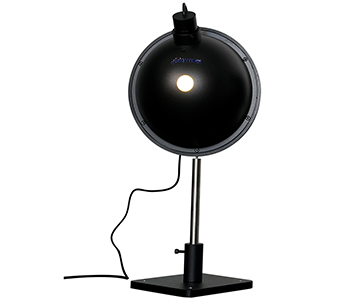
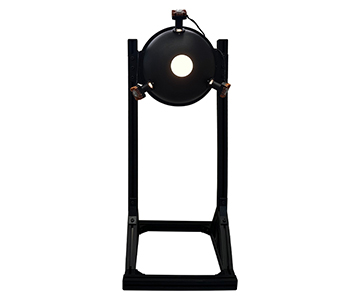
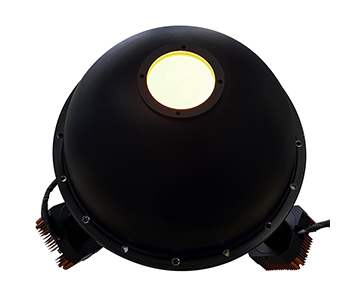
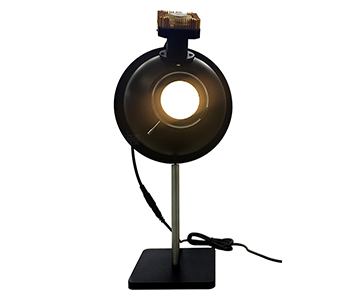
Diverse Applications and Development Overview of Laser Spot Meters
In the era of booming laser technology, laser spot meters are key tools for accurately analyzing the quality and characteristics of laser beams, playing an important role in numerous fields such as scientific research, industry, and medicine. Below, we will delve into the principles, classification, applications, and development trends of laser spot meters to provide references for professionals and researchers in related fields.
I. Technical Essence of Laser Spot Meters
The core principle of a laser spot meter is based on the characteristics of laser beams propagating in space and the perception and measurement of spot positions by spot positioning devices. When a laser beam is projected onto a target surface, a spot is formed, and information such as its shape, size, and position can directly reflect the characteristics of the laser beam and the condition of the target surface. Determining the spot position is the core of laser spot detection, which is usually characterized by the energy center of the spot.
To accurately obtain the energy center of the spot, methods such as the centroid method can be adopted, that is, calculating the weighted center of the spot energy based on the light intensity distribution at each point in the spot. For high-precision detection, high-precision positioning devices and optimized data processing algorithms must be used. Two-dimensional image sensors (such as CCD or CMOS cameras), quadrant photodetectors (QPD), and position-sensitive detectors (PSD) can capture spot images and convert them into electrical signals for transmission and processing.
II. Diverse Classification of Laser Spot Meters
According to differences in measurement principles and application scenarios, laser spot meters can be divided into multiple types, mainly including camera-based, scanning slit-based, and meters based on other principles.
Camera-based Laser Spot Meters
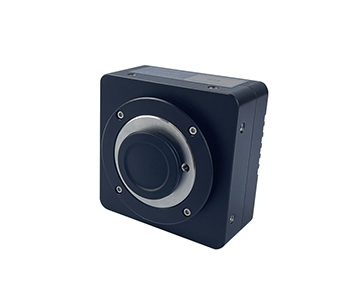
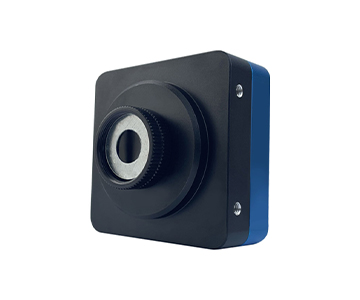
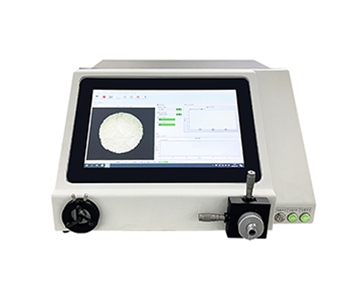
This type of meter captures laser spot images with high-resolution CCD or CMOS cameras and analyzes the spot's size, shape, energy distribution and other characteristics through image processing software. It can achieve high-precision real-time detection and positioning of the spot center, and is suitable for scenarios requiring precise control of the spot position and morphology. In addition, camera-based laser spot meters feature strong real-time performance, a wide measurement range, and easy operation.
Scanning Slit-based Laser Spot Meters
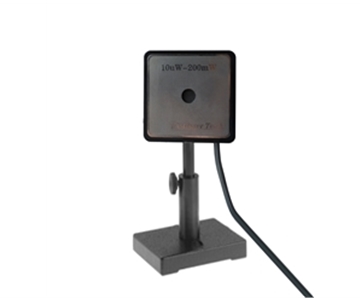
It adopts slit scanning technology, scanning the laser spot by moving the slit to accurately measure the light intensity distribution passing through the slit. It can precisely measure the spot profile and energy distribution, and is suitable for the measurement of small spots and spots with complex shapes. Its advantages lie in high measurement accuracy and a wide application range, but its real-time performance is slightly inferior to that of camera-based meters.
Other Types of Laser Spot Meters
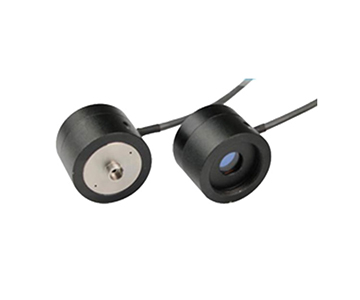
In addition to the above two types, there are also meters based on quadrant photodetectors (QPD) and position-sensitive detectors (PSD), which determine the position and shape of the spot by measuring the light intensity distribution at different positions of the spot. They have the advantages of fast response speed and high measurement accuracy, but their application range is relatively limited.
III. Wide-ranging Applications of Laser Spot Meters
Laser spot meters are widely used in numerous fields, with the typical scenarios as follows:
Scientific Research Field
In optical laboratories, it is an important tool for studying the characteristics and behaviors of laser beams. Researchers can measure parameters such as the intensity distribution of laser beams and the beam quality factor (M²), gain an in-depth understanding of the physical characteristics and transmission laws of lasers, and provide data support for the development of new laser devices and the optimization of laser systems.
Education Field
In universities and vocational education, it is an important experimental equipment for laser technology courses. Through practical operation, students can understand the methods of laser spot measurement and analysis, master the basic principles and experimental skills of laser technology, and cultivate practical and innovative abilities.
Industrial Field
In industrial processing such as laser cutting, welding, and marking, the quality of laser spots directly affects processing accuracy and efficiency. The meter can monitor the laser beam quality in real time to ensure processing stability and consistency. Through the accurate detection of the spot's shape, size and energy distribution, abnormal laser beams can be detected and adjusted in a timely manner to avoid processing defects.
Production Line Commissioning and Calibration
It can be applied to the commissioning and calibration of laser equipment on production lines. By measuring spot parameters to evaluate equipment performance, it ensures the equipment is in good working condition, which helps improve production efficiency and product quality, and reduce production costs.
Quality Inspection of Optical Components
In the manufacturing and detection of optical systems, it is used to evaluate the quality of optical components such as lenses and reflectors. By analyzing the spot shape and energy distribution, it can judge whether the components have defects or performance degradation, and improve the overall performance of the optical system.
Medical Field
In medical applications such as ophthalmic surgery, it is used for the monitoring and evaluation of laser beams. Real-time monitoring of laser beam quality ensures the safety and effectiveness of surgery, improves medical standards, and reduces surgical risks.
IV. Development Trends of Laser Spot Meters
With the development of laser technology and the expansion of application fields, laser spot meters are showing new trends:
High Precision and Real-time Performance
Fields such as industrial manufacturing and medical diagnosis have increasing requirements for laser processing accuracy, so laser spot detection technology will focus more on high precision and real-time performance. In the future, higher-precision measurement devices and optimized data processing algorithms will be adopted to achieve higher-precision measurement and faster response speed.
Intellectualization and Automation
With the introduction of artificial intelligence and automation technologies, laser spot detection systems will become more intelligent and automated. They can automatically adjust laser parameters, optimize processing effects and monitor the processing process in real time, improving production efficiency and product quality, and reducing labor costs.
Multi-wavelength and Multi-mode Detection
Multi-wavelength and multi-mode laser beams are widely used. In the future, detection technology will enhance the ability to detect and analyze multi-wavelength and multi-mode laser beams to meet the diverse needs of different fields for laser beam quality monitoring.
Environmental Protection and Energy Conservation
Against the backdrop of the consensus on environmental protection and energy conservation, laser spot detection technology will optimize design schemes, such as reducing energy consumption and environmental pollution by optimizing laser beam parameters.
V. Technological Breakthroughs and Product Advantages of Jingyi Optoelectronics
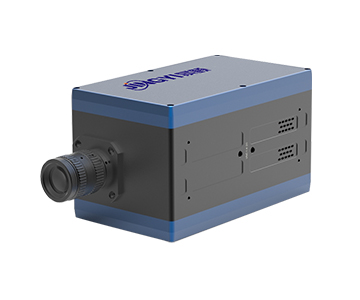
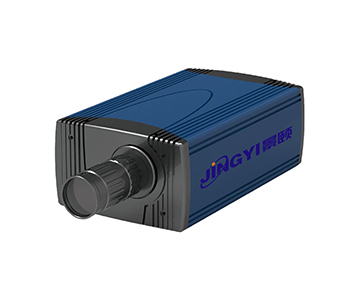
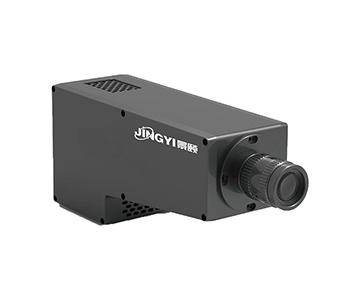
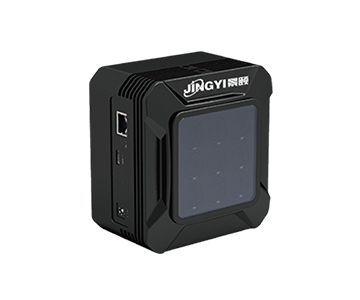
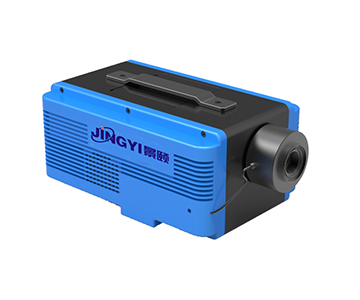
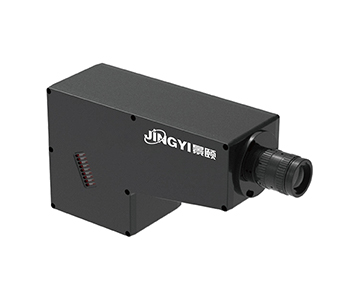
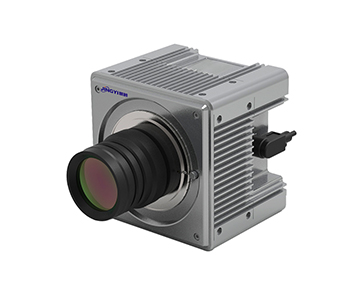
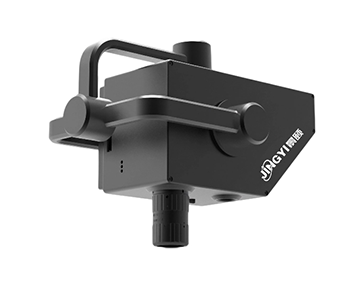
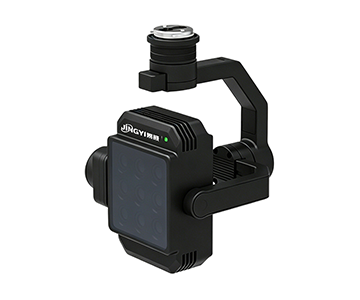
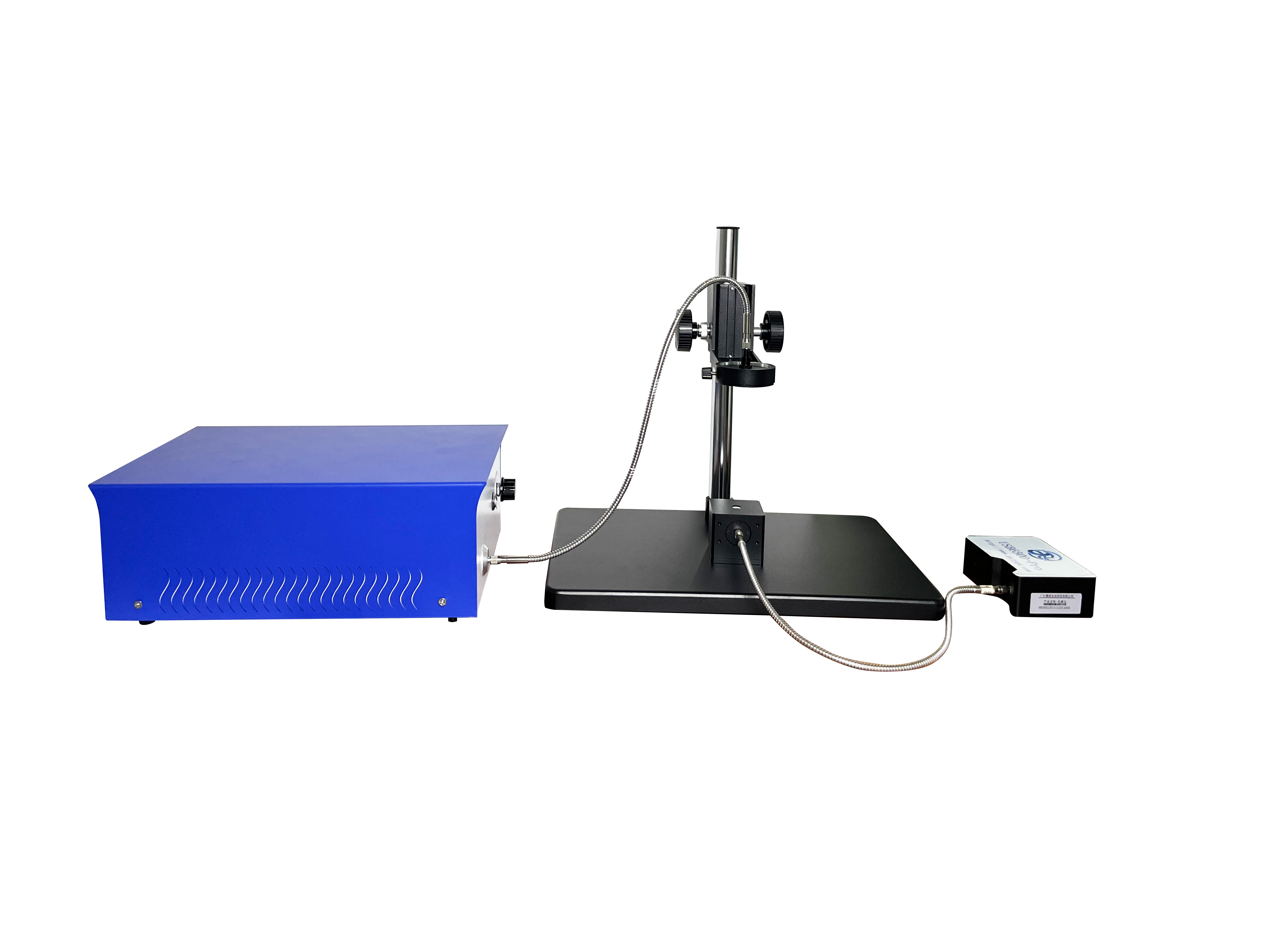
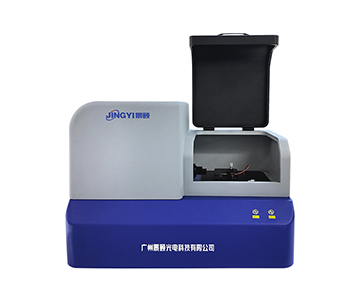
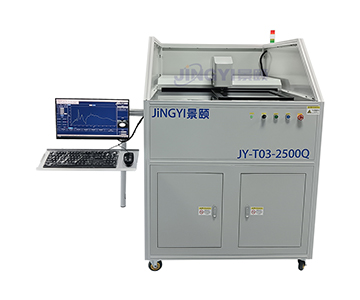
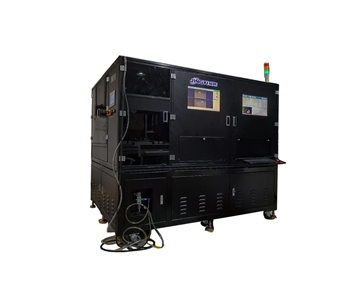
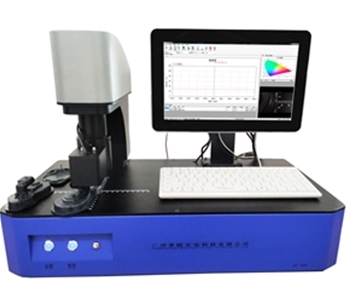
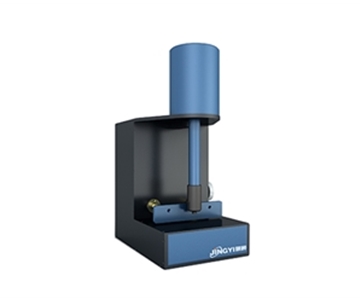
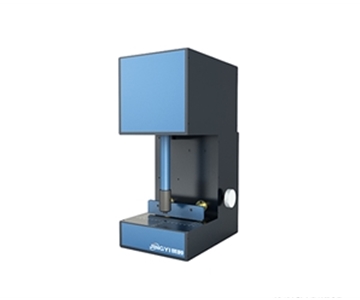
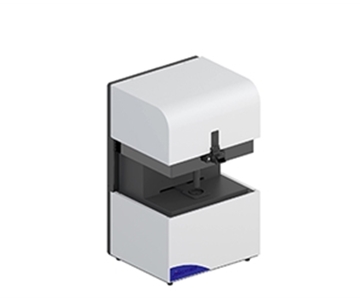
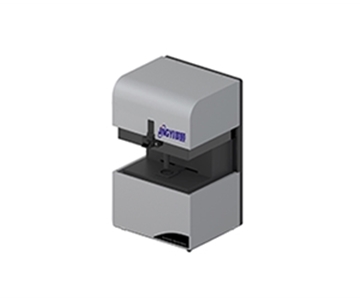
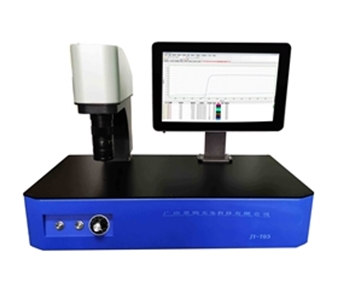
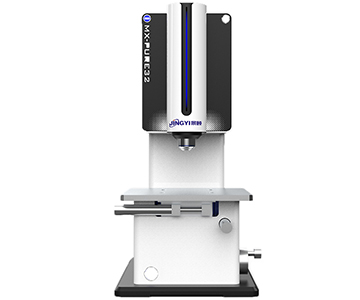
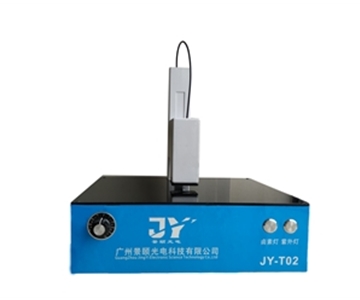
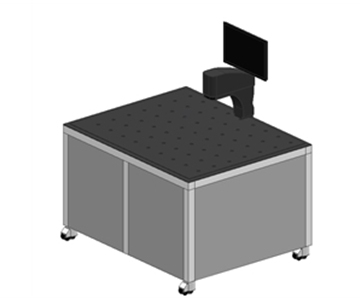
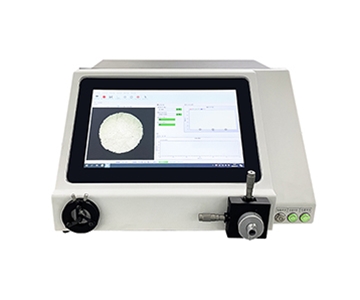
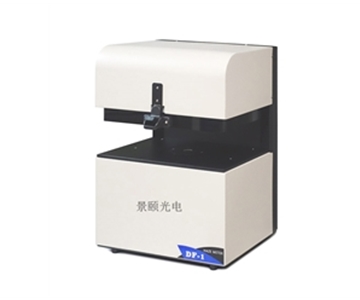
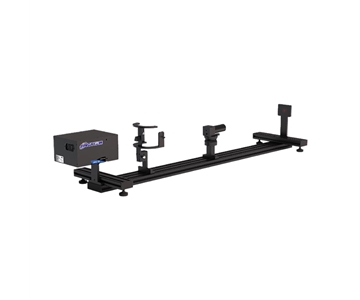
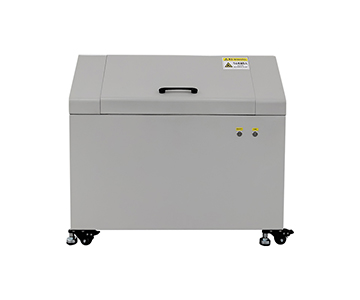
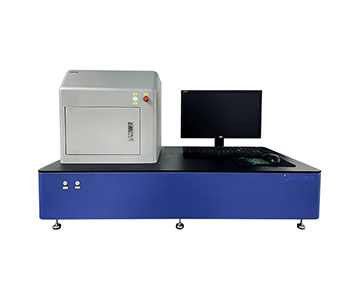
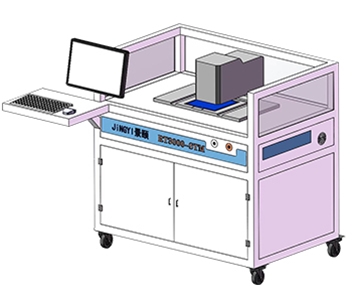
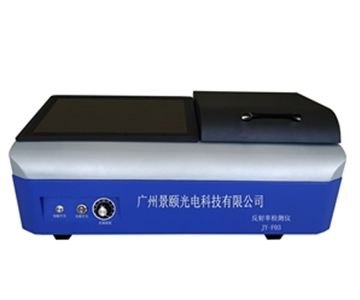
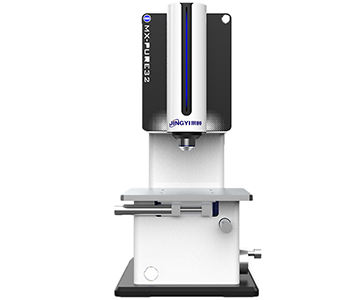
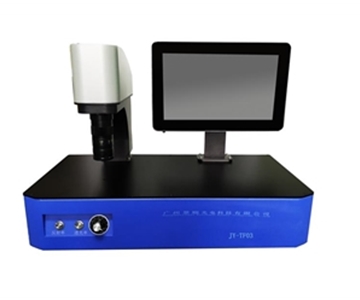
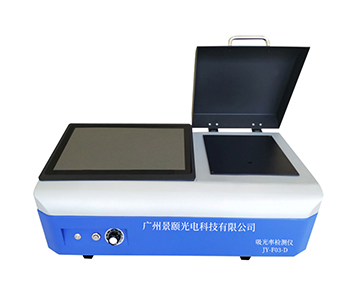
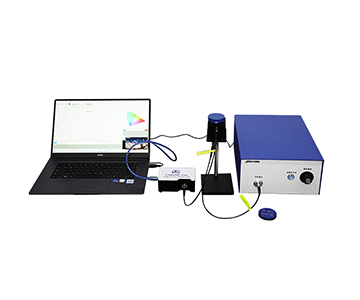
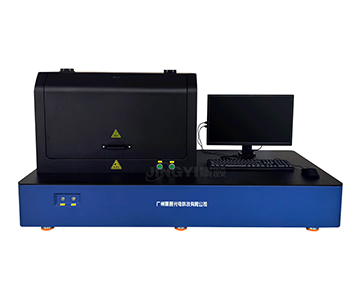
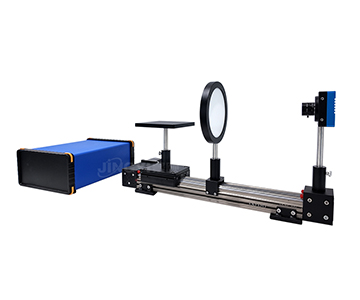
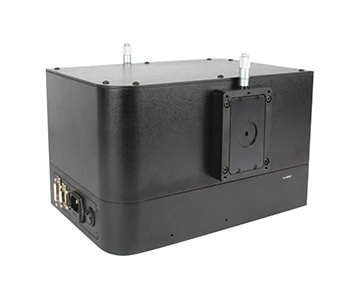
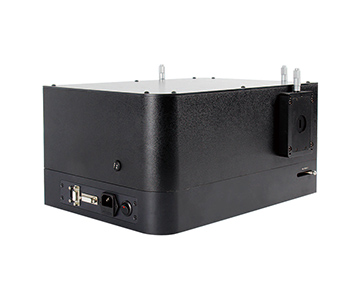
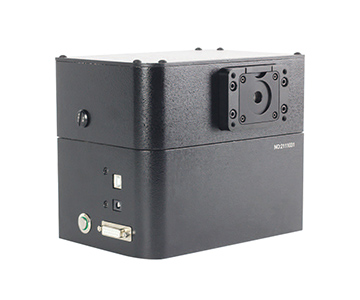
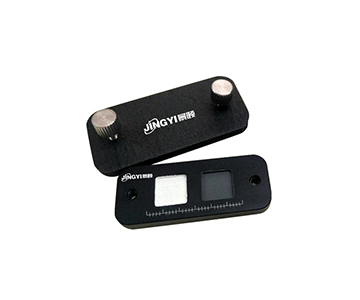
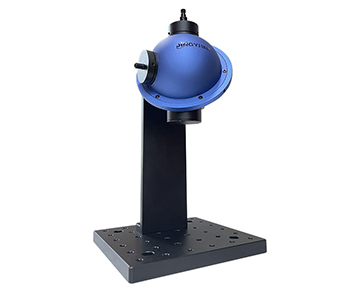
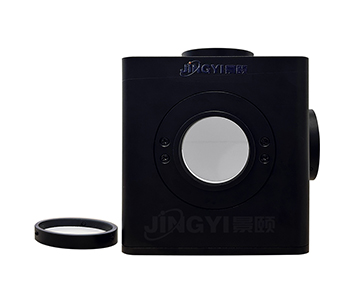
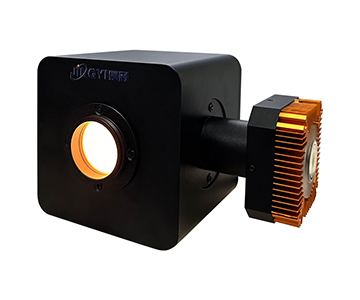
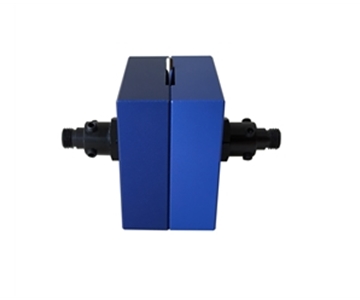
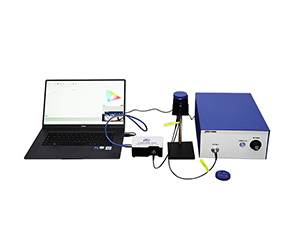
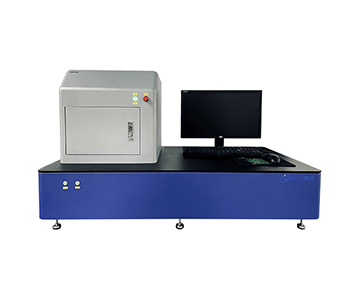
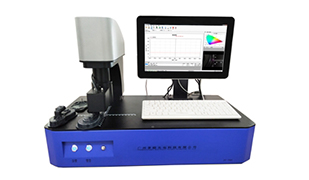
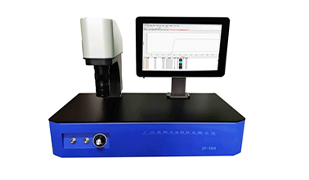
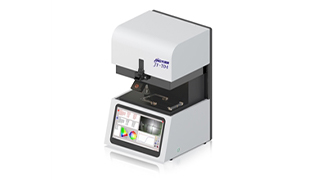
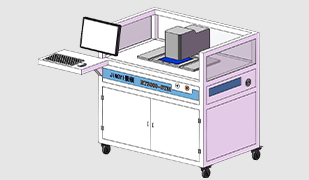
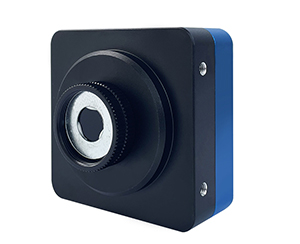
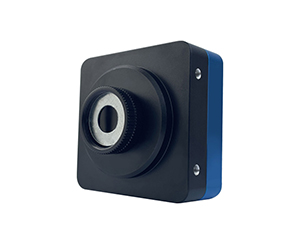
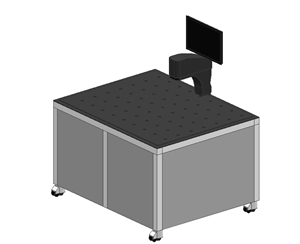
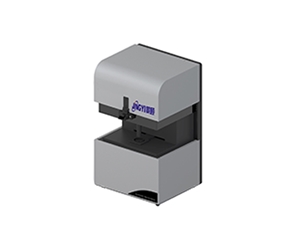
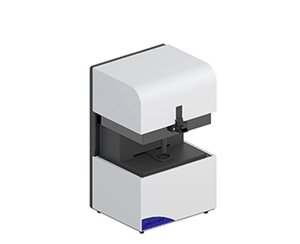
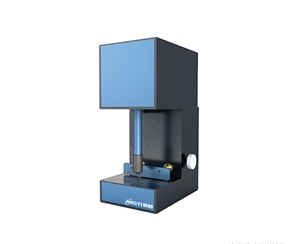
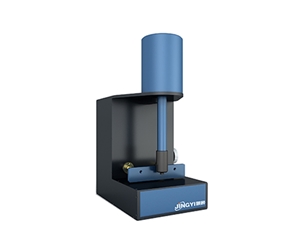
In the field of laser spot meters, relying on independently developed beam quality analyzers, Jingyi Optoelectronics provides customers with customized integrated design solutions for beam quality analysis and supports the development of multiple applications.
The beam quality analyzer of Jingyi Optoelectronics has the following characteristics:
1. High cost performance: It can replace imported laser beam quality analyzers and provide an economical choice.
2. Fine pixels: The product has a pixel size of 2.9x2.9μm, enabling high-precision spot detection.
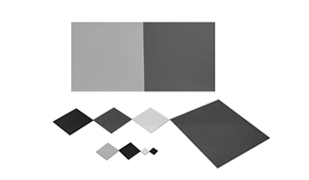
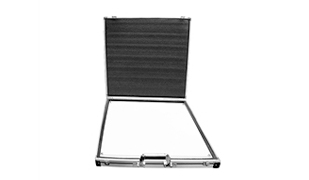
3. Wide spot detection range: The spot diameter ranges from 29μm to 4.4mm. It is equipped with standard attenuation sheets, and high-power attenuation configuration is optional, with a power range of up to 1000W, meeting the needs of different customers.
4. Rich functions: It supports manual and automatic real-time exposure and gain adjustment, and has a variety of measurement functions, such as spot diameter (major/minor axis, X/Y direction), ellipticity, Gaussian fitting degree, energy distribution, beam position, divergence angle, and Pass/Fail setting. It can display 2D and 3D pseudo-color beam profiles with fast speed and high resolution, perform real-time pseudo-color 2D display and Gaussian curve display of major and minor axes, and support controlling the camera's exposure, gain and resolution, as well as parameter statistical analysis, recording, export or report generation.
5. Rich interfaces: It supports USB3.0 interface, features a graphical interface with easy operation and free setting, and supports customized extended functions.
6. Wide application: It is suitable for fields such as semiconductor lasers, solid-state lasers, fiber lasers, ultrafast lasers, and laser ranging, including laser spot measurement, laser spot mode defect detection, collimator spot detection, fiber alignment and coupling analysis, optical component quality inspection, and external optical path collimation.
In summary, as an important tool for evaluating the quality and characteristics of laser beams, laser spot meters have broad application prospects and development potential in many fields such as scientific research, industry, and medicine. With technological progress and application expansion, their role will become more important. Relying on excellent performance and advantages, the beam quality analyzer of Jingyi Optoelectronics will provide support for the development and application of laser technology.
#LaserSpotAnalyzer #LaserSpotMeter #LaserBeamQualityAnalyzer #LaserSpotDetector #BeamQualityDetector