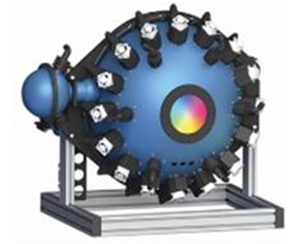
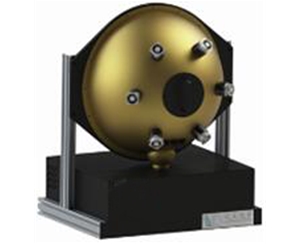
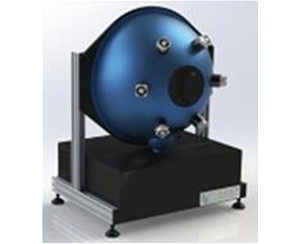
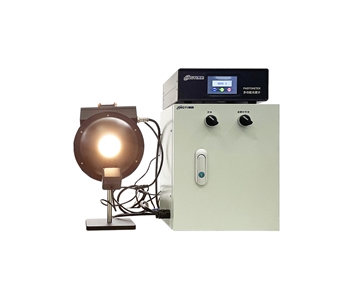
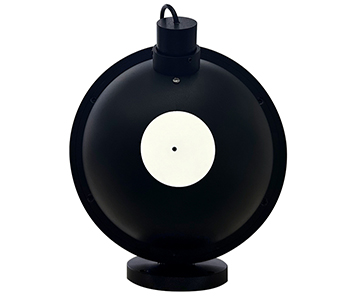
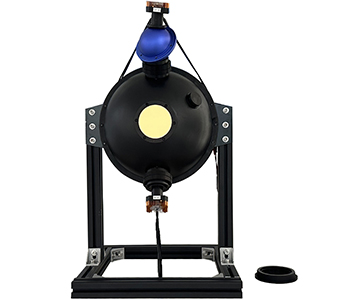
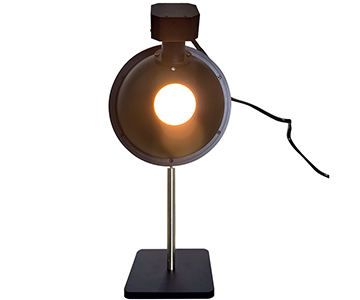
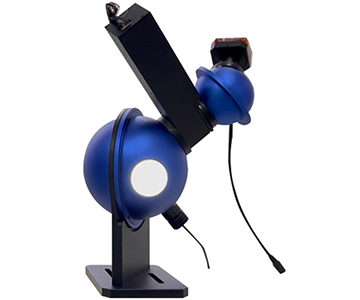
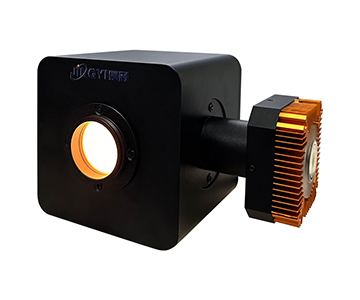
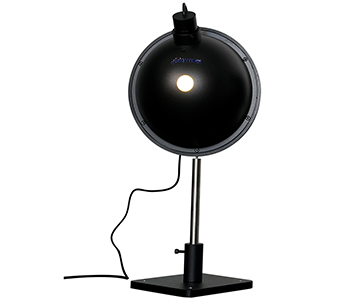
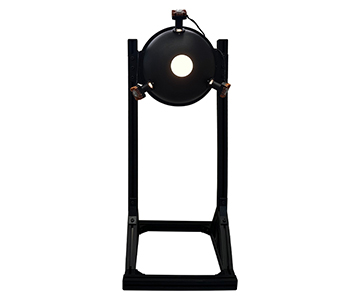
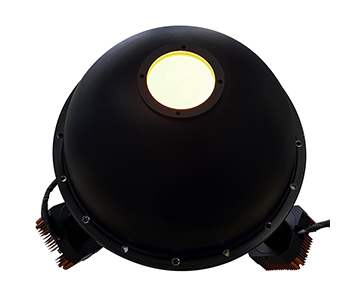
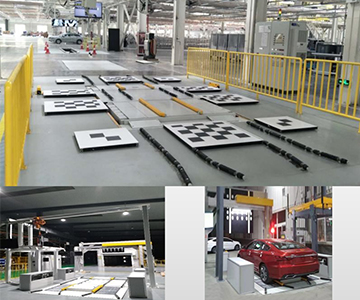
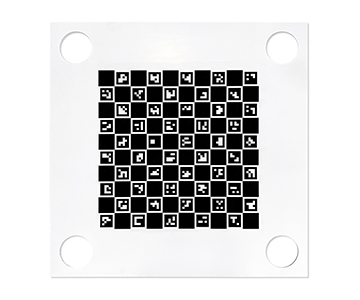
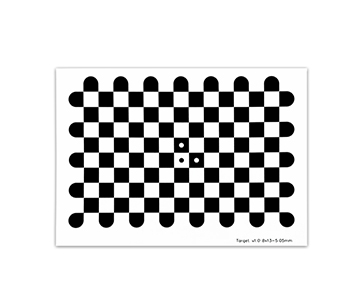
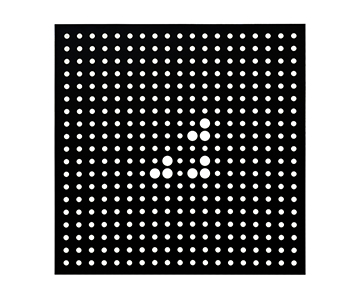
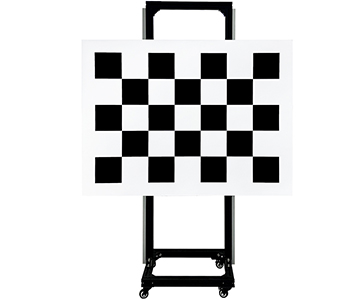
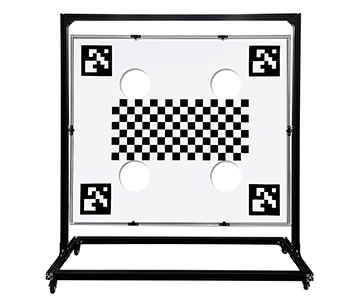
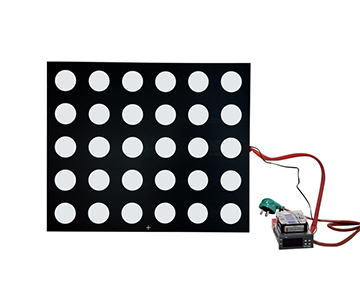
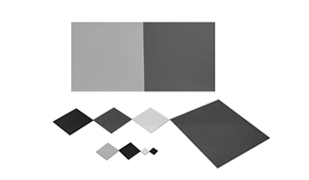
Overview of Lidar Calibration Board Materials and Applications. In modern optical engineering, lidar calibration boards serve as critical optical components, where their performance and material properties play a pivotal role across diverse application scenarios. This section provides a detailed analysis of the technical fundamentals, industrial applications, and technological advantages of various lidar calibration board materials.
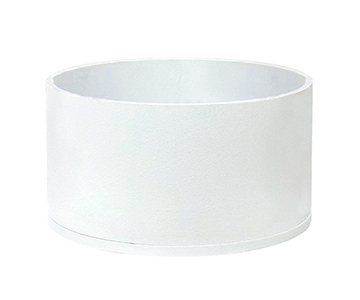
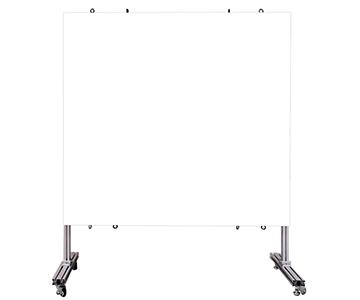
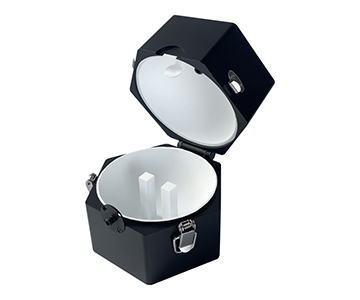
The core technology of mainstream engineering material sintered polytetrafluoroethylene (PTFE) lies in its unique molecular structure, which endows it with exceptional optical properties. In the visible to near-infrared (400-1500nm) spectrum, PTFE exhibits high reflectivity typically exceeding 99%, and can reach 99.5% after specialized processing. This is attributed to its microstructure's efficient light reflection and scattering mechanisms, making it nearly a perfect Lambertian body with outstanding scattering uniformity, deviating from the ideal Lambertian by less than ±2%. Additionally, PTFE possesses hydrophobic and anti-fouling characteristics, effectively repelling water and oil while resisting dust adhesion. These properties are crucial for maintaining the optical performance stability of LiDAR calibration plates.
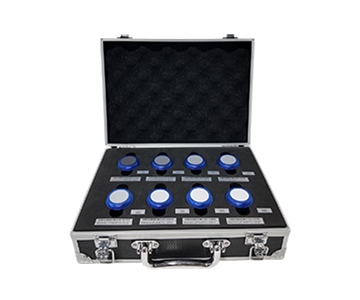
Owing to its high reflectivity and excellent scattering uniformity, PTFE laser radar calibration plates are extensively utilized in precision-critical applications such as laboratory calibration, spectrometer calibration, and high-precision optical systems. For instance, in scientific research laboratories, they enable precise measurement and calibration of optical instruments' parameters including wavelength and intensity, thereby ensuring the accuracy and reliability of experimental results.
The material's technical advantages—high reflectivity and near-perfect Lambertian properties—make it ideal for high-precision optical measurement and calibration. Its hydrophobic and anti-fouling characteristics help extend the service life of LiDAR calibration plates while reducing maintenance costs. However, PTFE has limitations: low mechanical strength, susceptibility to scratches, and the release of toxic gases at high temperatures (>200°C). Therefore, care must be taken to avoid scratches and high-temperature exposure during use.
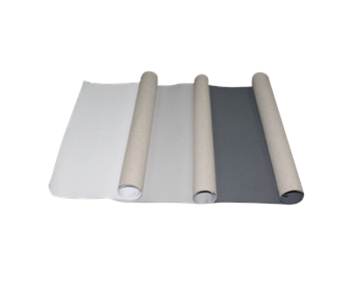
The fundamental nature of fluorinated ethylene-propylene copolymer (FEP) technology lies in its molecular structure, which differs from that of PTFE. This structural difference results in FEP exhibiting slightly lower reflectivity (approximately 97-98%) compared to PTFE, while offering unique advantages in other aspects. FEP demonstrates enhanced mechanical toughness and superior flexural resistance, making it particularly suitable for applications requiring flexibility or curved surfaces. Additionally, FEP demonstrates better stability in the ultraviolet (UV) spectrum than PTFE, providing enhanced resistance to UV radiation and ensuring optimal optical performance in this wavelength range.
FEP laser radar calibration boards are widely used in portable devices, curved reflective chambers, and UV-enhanced applications. For instance, their flexibility and bend resistance in small optical or wearable devices meet design requirements. In UV curing and disinfection applications, FEP's UV-band stability ensures the calibration boards maintain excellent optical performance over extended periods.
Technical Advantages: The material's exceptional mechanical toughness and bending resistance give it a distinct edge in flexible and curved applications. Its UV stability meets specific industry requirements for ultraviolet light exposure. While FEP's reflectivity is slightly lower than PTFE's, it still performs adequately in applications where reflectivity isn't a critical factor.
The essence of ceramic-based coating technology lies in achieving diffuse reflection by applying a ceramic layer onto a substrate. Common materials include magnesium oxide (MgO), barium sulfate (BaSO₄), and aluminum oxide (Al₂O₃). These ceramics exhibit distinct optical and physical properties: MgO demonstrates high reflectivity (over 95%) in the 250-400nm wavelength range, while Al₂O₃ coatings exhibit exceptional heat resistance, withstanding temperatures exceeding 500°C. The preparation of ceramic-based coatings requires precision spraying techniques to ensure uniformity and quality.
Owing to their exceptional UV reflectivity and heat resistance, ceramic-based coating laser radar calibration plates are primarily utilized in ultraviolet laser calibration and high-temperature industrial inspection, particularly in the metallurgical sector. In UV laser calibration, MgO coatings effectively reflect ultraviolet beams, providing precise reference points for calibration. For high-temperature industrial applications, Al₂O₃ coatings maintain stable optical performance under extreme conditions, enabling the monitoring and measurement of surface temperature, emissivity, and other critical parameters of high-temperature objects.
The high UV reflectivity of the ceramic-based coating offers significant application value in ultraviolet laser applications, while its heat resistance enables reliable performance in high-temperature industrial environments, providing dependable solutions for high-temperature detection. However, this coating has inherent limitations, including brittleness and moisture sensitivity (BaSO₄ decomposition upon exposure to moisture), necessitating careful handling to avoid impacts and humid conditions during use.
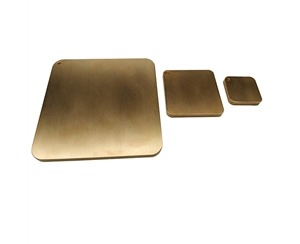
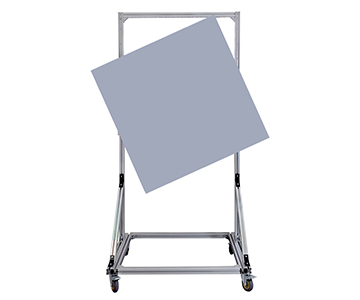
Special Application Materials: Technical Essence of Metal-Based LiDAR Calibration Plates. Metal-based LiDAR calibration plates typically utilize anodized aluminum or sandblasted stainless steel as substrate materials, with a diffuse reflection coating applied on the surface. This structure endows the plates with high mechanical strength and excellent thermal conductivity. The mechanical strength enables them to withstand impacts and scratches, making them suitable for harsh industrial environments. The thermal conductivity facilitates efficient heat dissipation for high-power lasers, effectively dissipating heat generated by the laser to prevent damage from overheating. However, the reflectivity of metal-based LiDAR calibration plates is relatively low, typically ranging between 85% and 95%, with generally Lambertian properties.
Metal-based LiDAR calibration plates are extensively utilized in industrial online inspection and laser processing equipment. In industrial applications, their high mechanical strength and scratch resistance ensure long-term performance stability, enabling precise measurement of product surface quality and dimensional accuracy. For laser processing systems, the plates' superior thermal conductivity provides effective protection, significantly enhancing both processing efficiency and product quality.
The metal-based LiDAR calibration board boasts high technical advantages, including exceptional mechanical strength and superior thermal conductivity, enabling it to operate effectively in harsh industrial environments and high-power laser applications. Although its reflectivity is relatively low, it still meets the performance requirements for industrial applications where reflectivity is not a critical factor.
Engineering plastics (PEEK, PI) are engineered materials with exceptional radiation and chemical resistance, making them ideal for specialized applications like aerospace and nuclear industries. These plastics typically exhibit a reflectivity range of 90-95%. To enhance their diffuse reflection properties, scattering particles are incorporated. By altering light propagation directions, these particles improve scattering efficiency, thereby boosting both the reflectivity and uniformity of LiDAR calibration plates.
In aerospace applications, engineering plastic LiDAR calibration plates can be used for space telescope calibration to ensure accurate observation of cosmic celestial bodies. In the nuclear industry, they are employed for monitoring nuclear facilities, including the detection of nuclear radiation intensity and distribution parameters.
The technical advantages of radiation and chemical corrosion resistance enable it to operate effectively in harsh space and nuclear industrial environments. The addition of scattering particles enhances reflectivity and uniformity, meeting the performance requirements of laser radar calibration boards in specialized fields. However, the relatively complex manufacturing process and high cost of engineering plastics have somewhat limited their widespread application.
Silicon carbide (SiC) technology is fundamentally a novel wide-bandgap semiconductor material with unique optical and physical properties. In the field of LiDAR calibration plates, SiC exhibits flat reflectivity across the entire wavelength spectrum, achieving approximately 92% reflectivity from ultraviolet to far-infrared (200nm-20μm) bands. Additionally, SiC boasts exceptional thermal conductivity and hardness, along with a high laser damage threshold, enabling it to withstand high-power laser irradiation without damage.
Due to its all-band flat reflectivity and high laser damage resistance threshold, SiC laser radar calibration plates are primarily used in infrared thermal imaging system calibration and high-energy laser applications. In thermal imaging calibration, the material's all-band reflectivity provides precise calibration references, ensuring measurement accuracy. For high-energy laser systems, its exceptional laser damage resistance enables long-term stable operation under intense laser irradiation, significantly enhancing system reliability and efficiency.
The SiC laser radar calibration board boasts two core advantages: all-band flat reflectivity and high laser damage resistance threshold, making it indispensable in infrared thermal imaging and high-energy laser applications. Additionally, SiC's exceptional thermal conductivity and hardness ensure superior mechanical and thermal performance, enabling it to operate effectively in complex environments.
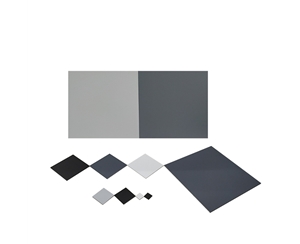
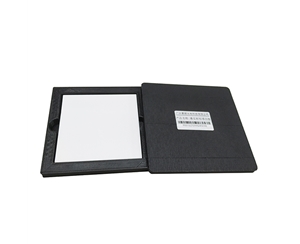
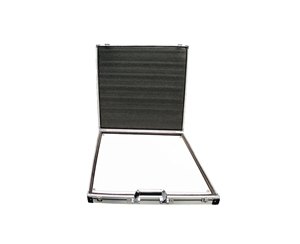
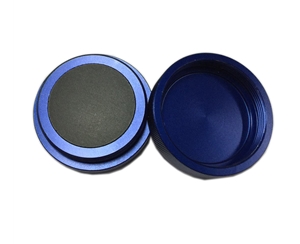
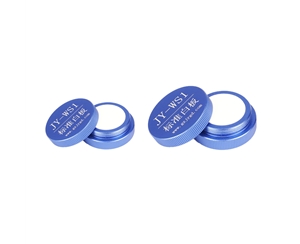
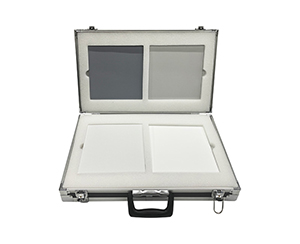
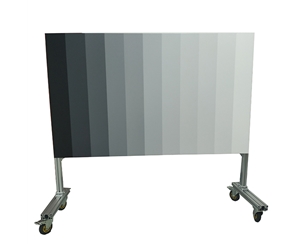
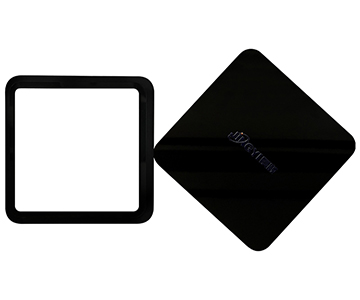
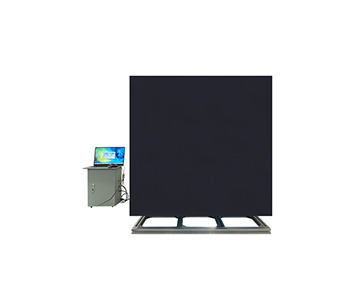
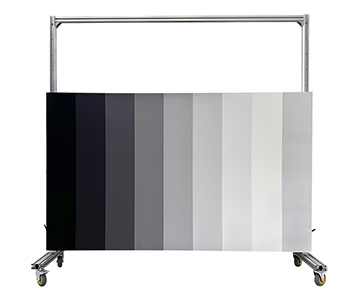
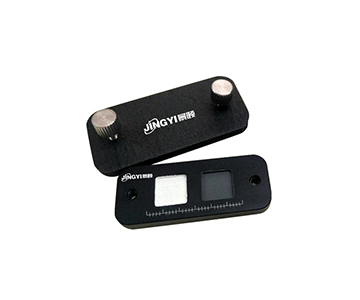
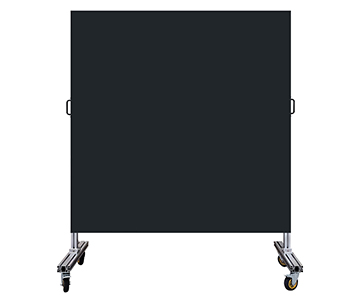
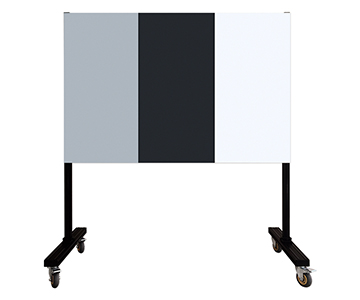
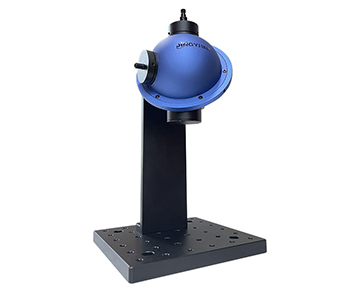
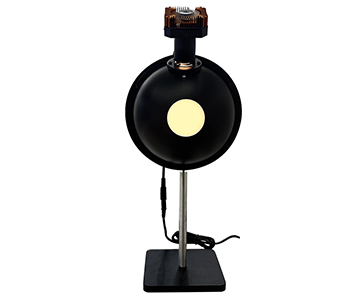
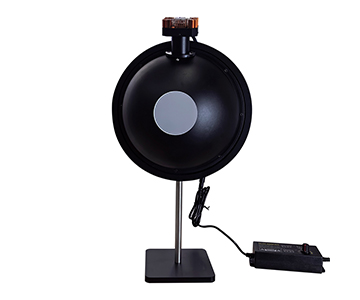
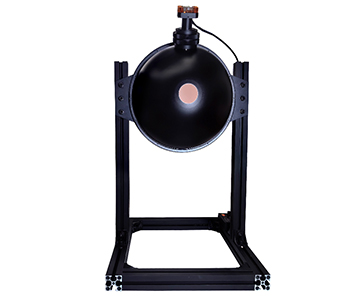
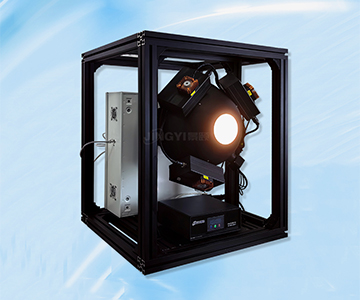
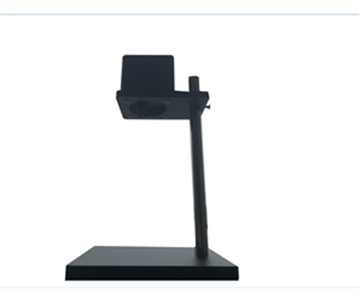
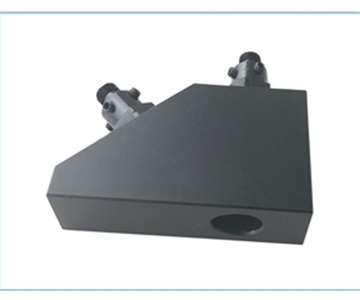
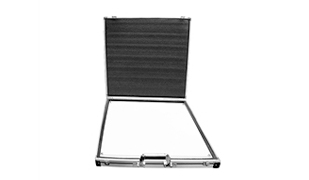
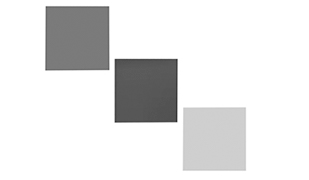
Beyond the standard materials for LiDAR calibration boards, the market offers specialized variants. A notable example is Jingyi Optoelectronics' calibration board with built-in brackets (40% reflectivity). This product features: 1) Technical specifications: Operating at 905nm wavelength with 40% reflectivity and spectral flatness, it exhibits near-perfect Lambertian characteristics. This ensures stable reflectivity at 905nm and near-ideal Lambertian reflection across angles, guaranteeing uniform light scattering. 2) Quality assurance: Includes factory-reflected reflectance test reports with verified data, certified by authoritative institutions for high reliability and credibility.
This LiDAR calibration board is designed for applications in LiDAR systems, Time of Flight (TOF) technology, automotive autonomous driving systems, mobile LiDAR scanner testing, and band sensitivity testing. In these fields, the reflectivity and uniformity of the calibration board critically affect system performance and accuracy. For instance, in LiDAR systems, it calibrates the transmitter and receiver to ensure precise distance and position measurements. In automotive autonomous driving systems, it tests and calibrates sensors to enhance safety and reliability.
The technology leverages a 905nm wavelength, compatible with diverse laser applications. With 40% reflectivity and a flat spectral profile, it delivers stable reflection signals. Its near-perfect Lambertian characteristics ensure uniform light scattering. The device comes with a factory-provided reflectivity test report, guaranteeing accurate and reliable reflectivity data. Its superior diffuse reflection testing performance meets the requirements of various testing scenarios.
Different types of LiDAR calibration board materials possess distinct technical characteristics, industrial applications, and technological advantages. In practical applications, it is necessary to