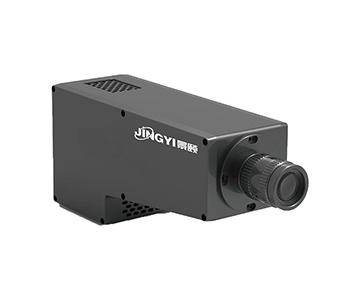
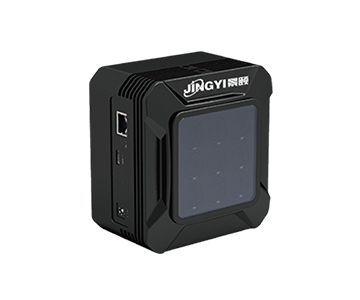
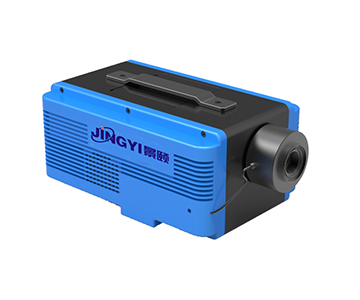
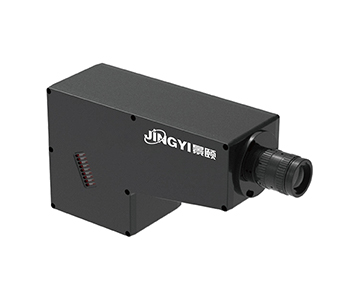
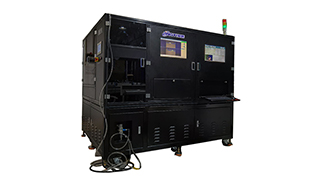
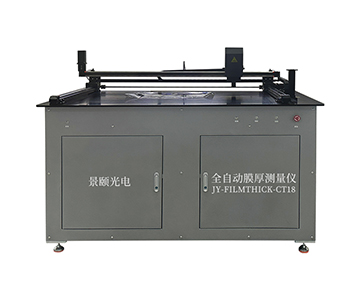
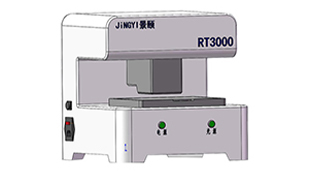
In modern scientific research and industrial applications, precise measurement of reflectivity is vital for the advancement of various industries. As a key parameter indicating an object's surface reflectivity to light or electromagnetic radiation, the accuracy of reflectivity measurement directly impacts product quality, process optimization, and the precision of scientific research. Reflectivity measurement instruments serve as the core equipment essential for achieving this critical measurement.
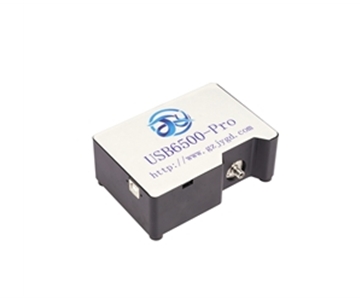
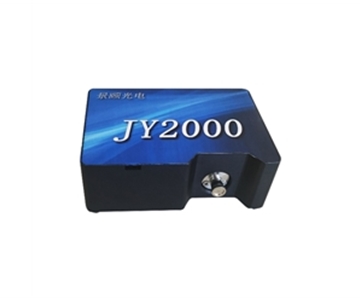
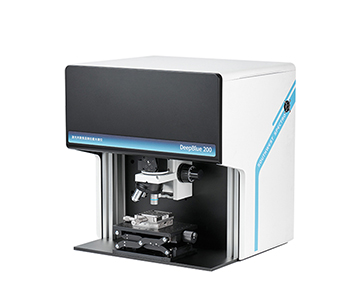
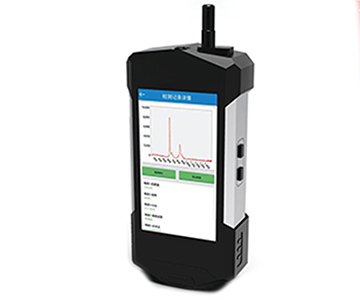
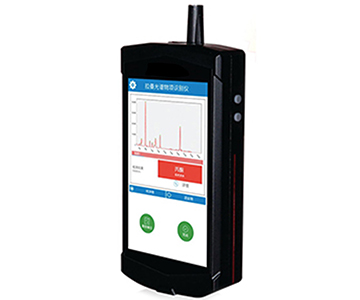
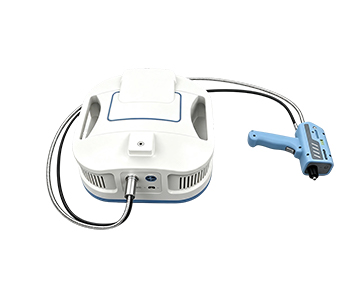
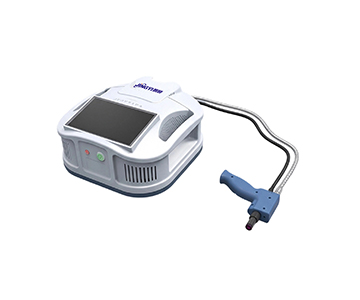
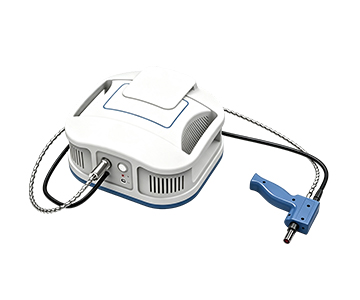
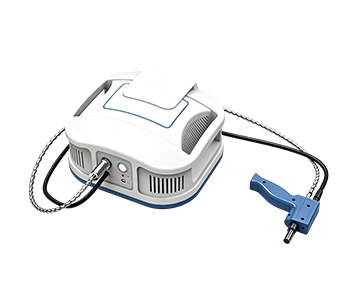
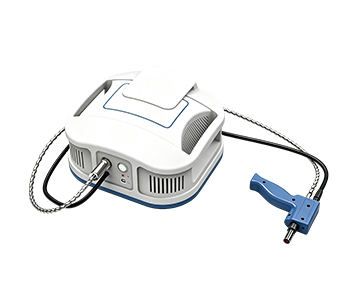
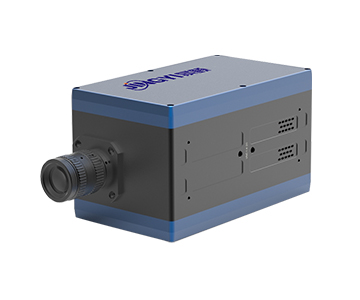
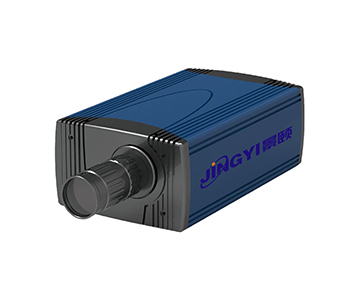
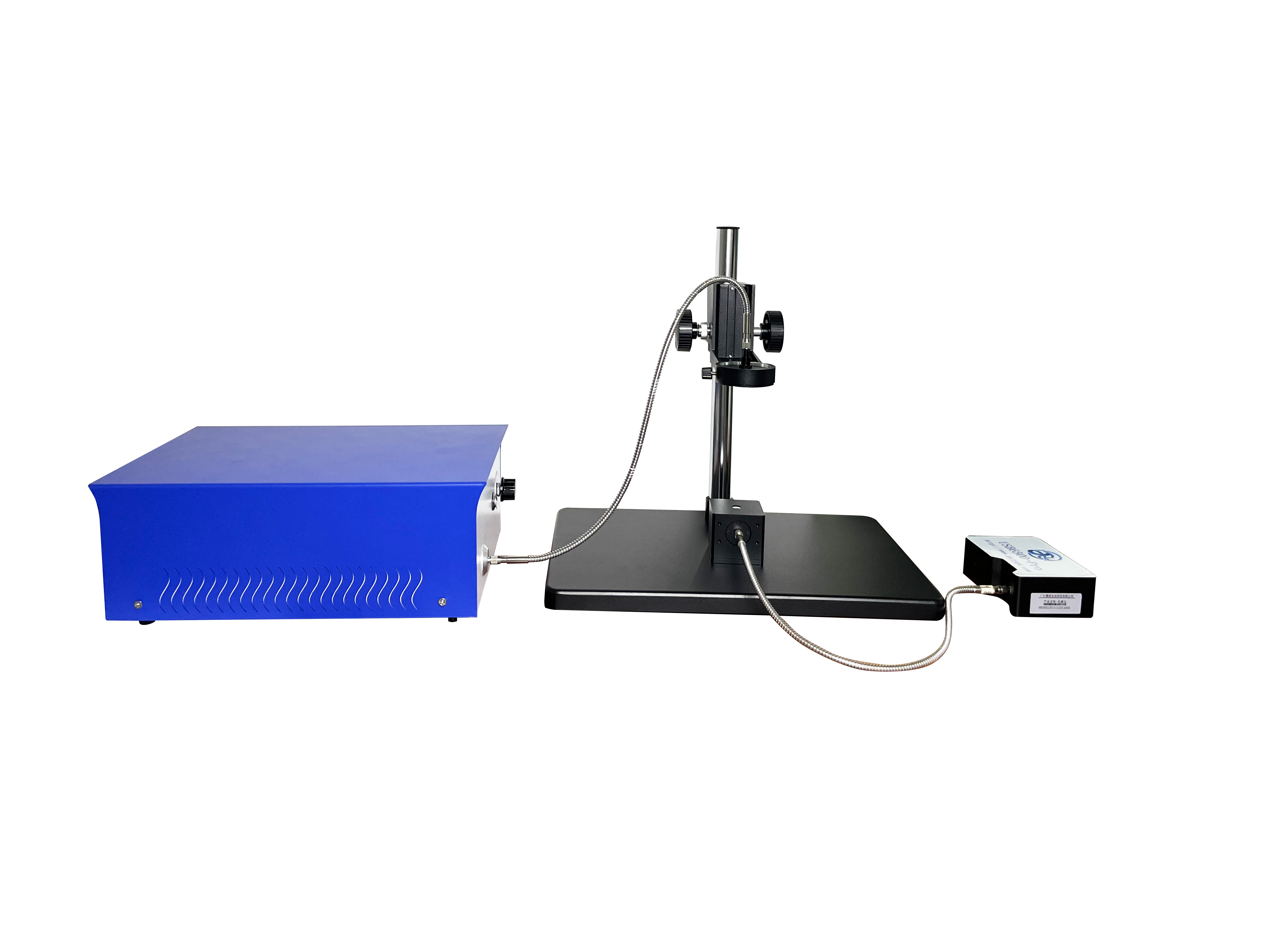
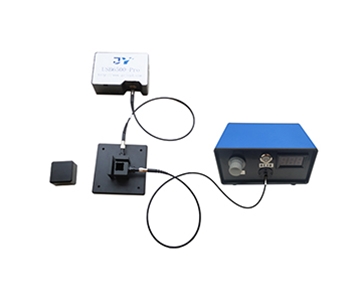
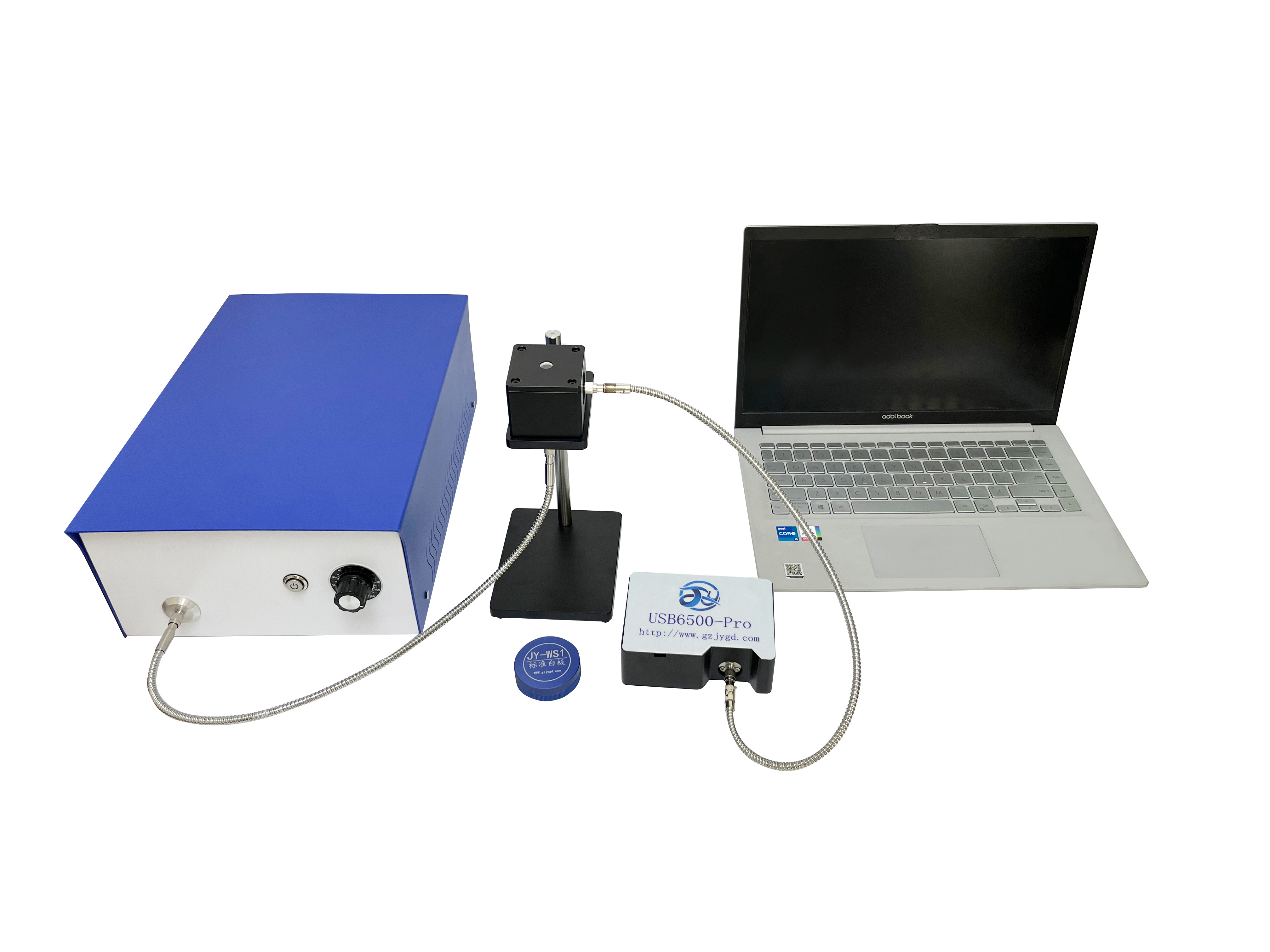
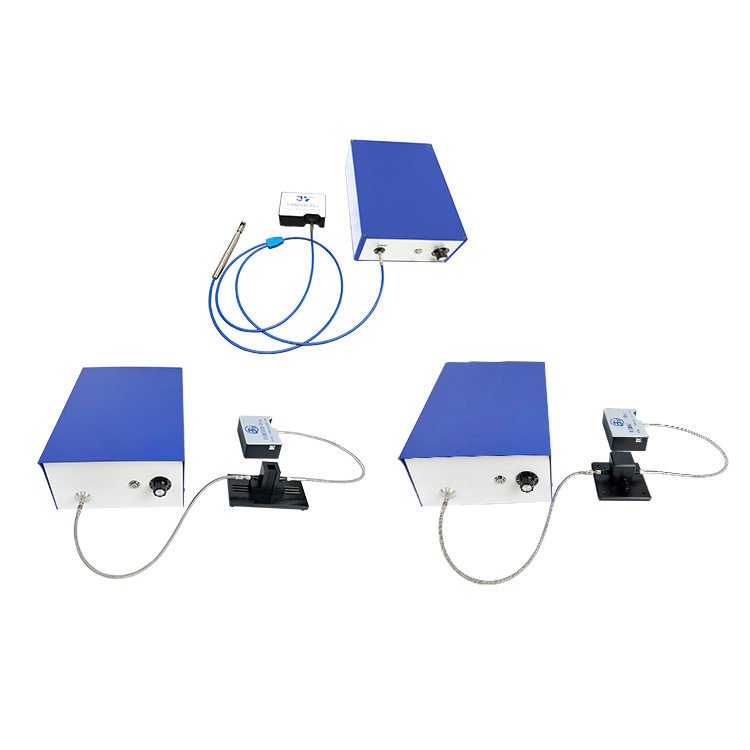
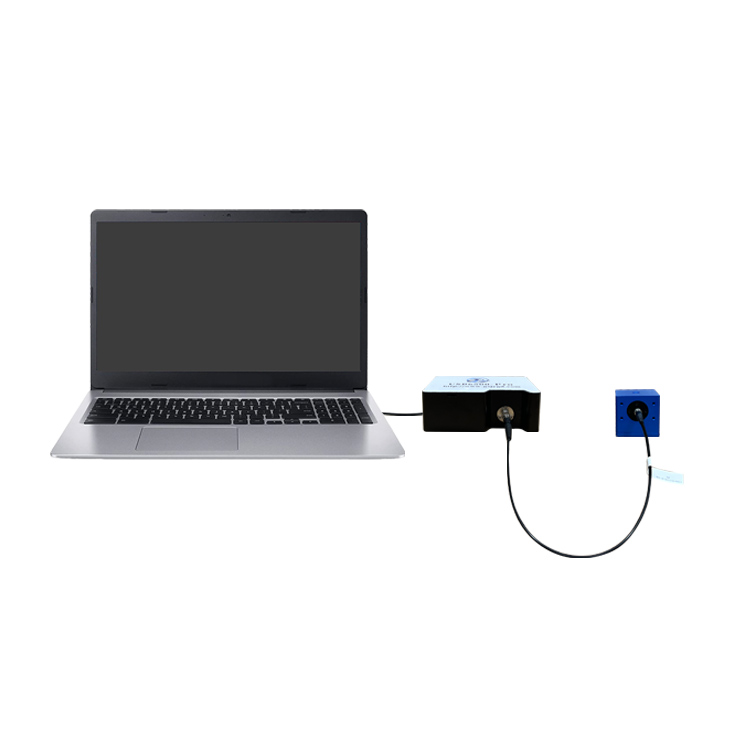
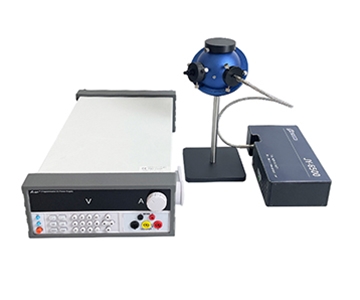
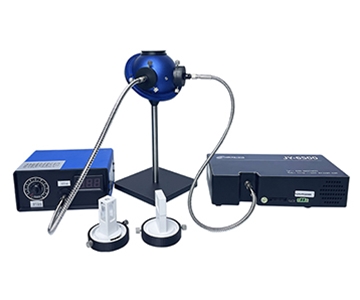
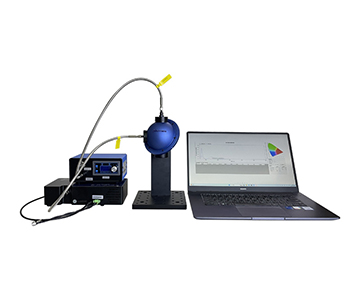
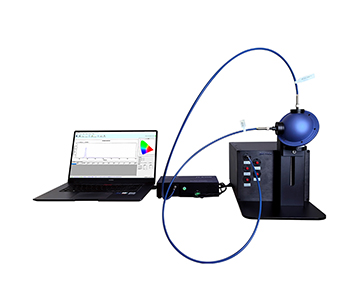
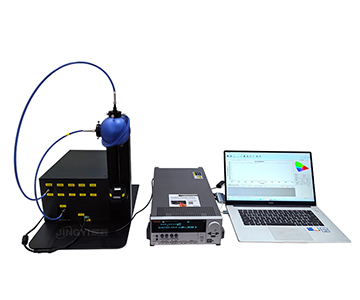
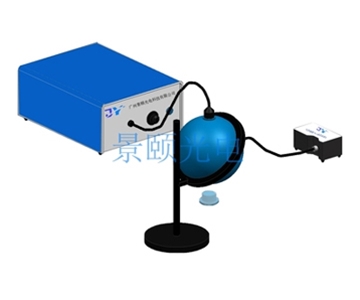
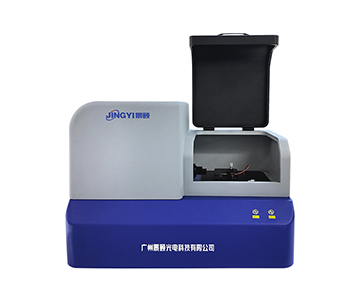
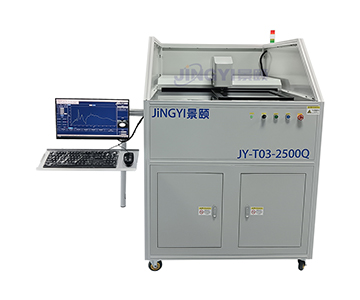
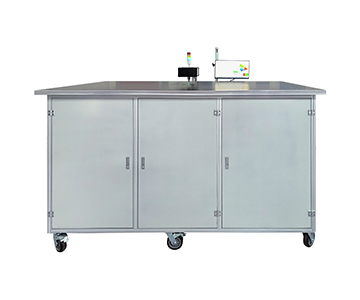
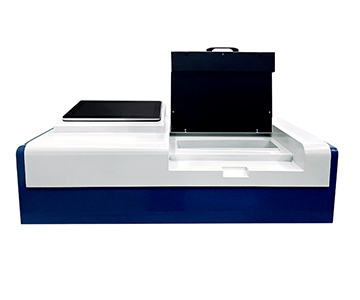
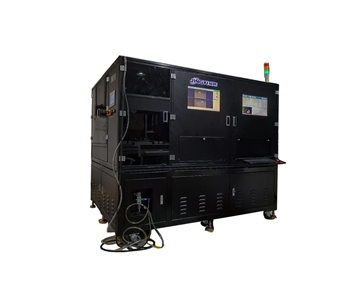
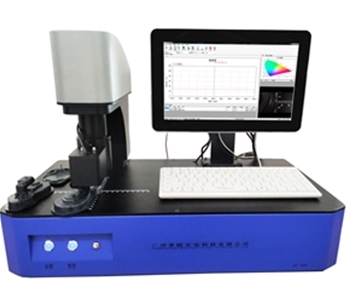
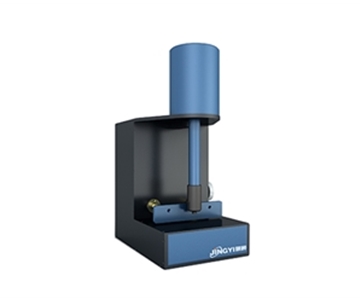
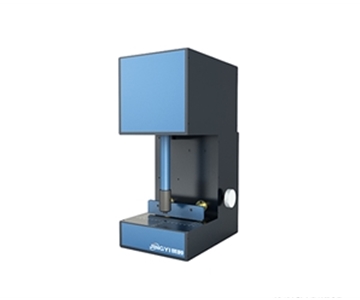
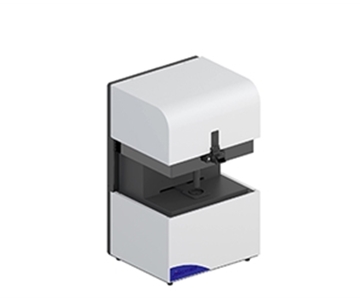
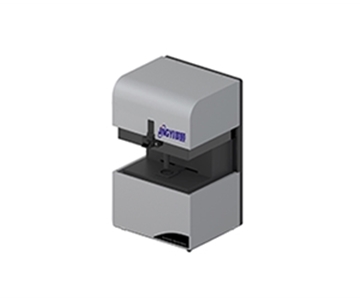
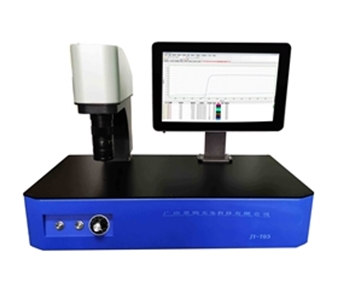
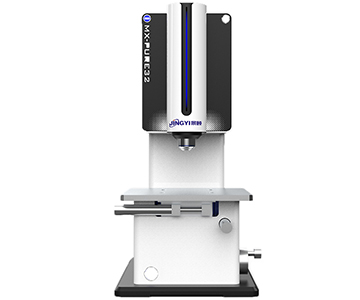
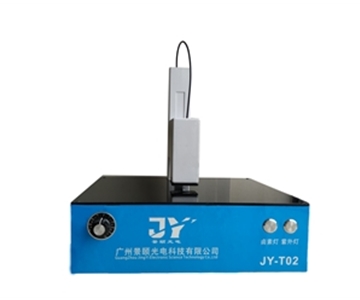
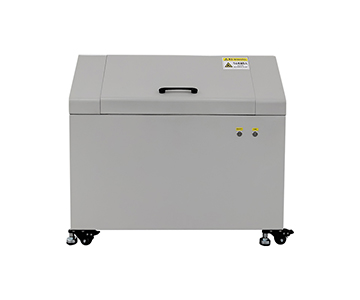
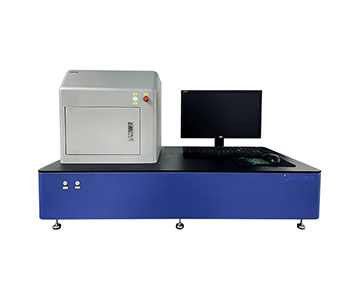
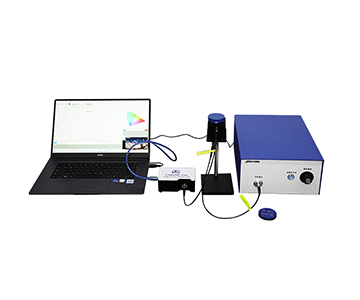
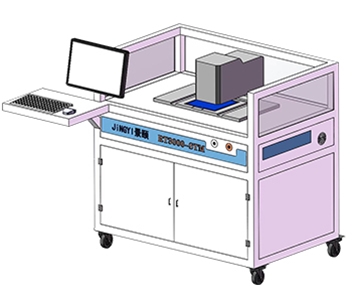
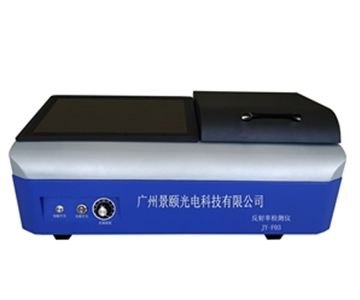
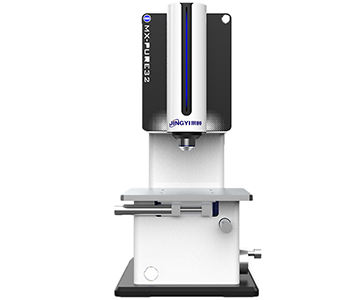
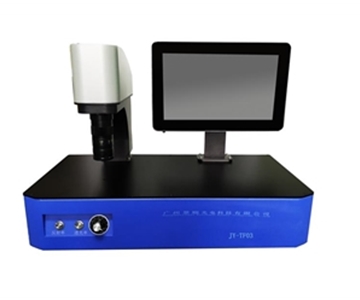
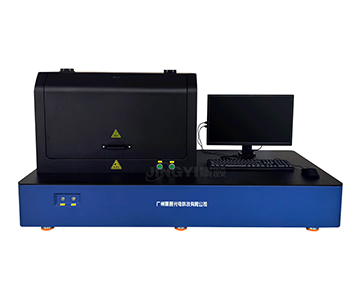
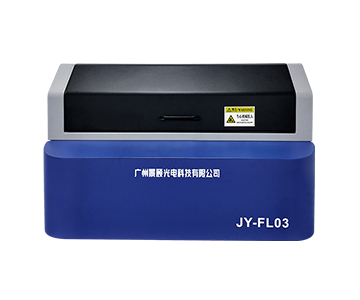
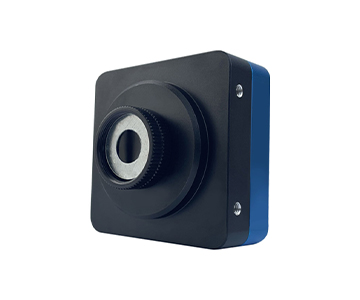
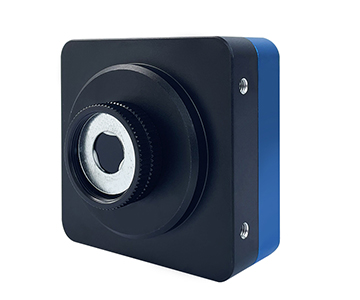
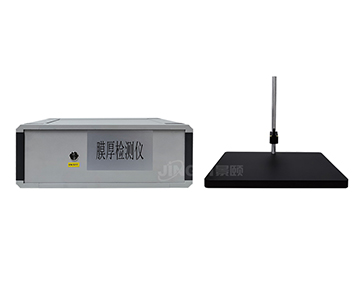
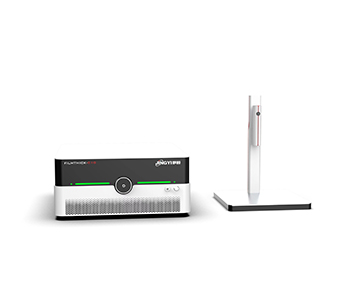
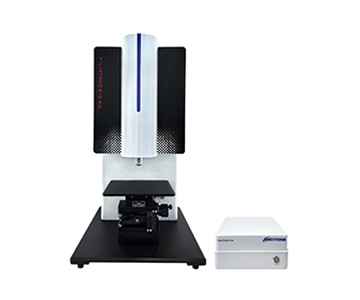
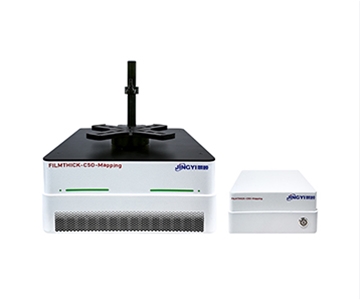
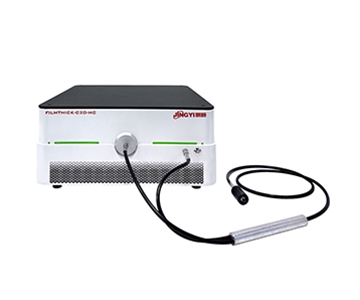
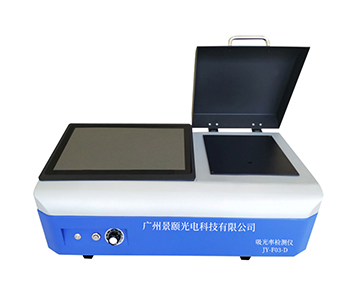
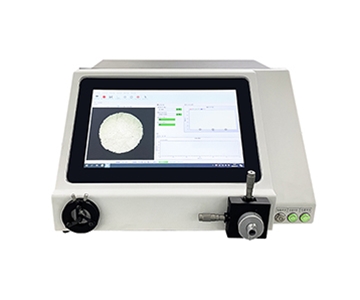
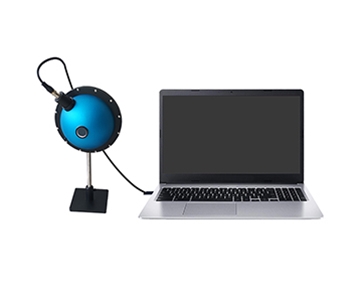
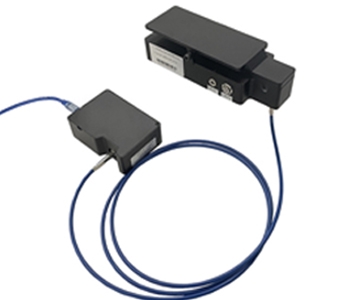
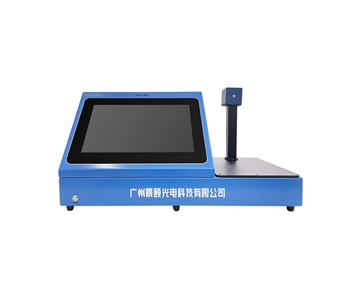
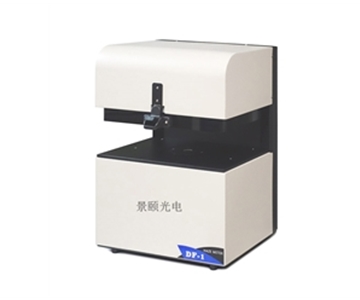
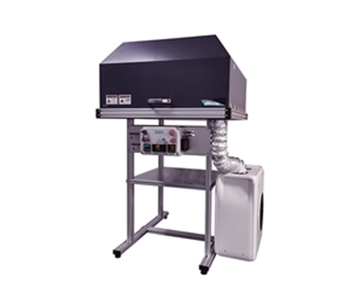
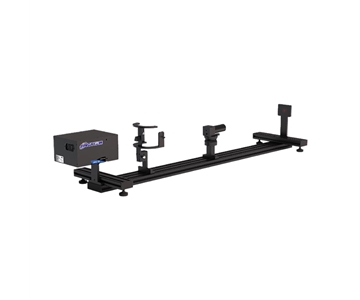
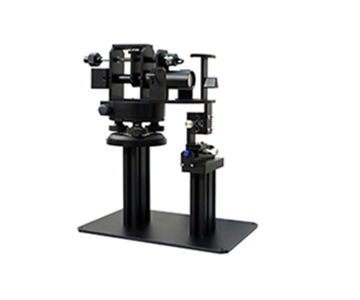
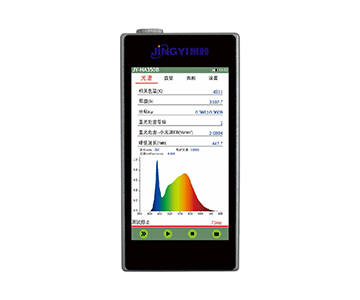
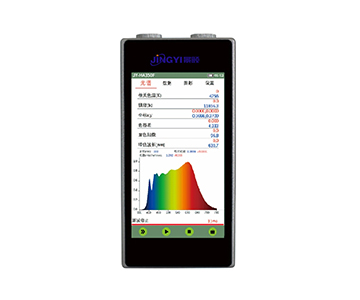
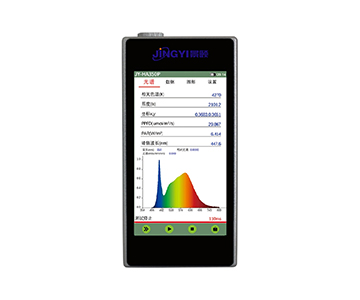
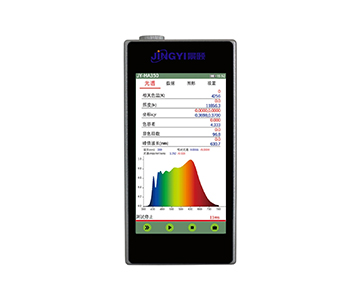
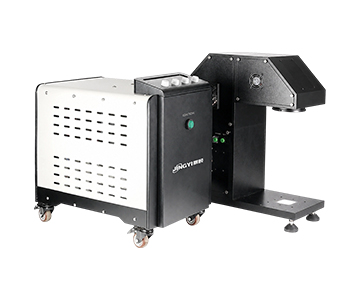
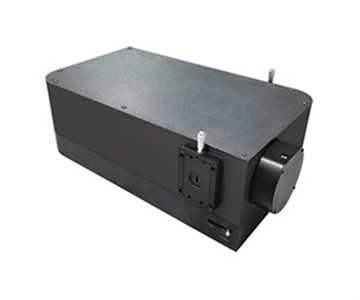
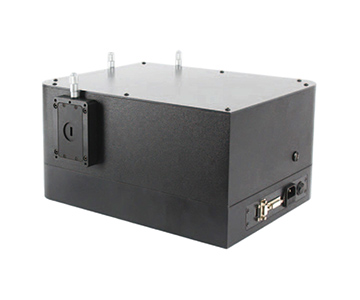
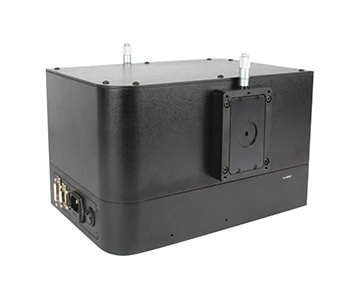
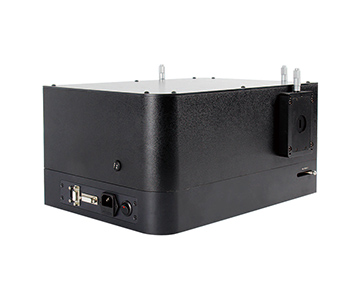
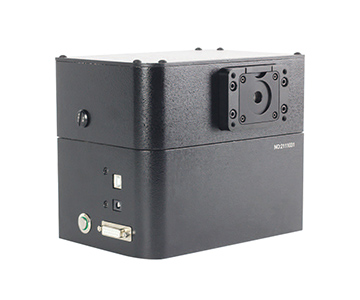
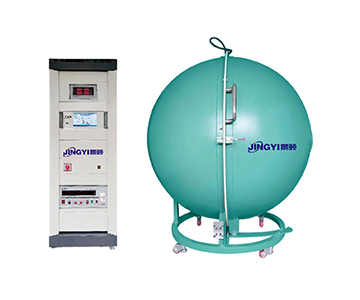
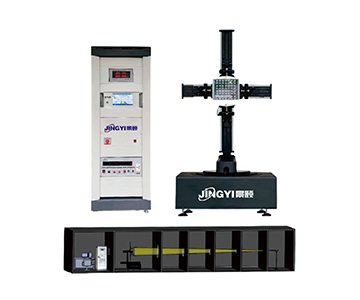
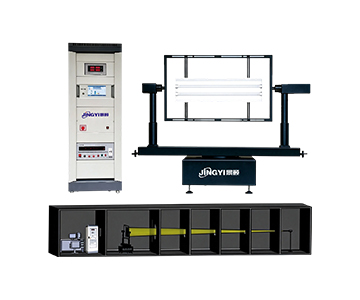
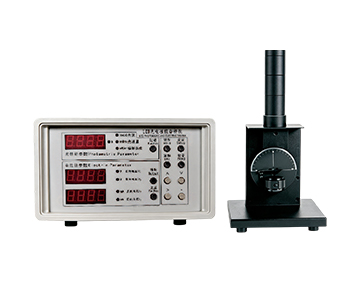
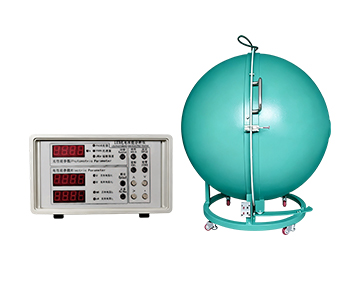
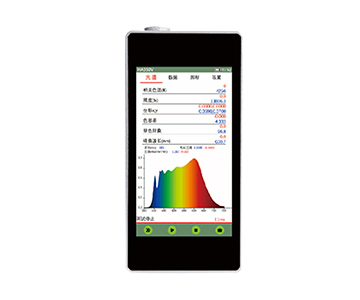
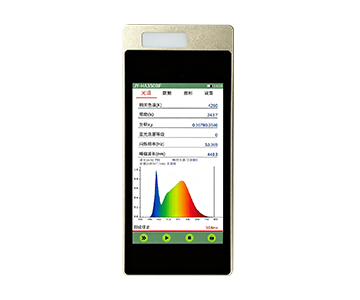
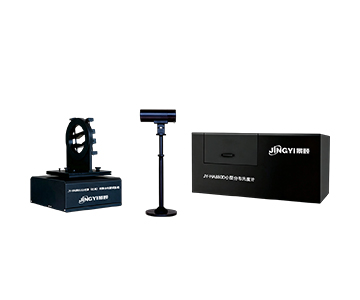
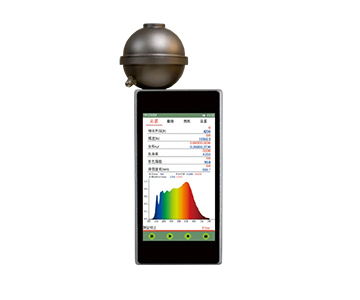
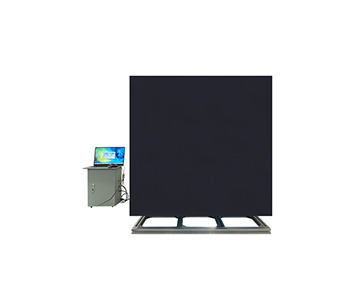
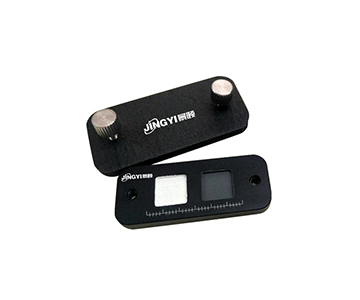
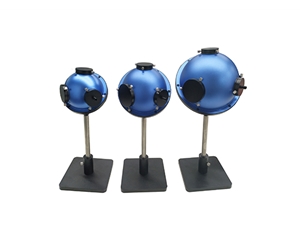
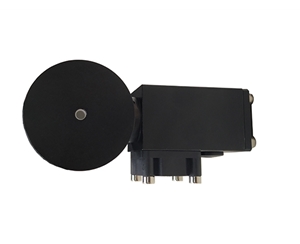
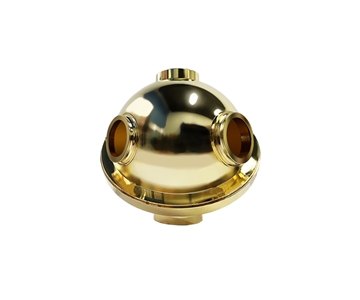
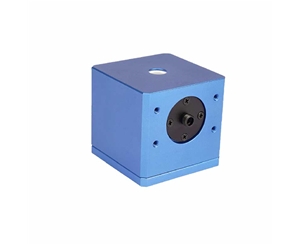
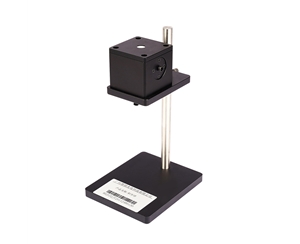
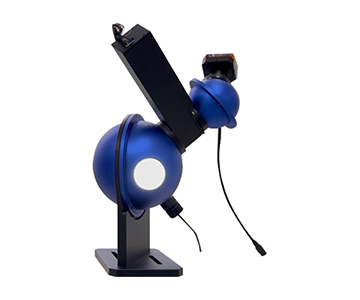
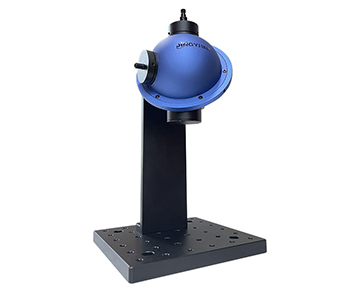
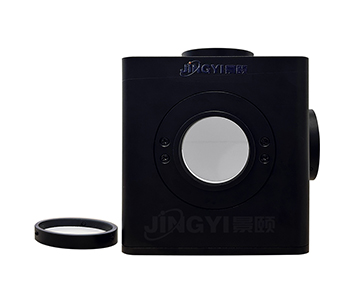
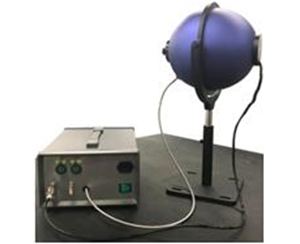
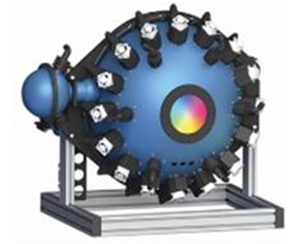
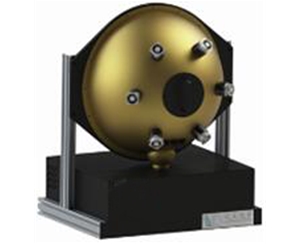
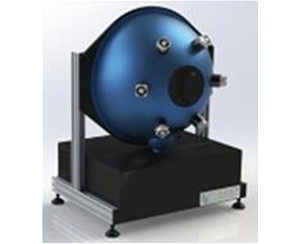
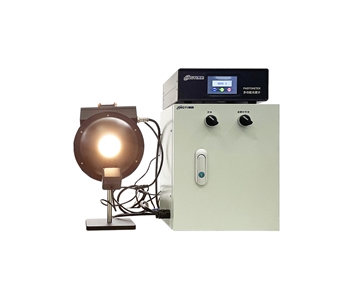
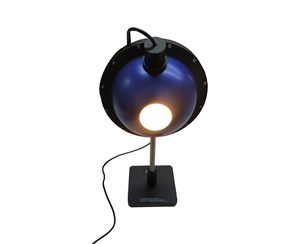
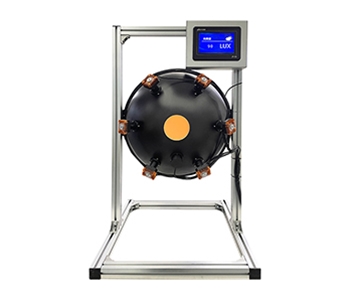
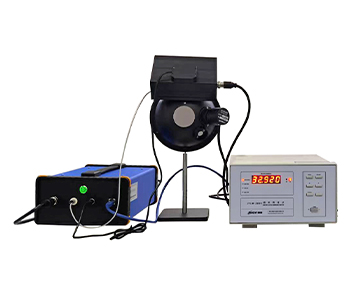
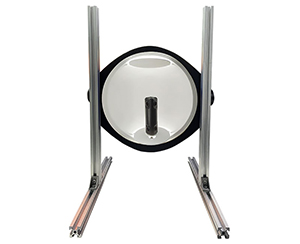
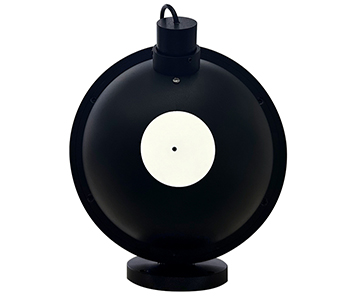
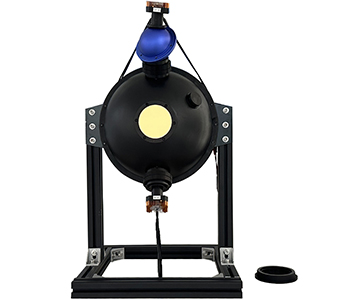
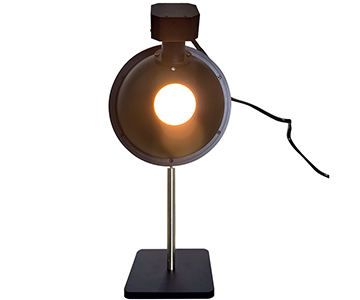
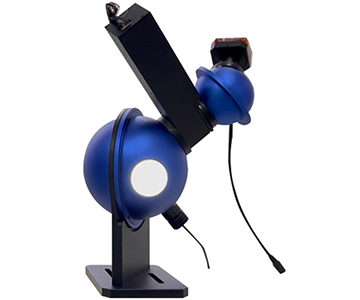
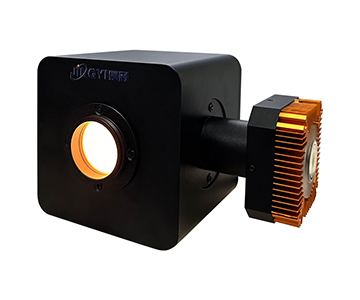
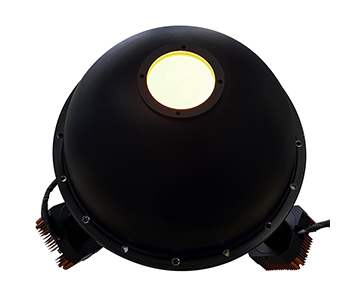
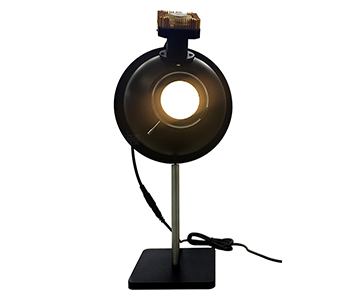
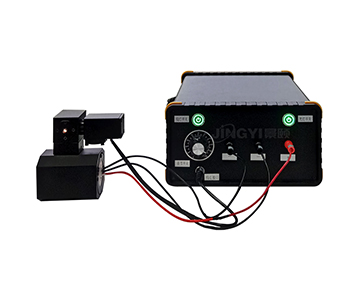
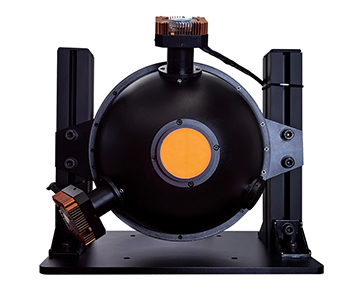
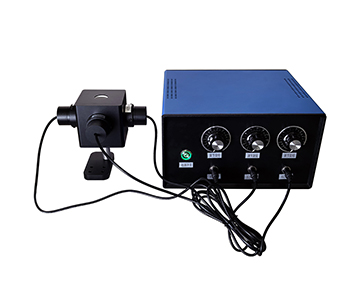
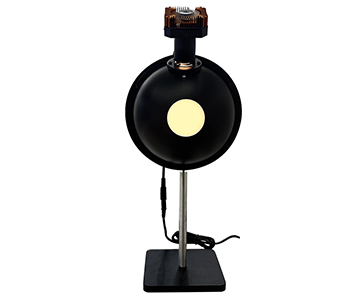
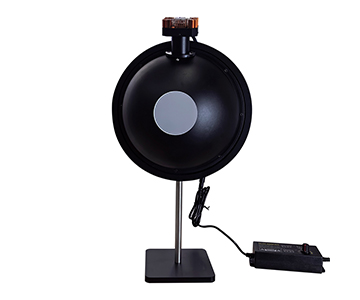
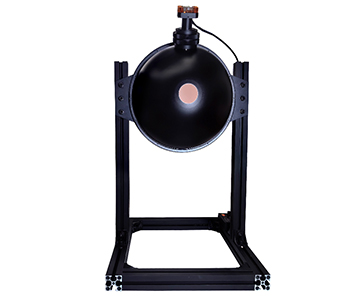
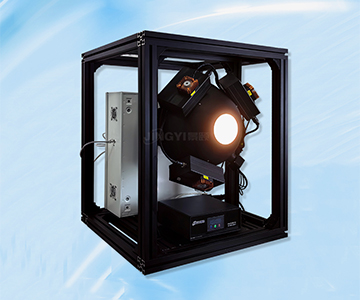
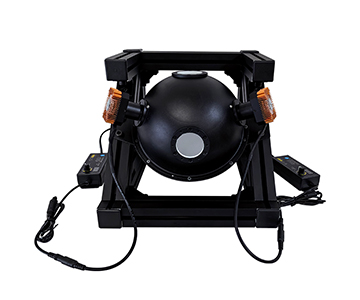
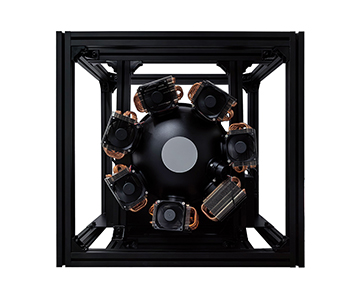
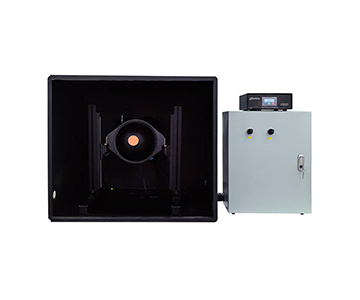
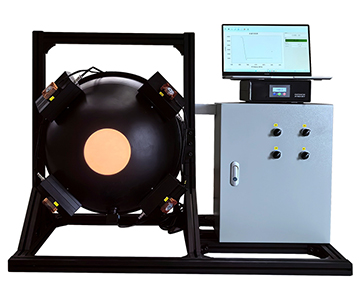
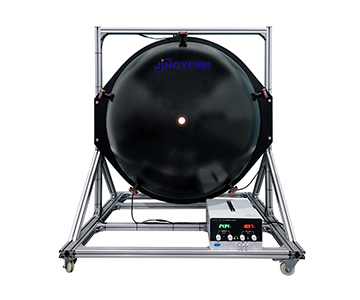
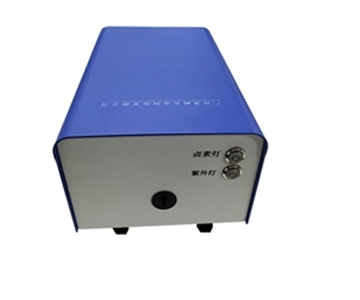
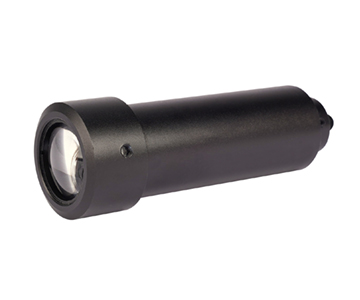
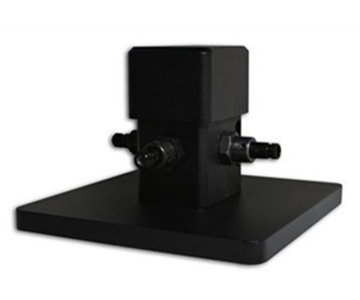
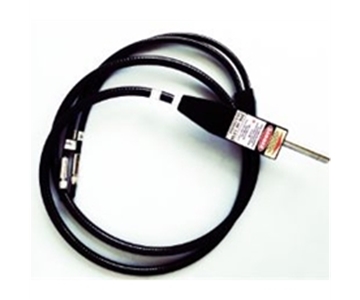
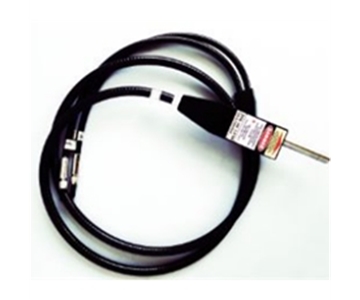
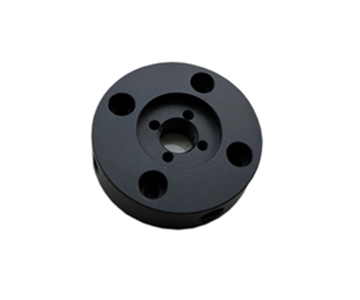
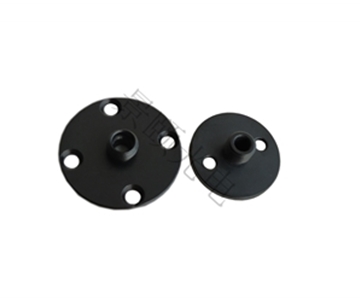
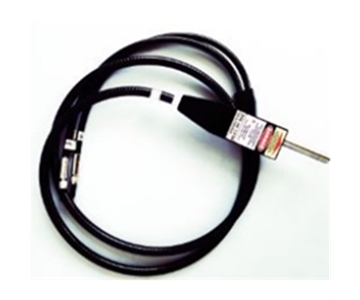
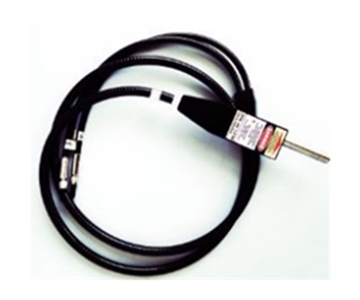
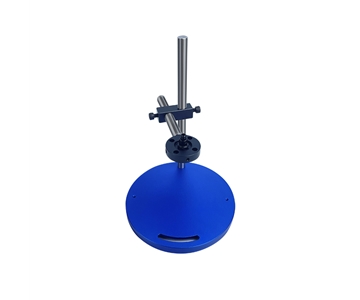
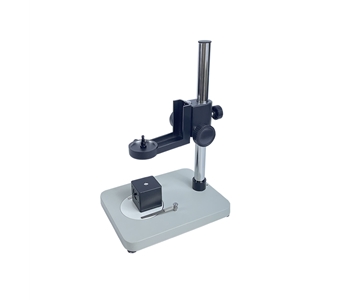
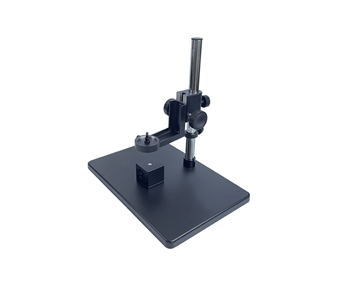
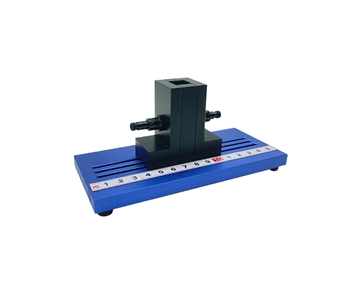
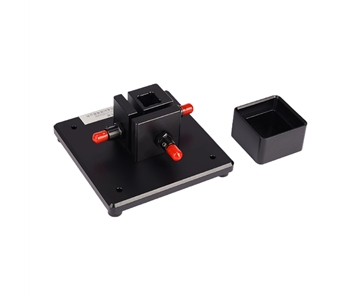
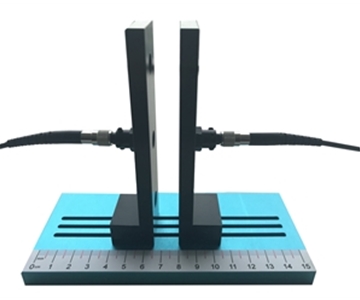
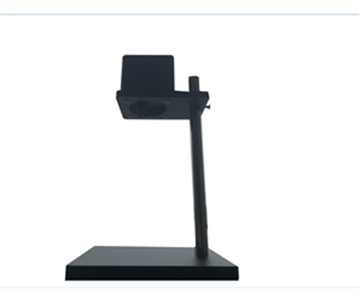
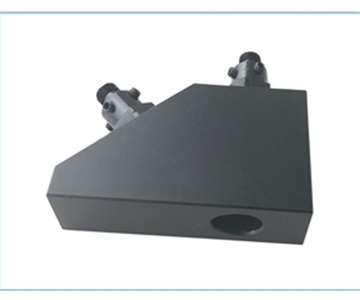
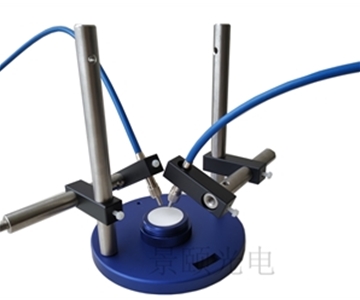
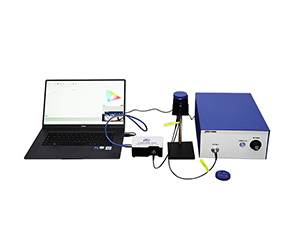
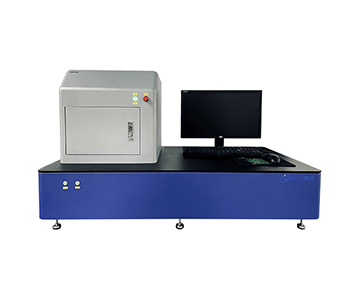
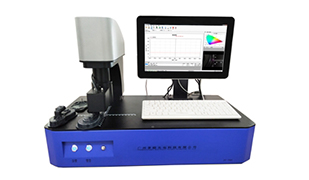
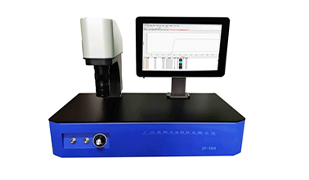
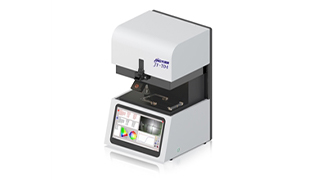
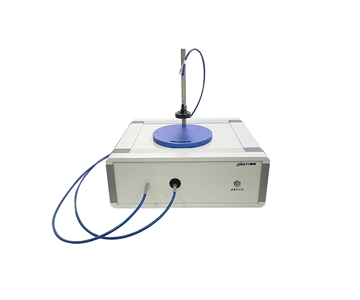
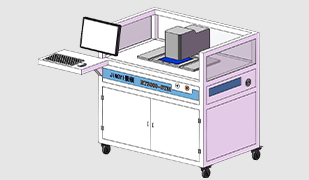
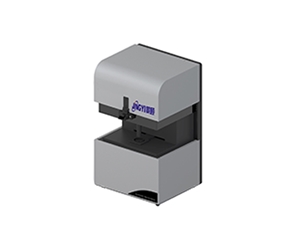
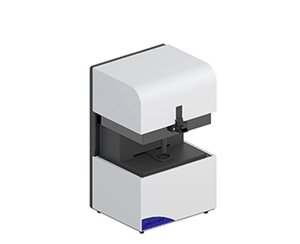
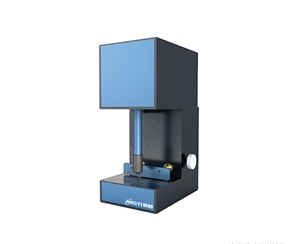
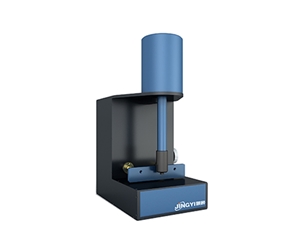
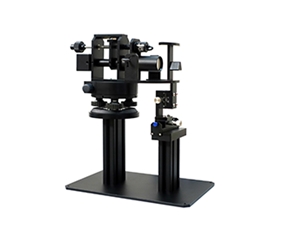
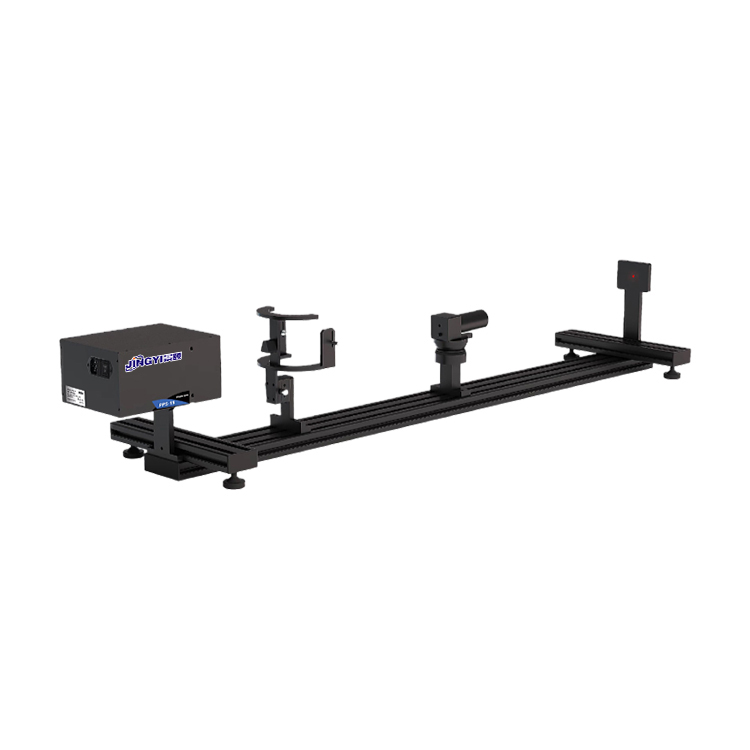
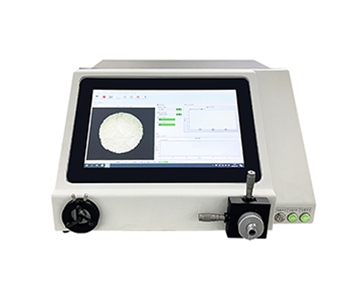
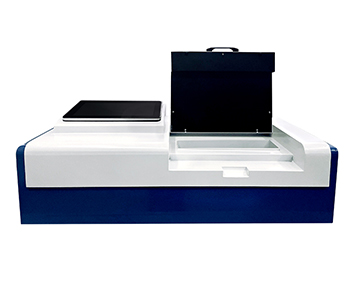
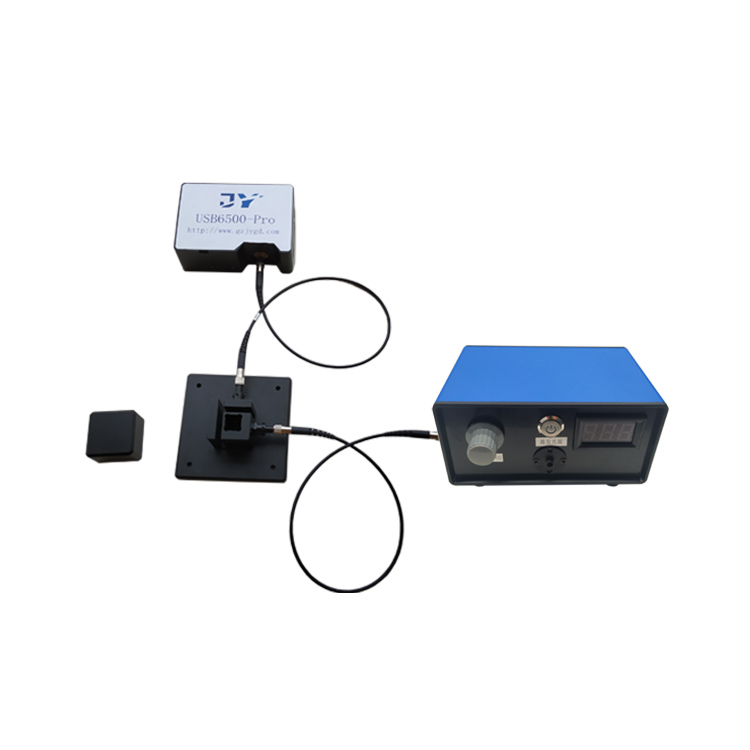
Taking Jingyi Optoelectronics' reflectivity measurement instrument CHT-F03 as an example, this device demonstrates excellent performance and broad applicability in reflectivity measurement. Featuring a highly stable light source output system, it effectively collects and measures reflected light from various angles on object surfaces, enabling precise measurement of reflectance ratios and reflectivity curves for diverse materials. Additionally, its adjustable measurement angles can be customized to meet specific requirements across different application scenarios.
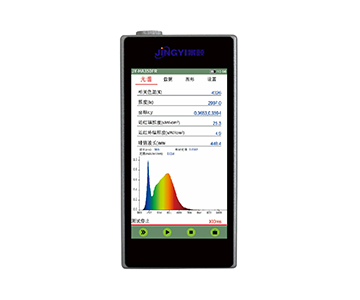
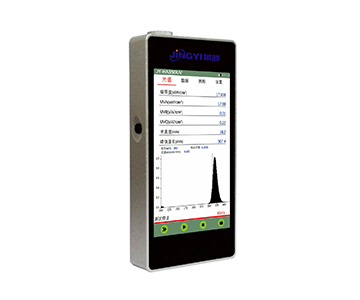
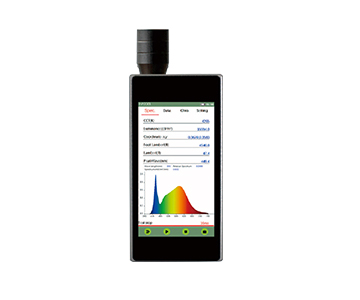
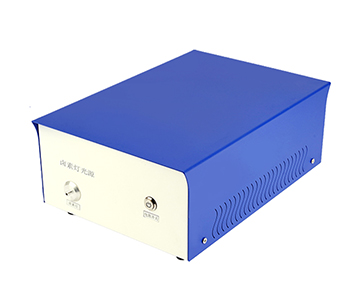
In terms of light source, the CHT-F03 is equipped with a highly stable light output system, ensuring consistent and accurate light intensity during measurements. This feature enables the instrument to perform measurements quickly and in real-time, significantly improving work efficiency. Additionally, the instrument features full-spectrum reflectivity detection, allowing rapid acquisition of reflectivity data across the entire spectral range within a short time. This provides rich data support for in-depth analysis of an object's optical properties.
Reflectance meters have extensive applications across multiple fields. In optics, they measure the reflectivity of optical components like mirrors and lenses, helping engineers optimize system designs and enhance equipment performance. In materials science, researchers analyze reflectivity data to understand surface properties, microstructures, and optical characteristics of materials, providing crucial references for material development. In the coatings industry, these devices test paint reflectivity to help manufacturers ensure product quality, meeting customer requirements for color and gloss. Additionally, reflectance meters play vital roles in automotive, aerospace, and agricultural sectors. For instance, in automotive manufacturing, they assess reflectivity of body coatings to maintain color consistency and aesthetic appeal. In aerospace, they measure aircraft surface materials' reflectivity to support stealth performance and thermal management. In agriculture, they monitor crop reflectivity to help farmers track growth status and detect issues like pests or nutrient deficiencies.
The following section details the operational steps for using the CHT-F03 reflectivity meter: Preparation: Ensure the surface to be measured is clean, dry, and free from dirt, debris, or contaminants. These impurities may interfere with light reflection, resulting in inaccurate measurements. Connect the CHT-F03 reflectivity meter to a stable power source and follow the manual for startup and preheating. The preheating time typically ranges from several minutes to over ten minutes, depending on the instrument model and ambient temperature.
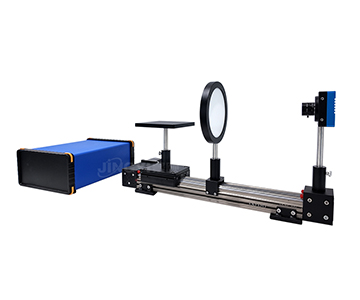
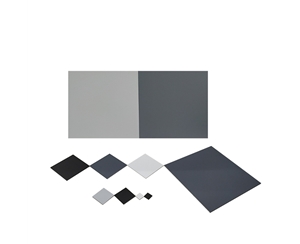
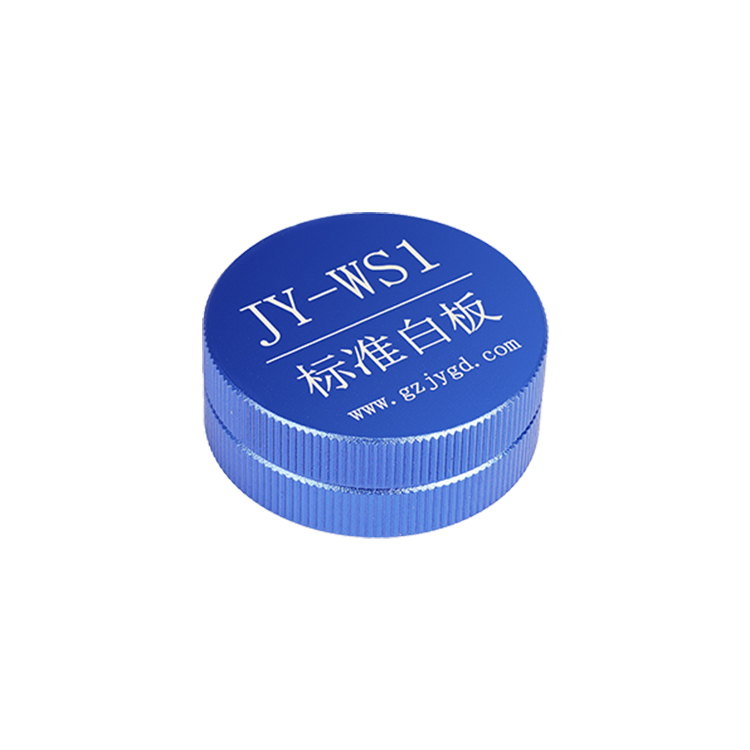
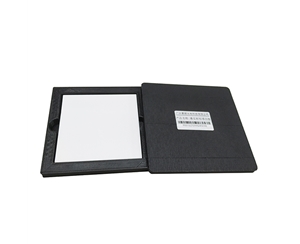
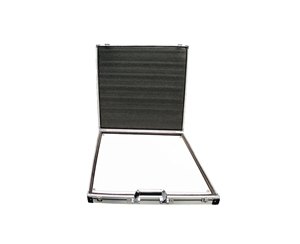
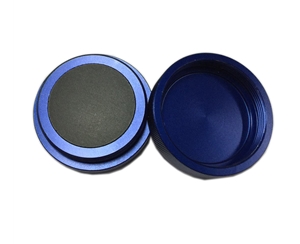
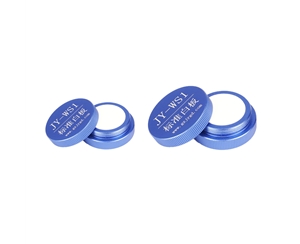
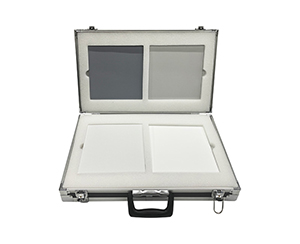
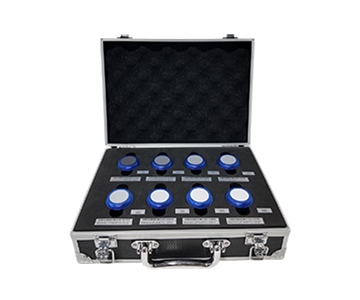
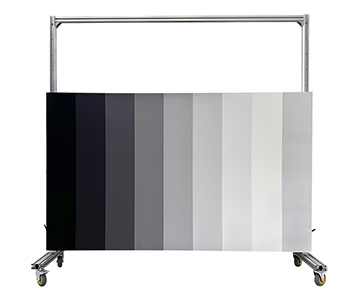
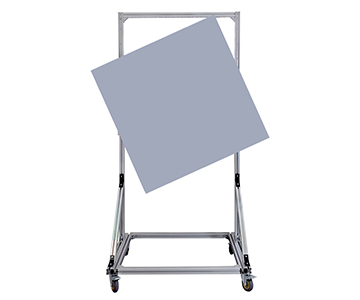
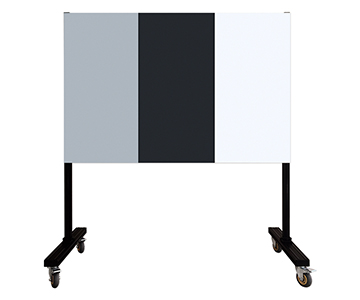
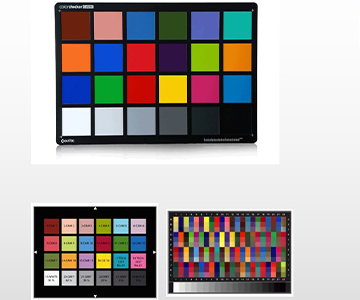
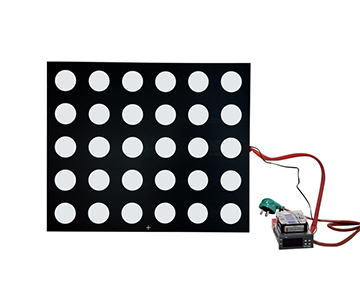
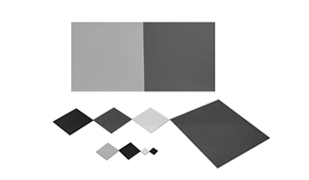
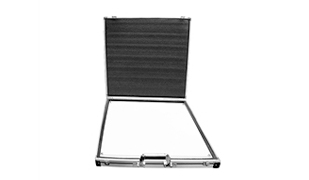
Instrument configuration: Select appropriate wavelength ranges and measurement modes based on measurement requirements. The CHT-F03 offers multiple wavelength ranges (e.g., 200-850nm or 400-1100nm) for users to choose according to the characteristics of the object being measured and the purpose of the measurement. Calibration: Calibration is a critical step to ensure measurement accuracy. Users can calibrate the instrument using built-in calibration standards or known reflectivity reference samples. During calibration, strictly follow the instrument's operating manual to ensure accurate results. Measurement angle adjustment: The CHT-F03 allows customization of measurement angles according to user needs, which can be configured through the instrument's control panel or software.
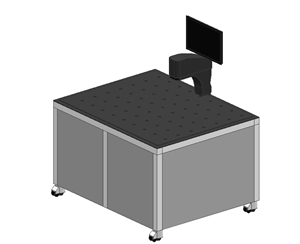
To perform measurements, position the reflectivity meter CHT-F03 on a stable workbench, ensuring the instrument is perpendicular to the surface being measured. This vertical alignment maintains consistent incident and reflection angles, enhancing measurement accuracy. Place the object within the instrument's measurement zone, ensuring its surface is smooth and flat. Uneven surfaces or irregularities may cause light scattering and uneven reflection, potentially affecting results. Press the measurement button to initiate light emission and record reflected radiation intensity. The instrument displays the reflectivity percentage directly or outputs data to a computer or data acquisition system for analysis. For optimal accuracy, conduct multiple measurements at different surface locations and average the results. This approach reduces measurement errors and improves reliability.
Data Analysis and Processing: Review reflectance data obtained from the CHT-F03 reflectance meter and conduct analysis based on specific application requirements. The analysis may include: comparing reflectance values with specifications or standards to determine if the measured object meets requirements; performing statistical analyses such as calculating averages and standard deviations to evaluate measurement accuracy and reliability; utilizing data for further calculations or modeling, such as determining optical constants or predicting optical properties. When analyzing reflectance data, consider surface characteristics like material properties, surface roughness, and color, as these factors may influence reflectance. Therefore, comprehensive consideration of these factors is essential during data analysis. Interpret and evaluate measurement results based on analysis findings. If results do not meet requirements, investigate potential issues in the measurement process and repeat measurements. If results comply with specifications, document them for subsequent research or production applications.
In summary, reflectance meters, as essential optical measurement devices, are widely used in scientific research and industrial production. Jingyi Optoelectronics' CHT-F03 reflectance meter delivers an efficient and accurate measurement solution, featuring mature technology, excellent performance, and broad applicability. With proper operation and data analysis, users can obtain reliable reflectance measurements, providing robust support for product quality control, process optimization, and scientific research.
#Reflectance Meter #Reflectance Analyzer #Reflectance Meter #Reflectance Detector #Reflectance Meter #Reflectance Analyzer