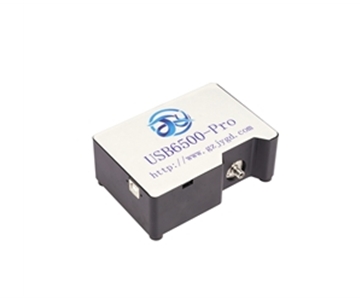
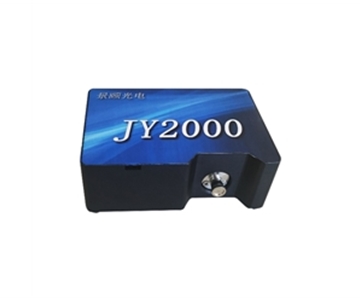
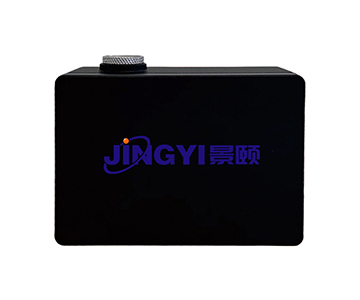
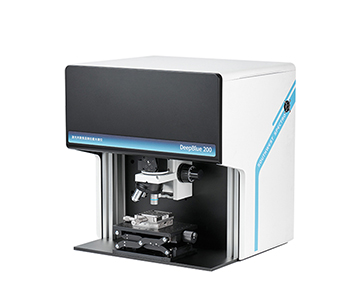
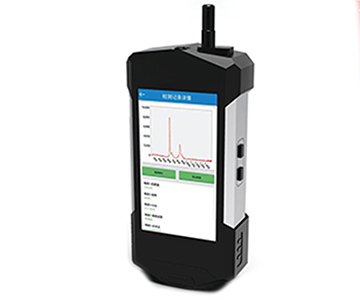
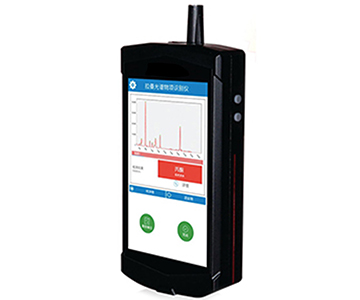
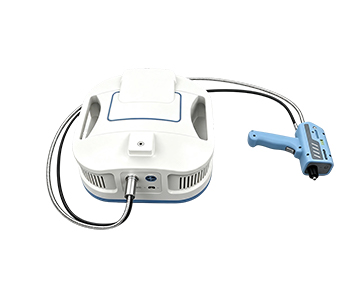
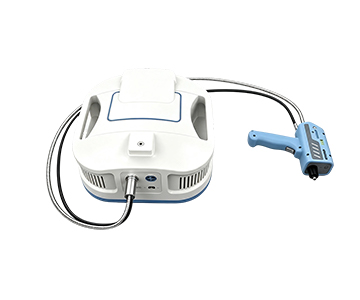
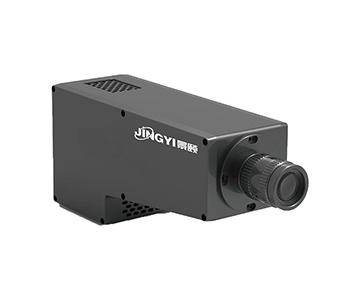
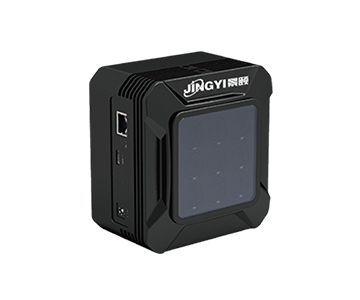
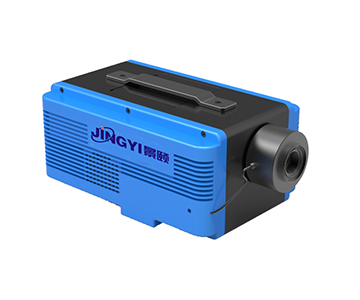
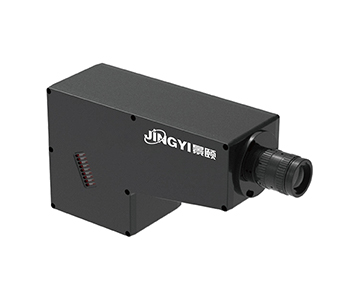
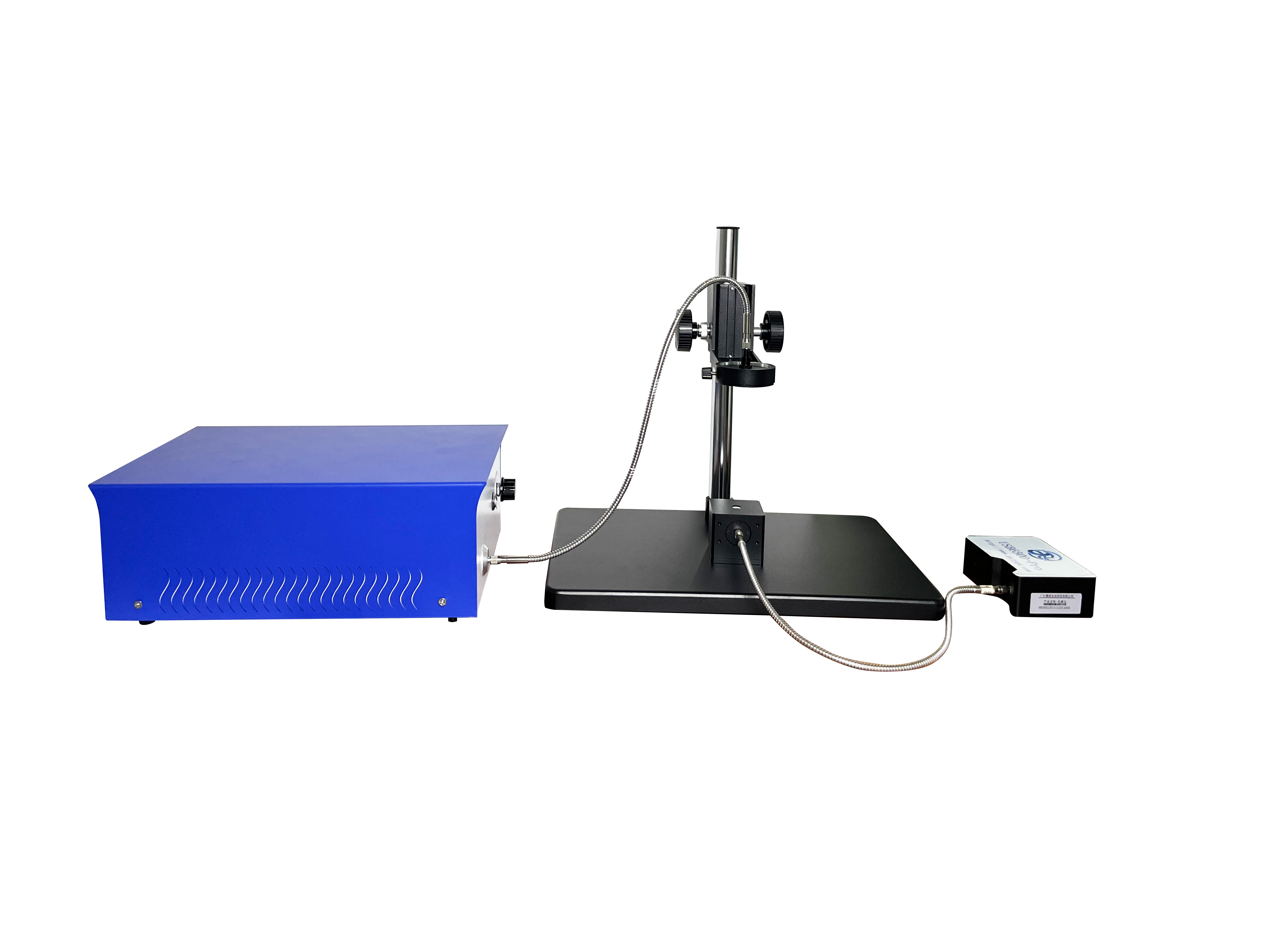
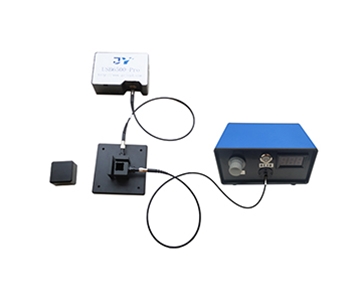
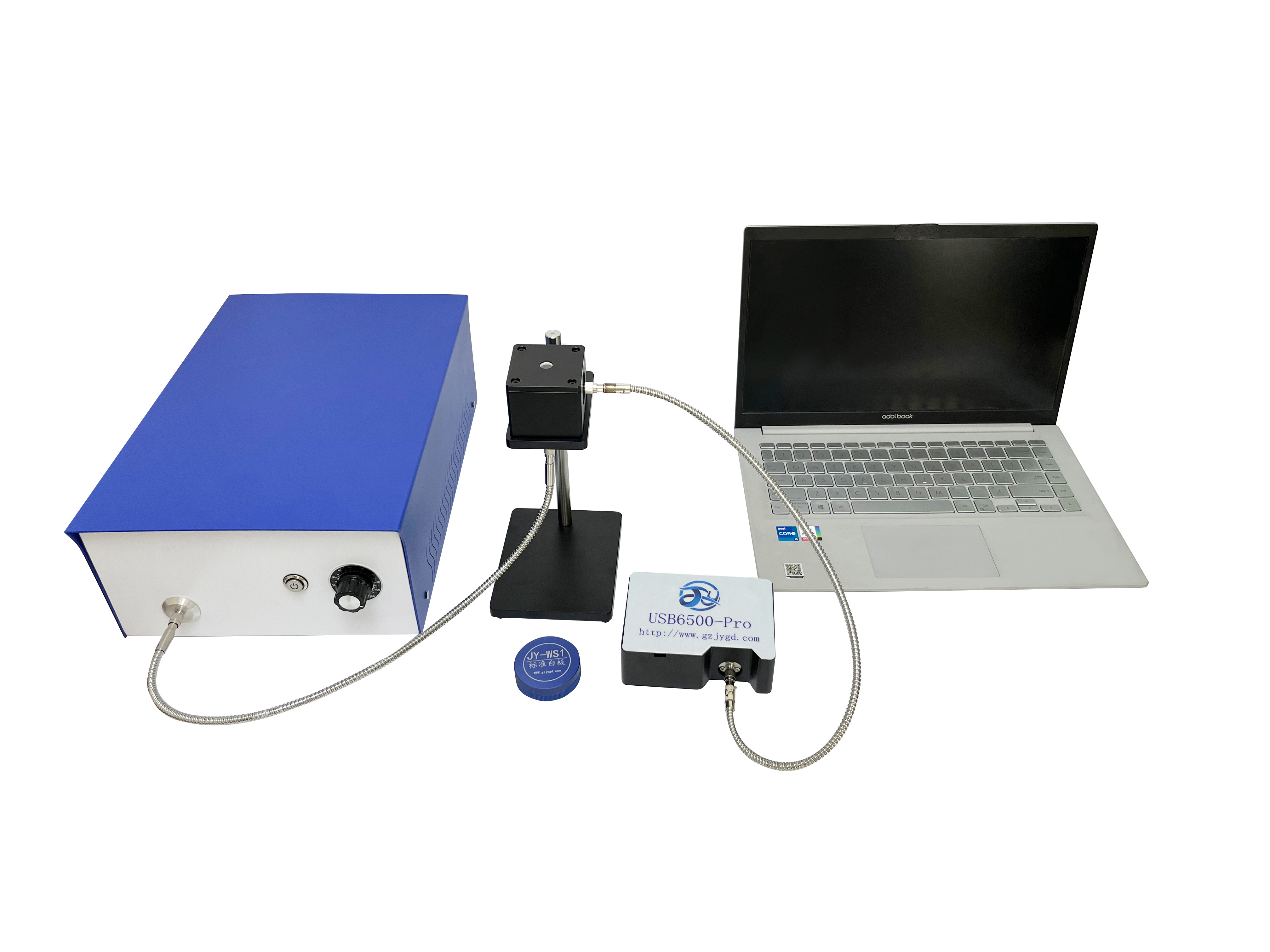
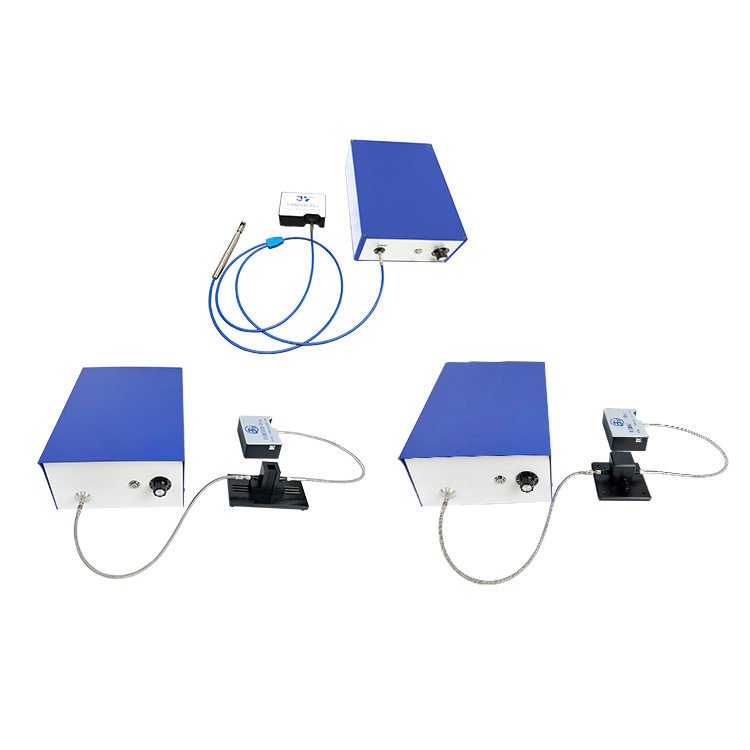
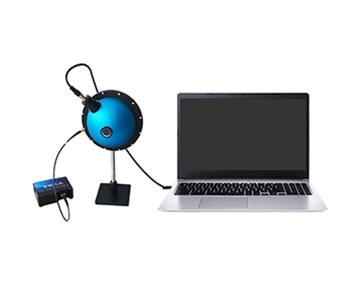
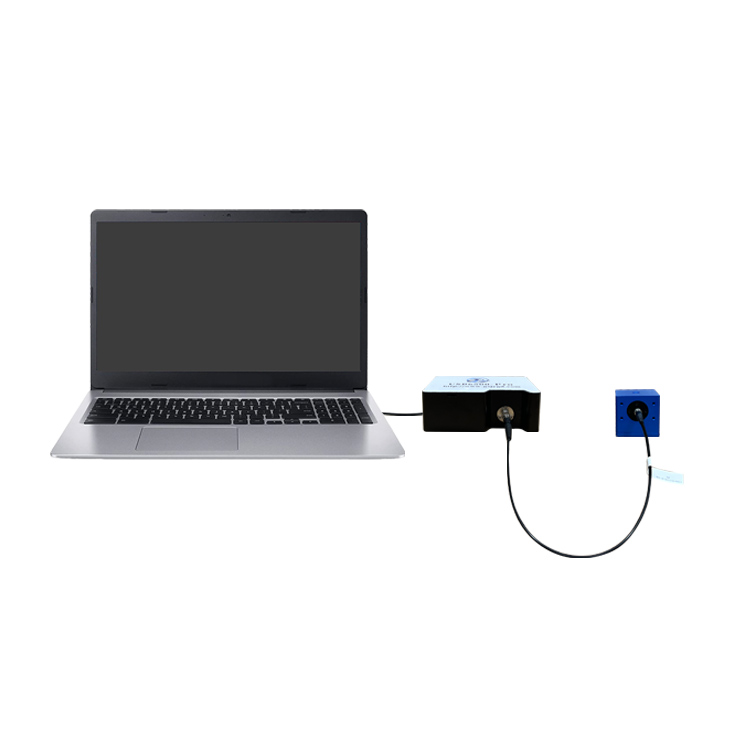
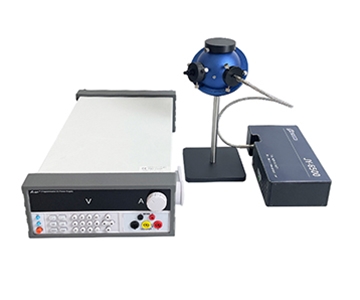
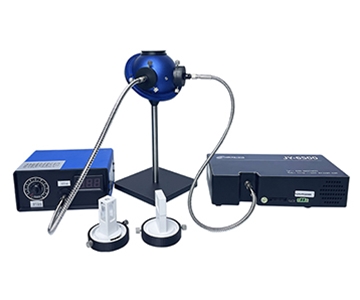
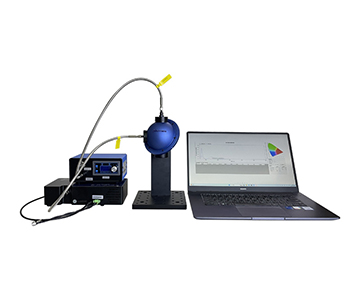
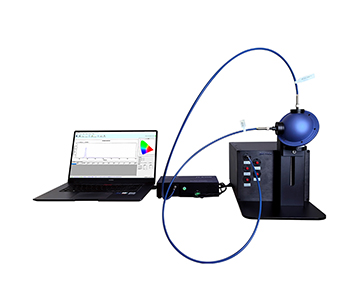
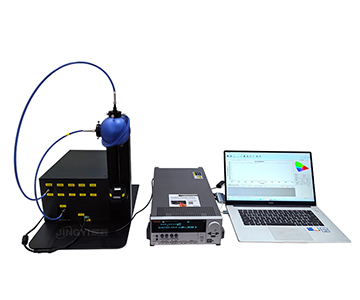
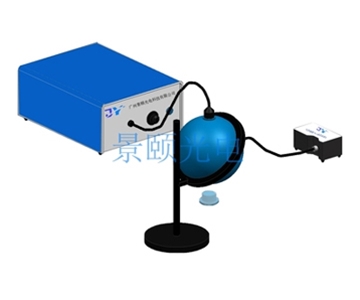
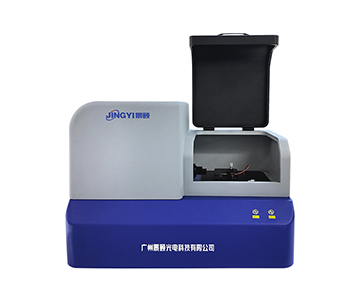
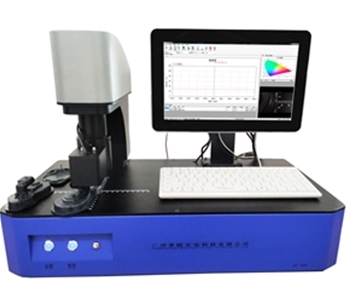
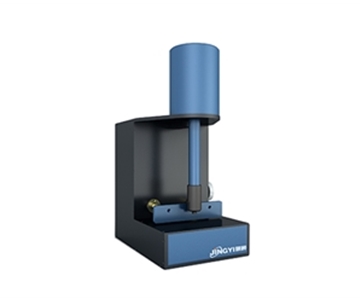
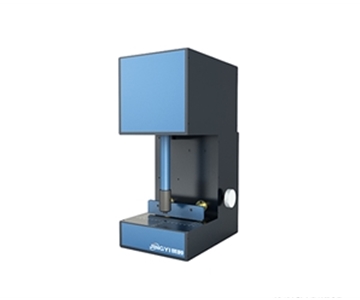
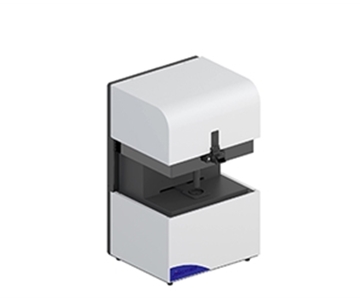
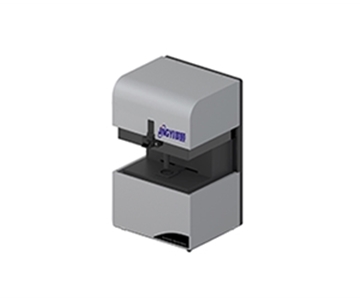
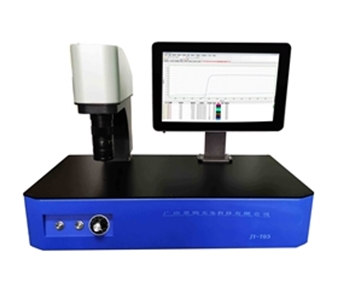
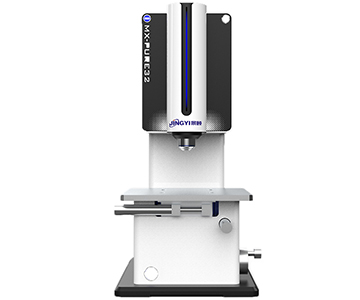
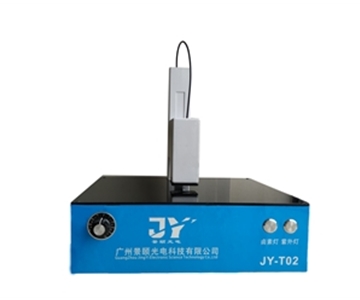
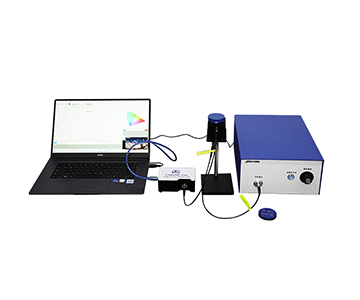
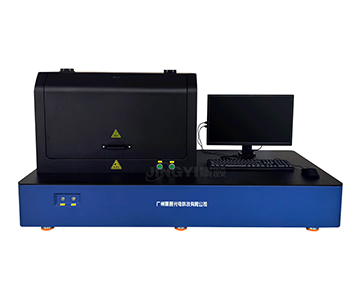
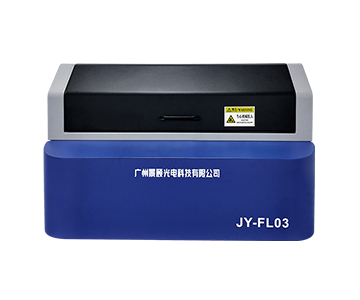
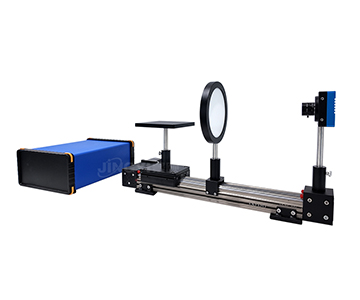
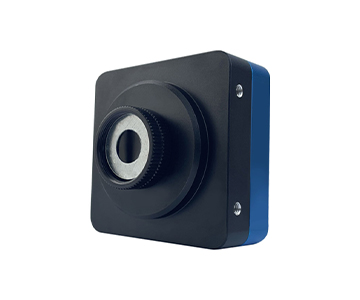
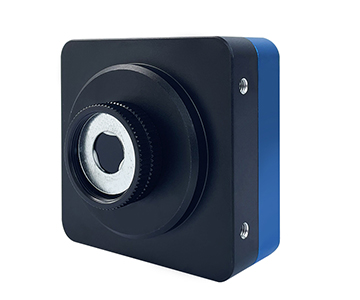
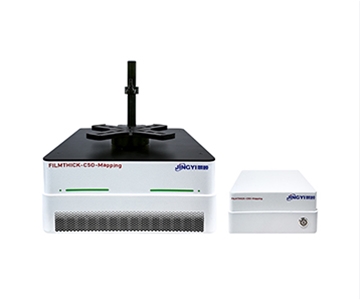
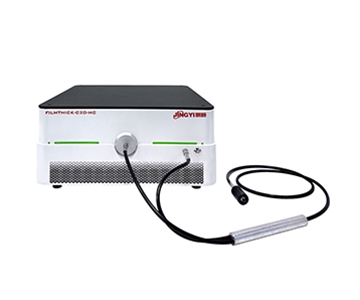
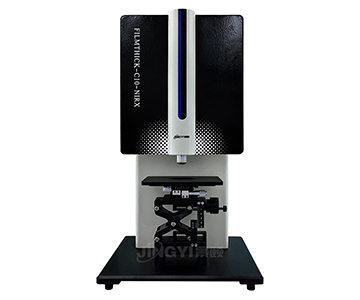
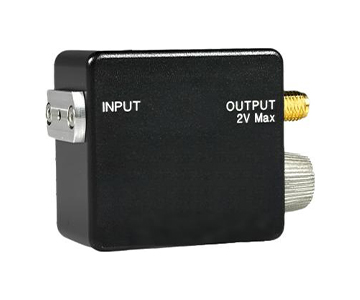
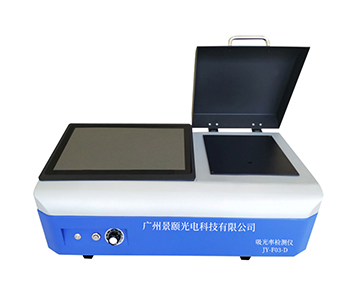
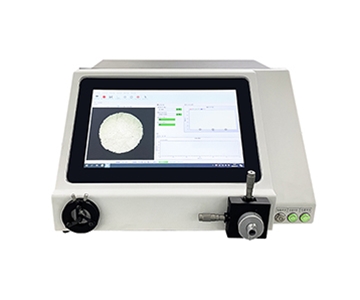
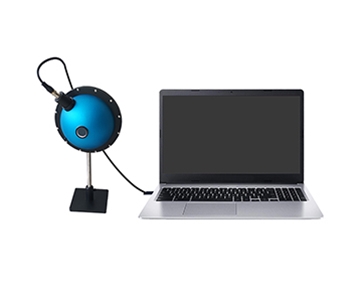
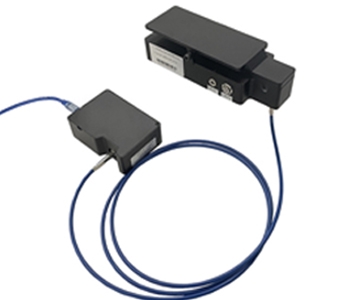
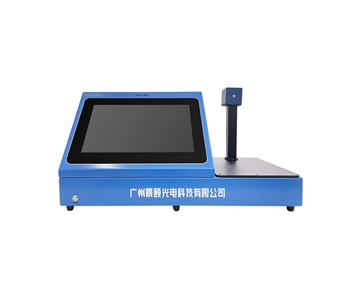
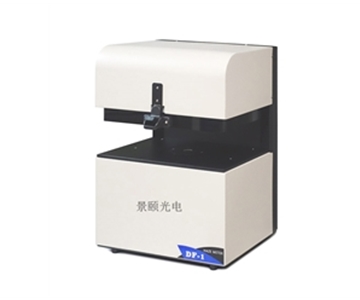
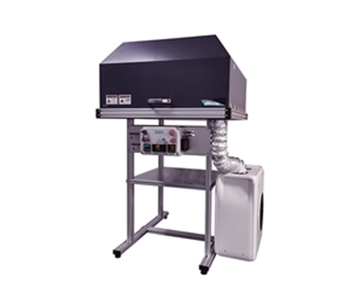
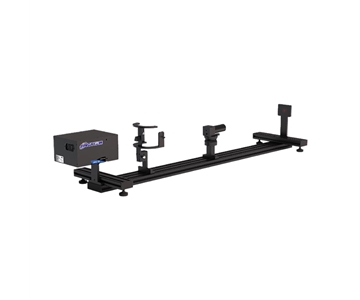
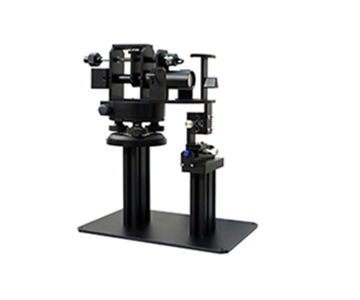
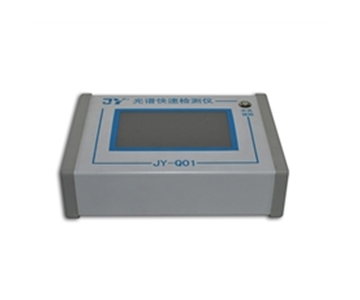
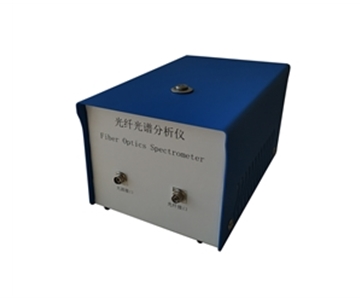
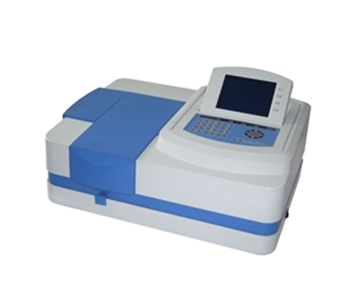
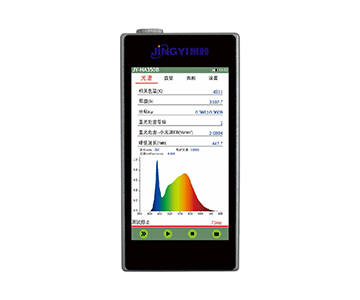
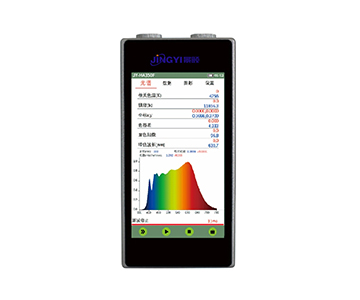
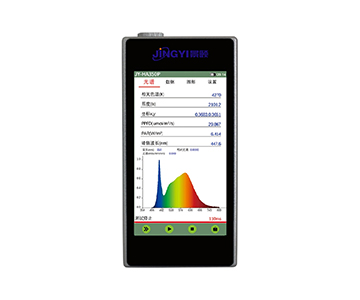
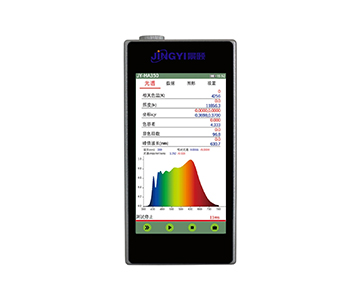
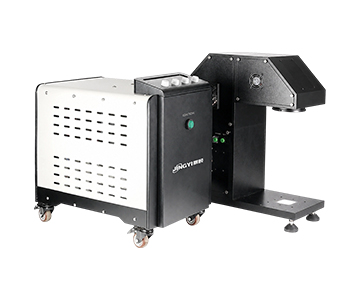
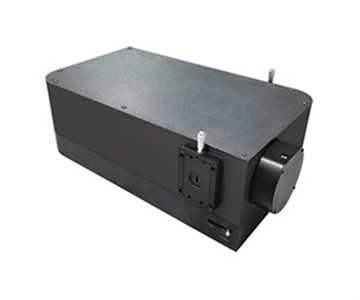
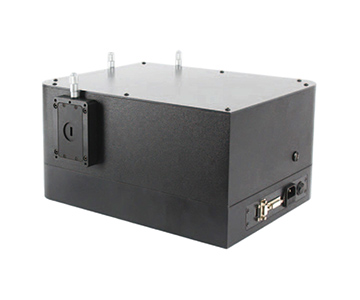
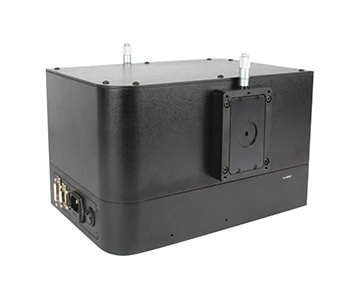
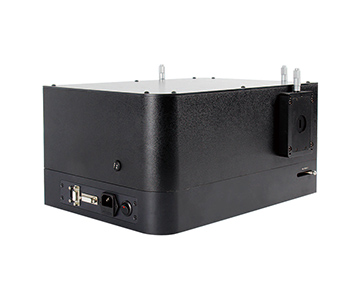
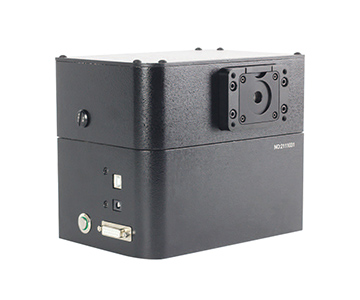
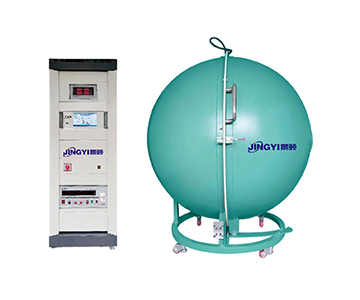
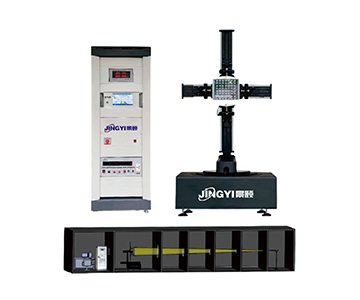
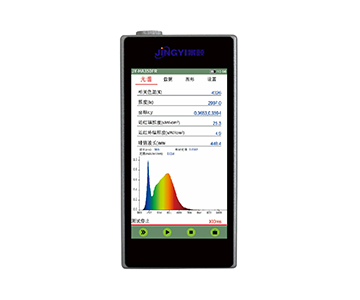
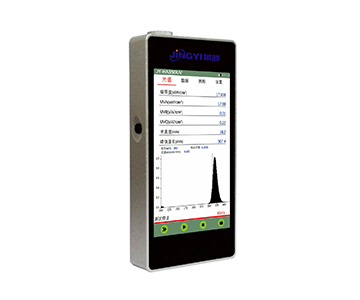
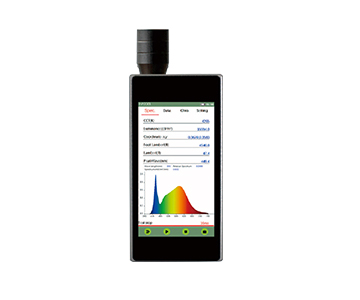
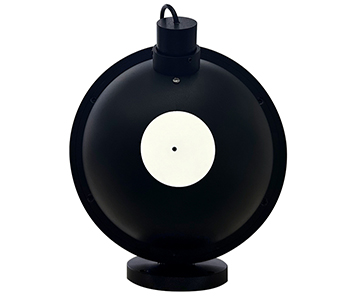
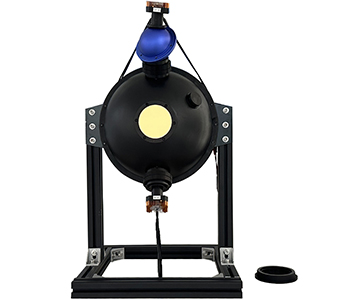
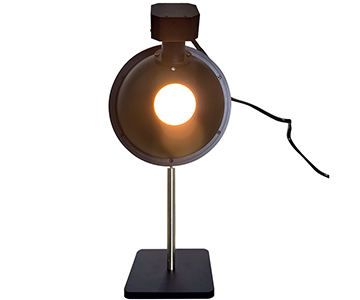
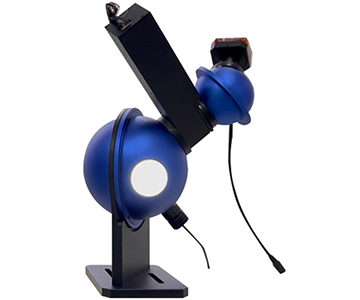
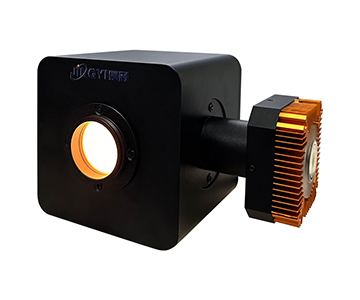
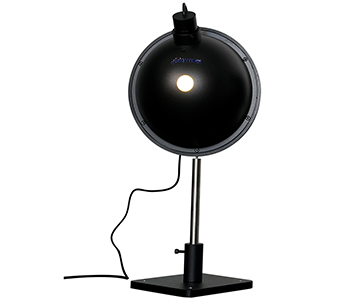
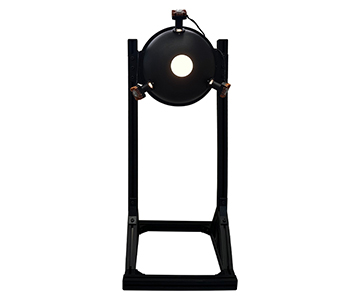
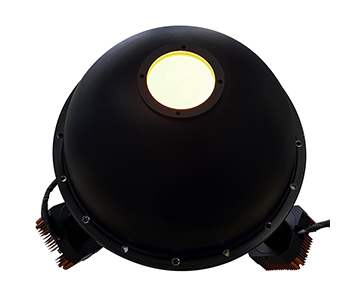
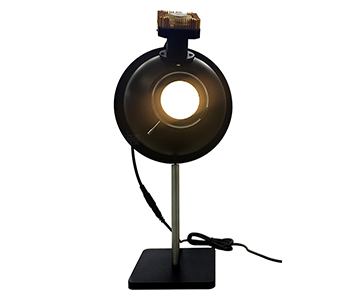
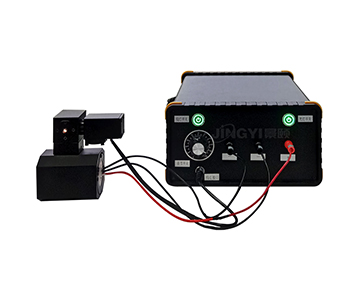
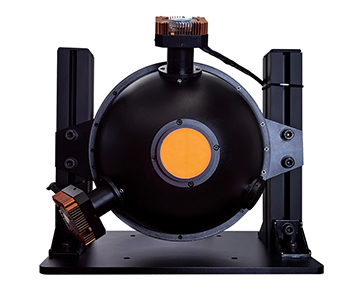
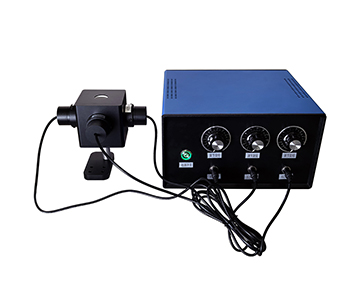
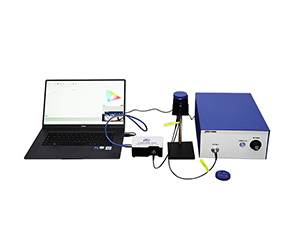
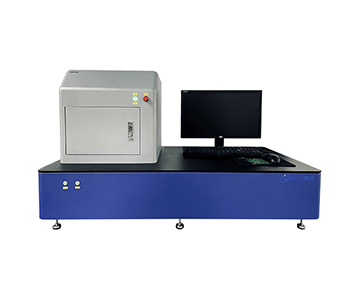
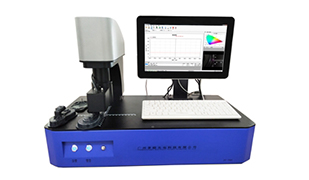
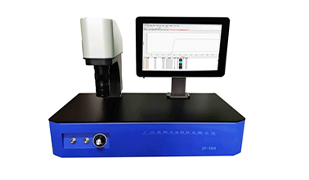
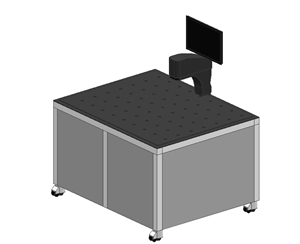
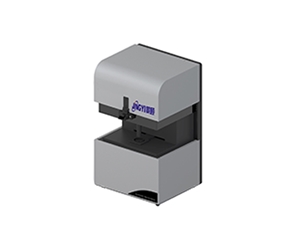
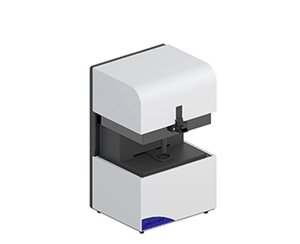
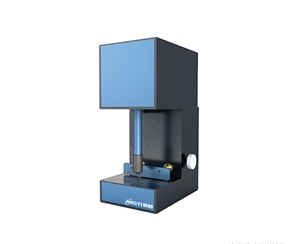
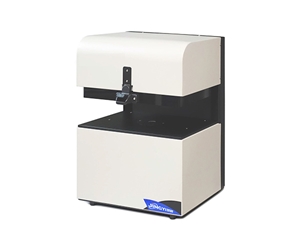
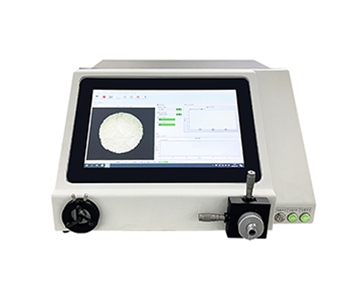
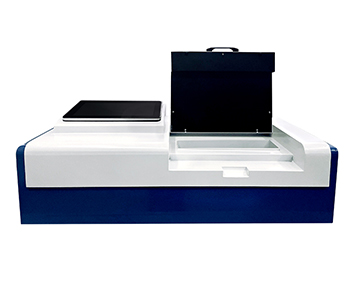
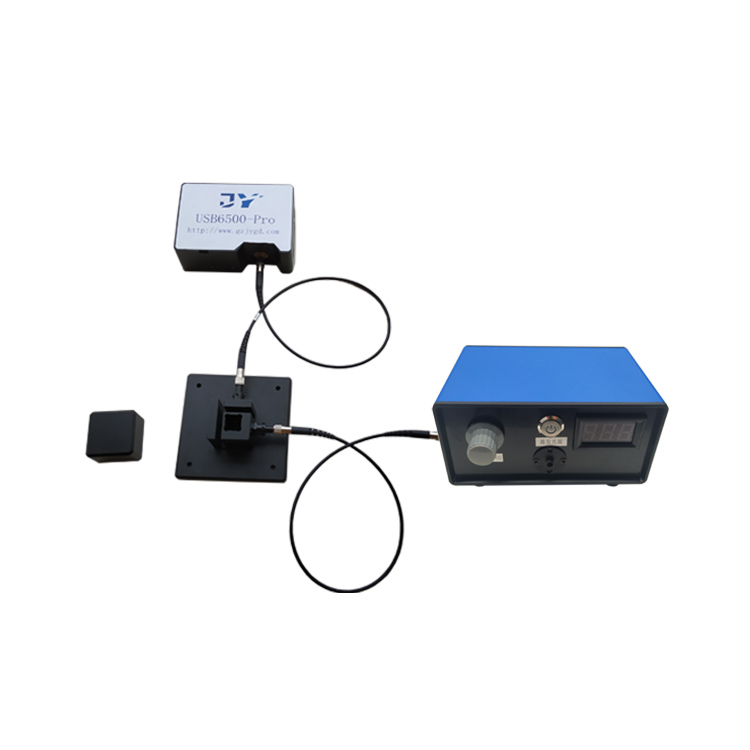
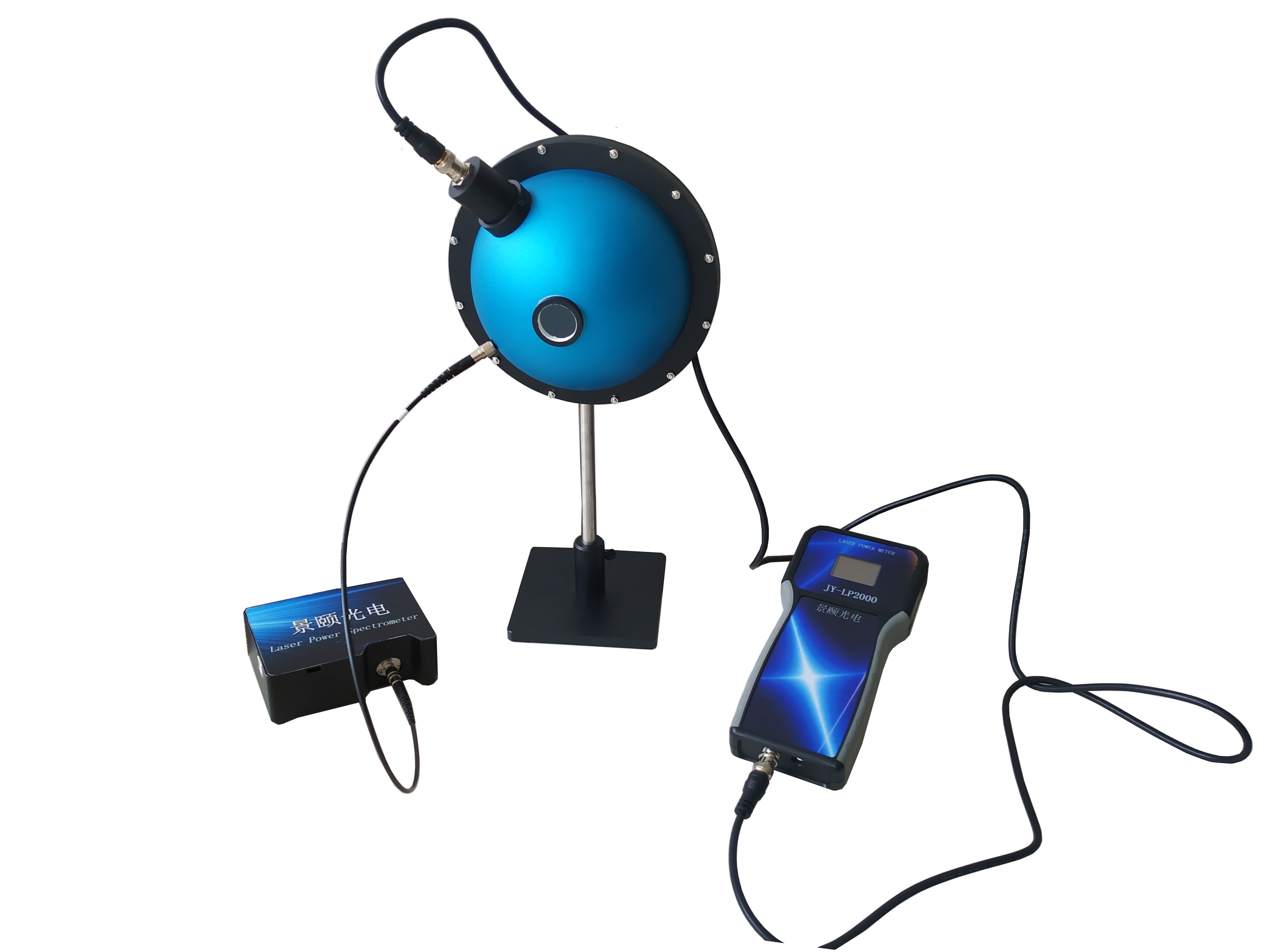
From a professional optical principles perspective, a spectrometer is an optical metrology instrument based on dispersive imaging. Its operating principle involves dispersing incident light to separate wavelengths and converting the dispersed light into electrical signals, thereby enabling spectral analysis of light. This instrument can precisely measure parameters such as wavelength and intensity, providing critical data support for scientific research, industrial manufacturing, and other fields.
Industry Applications of Spectrometers
Spectrometers are widely used across numerous industries. For instance:
- In biomedical applications, they support fluorescence detection—such as fluorescence-based diagnosis of malignancies, or fluorescence analysis of chlorophyll and carotenoids;
- In materials science, they characterize optical properties—including transmittance, reflectance, and absorbance—enabling researchers to evaluate material behavior under illumination;
- In environmental monitoring, they detect airborne pollutants and chemical constituents in water quality analysis.
Additionally, spectrometers play vital roles in food safety inspection, agriculture, and astronomy.
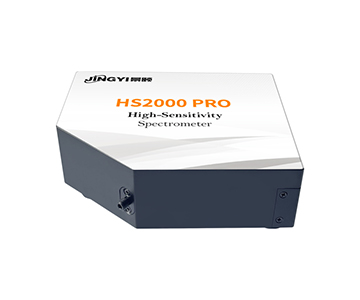
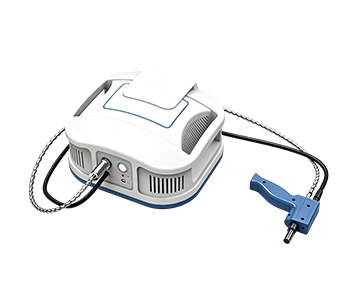
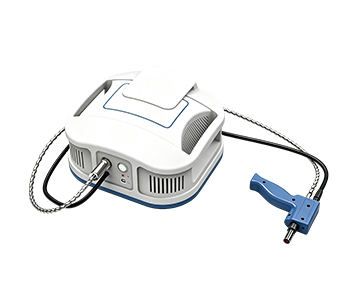
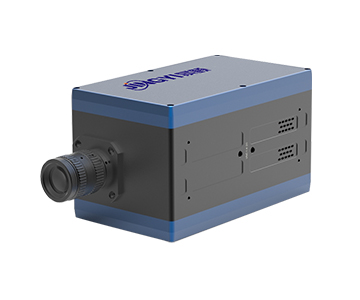
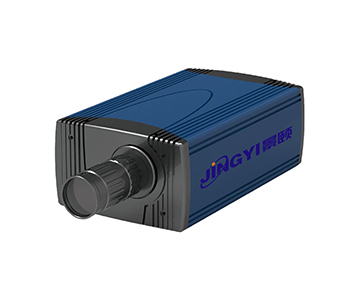
Take Jingyi Optoelectronics’ HS2000PRO spectrometer as an example: it employs a high-sensitivity back-illuminated CCD sensor and a dual-blazed grating design, delivering high detection sensitivity, broad spectral coverage, and superior quantum efficiency.
Key Considerations When Selecting a Spectrometer
1. Evaluate Fundamental Optical Performance
- Spectral Range: A key indicator of the wavelength span a spectrometer can measure. Application requirements vary: narrow spectral ranges suit targeted wavelength analysis (e.g., detecting specific compounds), whereas broad spectral ranges are essential for wide-band spectral characterization.
- Spectral Resolution: Defined as the smallest resolvable wavelength interval. Higher resolution enables finer discrimination between closely spaced spectral features, enhancing analytical accuracy.
- Signal-to-Noise Ratio (SNR): The ratio of output signal amplitude to background noise level. A higher SNR indicates greater detection sensitivity and stronger immunity to interference—enabling reliable measurement of weak optical signals.
- Physical Dimensions: Size matters in space-constrained installations. Compact designs facilitate integration and field deployment.
2. Assess Long-Term Stability
Long-term stability is a critical performance metric. Rigorous reliability testing—including thermal cycling, humidity exposure, and mechanical shock/vibration assessments—verifies consistent instrument performance across diverse operational environments. For industrial online monitoring applications, long-term stability validation is indispensable. Only units validated through stringent testing guarantee sustained accuracy and reliability throughout extended service life.
3. Verify Batch-to-Batch Consistency
For customers deploying spectrometers at scale, batch consistency is paramount. Random sampling—followed by comprehensive evaluation of fundamental optical performance and long-term stability—ensures uniformity across mass production. Poor batch consistency risks significant inter-batch performance variations, undermining measurement integrity and complicating system integration.
Technical Advantages of Modern Spectrometers
Compared with conventional spectrometers, modern spectrometers offer multiple technical advantages:
- Compact size and lightweight construction enable portable, on-site measurements;
- High-speed acquisition allows rapid analysis of large sample sets;
- Superior sensitivity, resolution, and low-noise operation collectively deliver highly accurate and reproducible results.
Jingyi Optoelectronics has consistently focused on R&D and manufacturing of advanced spectrometers. Its HS2000PRO model incorporates cutting-edge optical and electronic technologies, achieving outstanding performance and stability. Featuring a Hamamatsu back-illuminated CCD, the instrument delivers enhanced photosensitivity and extremely low noise—ideal for high-sensitivity detection under low-light conditions. Moreover, its robust thermal stability and strong electromagnetic interference (EMI) resistance ensure reliable operation even in demanding, complex environments.
In summary, selecting the optimal spectrometer requires a holistic assessment of fundamental optical performance, long-term stability, and batch-to-batch consistency. Users should align their selection with specific application needs and operational constraints—prioritizing instruments offering proven stability and reliability. Equally important is partnering with a reputable manufacturer possessing deep technical expertise and a strong service commitment. As a dedicated spectrometer manufacturer, Jingyi Optoelectronics remains steadfast in delivering high-quality products and exceptional support—contributing meaningfully to the advancement of optical sensing technology in China.
#FiberOpticSpectrometer #NIRSpectrometer #Spectrometer #Spectrograph #CooledSpectrometer