Cavity Ring-Down Spectroscopy (CRDS): A Core Technology for High-Reflectivity Measurement and Its Application in Reflectance Analyzers
In today’s optical science and engineering, optical signal loss remains a critical factor limiting system performance—primarily arising from transmission, absorption, and scattering in optical components. As optical research and technological applications advance, ultra-high-reflectivity components have become increasingly vital in frontier domains such as high-power laser systems, laser gyroscopes, high-precision spectroscopy, and gravitational-wave detection. Optical thin-film coatings based on multi-beam interference principles represent an effective route to achieving ultra-high reflectivity (>99.99%). However, conventional measurement techniques can no longer meet the stringent demands of quantifying such extreme reflectivity levels. In this context, Cavity Ring-Down Spectroscopy (CRDS) has emerged as the core enabling technology for high-reflectivity metrology—the only method currently capable of accurately measuring ultra-high reflectivity.
I. Analysis of Conventional Reflectivity Measurement Methods
Spectrophotometry serves as a foundational technique for reflectivity measurement, determining reflectivity by quantifying reflected light intensity. It is broadly categorized into direct and indirect measurement approaches.
In the reference optical path, a test pulse emitted by the light source travels through mirror M1, a standard sample R, and mirror M2 before reaching the power detector. In indirect measurement, the standard sample R is replaced with the sample under test S; the reflectivity of S is then deduced by monitoring changes in the output pulse intensity detected at the power detector. In direct measurement, the sample under test S is inserted directly into the optical path. The path is carefully aligned so that the output pulse still reaches the power detector; the reflectivity is determined by comparing the output intensity before and after insertion.
The primary advantage of spectrophotometry lies in its use of broadband lamps as light sources, enabling acquisition of full reflectance spectra. However, for samples with reflectivity exceeding 99.9%, this method imposes demanding requirements on both power detector sensitivity and source power stability. Commercial spectrophotometers typically exhibit measurement uncertainties of ±0.1%–±0.3%. Moreover, limitations include restricted incident angles, large-diameter optical components, and high sensitivity to optical-path instability.
II. Technical Essence of Cavity Ring-Down Spectroscopy
CRDS is a precision measurement technique grounded in the temporal decay dynamics of light confined within an optical cavity. Its principle involves injecting a laser pulse into a resonant cavity formed by ultra-high-reflectivity mirrors. Through multiple reflections, photons build up a stable intracavity light field. By precisely monitoring the temporal decay profile—i.e., the ring-down time—of the intracavity light intensity, the total cavity loss can be quantified with high accuracy, thereby enabling derivation of the sample’s reflectivity. Crucially, this method does not require calibration against a reference standard. Furthermore, because the ring-down signal originates from the energy stored in the stable intracavity field, it places no additional demands on the long-term power stability of the incident laser pulse—enhancing measurement robustness and reliability.
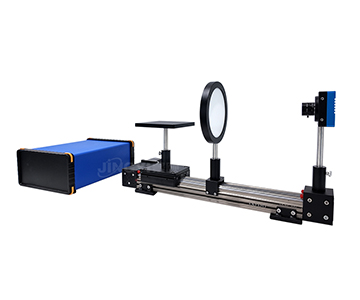
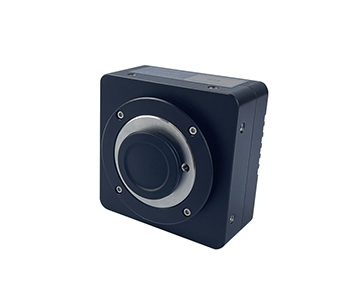
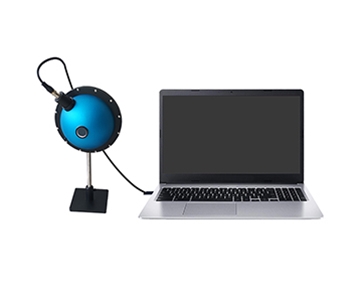
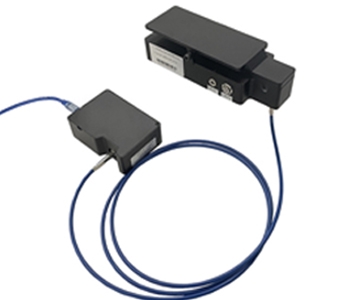
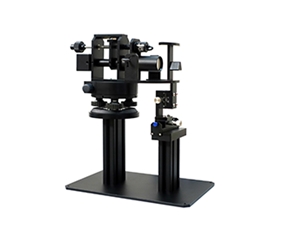
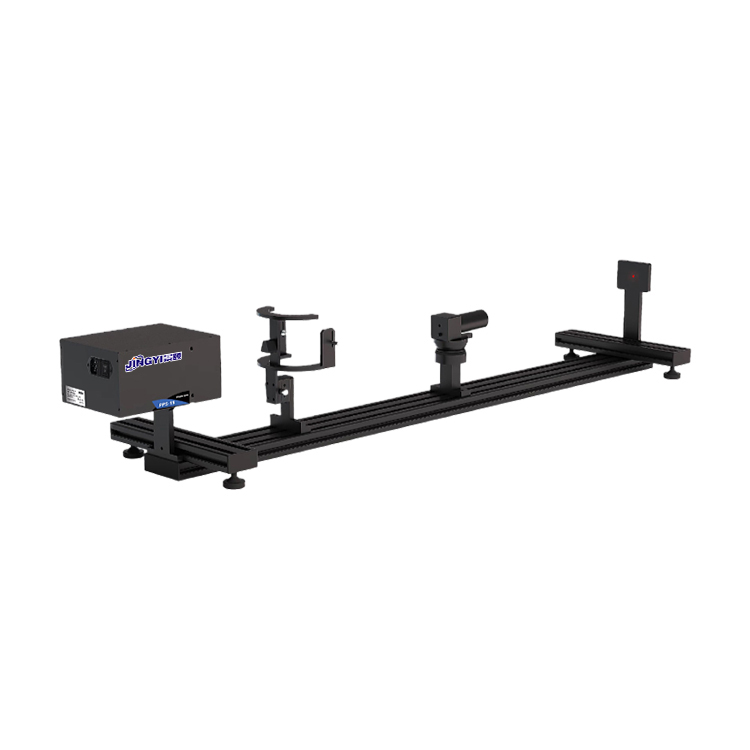
A typical CRDS measurement system comprises a pulsed laser source, mode-matching optics, an optical resonator composed of the sample under test, a focusing lens, and a photodetection module. The procedure generally begins with measuring the ring-down signal of a linear (straight) cavity. When the incident laser is well mode-matched to the cavity resonance, the transmitted pulse constitutes the ring-down signal, exhibiting single-exponential decay in energy over time. Fitting the measured signal to a single-exponential decay function yields the ring-down time τ.
Upon injection of a laser pulse into the cavity, the cavity output signal follows a specific mathematical expression, where τ denotes the ring-down time. This parameter depends on the speed of light *c*, cavity length *L*, refractive index *n* of the intracavity medium, and absorption coefficient α. When air fills the cavity, *n* ≈ 1. If no absorbing medium is present (i.e., α = 0), the average mirror reflectivity can be calculated directly from τ. To measure the reflectivity of a plane mirror M3 under test, M3 is typically inserted into a linear cavity to form a folded cavity. Ring-down signals from both the linear cavity and the folded cavity are acquired and fitted independently to obtain their respective ring-down times τ₁ and τ₂—enabling calculation of M3’s reflectivity.
III. Industrial Applications of Cavity Ring-Down Spectroscopy
CRDS demonstrates broad and significant applicability across multiple scientific and industrial disciplines.
In materials science, CRDS provides an efficient means to characterize the optical properties of novel optical materials, strongly accelerating the development of high-performance optical devices—particularly playing a pivotal role in real-time, in-line monitoring of ultra-high-reflectivity coating processes. Jingyi Optoelectronics consistently pursues innovation in related R&D efforts, contributing meaningfully to industry advancement.
In chemical analysis, CRDS achieves detection limits down to parts-per-trillion (ppt) concentrations for gaseous species—offering profound implications for atmospheric pollution monitoring and industrial safety assurance. Leveraging its technical expertise, Jingyi Optoelectronics delivers reliable analytical solutions tailored to this domain.
In biomedical research, CRDS’s capacity for high-resolution optical information acquisition opens new avenues for tissue imaging and diagnostic applications—facilitating earlier disease detection and diagnosis.
IV. Technical Advantages and Challenges of Cavity Ring-Down Spectroscopy
CRDS holds a prominent position in scientific research largely due to its distinct technical advantages:
First, exceptional measurement precision: It achieves sub-parts-per-million (sub-ppm) sensitivity, enabling accurate detection of minute reflectivity variations.
Second, real-time dynamic monitoring capability: Its rapid response characteristics make it ideal for tracking fast-evolving physical or chemical processes—providing powerful support for dynamic studies.
Third, reference-free absolute measurement: It permits direct characterization of unknown samples without reliance on external calibration standards—simplifying experimental design and improving measurement efficiency.
Fourth, broad spectral coverage: Operating from the ultraviolet (UV) through the visible to the infrared (IR) spectral regions, CRDS is widely applicable across diverse optical research scenarios.
Nonetheless, practical implementation of CRDS faces several technical challenges—including cavity mechanical stability and susceptibility to environmental disturbances—necessitating continuous optimization and improvement by researchers.
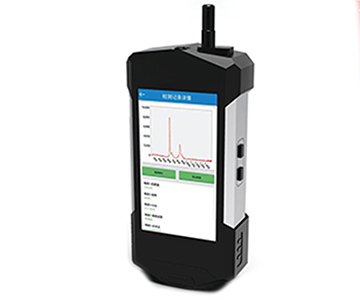
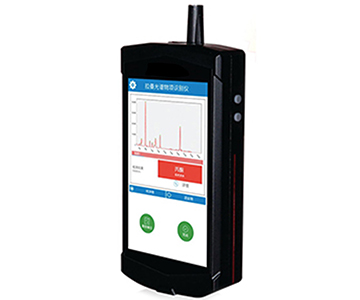
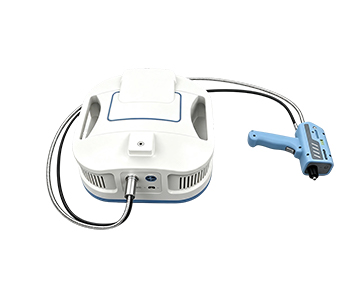
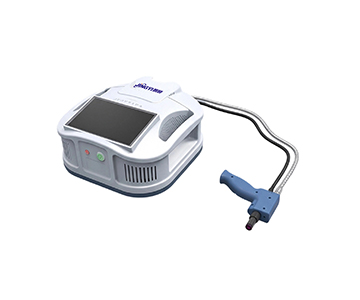
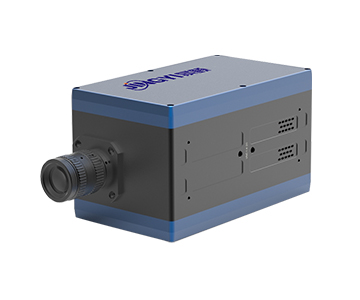
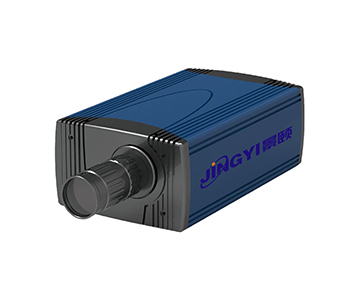
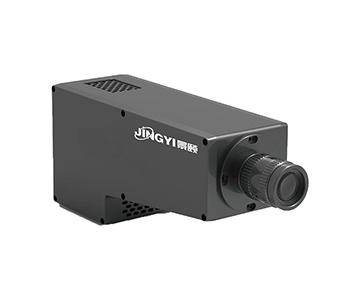
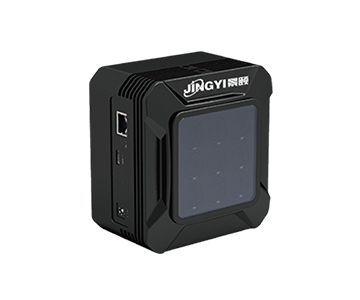
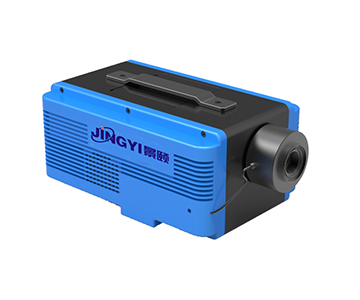
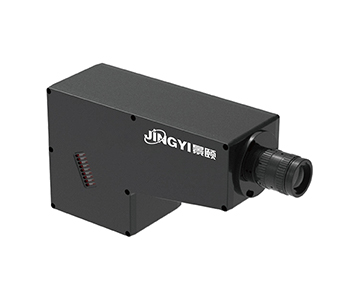
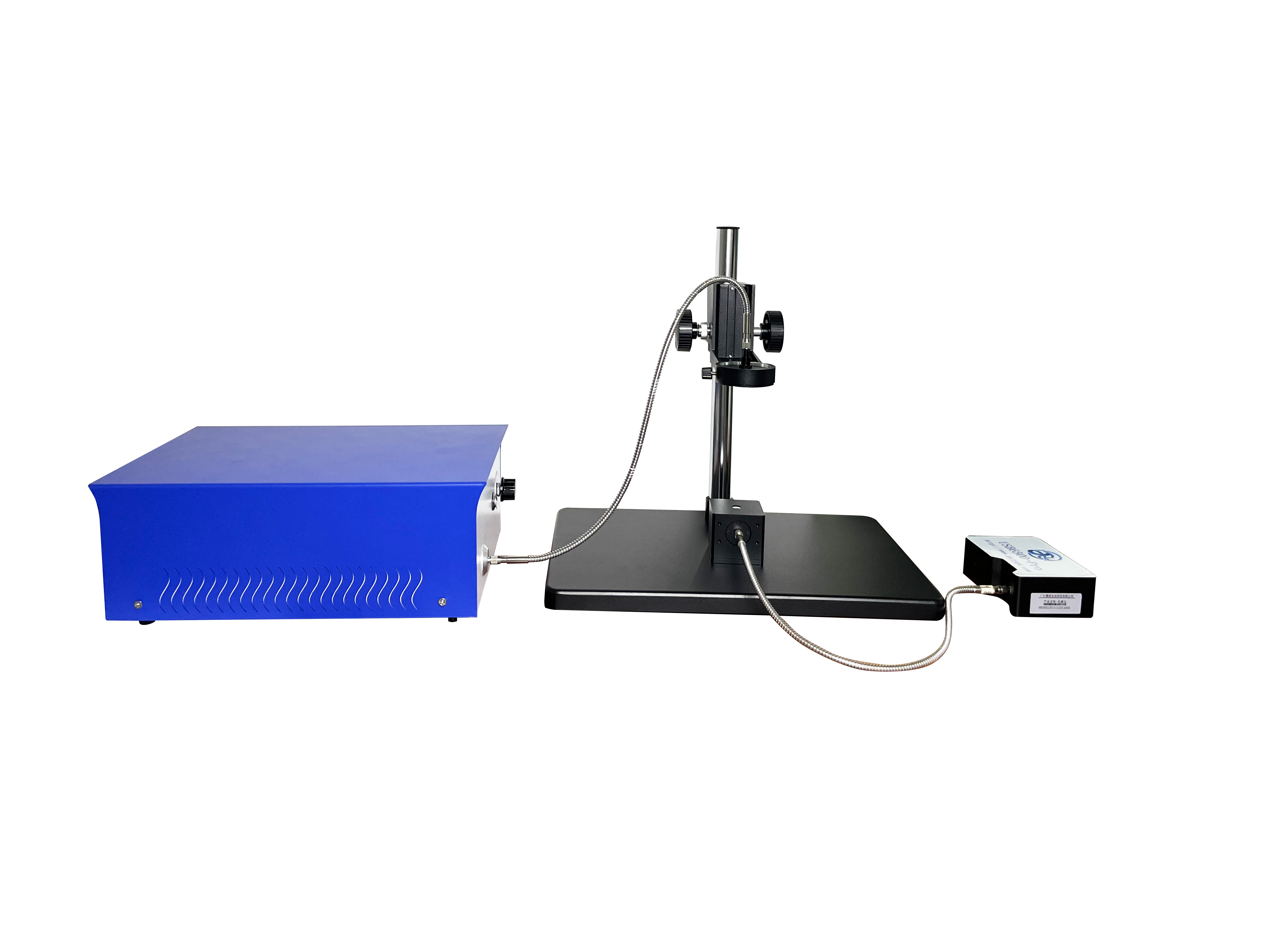
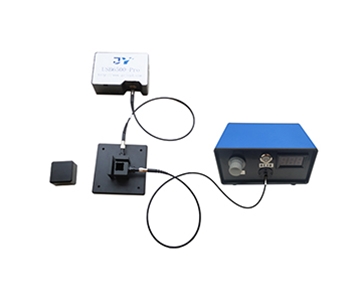
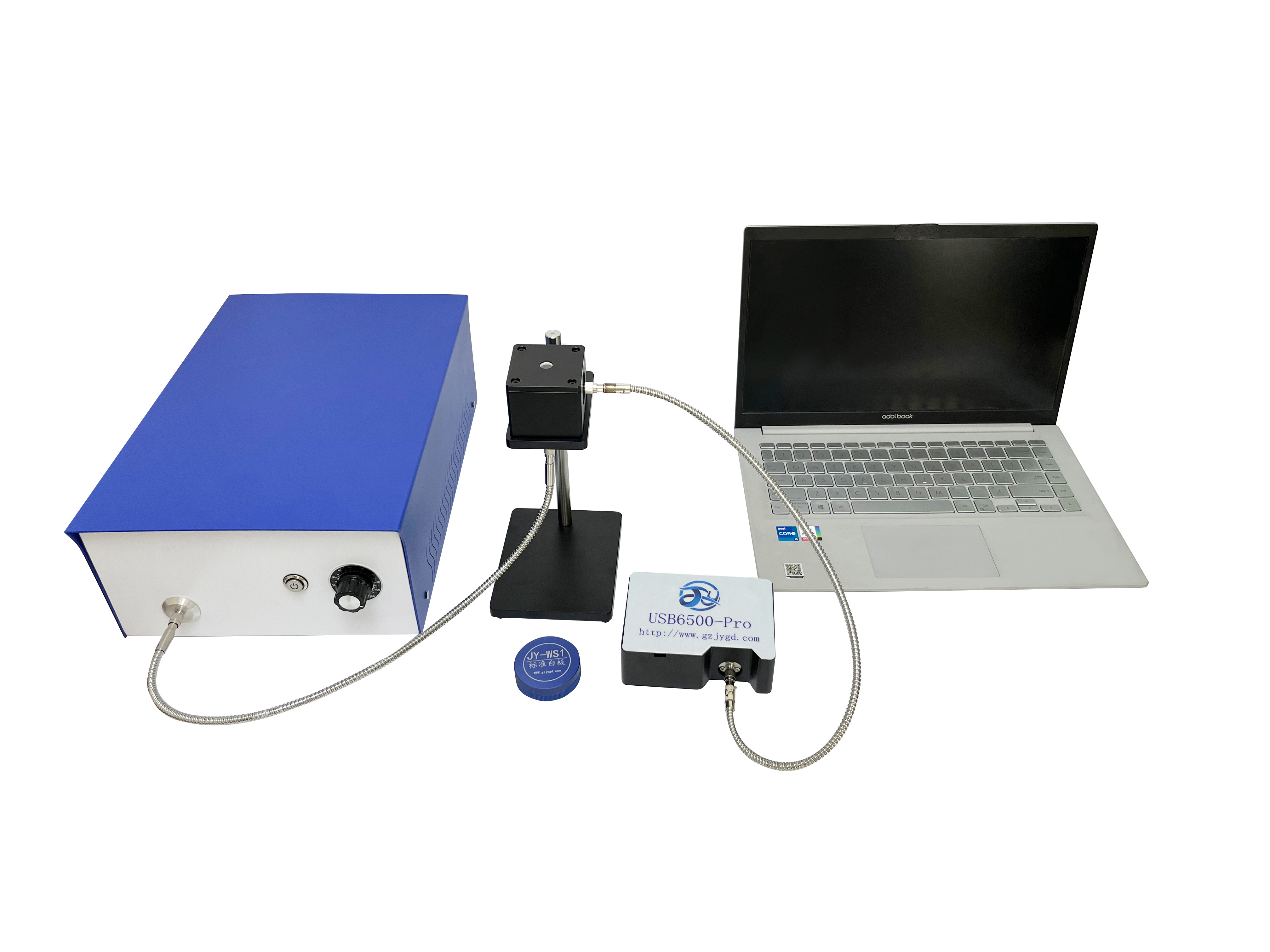
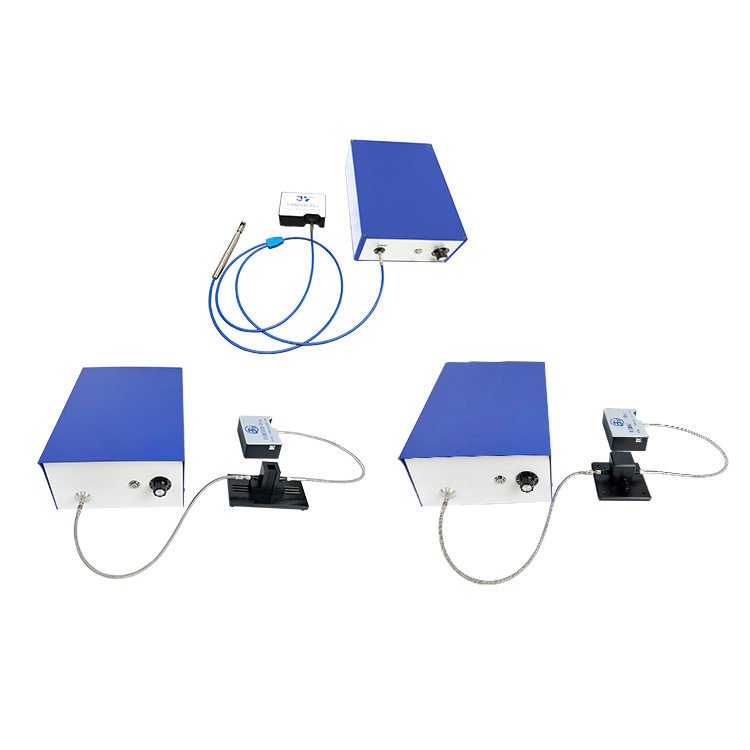
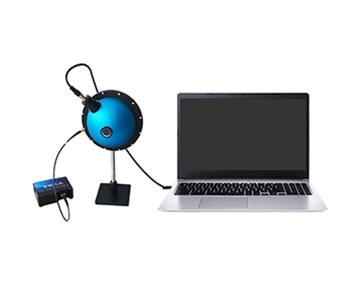
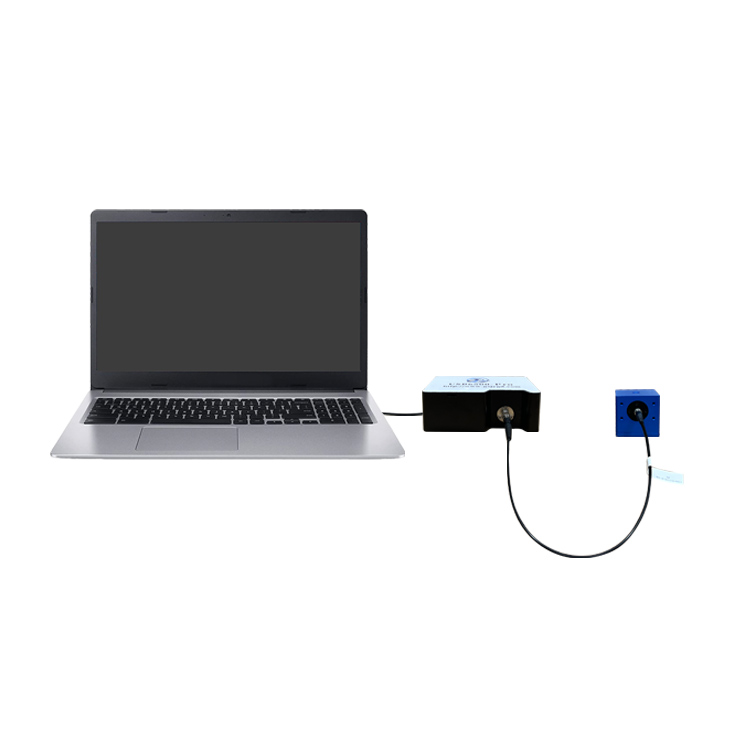
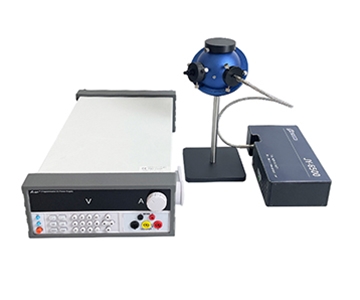
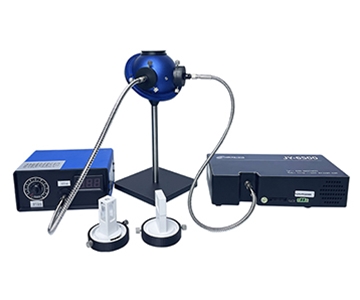
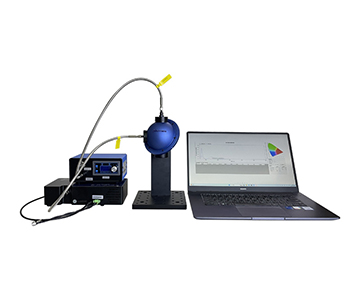
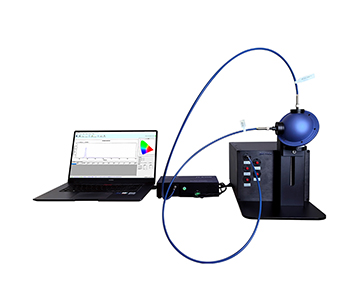
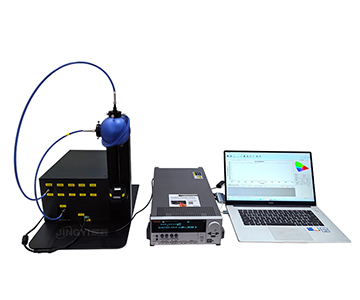
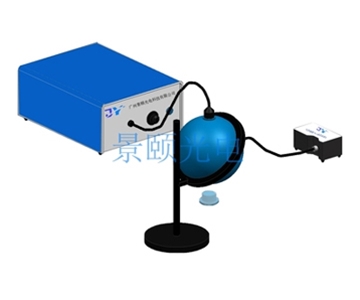
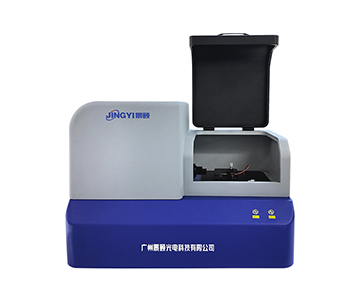
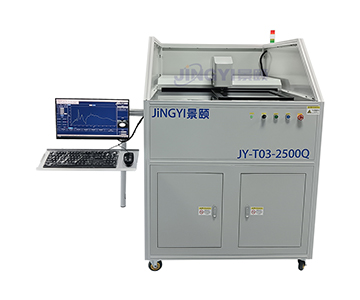
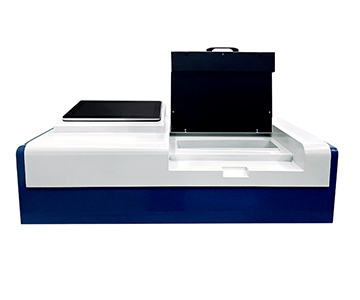
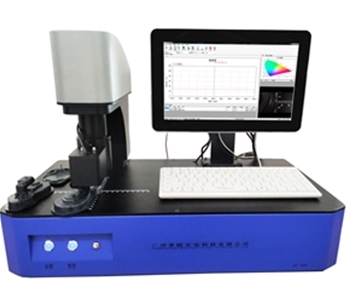
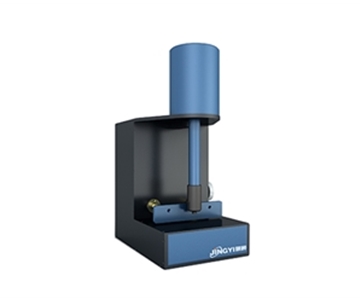
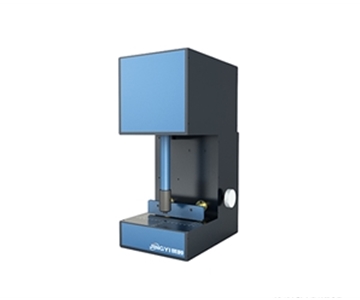
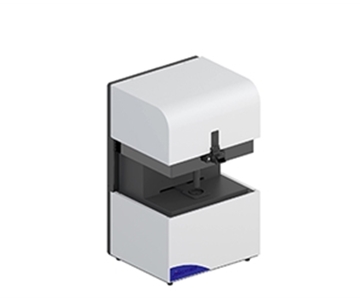
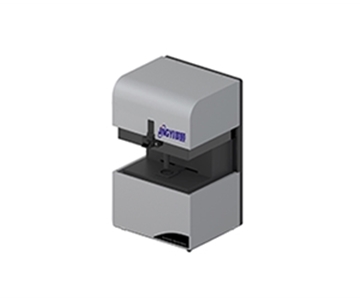
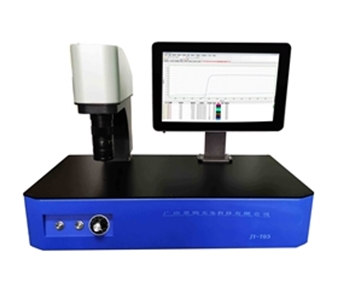
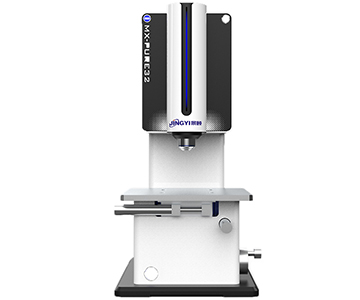
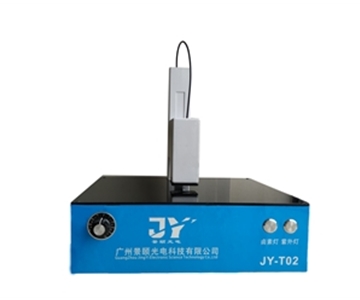
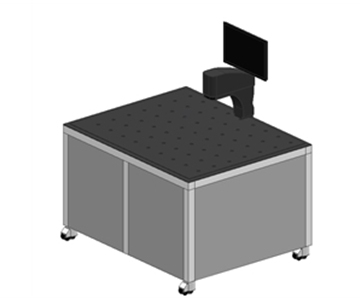
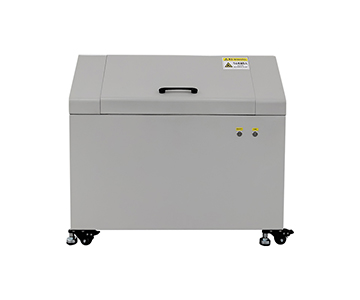
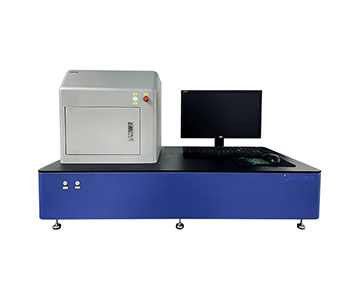
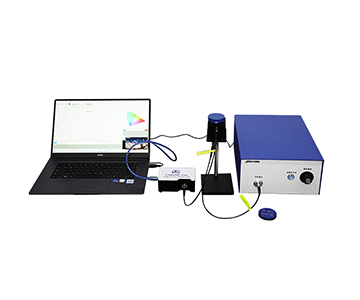
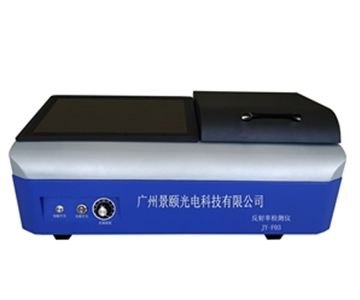
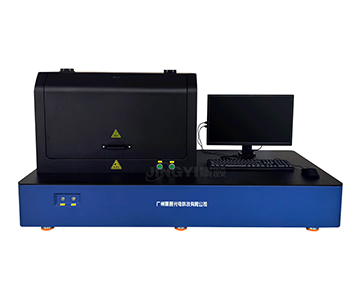
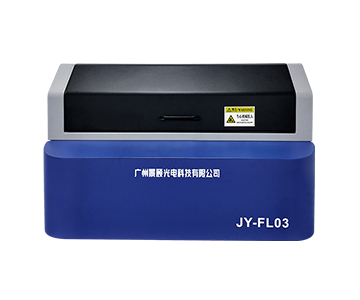
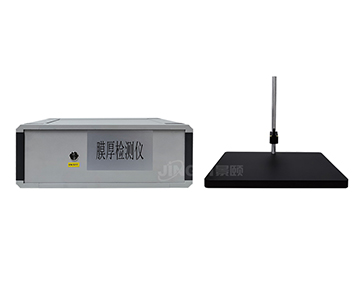
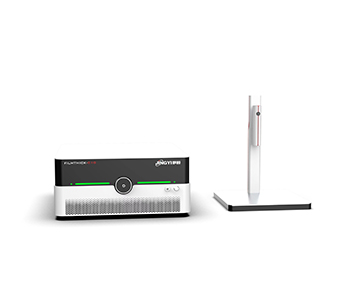
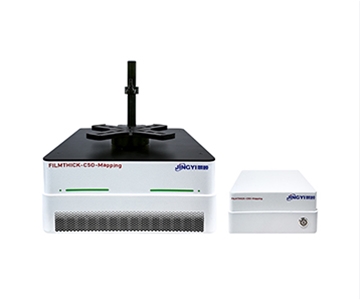
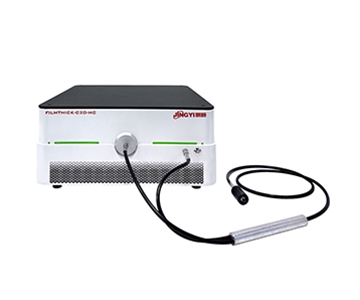
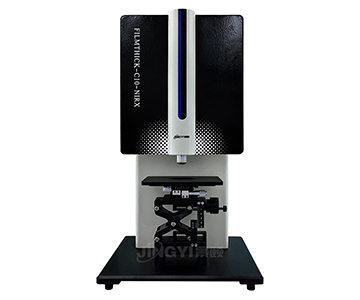
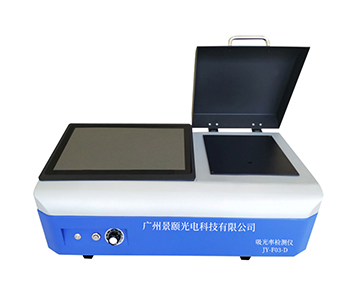
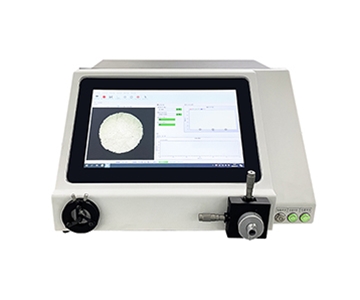
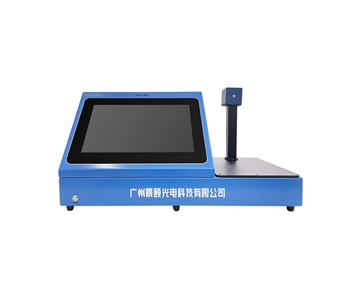
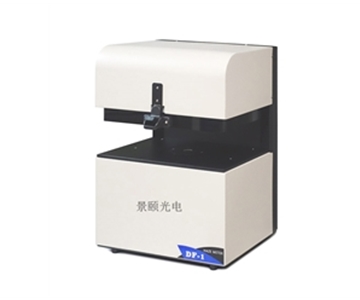
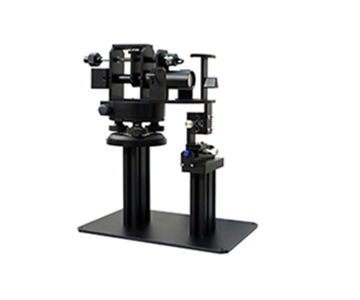
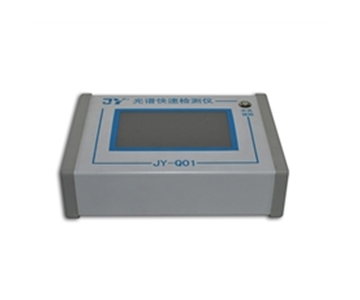
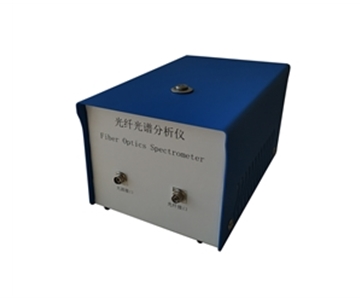
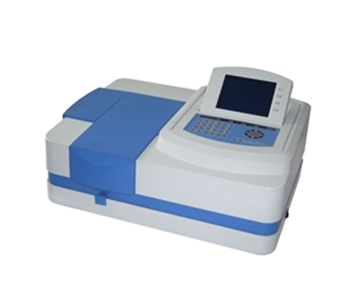
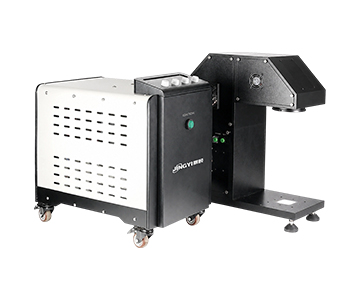
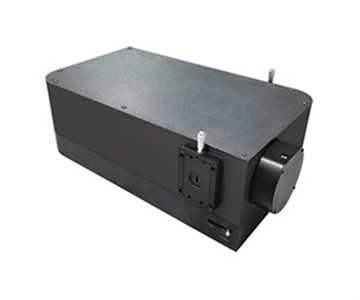
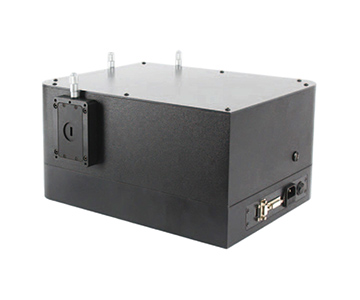
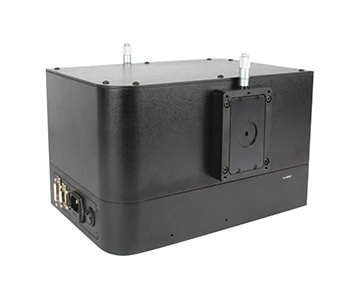
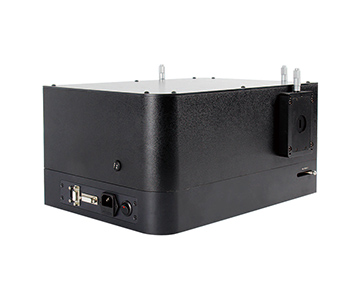
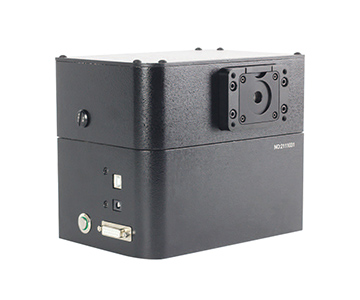
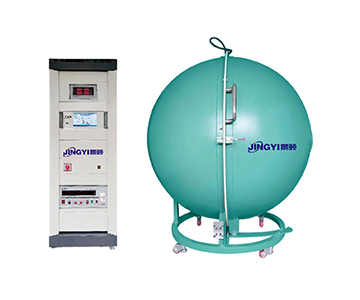
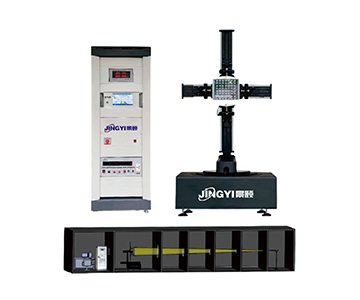
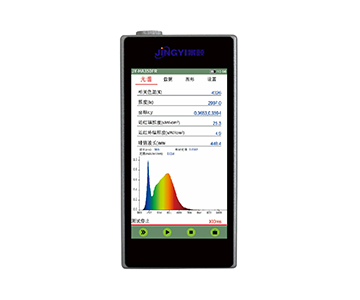
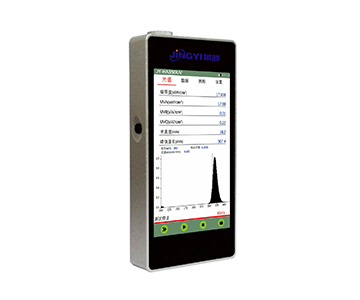
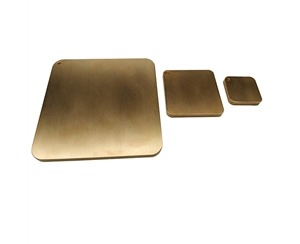
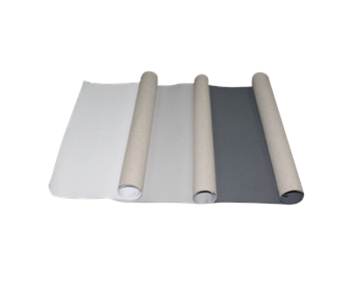
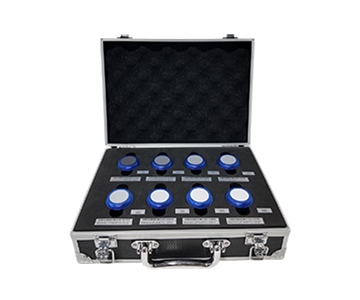
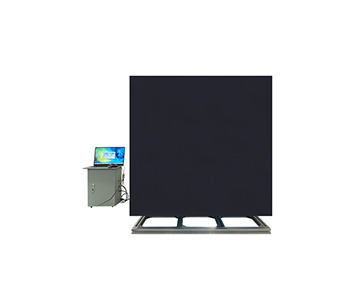
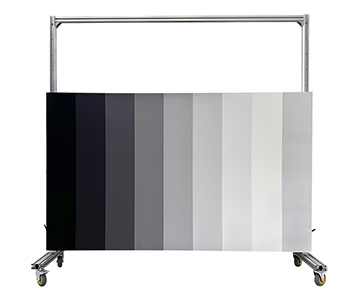
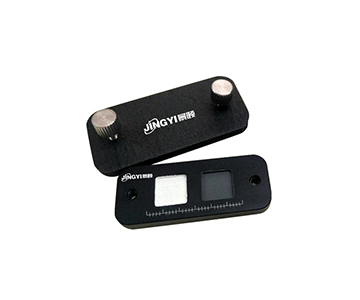
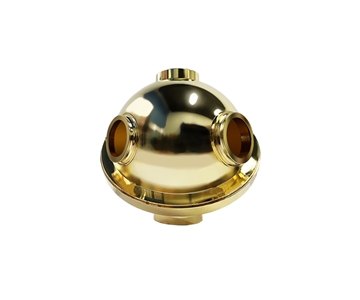
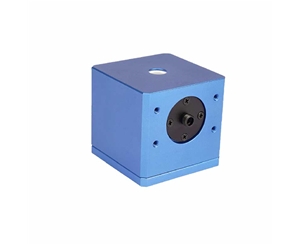
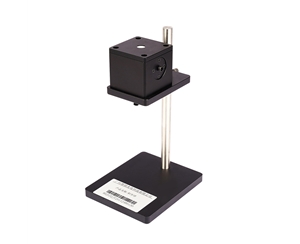
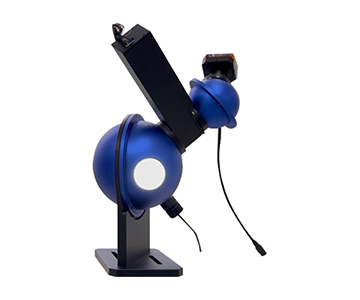
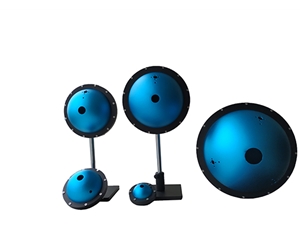
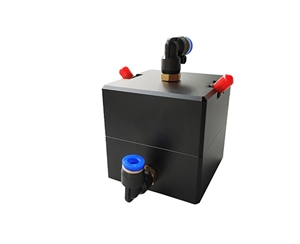
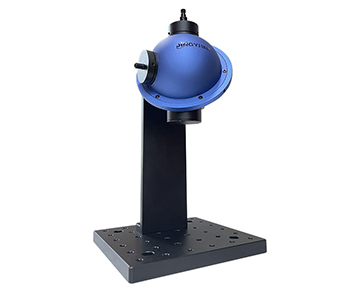
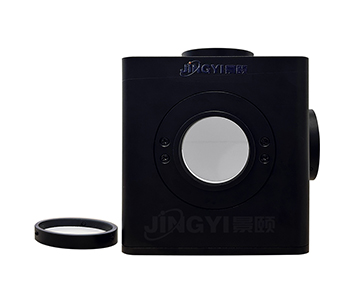
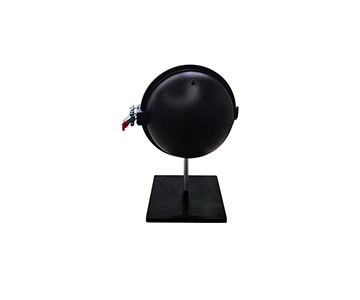
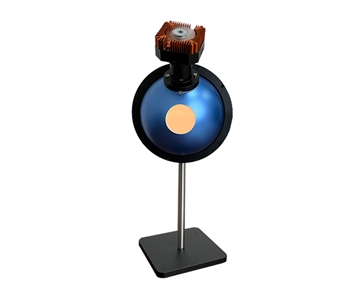
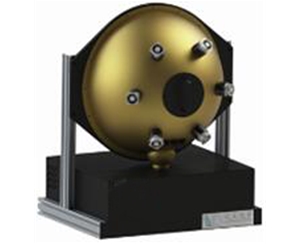
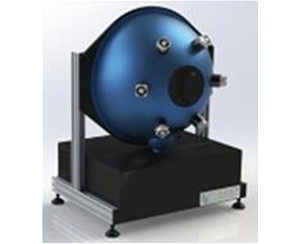
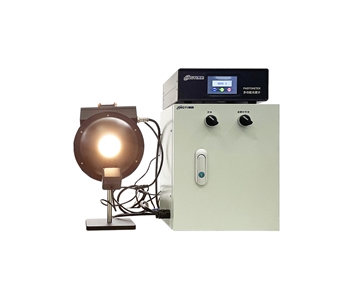
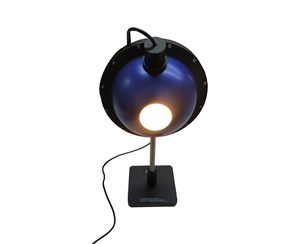
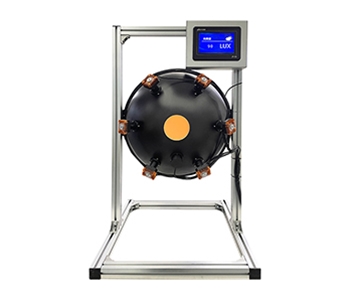
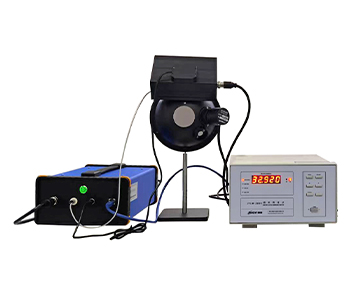
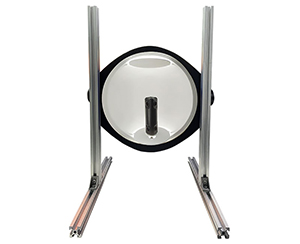
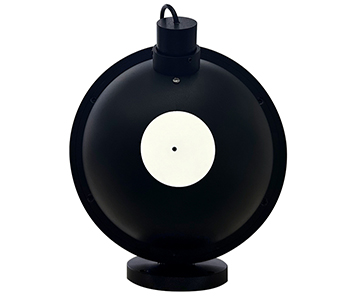
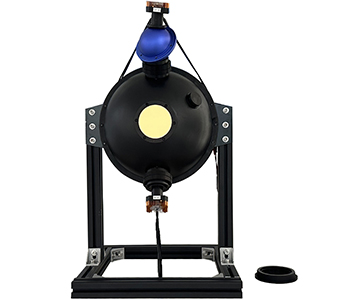
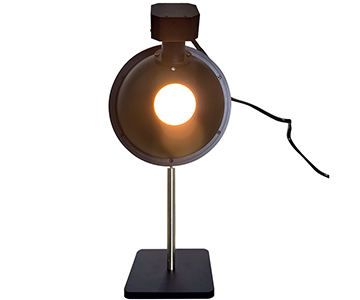
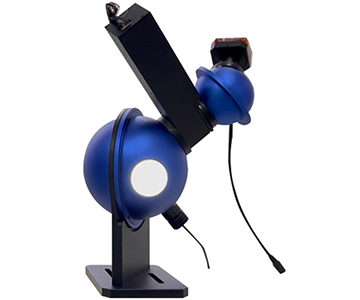
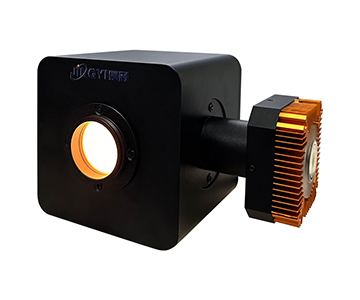
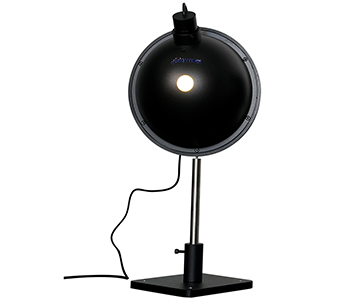
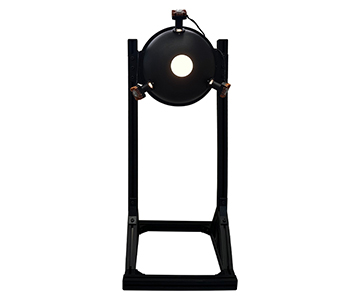
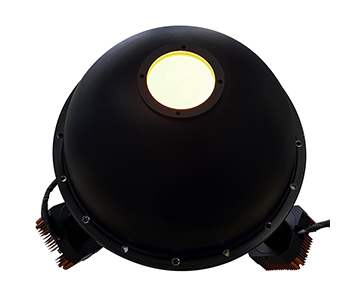
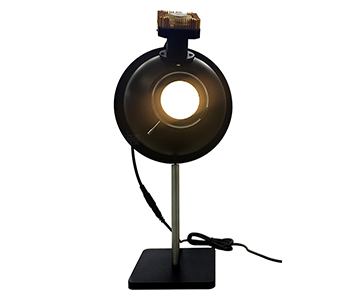
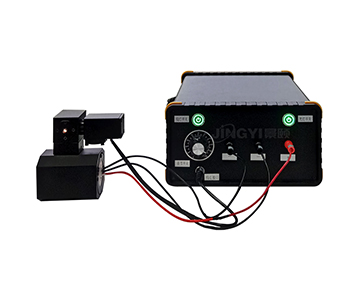
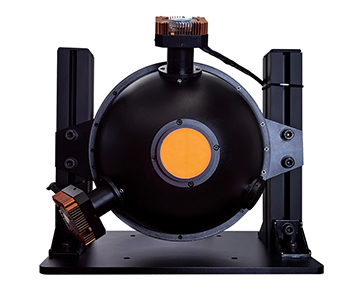
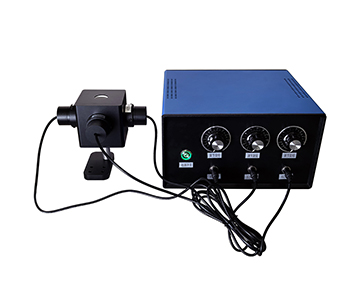
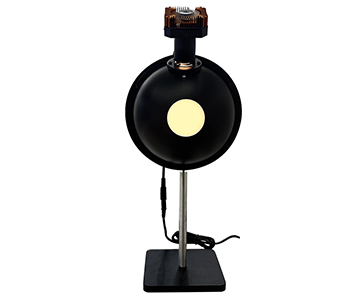
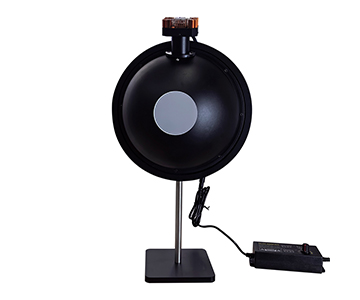
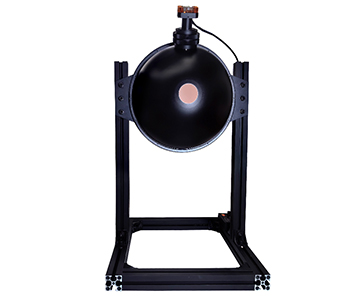
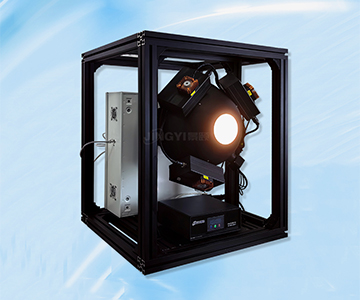
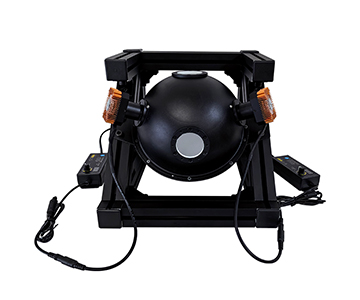
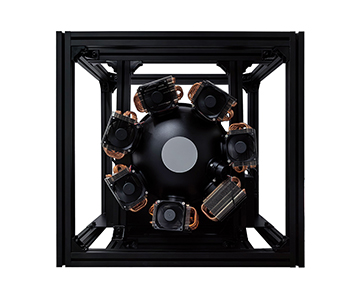
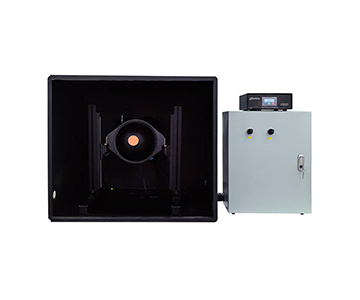
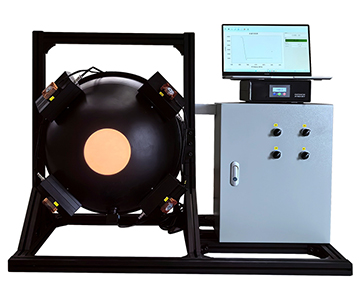
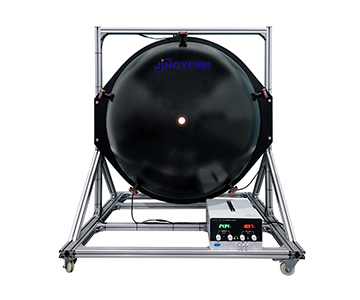
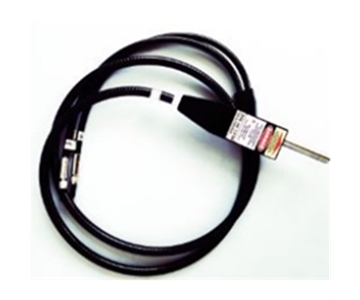
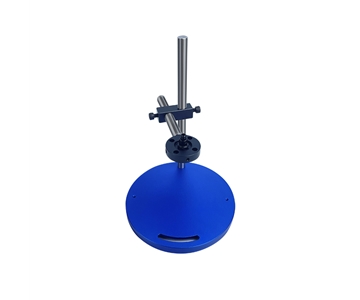
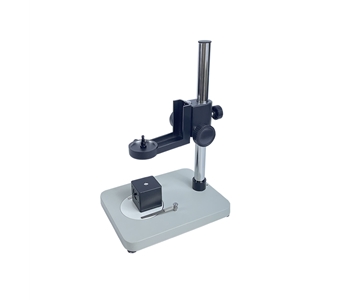
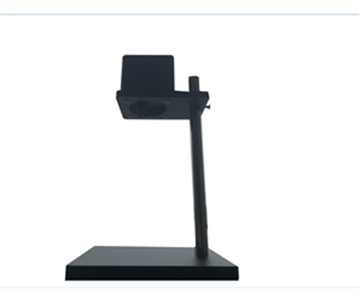
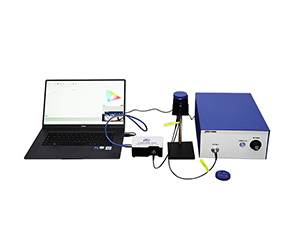
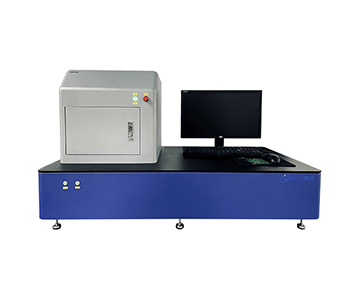
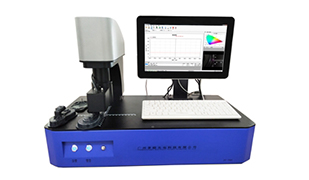
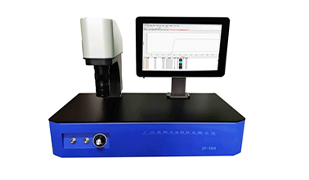
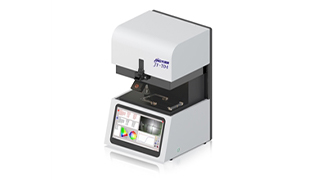
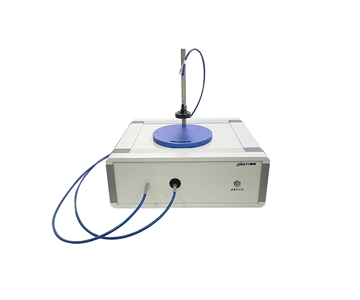
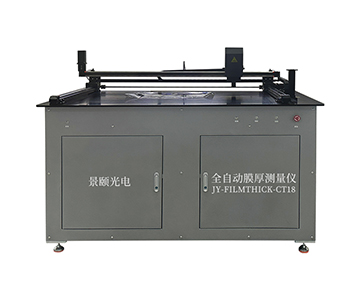
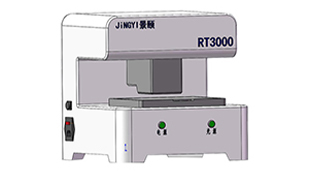
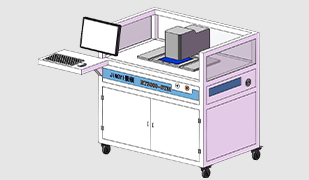
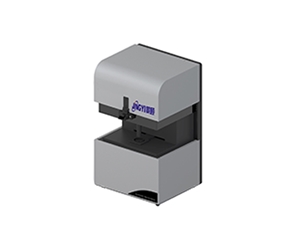
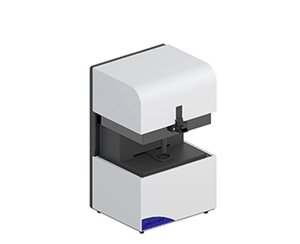
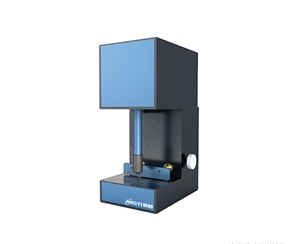
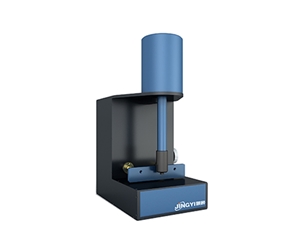
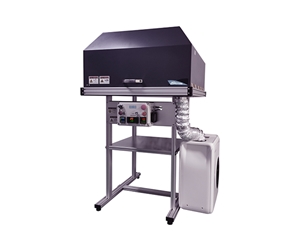
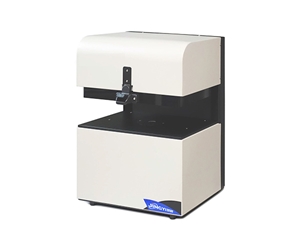
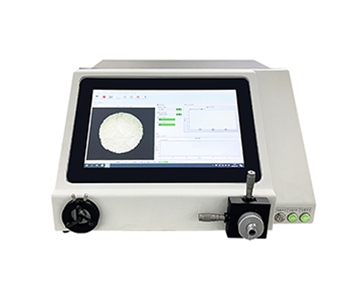
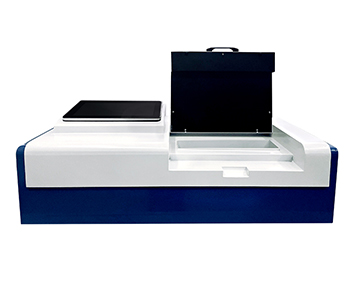
Jingyi Optoelectronics fully recognizes the significance and vast application potential of CRDS. Its reflectance analyzer JY-F03—designed explicitly upon CRDS principles—exhibits numerous distinctive features. The instrument adopts an integrated, intelligent measurement architecture, covering a wide spectral range of 380–1000 nm, and delivers highly stable and accurate measurement data. Embedded with an onboard computer, it ensures intuitive operation, rapid measurement—delivering results within milliseconds—and third-party certification with traceable metrological calibration certificates. As a fully self-developed product, the JY-F03 supports CIE chromaticity diagram (x,y) analysis and CIELAB color space determination, enabling precise color evaluation via spectral reflectance measurements. Additionally, customized industrial in-line inspection solutions are available to meet client-specific requirements. The device offers lifetime warranty coverage. Its application scope is extensive, encompassing: reflectance testing of smartphone cover glass and tablet back panels; retroreflectivity assessment of lampshades, reflector cups, and automotive rearview mirrors; spectral reflectance mapping and color sorting of paints, pigments, inks, and plastics; spectral reflectance measurement of metallic surfaces (e.g., copper sheets); mineral powder reflectance spectroscopy; opaque thin-film reflectance characterization; reflectance evaluation of optical components; solar silicon wafer reflectance inspection; textile reflectance analysis; gemstone (jade, emerald, diamond) identification; and general-purpose solid-sample reflectance measurement.
With ongoing technological advancements and refinement, CRDS and its associated instrumentation will play increasingly vital roles across broader domains—delivering more precise, efficient, and reliable measurement services to both scientific research and industrial manufacturing. Jingyi Optoelectronics remains steadfastly committed to sustained R&D innovation in this field—continuously enhancing product performance and service quality—to contribute ever greater value toward advancing optical technologies and related industries.
#ReflectanceAnalyzer #RetroreflectanceMeter #RetroreflectanceAnalyzer #Reflectometer #Retroreflectometer #ReflectanceTester