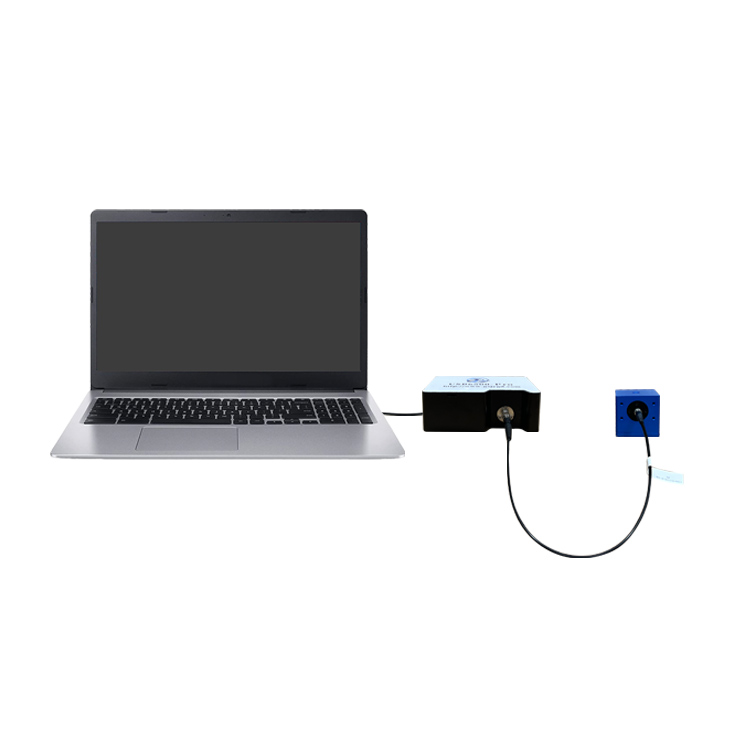
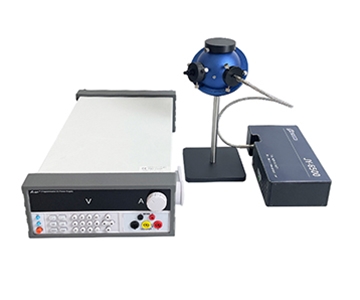
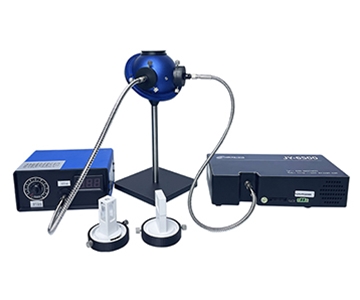
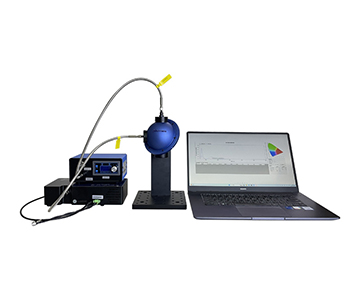
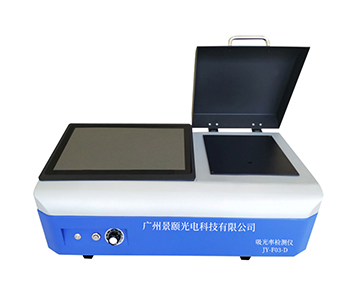
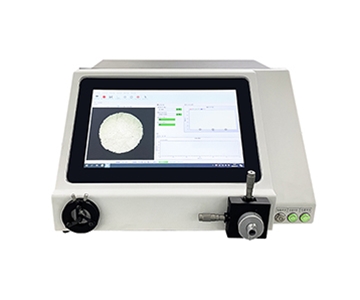
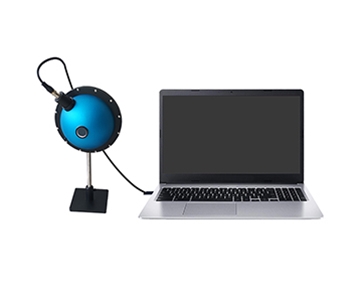
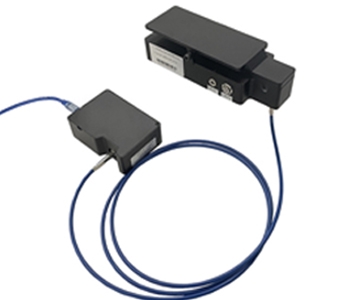
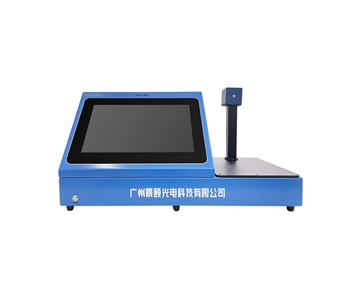
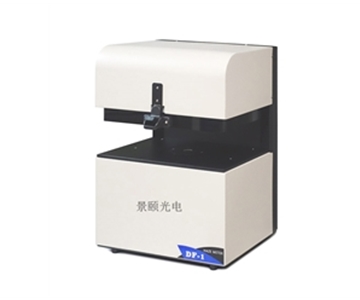
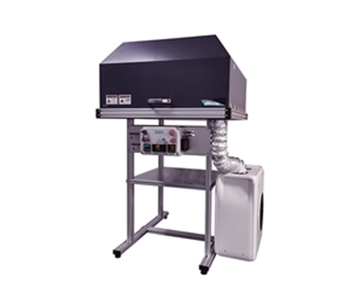
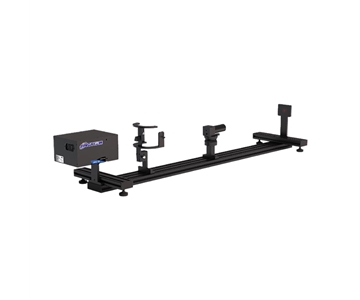
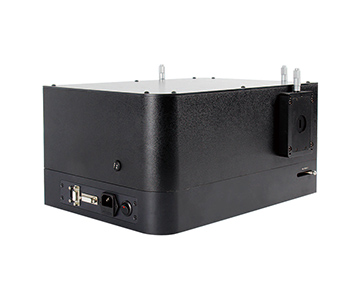
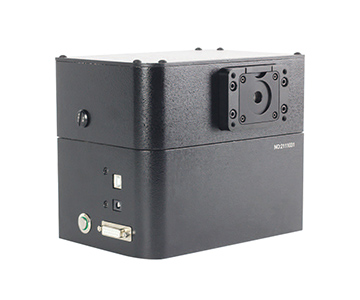
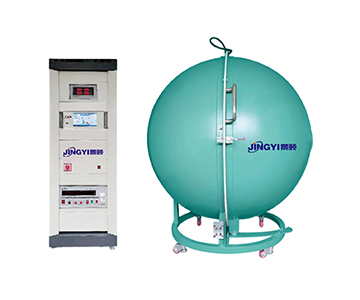
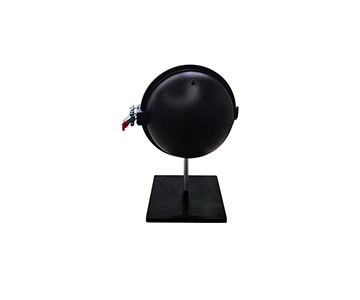
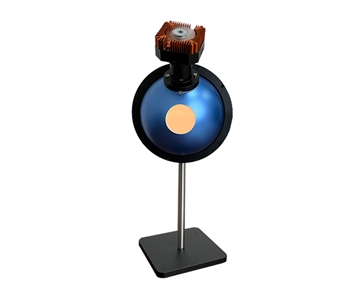
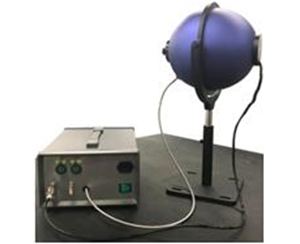
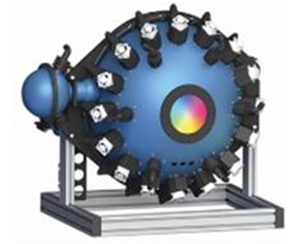
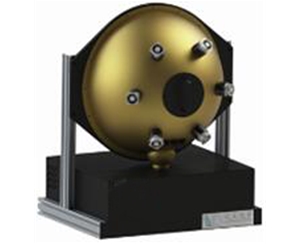
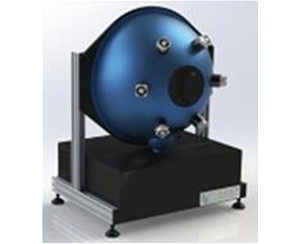
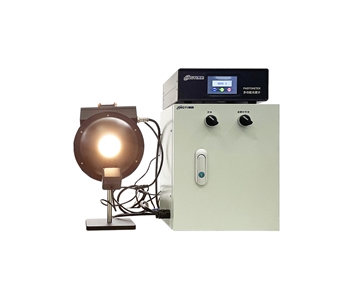
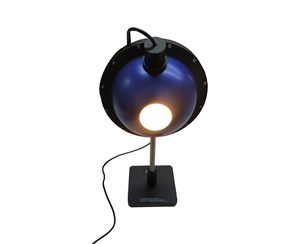
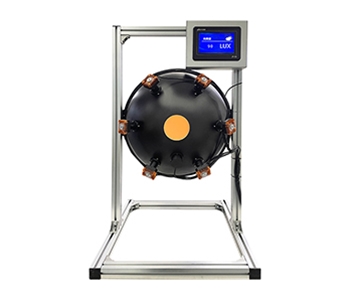
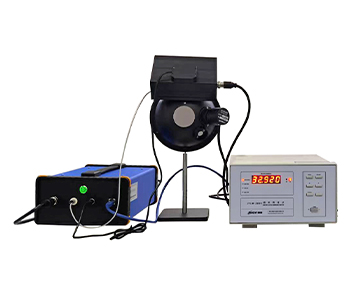
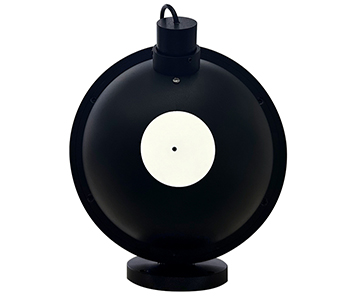
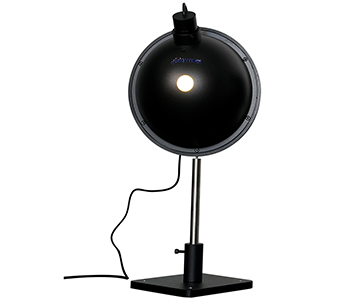
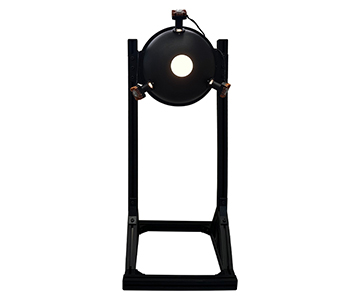
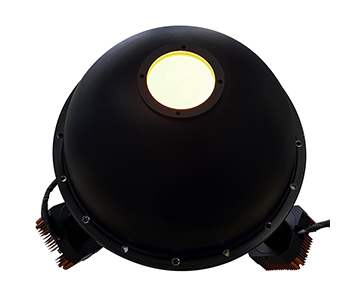
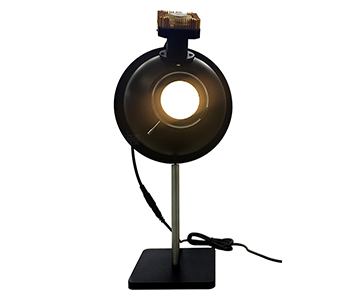
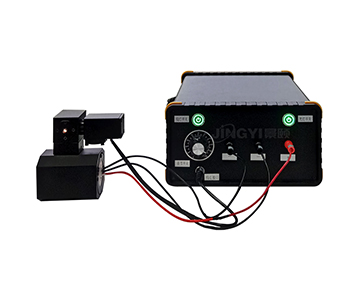
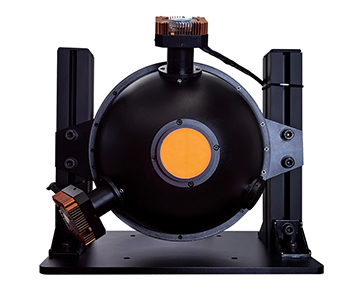
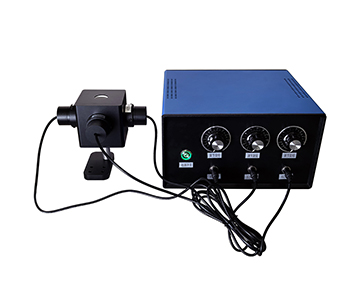
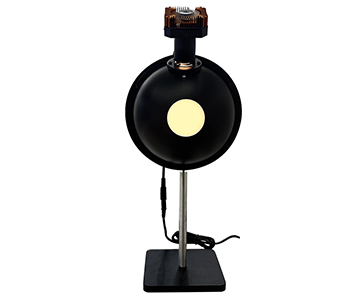
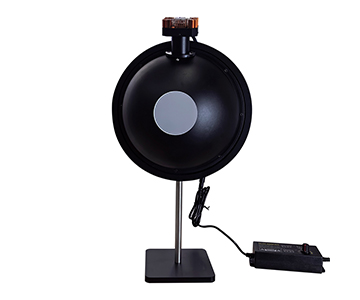
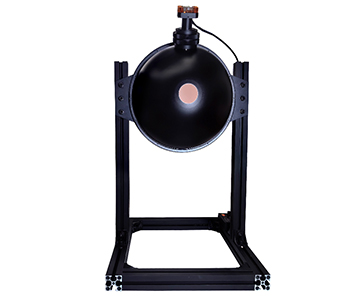
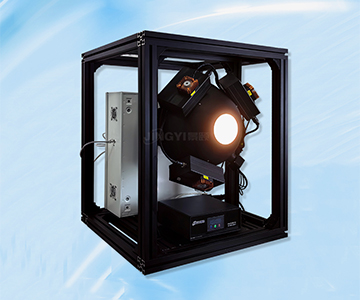
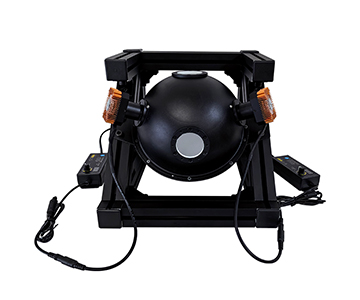
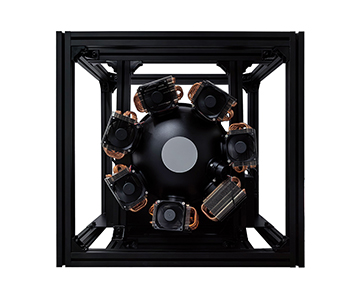
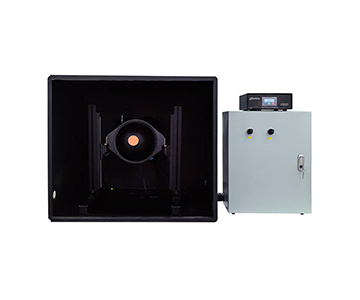
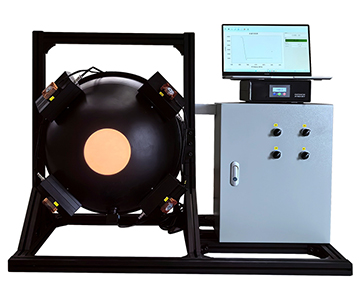
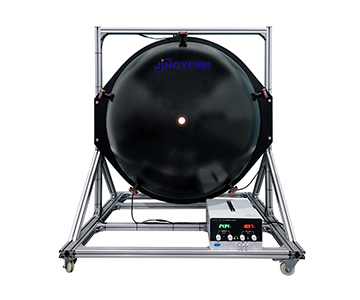
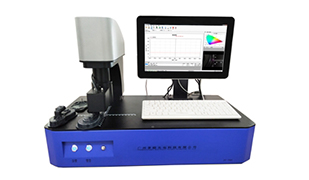
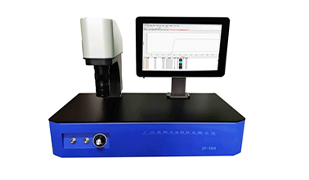
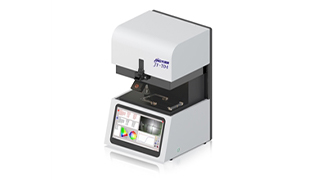
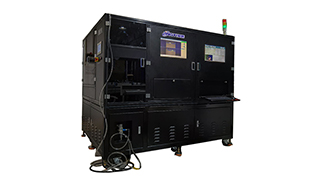
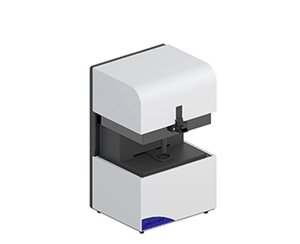
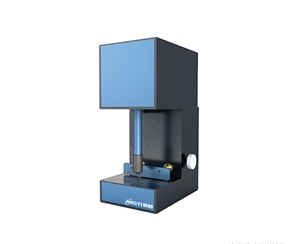
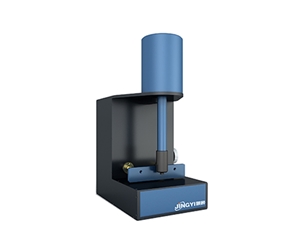
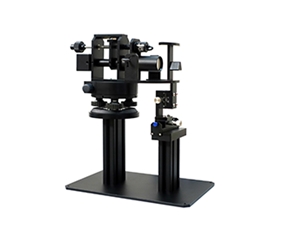
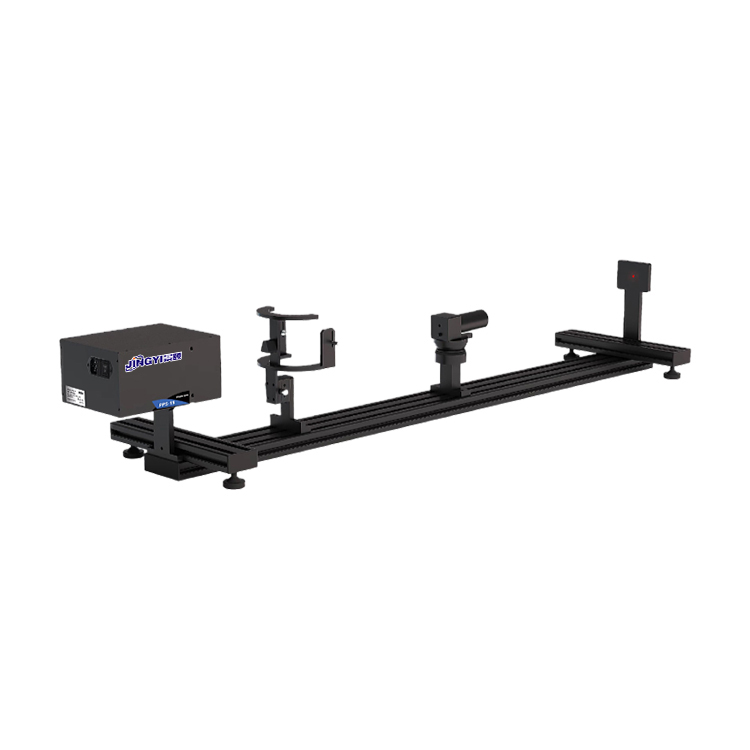
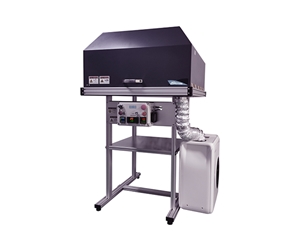
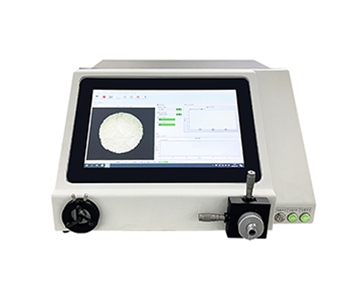
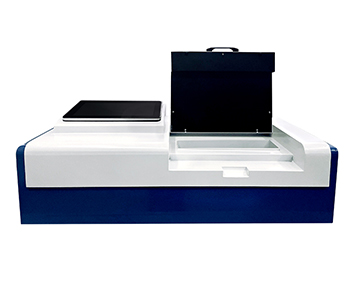
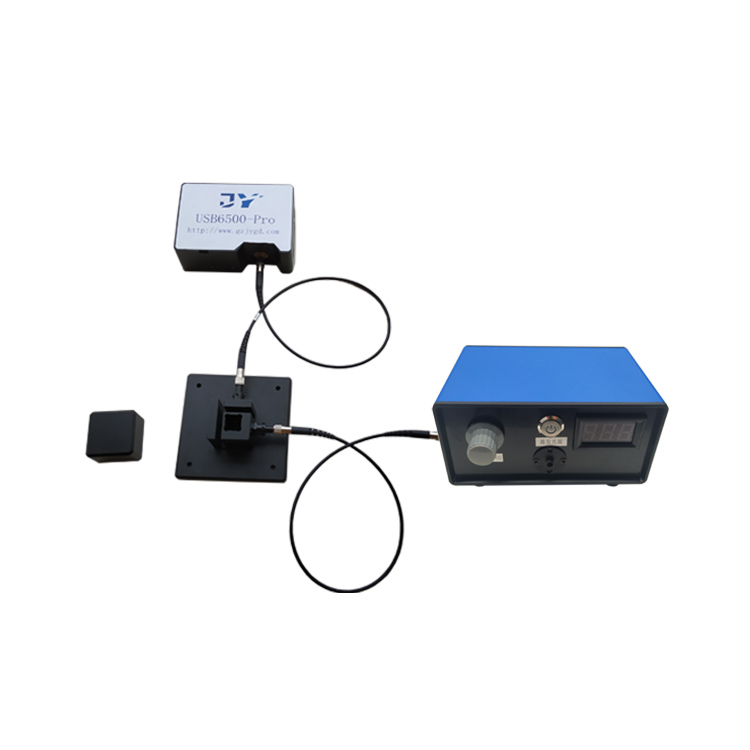
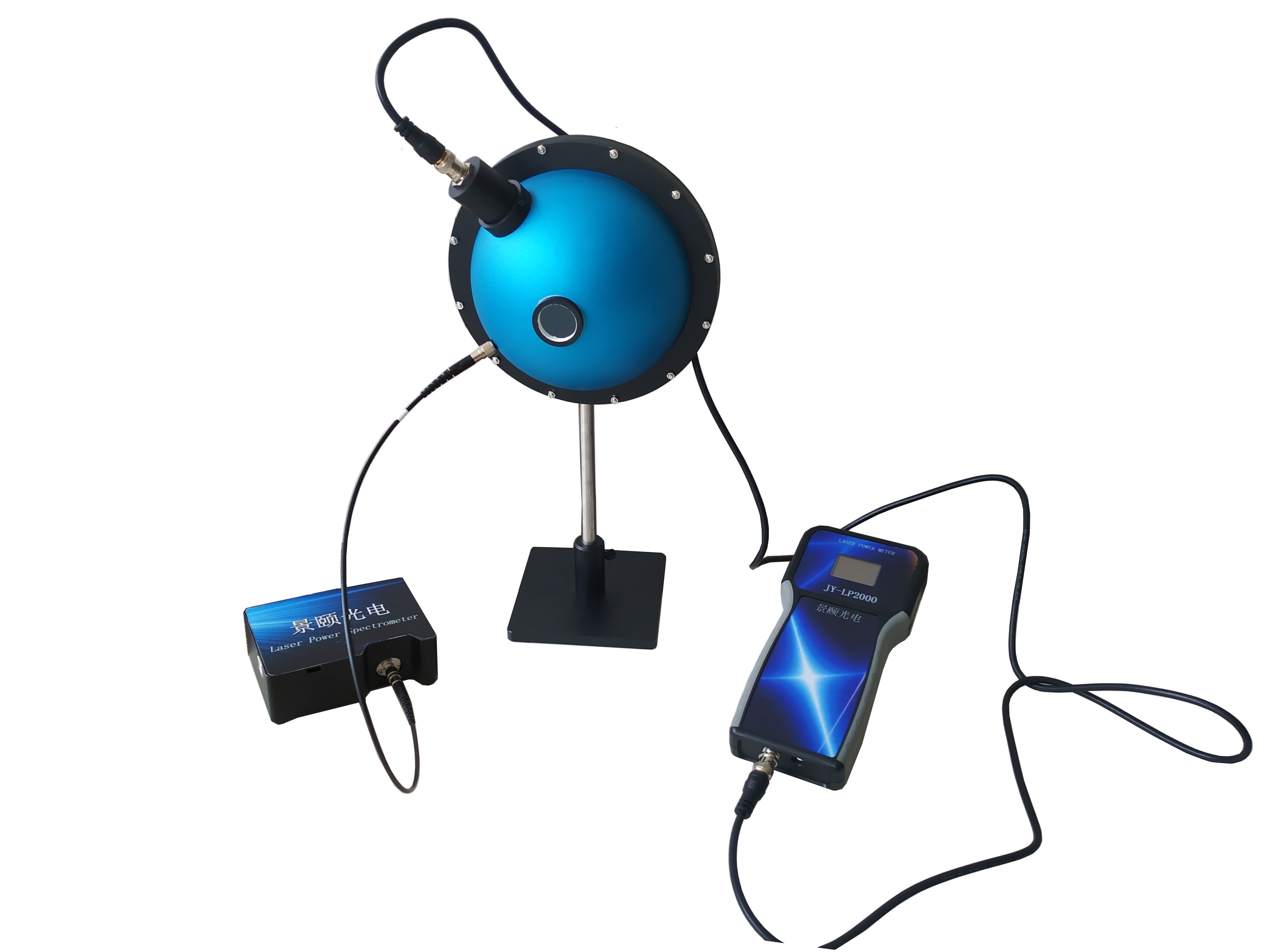
In the field of modern optical measurement, the laser integrating sphere undoubtedly stands out as a shining star—its unique design and performance provide robust support for optical research and applications.
**The Technical Essence of Laser Integrating Spheres**
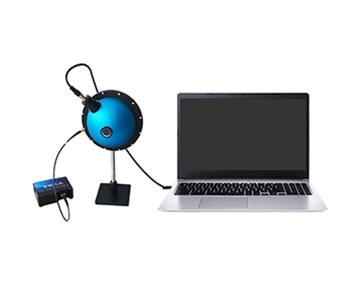
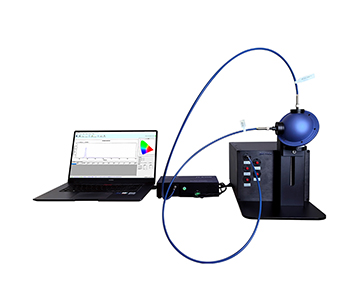
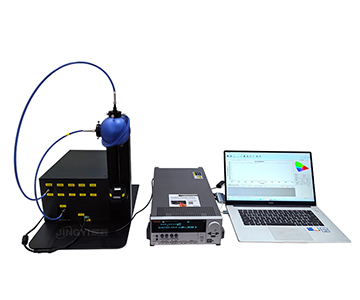
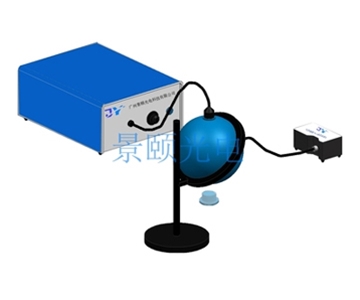
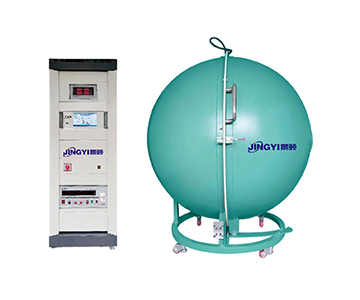
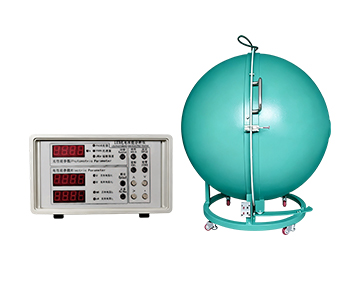
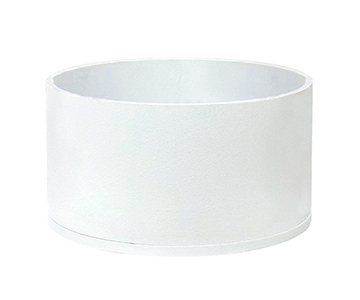
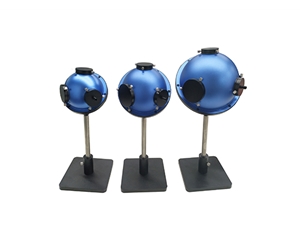
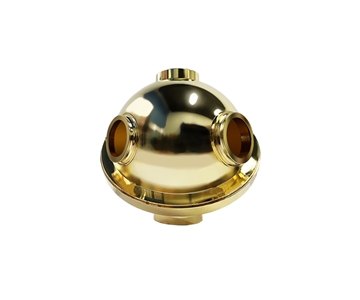
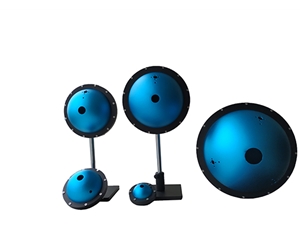
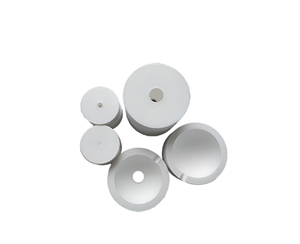
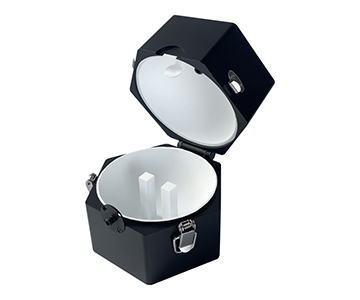
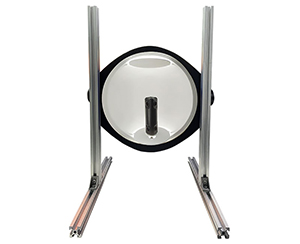
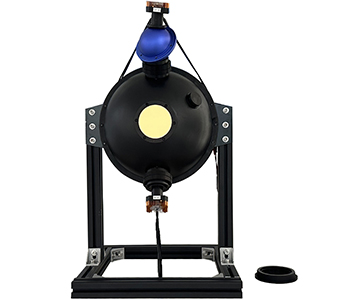
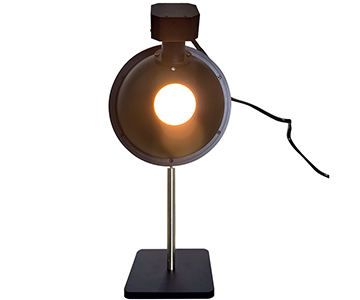
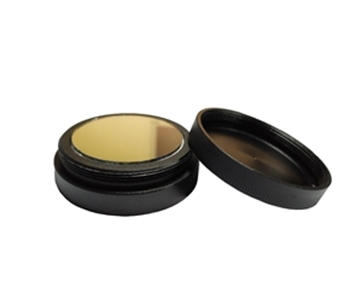
A laser integrating sphere—also known as a photometric sphere or flux sphere—is a precisely engineered hollow spherical optical device. Its core feature is an internally reflective surface, typically constructed from metal and coated with a white, highly diffuse-reflective layer—such as magnesium oxide—or, in some cases, high-reflectance polymer materials like Spectralon, chosen specifically to ensure uniform point scattering. When light enters the sphere through any point on its wall, it undergoes multiple internal reflections, ultimately producing uniform irradiance across the inner surface—thereby establishing a stable and reliable optical measurement environment.
**Industry Applications of Laser Integrating Spheres**
**Light Source Parameter Measurement**
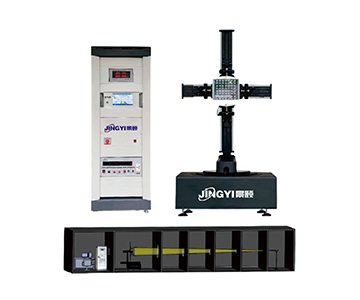
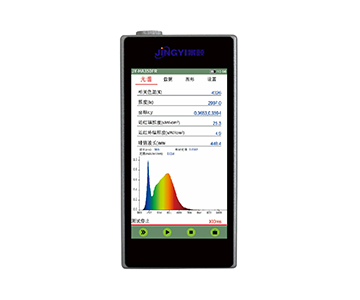
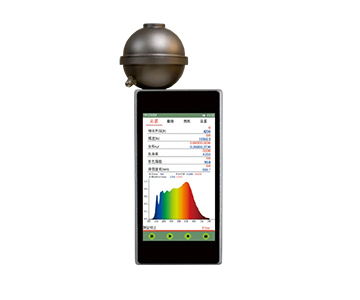
Laser integrating spheres play a critical role in measuring various parameters of light sources—including luminous flux, correlated color temperature (CCT), and luminous efficacy. They accurately quantify total luminous flux emitted by a source, providing reliable data for evaluating brightness. CCT measurement helps characterize the chromatic properties of a light source, enabling better alignment with application-specific requirements in lighting and display technologies. Luminous efficacy measurement, meanwhile, reveals energy conversion efficiency—offering vital insights for energy-efficient design.
**Optical Property Measurement**
Laser integrating spheres are also ideal tools for measuring optical properties such as reflectance and transmittance. Their distinctive design includes a hollow spherical cavity with a diffuse-reflecting interior surface, two or more small apertures (for light input and/or detector coupling), and baffles to prevent direct illumination of the detector. This clever configuration ensures that light undergoes multiple diffuse reflections before reaching the detector—yielding uniform and stable flux independent of spatial distribution or polarization state, and dependent solely on total incident optical power. Consequently, laser integrating spheres are exceptionally well-suited for measuring the total output power of laser diodes—even under conditions of large beam divergence—while maintaining high measurement accuracy.
**Color Measurement**
Common laser integrating sphere-based colorimeters adopt either d/8° or d/0° geometries. Among these, d/8° spectrophotometers offer both SCI (Specular Component Included) and SCE (Specular Component Excluded) measurement modes. SCI mode effectively eliminates the influence of surface texture on color measurement, thereby delivering a more accurate representation of an object’s intrinsic color characteristics—making it especially valuable in color management, printing, textile manufacturing, and related industries.
**Uniform Illumination Source**
Beyond the above applications, laser integrating spheres can also serve as uniform illumination sources—a function particularly essential in testing digital imaging devices, such as CCD arrays. Under ideal conditions, the inner coating of the laser integrating sphere exhibits high reflectance within specific wavelength ranges and operates via perfectly diffuse reflection. Provided optical losses at the sphere wall and port openings remain low, repeated internal reflections significantly enhance internal light intensity—boosting overall optical efficiency—even when the sphere dimensions exceed those of the light source and detector.
**Technical Advantages of Laser Integrating Spheres**
**Versatility**
Laser integrating spheres support multiple optical measurement functions—including light source characterization, optical property analysis, colorimetry, and uniform illumination generation—offering comprehensive solutions across diverse fields of optical research and application.
**High Accuracy**
Thanks to their sophisticated design, laser integrating spheres ensure uniform light distribution inside the cavity, enabling highly precise optical measurements. In particular, they deliver exceptional accuracy in measuring the total output power of laser diodes—even when the beam divergence angle is large.
**Stability**
The internal optical environment within a laser integrating sphere remains stable and resilient against external interference, ensuring consistently reliable measurement outcomes over time.
**Flexibility**
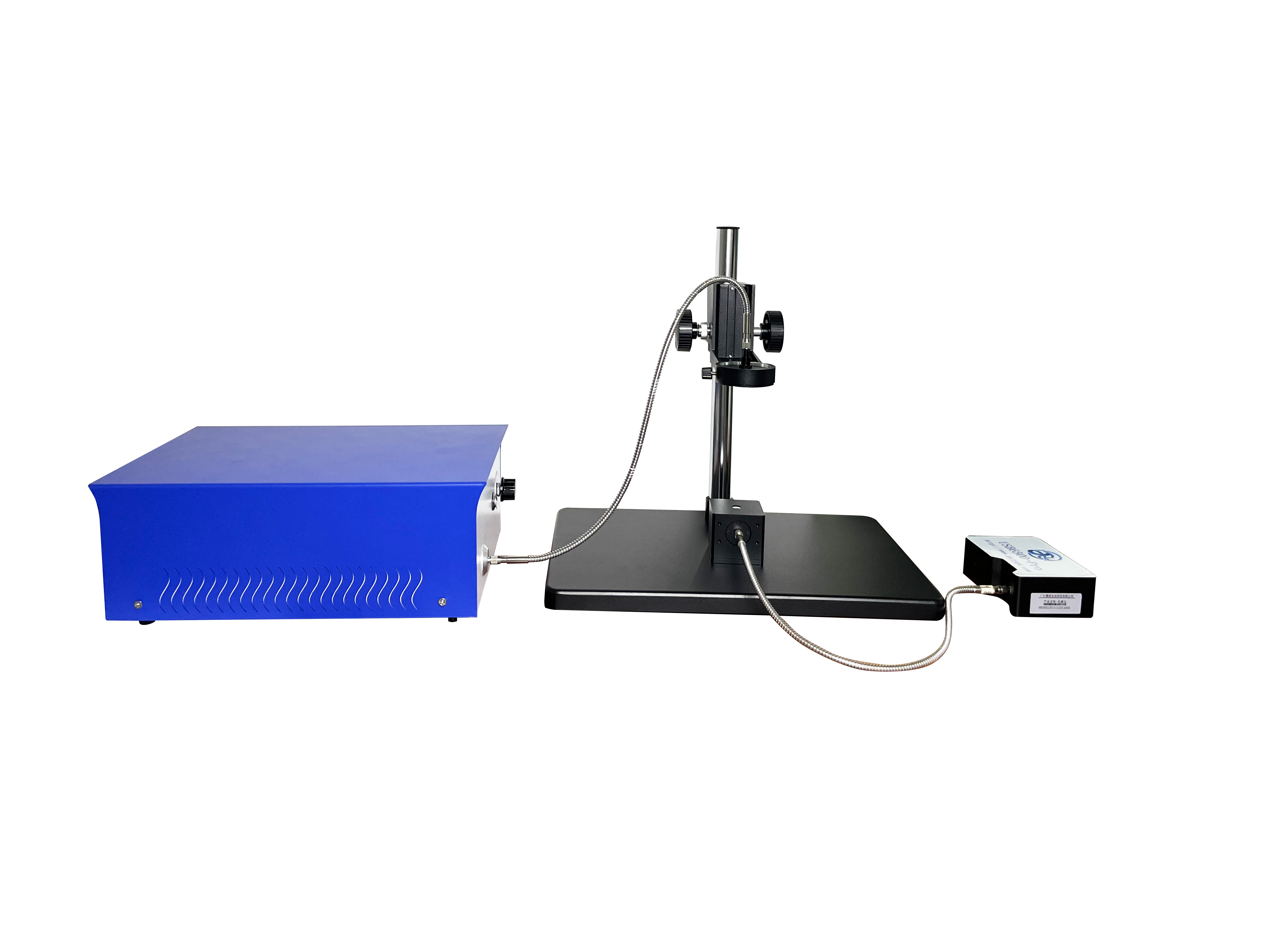
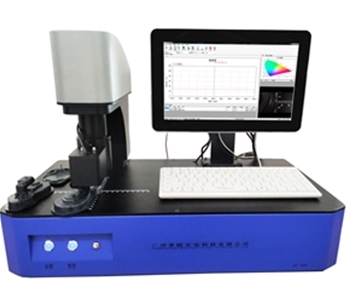
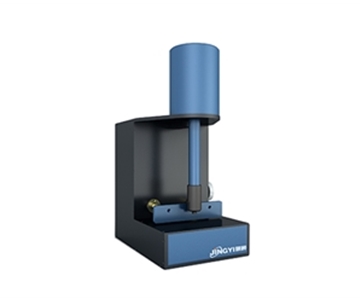
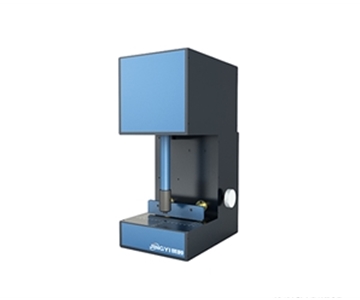
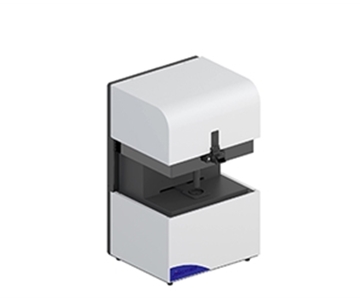
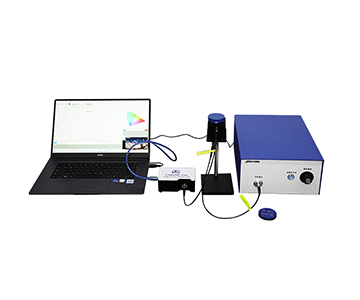
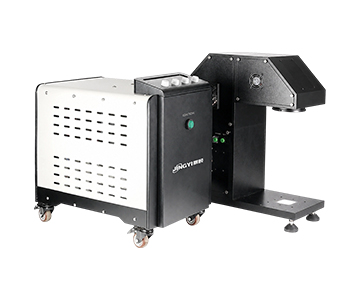
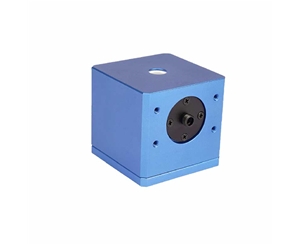
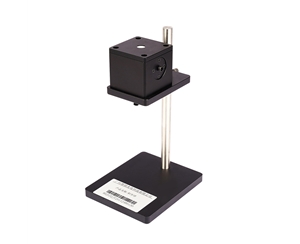
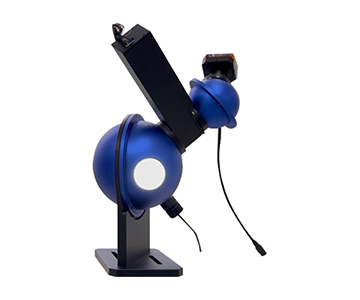
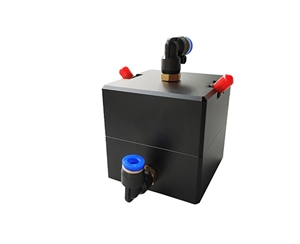
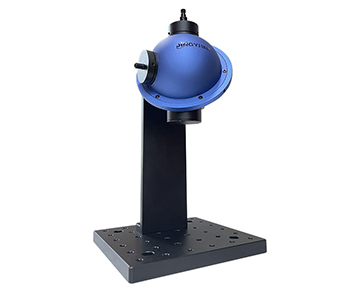
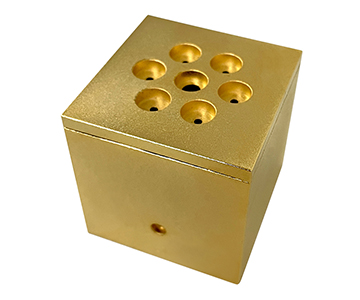
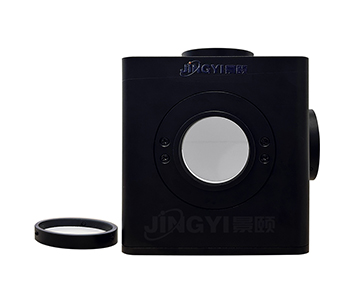
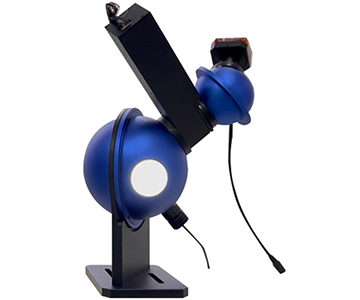
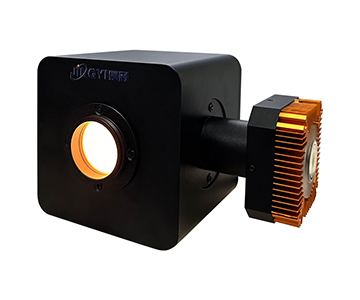
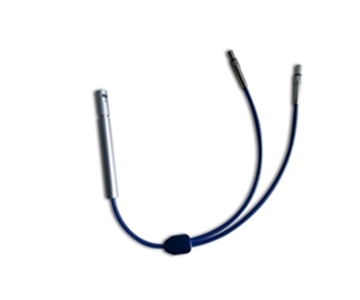
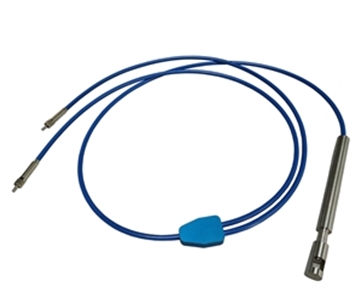
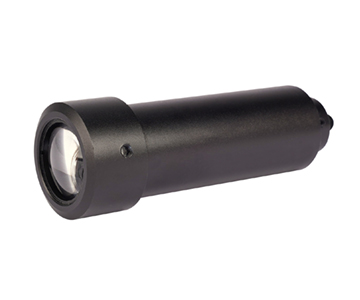
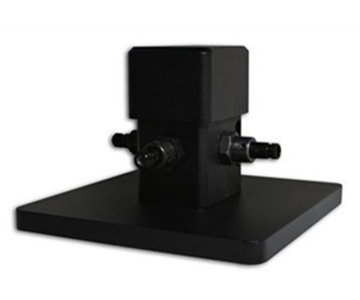
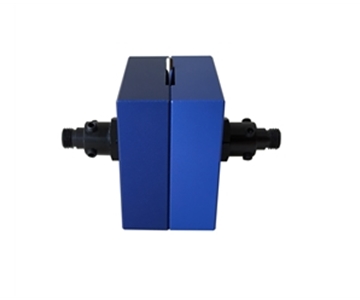
The aperture configuration of laser integrating spheres is highly adaptable: custom accessories can be installed according to varying application requirements—supporting “one-sphere, multi-purpose” functionality. For example, Jingyi Optoelectronics’ universal spectral laser integrating sphere model JY-FOIS84 features standardized ports, allowing rapid attachment of application-specific accessories. Its intuitive operation and flexible configuration simplify setup; customers may further request customized port sizes and positions based on specific needs.
**Premium Materials**
Jingyi Optoelectronics’ laser integrating spheres utilize diffuse-reflective coatings engineered for high stability, excellent Lambertian behavior, and superior diffuse reflectance. These coatings resist yellowing and delamination, ensuring outstanding measurement performance. Such premium material selection not only guarantees optimal sphere performance but also significantly extends service life.
**Ideal Conditions vs. Practical Influencing Factors**
The ideal laser integrating sphere assumes:
- A perfectly geometric spherical interior surface with uniform radius;
- A neutral, uniformly diffuse-reflecting inner surface exhibiting identical diffuse reflectance across all wavelengths;
- An otherwise empty interior—excluding only an abstract, non-physical light source.
In practice, however, measurement accuracy can be affected by several factors: the inner wall’s diffuse layer must conform strictly to Lambert’s cosine law; reflectance must be uniform at every point; the coating’s diffuse response must remain spectrally neutral; the sphere radius must be perfectly consistent; and no extraneous objects may be present inside the cavity besides the light source. Consequently, any imperfection on the inner wall—including bubbles, flaking, or yellowing—directly compromises measurement precision.
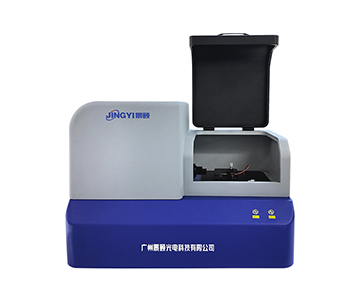
Jingyi Optoelectronics holds industry certifications and maintains a factory shipment qualification rate of 99.8%. Its spheres feature PTFE-based high-reflectance coatings (average reflectance ≥99%), customizable sizes and interface configurations, and comprehensive pre-sales and after-sales technical support. Typical application scenarios include LED luminous flux testing, laser power measurement, display color calibration, and optical metrology.
In summary, the laser integrating sphere—valued for its multifunctionality—holds a pivotal position in modern optical measurement. As technology continues to advance and innovate, the performance of laser integrating spheres will keep improving, and their application scope will continue to expand—unlocking new possibilities for optical research and real-world implementation. As an industry leader, Jingyi Optoelectronics remains committed to advancing laser integrating sphere technology through ongoing R&D and innovation—delivering ever more superior, efficient, and customer-tailored optical measurement solutions.
#LaserIntegratingSphere #FluorescenceIntegratingSphere #SprayCoatedIntegratingSphere #OpticalTestingIntegratingSphere #UniversalIntegratingSphere #IntegratingSphere