Machine Vision, 3D Reconstruction, and Related Fields: Core Insights and Pitfall-Avoidance Guide for Selecting Machine Vision Calibration Targets
In fields such as machine vision, 3D reconstruction, and precision dimensional measurement, numerous R&D and application teams frequently encounter issues including calibration drift, inaccurate distortion correction, and measurement errors exceeding tolerance thresholds. Post-facto troubleshooting reveals that approximately 80% of such problems stem from an easily overlooked component—the incorrect selection of machine vision calibration targets. As the “spatial coordinate ruler” of a vision system, the accuracy and material compatibility of a machine vision calibration target directly determine the upper performance limit of the entire vision solution. Today, we will delve deeply into the core principles underlying machine vision calibration targets—and help you avoid common selection pitfalls.
Core Value of Machine Vision Calibration Targets
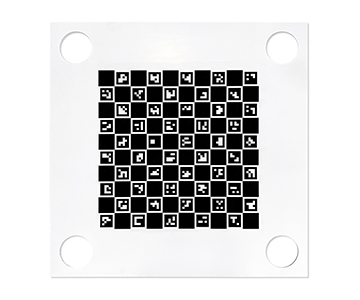
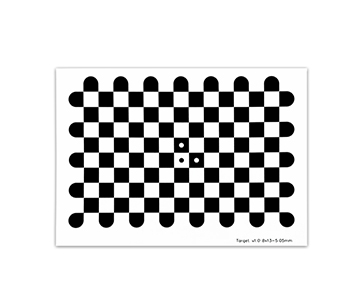
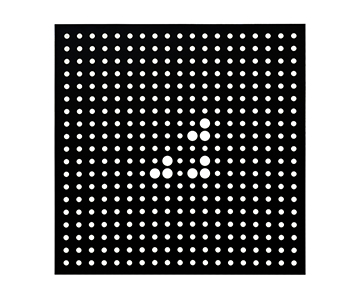
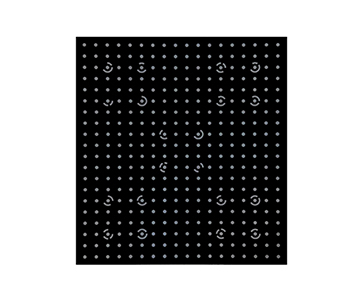
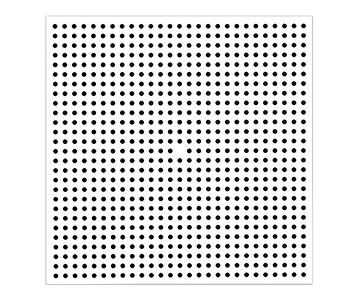
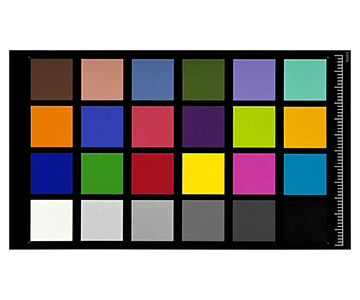
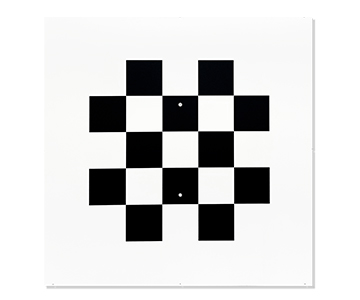
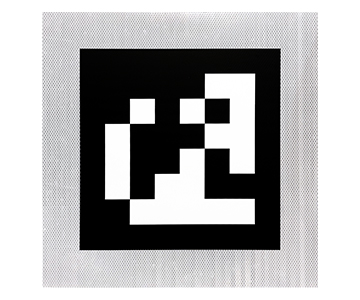
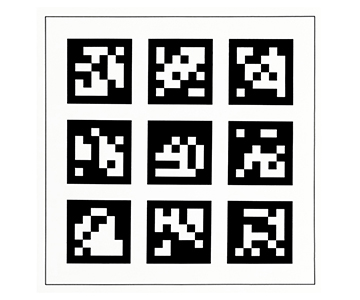
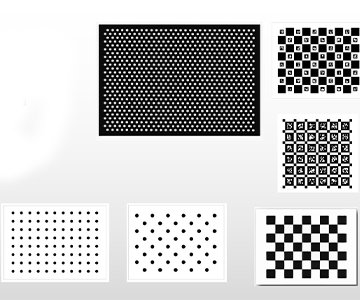
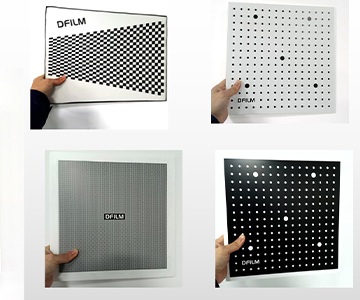
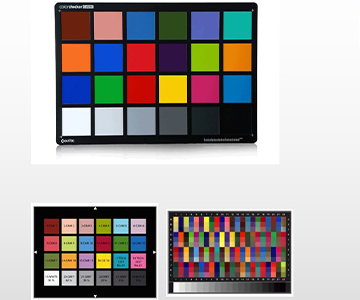
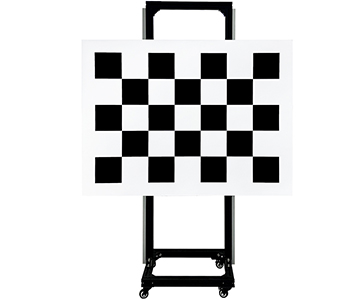
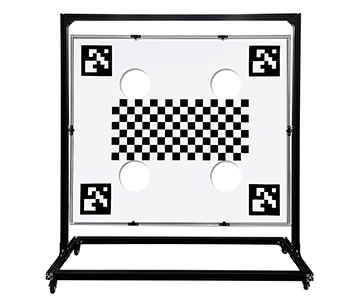
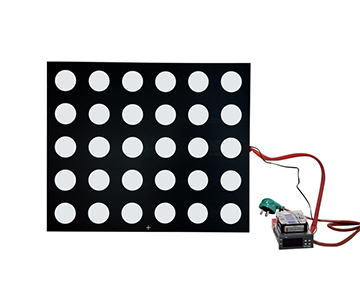
The core value of a machine vision calibration target lies in establishing a trustworthy metrological reference for the vision system. It functions like installing a highly accurate reference ruler onto a camera: by capturing images of the calibration target from multiple poses, algorithms rapidly establish the conversion relationship between pixel coordinates and real-world physical dimensions—while simultaneously correcting inherent optical lens distortions (e.g., barrel or pincushion distortion). This provides stable, foundational data support for downstream applications such as stereo matching, 3D reverse engineering, and high-precision measurement. Jingyi Optoelectronics, with years of expertise in high-precision optical inspection components, offers a comprehensive series of machine vision calibration targets—including checkerboard, dot-pattern, and QR-code variants—fully compatible with mainstream calibration algorithms such as Halcon and OpenCV. Our products meet diverse user requirements across academic research, industrial vision integration, and inspection equipment development.
Application Scenarios by Calibration Target Material
Calibration targets made from different materials are suited to markedly distinct application scenarios. Users should select based on their specific operating environments:
Glass-Based Calibration Targets
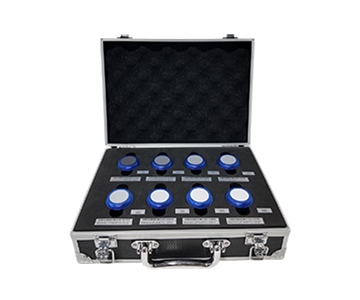
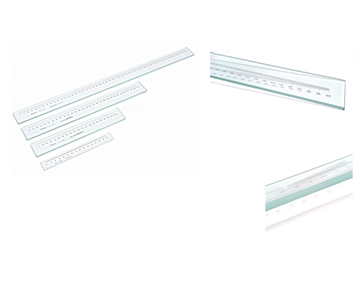
Glass-based calibration targets fall into two categories: standard soda-lime glass and fused quartz glass. Standard soda-lime glass calibration targets offer moderate cost and, after polishing, cleaning, and thin-film coating, exhibit strong film adhesion and minimal surface defects—making them ideal for conventional room-temperature backlight calibration applications. Coating colors vary regionally: silver is common in the Russian market; blue is preferred in certain European countries; and yellow dominates in Japan and South Korea. These color differences reflect variations in coating processes—not quality distinctions. Jingyi Optoelectronics can customize coatings in deep yellow, blue, silver, and other hues to optimize visual recognition parameters per user needs. Fused quartz glass calibration targets feature an extremely low coefficient of thermal expansion, rendering them minimally sensitive to ambient temperature fluctuations. They are thus ideal for high-precision calibration under extreme or alternating high-/low-temperature conditions. Among fused quartz grades, JGS1 substrates offer high purity and bubble-free homogeneity, delivering superior accuracy; JGS2 substrates provide a more cost-effective option suitable for high-temperature applications where ultra-high precision is less critical.
Ceramic-Substrate Calibration Targets
Second are ceramic-substrate calibration targets. These targets boast low thermal expansion, high hardness, excellent wear resistance, and strong corrosion resistance against acids and alkalis. Jingyi’s ceramic calibration targets feature a nanoscale matte diffuse-reflection surface treatment—eliminating the glare commonly observed with glass targets under front lighting. This significantly enhances pattern detail recognition (by over 30%) and delivers markedly improved calibration accuracy and long-term stability compared to standard glass targets—ideal for high-frequency industrial on-site inspection.
Matte Aluminum-Substrate Calibration Targets
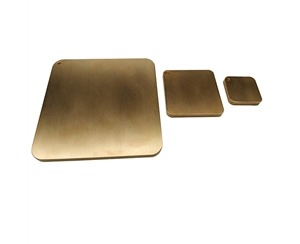
Third are matte aluminum-substrate calibration targets. Their primary advantages lie in impact resistance, shock resistance, and exceptional durability. Equally treated with a diffuse-reflection coating, they eliminate glare-related issues. These targets are especially suited for outdoor mobile inspection or vehicle-mounted vision calibration—environments prone to mechanical impact and vibration. Their service life exceeds that of standard glass calibration targets by over fivefold.
Lightweight Consumable Calibration Targets (Photographic Paper, Film, etc.)
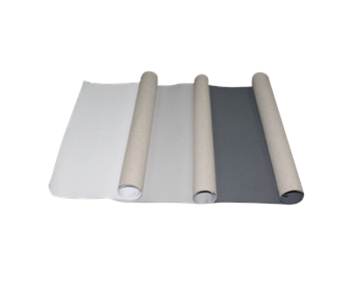
Fourth are lightweight consumable calibration targets—such as those printed on photographic paper or film. Low-cost, lightweight, and quick to produce, they suit temporary experiments or single-use, large-field-of-view calibration tasks where precision is not critical. However, these materials offer poor water and oil resistance and are susceptible to deformation. They are not recommended for applications demanding precision ≥10 µm.
Principles for Selecting Calibration Target Size and Material
Size Selection
When selecting a calibration target, size is the first consideration. Choose based on your field of view (FOV) and chosen calibration algorithm:
- For standard Halcon or OpenCV calibration, we recommend that the effective pattern area cover between one-third and the full FOV. Capturing 12–20 calibration images at varied angles and poses yields stable results.
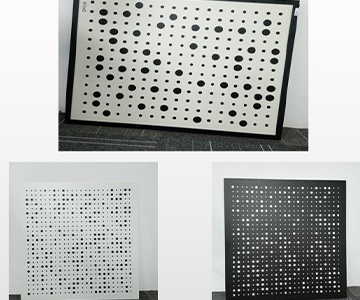
- For Halcon v12+ dedicated dot-pattern calibration targets, the effective pattern may slightly exceed the FOV. Only 5–8 images at varying poses are required—boosting calibration efficiency by over 100%.
Material Selection Principles
The core principle for material selection is as follows:
- For backlit applications, prioritize glass-based calibration targets due to their uniform light transmission and high recognition accuracy.
- For front-lit applications, prefer ceramic or matte aluminum calibration targets with diffuse-reflection surfaces—effectively avoiding glare and halo artifacts that impair pattern recognition.
Custom Calibration Target Workflow
Should standard off-the-shelf specifications fail to meet your needs, custom calibration targets are available. Simply provide the following key parameters:
1. Substrate material requirement;
2. Accuracy grade;
3. Physical dimensions, tolerances, and thickness;
4. Pattern type (positive/negative mask; checkerboard/dot/QR code);
5. A 1:1 scale CAD drawing.
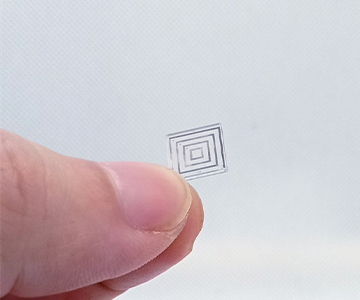
Jingyi Optoelectronics supports fully parameterized customization—achieving line widths down to 2 µm and maintaining calibration accuracy within ±1 µm. We also offer optional mounting holes and can fabricate oversized targets up to 800 × 960 mm to accommodate specialized large-FOV inspection requirements.
Price Misconceptions During Selection
Many users fall into the trap of selecting solely based on price. Note that authentic machine vision calibration targets undergo multiple rigorous steps: substrate polishing, multi-stage cleaning, thin-film deposition, photolithography, and final inspection. For instance, compliant production of a standard 63 × 63 mm glass calibration target typically incurs costs exceeding ¥100. Products priced significantly below market rates likely omit critical steps (e.g., cleaning or polishing), resulting in higher defect density and poor film adhesion—leading to rapid accuracy drift after only a few uses and ultimately increasing overall project rework costs. Should you have further selection questions or special customization needs, contact Jingyi Optoelectronics’ technical team directly for personalized, one-on-one guidance.
#DotPatternCalibrationTarget #IndustrialCameraCalibrationTarget #MachineVisionCalibrationTarget #VisionCalibration #VisionCalibrationTarget #QRCodeCalibrationTarget #CalibrationTarget