The current post-harvest loss rate for fresh agricultural produce in China remains persistently high—between 25% and 30%. Nearly 40% of this loss stems from inaccuracies in assessing fruit ripeness: fruits are either harvested too early (resulting in underdeveloped flavor) or become overripe and spoil during storage and transport. Traditional visual inspection—relying solely on peel color—yields an error rate exceeding 40%, making it one of the core bottlenecks constraining efficiency improvements across the fresh produce supply chain.
To address this challenge, near-infrared (NIR) diffuse reflectance detection technology has emerged as an industry-standard solution, thanks to its non-destructive nature, speed, and ability to assess internal quality. Unlike conventional vision-based systems that detect only surface color, NIR light penetrates 1–5 mm beneath the fruit’s skin. By capturing vibrational overtone signals from chemical bonds of water molecules, sugars, pectin, and other constituents within the flesh, the technology enables precise, non-invasive quantification of internal compositional changes—delivering reliable ripeness data fully compatible with end-to-end inspection needs, from field sorting to retail shelf verification.
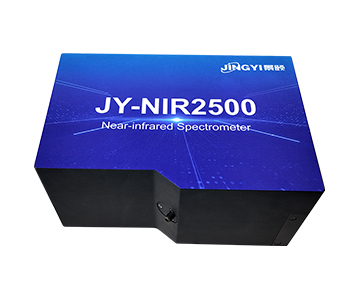
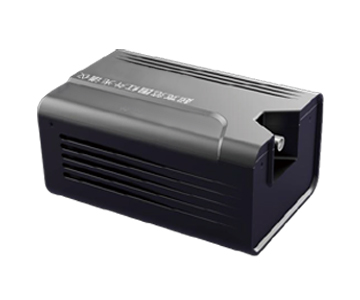
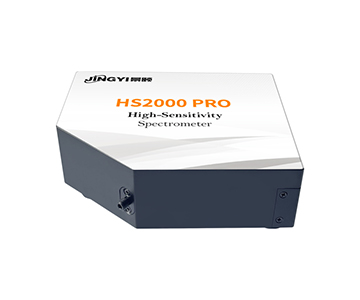
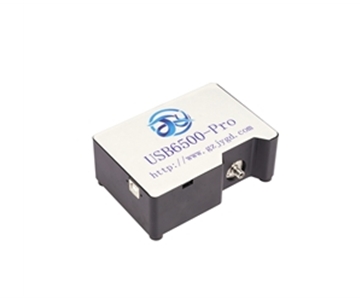
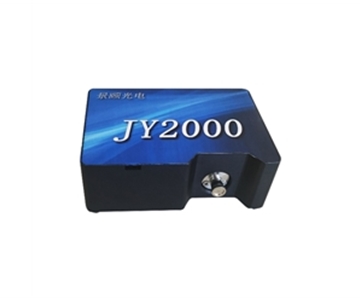
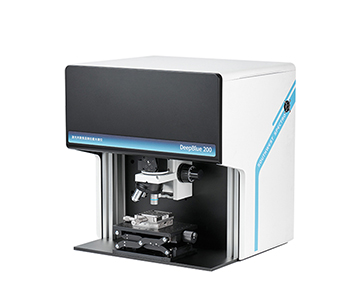
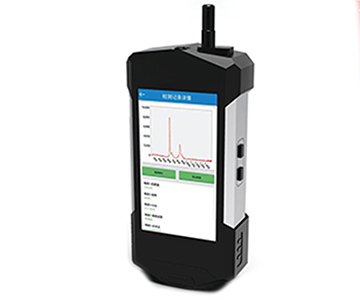
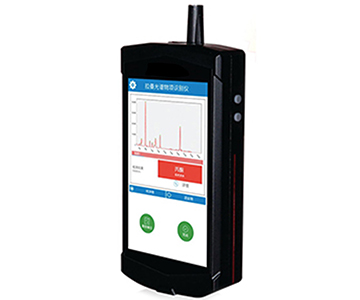
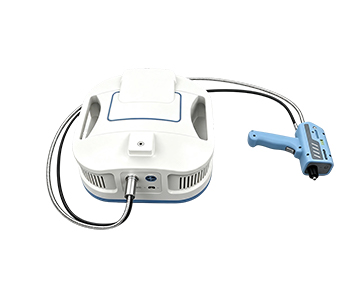
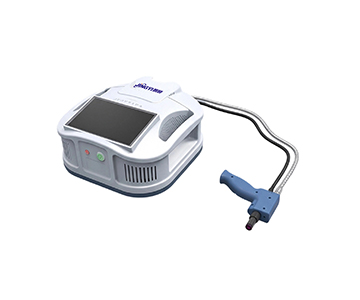
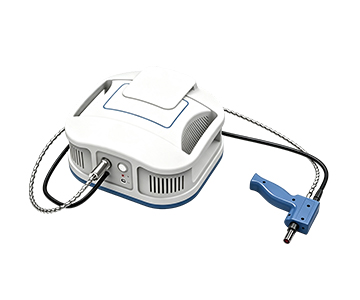
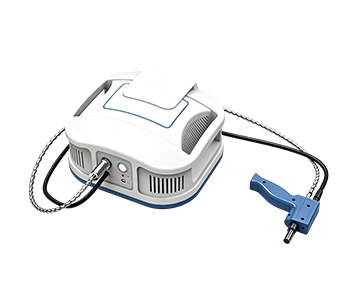
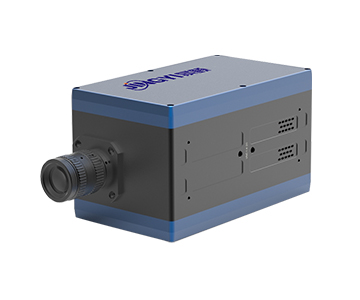
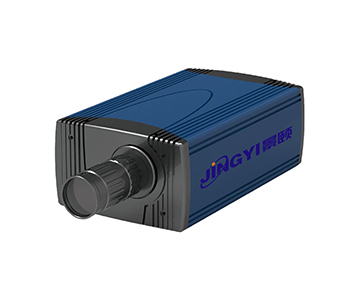
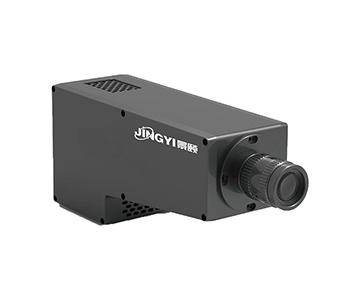
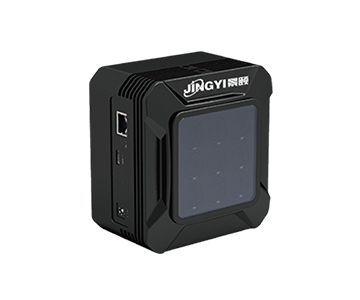
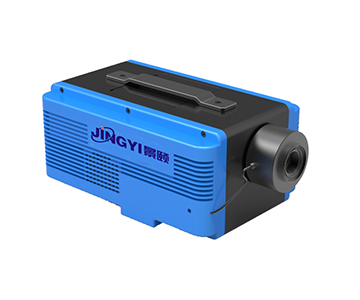
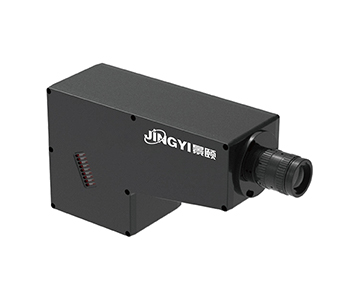
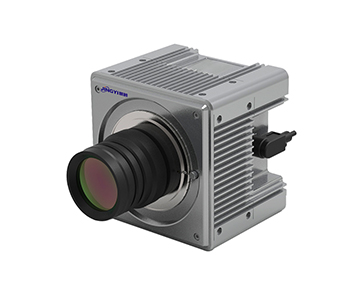
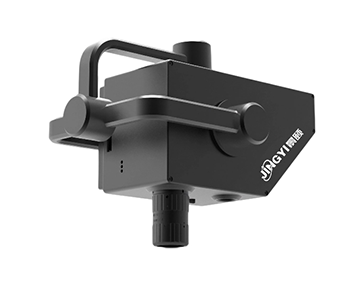
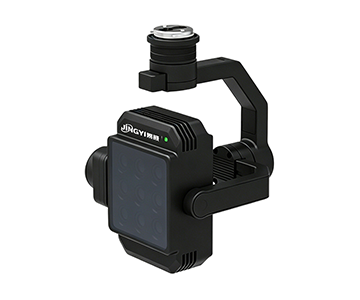
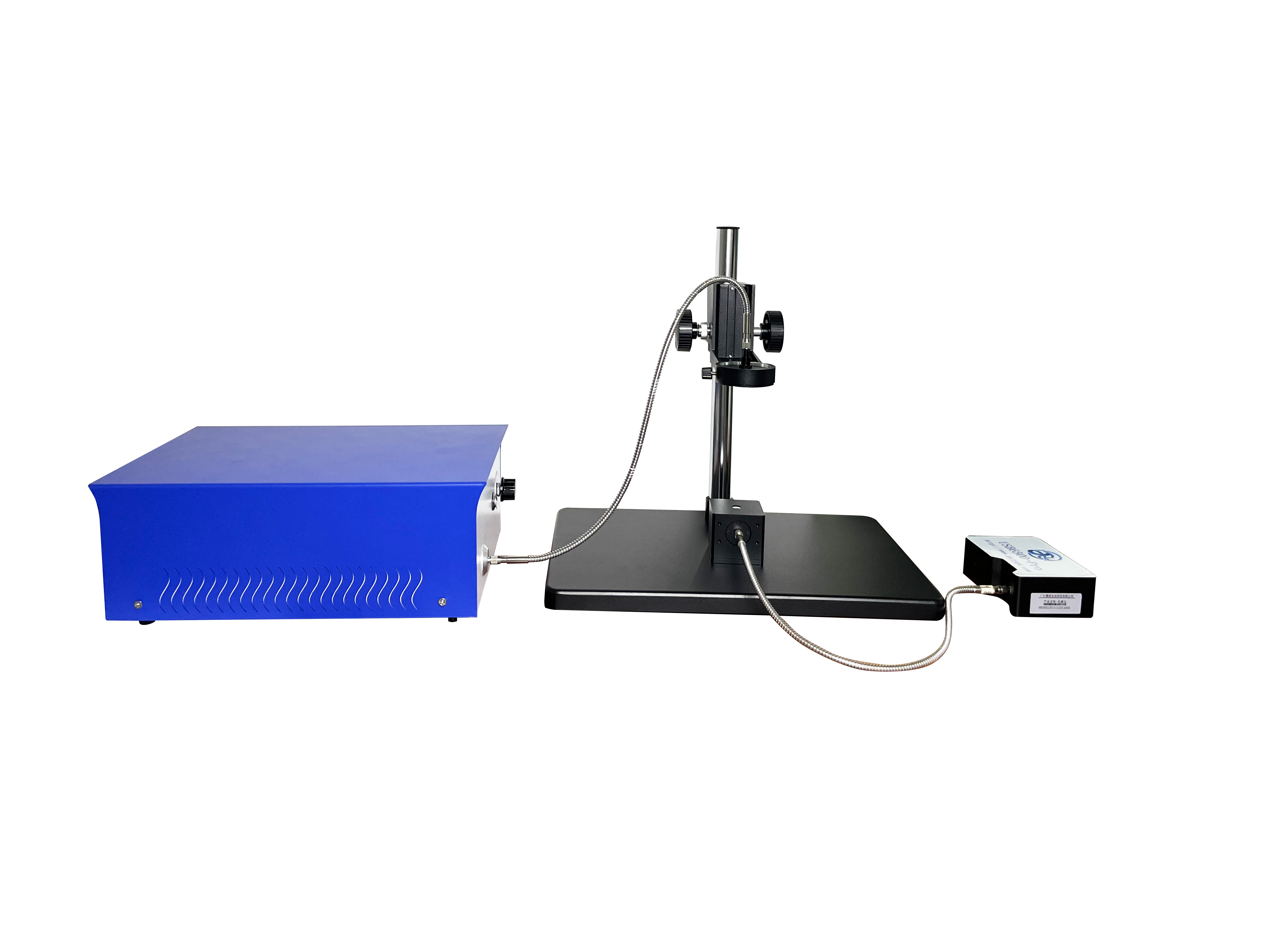
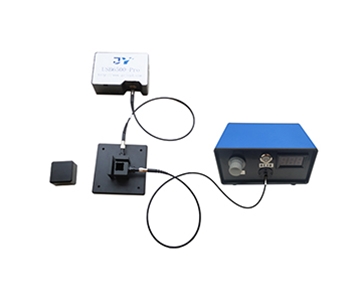
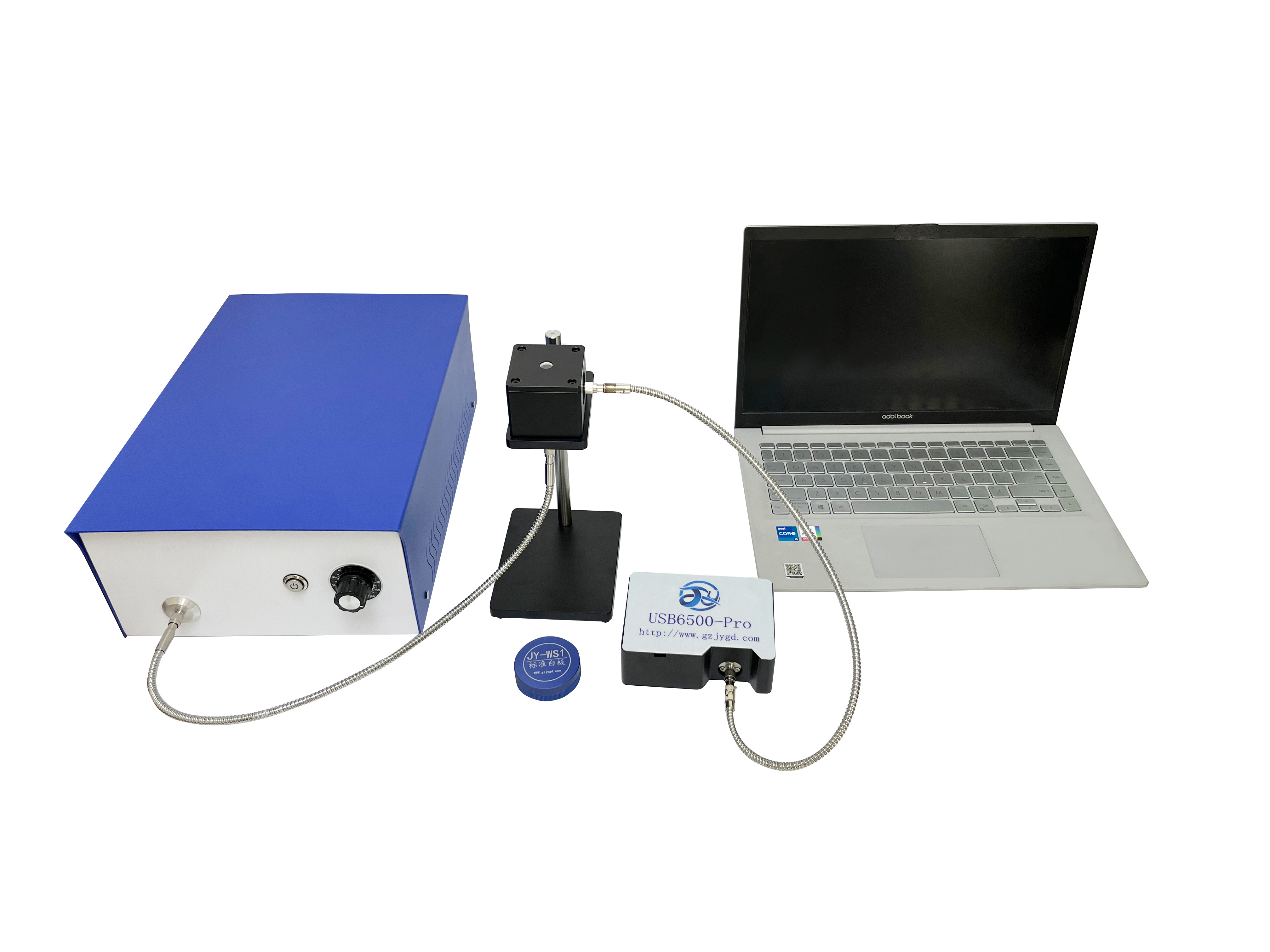
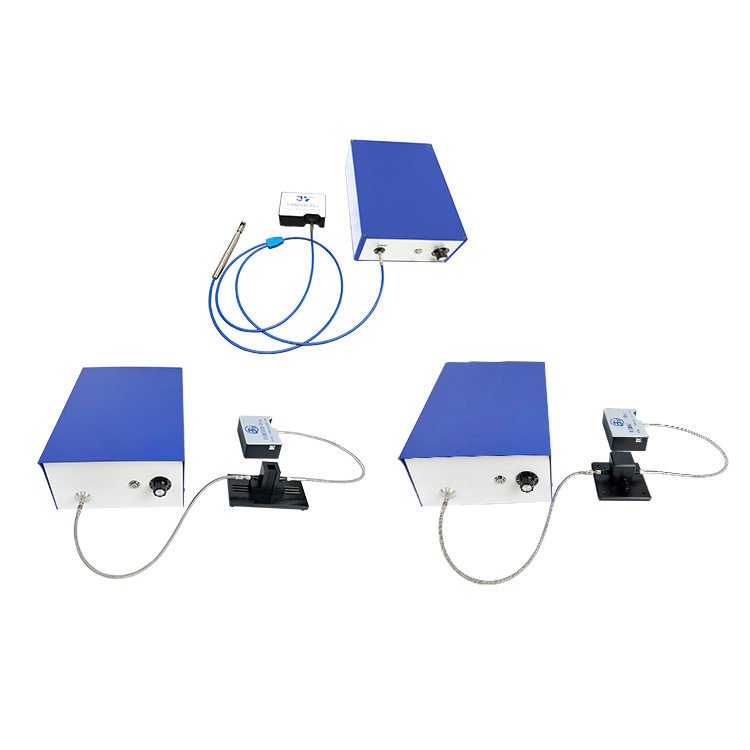
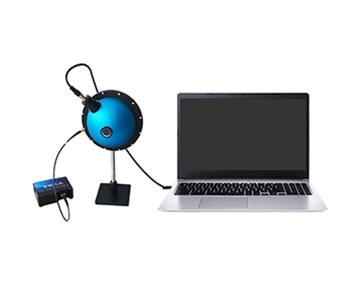
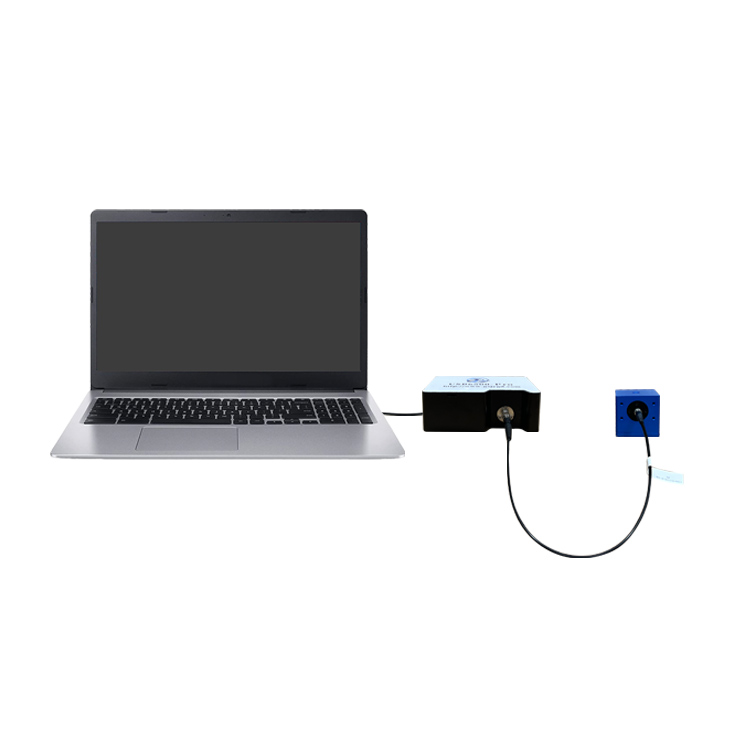
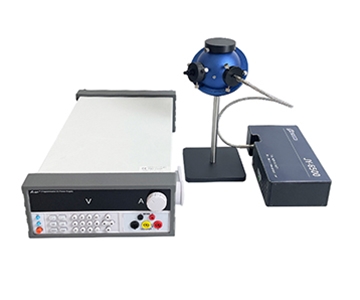
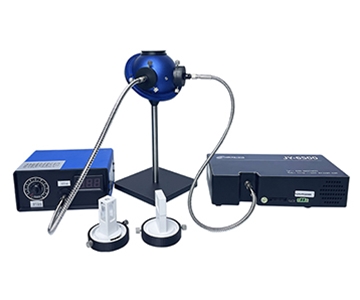
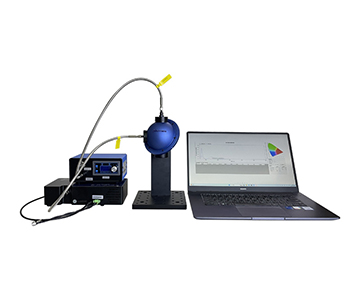
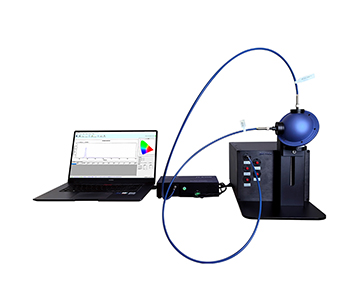
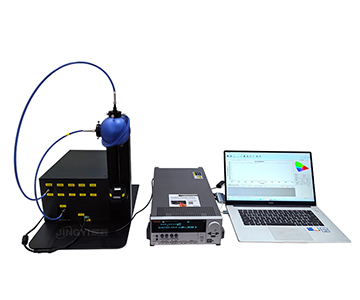
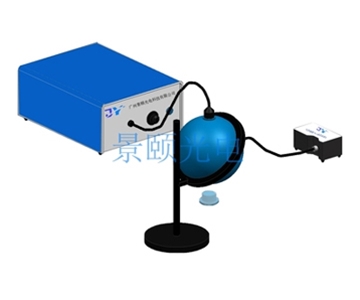
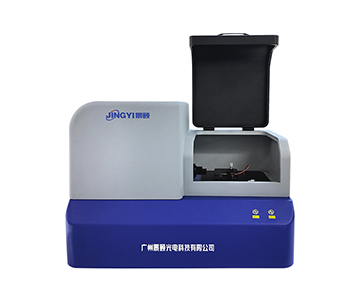
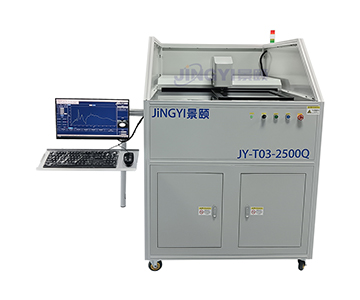
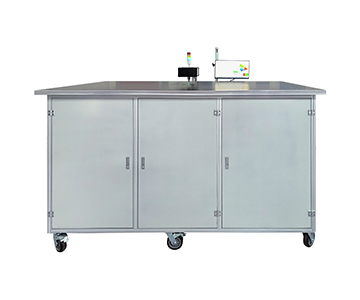
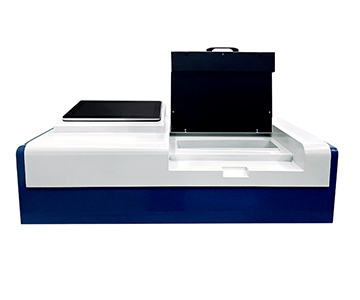
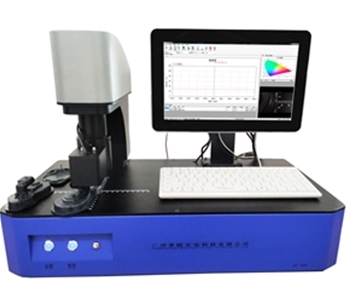
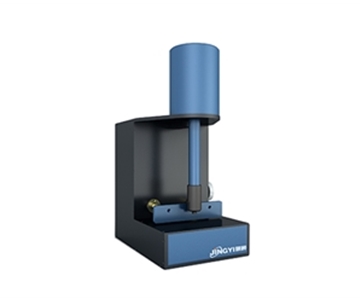
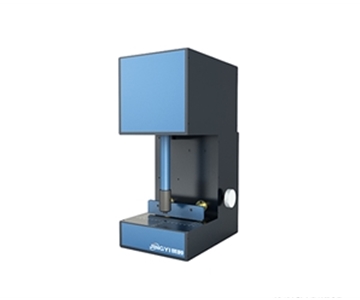
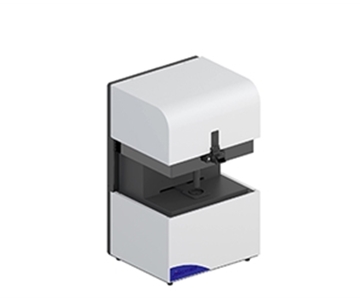
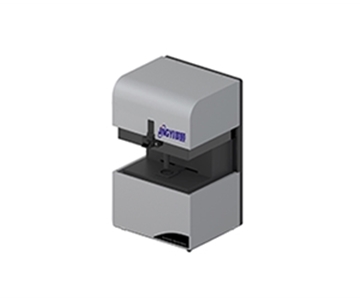
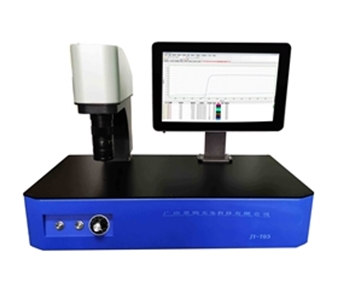
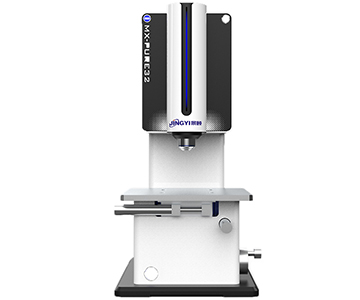
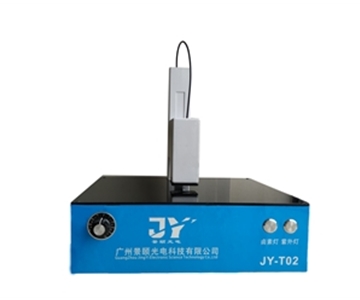
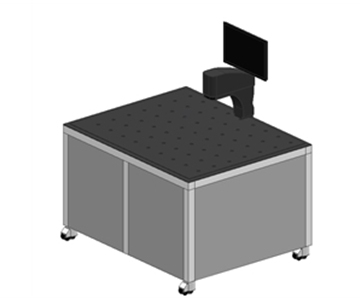
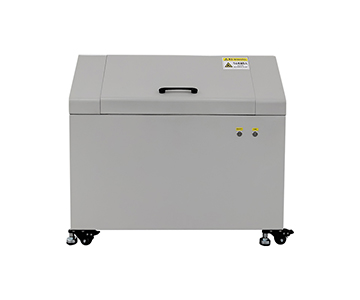
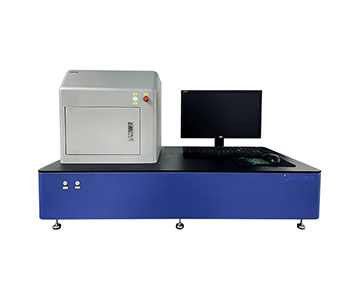
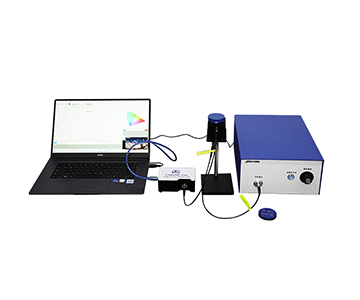
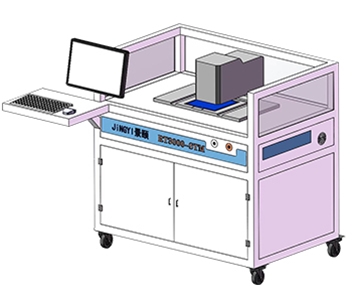
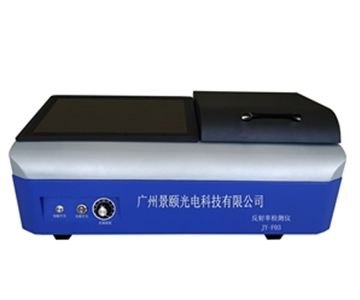
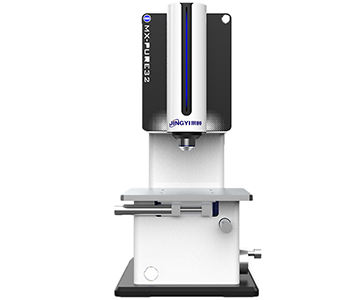
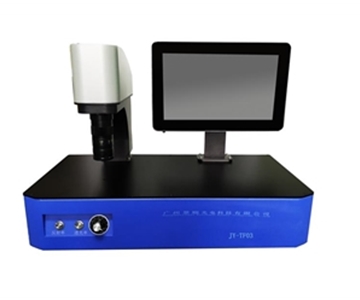
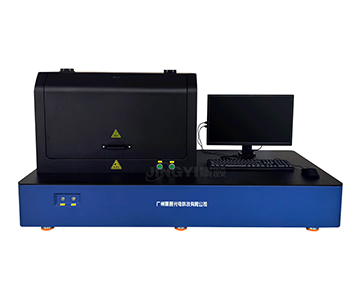
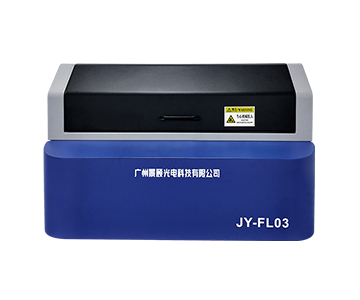
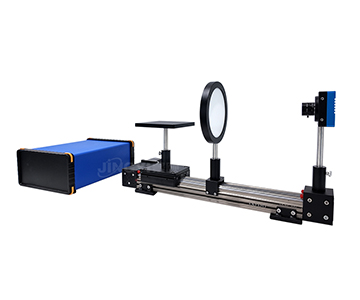
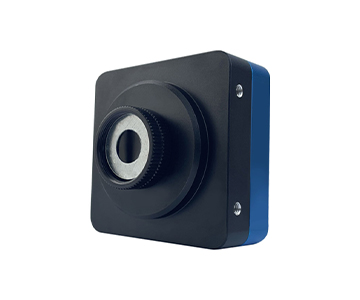
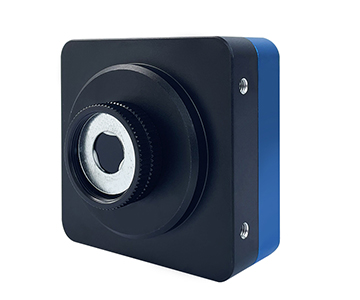
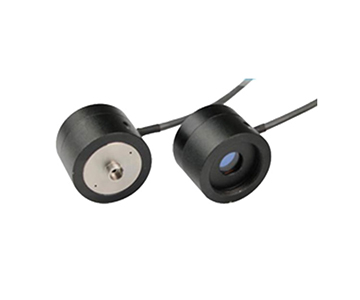
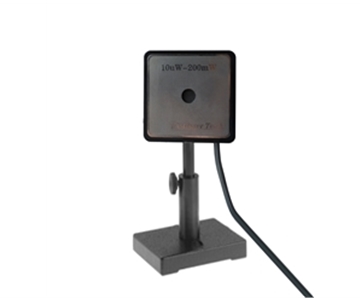
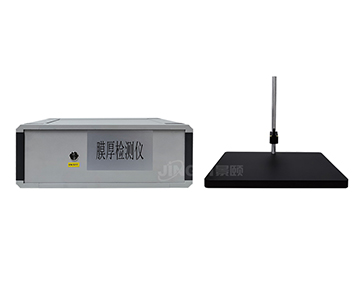
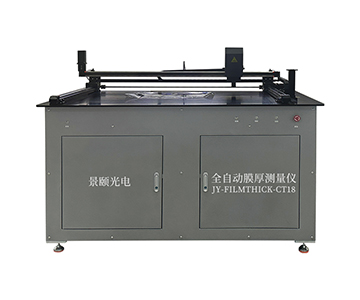
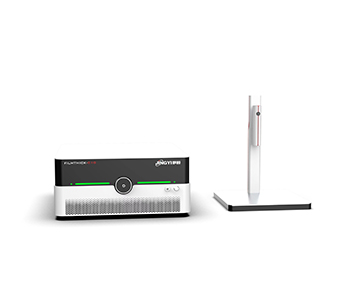
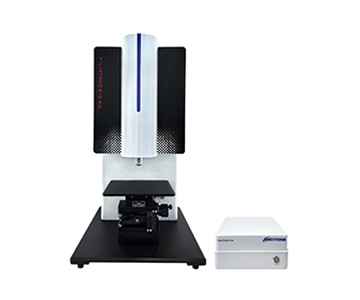
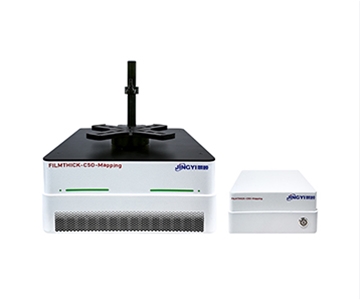
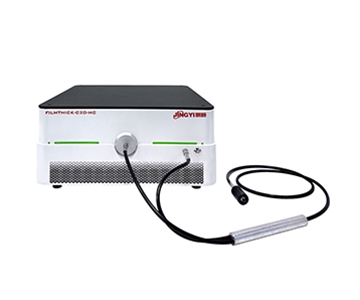
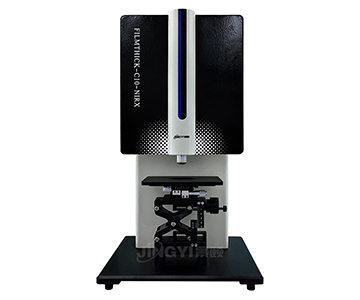
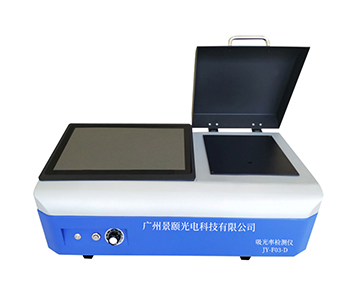
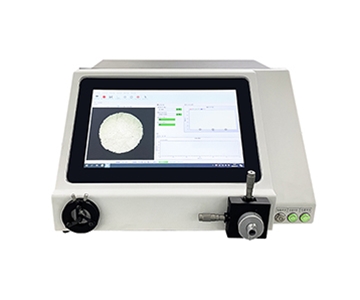
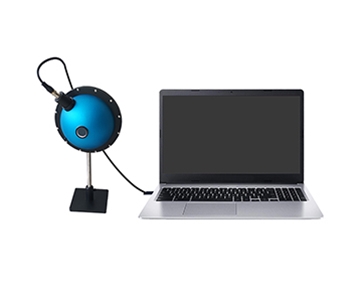
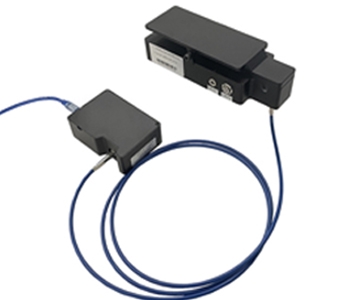
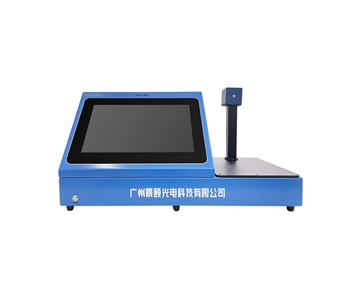
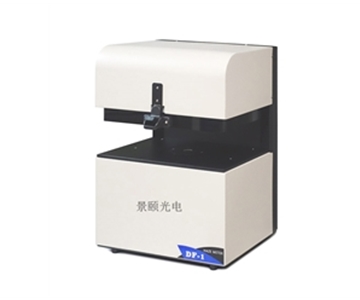
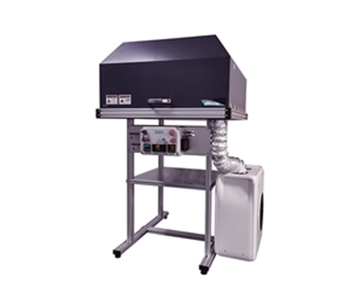
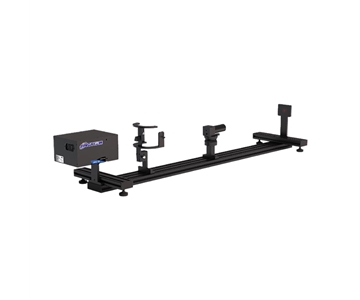
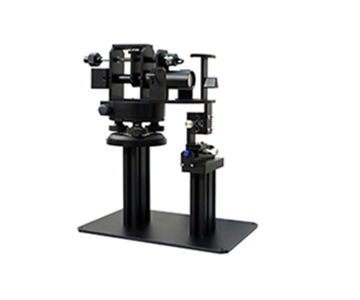
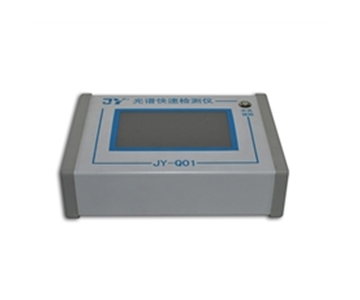
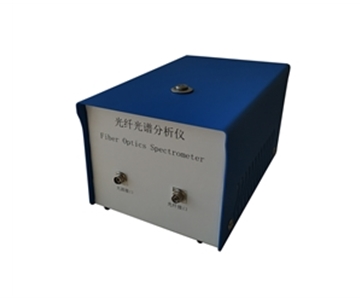
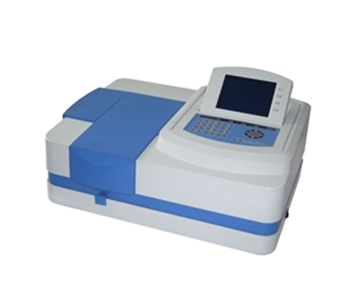
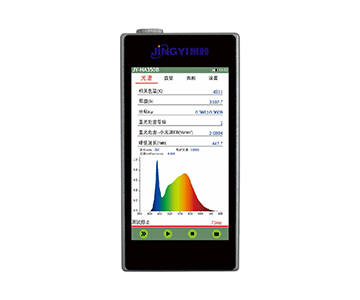
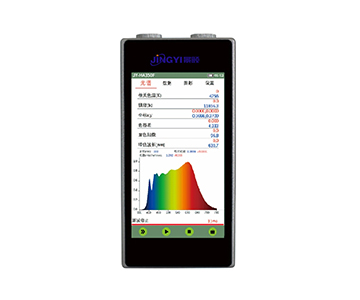
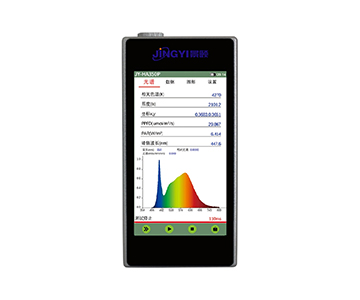
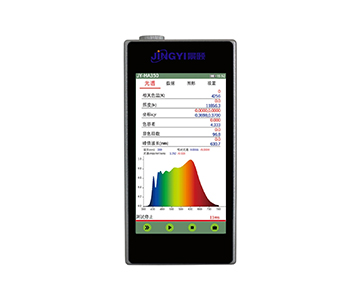
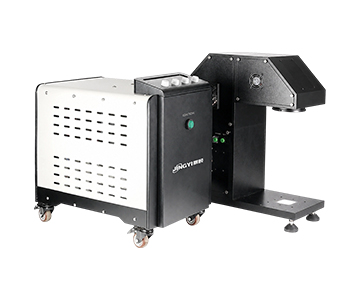
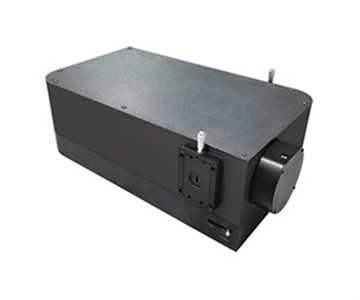
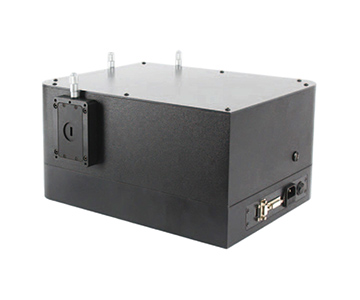
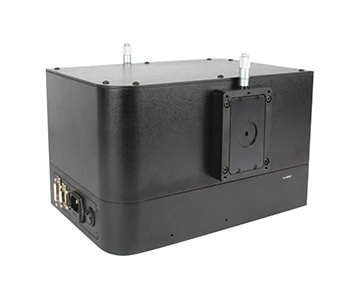
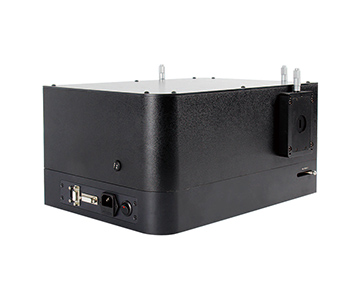
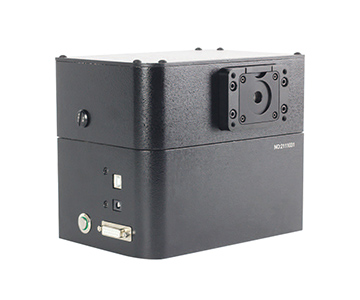
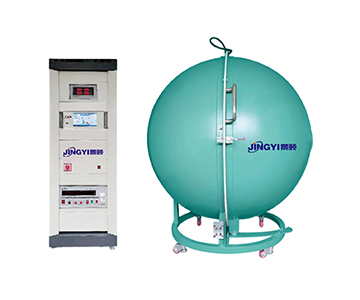
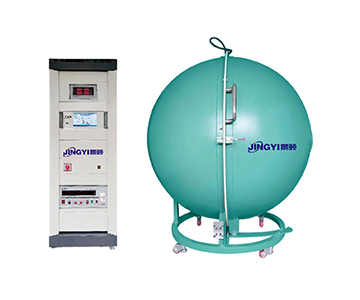
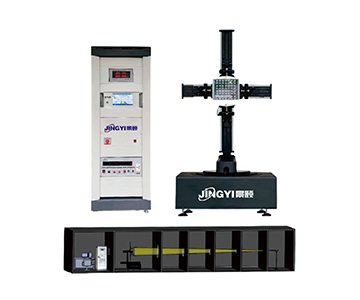
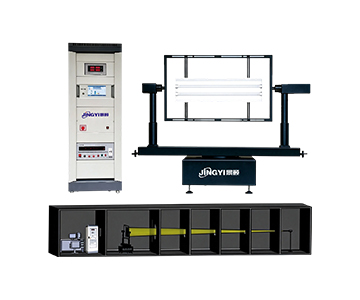
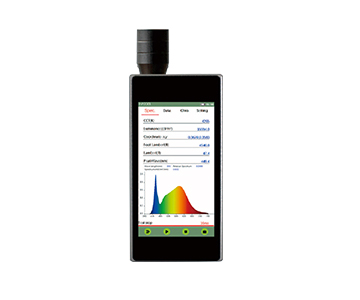
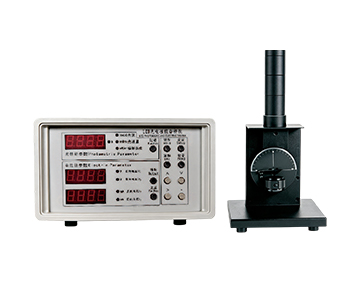
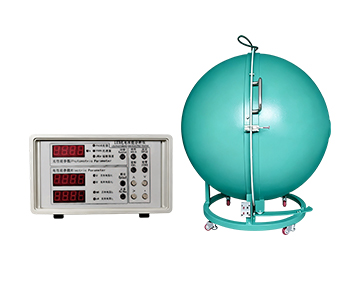
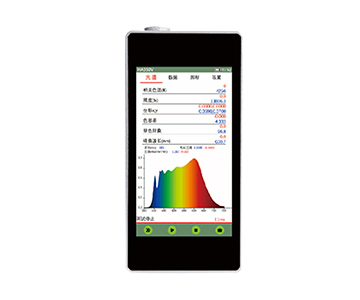
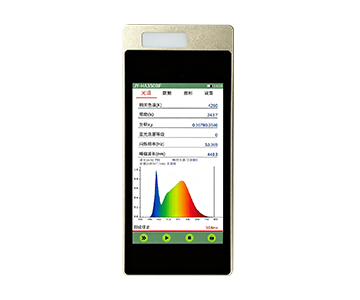
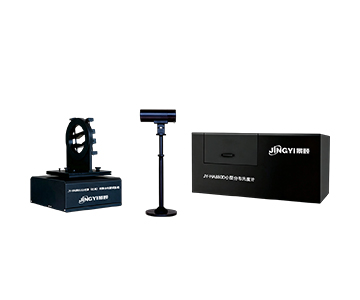
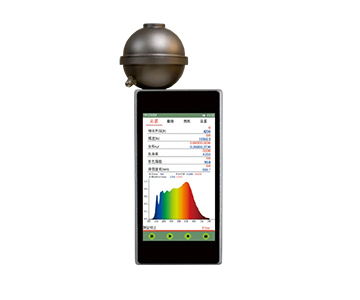
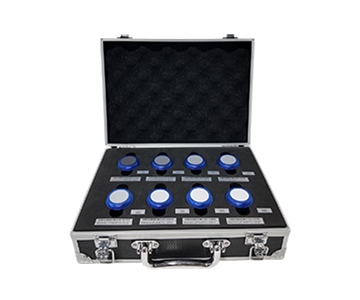
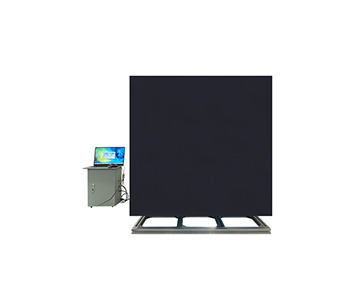
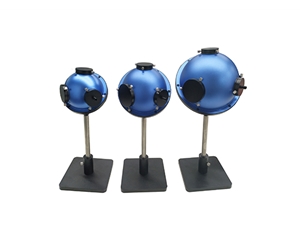
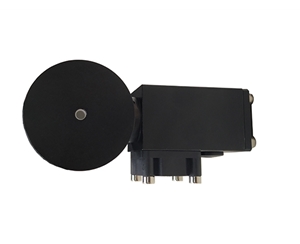
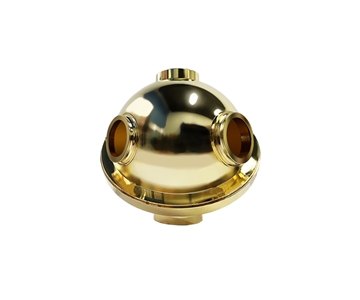
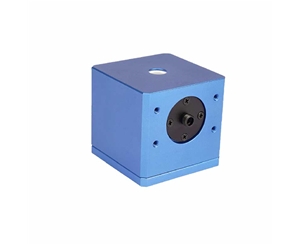
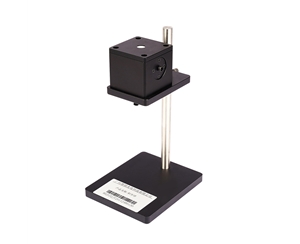
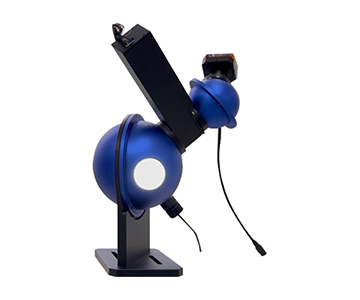
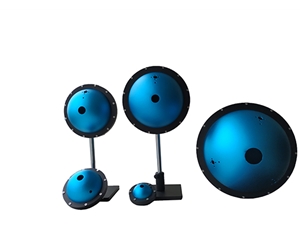
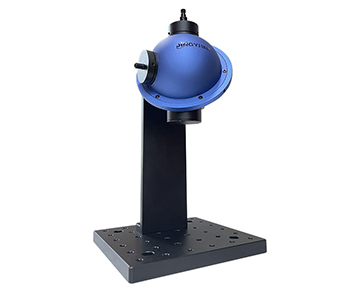
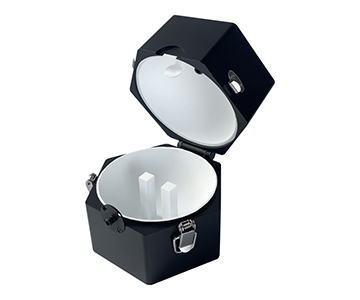
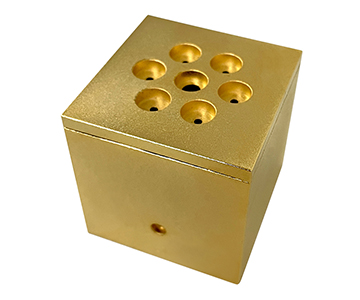
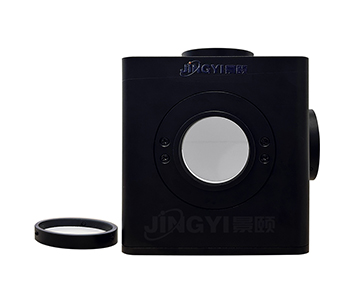
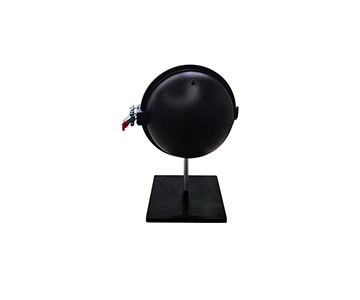
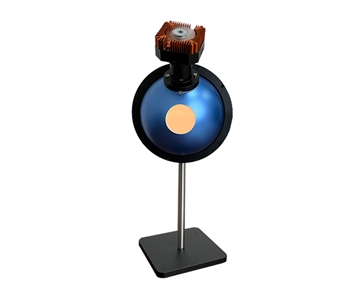
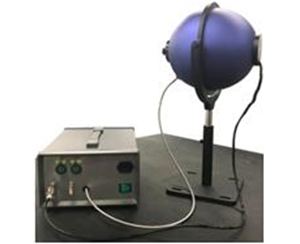
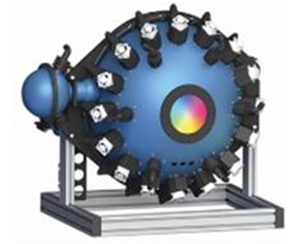
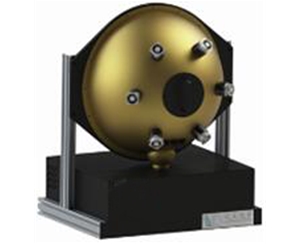
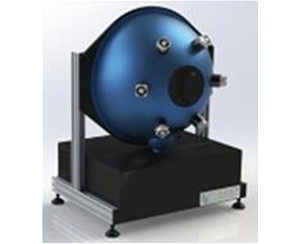
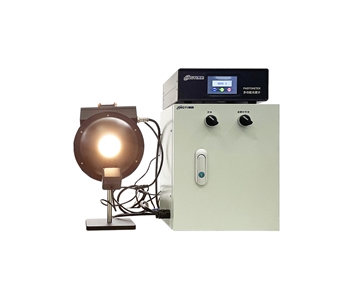
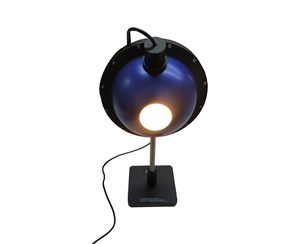
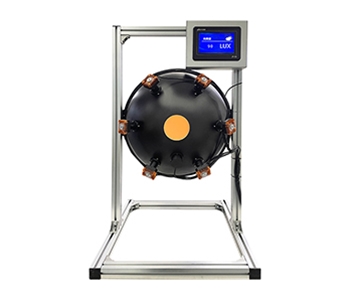
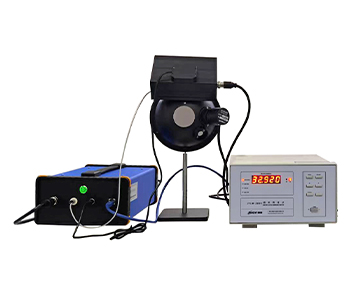
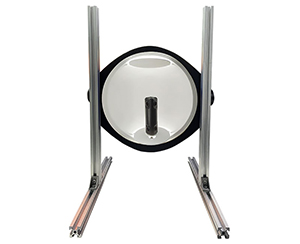
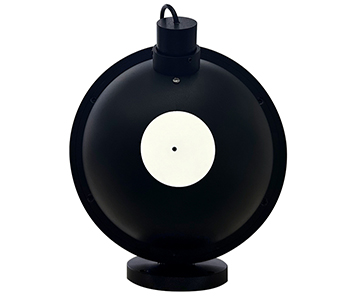
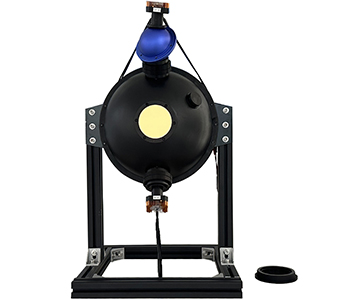
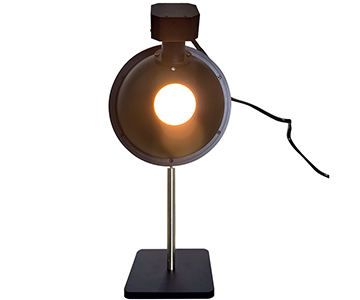
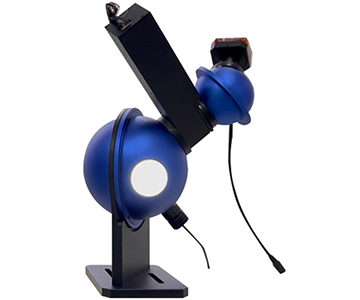
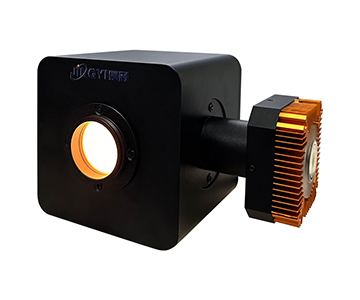
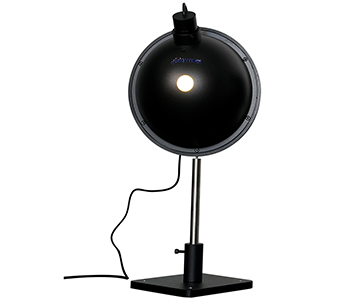
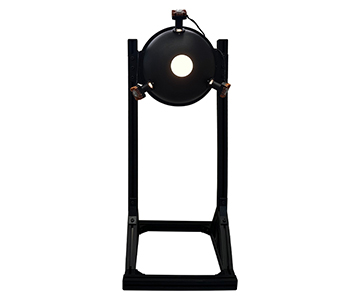
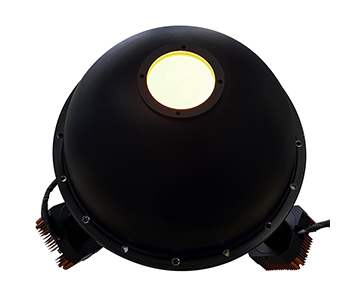
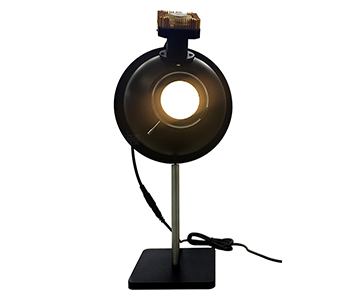
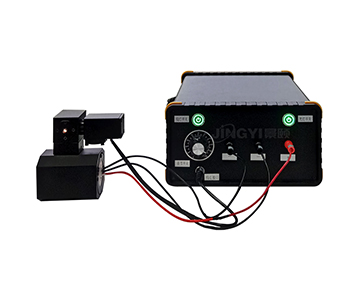
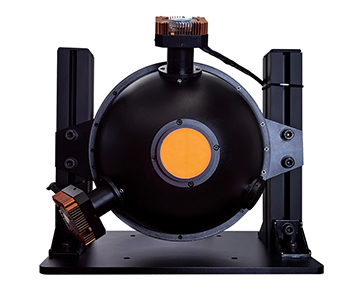
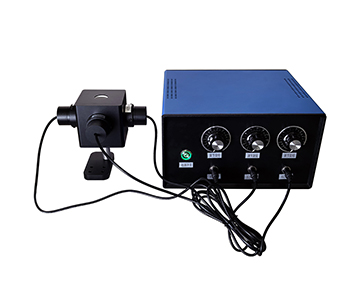
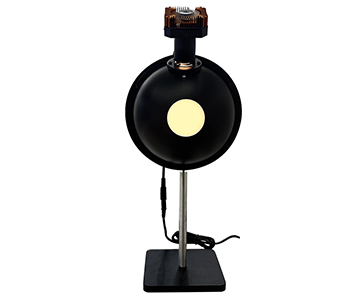
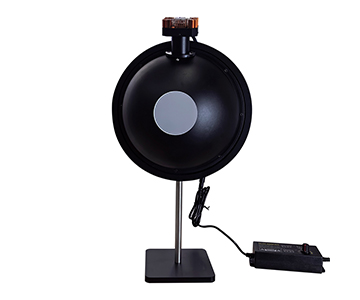
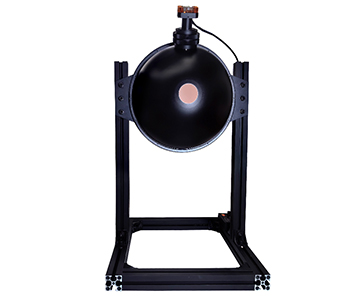
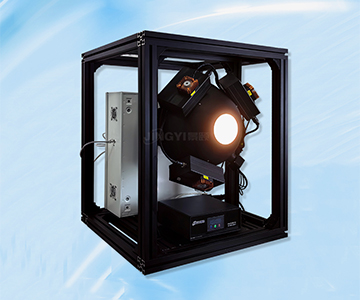
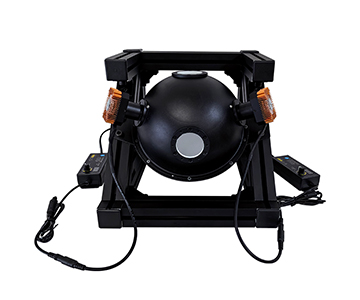
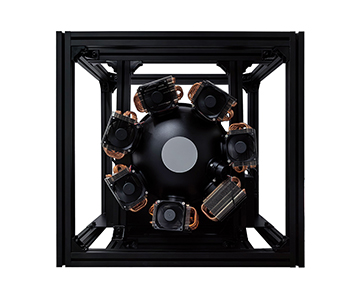
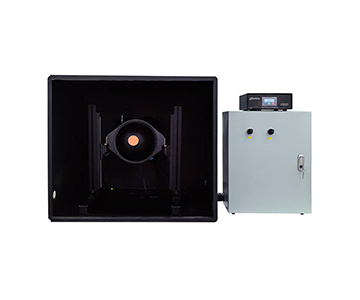
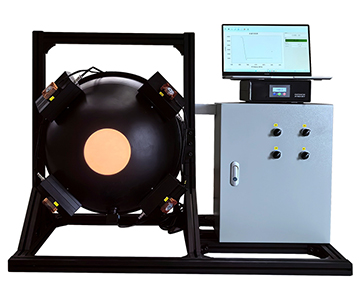
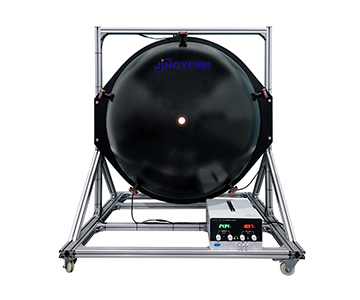
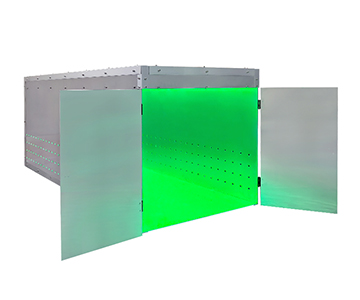
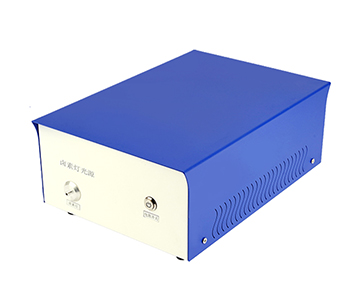
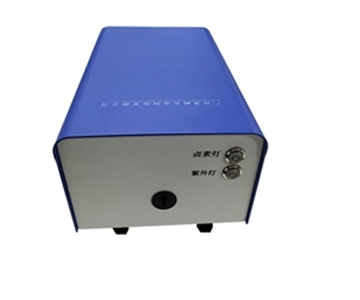
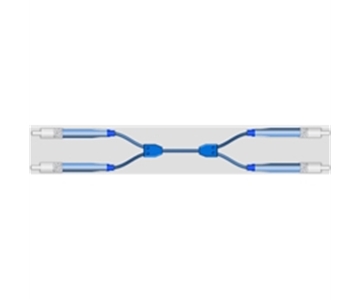
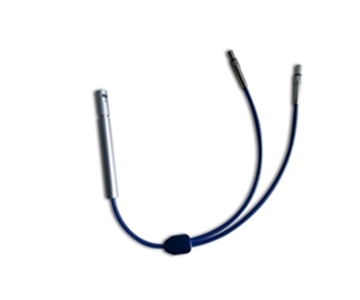
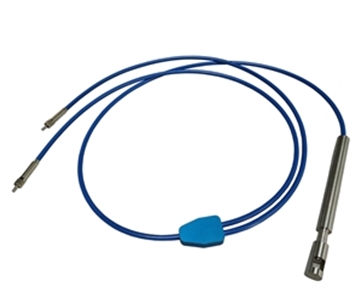
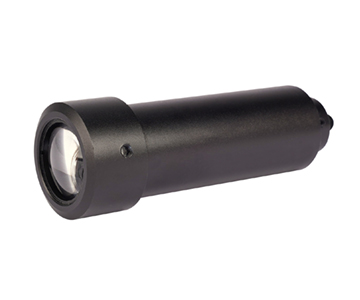
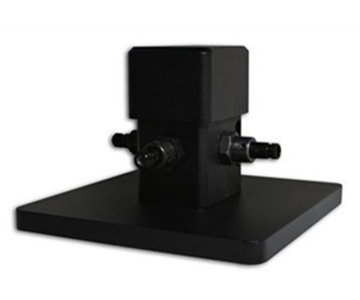
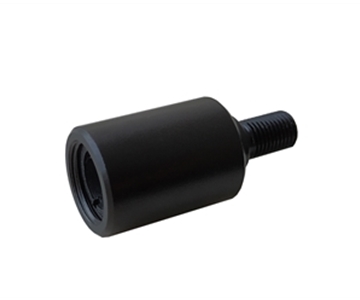
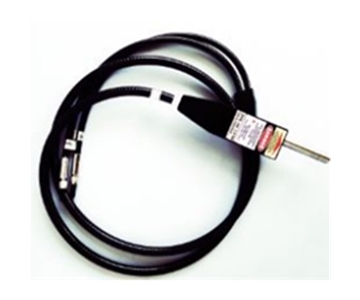
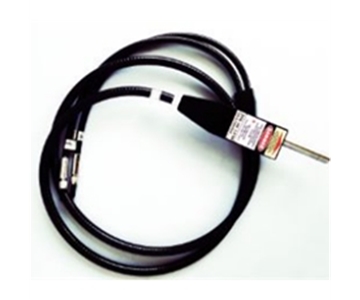
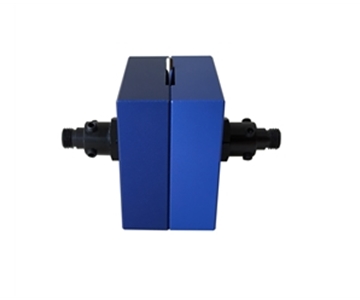
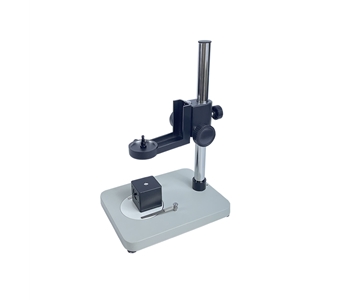
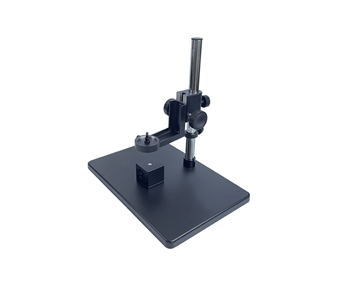
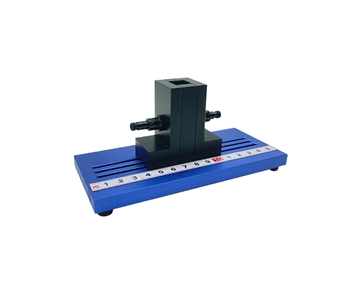
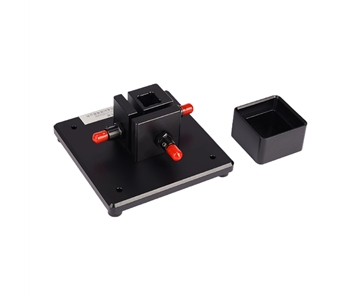
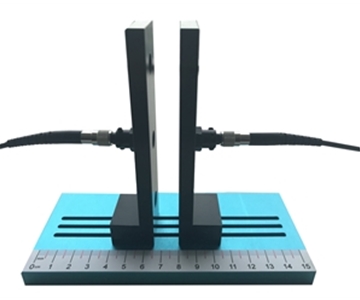
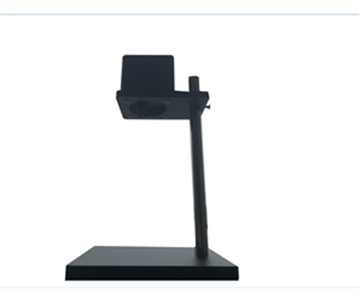
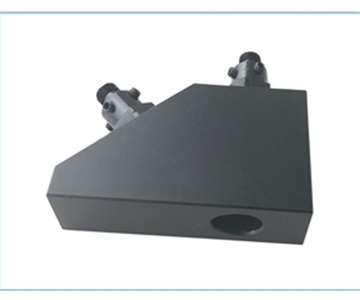
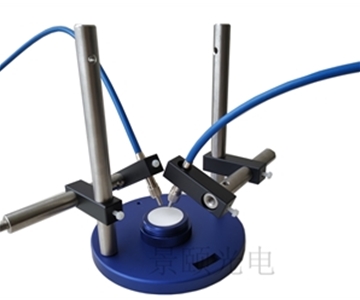
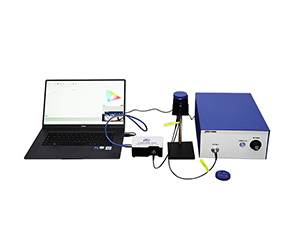
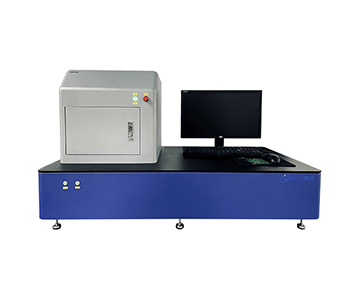
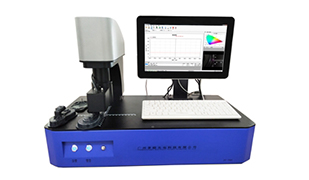
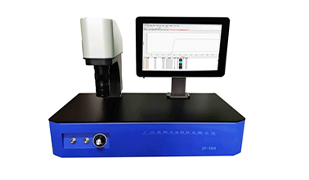
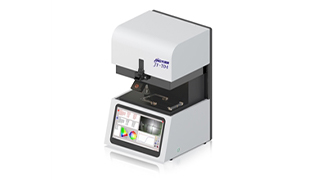
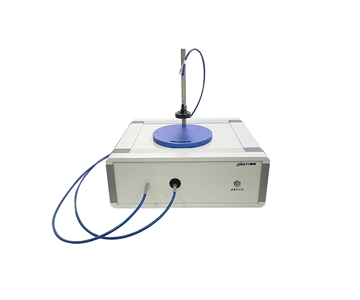
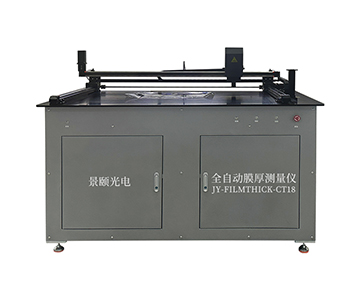
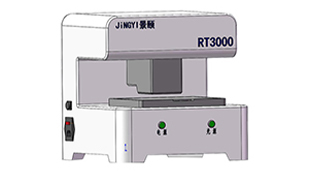
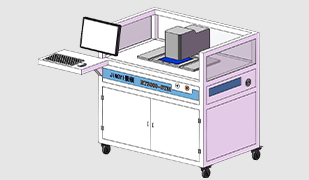
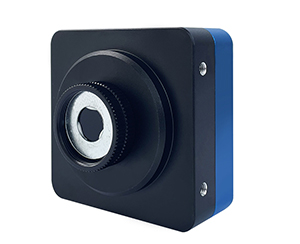
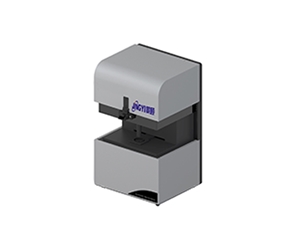
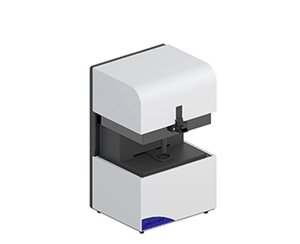
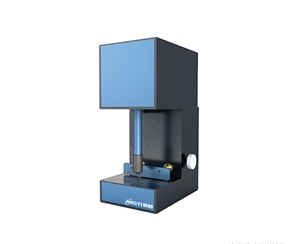
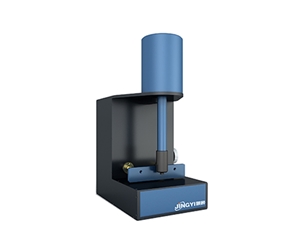
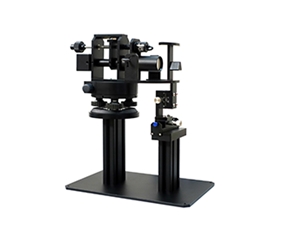
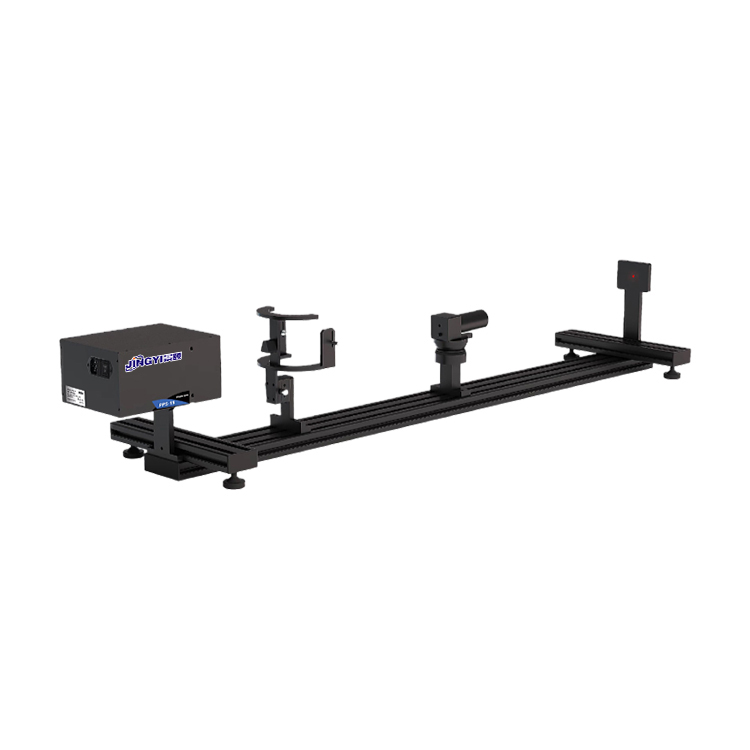
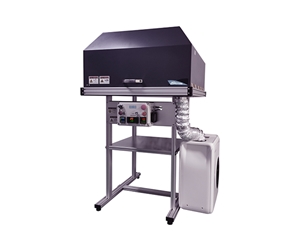
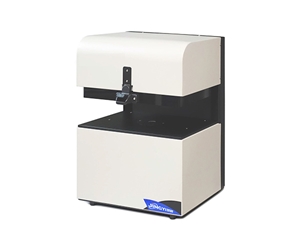
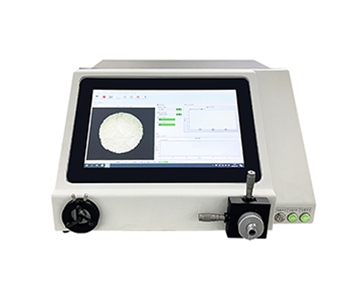
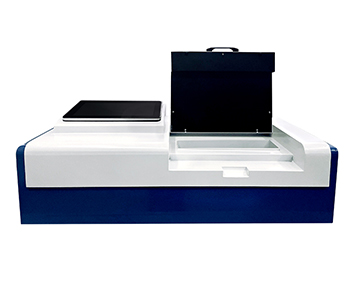
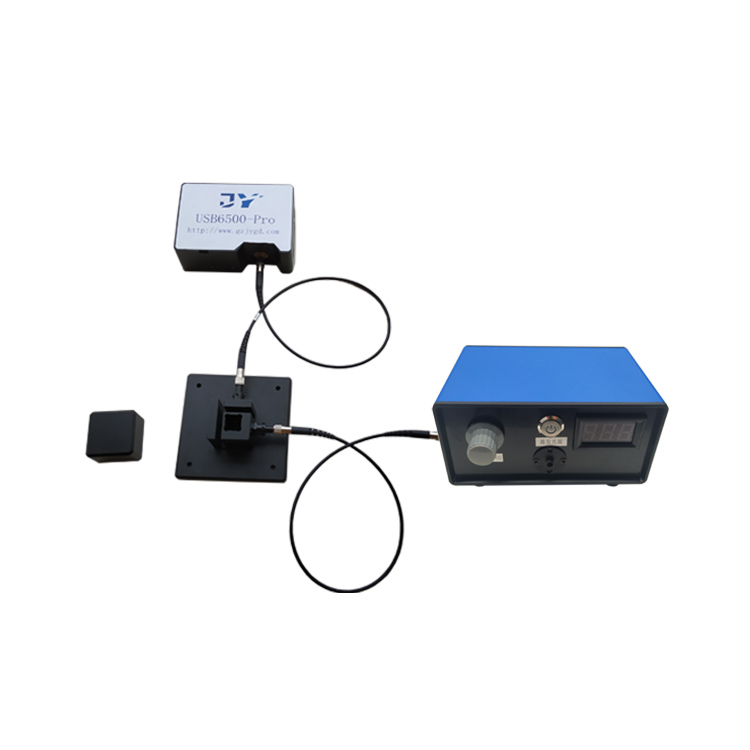
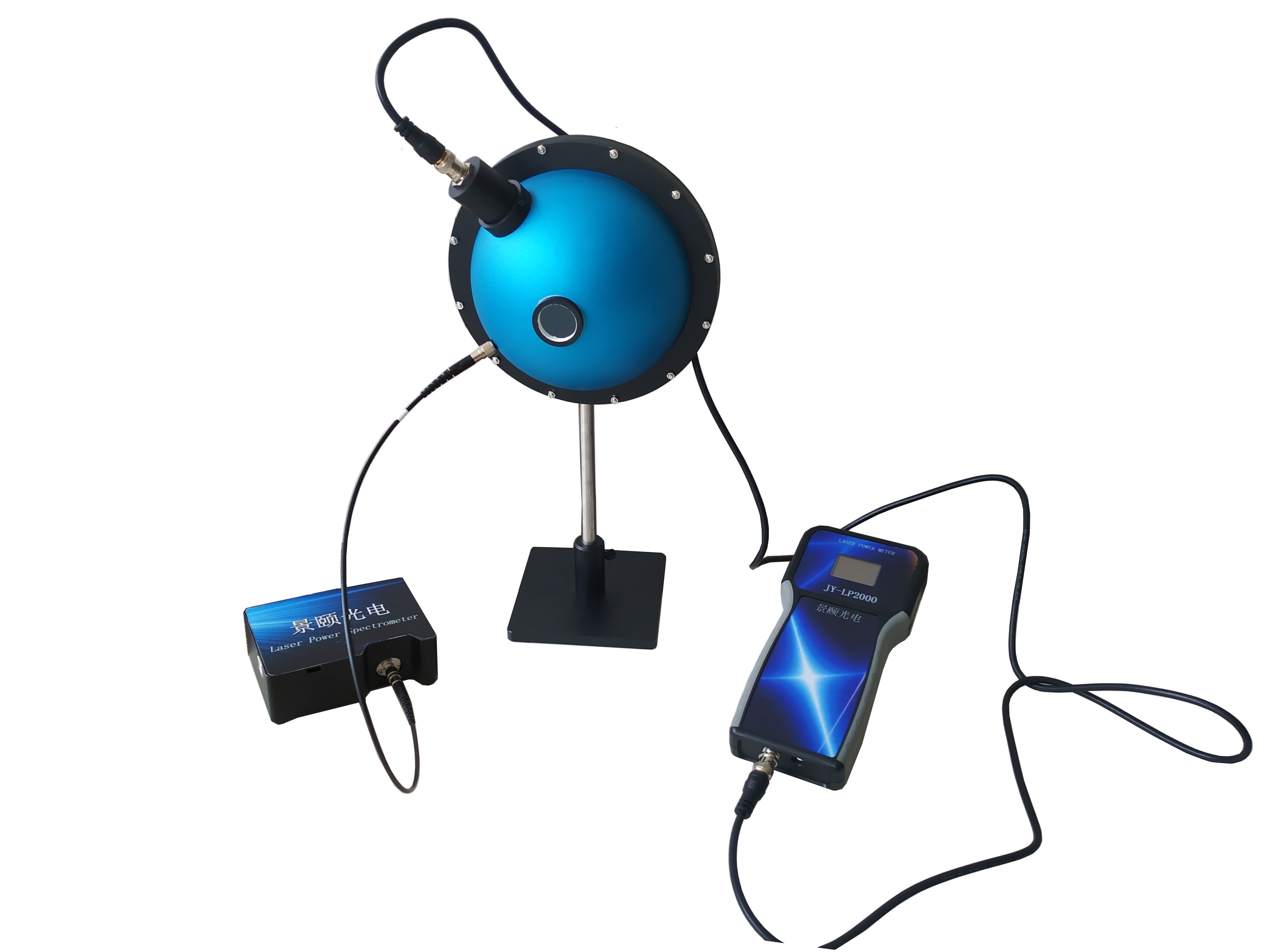
Meeting the unique demands of fresh produce applications, Jingyi Optoelectronics’ Reflectance Analyzer employs an integrating sphere-based diffuse reflectance measurement architecture. It enables millisecond-level, simultaneous full-spectrum (200–2500 nm) reflectance detection, with light-source output stability better than ±0.1% per hour. Measurement angles are customizable to suit varying conveyor-line configurations. All performance parameters comply strictly with national testing standards—effectively resolving measurement inaccuracies commonly caused by heterogeneous sample surfaces. In contrast to standard fiber-optic reflectance probes—capable of acquiring only a single-point signal—the integrating sphere design collects diffuse reflectance light from multiple angles. This improves signal representativeness by 45% per acquisition, eliminating the need for repeated measurements on the same fruit and significantly boosting throughput for high-volume sorting operations.
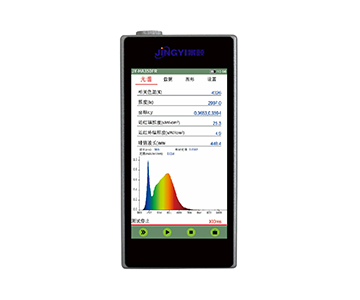
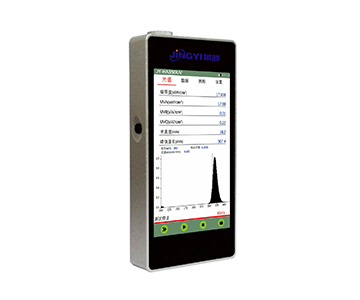
We conducted a seven-day longitudinal tracking study using three common fruits—banana, apple, and citrus. Results show that visual inspection detects browning on banana peels only on Day 5 post-harvest. In contrast, the Reflectance Analyzer’s reflectance curves revealed pronounced shifts in key spectral features as early as Day 3: a distinct moisture-related peak at 1400–1550 nm and a pectin-related peak at 1150 nm. This enabled detection of the ripeness inflection point 48 hours earlier than human observation—providing ample lead time for logistics planning and distribution optimization. Coupled with the instrument’s built-in automated feature-peak extraction algorithm, no additional chemometric modeling or secondary development is required; maturity grading results are generated directly, achieving an accuracy of 96.2%—substantially outperforming manual sorting.
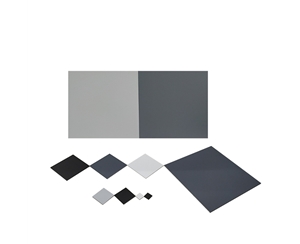
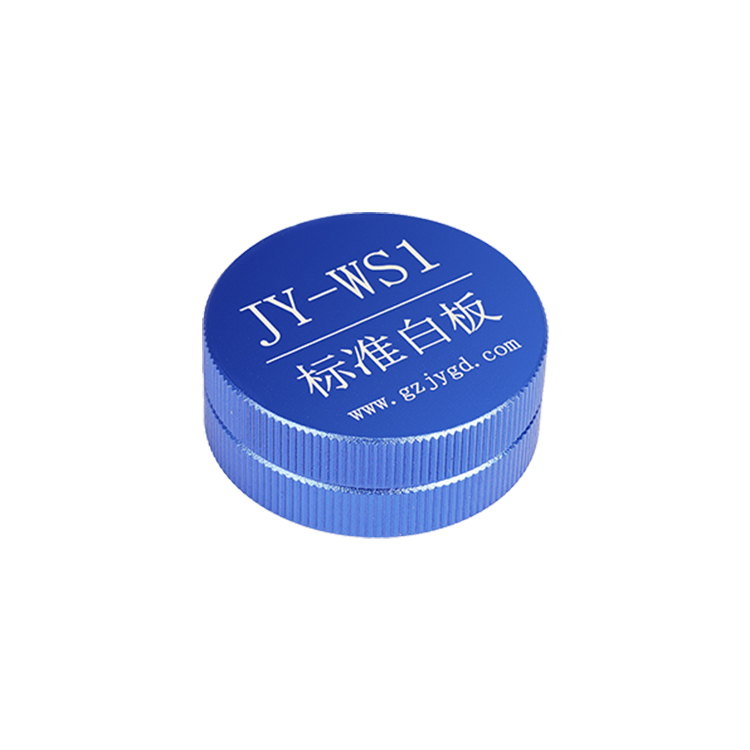
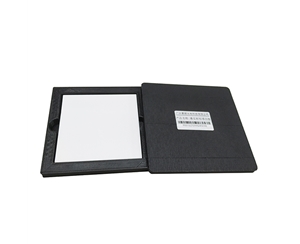
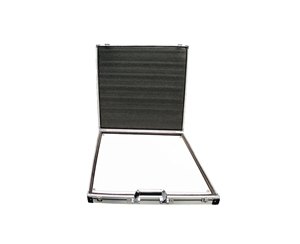
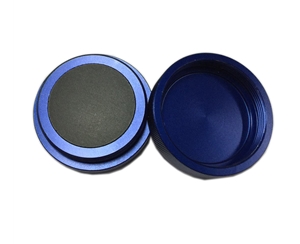
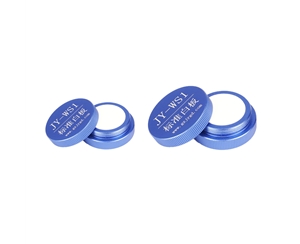
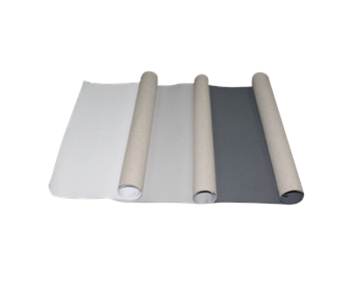
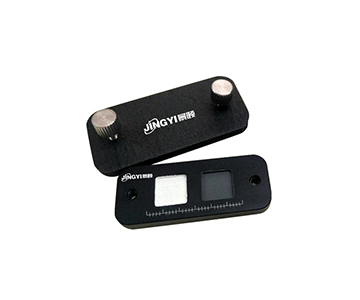
The entire workflow is exceptionally user-friendly. Jingyi Optoelectronics’ application-specific solution arrives pre-calibrated. After powering on, users need only wait three minutes for light-source stabilization and perform a single standard white-board calibration before operation. Each test requires just 0.3 seconds—fully supporting ultra-high-throughput sorting lines processing over 10,000 units per hour. Even frontline operators without specialized spectroscopic expertise can master the system rapidly.
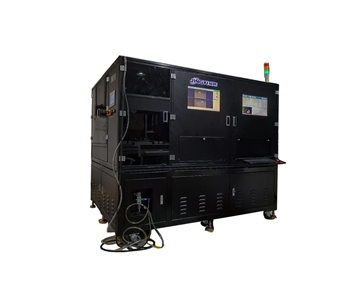
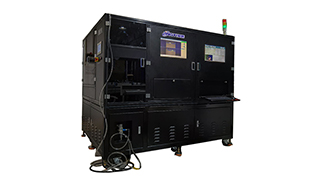
To date, Jingyi Optoelectronics’ NIR reflectance detection solution has been deployed on sorting lines across 17 major fresh-produce production regions in China, covering 21 common temperate and tropical fruit varieties. Clients report an average reduction of 21.7% in spoilage losses across their supply chains and a 32% increase in consumer satisfaction ratings regarding flavor quality. Beyond ripeness assessment, the system simultaneously measures multiple critical quality indicators—including soluble solids content (Brix), acidity, and internal browning—delivering comprehensive, multi-dimensional quality grading results from a single, non-destructive measurement.
#ReflectanceAnalyzer #ReflectanceMeter #ReflectanceTester #ReflectanceGauge #Reflectometer #CHT-F03ReflectanceAnalyzer