Comprehensive Guide to Compliance Testing of Automotive Rearview Mirror Reflectance: From Equipment Selection to Operation and Maintenance
With the continuous proliferation of intelligent cockpit configurations, anti-glare rearview mirrors have become standard safety components across passenger and commercial vehicles. The mandatory national standard GB 15084–2022 for motor vehicle rearview mirrors—implemented in 2022—introduces full-condition testing requirements for mirror reflectance. Conventional measurement devices, capable only of measuring a single reflectance value under ambient temperature conditions, can no longer meet compliance testing demands. As a result, many automotive parts manufacturers face challenges in product certification due to incomplete test coverage and insufficient measurement accuracy.
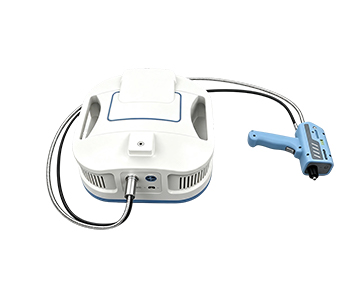
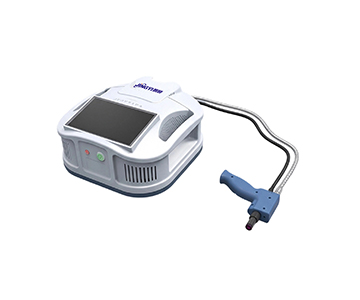
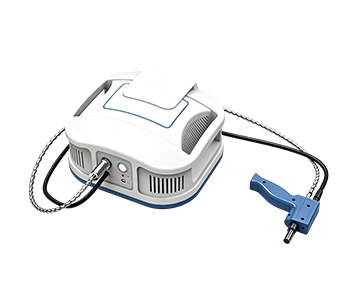
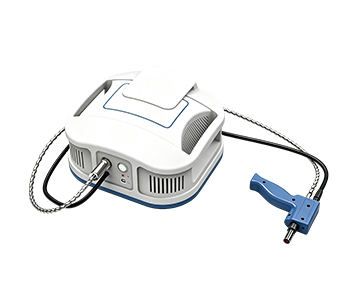
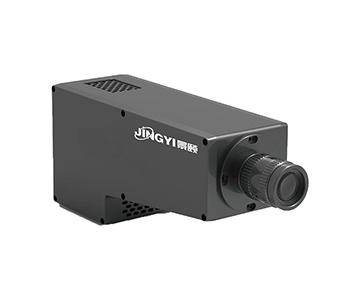
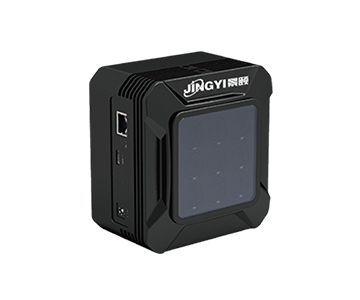
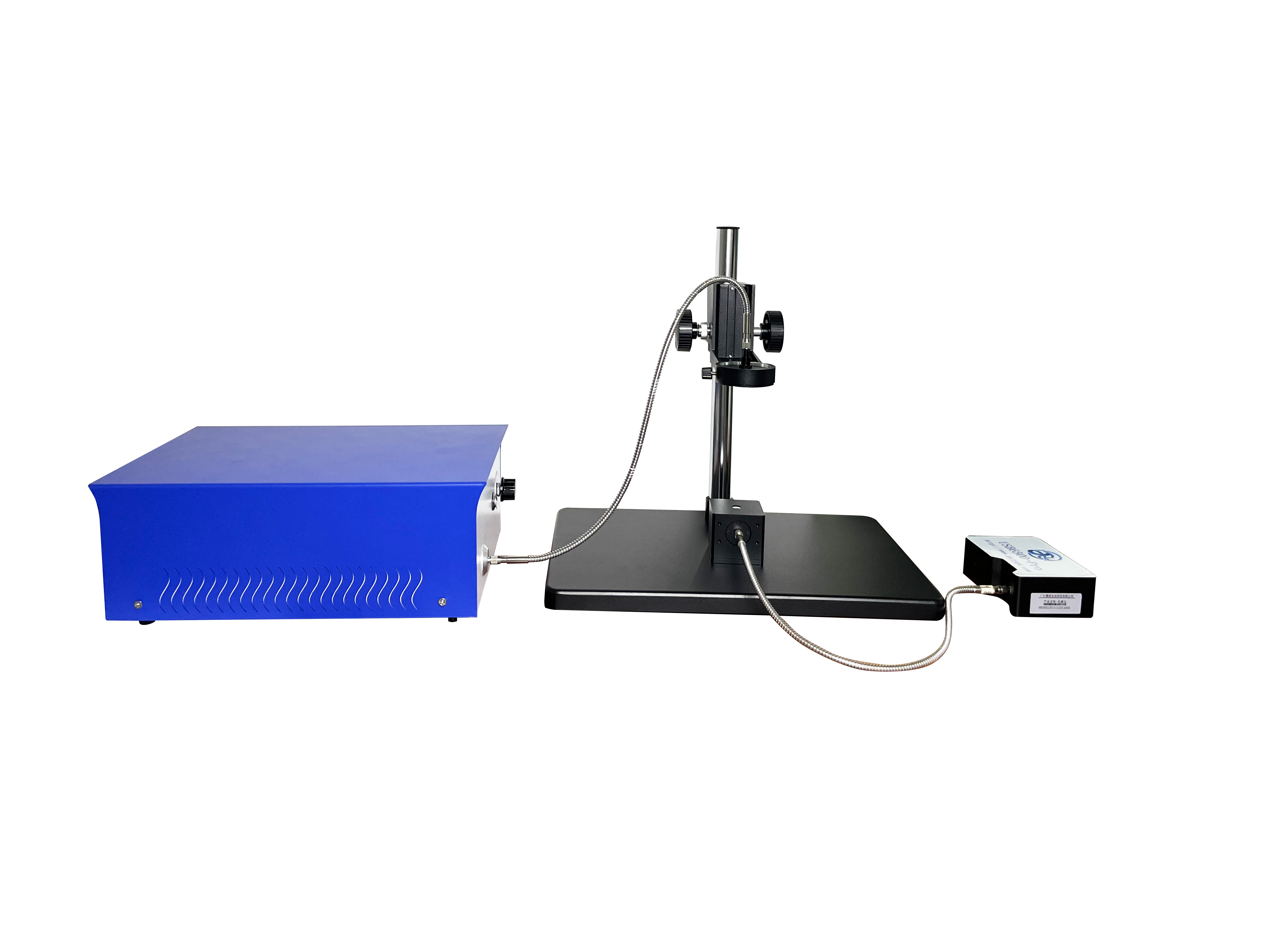
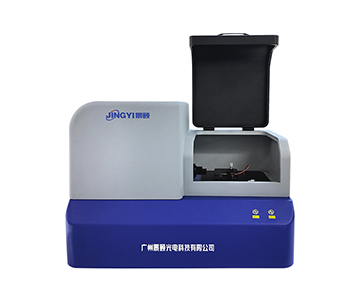
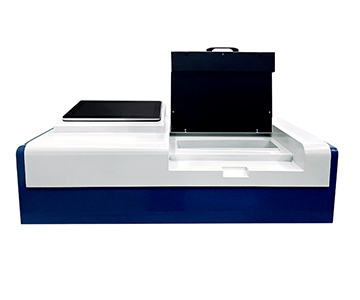
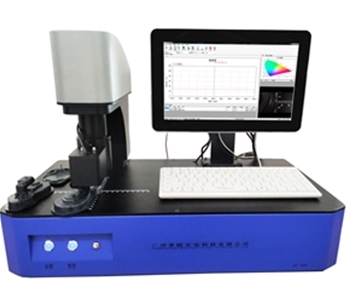
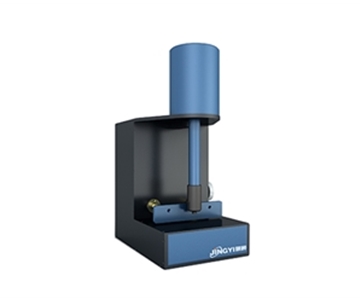
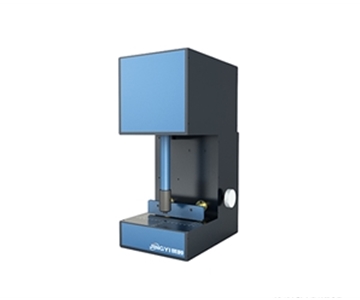
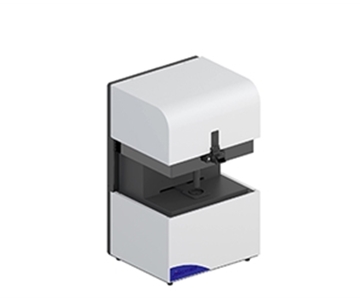
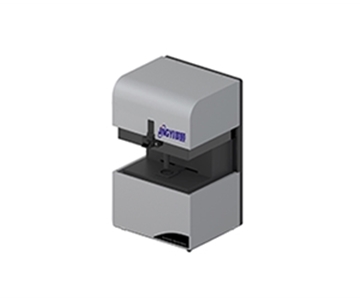
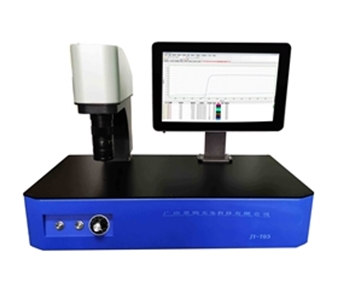
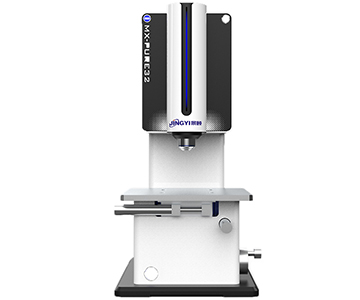
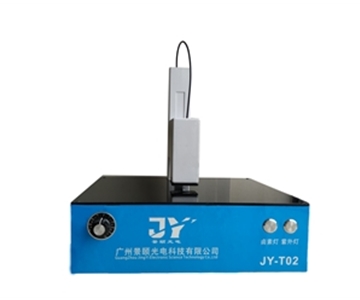
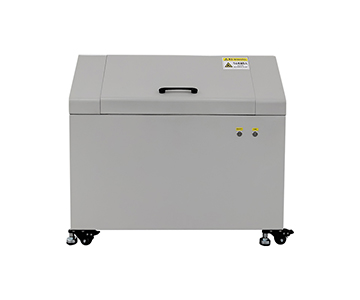
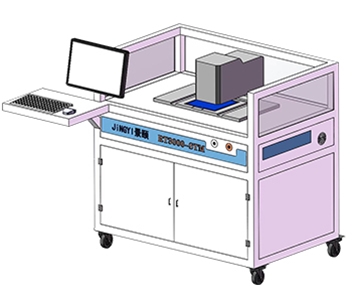
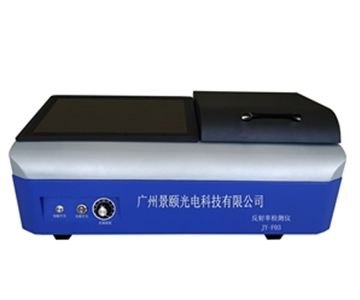
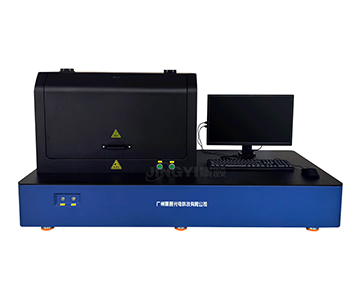
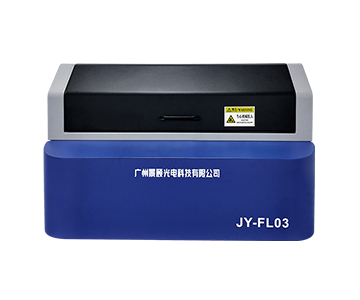
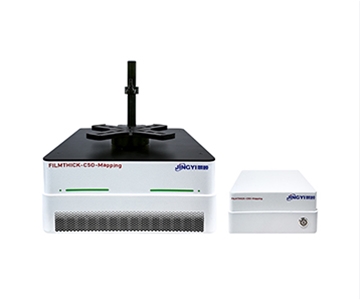
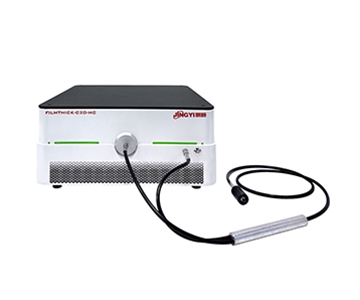
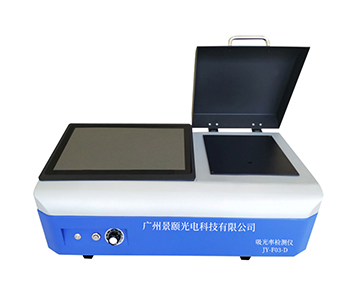
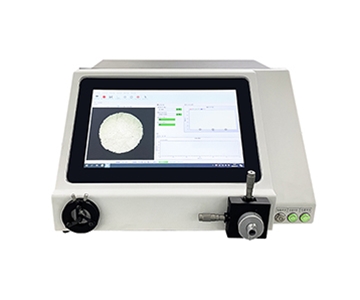
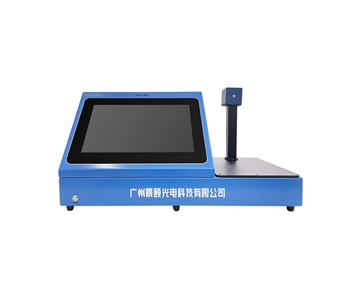
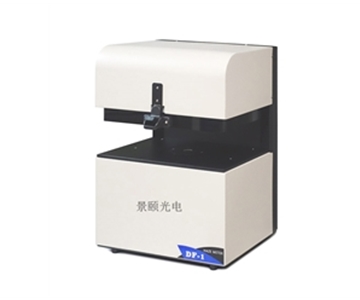
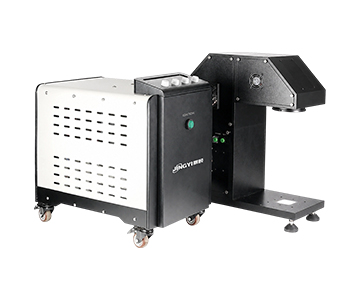
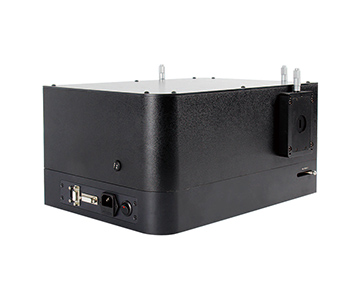
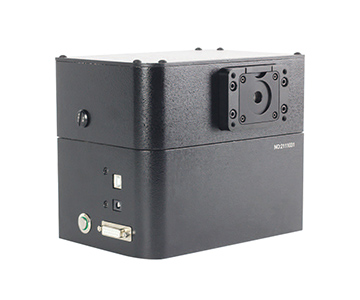
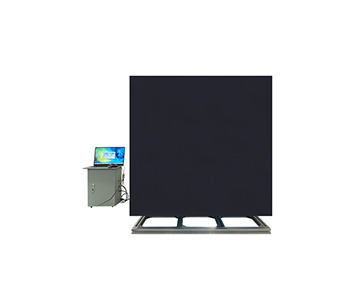
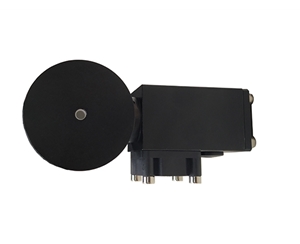
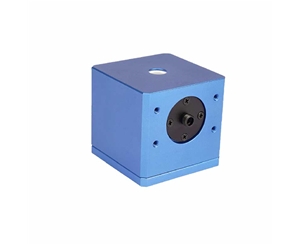
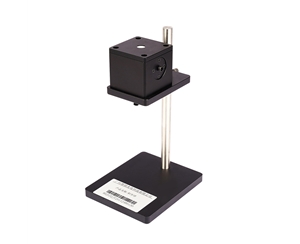
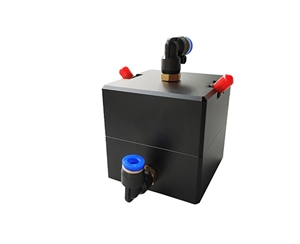
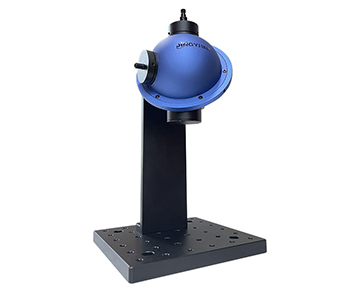
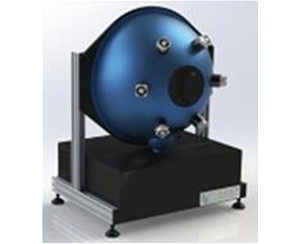
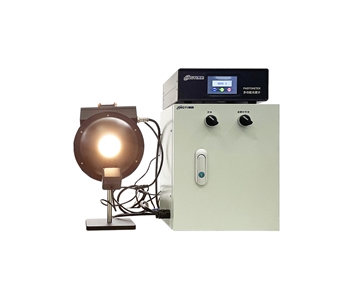
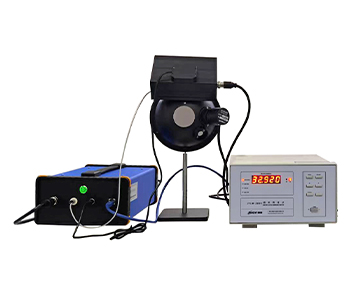
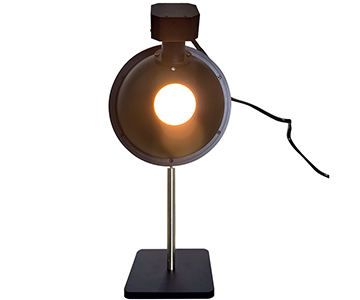
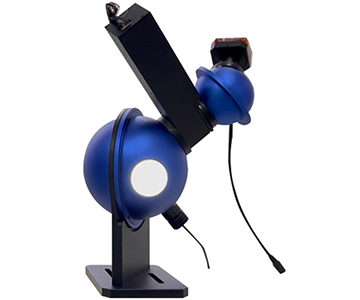
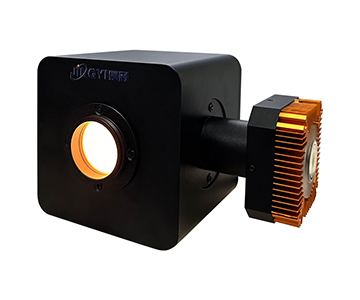
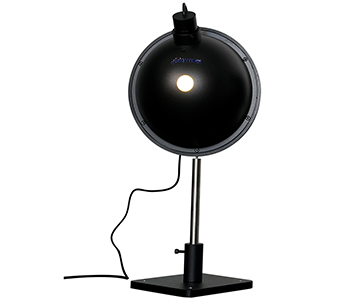
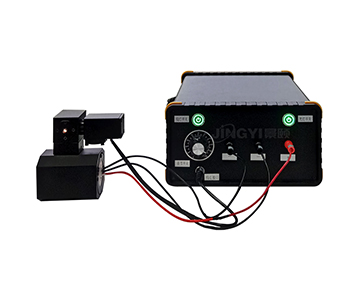
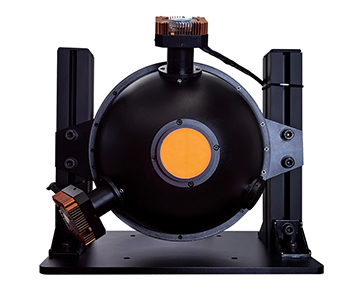
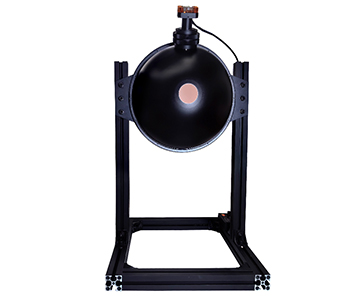
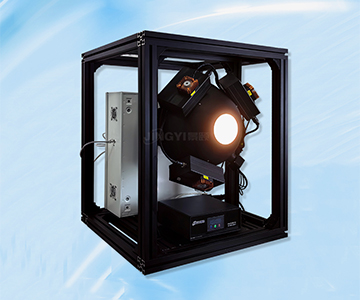
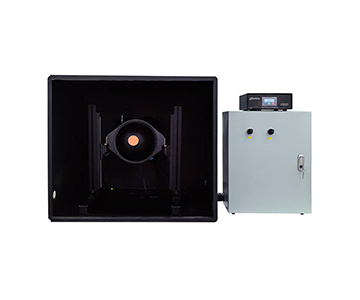
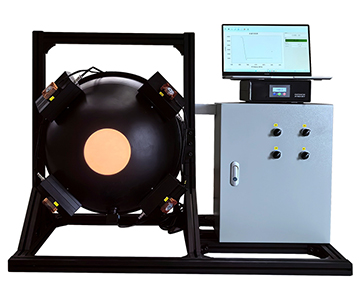
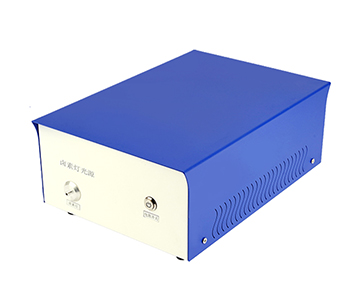
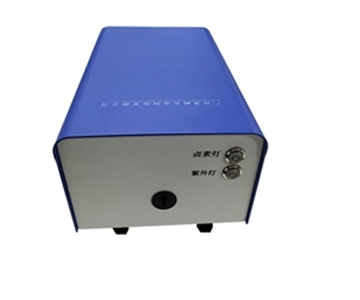
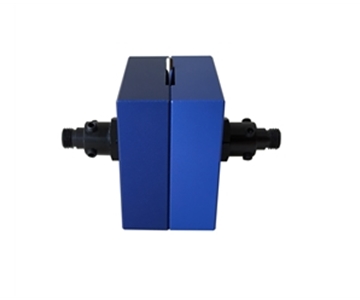
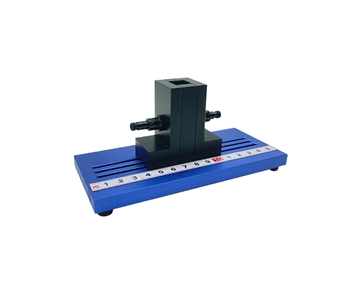
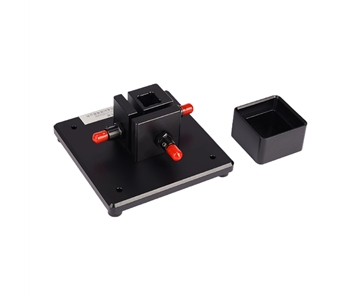
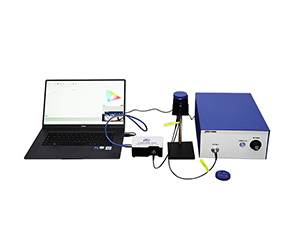
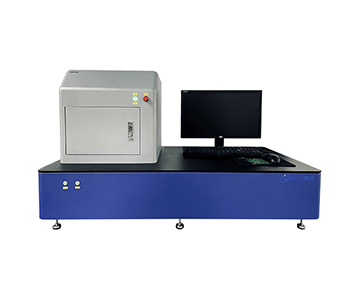
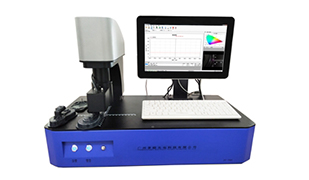
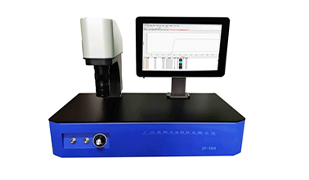
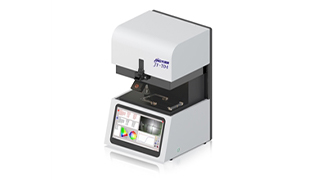
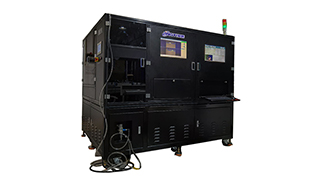
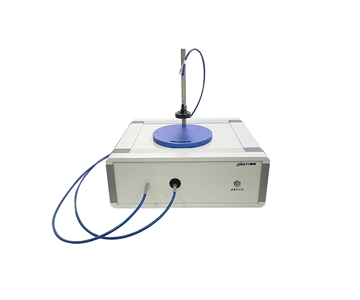
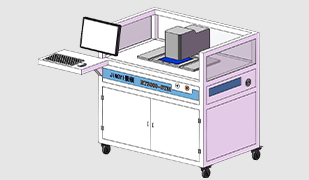
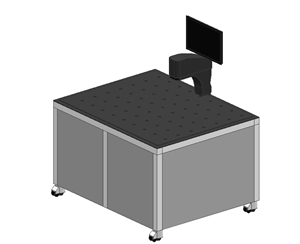
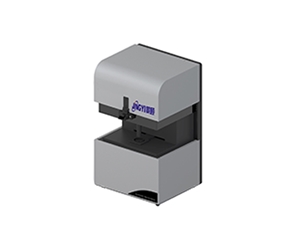
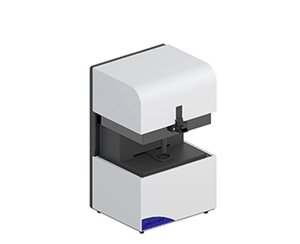
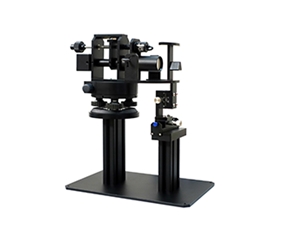
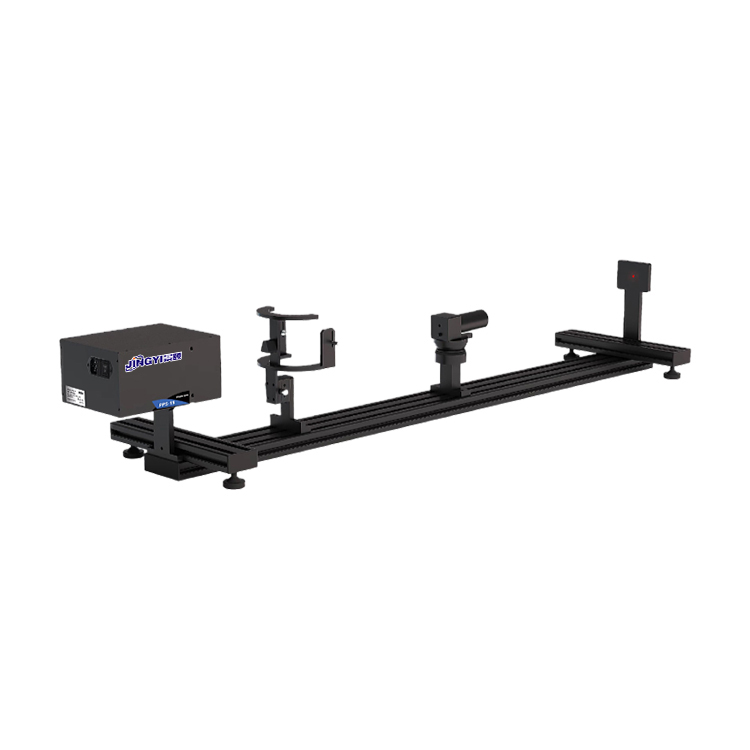
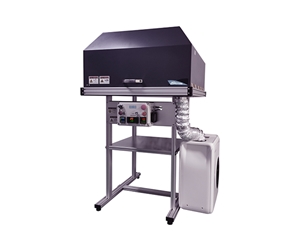
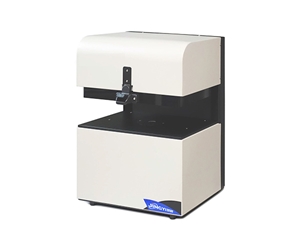
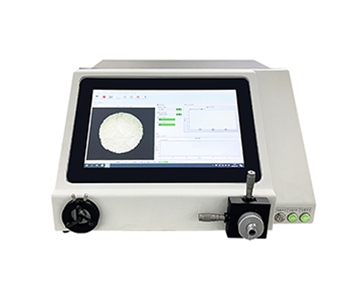
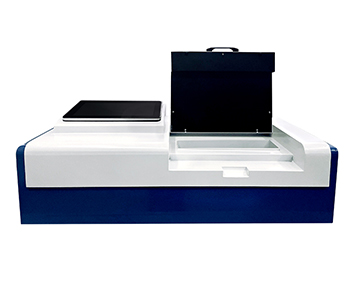
To address this industry pain point, Jingyi Optoelectronics has developed the JY-RMC20-A Reflectance Measurement Instrument—a purpose-built solution fully aligned with the new national standard. Beyond basic ambient-temperature testing, the instrument integrates seamlessly with high-/low-temperature environmental chambers to support full-condition evaluation. It comprehensively covers all mandatory test parameters stipulated by the standard: absolute reflectance value; reflectance stability; switching response time under operating temperature; power-loss safety performance; reverse-gear scenario reflectance response speed; and ambient-temperature anti-glare characteristics. To date, it remains one of the few commercially available instruments fully compatible with all regulatory testing requirements for automotive rearview mirrors.
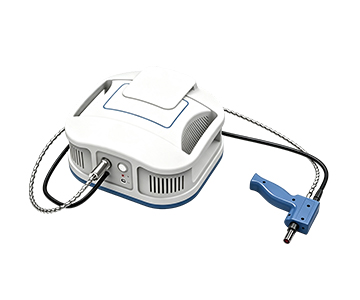
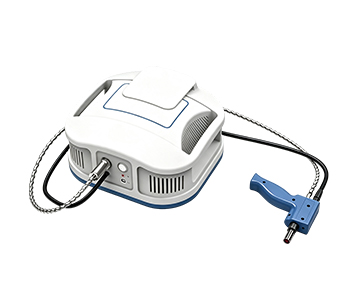
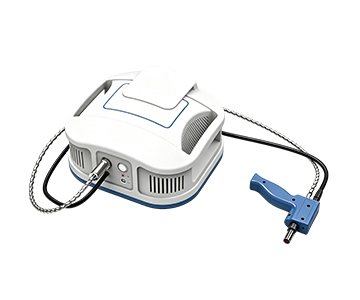
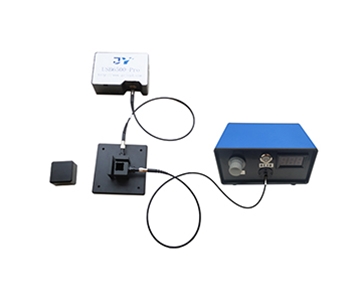
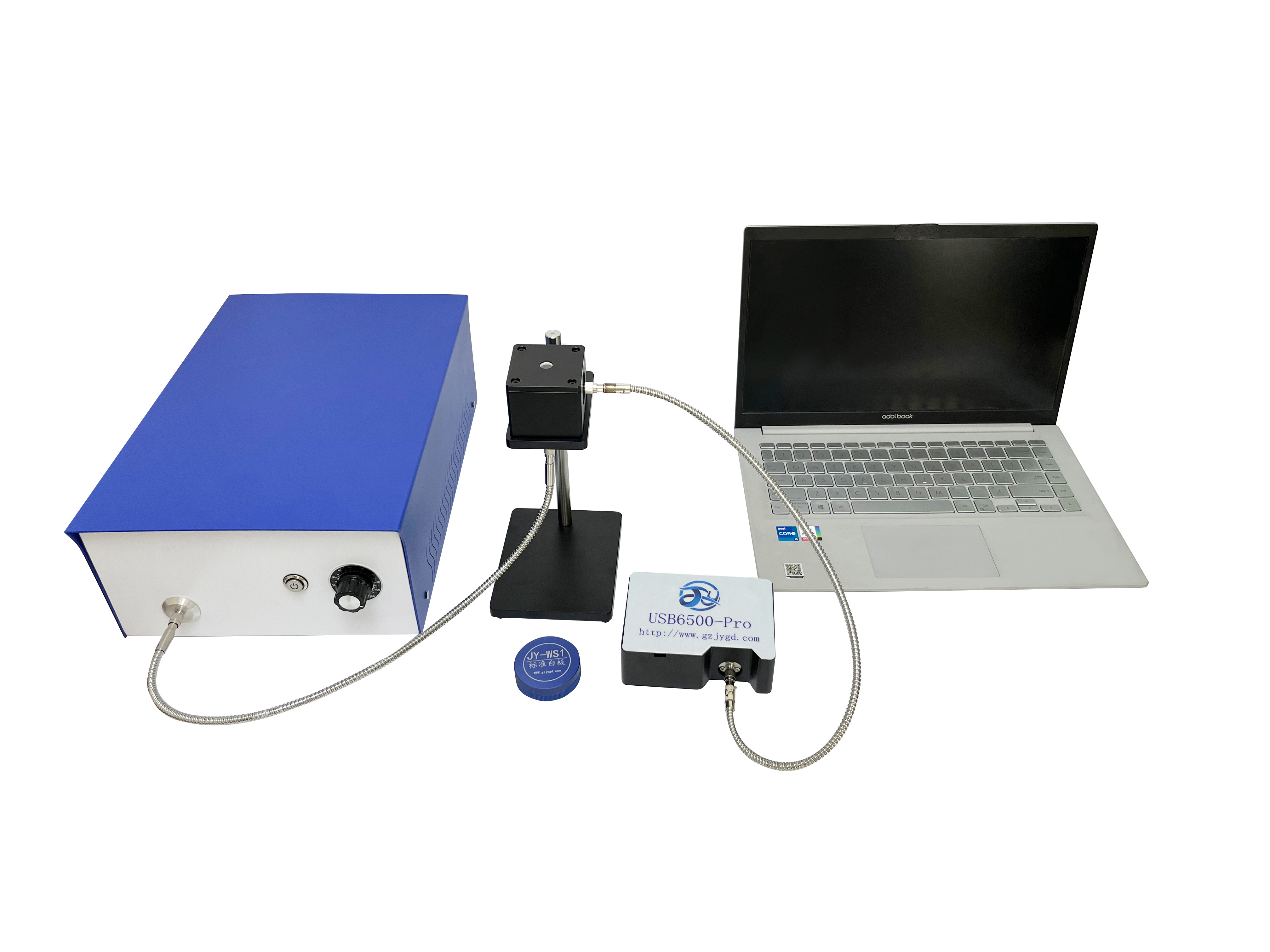
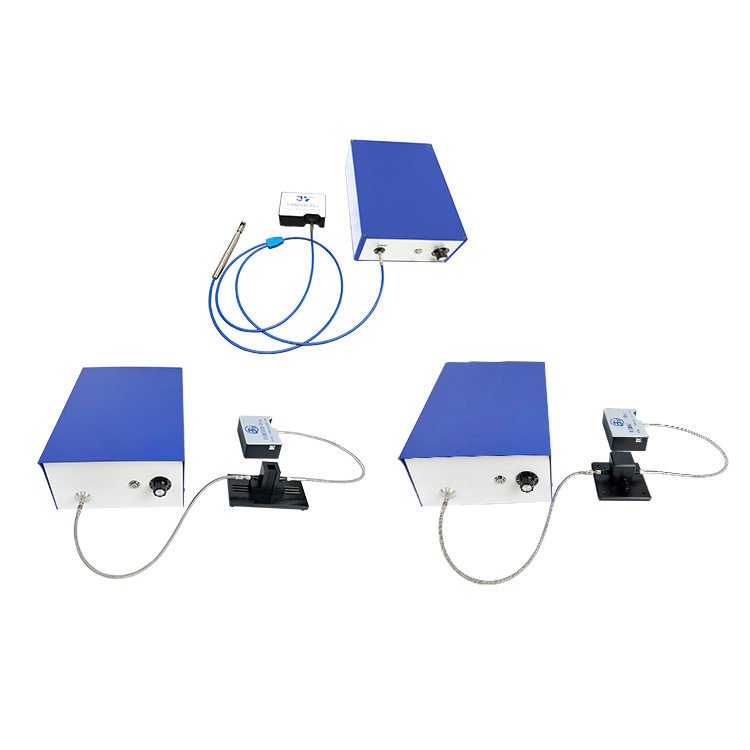
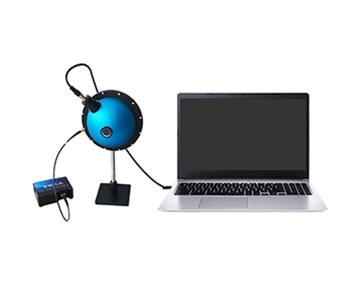
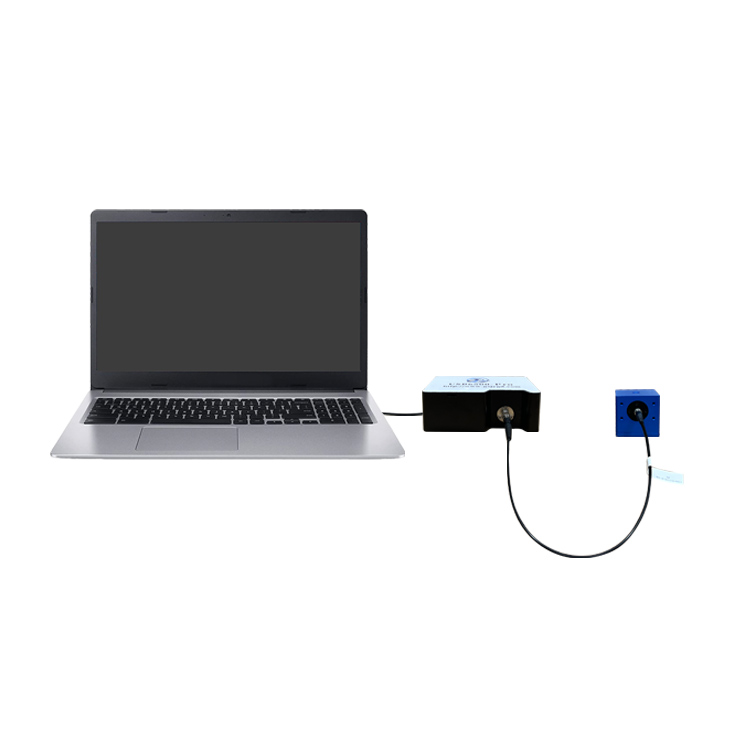
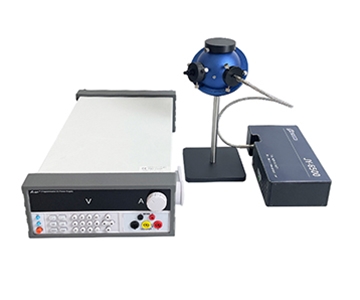
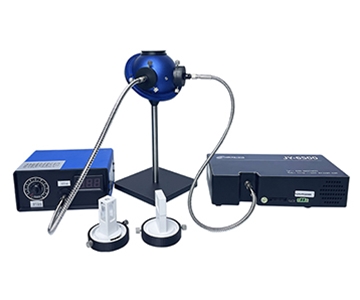
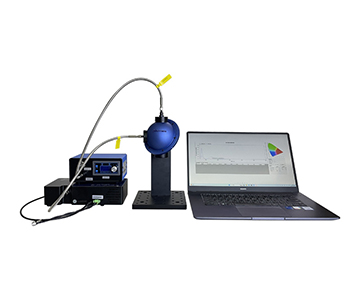
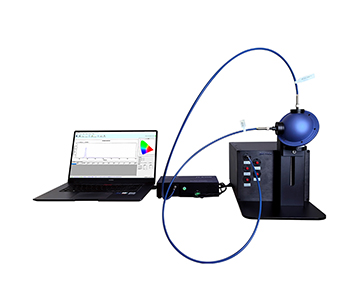
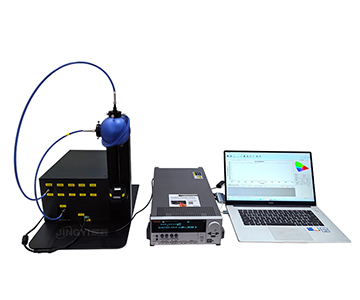
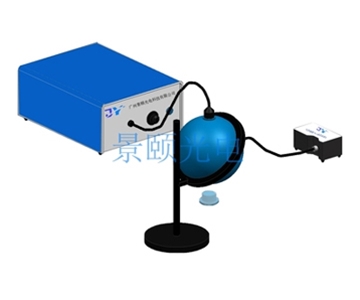
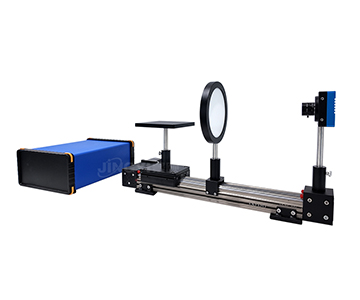
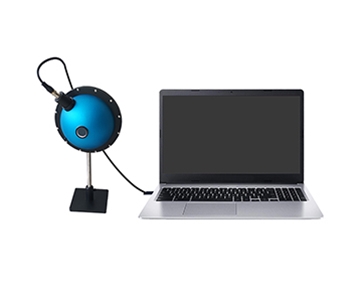
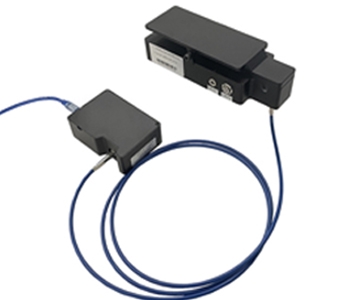
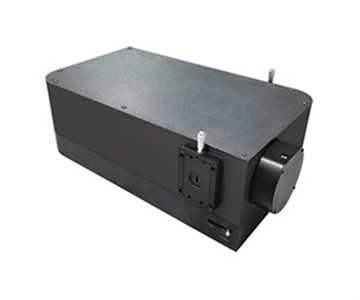
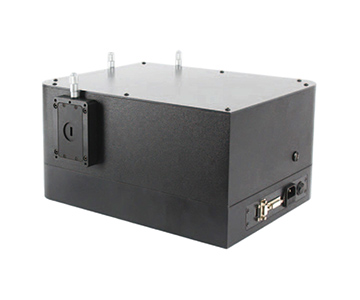
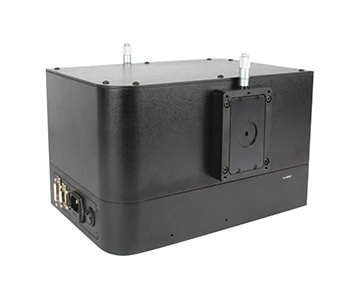
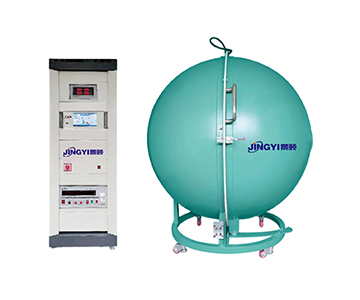
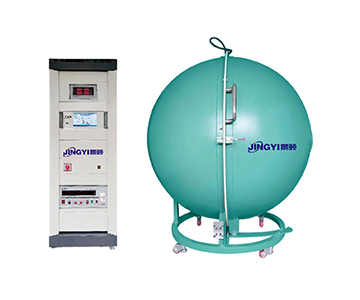
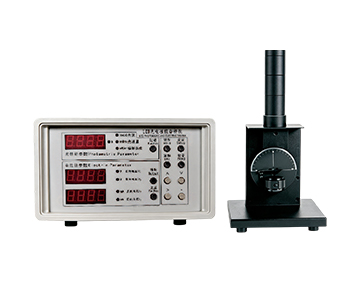
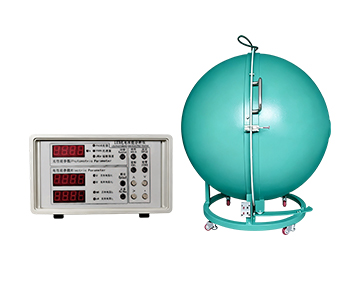
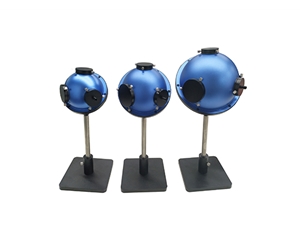
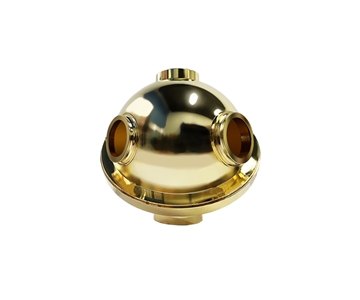
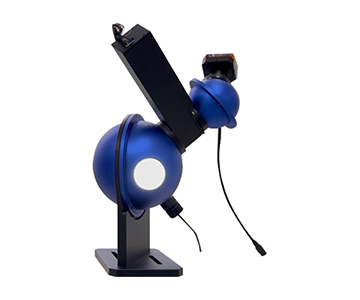
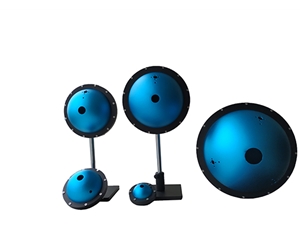
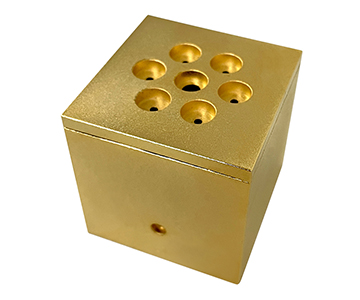
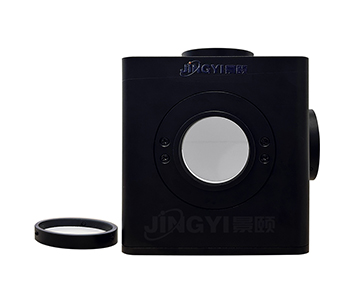
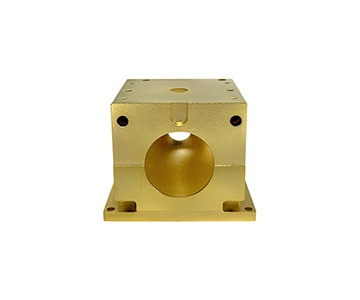
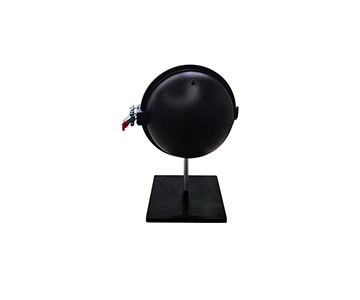
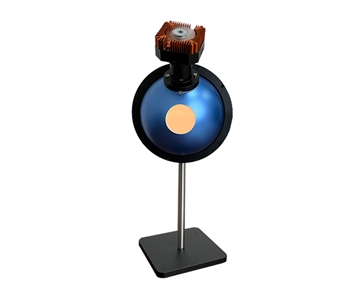
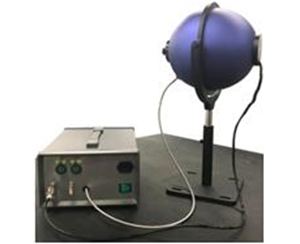
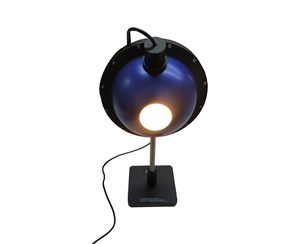
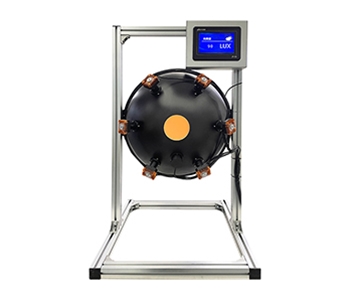
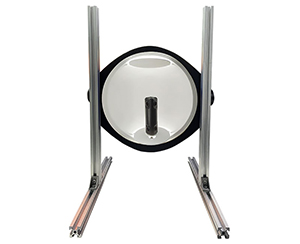
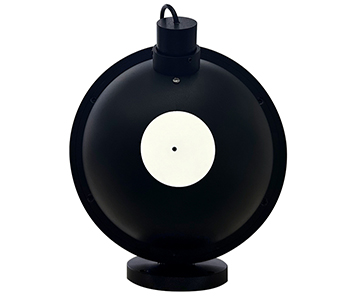
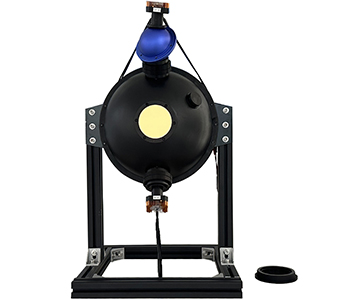
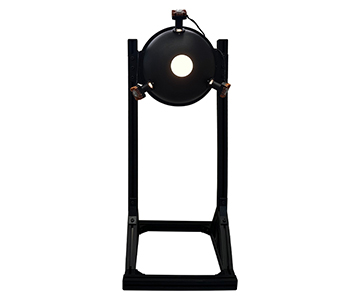
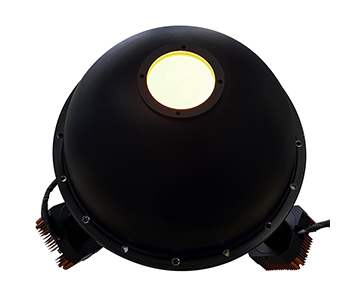
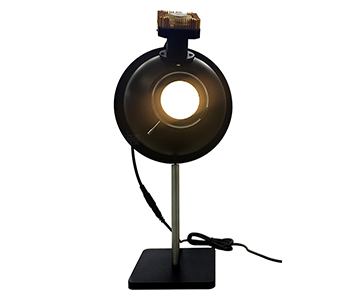
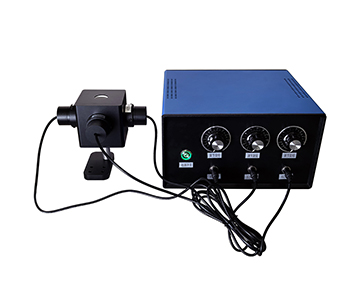
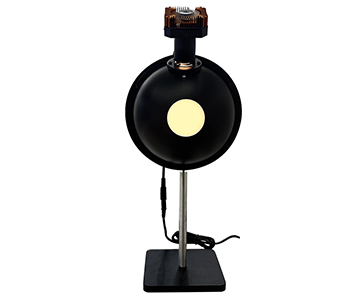
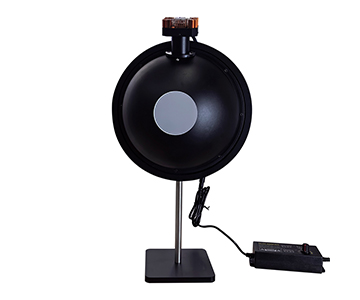
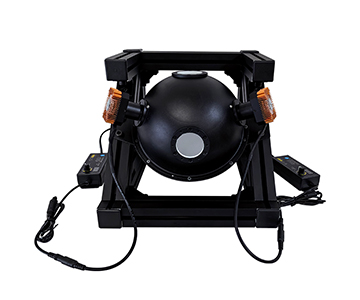
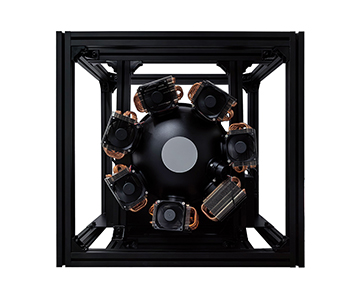
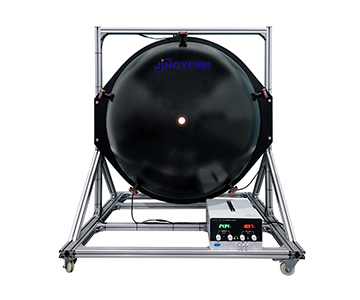
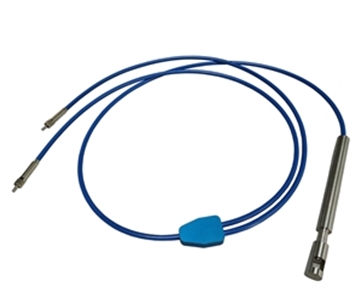
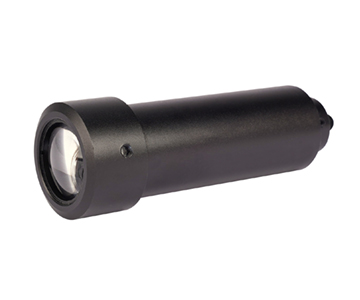
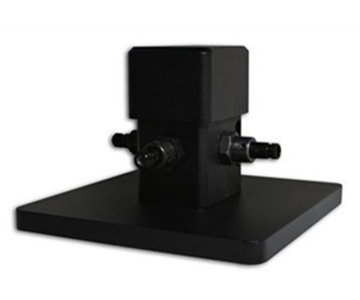
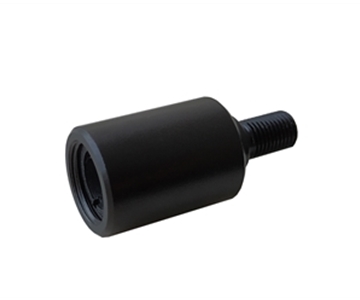
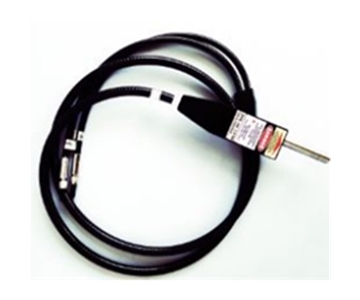
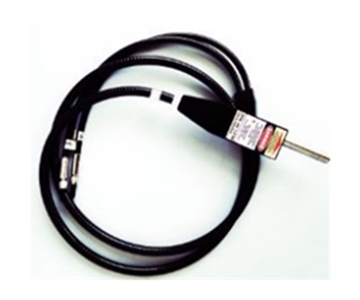
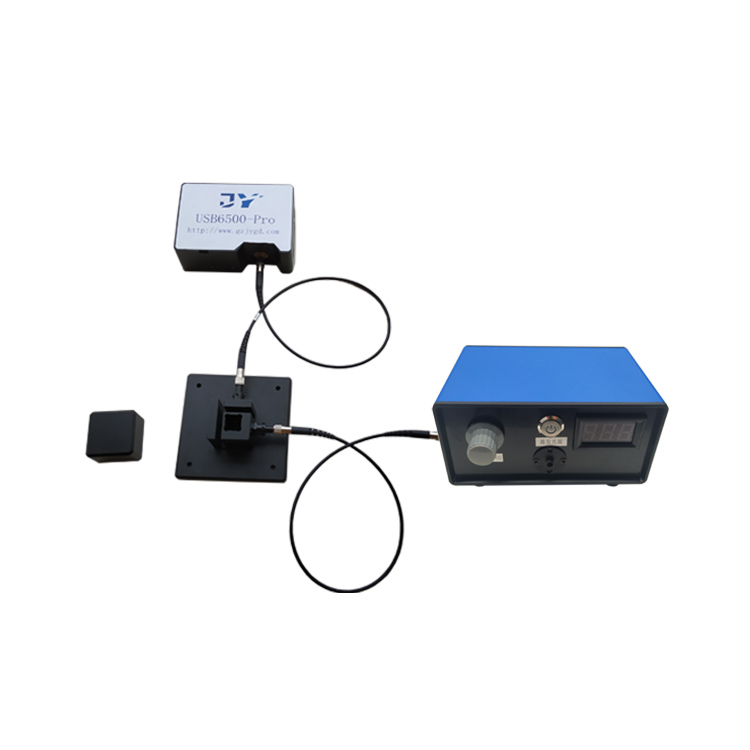
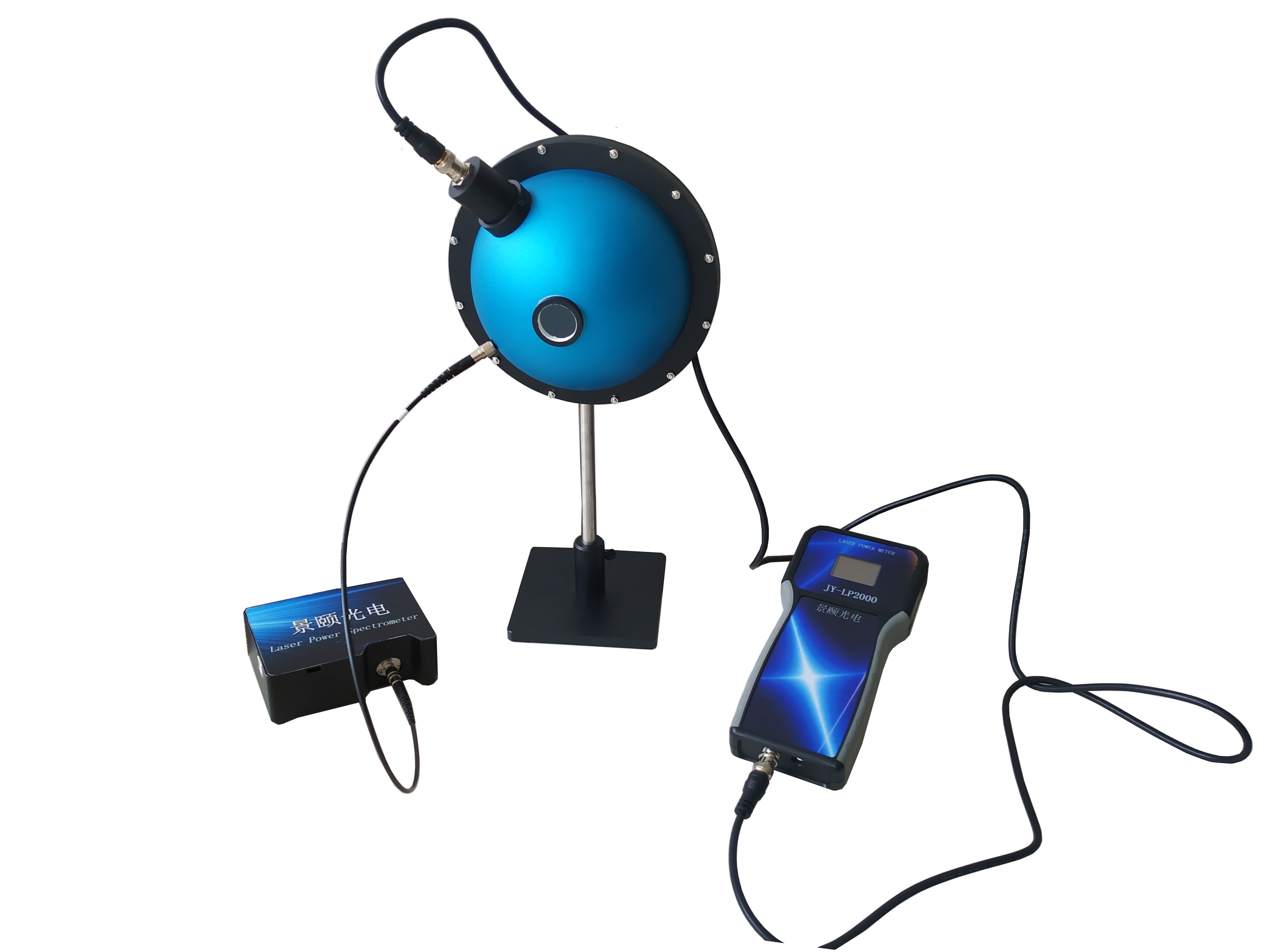
The instrument features a modular optical architecture. Its acquisition unit combines an optical integrating sphere, collimated light tube, and standard A-light source, paired with an in-house-developed high-performance digital processing core. After analog-to-digital conversion of optical signals, built-in compensation algorithms automatically correct deviations induced by environmental interference—ensuring high-precision, highly stable reflectance output. Power supply is standard AC 220 V / 50 Hz, with total system power consumption under 30 W—exceptionally energy-efficient. The instrument measures reflectance across the full 0–100% range, delivering measurement accuracy and repeatability better than ±2%. It accommodates samples up to 28 × 31 cm—fully compatible with both compact rearview mirrors used in passenger cars and large-format mirrors found in commercial vehicles. Equally suited for high-throughput sampling on production lines and precision R&D testing in laboratories.
The instrument’s operational logic has been streamlined for ease of use: minimal training enables operators to perform tasks confidently. Core operations fall into three categories:
**Routine Testing Procedure:**
Place the rearview mirror under test with its reflective surface facing downward onto the measurement platform, ensuring full coverage of the detection window. Press the “Start Test” button. Upon hearing the audible beep, read the measured reflectance value. Each test takes ≤3 seconds. After completion, simply remove the sample and switch off the instrument—fully satisfying efficiency requirements for mass production line inspection.
**Calibration Procedure:**
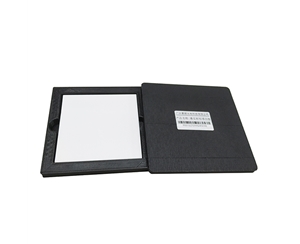
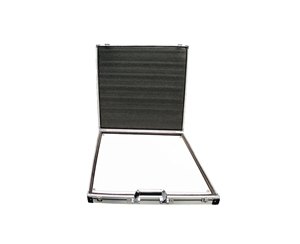
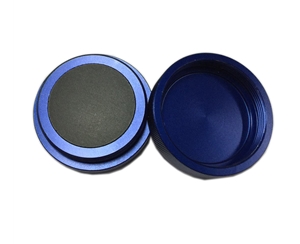
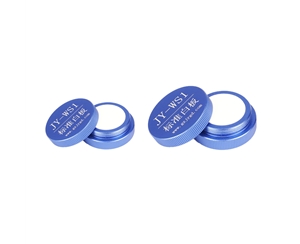
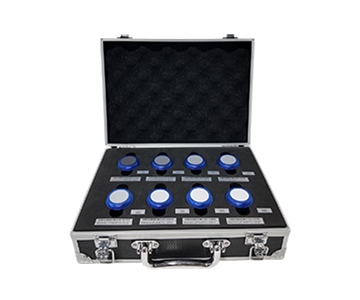
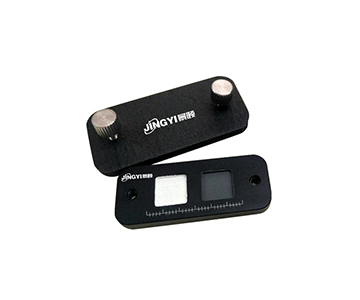
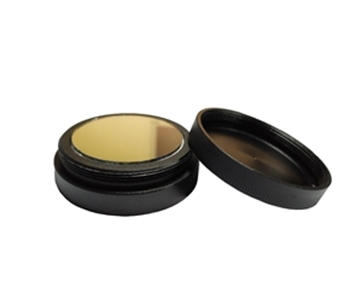
To ensure long-term measurement accuracy, calibration is recommended every 7 days. Before calibration, firmly attach the officially certified reference mirror to the detection window. After the instrument powers on and completes self-diagnosis, navigate via the main menu to “Single-Point Calibration.” Use the directional keys to input the certified reflectance value printed on the reference mirror, then confirm. Press the “Test” button to complete calibration. Subsequently, retest the reference mirror to verify that the measured deviation falls within the permissible tolerance range—only then should routine testing resume.
**Data Management:**
The instrument stores up to 100 test records internally. Historical entries can be recalled instantly using the up/down arrow keys. Alternatively, select “Clear All Records” from the main menu to erase the entire data set and reset the sequence. When memory is full, the instrument automatically overwrites the oldest record—enabling uninterrupted operation without manual intervention.
To ensure long-term stable performance, adhere to the following routine maintenance guidelines:
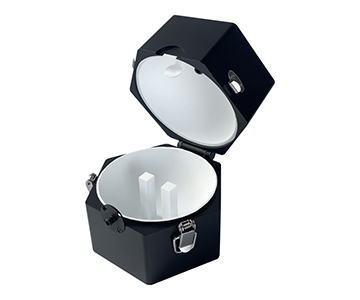
1. The inner wall of the integrating sphere—the core optical acquisition component—is coated with a specialized optical layer. Never touch it directly with fingers or hard objects. Also prevent foreign particles from entering the sphere interior, as such contamination causes optical signal fluctuations and compromises measurement accuracy.
2. Operate the instrument only in dry environments free of corrosive gases. Avoid severe impacts or vibrations. Maintain ambient relative humidity below 95% RH, with no condensation present, to prevent moisture damage to optical components.
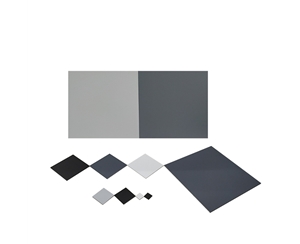
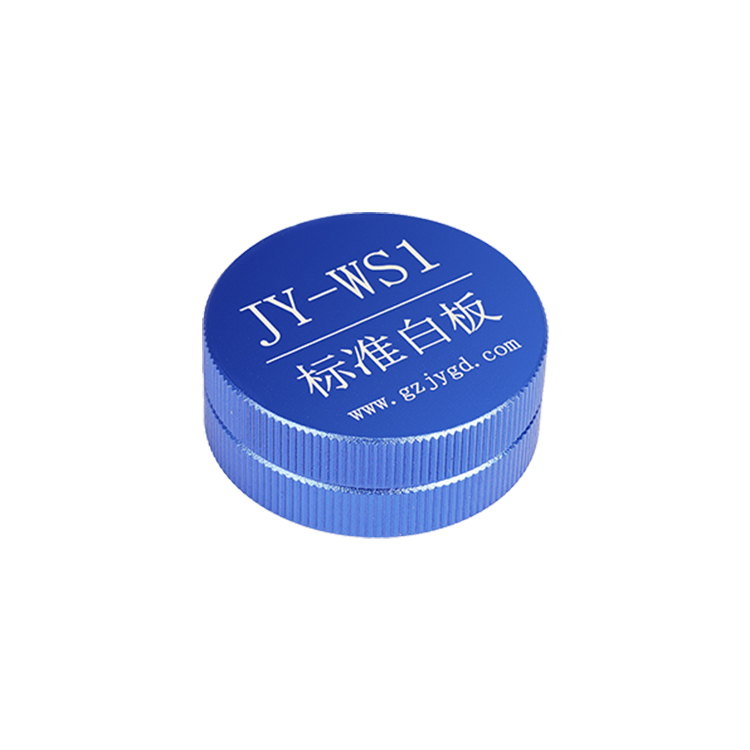
3. Select a calibration reference mirror whose certified reflectance value closely matches that of the sample under test. This minimizes measurement variability and enhances result reliability.
4. Avoid frequent power cycling. Allow a minimum interval of 5 minutes between consecutive power-on events. For optimal protection, use a regulated power supply with voltage stabilization accuracy ≥1% to prevent component damage from voltage fluctuations.
5. In case of instrument malfunction, do not attempt disassembly or internal repair. Unauthorized handling risks electric shock or irreversible damage to delicate optical assemblies. Contact the official after-sales service team immediately for professional support.
#ReflectanceMeasurementInstrument #ReflectivityTestingInstrument #ReflectanceMeter #ReflectanceMeasuringInstrument #AutomotiveRearviewMirrorReflectanceTester