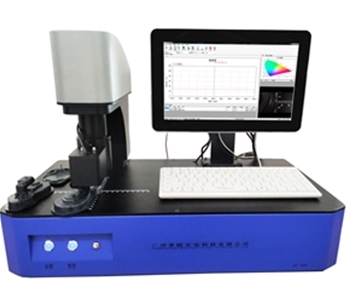
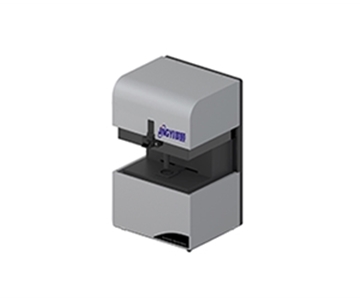
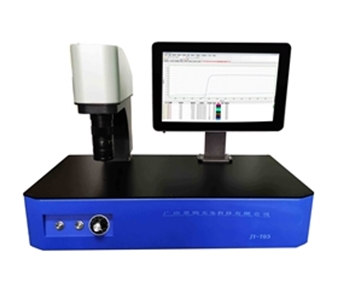
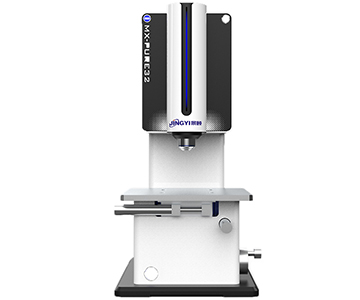
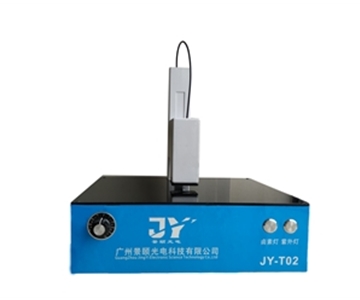
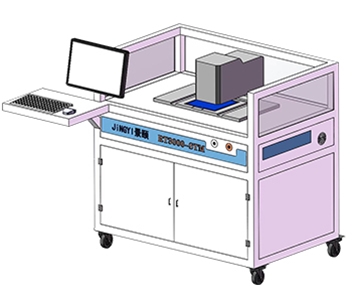
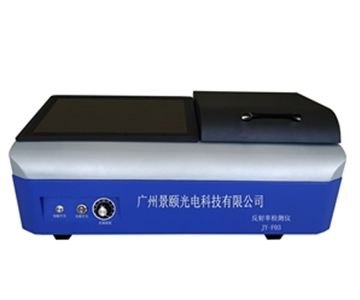
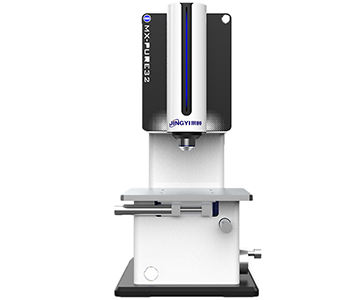
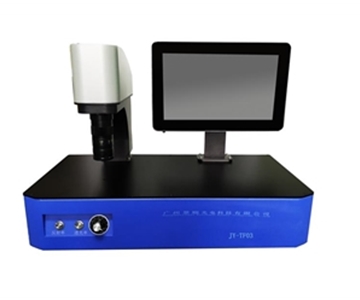
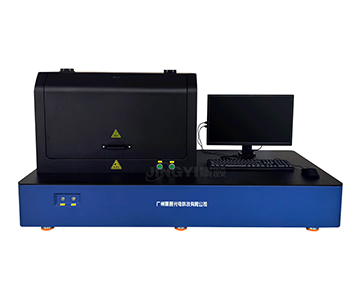
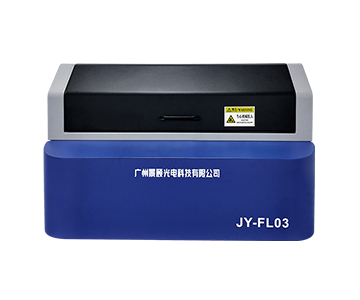
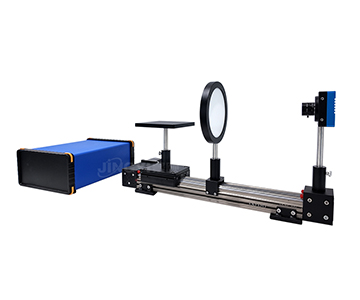
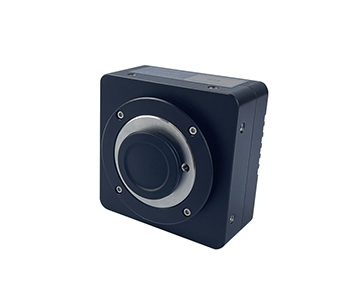
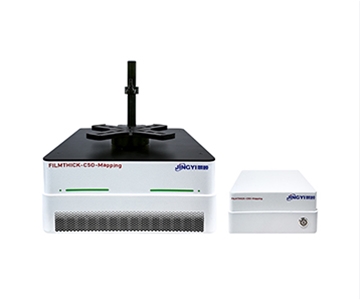
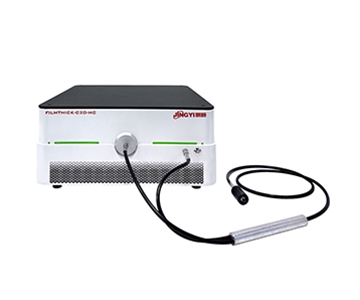
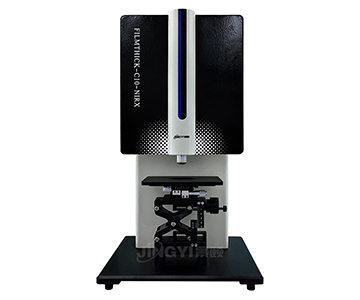
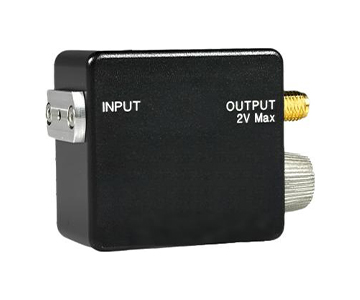
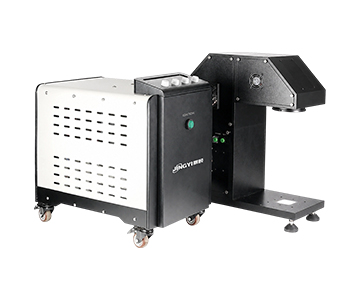
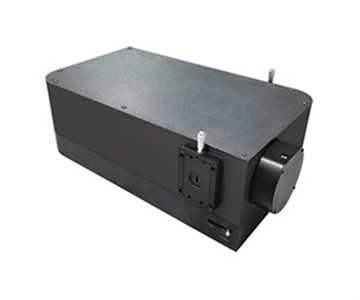
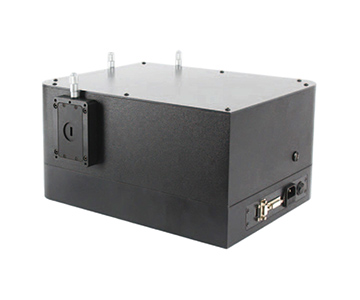
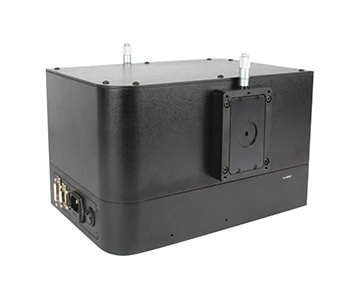
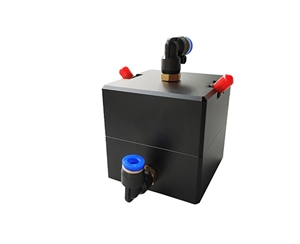
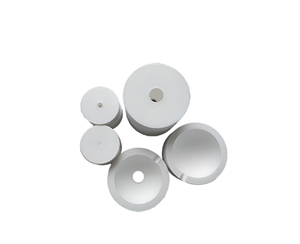
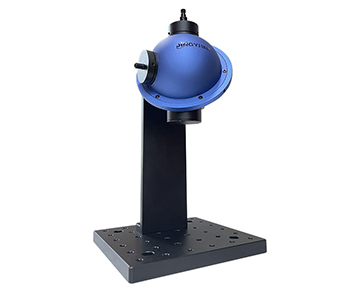
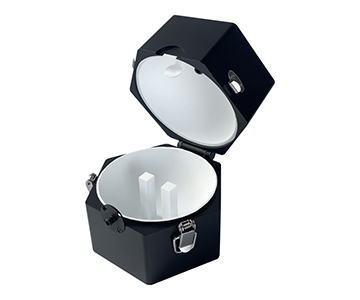
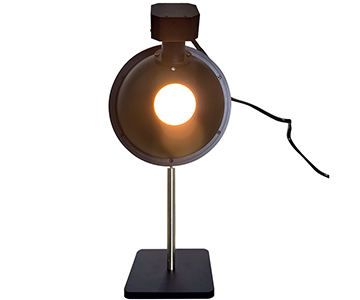
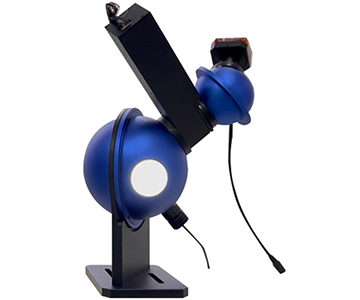
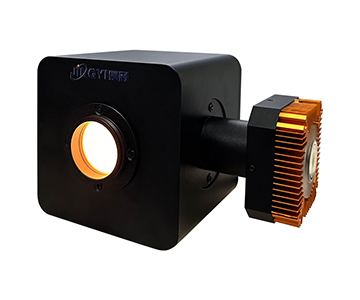
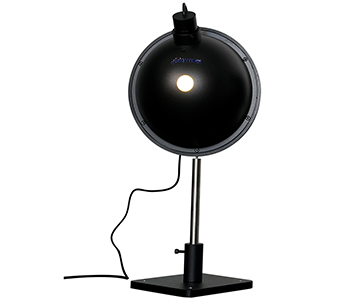
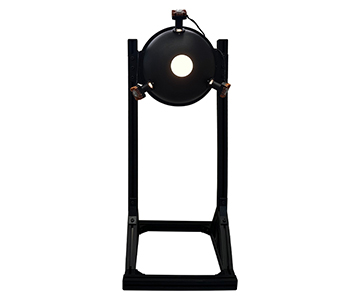
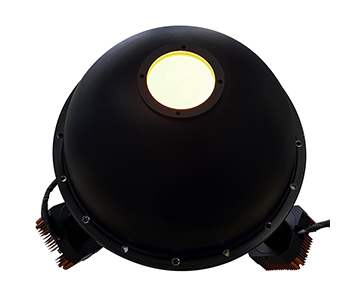
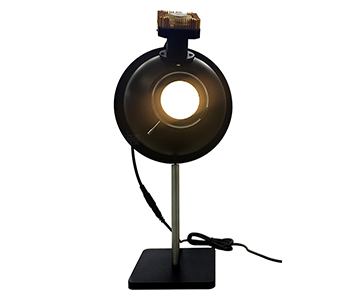
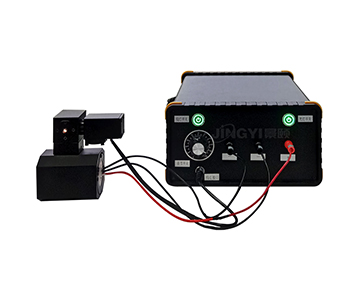
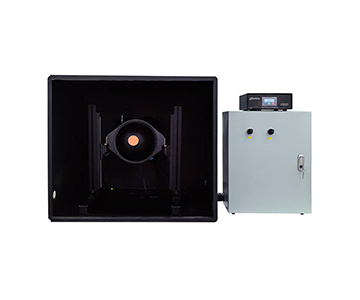
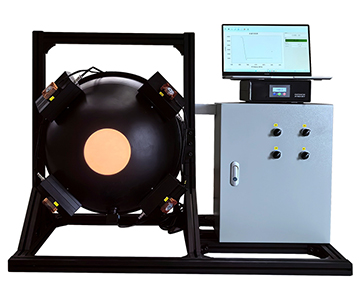
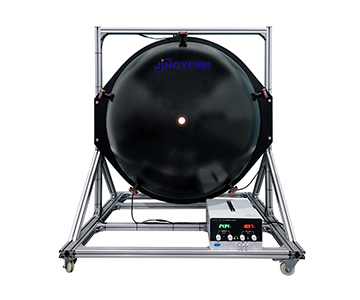
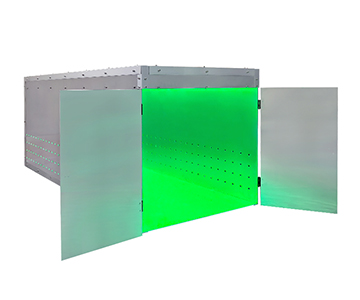
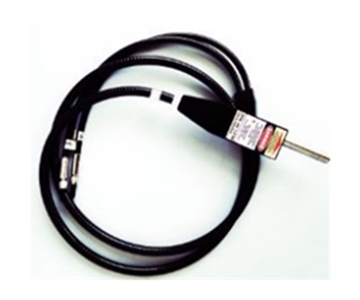
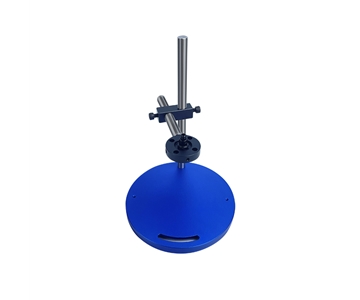
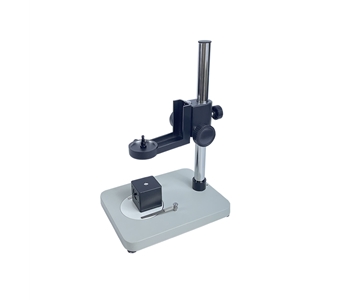
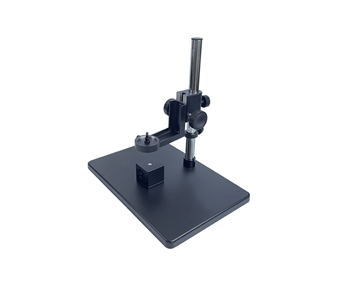
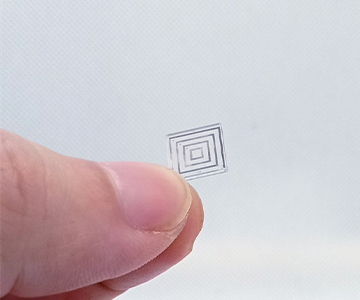
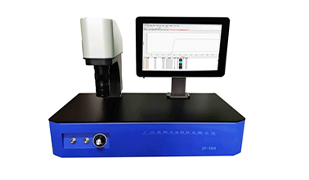
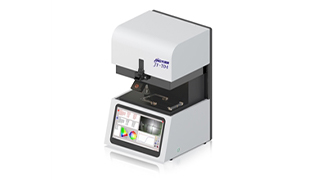
With the rapid development of new materials and micro-manufacturing industries, demand for optical property characterization of miniature and ultra-thin samples is surging—examples include smartphone ink apertures only 1–2 mm in diameter, optical thin films under 10 μm thick, and powder samples weighing just a few tenths of a gram. Conventional large-sized integrating spheres for optical measurement often fail to deliver accurate transmittance and reflectance spectral data due to mismatched port apertures and low collection efficiency for weak signals—posing a critical bottleneck in quality control for many enterprises.
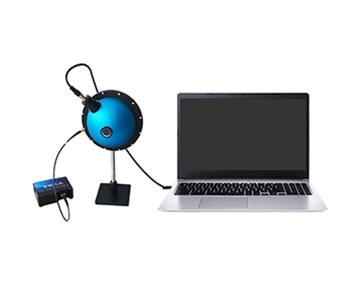
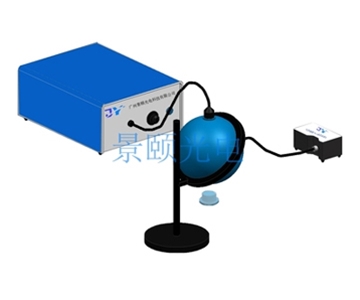
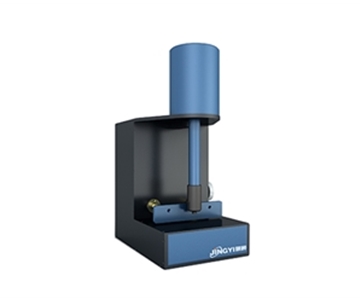
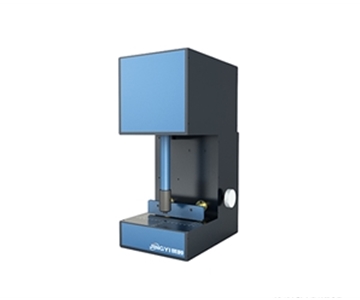
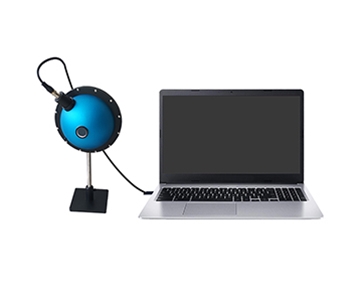
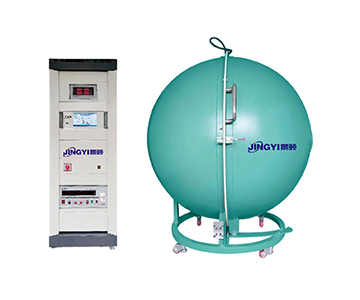
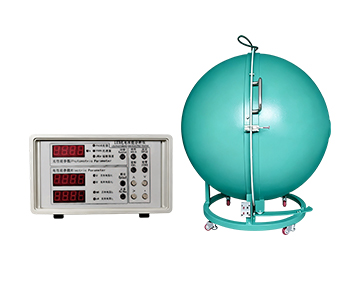
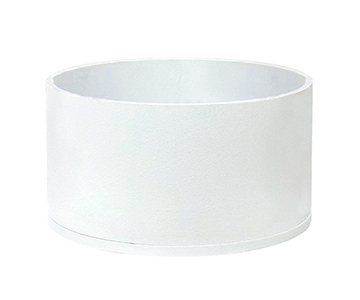
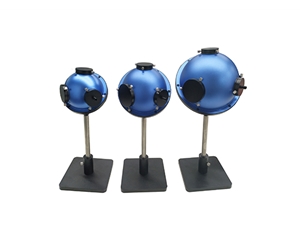
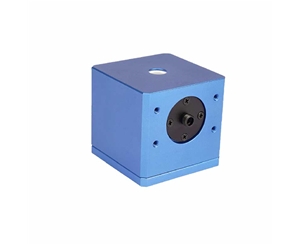
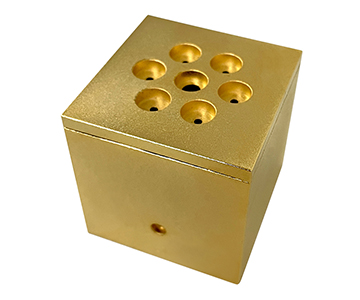
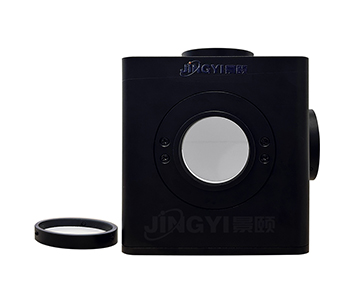
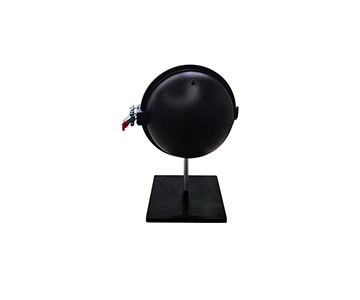
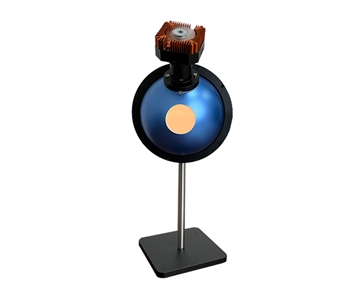
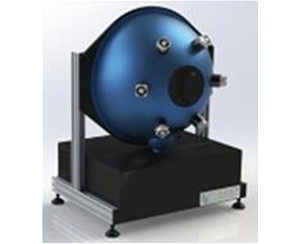
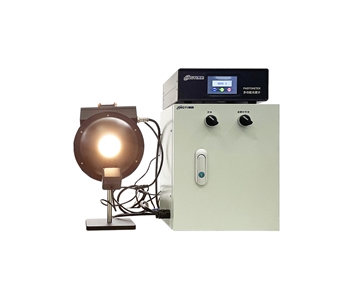
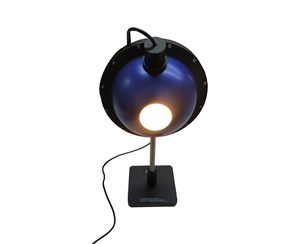
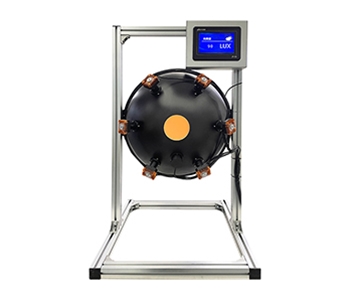
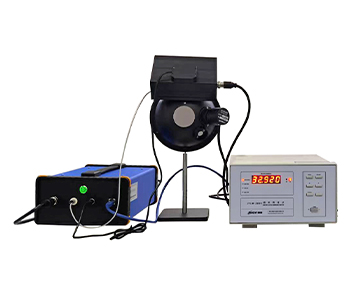
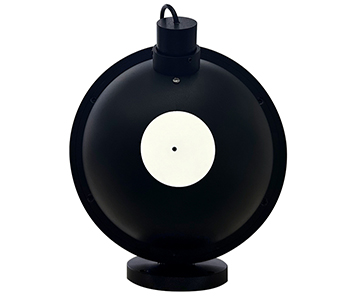
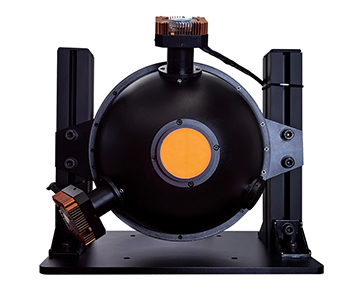
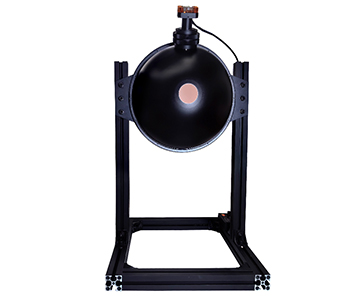
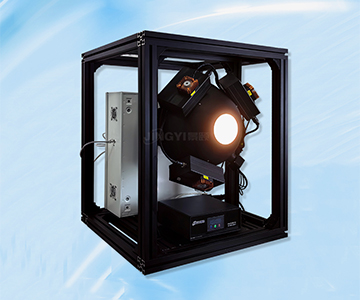
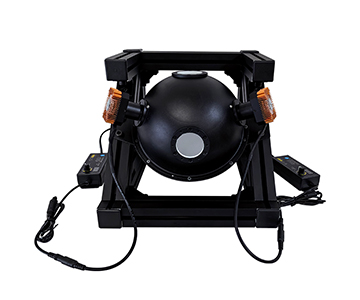
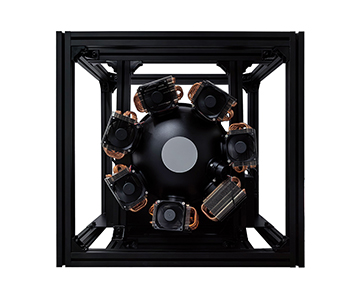
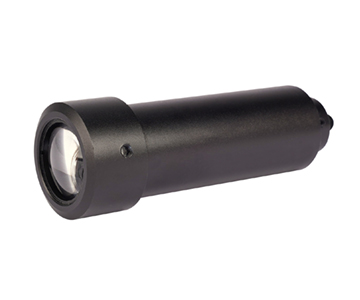
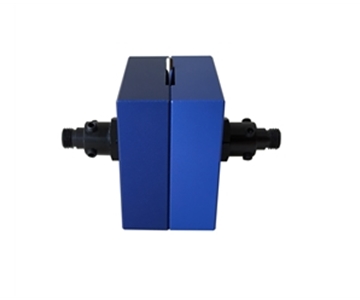
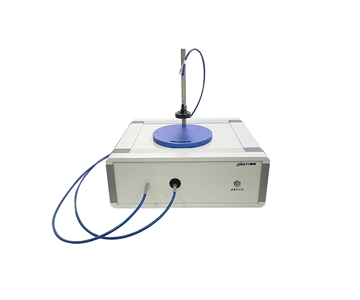
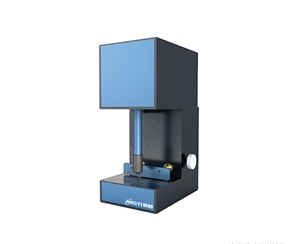
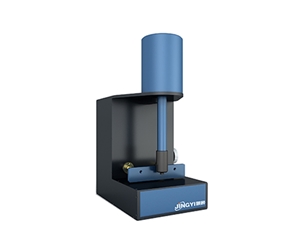
At its core, an optical integrating sphere is an optical cavity designed to homogenize and collect light signals. Its key performance parameters depend entirely on the diffuse reflectance efficiency and scattering uniformity of its interior wall coating, as well as the structural compatibility between the cavity geometry and the specific measurement application. To address industry-wide pain points in micro-sample optical characterization, Jingyi Optoelectronics has launched a 10-mm-diameter transmittance-optimized integrating sphere—breaking through the performance limitations of traditional small integrating spheres via innovations in both material processing and cavity design.
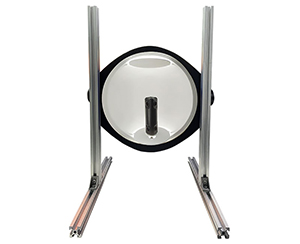
Unlike the commonly adopted spray-coating method used across the industry, the inner wall of this integrating sphere is fabricated from high-diffuse-reflectance PTFE (polytetrafluoroethylene) as a monolithic structure via high-temperature sintering. Its broadband (200–2500 nm) diffuse reflectance remains stably above 99%, with negligible deviation from ideal Lambertian scattering across the entire spectrum. It resists oxidation, yellowing, or coating delamination even after prolonged use—and can be cleaned directly with water, resulting in low operational and maintenance costs. During R&D, Jingyi Optoelectronics specifically optimized the material formulation to meet full-spectrum detection requirements: even at the deep-UV wavelength of 200 nm, Lambertian scattering characteristics show no significant degradation—resolving a major shortcoming of many competing products in the UV region.
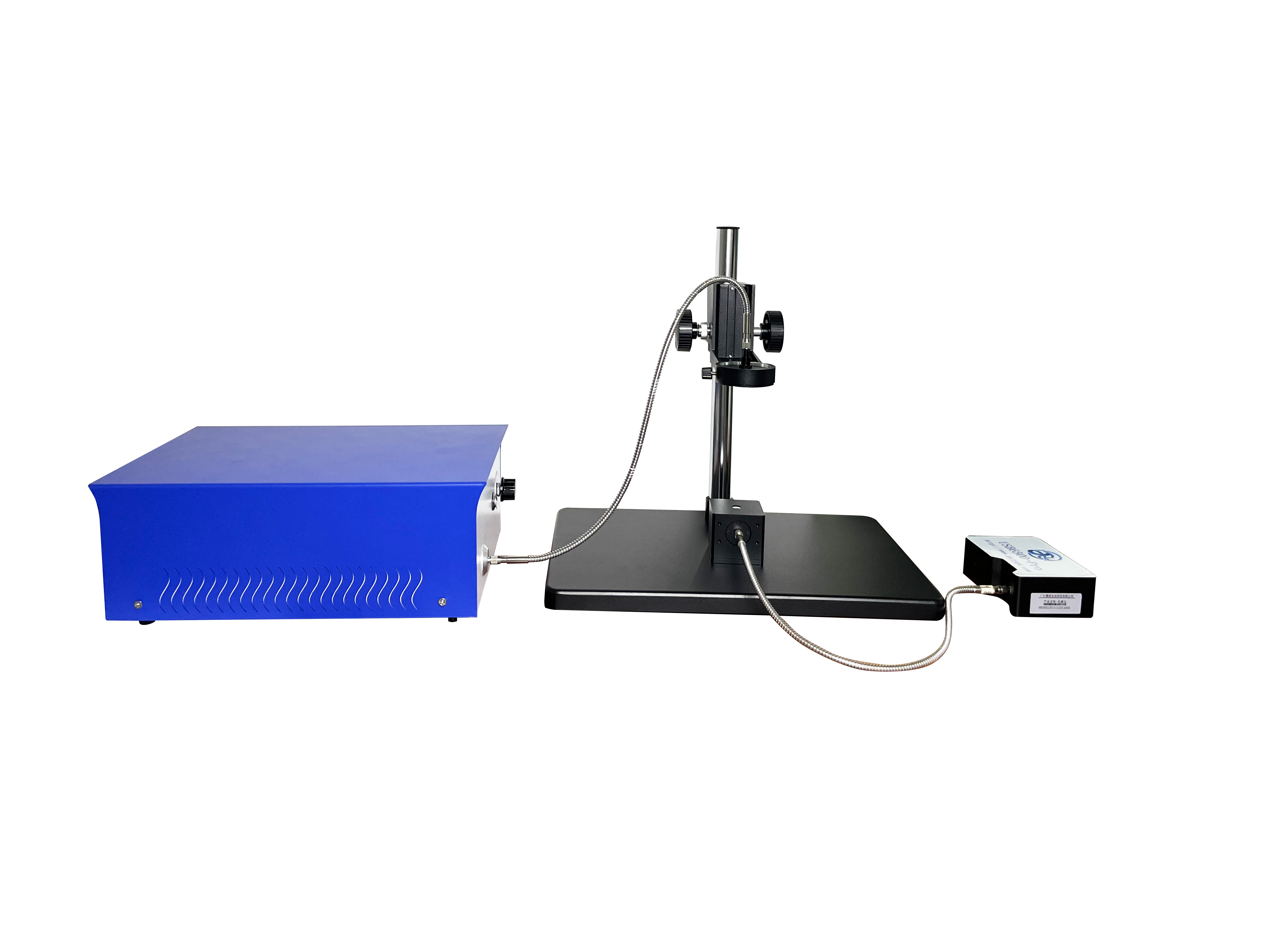
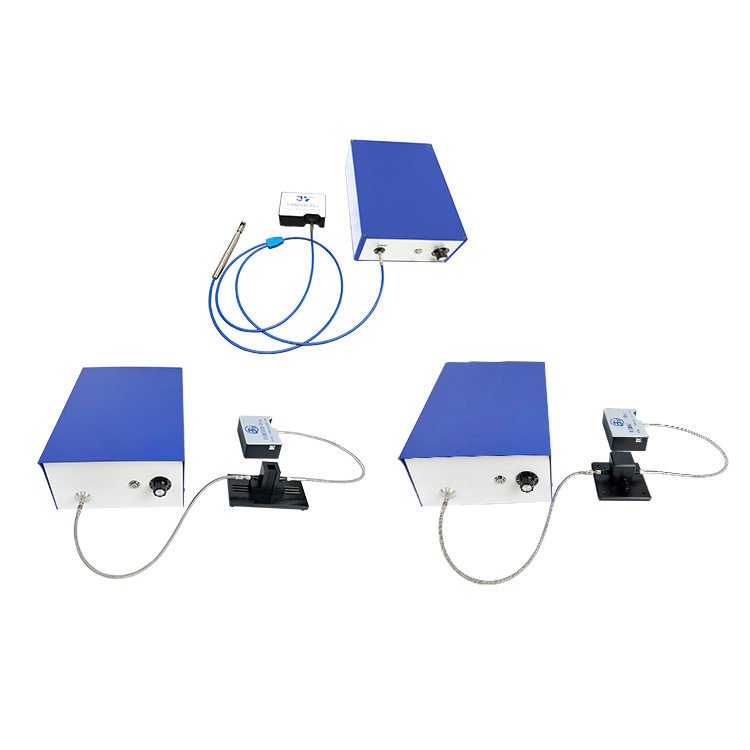
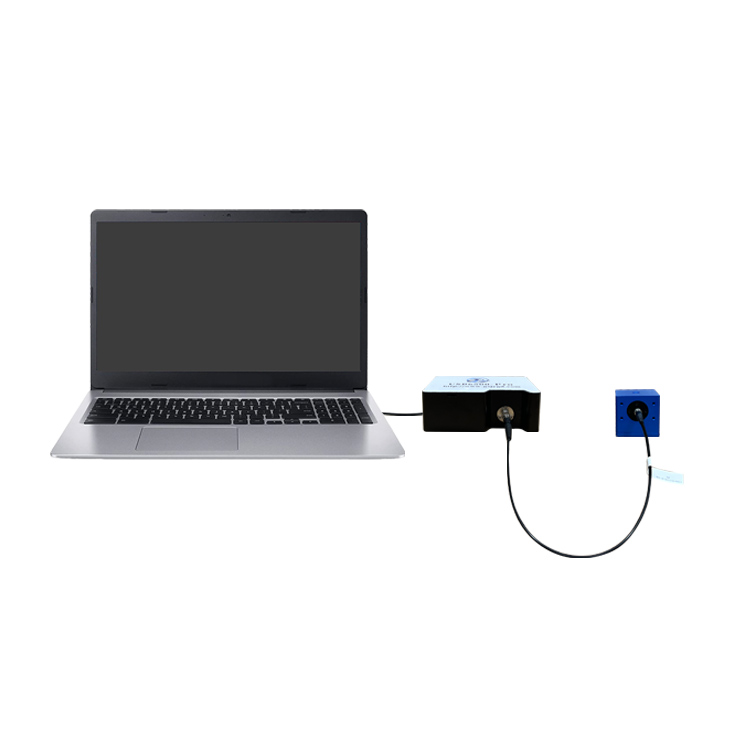
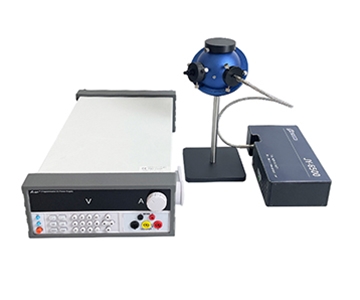
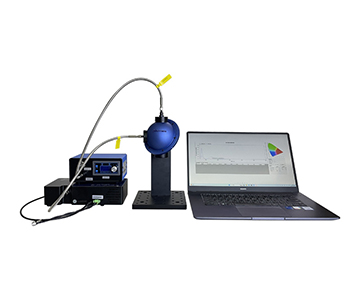
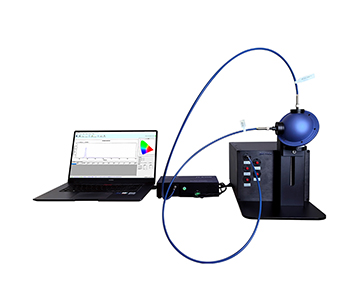
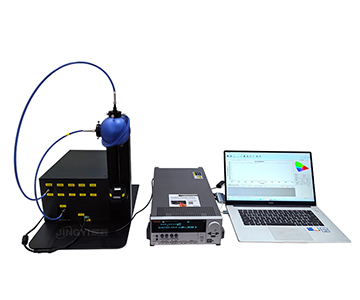
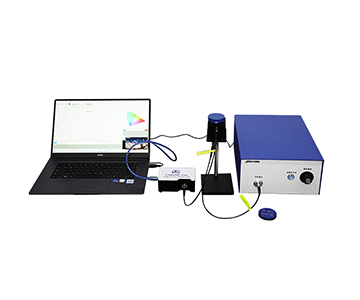
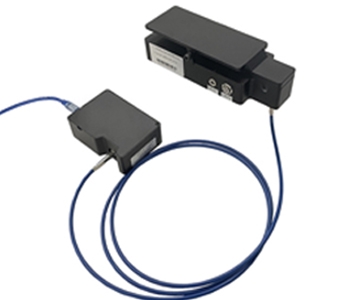
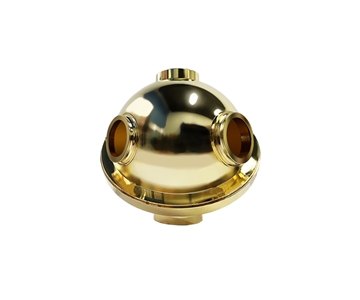
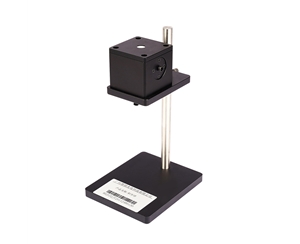
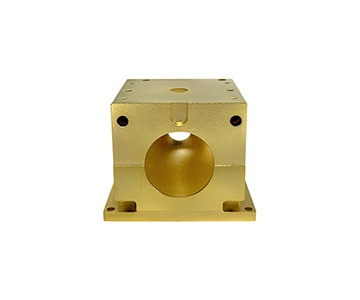
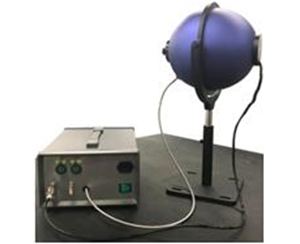
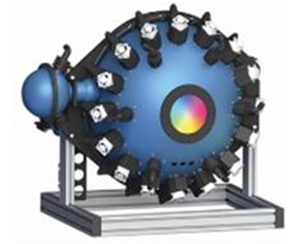
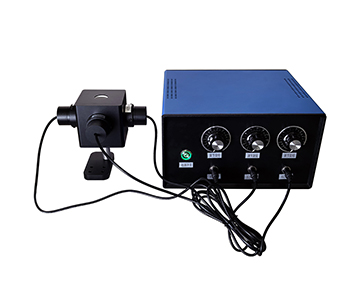
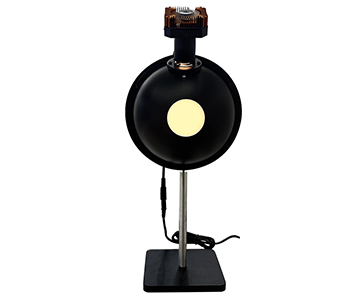
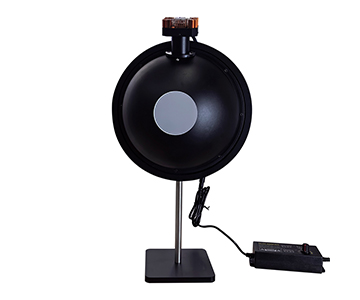
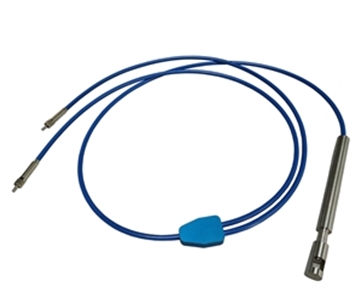
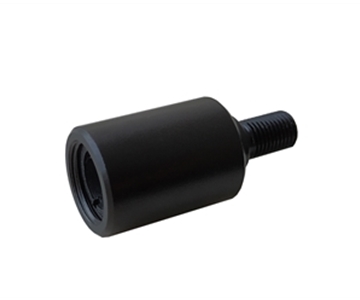
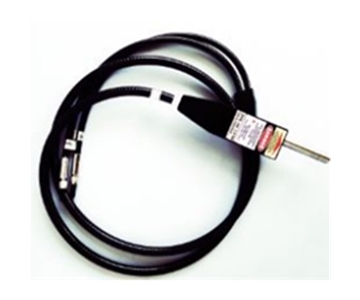
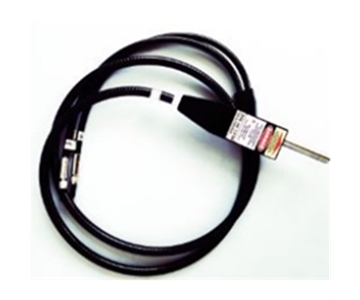
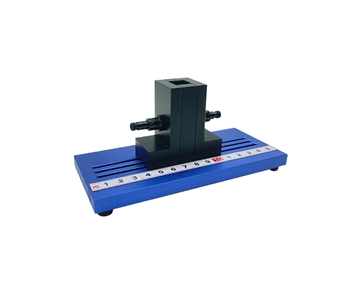
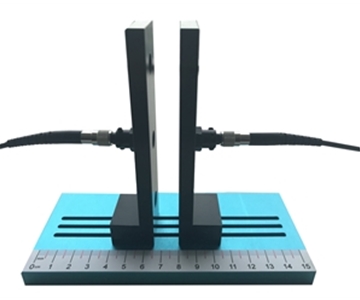
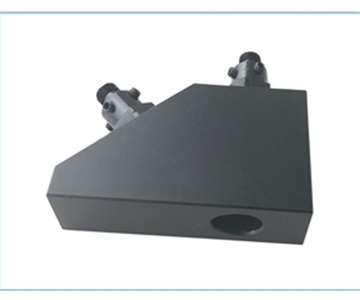
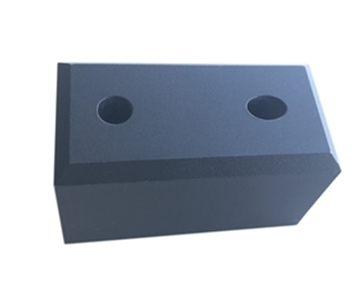
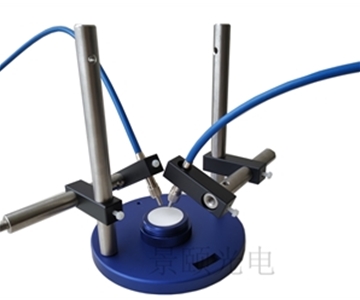
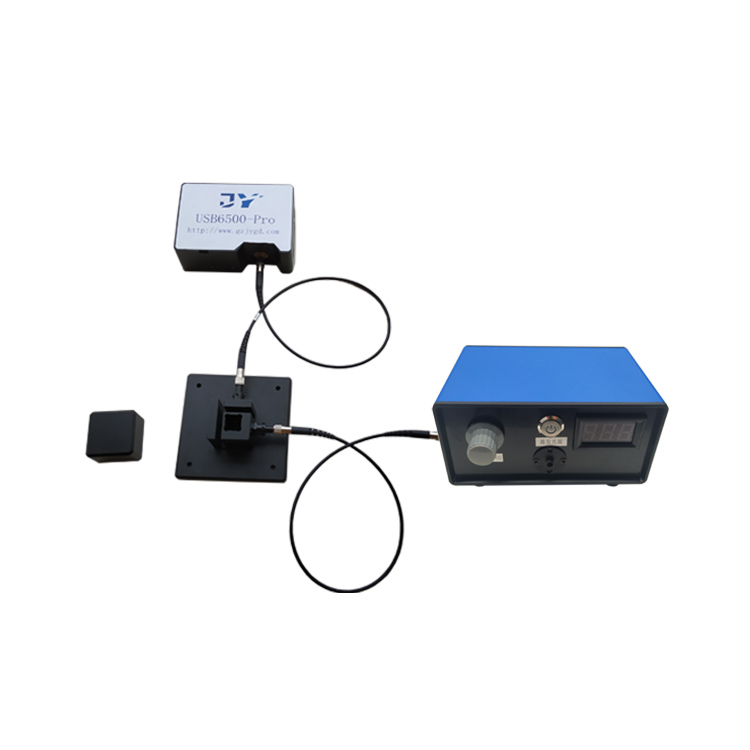
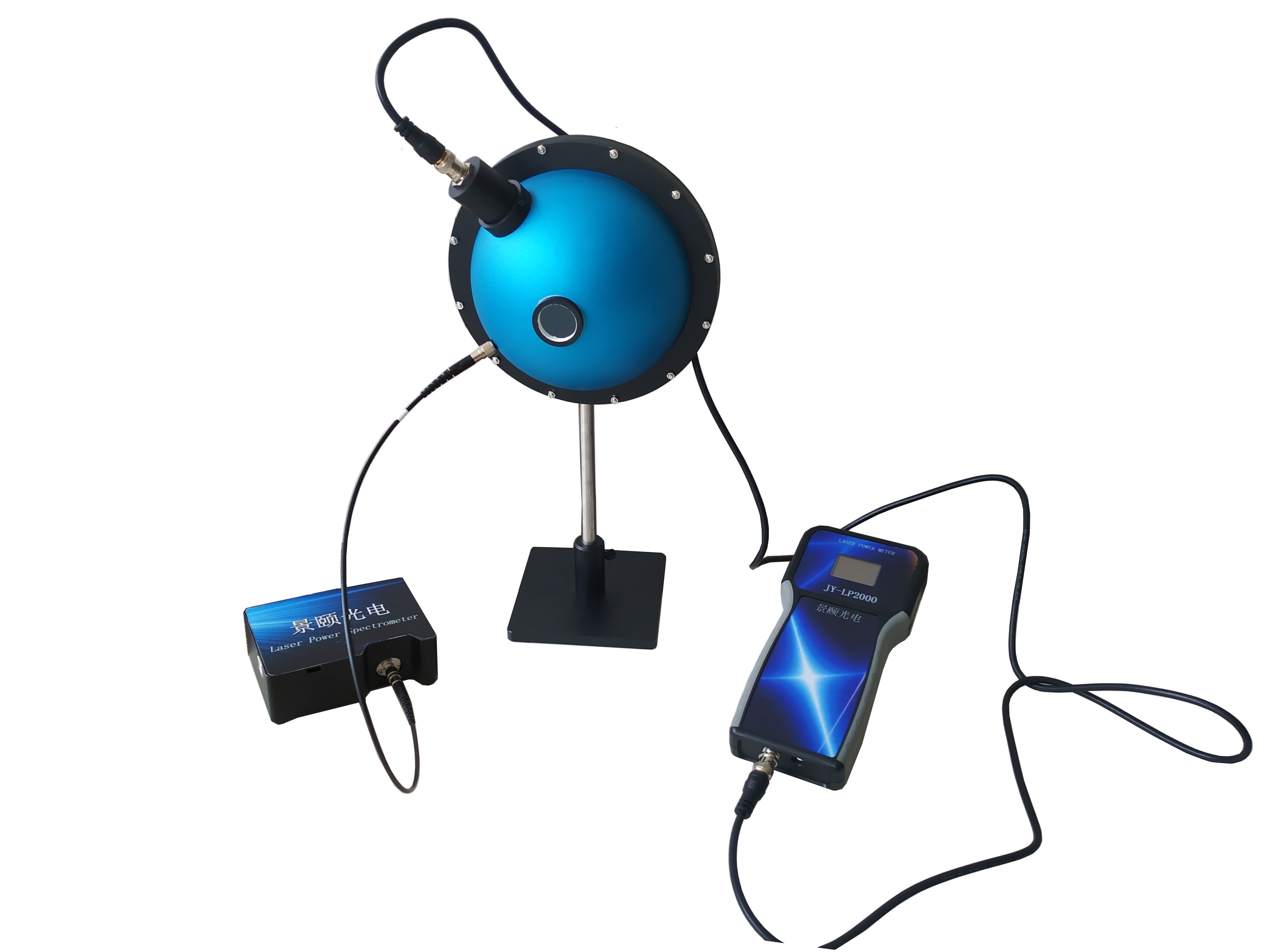
The internal cavity diameter is precisely controlled at 10 mm. The default input port aperture measures 1.5 mm—perfectly matched to the light-collection requirements for micro-scale transmission measurements. The output port features the industry-standard SMA905 fiber-optic connector; alternatively, custom connectors (e.g., FC) can be provided upon request to seamlessly integrate with users’ existing test systems—eliminating the need for costly system modifications. Moreover, this miniaturized integrating sphere achieves superior optical attenuation control accuracy compared to other 10-mm commercial models. Thanks to its compact size and highly reflective inner surface, optical loss is significantly lower than in larger spheres—boosting weak-transmission signal collection efficiency by over 40%. Even for dark-colored films with low transmittance or semi-transparent powders, it delivers precise spectral data. Additionally, it functions as a high-accuracy optical attenuator when integrated into optical systems: the attenuation ratio can be calculated precisely from the ratio of the exit port area to the total internal surface area—remaining fully independent of incident angle, polarization state, or beam profile.
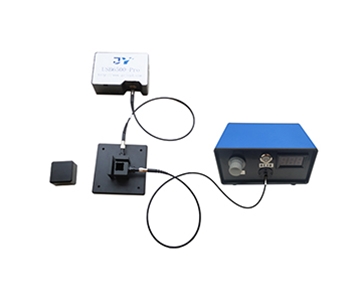
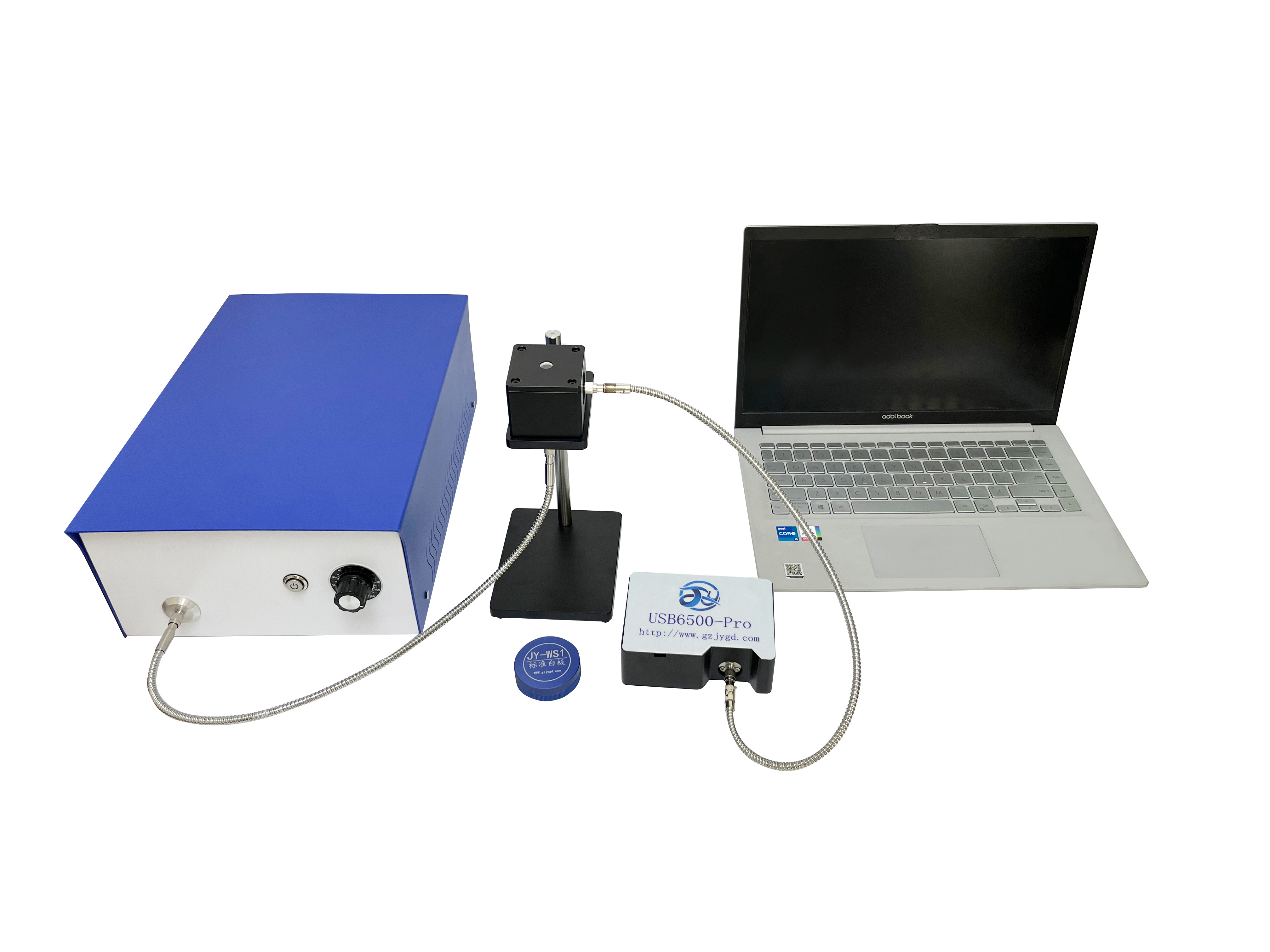
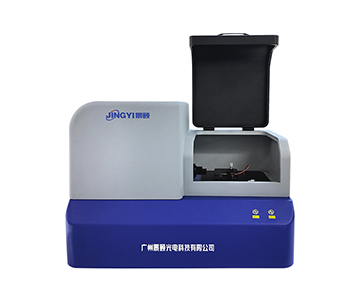
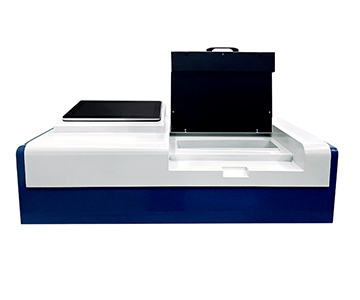
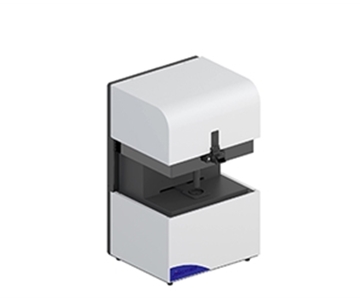
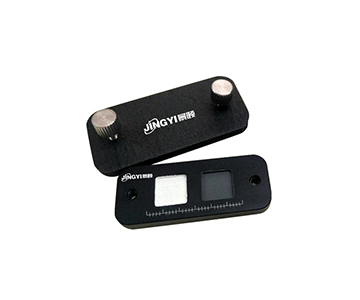
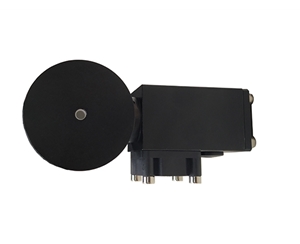
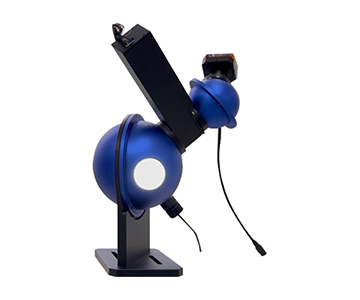
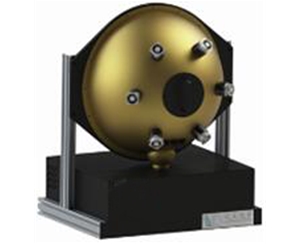
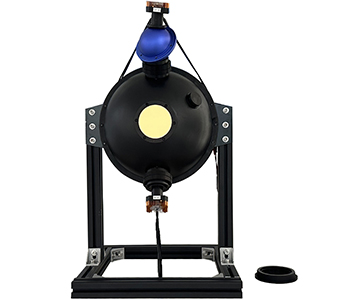
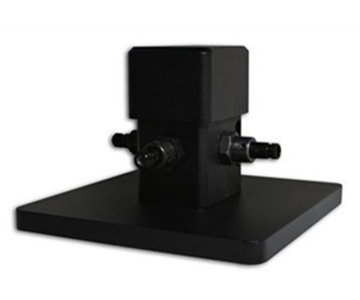
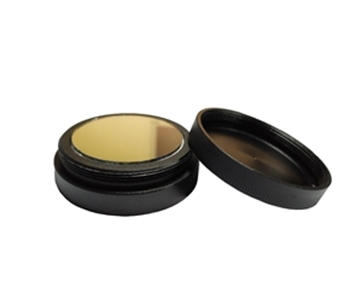
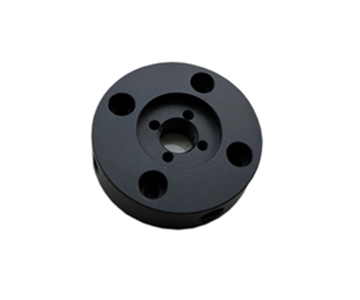
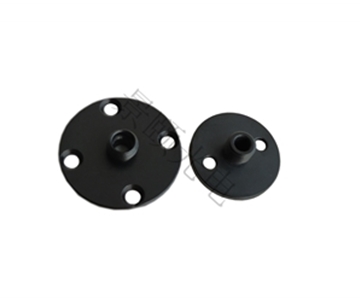
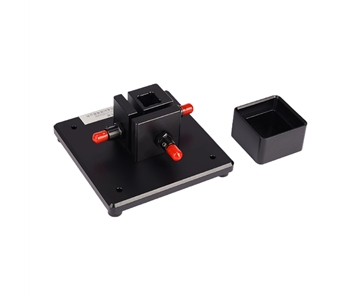
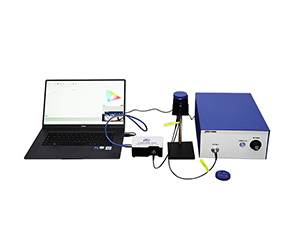
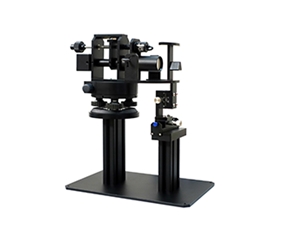
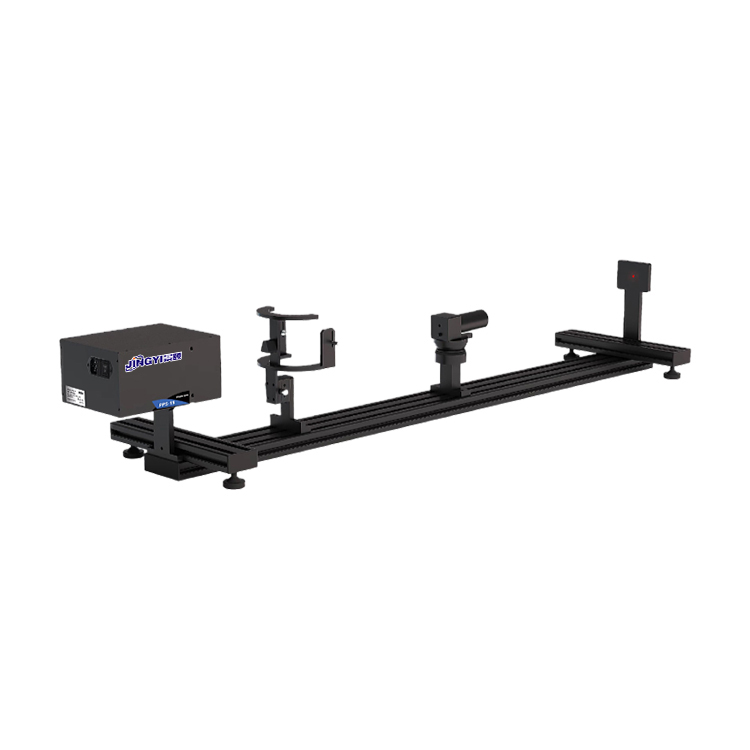
By default, this integrating sphere supports transmittance, transmitted color, and haze measurements across diverse sample types. When paired with optional accessories—including a dedicated reflection sample holder and a light trap—it further enables reflectance characterization of micro-scale samples:
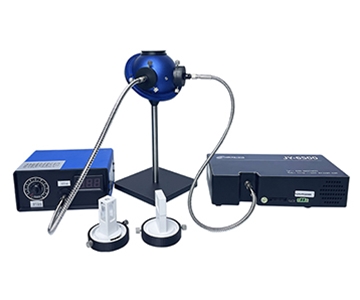
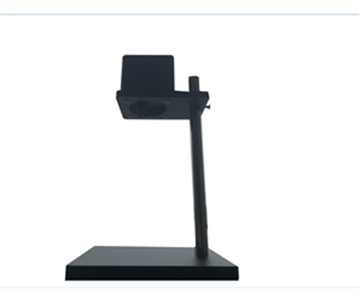
- For total reflectance (specular + diffuse), simply mount the sample onto an 8°-incidence holder;
- For diffuse-only reflectance, insert the light trap to absorb the specular component.
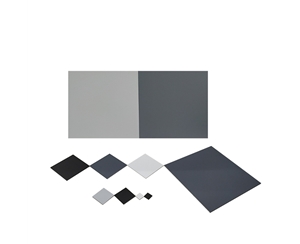
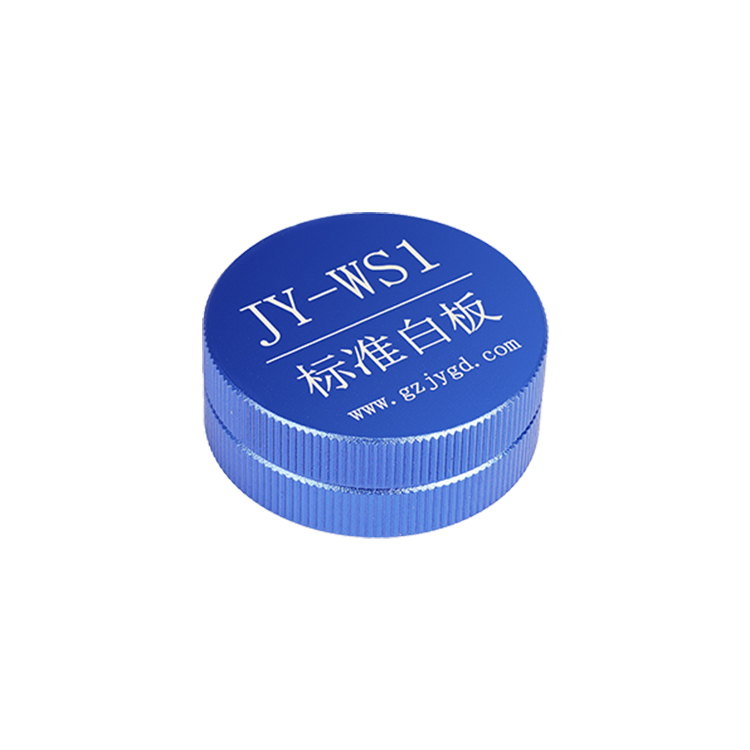
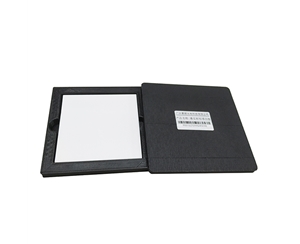
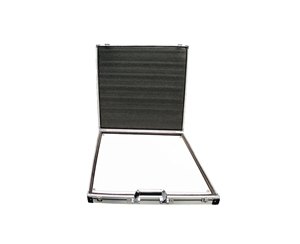
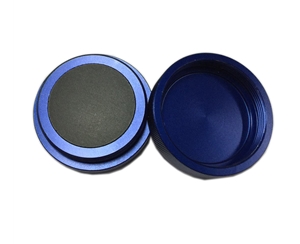
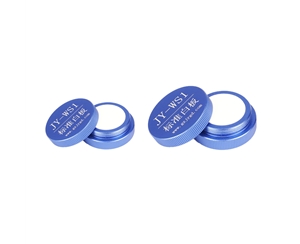
The measurement workflow is straightforward: perform baseline calibration using a certified reference standard first, then replace it with the sample and compute the relative reflectance ratio—requiring minimal user expertise. Crucially, because the integrating sphere fully homogenizes scattered light from all directions, even rough, unpolished surfaces yield accurate results without special pre-treatment—ensuring non-contact, geometry- and material-agnostic compatibility.
Jingyi Optoelectronics’ 10-mm transmittance-optimized integrating sphere is already widely deployed across multiple sectors:
- In laboratories: characterizing transmission/reflection properties of small crystals, polymers, and interference filters;
- On industrial production lines: spot-checking transmittance of photovoltaic textured glass and measuring solar heat gain coefficients (SHGC) of architectural glazing;
- In consumer electronics: evaluating backlight uniformity of LCD panels and calibrating transmittance of smartphone ink apertures.
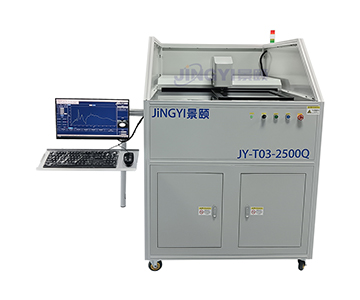
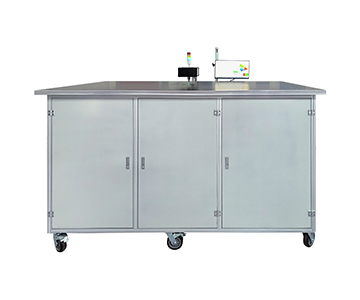
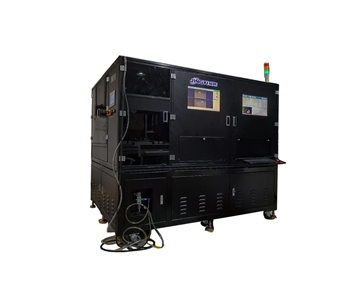
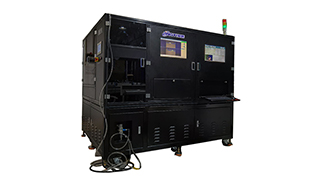
Its compact form factor also enables integration into inline inspection equipment—enabling high-speed, continuous production-line monitoring. This has helped numerous enterprises reduce optical measurement uncertainty for micro-samples to within ±0.2% while boosting testing throughput by more than threefold.
Jingyi Optoelectronics holds relevant certifications, with a factory shipment pass rate of 99.8%. Capabilities include proprietary PTFE-based high-reflectance coatings (average reflectance ≥99%), multi-size and multi-interface customization options, and comprehensive pre-sales and after-sales technical support.
Typical applications: LED luminous flux measurement, laser power metrology, display color calibration, environmental monitoring—any high-precision optical metrology task.
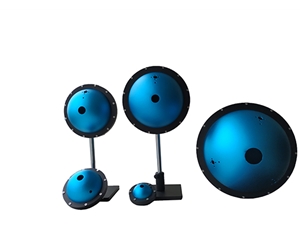
As micro-optical components and specialty new materials find increasingly broad application, compact, customizable integrating spheres are poised to become a core necessity in optical measurement. Future iterations will further integrate AI algorithms and IoT systems—enabling end-to-end automation from sample measurement to real-time data upload and analysis—providing robust technical foundations for industry-wide quality control upgrades.