Challenges in Optical Measurement and the Significance of PTFE Integrating Spheres
In the field of optical measurement, many researchers and production-line engineers face similar challenges: building various spectral testing systems requires purchasing multiple dedicated optical components—resulting in high costs and substantial spatial footprint; conventional PTFE integrating spheres typically exhibit inner-wall yellowing and coating delamination after just one to two years of use, causing severe drift in measurement data; and when special applications demand repositioning of ports, users are forced to custom-order entirely new units—a process entailing long lead times and high costs. Yet the PTFE integrating sphere—the core optical homogenizer in optical measurement (often referred to by industry professionals as a “light flux sphere” or “photometric sphere”)—is precisely the key solution to these pain points.
Core Operating Principle and Coating Classification of PTFE Integrating Spheres
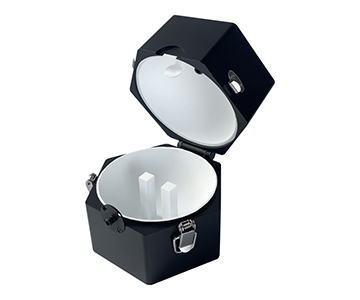
The fundamental operating principle of a PTFE integrating sphere is analogous to that of an “optical mixer”: incident light—regardless of angle or shape—enters the hollow spherical cavity and undergoes dozens, even hundreds, of diffuse reflections on the inner-wall coating. This iterative reflection ultimately ensures highly uniform illuminance at every point within the cavity, eliminating—right at the source—interference from non-uniform incident illumination or angular deviations in measurement results. Currently, industry-standard PTFE integrating spheres feature two primary types of inner-wall coatings: inorganic and polymeric. The former offers low cost but poor durability; the latter delivers high reflectance yet commands a premium price—leaving many users caught between performance and budget trade-offs.
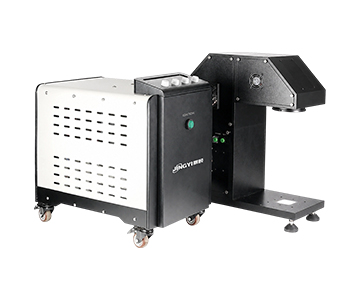
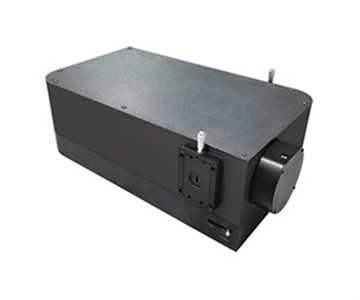
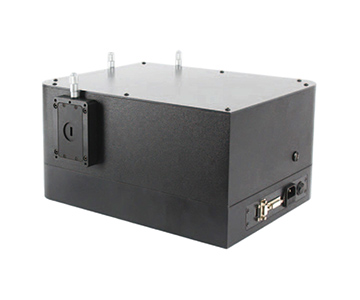
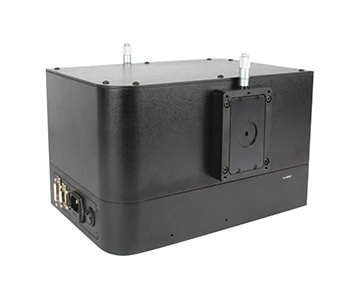
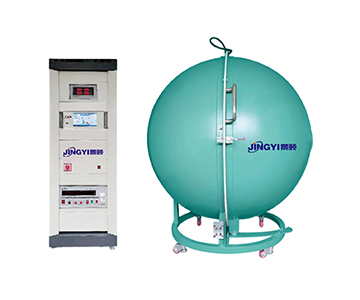
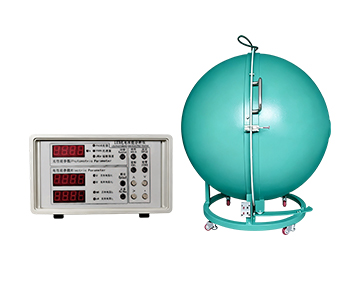
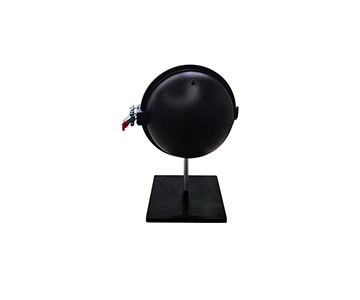
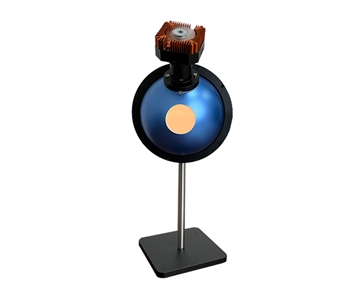
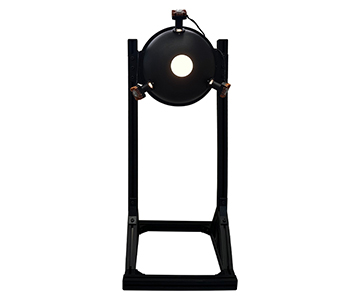
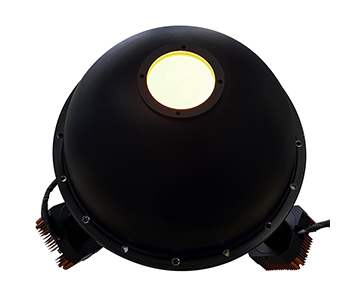
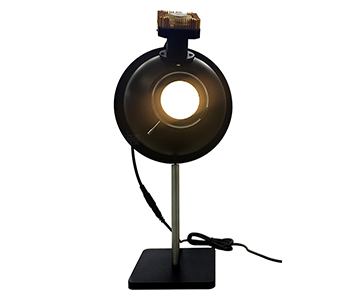
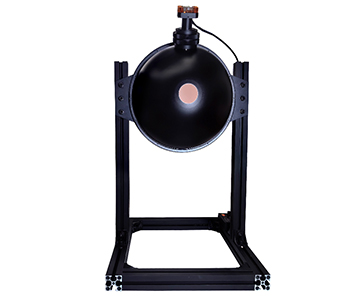
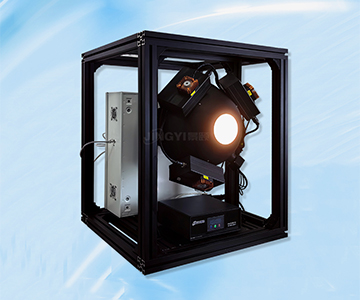
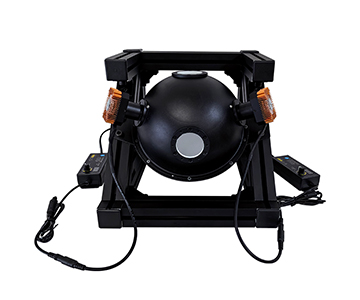
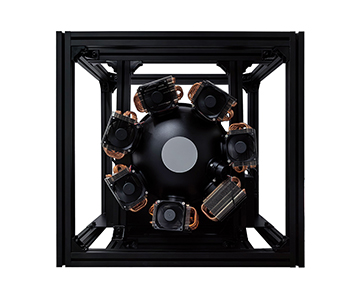
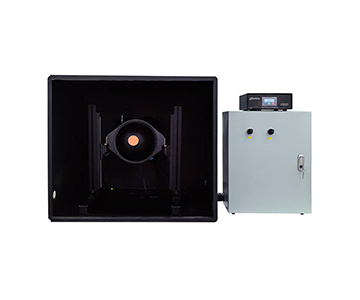
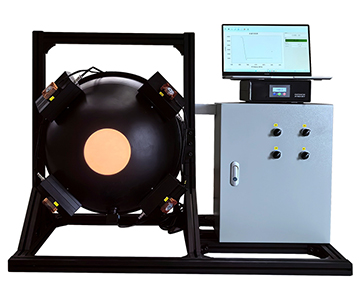
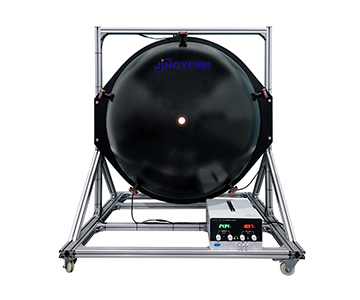
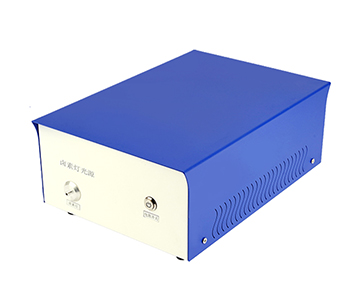
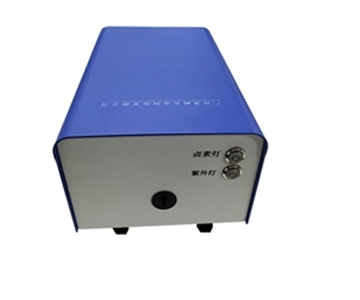
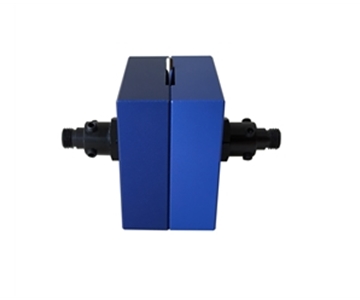
JY-FOIS84 Universal PTFE Integrating Sphere by Jingyi Optoelectronics: One Sphere, Multiple Applications
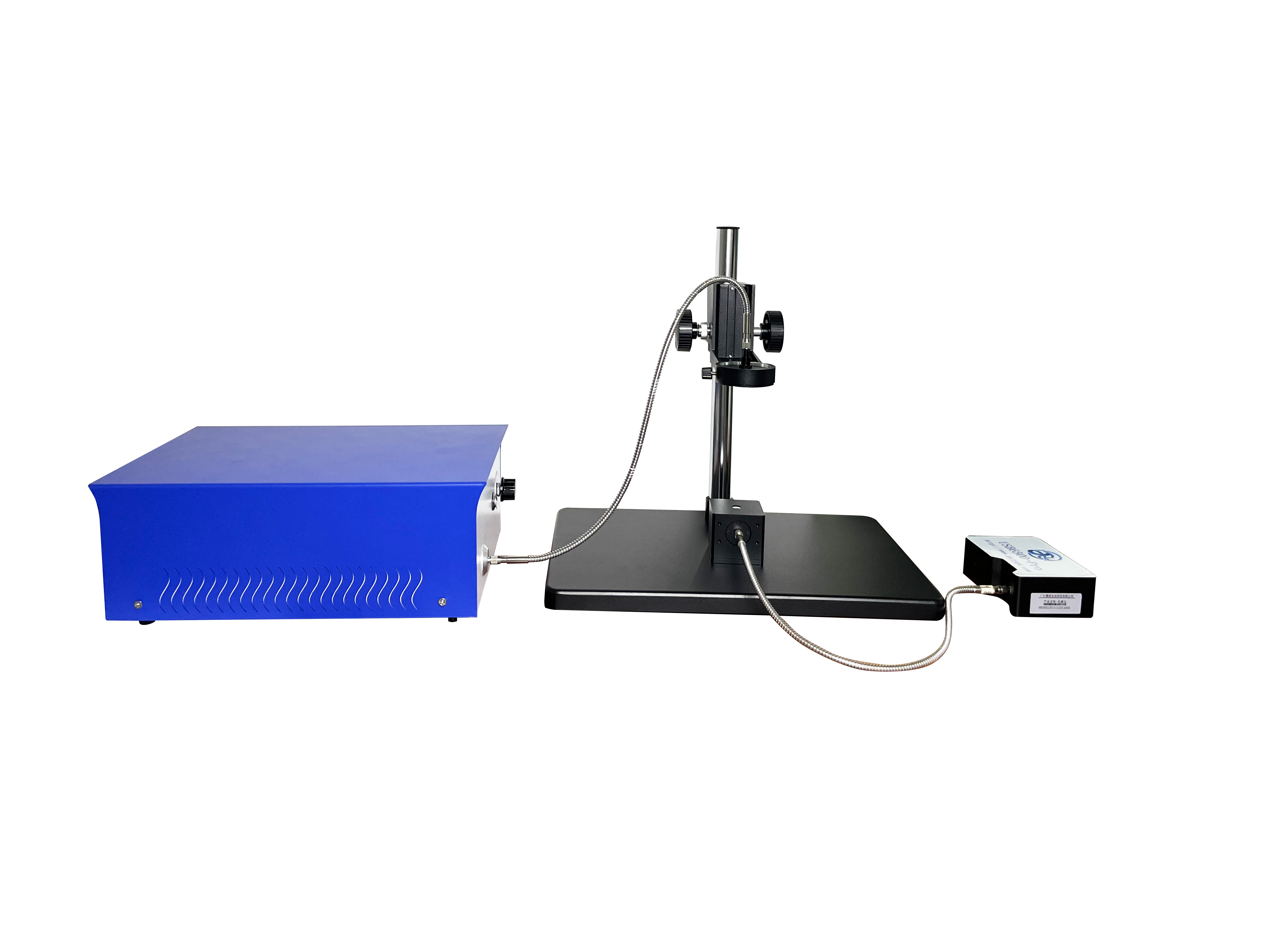
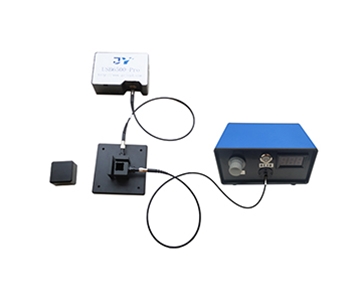
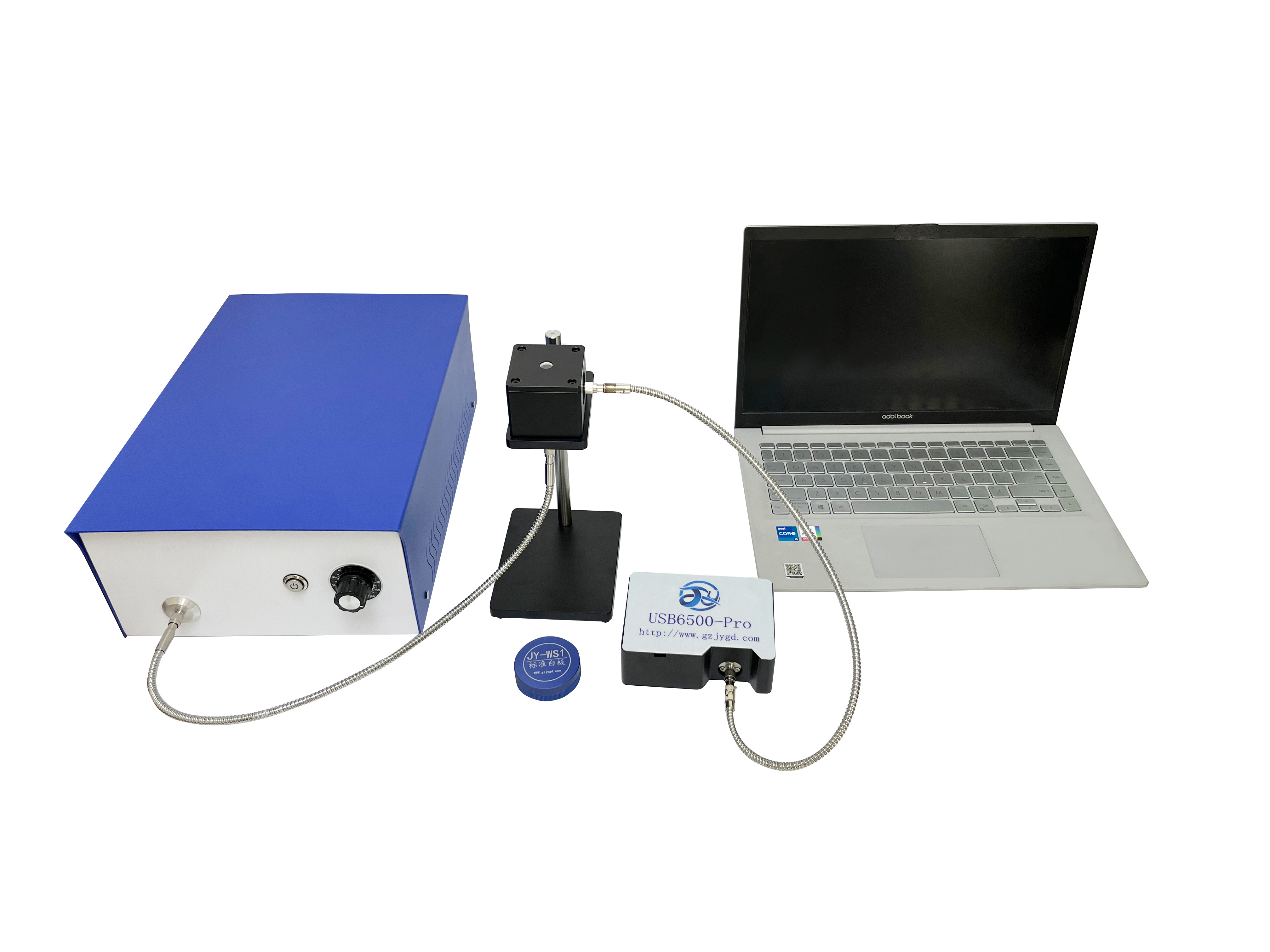
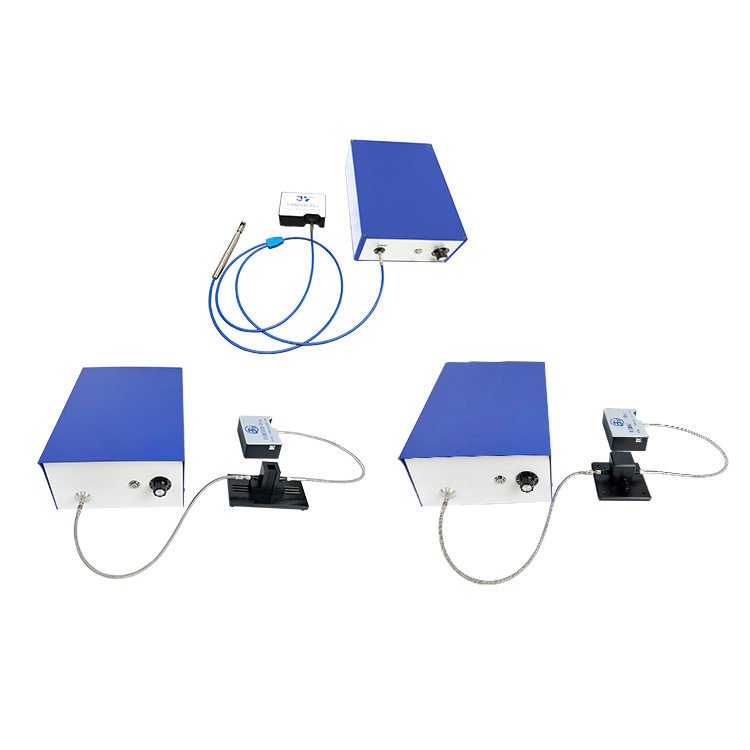
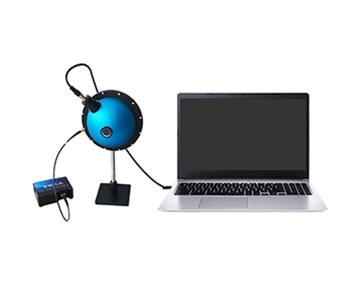
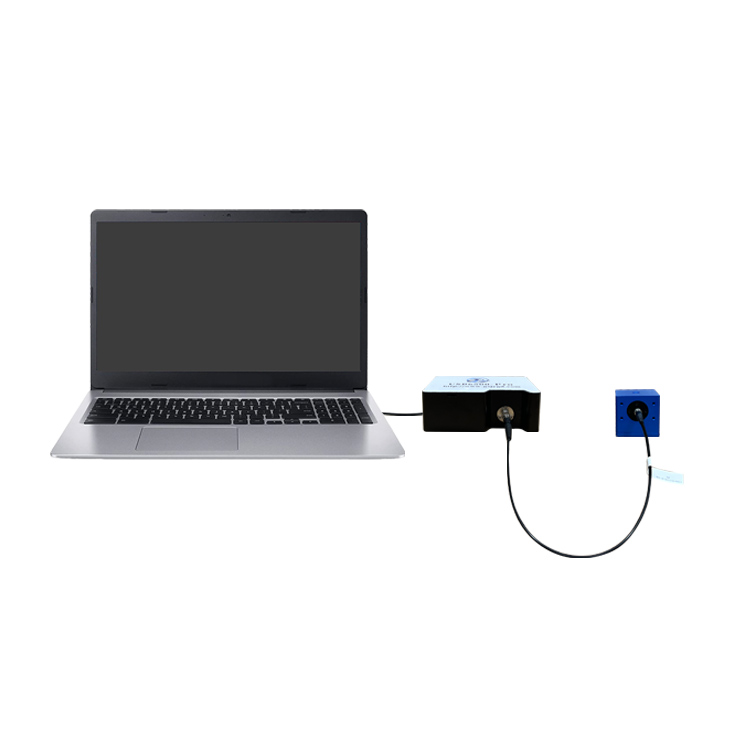
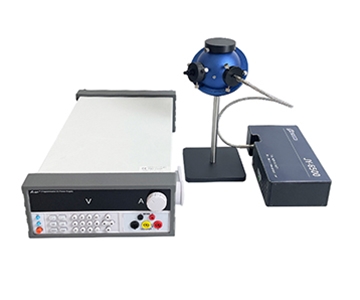
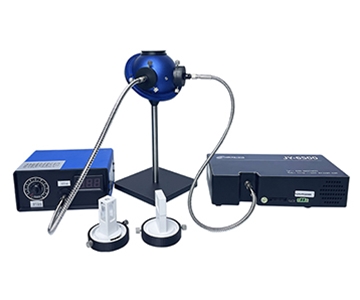
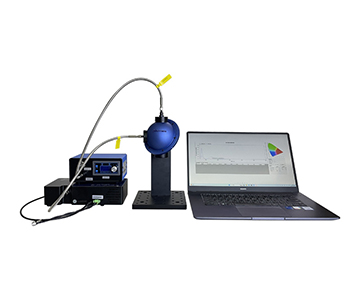
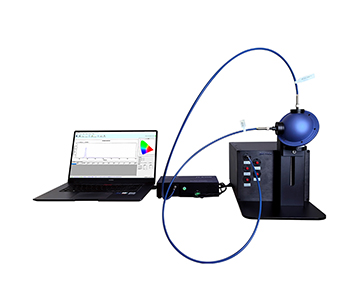
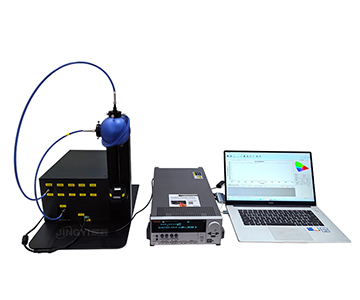
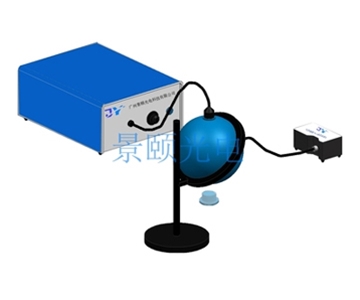
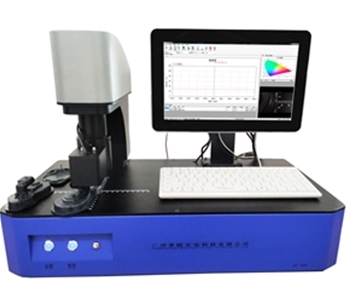
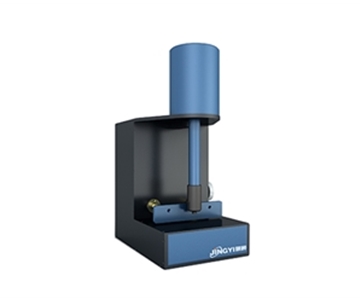
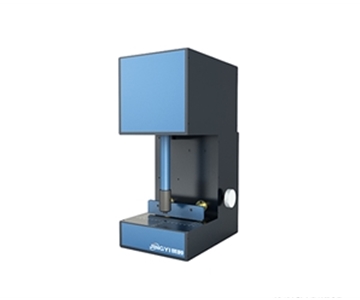
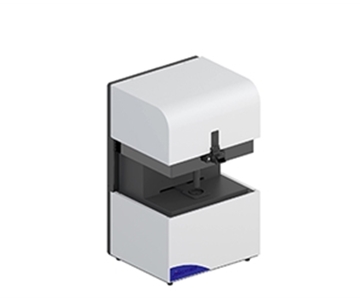
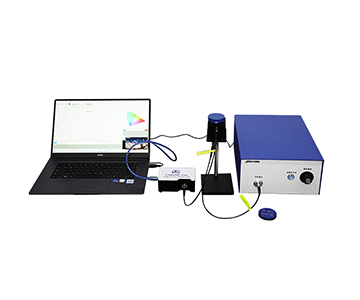
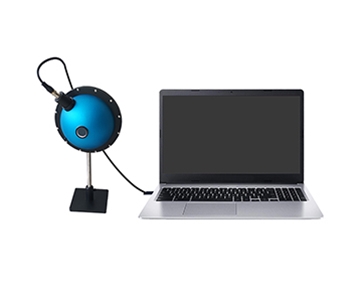
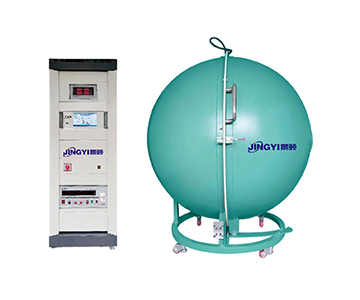
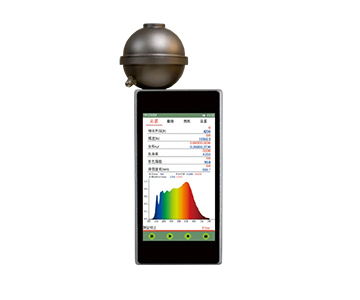
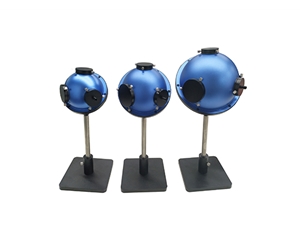
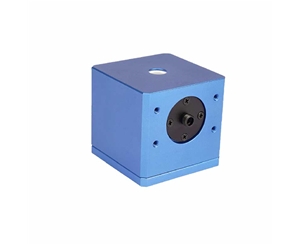
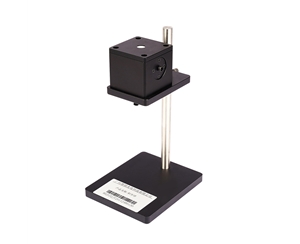
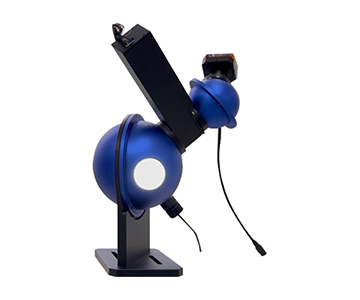
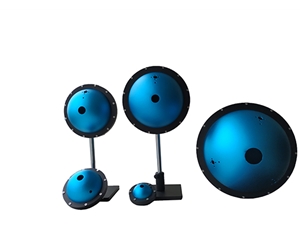
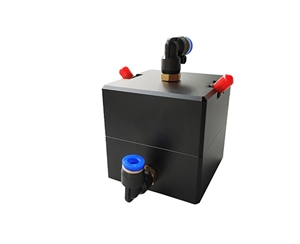
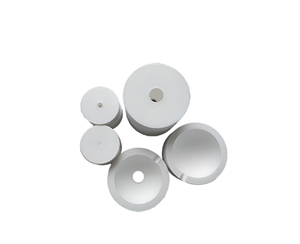
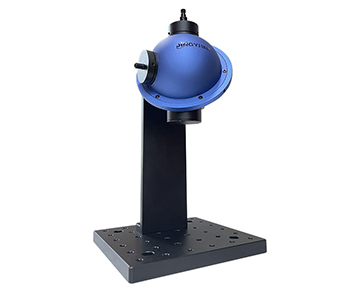
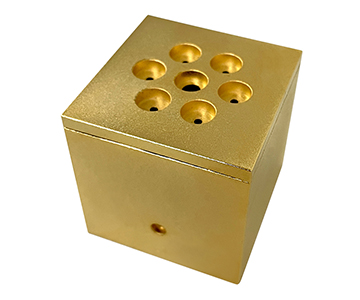
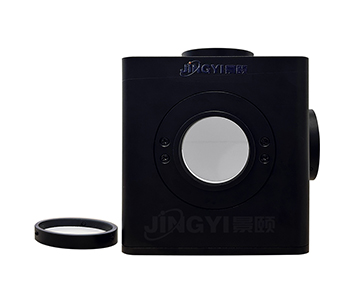
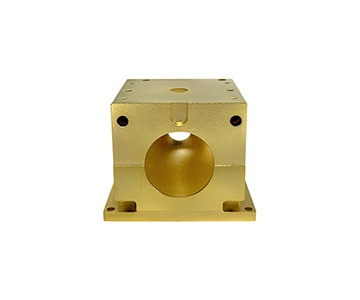
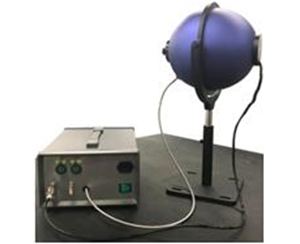
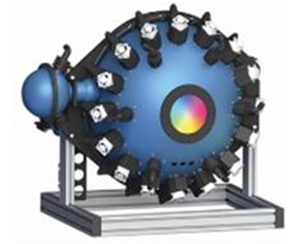
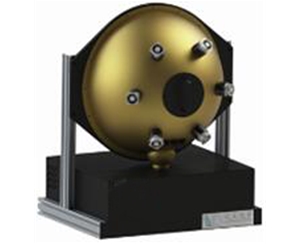
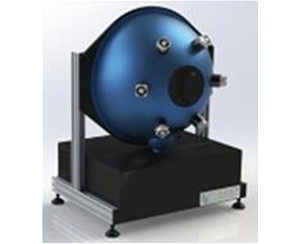
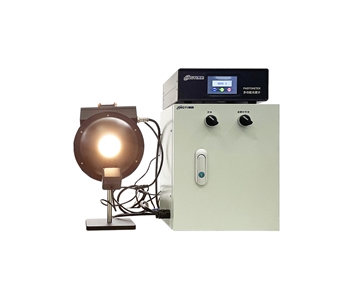
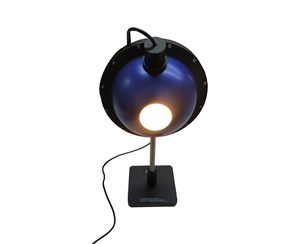
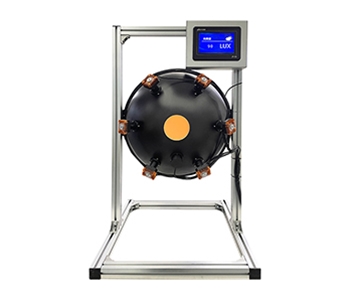
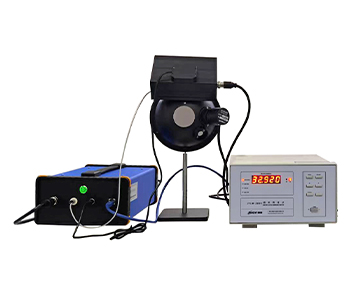
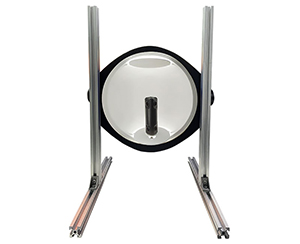
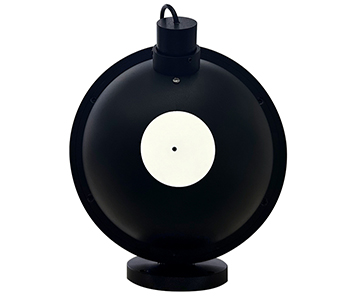
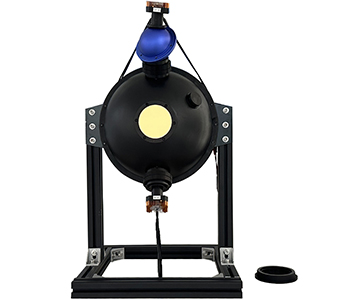
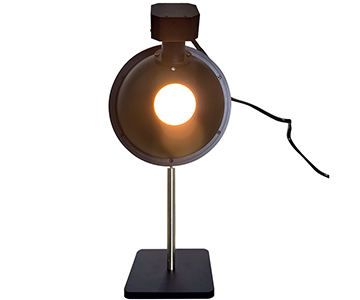
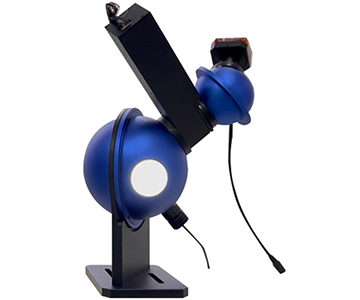
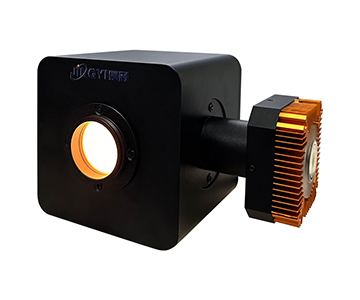
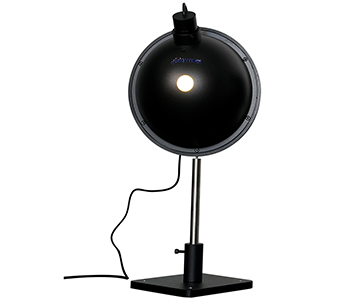
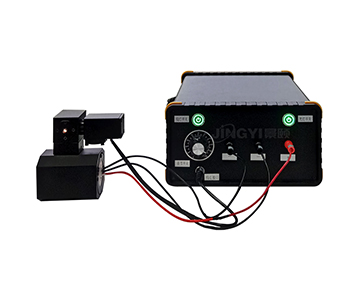
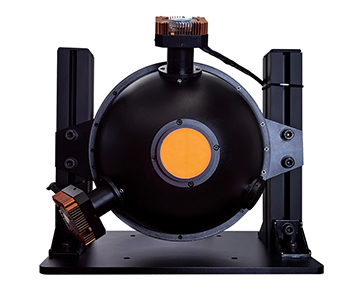
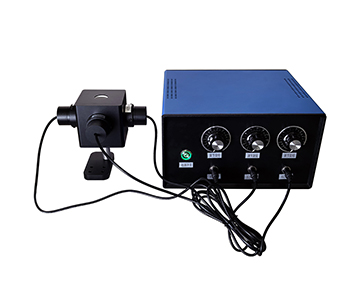
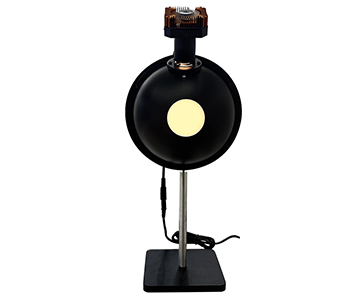
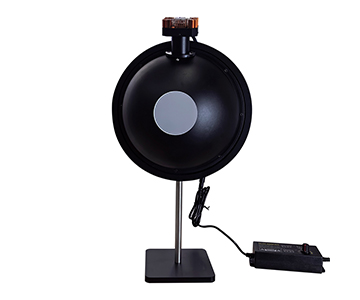
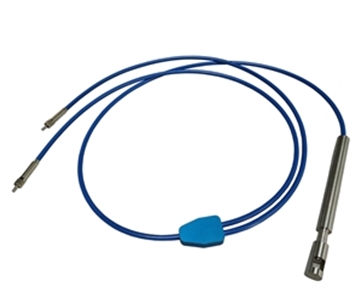
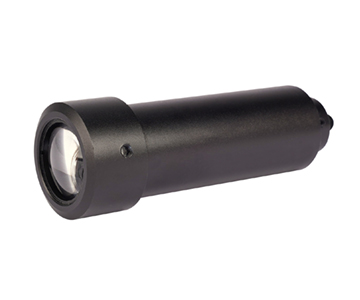
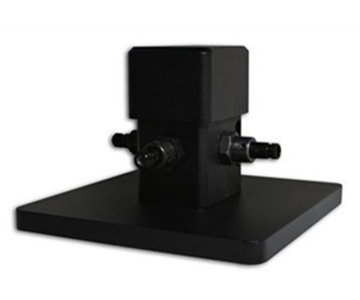
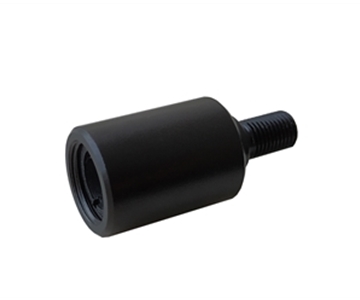
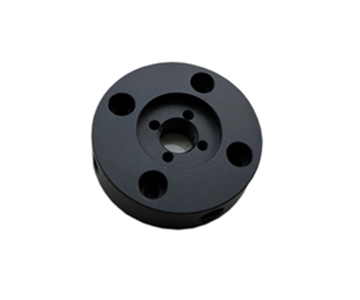
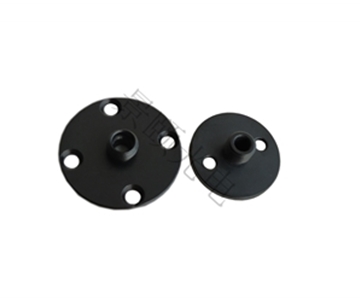
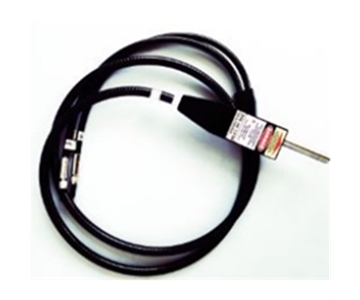
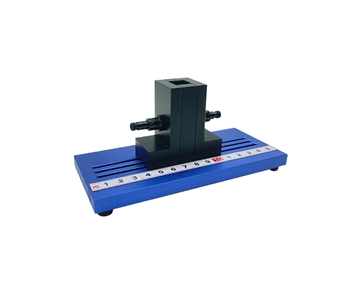
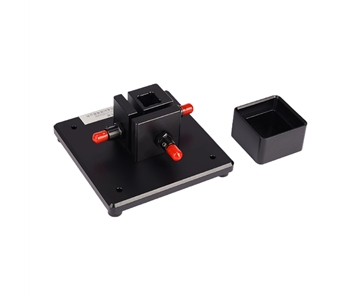
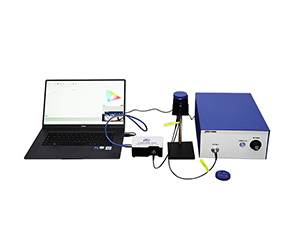
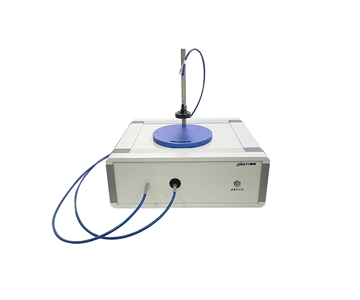
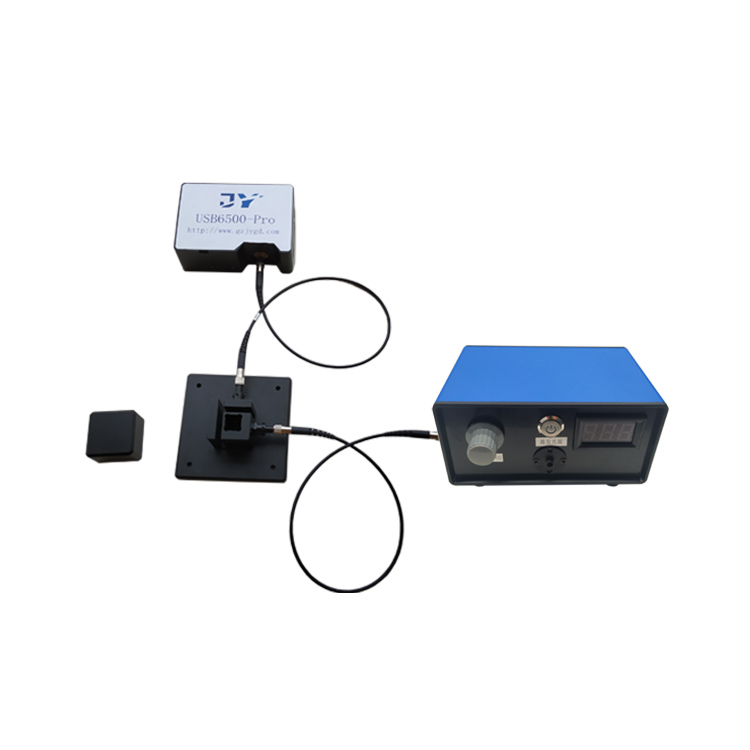
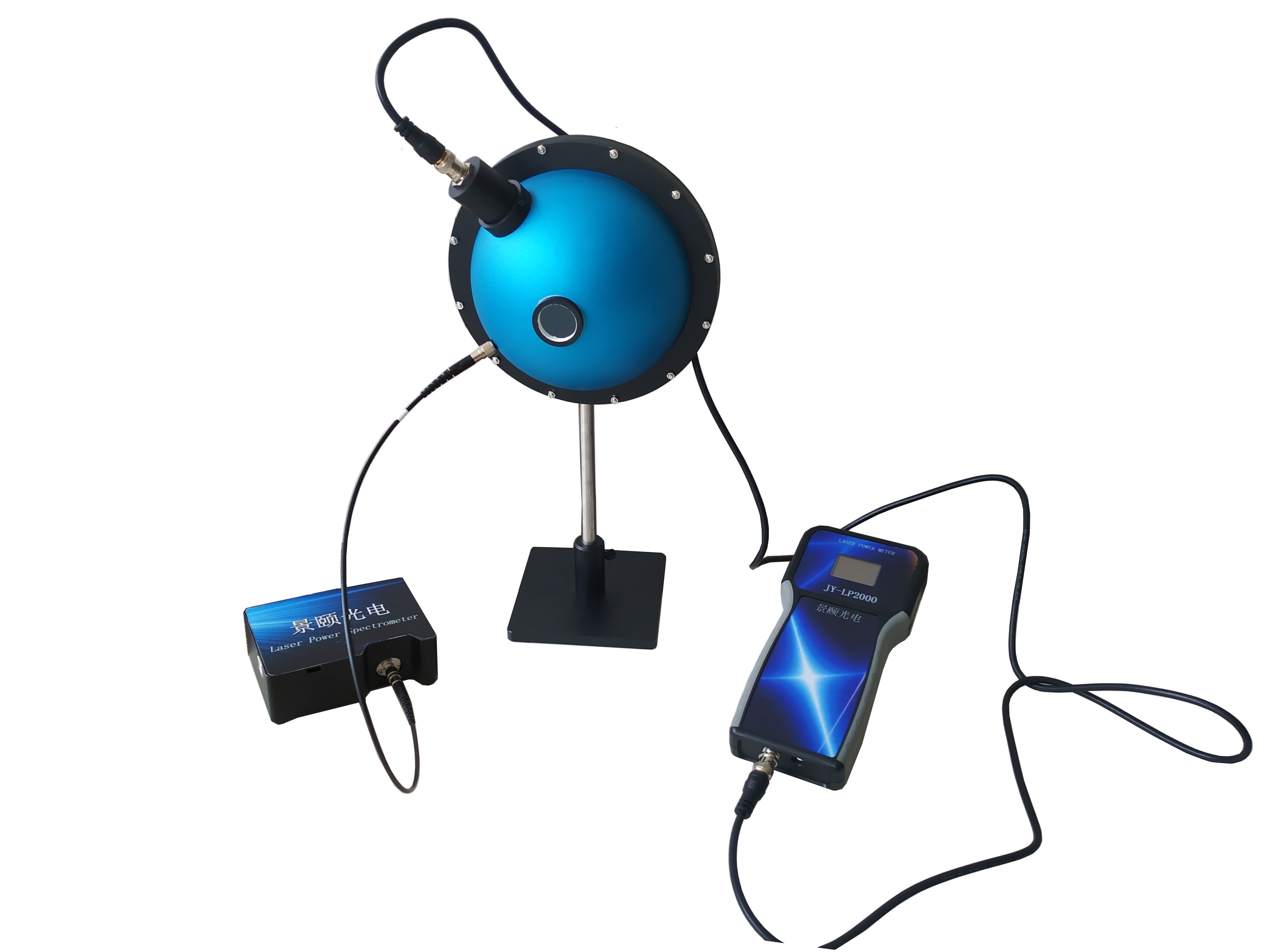
To address the industry-wide challenge of balancing cost and performance, Jingyi Optoelectronics has developed the JY-FOIS84 universal PTFE integrating sphere, adopting a “one-sphere-multiple-applications” design philosophy. It first resolves multi-scenario adaptability: standardized, universal ports are pre-engineered into the sphere body; users need only swap in application-specific external accessories to rapidly configure the system as a uniform light source, a laser power and spectral measurement module, or a transmittance/reflectance test unit—eliminating the need to purchase separate, dedicated testing instruments and significantly reducing equipment investment for both laboratories and production lines. For specialized mounting requirements, port size and position can be individually customized without requiring full-sphere tooling rework—reducing delivery time and cost by nearly 60%.
Modified Coating Formulation to Resolve Coating Aging
To overcome the rapid aging issue typical of conventional PTFE integrating spheres, Jingyi Optoelectronics developed a proprietary modified diffuse-reflective coating formulation for this sphere. It preserves the cost advantage of inorganic coatings while achieving performance comparable to polymeric coatings: across the commonly used visible-to-near-infrared detection range, the coating maintains consistently high diffuse reflectance, with Lambertian deviation under 0.5%. Additionally, nanoscale adhesion-enhancement treatment ensures no yellowing or delamination occurs during normal operation for over five years—minimizing recalibration frequency and guaranteeing robust long-term data consistency.
Adaptability for Color Measurement: d/8 and d/0 Geometries
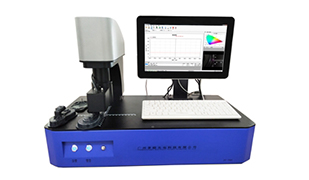
In high-frequency color measurement applications, this PTFE integrating sphere supports both mainstream colorimetric optical geometries—d/8 and d/0. When integrated into a d/8 geometry system, it enables seamless switching between two measurement modes: Specular Component Included (SCI) and Specular Component Excluded (SCE). In SCI mode, surface texture, micro-topography, and gloss—non-chromatic factors—are fully suppressed, allowing direct capture of the material’s intrinsic color properties. Whether applied to textile fabrics, industrial coatings, or plastic components, this capability delivers highly stable, repeatable color quality inspection data.
Resolving Data Drift: Critical Design Optimizations
Data drift observed by many PTFE integrating sphere users often stems from several critical design factors: first, coating uniformity—if thickness or adhesion is inconsistent, localized delamination or yellowing will occur over time, altering diffuse reflectance at specific locations and degrading optical homogenization; second, geometric precision of the cavity—if spherical radius tolerance exceeds specification, diffuse reflection uniformity suffers; third, unnecessary internal obstructions attenuate light energy and introduce measurement errors. During development of the JY-FOIS84 series, Jingyi Optoelectronics specifically addressed these widespread industry issues—optimizing coating formulation, spherical surface machining accuracy, and port design—to ensure stable measurement accuracy even under prolonged, high-frequency operation.
Jingyi Optoelectronics’ Certifications, Capabilities, and Application Scenarios
Jingyi Optoelectronics holds relevant certifications and maintains a high factory pass rate. Its capabilities include manufacturing PTFE reflective coatings (with high average reflectance), customizing integrating spheres across multiple dimensions and interface configurations, and providing comprehensive pre-sales and after-sales technical support. Typical application scenarios include LED luminous flux testing, laser power measurement, display color calibration, and environmental monitoring—spanning the breadth of optical metrology.
Adaptability Advantages and Future Outlook for Universal PTFE Integrating Spheres
As optical measurement evolves toward multi-scenario reuse and in-line industrial deployment, the adaptability advantages of universal PTFE integrating spheres will become increasingly prominent. They meet the flexible experimental platform-building needs of universities and research institutions while also satisfying the rapid, high-throughput testing requirements of industrial production lines—positioning them as foundational core components for the future of optical measurement.
#IntegratingSphere #UniversalIntegratingSphere #PTFEIntegratingSphere #GoldPlatedIntegratingSphere #WaterQualityIntegratingSphere
Scene image: {{output}}