Laser Industry Boom in 2025: JINGYI Optoelectronics’ Laser Wavelength Testing System Emerges as the New Benchmark in Precision Measurement
In 2025, with domestic laser industry shipments surging 47% year-on-year—from mass production of 800G/1.6T optical communication modules to R&D of ultra-narrow-linewidth lasers for quantum computing, and from safety-compliance testing of medical laser devices—the indispensable core calibration step across all these applications remains one and the same: precise laser wavelength measurement.
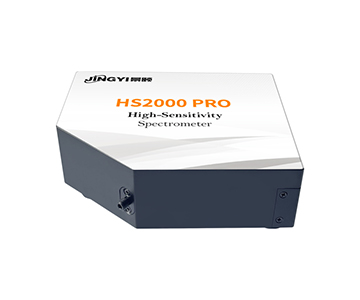
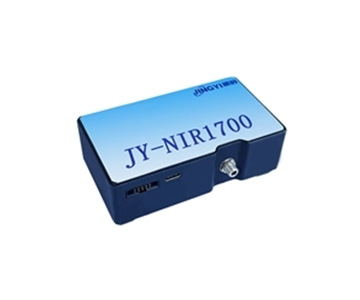
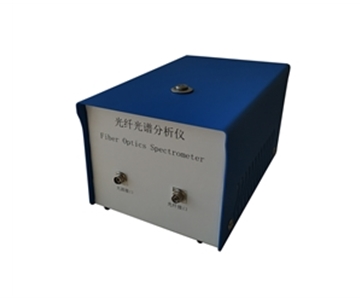
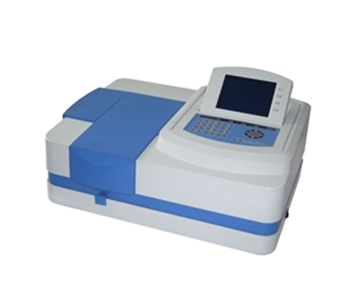
The current technical foundation for high-precision laser wavelength detection lies in optical modeling and analysis of interference fringe patterns—specifically, their phase differences and spacing—to convert optical signal characteristics into quantifiable wavelength values. For ultra-narrow-linewidth lasers (<1 MHz), this analytical framework achieves sub-nanometer accuracy: for example, at a central wavelength of 1 μm, measurement error can be controlled within the 10⁻⁹ nm range. Many users mistakenly conflate wavelength analyzers with conventional spectrometers. In reality, the two serve complementary roles—akin to a “precision locator” versus a “panoramic scanner.” A wavelength analyzer focuses exclusively on pinpointing the exact value(s) of one or a few critical wavelengths, answering the question *“How far off is the laser frequency?”* In contrast, a spectrometer excels at visualizing the full spectral distribution—revealing details such as unwanted side peaks or amplified spontaneous emission (ASE) noise. Consequently, both instruments are frequently deployed together in comprehensive laser characterization workflows.
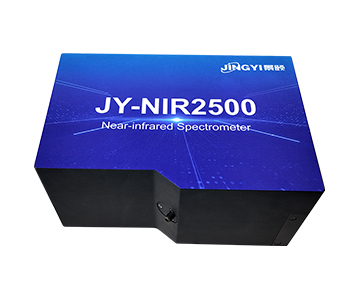
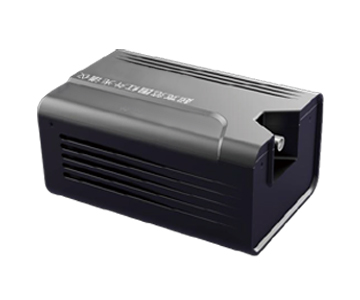
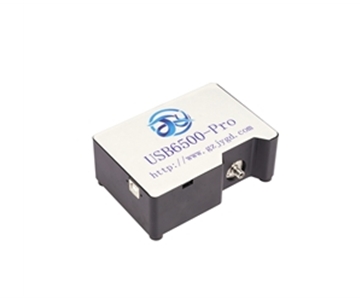
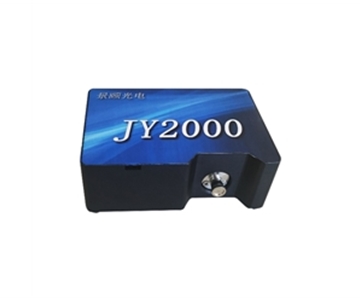
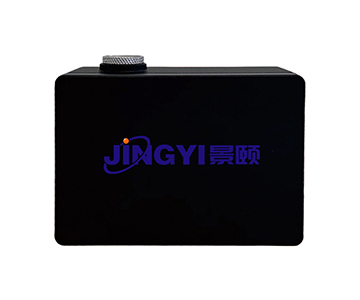
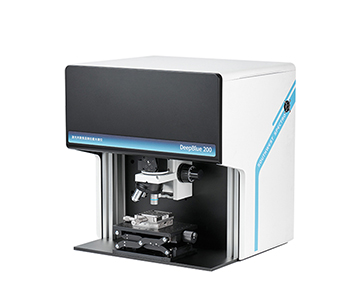
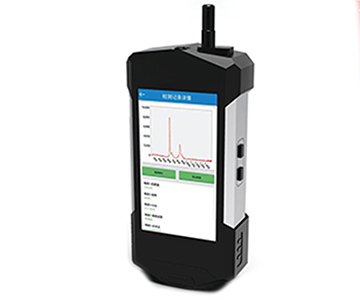
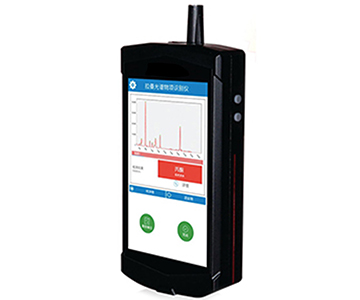
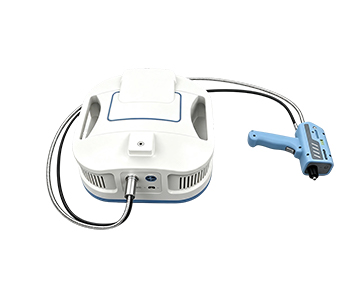
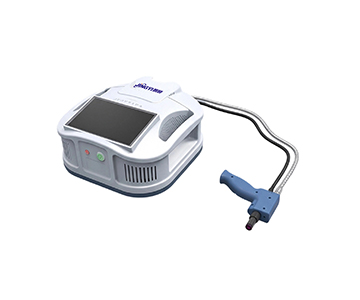
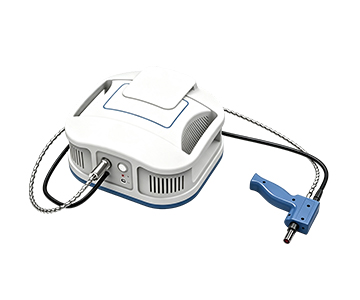
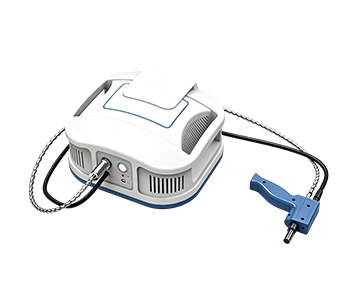
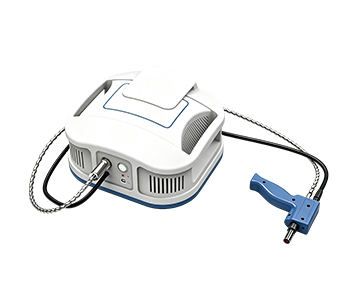
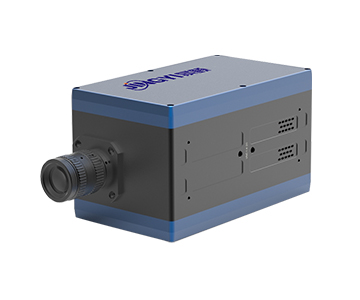
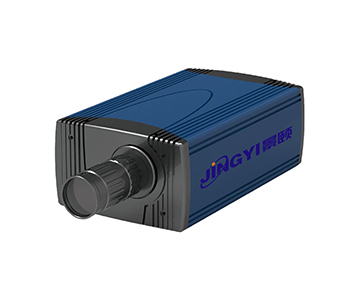
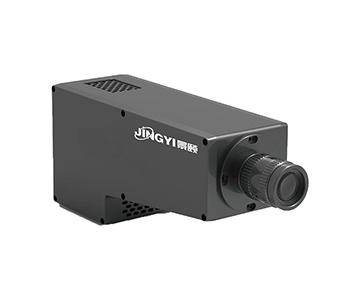
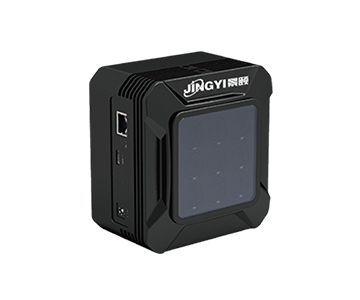
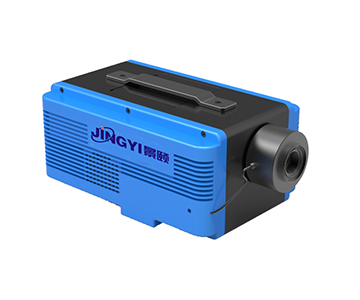
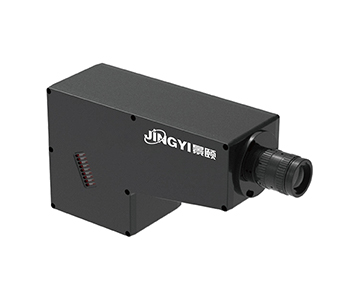
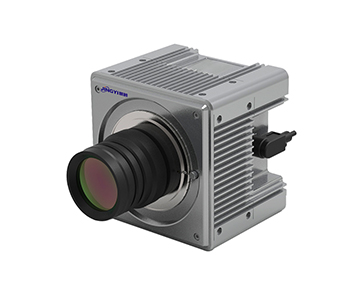
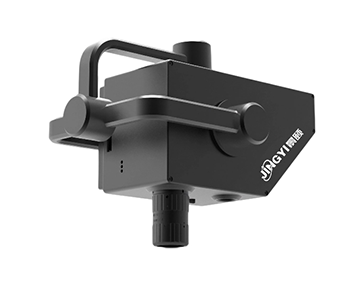
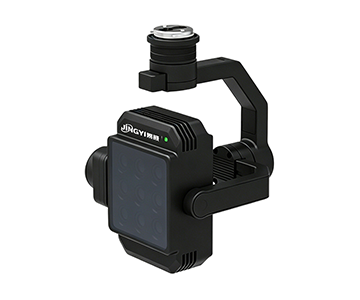
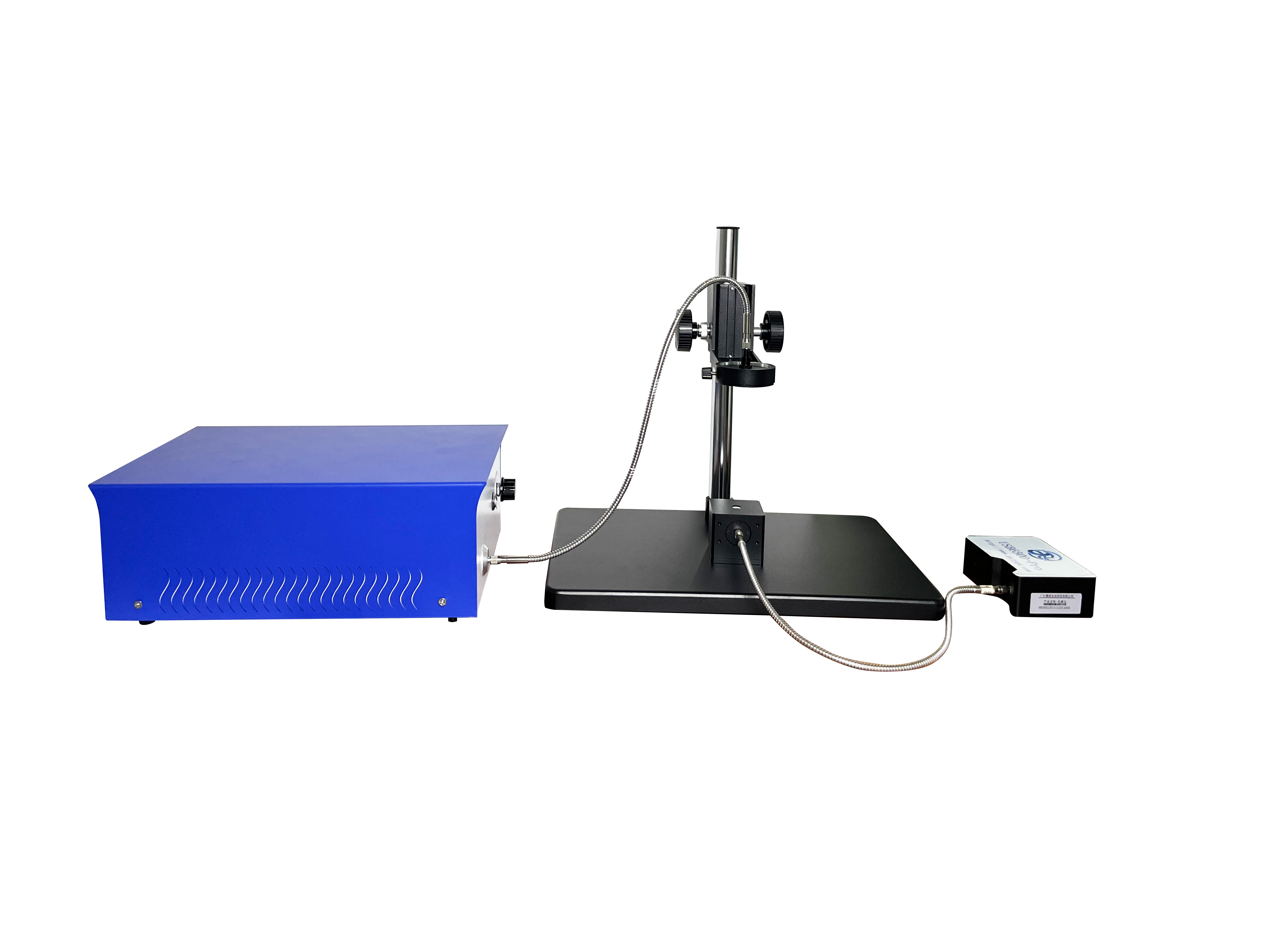
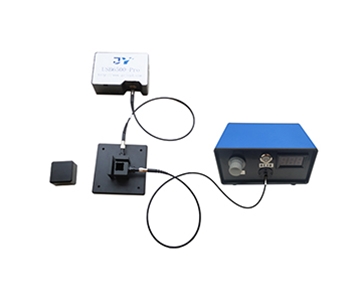
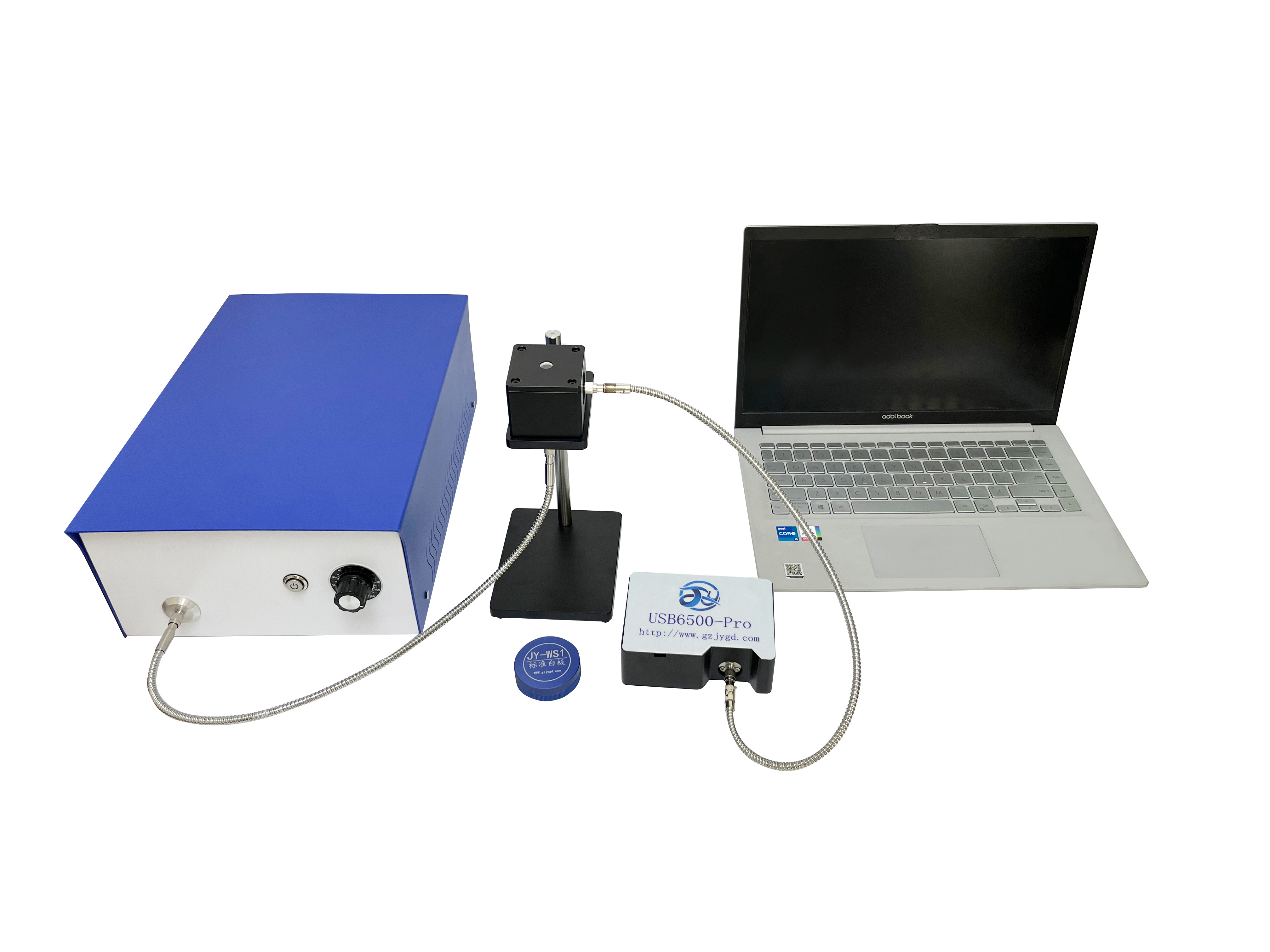
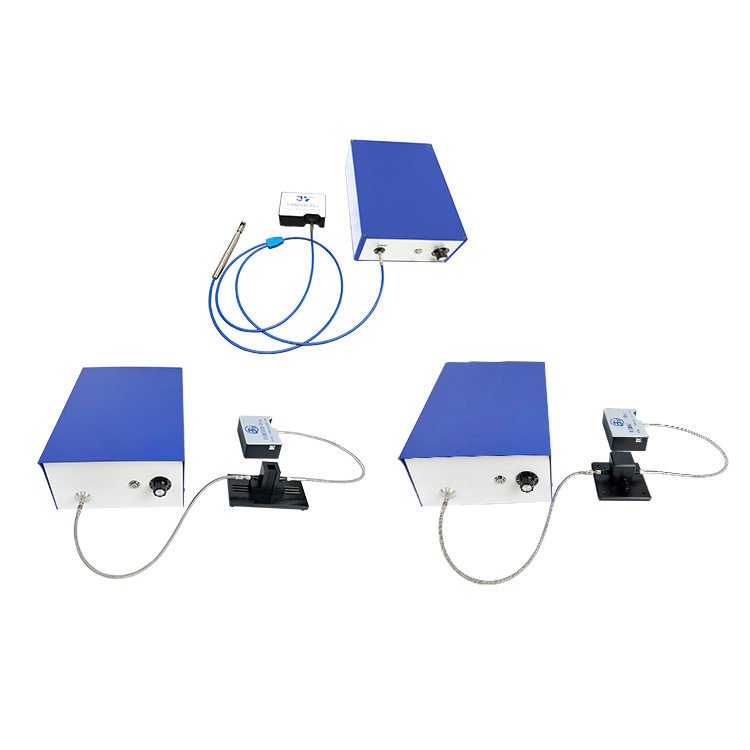
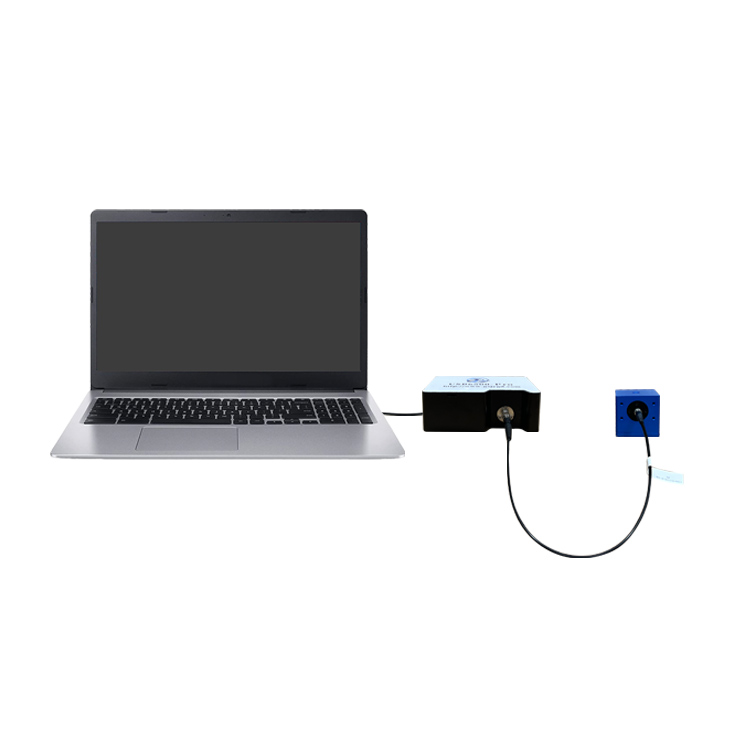
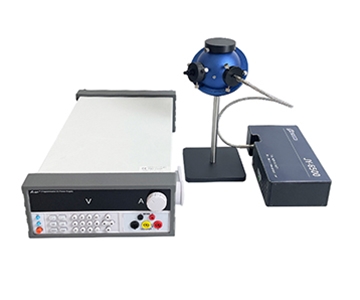
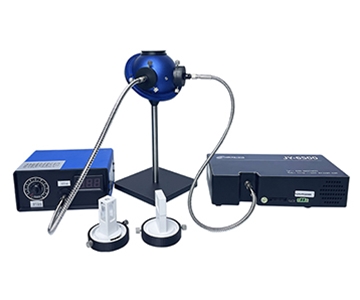
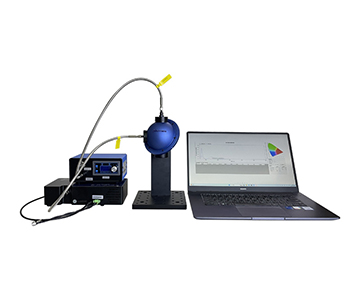
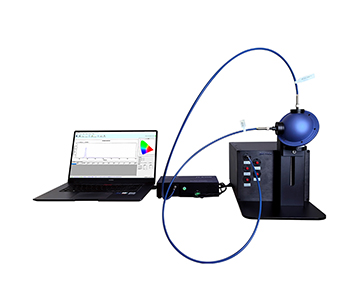
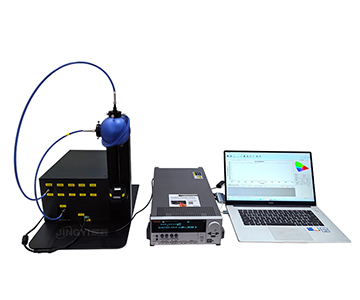
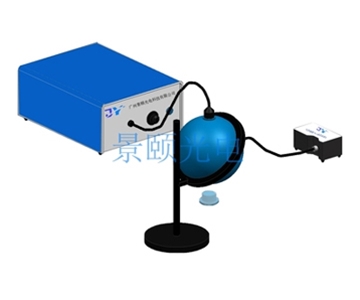
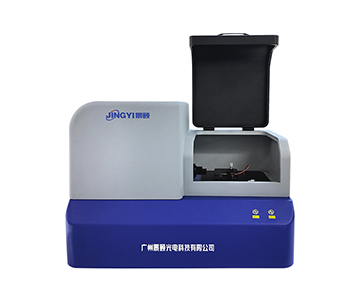
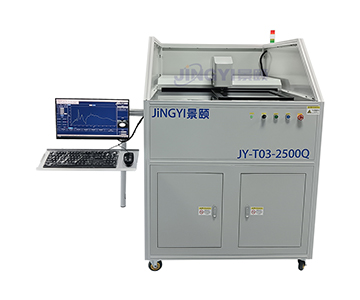
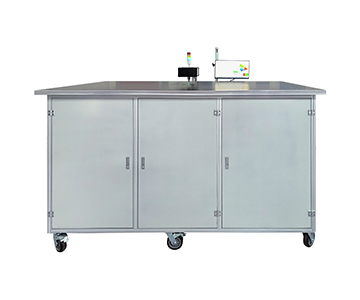
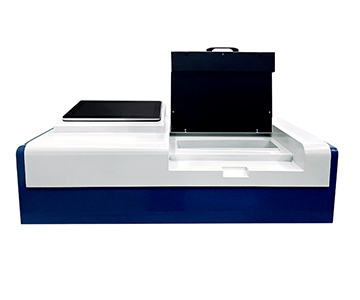
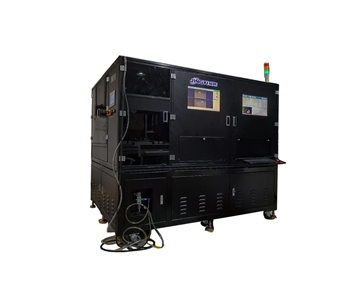
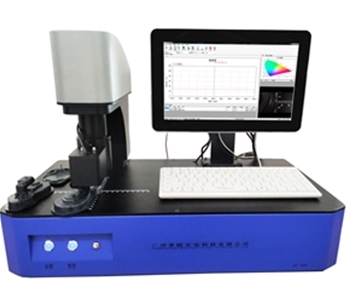
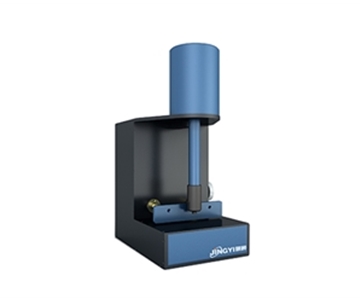
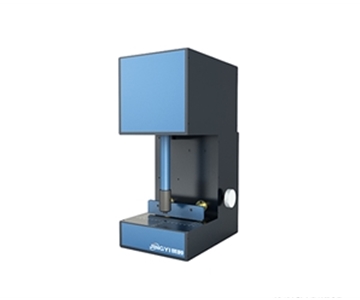
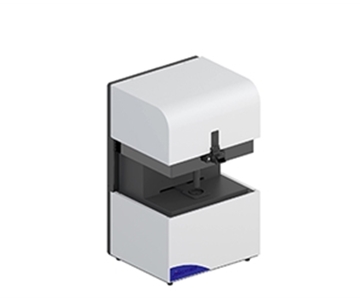
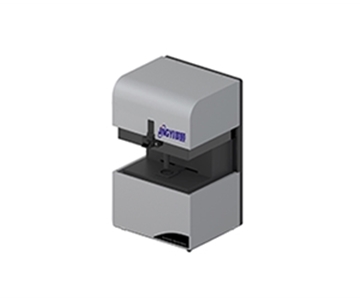
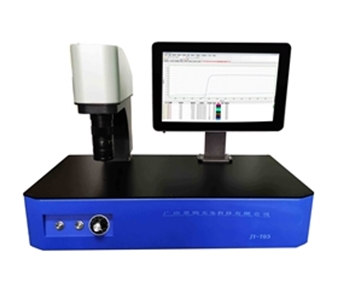
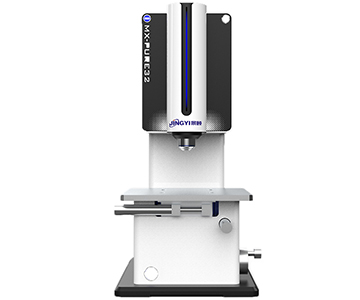
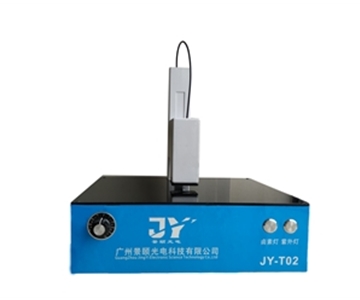
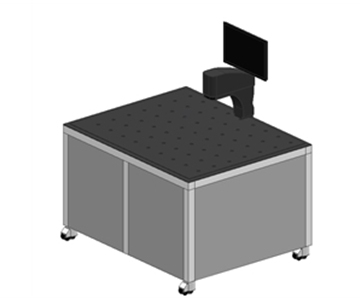
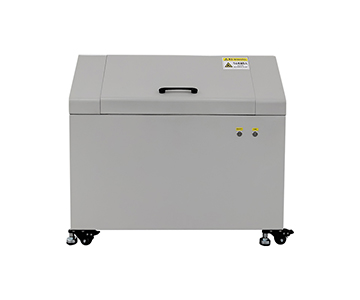
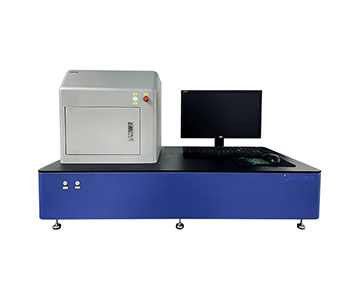
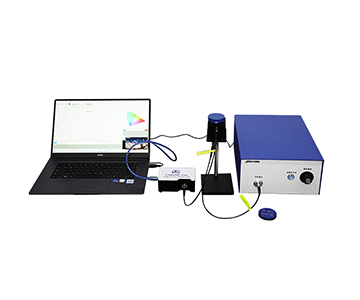
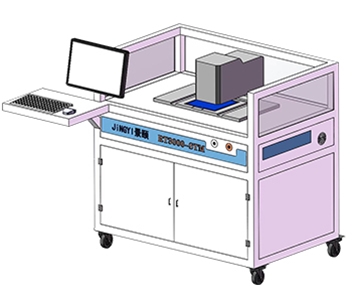
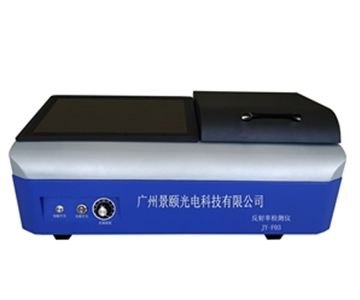
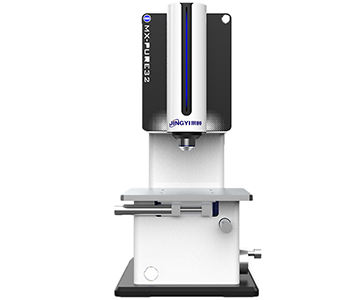
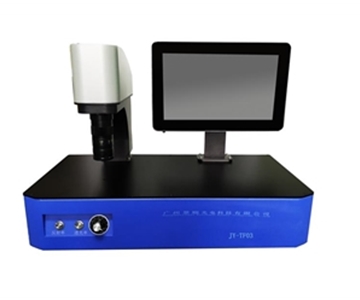
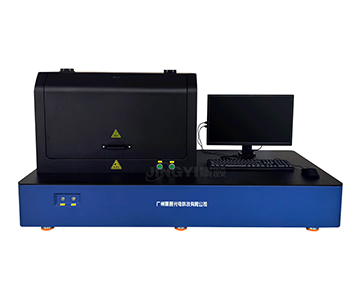
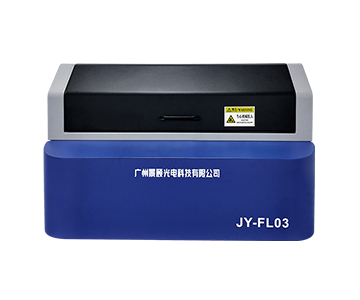
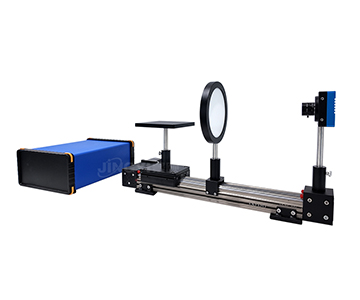
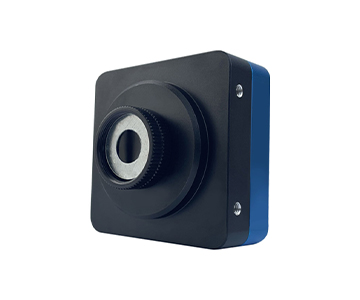
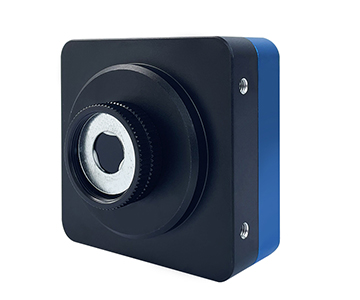
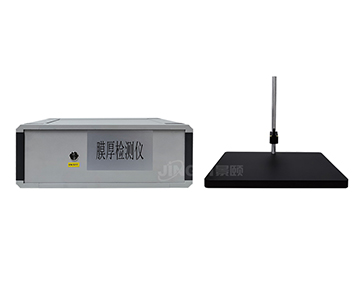
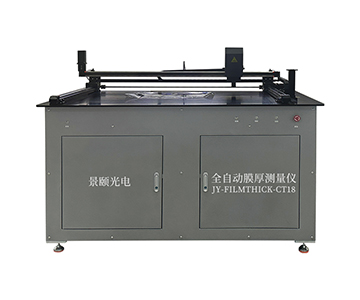
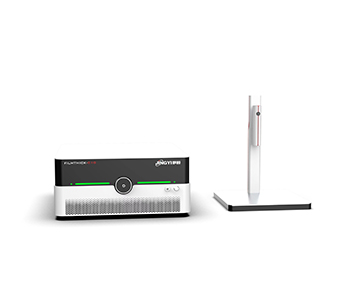
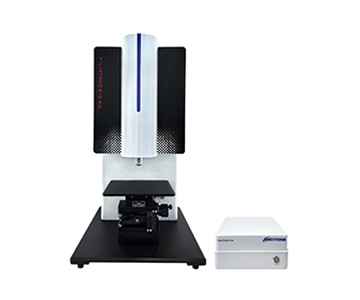
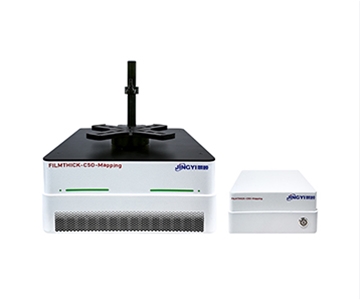
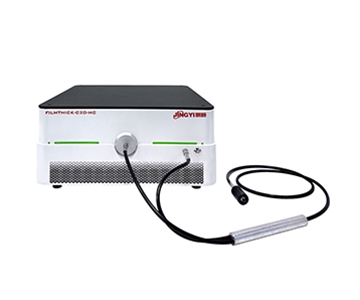
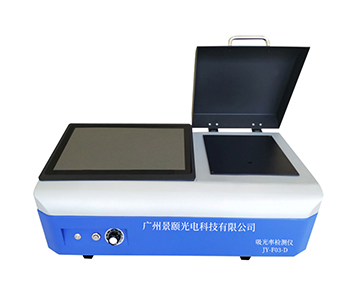
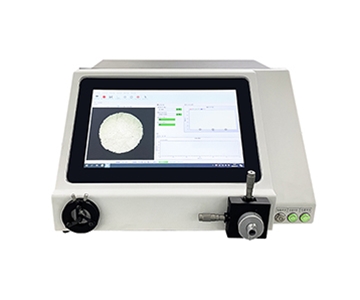
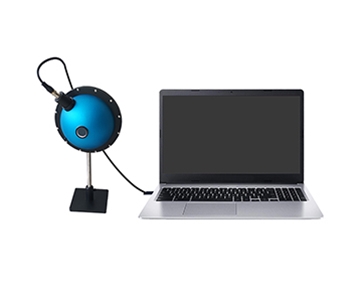
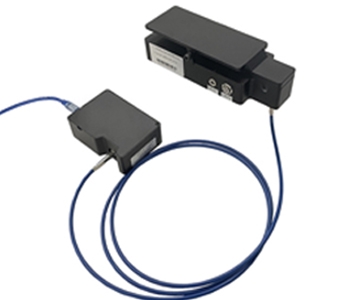
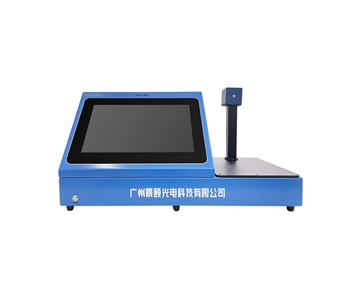
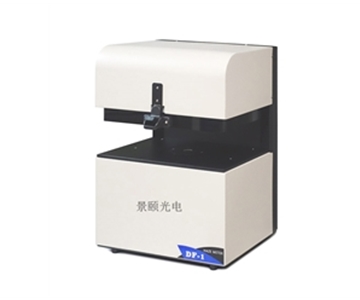
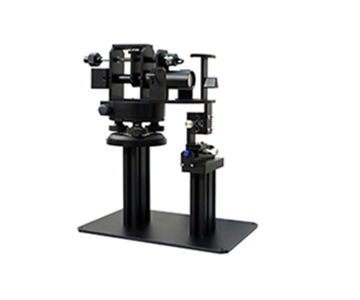
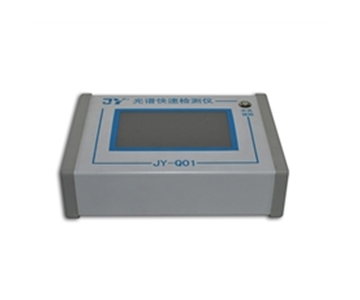
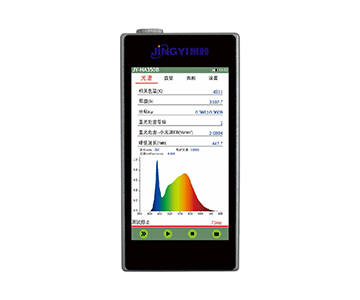
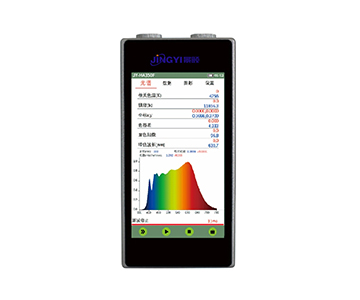
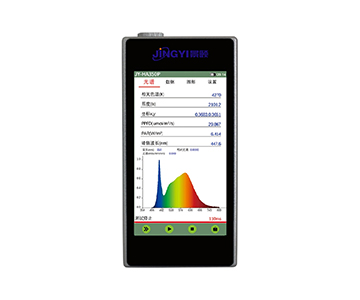
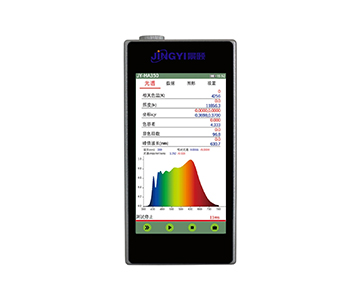
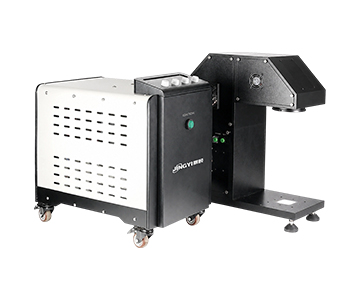
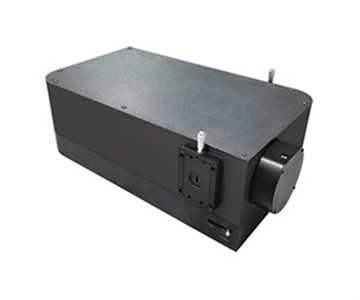
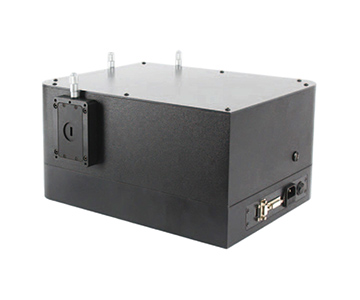
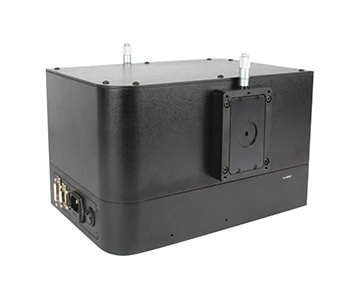
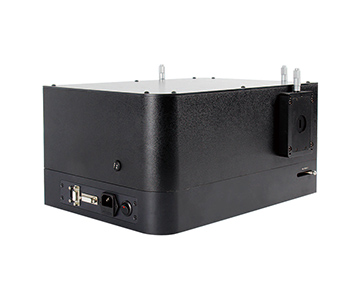
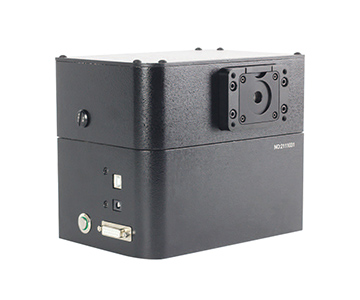
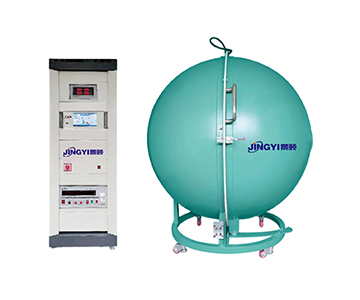
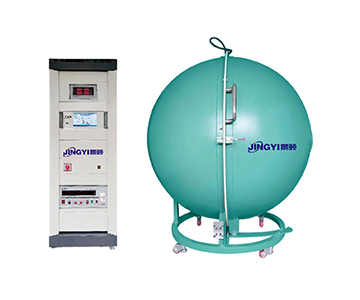
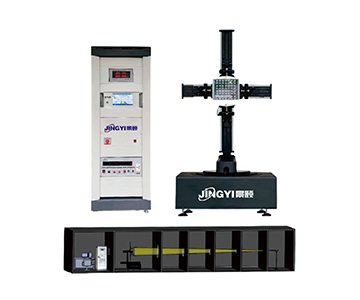
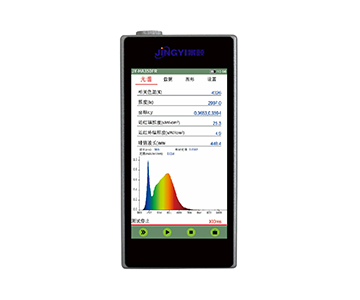
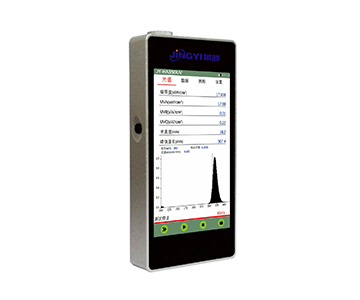
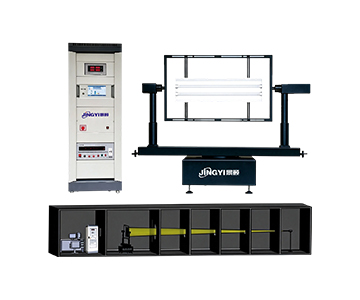
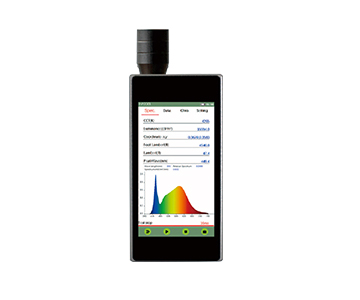
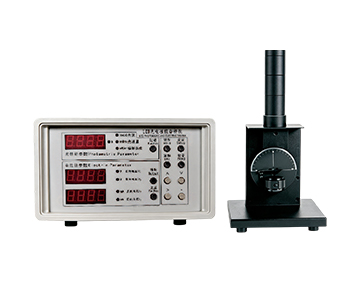
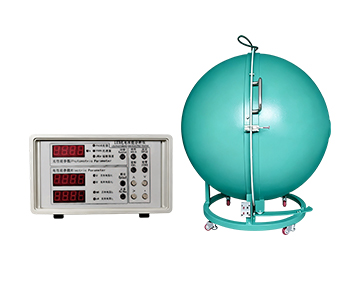
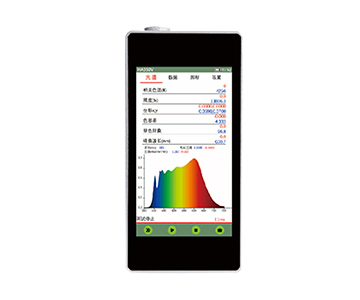
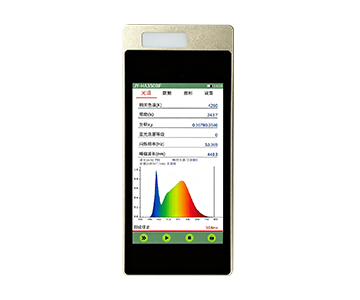
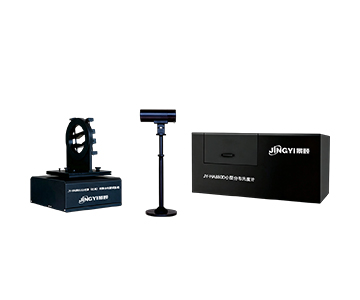
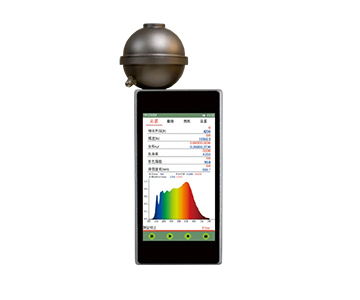
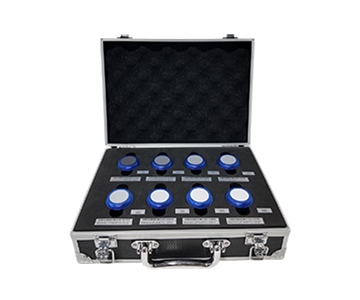
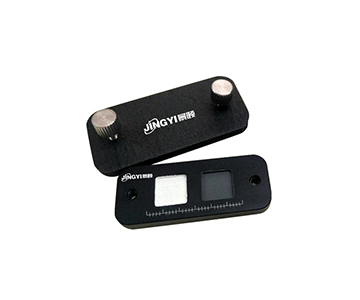
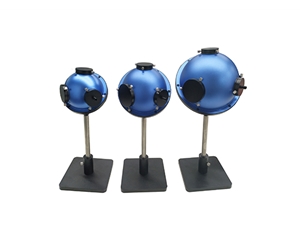
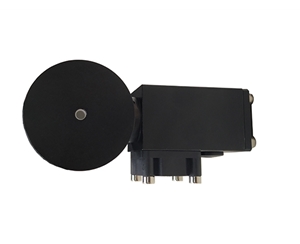
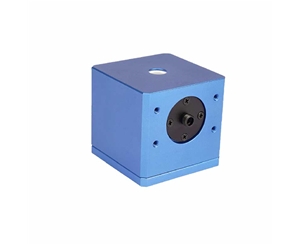
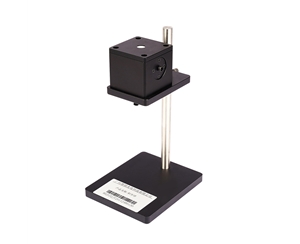
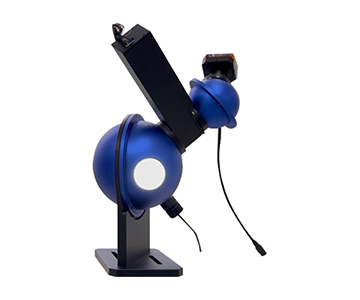
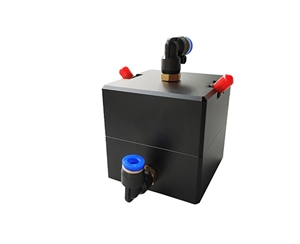
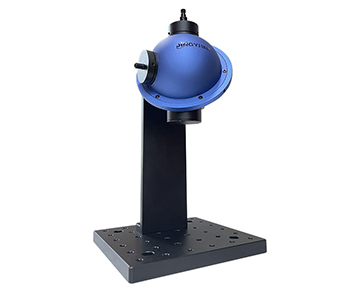
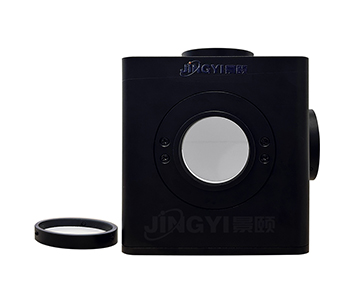
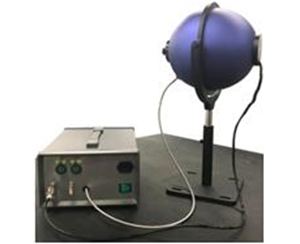
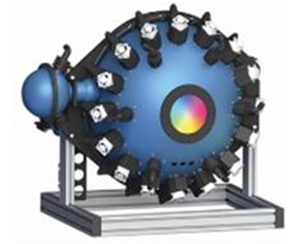
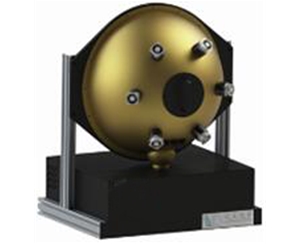
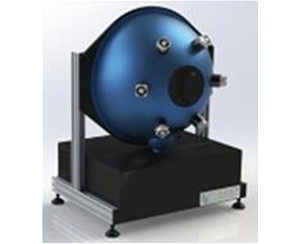
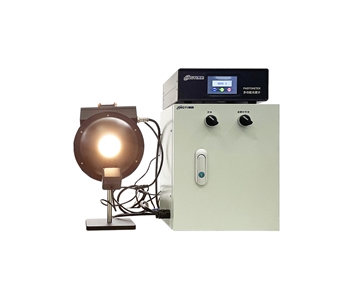
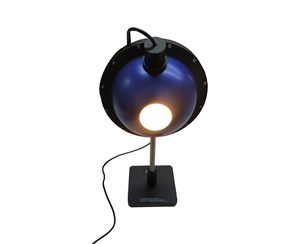
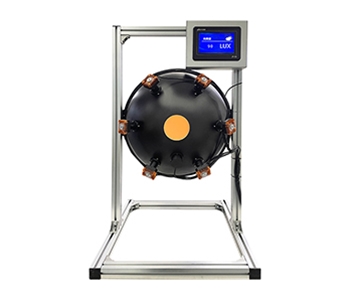
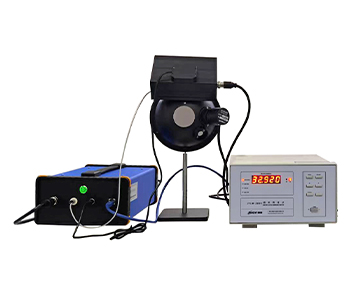
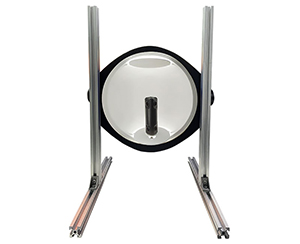
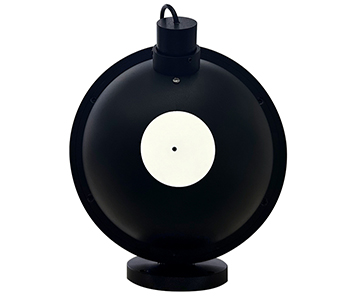
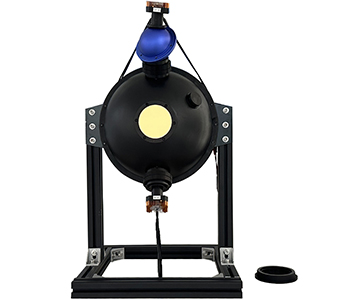
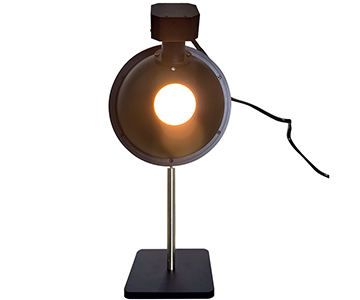
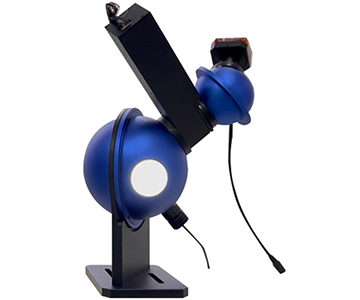
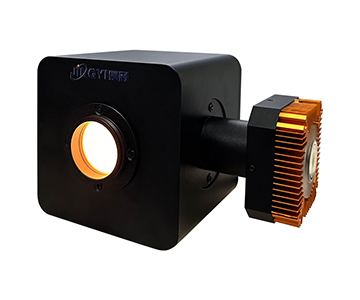
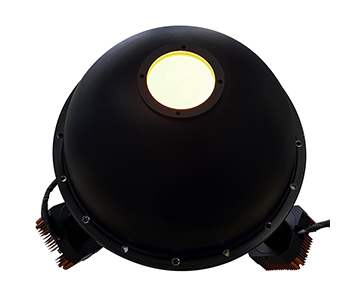
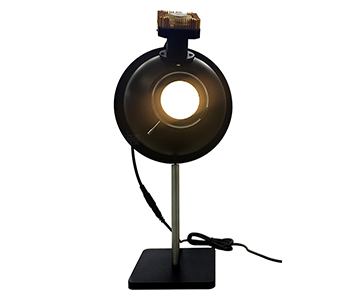
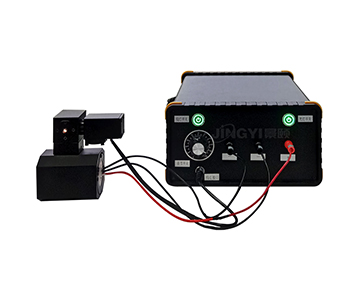
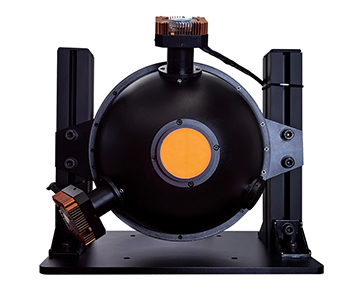
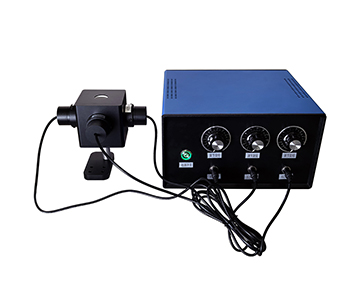
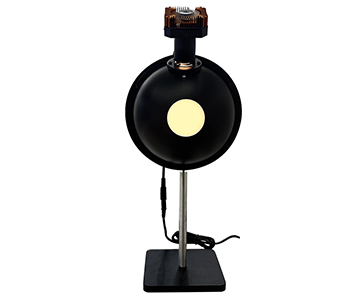
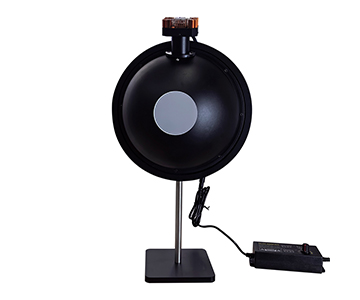
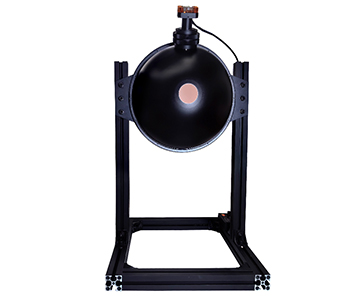
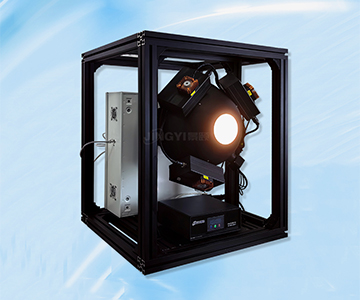
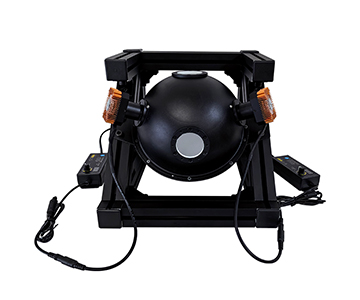
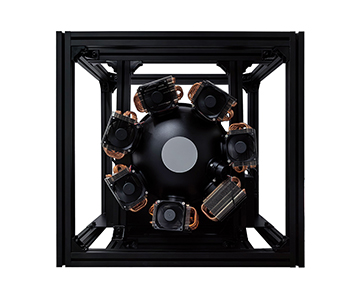
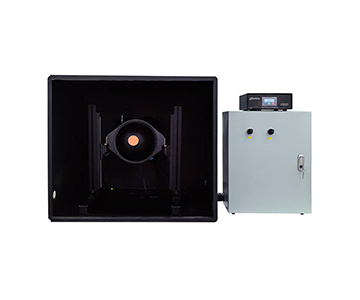
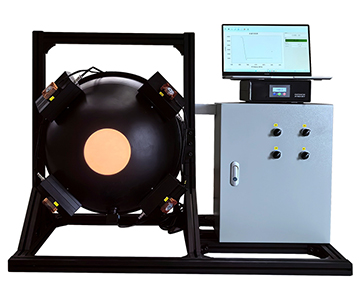
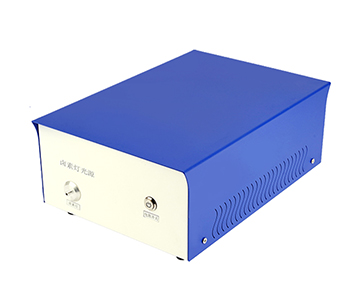
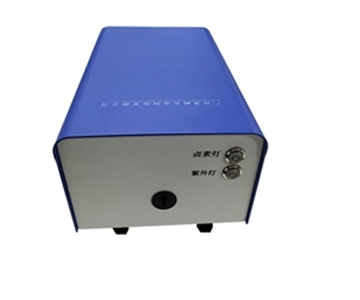
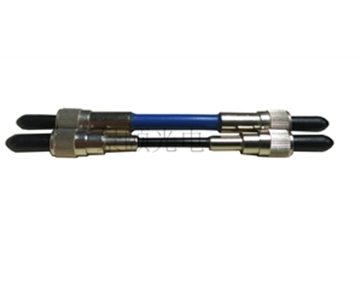
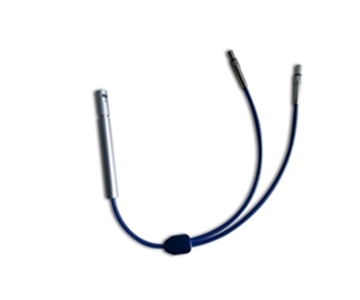
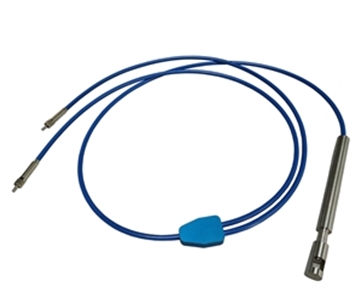
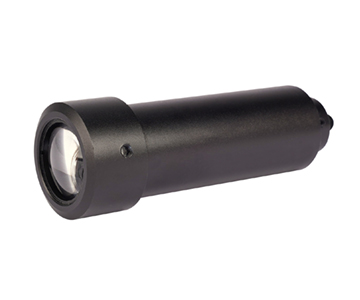
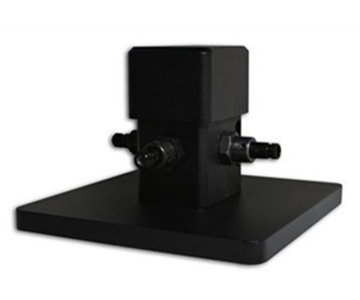
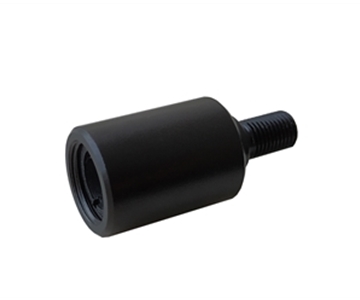
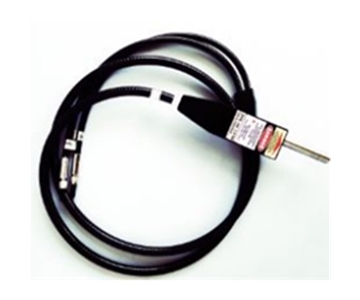
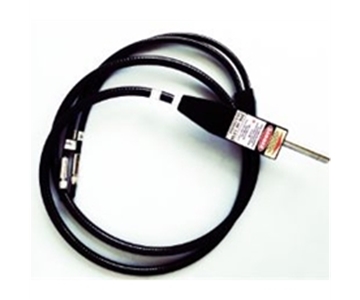
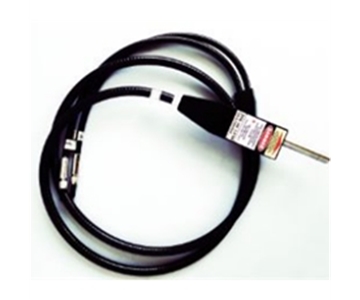
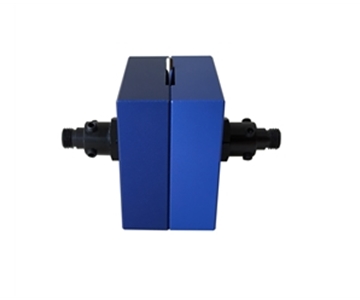
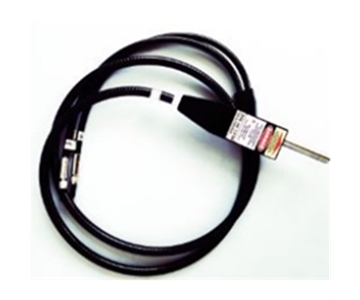
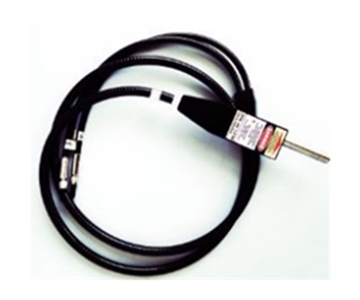
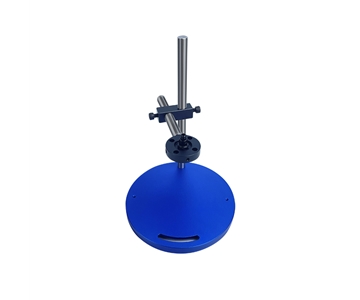
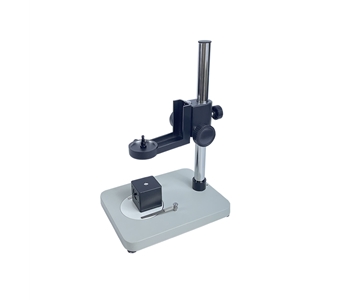
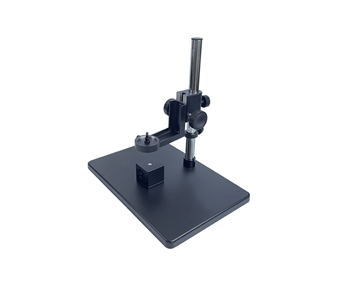
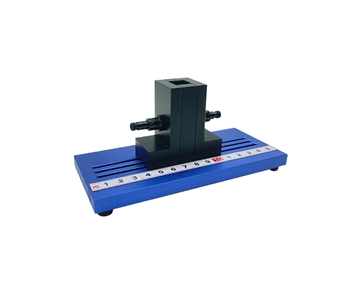
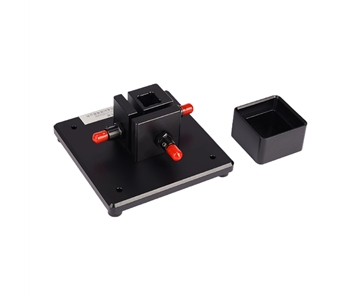
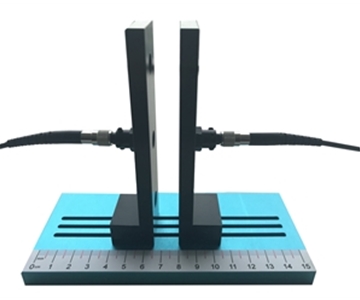
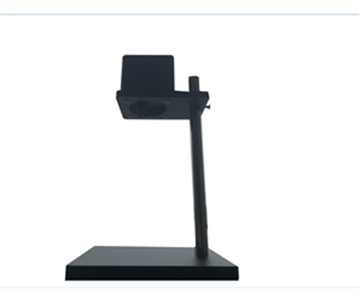
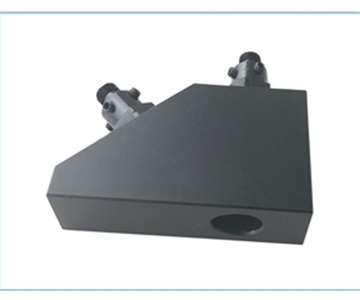
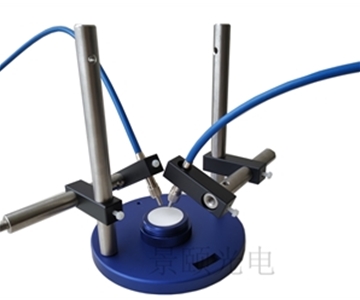
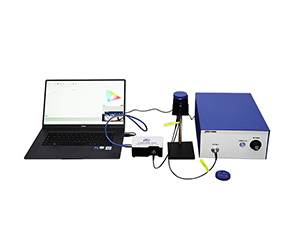
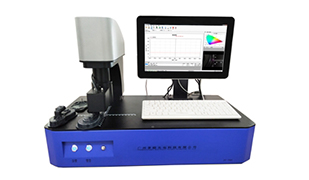
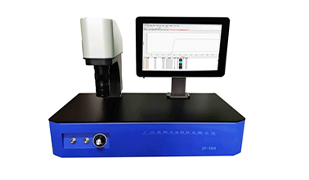
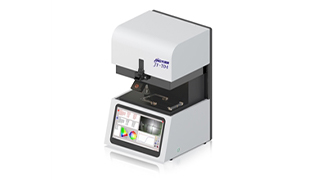
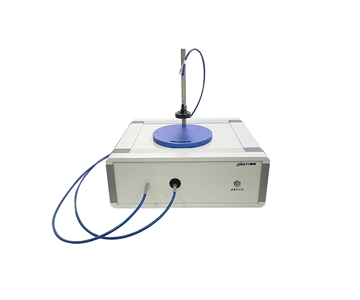
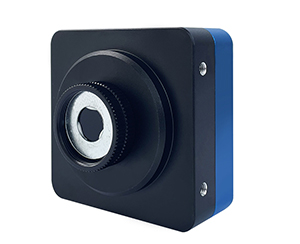
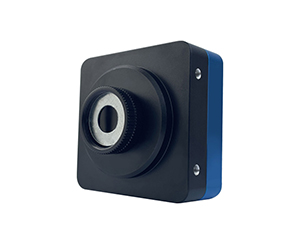
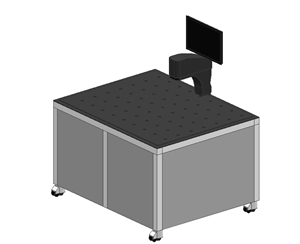
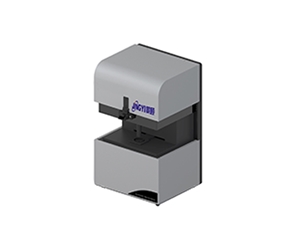
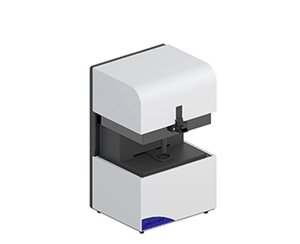
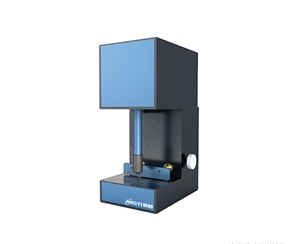
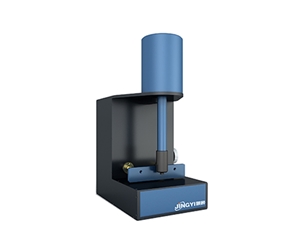
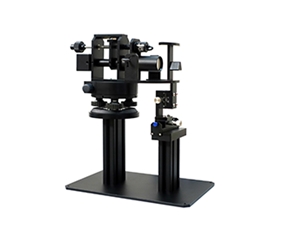
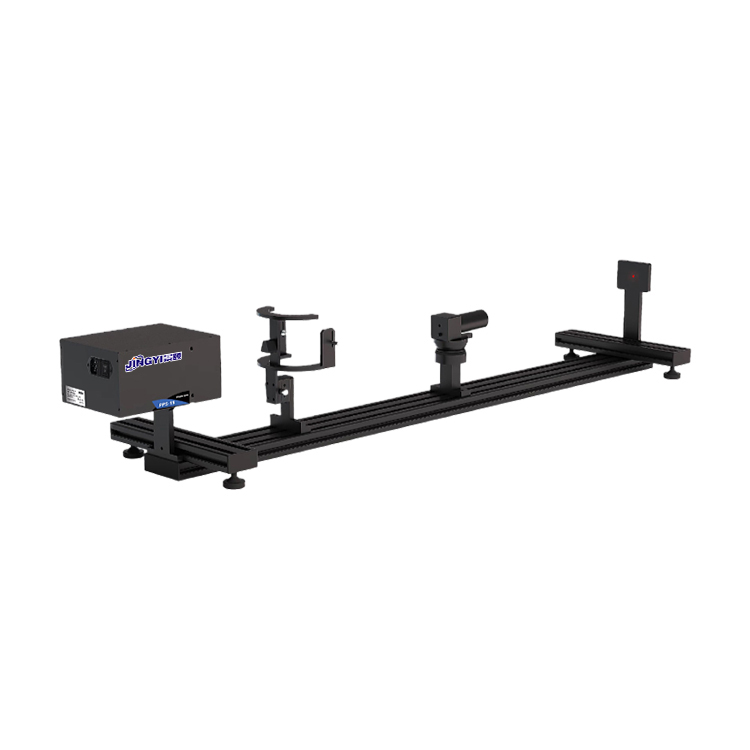
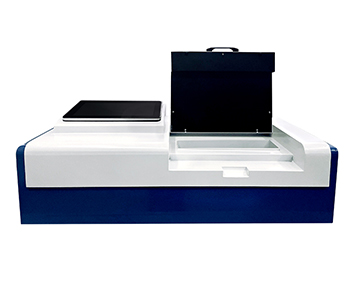
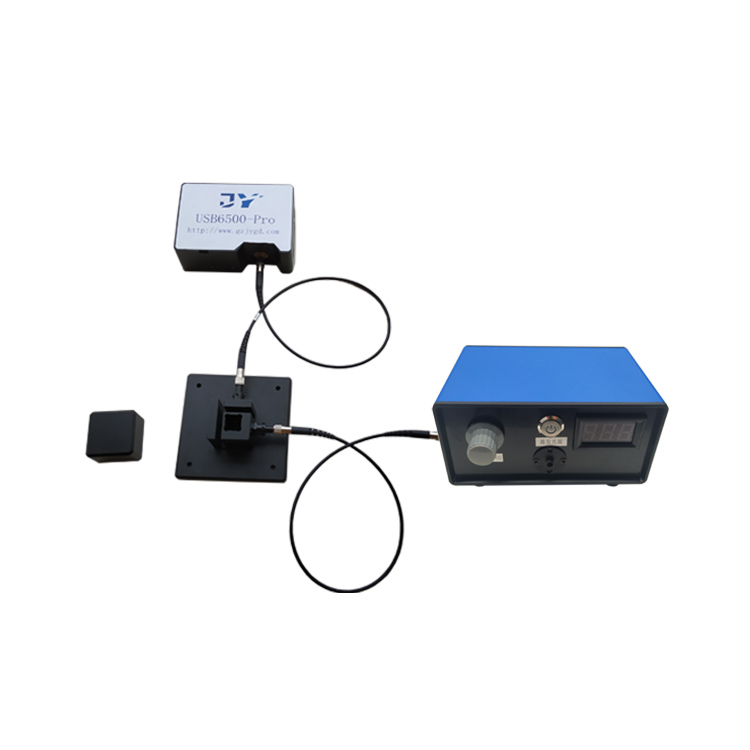
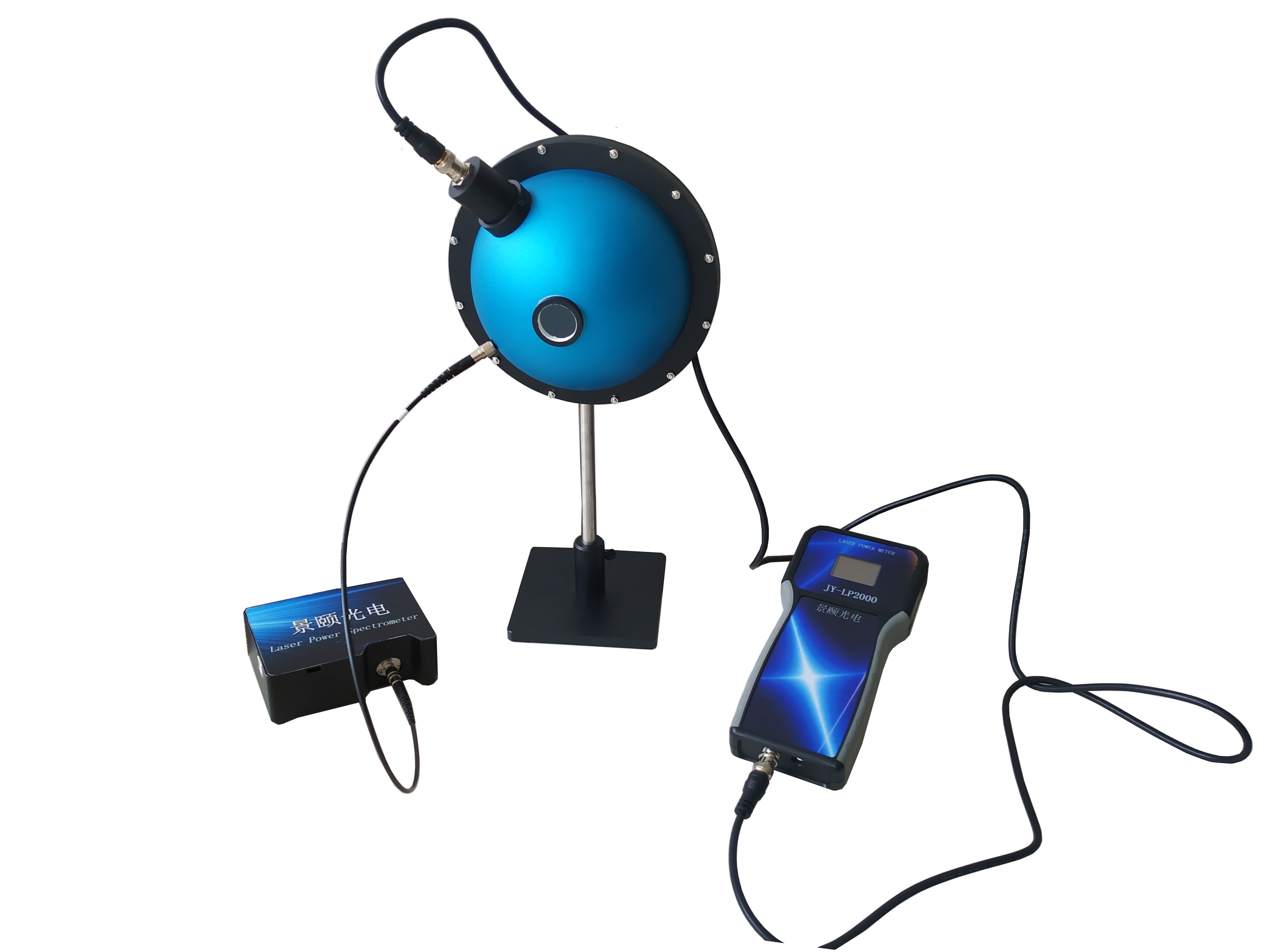
For years, domestic users faced a classic trade-off when selecting wavelength analyzers: imported high-precision systems carried prohibitive price tags and long after-sales lead times, while domestic alternatives either lacked sufficient accuracy or were bulky lab-only units—incapable of meeting the demands of in-line production monitoring or field-based maintenance. Addressing this industry pain point head-on, JINGYI Optoelectronics launched its integrated laser wavelength testing system—a seamless fusion of high-resolution interferometric detection, low-stray-light optical architecture, and a compact, portable form factor. Users simply align the laser under test with the acquisition probe, and within milliseconds, key parameters—including wavelength and full width at half maximum (FWHM)—are delivered. The system delivers stable, reliable measurements even for extremely narrow-linewidth continuous-wave (CW) or pulsed lasers. Furthermore, it supports customizable spectral-band expansion, delivering significantly better cost-performance than imported equivalents of comparable accuracy—making it ideally suited to the practical needs of Chinese industrial clients and research institutions.
Many buyers stumble during procurement—either overspending on unnecessarily high specifications or selecting mismatched parameters that render the device unusable. In practice, choosing the right instrument hinges on four critical dimensions:
**1. Compatibility Boundary First**
Begin by verifying whether the instrument’s wavelength coverage matches your application. For instance, optical communications commonly rely on 1310 nm and 1550 nm bands; medical lasers often operate at 532 nm or 1064 nm; specialized scientific use cases may require ultraviolet (UV) or mid-infrared (MIR) ranges. JINGYI’s integrated wavelength testing system supports customizable spectral-band expansion—eliminating the need to overpay for generic models that don’t align with your actual requirements.
Second, match the system to your laser’s linewidth: for kHz–MHz-class narrow-linewidth lasers, select a high-resolution interferometric module; for ultrafast lasers with bandwidths spanning hundreds of nanometers, a standard configuration suffices—avoiding unnecessary expense on resolution you’ll never utilize.
**2. Accuracy Level by Application Need**
For applications demanding extreme data fidelity—such as atomic physics experiments or stabilized laser development—opt for models with accuracy up to ±0.001 nm or better. Conversely, for production-line spot checks or routine equipment calibration, ±0.01 nm accuracy is fully adequate—preventing costly over-specification.
**3. Alignment with Laser Characteristics**
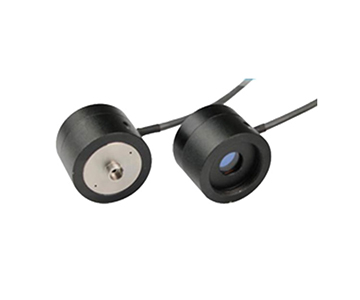
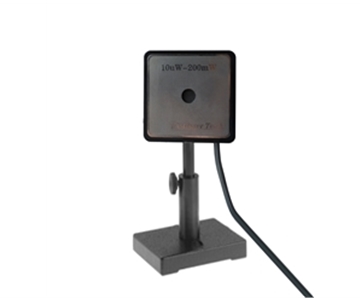
When measuring high-power industrial lasers (e.g., for cutting), select a model equipped with an optical power attenuation unit to prevent detector damage from intense irradiance. For weak-signal laboratory lasers, prioritize models featuring high-sensitivity detectors to ensure robust signal capture. For pulsed lasers, confirm the system supports transient signal acquisition; for CW lasers, evaluate response speed—systems with response times under 1 second are recommended for real-time monitoring scenarios. JINGYI’s laser wavelength testing system incorporates a switchable power attenuation unit, automatically adapts to both pulsed and CW operation modes, and achieves a response time of less than 100 ms—making it equally capable for in-line factory monitoring and field-deployable diagnostics.
**4. Functional Fit for Operational Context**
For industrial production lines or field environments where non-specialist operators perform measurements, prioritize instruments supporting one-button measurement and auto-calibration to minimize human error. In laboratory settings requiring parameter flexibility, choose professional-grade models with manual tuning capabilities. If integration with Manufacturing Execution Systems (MES) or Lab Data Management Systems is required, verify support for standard interfaces such as RS485 or Ethernet. Finally, consider local service availability: brands offering domestic installation training, annual calibration, and rapid fault resolution eliminate the months-long wait often associated with imported products’ after-sales cycles.
This high-value, integrated laser wavelength testing system is already deployed across diverse sectors:
- In optical communications, it calibrates channel wavelengths in DWDM systems—suppressing crosstalk and ensuring transmission integrity;
- In Tunable Diode Laser Absorption Spectroscopy (TDLAS) gas sensing, it enables real-time laser frequency calibration—enhancing accuracy in gas detection and environmental monitoring;
- In cutting-edge research labs, it serves as a primary tool for preliminary characterization of ultra-narrow-linewidth lasers;
- In industrial manufacturing, it performs critical quality inspection of laser sources throughout R&D and production;
- In medical applications, it verifies the output wavelength of therapeutic lasers—ensuring strict compliance with safety regulations.
As the laser industry continues its explosive growth, domestically developed test equipment—designed specifically for China’s user requirements—will increasingly become the preferred choice across industries.
#WavelengthAnalyzer #SpectralWavelengthMeter #MiniatureWavelengthMeter #SpectroscopicWavelengthMeter #LaserWavelengthTestingSystem #WavelengthMeasurementInstrument #Spectrometer #LaserIndustry #JINGYIOptoelectronics