More Than Just Communication: Could Y-Type Quartz Fiber Be the Hidden Core of Optoelectronic Detection?
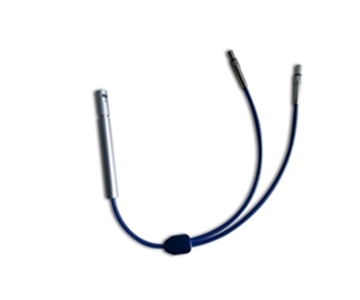
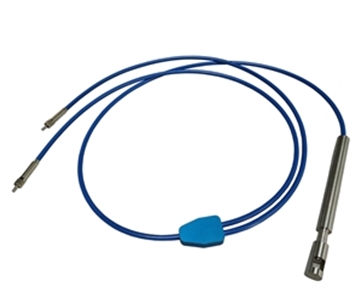
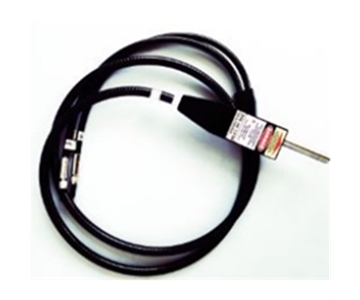
When many people hear “Y-type quartz fiber,” their first thought is usually its role as a signal transmission medium in telecommunications networks—few realize that, in optoelectronic detection, specialized Y-type quartz fibers directly determine the ultimate precision ceiling of an entire measurement system. Many entry-level spectroscopy researchers have experienced the frustration of using standard telecom fibers by mistake—resulting in measurement deviations exceeding 30% and, ultimately, complete experimental failure.
Telecom fibers need only support two fixed wavelength bands—1310 nm and 1550 nm—with no additional requirements for transmission efficiency outside those bands. In contrast, optoelectronic detection often demands broad-spectrum coverage—from deep ultraviolet (190 nm) to mid-infrared (5 µm)—while withstanding high-energy optical sources and maintaining long-term attenuation rates far below industry benchmarks. These stringent demands impose entirely different requirements on quartz material purity and fabrication processes. Crucially, a fiber’s performance ceiling is already set during the preform manufacturing stage: metal impurities exceeding parts-per-trillion (ppb) levels cause unexplained absorption at specific wavelengths; excessive hydroxyl (OH⁻) content sharply increases transmission loss in the infrared band—both critically undermining measurement reliability.
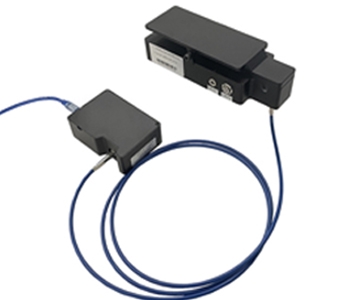
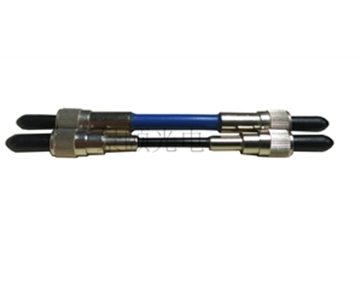
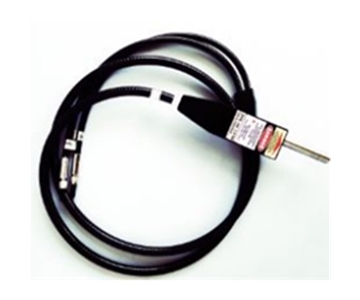
Jingyi Optoelectronics addressed these challenges head-on during the development of its specialized Y-type quartz fiber series, strategically integrating the advantages of plasma-enhanced chemical vapor deposition (PCVD) and modified solid-phase deposition techniques. This hybrid approach achieves core material metal impurity levels below 0.5 ppb *and* reduces hydroxyl content to sub-ppm levels—ensuring high transmission efficiency across the full deep-UV-to-mid-IR spectrum, while avoiding the lengthy production cycles and excessive costs associated with conventional ultra-high-purity fiber manufacturing. Today, Jingyi offers a comprehensive Y-type quartz fiber product line covering UV-resistant, deep-UV, visible, near-IR, and mid-IR bands—delivering optical throughput over 30% higher than industry-standard alternatives.
Each variant within the series is purpose-engineered for distinct application needs:
- For high-energy deep-UV source delivery, the cladding employs thermally upgraded fluorine-doped quartz—capable of reliably transmitting pulsed laser sources at hundred-watt power levels without degradation. Unlike conventional fibers that yellow and suffer rapid transmission loss after just three months of use, these maintain stable performance over extended operation.
- For biomedical sensing applications, biocompatible Y-type quartz fibers feature medical-grade polyimide outer coatings—safe for direct contact with human tissue while preserving high laser energy transmission efficiency.
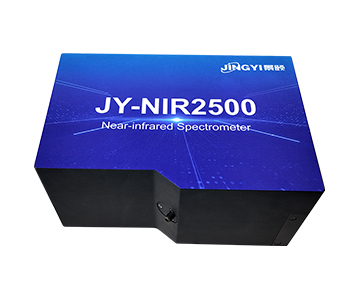
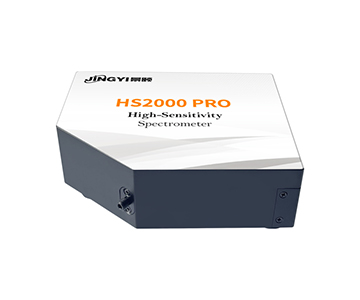
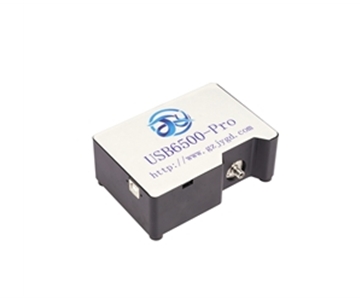
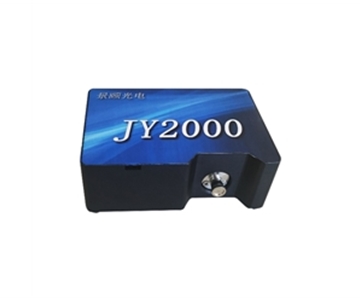
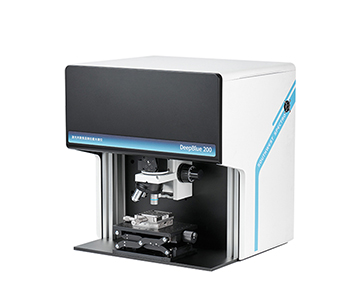
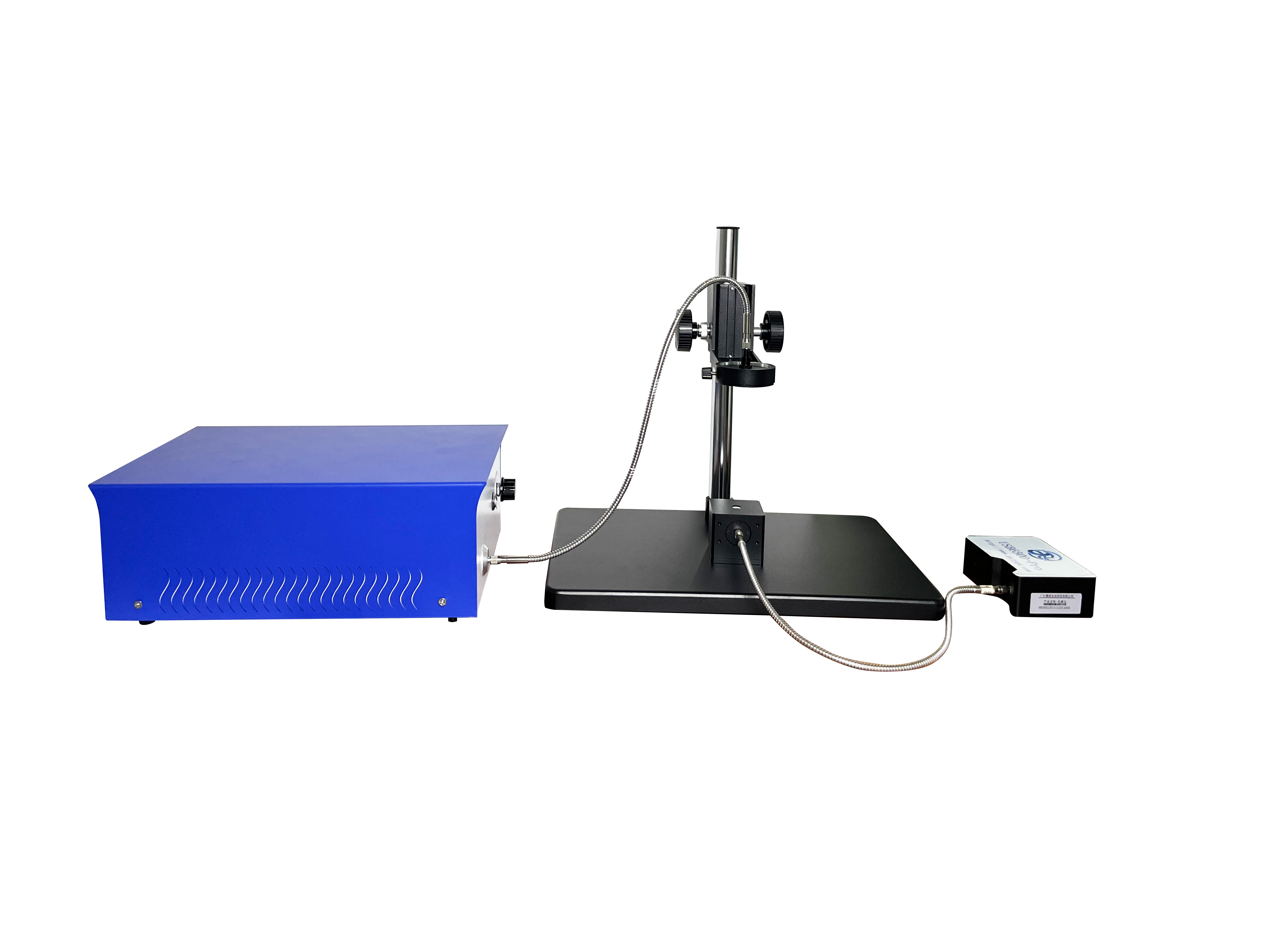
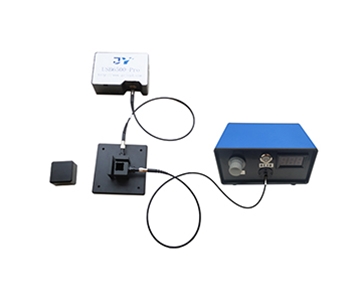
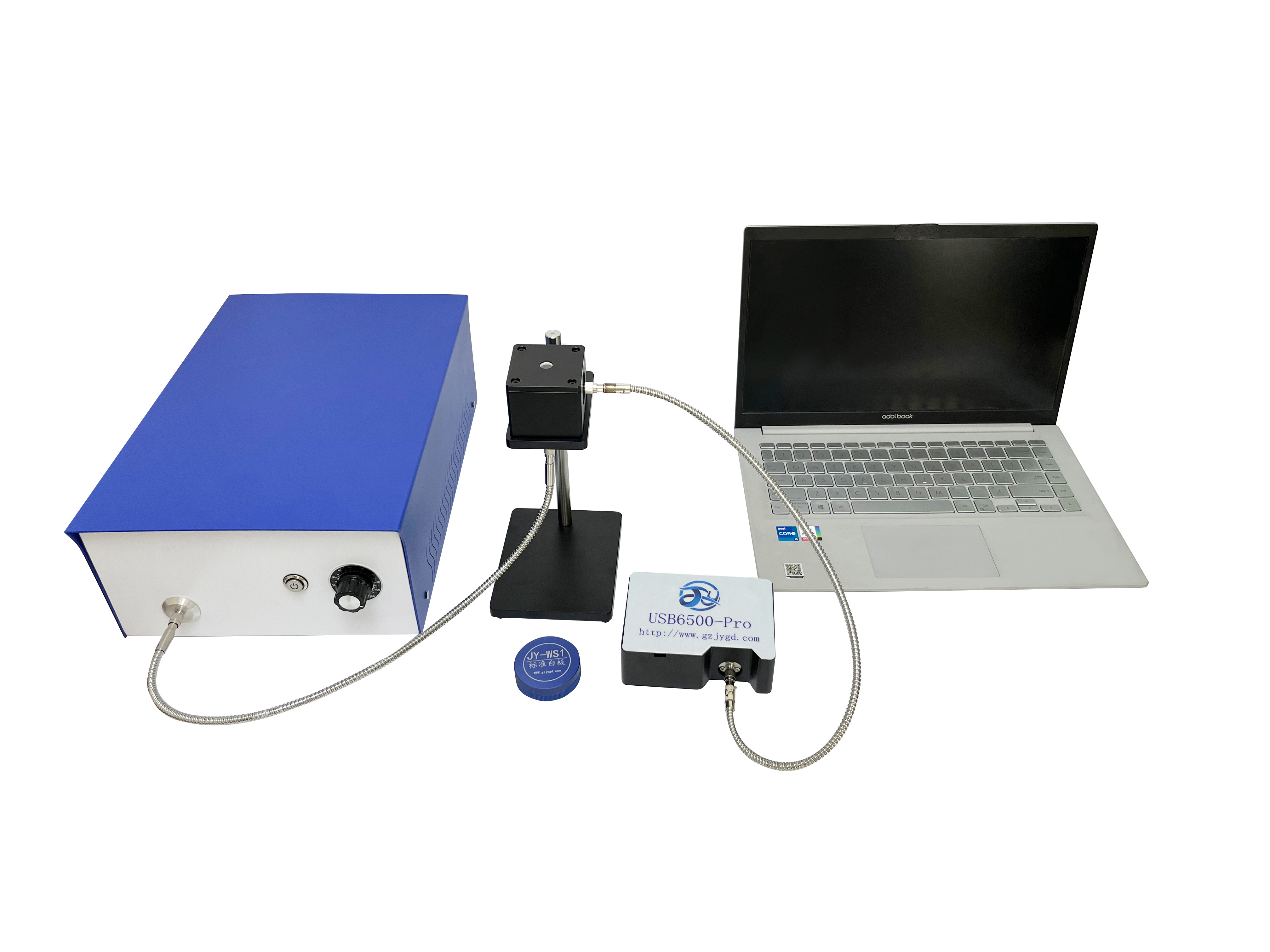
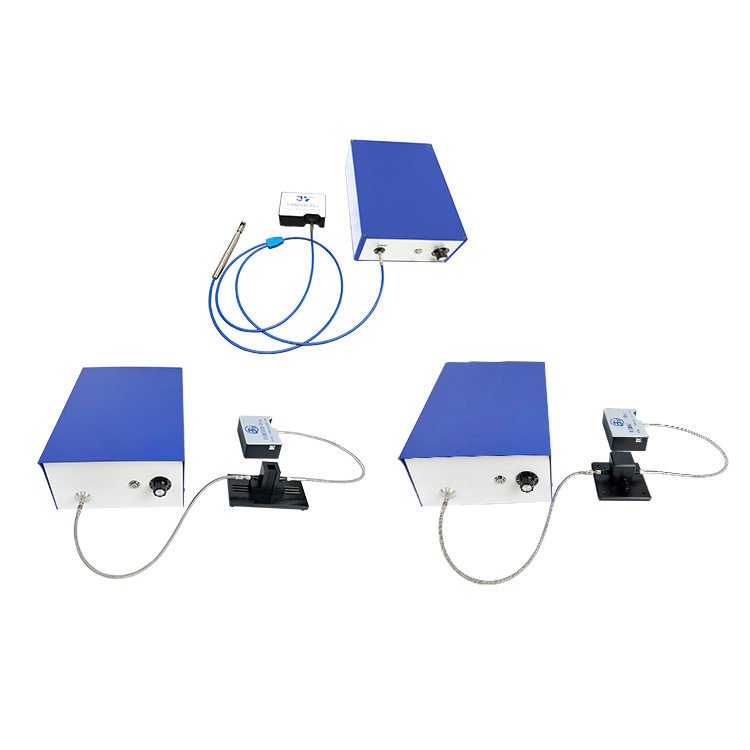
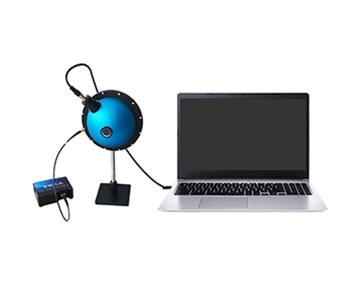
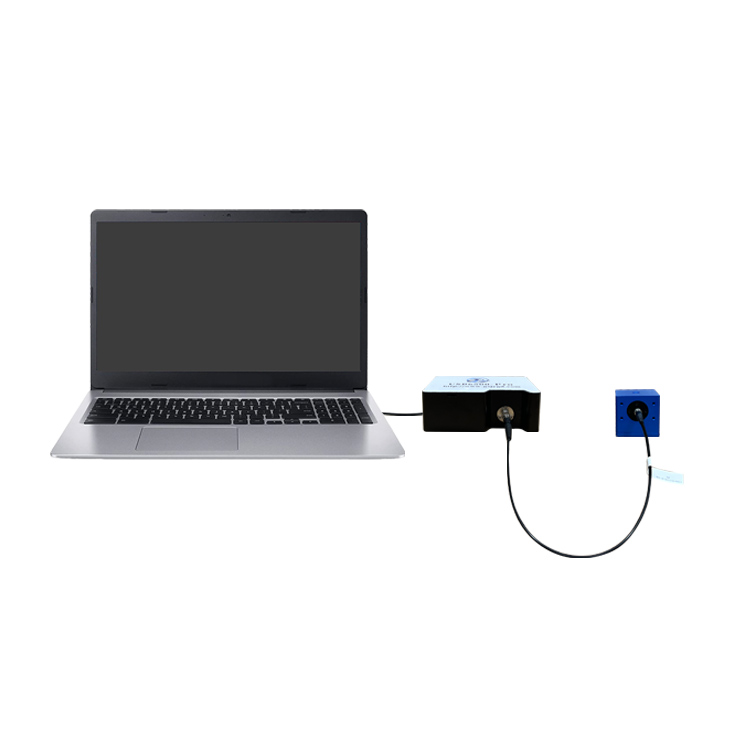
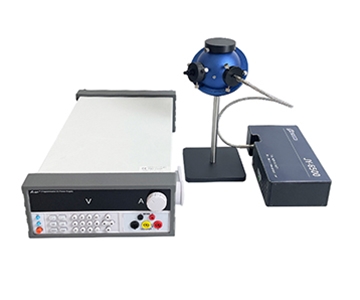
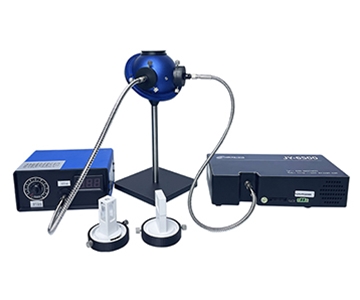
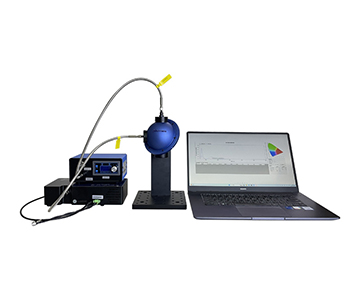
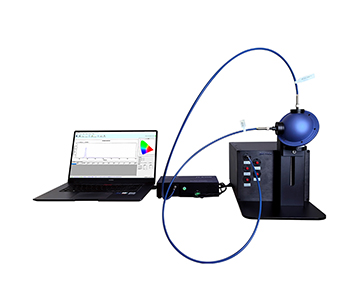
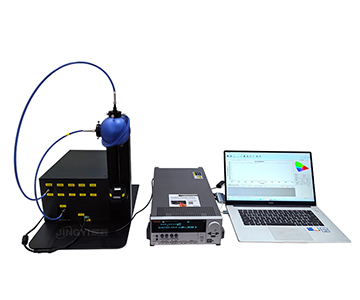
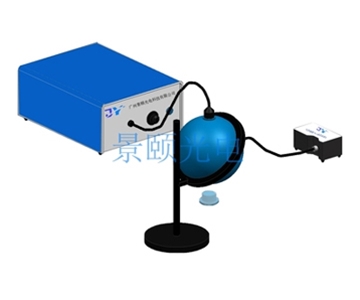
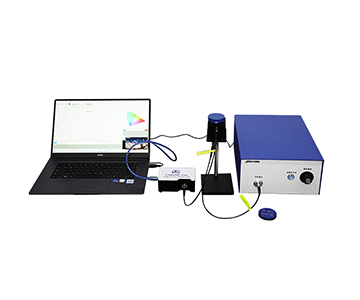
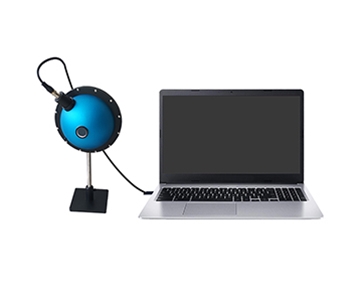
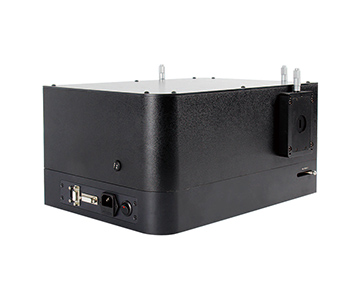
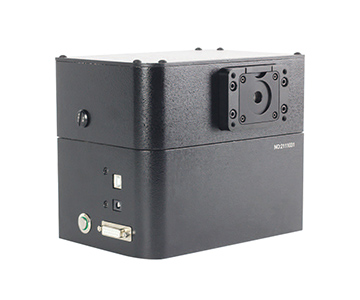
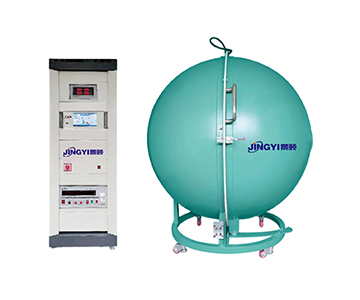
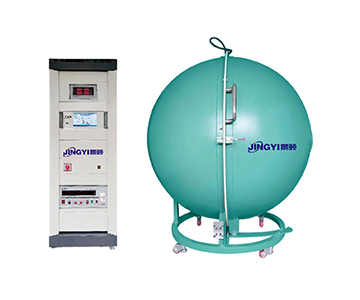
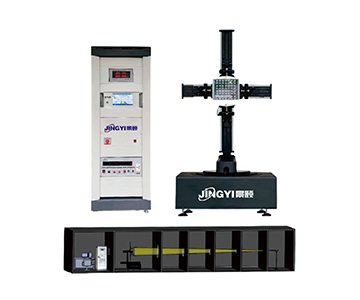
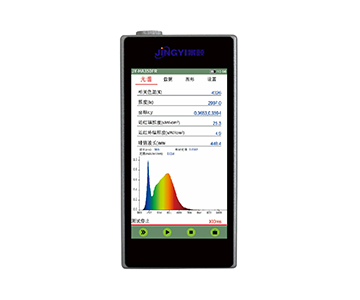
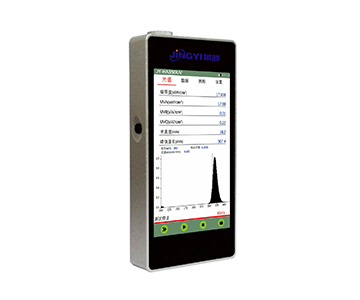
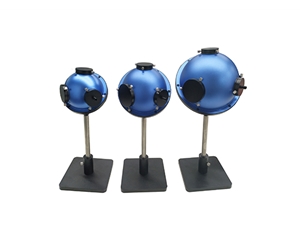
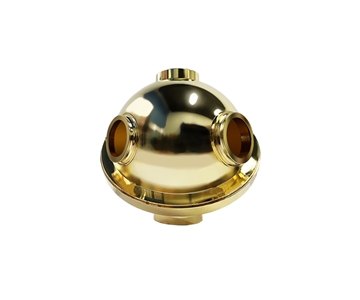
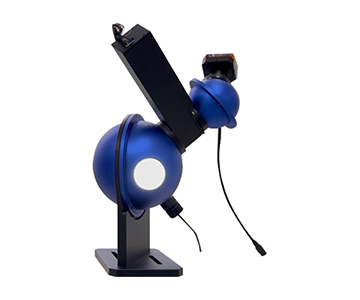
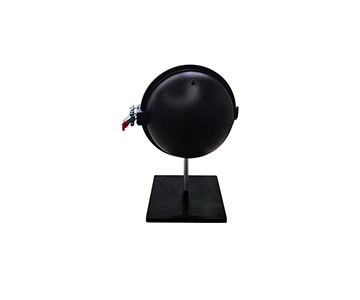
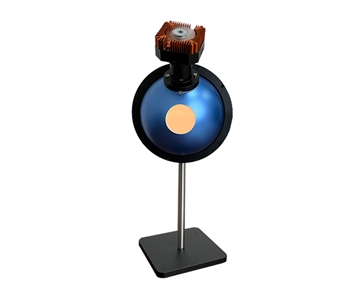
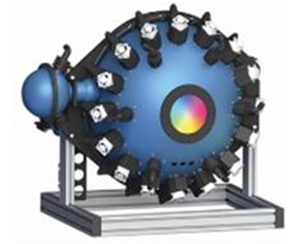
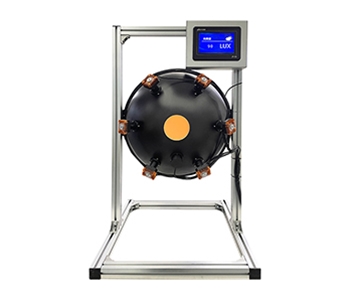
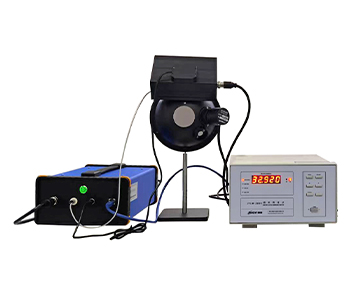
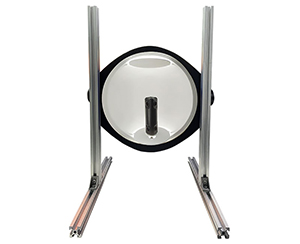
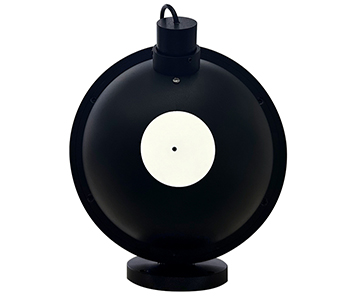
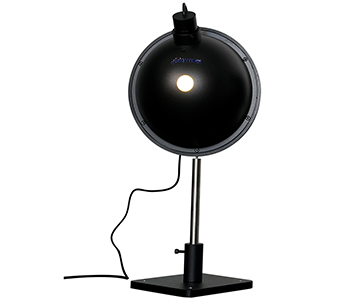
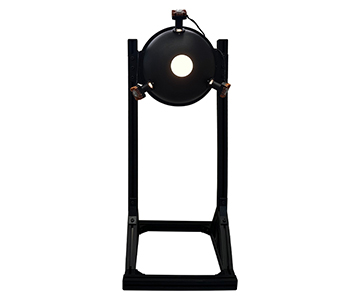
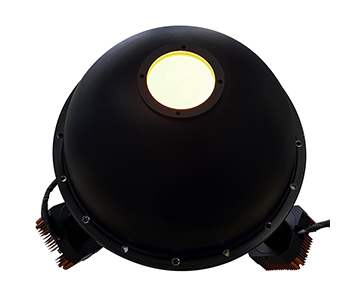
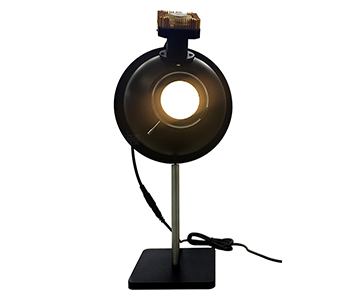
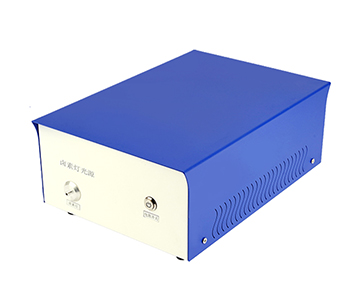
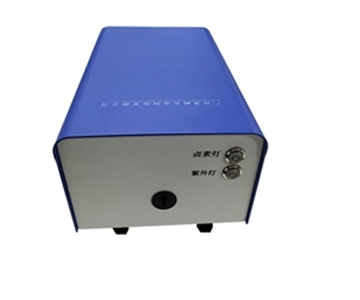
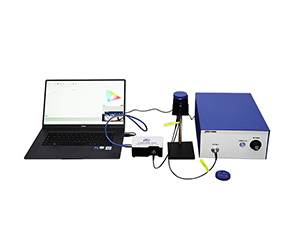
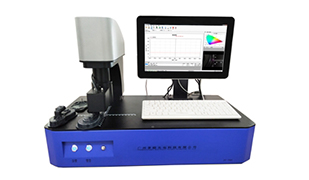
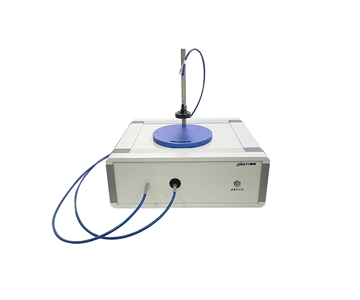
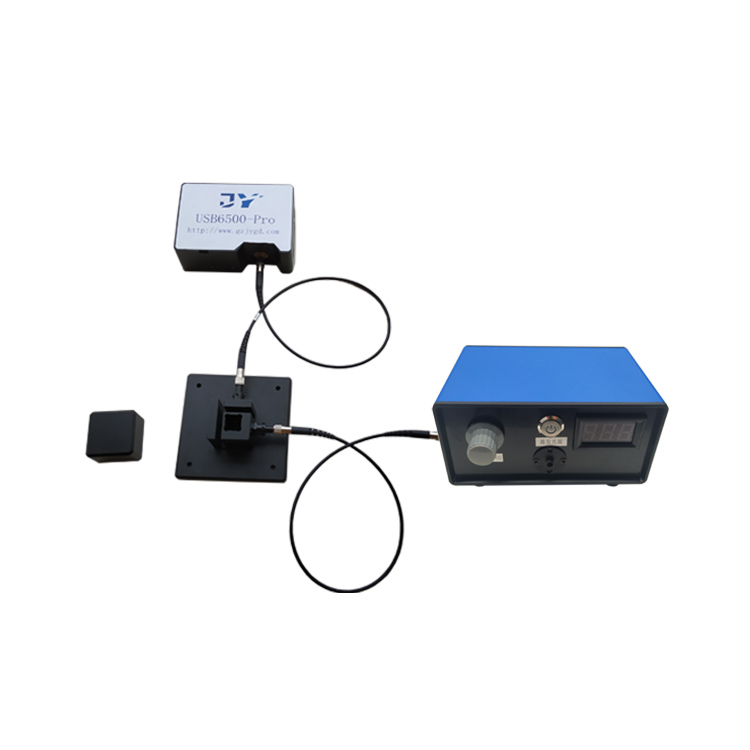
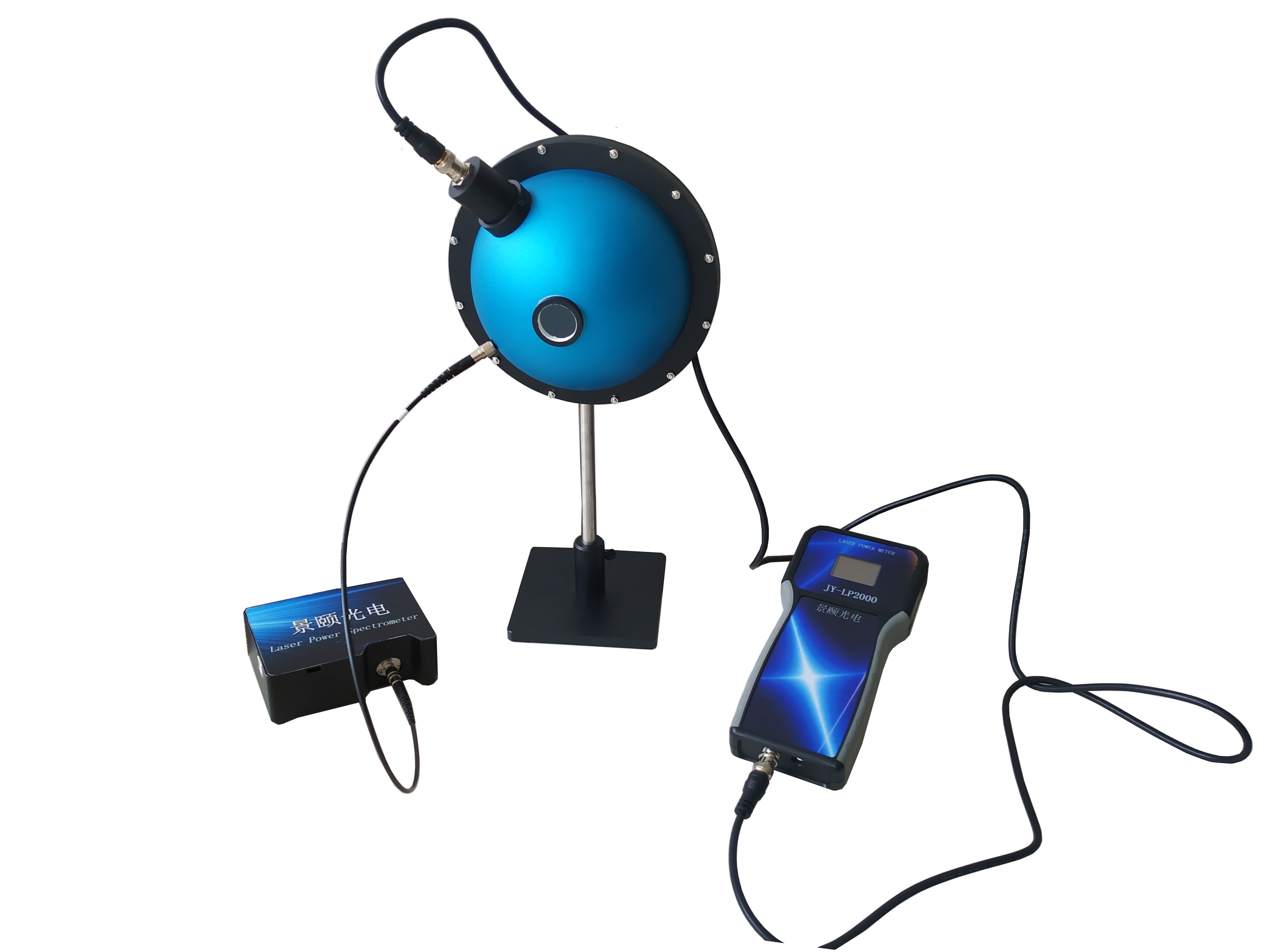
- For spectroscopy system integration, the full Y-type quartz fiber series is natively compatible with Jingyi’s miniaturized spectrometers, deuterium–halogen–tungsten light sources, and integrating spheres—requiring no additional coupling calibration. Users can assemble a fully functional absorption, fluorescence, or Raman spectroscopy system in as little as 10 minutes—the efficiency gain versus piecemeal procurement and manual alignment exceeds several-fold.
As optoelectronic detection expands into industrial real-time monitoring, non-invasive medical diagnostics, and characterization of new energy materials, demand for customized Y-type quartz fibers continues to rise: Some industrial settings require long-length, high-temperature-resistant fibers for optical temperature monitoring during production; some research labs need fibers with specialized core diameters for weak-light signal capture. Historically, such specialty fibers relied heavily on imports—entailing lead times exceeding three months and prices multiple times higher than domestic alternatives. Jingyi Optoelectronics has now achieved full in-house R&D and mass production of its entire Y-type quartz fiber portfolio. It offers customization of core diameter, length, connector type, and spectral band optimization—with the shortest delivery time reduced to just three working days. All key performance parameters meet international benchmarks—and comply fully with current industry standards for ultra-high-purity quartz materials used in optical fibers.
Many still view optical fiber as a minor, almost inconsequential component in optoelectronic detection systems. Yet it serves as the critical signal pathway linking light source, sample, and detector. Every one-percent improvement in transmission efficiency translates directly into measurable gains in overall system accuracy. Jingyi Optoelectronics’ sustained R&D investment in specialized Y-type quartz fibers is, fundamentally, about strengthening the foundational infrastructure of the entire optoelectronic detection industry—enabling more precise, more accessible, and more cost-effective detection solutions across diverse real-world applications.
#YTypeQuartzFiber #InfraredQuartzFiber #1x3QuartzFiber #TriCoreQuartzFiber #SingleCoreFiber #QuartzFiber