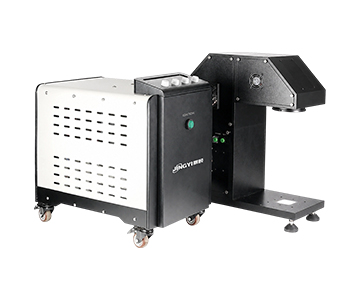
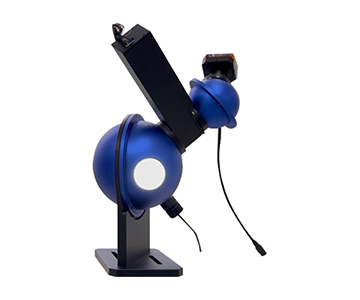
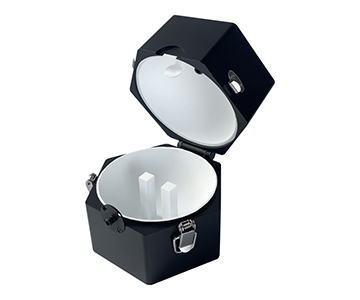
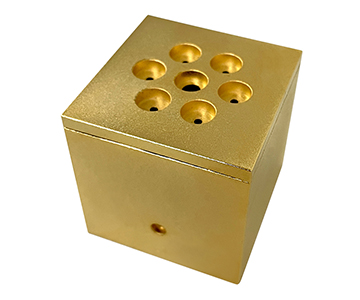
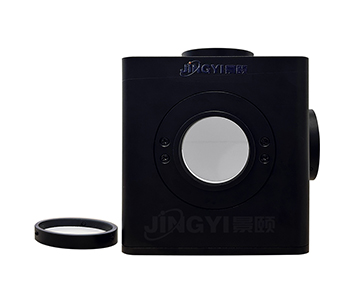
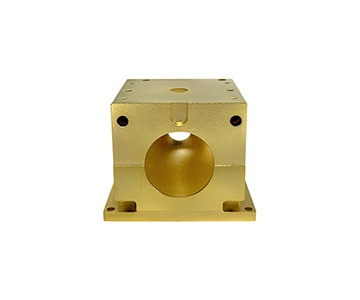
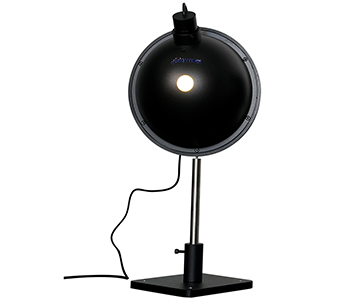
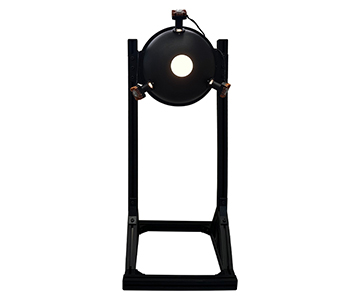
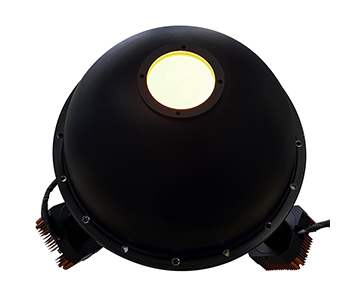
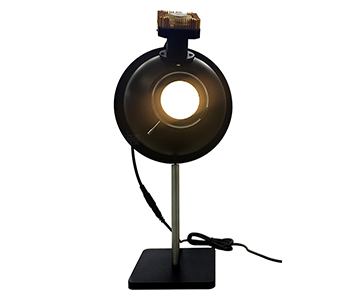
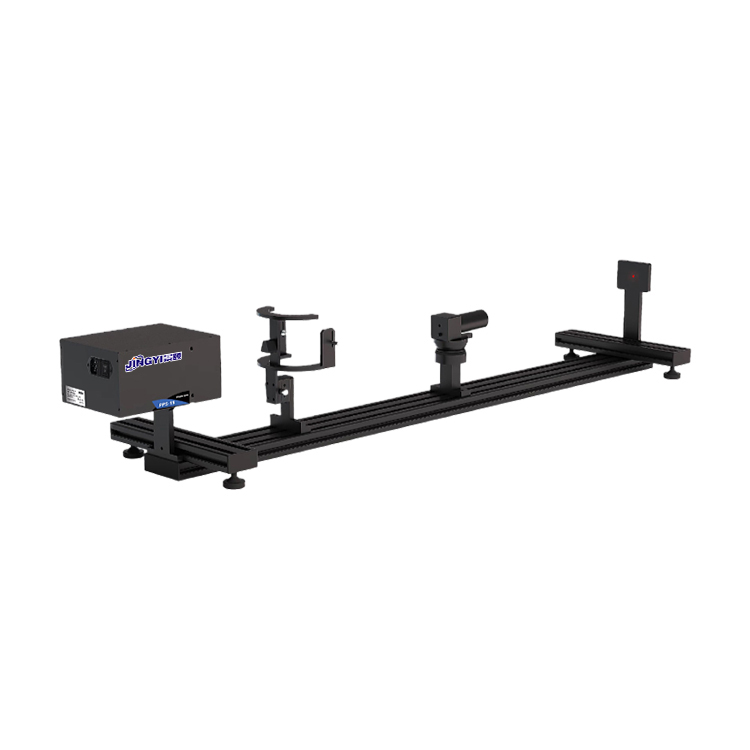
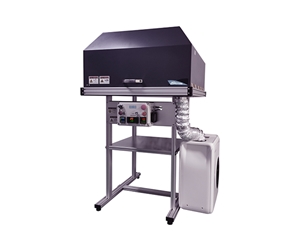
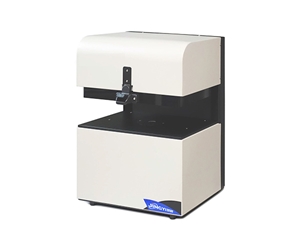
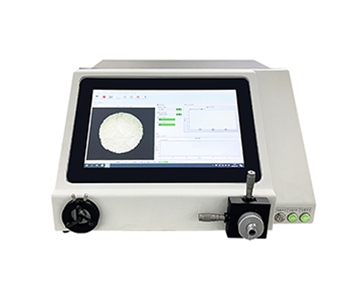
Within the domain of modern technology, accurately measuring the atmospheric transmittance of solar radiation has become a challenging yet critical task. This parameter plays a pivotal role in specialized fields such as atmospheric radiative property research, environmental remote sensing monitoring, and site selection for astronomical observations. Conventional ground-based solar radiometers—such as China’s DTF series, Japan’s POM series, and France’s CE-318—have established relatively mature technical frameworks. However, these instruments face significant limitations when deployed on mobile platforms, primarily due to their reliance on motorized sun-tracking mounts and their restricted spectral measurement bands.
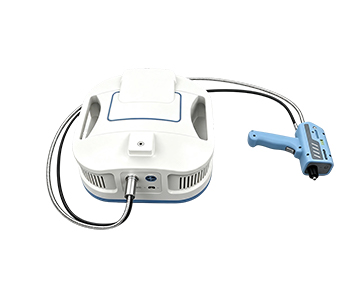
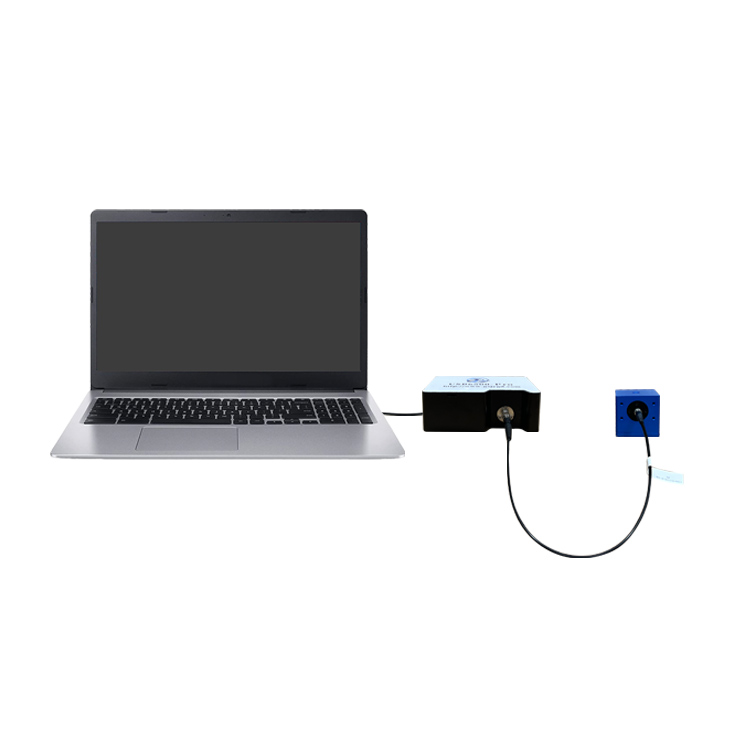
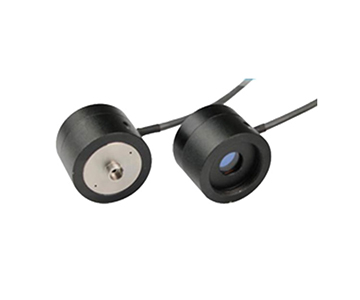
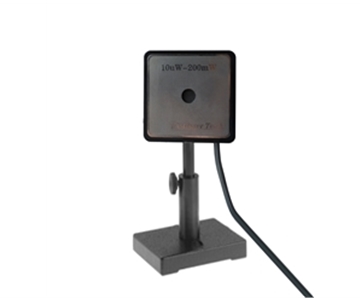
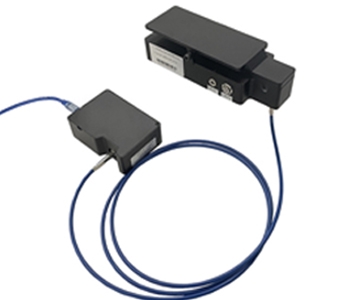
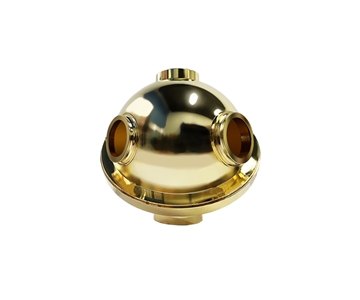
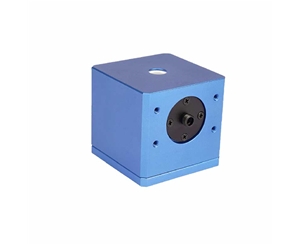
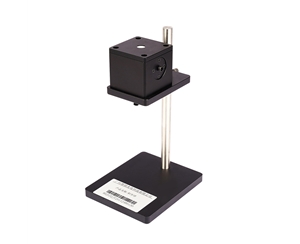
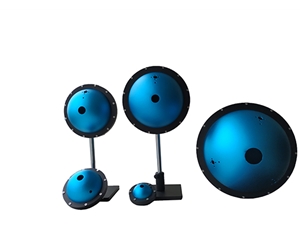
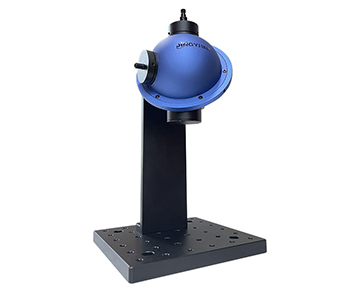
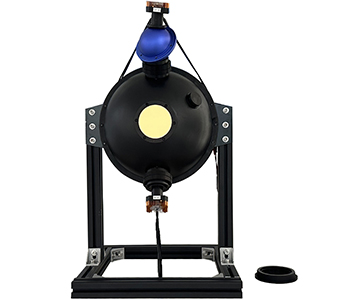
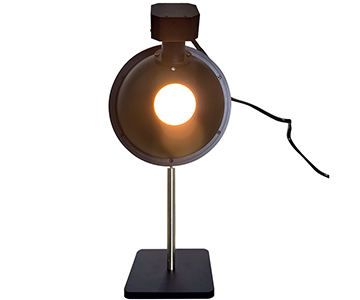
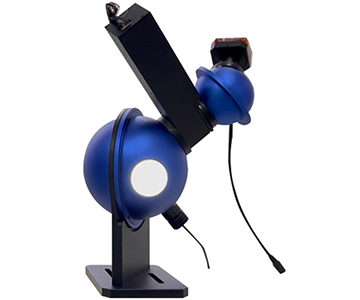
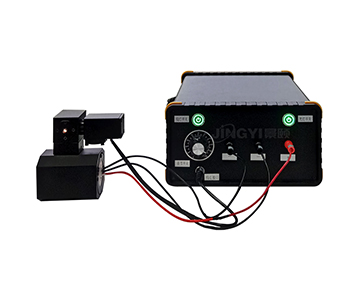
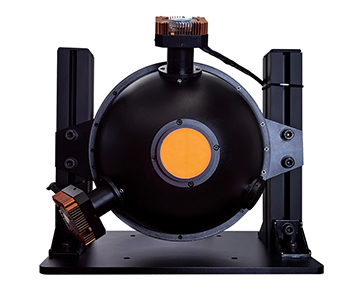
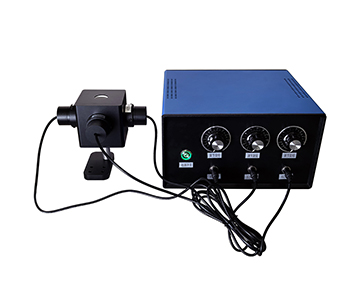
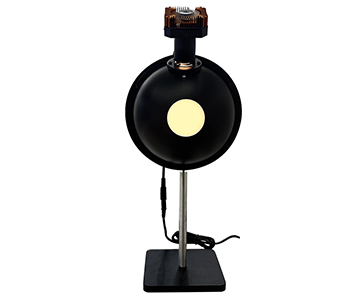
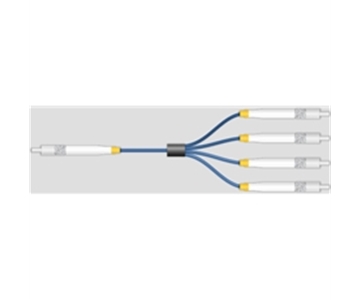
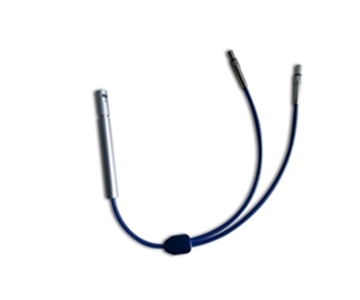
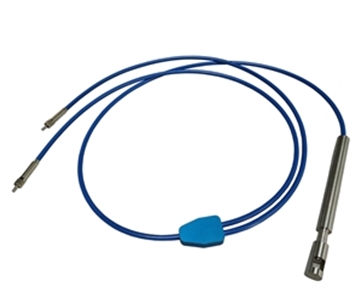
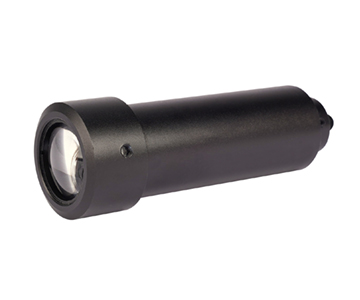
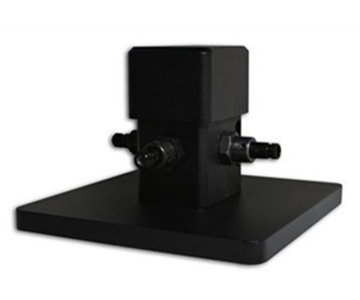
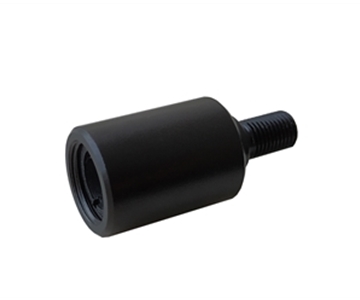
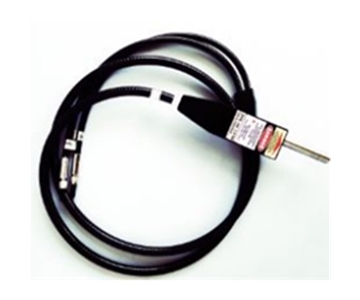
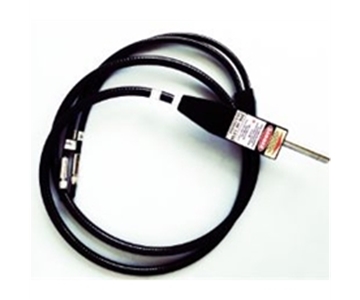
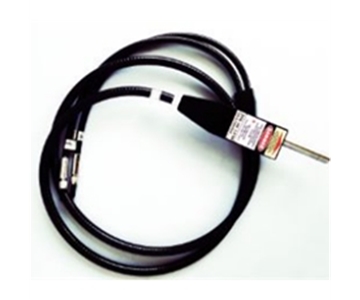
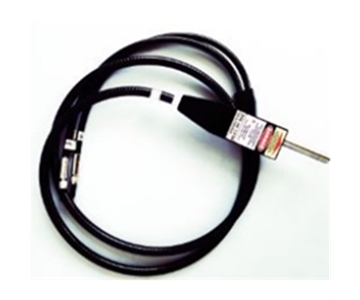
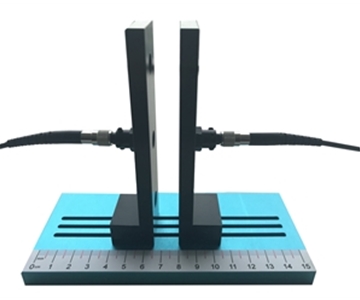
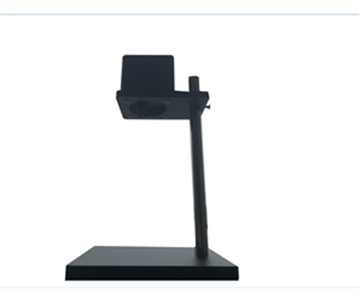
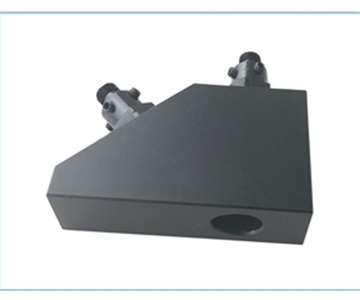
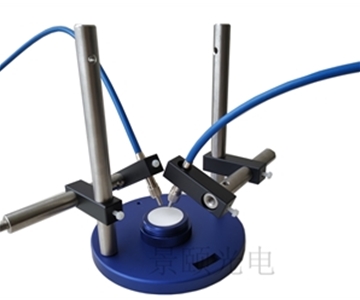
Addressing this challenge, Guoyi Photonics has pioneered an innovative solution: replacing traditional sun-tracking mounts with a motionless fiber-optic array optical probe to enable direct solar radiation sampling on mobile platforms. The core value of this technology lies in its ability to effectively mitigate spectral measurement interference caused by changes in the output spot profile of optical fibers—interference that would otherwise result from variations in incident light angle—thereby ensuring stable and consistent spectral data acquisition across arbitrary incident angles.
Guoyi Photonics’ fiber-optic technology is grounded in in-depth research into fiber transmittance and focal-ratio degradation (FRD) effects. Fiber transmittance is jointly determined by material absorption, end-face reflection loss, and total internal reflection loss. During total internal reflection transmission, the incident angle of light directly influences the fiber’s numerical aperture—and consequently governs the extent of FRD. These interrelated factors collectively impact fiber transmission performance and significantly affect spectral data quality.
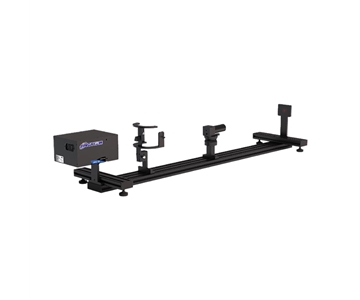
To validate the effectiveness of the fiber-optic array probe, Guoyi Photonics conducted a series of experiments. Results demonstrated that—even under varying incident angles—the normalized spectral shapes remained essentially identical after data analysis accounting for spot profile variations and the spectral response of the fiber spectrometer. Within the 475–750 nm wavelength range, spectral instability was maintained below 0.06, fully underscoring the high stability and consistency of the fiber-optic array probe in direct solar radiation measurements.
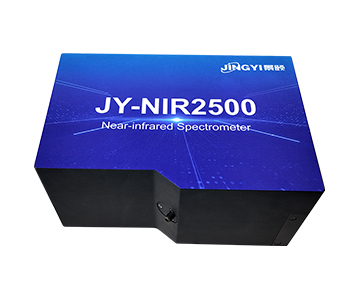
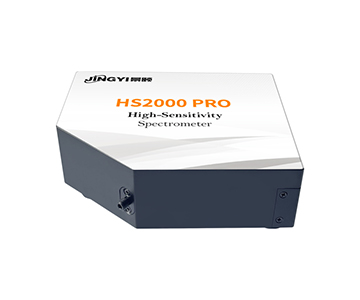
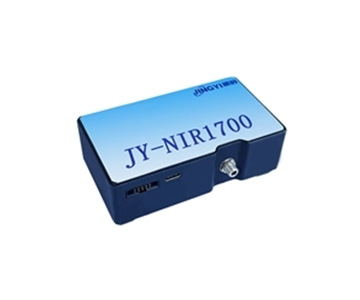
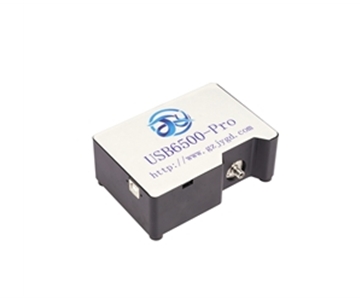
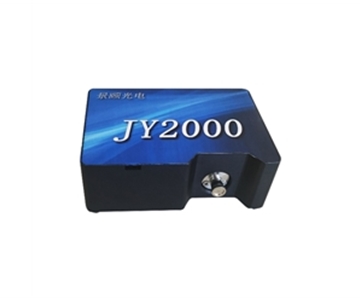
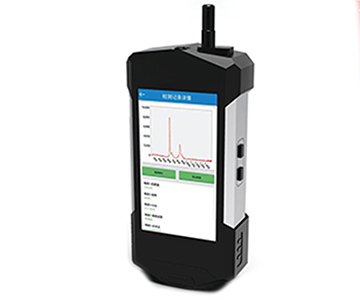
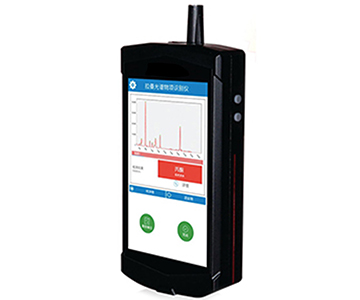
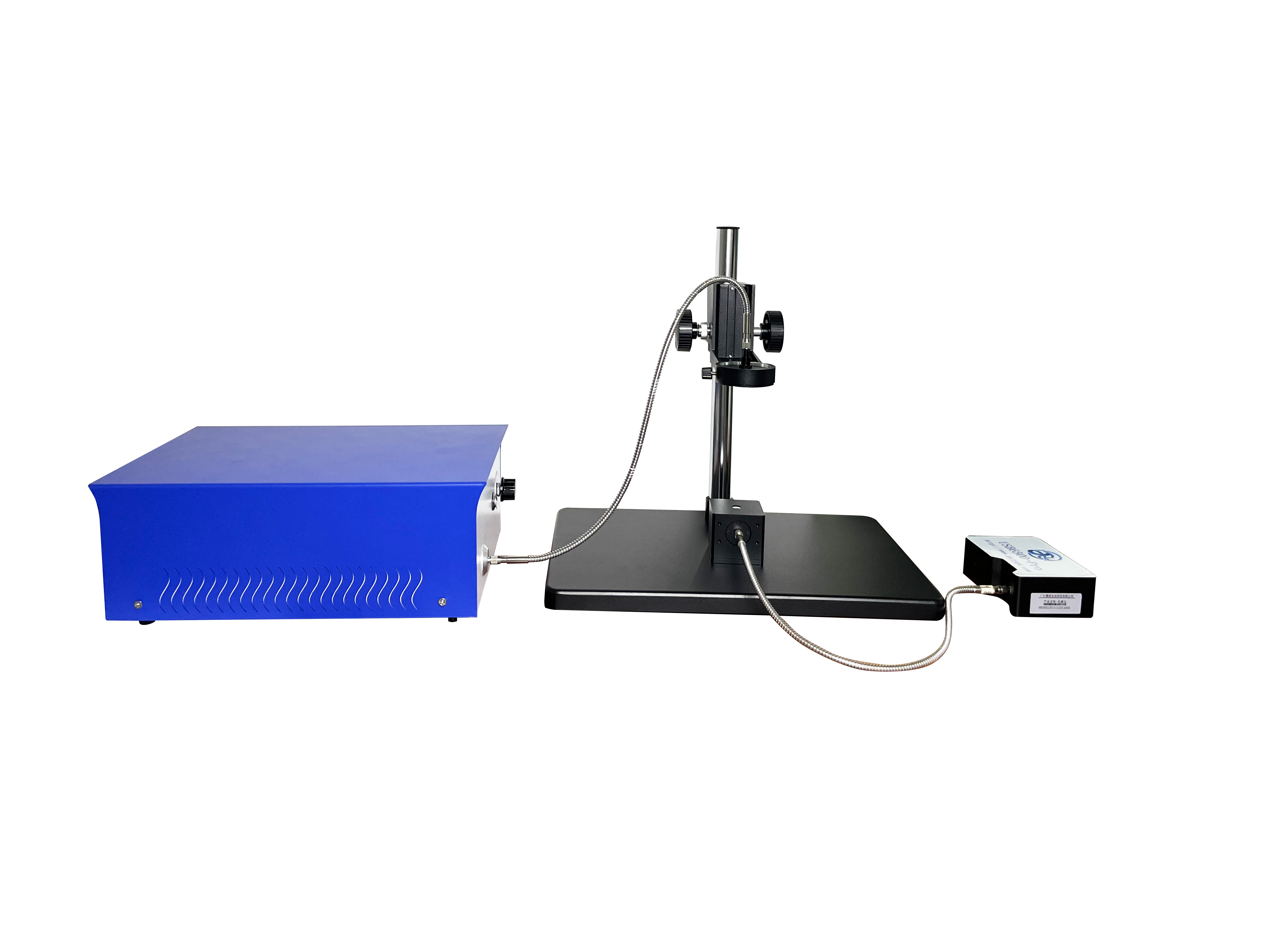
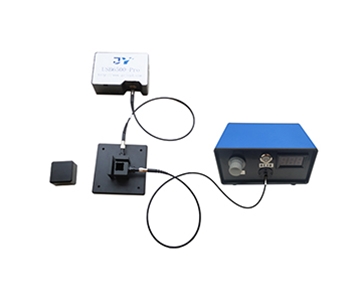
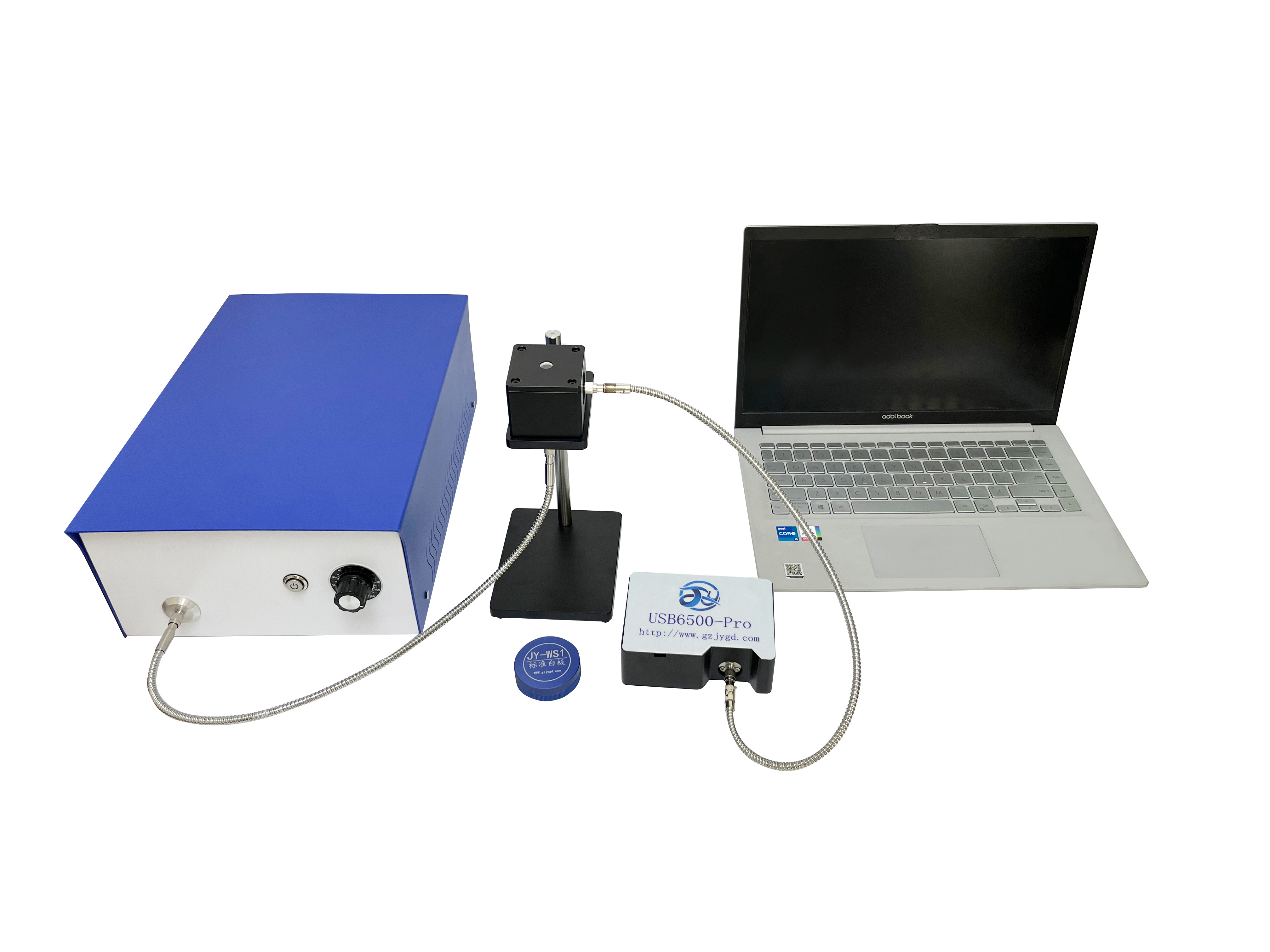
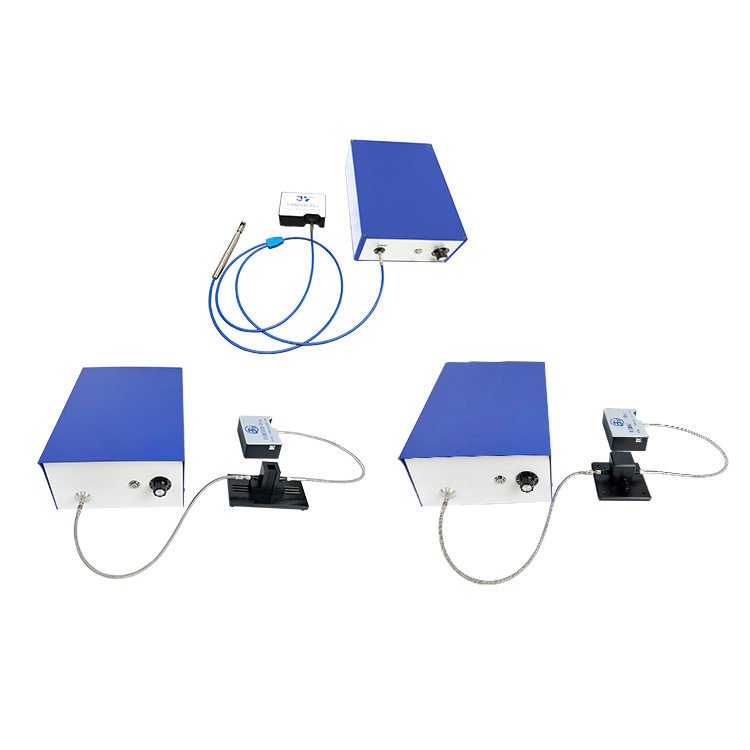
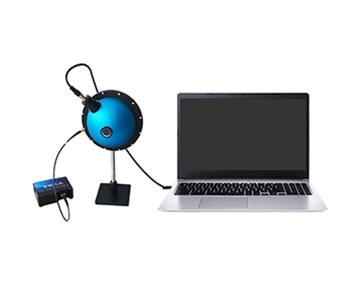
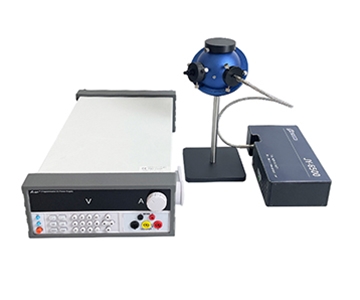
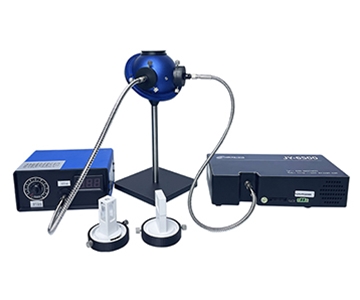
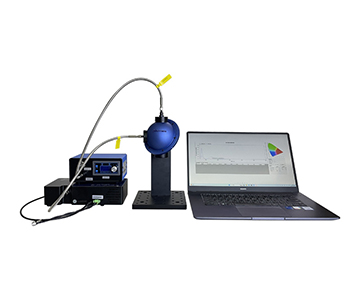
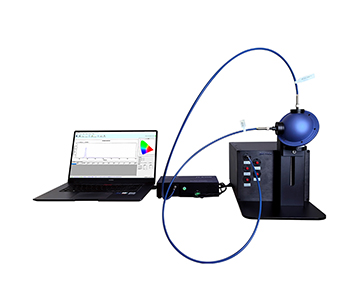
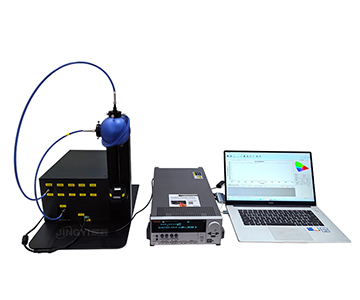
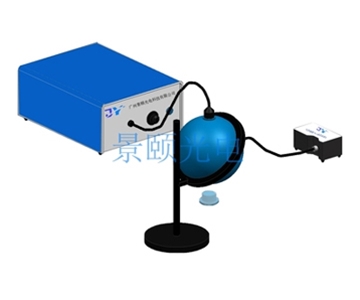
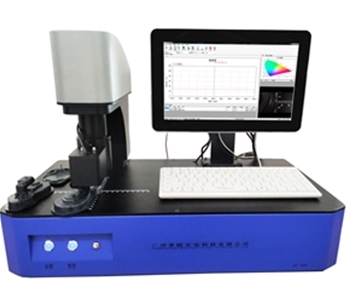
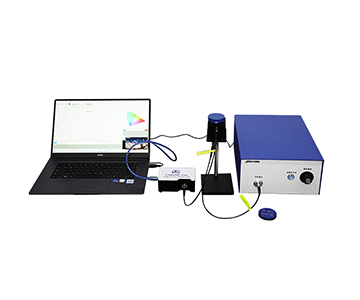
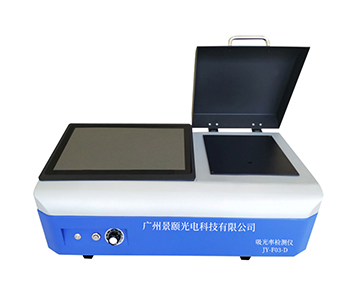
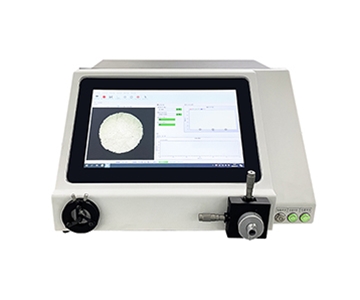
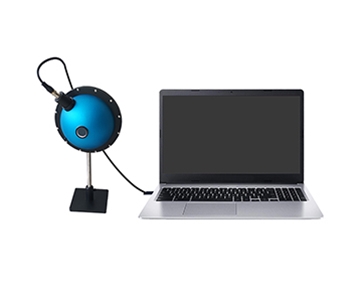
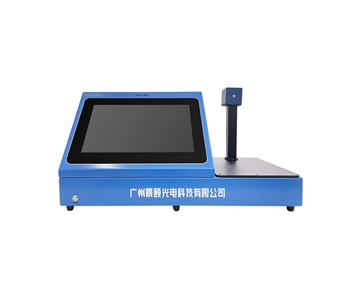
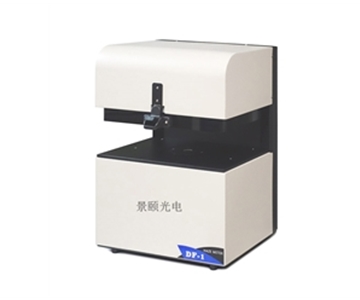
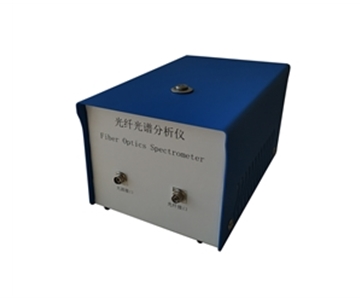
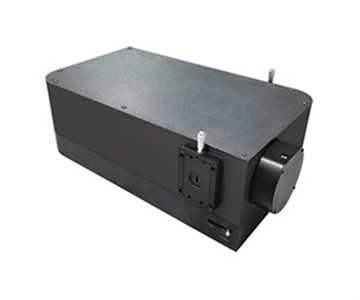
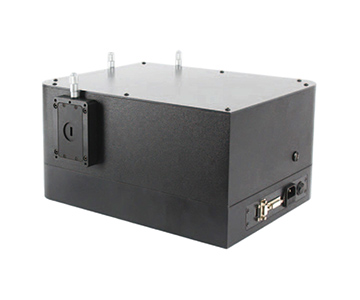
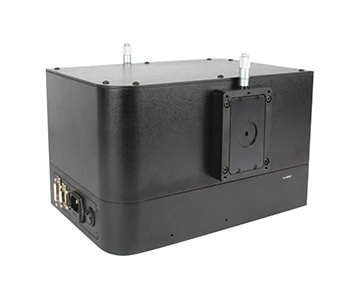
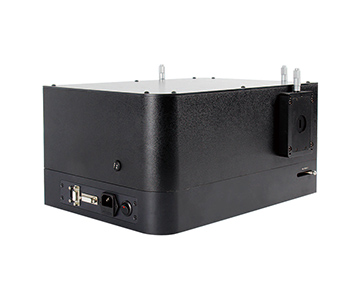
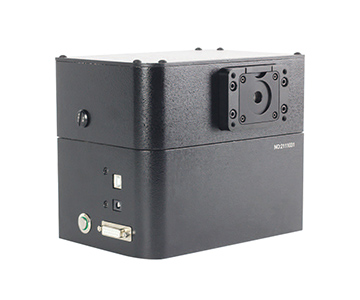
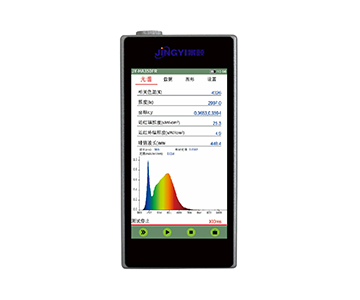
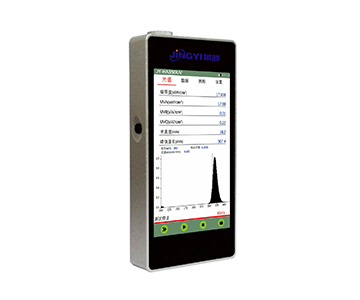
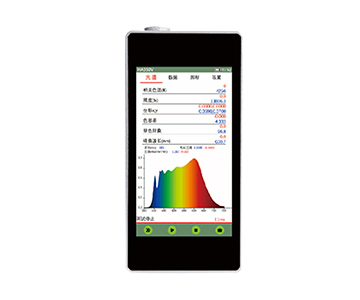
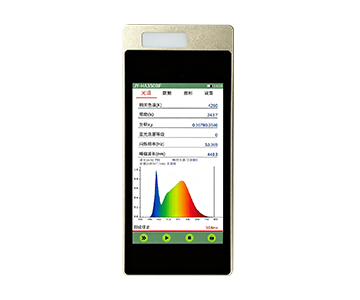
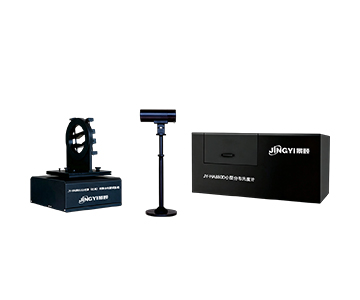
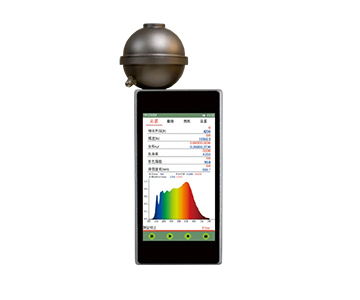
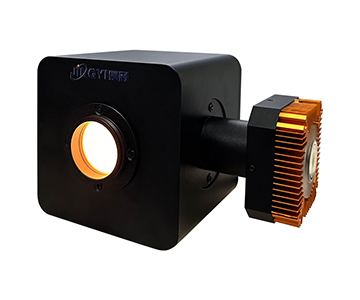
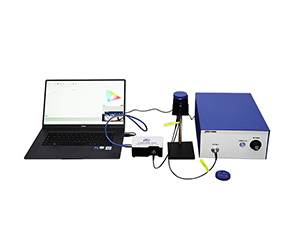
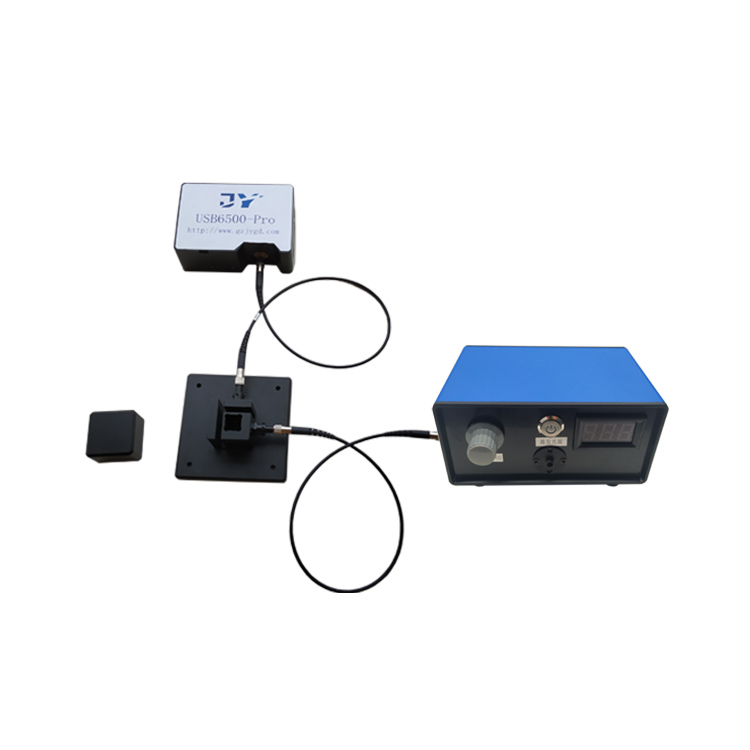
Guoyi Photonics’ technological advantages are not limited to theoretical depth; they are robustly corroborated by experimental evidence. Its fiber-optic spectrometers feature high-quantum-efficiency linear CCD detectors, programmable-gain amplification, and high-speed 16-bit analog-to-digital conversion—delivering an exceptionally wide dynamic range. Owing to their portability and cost-effectiveness, these spectrometers serve as ideal building blocks for diverse spectral measurement systems, spanning applications including spectral analysis, spectral reflectance measurement, spectral transmittance measurement, and spectral fluorescence detection.
In summary, Guoyi Photonics’ fiber-optic array probe technology successfully overcomes the inherent limitations of conventional instruments, providing an efficient and stable solution for solar radiation measurement on mobile platforms. Experimental results confirm its capability to guarantee high spectral consistency across varying incident angles—laying a solid foundation for precise atmospheric transmittance measurement. As this technology continues to evolve and gain broader application, we have every reason to anticipate further technical breakthroughs and application innovations from Guoyi Photonics in the field of spectral measurement.
#NearInfraredSpectrometer #Spectrometer #PortableHyperspectralImager #SpectralMeasurementInstrument #FiberOpticSpectrometer #JY2000Spectrometer