Current Mass-Production Quality Inspection Challenge in the LED Industry: Solved by Universal Integrating Spheres
In mass-production quality inspection and R&D validation within today’s LED industry, inconsistent luminous flux measurement values remain a core challenge for numerous manufacturers. Unlike traditional light sources—which emit light uniformly across all directions—LEDs exhibit strong directional emission. If the universal integrating sphere employed fails to meet required performance specifications, simply rotating the same LED device can yield measurement deviations exceeding 50%, rendering it wholly unsuitable for stringent production-line quality control.
Such large discrepancies stem fundamentally from two critical performance attributes of universal integrating spheres: (1) the Lambertian characteristic and reflectance stability of the inner-wall diffuse-reflective coating; and (2) the adaptability of port layout and cavity geometry. Insufficient coating reflectance or poor diffuse reflectivity leads to progressive signal attenuation during multiple internal reflections. Moreover, non-uniform shadows may form on baffles and the detector’s rear surface, directly interfering with measurement signals. If the port layout lacks adaptive design, initial spatial light distribution—varying significantly across LEDs with different emission angles—cannot be adequately homogenized inside the sphere, inevitably resulting in large numerical shifts when orientation changes. Furthermore, the industry widely relies on tungsten-halogen lamps as calibration standard sources; however, their angular emission profile and spectral characteristics differ markedly from those of LEDs. Without built-in correction capability for such spectral and geometric mismatches, universal integrating spheres further exacerbate measurement errors.
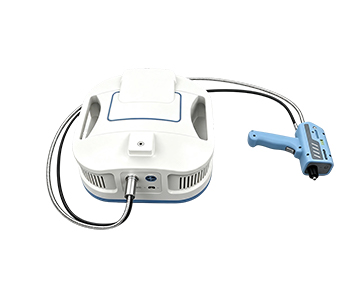
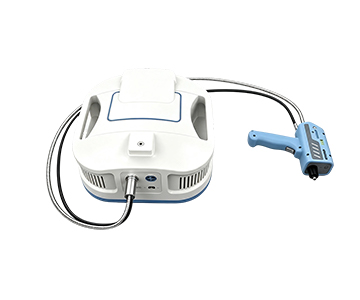
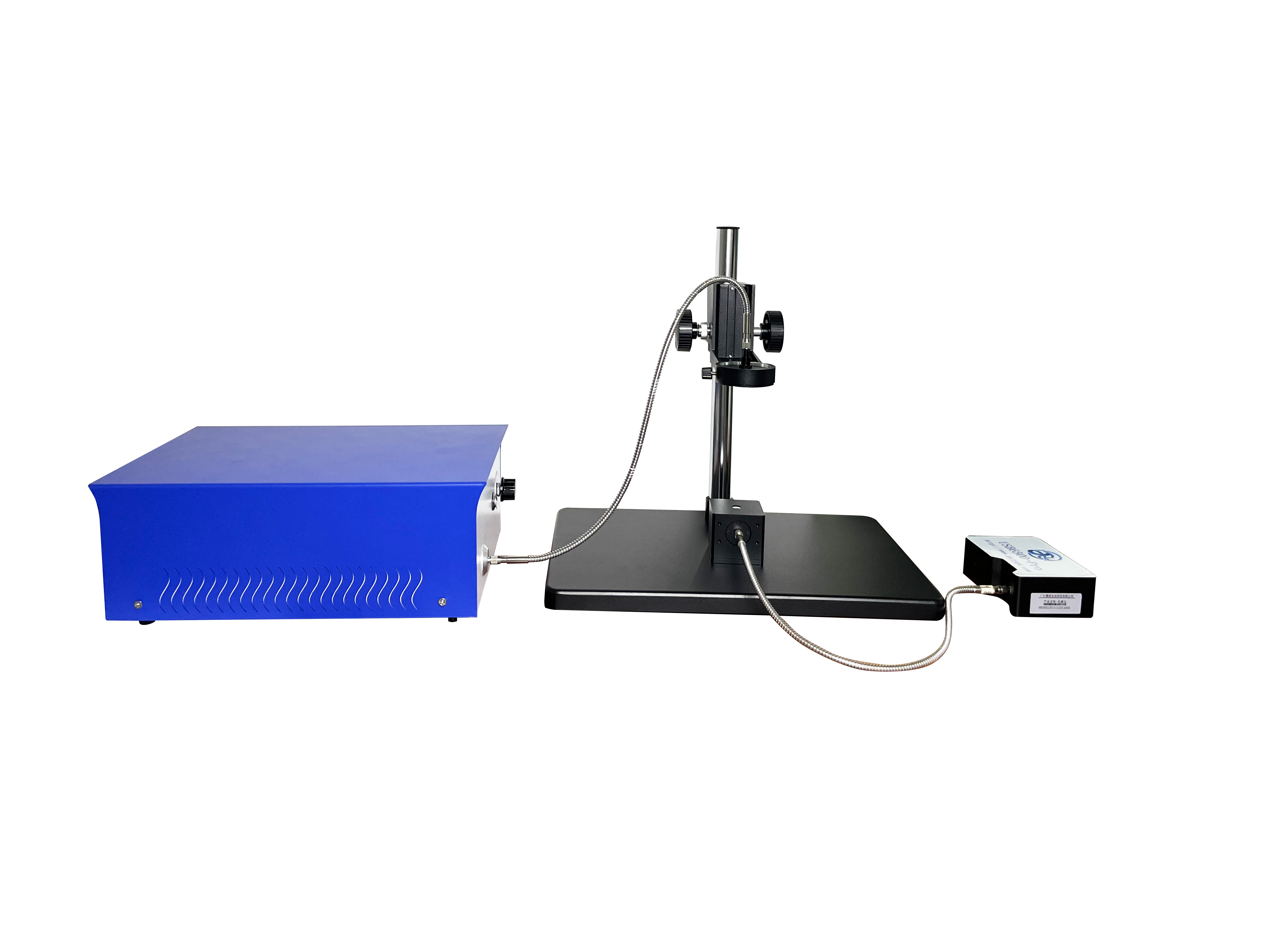
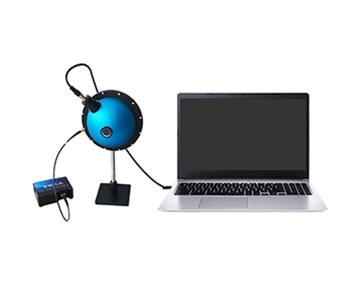
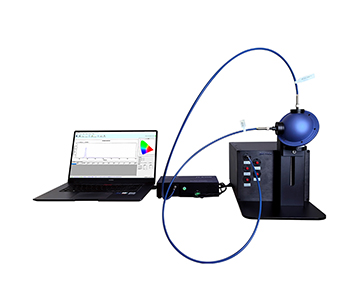
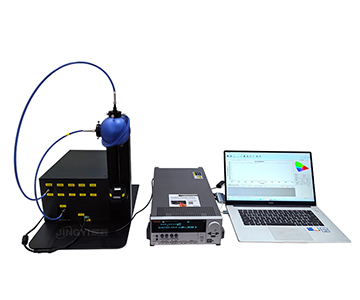
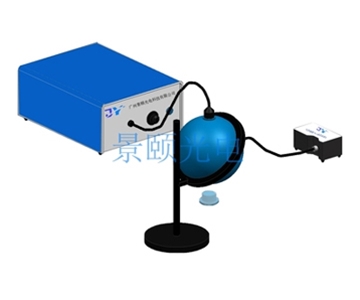
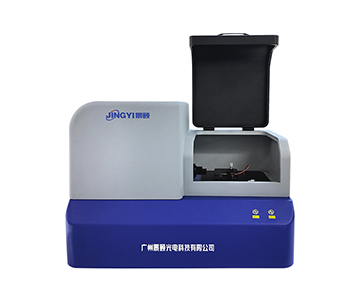
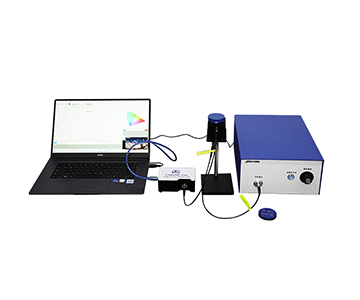
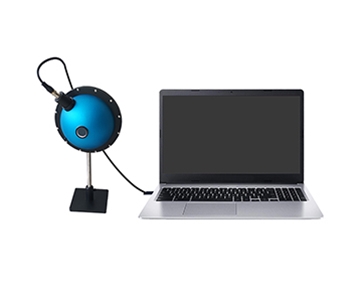
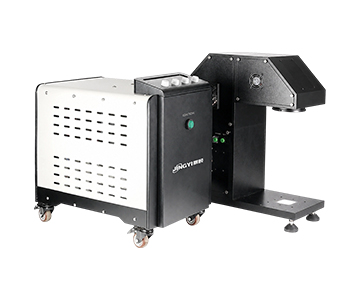
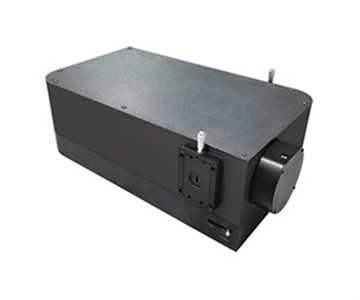
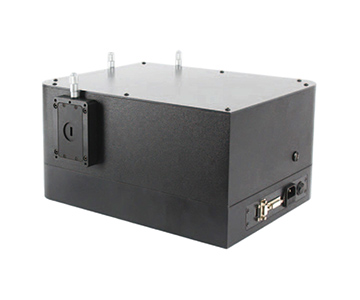
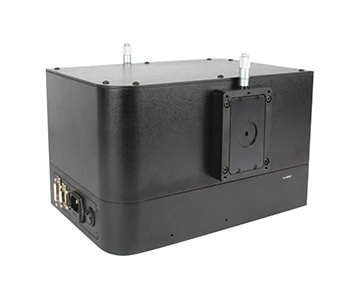
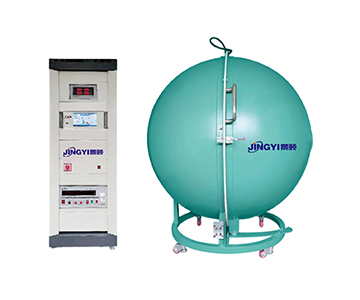
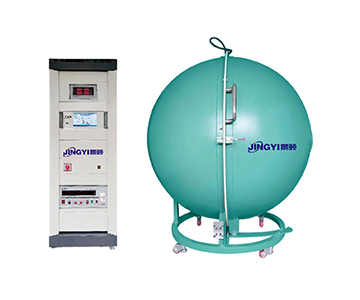
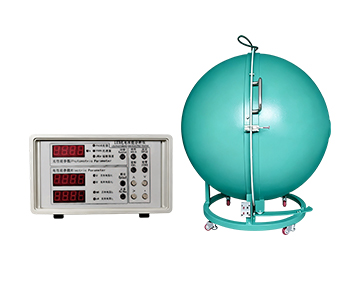
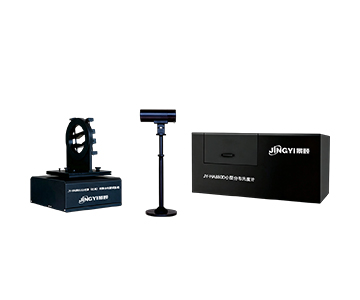
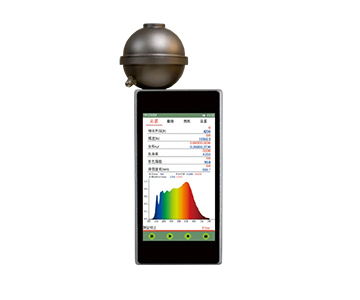
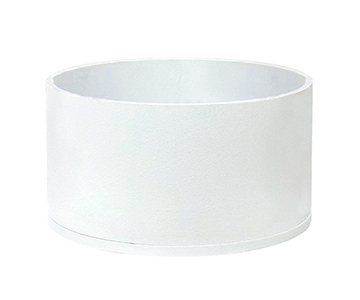
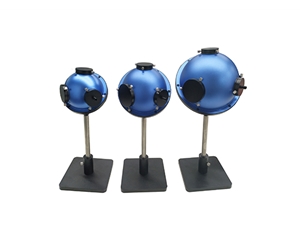
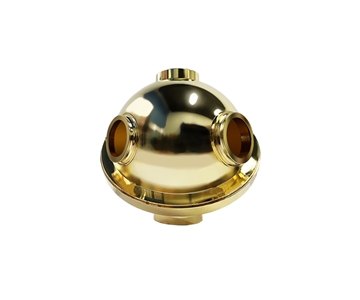
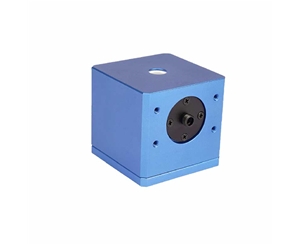
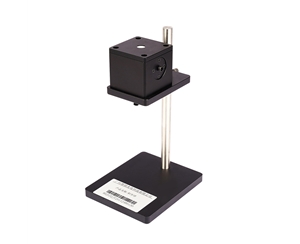
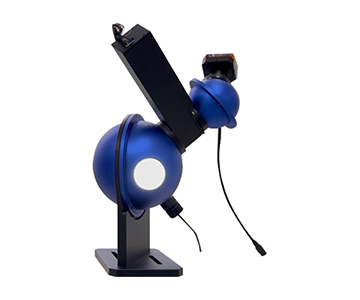
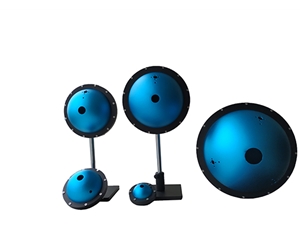
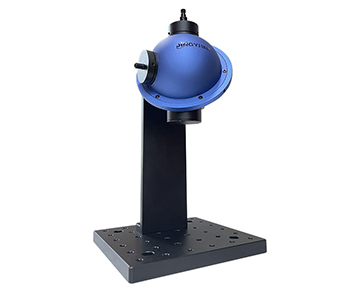
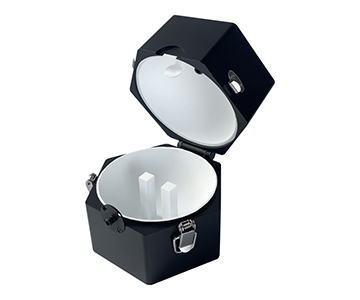
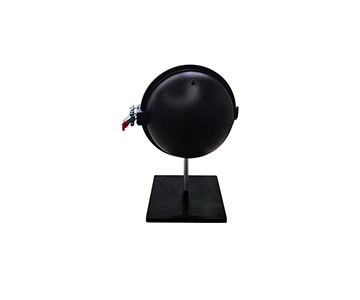
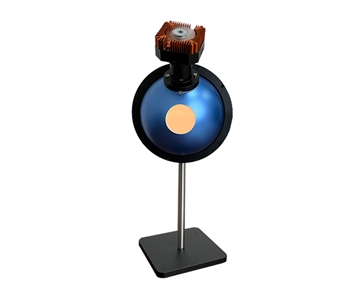
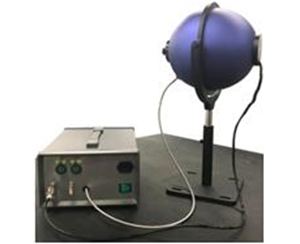
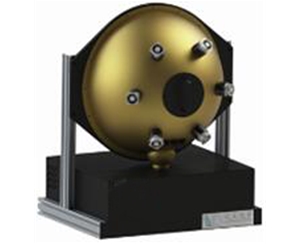
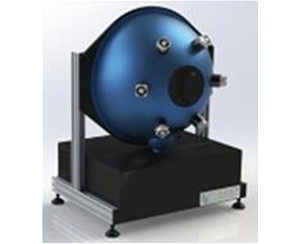
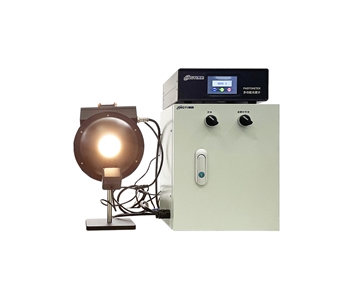
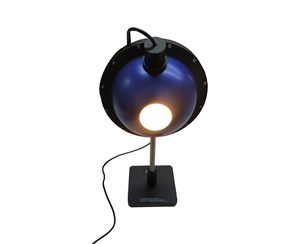
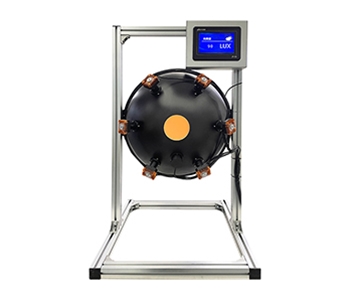
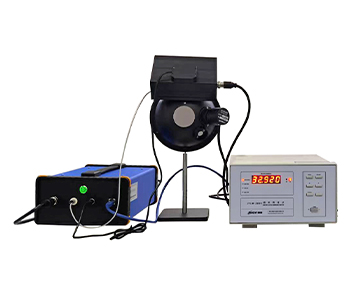
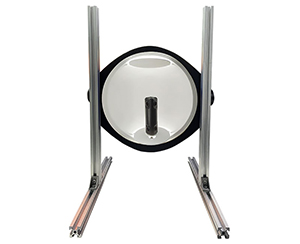
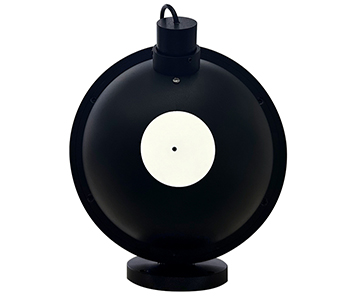
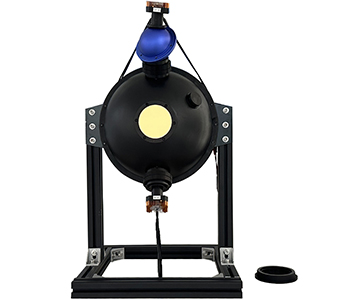
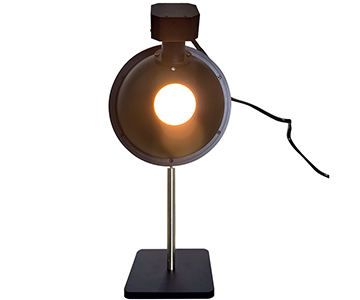
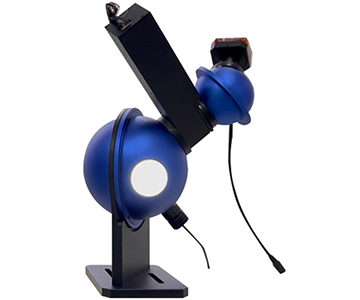
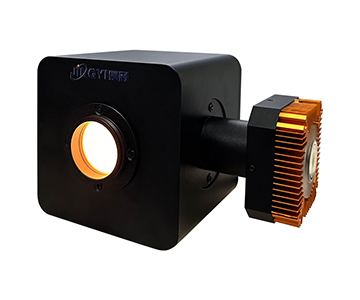
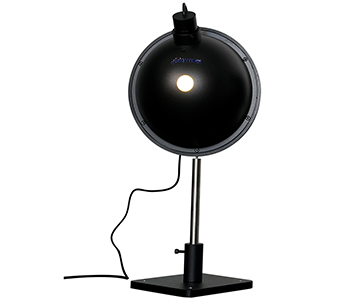
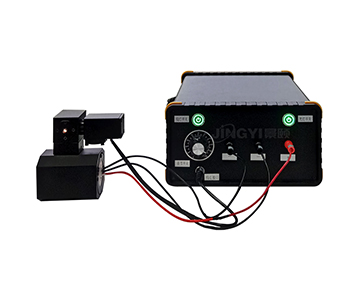
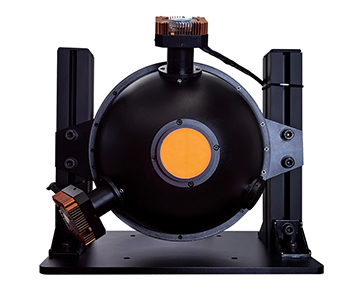
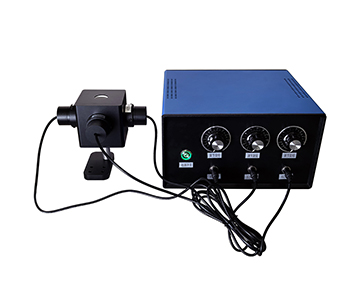
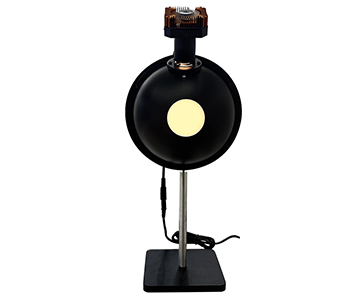
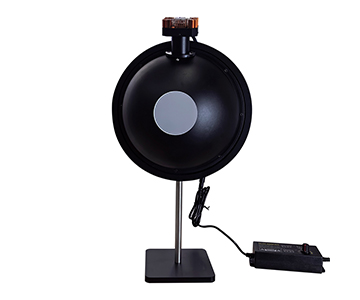
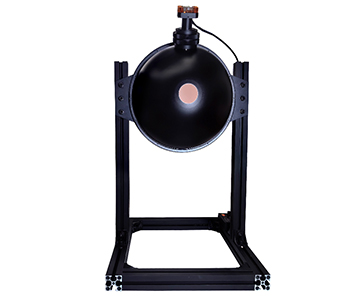
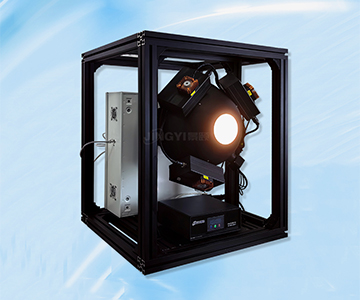
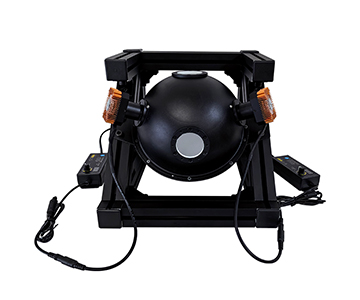
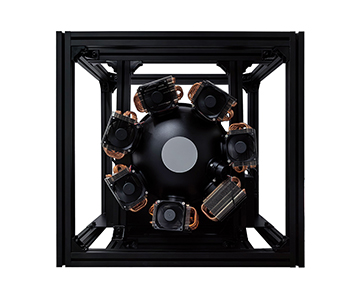
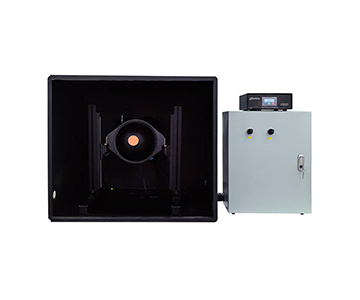
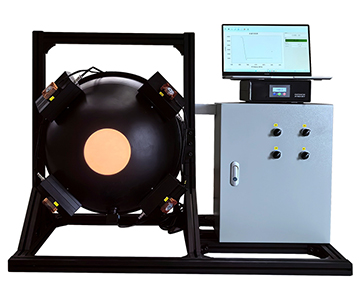
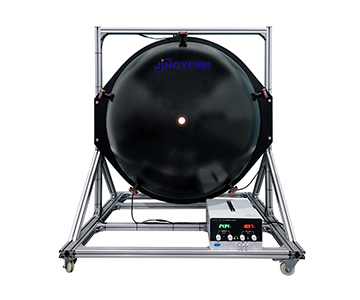
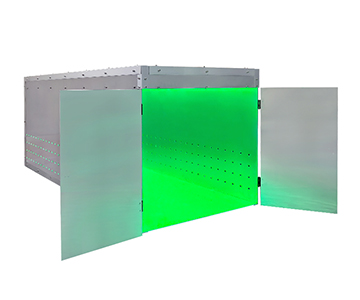
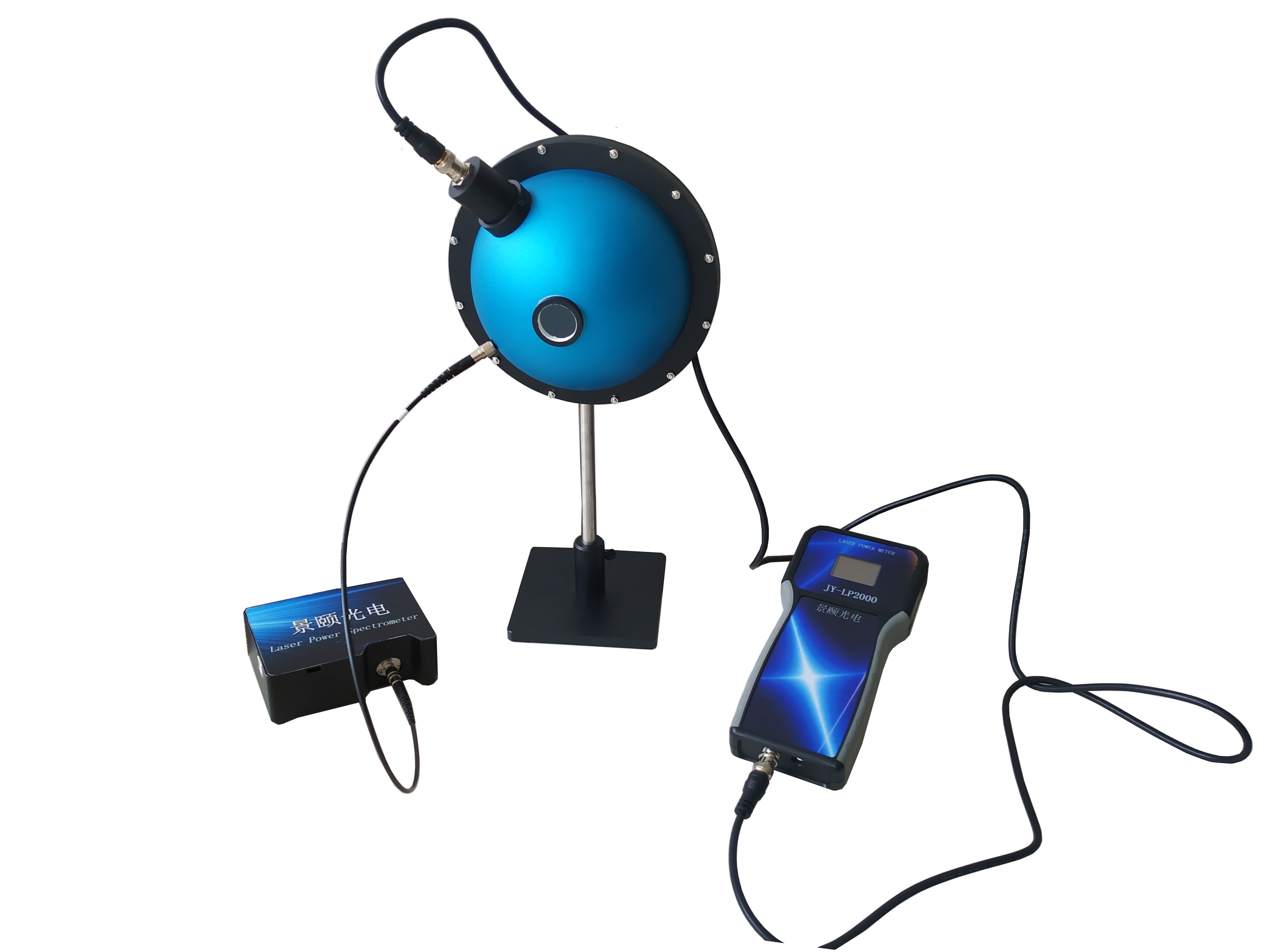
To address these widespread industry pain points, Jingyi Optoelectronics has launched the JY-FOIS84 universal integrating sphere—a solution optimized specifically across two dimensions: coating technology and structural design—to fully meet the demanding requirements of high-precision LED luminous flux measurement systems.
First, regarding coating: The JY-FOIS84 integrates Jingyi’s proprietary, high-stability diffuse-reflective coating. Not only does this coating rank among the industry’s top-tier performers in terms of diffuse reflectance, but it also exhibits excellent Lambertian behavior—ensuring that all incident light undergoes complete and uniform spatial mixing after multiple internal reflections. Even for narrow-beam LEDs emitting within a 30° cone, localized non-uniformities or shadow artifacts are entirely eliminated within the cavity. Additionally, the coating demonstrates superior resistance to aging: no yellowing or flaking occurs over extended use, guaranteeing consistent measurement stability throughout a 3–5-year service life—and effectively eliminating drift caused by coating degradation.
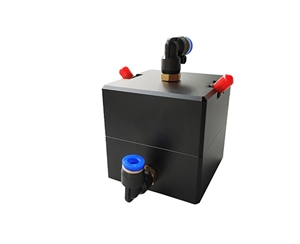
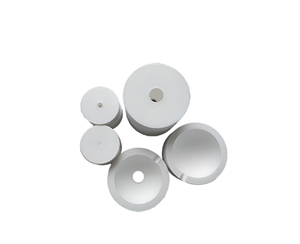
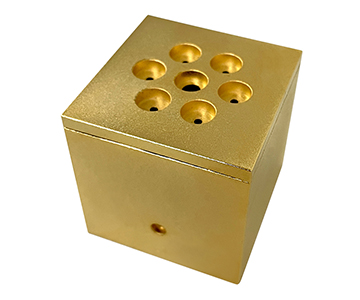
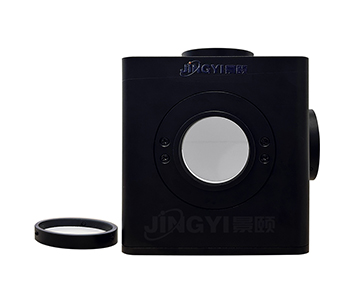
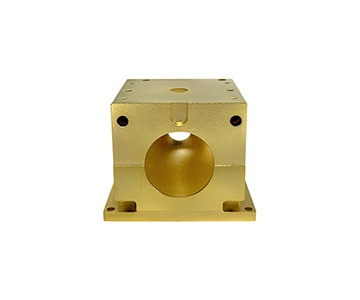
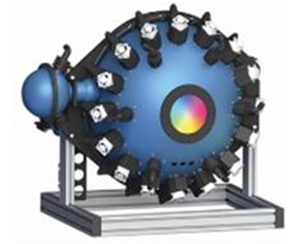
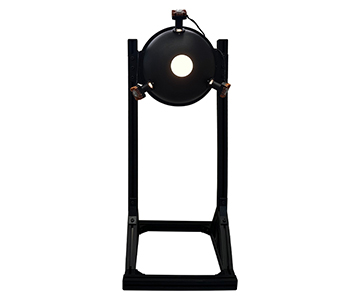
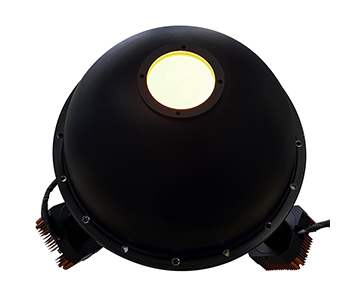
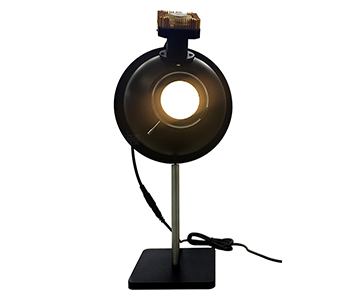
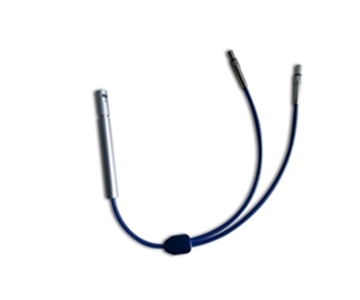
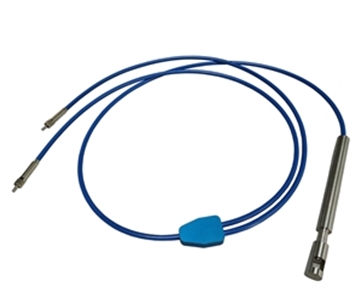
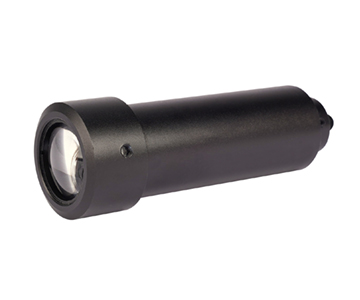
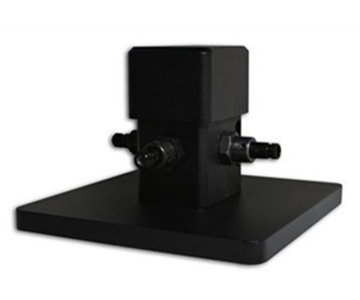
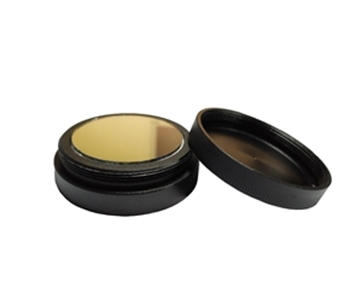
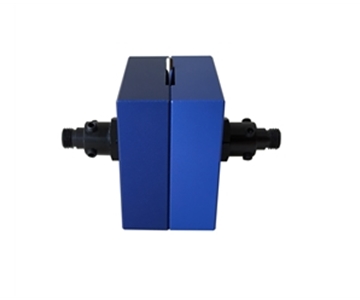
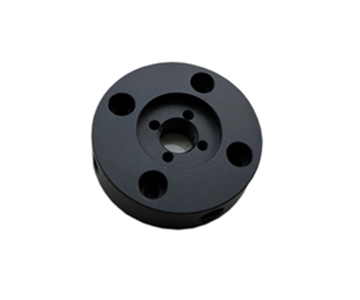
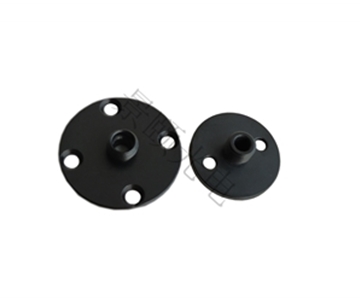
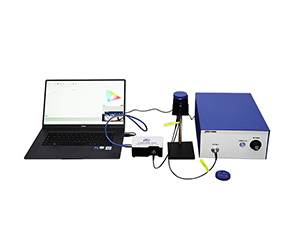
Second, in structural design: The JY-FOIS84 adopts a modular, universal port configuration. Users can rapidly assemble customized accessories to suit specific needs—enabling standalone LED luminous flux measurement, or seamless expansion to transmittance, reflectance, laser power, and spectral analysis applications—or even deployment as a uniform light source. True “one-sphere-multiple-uses” functionality is achieved. To meet LED-specific detection requirements, users may further customize port location and size, thereby optimizing the spatial alignment among the LED mounting position, standard lamp calibration port, and detector interface—minimizing measurement errors arising from LED directionality and physical disparities between standard lamps and LEDs. Real-world testing shows that measurement deviation across varying LED orientations is controlled within ±5%; repeatability error falls below ±0.1%—fully compliant with international LED measurement standards including LM-79 and CIE.
Jingyi Optoelectronics holds relevant system certifications and maintains a high factory pass rate. Its capabilities include PTFE-based ultra-high-reflectance coatings (average reflectance ≈ 99.8%), multi-size/multi-interface customization options, and comprehensive pre-sales and after-sales technical support.
Application Scenarios: LED luminous flux testing, laser power measurement, display color calibration, environmental monitoring, and other high-precision optical metrology tasks.
The JY-FOIS84 universal integrating sphere is already deployed on production and R&D lines at numerous domestic LED packaging facilities and lighting research institutions. Compared with conventional integrating sphere systems, it reduces overall setup costs by over 30%, while delivering both higher measurement accuracy and superior long-term stability than industry averages. Through this versatile, cost-effective universal integrating sphere, Jingyi Optoelectronics offers SMEs in the LED sector a viable, domestically produced alternative—significantly lowering the entry barrier for high-performance optical testing equipment.
#UVIntegratingSphere #IRIntegratingSphere #RadiometricIntegratingSphere #TransmittanceIntegratingSphere #UniversalIntegratingSphere #IntegratingSphere