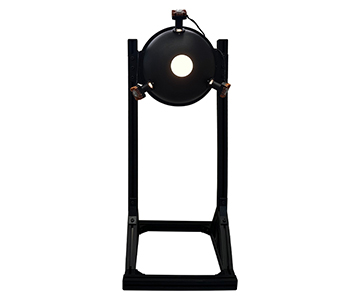
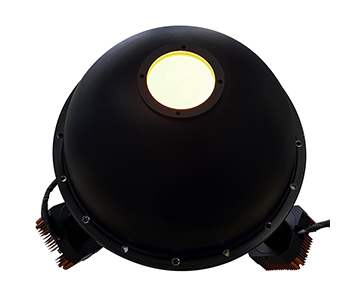
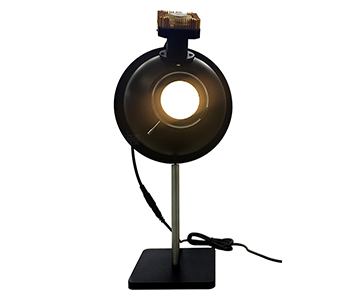
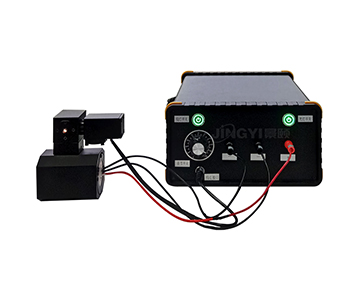
Practical Guide to Avoiding Common Pitfalls with Spectral Laser Wavelength Analyzers: A Comprehensive Walkthrough from Fault Diagnosis to Parameter Optimization
Environmental Interference Mitigation for High-Precision Measurements
Many users worry that fluctuations in laboratory temperature, humidity, and atmospheric pressure may degrade measurement accuracy. In fact, mainstream Fizeau-interferometric spectral laser wavelength analyzers are equipped with robust environmental compensation mechanisms. For example, Jingyi Optoelectronics’ Germany-manufactured Fizeau-interferometric spectral laser wavelength analyzers remain unaffected by pressure variations within the 500–800 mbar range. Furthermore, provided temperature drift remains within ±2 °C/h, the instrument’s built-in interferometer temperature correction algorithm fully compensates for thermal drift. Upon initial power-on, users need only allow the device to thermally equilibrate with its environment for 1–2 hours—no complex pre-calibration procedures are required.
Multi-Channel Parallel Measurement in Industrial Batch Testing Scenarios
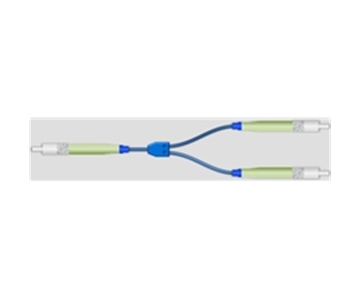
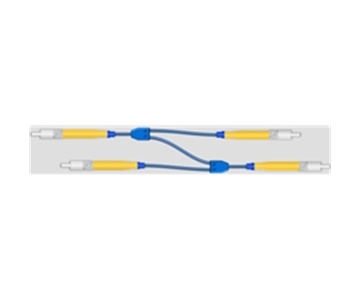
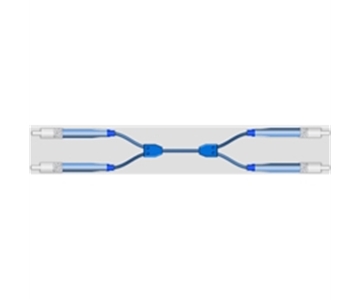
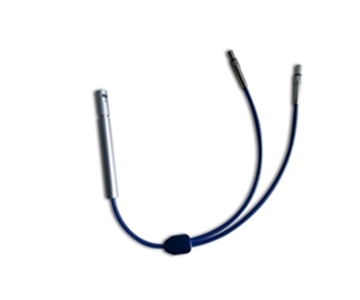
A common issue users encounter is identical measurement data across all channels. This typically indicates a failure of the channel-switching logic. First, inspect hardware connections: ensure communication and power cables are securely connected; for externally powered multi-channel switches, verify stable power supply. Second, validate software communication protocol settings: select the *WLMTTLS* protocol for TTL interfaces, *COM* for RS232 interfaces, and *USBCOMU* for USB interfaces. For COM-port-connected devices, also confirm baud rate compatibility—standard devices use 57,600 bps, while legacy models operate at 9,600 bps. Correctly selecting the corresponding COM port will rapidly restore normal operation.
Accurate Measurement of Pulsed Lasers
Accurate pulsed-laser measurement remains a frequent challenge. Modern Fizeau-interferometric spectral laser wavelength analyzers universally support dual-mode detection (continuous-wave and pulsed lasers). When a pulsed signal is input, the instrument automatically identifies and computes wavelength in real time. For specialized scenarios—such as low-duty-cycle pulses, strong background noise, selective pulse triggering at user-defined intervals, or time-grouped single-pulse measurements—the TTL external trigger function can be activated. Two trigger modes are available:
1. **Dual-Signal Start/Stop**: The first TTL signal initiates array readout; the second halts measurement.
2. **Timed Readout**: Upon receiving the TTL trigger, measurement automatically terminates after a user-defined duration.
For infrared-band models with specialized configurations, users should contact the manufacturer’s technical support for detailed setup guidelines. Jingyi Optoelectronics’ technical team also offers on-site configuration and commissioning services.
Necessity of Instrument Calibration
Even highly stable Fizeau-interferometric spectral laser wavelength analyzers—designed without moving parts—are subject to gradual thermal and pressure-induced optical element drift over extended use, resulting in slight degradation of relative measurement accuracy. Therefore, regular calibration according to the recommended interval specified in the product manual is essential. Most modern instruments integrate an onboard calibration source, enabling full calibration in just seconds. Note that calibration data is stored locally within the installation folder; if the device is connected to a different computer, recalibration must be performed—do not migrate old calibration files, as doing so may introduce accuracy errors.
PID Parameter Optimization for Wavelength Locking in Research Applications
In research applications requiring synchronized wavelength locking between a spectral laser wavelength analyzer and a tunable laser, manual PID controller tuning is often time-consuming and suboptimal. Users can instead leverage the manufacturer-provided PID simulator to rapidly generate optimized parameters:
1. **Baseline Configuration**: Minimize exposure time (e.g., 5 ms) and perform an initial measurement to determine the instrument’s repetition rate (e.g., 40 Hz).
2. **Laser Characterization**: Identify the laser’s mode-hop-free tuning range; measure the baseline wavelength at 0 V input; determine the voltage-to-wavelength scaling factor (e.g., 7 V corresponds to a 100 pm wavelength shift); and configure LC output voltage limits in the control software to prevent mode hopping.
3. **PID Simulation Setup**: Enter parameters into the simulator:
- *Time/Measurement Interval*: Set to the inverse of repetition rate (e.g., 0.025 s for 40 Hz);
- *Response Count*: Fixed at 2;
- *Maximum Output Voltage*: ±4096 mV;
- *Resolution*: 0.5 mV;
- *Scaling Factor & Baseline Wavelength*: Input measured values.
Click “Auto-Calculate” to generate optimal *Ta*, *P*, *I*, and *D* parameters. Import them into the control software and fine-tune as needed. If parameter fit proves inadequate, adjust initial inputs and recalculate. Jingyi Optoelectronics also provides dedicated PID parameter calibration services to significantly reduce commissioning time.
End-to-End Service and Technical Integration
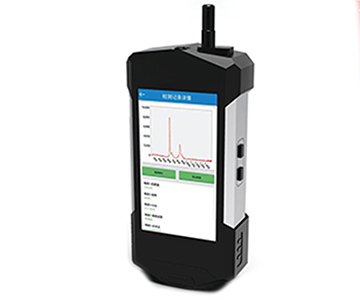
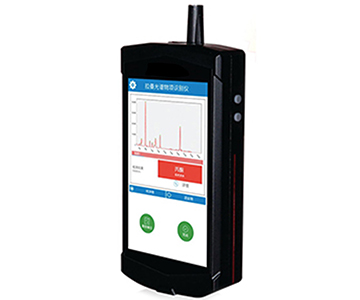
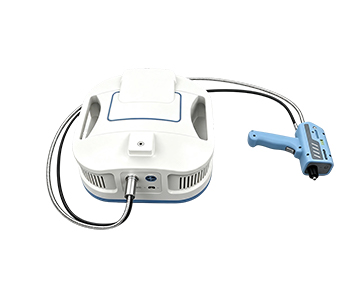
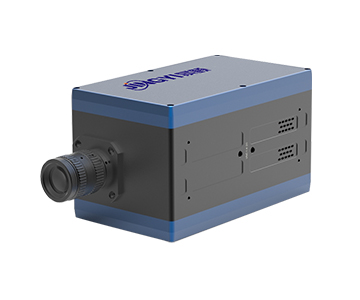
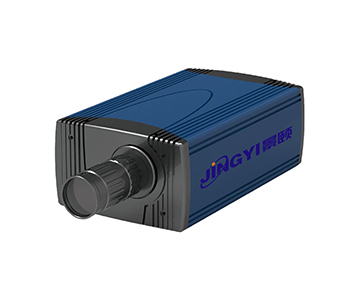
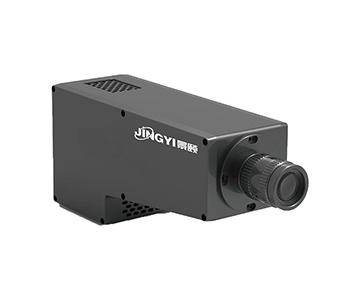
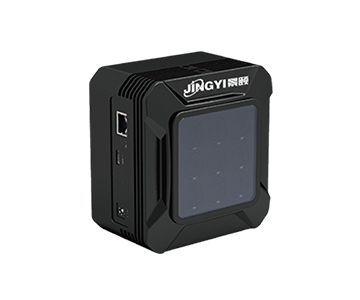
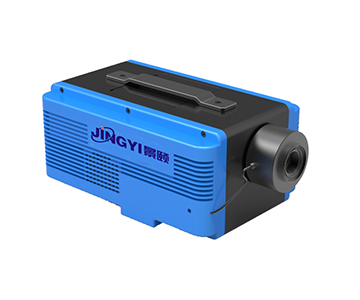
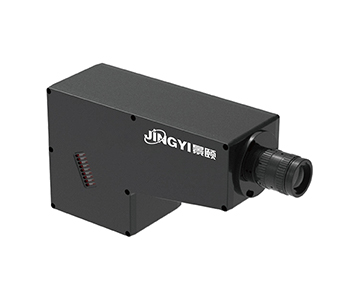
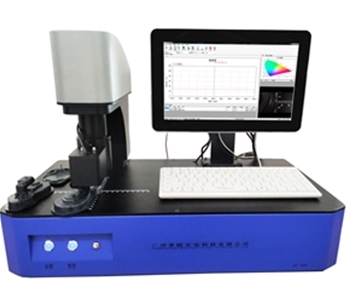
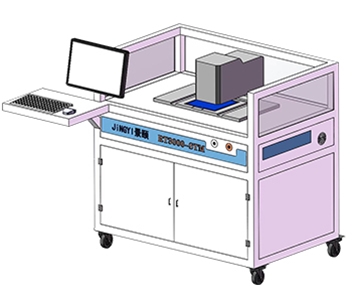
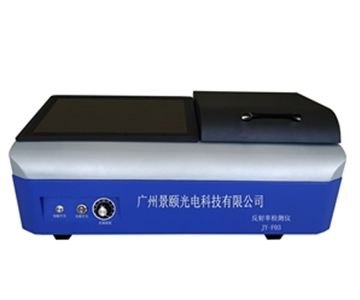
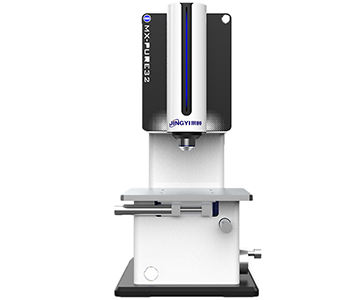
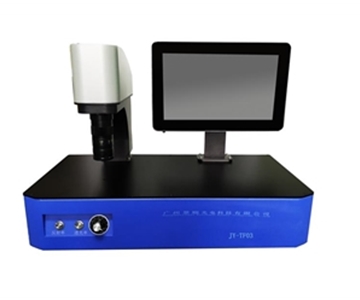
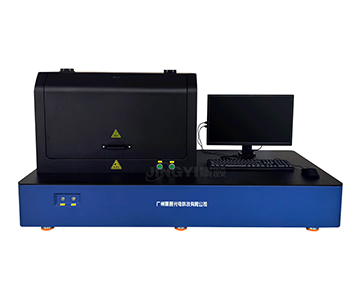
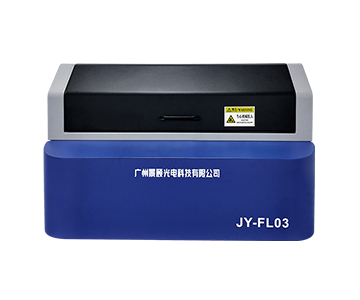
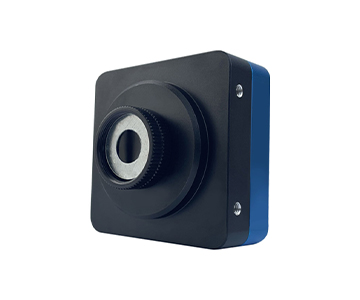
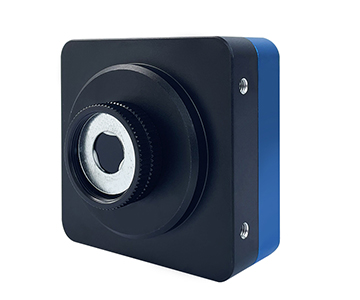
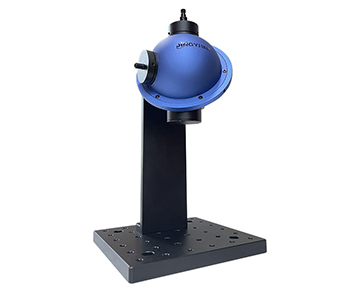
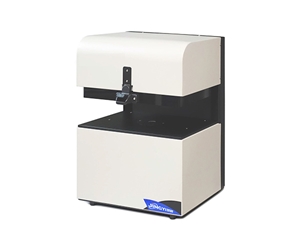
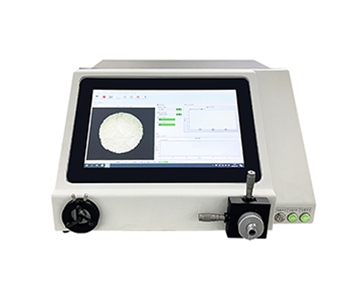
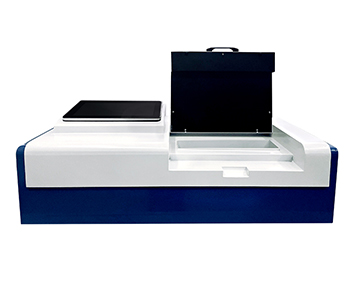
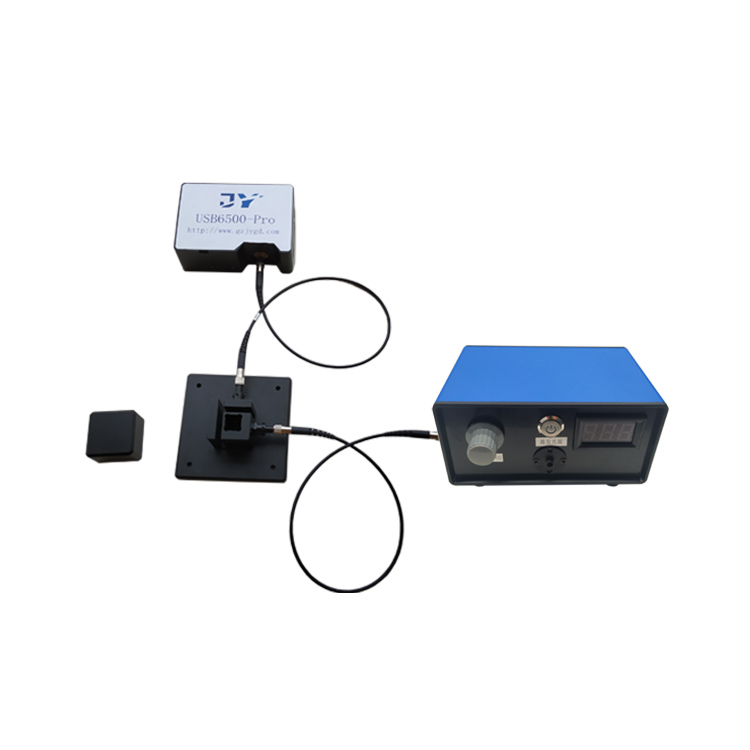
As a leading domestic provider in optoelectronic metrology, Jingyi Optoelectronics develops high-performance, cost-effective integrated spectral laser wavelength analyzers capable of measuring laser wavelength and spectral peak width within milliseconds. Featuring ultra-low stray light and high spectral resolution, our instruments meet stringent requirements for narrow-linewidth continuous-wave and pulsed laser characterization. Beyond proprietary instrumentation, we integrate global expertise in Fizeau-interferometric wavelength analysis technology—offering end-to-end solutions covering equipment selection, commissioning, and post-sales calibration. Our comprehensive service portfolio supports diverse application domains, including materials processing, optical communications, biomedical instrumentation, and fundamental research.
#SpectralLaserWavelengthAnalyzer #IntegratingSphereWavelengthMeter #WavelengthAnalyzer #LaserWavelengthMeter #LaserWavelengthMeasurementInstrument #LaserWavelengthTestingEquipment