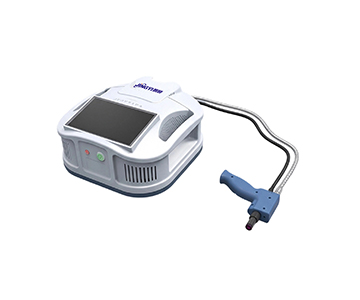
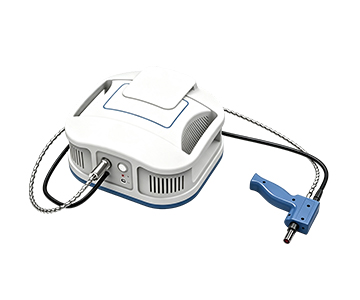
How to Break Through the Bottleneck in Luminescent Material R&D? Jingyi Optoelectronics’ Fluorescence Quantum Yield Testing System Offers a New Solution
In cutting-edge fields—including perovskite photovoltaics, OLED displays, and biofluorescence detection—the energy conversion efficiency of luminescent materials remains the core metric determining commercial viability. Yet for years, reliable testing has faced two major hurdles: either reliance on costly imported large-scale equipment or dependence on reference standards that compromise data traceability—pain points widely shared among small-to-medium R&D teams and materials enterprises.
Absolute fluorescence quantum yield—the key benchmark for evaluating a material’s energy conversion capability—is defined as the ratio of total emitted photons to total absorbed excitation photons upon illumination at a specific wavelength. Its value ranges from 0 to 1 and directly reflects optical loss levels. Fundamentally, this parameter governs critical performance indicators: power consumption in OLED panels, photoelectric conversion efficiency in perovskite solar cells, and detection limits of fluorescent probes.
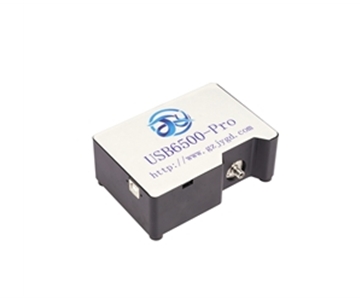
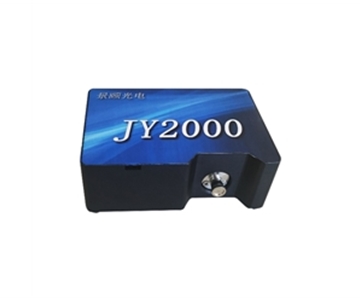
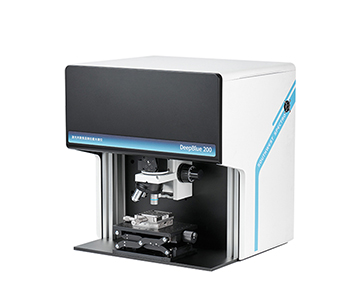
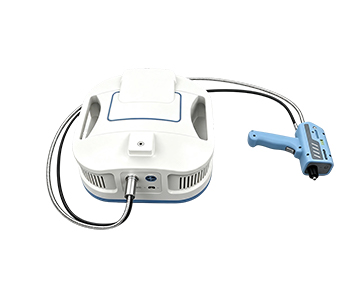
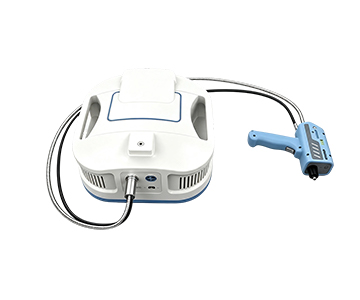
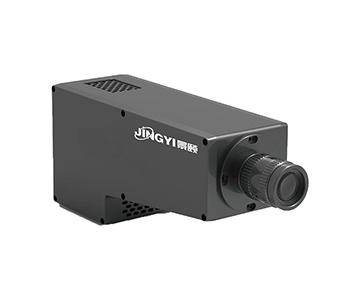
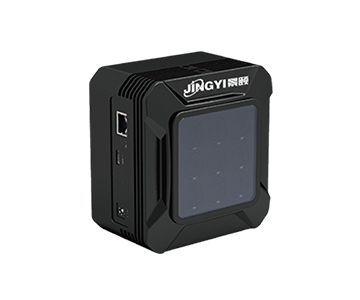
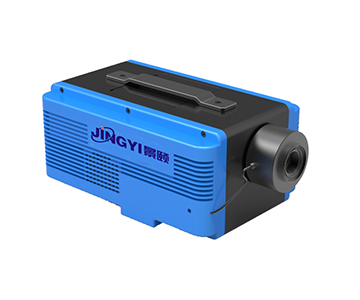
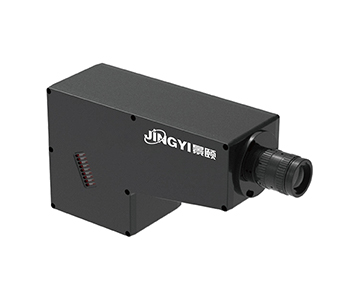
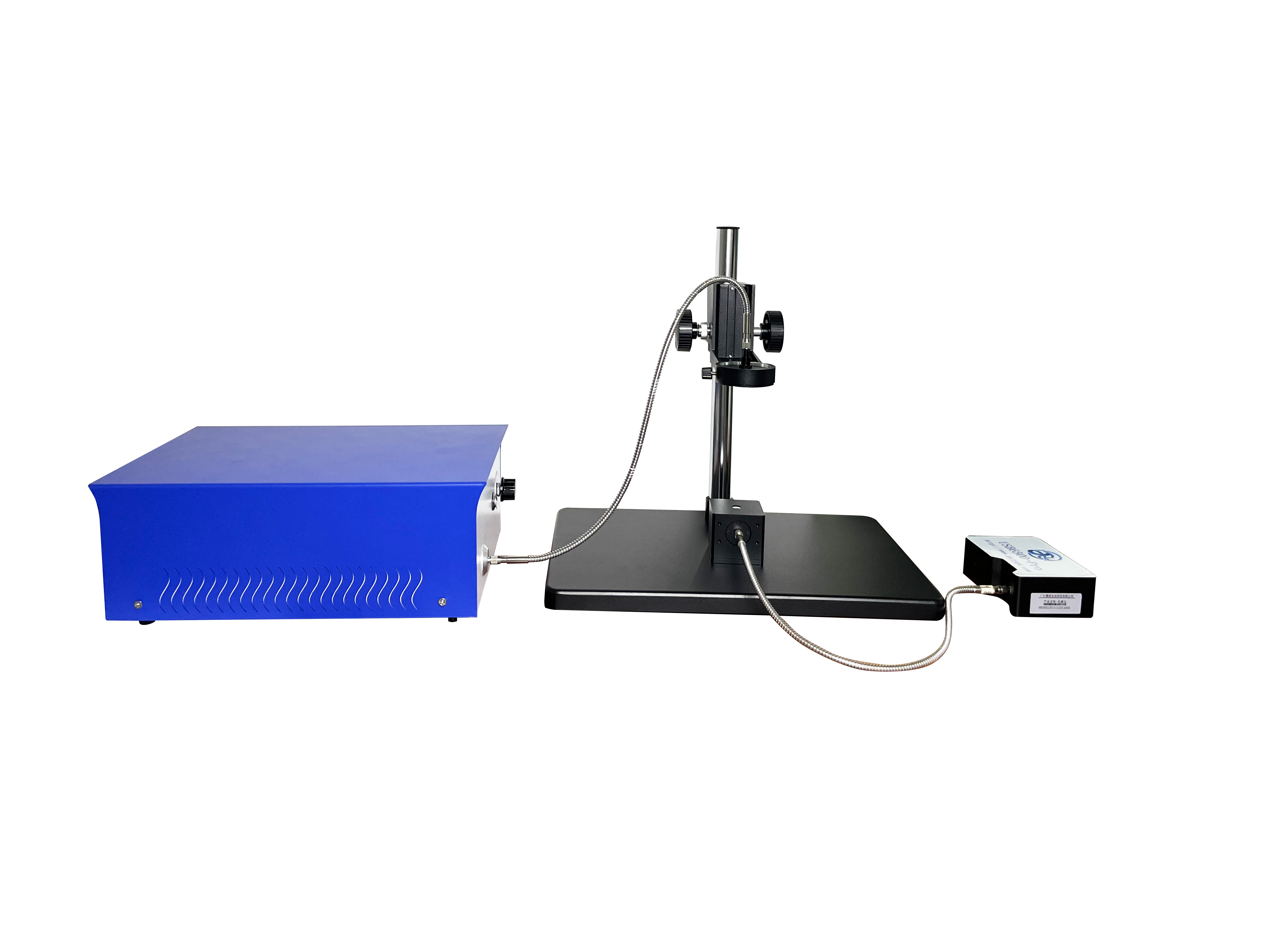
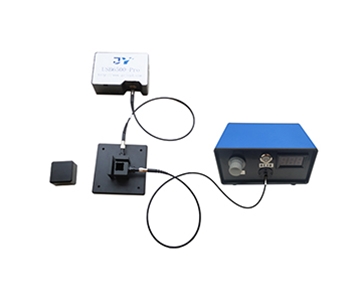
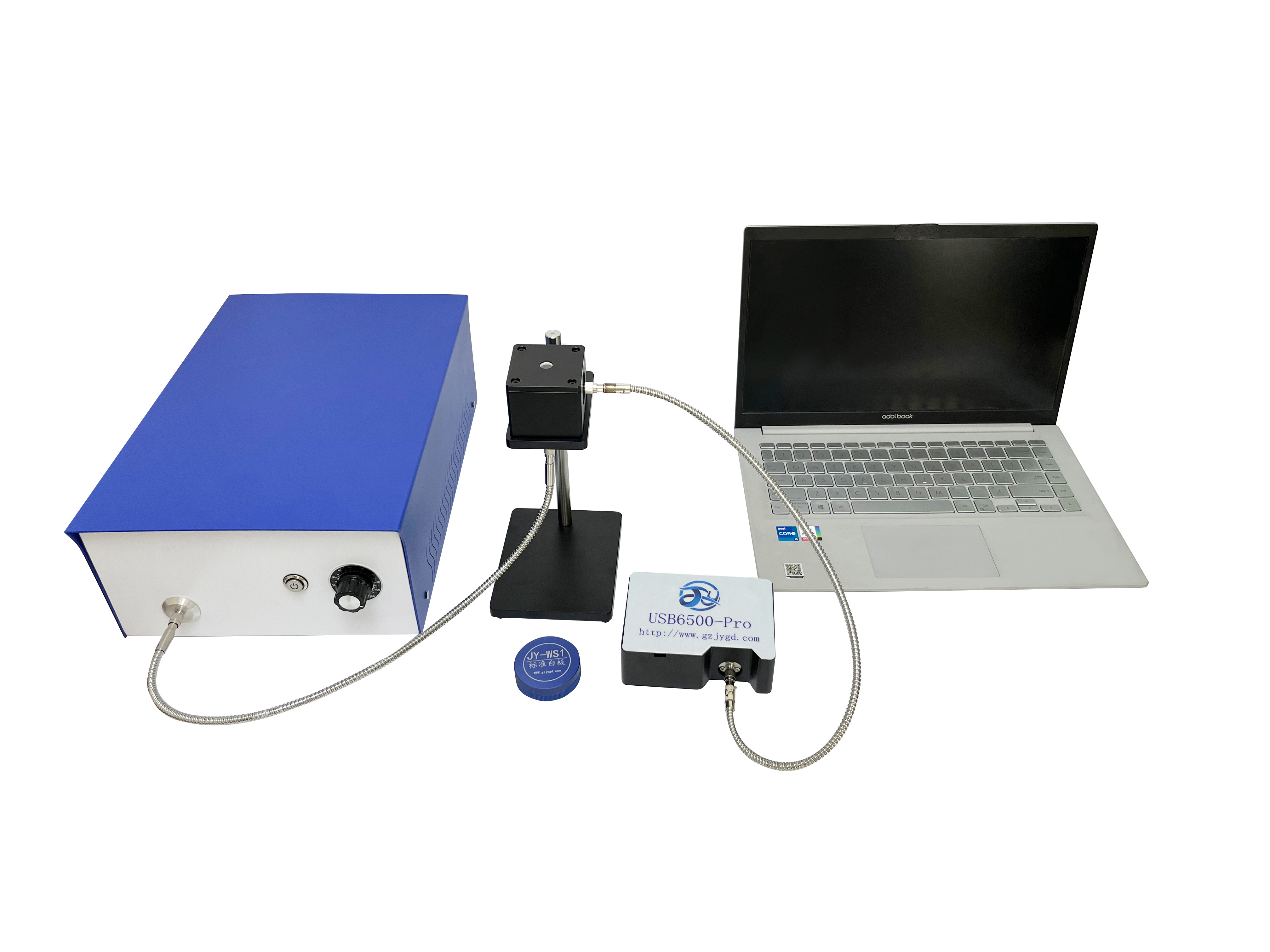
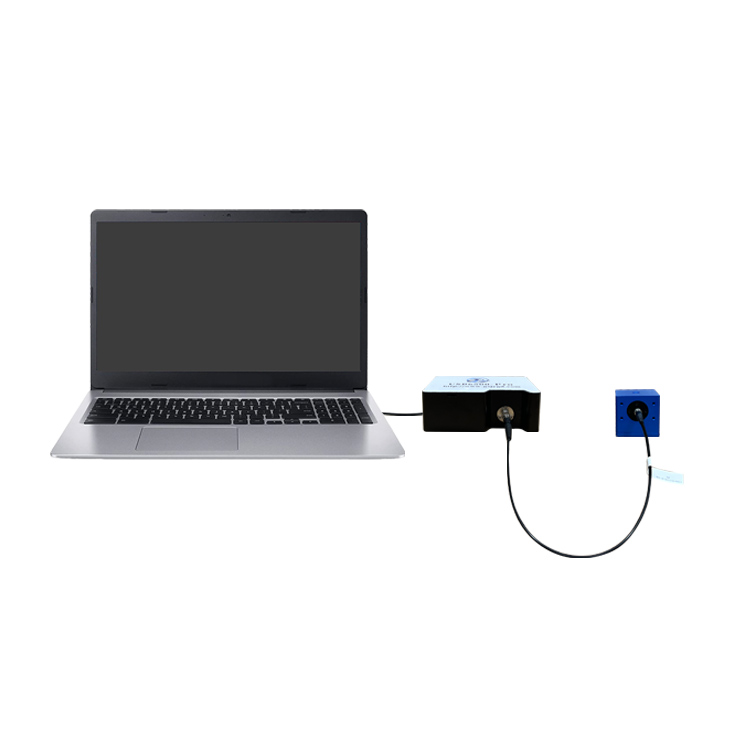
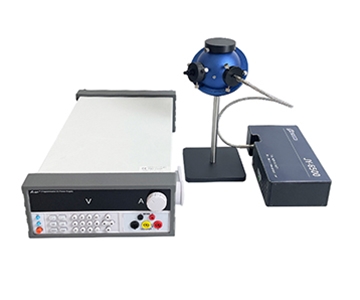
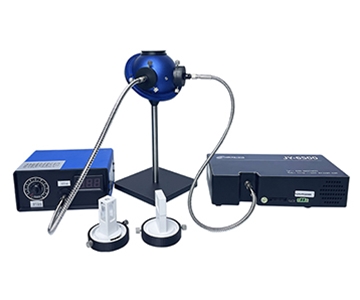
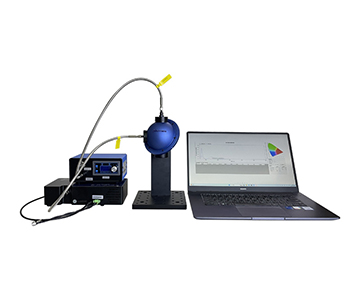
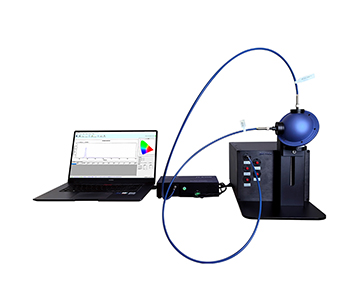
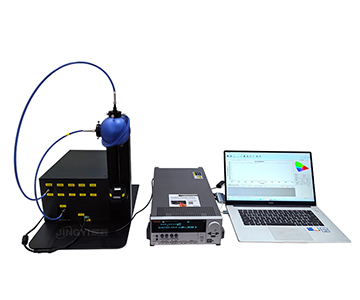
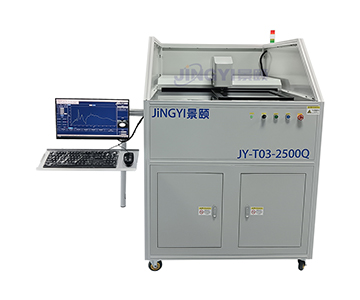
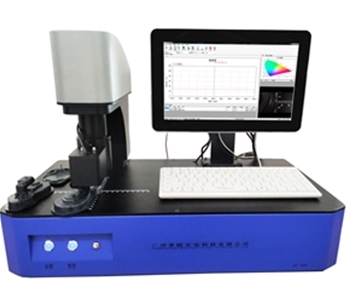
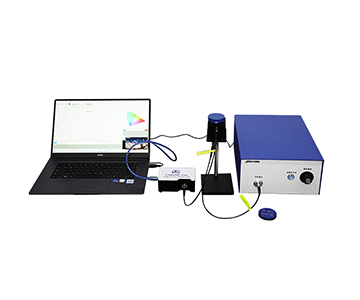
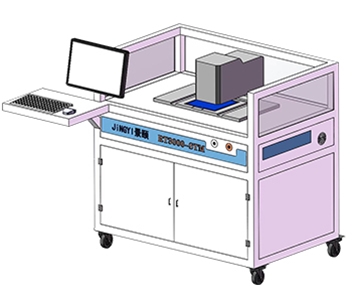
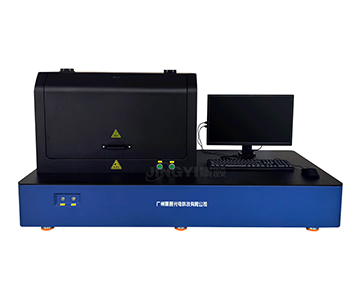
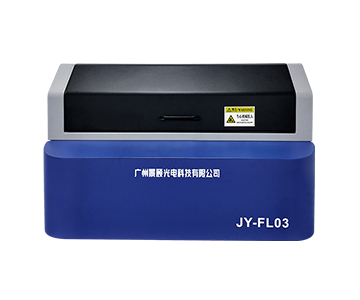
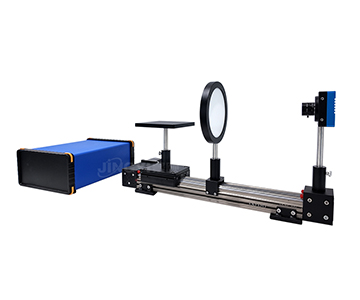
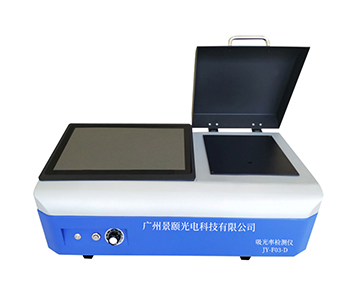
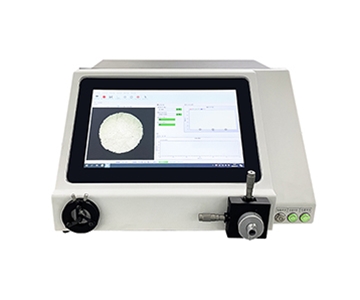
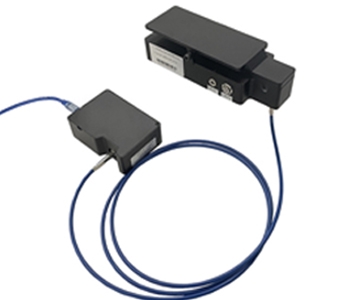
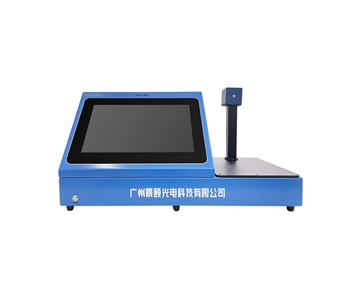
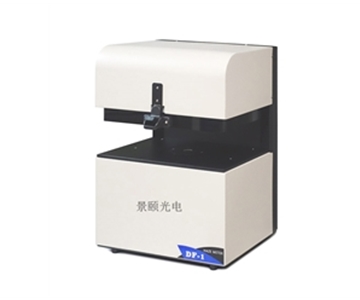
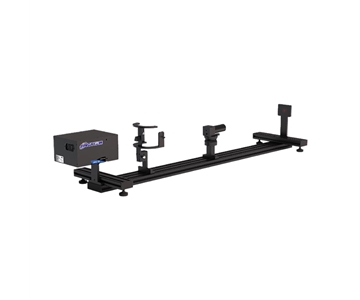
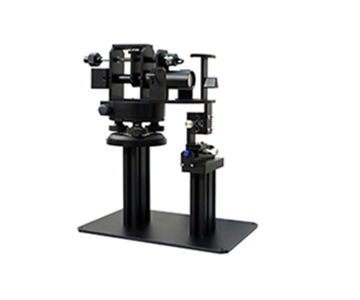
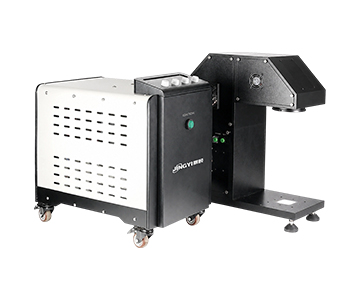
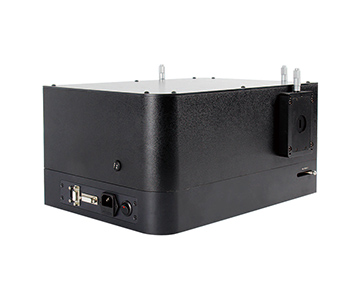
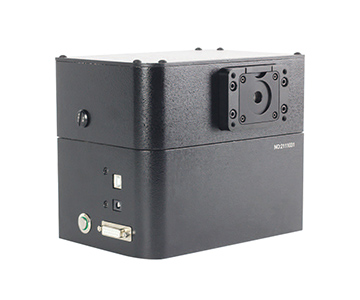
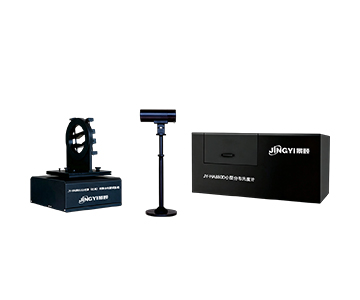
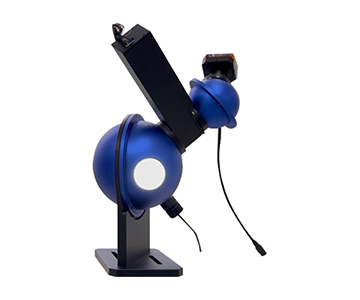
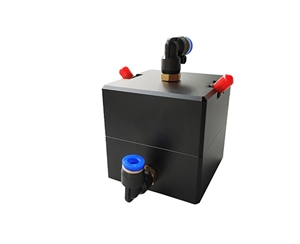
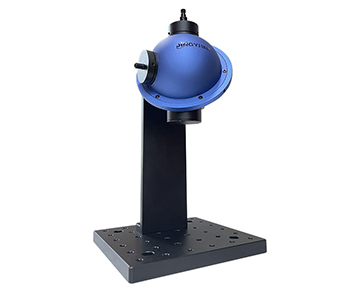
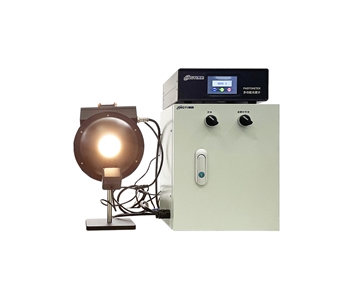
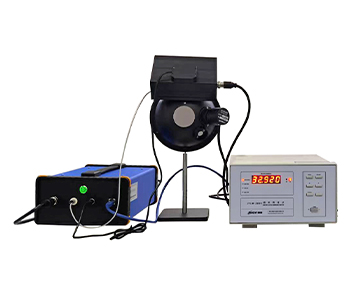
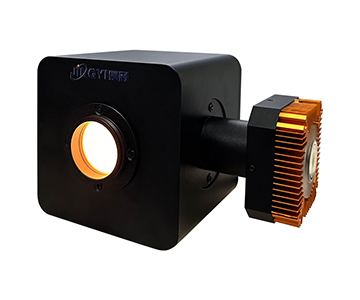
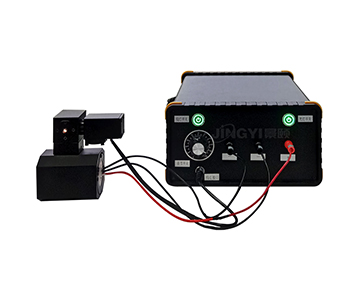
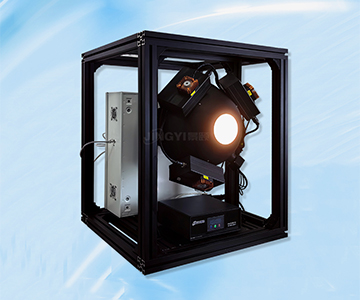
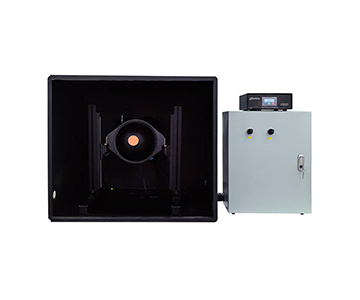
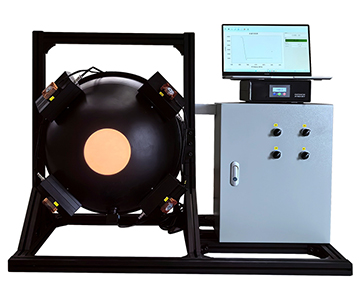
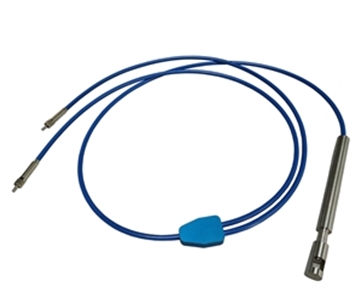
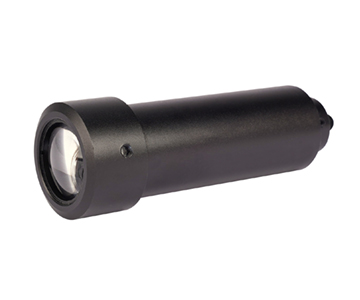
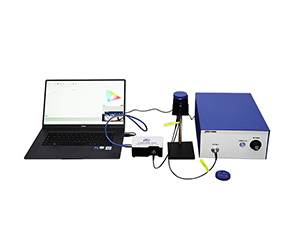
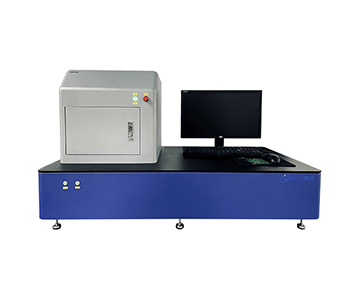
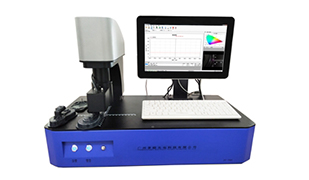
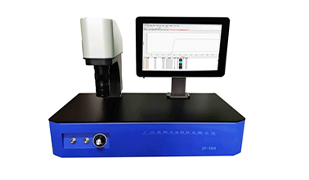
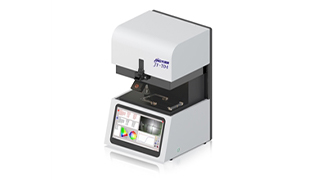
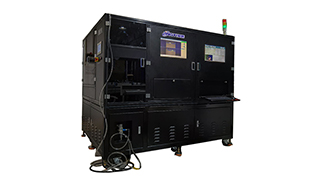
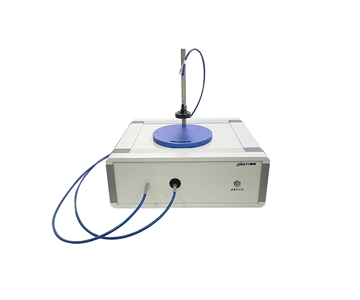
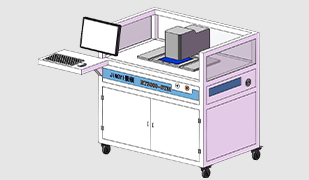
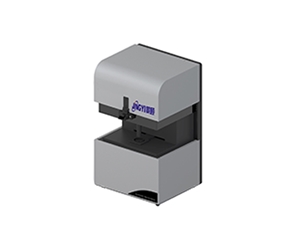
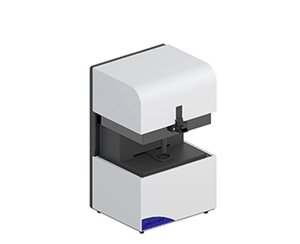
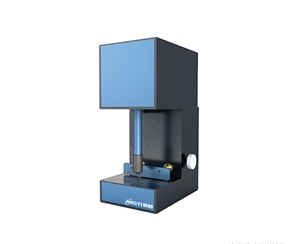
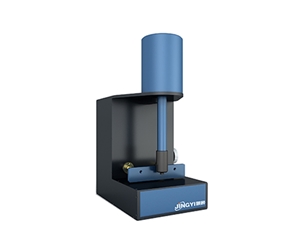
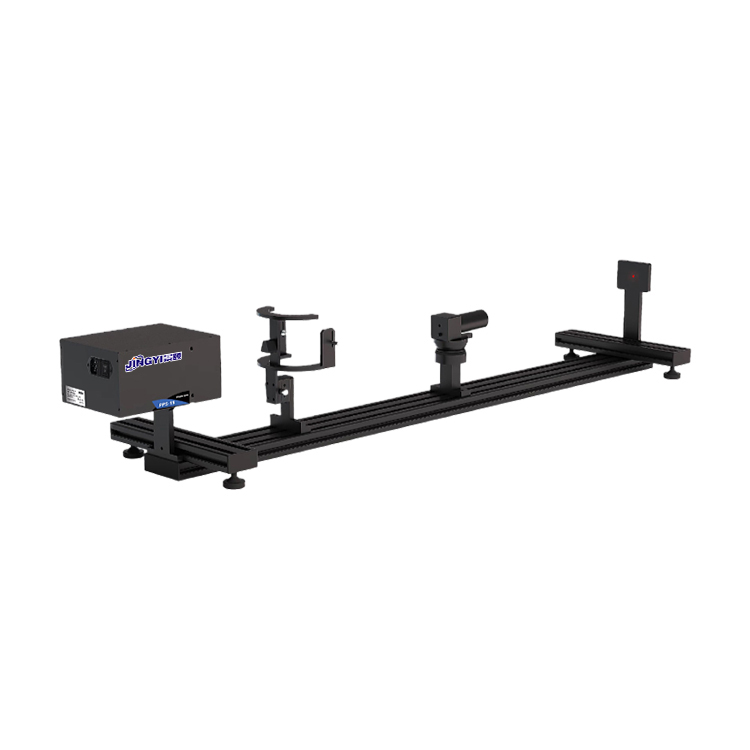
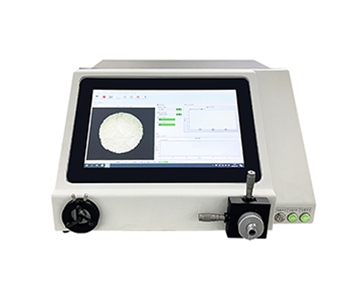
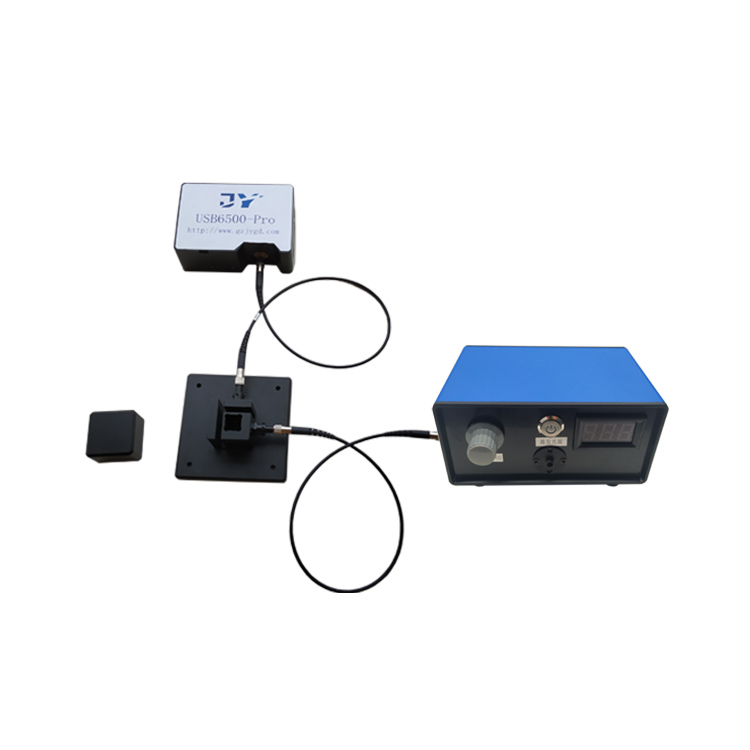
To overcome the limitations of conventional methods, Jingyi Optoelectronics has independently developed a fluorescence quantum yield testing system based on absolute measurement—enabling calibration-free, high-precision quantum efficiency analysis. The underlying principle mirrors a “photon ledger”: First, the total number of excitation photons entering an empty sample chamber is measured—effectively quantifying the initial “photon capital.” Next, with the sample in place, the system separately records both the unabsorbed “residual photons” and the “emitted photons” generated by the sample. The difference yields the actual number of absorbed photons; dividing emitted photons by absorbed photons then delivers the absolute quantum yield—entirely without reference standards. All results are traceably calibrated against NIST-traceable light sources, fully satisfying the data integrity requirements for academic publication and industrial quality control.
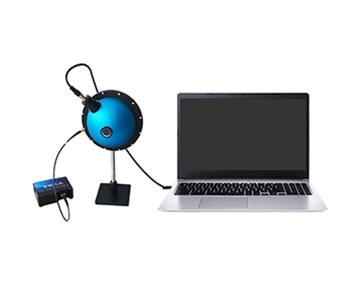
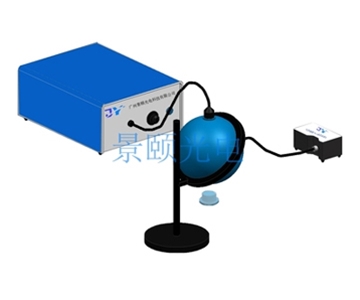
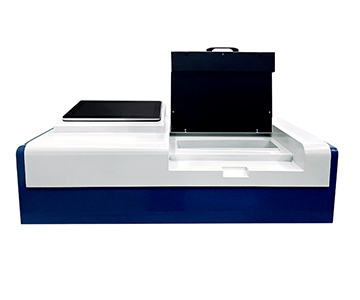
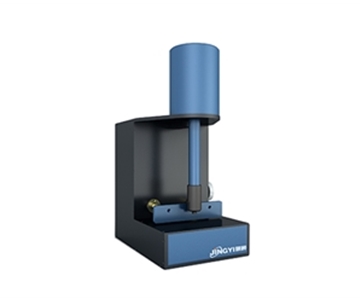
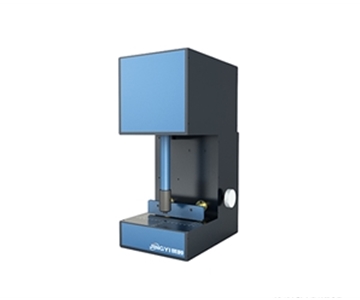
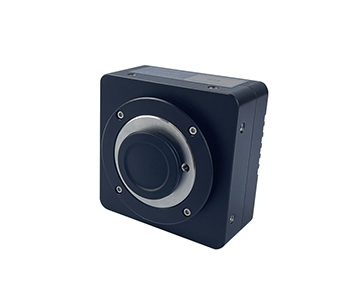
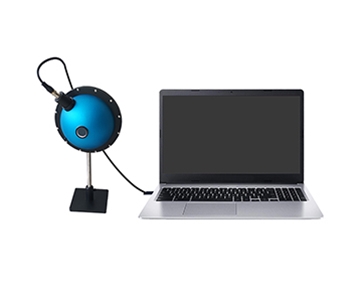
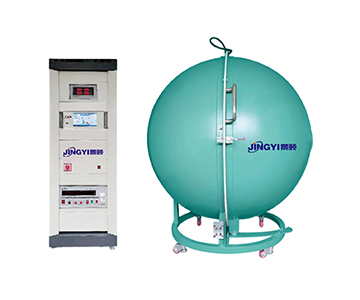
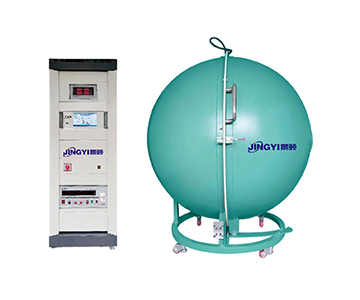
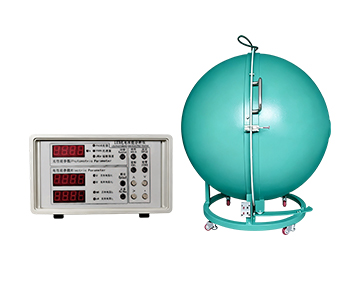
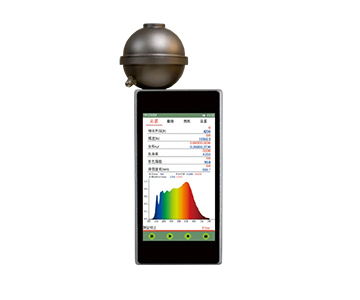
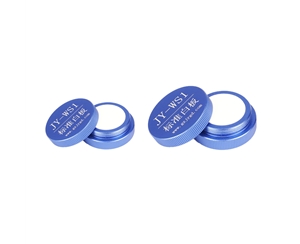
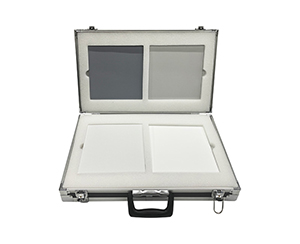
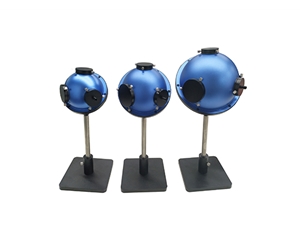
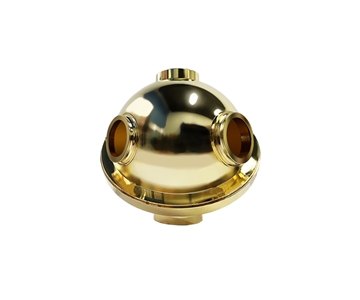
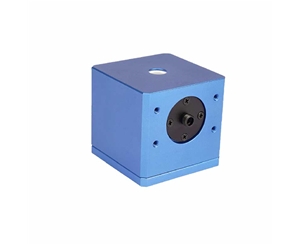
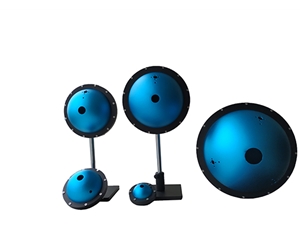
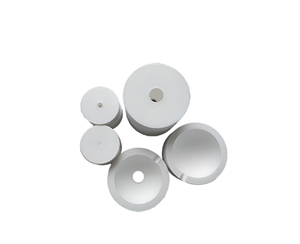
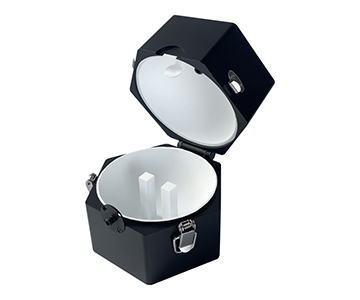
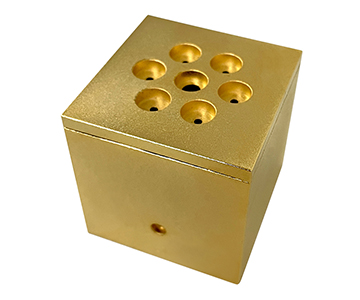
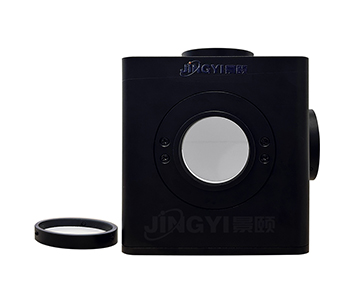
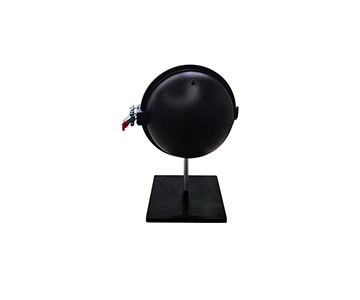
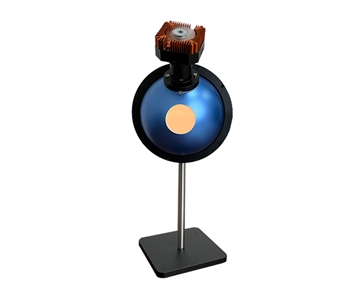
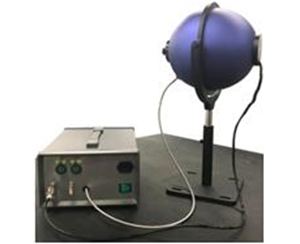
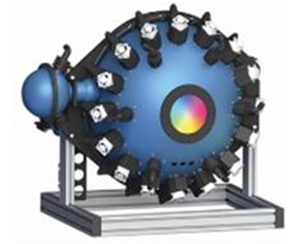
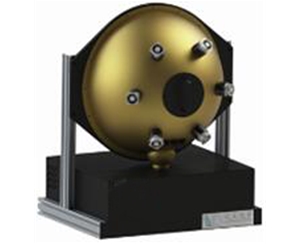
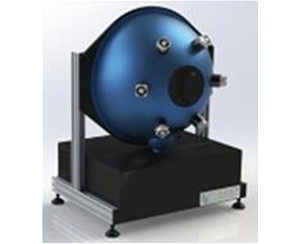
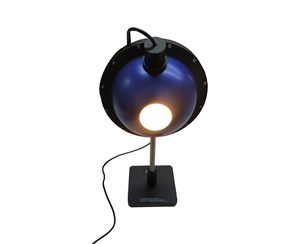
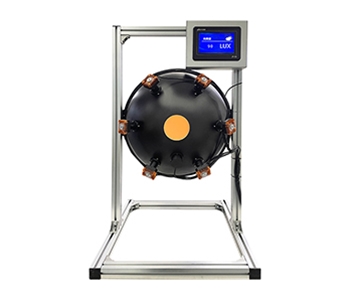
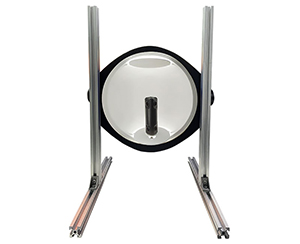
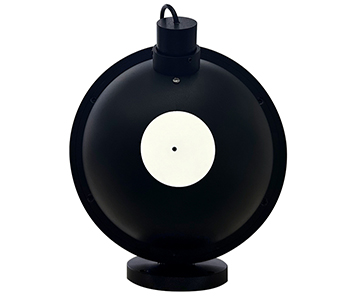
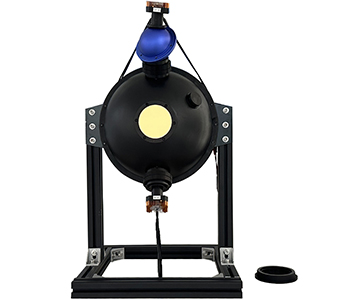
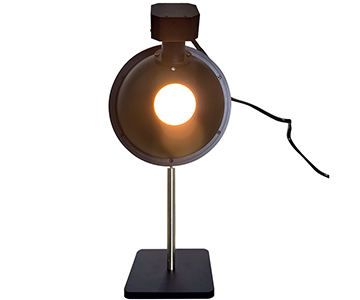
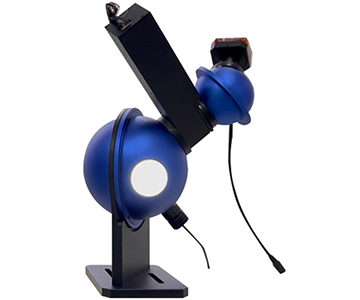
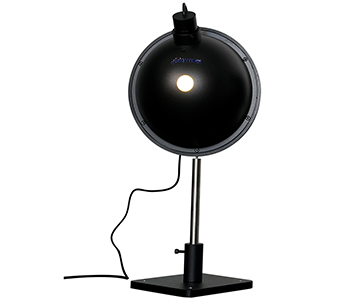
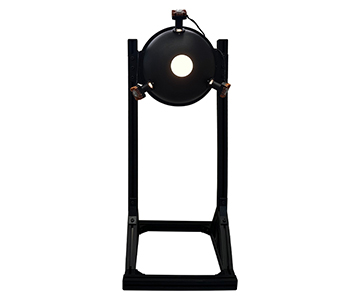
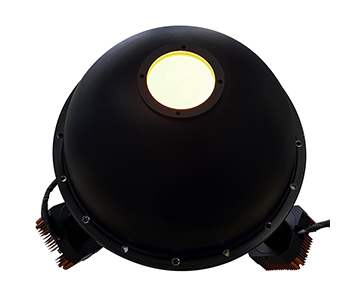
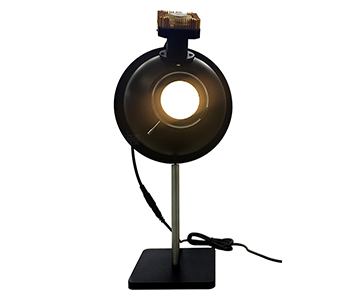
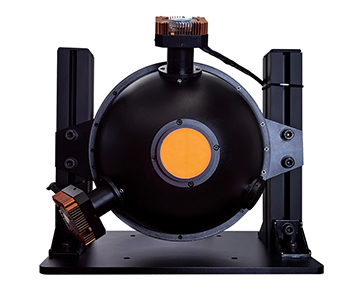
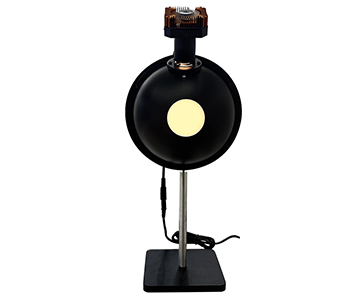
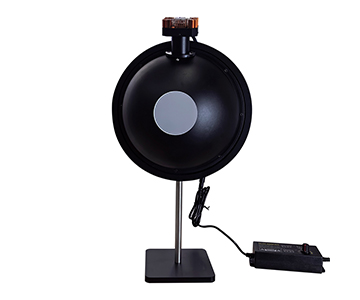
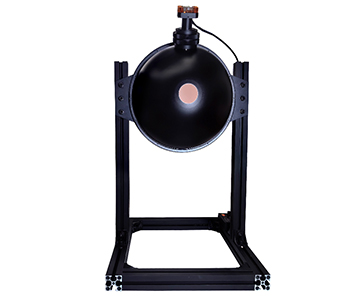
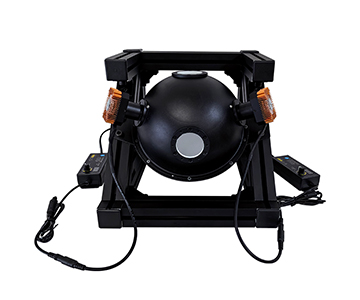
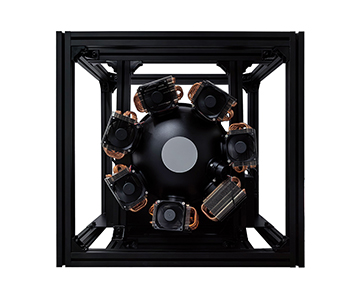
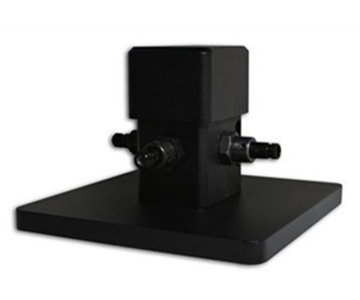
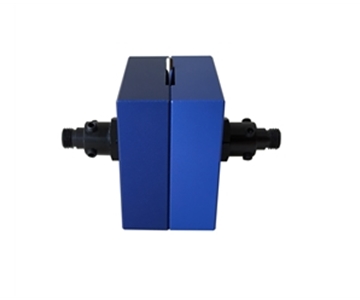
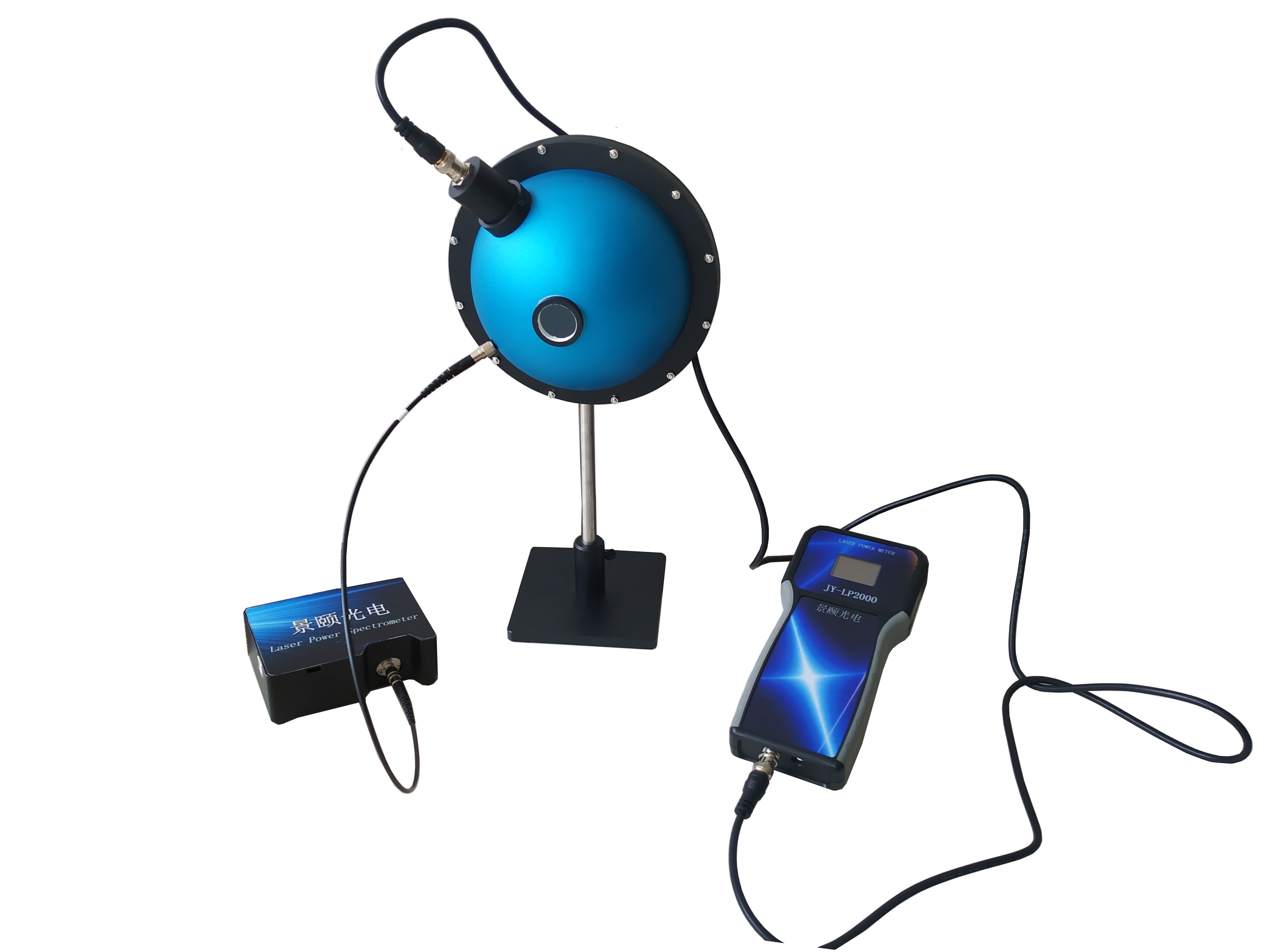
The system’s core accuracy stems from a custom-designed Spectralon integrating sphere—essentially a fully reflective “closed-loop photon warehouse.” Its ultra-high-reflectivity inner coating ensures that fluorescence scattered in all directions undergoes multiple diffuse reflections, enabling near-complete collection by the rear detector. This eliminates systematic errors inherent in traditional directional detection—which captures only a fraction of emitted light. As a result, typical measurement uncertainty stays within ±1%; even under extremely weak-signal conditions, error remains below ±3%. Crucially, the entire process is non-contact and non-destructive, preserving precious samples—especially vital for scarce materials such as perovskite single crystals, low-dimensional semiconductors, and bespoke biological probes.
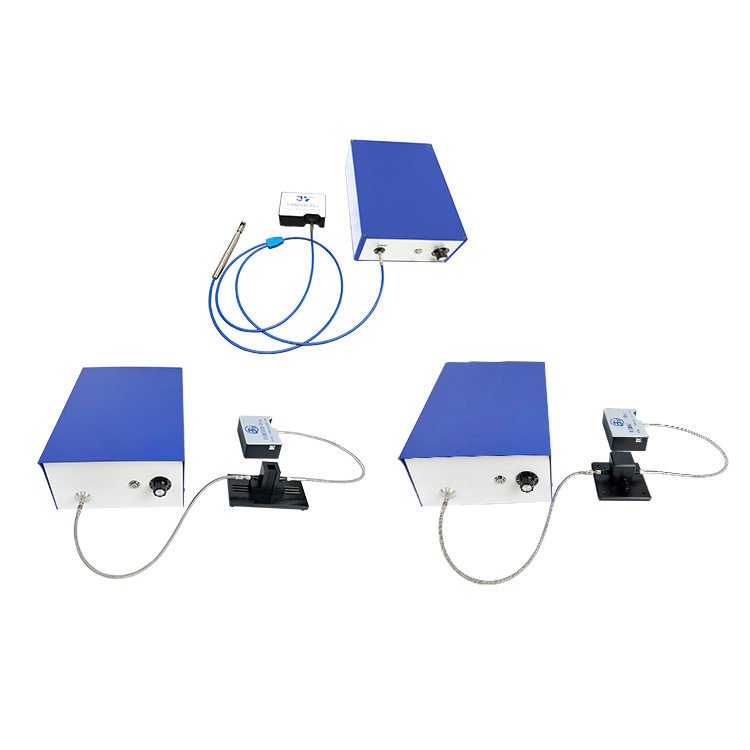
Tailored to diverse R&D and QA needs, the instrument features two flexible, switchable operating modes:
1. **Rapid Testing Mode**, optimized for routine R&D and quality control: Users simply load the sample and select the excitation wavelength. The system automatically completes full photon counting, error correction, and result output in 3–5 minutes—no manual calculations required. Output data is publication-ready and directly suitable for QC documentation.
2. **Full-Spectrum Scanning Mode**, designed for frontier material development: Supports user-defined wavelength steps from 1 nm to 5 nm, enabling continuous quantum yield measurement across excitation wavelengths. It automatically generates “wavelength vs. quantum yield” curves—helping researchers rapidly identify optimal excitation bands and uncover comprehensive luminescence behavior, significantly accelerating R&D cycles for novel materials like MOFs and low-dimensional semiconductors.
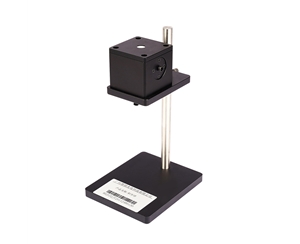
In terms of performance adaptability, the system covers a broad spectral range—from 300 nm (UV) to 1650 nm (NIR)—and delivers, in a single measurement, multi-dimensional outputs including quantum yield, absorption ratio, and total excitation/emission photon counts—eliminating the need for supplementary spectroscopic instruments. It accommodates liquid, powder, and thin-film samples without requiring specialized holders, offering exceptional versatility.
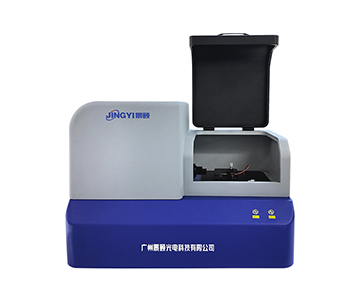
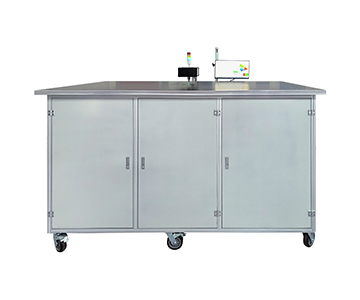
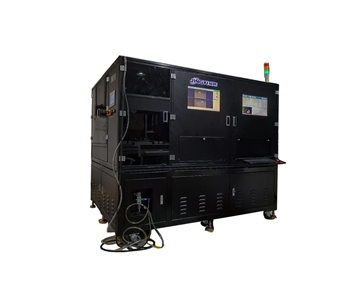
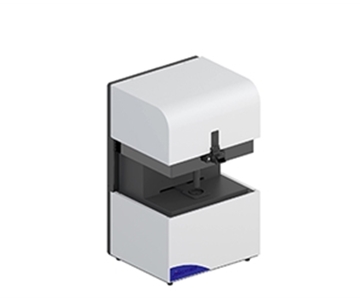
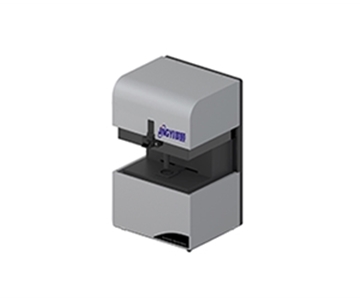
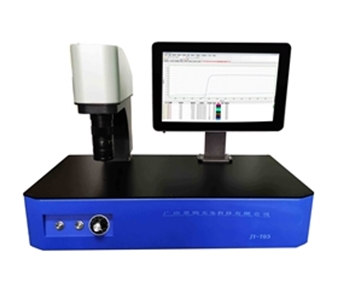
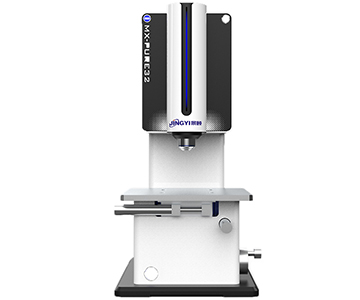
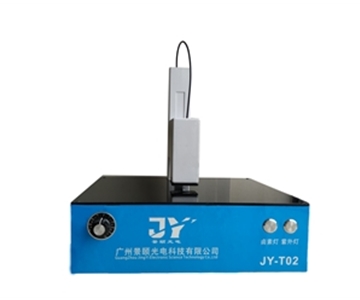
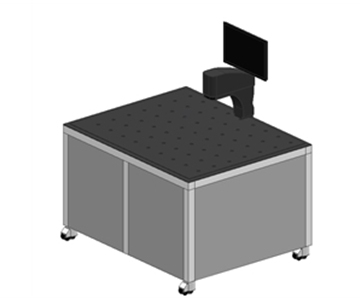
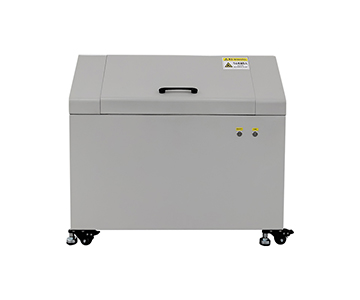
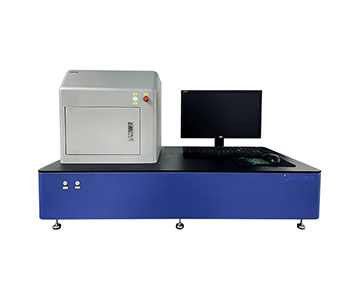
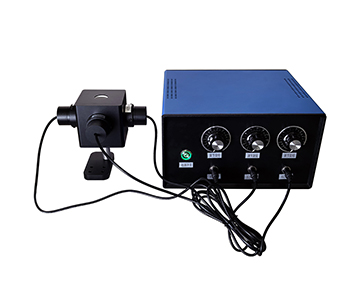
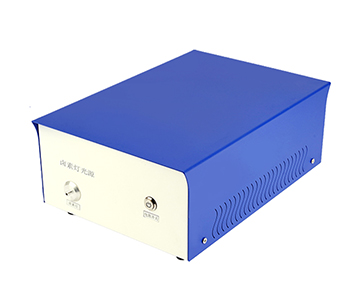
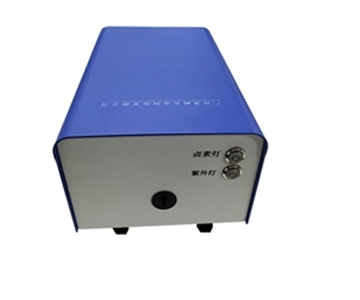
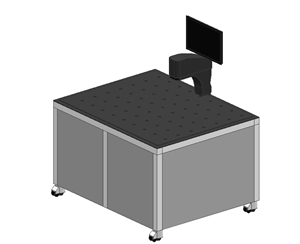
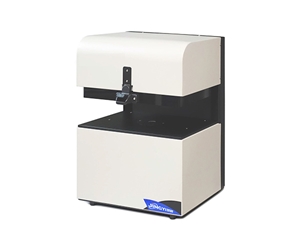
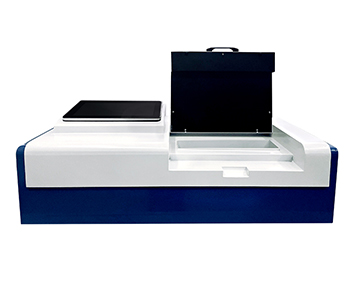
Compared with conventional fluorescence spectrometers—often costing hundreds of thousands of dollars, occupying substantial lab space, and demanding dedicated operators—Jingyi’s quantum yield testing system implements end-to-end lightweight design and cost optimization. Overall instrument volume is reduced by over 60%. Beyond essential manual tasks (e.g., sample loading and light-source switching), all operations are executed via one-click software control. Purchase cost is approximately one-third that of comparable imported systems—perfectly aligned with the budget constraints and operational realities of university labs, research institutes, and SMEs in the new-materials sector.
As domestic industries in new materials, new energy, and biopharmaceuticals continue to expand rapidly, the pace of luminescent material innovation is accelerating. High-efficiency, high-accuracy, and cost-effective testing tools have become an industrial necessity. Jingyi Optoelectronics remains committed to advancing innovation in optoelectronic measurement technologies—delivering scenario-specific, customizable testing solutions that empower next-generation R&D efficiency across China’s new-materials ecosystem.
#FluorescenceQuantumYieldTestingSystem #AbsoluteQuantumYieldMeasurementSystem #FluorescenceQuantumYieldAnalyzer #FluorescenceEfficiencyTestingSystem #FluorescenceQuantumYieldMeter #JY-QEY6500-PLFluorescenceQuantumYieldTestingSystem