Film Thickness Measurement Instrument Selection Logic
From nanoscale precision control of photoresist in semiconductor fabrication to millimeter-level uniformity verification of high-temperature-resistant coatings for aerospace applications, the accuracy of thin-film thickness measurement directly determines product yield, service life—and even the ceiling of core technological breakthroughs. Yet many professionals in manufacturing and R&D have encountered pitfalls during film thickness instrument selection: devices limited to a single application (e.g., only one material type), insufficient algorithmic accuracy leading to measurement deviations, or contact-based methods that damage samples—thereby increasing testing costs. Today, we cut through the complexity by establishing a clear, need-driven selection logic for film thickness measurement instruments.
Core Requirement #1: Detection Principle Compatibility
The top priority in selection is matching the instrument to your specific core testing needs—not blindly pursuing higher accuracy or price. Among all criteria, compatibility of the detection principle is paramount.
Type 1: Optical Interferometry-Based Film Thickness Measurement (Widely Applicable)
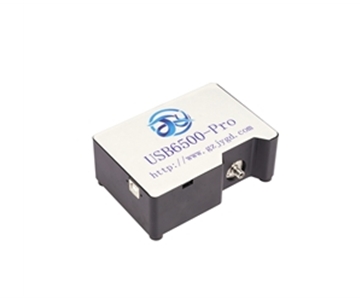
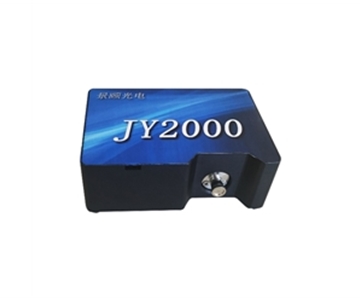
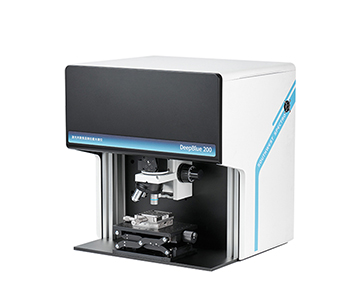
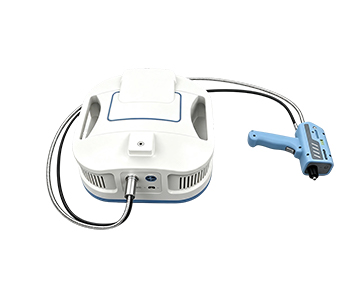
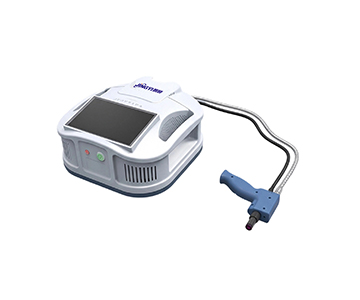
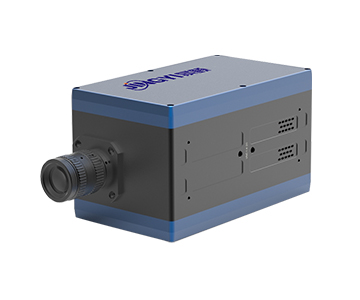
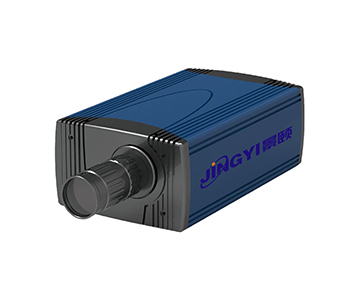
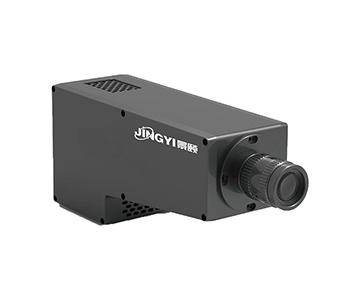
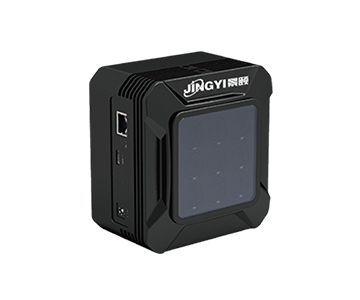
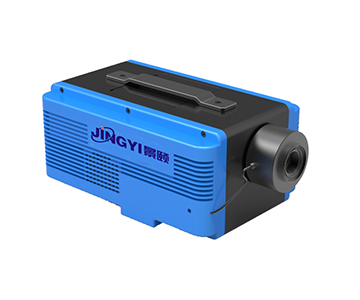
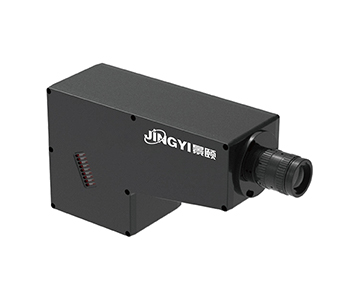
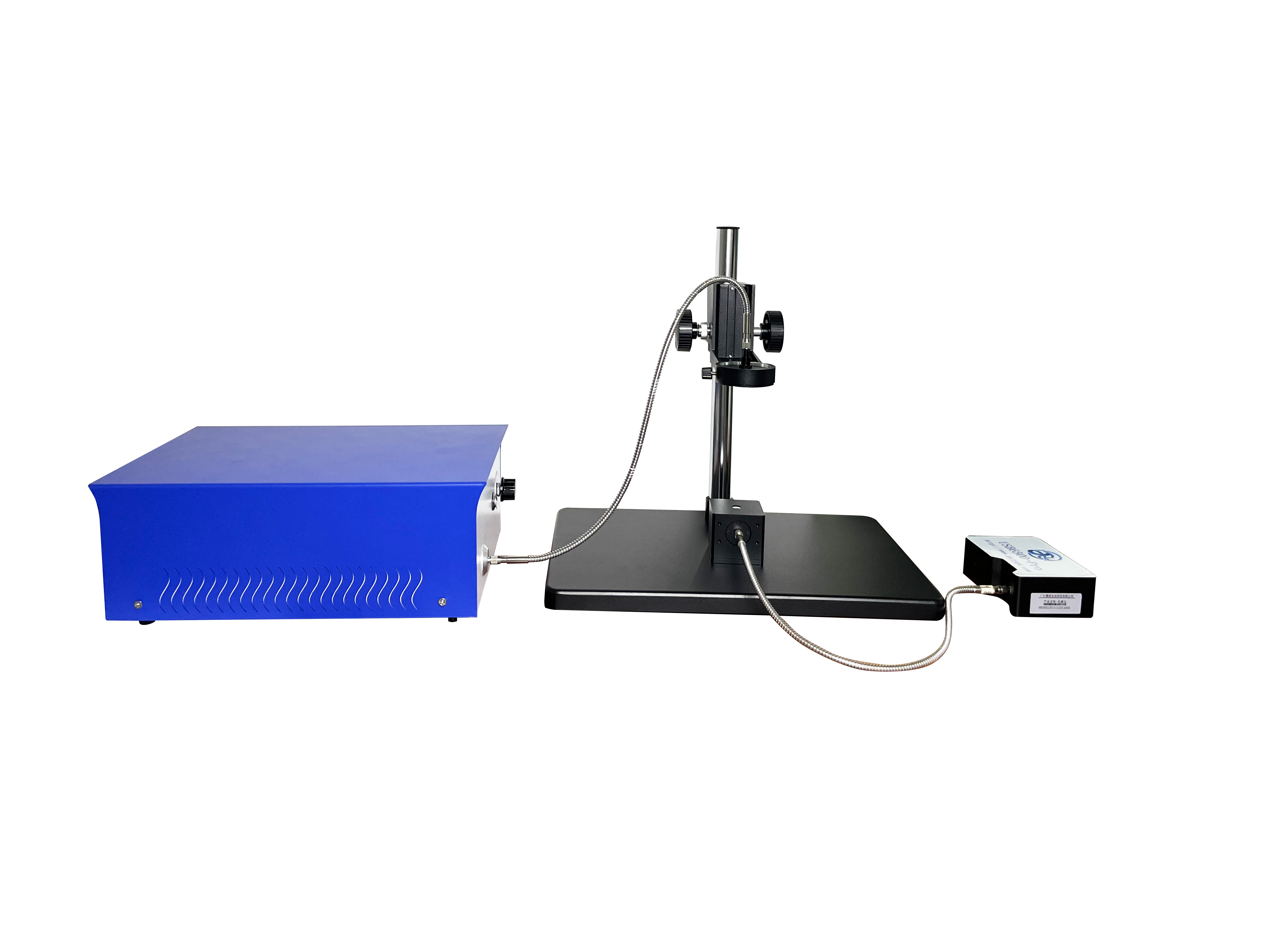
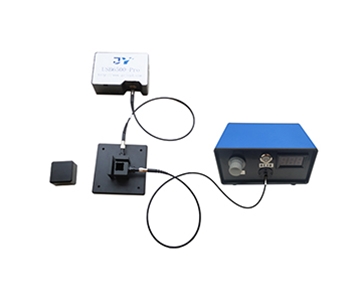
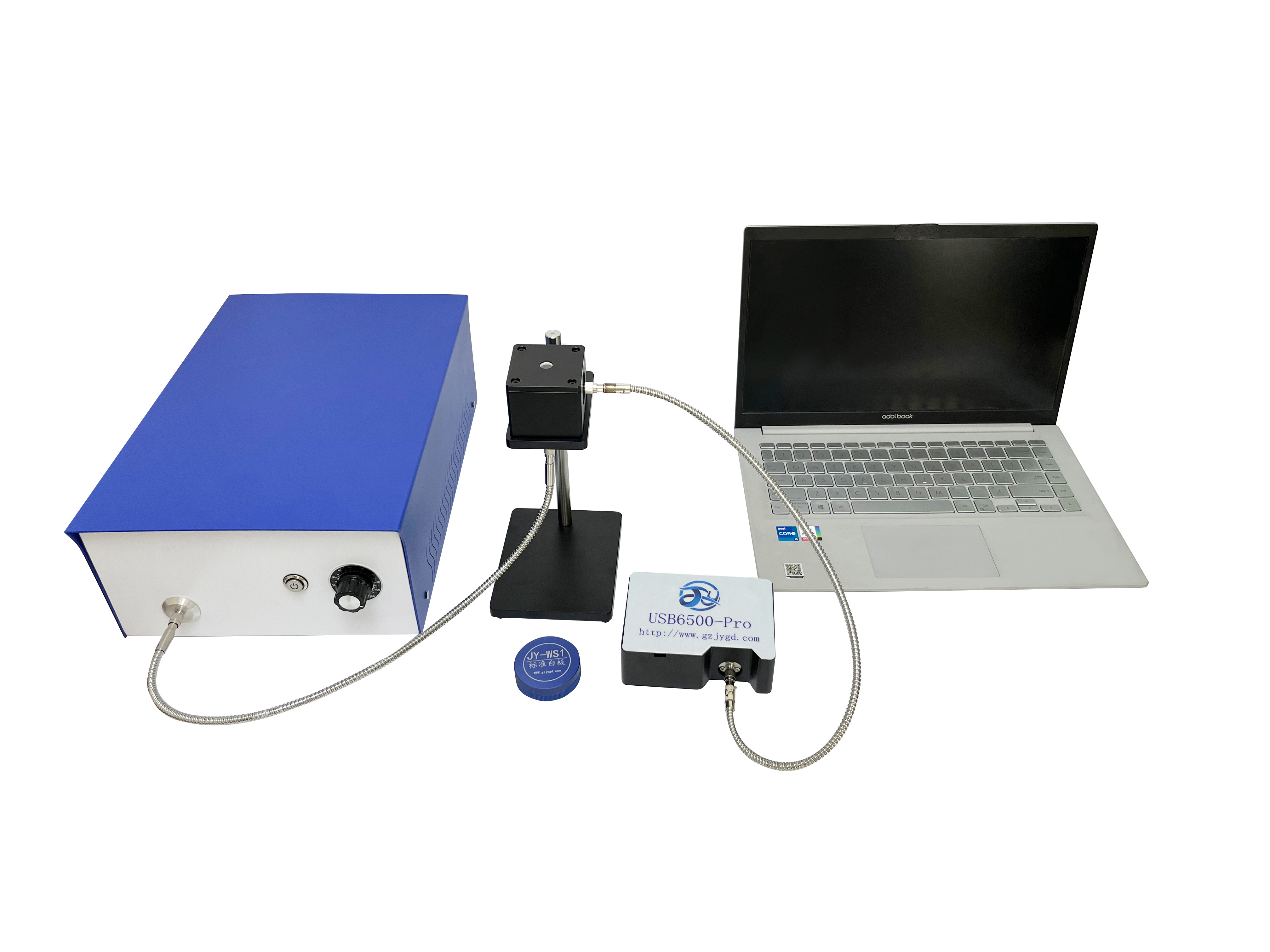
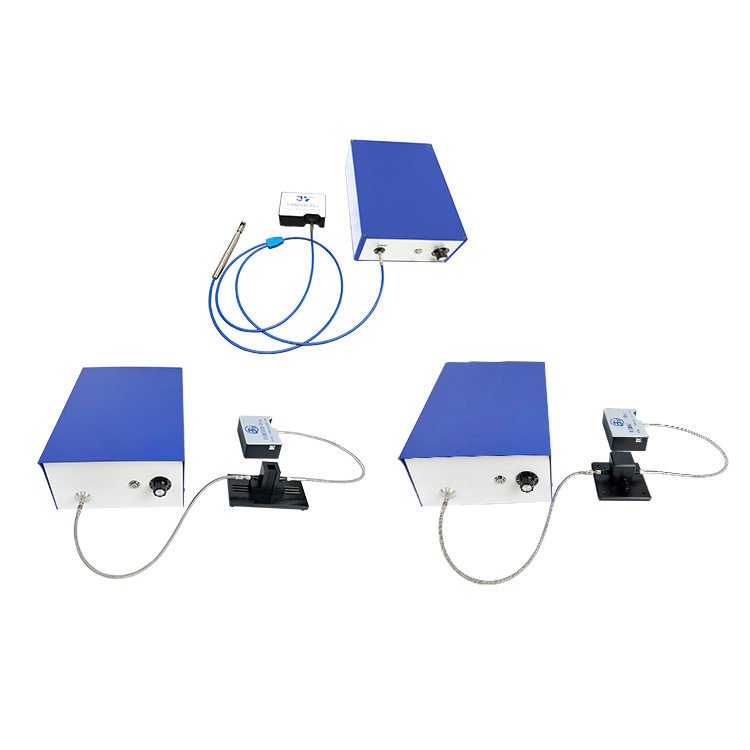
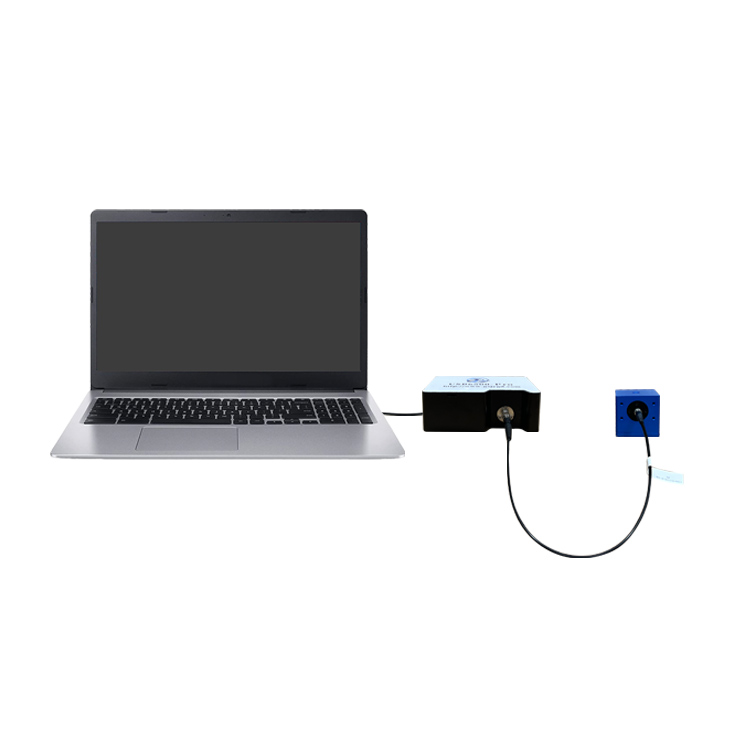
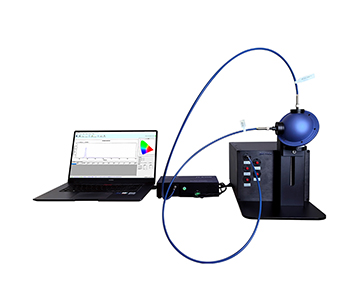
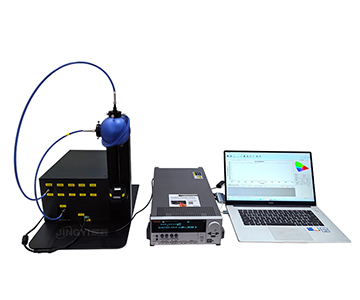
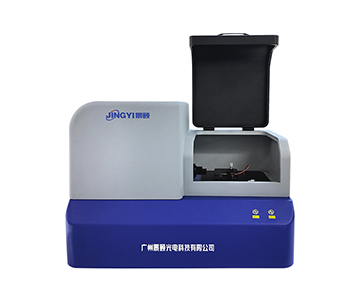
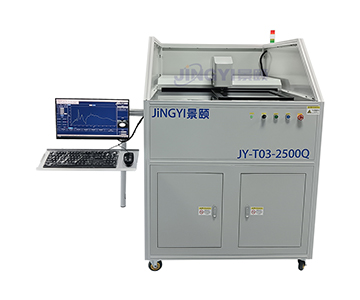
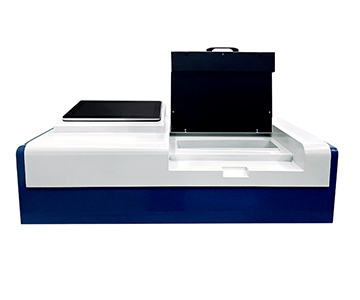
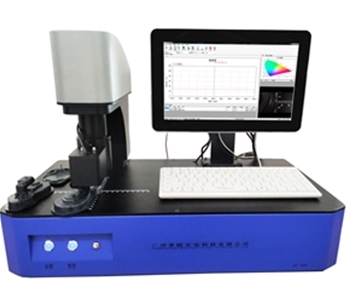
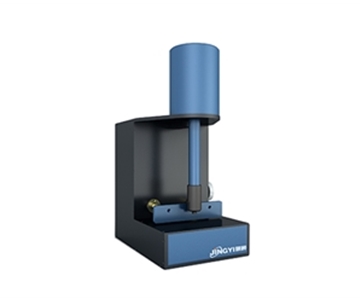
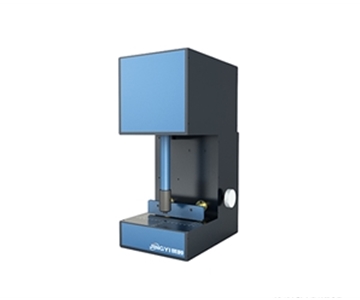
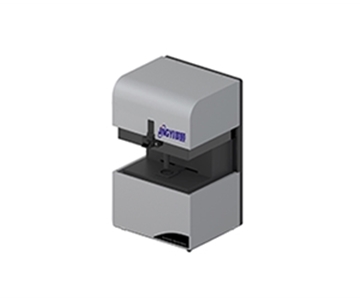
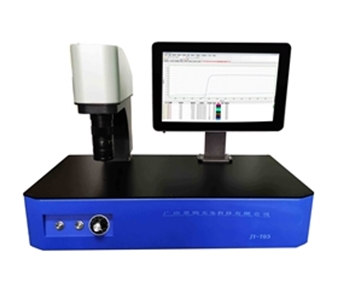
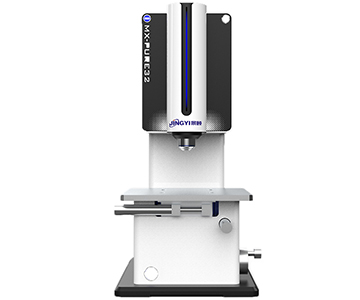
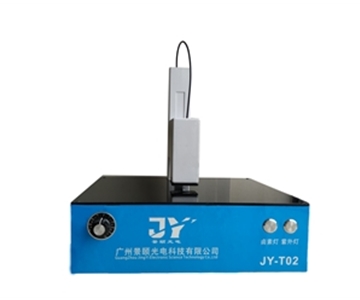
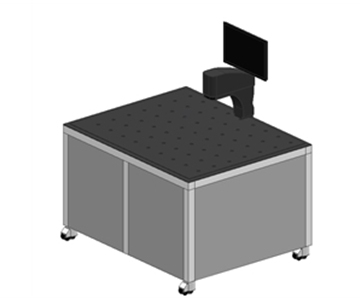
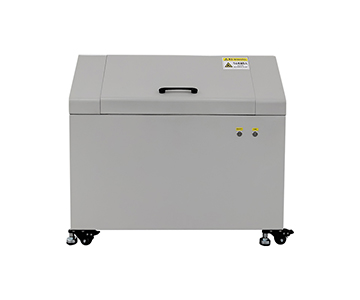
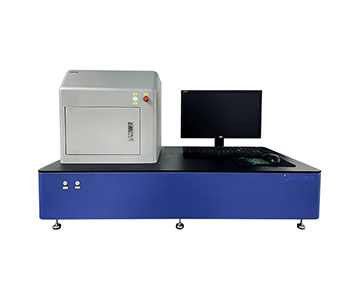
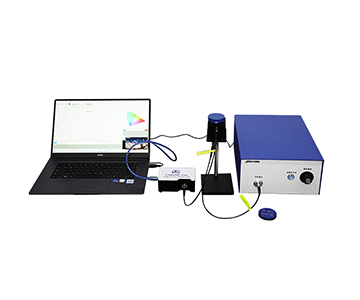
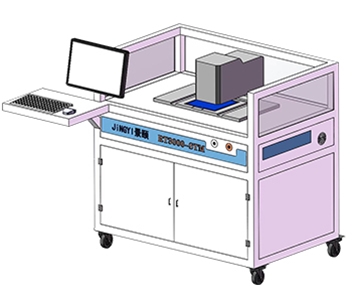
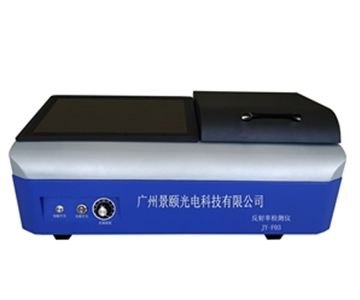
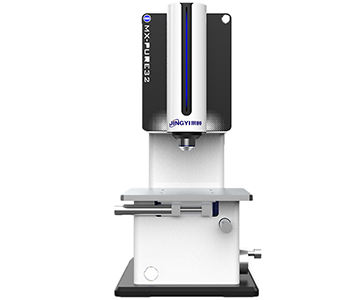
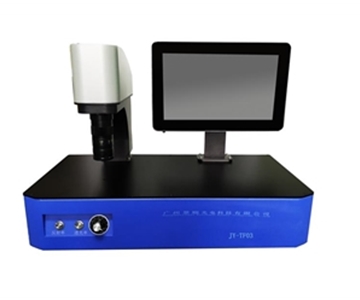
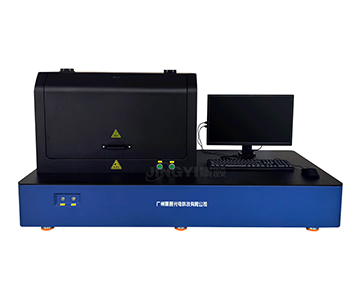
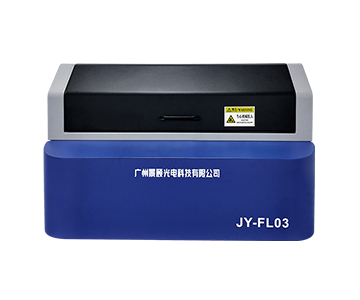
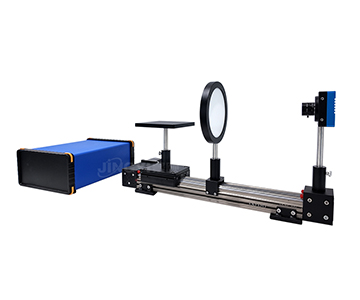
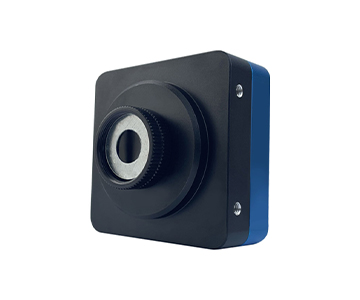
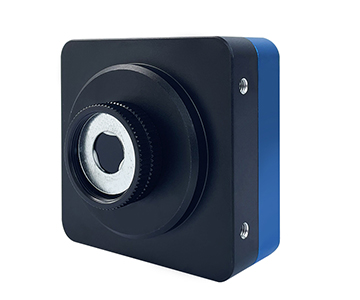
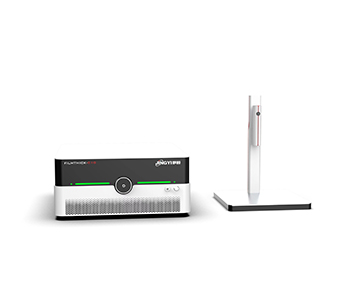
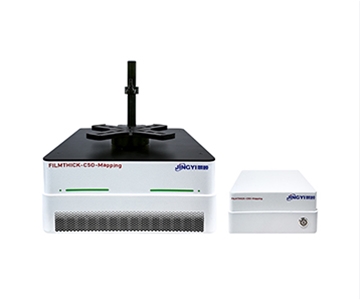
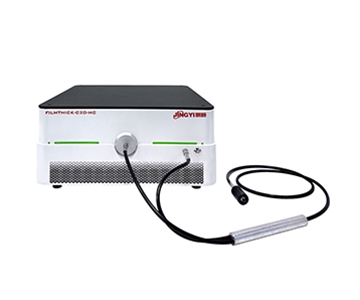
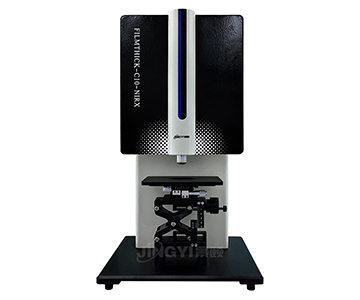
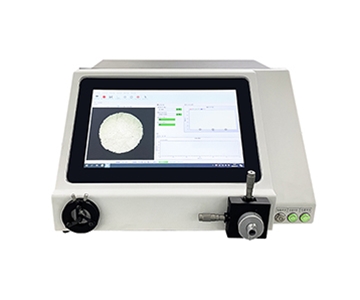
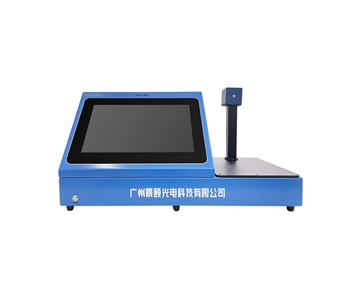
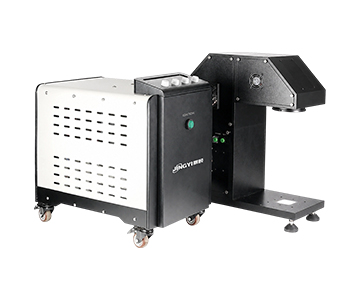
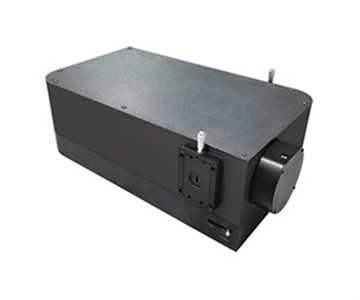
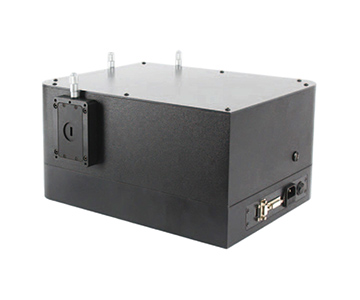
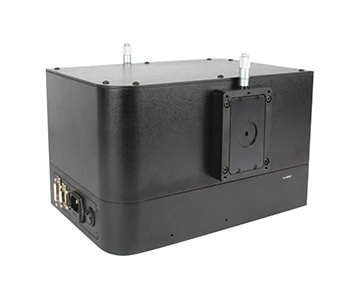
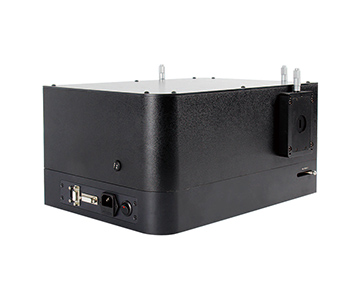
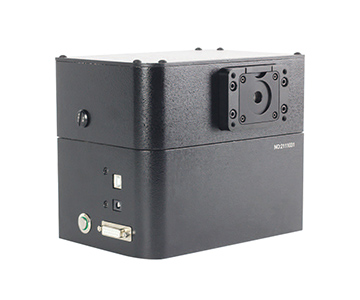
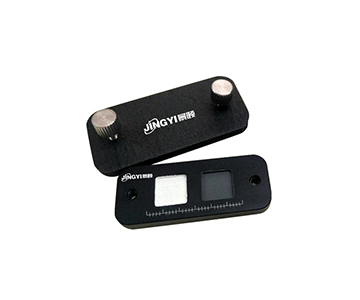
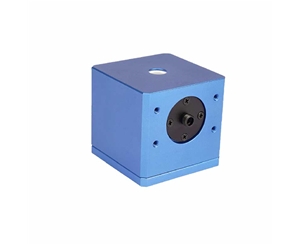
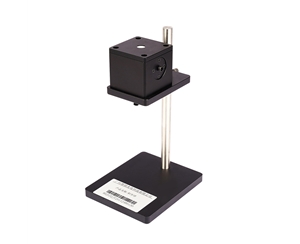
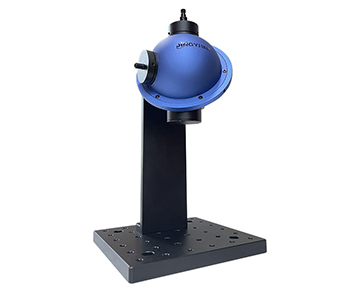
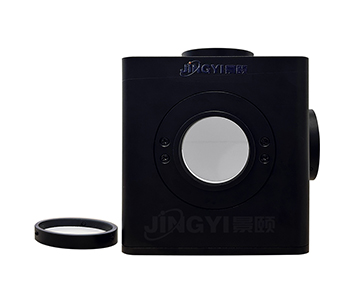
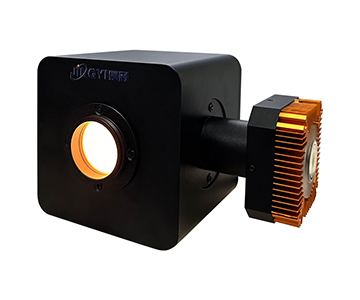
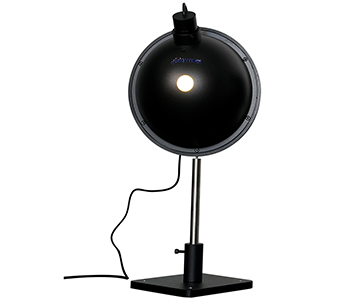
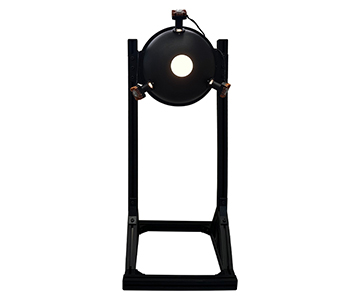
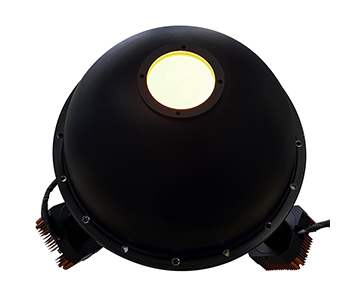
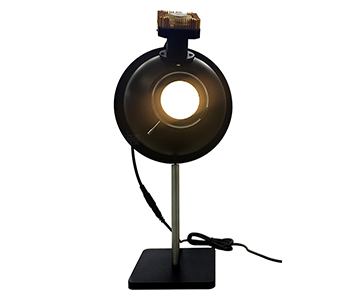
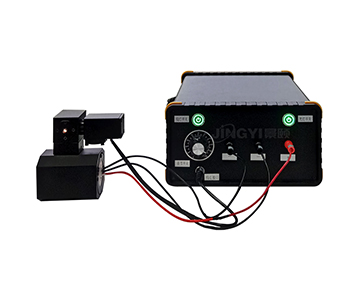
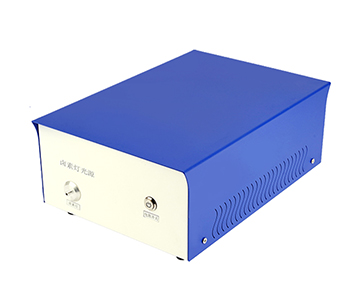
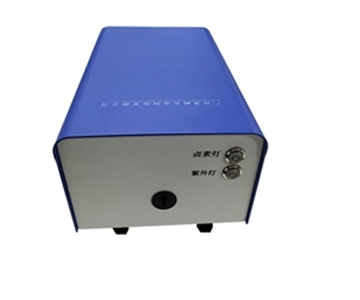
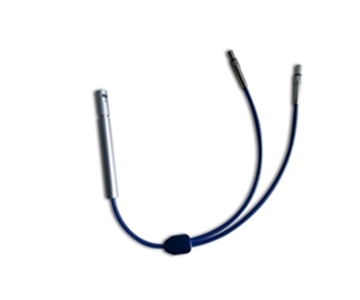
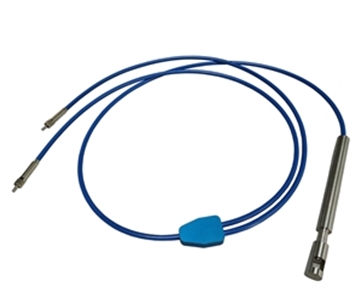
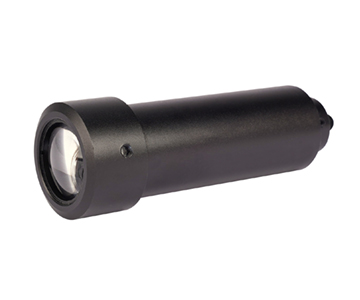
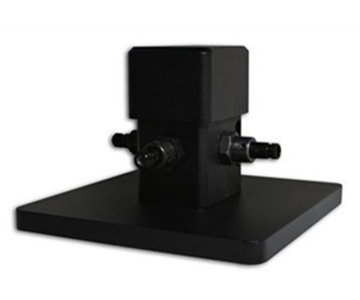
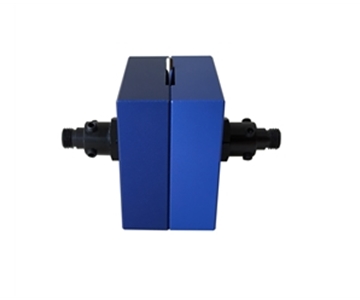
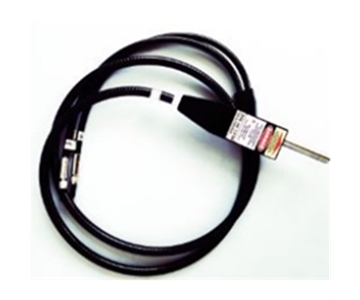
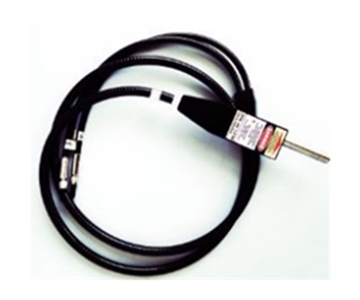
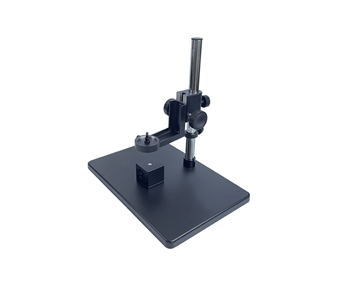
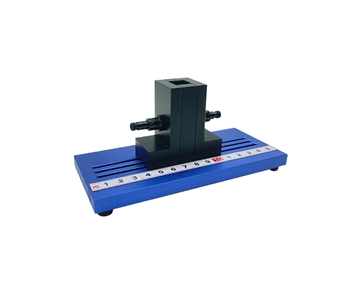
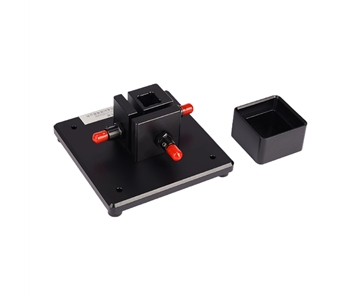
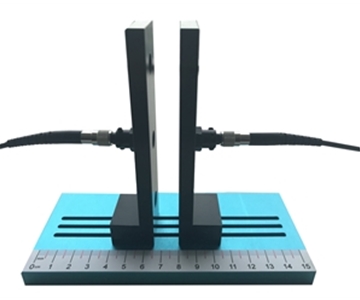
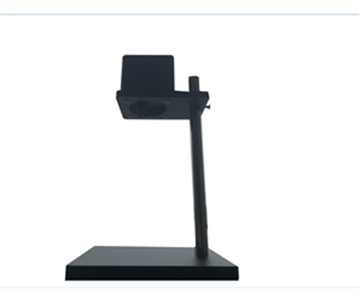
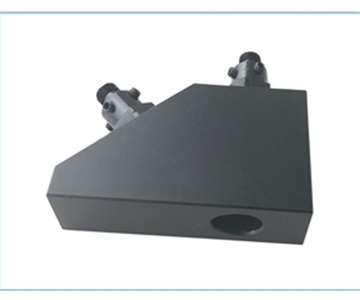
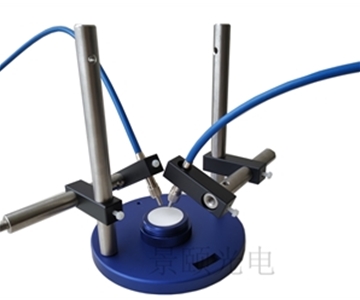
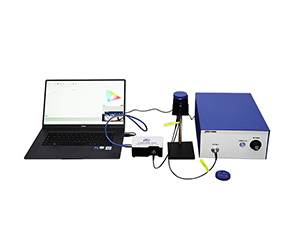
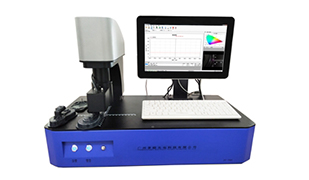
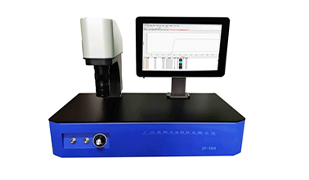
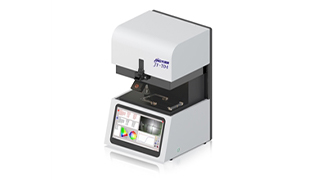
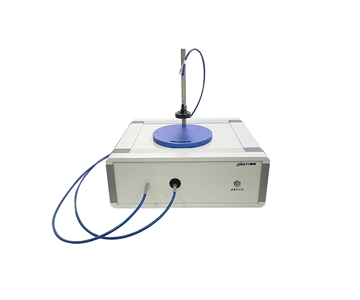
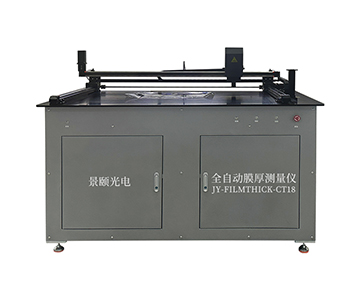
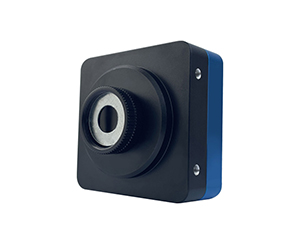
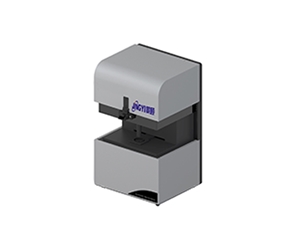
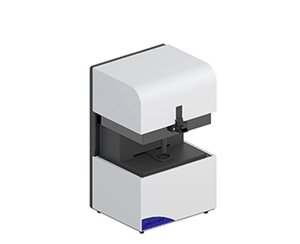
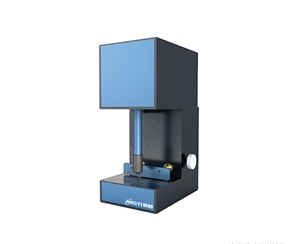
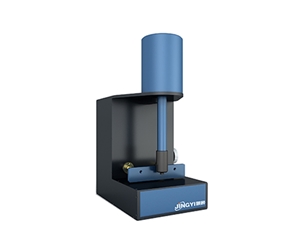
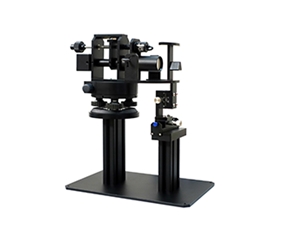
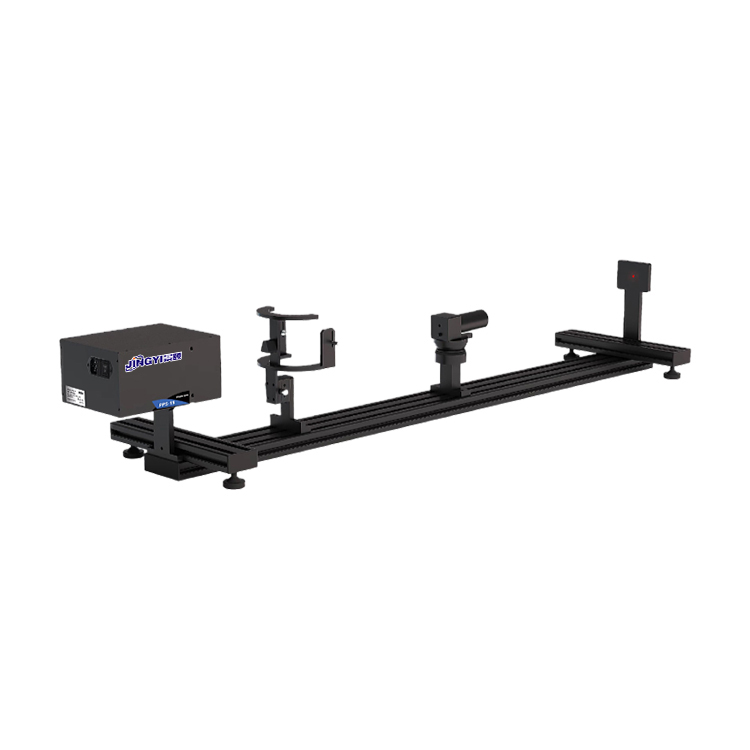
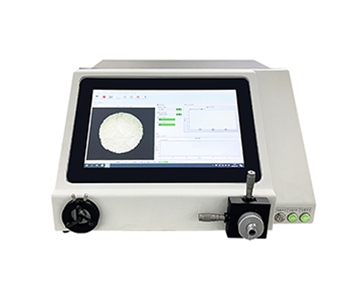
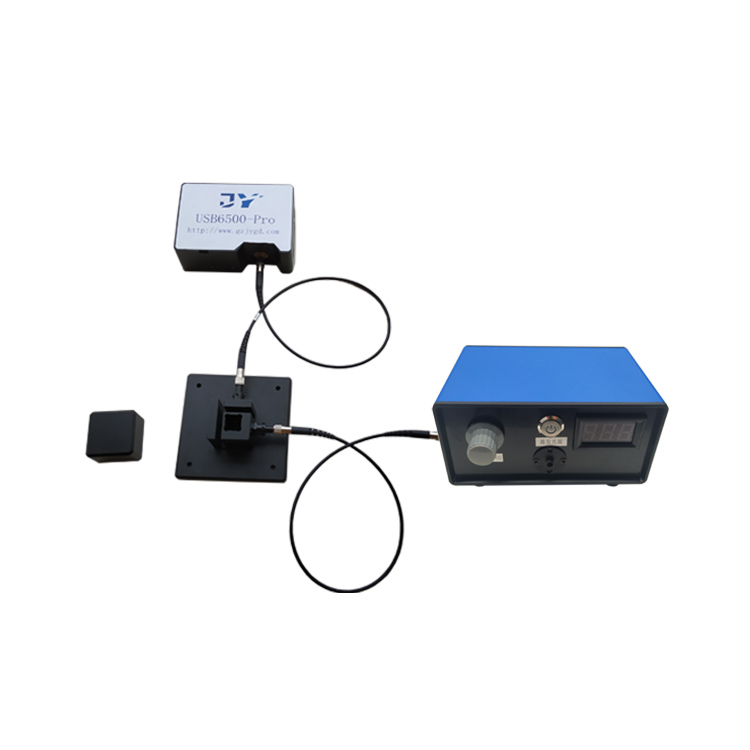
This method captures interference signals generated between light reflected from the film surface and that reflected from the substrate, then calculates film thickness using known refractive index parameters. Its key advantages include full non-contact, non-destructive operation; capability to measure transparent, semi-transparent films—and even ultra-thin metallic films down to several hundred nanometers—with nanometer-level accuracy. A representative product in this category is Jingyi Optoelectronics’ FILMTHICK-C10 film thickness measurement instrument. It features an integrated imported tungsten-halogen light source with >10,000-hour lifetime and the OPTICAFILMTEST software platform, which incorporates three high-accuracy algorithms—FFT (Fourier Transform), extremum detection, and curve fitting—as well as a built-in, user-updatable refractive index database. During testing, it displays real-time interferometric spectra, FFT analysis curves, and thickness trend plots. Beyond thickness, it simultaneously outputs reflectance and color parameters—making it suitable for diverse applications including semiconductor photoresists, LCD functional films, optical coatings, and biomedical thin films.
Type 2: Magnetic Induction-Based Thickness Measurement
This method infers coating thickness from changes in magnetic reluctance caused by non-magnetic coatings on ferromagnetic substrates. It is low-cost and easy to operate—but applicable only to specific scenarios such as corrosion-protection layers on steel structures or automotive paint finishes. It cannot meet requirements in semiconductor or optical film applications.
Type 3: Eddy Current-Based Thickness Measurement
It detects signal variations induced by non-conductive coatings on conductive substrates under high-frequency alternating electromagnetic fields. Ideal for aerospace surface coatings and aluminum oxide films, it too suffers from narrow applicability.
Type 4: Fluorescent X-ray (XRF) Thickness Measurement
This technique analyzes fluorescent X-rays emitted upon X-ray excitation to determine both composition and thickness of plated layers. Especially suited for multi-layer or compositionally complex coatings, it is widely used for electronic component plating and alloy materials. However, equipment cost is comparatively high.
Other Thickness Measurement Methods
Additional approaches include ultrasonic, electrochemical, and radioactive thickness measurement.
- Ultrasonic methods suit large-thickness, multi-layer coated substrates but remain relatively niche in China.
- Electrochemical methods are destructive and appropriate only for low-accuracy, lab-based coating analysis.
- Radioactive methods rely on attenuation of isotopic particles to calculate thickness—ideal for extreme industrial environments (e.g., high temperature/pressure)—but entail high procurement and operational costs.
Core Requirement #2: Thickness Range Coverage
Beyond detection principle, the second critical selection dimension is the required thickness range of measurable films. Optimal detection methods vary significantly across thickness scales:
Nanoscale Films: 1 nm – 100 nm
Typical in semiconductor dielectric layers, perovskite solar cell functional layers, and quantum dot devices—where ultra-high precision is essential. Preferred instruments include high-accuracy optical interferometers or spectroscopic ellipsometers. The Jingyi Optoelectronics FILMTHICK-C10 achieves ±1 nm measurement accuracy across this range—fully meeting demands for cutting-edge R&D and mass-production quality control.
Sub-Micron Films: 100 nm – 1 μm
Common in optical coatings and MEMS functional films. Both optical interferometry and white-light interferometry are suitable—though optical interferometers offer broader material compatibility.
Micron-Scale Films: 1 μm – 100 μm
Frequently found in industrial anti-corrosion layers and PCB plating. While conventional magnetic induction and eddy current methods apply, optical interferometry delivers superior accuracy without sample damage—making it the preferred choice when budget allows.
Millimeter-Scale Thick Films: >100 μm
Used in composite material coatings and thick separators for new-energy batteries. Optical interferometry, spectral confocal, and ultrasonic techniques are all viable—selection should be guided by substrate properties.
Summary
The core logic underlying film thickness instrument selection is fundamentally “requirement-first”: First clarify three foundational prerequisites—(i) whether destructive testing is permissible; (ii) the required thickness range; and (iii) the physical and optical properties of the target material. Next, narrow down candidate detection principles accordingly. Finally, make the final decision based on accuracy requirements, testing throughput, and total cost of ownership. For organizations requiring cross-scenario, multi-parameter testing—e.g., simultaneous measurement of thickness, reflectance, and color parameters—the integrated optical interferometer solution, such as the Jingyi Optoelectronics FILMTHICK-C10, not only reduces the overall procurement cost of multiple instruments but also significantly enhances testing efficiency across both R&D and production environments.
#FilmThicknessGauge #FilmThicknessMeasurementInstrument #FilmThicknessTester #ThicknessGauge #FilmThicknessMeter #ThicknessMeter