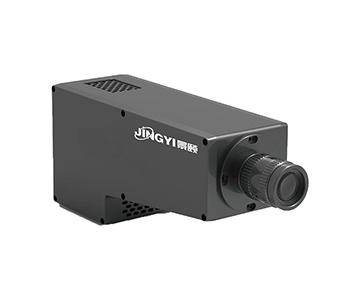
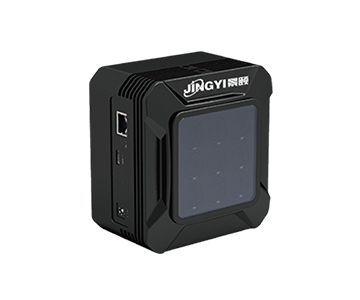
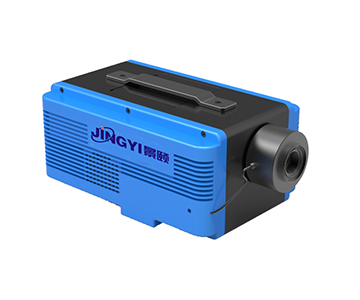
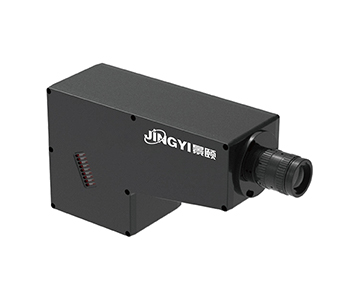
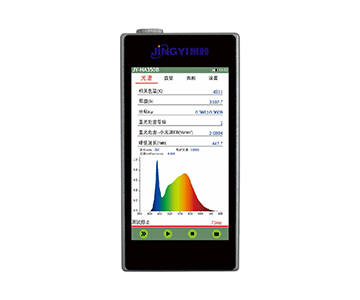
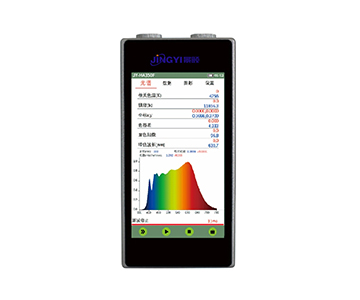
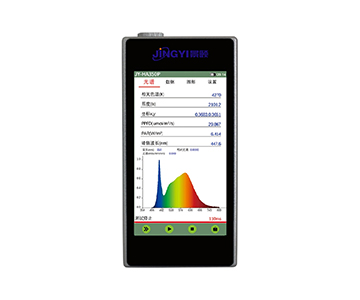
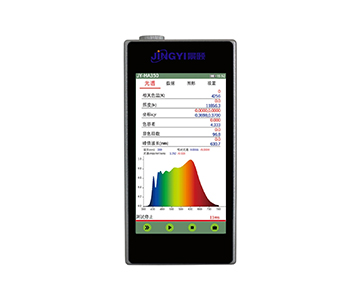
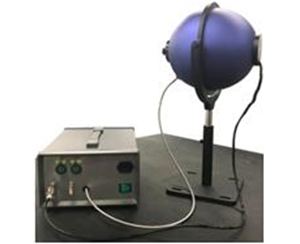
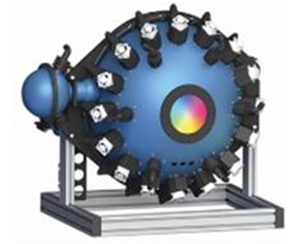
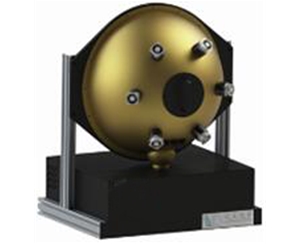
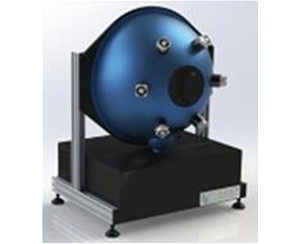
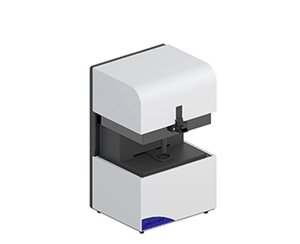
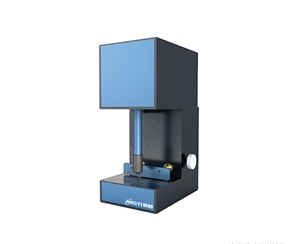
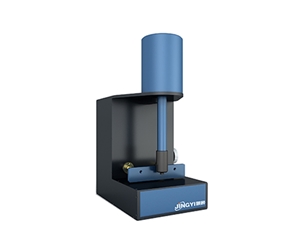
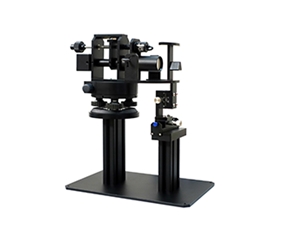
For researchers developing luminescent materials, display devices, and fluorescent biological probes, measuring photoluminescence energy conversion efficiency is a critical benchmark—determining whether material performance meets specifications and whether formulation optimization yields tangible improvements. Yet for years, the industry has grappled with persistent pain points in measurement methodology: conventional large-scale fluorescence spectrometers entail prohibitively high procurement costs and steep operational barriers—placing them out of reach for most academic research groups. Meanwhile, the relative quantum yield (QY) method applies only to liquid samples and requires certified reference standards; inter-laboratory measurement discrepancies are substantial, precluding cross-platform data comparability—and it simply cannot accommodate emerging sample formats such as powders or thin films.
Measurement accuracy is also highly susceptible to variations in reference standard batches, procedural execution, and environmental parameters—deviations often exceeding 10%, rendering such methods inadequate for today’s high-precision new-material development. Until recently, universal-sample-format quantum efficiency measurement remained the exclusive domain of imported instruments: costing hundreds of thousands of RMB, occupying substantial lab space, and demanding operation by trained specialists—far beyond the budget and capacity of most small-to-medium R&D teams and university laboratories.
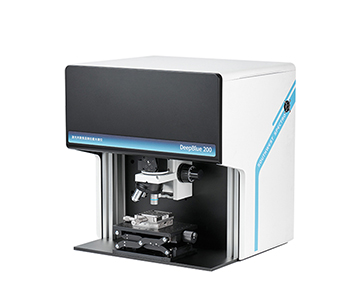
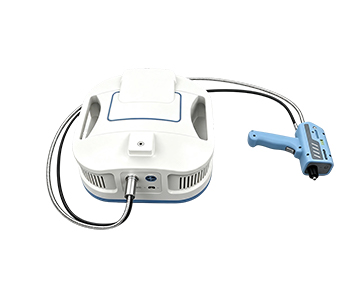
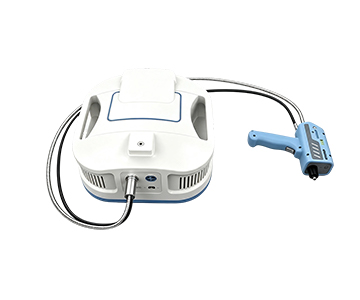
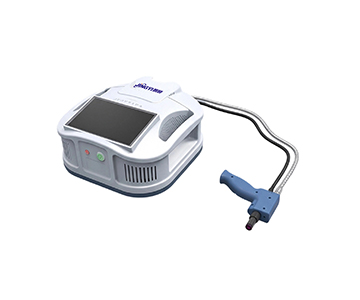
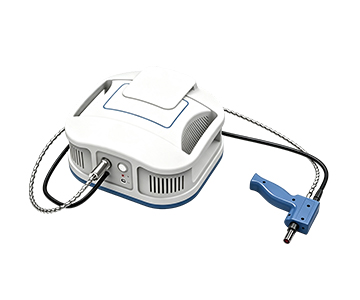
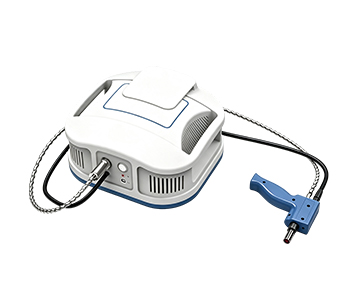
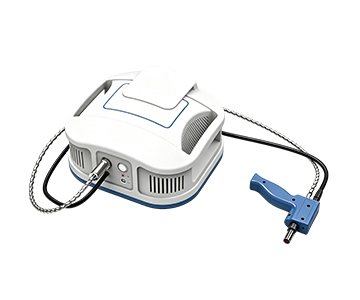
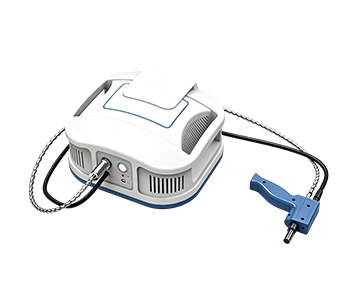
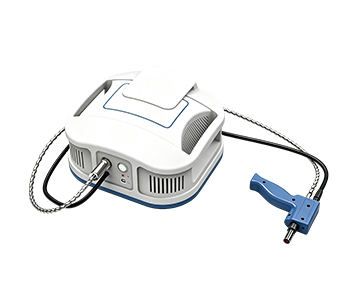
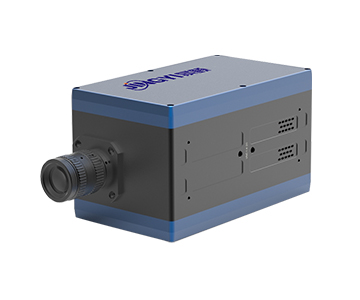
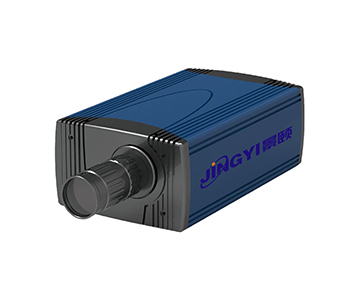
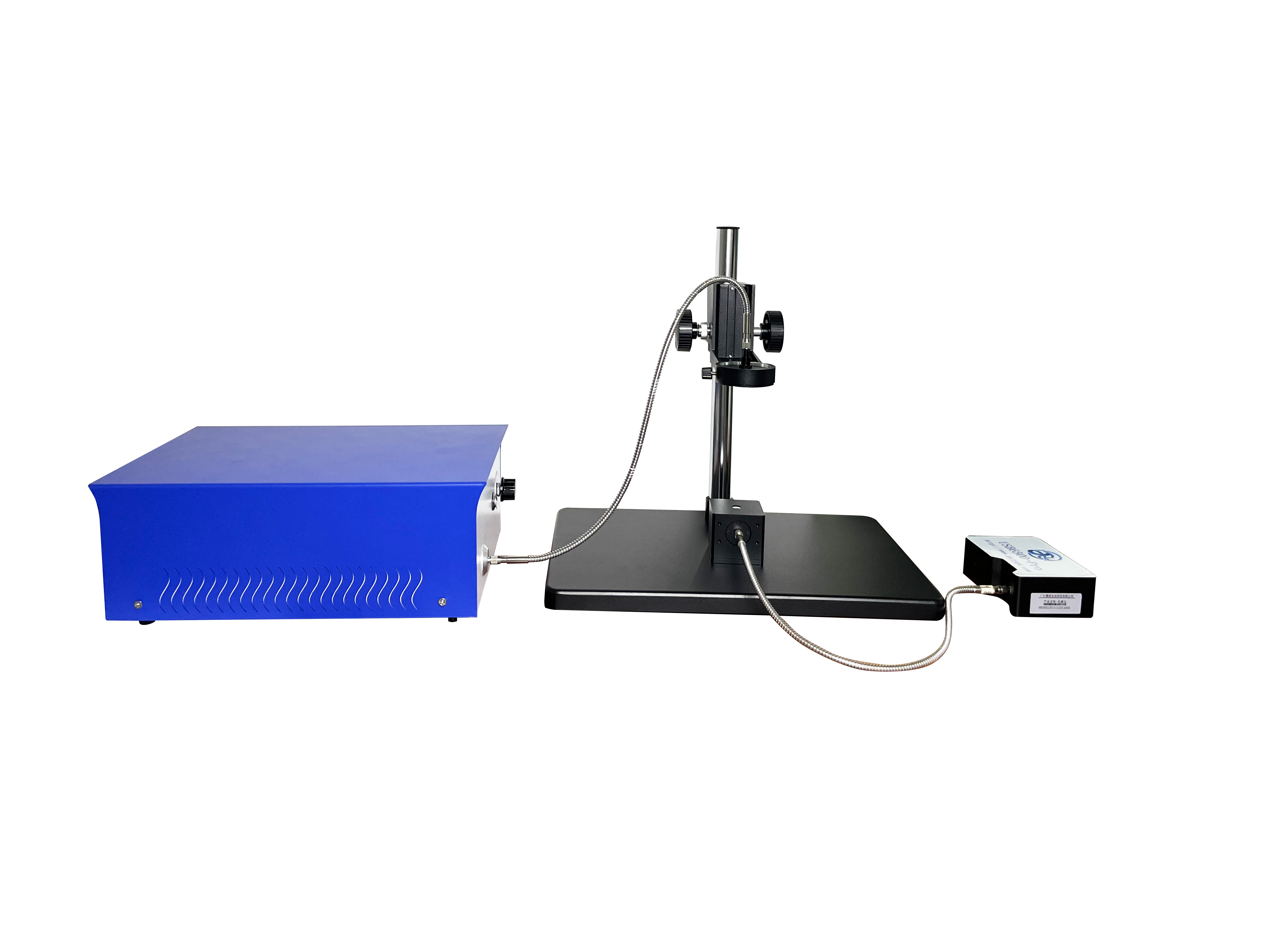
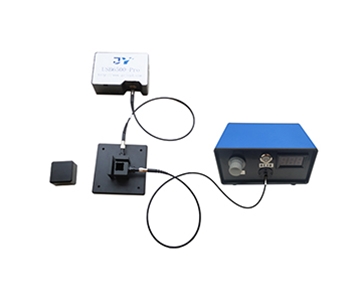
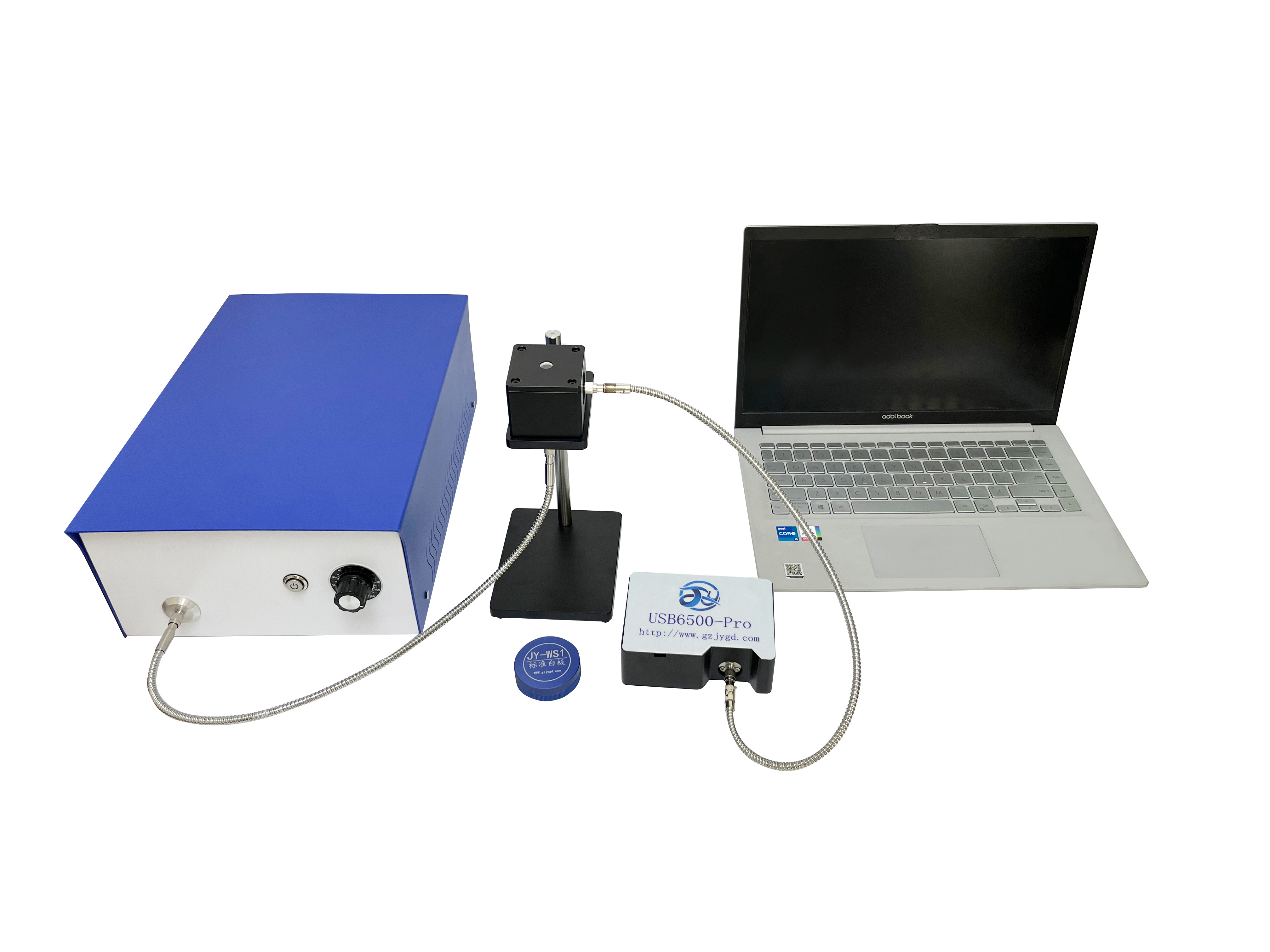
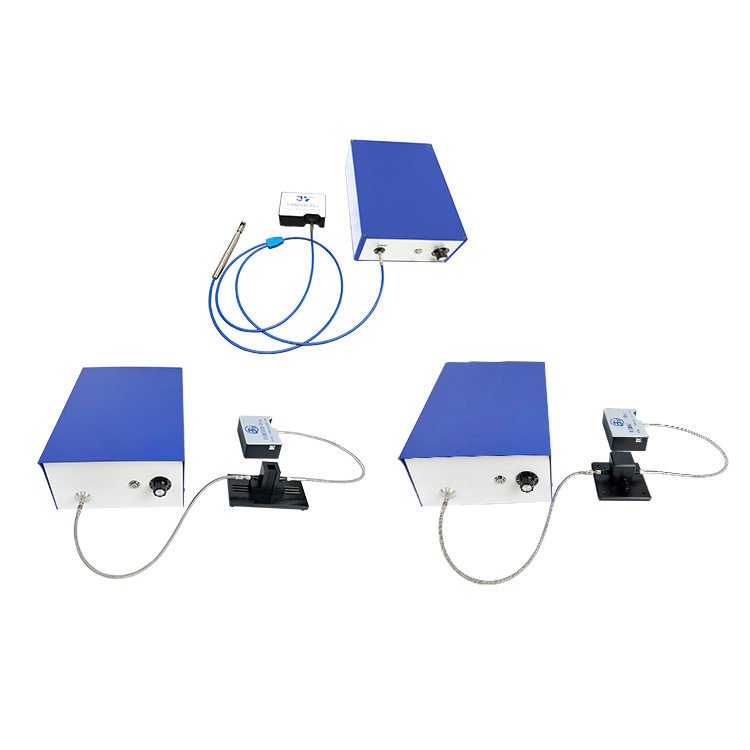
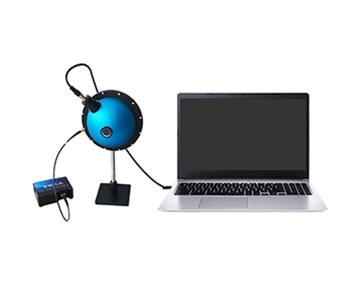
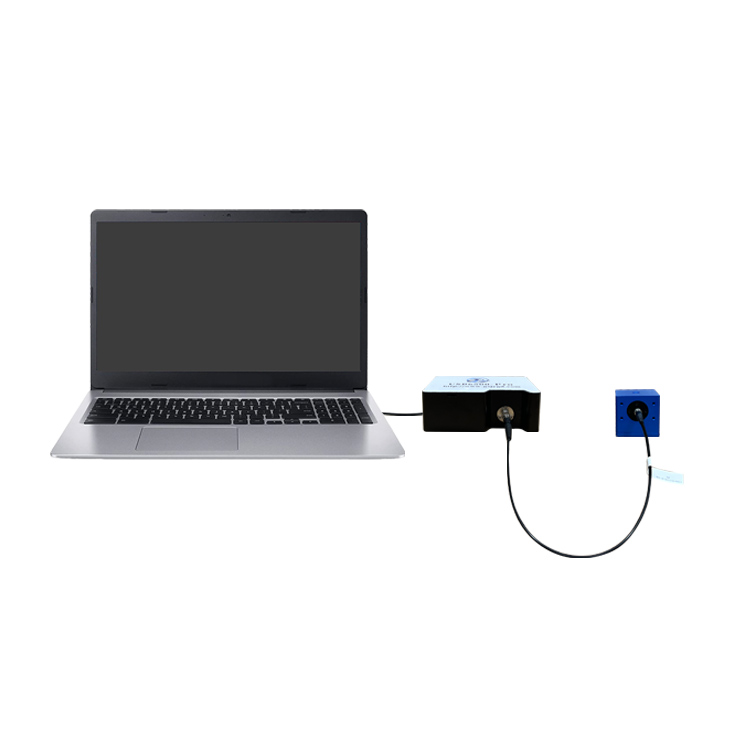
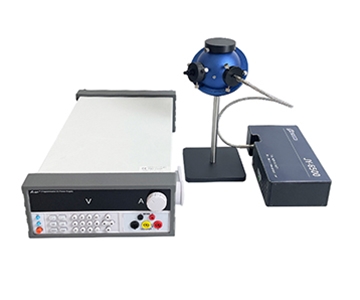
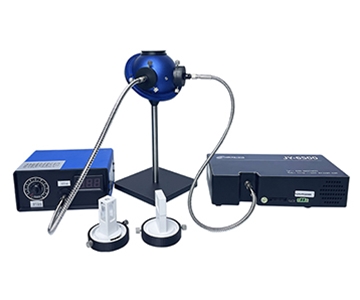
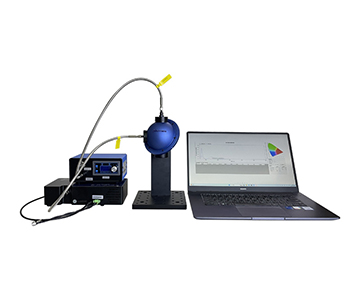
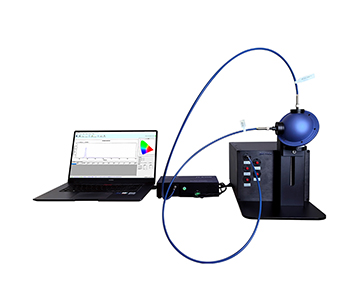
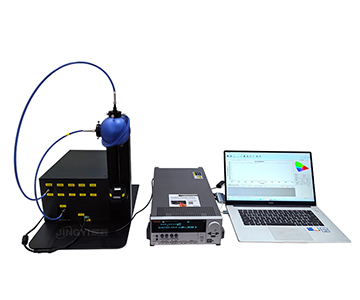
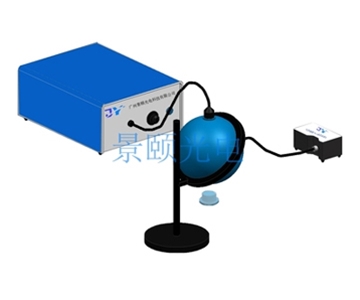
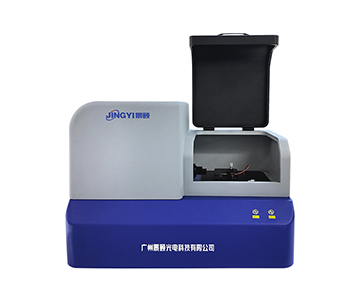
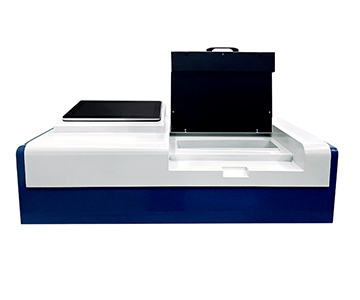
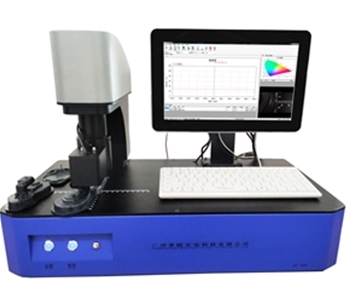
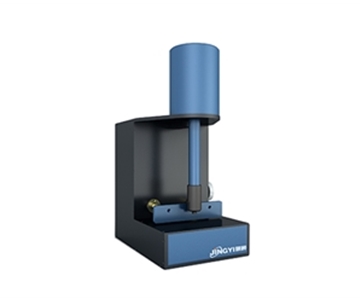
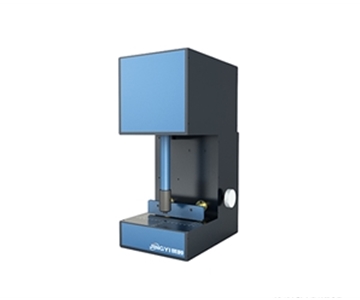
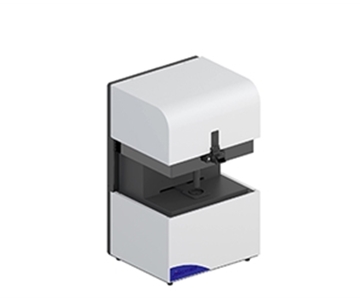
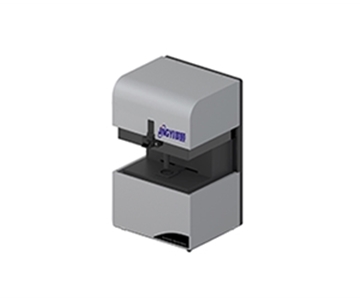
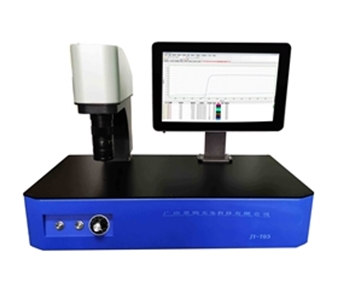
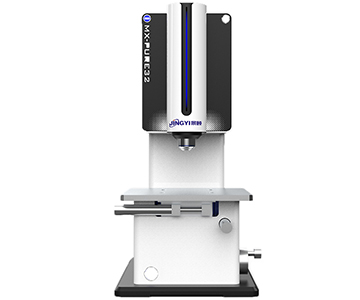
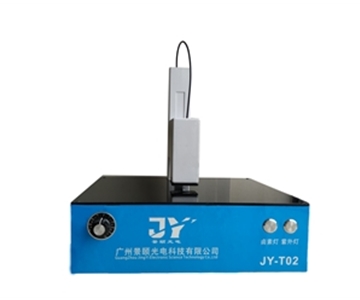
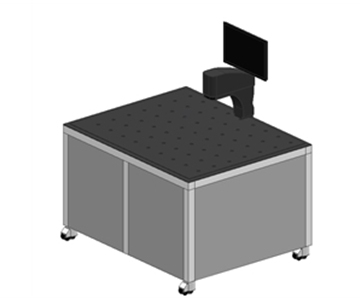
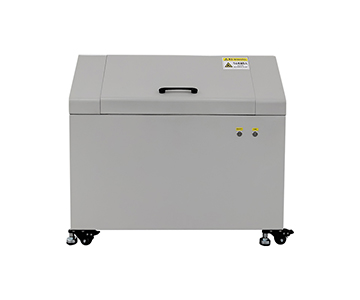
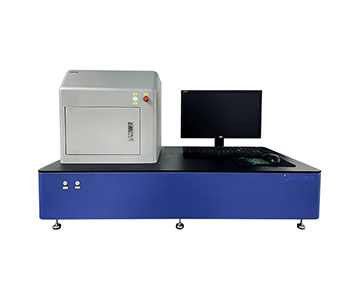
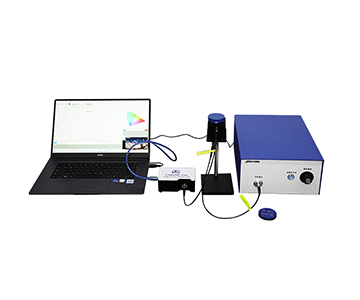
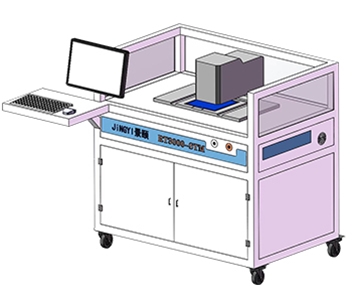
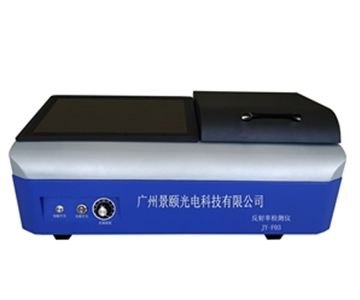
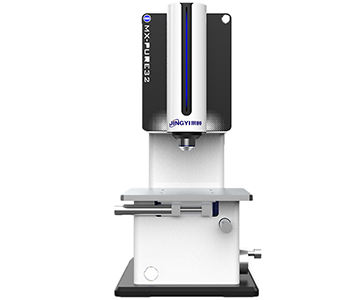
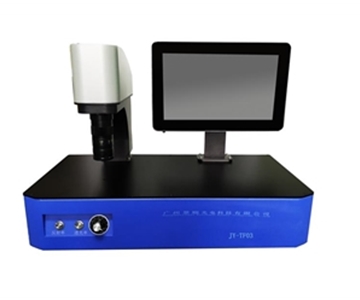
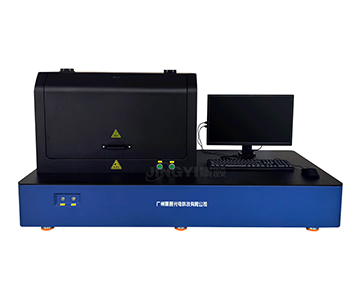
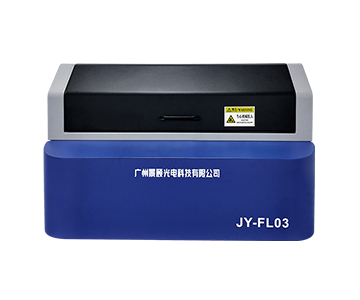
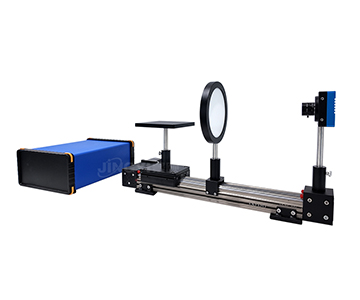
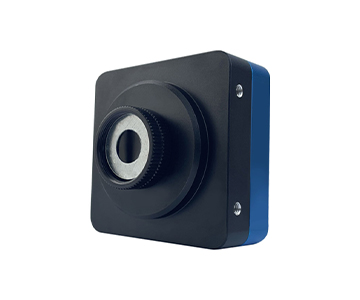
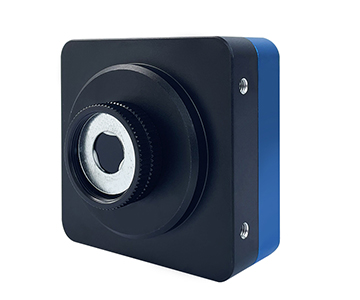
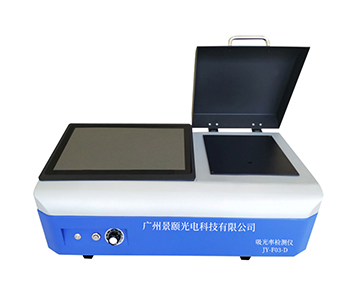
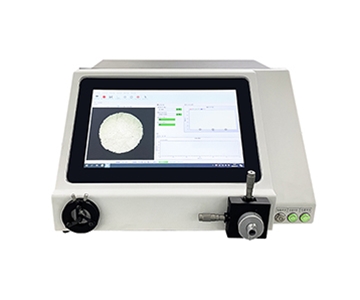
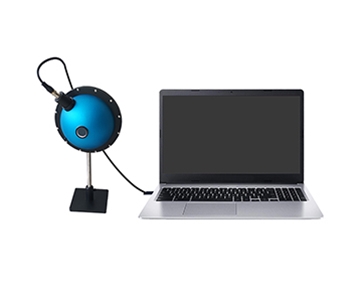
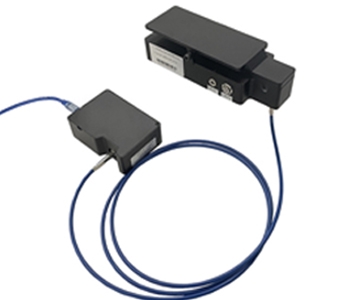
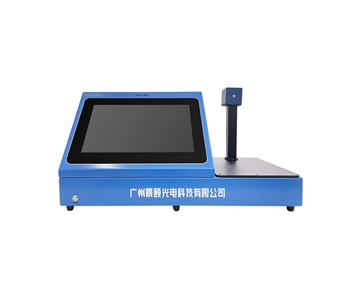
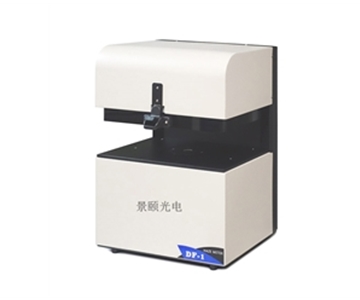
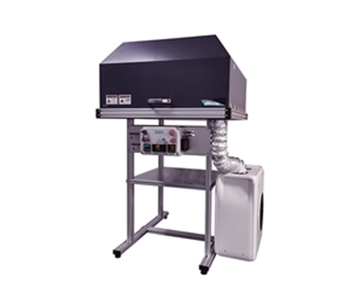
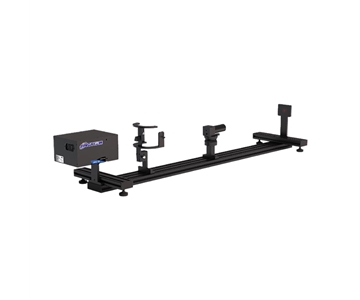
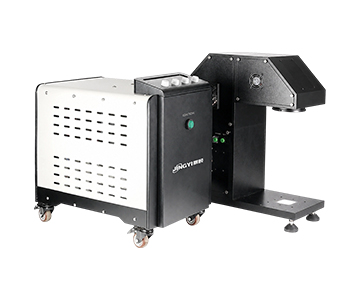
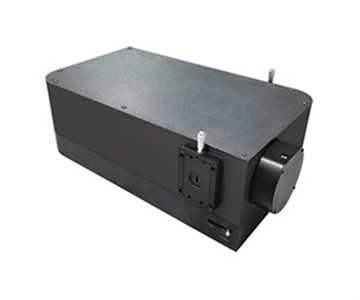
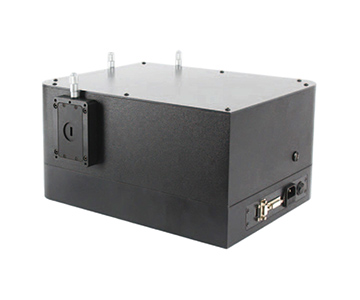
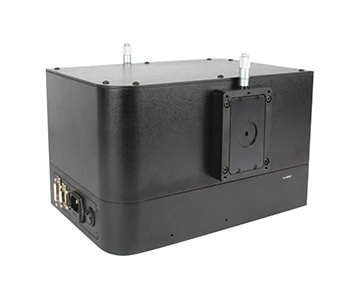
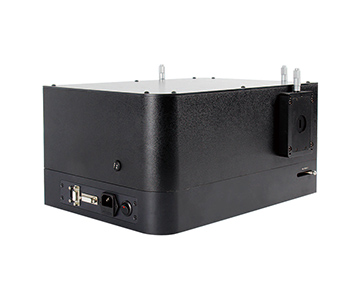
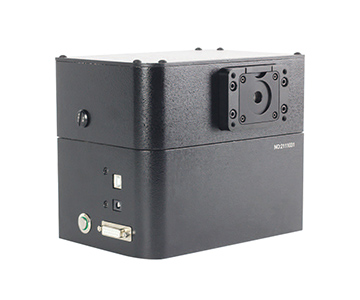
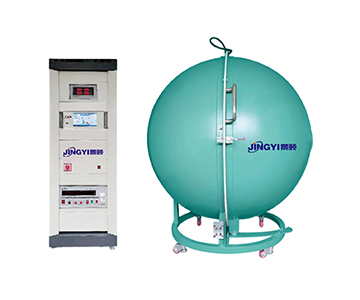
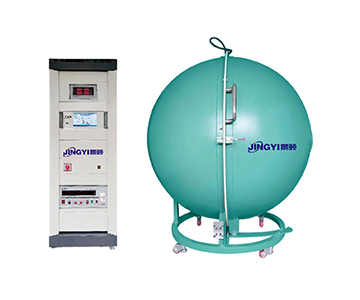
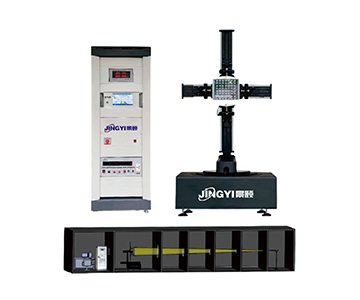
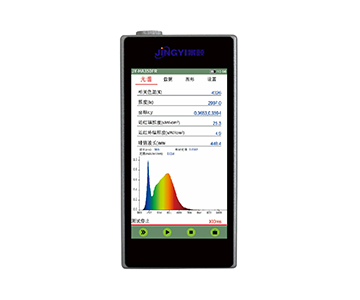
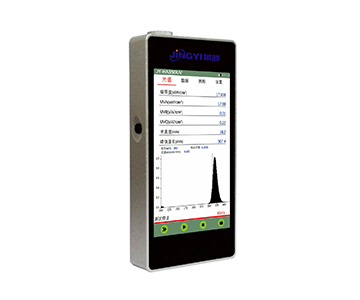
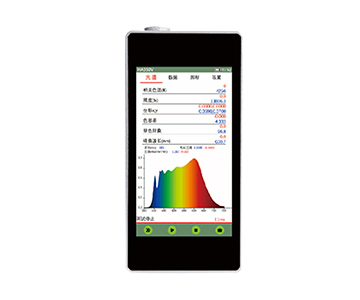
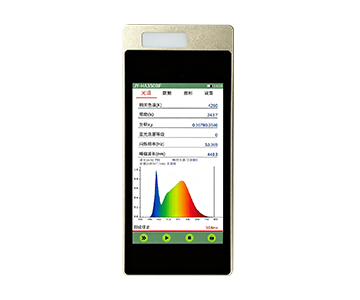
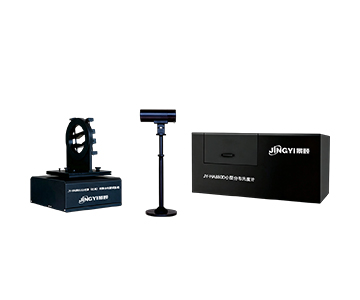
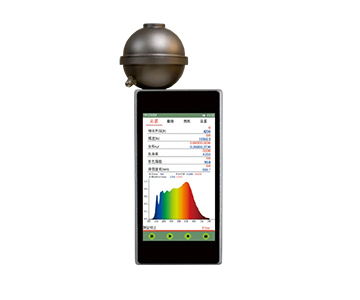
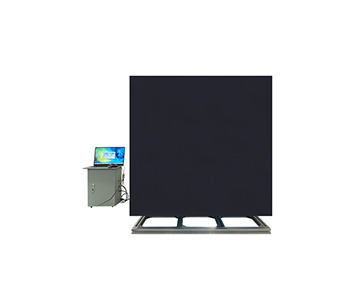
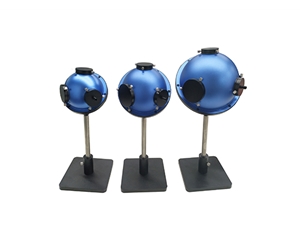
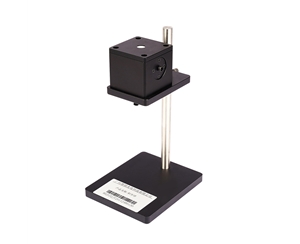
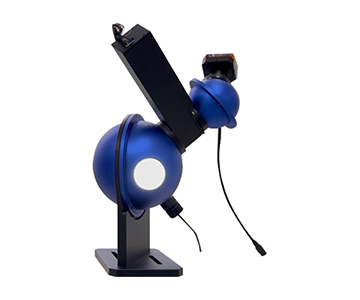
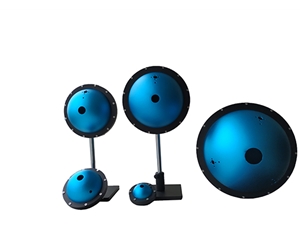
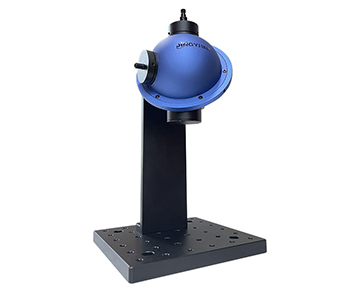
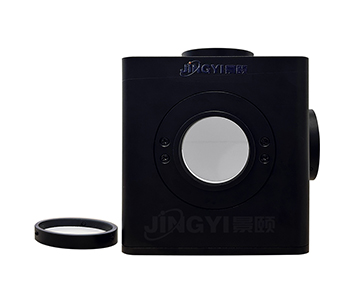
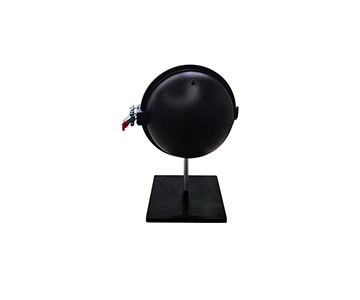
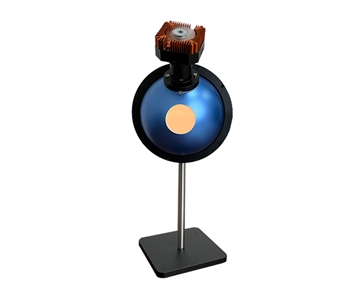
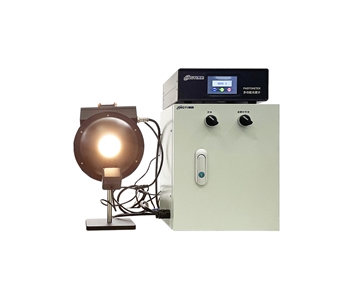
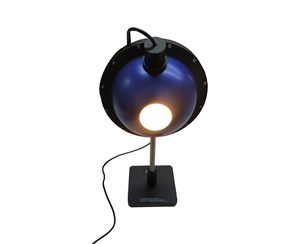
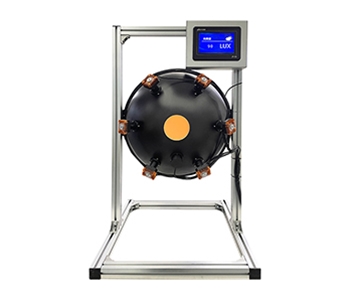
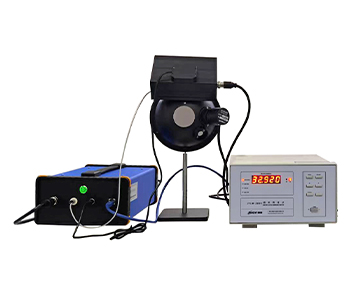
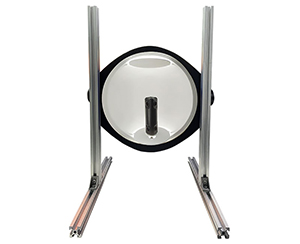
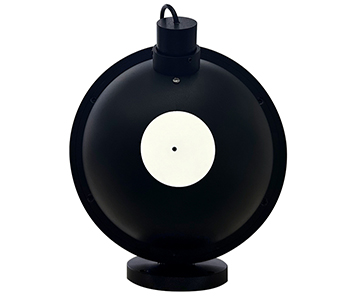
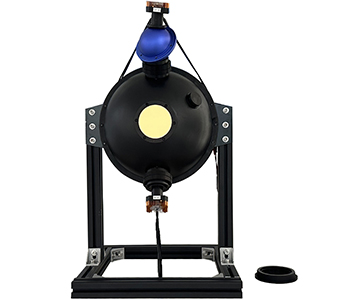
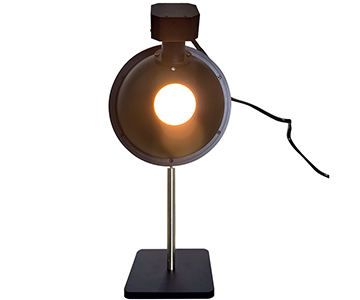
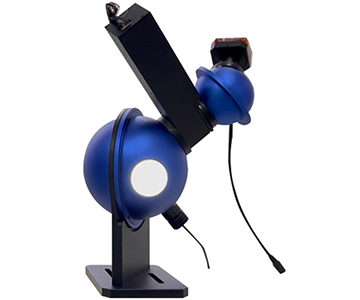
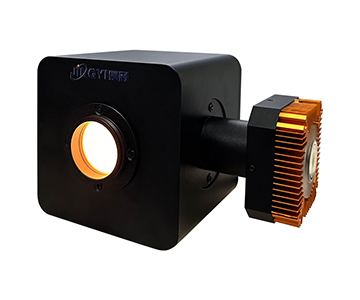
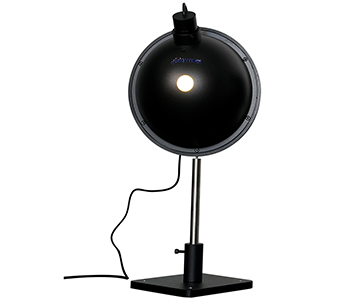
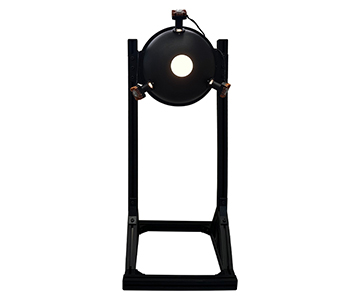
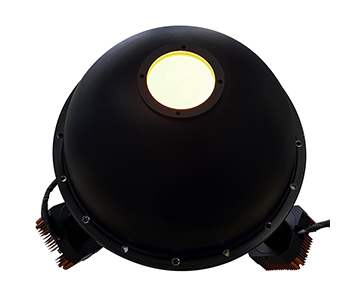
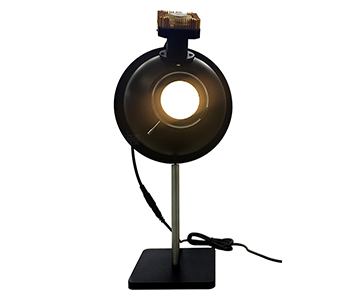
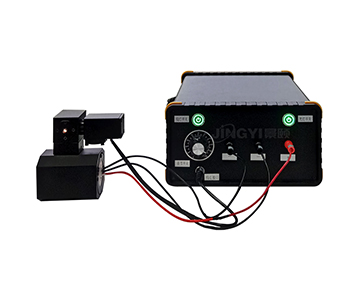
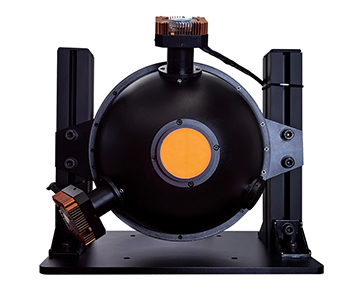
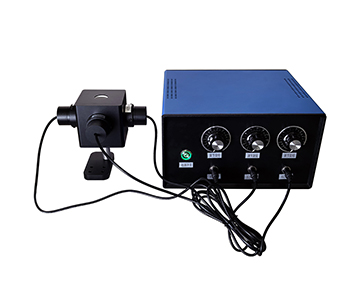
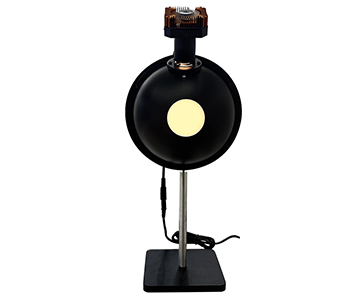
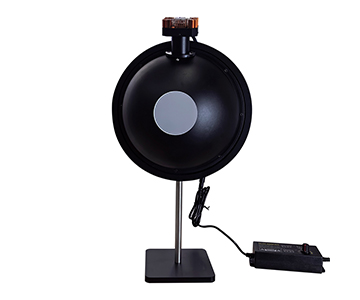
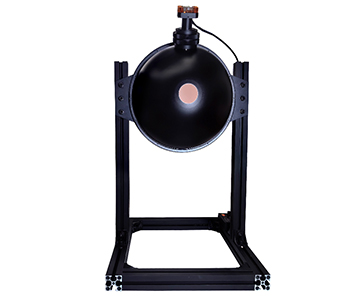
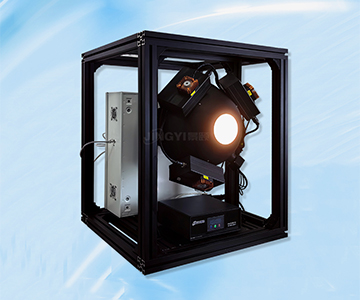
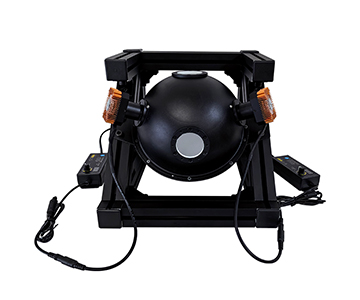
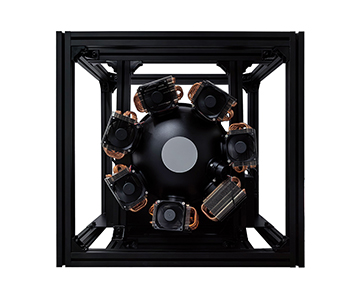
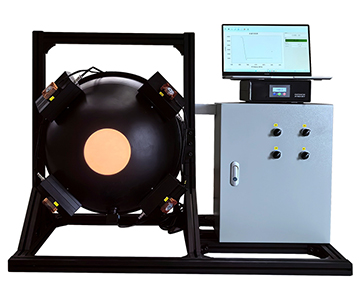
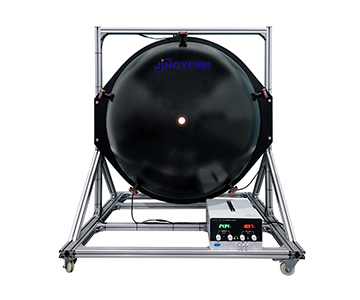
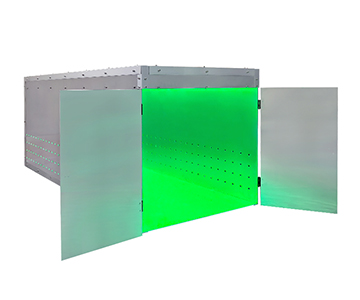
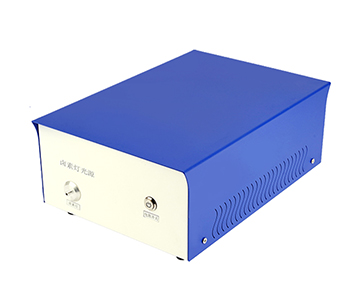
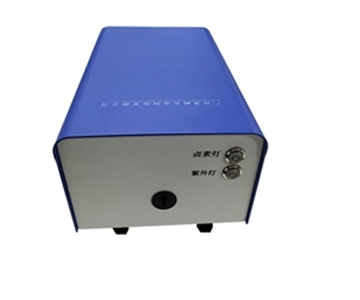
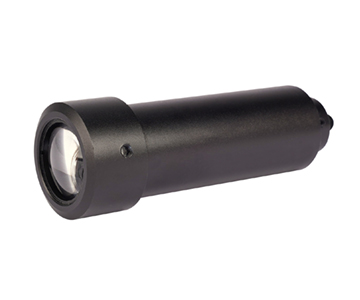
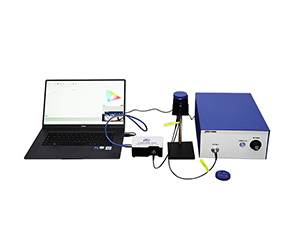
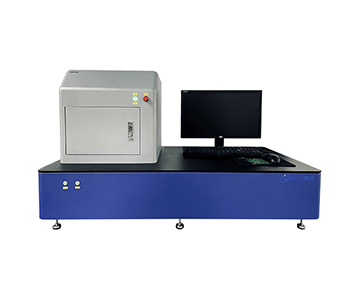
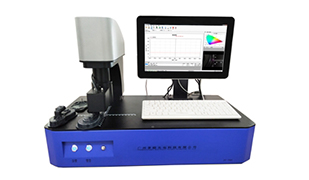
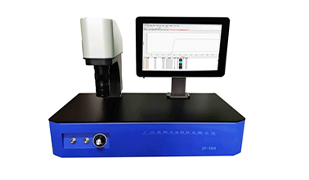
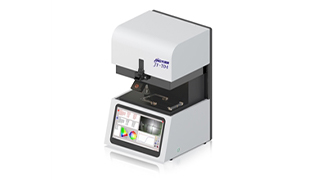
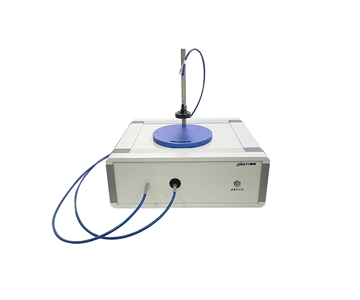
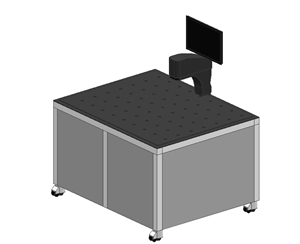
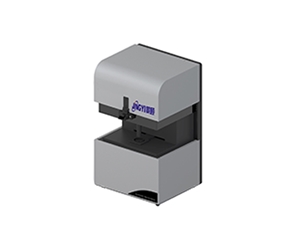
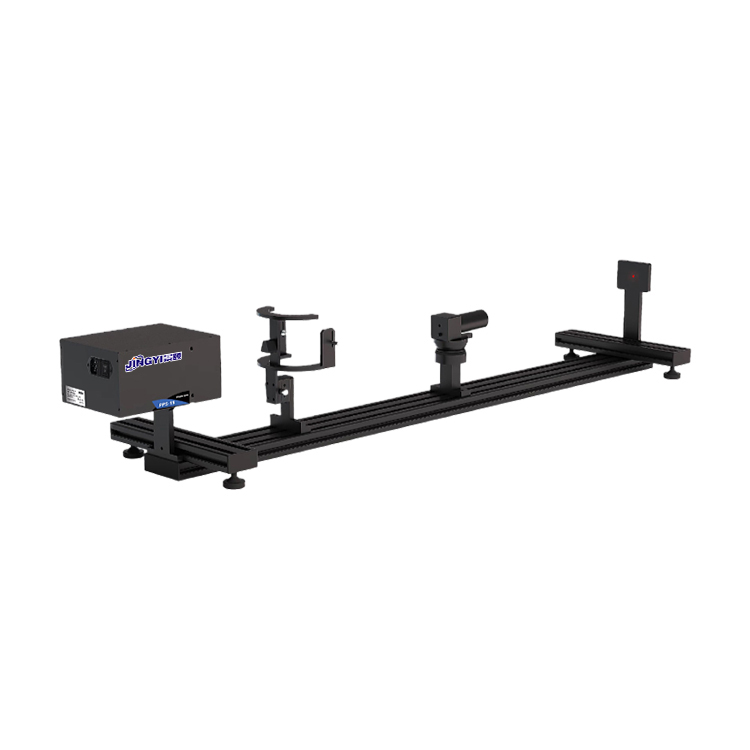
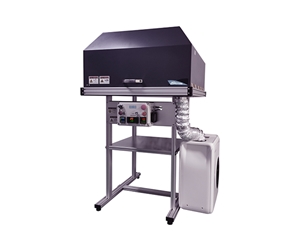
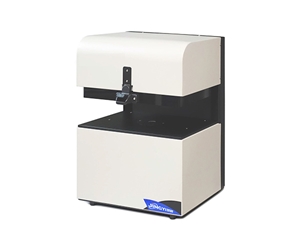
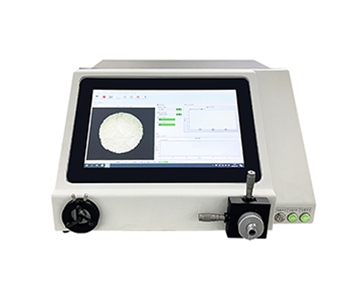
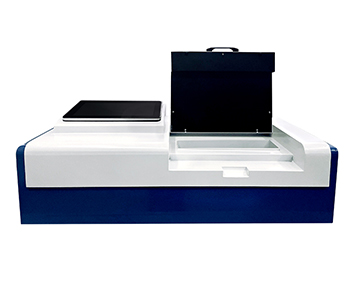
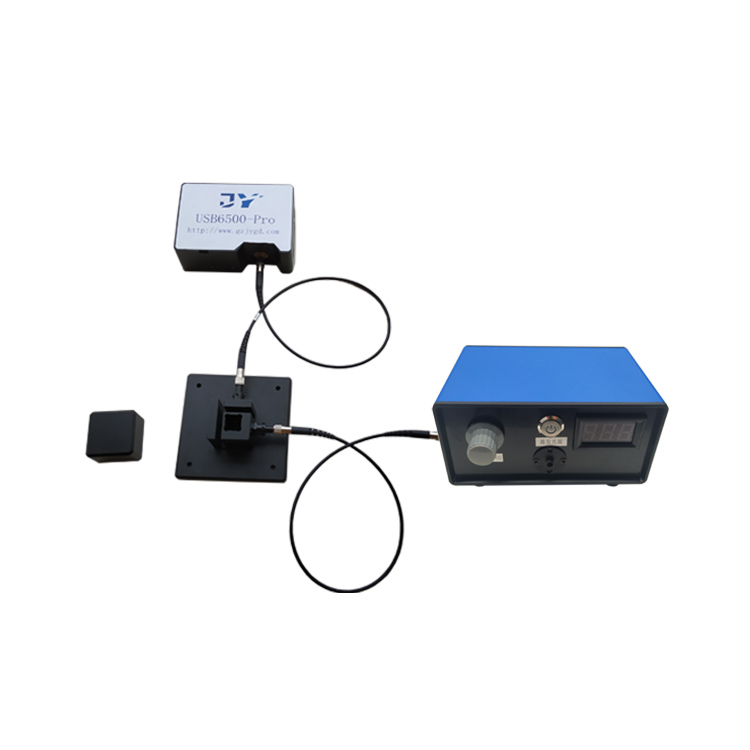
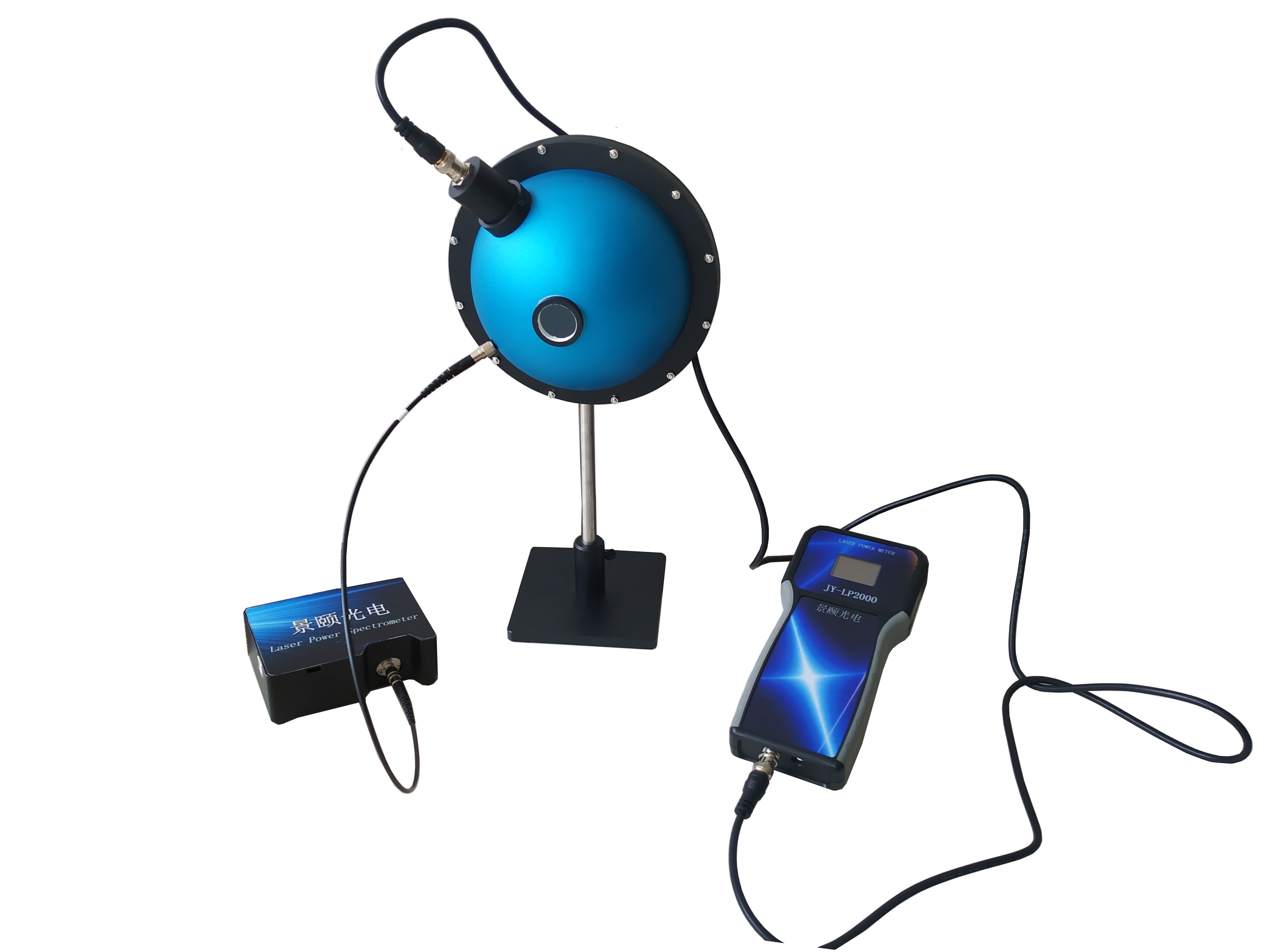
To address this widespread industry challenge—namely, excessively high technical barriers and narrow application scope—Jingyi Optoelectronics has developed the JY-QEY6500-PL Photoluminescence Quantum Efficiency Analyzer. Through comprehensive end-to-end optimization across three core dimensions—calibration traceability, optical path design, and software interaction—the system delivers a high-value, full-spectrum quantum efficiency measurement solution tailored to real-world research needs. Prior to shipment, every unit undergoes full-spectrum responsivity calibration using nationally accredited, metrologically traceable standard light sources. Users can begin measurements immediately upon unboxing—no manual setup or recalibration required—achieving total quantum yield measurements with <1.5% uncertainty and precise CIE chromaticity coordinates. Simultaneously, the system captures and stores the complete photoluminescence emission spectrum across its entire range, with all raw and processed data fully traceable and comparable.
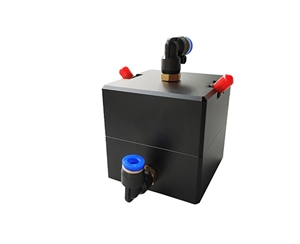
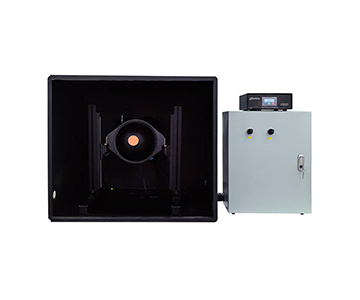
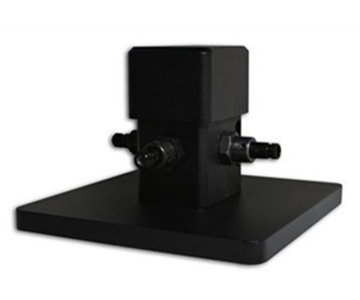
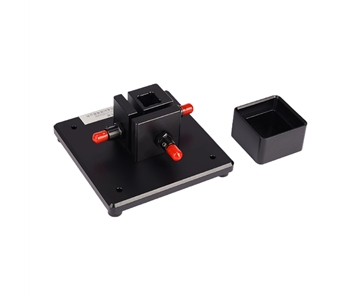
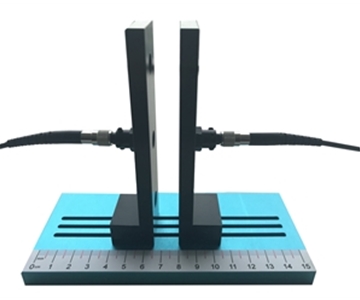
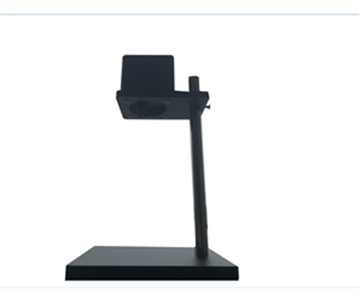
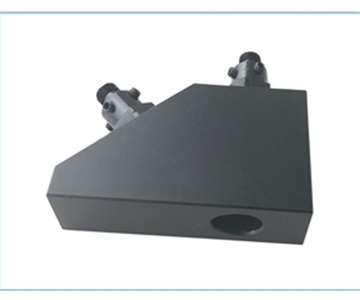
Compared to conventional fluorescence spectrometers, the JY-QEY6500-PL occupies just one-third the footprint and reduces procurement cost by over 40%. Its operational logic has been streamlined: users need only place the sample and preset basic parameters—the integrated software automatically handles spectral acquisition, data computation, and report generation. Even graduate students without prior spectroscopic expertise can master the full workflow within 10 minutes. Beyond standard liquid samples, the system natively supports diverse formats—including powdered luminescent materials and thin-film devices—enabling rapid, tool-free sample mounting without additional accessories.
This system is already deployed across multiple R&D domains:
- In next-generation displays, development teams use it to rapidly screen quantum efficiencies of OLEDs, QLEDs, and perovskite emitters—whether evaluating raw powder precursors or finished thin-film devices;
- In life sciences, its micro-volume capability enables efficient validation using only tens of microliters of fluorescent probes or quantum dot conjugates—minimizing waste of precious biological reagents;
- In photovoltaics and photocatalysis, researchers employ it to assess photoconversion efficiencies of dye-sensitized solar cells and photocatalytic materials—significantly accelerating formulation optimization cycles.
With years of deep expertise in spectral metrology, Jingyi Optoelectronics designed the JY-QEY6500-PL specifically for civilian scientific research applications—effectively breaking the pricing monopoly long held by imported instruments in full-quantum-efficiency measurement. For specialized user requirements, Jingyi also offers customization options—including excitation sources across different wavelength bands and sample holders engineered for atypical geometries—to serve even more niche R&D scenarios. Future iterations will integrate AI-powered data analysis modules, automating tasks such as luminescent material property fitting and data annotation—further reducing researchers’ analytical burden and enhancing overall testing efficiency.
#PhotoluminescenceQuantumEfficiencyAnalyzer #PLQuantumYieldMeasurementSystem #FullQuantumEfficiencyMeasurementInstrument #FluorescenceEfficiencyTestingSystem #FluorescenceSpectrometer #Full-PL-Quantum-YieldDetectionSystem