Common Issues and Root Causes in Optical Power Measurement
Professionals working in optical communications, semiconductor photonic devices, and optical material testing frequently encounter inaccurate optical power measurements: for instance, the measured power of the same VCSEL ranging module varies by 5% simply upon changing the measurement angle; the output power of CPO optical engines in data centers fluctuates so significantly during transmission-end testing that units fail factory calibration; or reflectance measurements of optical thin films yield inconsistent, unrepeatable data across different production batches. Many practitioners’ first assumption is insufficient detector accuracy—yet the fundamental issue lies in the spatial distribution characteristics of light.
Light Source Characteristics and Detector Limitations
Whether it’s everyday LEDs or industrial-grade light sources such as VCSELs, FP/DFB lasers, emitted light is never perfectly uniform collimated radiation. Intensity varies substantially across angles, and polarization states differ spatially as well. Conventional photodetectors only capture light incident upon their active sensing area—making measurement results highly dependent on the relative position, distance, and acceptance angle between the detector and the source. The larger the source’s divergence angle, the greater the proportion of light missed entirely—resulting in measured power values that deviate significantly from the true total optical power.
Function and Principle of General-Purpose Integrating Spheres
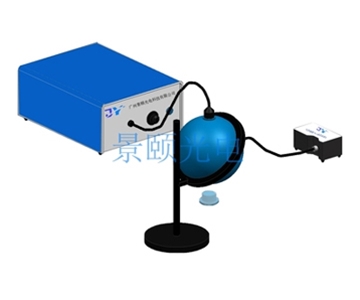
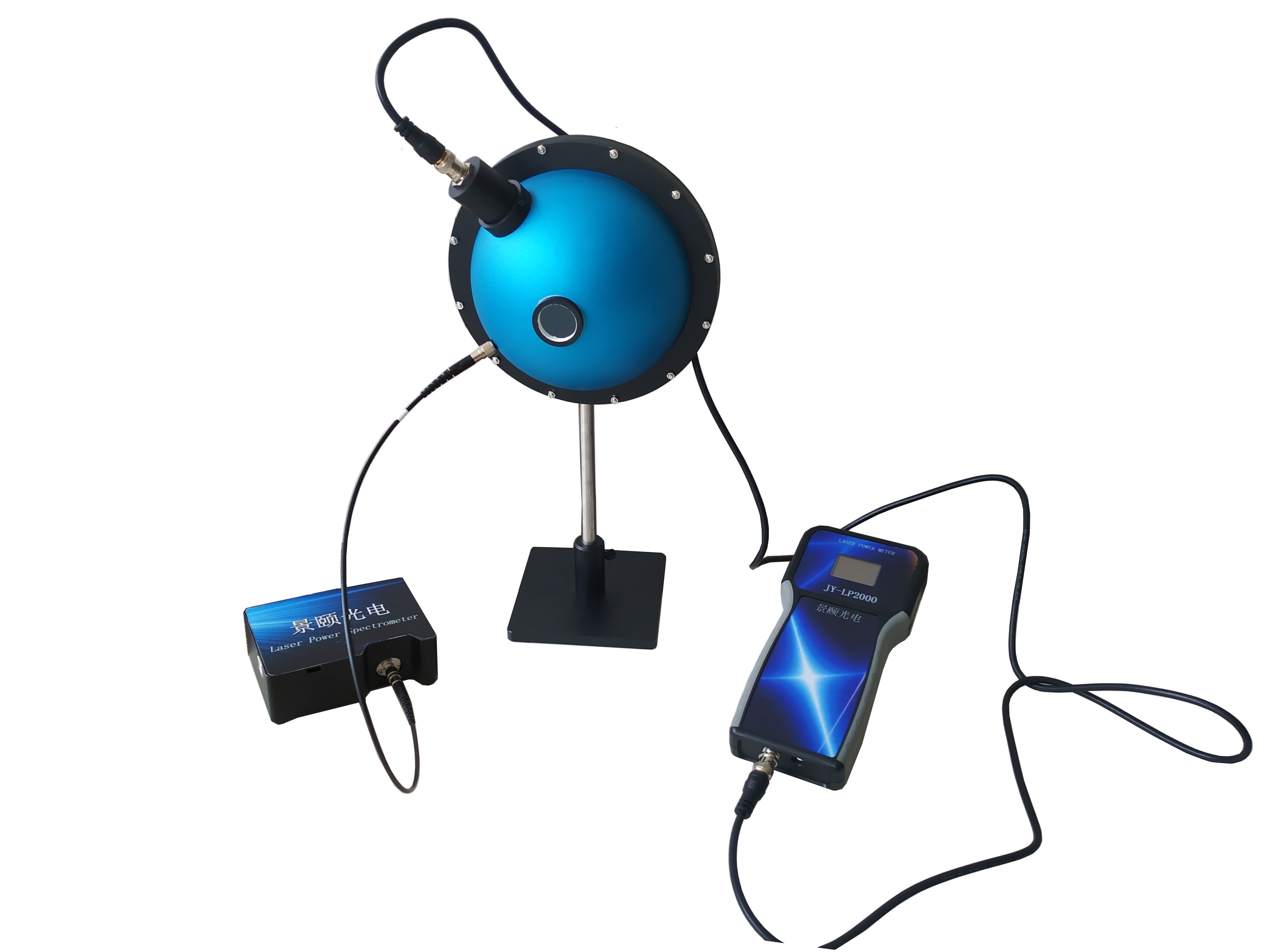
This is where general-purpose integrating spheres demonstrate their value. Their core principle is not “collecting light,” but rather “homogenizing light”: they create a uniform, angle- and polarization-insensitive optical environment. Regardless of input light’s incident angle, polarization state, or spatial complexity, once inside the sphere cavity, all light undergoes multiple diffuse reflections off the inner wall’s specialized coating. This process effectively erases all directional and polarization information, yielding a highly stable and spatially uniform output signal. A subsequent measurement thus yields the source’s true total optical power—fully decoupled from input-side geometric or alignment conditions.
Pain Points of Existing General-Purpose Integrating Spheres
However, commercially available general-purpose integrating spheres suffer from two common drawbacks:
1. Application-specific design—where one sphere serves only a single function (e.g., power measurement *or* reflectance testing *or* uniform source generation), forcing small- to mid-sized teams to purchase multiple dedicated instruments, multiplying capital expenditure several-fold;
2. Poor coating stability—the inner-wall diffuse coating degrades rapidly, yellowing or flaking after one to two years of use, causing significant attenuation in diffuse reflectance and progressive deterioration in measurement accuracy over time.
Jingyi Optoelectronics’ General-Purpose Integrating Sphere Solution
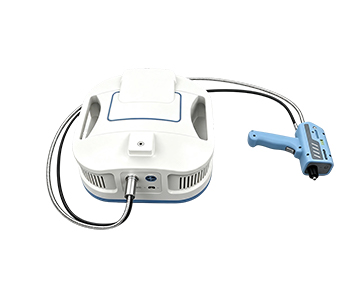
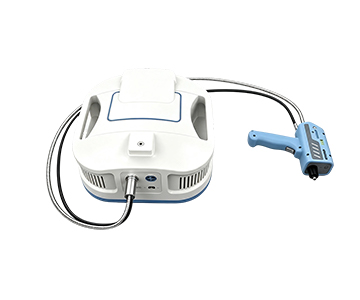
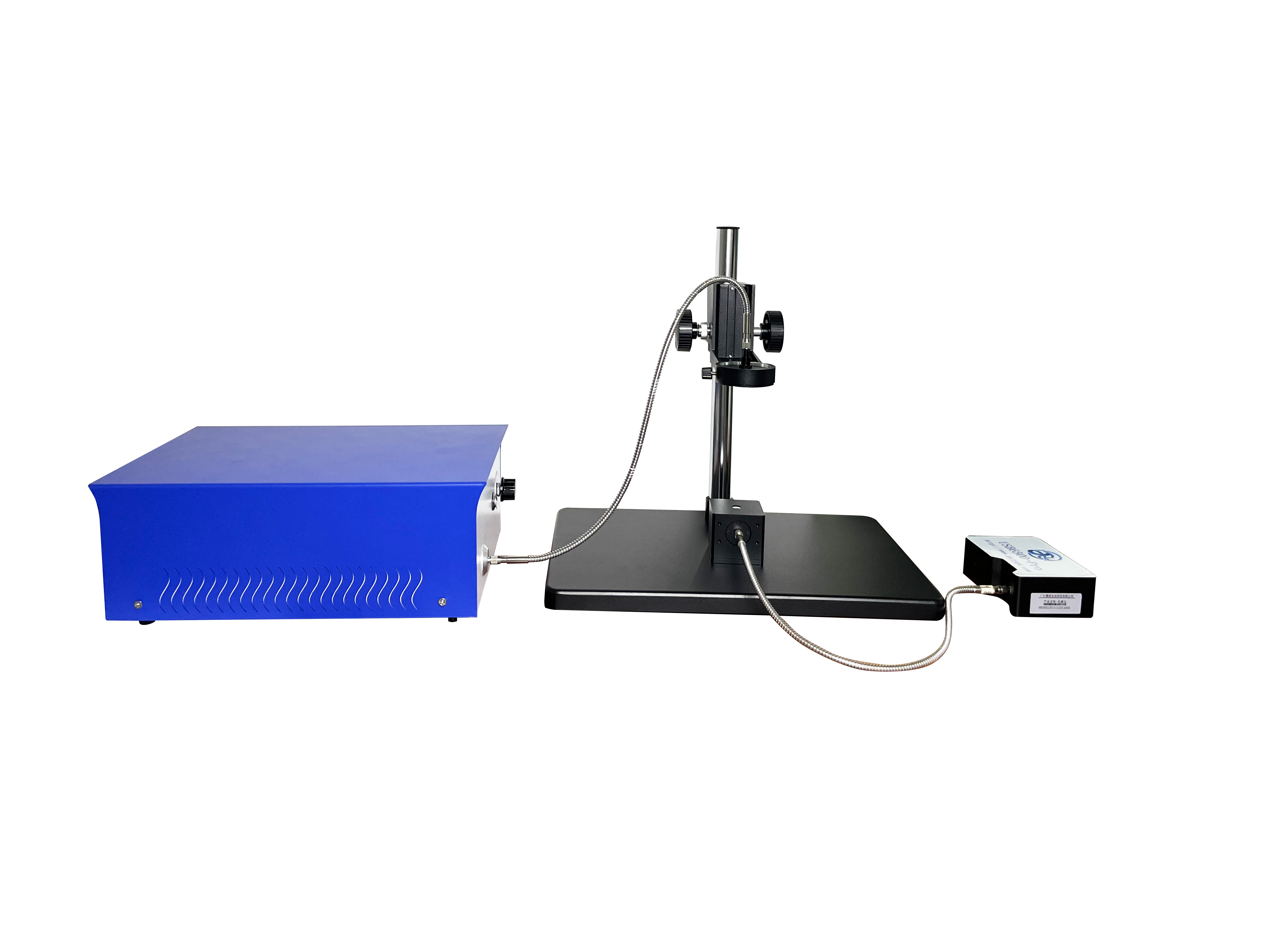
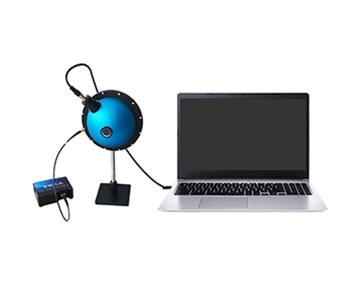
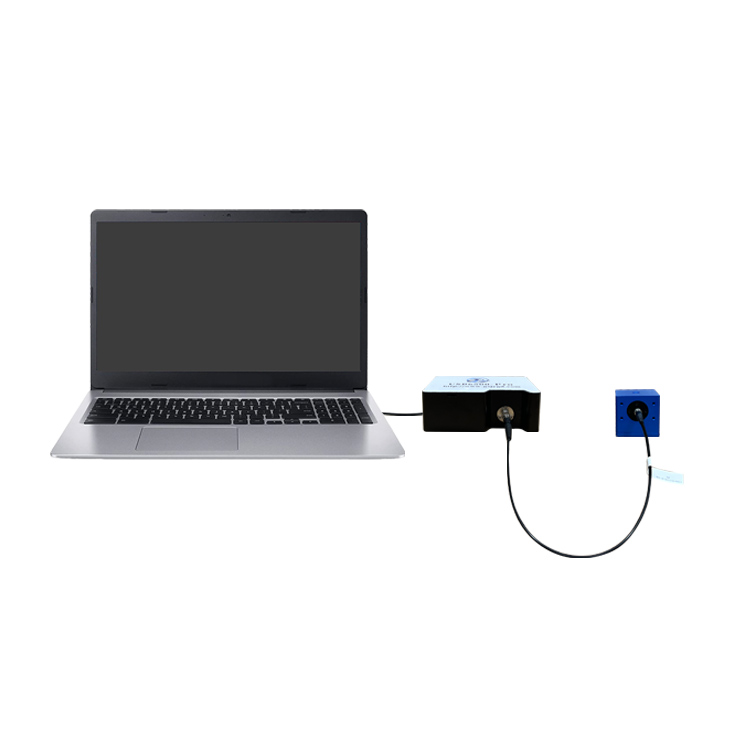
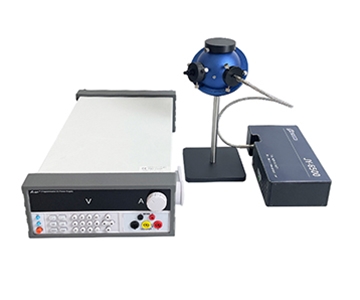
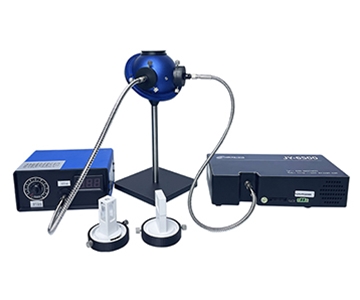
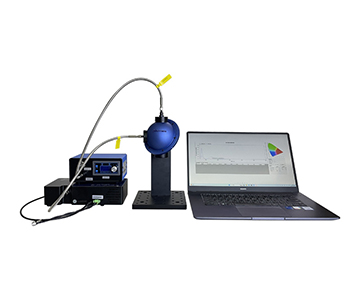
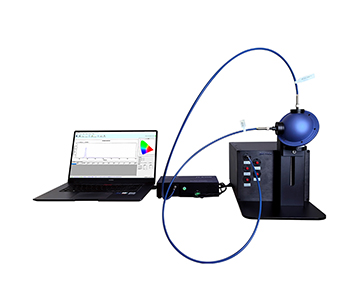
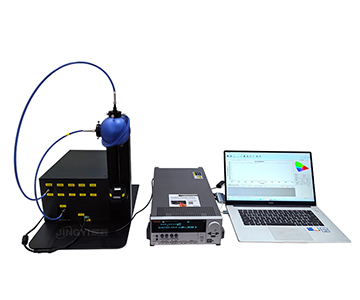
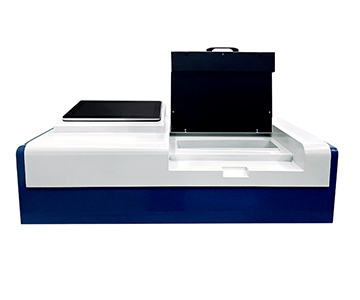
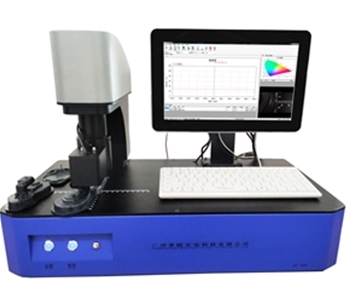
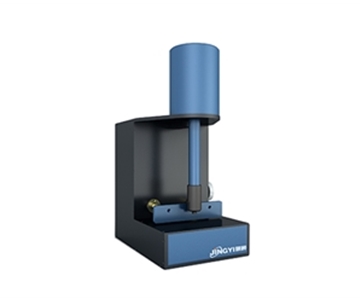
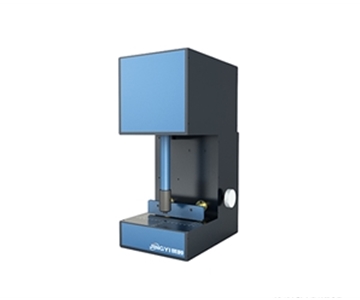
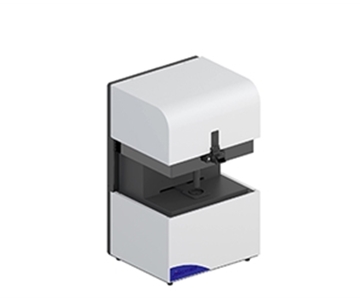
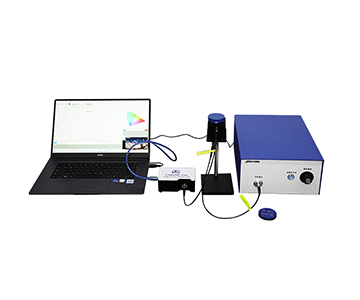
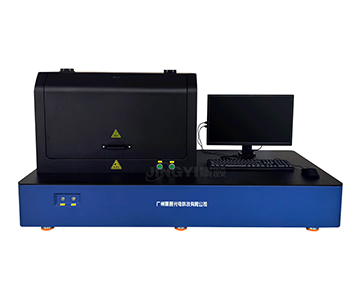
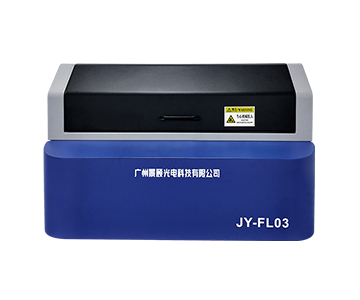
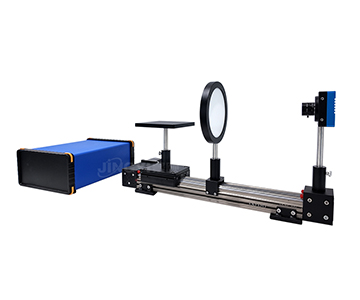
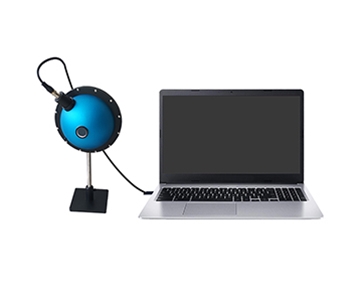
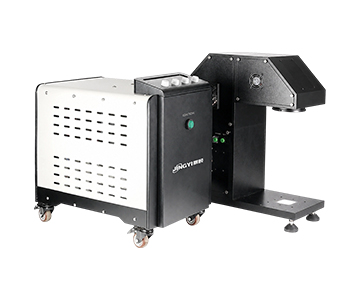
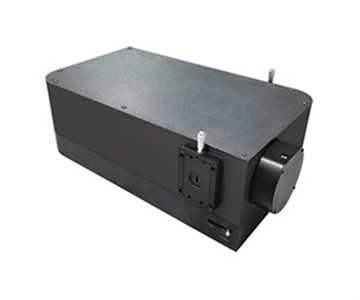
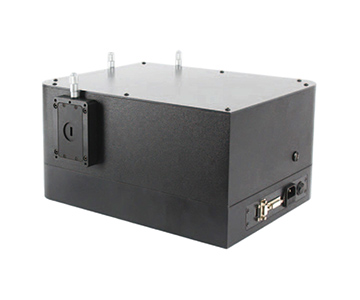
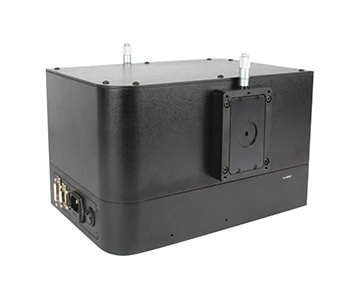
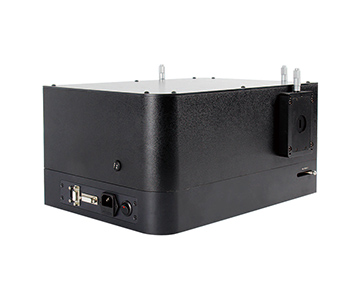
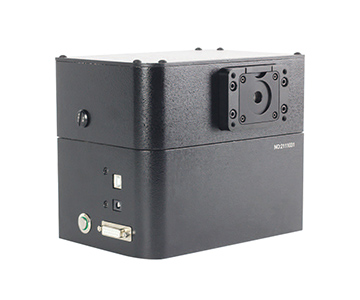
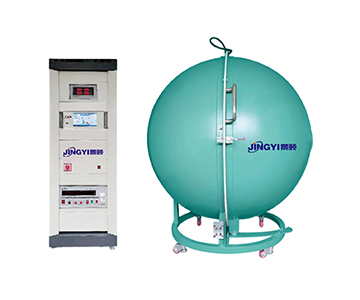
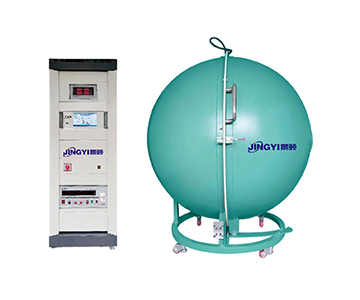
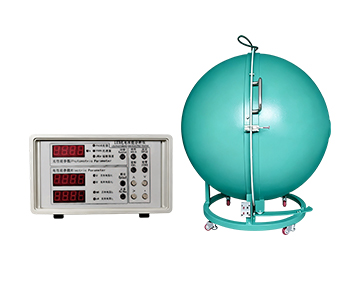
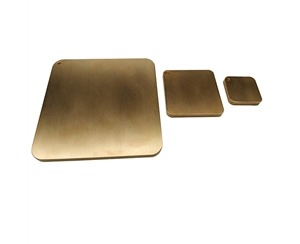
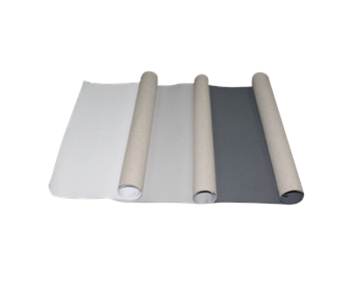
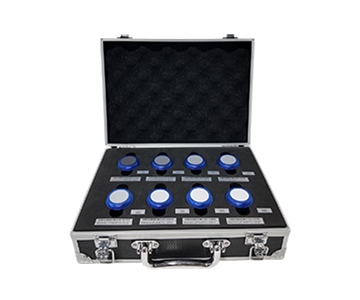
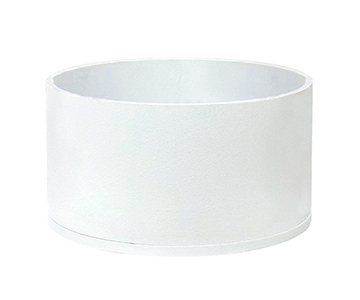
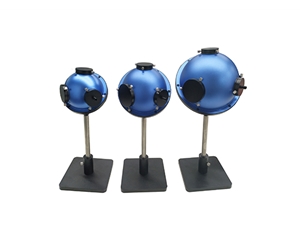
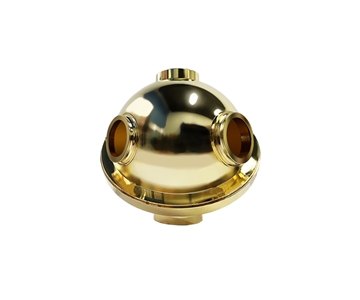
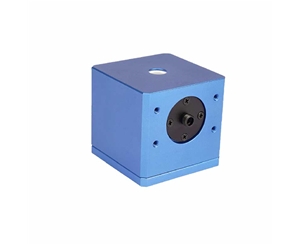
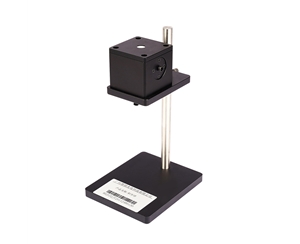
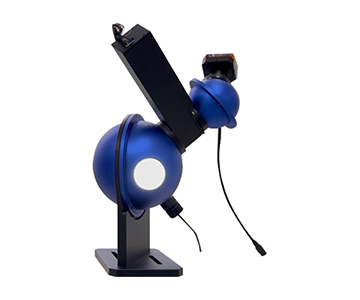
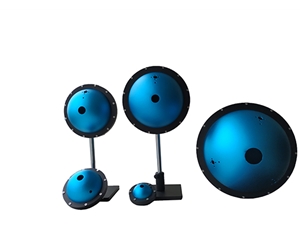
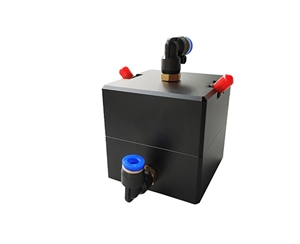
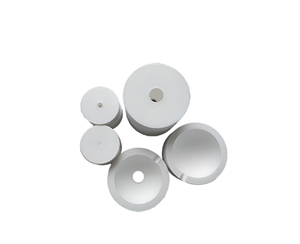
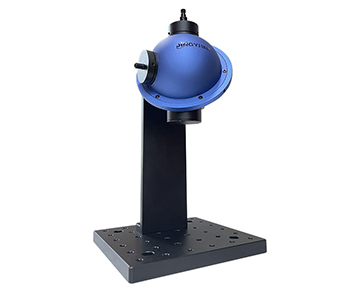
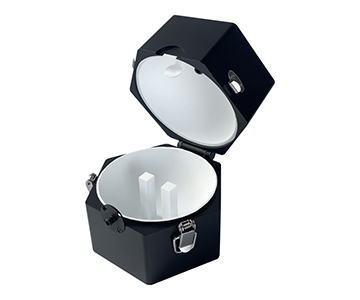
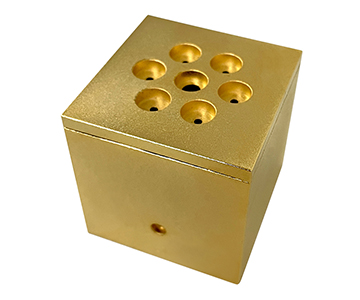
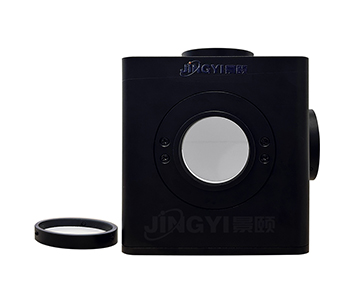
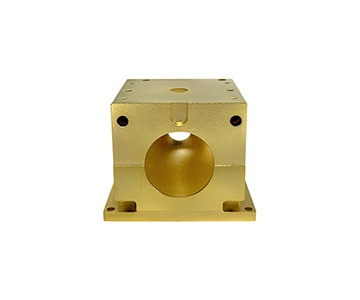
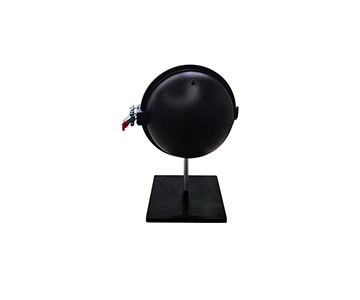
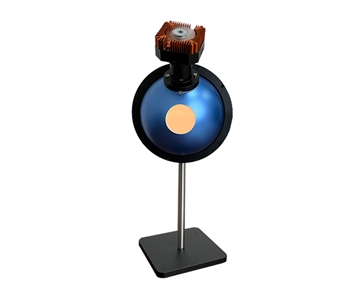
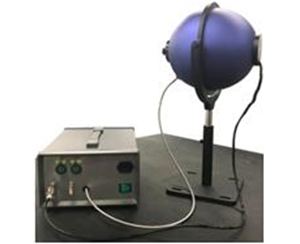
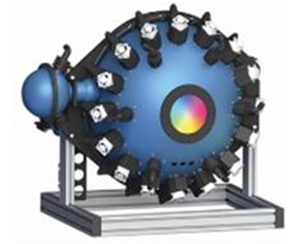
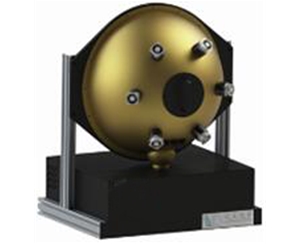
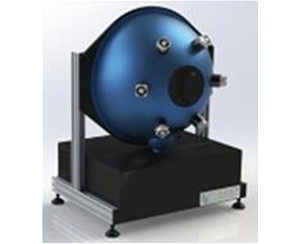
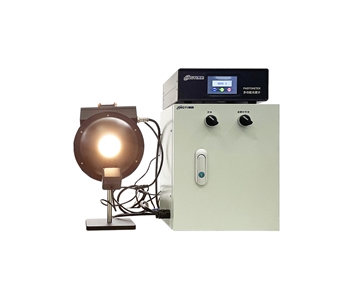
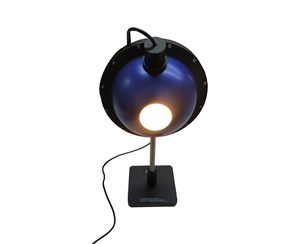
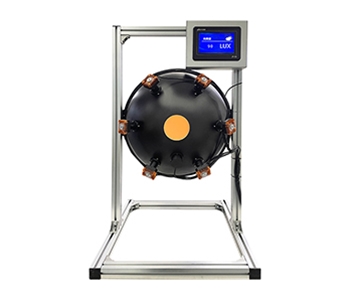
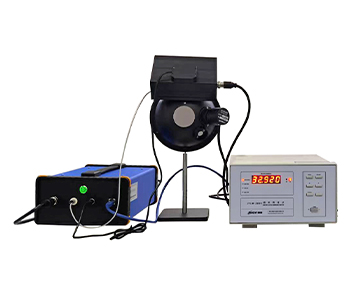
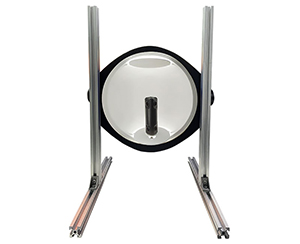
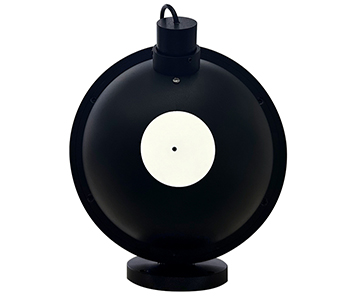
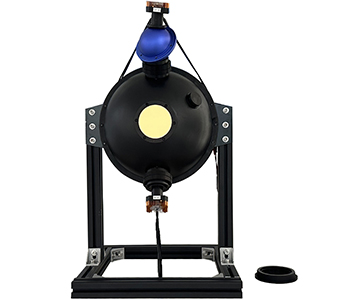
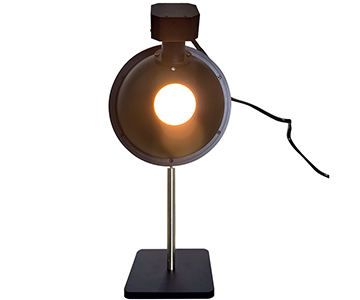
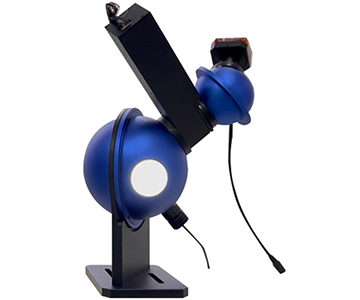
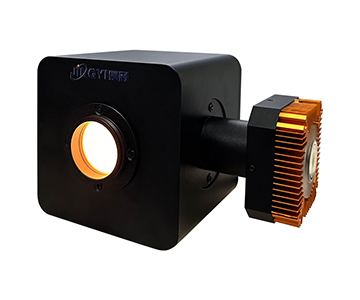
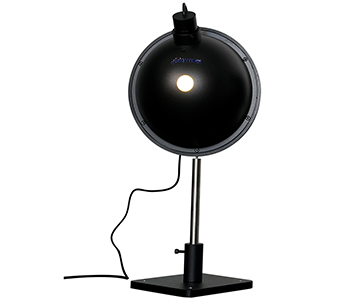
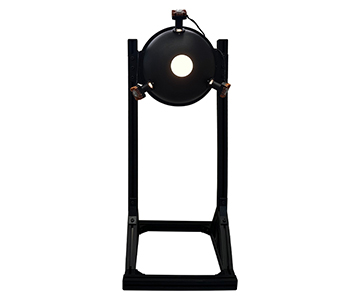
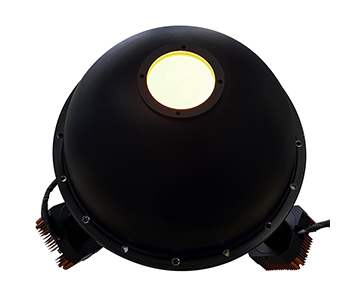
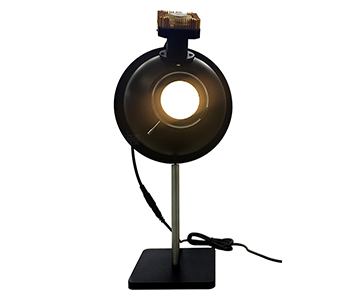
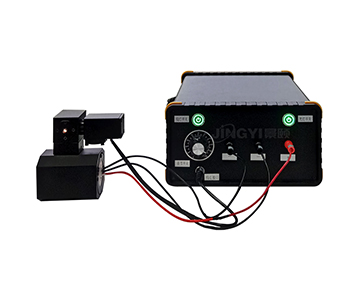
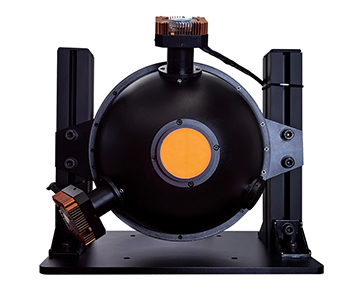
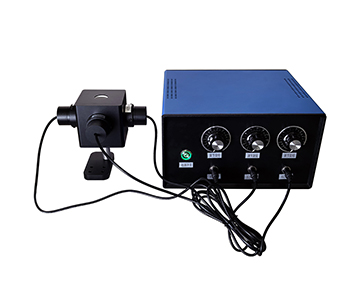
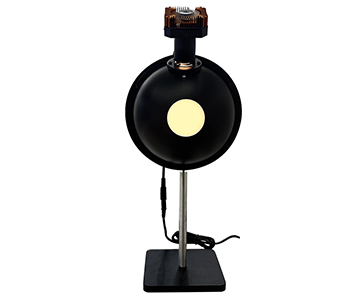
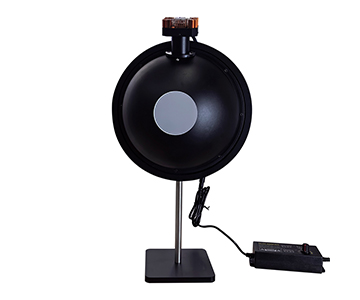
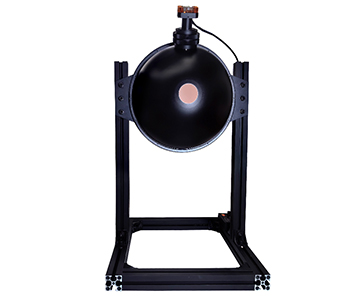
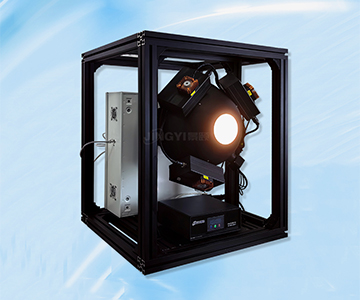
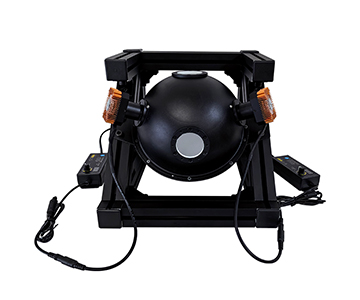
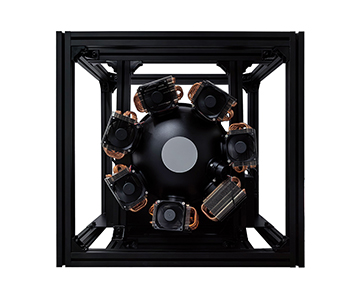
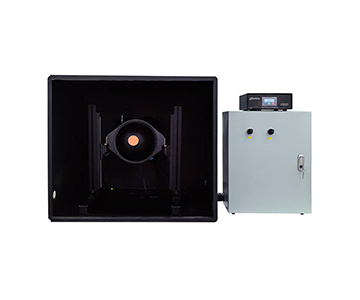
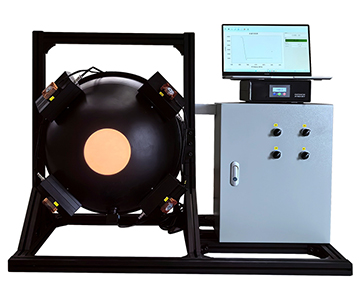
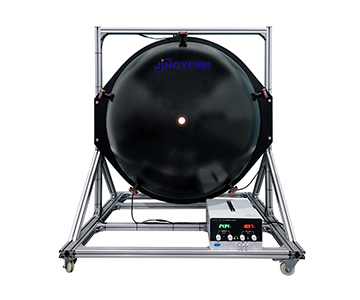
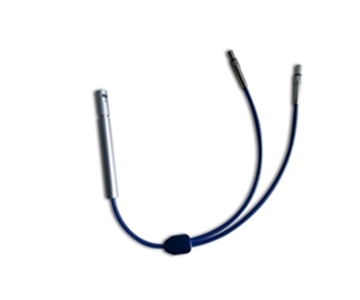
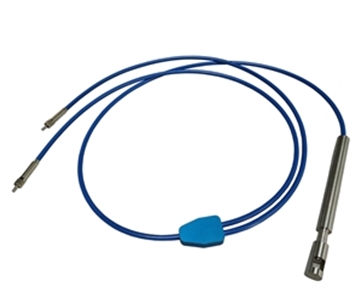
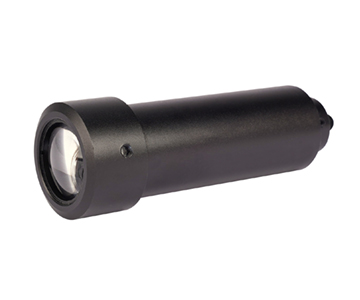
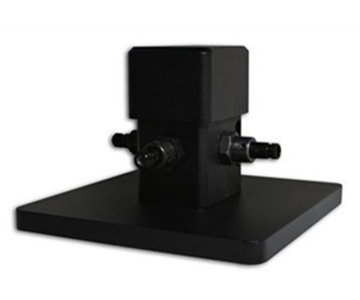
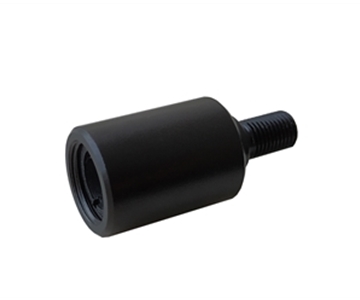
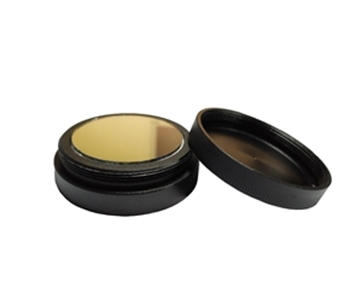
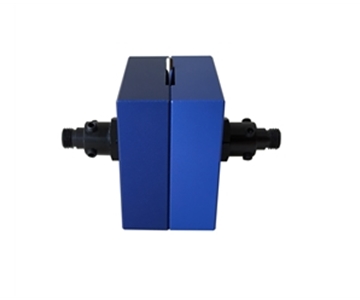
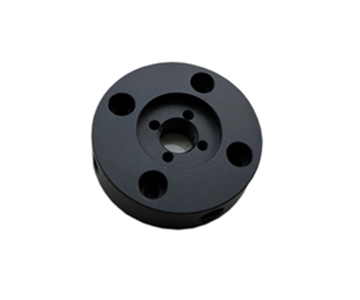
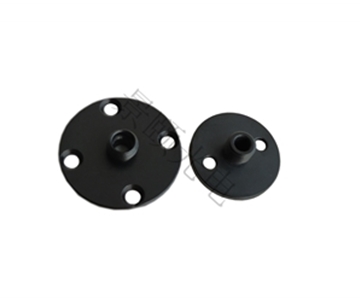
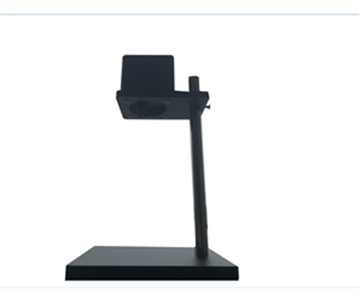
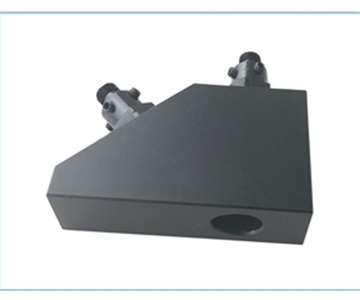
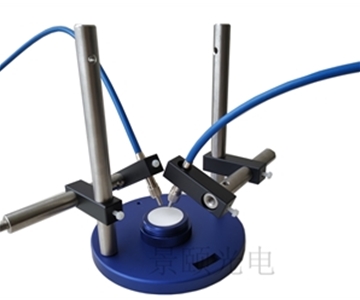
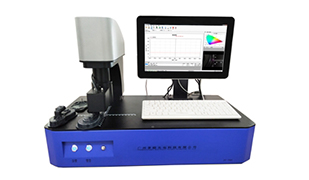
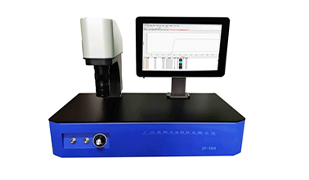
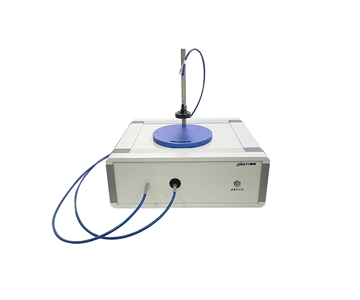
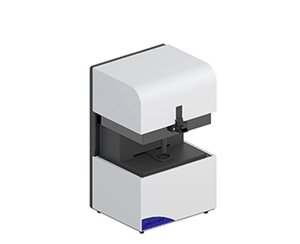
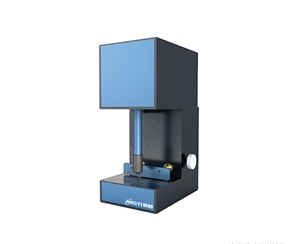
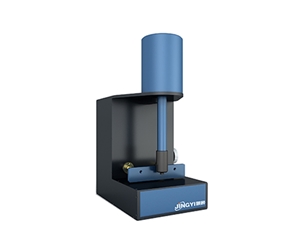
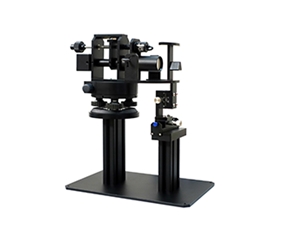
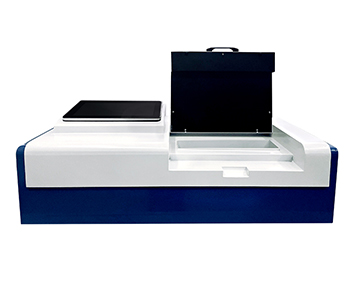
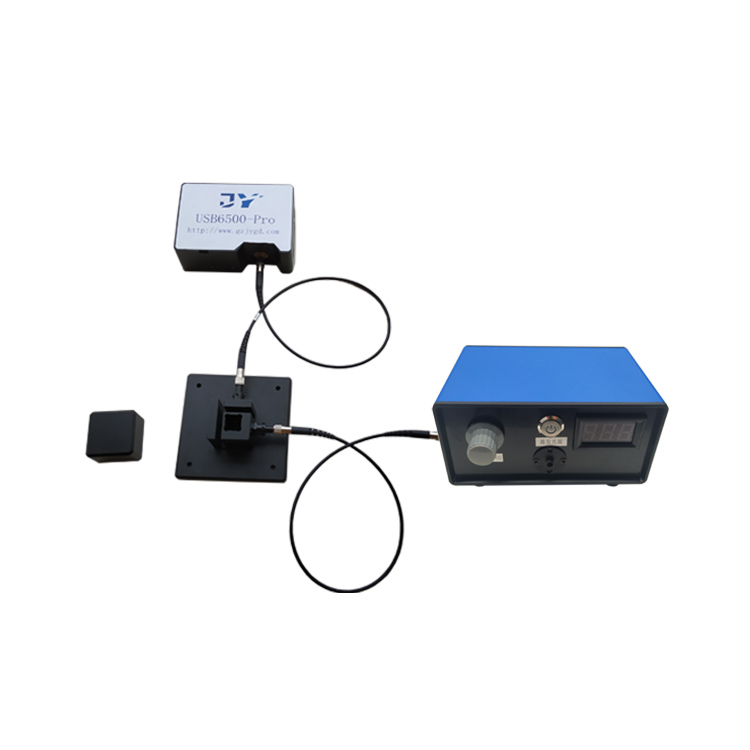
Addressing these industry-wide pain points, Jingyi Optoelectronics has launched the JY-FOIS84—a truly universal integrating sphere engineered for both broad applicability and long-term stability. Its interior features a proprietary high-diffuse-reflectance specialty coating with excellent Lambertian behavior and exceptional resistance to aging—far surpassing industry-standard coatings. It remains free of yellowing or particle shedding even after extended use, maintaining consistent diffuse reflectance performance from day one—ensuring measurement accuracy stability at its source. Furthermore, its modular, standardized port architecture eliminates the need for custom sphere shells: users can swiftly swap accessories tailored to specific test requirements. Applications supported include laboratory-grade uniform source generation, power and spectral calibration of diverse laser types, and transmittance/reflectance characterization of optical materials—enabling genuine “one-sphere-multiple-uses.” For unique requirements, port size and location can be customized, delivering maximum flexibility while dramatically reducing equipment procurement costs.
Product Advantages and Application Coverage
During early-stage market research, Jingyi discovered that startup silicon photonics teams and optical communications test labs consistently struggled with low reuse rates of test equipment. Accordingly, port compatibility was prioritized in the JY-FOIS84’s design. To date, this universal integrating sphere has been deployed across testing lines at more than ten domestic enterprises. Compared with traditional multi-unit dedicated-sphere solutions, it reduces procurement costs by over 60%, while keeping measurement variability within ±0.5%—fully satisfying stringent automotive-grade and data-center-grade photonic device testing requirements.
Capabilities and Support
Jingyi Optoelectronics maintains rigorous quality control:
• 100% in-house manufacturing and final inspection
• 99%+ factory pass rate
• Proprietary PTFE-based ultra-high-reflectance coating (average reflectance >97%)
• Customization options across multiple sphere sizes and interface configurations
• Comprehensive pre-sales technical consultation and post-sales support
Target Applications
Ideal for: LED luminous flux measurement, laser power metrology, display color calibration, environmental optical monitoring, and other high-precision optical metrology applications.
Summary and Recommendation
If your team is engaged in R&D or testing of semiconductors, photonic devices, or fiber-optic communications—and seeks to reduce capital investment in test infrastructure while simultaneously enhancing measurement stability and repeatability—this highly versatile, universal integrating sphere solution offers outstanding cost-performance value.
#MiniIntegratingSphere #UniversalIntegratingSphere #ReflectanceIntegratingSphere #PTFEIntegratingSphere #FoamIntegratingSphere #IntegratingSphere