Classification and Selection of Optical Fibers
When building spectroscopic measurement systems, deploying industrial optical transmission links, or configuring medical optical equipment, many users frequently encounter issues such as excessive optical signal loss or insufficient detection accuracy. Over 90% of such problems stem from mismatches between fiber selection and application requirements. Many still associate optical fibers solely with generic telecom cabling—yet in reality, fibers optimized for different applications vary significantly in material composition, structural design, and performance parameters. Selecting the right fiber can directly improve overall system efficiency by more than 30%.
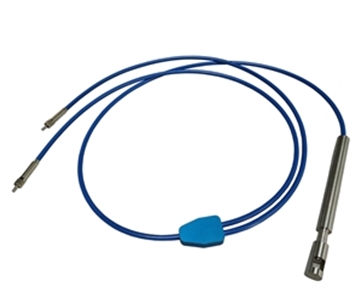
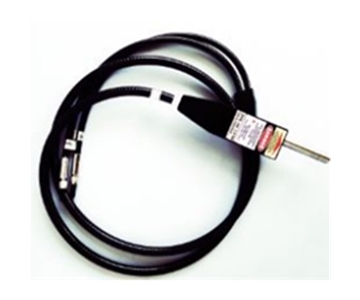
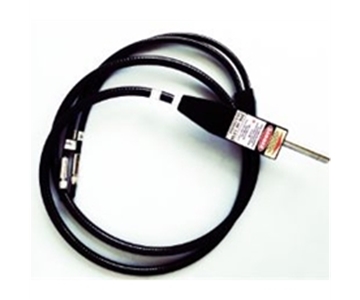
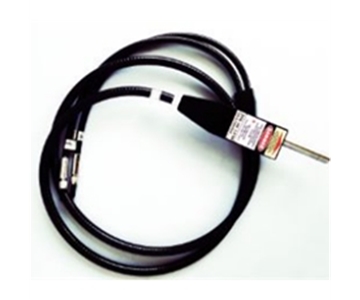
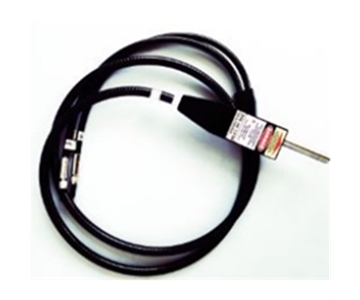
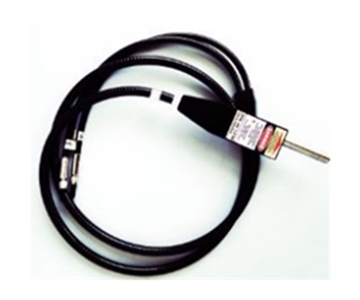
What we commonly refer to as “optical cables” are finished fiber products incorporating buffering layers, crush-resistant jackets, and outer sheaths. The core light-transmitting element is the optical fiber itself. Based on material composition and propagation mode, optical fibers fall into several distinct categories—each tailored for specific application scenarios.
**Categorization by Material**
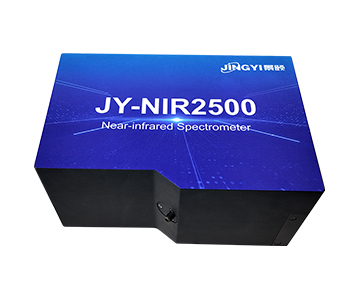
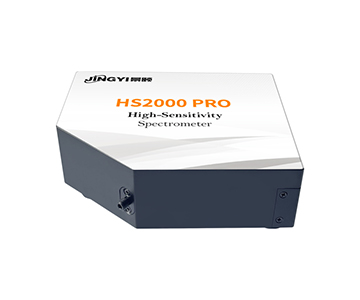
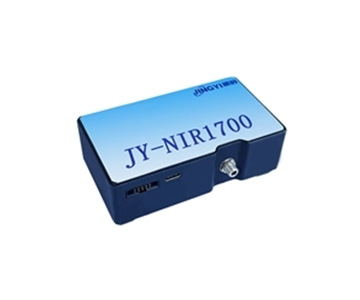
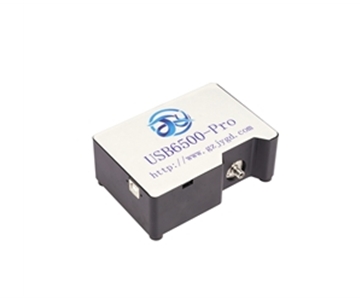
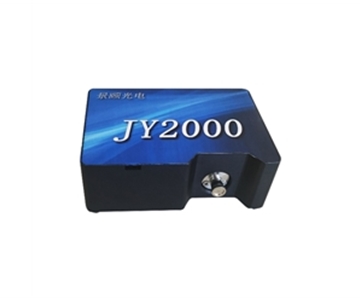
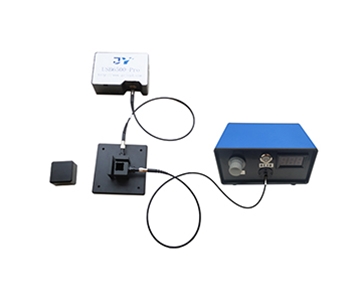
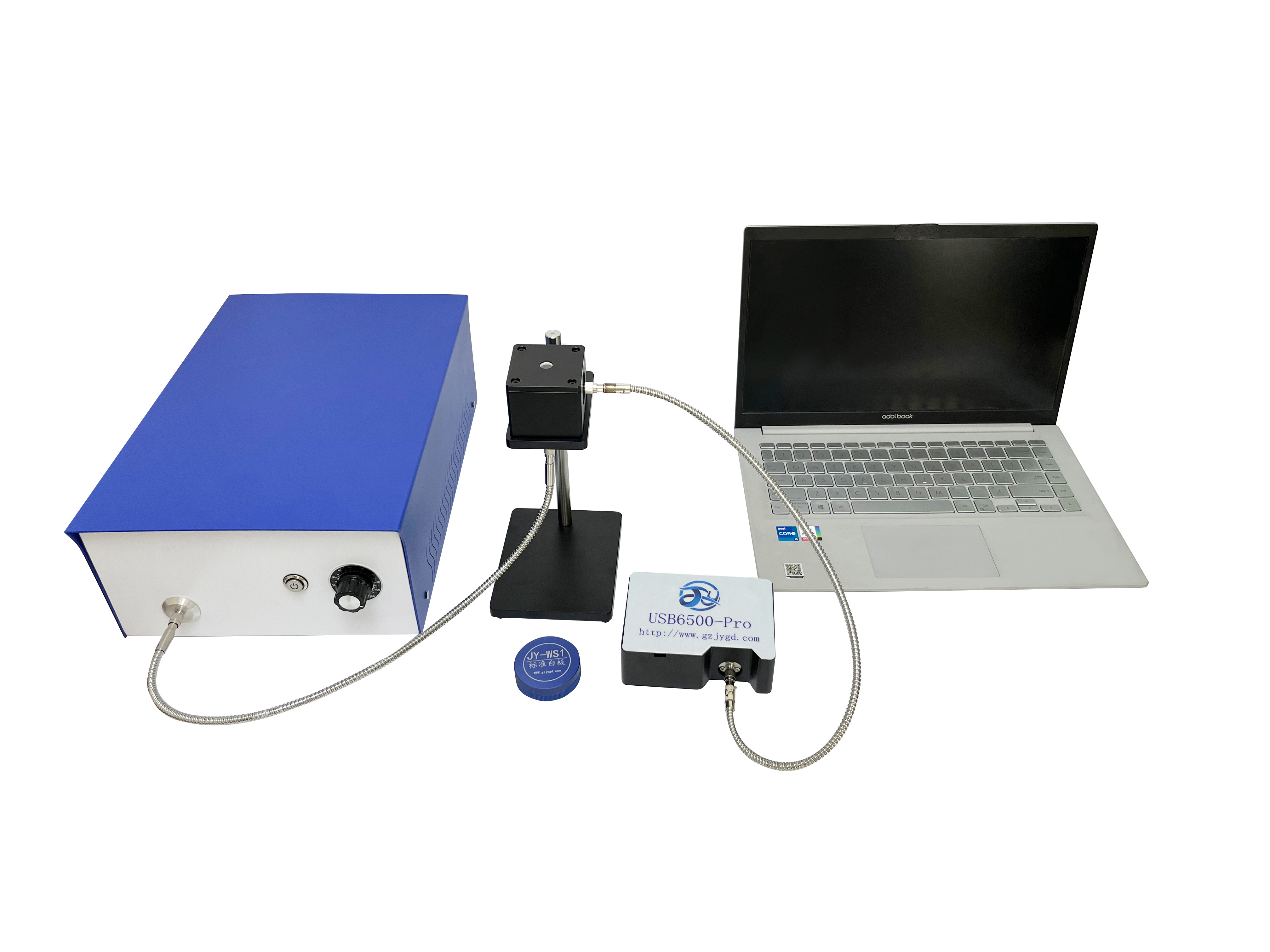
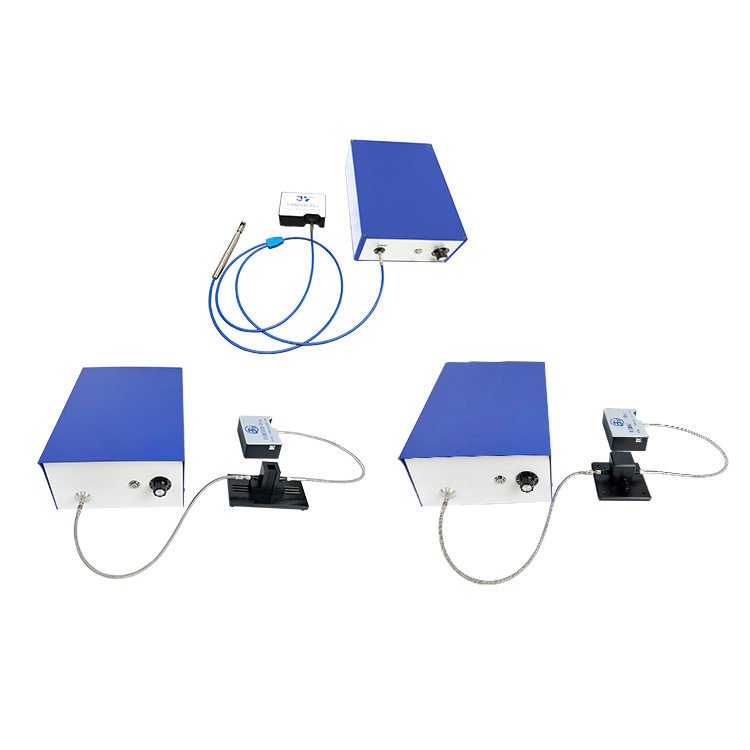
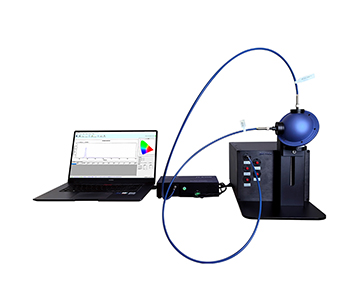
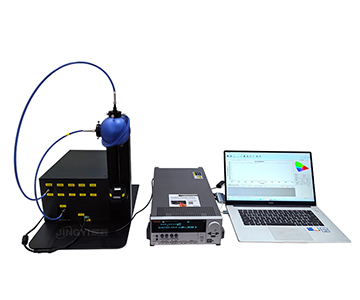
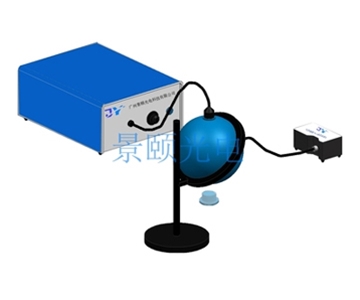
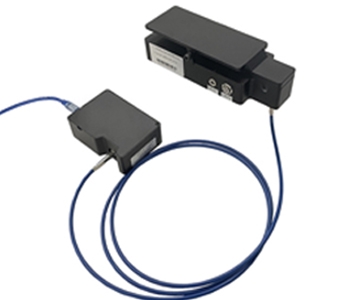
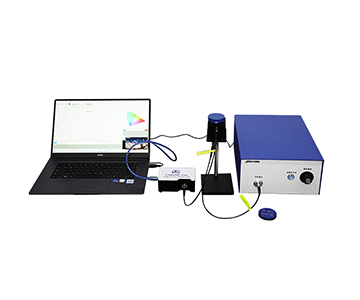
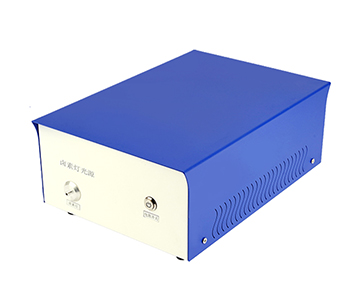
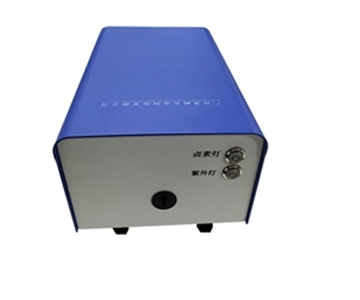
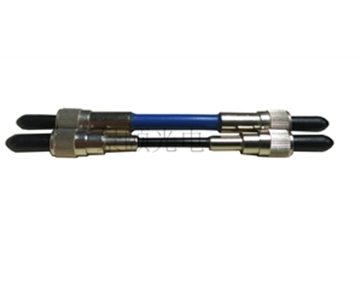
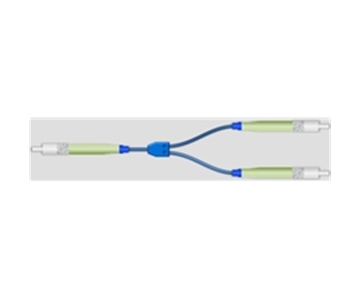
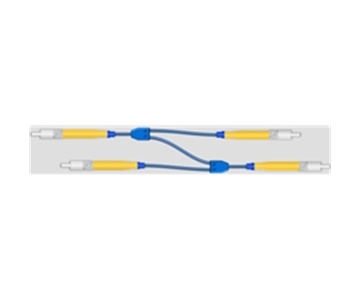
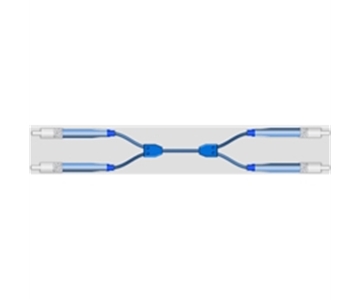
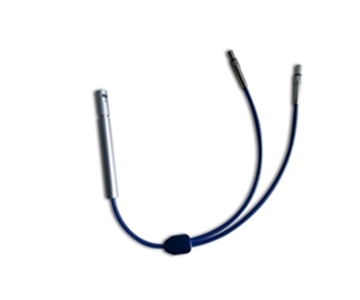
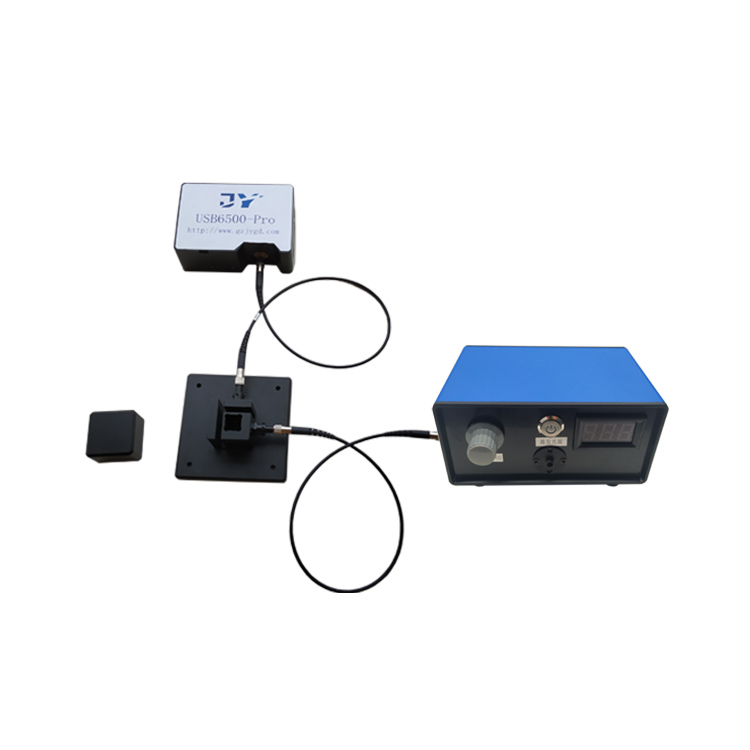
The most widely used type today is *Y-type fused silica fiber*, whose core consists of ultra-high-purity silicon dioxide (SiO₂). Refractive index profiles across the core and cladding are precisely engineered through controlled doping. This fiber type offers exceptional broadband compatibility and low transmission loss: typical attenuation remains below 1 dB/km across the near-infrared (NIR) transmission band (1.0–1.7 μm), and drops further to under 0.2 dB/km at the low-loss window centered at 1.55 μm. Jingyi Photonics has achieved in-house R&D and mass production of Y-type fused silica fibers spanning the full spectrum—from deep ultraviolet (DUV) to mid-infrared (MIR)—including UV-resistant Y-type fused silica fiber, DUV Y-type fused silica fiber, visible-light Y-type fused silica fiber, NIR Y-type fused silica fiber, and MIR Y-type fused silica fiber. All variants undergo high-throughput optimization and integrate seamlessly with Jingyi’s proprietary miniature spectrometers, fiber-coupled light sources, and other spectroscopic accessories—enabling rapid, plug-and-play setup of diverse spectroscopic measurement systems without the time-consuming compatibility tuning typically required across mixed-brand components.
The second major category comprises *polymer-clad fibers (PCFs)*. Here, the core remains ultra-pure fused silica, while the cladding employs specialty silicone rubber with a lower refractive index than silica—making this a step-index fiber. Compared with Y-type fused silica fibers, PCFs feature larger core diameters and higher numerical apertures (up to NA = 0.37), enabling straightforward coupling with LEDs and compact lasers—even without highly precise optical alignment. Their low transmission loss also makes them ideal for industrial local-area networks and short-distance shop-floor optical signal transmission, where alignment precision is not critical.
**Categorization by Propagation Mode**
Based on propagation mode, optical fibers are broadly classified into *single-mode* and *multi-mode* types.
Single-mode fibers typically have core diameters around 10 μm. When the normalized frequency (*V*-parameter) at the operating wavelength falls below ~2.4, only one propagation mode is supported—eliminating modal dispersion entirely and delivering substantially wider bandwidth than multi-mode fibers. Conventional telecom single-mode fibers exhibit zero-dispersion wavelengths fixed at either 1.31 μm or 1.55 μm. In contrast, Jingyi Photonics’ custom single-mode fibers—engineered specifically for specialized sensing applications—allow flexible adjustment of the zero-dispersion wavelength to match user-defined operational bands. For example, our 2-μm single-mode fiber optimized for mid-infrared detection and our 250-nm single-mode fiber designed for deep-ultraviolet applications each deliver over 40% higher transmission efficiency within their target bands compared to standard telecom-grade single-mode fibers.
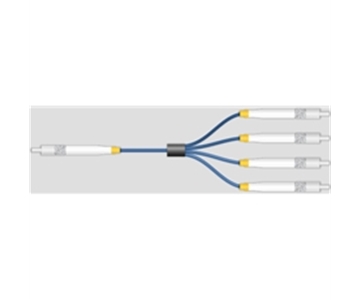
Multi-mode fibers generally feature core diameters exceeding 50 μm, supporting hundreds of simultaneous propagation modes. While once prevalent in legacy telecom cabling, they are now predominantly deployed in short-range, high-bandwidth optical transmission scenarios. Jingyi Photonics’ large-core-diameter multi-mode Y-type fused silica fiber achieves core diameters up to 1000 μm—delivering over three times greater optical signal collection efficiency than conventional telecom multi-mode fibers in applications such as light source coupling and optical temperature sensing. It is equally well-suited for biomedical sensing and laser power delivery, avoiding localized energy loss or thermal damage.
**Fiber Selection Guidelines**
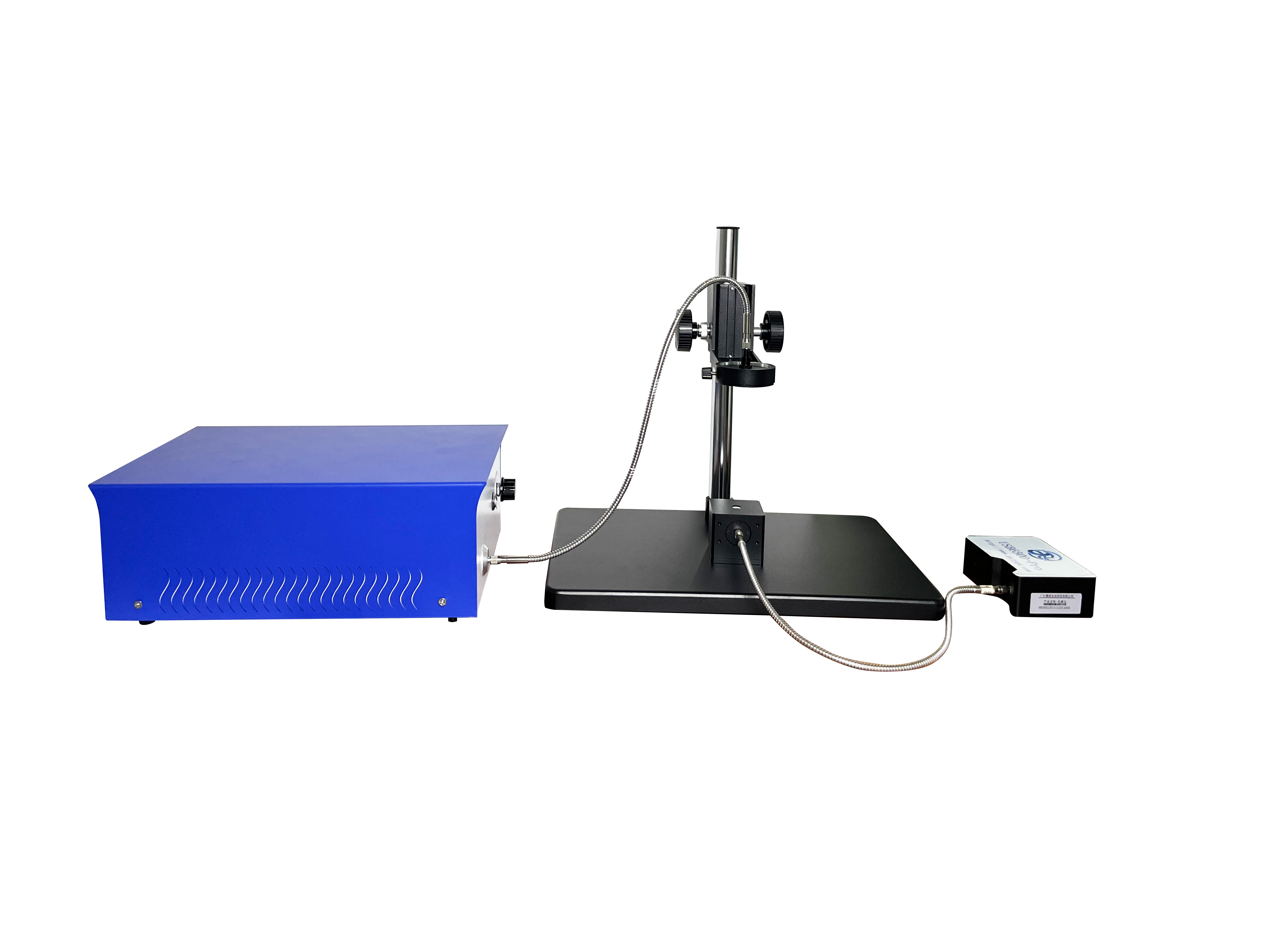
For general users, fiber selection should begin with clear identification of four key parameters: operational wavelength, required transmission power, coupling precision requirements, and environmental conditions. When assembling a spectroscopic measurement system, we strongly recommend selecting fibers, spectrometers, and light sources from the same manufacturer—ensuring superior interoperability and eliminating performance degradation caused by parameter mismatches among heterogeneous components.
#FusedSilicaFiber #SilicaGlassFiber #YTypeFusedSilicaFiber #FCFusedSilicaFiber #UVFiber #UVResistantFusedSilicaFiber