Breaking the Nanoscale Film Thickness Measurement Bottleneck: The Implementation Logic and Industry Value of Jingyi Optoelectronics’ Interferometric Film Thickness Analyzer
In high-precision manufacturing sectors—including semiconductors, displays, and optical thin-film coating—even a 1–2 nm deviation in film thickness can directly cause critical failures: excessive chip linewidths, reduced OLED luminous efficiency, or substandard lens coating transmittance. Conventional contact-based thickness measurement methods not only risk scratching ultra-thin, flexible substrates but also lack the resolution required for nanoscale accuracy. Consequently, non-contact optical interferometry has emerged as a key R&D focus in precision metrology over recent years.
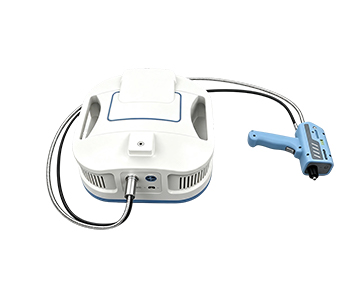
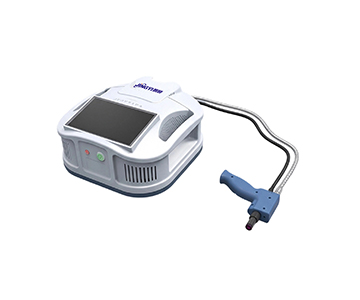
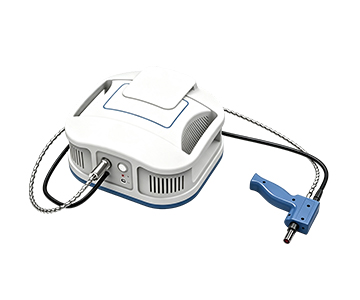
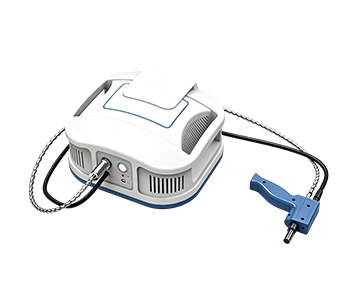
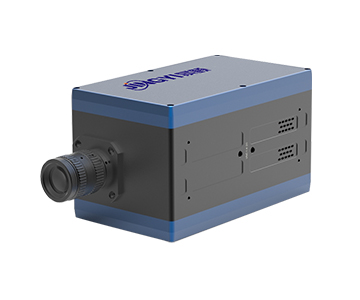
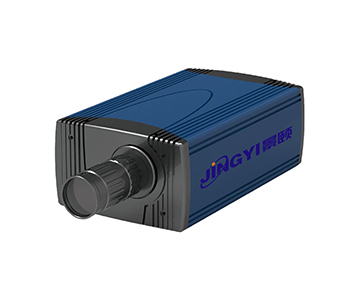
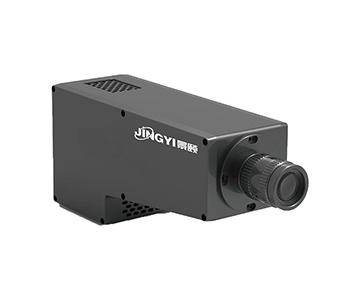
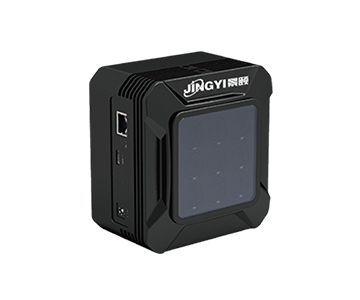
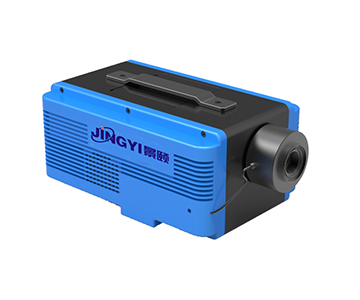
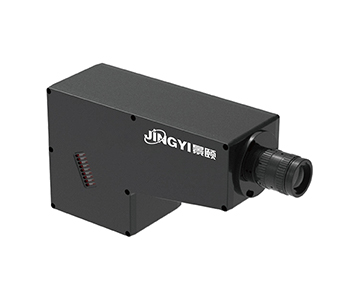
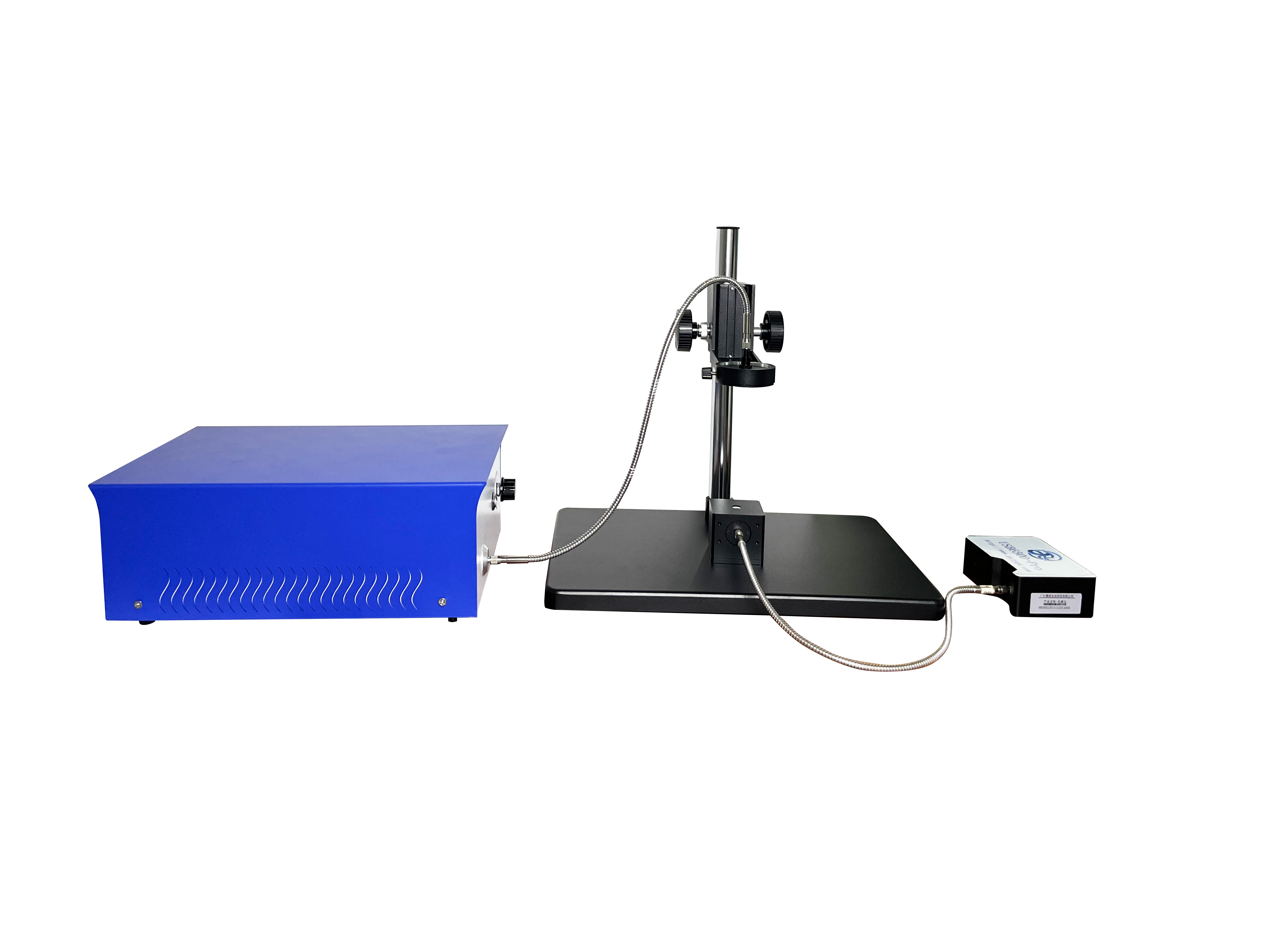
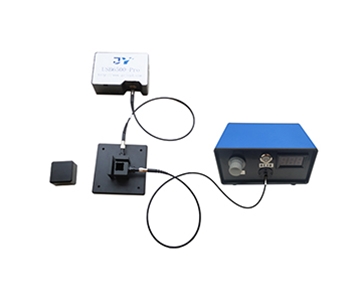
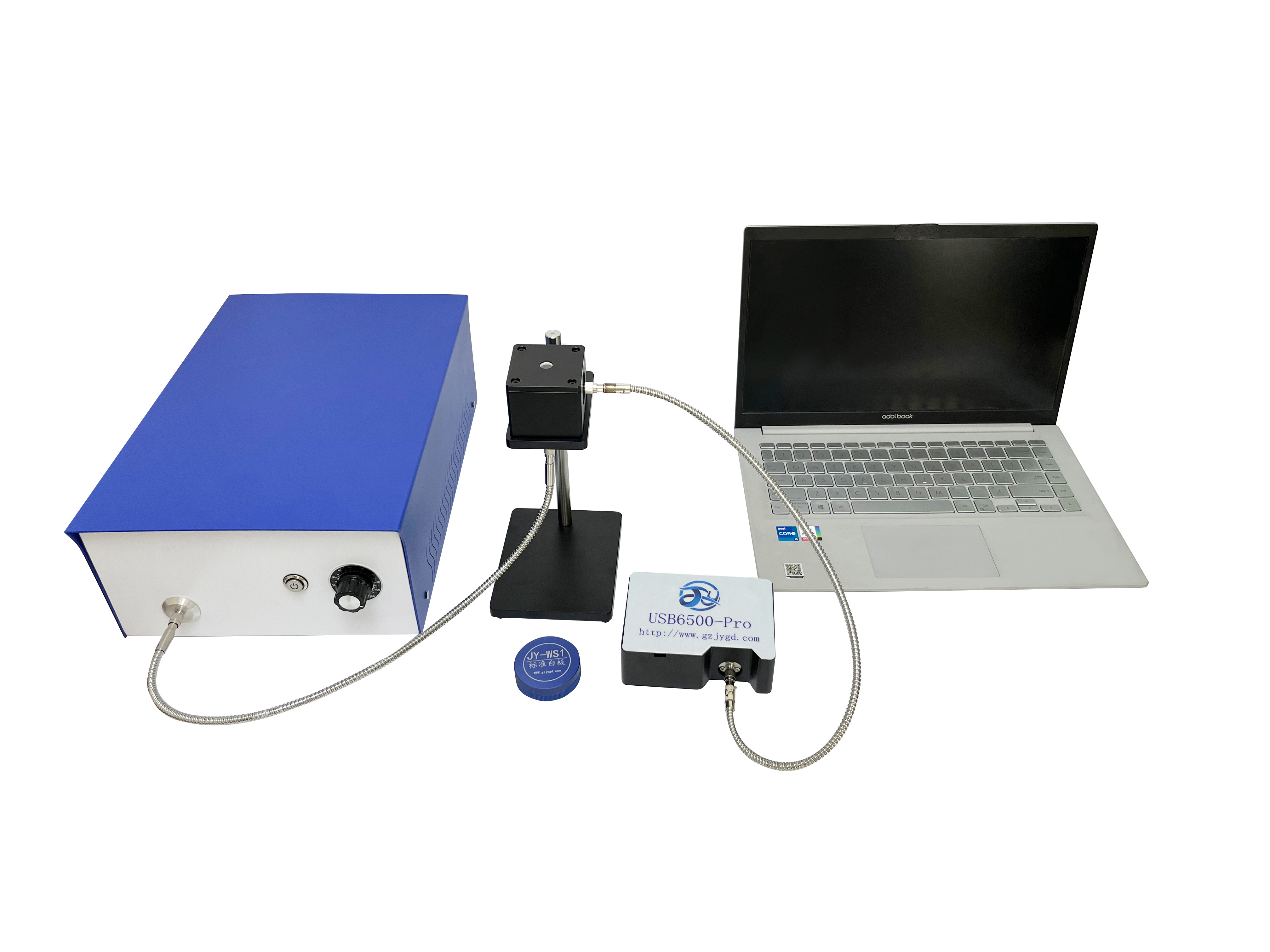
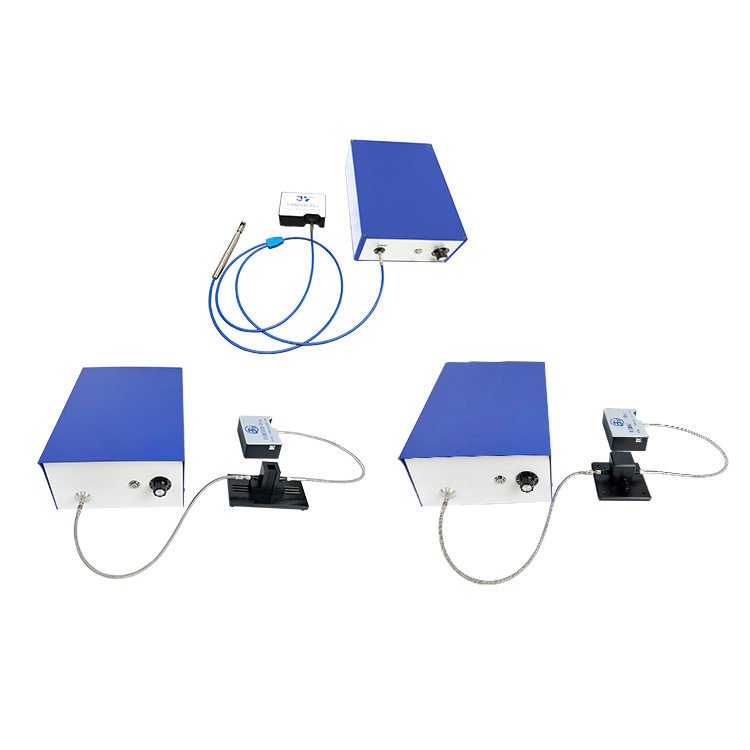
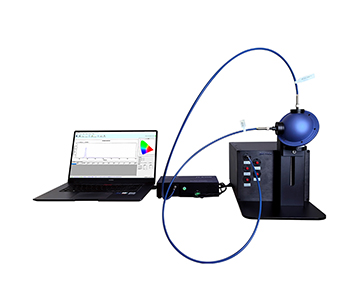
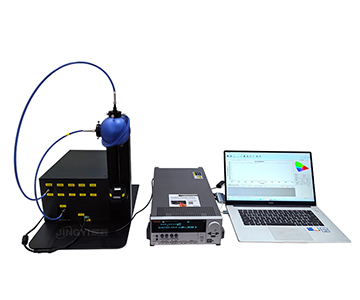
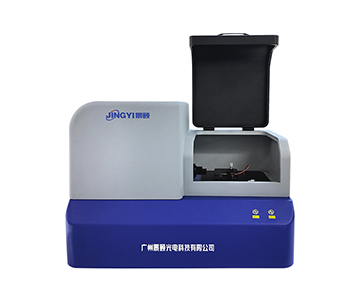
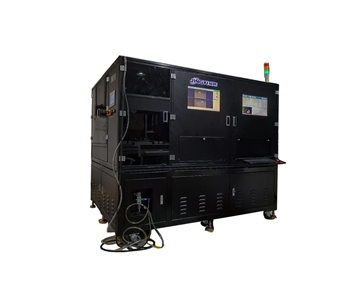
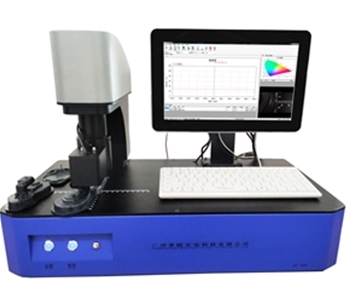
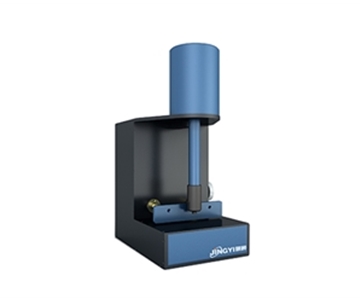
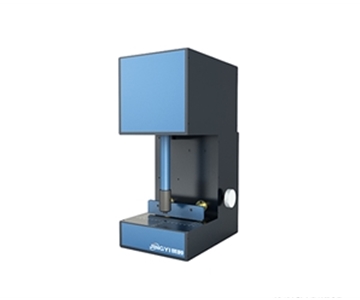
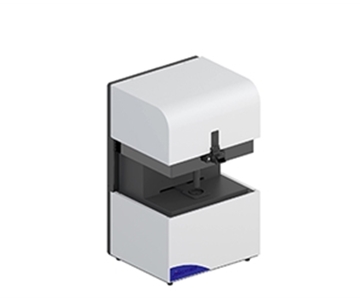
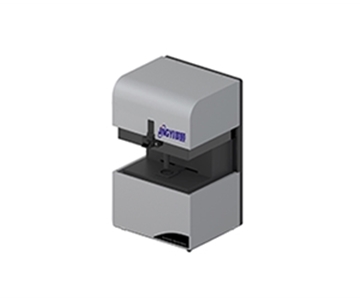
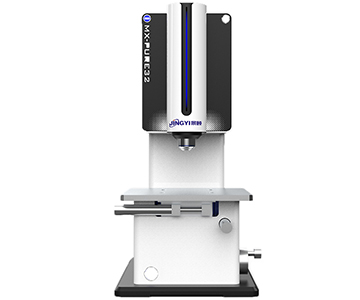
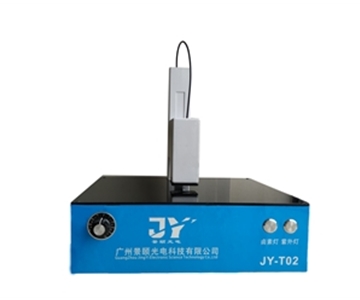
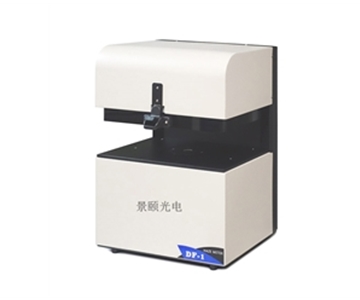
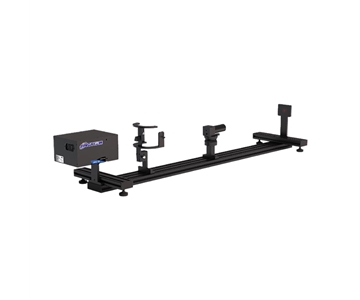
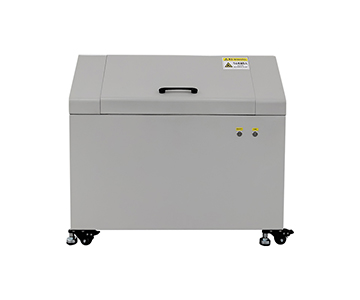
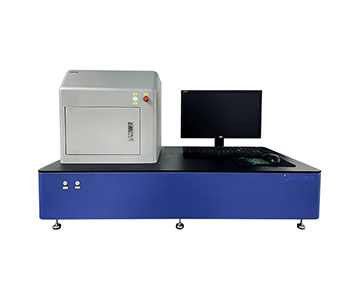
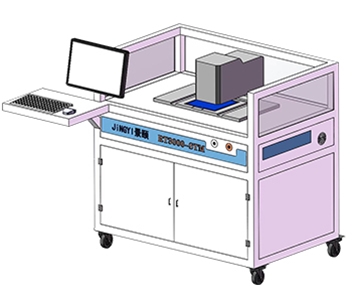
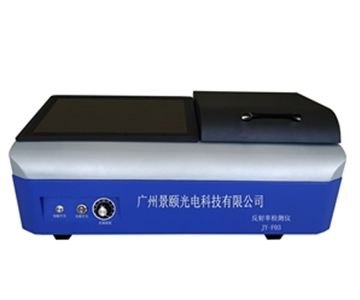
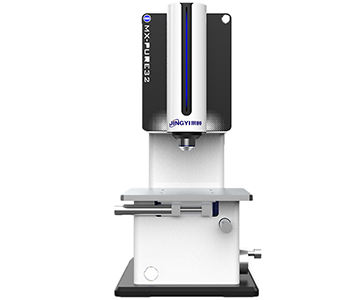
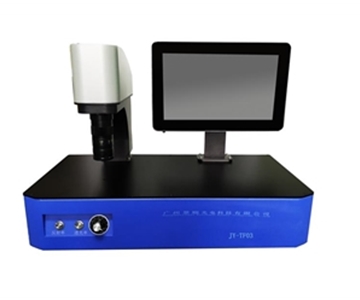
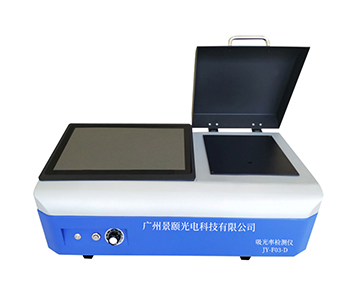
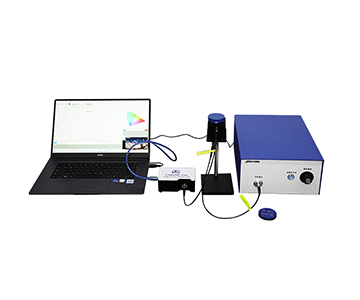
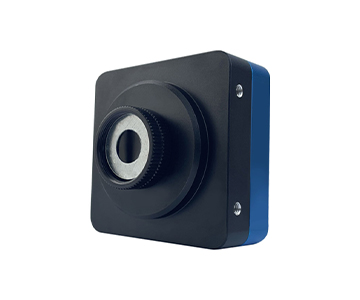
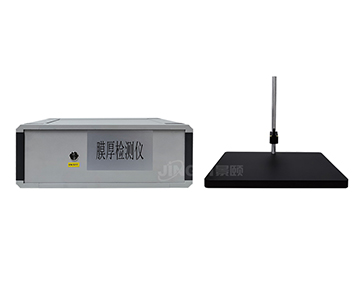
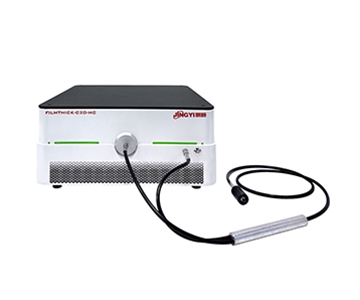
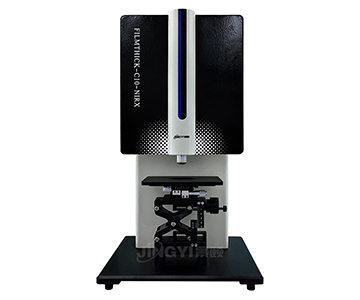
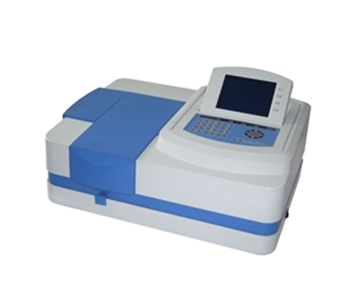
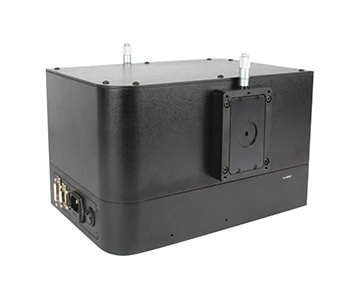
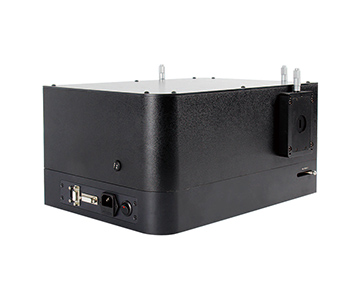
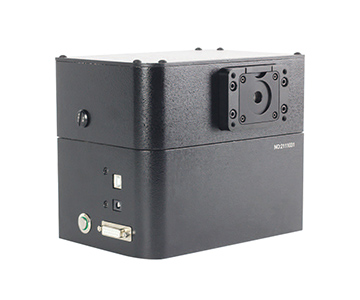
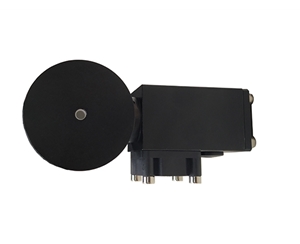
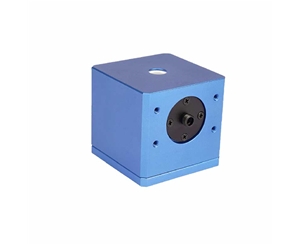
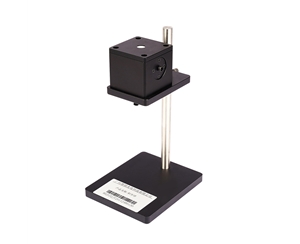
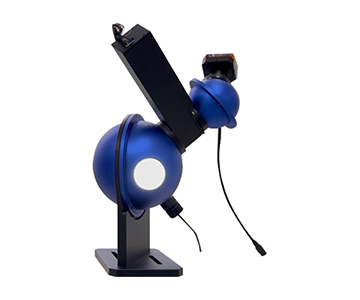
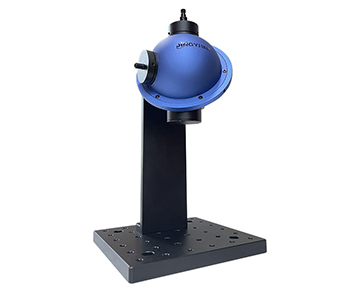
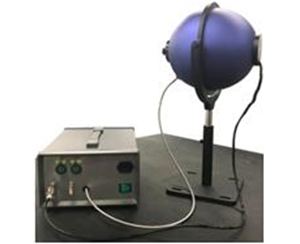
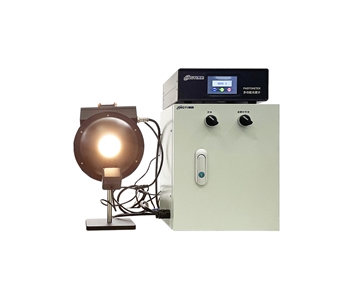
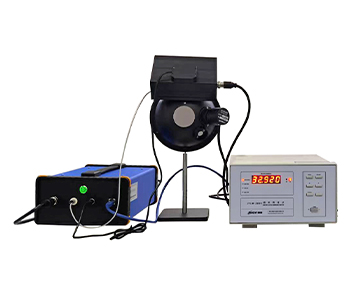
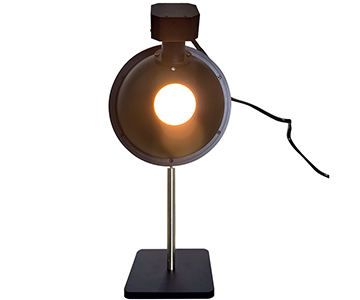
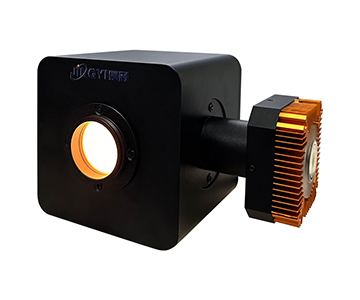
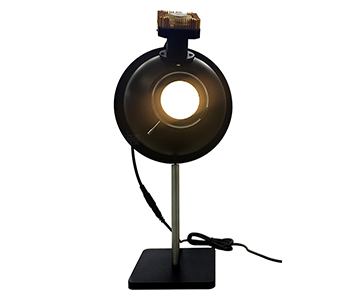
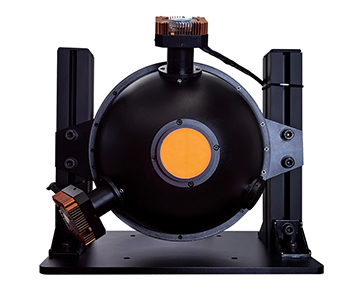
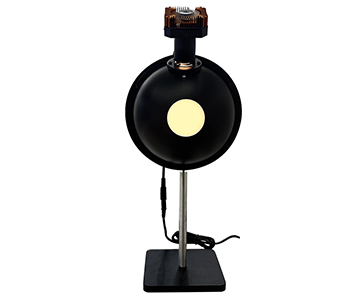
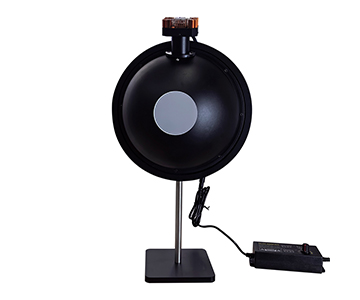
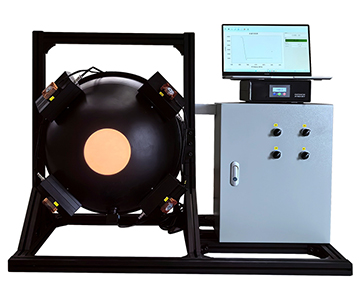
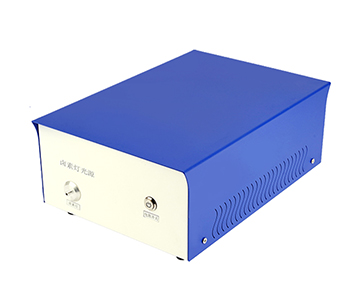
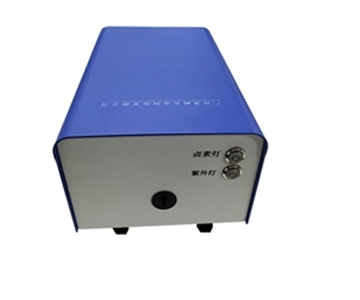
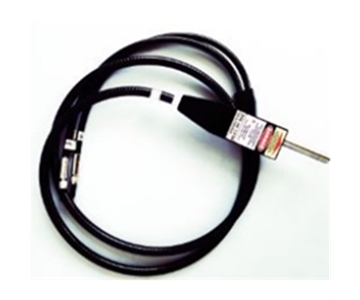
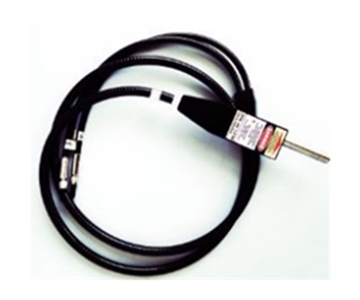
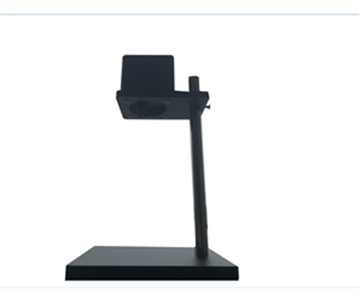
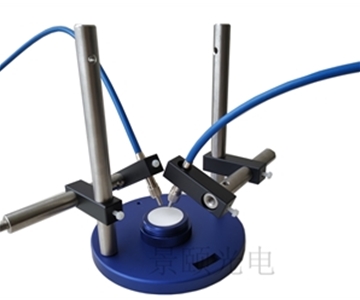
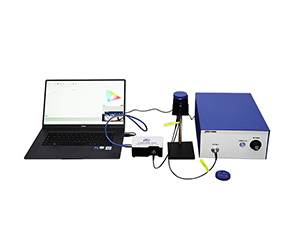
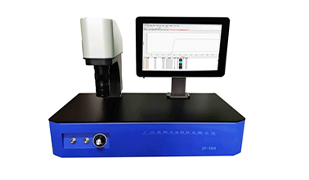
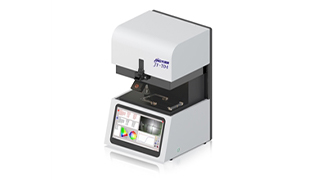
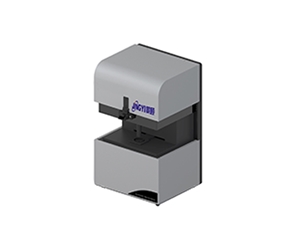
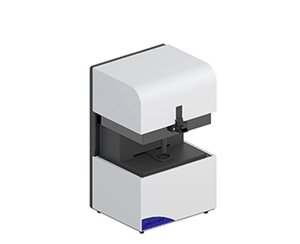
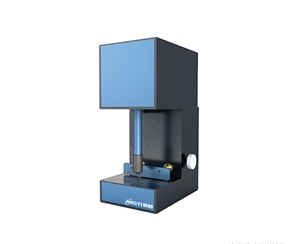
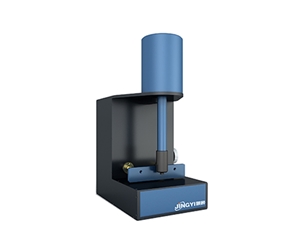
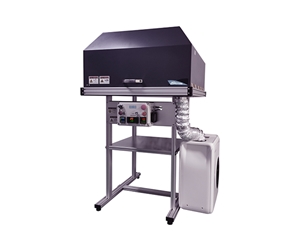
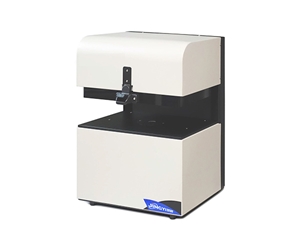
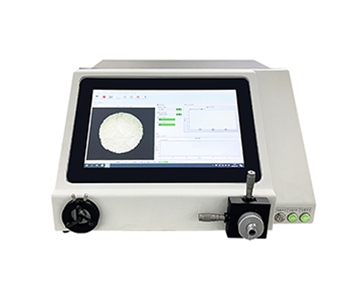
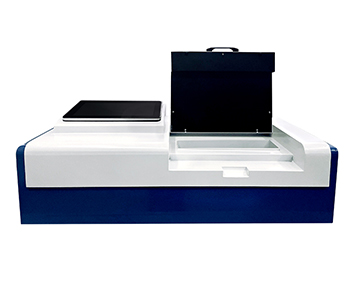
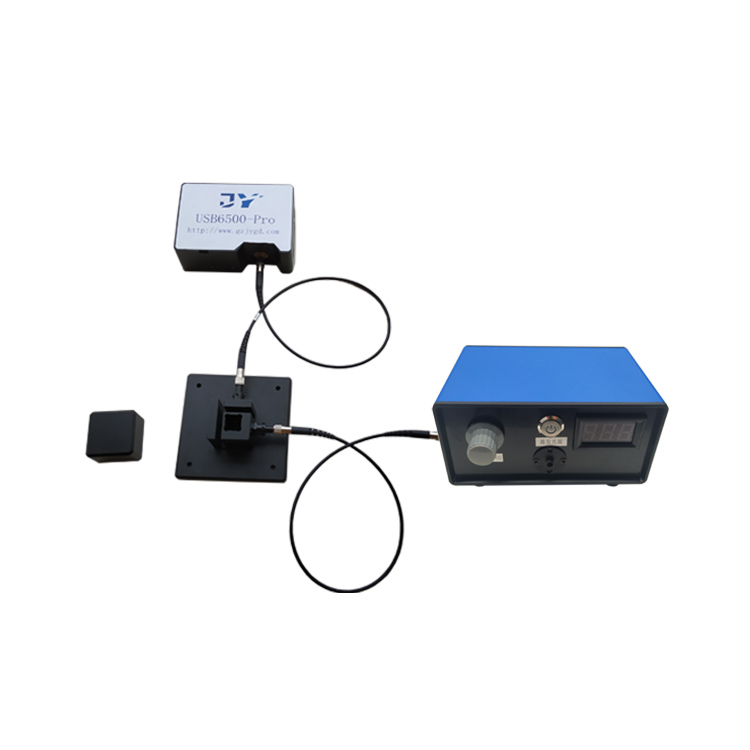
At its core, interferometric thickness measurement relies on broadband light illumination of a thin-film sample: two reflected beams—one from the film’s top surface and another from its substrate interface—interfere due to their optical path difference, generating wavelength-dependent bright-and-dark interference fringes. By precisely analyzing these interference signals, the physical thickness and key optical parameters of the film can be accurately reconstructed. Compared with industry-standard LED-based white-light sources, Jingyi Optoelectronics’ FILMTHICK-C10 film thickness analyzer employs an integrated, imported tungsten-halogen lamp source with a service life exceeding 10,000 hours and broad spectral coverage—ensuring stable, full-bandwidth interference signal acquisition and eliminating measurement drift originating from source instability.
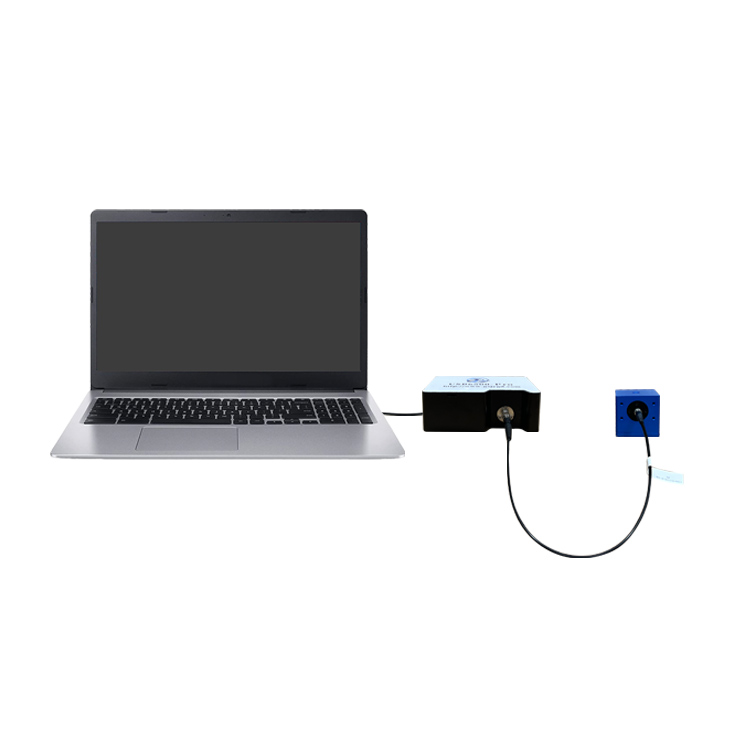
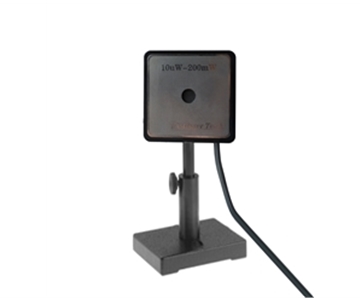
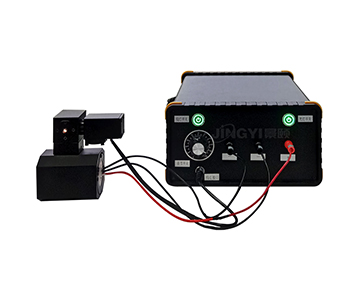
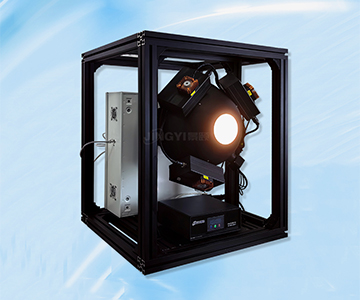
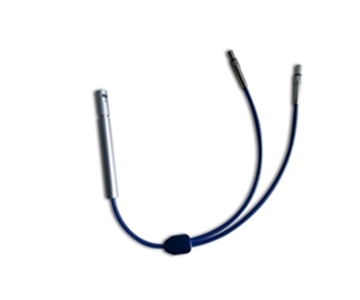
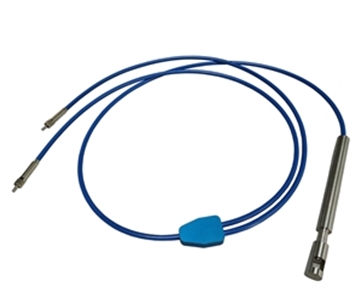
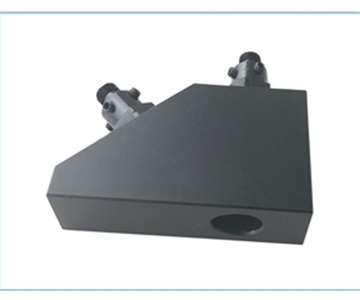
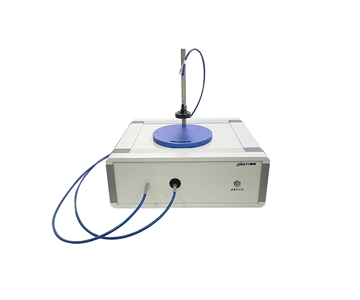
To maximize the value of interference signals, the FILMTHICK-C10 adopts an in-house developed, fully integrated optical path and data processing architecture:
- First, a high-precision beam-splitting module divides the source light into precisely controlled reference and measurement paths, ensuring stable, reproducible phase differences;
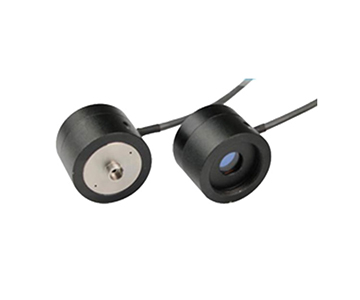
- Second, a high-sensitivity photodiode array detects milliwatt-level weak interference signals—even from ultrathin films just a few nanometers thick—producing clear, high-fidelity interference spectra;
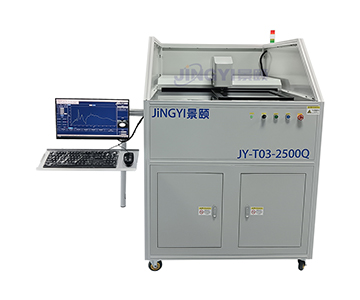
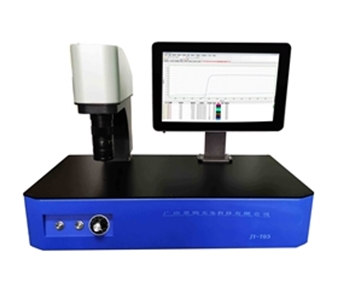
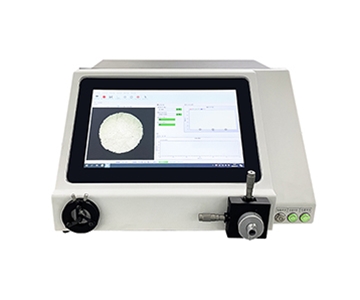
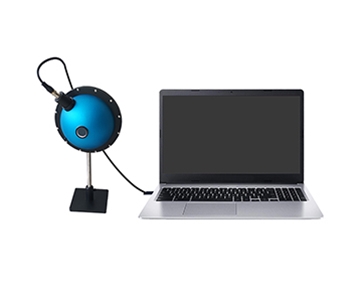
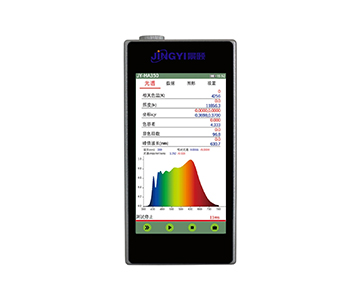
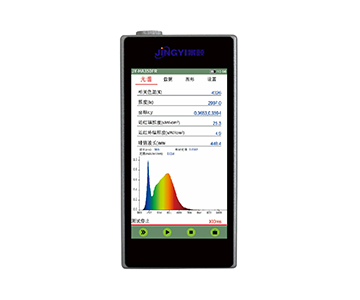
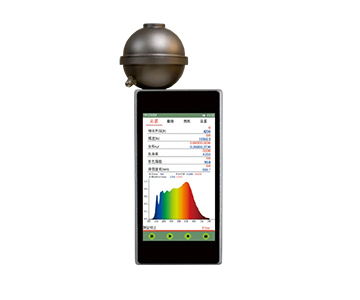
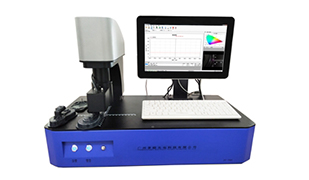
- Third, the proprietary OPTICAFILMTEST optical film thickness measurement software features three built-in algorithms—FFT-based analysis, extremum detection, and curve fitting—and integrates an open-access refractive index database. Users can independently add new material parameters without waiting for vendor updates, enabling immediate measurement of novel samples. During testing, the software displays real-time interference spectra, FFT-transformed wave spectra, and dynamic thickness trend plots—accelerating process optimization for R&D engineers.
In practical deployment, this solution resolves multiple longstanding industry pain points:
- **Fully non-contact, damage-free measurement**: No physical contact occurs during sampling—eliminating scratches or contamination on fragile, easily damaged layers such as 10-nm OLED emissive layers or photoresist films. This makes it ideal for semiconductor fabrication and AR optics, where surface cleanliness is mission-critical;
- **Nanoscale measurement accuracy**: Multi-algorithm fusion calibration achieves a measurement uncertainty of ±0.3% and a resolution of 0.1 nm—fully meeting the demanding requirements of quantum dot films, 2D materials, and other cutting-edge research fields;
- **Simultaneous multi-parameter output**: A single acquisition delivers comprehensive optical data—including film thickness, reflectance, color parameters, refractive index, and extinction coefficient—eliminating the need for multiple instruments and repeated measurements. Measurement throughput improves by over 3× versus conventional approaches.
The FILMTHICK-C10 has already achieved large-scale industrial adoption across multiple sectors:
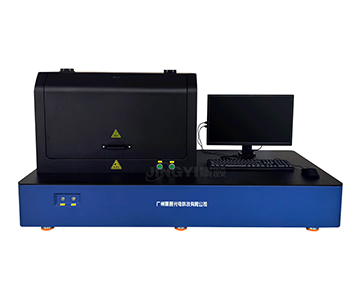
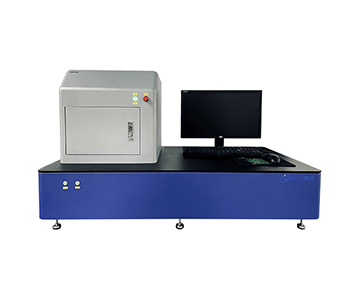
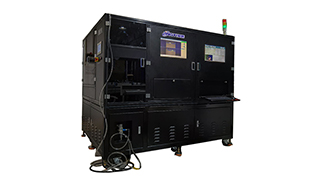
- In semiconductor manufacturing, it performs thickness uniformity mapping on 12-inch wafers post-photoresist spin-coating—delivering up to 10 measurement points per second to support real-time production-line monitoring and boosting photoresist coating yield by 11%;
- In optical coating, it integrates seamlessly into closed-loop deposition control systems, providing real-time feedback on film growth thickness to automatically regulate evaporation source rates—reducing final film thickness variation to within ±0.5% and improving anti-reflection lens transmittance pass rates by 15%;
- In biomedical applications, it measures parylene coating thickness on minimally invasive medical devices, with measurement data directly interfacing with regulatory compliance and traceability systems—ensuring biocompatibility standards are consistently met.
As emerging fields—including 2D materials and flexible electronics—drive demand toward increasingly complex measurement scenarios (e.g., multilayer stacks, ultrathin films, and opaque films), Jingyi Optoelectronics is advancing next-generation intelligent film thickness measurement technologies. Its ongoing R&D includes an AI-powered system integrating computer vision and large-language-model algorithms capable of automatically identifying interfaces in stacks of 10+ layers—with measurement speed improved by over 5× versus current solutions. Concurrently, its pre-research initiative on terahertz-band thickness measurement aims to transcend the limitations of conventional optical methods, enabling high-precision measurement of opaque thick films and low-transmittance materials—providing robust metrology support for both advanced R&D and high-volume manufacturing.
#ThicknessGauge #FilmThicknessAnalyzer #FilmThicknessMeasurer #FilmThicknessMeter #ThicknessMeter #FilmThicknessMeasurementSystem