Probe Acquisition Zone Anti-Stray-Light Rule
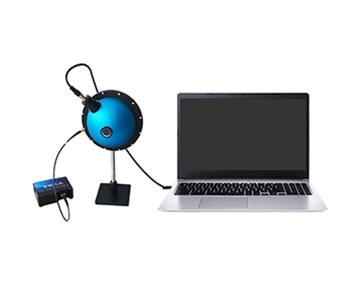
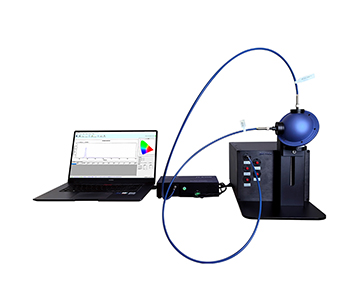
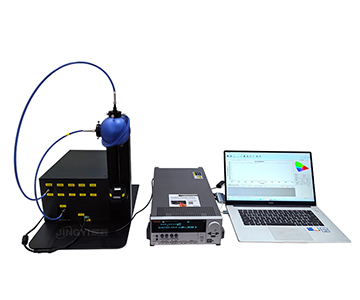
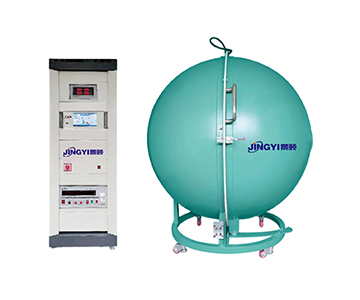
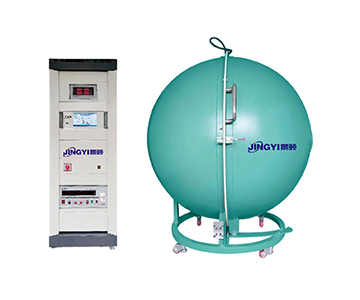
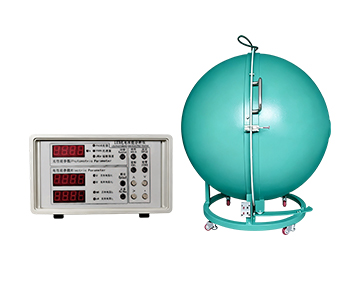
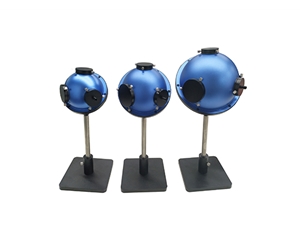
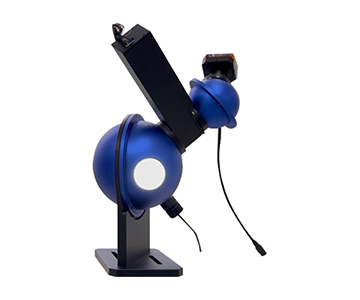
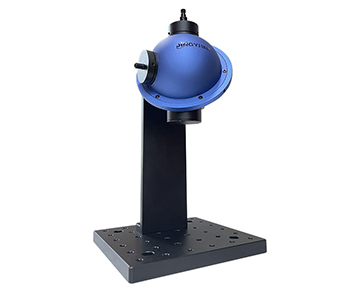
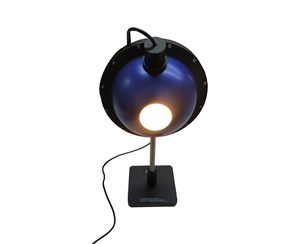
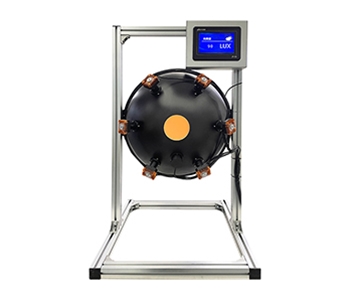
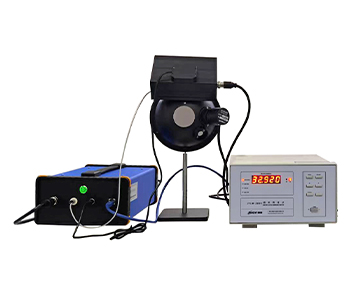
Many professionals in the optoelectronic inspection field encounter a similar issue: high-cost fluorescent integrating spheres yield poor data reproducibility and measurement deviations far exceeding specified tolerances. Upon investigation, the root cause is rarely the device itself—but rather improper internal component installation that violates the fundamental principles of optical diffuse reflection. Through extensive technical support for users of the JY-JFIOS200 series fluorescent integrating spheres, Jingyi Optoelectronics’ service team has developed a practical, field-proven set of component installation guidelines. Adhering to these rules enables system measurement error control within ±0.5%, thereby fully unlocking the instrument’s detection performance.
**Probe Acquisition Zone Anti-Stray-Light Rule**
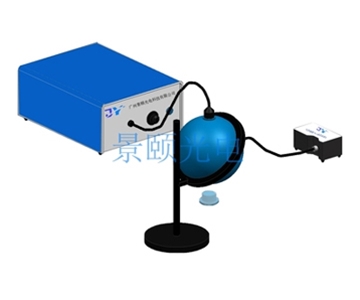
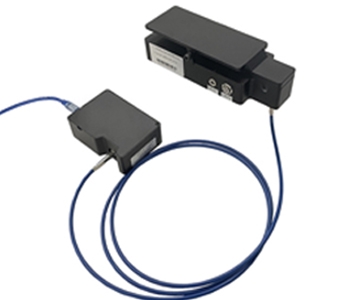
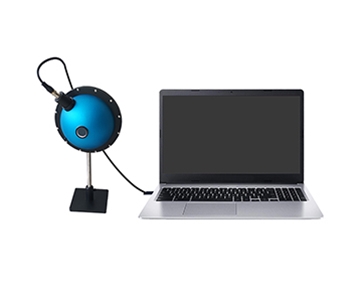
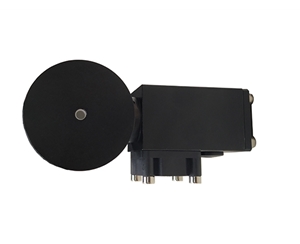
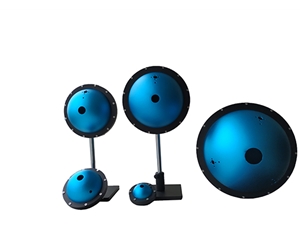
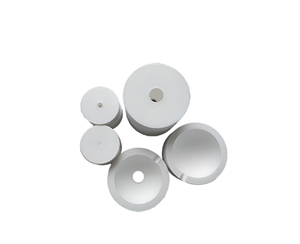
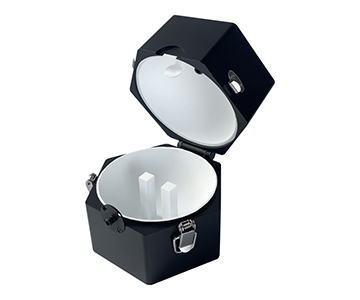
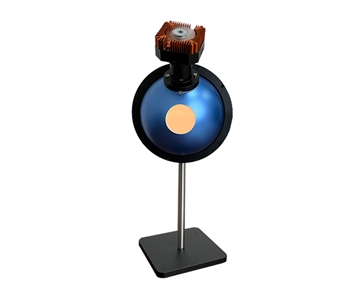
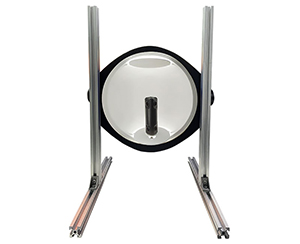
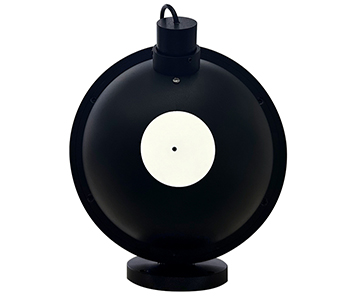
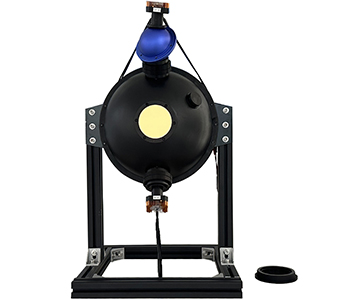
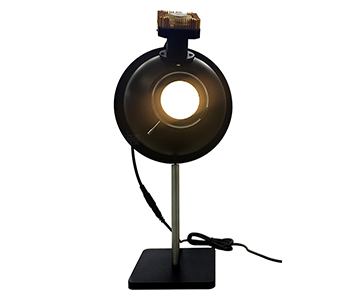
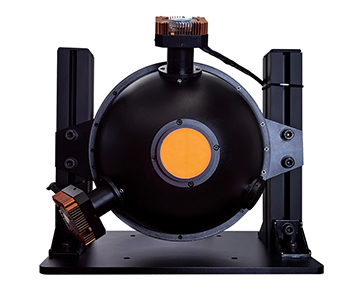
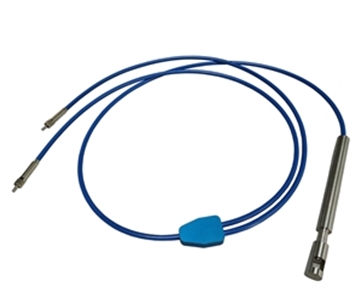
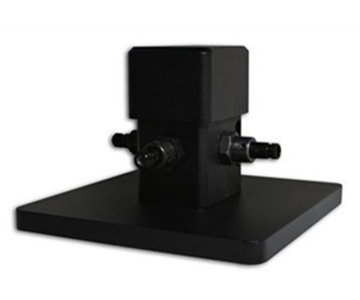
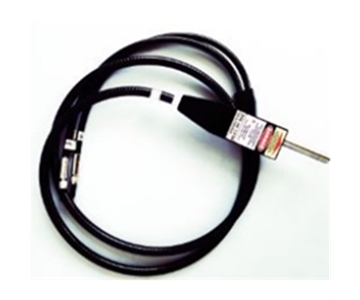
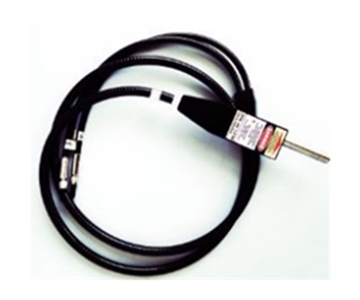
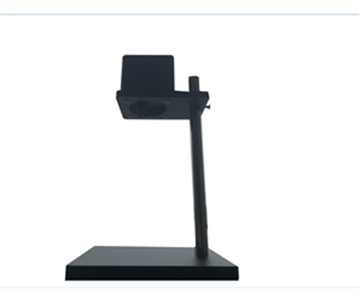
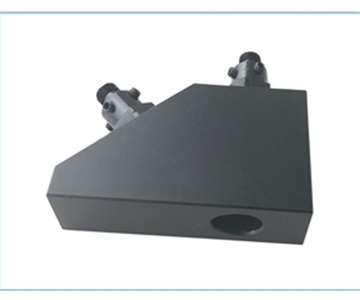
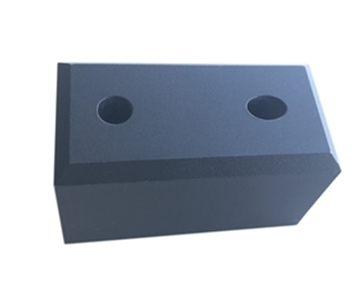
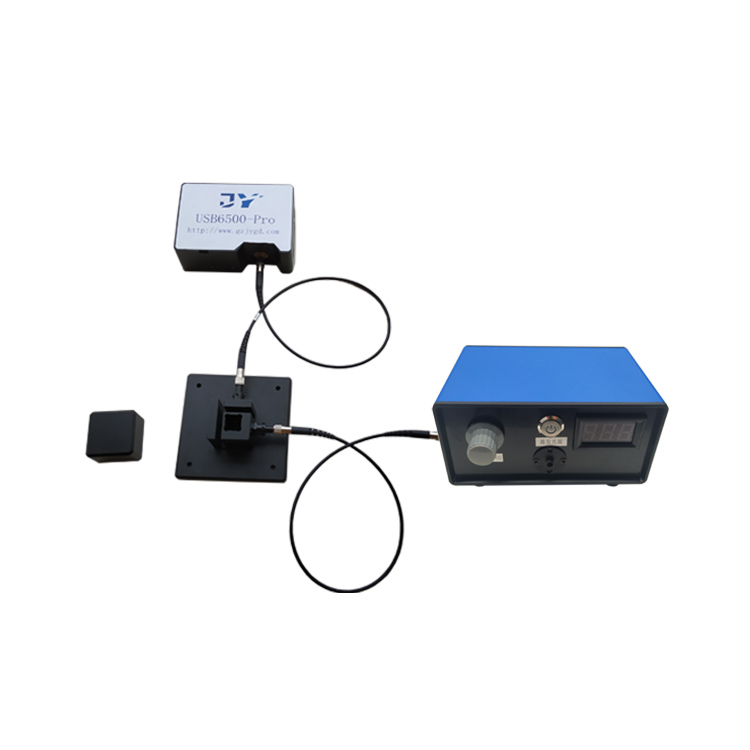
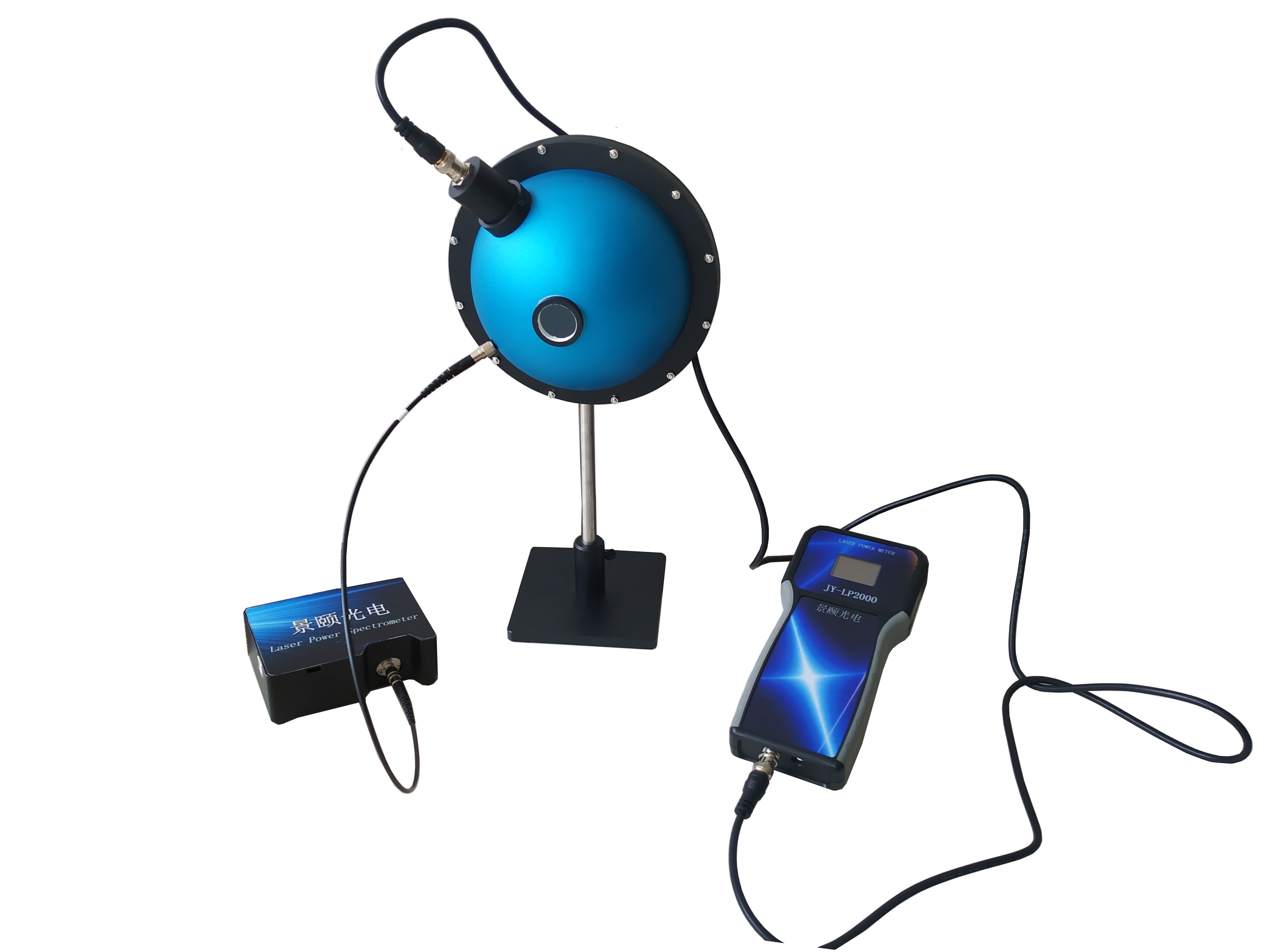
The core operational principle of a fluorescent integrating sphere is to achieve complete spatial homogenization of incident light through multiple diffuse reflections off its highly reflective inner coating. Signals collected by all optical probes must originate from light that has undergone *at least three* diffuse reflections—only then do they accurately represent the average illuminance level across the entire sphere cavity. If auxiliary lamps, reference lamps, or test sources emit light that strikes the fiber-optic probe directly, the homogenization process is effectively bypassed, resulting in localized, non-diffused irradiance readings with potential deviations up to 30%. During on-site installation guidance for JY-JFIOS200 users, Jingyi Optoelectronics provides a custom-designed 50-mm aperture baffle. Its curvature and mounting distance have been rigorously validated via professional optical simulation—ensuring full blockage of all direct-light paths without compromising intra-cavity light-field uniformity. As a result, illuminance measured at the probe deviates by no more than ±2% from values elsewhere in the sphere.
**Temperature-Sensor Module Light-Shielding Rule**
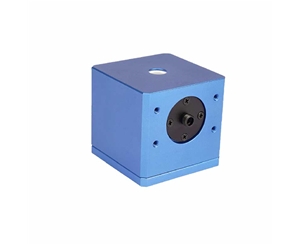
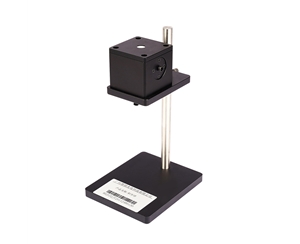
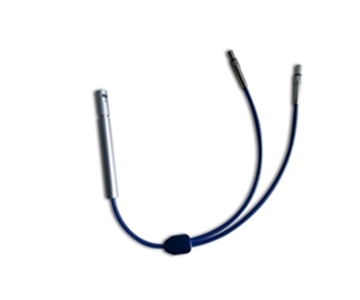
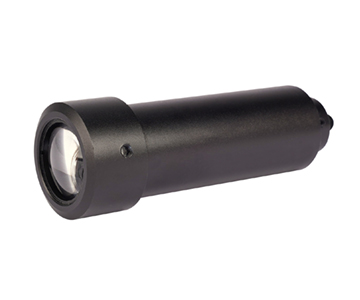
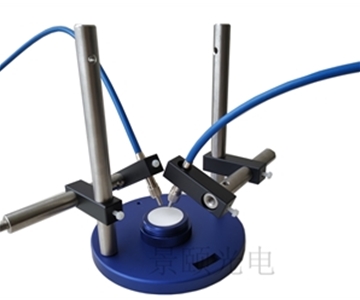
Internal temperature calibration forms the foundation of the entire measurement chain—particularly critical for high-power light sources like the JY-JFIOS200, which incorporates a 100-W halogen lamp generating significant thermal radiation during operation. Direct illumination of the temperature sensor induces erroneous readings: due to the sensor’s inherent photosensitivity, measured temperature may exceed actual cavity temperature by 1.5–3°C, leading directly to miscalibrated spectral responsivity parameters. Jingyi’s technical team recommends either selecting a temperature probe equipped with a built-in light-shielding housing—or installing a compact light-blocking shield (≤3 cm in size) in front of the probe. This solution maintains unobstructed airflow for accurate thermal sensing while fully eliminating stray-light interference.
**Auxiliary Optical Path Stray-Light-Free Rule**
The auxiliary lamp’s primary function is to calibrate the sphere’s absorption coefficient. If auxiliary light strikes the surface of the reference lamp or test source directly, that light is absorbed immediately by the lamp housing—bypassing the full diffuse-reflection cycle entirely. Such an effect introduces over 10% error into the calculated absorption compensation coefficient, ultimately distorting photometric quantities (e.g., luminous flux) and spectral parameters. During the design phase of the JY-JFIOS200 sphere cavity, Jingyi Optoelectronics deliberately reserved a dedicated mounting position for the auxiliary lamp—spatially arranged such that the natural curvature of the inner sphere wall serves as an intrinsic light shield between it and both the reference and test lamp positions, thus eliminating auxiliary-light stray illumination at the source.
**Co-Located Calibration & Measurement Position Rule**
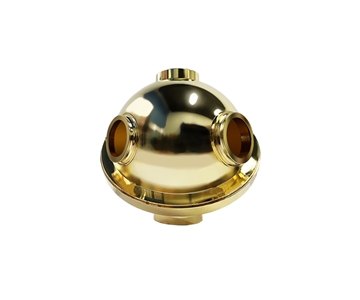
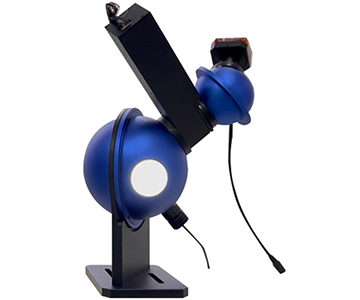
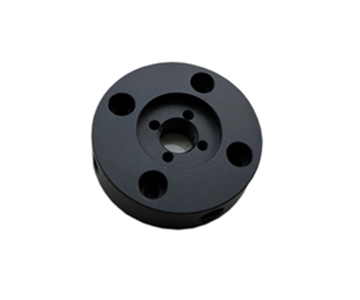
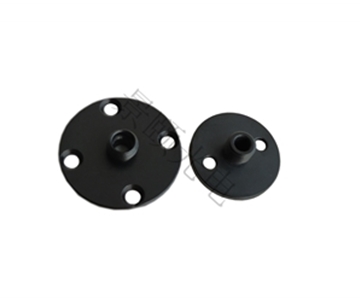
Even high-performance fluorescent integrating spheres like the JY-JFIOS200—boasting >98% spatial uniformity—exhibit minor local illuminance variations across their interior. These small gradients can accumulate into measurable systematic errors in high-precision applications. Therefore, the calibration position of the reference lamp and the measurement position of the test source should ideally be *identical*. This exact spatial overlap directly cancels positional discrepancies and their associated systematic bias. Where physical constraints prevent perfect co-location—for instance, due to structural differences between 4π and 2π reference lamps—the center-to-center distance between the two mounting positions must remain ≤2 cm. Furthermore, corresponding baffles must be identically positioned to ensure identical light-path shielding conditions at both locations. The JY-JFIOS200 series also supports customizable flange-mount structures: users may specify shared mounting fixtures tailored to their standard and test lamp types—enabling true co-location of calibration and measurement without repeated repositioning.
Many current integrating sphere users focus solely on the instrument’s nominal specifications, overlooking the critical importance of fine-tuning during installation and commissioning. Beyond delivering fluorescent integrating spheres renowned for exceptional uniformity and broad compatibility, Jingyi Optoelectronics provides comprehensive on-site installation and calibration support—helping users realize optimal measurement accuracy across the full spectrum of applications, from consumer electronics optical calibration to research-grade spectral analysis.
#FluorescentIntegratingSphere #UniformLightSourceIntegratingSphere #StandardIntegratingSphere #DiffuseReflectingIntegratingSphere #UniversalIntegratingSphere #IntegratingSphereUniformLightSource