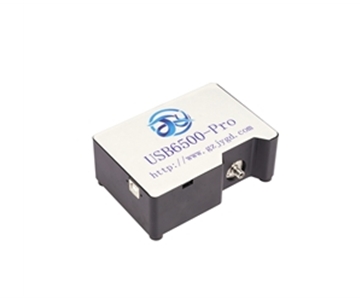
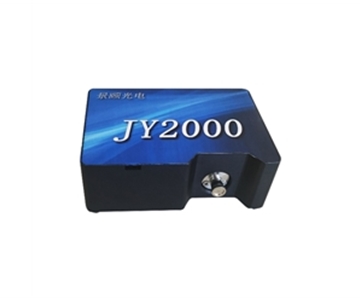
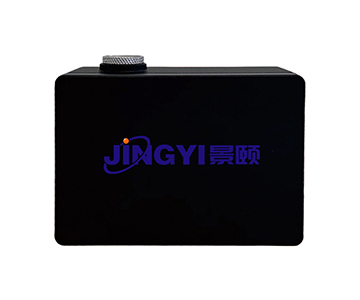
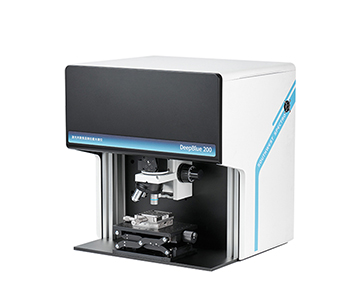
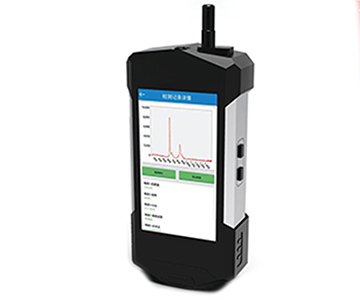
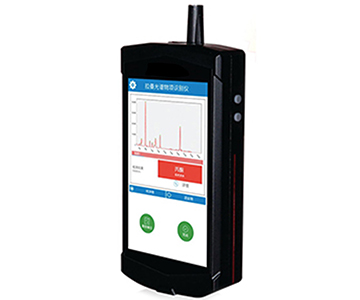
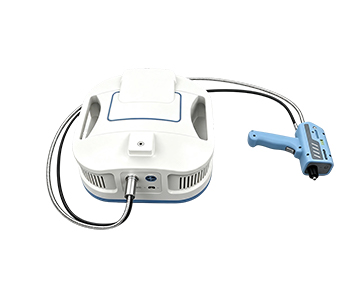
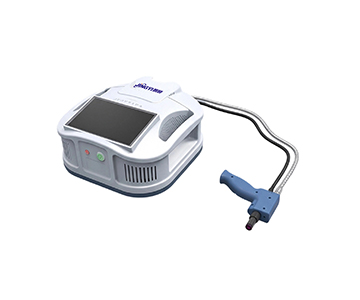
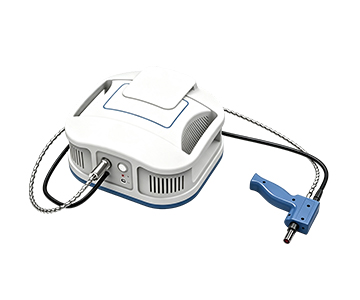
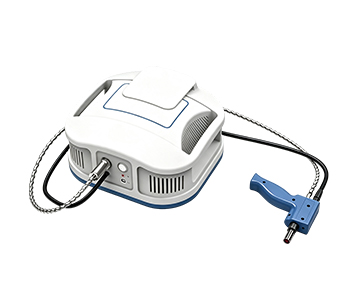
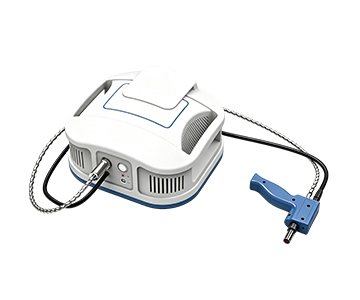
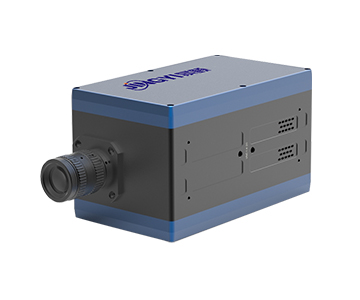
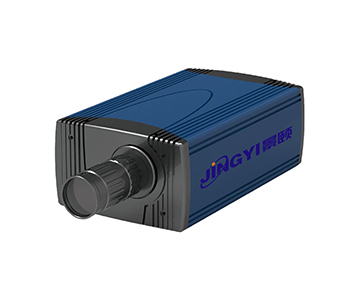
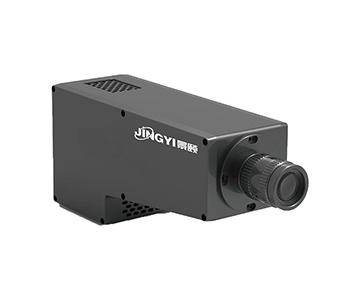
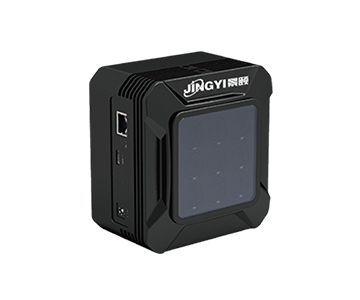
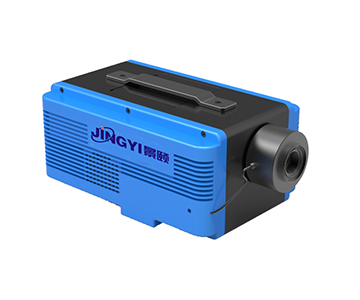
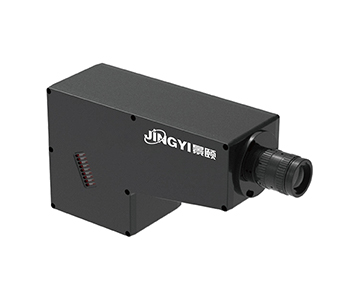
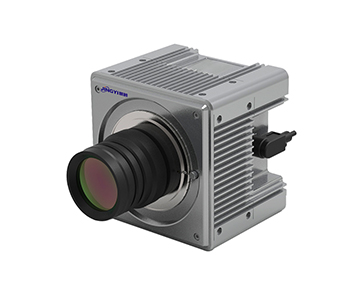
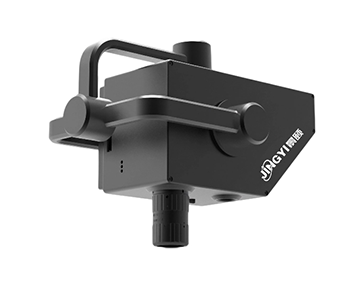
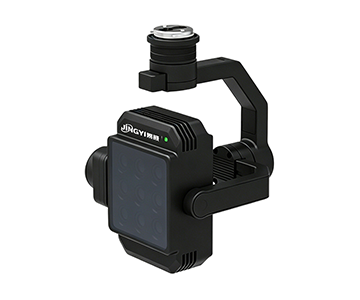
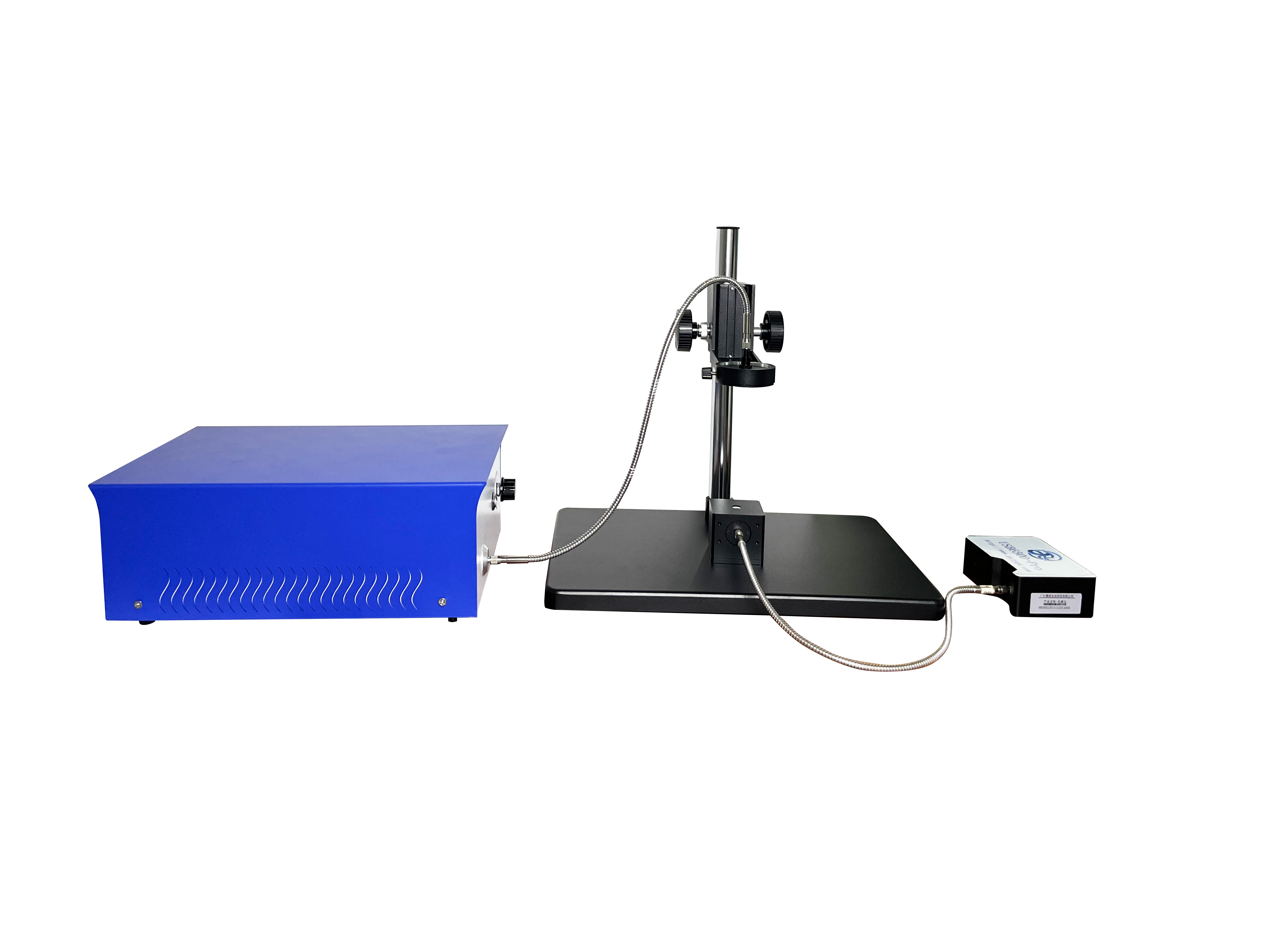
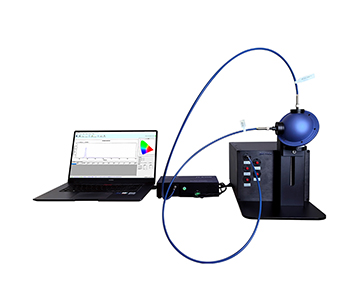
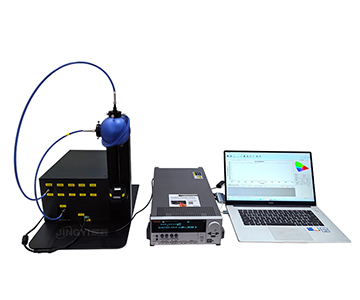
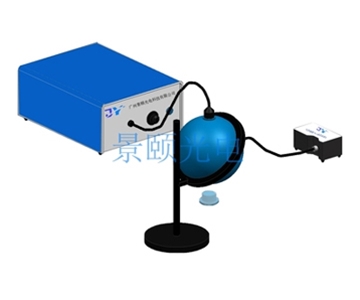
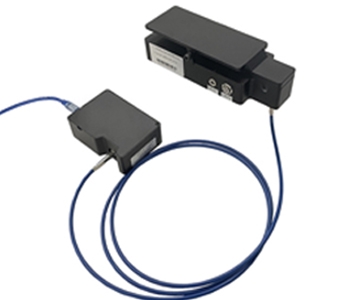
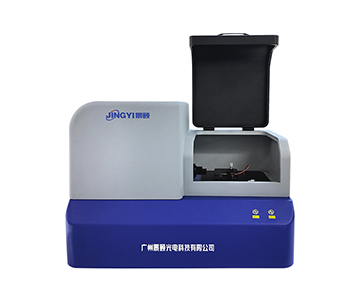
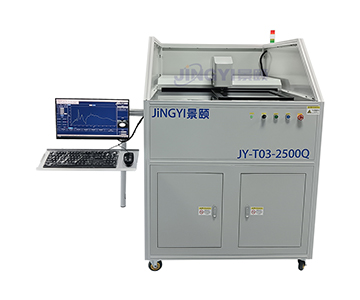
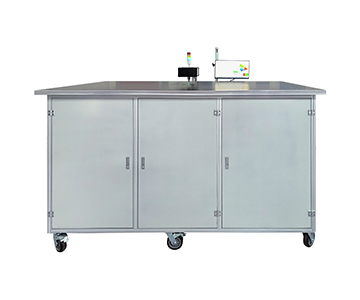
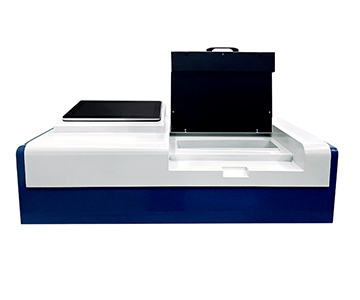
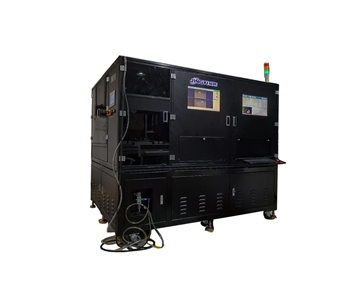
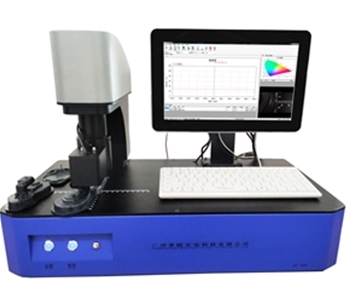
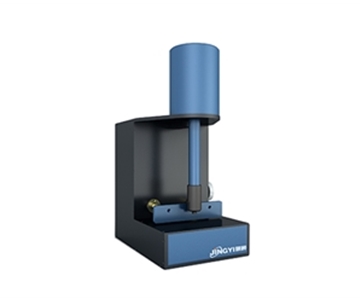
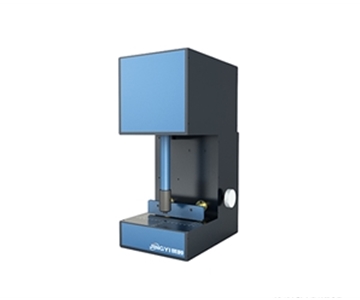
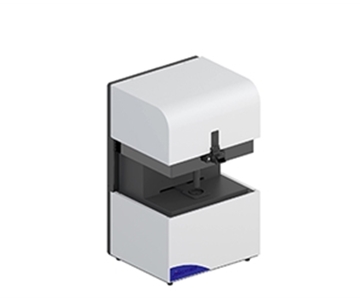
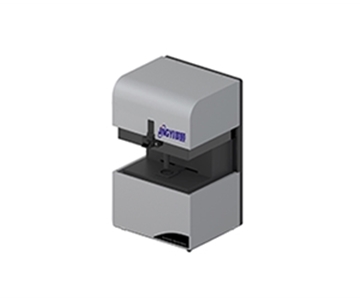
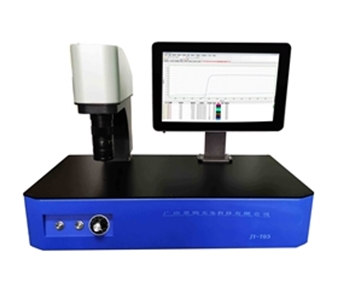
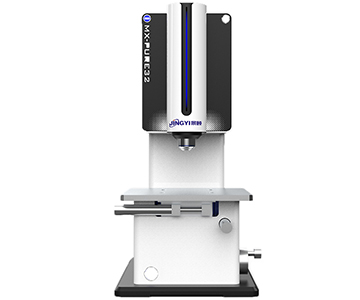
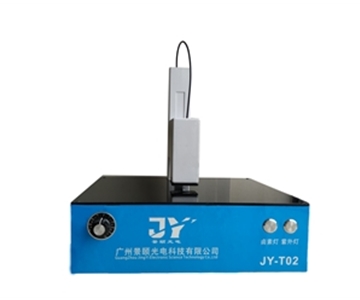
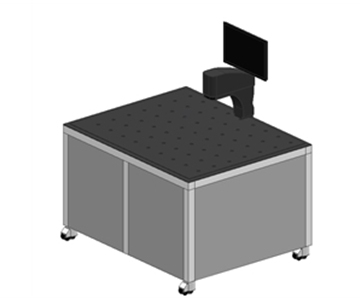
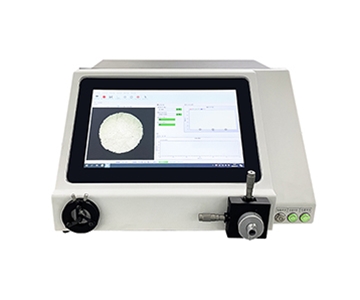
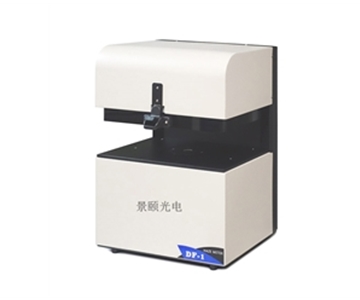
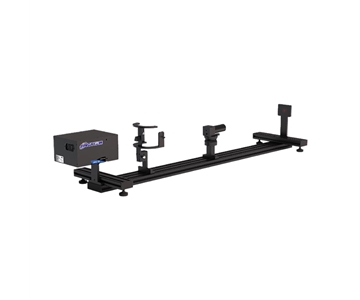
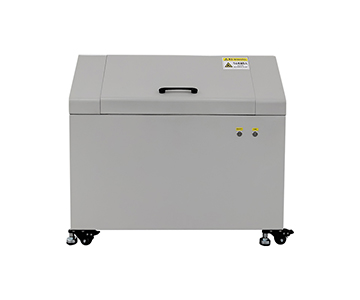
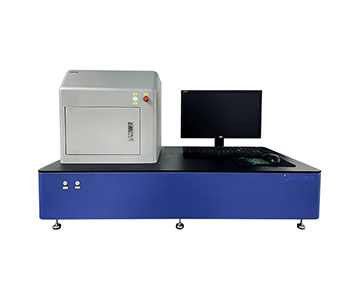
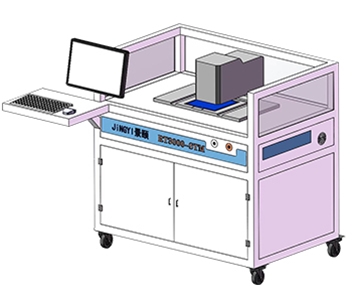
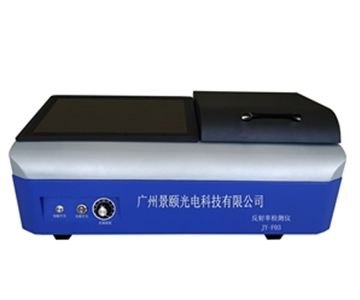
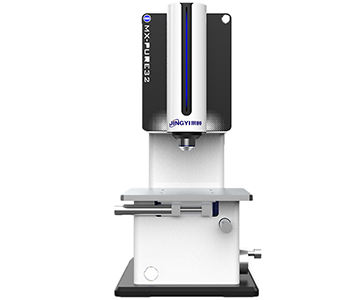
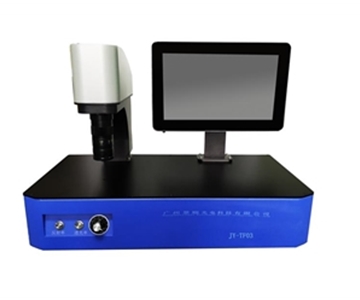
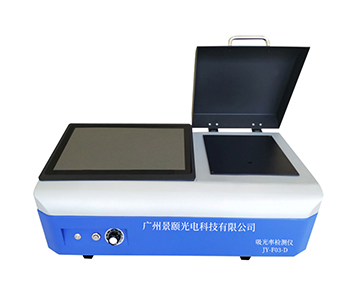
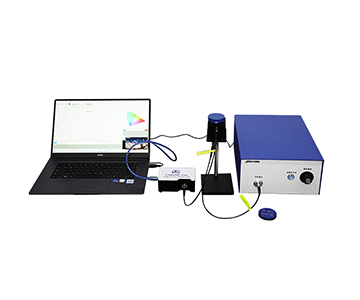
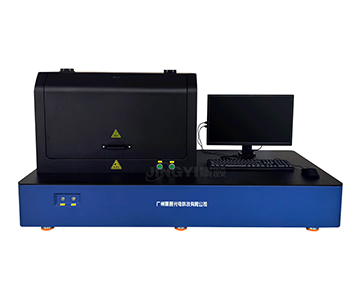
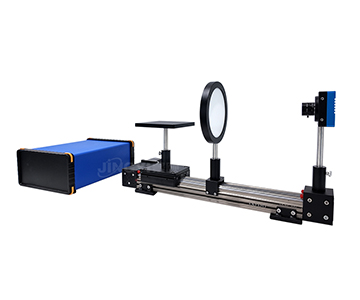
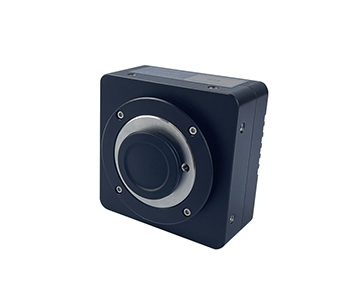
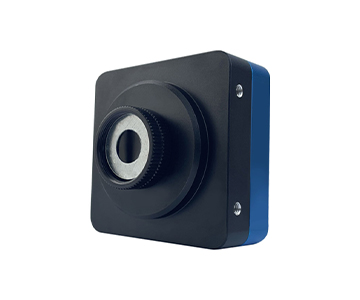
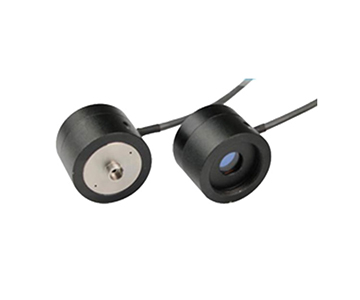
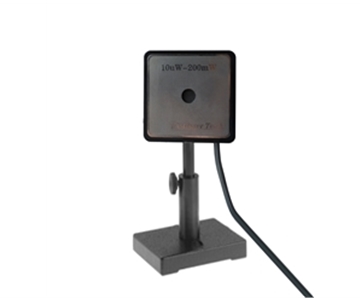
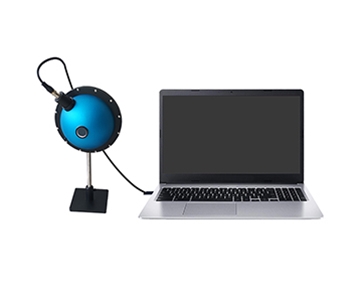
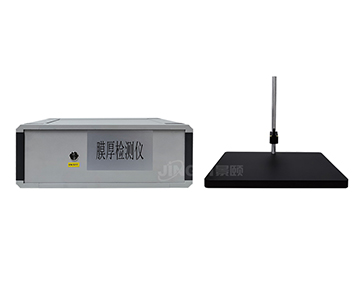
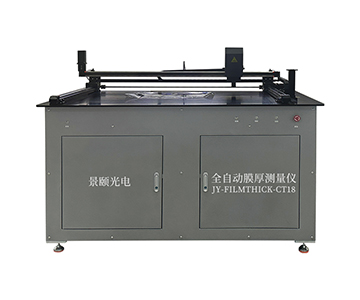
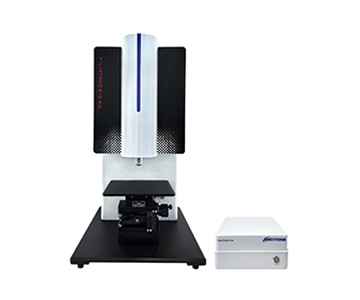
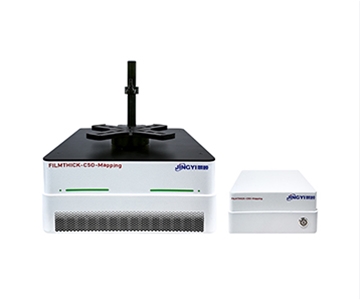
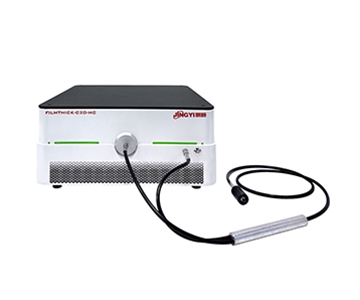
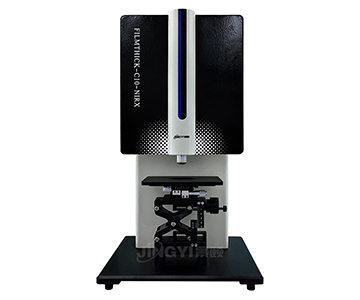
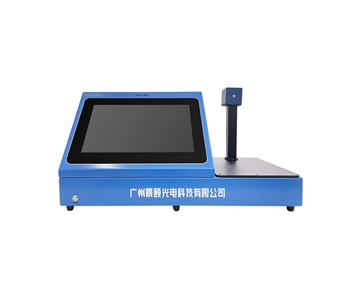
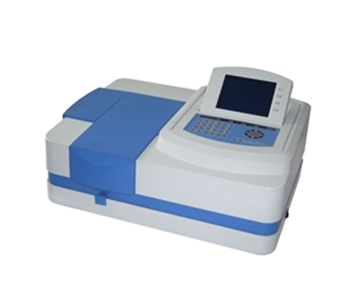
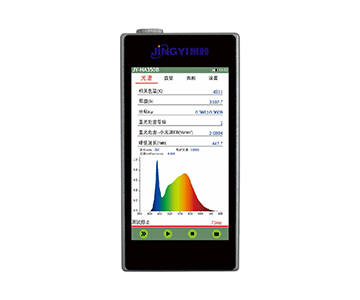
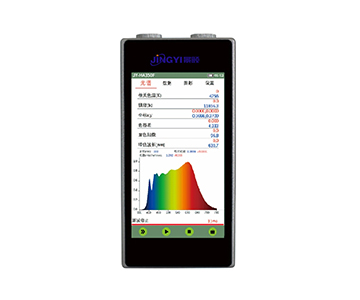
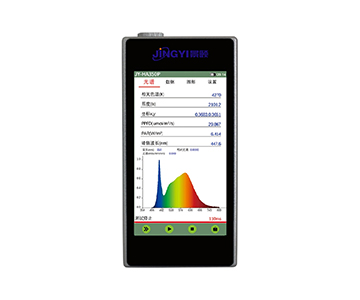
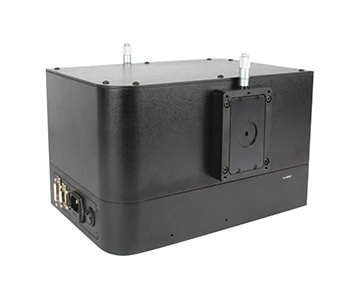
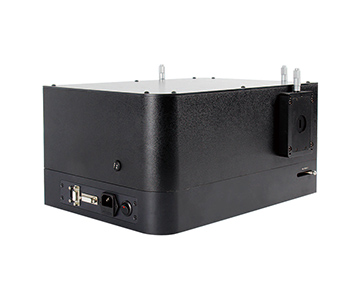
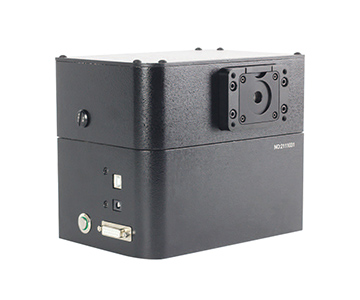
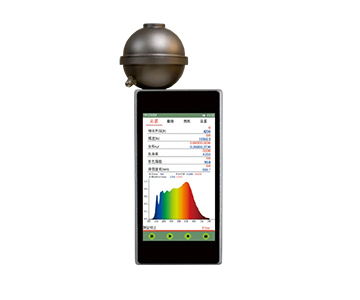
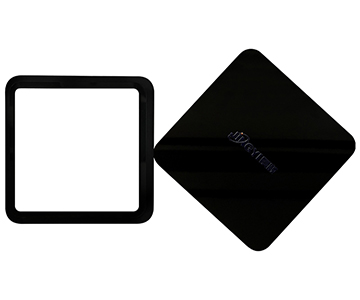
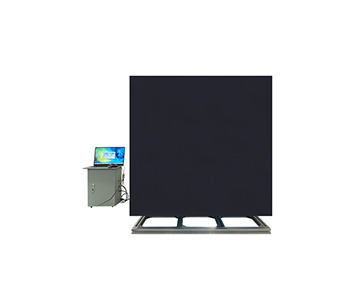
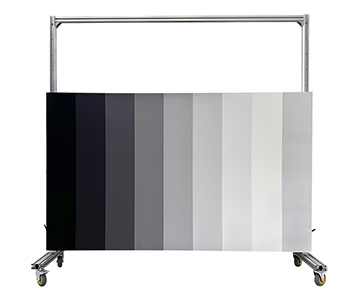
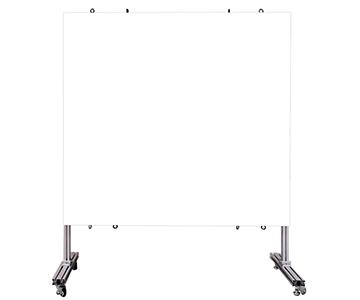
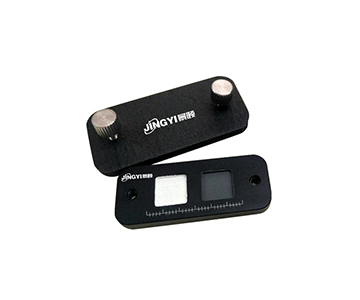
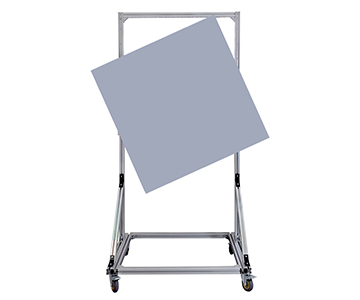
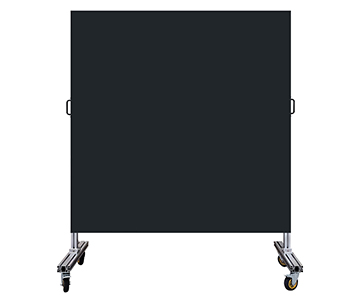
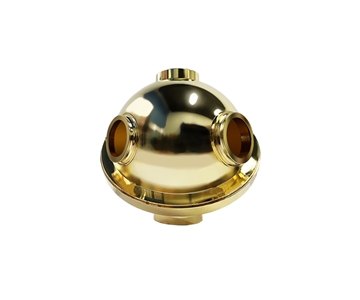
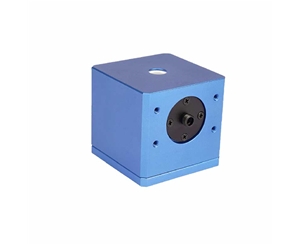
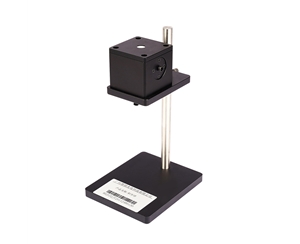
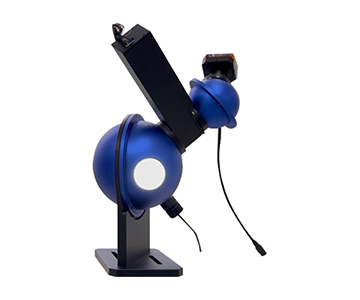
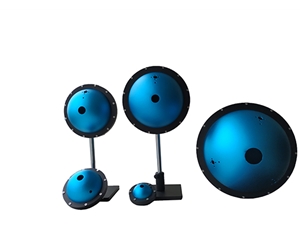
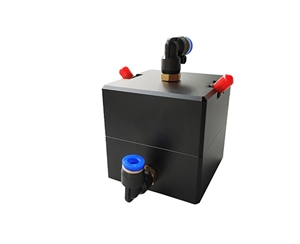
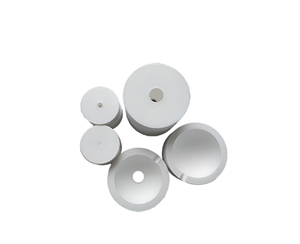
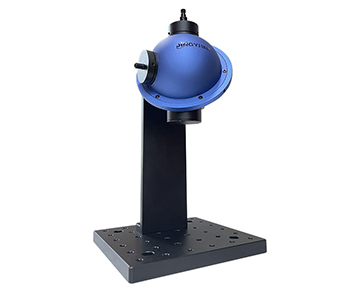
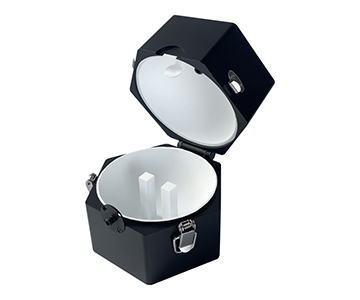
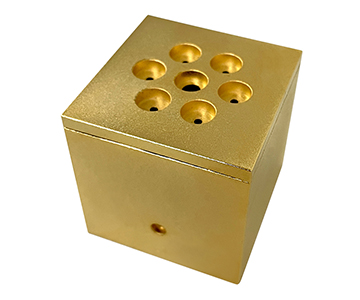
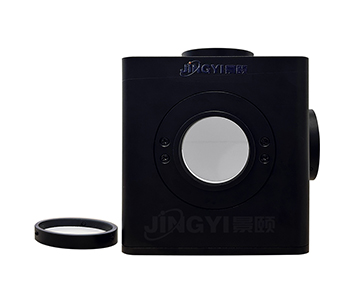
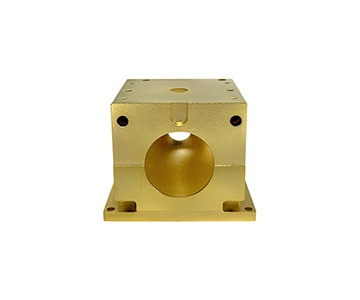
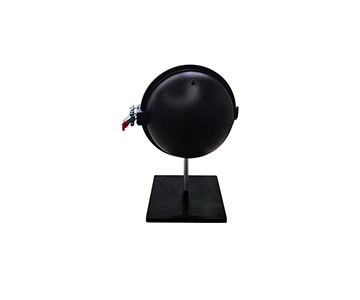
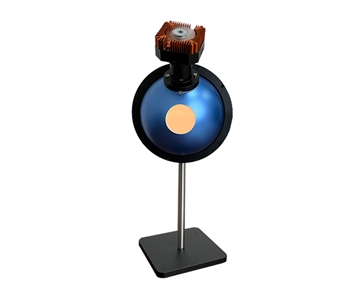
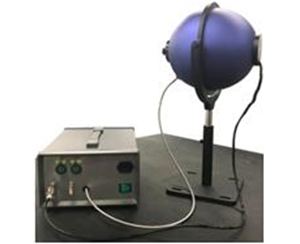
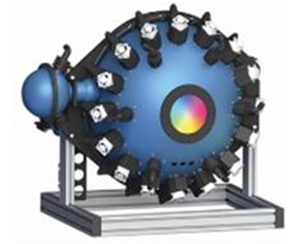
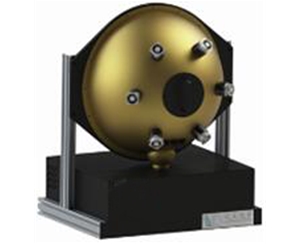
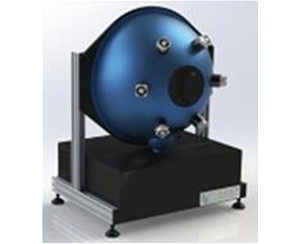
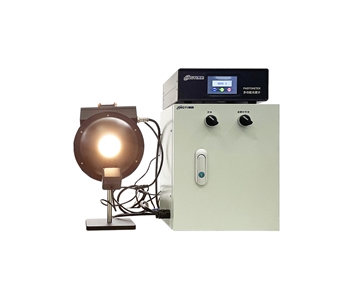
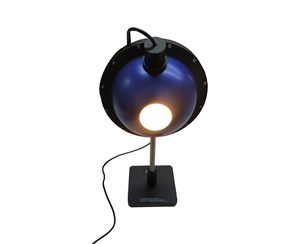
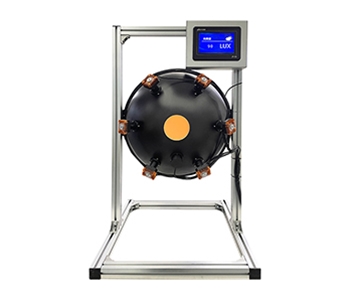
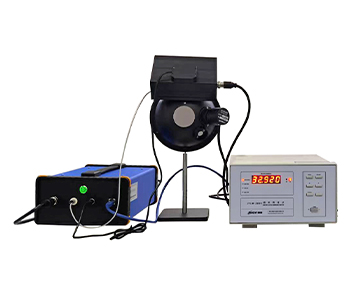
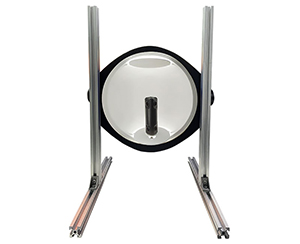
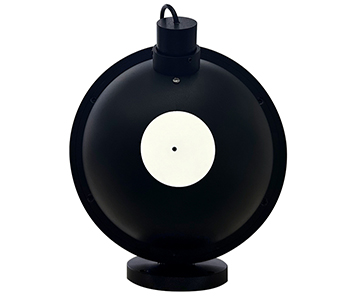
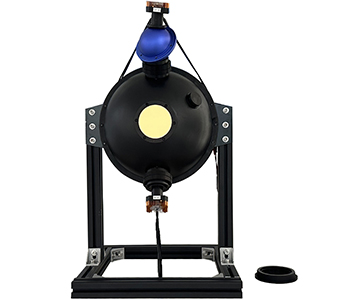
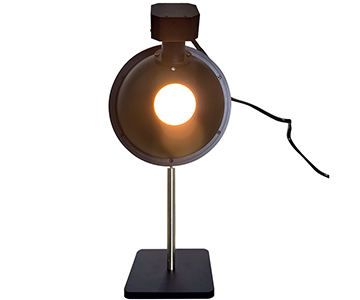
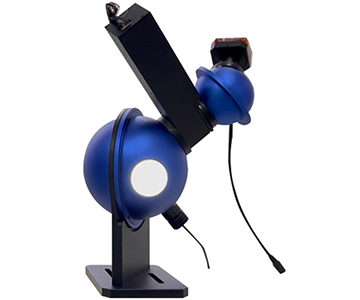
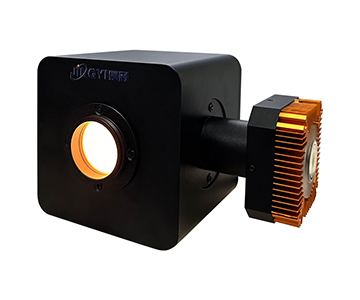
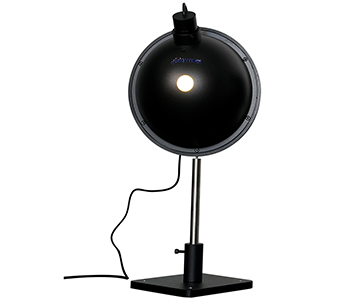
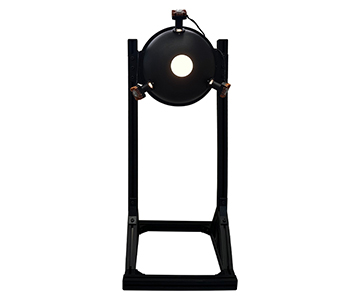
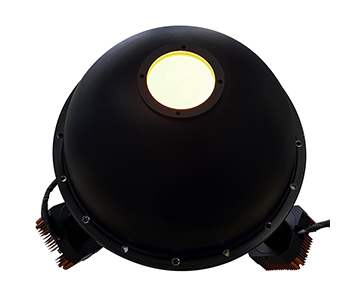
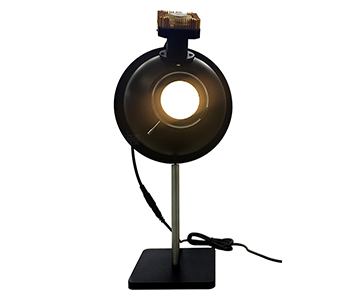
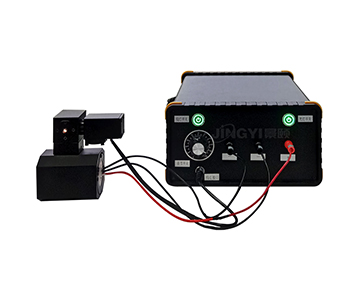
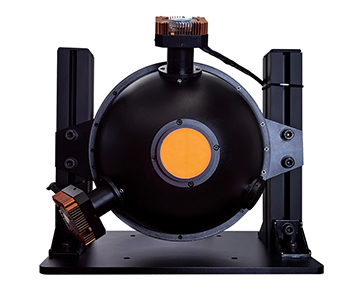
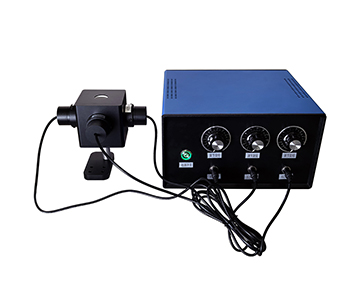
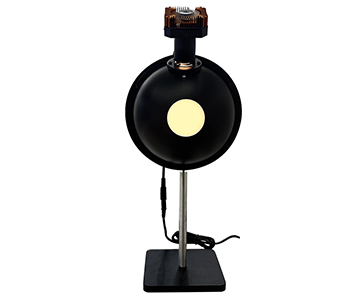
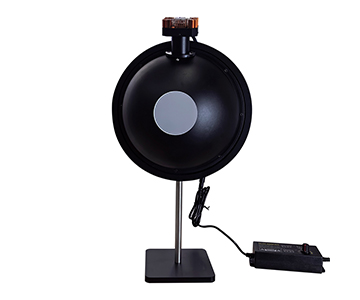
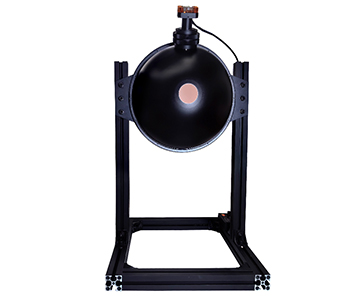
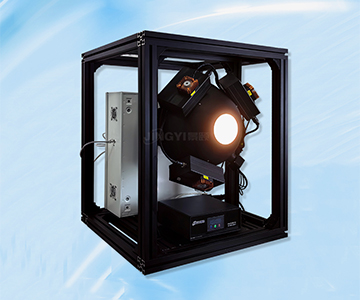
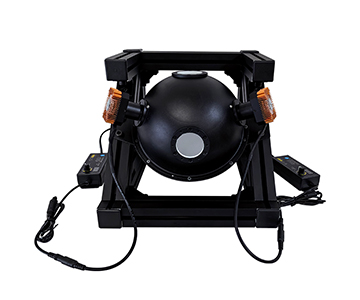
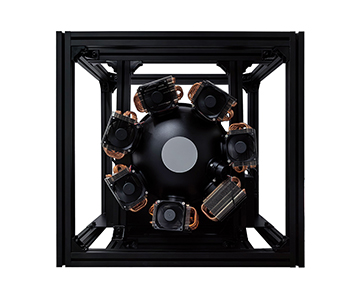
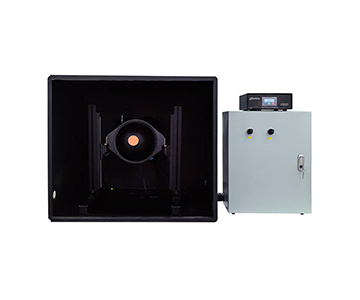
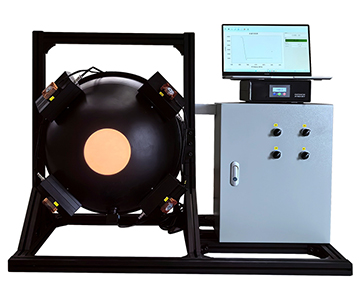
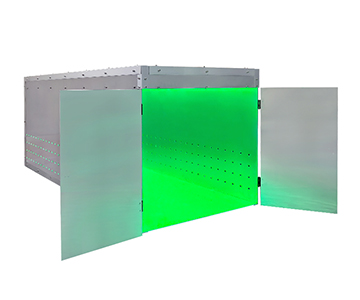
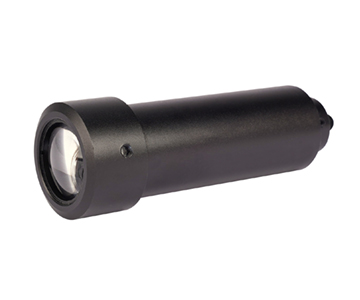
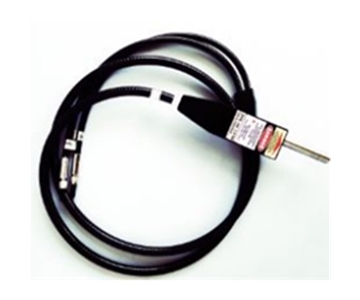
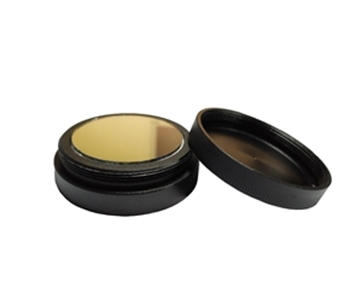
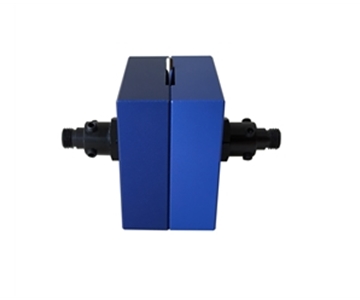
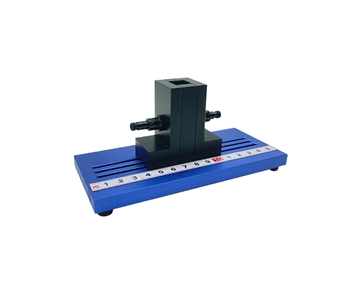
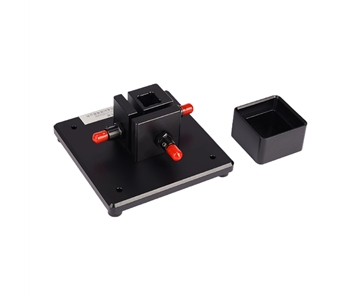
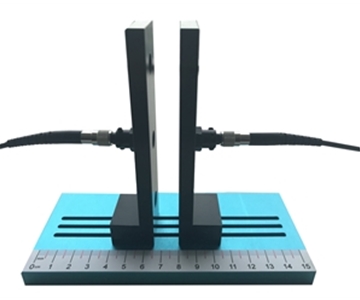
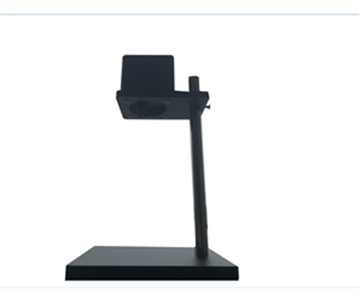
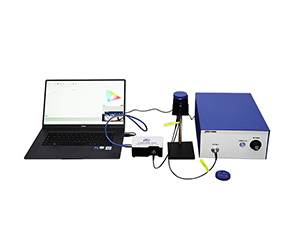
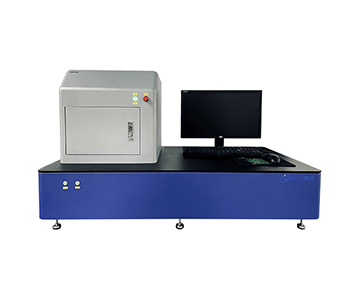
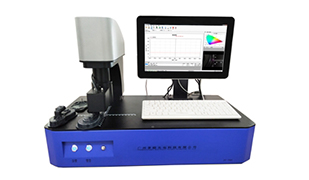
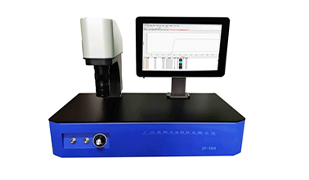
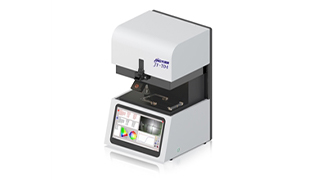
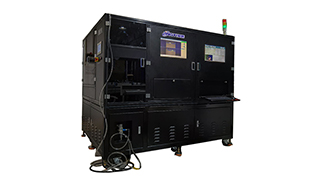
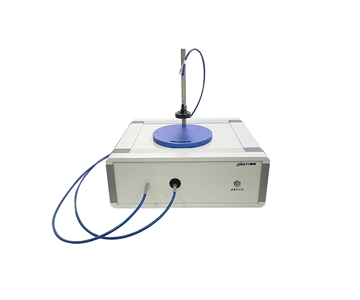
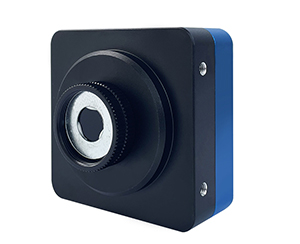
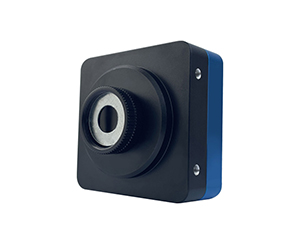
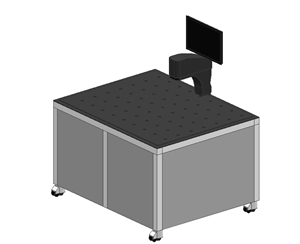
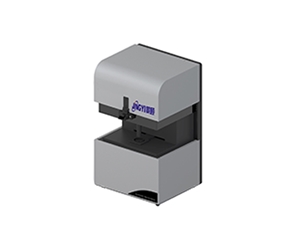
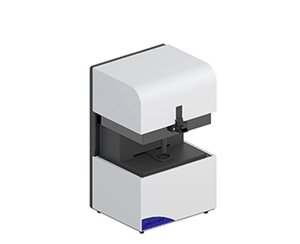
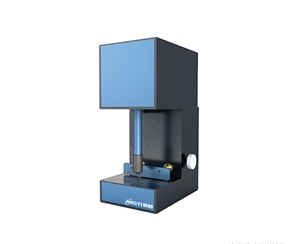
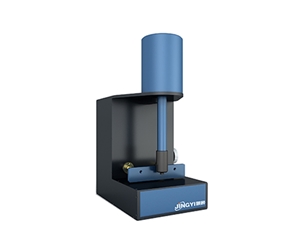
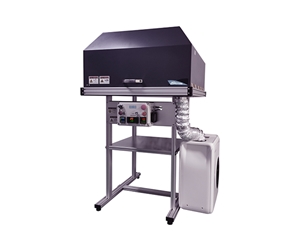
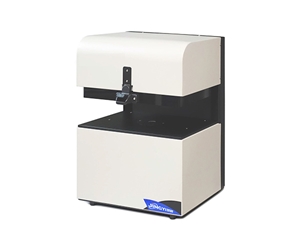
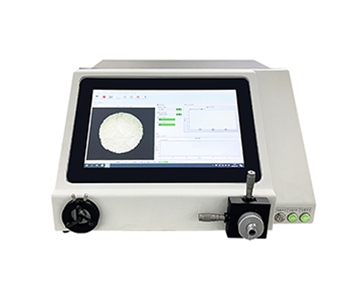
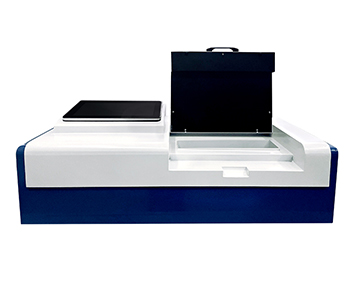
In industrial laser manufacturing, calibration of optical communication devices, and far-field optical inspection, measuring large-diameter laser beams with wide divergence angles has long been a persistent industry challenge—traditional small-aperture beam profilers require additional beam-reduction optics to accommodate oversized beams, which not only introduces extra measurement errors but also significantly increases operational complexity. To address this widespread pain point, Jingyi Photonics has launched its Large-Aperture Beam Quality Analyzer. Equipped with a 22.5 mm × 22.5 mm high-resolution sensor chip, the instrument resolves, at the hardware level, the fundamental issue of incomplete beam capture. Moreover, it streamlines the entire workflow—enabling even entry-level technicians to perform high-precision measurements swiftly and reliably.
**Pre-Measurement Adaptation Logic for Large-Diameter Beams**
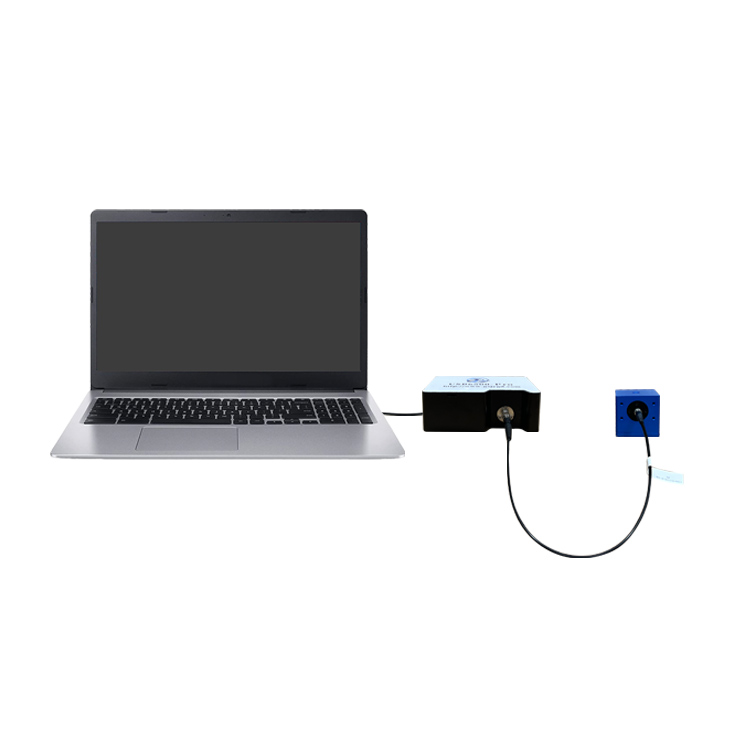
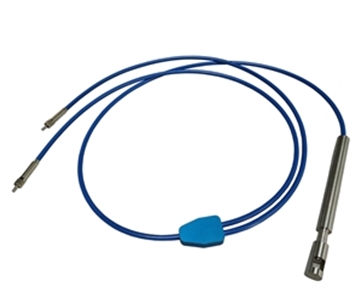
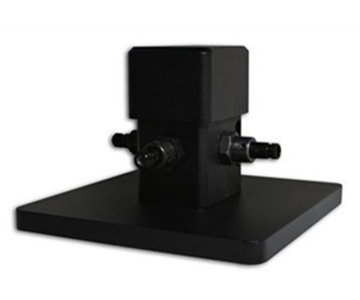
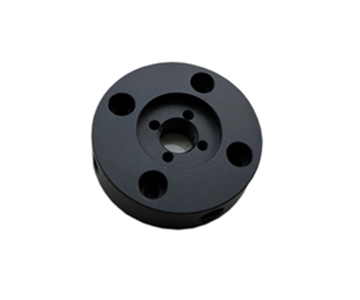
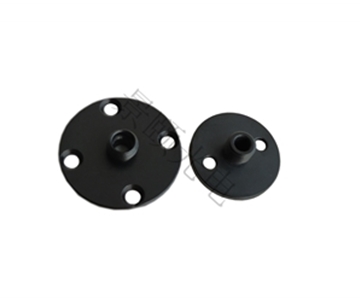
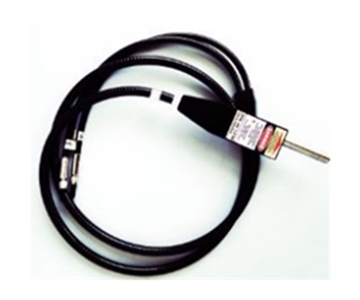
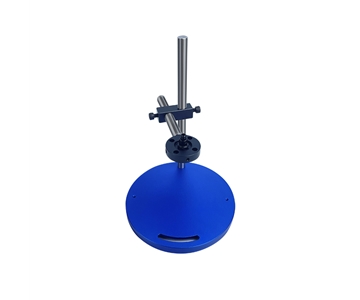
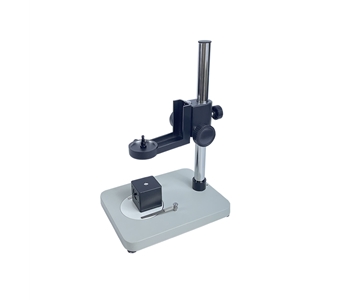
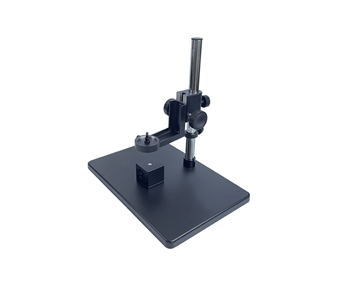
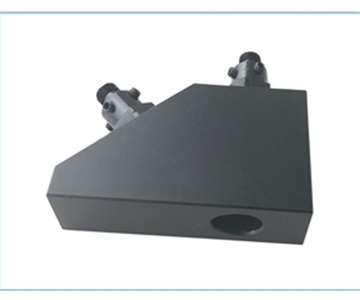
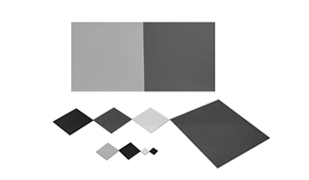
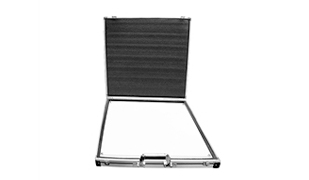
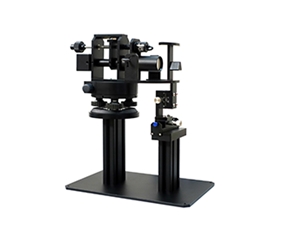
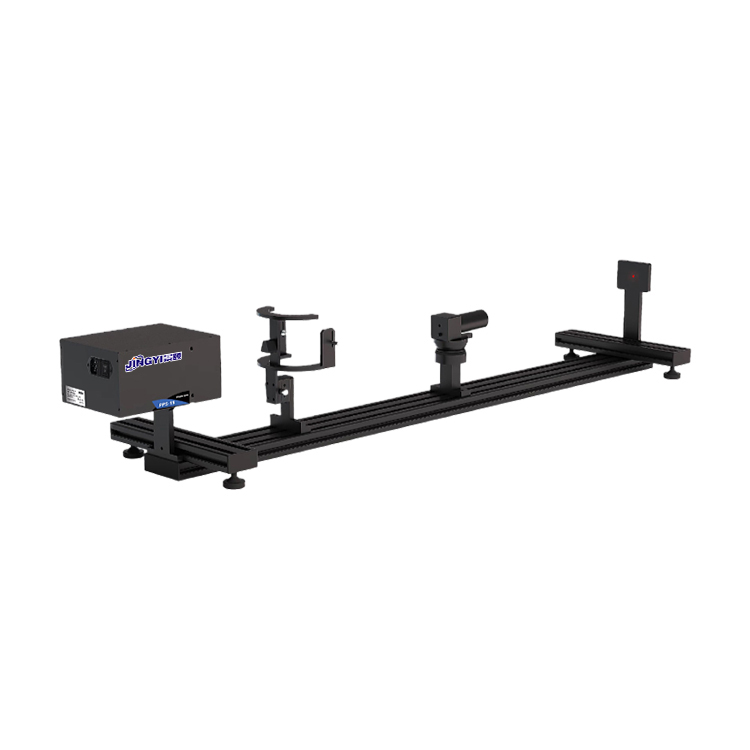
Before formal measurement, basic system adaptation must be completed. All necessary accessories are included by default—no additional selection or procurement is required. The standard kit comprises an adjustable mounting bracket, calibrated attenuators, and a USB 3.0 data cable—covering the vast majority of practical use cases. Simply place the instrument on a vibration-isolated workbench, connect the supplied USB 3.0 cable to the host PC, and the plug-and-play, driver-free design eliminates time-consuming setup and configuration. For lasers exceeding 10 W in output power, select an appropriate attenuator grade in advance. The device supports up to 1000 W laser power, fully meeting the demanding requirements of industrial-grade high-power laser testing.
**Zero-Calibration, High-Efficiency Operational Workflow**
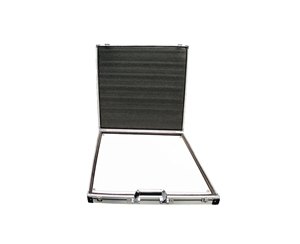
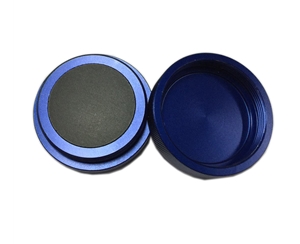
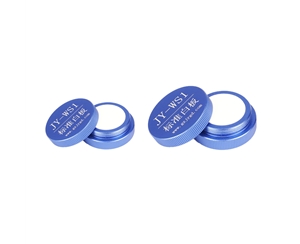
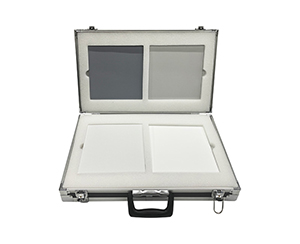
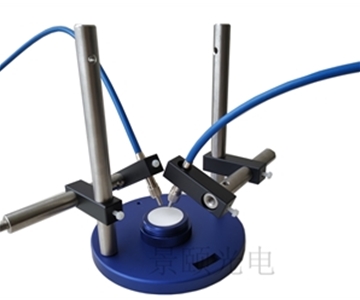
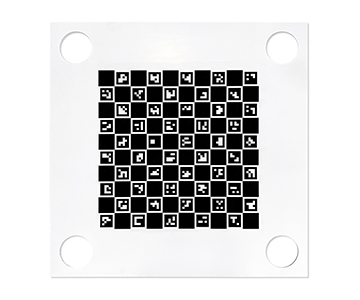
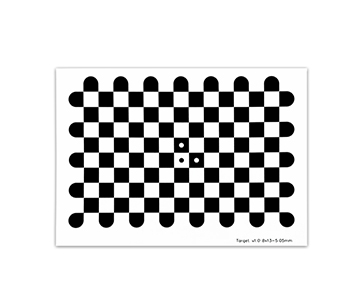
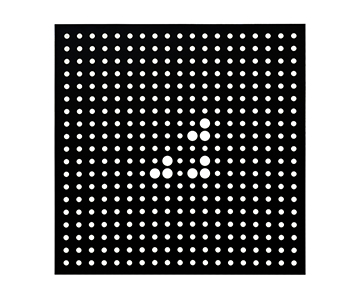
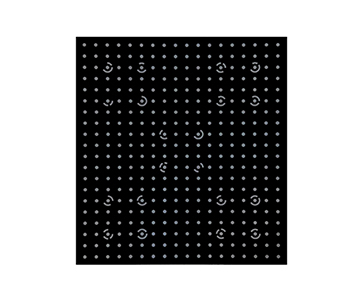
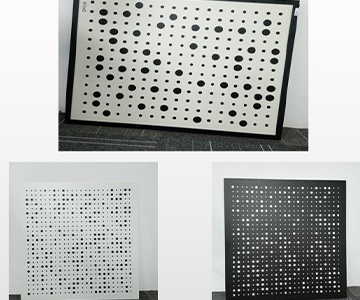
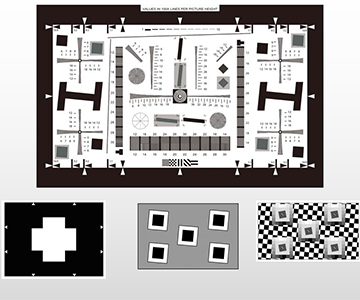
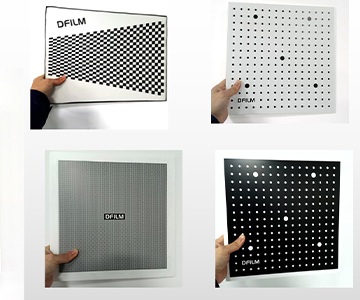
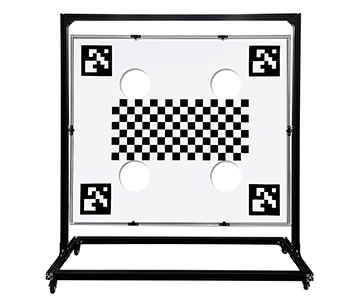
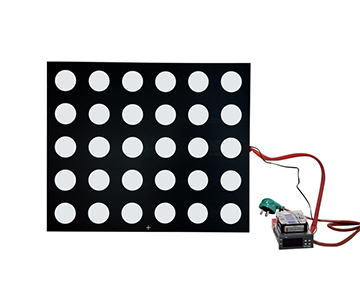
Calibration is critical to measurement accuracy. This instrument eliminates the need for externally purchased calibration plates. Its built-in calibration software features a comprehensive library of standardized beam parameters. By aligning the included calibration light source onto the sensor surface and following the three-step on-screen instructions, full-scale precision calibration is achieved—improving calibration efficiency by over 60% compared to conventional systems. After calibration, adjust only the bracket’s height and tilt angle to ensure the target beam fully fits within the sensor’s active area. Thanks to its exceptionally wide detection range—from 110 µm to 22.5 mm—the system can directly measure both tightly coupled, micron-scale beams and highly divergent far-field beams without any optical path reconfiguration.
**Parameter Adaptation Strategies for Multi-Scenario Measurements**
Different applications demand tailored software settings. Jingyi Photonics’ intuitive, graphically driven software interface was developed with diverse user scenarios and experience levels in mind—eliminating steep learning curves associated with complex technical parameters. New users can master core operations in under 10 minutes. For routine measurements such as beam diameter and ellipticity, simply enable Auto-Exposure and Auto-Gain modes; the system automatically selects optimal acquisition parameters and delivers real-time 2D pseudo-color beam profiles alongside major/minor axis Gaussian fitting curves. For dynamic measurements—including beam pointing stability and power fluctuations—activate Continuous Acquisition Mode to log centroid jitter and power variation curves in real time, with no custom programming or secondary development required. With a single-pixel resolution of 11 µm, even across the full 22.5 mm aperture, the sensor accurately resolves subtle intensity variations throughout the entire beam—including weak signals near the beam periphery.
**Deep Data Mining and Output Capabilities**
No manual parameter calculation is needed post-measurement. The system automatically computes and outputs more than a dozen key metrics—including beam diameter, ellipticity, Gaussian fit quality, and divergence angle—and generates interactive 3D intensity distribution visualizations that clearly reveal spatial energy distribution nonuniformities. Users may export raw measurement data for advanced downstream analysis—or generate standardized PDF test reports with a single click, eliminating hours of manual report compilation. For example, during fiber alignment and coupling, technicians can rapidly adjust fiber position based on real-time centroid coordinates displayed on-screen—achieving alignment speeds over three times faster than traditional visual alignment methods.
**Key Maintenance Practices for Long-Term Stable Operation**
The instrument employs an industrial-grade CMOS sensor, making routine maintenance straightforward. The primary precaution is to avoid direct exposure of the sensor to laser power above its damage threshold without proper attenuation—preventing irreversible sensor damage. During regular operation, maintain a clean measurement environment and periodically wipe the sensor surface with lint-free cleaning wipes to remove dust particles, thereby avoiding artifacts that could compromise measurement accuracy. An integrated self-calibration module runs automatically upon each power-on, verifying core performance parameters—eliminating the need for annual third-party recalibration and substantially reducing long-term operational costs.
As laser technology expands into industrial manufacturing, aerospace, and biomedical applications, demands for higher precision and greater usability in beam profiling continue to rise. Jingyi Photonics’ Large-Aperture Beam Quality Analyzer is already deployed across multiple mission-critical fields—including laser source production and QC, optical communication component coupling and calibration, and aerospace external optical path collimation—delivering stable, reliable beam quality control for end users, while providing an entirely new, efficient solution for rapid, accurate large-beam characterization.
#BeamProfiler #BeamAnalyzer #LaserBeamAnalyzer #BeamMeasurementInstrument #LaserBeamMeasurementInstrument