A New Choice in Optical Measurement: Versatile Integrating Spheres for Efficient and Precise Detection
The optical measurement field today faces increasingly divergent demand tensions: scenarios such as backlight inspection for consumer electronics and 100% inline inspection during LED packaging mass production prioritize speed and throughput; whereas automotive lighting regulatory verification and novel luminescent material R&D require comprehensive, high-accuracy parameter characterization. Many users remain trapped in the classic trade-off dilemma—“you can’t have both speed and precision”—when selecting instrumentation.
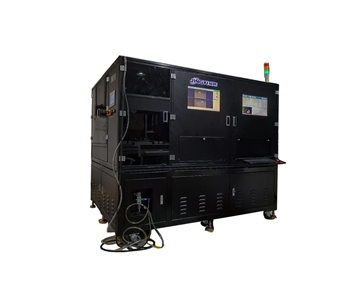
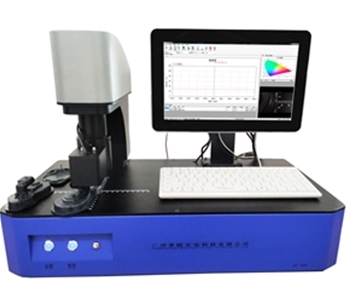
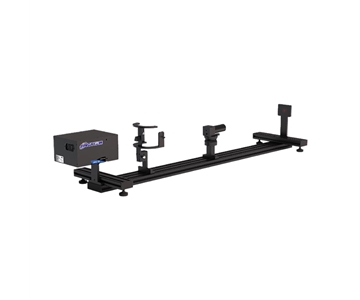
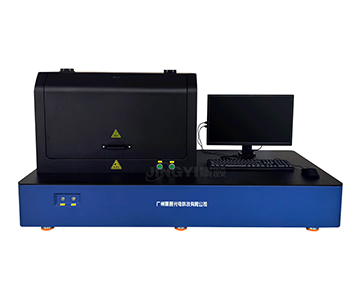
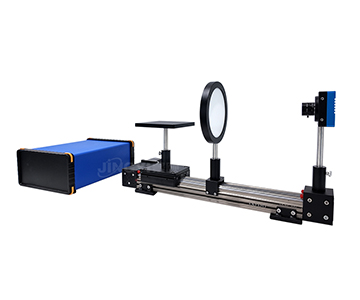
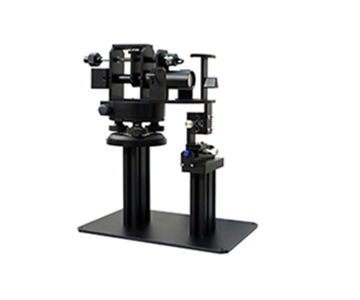
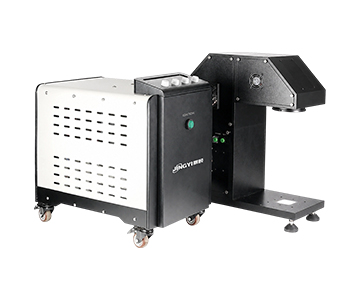
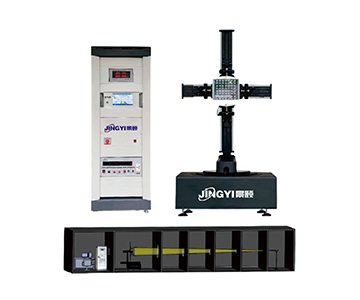
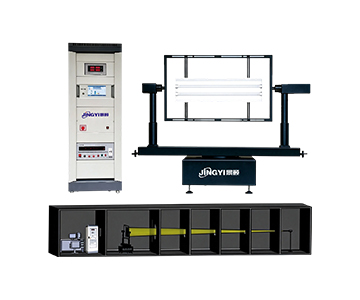
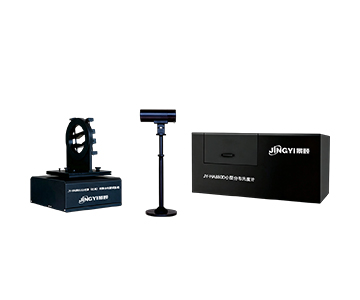
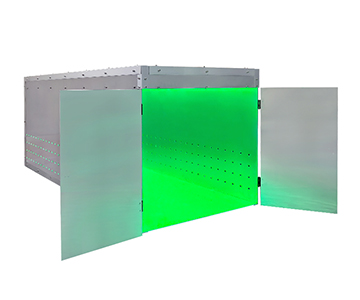
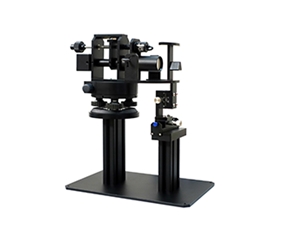
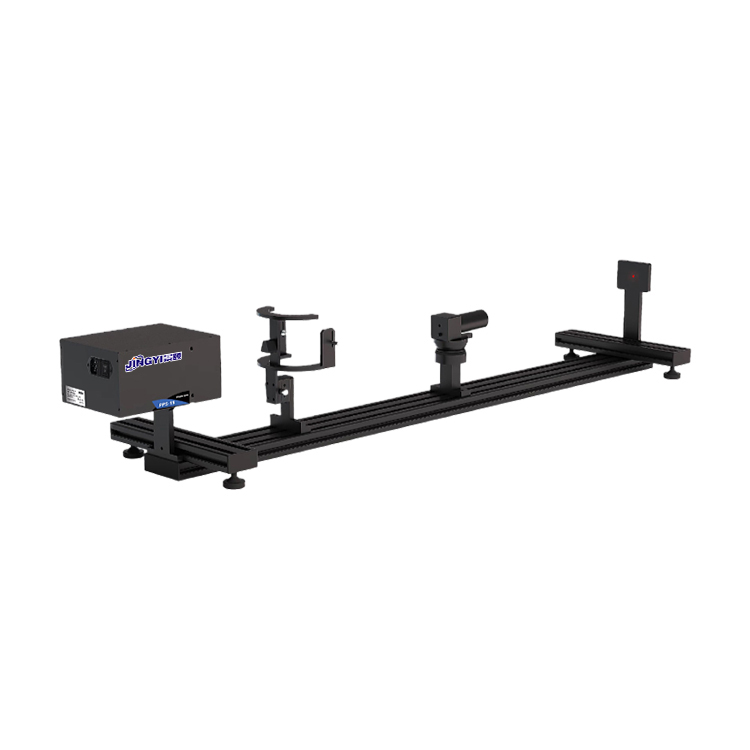
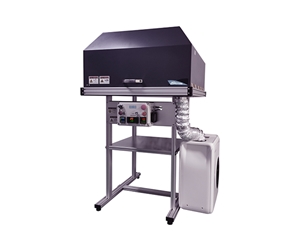
From a technical standpoint, goniophotometers are primarily lab-grade, traceable measurement systems. Their core function is to capture the full spatial light distribution of emissive objects. When integrated with chromaticity acquisition modules, they simultaneously deliver multidimensional parameters—including luminous flux, chromaticity coordinates at various angles, and correlated color temperature (CCT)—with measurement accuracy meeting stringent metrological standards. However, because full-spatial angular scanning and point-by-point calibration are required, the measurement cycle per sample typically takes 15–20 minutes, making them best suited for low-volume R&D validation or standard calibration applications.
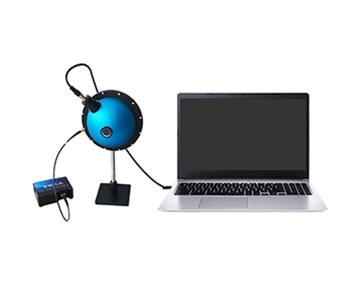
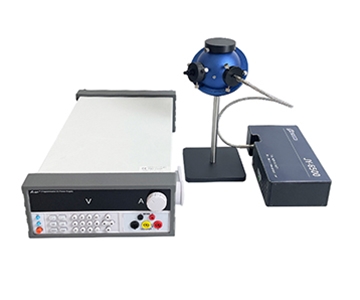
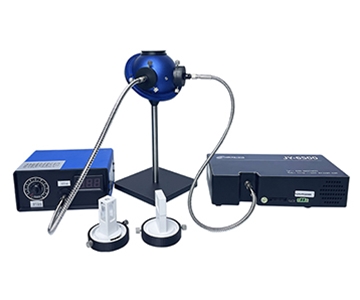
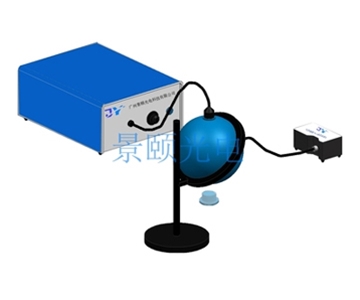
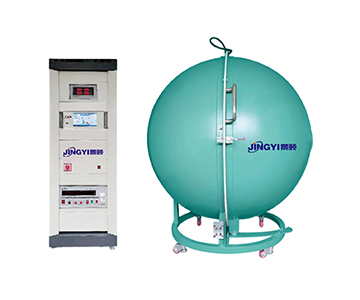
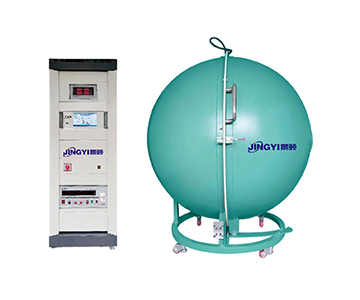
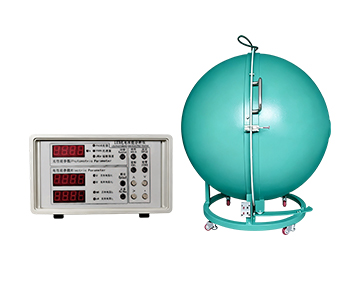
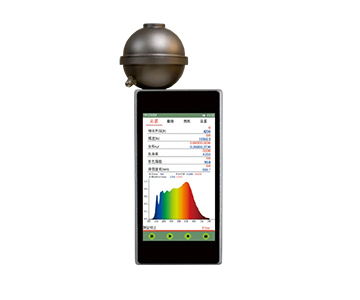
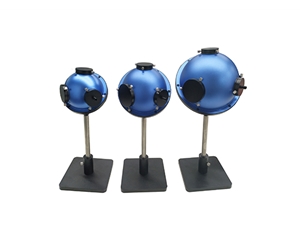
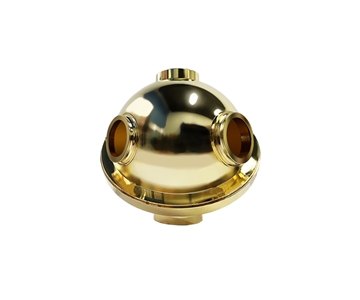
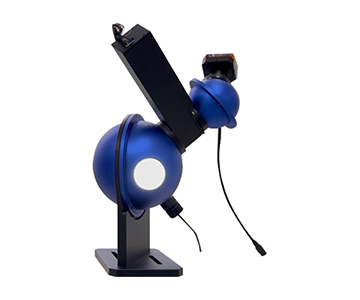
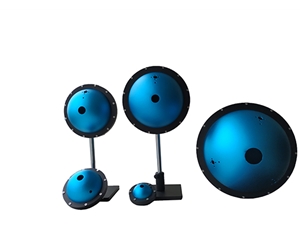
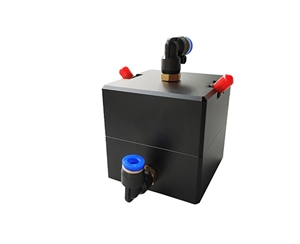
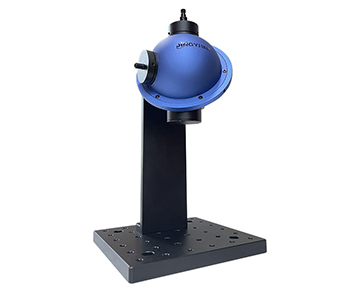
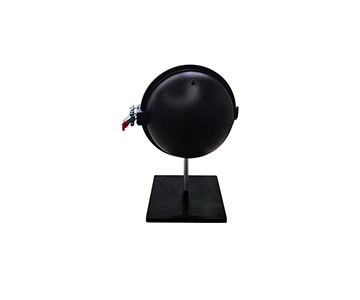
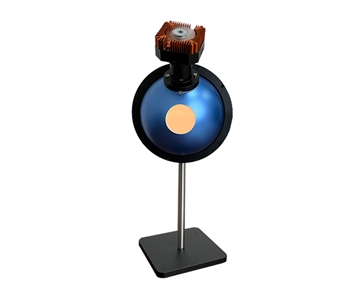
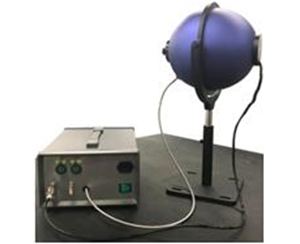
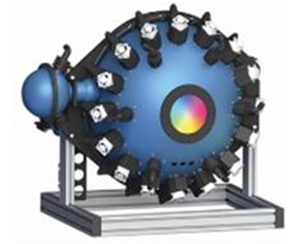
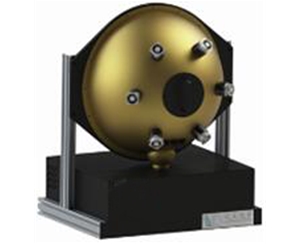
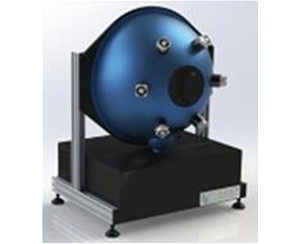
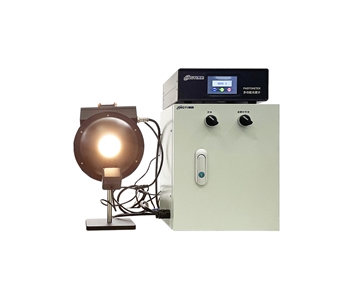
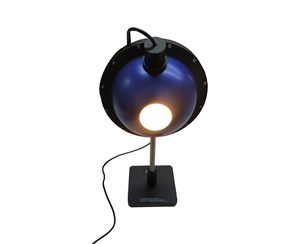
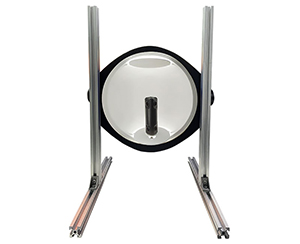
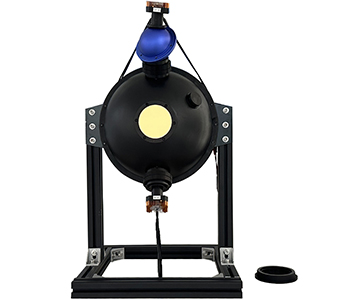
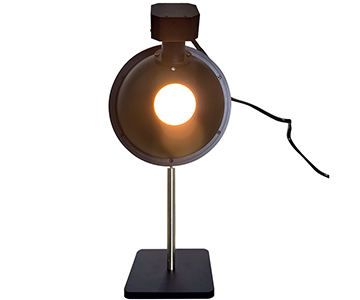
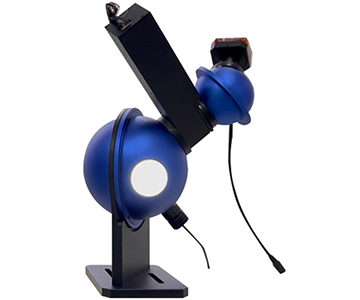
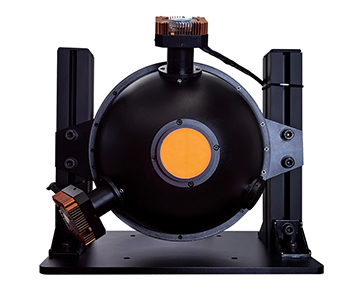
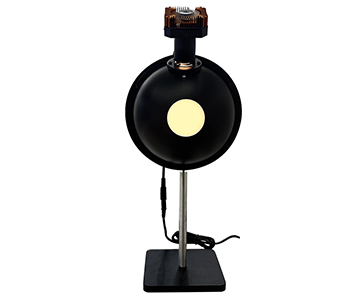
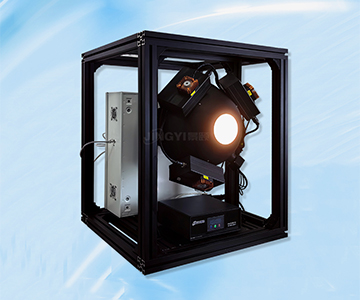
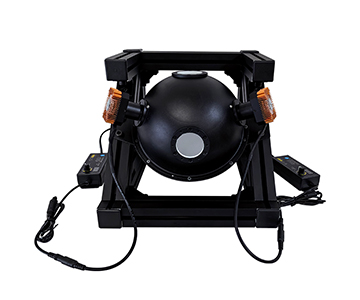
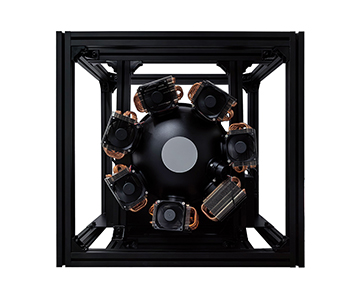
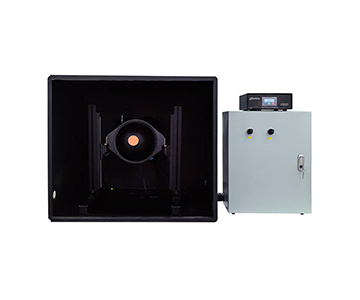
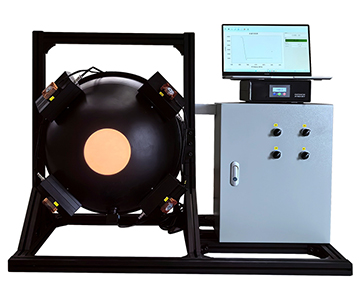
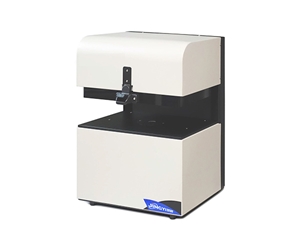
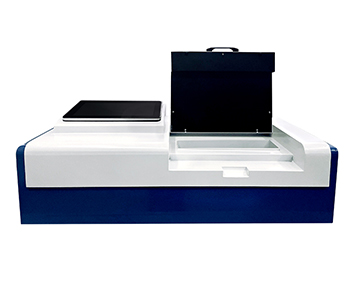
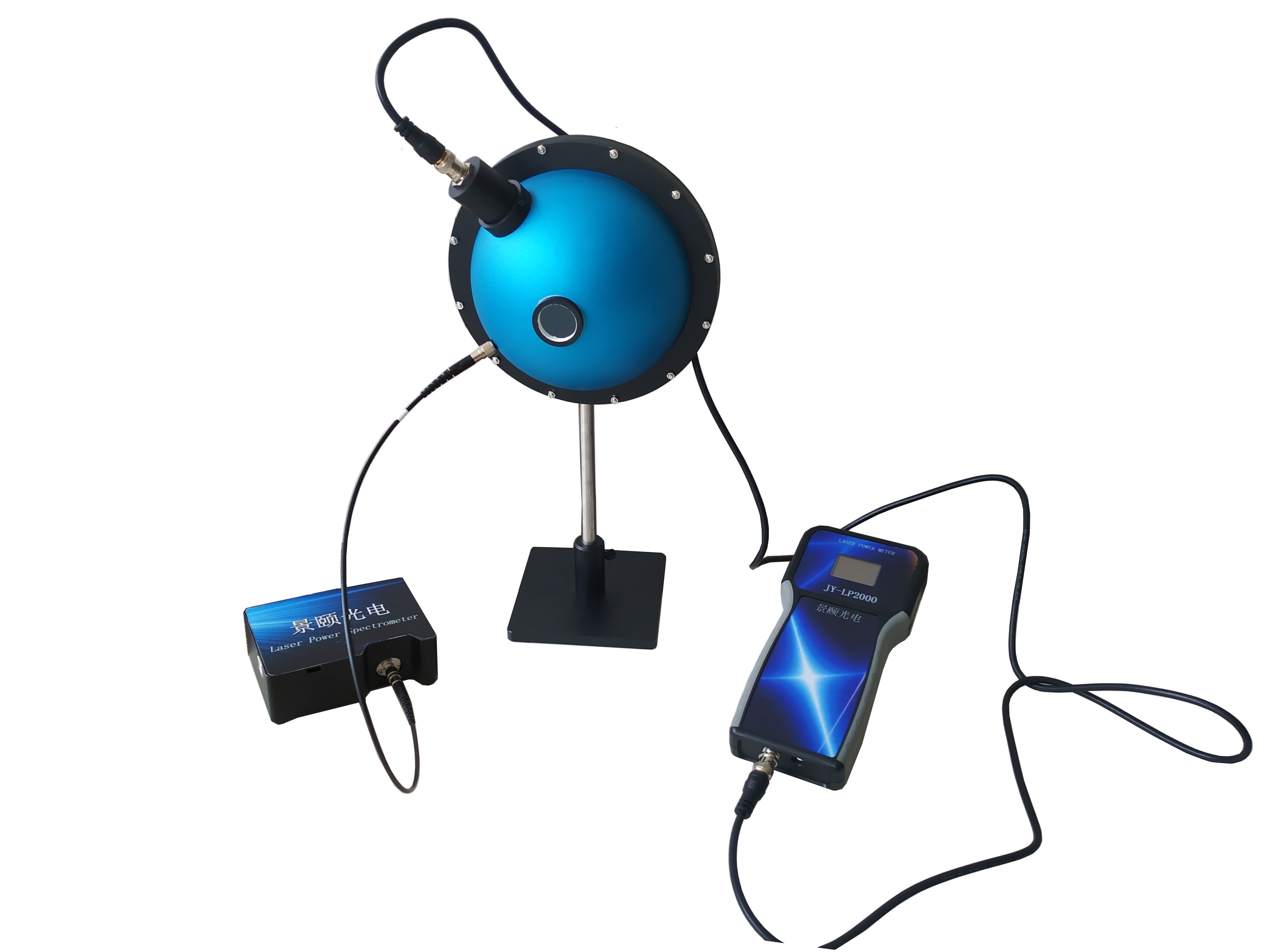
In contrast, versatile integrating spheres are optical collection devices engineered specifically for high-throughput measurement. Their fundamental principle relies on a highly diffuse-reflecting coating applied to the inner sphere wall: incident light undergoes dozens of uniform reflections before being “homogenized” into angle-independent, spatially uniform irradiance. Consequently, measuring light intensity at any single location inside the sphere suffices to compute total luminous flux and chromaticity parameters—reducing per-sample measurement time to just 1–2 seconds. This makes them ideal for high-frequency, 100% inspection on production lines. Conventional integrating spheres, however, commonly employ standard coatings with limited performance: relatively low reflectance, spectral coverage restricted to the visible range only, susceptibility to oxidation and yellowing over time (causing data drift), and significantly reduced service life under humid operating conditions.
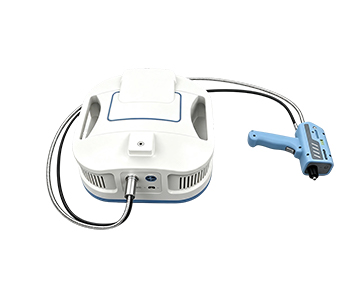
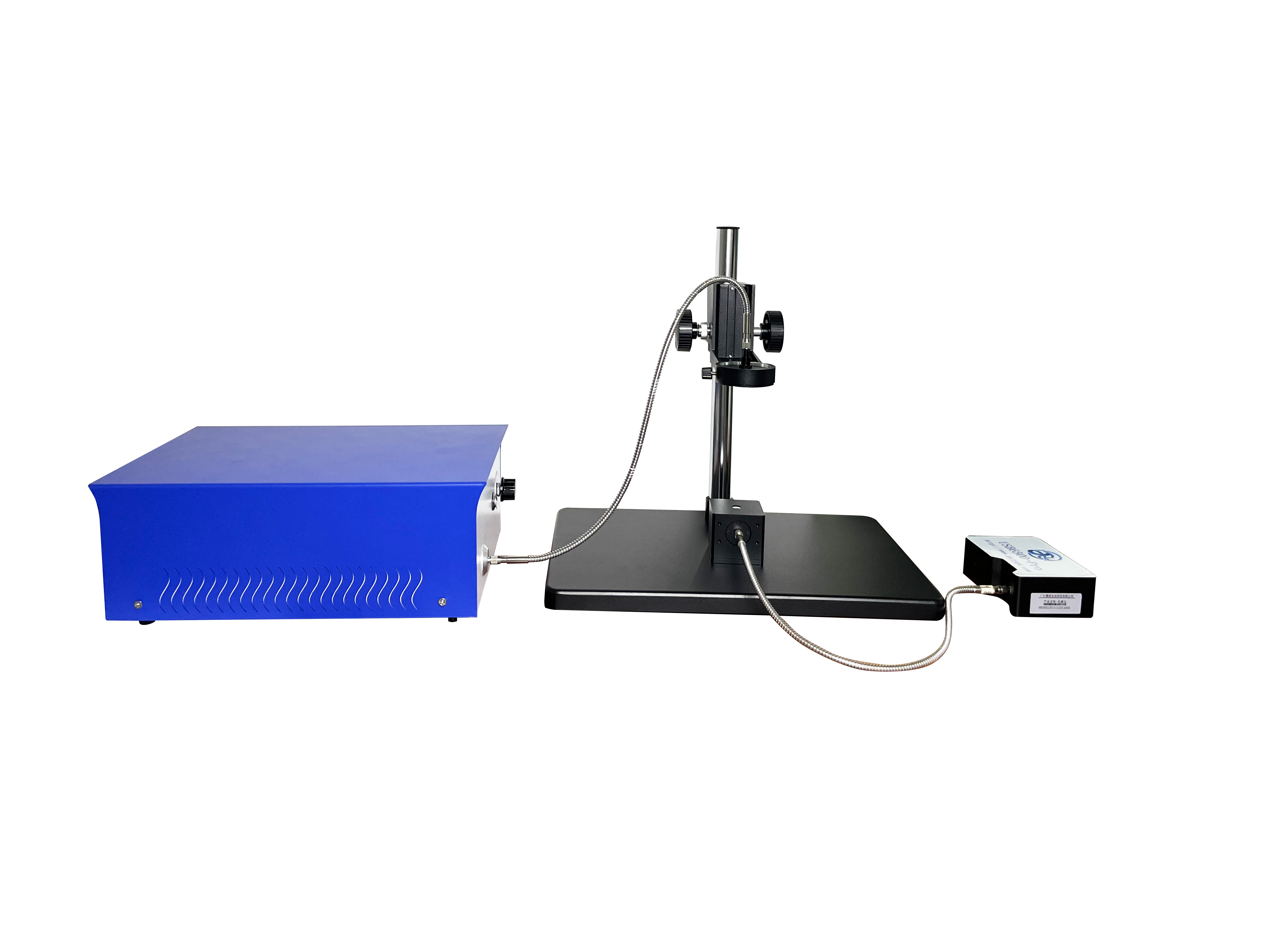
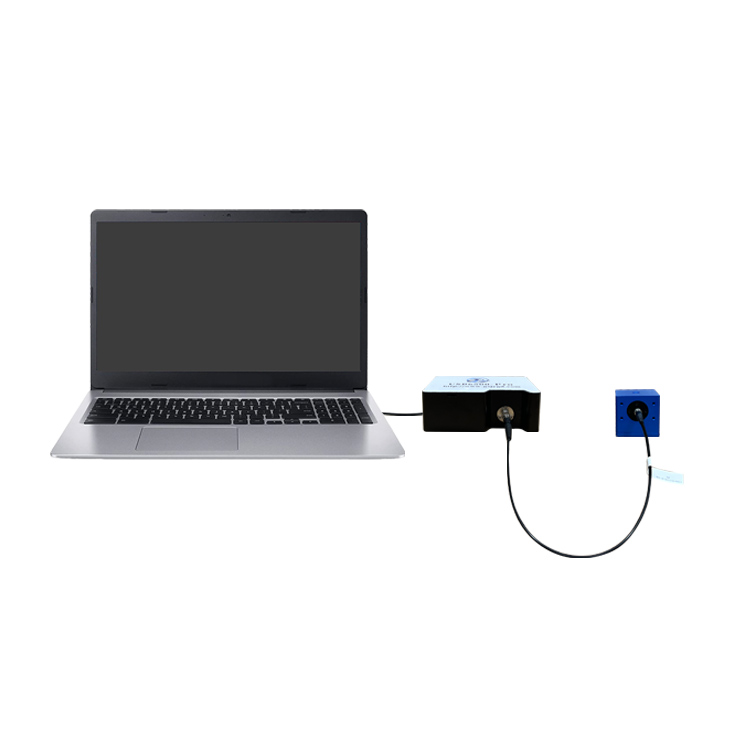
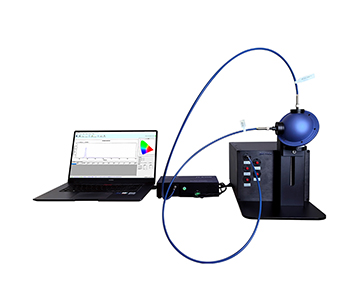
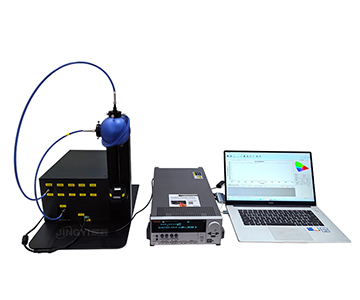
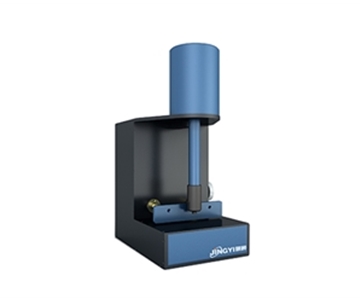
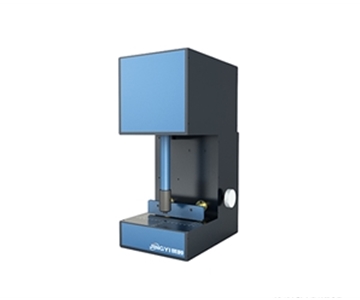
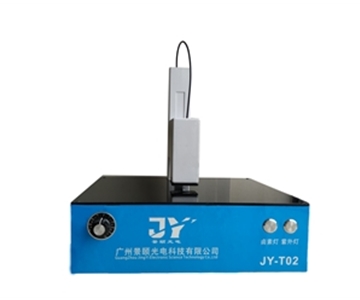
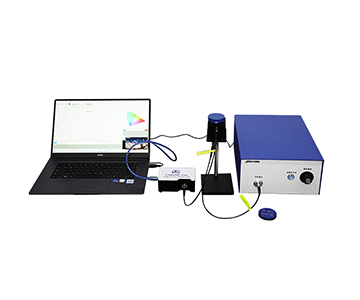
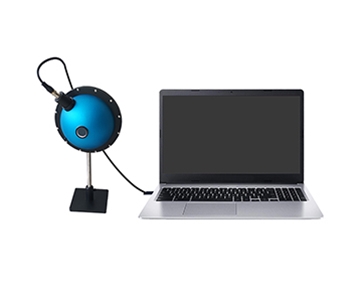
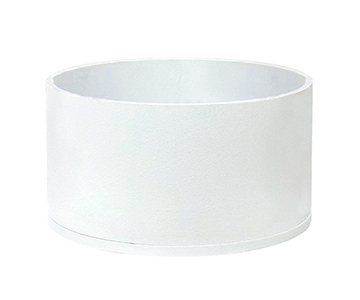
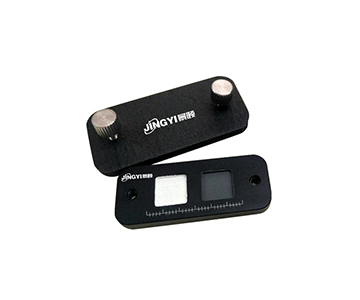
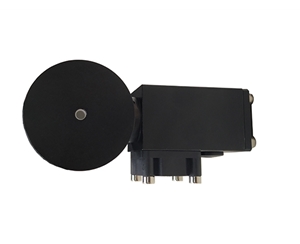
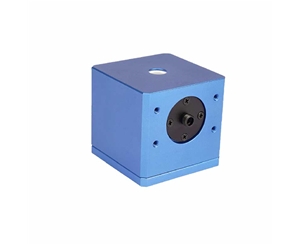
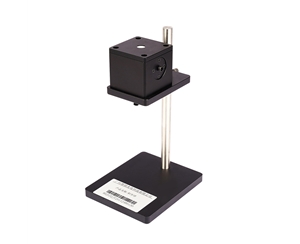
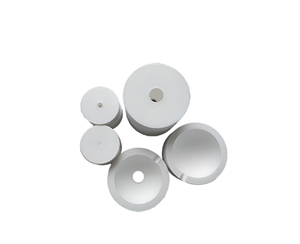
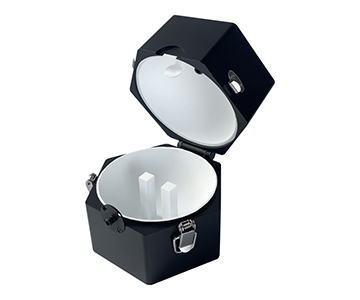
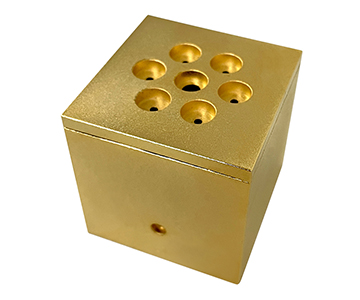
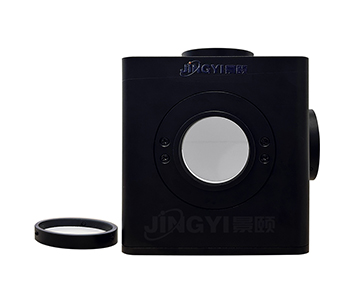
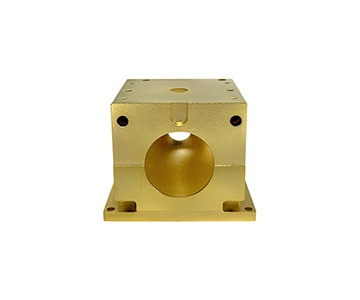
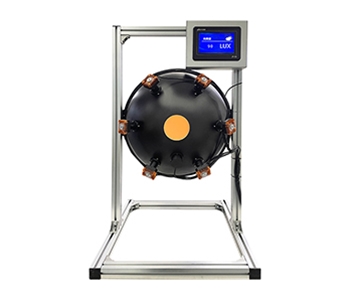
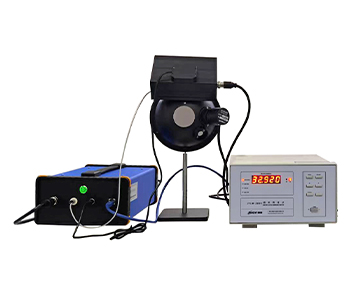
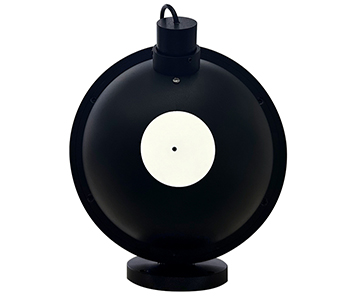
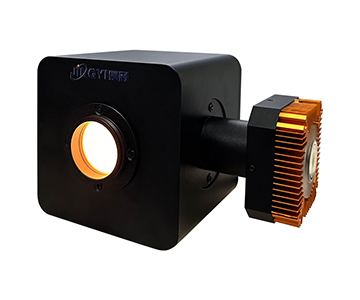
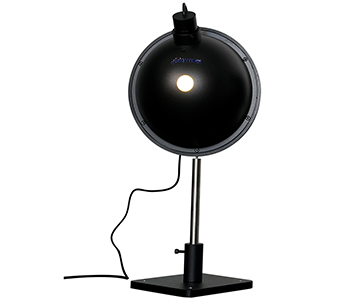
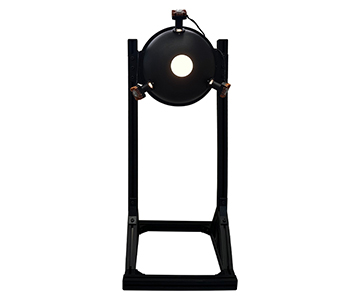
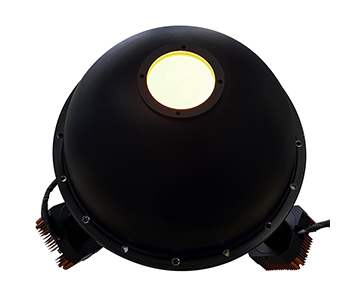
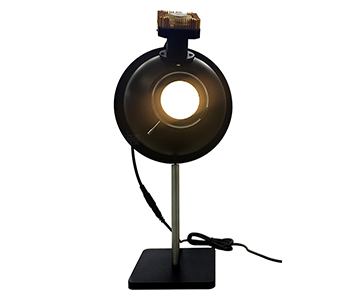
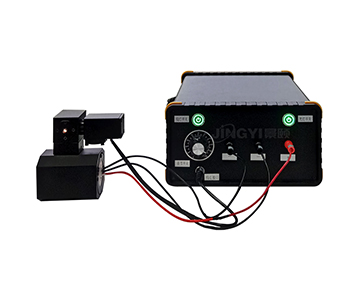
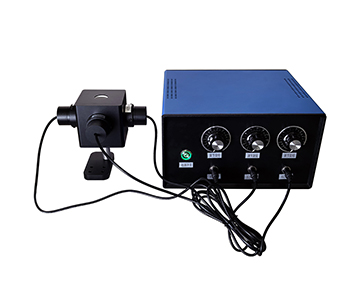
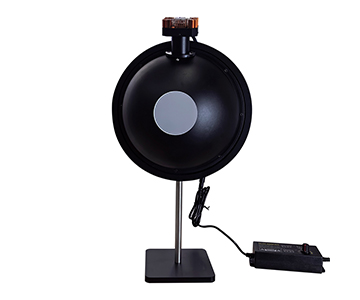
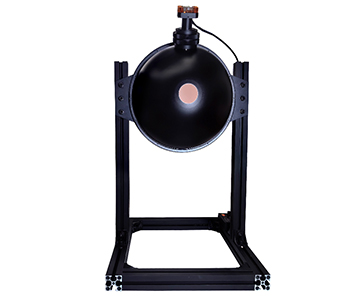
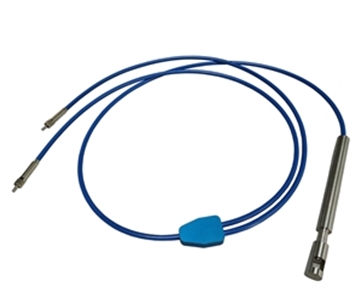
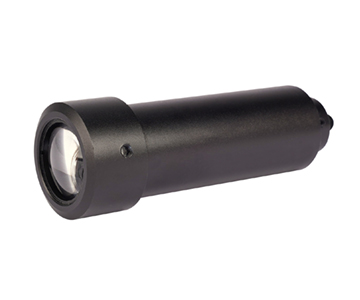
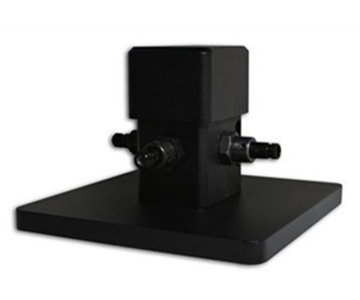
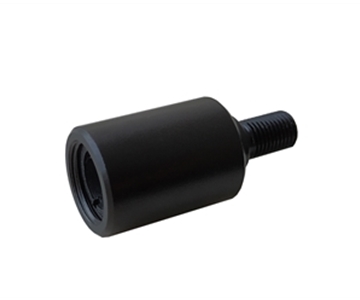
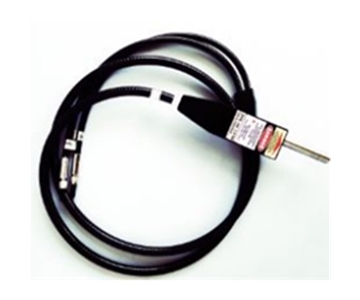
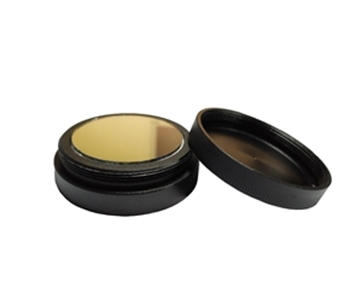
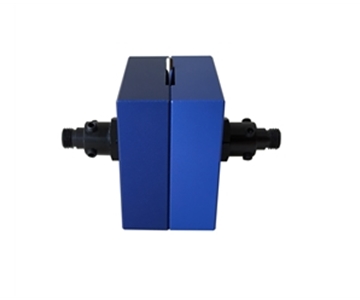
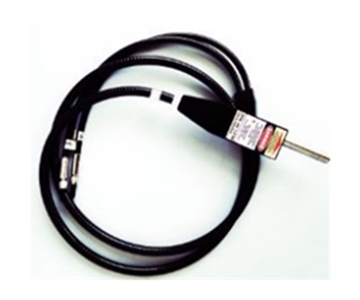
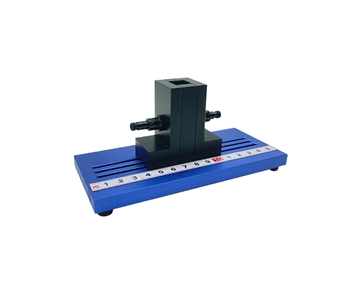
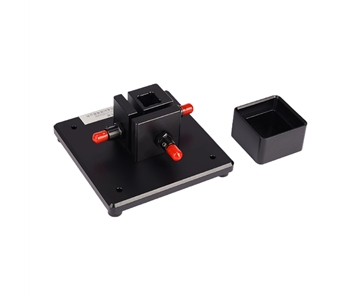
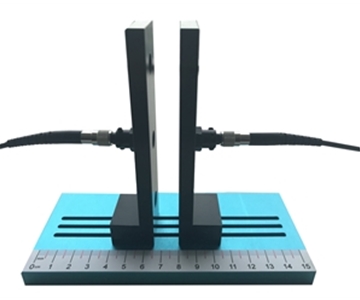
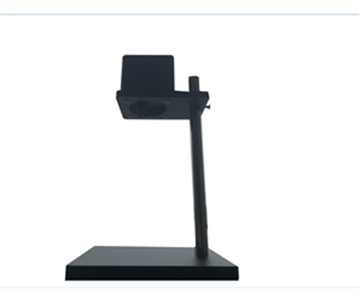
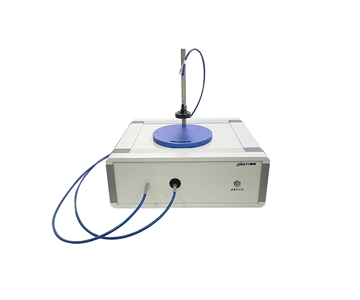
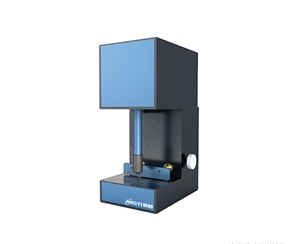
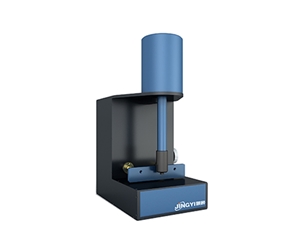
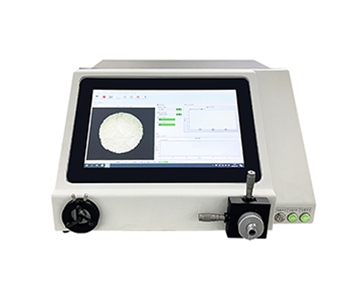
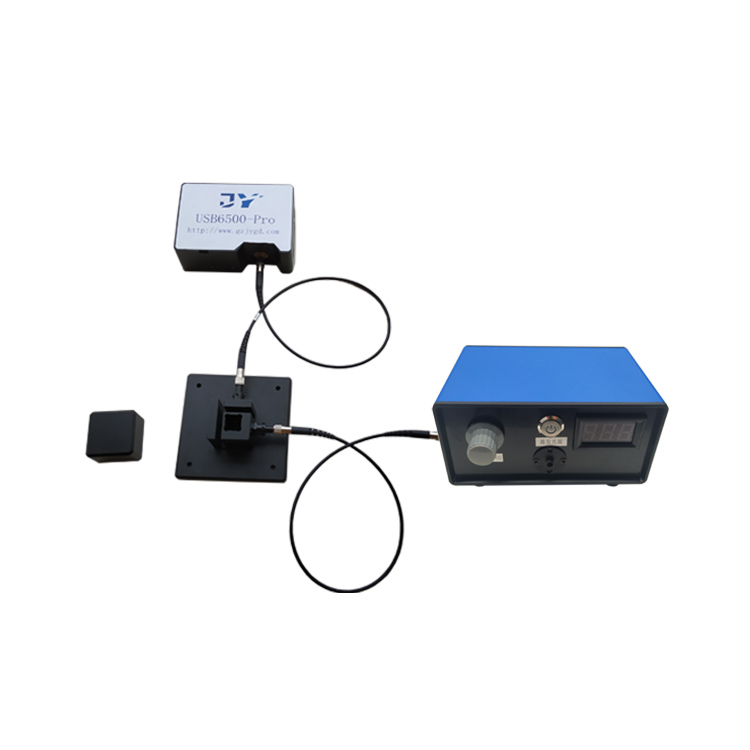
To meet the demands of compact-size, high-precision measurement applications, a company has introduced a transmission-type universal integrating sphere with a 36 mm internal diameter—breaking through the performance ceiling of traditional coatings. Fabricated via high-temperature monolithic sintering of imported, ultra-high-purity PTFE, this sphere achieves exceptional reflectance across the full UV–visible–NIR spectrum (200–2500 nm), while maintaining stable, ideal Lambertian diffuse reflection throughout. As a result, measurement data remains immune to variations in incident wavelength or angle. The material itself exhibits outstanding resistance to aging: it does not yellow or degrade even under prolonged UV exposure, and its inherent water resistance enables reliable operation in outdoor environments or humid workshops. Moreover, storage and maintenance costs are markedly lower. By default, the sphere features a 9.5 mm input port and adopts the widely compatible SMA905 standard output interface; alternatively, custom interfaces—including FC and others—can be supplied to match users’ existing measurement systems, enabling rapid, retrofit-free integration into current test workflows.
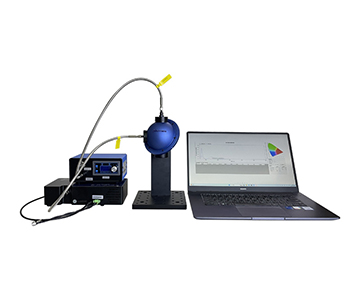
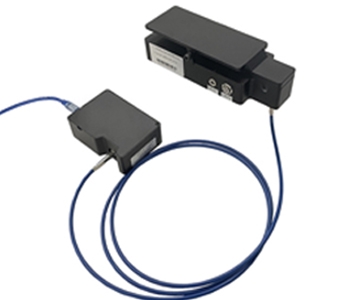
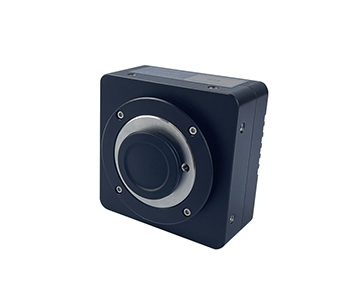
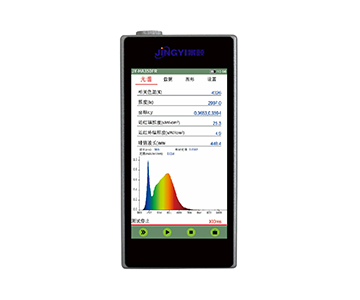
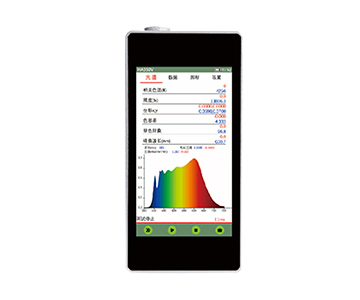
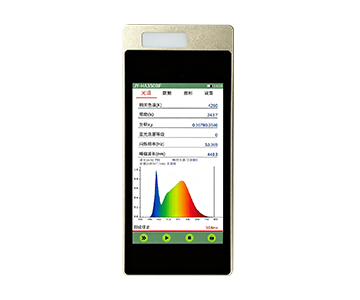
Across the industry, a complementary pairing logic between these two instrument types has now emerged: goniophotometers are deployed at the R&D stage to establish baseline parameter calibration and comprehensive performance validation, while the company’s robust, universal integrating spheres are adopted on the production floor to build rapid inspection systems. This dual-tier approach ensures data consistency across development and manufacturing—and boosts production-line inspection efficiency by several-fold. Concurrently, the company is developing spectral sensing modules compatible with both device types, helping users unify their R&D-to-manufacturing measurement data chain and further minimize discrepancies between testing stages.
#OpticalMeasurementIntegratingSphere #DiffuseReflectingIntegratingSphere #UniversalIntegratingSphere #TransmittanceIntegratingSphere #CustomIntegratingSphere #IntegratingSphere