Core Nanoscale Process Control Tool: How Optical Interference Thin-Film Thickness Metrology Enhances Quality and Efficiency in Electronics Manufacturing
Today’s electronics supply chain is engaged in a precision race down to the nanometer scale—where even a deviation of just a few nanometers in film thickness can cause 7-nm process chips to exceed leakage current specifications, shift MLCC capacitance by over 20%, or trigger full-board functional failure due to impedance mismatch in high-layer-count PCBs. Film thickness control has thus become one of the most critical parameters governing product yield and performance in electronics manufacturing.
Previously adopted industry-standard thickness measurement techniques each face inherent limitations: Contact-based methods rely on physical probe contact with the sample surface, risking scratches on delicate optical coatings and flexible electrodes—and proving unsuitable for fragile substrates such as bare wafers or thin ceramic wafers. X-ray fluorescence (XRF) measurement requires radiation shielding infrastructure, incurs high consumable costs, and delivers suboptimal accuracy for organic thin films composed primarily of light elements. Single-wavelength laser interferometry only accommodates materials with specific refractive indices, rendering it inadequate for emerging complex composite films or multi-layer structures.
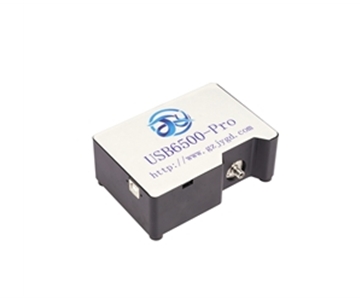
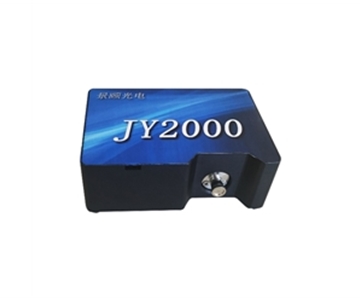
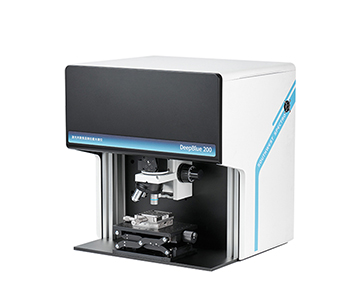
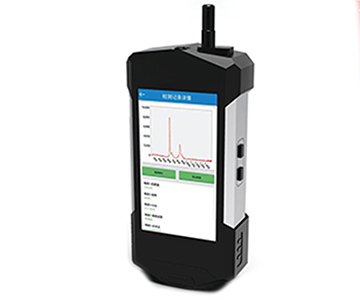
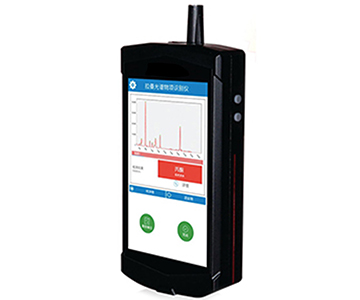
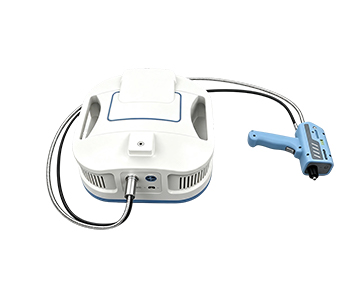
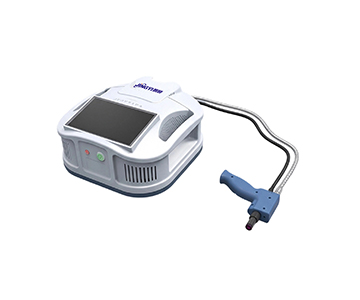
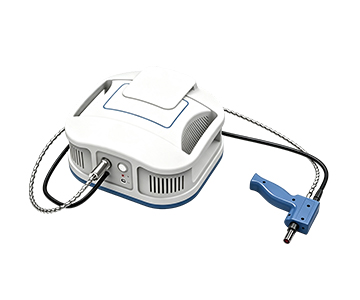
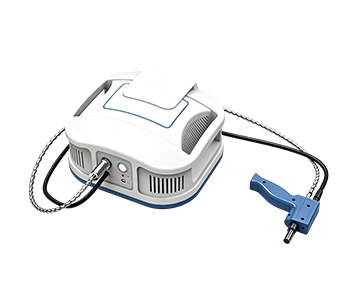
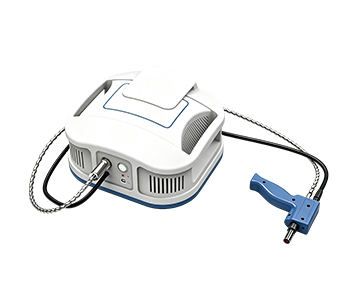
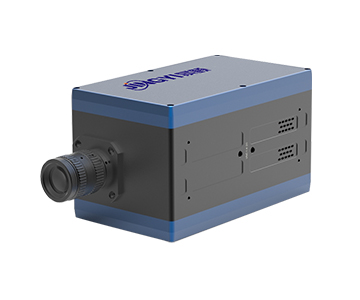
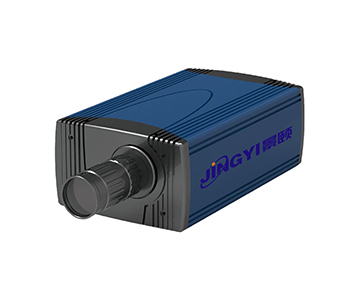
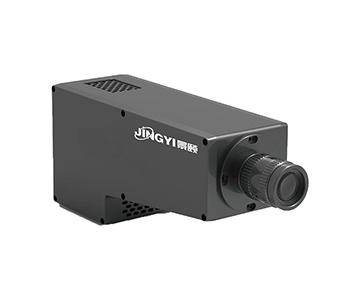
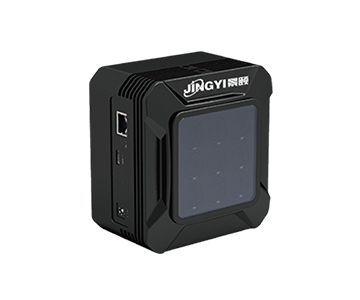
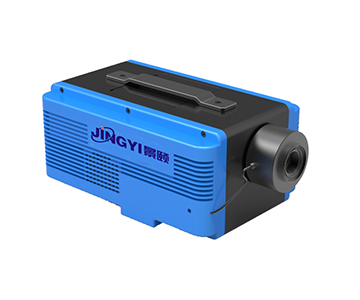
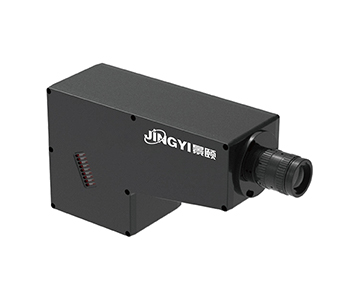
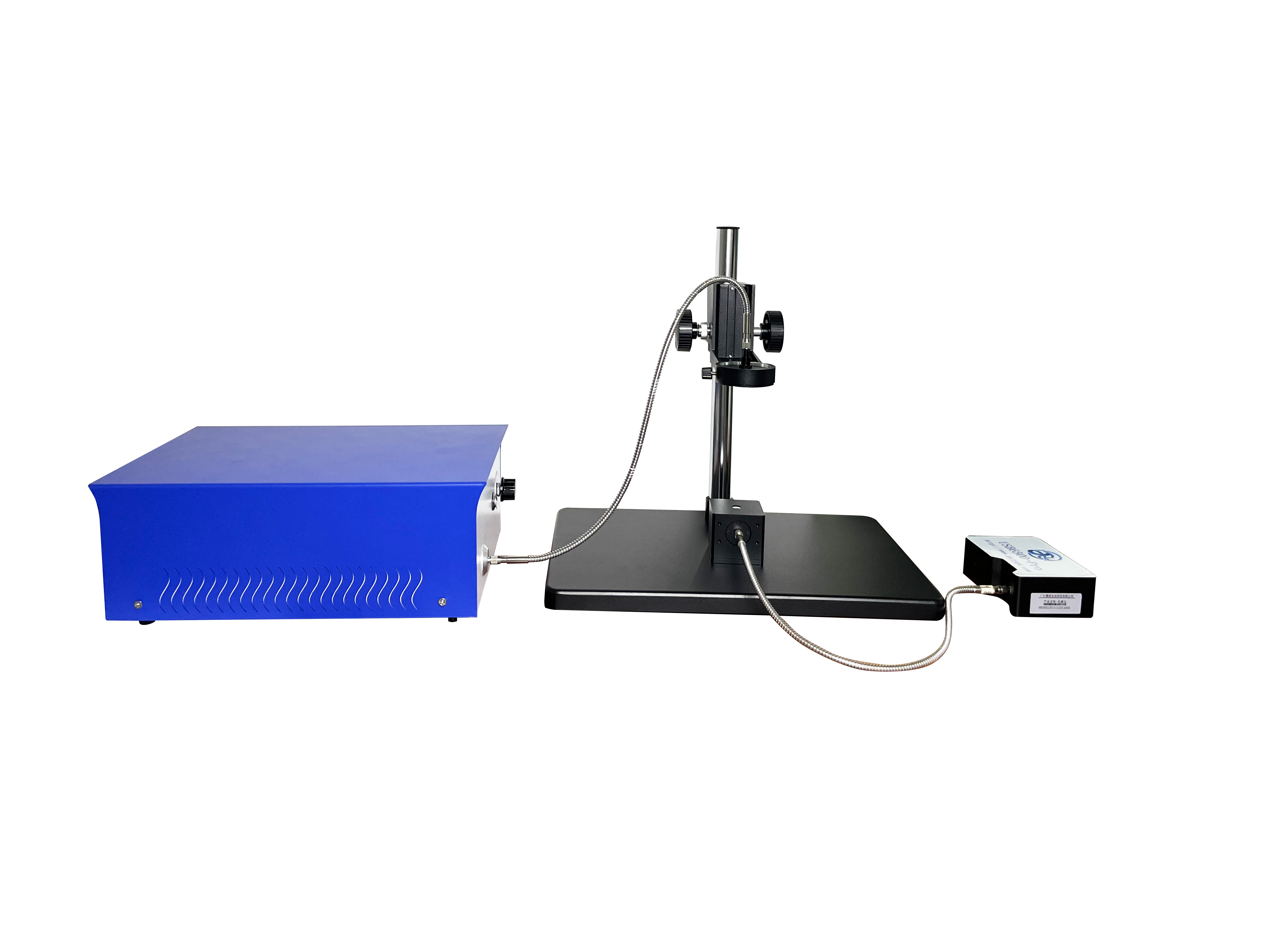
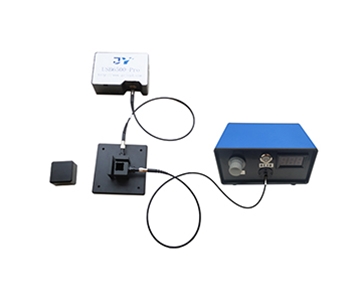
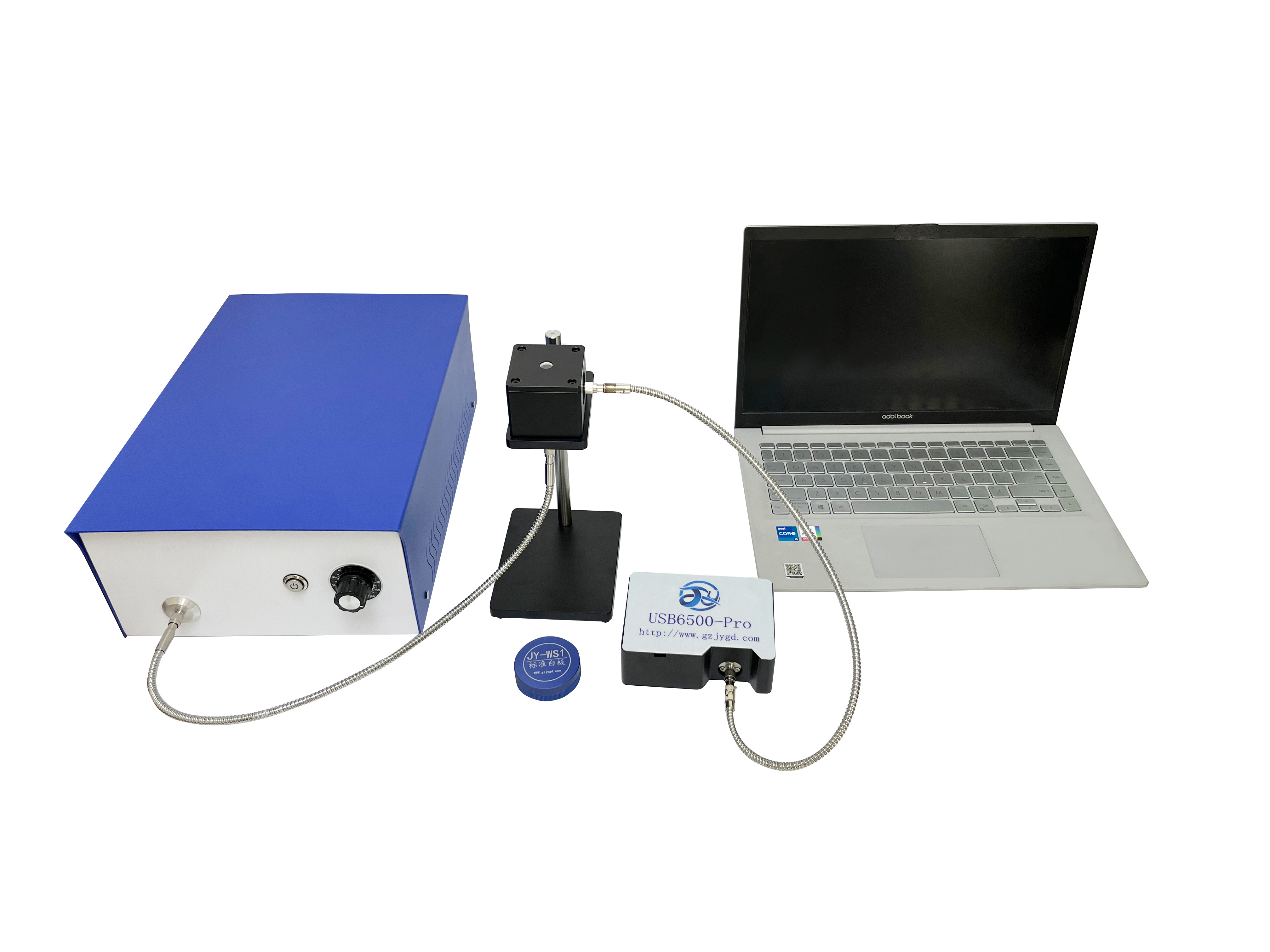
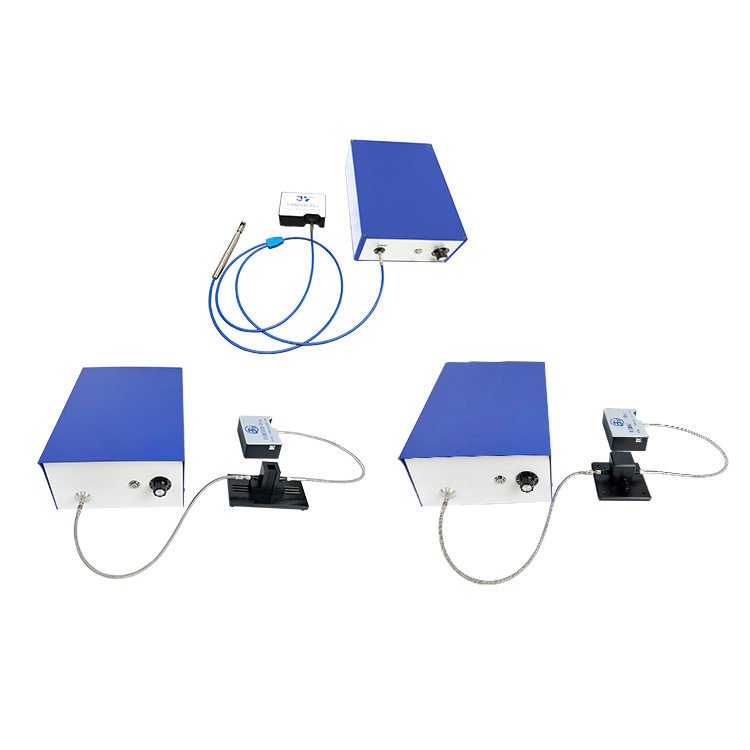
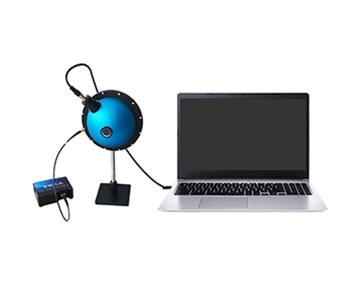
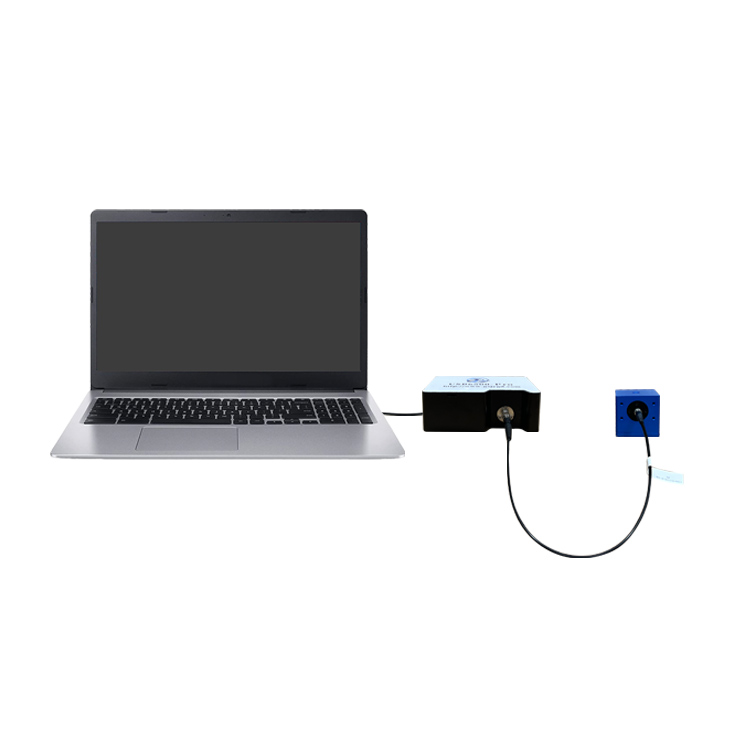
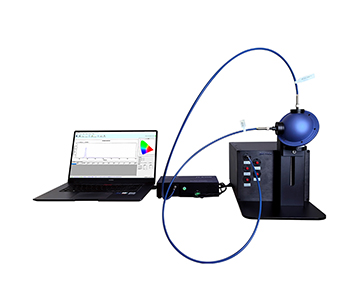
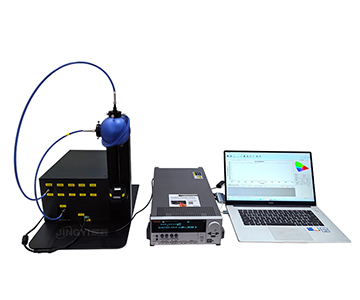
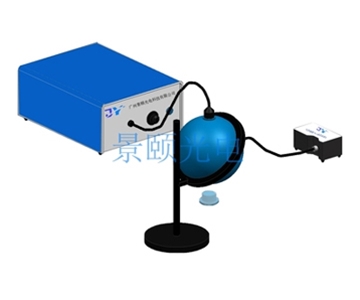
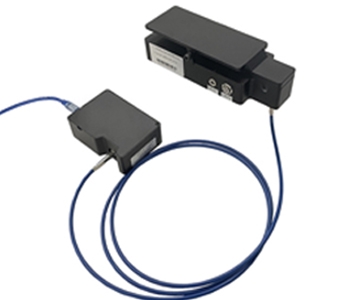
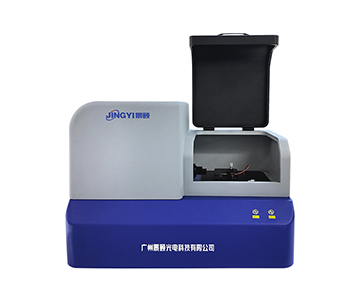
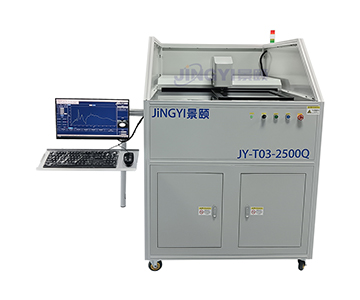
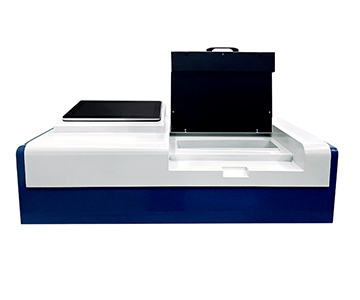
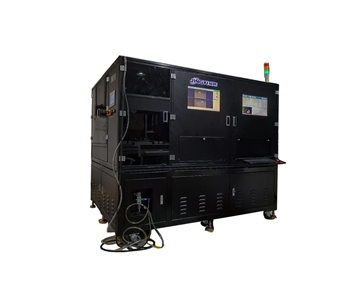
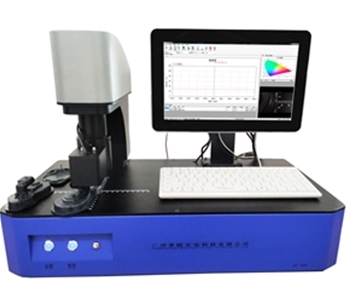
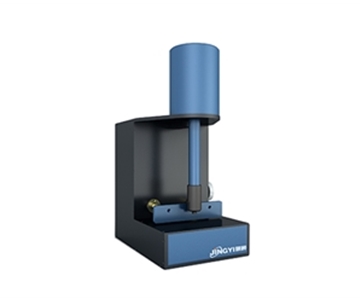
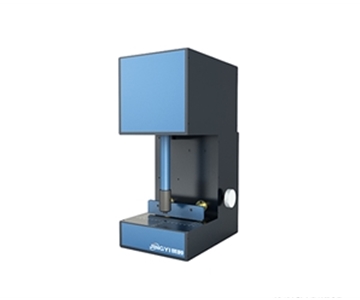
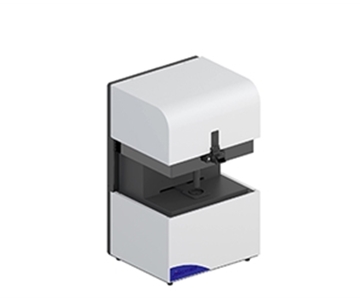
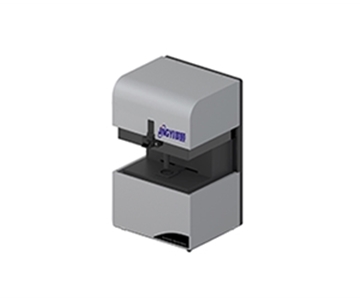
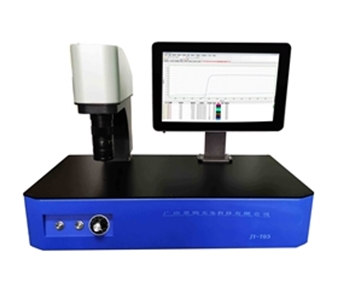
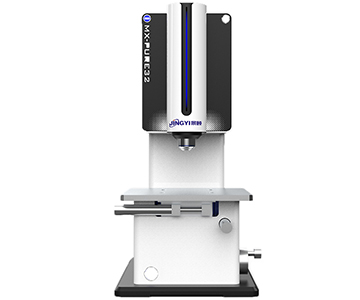
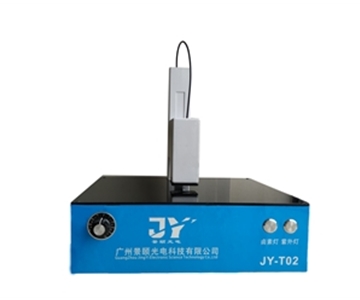
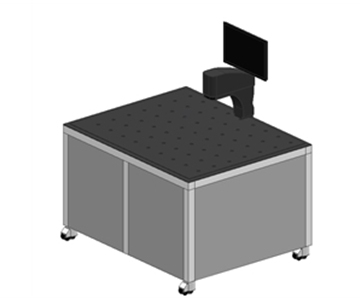
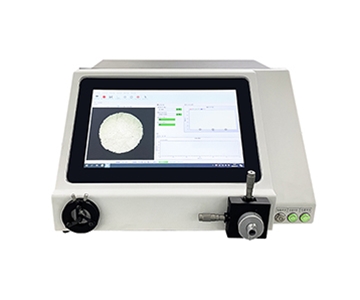
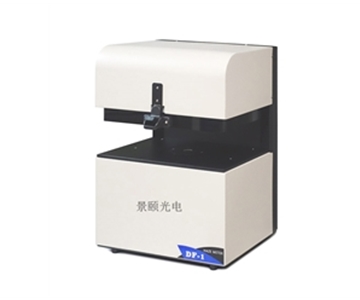
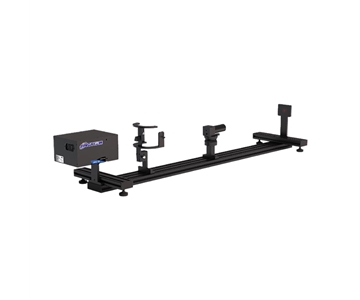
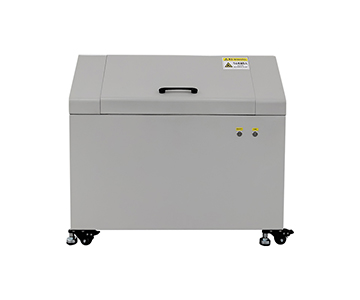
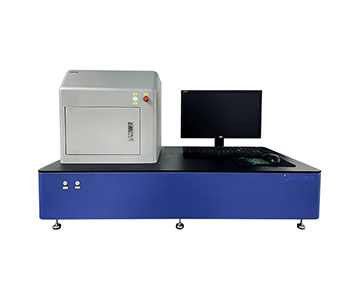
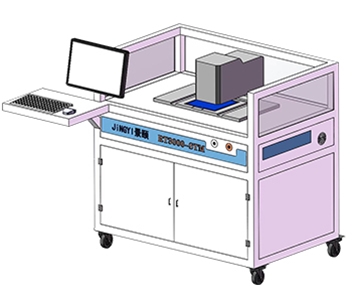
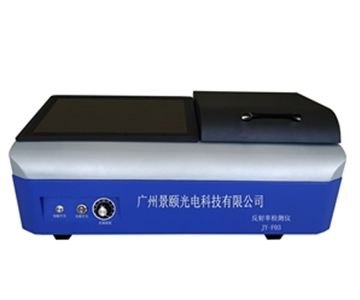
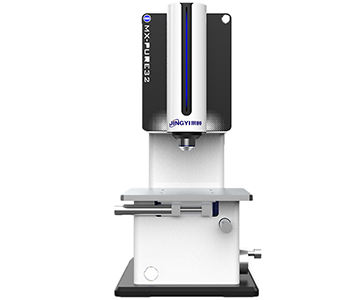
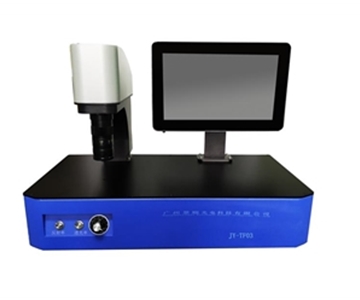
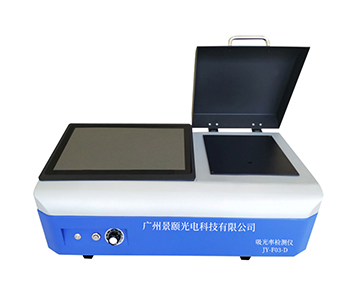
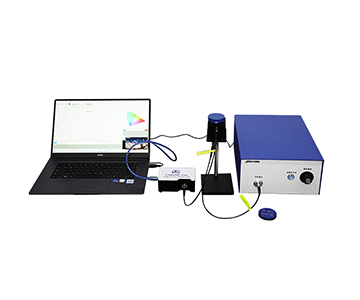
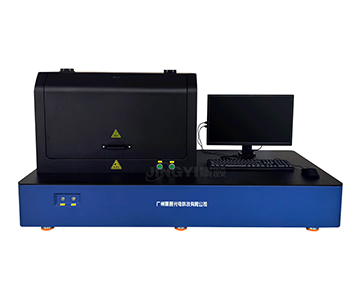
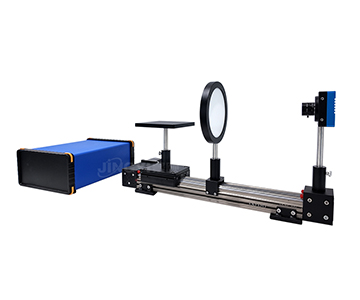
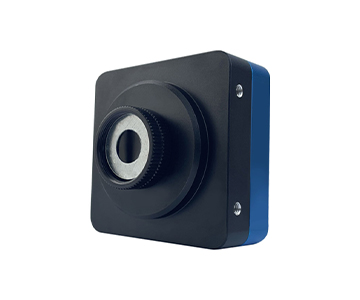
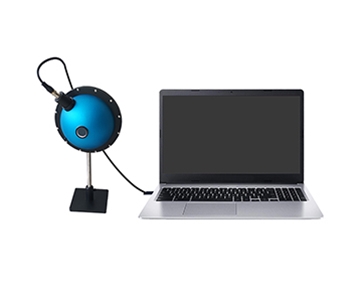
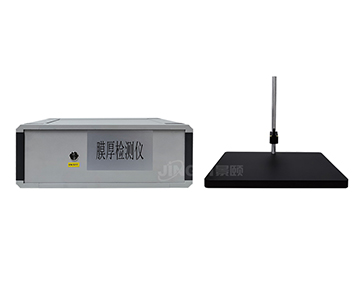
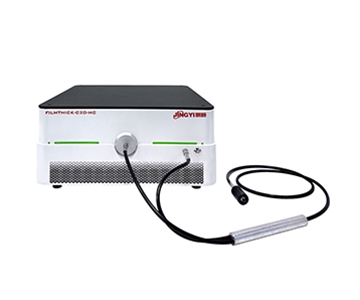
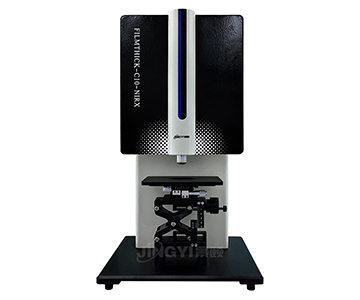
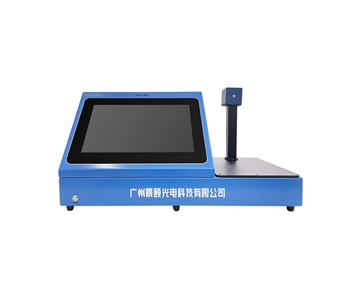
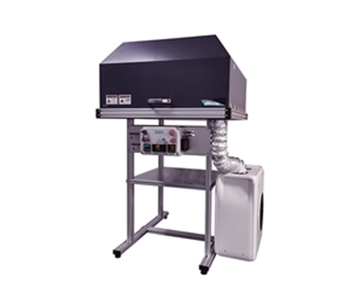
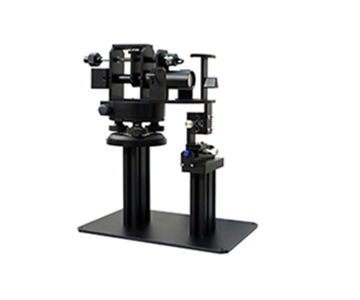
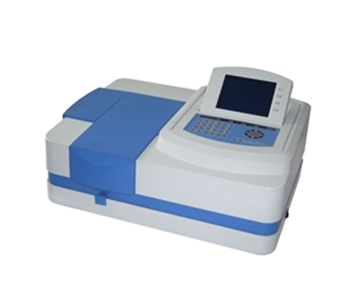
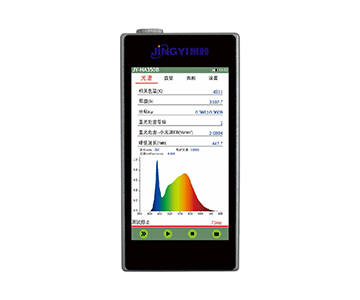
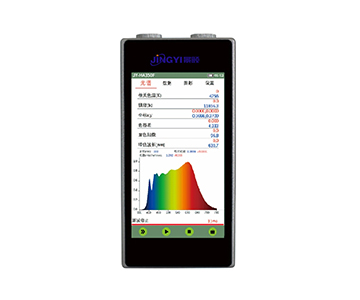
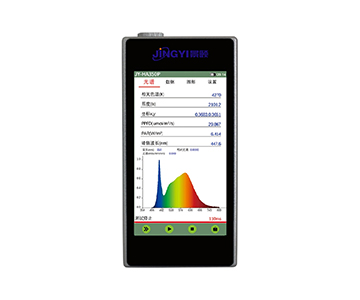
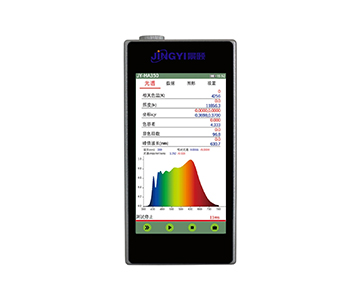
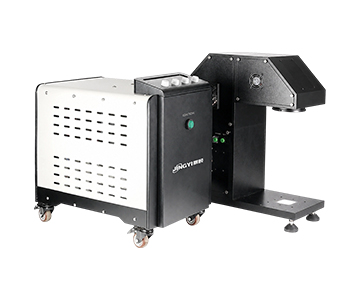
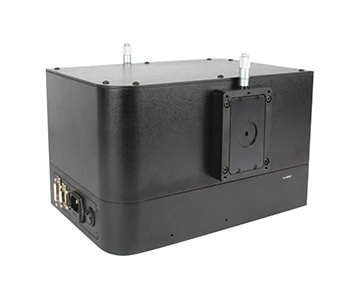
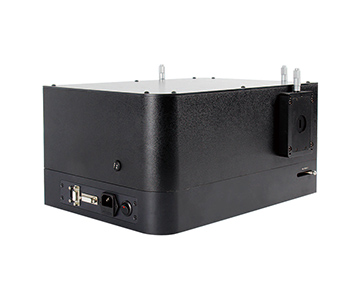
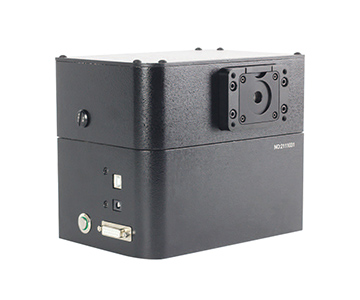
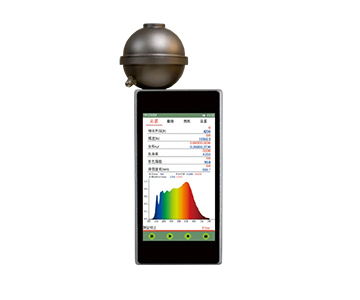
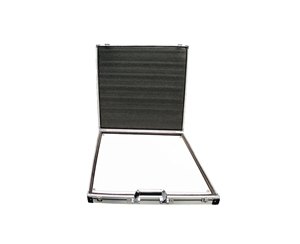
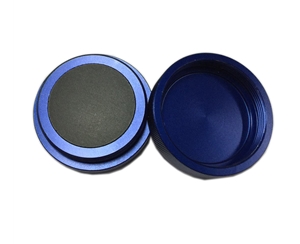
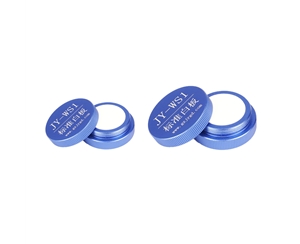
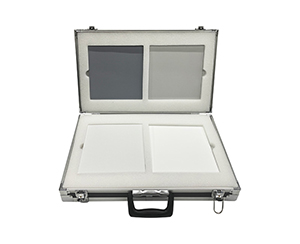
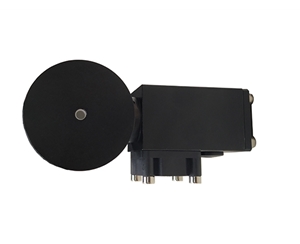
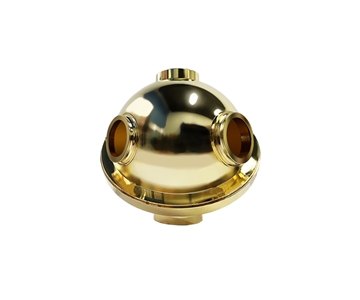
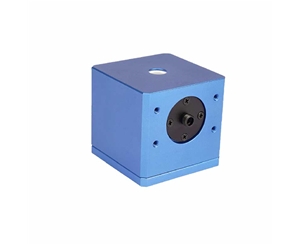
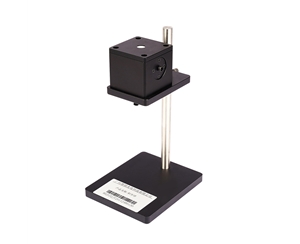
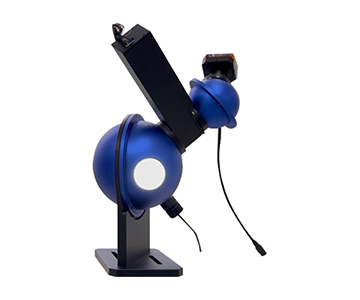
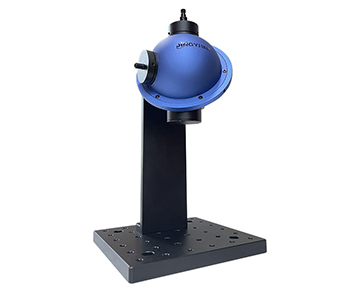
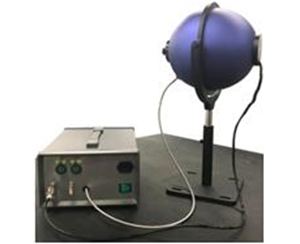
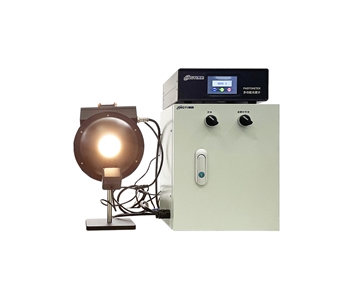
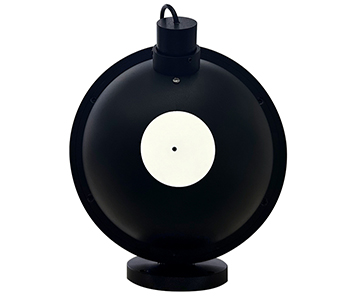
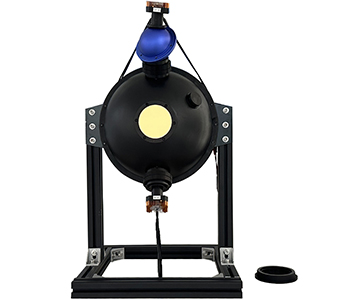
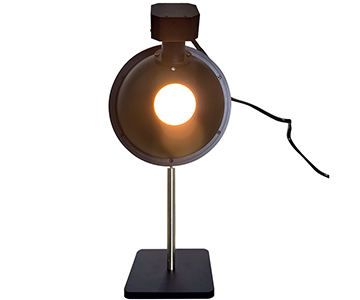
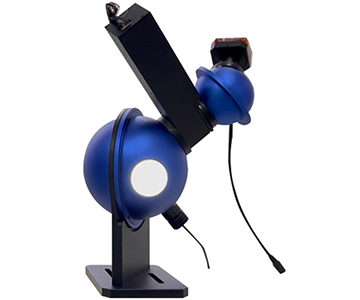
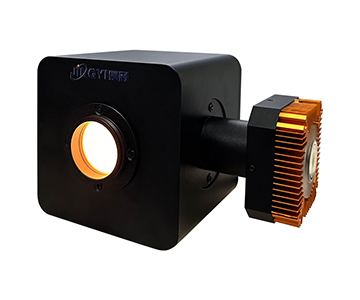
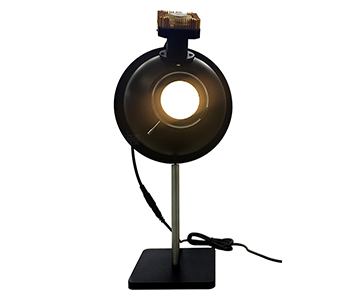
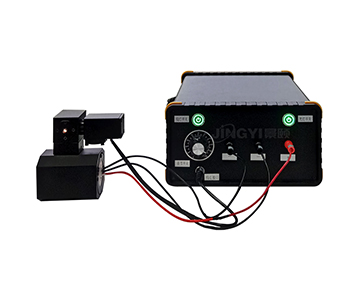
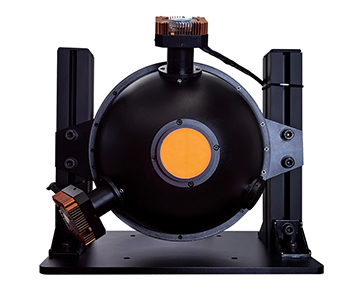
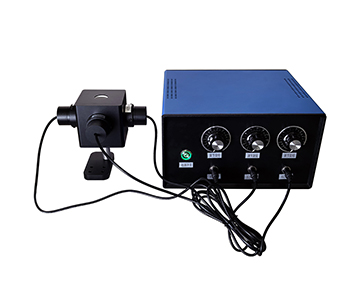
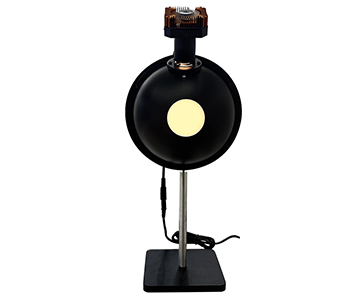
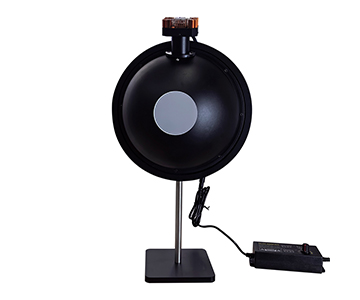
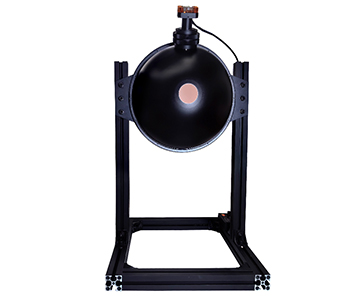
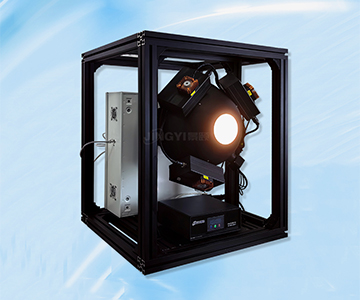
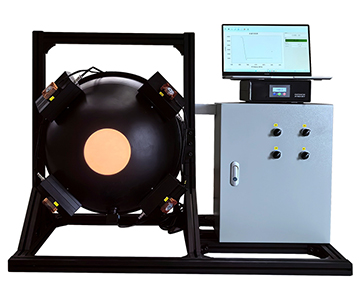
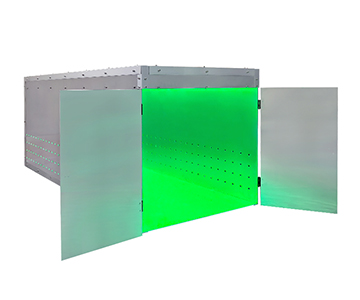
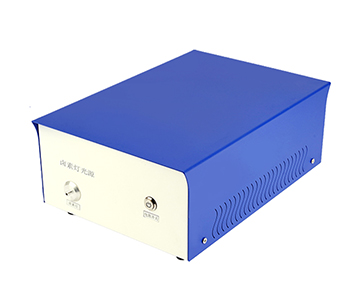
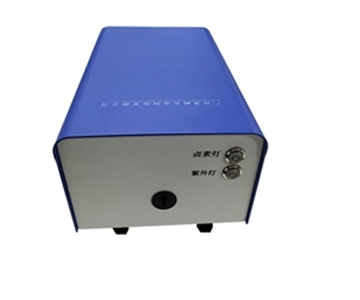
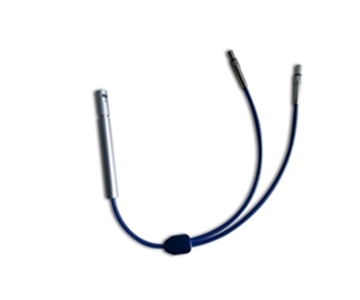
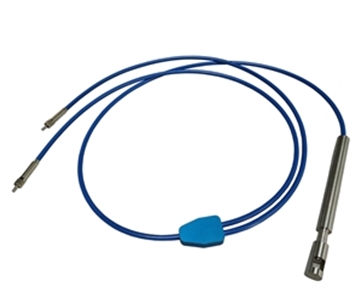
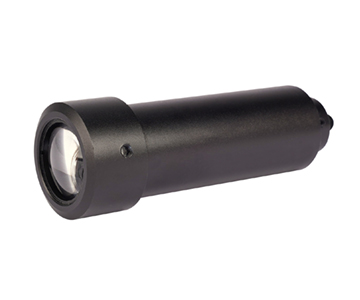
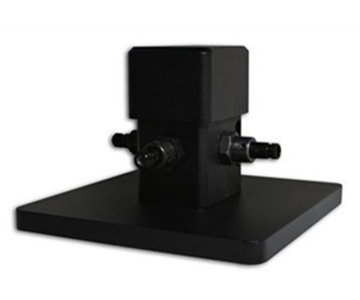
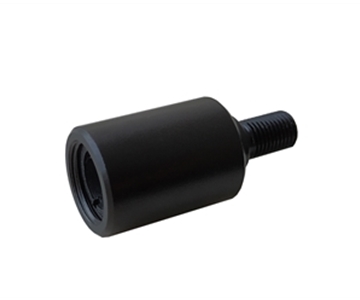
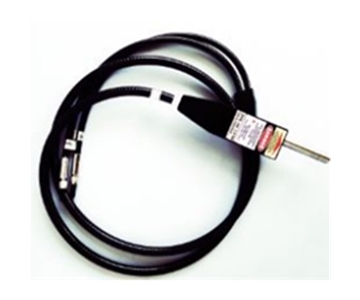
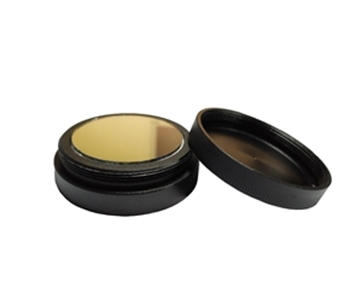
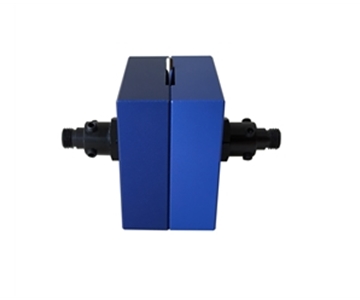
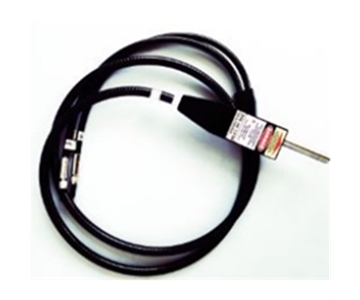
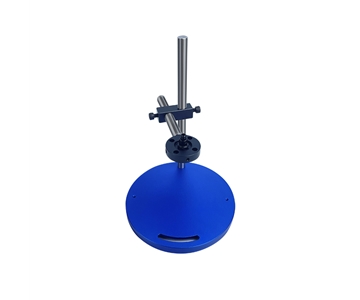
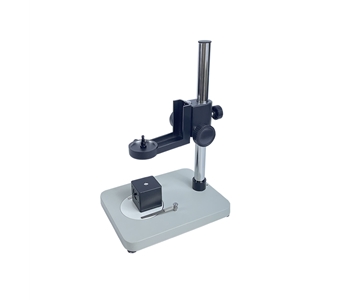
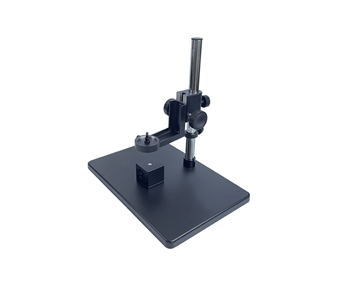
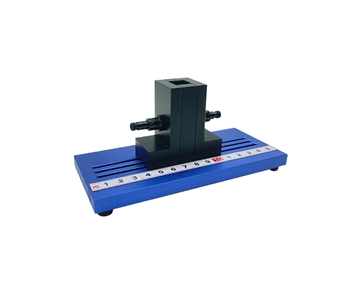
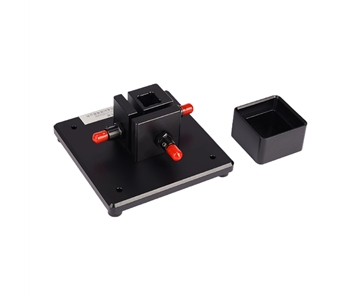
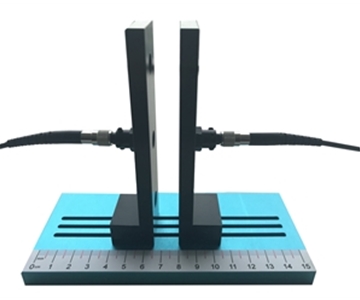
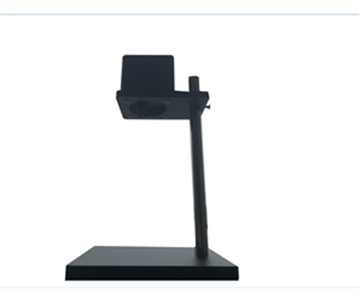
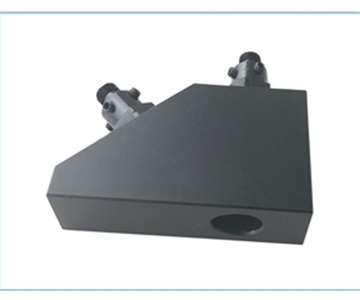
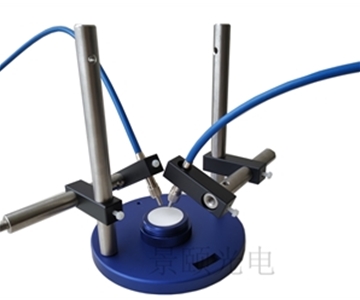
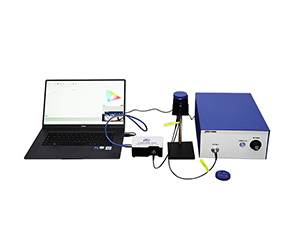
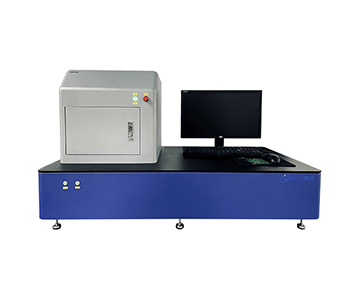
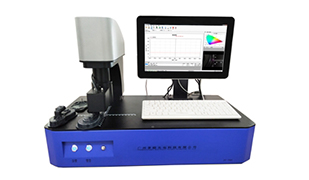
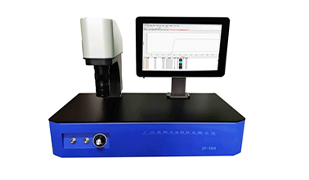
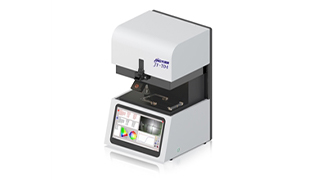
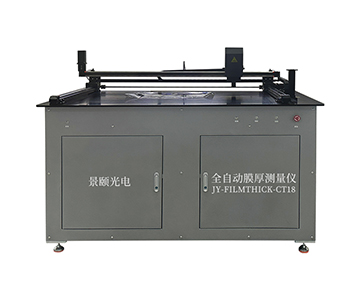
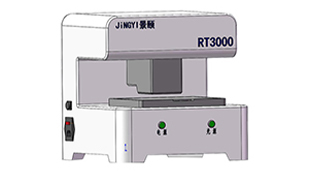
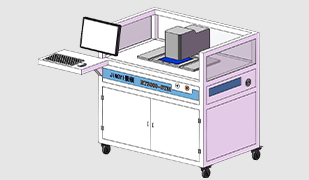
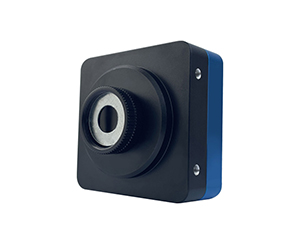
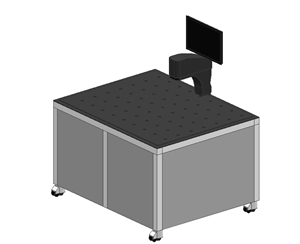
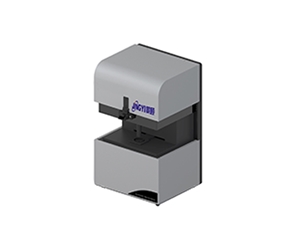
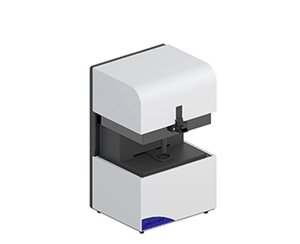
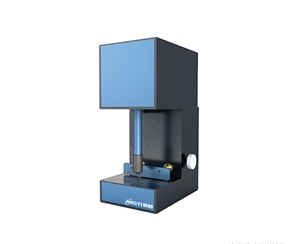
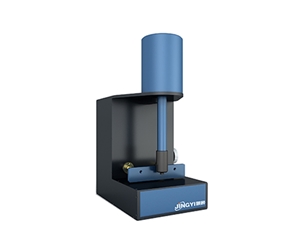
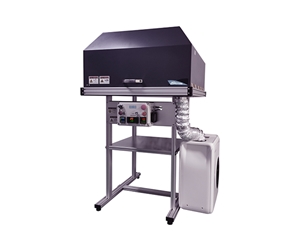
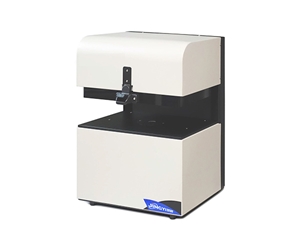
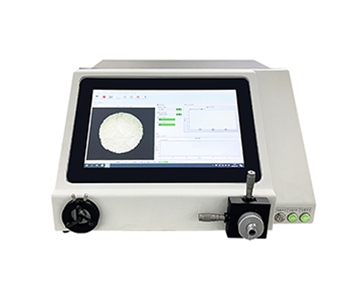
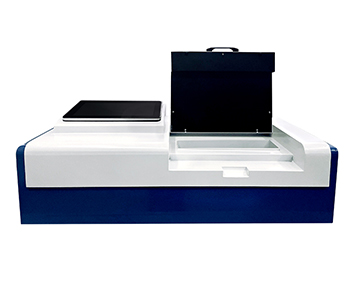
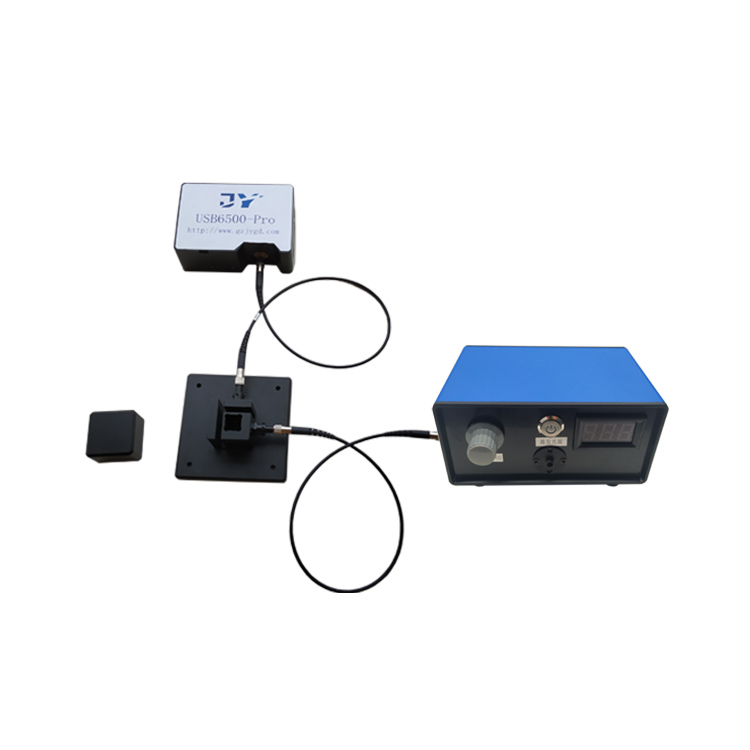
To address the industry-wide challenge of balancing measurement accuracy with sample integrity, a manufacturer has introduced the FILMTHICK-C10 thin-film thickness metrology system—a breakthrough solution based on an independently optimized optical interference measurement architecture. This instrument enables non-destructive, simultaneous multi-parameter measurement. It features an integrated, imported tungsten-halogen light source with a service life exceeding 10,000 hours—significantly reducing production line maintenance costs and unplanned downtime. Its entirely non-contact optical path design ensures zero surface damage to samples, supporting diverse applications across semiconductor wafers, optical coatings, and biomedical thin films. A single measurement yields three core parameters concurrently: film thickness, reflectance, and color. Its companion software—OPTICAFILMTEST—embeds three advanced algorithms: Fast Fourier Transform (FFT), extremum detection, and curve fitting. The software automatically selects the optimal algorithm based on material-specific properties. Coupled with an open-access refractive index database, users can upload newly developed specialty film parameters directly—eliminating dependency on vendor-driven database updates and greatly accelerating R&D testing cycles. Real-time visualization of interference spectra, FFT spectral plots, and thickness trend curves further empowers engineers to rapidly identify root causes of process drift.
Currently, this class of optical interference-based thickness metrology equipment has achieved large-scale deployment across three core electronics manufacturing scenarios:
- In semiconductor fabrication, it enables nanometer-precision measurement of gate oxides on 12-inch wafers, stacked dielectric layers in memory chips, and epitaxial layers in third-generation semiconductors. At a leading third-generation semiconductor wafer fab, validation results showed measurement repeatability within ±0.3 nm—while completely eliminating surface scratching risks associated with traditional contact methods—leading to a 2.7% improvement in process yield.
- In passive component manufacturing, it supports rapid inspection of MLCC ceramic dielectric layers, thick-film resistor functional layers, and inductor insulation layers. Measurement speed per sample is 40% faster than conventional instruments—fully meeting full-inspection throughput requirements on high-volume production lines.
- In PCB and advanced packaging substrate manufacturing, it assesses uniformity of copper plating, solder mask coatings, and substrate dielectric layers—even on unconventional geometries including flexible printed circuits (FPCs) and irregularly shaped packaging substrates—resolving longstanding pain points where traditional contact tools fail on curved surfaces or soft substrates.
As the electronics industry advances toward Chiplet packaging, wearable flexible electronics, and Micro LED displays, demand for thin-film metrology is evolving toward in-line integration, multi-parameter correlation, and intelligent process control. The manufacturer continues advancing both algorithmic sophistication and hardware adaptability: The FILMTHICK-C10 already incorporates standardized industrial data interfaces—enabling seamless integration with factory MES systems for real-time thickness data upload and automated anomaly alerts. Future upgrades will embed AI-powered process prediction models that leverage thickness metrology data to reverse-optimize deposition parameters—establishing a closed-loop control cycle from measurement to process adjustment, thereby minimizing yield loss caused by process variation.
Looking ahead, thin-film thickness metrology—as a cornerstone of end-to-end quality assurance across the electronics manufacturing value chain—will increasingly rely on instrumentation combining broad applicability with exceptional accuracy. Continuous technological advancement by domestic metrology equipment manufacturers will provide a more robust, foundational layer of inspection capability—strengthening China’s electronics industry on its path toward autonomous, secure, and sustainable upgrading.
#ThinFilmThicknessMetrology #FilmThicknessGauge #ThinFilmThicknessTester #OpticalInterferenceThicknessMeasurement #CoatingThicknessAnalyzer #ThicknessGauge