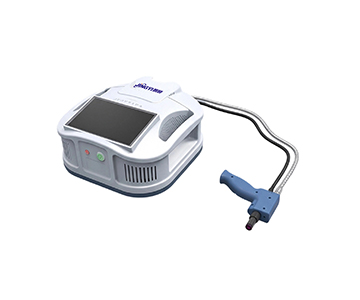
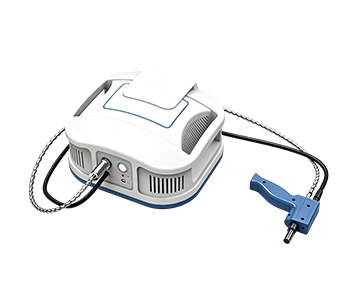
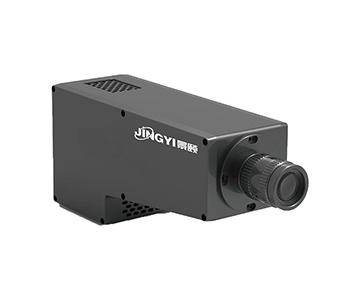
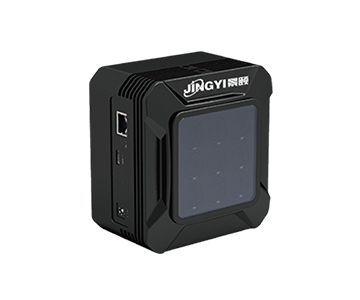
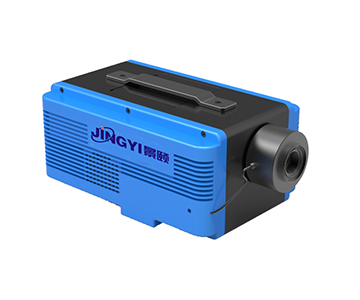
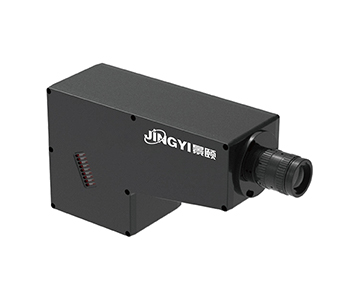
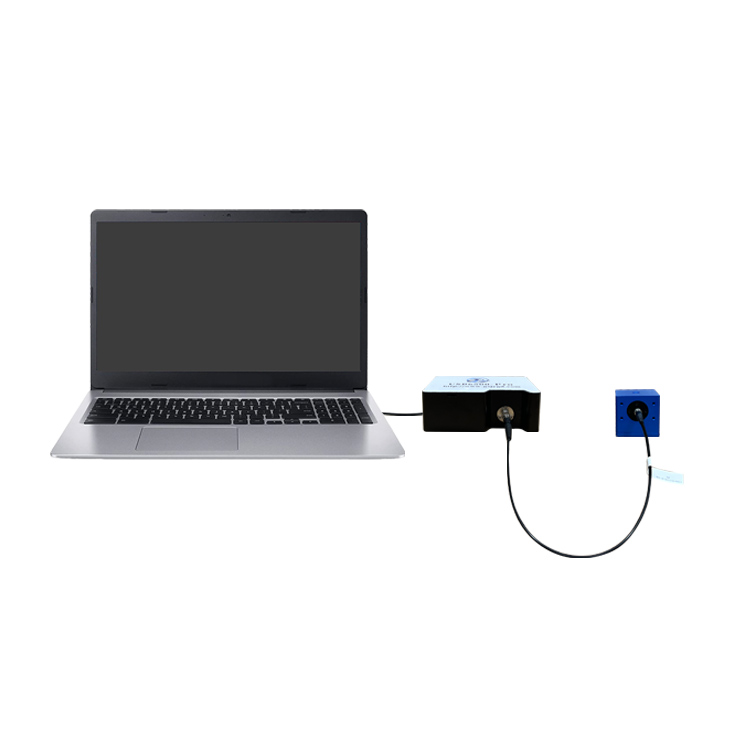
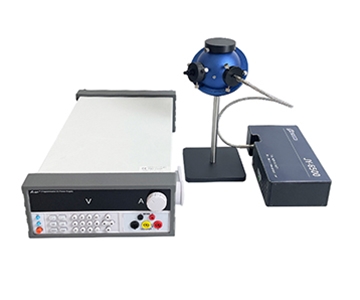
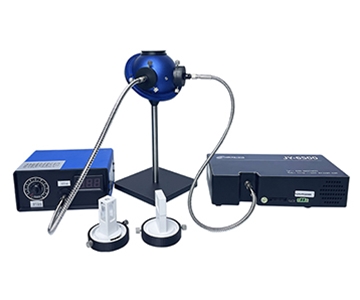
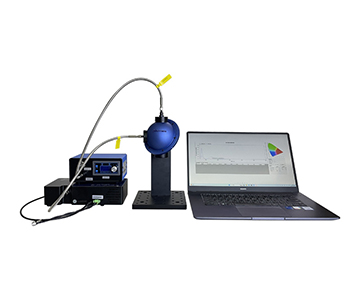
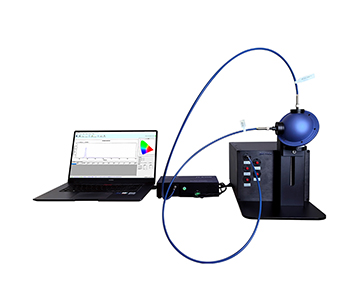
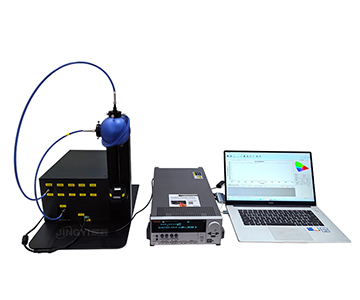
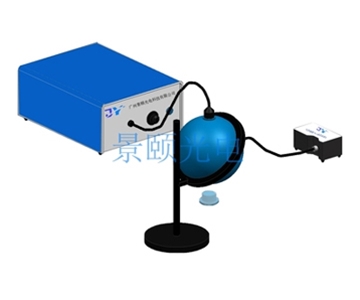
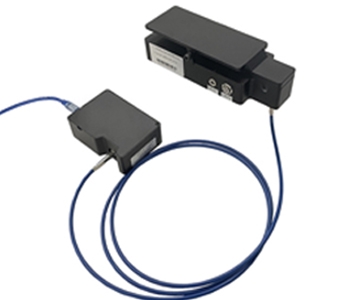
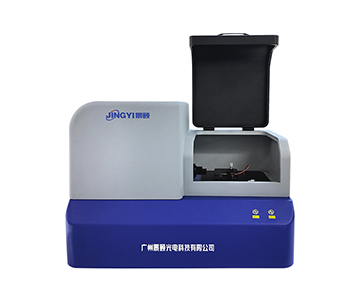
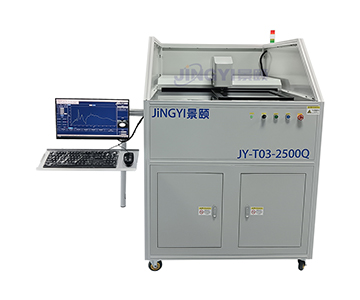
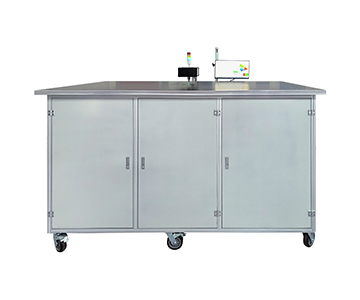
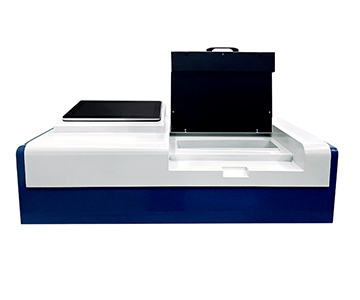
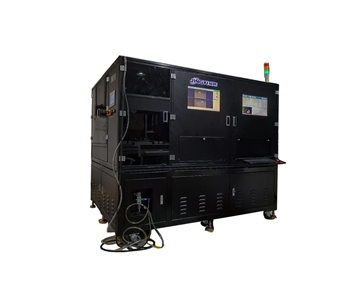
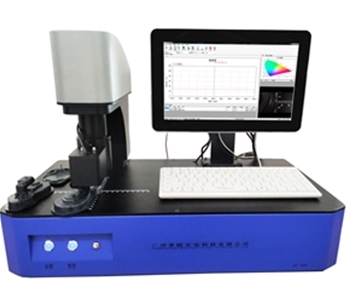
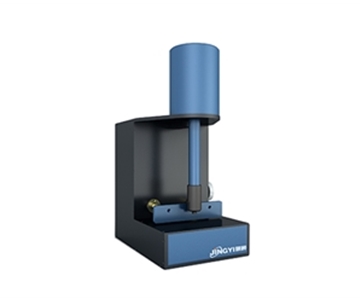
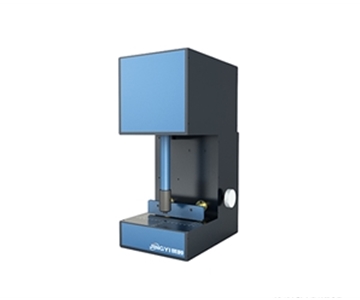
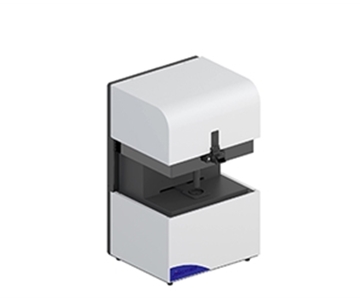
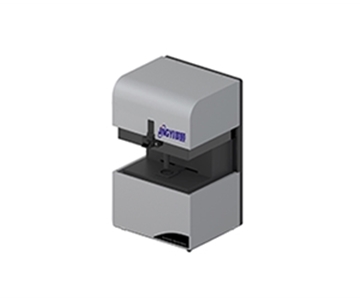
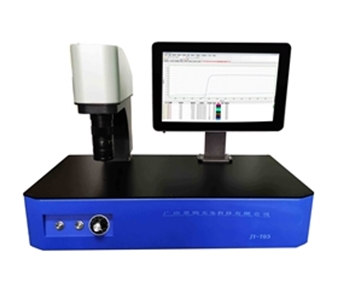
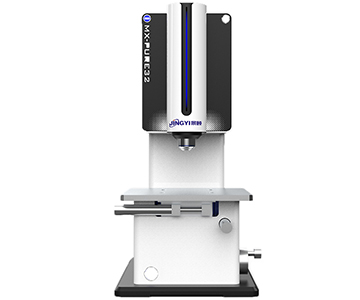
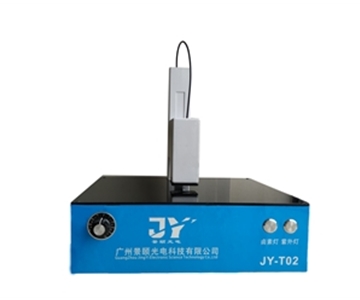
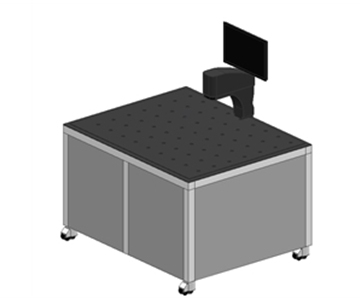
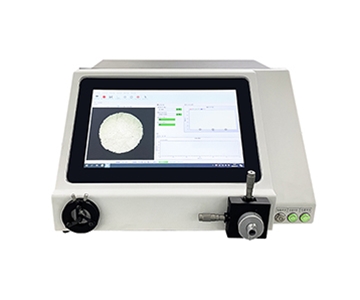
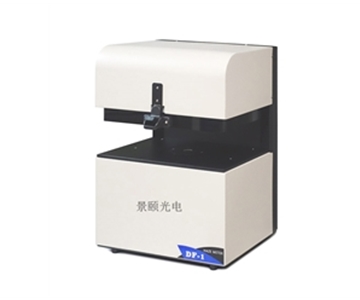
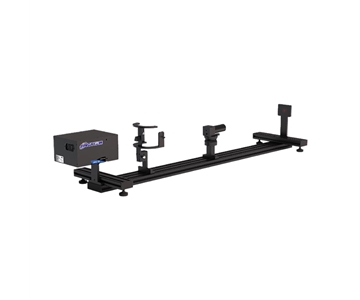
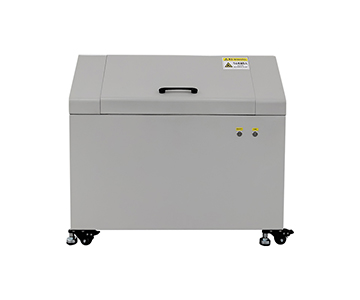
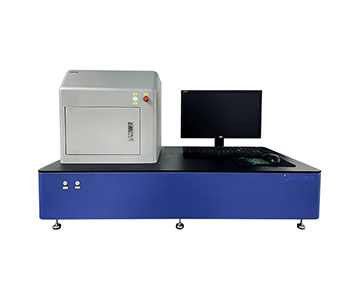
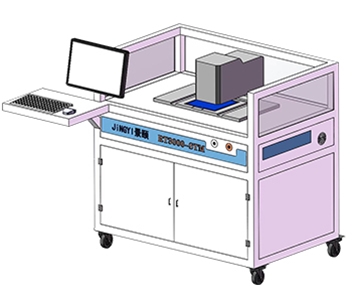
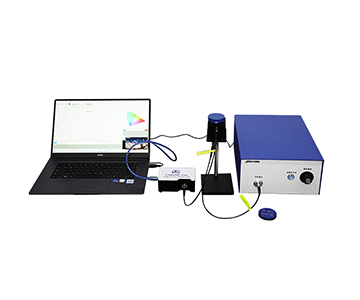
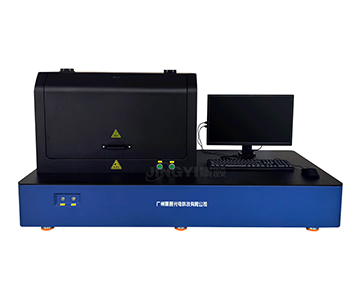
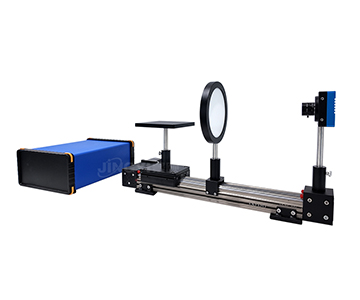
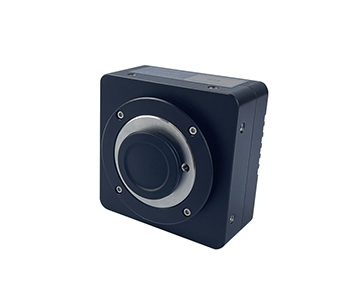
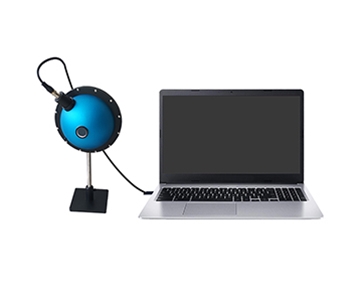
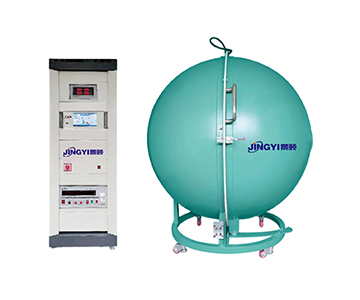
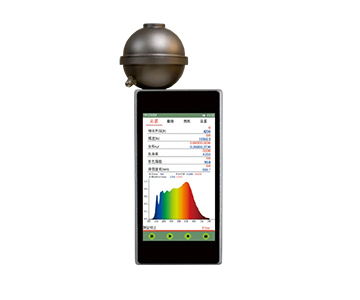
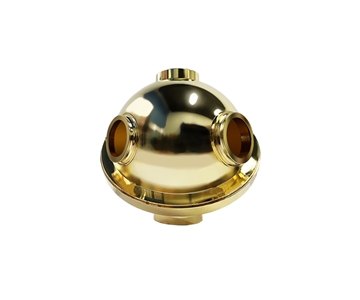
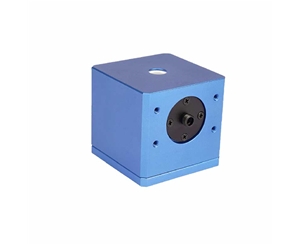
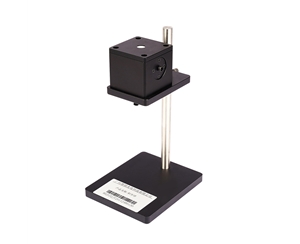
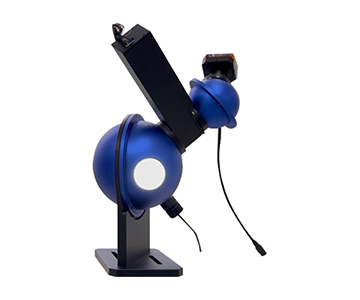
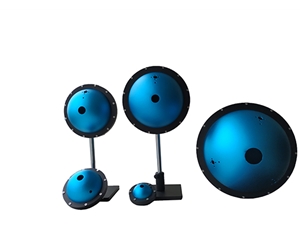
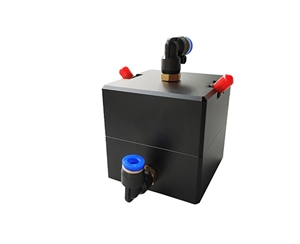
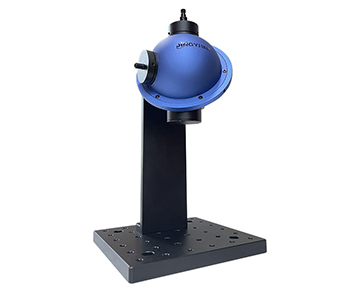
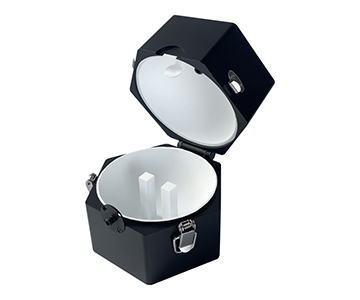
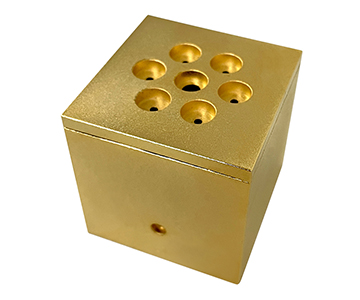
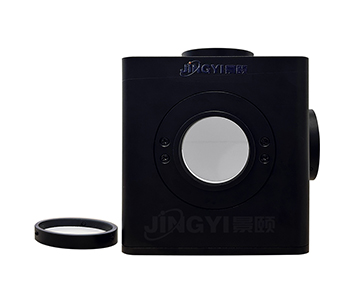
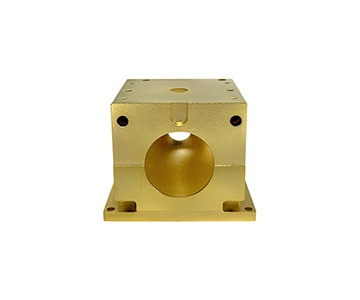
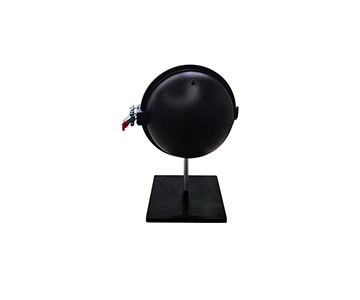
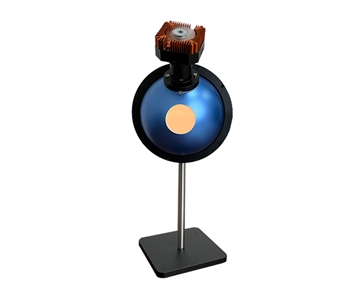
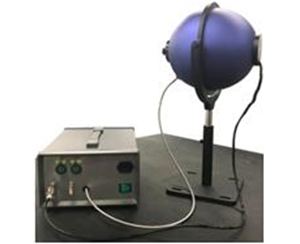
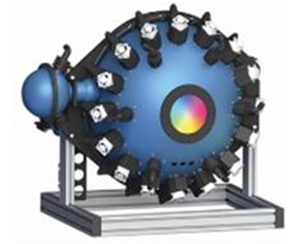
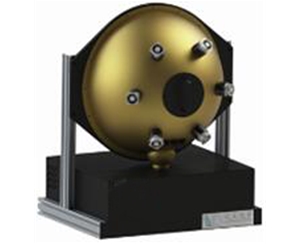
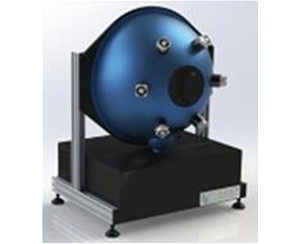
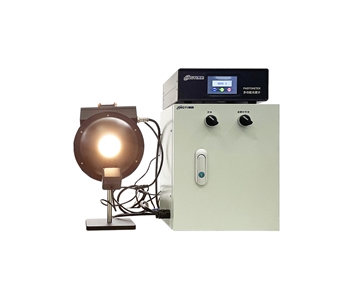
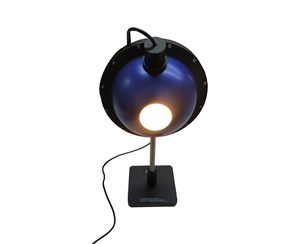
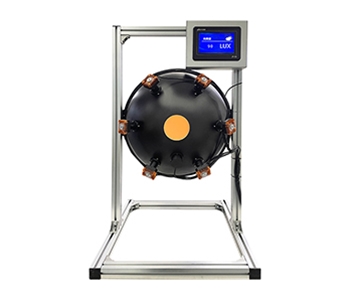
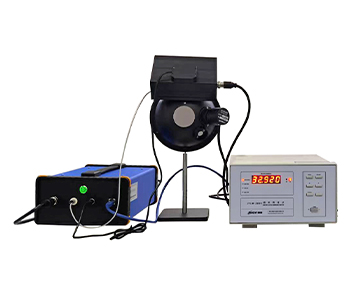
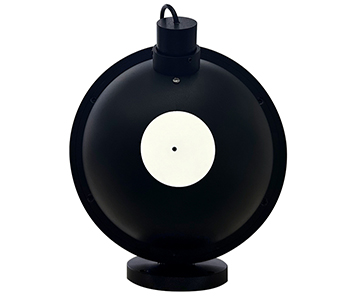
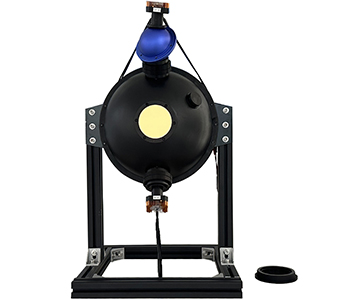
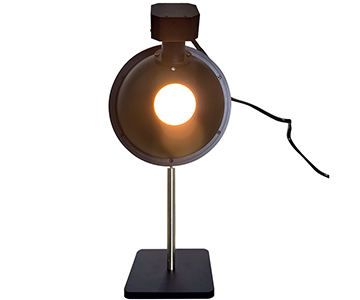
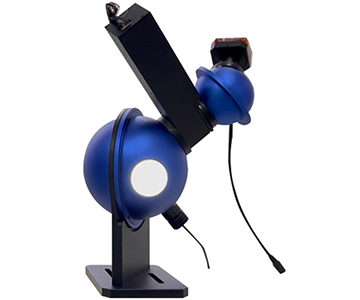
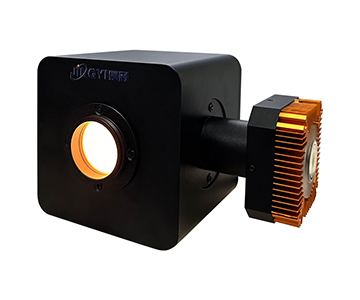
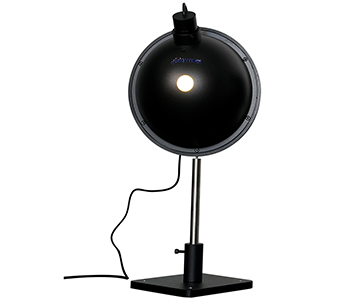
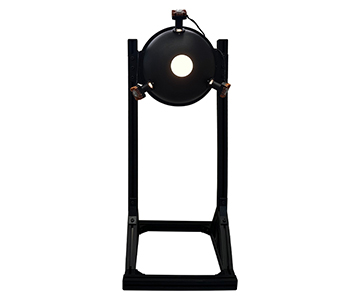
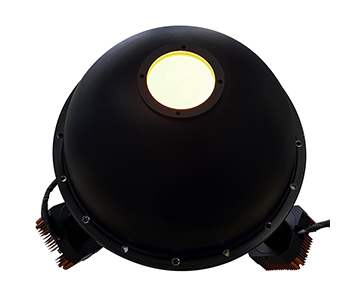
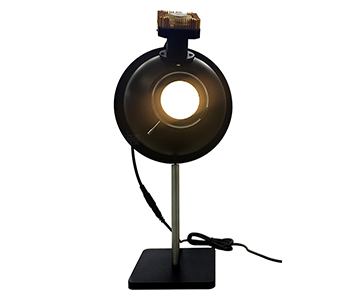
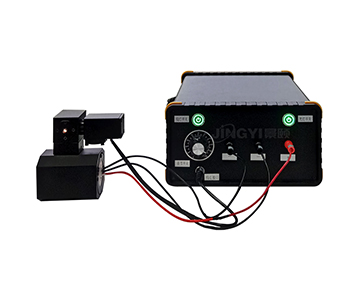
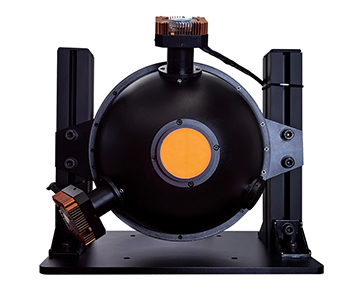
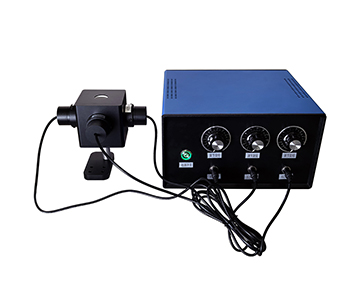
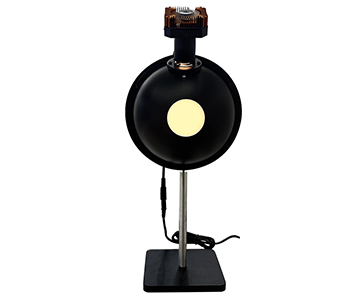
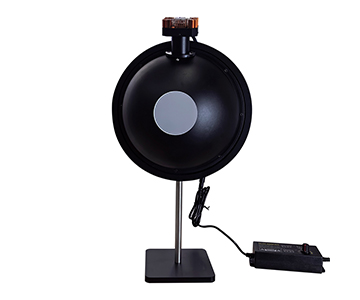
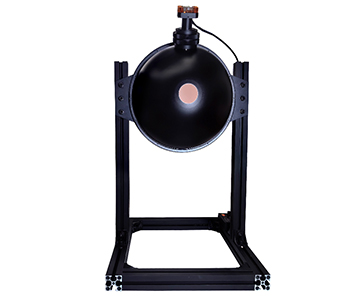
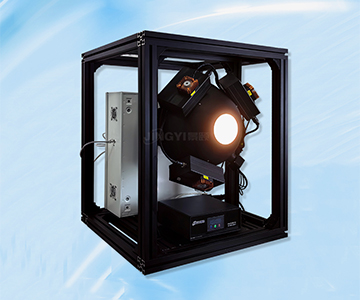
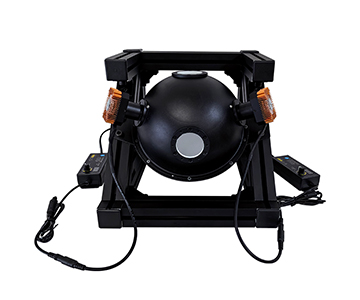
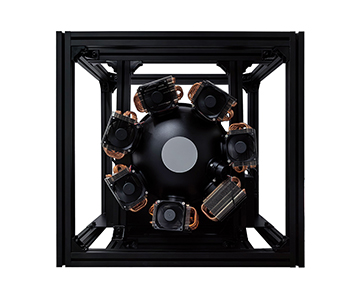
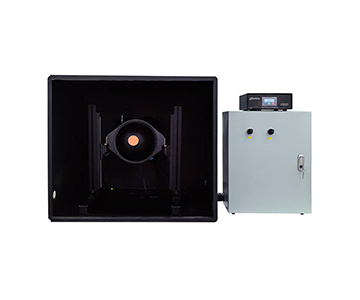
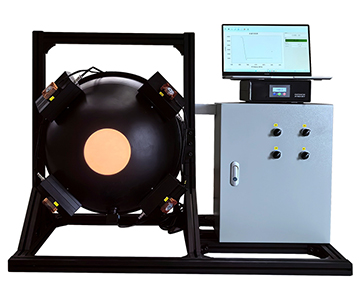
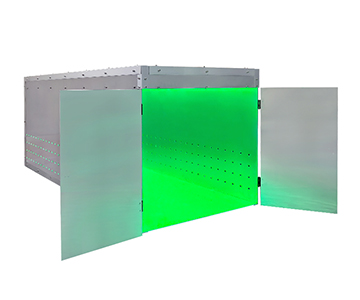
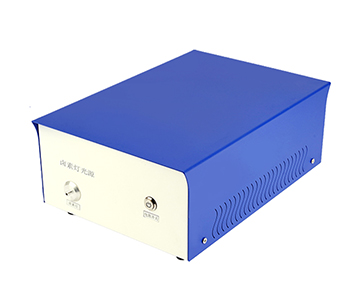
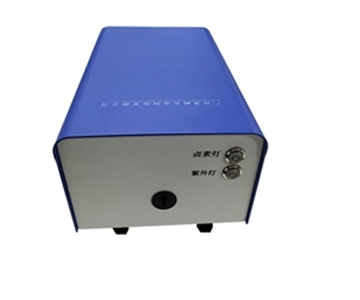
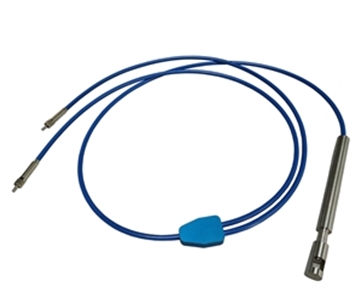
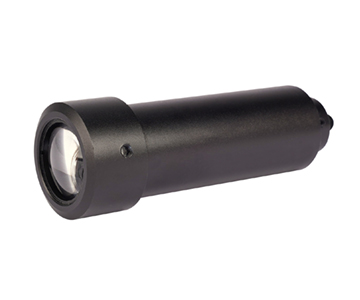
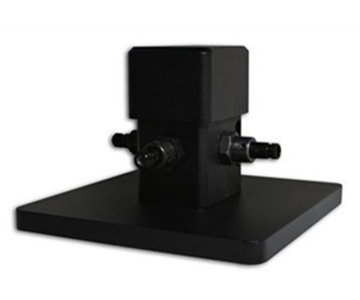
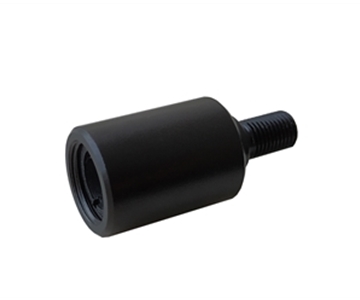
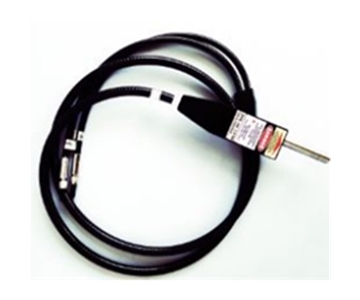
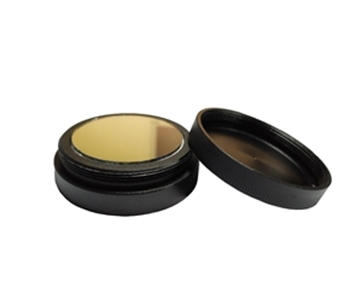
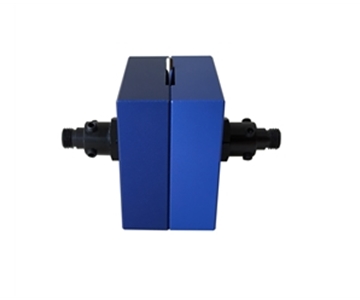
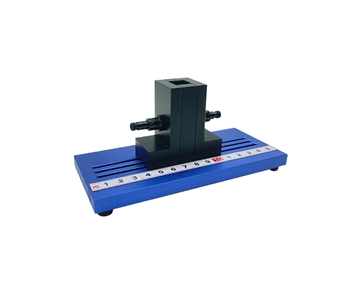
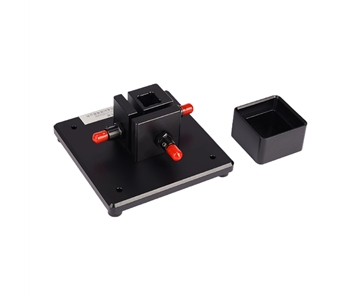
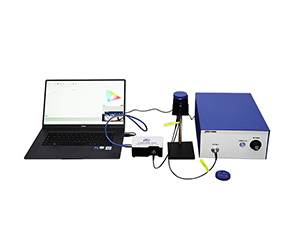
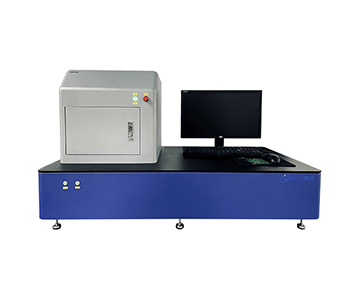
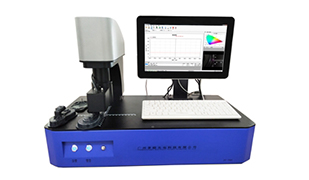
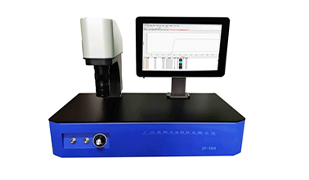
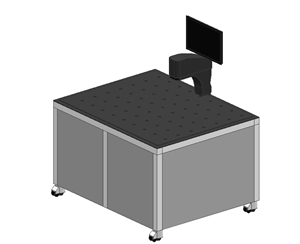
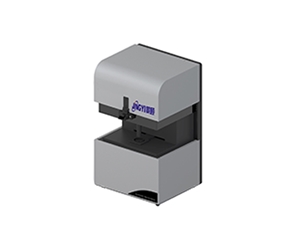
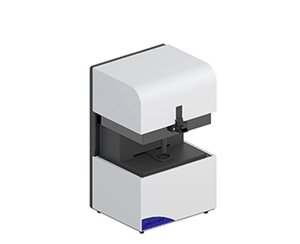
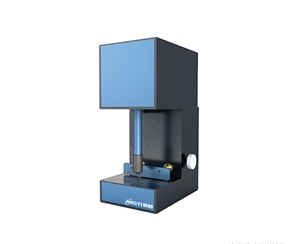
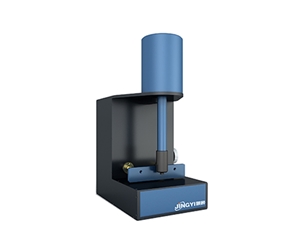
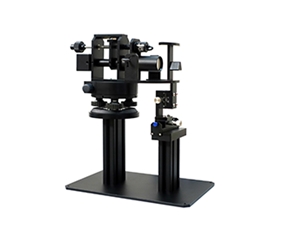
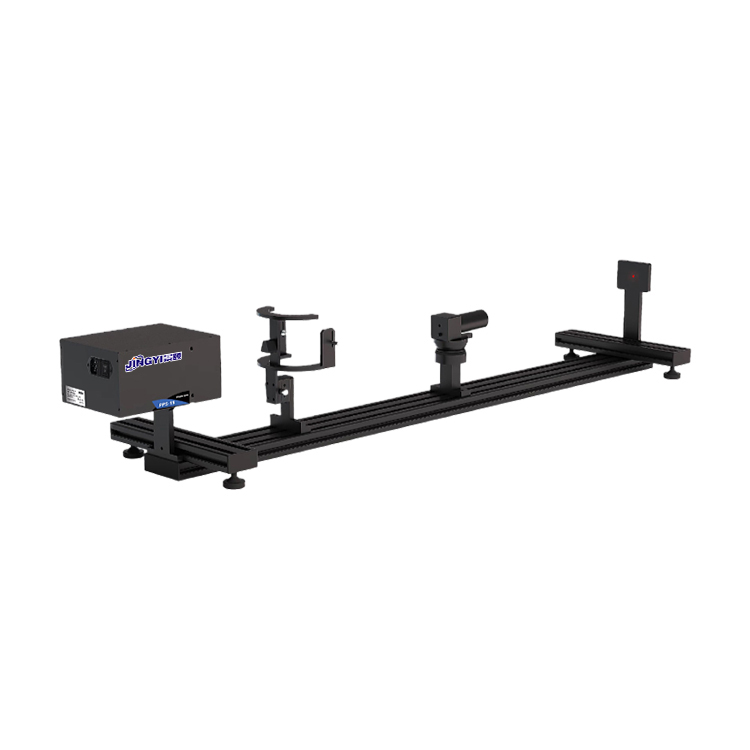
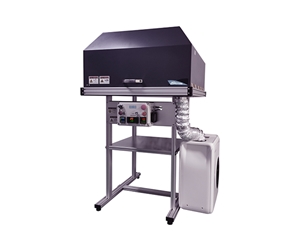
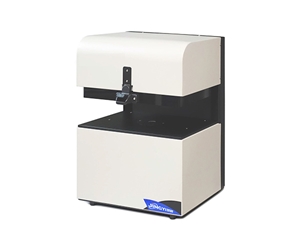
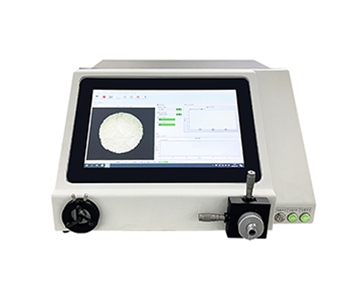
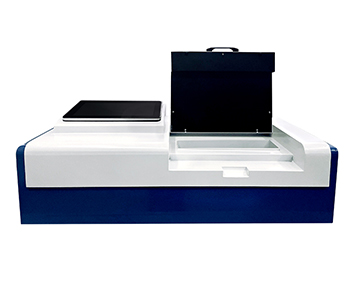
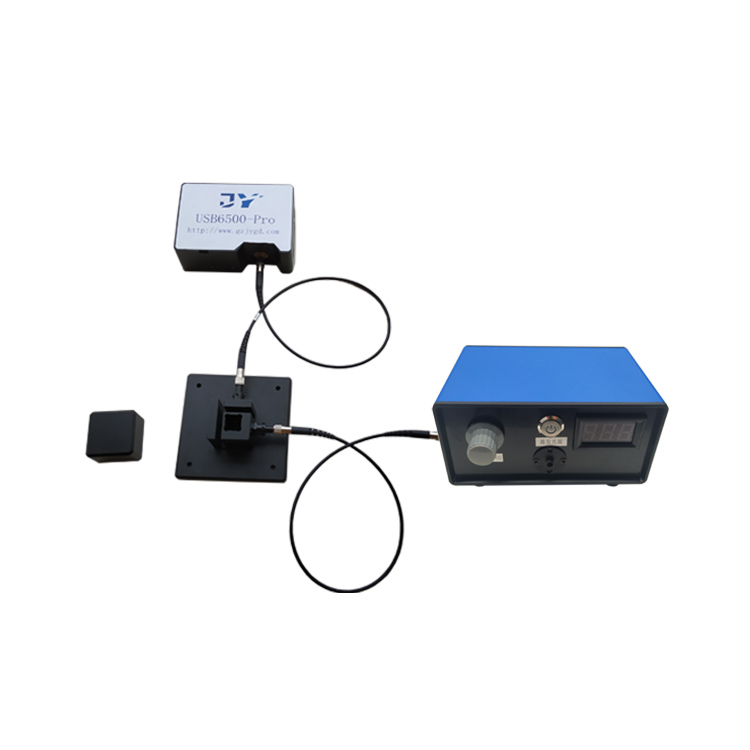
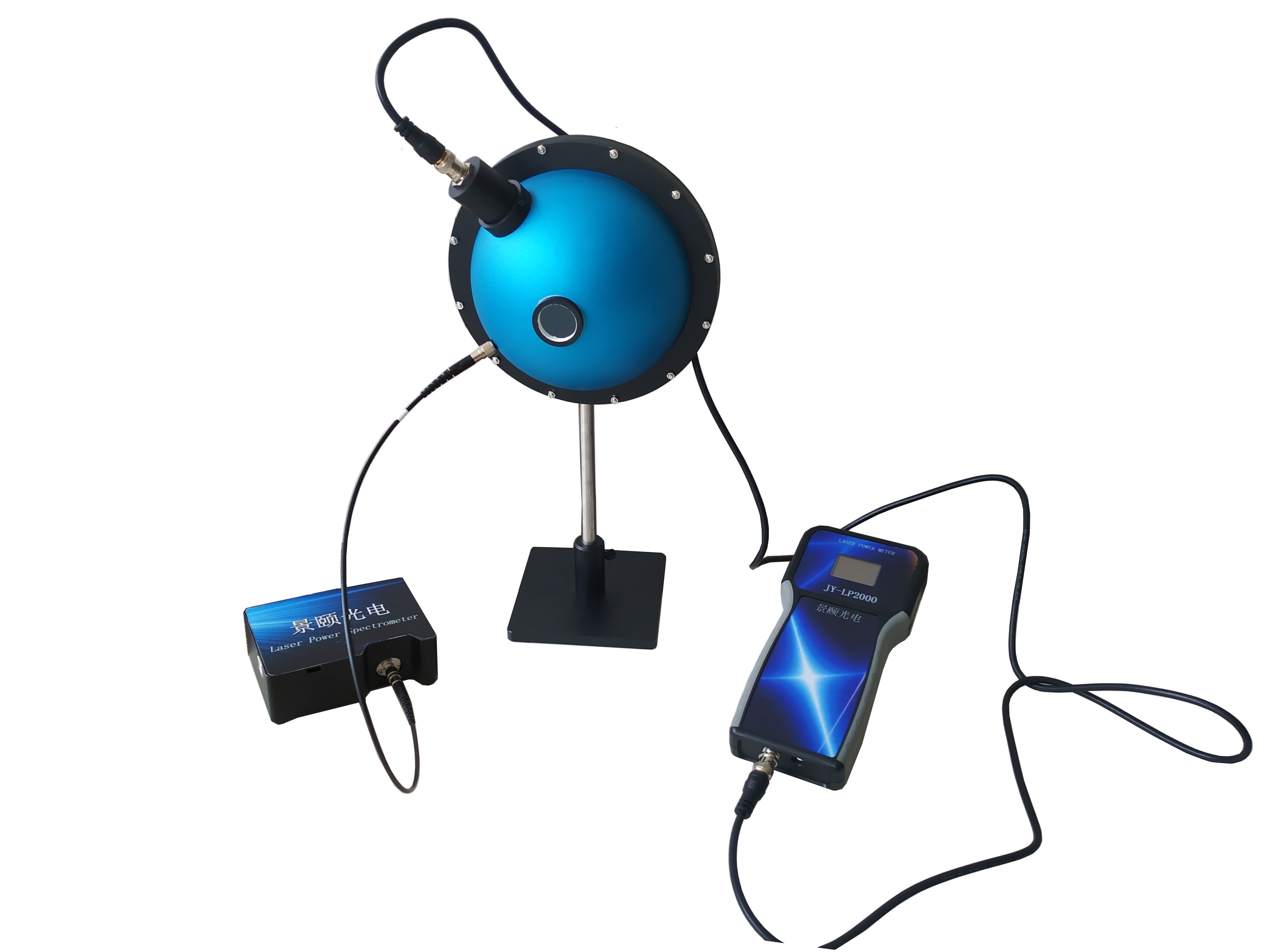
In September 2025, addressing the industry-wide challenges of large light-field non-uniformity and limited scene adaptability prevalent in optical detection calibration, Jingyi Optoelectronics launched its new JY-JFIOS150 series universal reflective integrating sphere uniform light source—delivering a standardized optical environment solution for optical calibration across consumer electronics, aerospace remote sensing, security & defense research, and other fields.
Many may not realize that—from everyday smartphone cameras and home security surveillance systems to orbital remote-sensing satellites and specialized night-vision equipment—all such devices must undergo rigorous optical calibration before shipment or during routine maintenance. A core requirement of calibration is a perfectly uniform, fully controllable standard light field. If the light field itself exhibits brightness non-uniformity (e.g., hotspots or dark zones), calibrated devices may suffer from color shifts, vignetting, sensitivity deviations, or even complete failure: remote-sensing data may become invalid; night-vision systems may produce erroneous interpretations.
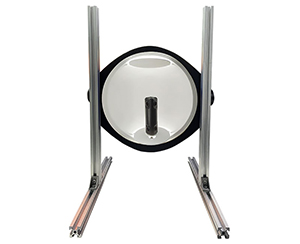
Reflective integrating spheres fulfill their role as calibration light sources through a fundamental principle: their interior is coated with ultra-high-diffuse-reflectance material, which scatters incident light through dozens—or even hundreds—of random, diffuse reflections. This process completely eliminates directional properties and intensity variations of the original light, reconstructing it into a standard light field with identical brightness at every angle and position. Moreover, these spheres can also function as precise optical attenuators—the output light intensity can be accurately calculated based on structural parameters, enabling users to flexibly adjust illumination levels according to specific test requirements.
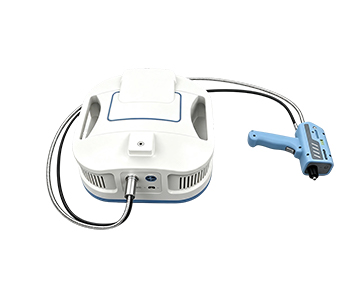
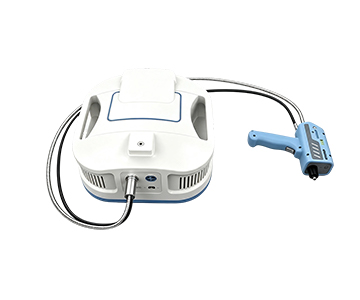
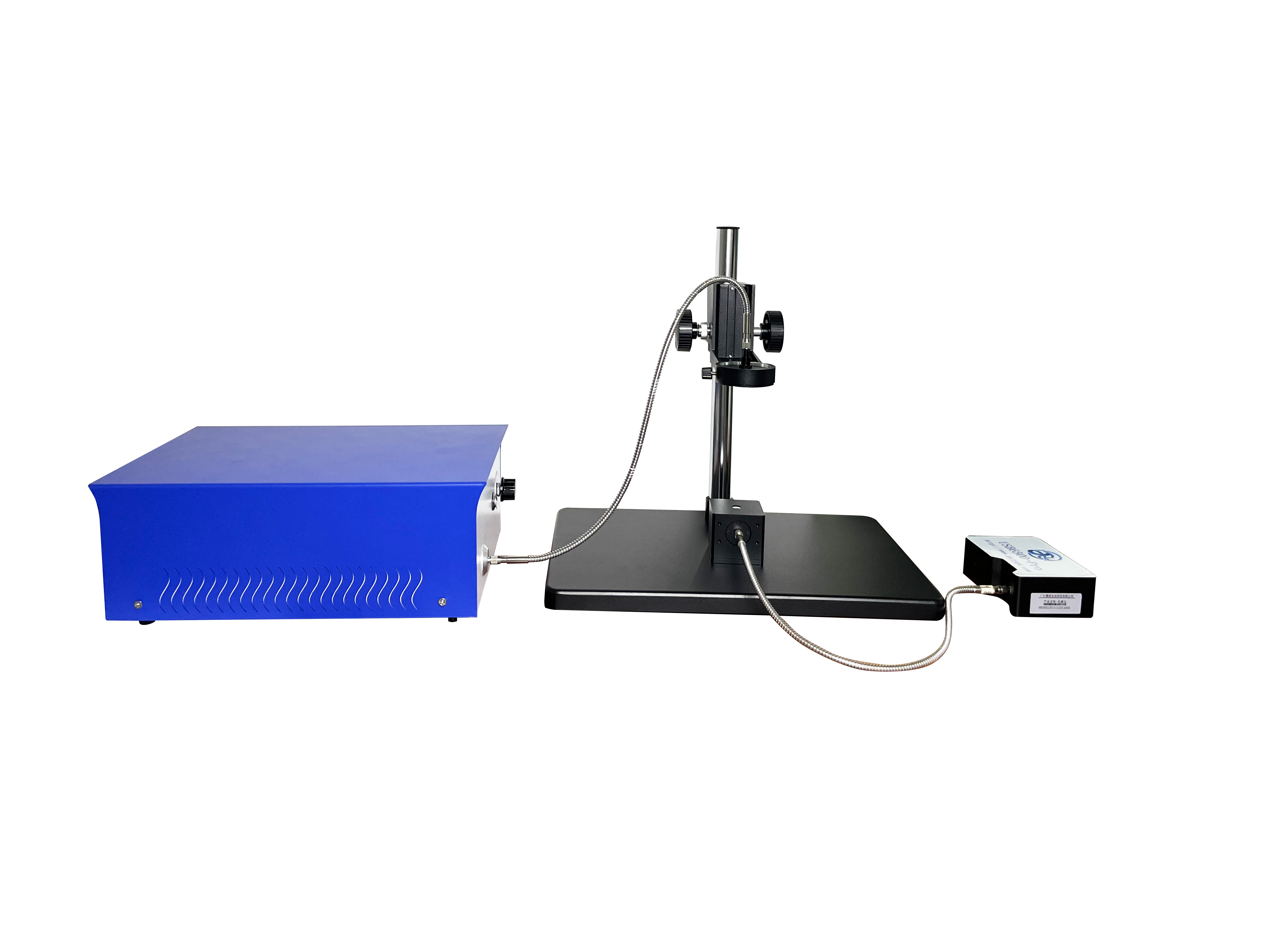
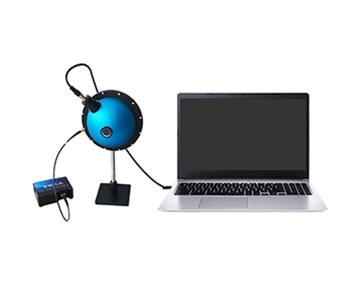
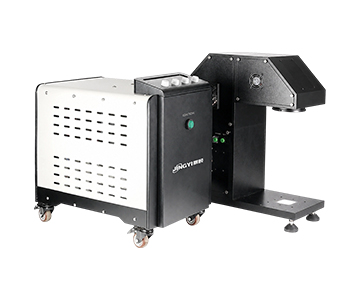
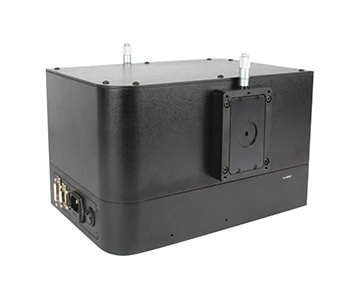
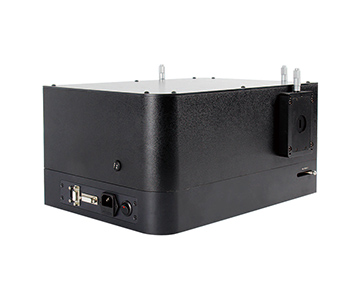
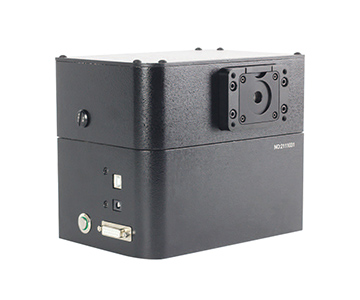
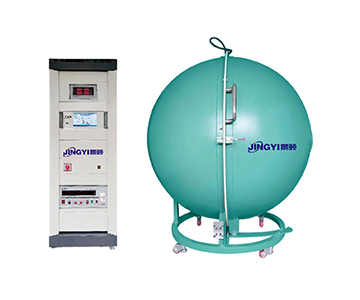
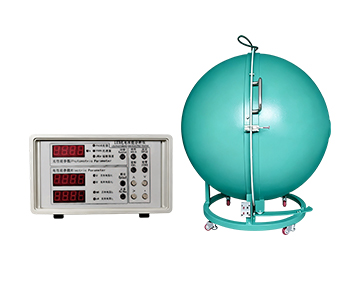
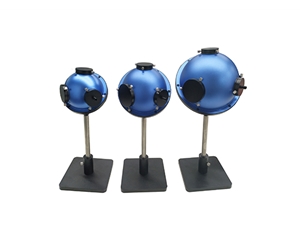
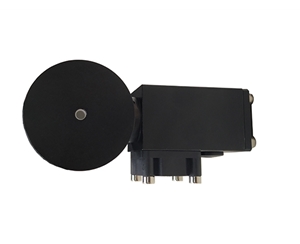
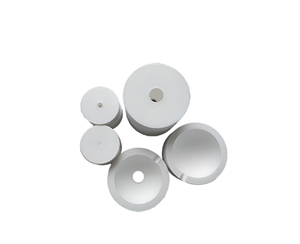
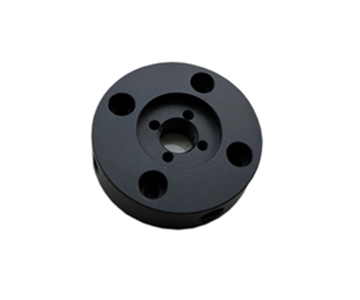
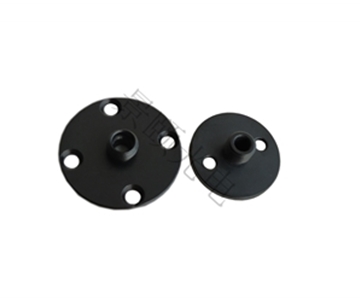
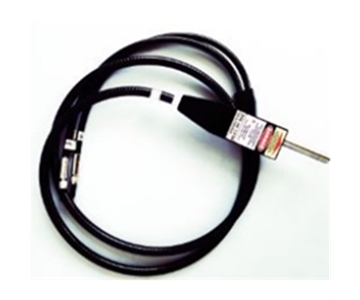
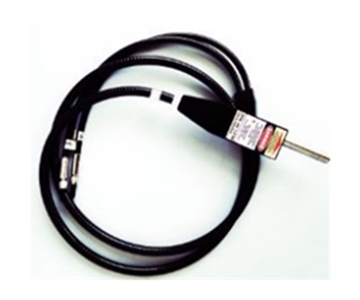
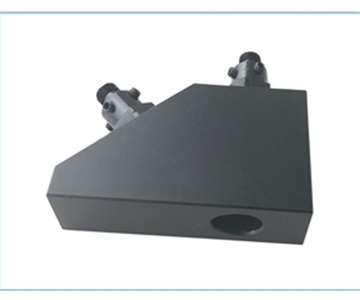
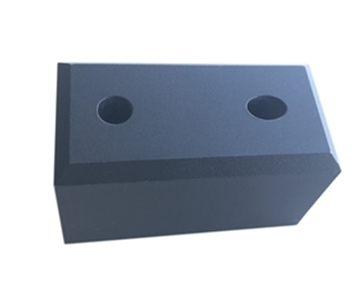
The JY-JFIOS150 reflective integrating sphere light source by Jingyi Optoelectronics features a standard 55 W halogen lamp as its light-emitting unit, while also supporting customization with alternative light sources to meet specific spectral-band requirements. Its output port is positioned horizontally along the sphere’s central axis, with a diameter of 5 mm and luminance uniformity exceeding 98%. Custom flange structures are available to seamlessly interface with diverse calibration instruments—offering significantly broader compatibility than industry-standard models. To ensure high reflectance across the full spectrum, the sphere’s inner wall employs a premium diffuse-reflective coating with reflectance >98%, optionally fabricated from polytetrafluoroethylene (PTFE). This coating covers the entire spectral range—from ultraviolet (UV) through visible to infrared (IR)—eliminating excessive loss at any particular wavelength band.
This device serves applications spanning consumer, industrial, and scientific domains:
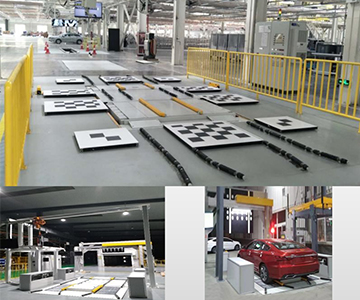
- In consumer electronics production lines, it enables flat-field correction, linearity testing, and dark-noise evaluation for smartphones and digital cameras—ensuring consistent image quality across all shipped units;
- In security & surveillance, it provides a spectrally stable, uniform light field for spectral-response calibration of high-sensitivity CCTV cameras and night-vision systems—enhancing imaging accuracy under complex lighting conditions;
- In aerospace R&D, it calibrates spectral response of satellite remote-sensing payloads and characterizes key parameters (e.g., quantum efficiency, dynamic range) of CMOS and CCD image sensors—guaranteeing data integrity for scientific analysis.
Notably, the design and performance testing of this reflective integrating sphere comply with multiple domestic and international standards—including LM-79, GB/T 24824, IEC 61612, GB/T 24908, IEC 62722-2-1, and IEC 62717—ensuring broad industry acceptance of its measurement results. No additional validation is required for regulatory compliance testing across product categories. Furthermore, recognizing growing demand for laboratory automation and in-line production calibration, Jingyi Optoelectronics has equipped this model with customizable interfaces—supporting integration with AI-driven calibration algorithms and IoT-based remote monitoring and control systems—to meet the evolving needs of intelligent, next-generation optical inspection.
#ReflectiveIntegratingSphere #UVIntegratingSphere #GoldCoatedIntegratingSphere #WaterQualityIntegratingSphere #TransmissiveIntegratingSphere #IntegratingSphere