Laser Beam Quality Measurement: Avoiding Pitfalls—Choosing the Right Technology Path Matters More Than Chasing Specifications
In recent years, China’s laser industry has accelerated its deployment across semiconductor manufacturing, optical communications, ultrafast laser R&D, and laser ranging. As a core quality control step in laser R&D and production, beam quality measurement has led many practitioners to fall into procurement pitfalls: some buy instruments solely based on nominal specifications—only to find them mismatched with real-world application requirements; others, constrained by budget, cannot afford imported equipment, while domestic alternatives fail to meet their custom needs. In fact, selecting a laser beam profiler is less about comparing parameter values upfront—and more about first understanding the applicability logic of different technological approaches, then aligning those with your specific use case.
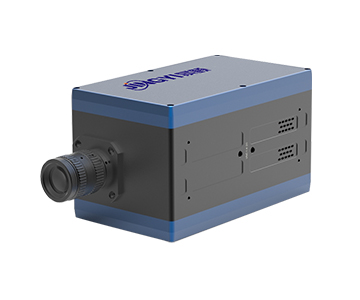
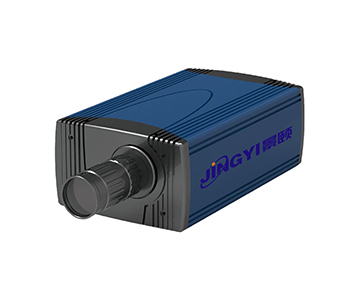
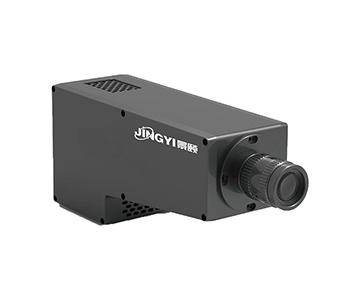
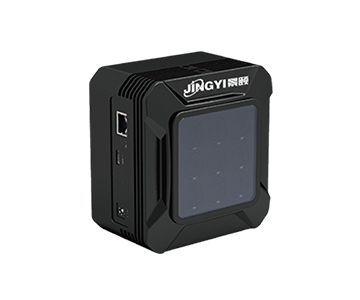
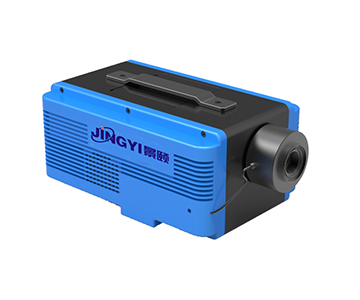
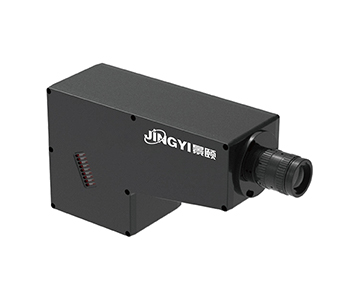
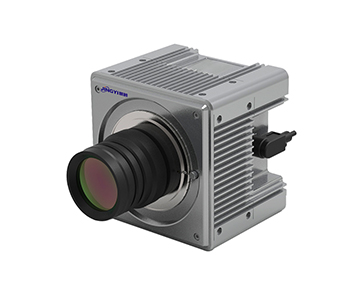
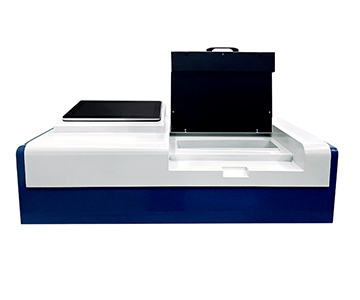
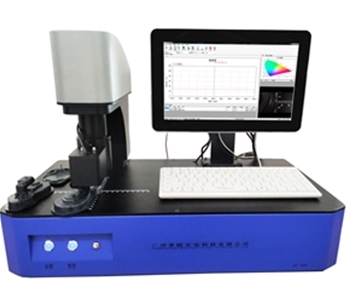
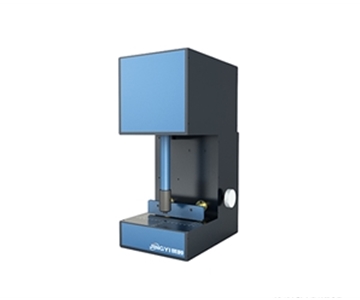
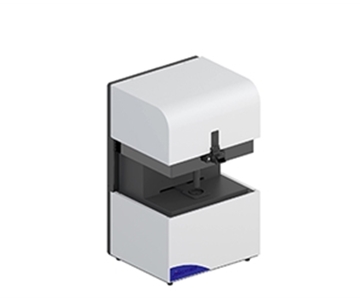
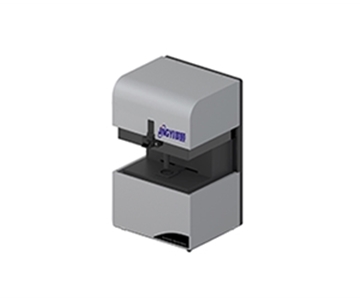
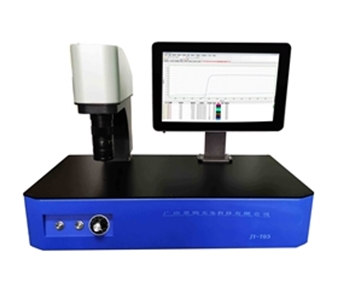
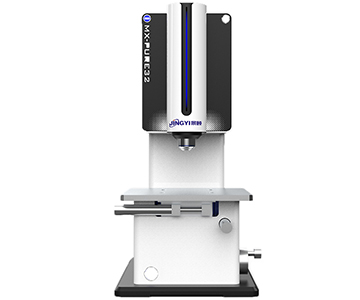
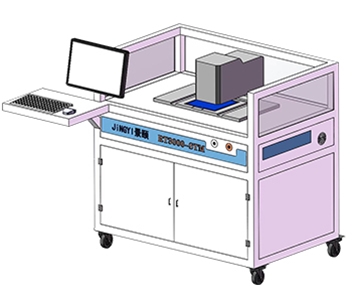
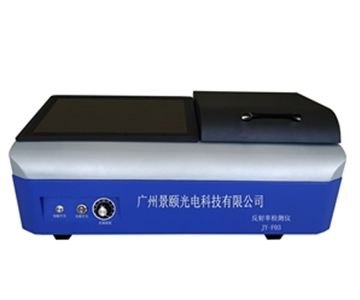
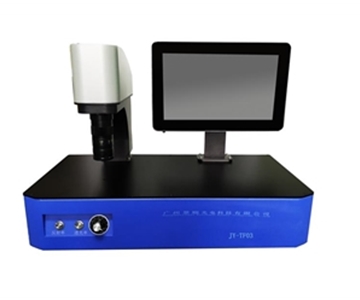
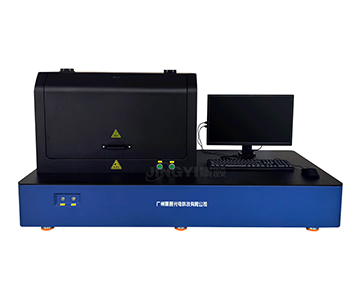
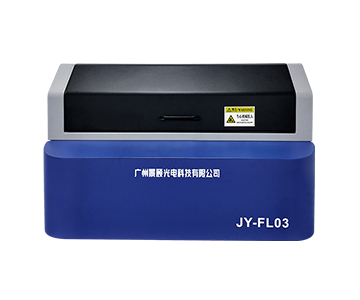
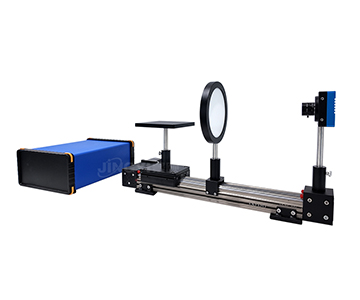
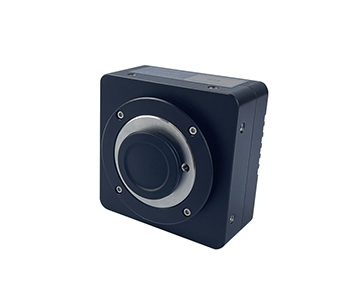
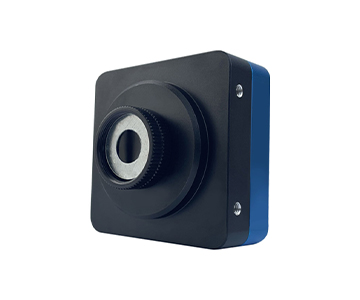
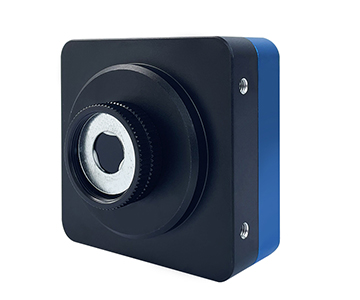
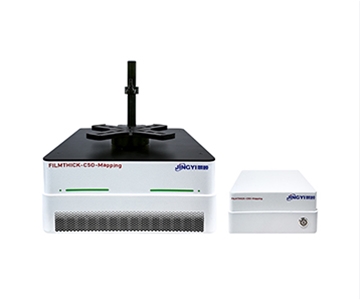
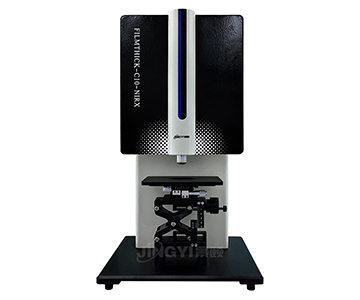
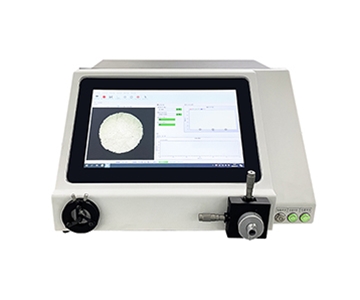
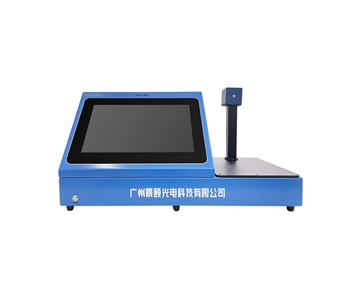
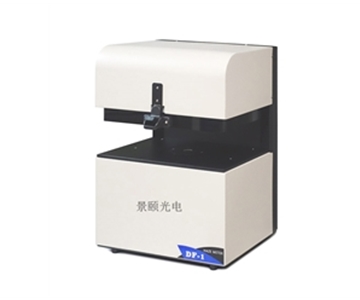
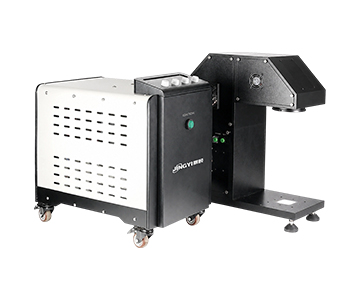
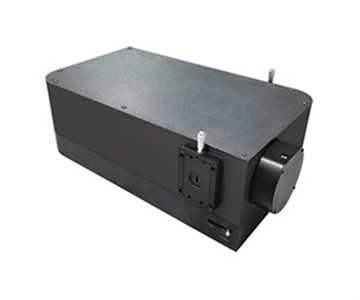
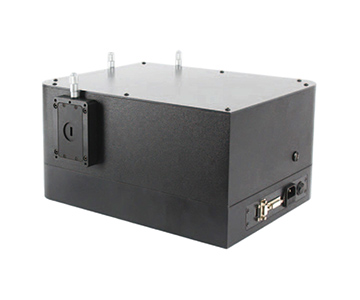
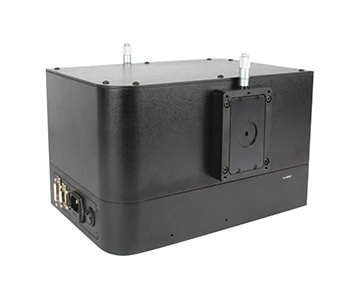
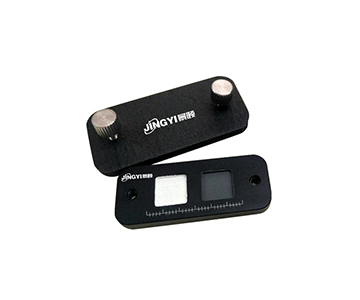
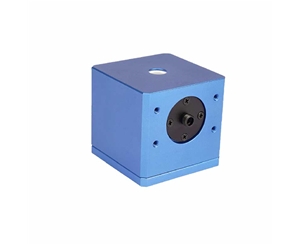
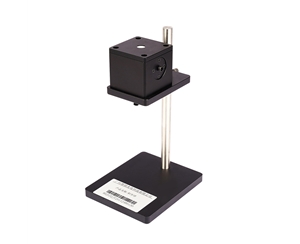
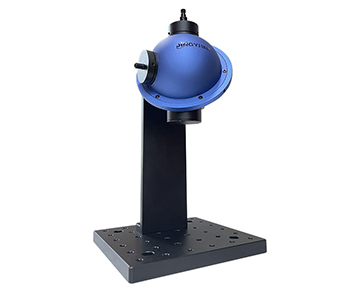
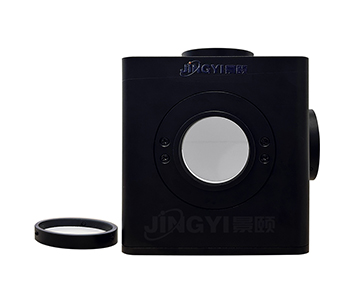
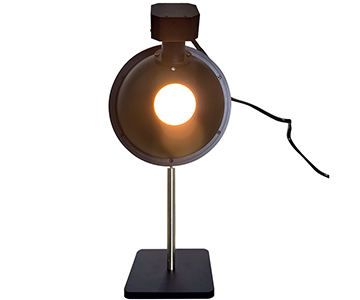
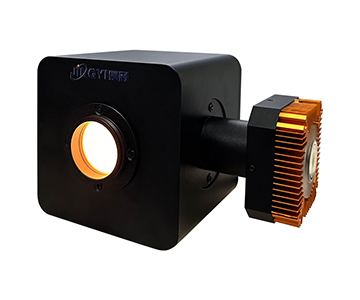
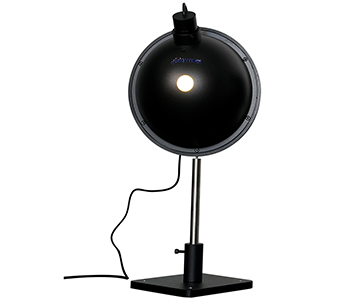
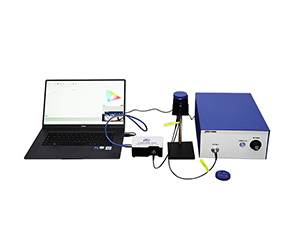
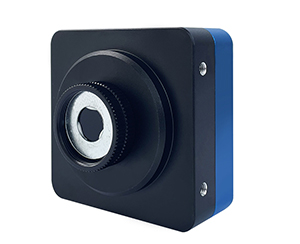
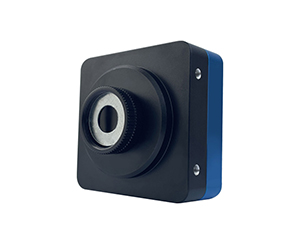
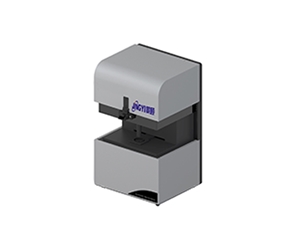
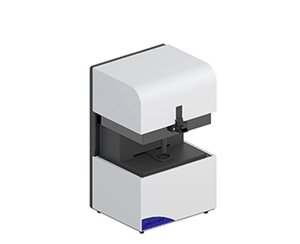
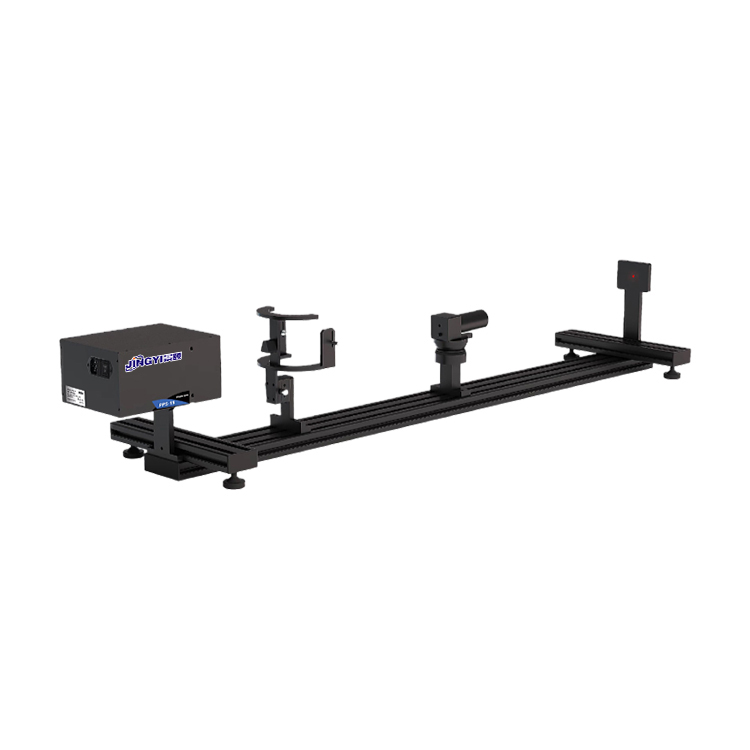
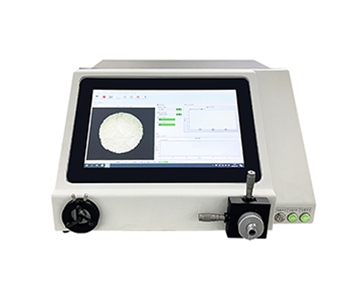
First is the **area-sensor (2D array) imaging measurement approach**. Its core component is a high-precision area-sensor photodetector chip. Operationally, each pixel independently captures the spatial energy distribution of the incident beam—essentially performing a full-dimensional, volumetric scan of the laser spot. This enables complete reconstruction of spot shape, intensity gradients, and all other fine structural details. Measurement accuracy primarily hinges on pixel pitch, typically adhering to the “10-pixel sampling rule”: for reliable data, the beam diameter must span at least 10 pixels. Currently, mainstream silicon-based area-sensor chips offer native spectral responsivity from 350 nm to 1150 nm; specialized anti-reflection or wavelength-selective coatings can extend this range further into the UV or near-infrared. This approach boasts broad applicability: it accurately measures continuous-wave (CW), low-repetition-rate pulsed beams, non-Gaussian irregular beams, and complex spots with highly nonuniform energy distributions—making it the most versatile technology widely adopted in the industry. Jingyi Optoelectronics’ self-developed entry-level beam profiler exemplifies this approach with exceptional cost-performance ratio—fully competitive with imported equivalents at the same tier. Equipped with an ultra-fine 2.9-μm pixel-pitch area-sensor chip, it achieves a minimum measurable spot diameter of 29 μm (per the 10-pixel rule) and covers the full range from 29 μm to 4.4 mm—meeting the vast majority of industrial and R&D measurement requirements.
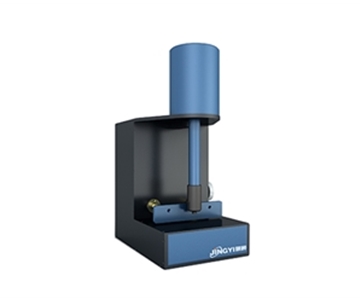
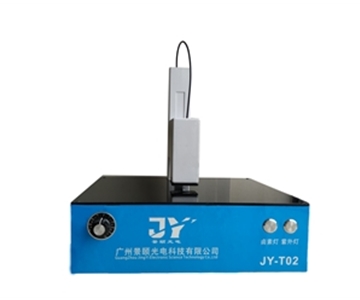
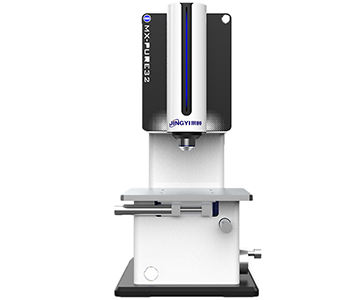
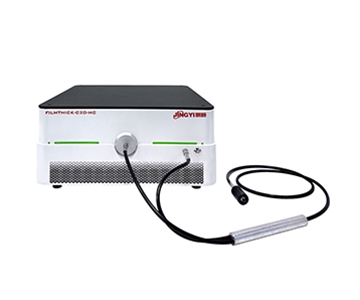
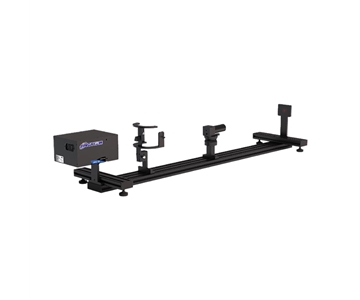
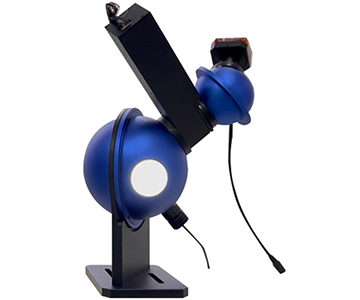
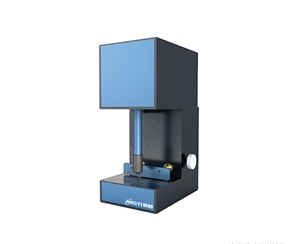
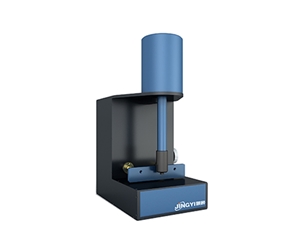
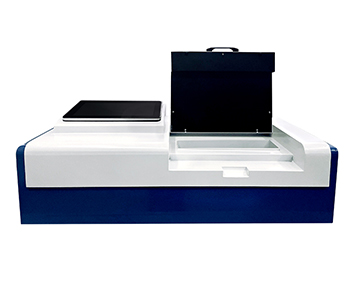
The second approach is **line-scan (1D array) measurement**, centered on a micron-precision scanning slit. It works by optically slicing the beam line-by-line, collecting intensity data point-by-point along each scan line. Its key advantage lies in ultra-high spatial resolution—down to 0.1 μm—with minimum detectable spot sizes as small as 2 μm. Common detector materials include silicon (190–1150 nm) and InGaAs (native range: 650–1800 nm; extended up to 2500 nm with appropriate modifications). However, this method has notable limitations: it is suitable *only* for Gaussian-shaped beams. For nonstandard beams—such as top-hat profiles, line beams, or spots with irregular energy distributions—significant intensity information is lost during scanning. Moreover, it imposes stricter source requirements: only CW or quasi-CW lasers are supported; pulsed lasers must meet minimum repetition-rate thresholds for stable operation. Consequently, its versatility falls far short of that offered by area-sensor systems.
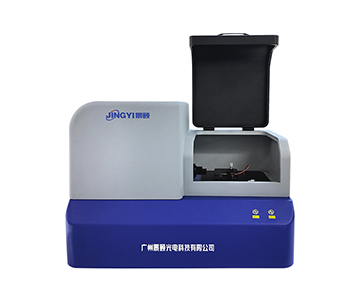
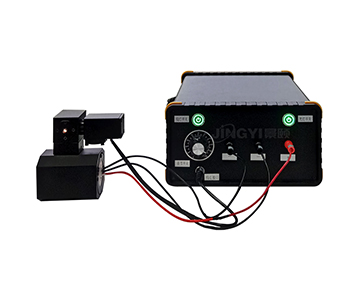
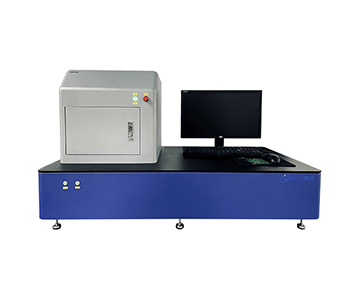
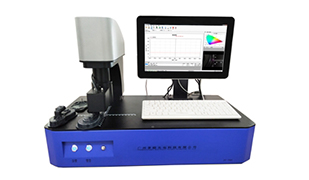
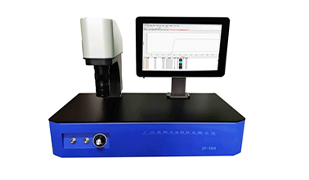
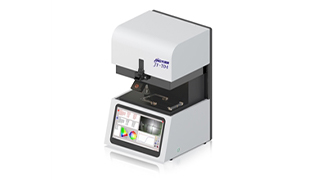
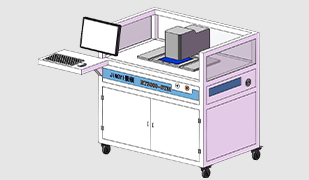
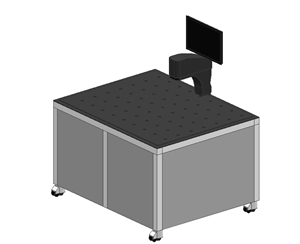
To address users’ concerns around cost-effectiveness and adaptability, Jingyi Optoelectronics has implemented multiple targeted optimizations in its entry-level beam profiler. Standard integrated neutral-density filters accommodate routine power-level measurements; optional high-power attenuation kits enable safe detection of lasers up to 1000 W. Both manual and automatic exposure/gain control modes lower the operational barrier. Functionally, beyond standard metrics—including X/Y major/minor axis diameters, ellipticity, Gaussian fit quality, intensity distribution, beam centroid position, and divergence angle—the instrument supports user-defined Pass/Fail thresholding, real-time 2D/3D pseudo-color spot contour visualization, statistical parameter analysis, data export, and automated report generation. Coupled with a USB 3.0 high-speed interface and intuitive graphical user interface, even novice users can achieve rapid proficiency without extensive training. For customers with specialized requirements, Jingyi offers fully modular customization—from spectral range extension and feature addition to application-specific adaptation—delivering integrated, end-to-end beam quality analysis solutions with far greater flexibility than fixed-configuration imported instruments.
In summary:
- If your daily applications involve irregular beam profiles, low-repetition-rate pulsed lasers, or require comprehensive intensity distribution data, prioritize the more universally applicable area-sensor beam profiler. When budget is constrained, Jingyi’s entry-level model serves as an excellent domestic alternative to imported systems.
- If your sole requirement is high-resolution measurement of very small, strictly Gaussian beams, then consider the line-scan approach.
With continuous advancement in China’s optoelectronic measurement technologies, domestic manufacturers like Jingyi Optoelectronics—deeply focused on R&D of precision test instrumentation—are now delivering performance on par with leading international brands. Crucially, they also provide responsive, agile customization services aligned with domestic customers’ rapid iteration cycles—perfectly supporting the broader trend toward localization and substitution in China’s laser industry.
#LaserBeamProfiler #BeamQualityAnalyzer #SpotMeasurementInstrument #LaserSpotAnalyzer #BeamProfiler #BeamQualityMeasurementSystem #SpotAnalyzer