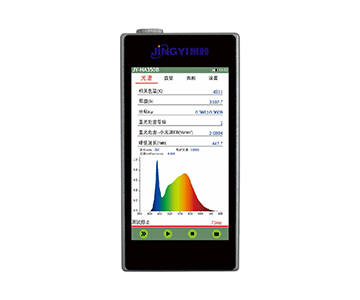
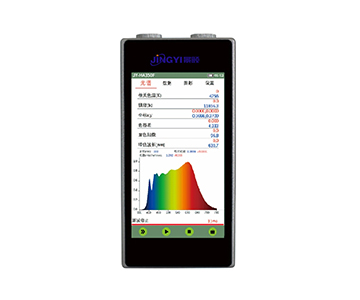
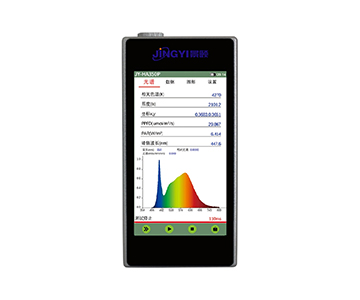
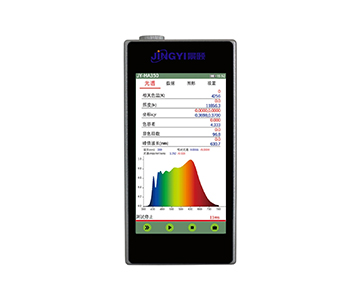
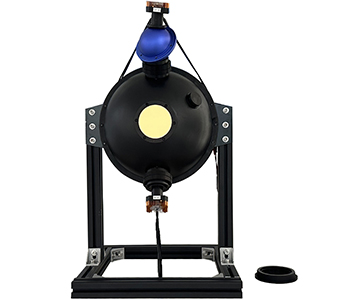
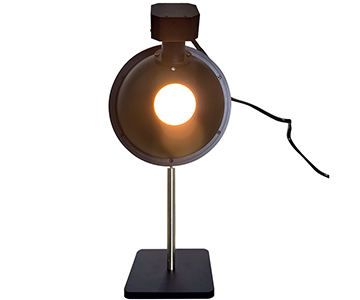
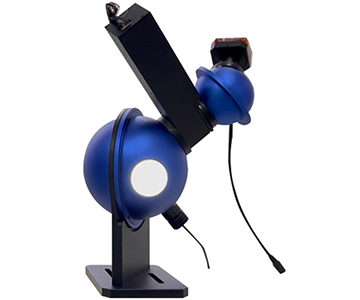
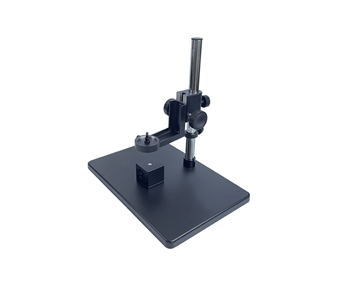
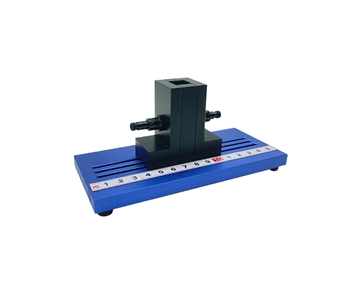
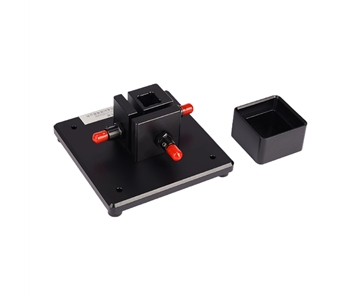
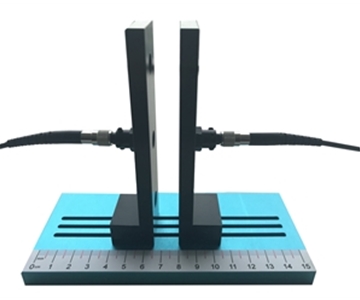
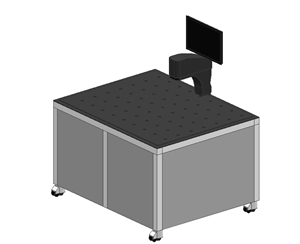
Currently, product iteration is accelerating across multiple sectors—including optical materials, new energy, and consumer electronics. As a core performance metric for transparent components, light transmittance has long suffered from industry-wide pain points: limited detection dimensions, insufficient data compliance, and the need to repeat procedural workflows for multi-parameter testing. To obtain test reports conforming to domestic and international standards, many manufacturers must deploy multiple instruments in tandem—prolonging quality inspection cycles and escalating quality control costs.
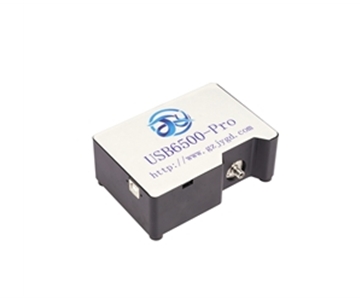
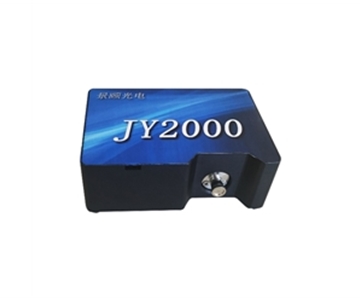
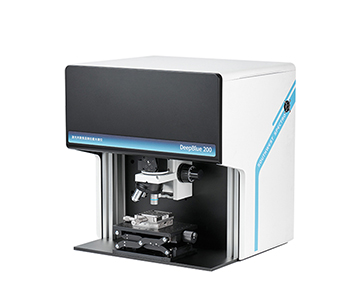
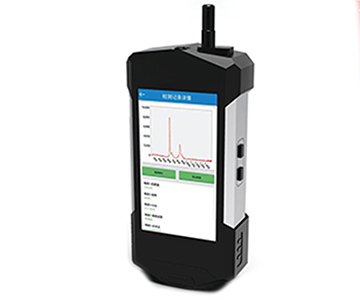
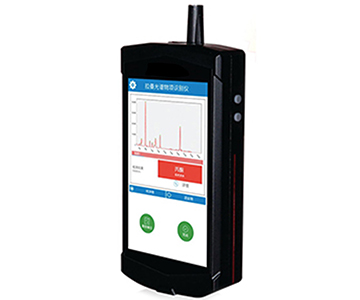
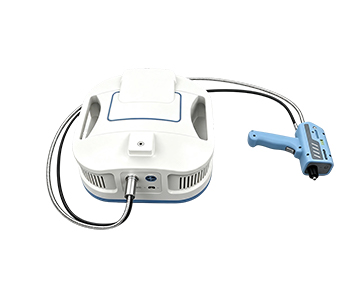
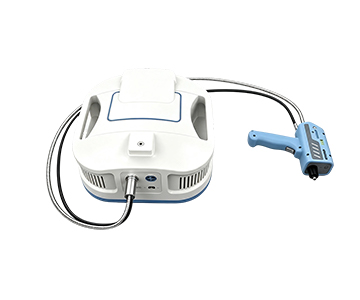
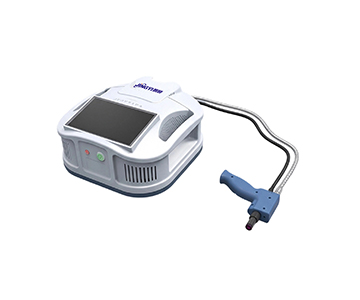
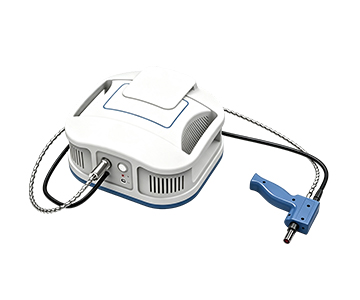
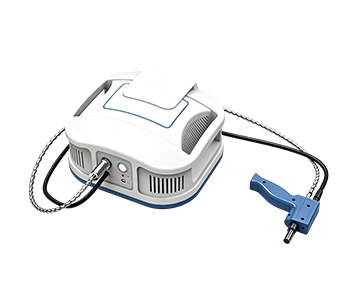
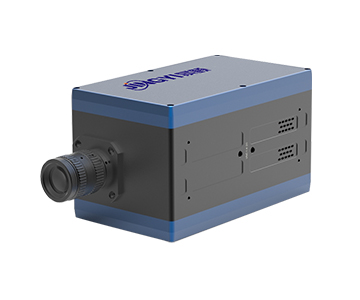
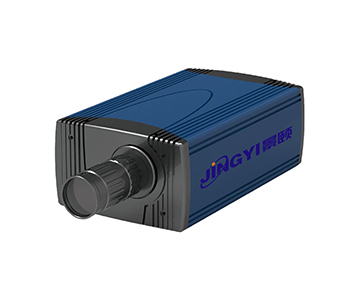
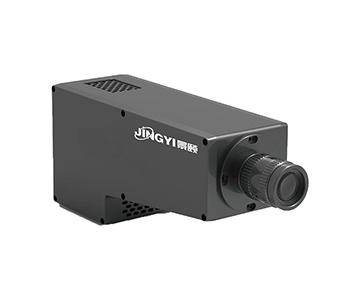
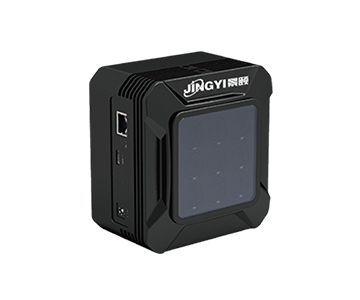
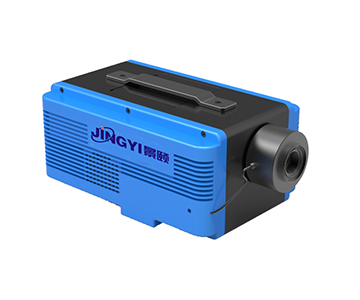
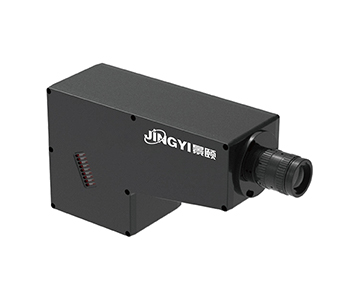
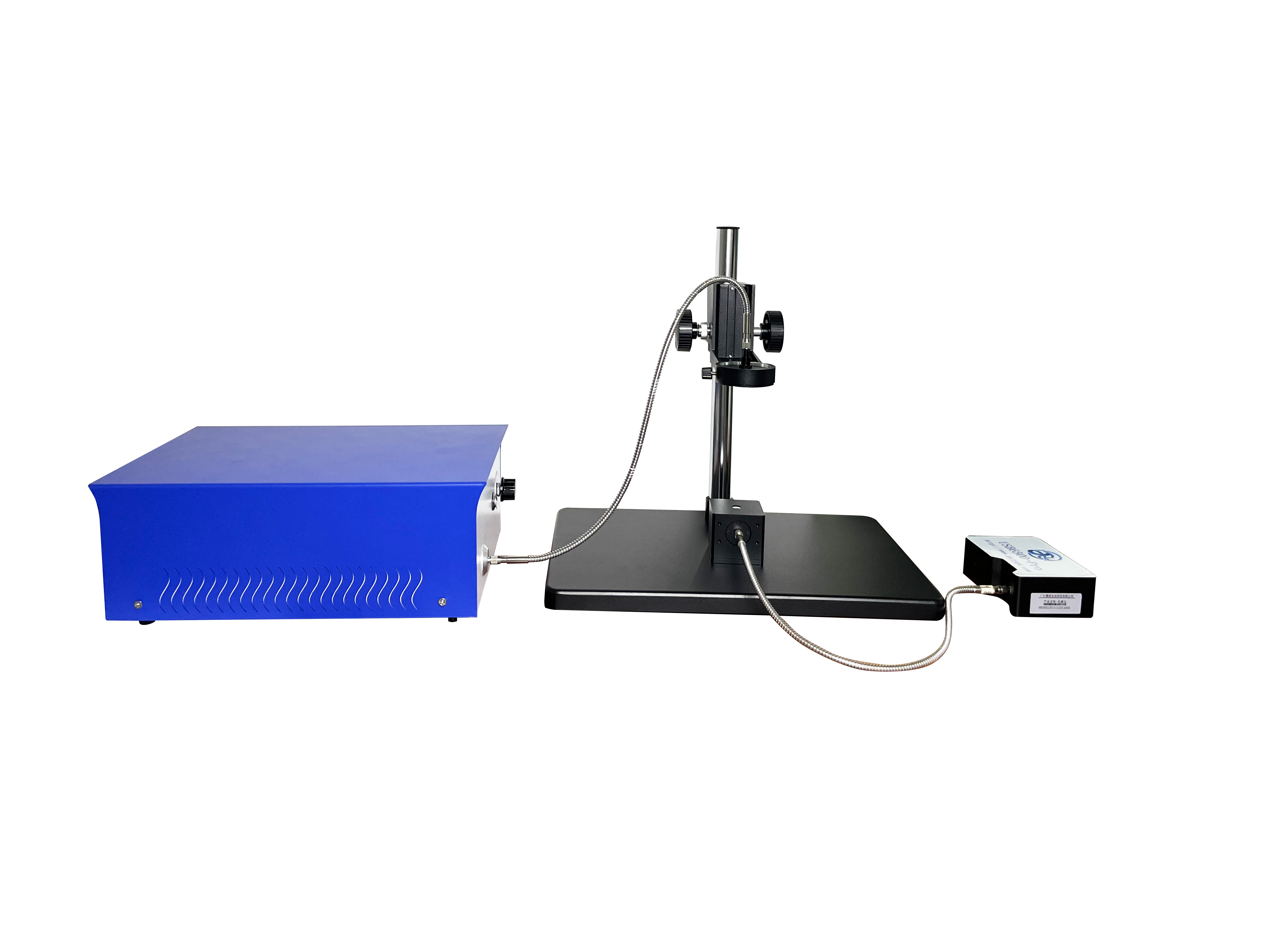
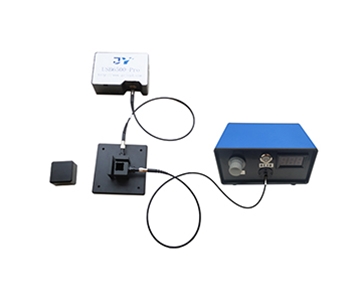
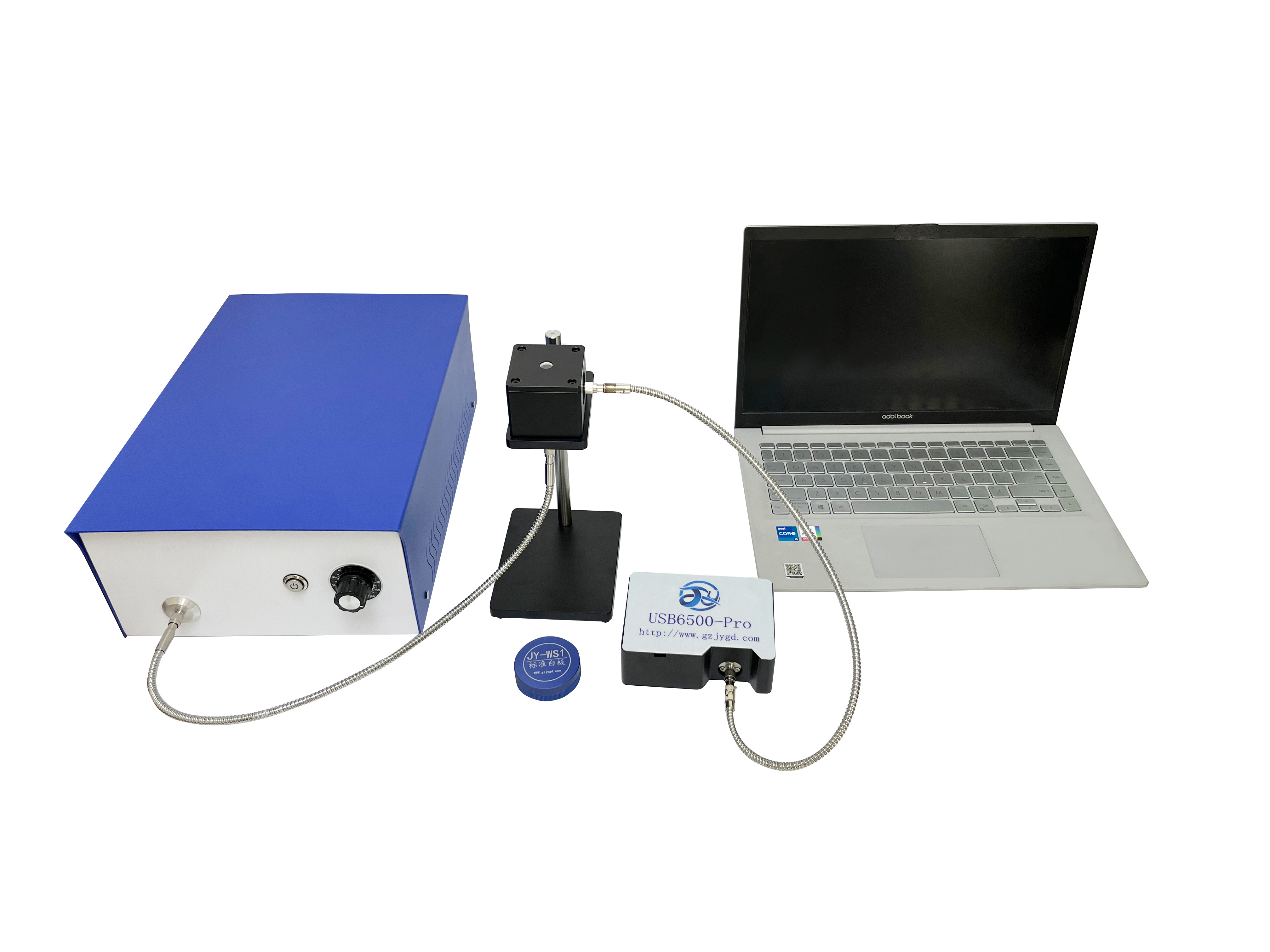
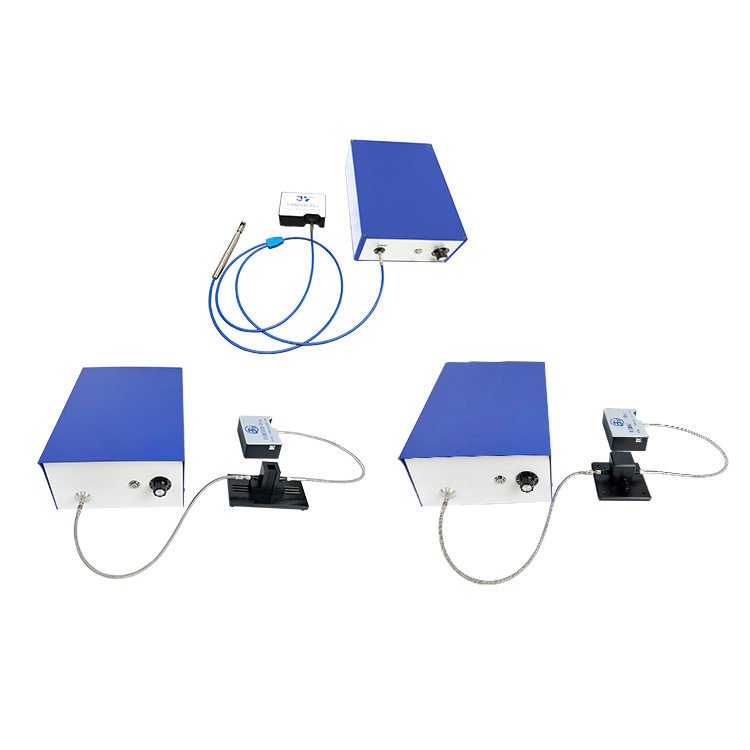
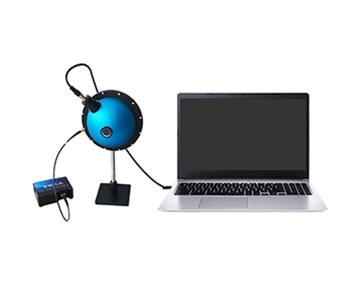
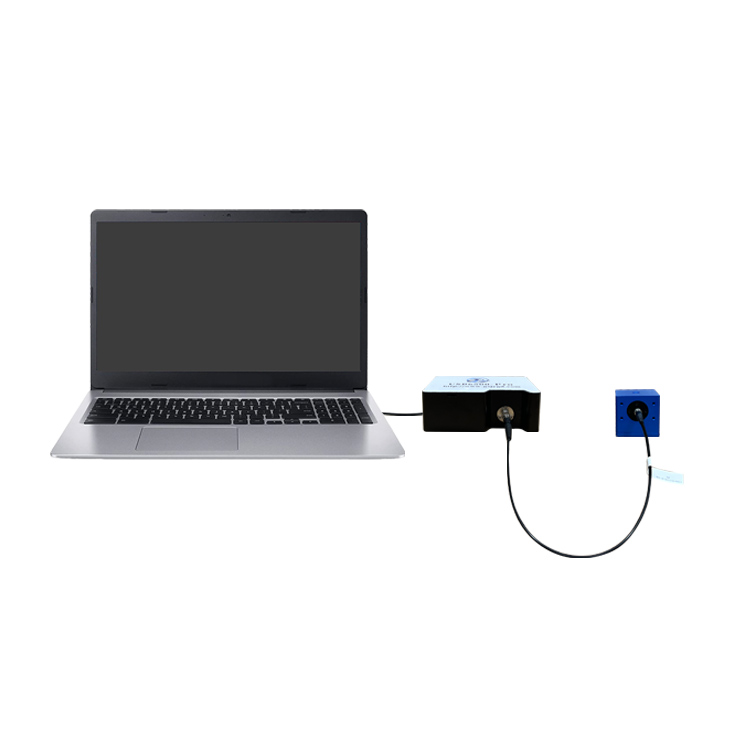
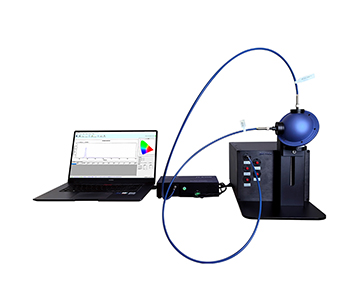
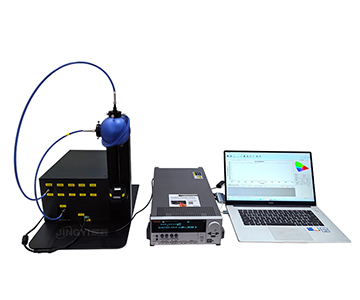
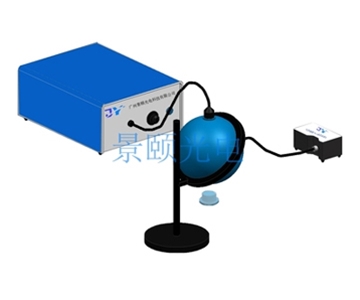
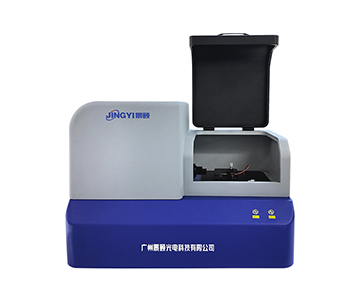
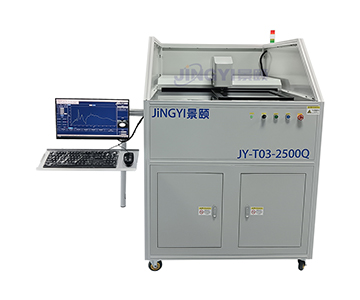
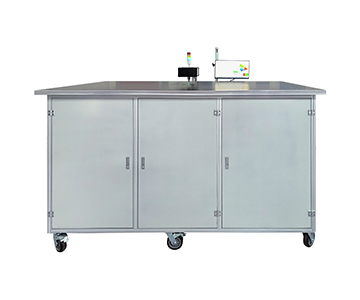
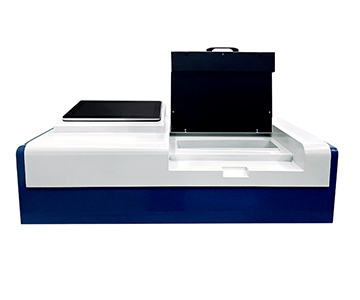
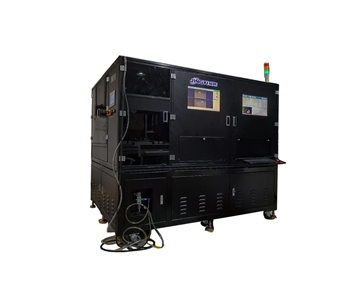
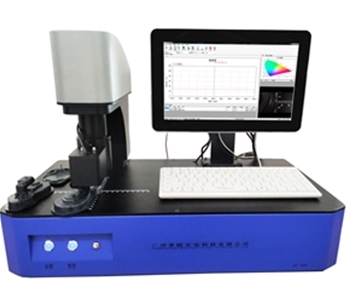
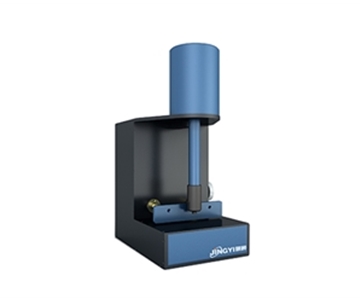
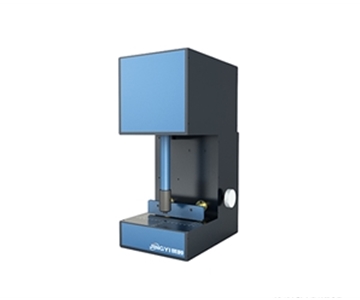
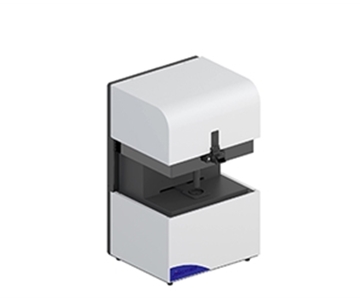
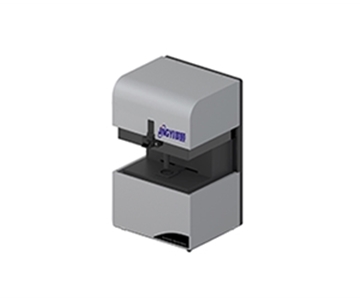
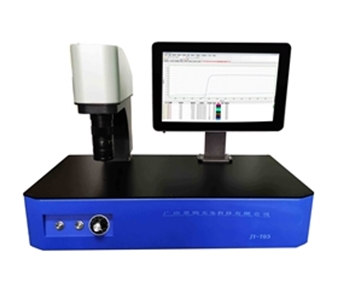
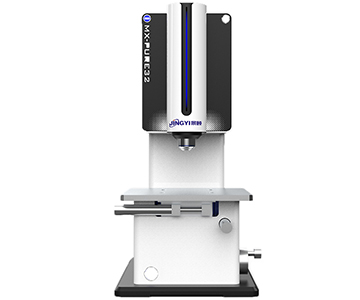
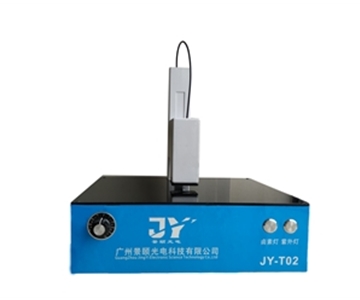
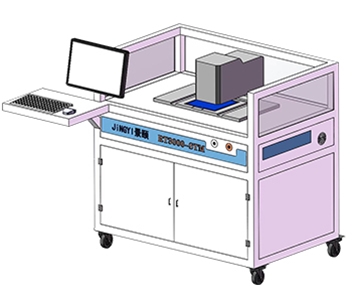
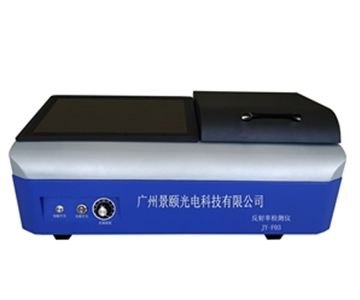
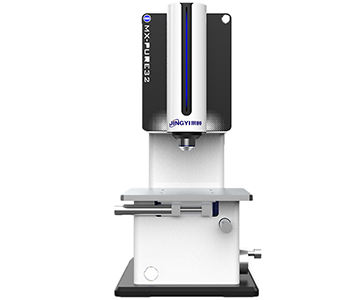
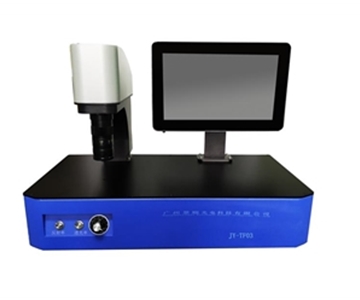
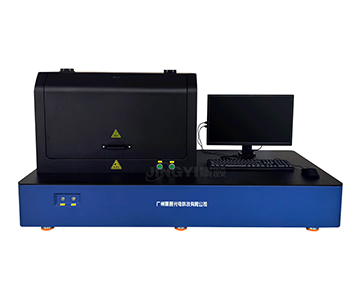
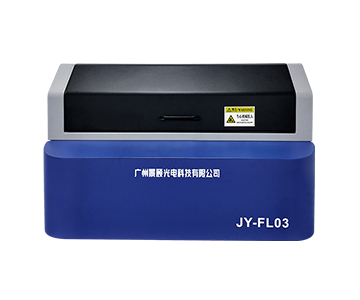
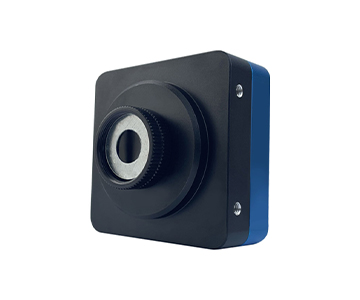
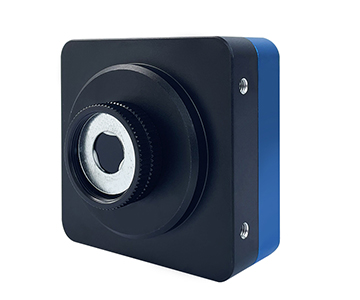
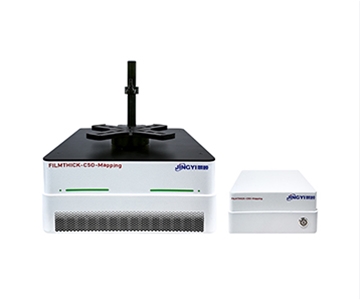
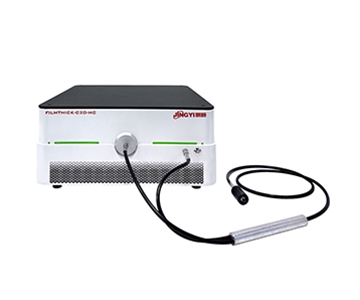
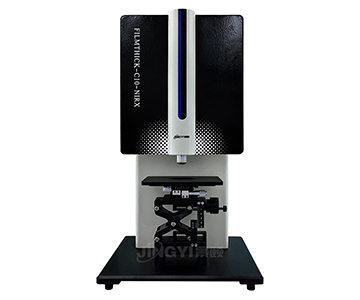
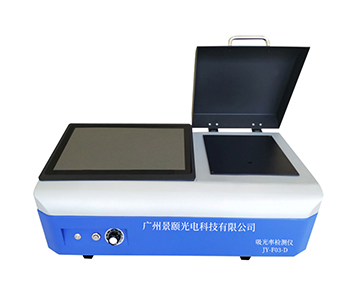
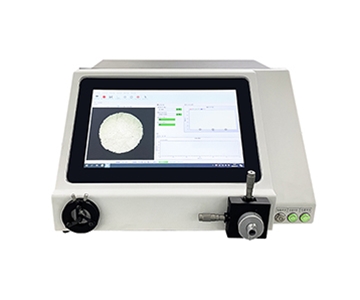
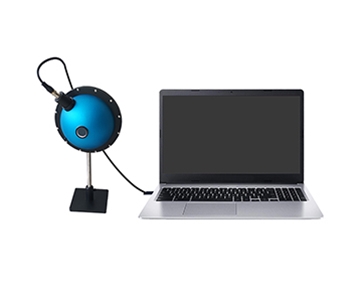
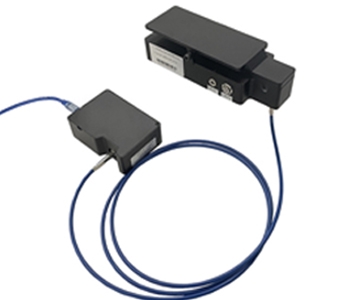
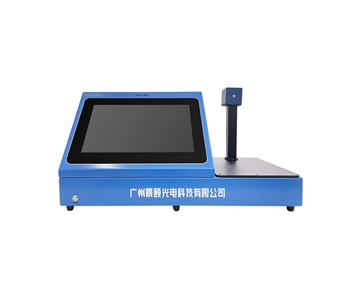
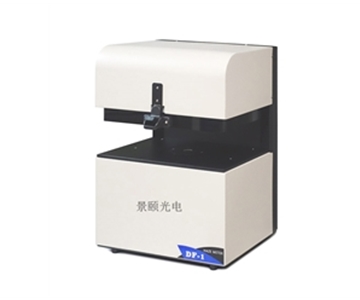
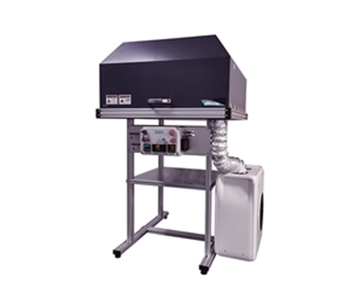
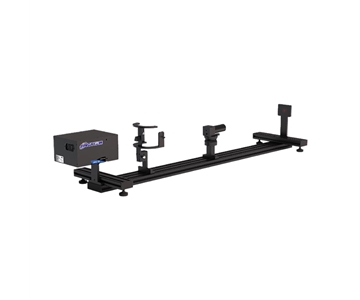
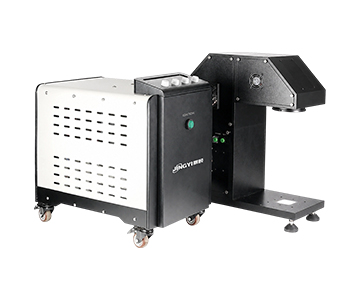
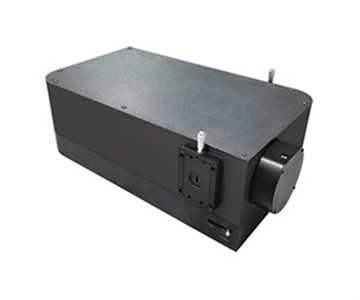
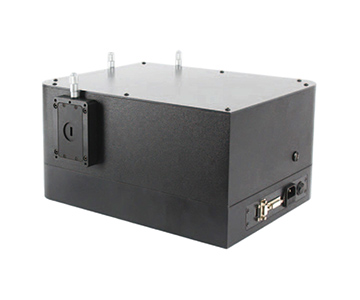
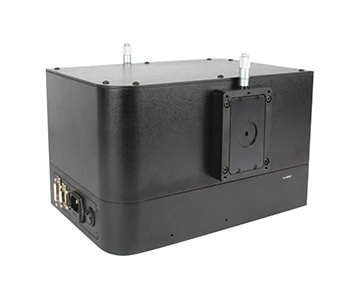
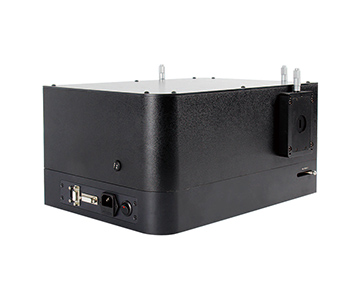
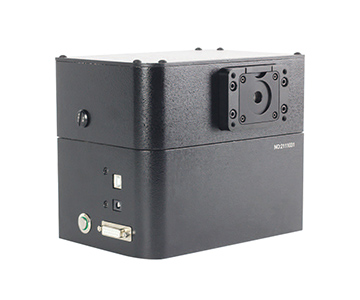
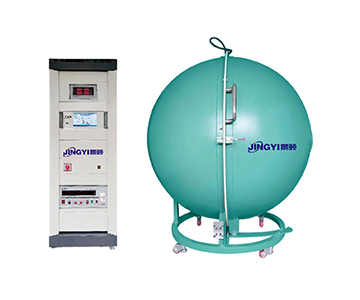
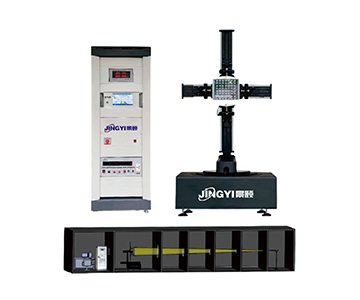
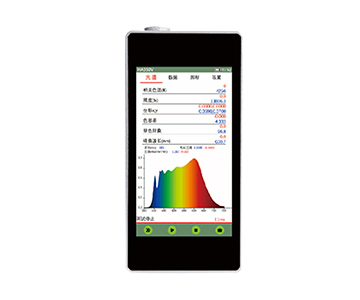
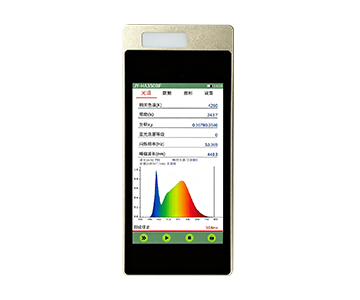
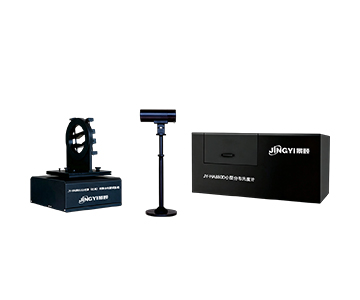
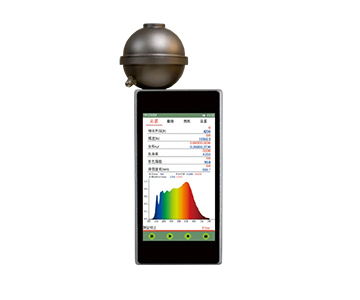
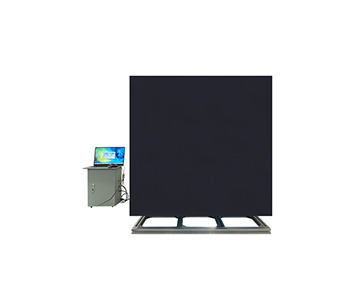
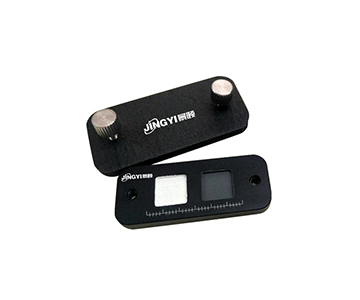
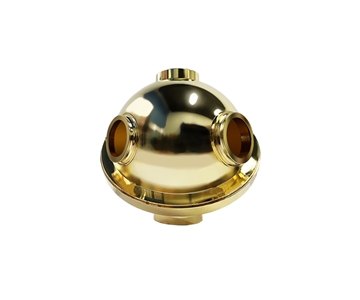
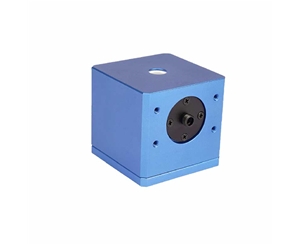
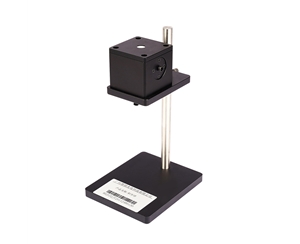
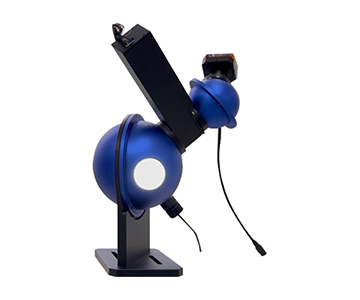
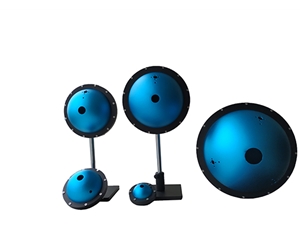
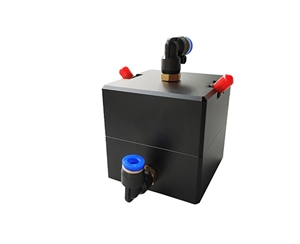
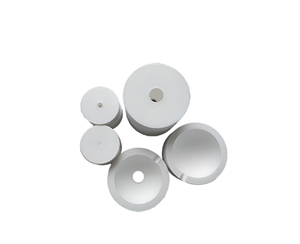
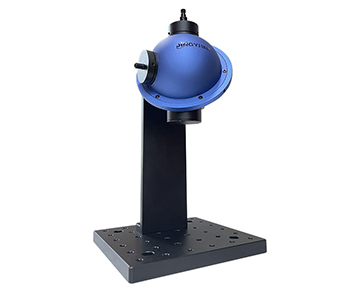
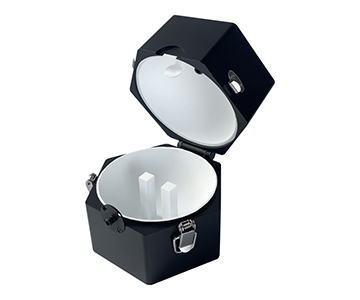
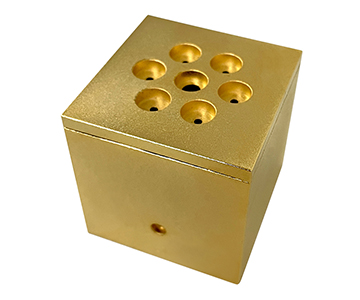
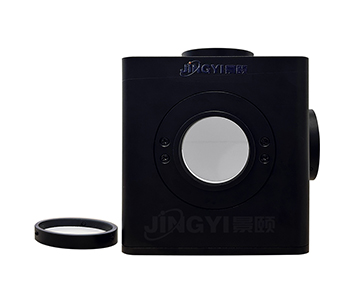
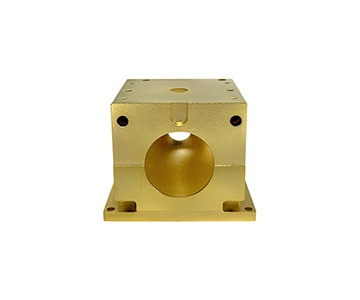
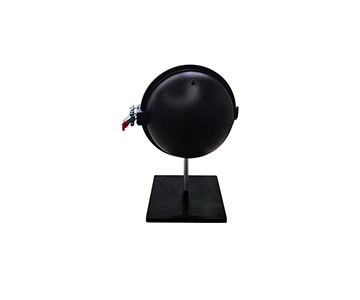
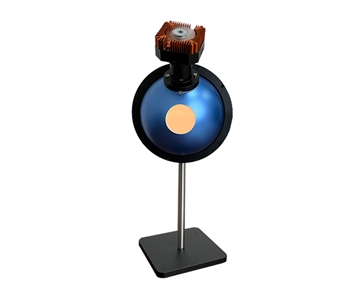
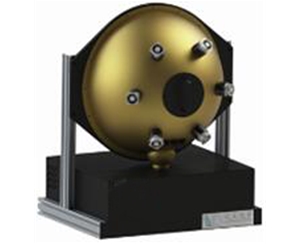
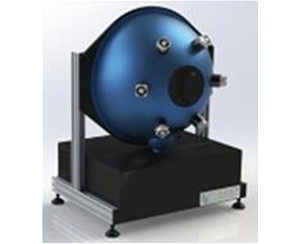
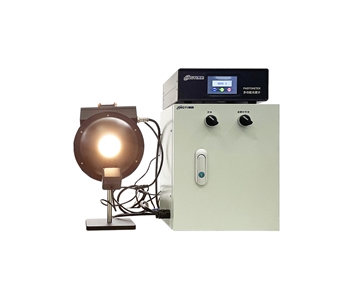
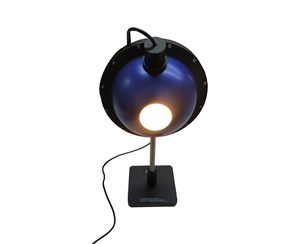
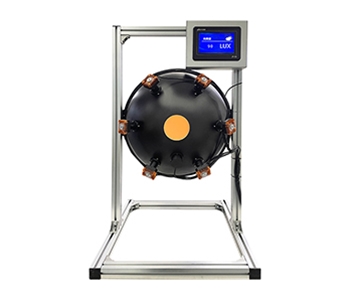
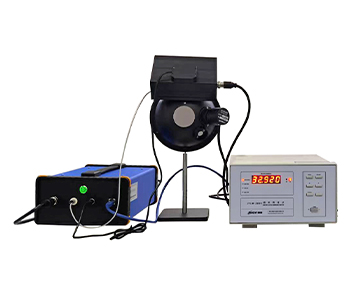
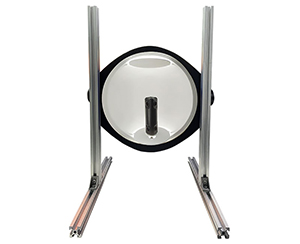
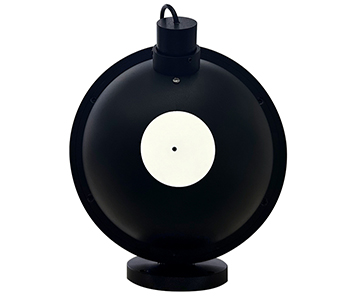
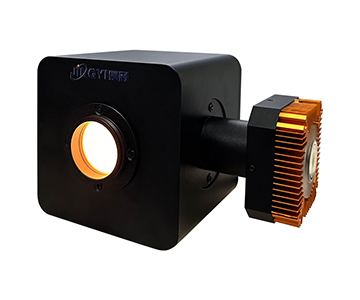
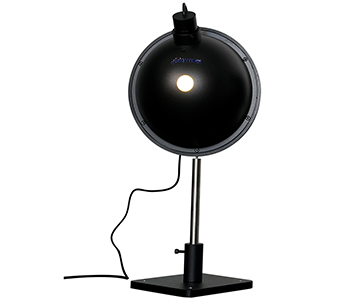
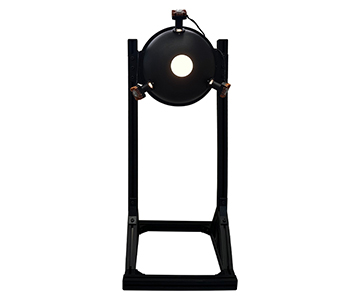
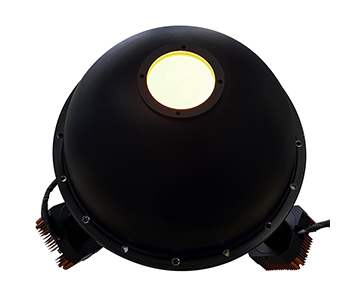
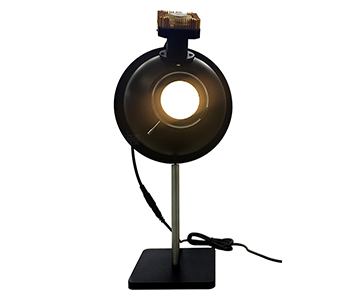
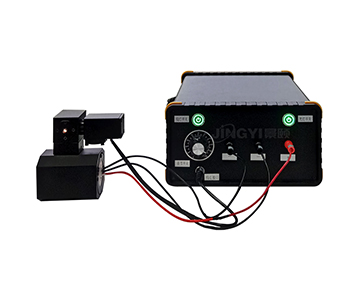
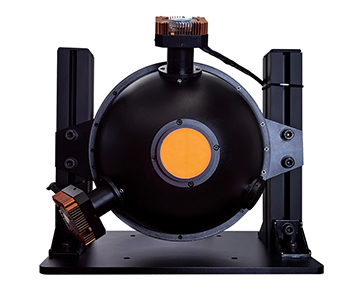
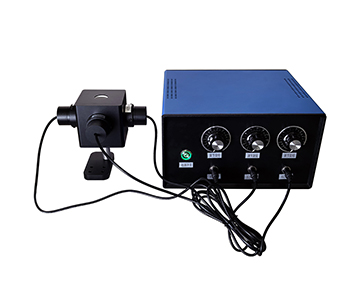
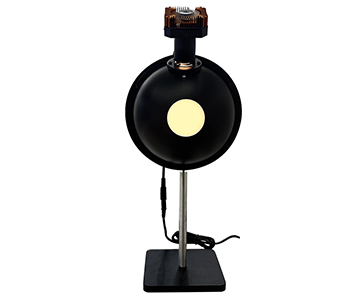
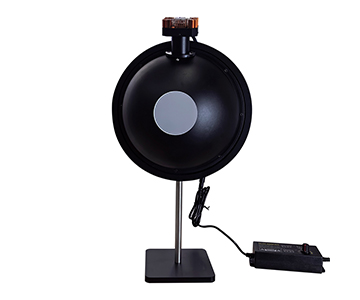
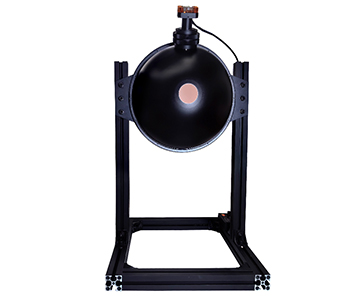
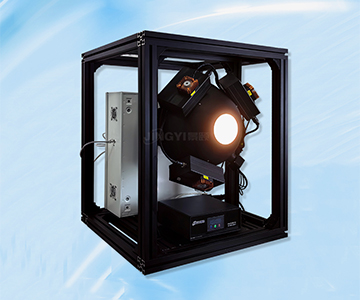
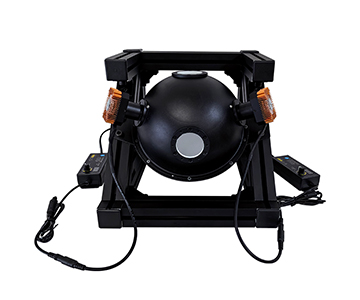
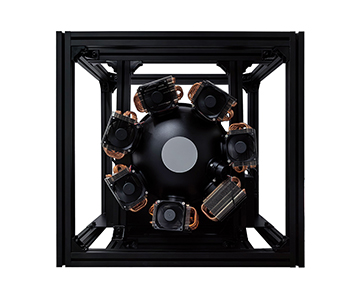
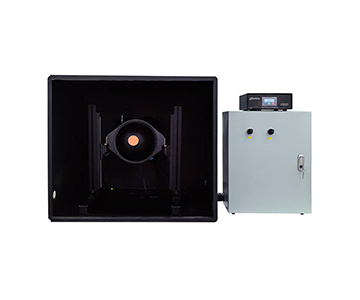
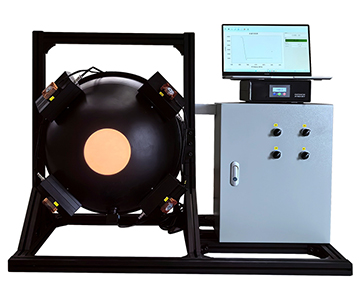
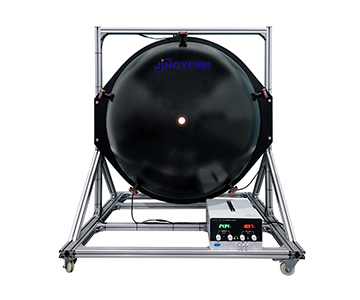
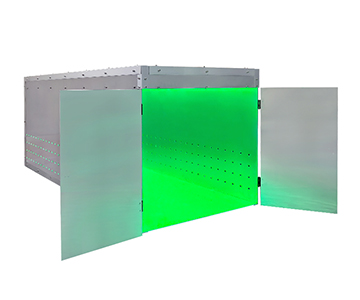
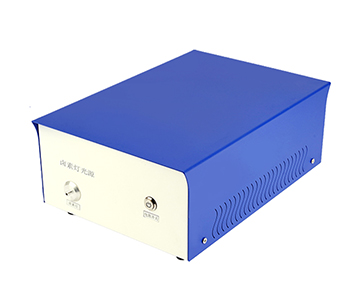
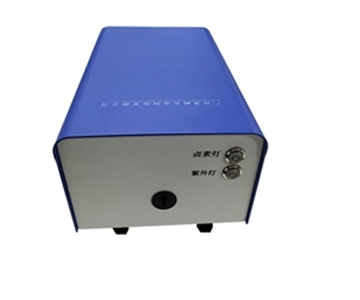
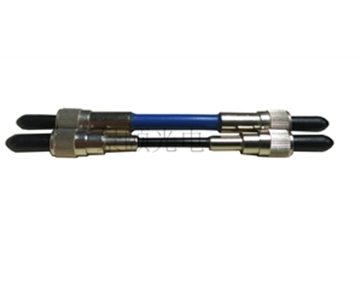
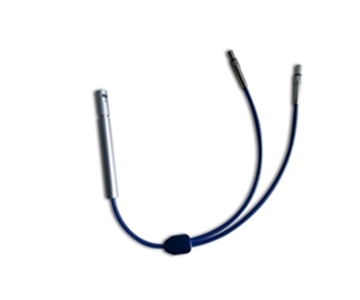
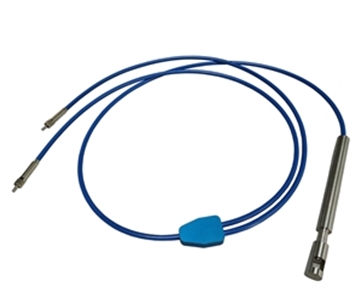
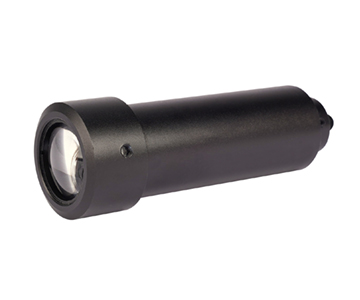
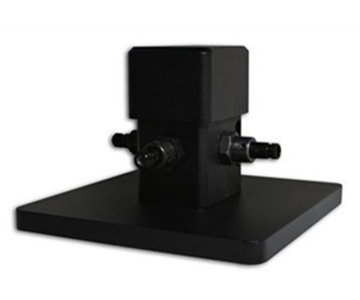
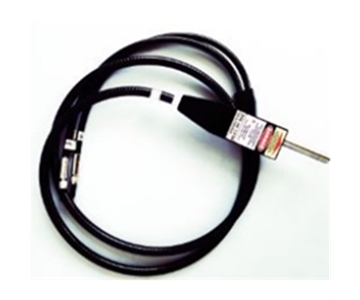
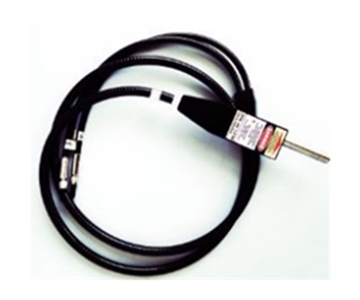
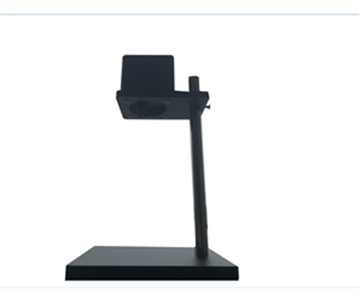
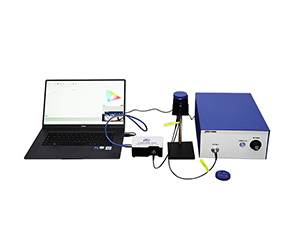
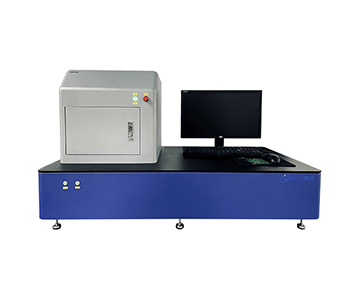
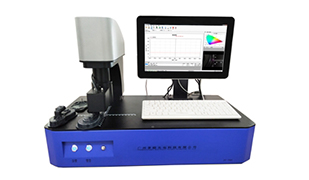
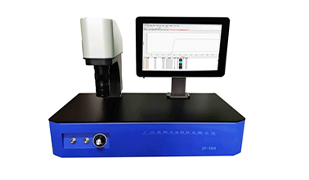
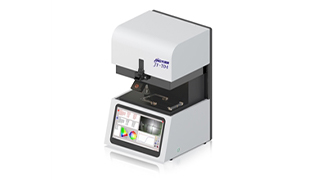
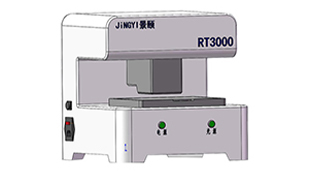
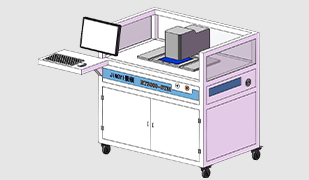
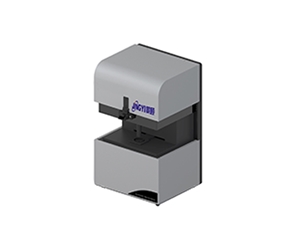
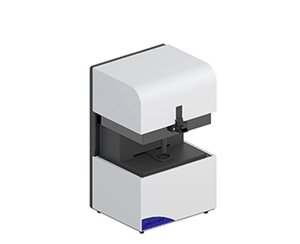
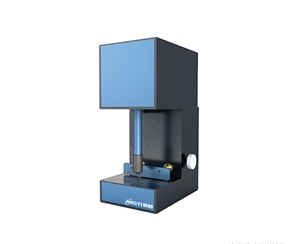
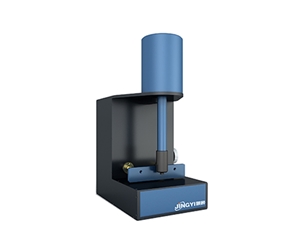
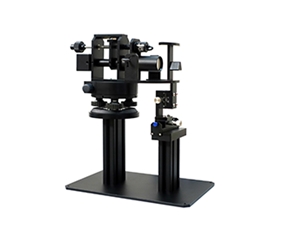
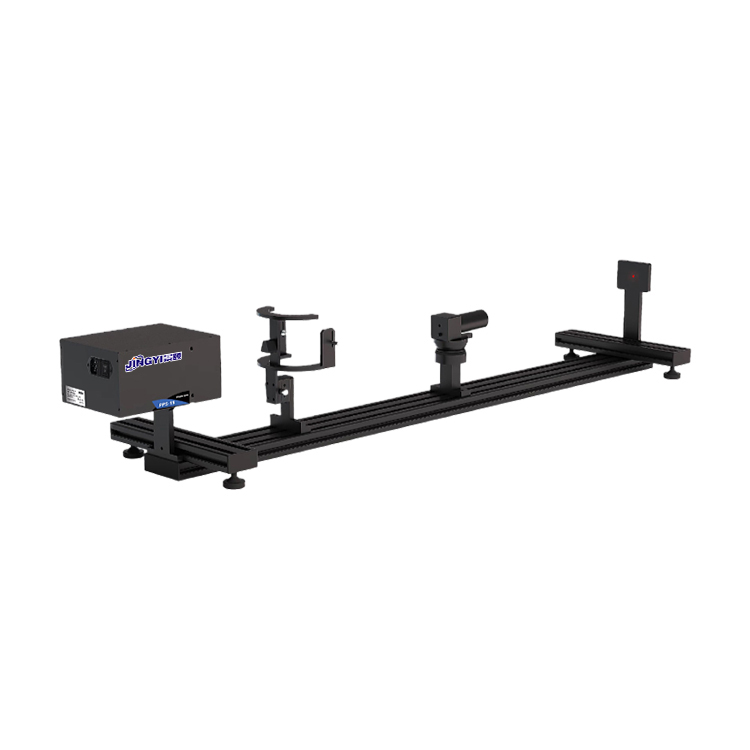
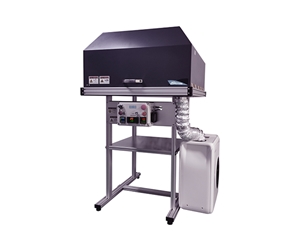
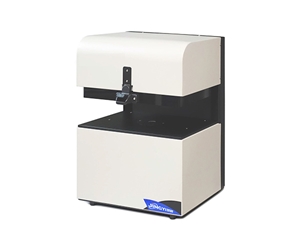
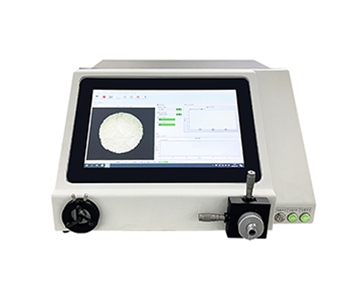
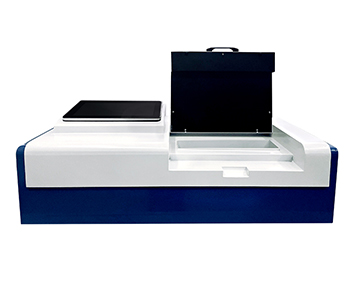
To address this widespread industry challenge, Jingyi Optoelectronics has launched the JY-T03 Universal Transmittance Analyzer. Leveraging its proprietary full-spectrum measurement technology, the instrument enables one-step transmittance testing across the ultraviolet (UV) to near-infrared (NIR) range—covering the vast majority of transparent material testing requirements for both civil and industrial applications.
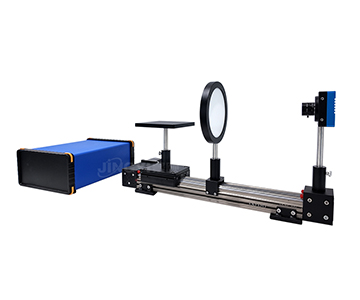
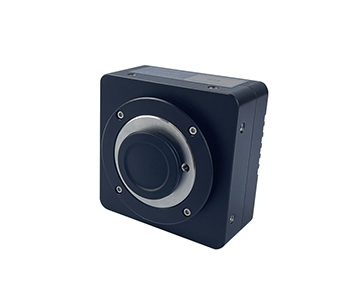
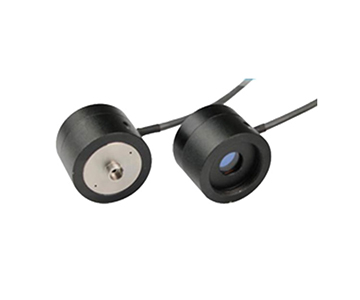
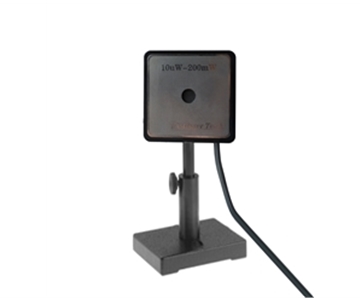
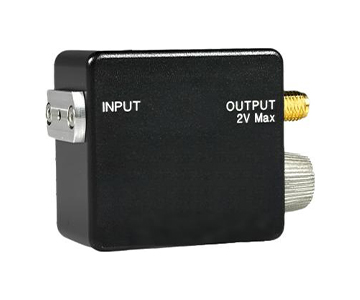
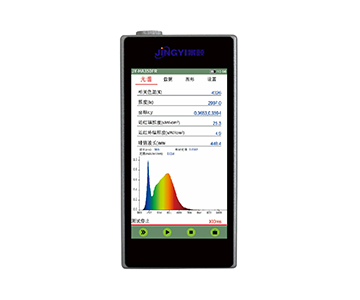
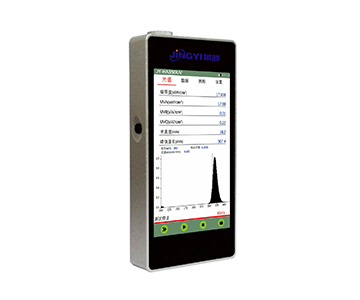
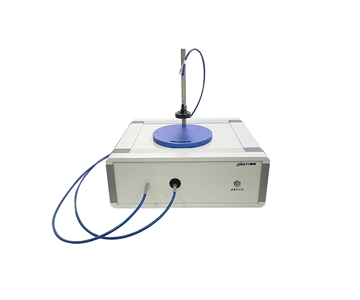
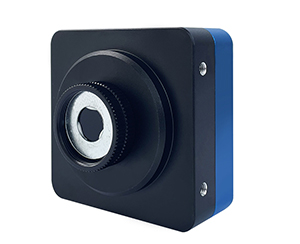
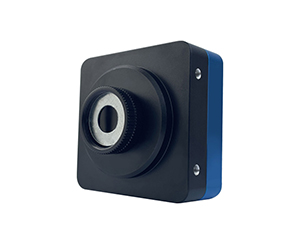
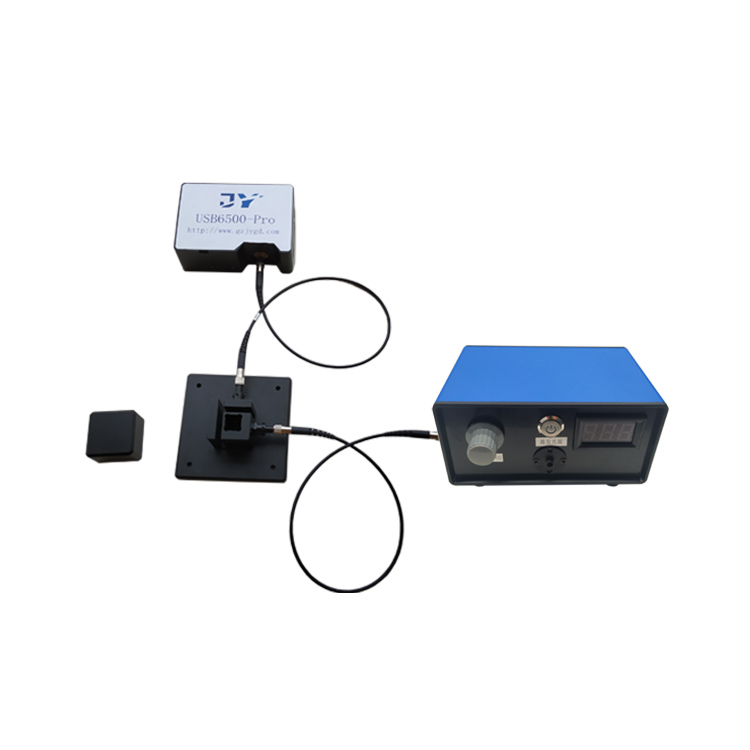
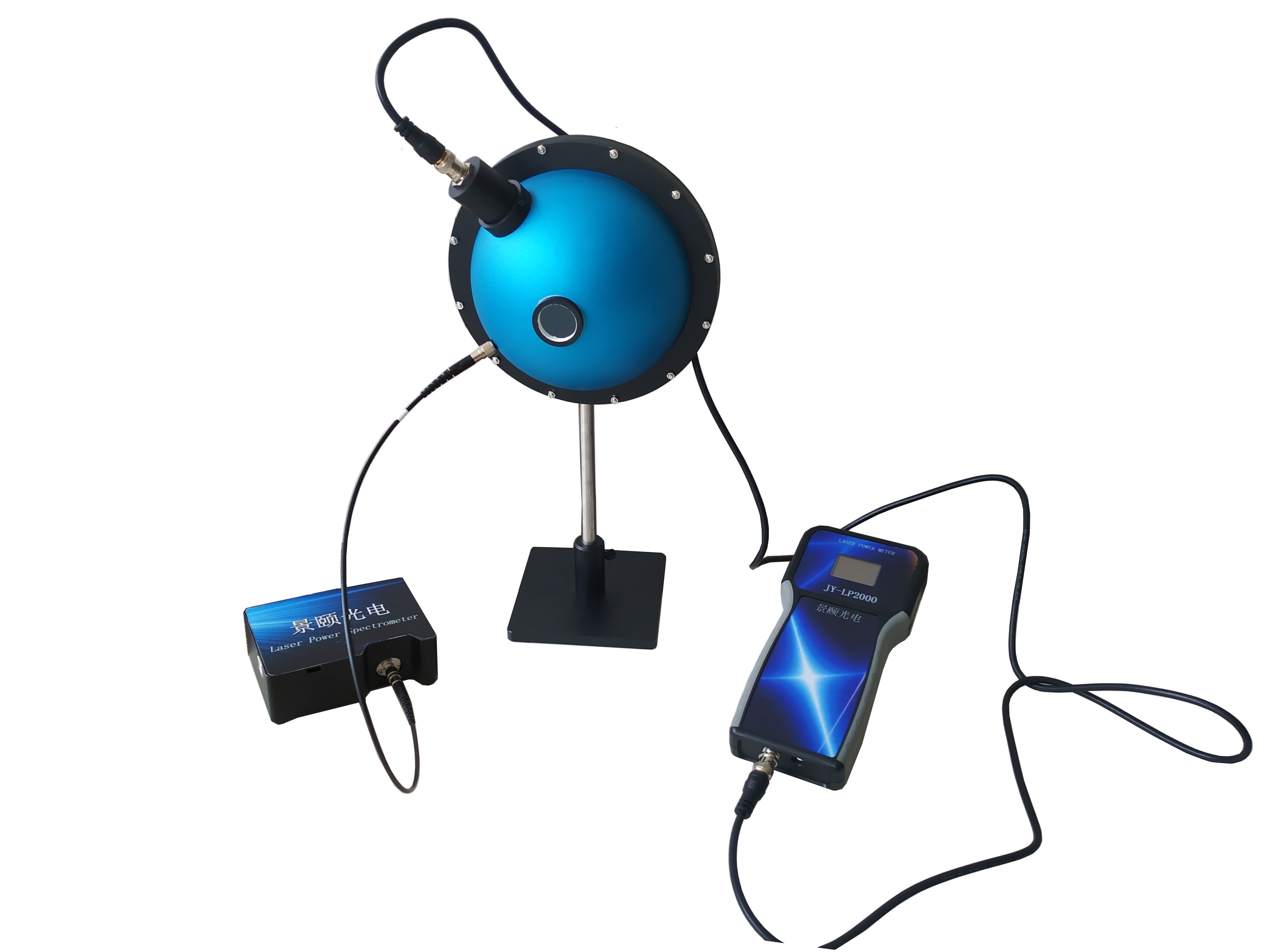
At its technical core, the analyzer exploits the distinct spectral response characteristics of different materials. Its self-developed supplemental optical path configuration generates a continuous light source spanning 360 nm to 1000 nm. This source delivers 40% higher radiant energy than conventional devices of comparable type, reducing full-spectrum transmittance measurement time per sample to the sub-second level—dramatically boosting testing efficiency. An integrated high-sensitivity photodetector module ensures bias-free conversion of optical signals into electrical signals; combined with an embedded noise-reduction and calibration algorithm, it eliminates measurement errors caused by ambient light and circuit noise. The system directly outputs the ratio of transmitted-to-incidence light intensity—and simultaneously calculates a complete suite of color parameters under the CIE system, including chromaticity coordinates (x, y), Lab values, dominant wavelength, saturation, and color purity. Thus, a single device fulfills dual critical inspection tasks—transmittance and color characterization—eliminating cumbersome switching between multiple instruments.
To meet diverse domestic and international testing requirements across industries, the JY-T03 has been validated against more than 20 mainstream standards—including EN, ANSI, ISO, and GB. Whether testing protective eyewear or sunglasses destined for European and U.S. markets, or evaluating photovoltaic glass and 3C touch panels for the domestic market, its generated test data carries broad industry recognition. Enterprises no longer need redundant third-party verification to fulfill compliance validation.
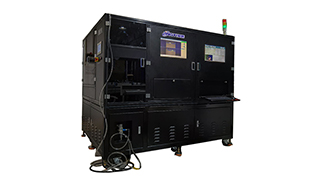
The instrument is now deployed at scale across multiple sectors:
- In the photovoltaic industry, manufacturers use it to measure the full-spectrum transmittance of PV glass—enabling optimization of anti-reflective coating processes aligned with the absorption profiles of various solar cell types. This can lift photovoltaic module photoelectric conversion efficiency by 0.7–0.9 percentage points.
- In eyewear manufacturing, companies employ it for simultaneous assessment of lens transmittance and UV-protection performance—ensuring direct compliance with safety standards for occupational protective eyewear and consumer sunglasses, and improving QC efficiency by over two-fold compared to legacy methods.
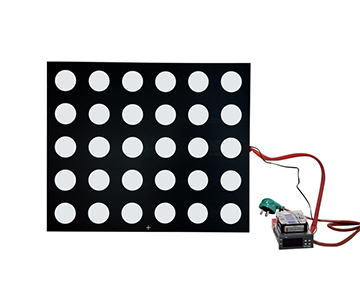
- In the 3C sector, it is applied to evaluate transmittance uniformity of smartphone displays and touch panels. Integrated professional analysis software automatically generates transmittance curves across user-defined test locations and customizes QC report output—eliminating manual data compilation.
- Beyond these, the architecture industry utilizes it to assess transmittance parameters of curtain wall glazing—informing daylighting design strategies for diverse building scenarios; aerospace enterprises apply it to evaluate the optical performance of cockpit canopies and aircraft windshields; and environmental monitoring agencies adopt it as a portable tool for measuring atmospheric visibility and light pollution parameters.
Notably, the accompanying analysis software is also independently developed by Jingyi Optoelectronics. Users can customize measurement protocols according to their specific needs—defining rules for calculating average transmittance within selected wavelength bands and establishing custom calibration references. All test data and spectral information are stored in an open-access database, enabling instant retrieval and printing—making the solution equally suitable for low-volume R&D testing in laboratories and high-throughput, large-batch QC on production lines.
As industries such as new energy, consumer electronics, and optical materials continue rapid evolution, demands for transmittance testing—regarding precision, speed, and regulatory compliance—will keep rising. Universal analyzers integrating full-spectrum capability, synchronized multi-parameter output, and comprehensive standard compatibility will become indispensable in the quality control workflow for transparent materials—providing robust technical support to drive cost reduction and efficiency gains across the entire value chain.
#LightTransmittanceMeter #TransmittanceTester #TransmittanceAnalyzer #UVTransmittanceMeter #TransmittanceTestingInstrument #TransmittanceMeasurementInstrument